Decorative Tiling Patterns

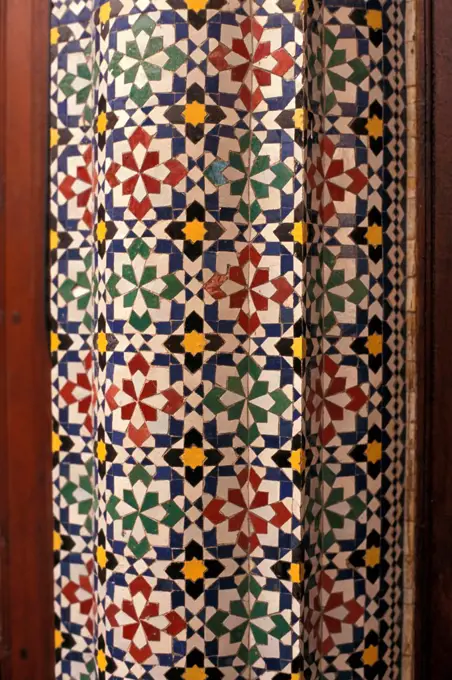
Beautifully patterned tiles with traditional motifs, showcasing the intricate artistry of ceramic design in various cultures and styles.

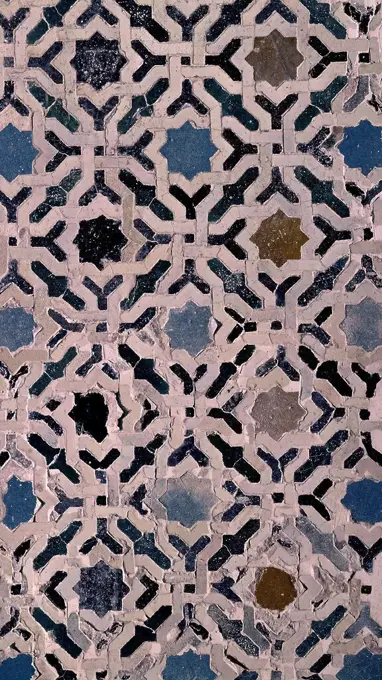
Europe, Spain, Andalusia, Malaga Province, Ronda. Ceramic tiles on the walls of Casa Don Bosco.
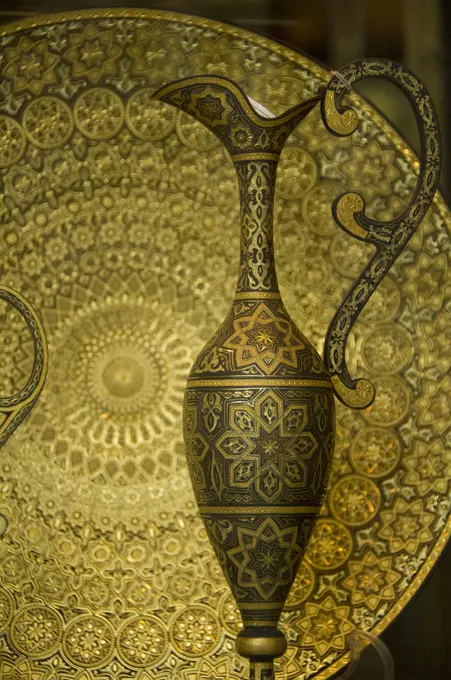
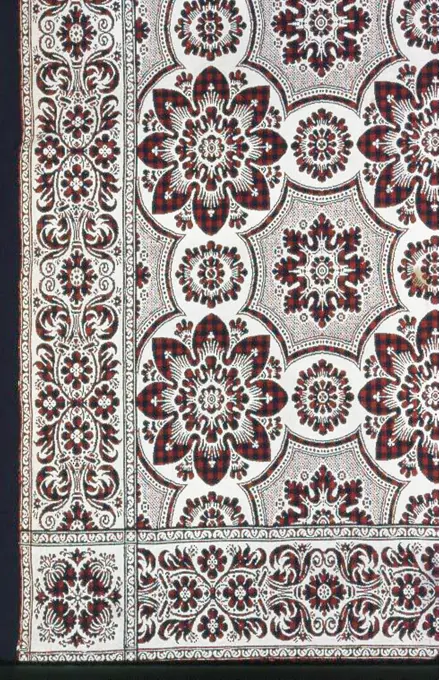
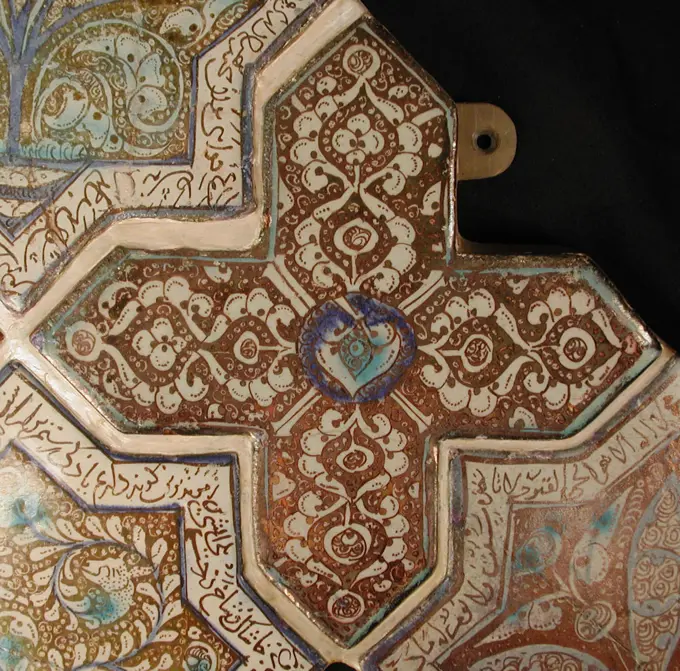
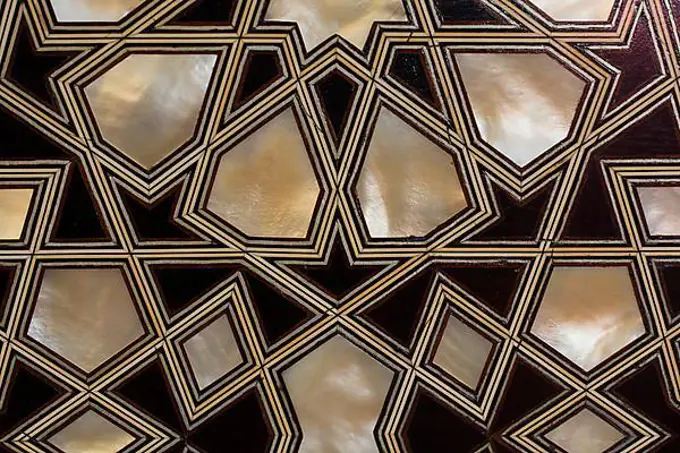
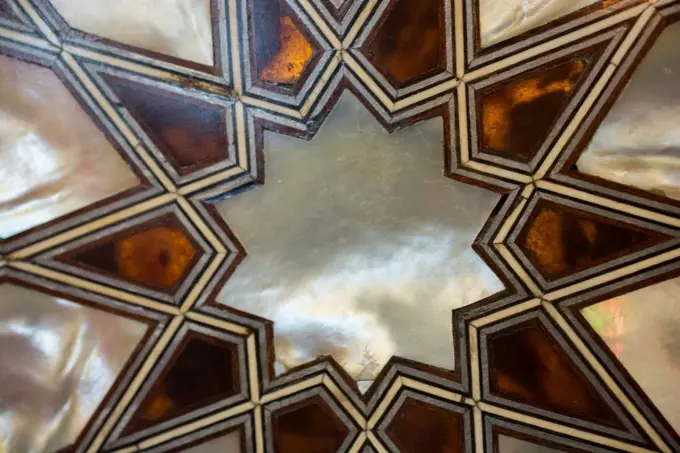
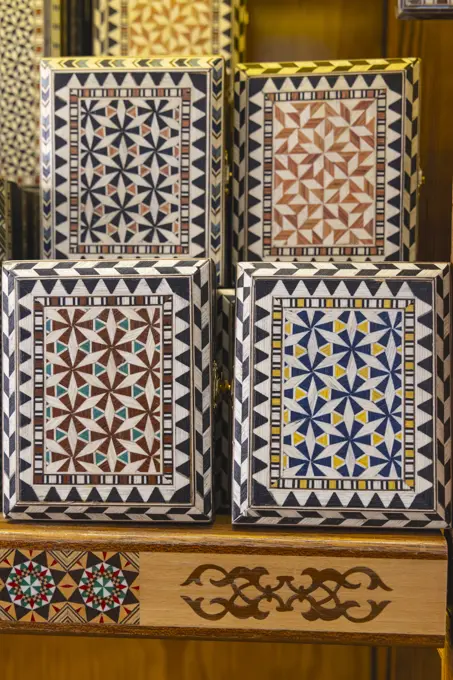
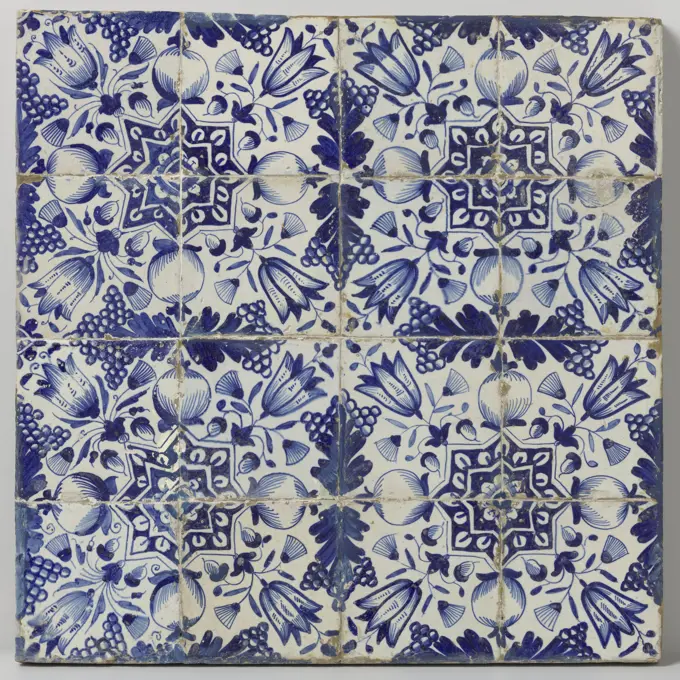
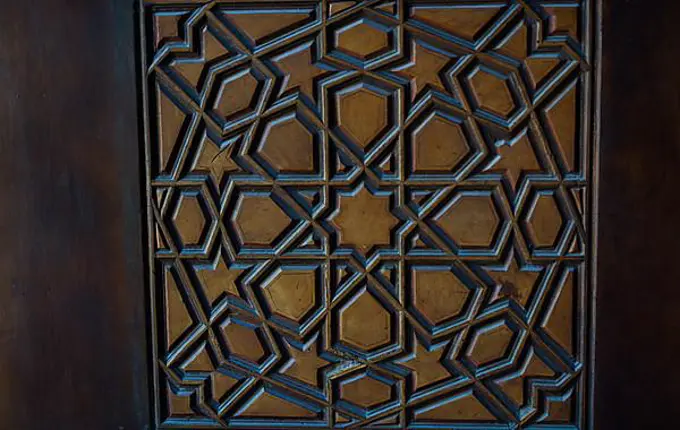
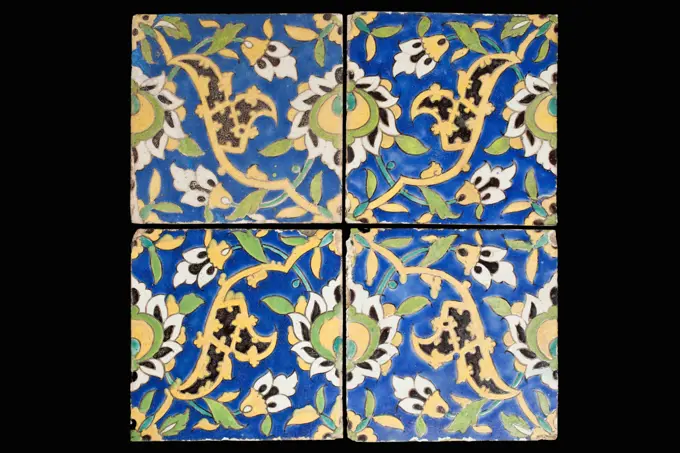
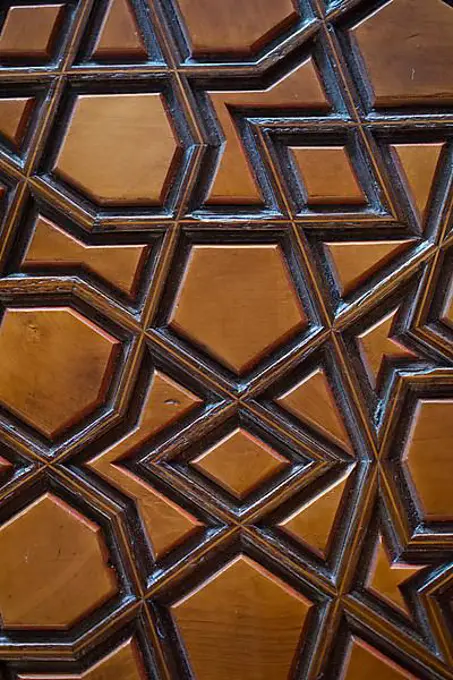
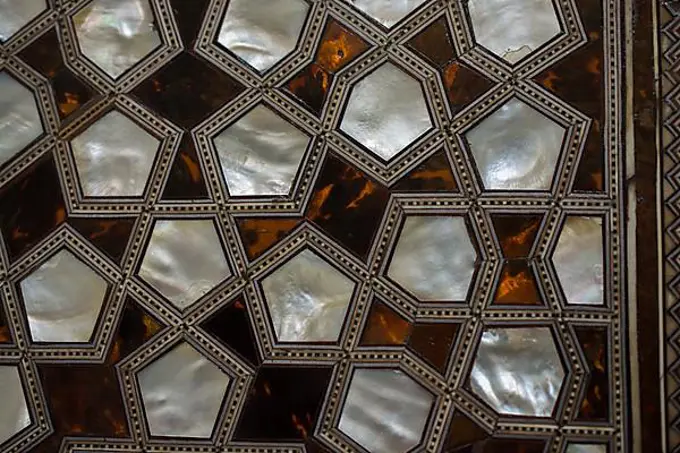
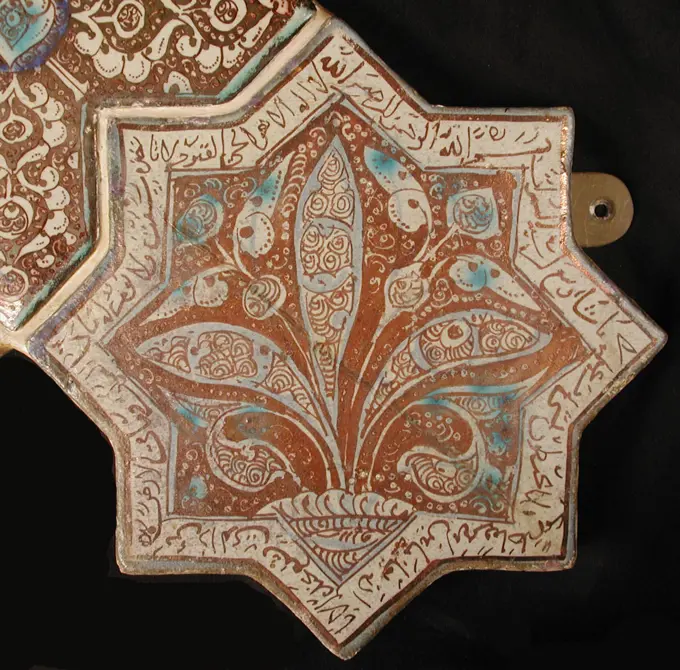
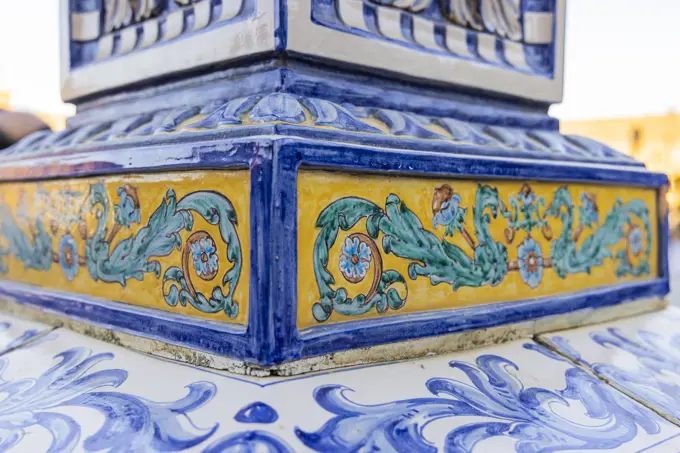
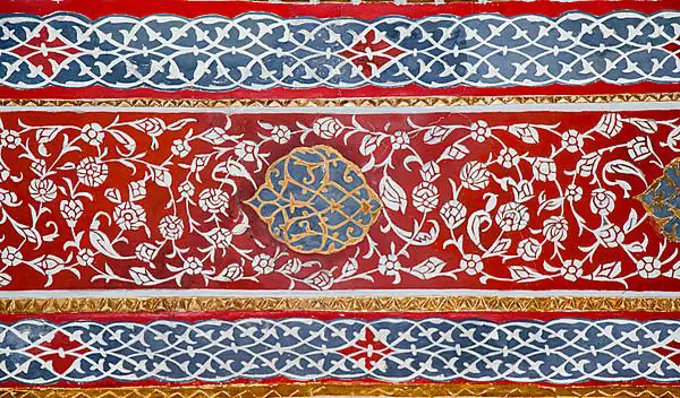
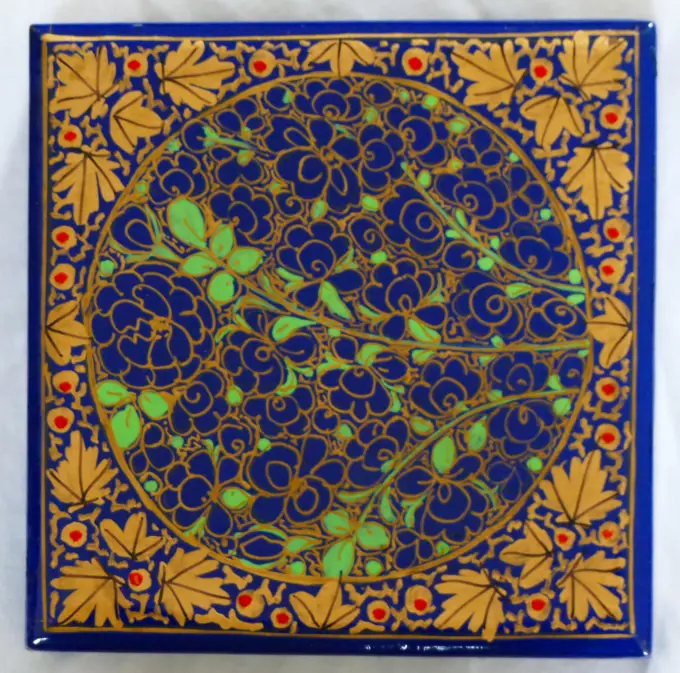
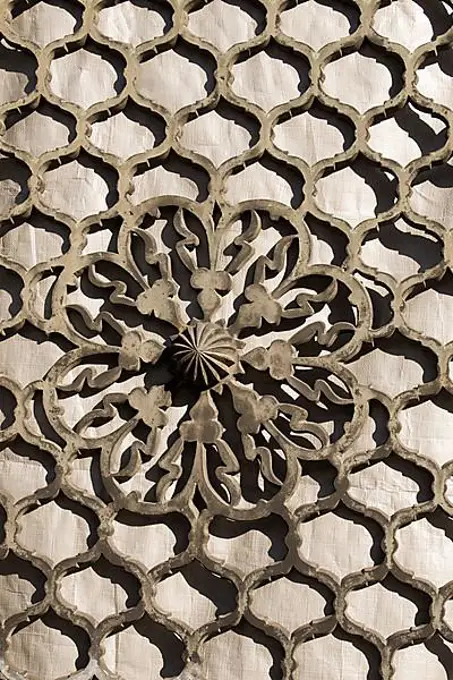
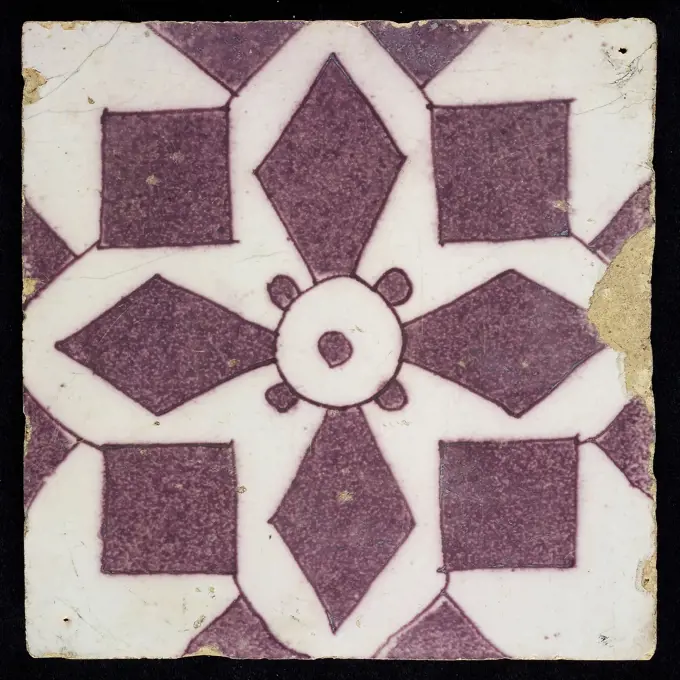
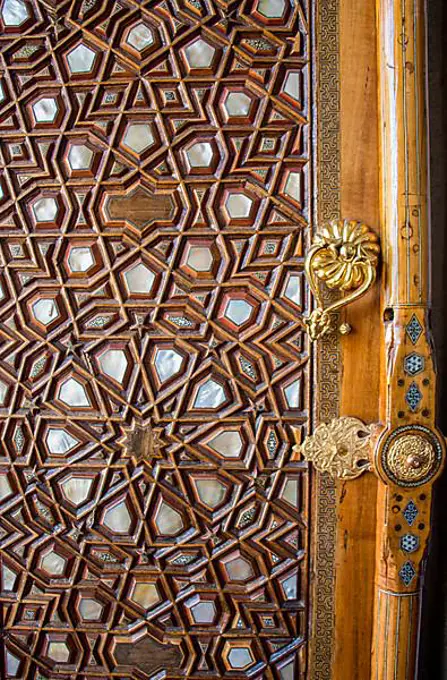
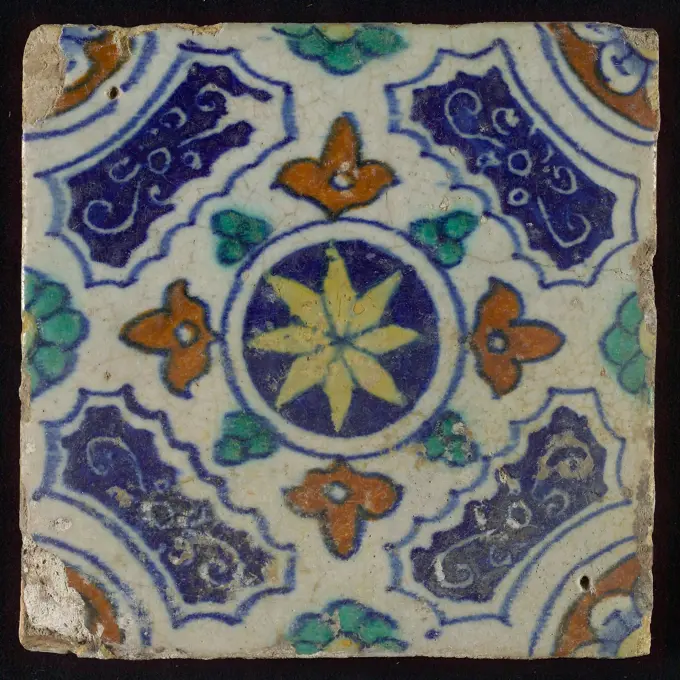
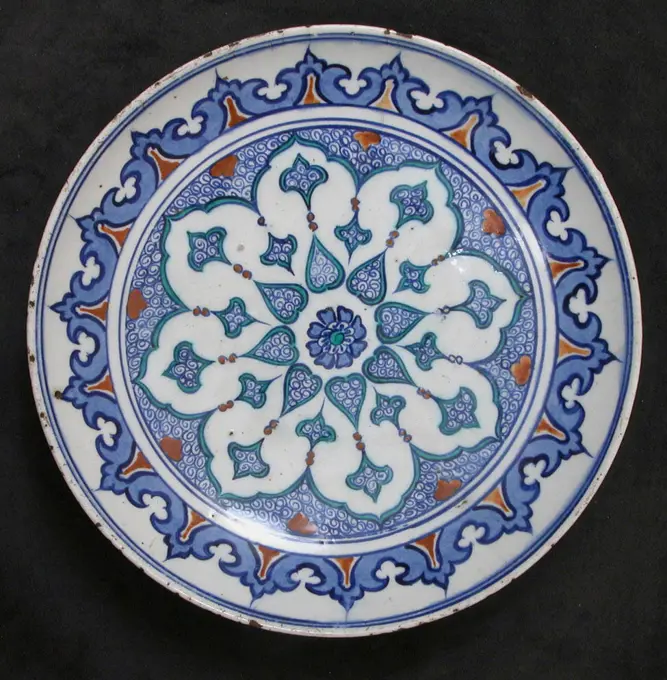
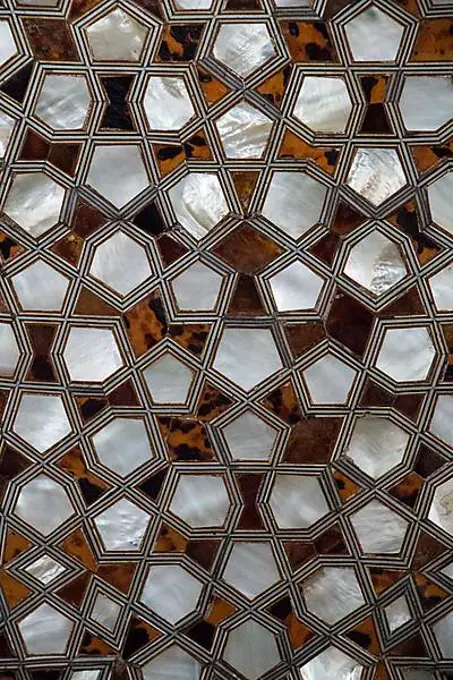
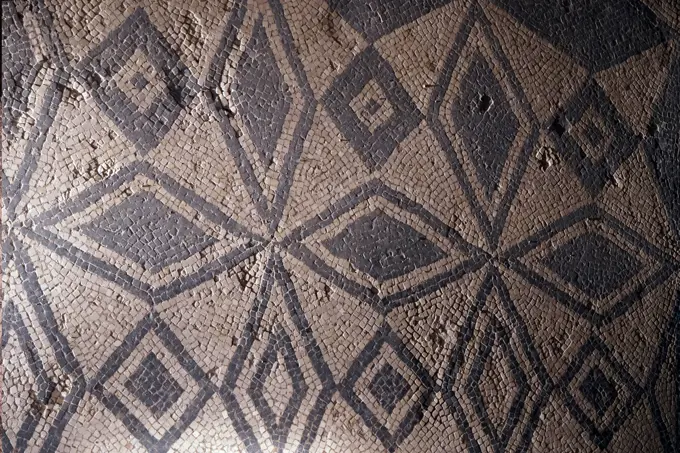
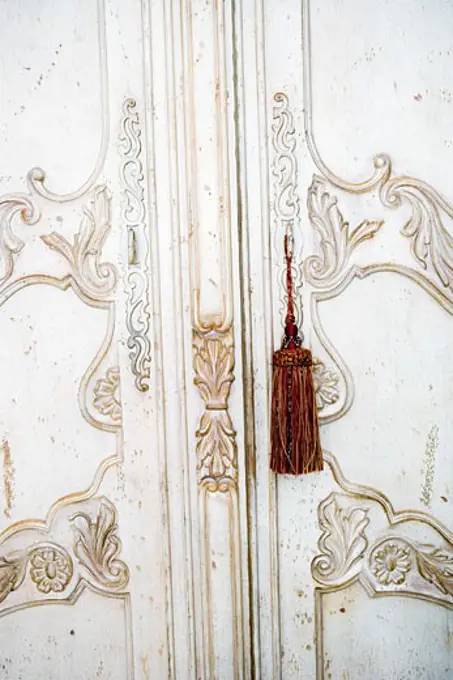
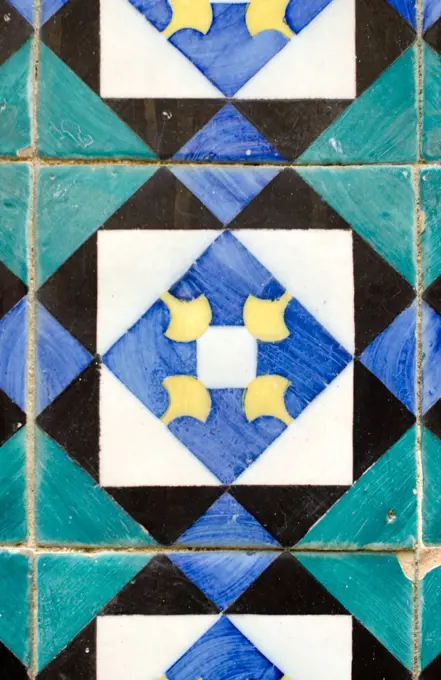
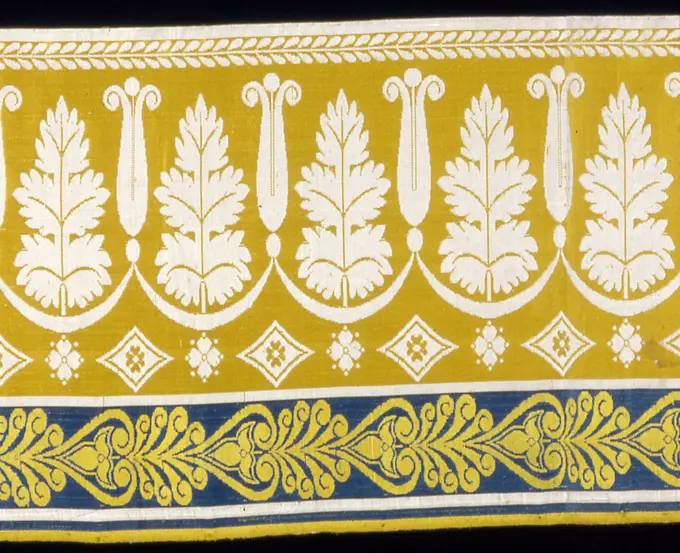
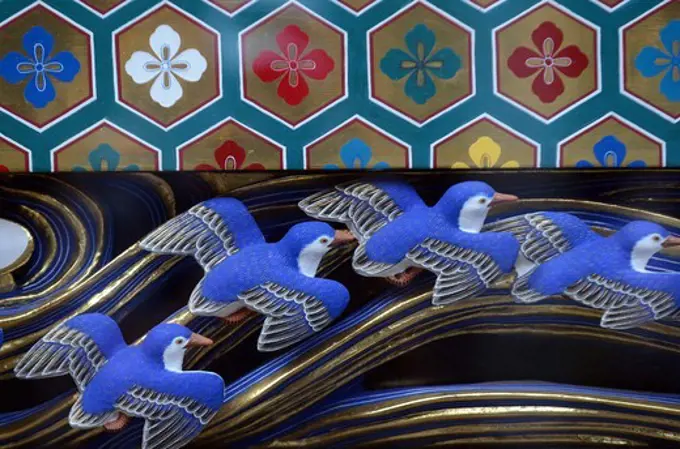
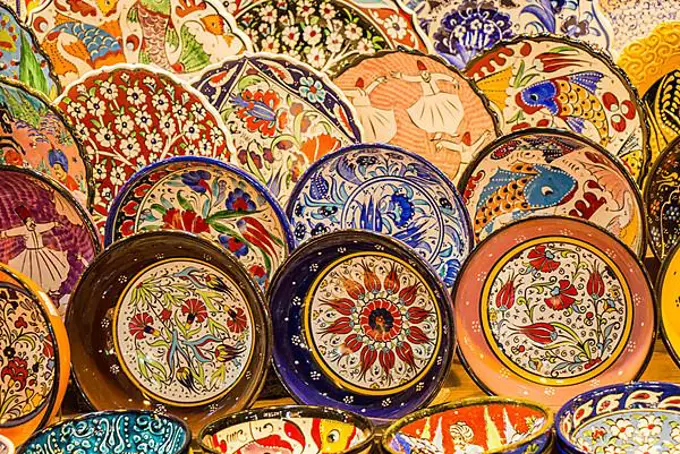
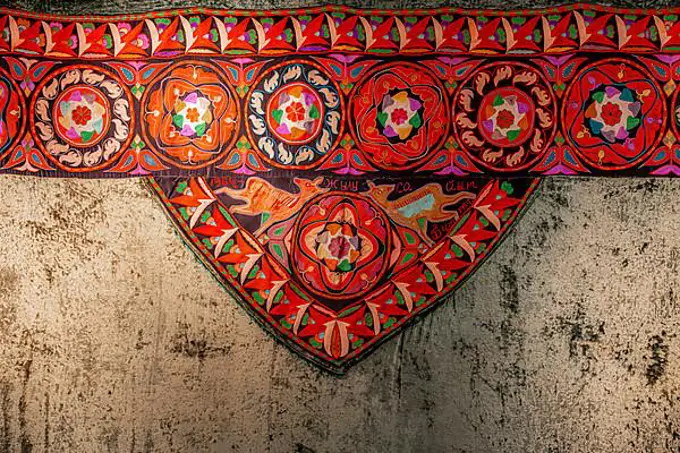
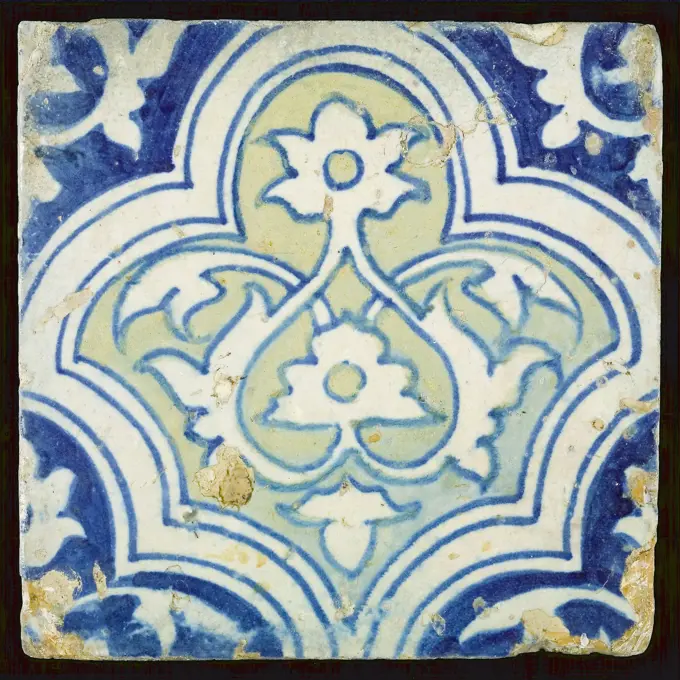
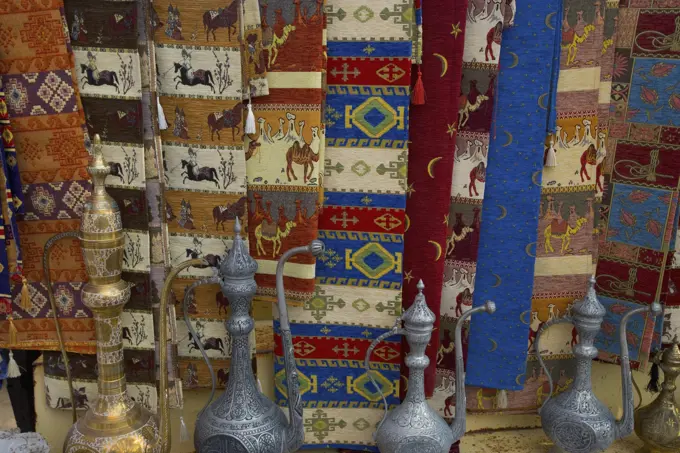
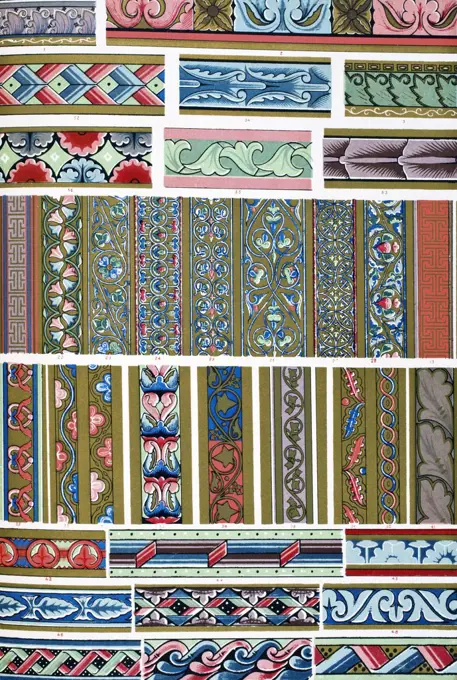
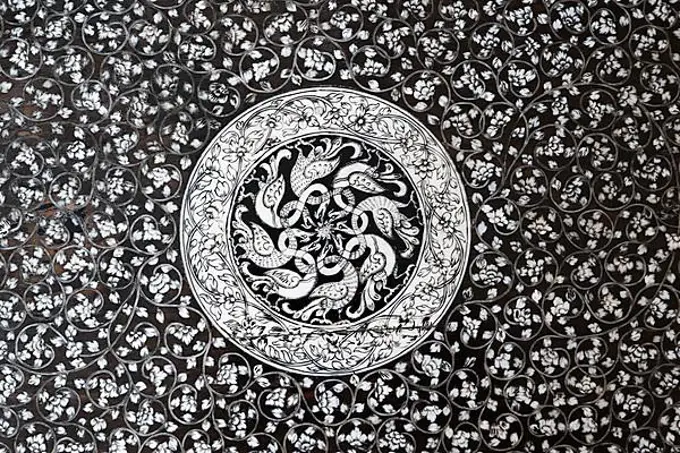
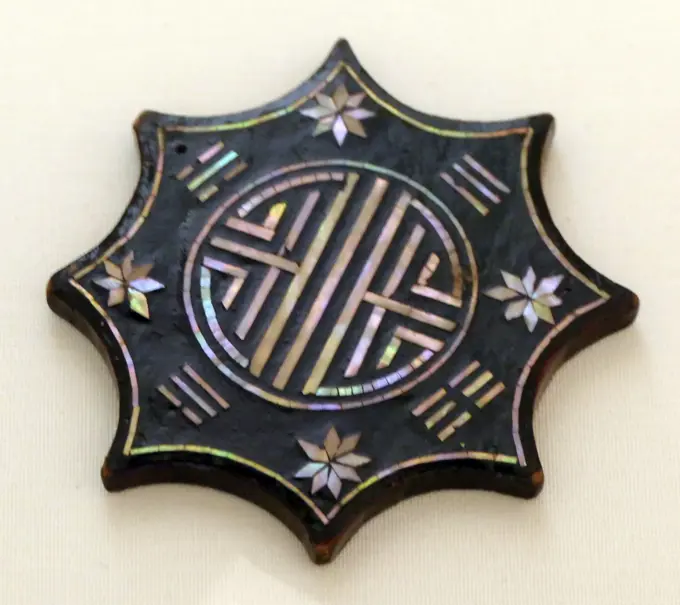
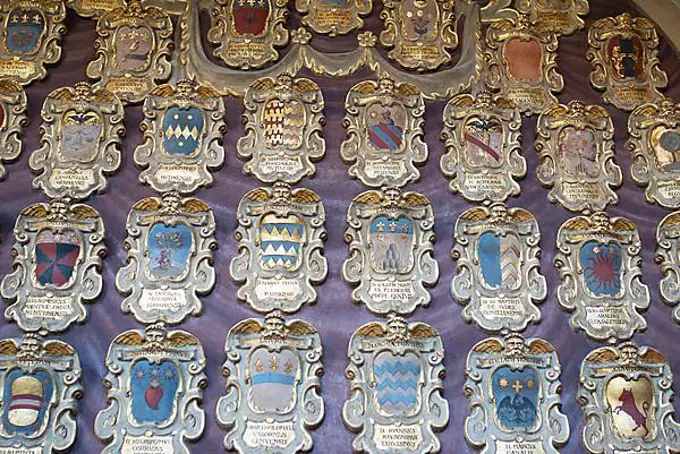
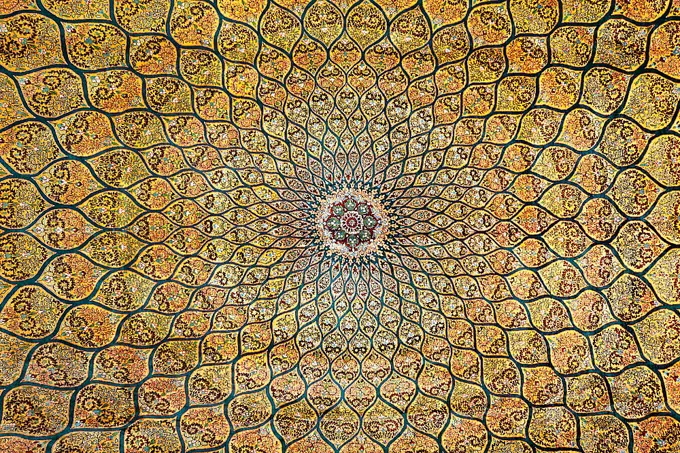
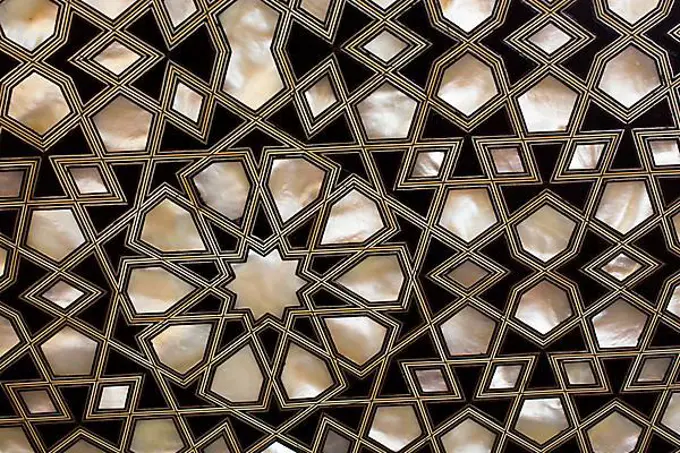
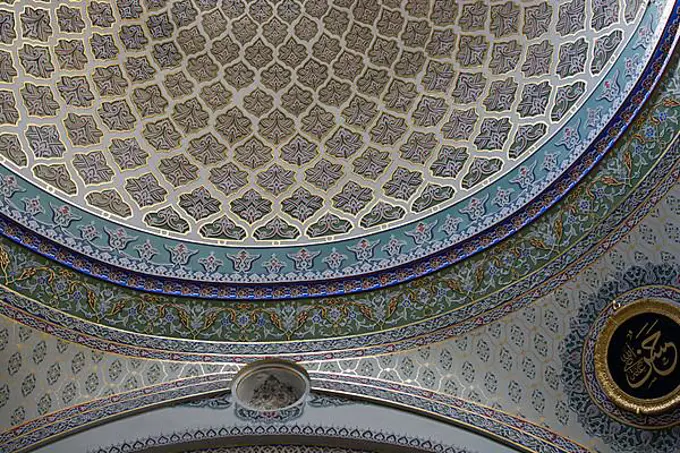
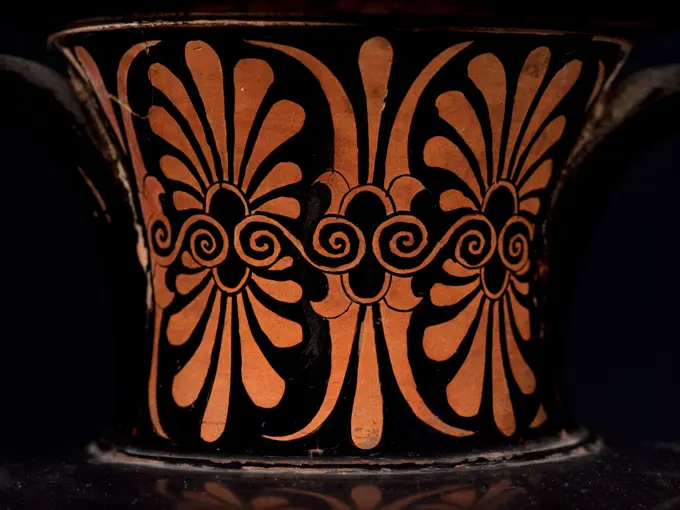
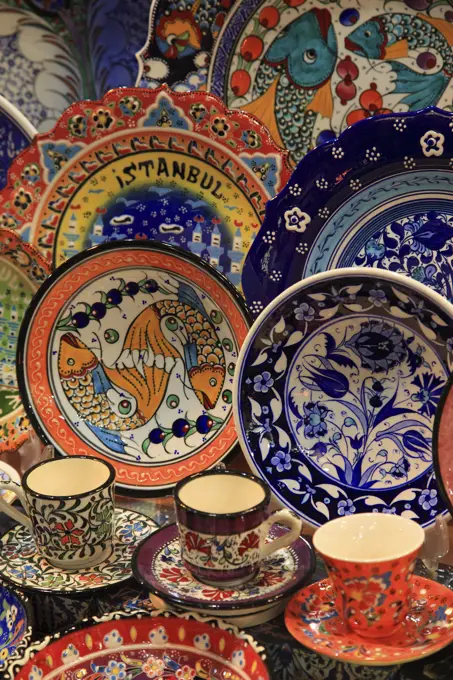
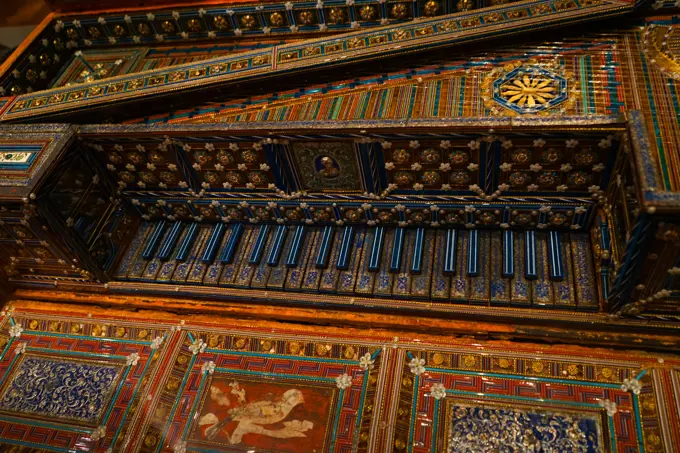
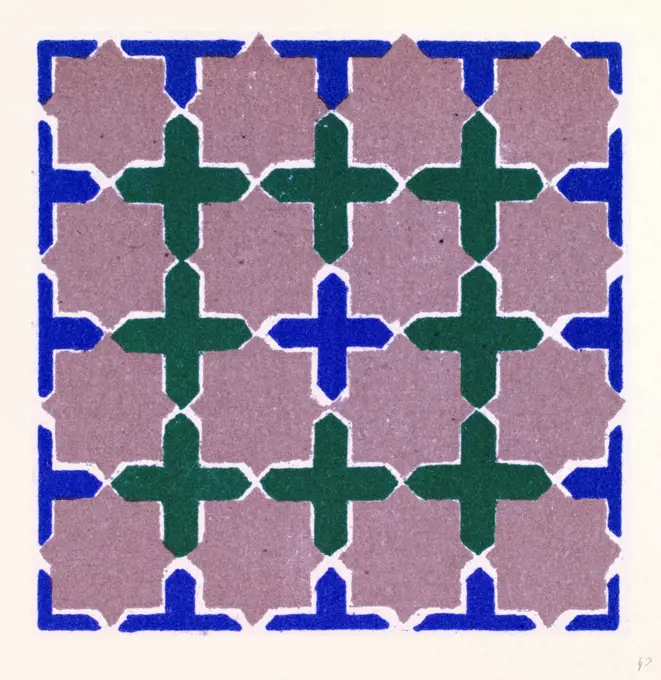
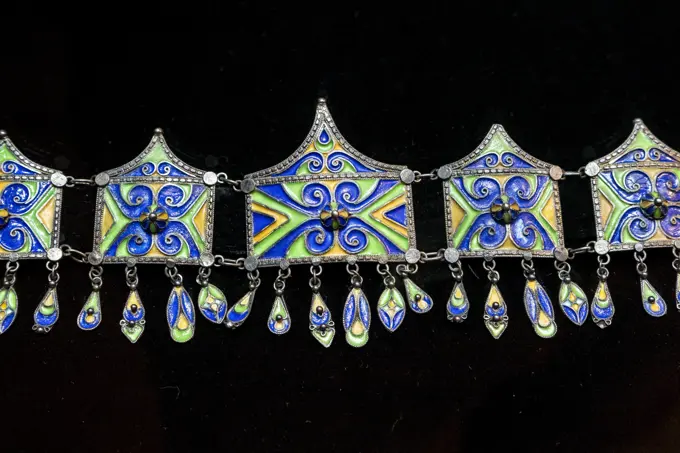
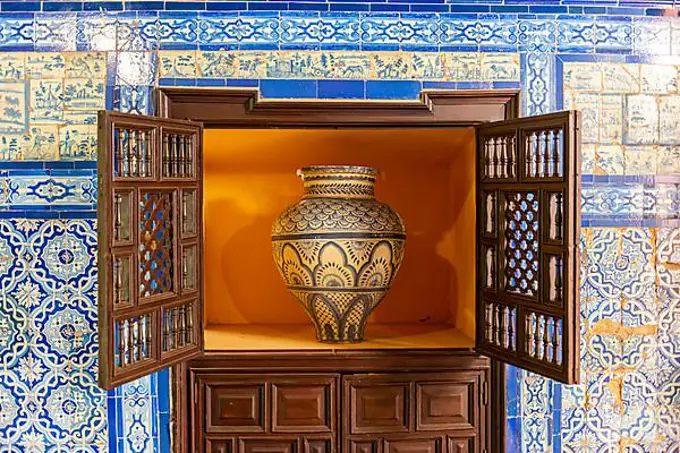
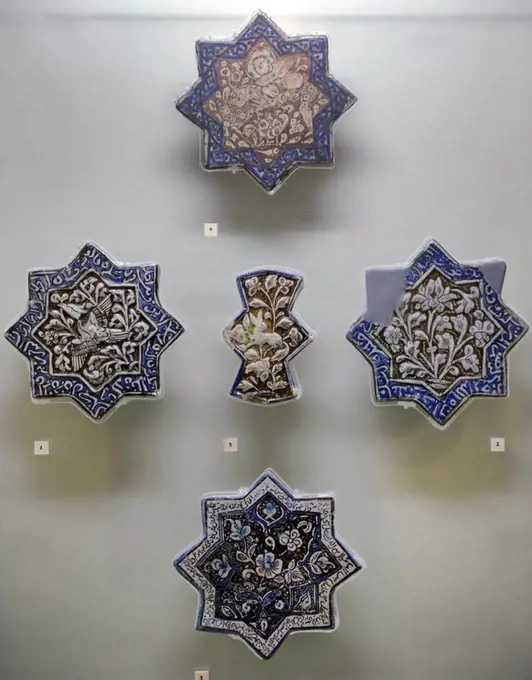
ZOCALO DE CERAMICA. Location: ALHAMBRA-MUSEO-CERAMICA. GRANADA. SPAIN.Traditional colorful ornate portuguese decorative tiles azulejosField of sixteen tiles with pomegranates and marigolds in four four passes, anonymous, c. 1580 - c. 1620 Field of sixteen tiles (4 x 4) with multicolored (blue, orange, green and yellow) painted pomegranates and marigolds within a four -pass, formed from four tiles. The four passes are surrounded by ornament in Vultechniek. Netherlands earthenware. tin glaze majolica Field of sixteen tiles (4 x 4) with multicolored (blue, orange, green and yellow) painted pomegranates and marigolds within a four -pass, formed from four tiles. The four passes are surrounded by ornament in Vultechniek. Netherlands earthenware. tin glaze majolicaField of four PompaDourtes, Anonymous, 1615 - 1635 Field of 4 Pompaadourtes (2 x 2) each with a multicolored (blue, yellow, red-orange and green) painted rosette surrounded by pomegranates within a four-pass frame. In the corners, filling technique ornament. Netherlands earthenware. tin glaze majolica Field of 4 Pompaadourtes (2 x 2) each with a multicolored (blue, yellow, red-orange and green) painted rosette surrounded by pomegranates within a four-pass frame. In the corners, filling technique ornament. Netherlands earthenware. tin glaze majolicaSpain, Castilla-La Mancha,Toledo. Damascene handicrafts, interlacing gold on iron or steel, trademark of Toledo.Europe, Spain, Andalusia, Malaga Province, Ronda. Ceramic tiles on the walls of Casa Don Bosco.Ottoman-Turkish style floral art patterns on woodA blue and white patterned plate with a flower designAncient Ottoman time Handmade Turkish Tiles with floral patternsFloral art pattern example of the Ottoman timeCoverlet Made 1840-1850 New York. Cotton and wool, woven on loom with Jacquard attachment; two loom widths joined .Colourful tiles at the Casa de los Azulejos in the historic centre, Mexico CityCross-Shaped Tile 13th century This cross-shaped tile with a symmetrical leaf pattern was once part of a panel of star- and cross-shaped tiles adorning the walls of an Ilkhanid building. Probably produced in the ceramic center of Kashan in Central Iran, it displays many characteristics typical of this site, including the use of opulent luster glaze, a balanced composition, and the spirals and dots that fill the background.. Cross-Shaped Tile 450455Ornaments at the Amber Fort, Jaipur, Rajasthan, India, AsiaOttoman art example of Mother of Pearl inlays from IstanbulTile early 14th century. Tile 447156Ottoman ancient Handmade Turkish Tiles with floral patternsOttoman art example of Mother of Pearl inlaysLes Potteries de Fes (Fes Pottery) Fes, Middle Atlas, Morocco.Albaicin, Province of Granada, Andalusia, Spain. Decorated wooden boxes in the gift shop of the Alhambra.Field of sixteen tiles with pattern of grape bunches, pomegranates, tulips and stars, anonymous, c. 1600 - c. 1625 Field of sixteen tiles (4 x 4) with a multicolored (blue, green, yellow, orange and purple) pattern formed by four tiles with pomegranates, grape bunches and tulips around a star. Netherlands earthenware. tin glaze majolica Field of sixteen tiles (4 x 4) with a multicolored (blue, green, yellow, orange and purple) pattern formed by four tiles with pomegranates, grape bunches and tulips around a star. Netherlands earthenware. tin glaze majolicaOttoman Turkish art with geometric patterns in viewFour Tiles from a Panel. Iran, Isfahan, 17th century. Ceramics. Fritware, cuerda secaOttoman Turkish art with geometric patterns on woodOttoman art example of Mother of Pearl inlaysstripped paint in the blue  wood door and rusty    nailMosaic of veliges in MoroccoStar-Shaped Tile 13th-14th century Eight-pointed star-shaped tiles often bear Arabic and Persian inscriptions that contain poetry or Quranic verses. This particular tile is inscribed with a segment of the Throne Verse, also known as the Ayat-al-Kursi (2:255). The verse, which is thought to have protective properties, is perhaps the most common to be found on objects in many media and time periods (08.169.4; 1978.348.2; 2003.241).This tile would have originally been part of a panel of star- and cross-shaped tiles on an Ilkhanid building, similar to the way it is arranged now. The decoration of such tiles in luster was a complicated technique in which opaque white, blue and turquoise glazes were applied to the ceramic body for the first firing and a copper luster was applied for a second firing. During this period in Iran, lusterware was primarily produced in the city of Kashan.. Star-Shaped Tile 450429Casco Antiguo, Seville, Andalusia, Spain. Decorative tile work in the Spanish Plaza of Seville.colourful Inlay work of Itmad-Ud-Daulah's or Itimad-ud-Dula tomb, Agra , Uttar Pradesh , IndiaFloral art pattern example of the Ottoman timeOttoman ancient Handmade Turkish Tiles with floral patternsTraditional style, lacquered and gilded wooden box lid, Indian 21st centuryPortugal, Evora, hand painted ceramic platesHadrians' Villa. Villa Adriana. Built 134 AD. Tivoli. Infirmary. Hospitalia, Guest room. Mosaic floor.Ottoman Turkish  art with geometric patterns on woodMetal ornamentation as backgroundExample of Ottoman art patterns applied on metalsAalmis, van Traa, Ornament tile with geometric pattern, wall tile tile sculpture ceramic earthenware glaze, baked 2x glazed painted Yellow shard square two nail holes. Purple sprinkled on white Aalmis AelmisOttoman Turkish art with geometric patterns on woodExample of Ottoman art patterns applied on metalsTile, blue, green, brown and yellow on white, central yellow star in circle, sgraffito surfaces, corner motif, quarter rosette, wall tile tile sculpture ceramics pottery glaze, baked 2x glazed painted Yellow - pink shard square Two or four nail holes. AIb3.Dish last quarter 16th century Although the lotus-panel design on the outer rim of this dish is Chinese in origin, the radiating elements in the center were common in Persian, Mamluk Syrian and Egyptian, and pre-Ottoman Turkish ceramics. A kaleidoscopic effect is produced by the tiny, crowded spirals in much of the background. The spare use of red bole highlights (surprising for an Iznik piece of this date) enhances the delicate quality of the design.. Dish 451837Ottoman art example of Mother of Pearl inlaysField of four pump back tiles with flower pots. Field of four pump back tiles (2 x 2) each with a multicolored (blue, orange, green and yellow) flowerpot within a four-pass frame. In the corners, ornament in filling technology.Ottoman Turkish art with geometric patterns on surfacesOttoman art in geometric patterns on woodOttoman art example of Mother of PearlMosaic floor from a Roman Peristyle house, within the Roman city, Barcelona, Spain. 2nd Century ADOrnate design brass knocker wooden doorway, Hotel auberge Dar Najmat, Mirleft, southern Morocco, north AfricaArabesques : grillages en bois tourné, avec inscriptions koufiques. Prisse d'Avennes, 1807-1879. Prisse d'Avennes, 1807-1879. Prints, Drawings. 1877. The Miriam and Ira D. Wallach Division of Art, Prints and Photographs: Art & Architecture Collection. Architecture, Islamic, Architecture , Egypt , Cairo, Art , Egypt , Cairo, Art, Islamic, Islamic decoration and ornament, Decorative arts, Islamic, Grilles, Paleography, Arabic (Cufic), WoodworkVisigothic buckle of copper. Decorated with floral motifs and a radiated wheel in the center. Probably from Burgos (Castile and Leon). Episcopal Museum of Vic. Catalonia. Spain.Detail of Tassels on Ornate ArmoireMorocco Fès Andalusian Mosque Unpublished image 2. Swaan, Wim. 1967 or earlier Photographic production materials for Morocco: Marrakesh, Fez, Rabat Photographs of architecture were selected and digitized from these materials. Portraits, ethnographic images, and images of museum objects were excluded. Digital images are arranged geographically, first by country, then by city, then by site complex or monument, with all names in alphabetical order. Location names are derived from the Getty Thesaurus of Geographic Names (TGN)®, Library of Congress subject headings, and scholarly publications. Published images are followed by unpublished images. Versos of prints and slide mounts were not digitized. The information in any handwritten identifications found on these surfaces was incorporated into the metadata for individual images. All digital images are cropped to the edge of the frame and are not color-corrected. Photographic production materials for Morocco: Marrakesh, Fez, Rabat is a smallEurope, Spain, Andalusia, Malaga Province, Ronda. Ceramic tiles at La Casa del Rey Moro.Colorful vintage spanish style ceramic tiles wall decoration.in old iran mousque the column  incision of a flower like abstract backgroundBorder Made 1805-1810 France. Silk, warp-float faced 7 1 satin weave with plain interlacings of secondary binding warps, patterning wefts and self-patterning ground wefts .Animal sculptures at a shrine, Nikko Tosho-gu, Nikko, Tochigi Prefecture, Kanto Region, Honshu, JapanCloseup detail of old Portuguese glazed tiles.Close-up of carving on the wallClose-up of a tableclothInlaid gun, Blair Castle, Blair Atholl, Perth and Kinross, Scotland, Great BritainOrnament tile, stenciled decor of circles and dots, wall tile tile sculpture ceramic earthenware glaze, baked 2x glazed painted Square red-yellow shard two nail holes.Traditional Turkish ceramic plates in bazaarField of thirty -six tiles with rosettes, grape bunches and pomegranates, anonymous, c. 1600 - c. 1625 Field of thirty -six tiles (6 x 6) each with a multicolored (blue, green, yellow and orange) painted performance. In the middle a rosette surrounded by grape bunches and pomegranates. In the corners, a quarter rosette. Netherlands earthenware majolica Field of thirty -six tiles (6 x 6) each with a multicolored (blue, green, yellow and orange) painted performance. In the middle a rosette surrounded by grape bunches and pomegranates. In the corners, a quarter rosette. Netherlands earthenware majolicaExample of applied Ottoman art patternsTraditional carpet with pattern, exhibition in the State History Museum, interior view, Bishkek, Kyrgyzstan, AsiaPolychrome ornament tile with braid band decor, blue and yellow, wall tile tile sculpture ceramic earthenware glaze, baked 2x glazed painted bright yellow and red shard square.Tushish Market with Turkish rugs Cappadoccia, TurkeyMiddle Ages No 2 Plate LXVII From The Grammar of Ornament by Owen Jones published by Day & Son London 1865Decorative tiles in BaliMarquetry, Table, Blair Castle, Blair Atholl, Perth and Kinross, Scotland, Great BritainSpools from the Joseon Period, Korea. Made from lacquered wood with a mother-of-pearl inlay. Dated 19th Centurystripped paint in the blue  wood door      and rusty      nailblur in iran antique carpet textile  handmade beautiful arabic ornamentPiece 18th-19th century Japan. Piece 67255Example of Ottoman art patterns applied on metalsCoat of arms in the Biblioteca Comunale dell'Archiginnasio, Bologna, Emilia Romagna, Italy, EuropePoll photo collection. Excavations in Pompei. Archeology, excavations, ruins, mosaics, Pompeii, Italy. undated. Italy, PompeiShaped Tile with Floral Decoration 15th century Vietnam This thick, hollow tile in the shape of a quatrefoil is decorated in underglaze blue with a design of five flowers attached to scrolling leaved stems. The style of decoration is inspired by Ming Chinese blue-and-white porcelains.. Shaped Tile with Floral Decoration 39599Hanging Made 1575-1600 France. Linen, plain weave; cutwork embroidered with linen in buttonhole, twisted buttonhole, and darning stitches; twist bars; embroidered in interlooped chain stiches .fragment of carpet with floral ornamentOttoman art example of Mother of Pearl inlays from IstanbulStone Outdoor Dining SetFolio Case. India, Andhra Pradesh, Vishakhapatnam (Vizagapatam), circa 1850-1875. Furnishings; Accessories. Sandalwood with ivory fretwork highlighted with lac; inlaid bison hornFloral art pattern example of the Ottoman timeWay of the shovalov painter. Amphora. Red figures. 440-430 BC. AD Museum of Fine Arts of the City of Paris, Petit Palais. 58659-4 Amphora, antiquity, Greek antiquity, Greek art, ceramic, detail, red figure, decorative motif, ancient vase, veme ve v 5th 5th 5th century AV.JCin oman antique door entrance and      decorative handle for backgroundmetal brown    morocco in    africa the old wood  facade home and rusty safe padlock FanTurkey, Istanbul, Display of pottery in Egyptian MarketFloral art pattern example of the Ottoman timeA glass virginal, an early spinet with the strings parallel to the keyboard, typically rectangular, from Austria. Dated 17th CenturyMoresque ornamentBerber diadem from Great Kabylia Berber diadem from Great Kabylia, Algeria, Corral del Carbón , al-fundaq al-yadida, 14th century, Granada, Andalusia, Spain Copyright: xZoonar.com/BartomeuxBalaguerxRotgerx 21956723Colorful vintage ceramic tiles wall decoration.Vase and Azulejo Tiles, Palacio de la Condesa de Lebrija, Seville, Andalusia, Spain, EuropeGlazed octagonal tiles. 13th-14th centuries. Tiled Kiosk Museum. Archaeological Museum. Istanbul. Turkey.Ornaments, curved dagger, Old Sana´a Palace Hotel, historic centre of San a , Unesco World Heritage Site, Yemen, Middle East, Asia