Decorative Vases

Elegant porcelain vases with intricate designs, showcasing floral motifs, colorful patterns, and historical craftsmanship.

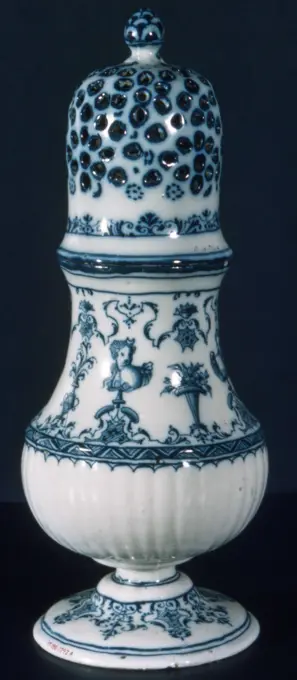
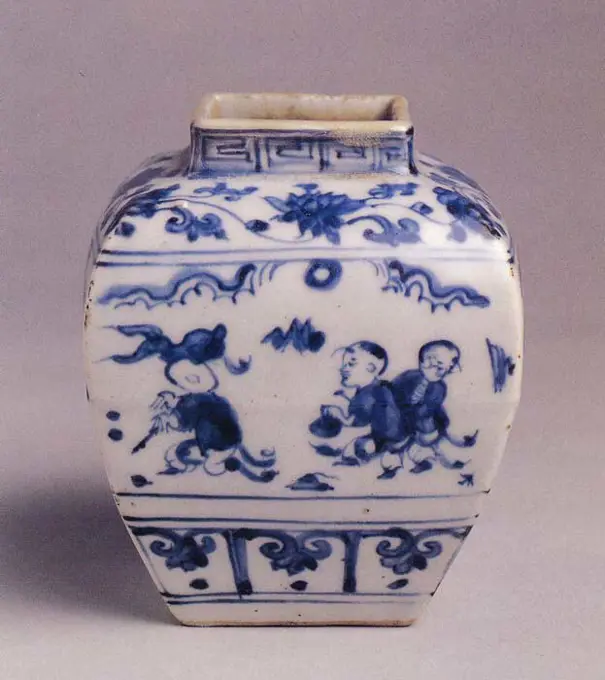
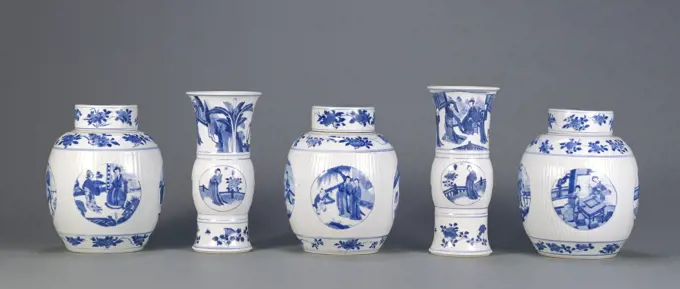
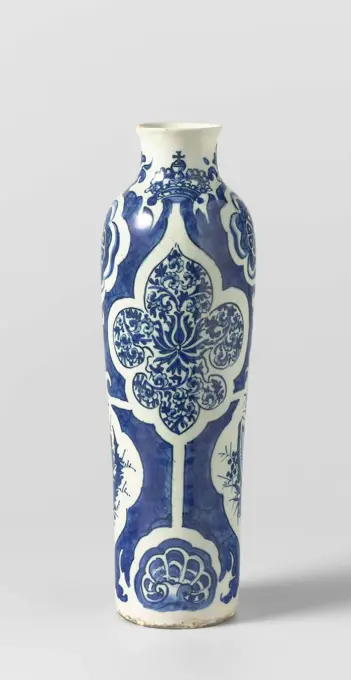
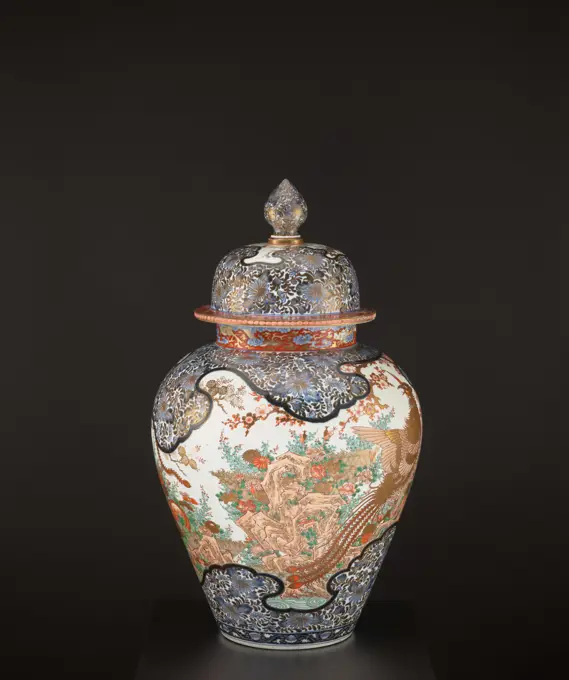
Covered baluster jar with large flower sprays, anonymous, c. 1720 - c. 1740 Cover button of Balus -shaped porcelain lid jar in the shape of a lion, painted in underly glaze blue and on the glaze red and gold. Painted with two large, flowering lotus plants; Around the edge of servetwork with flower branches in cartouches. Imari. Japan porcelain. glaze. cobalt (mineral). gold (metal) painting / gilding / vitrification Cover button of Balus -shaped porcelain lid jar in the shape of a lion, painted in underly glaze blue and on the glaze red and gold. Painted with two large, flowering lotus plants; Around the edge of servetwork with flower branches in cartouches. Imari. Japan porcelain. glaze. cobalt (mineral). gold (metal) painting / gilding / vitrification
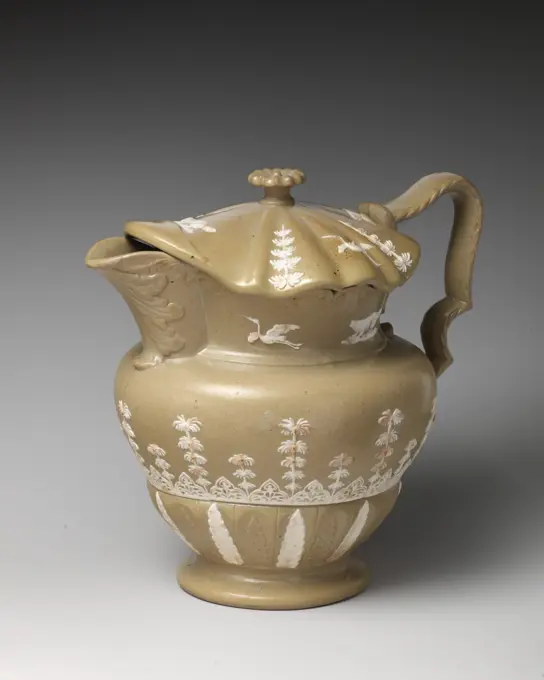
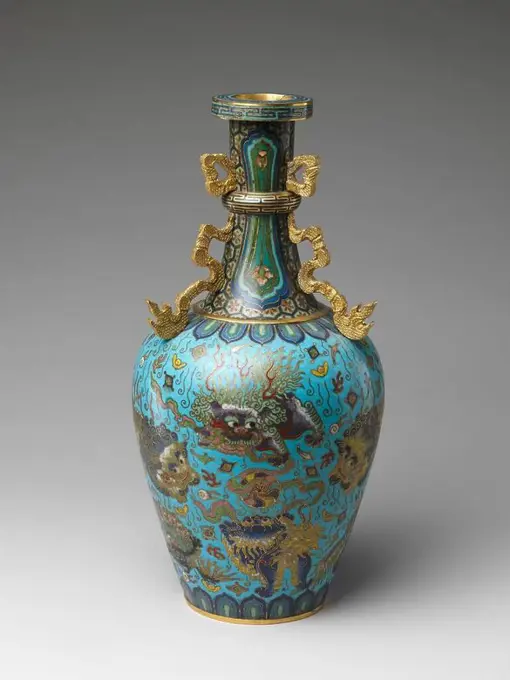
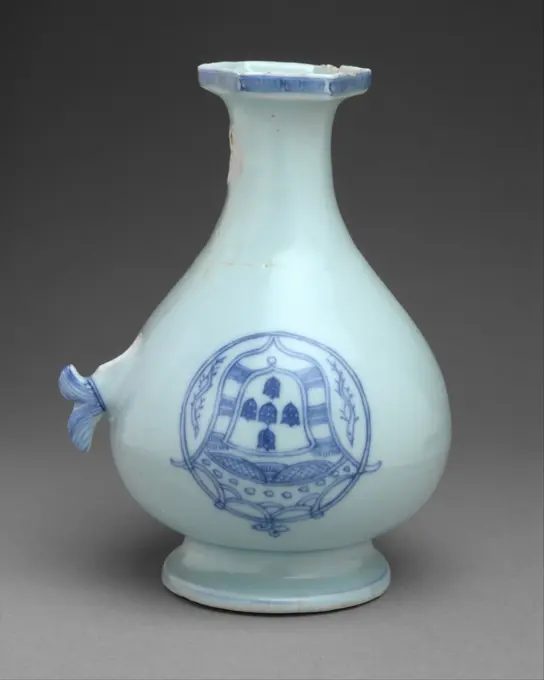
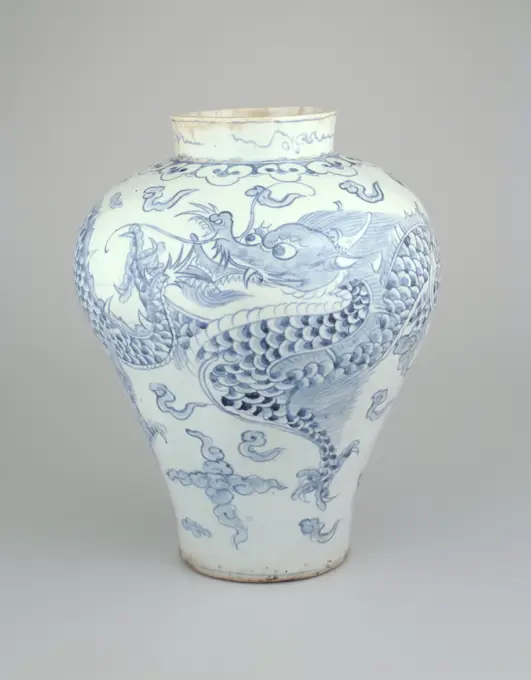
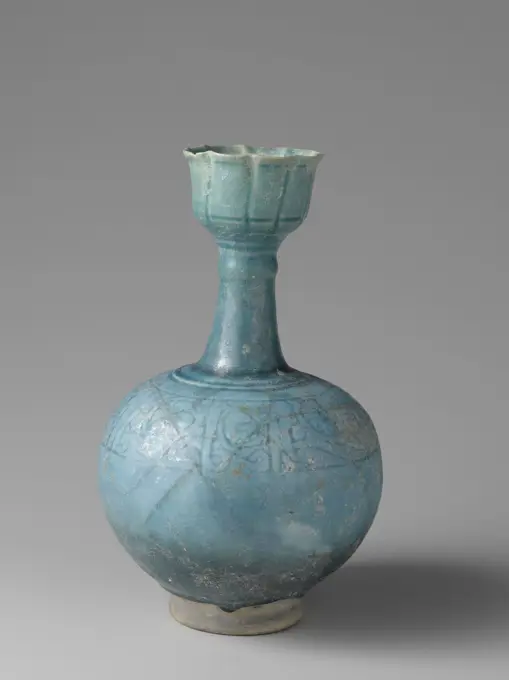
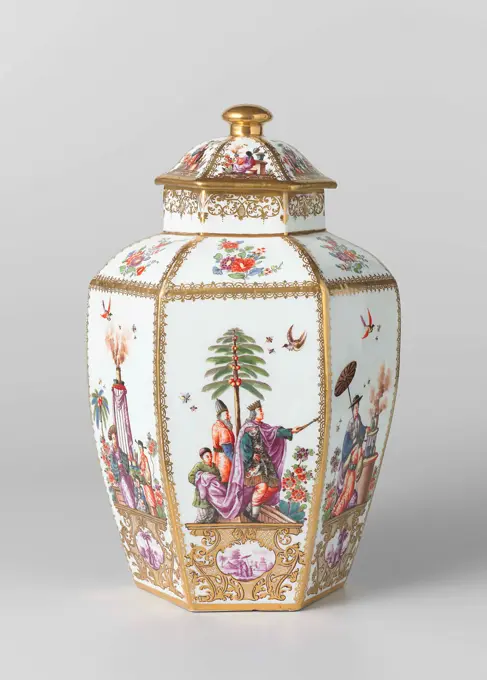
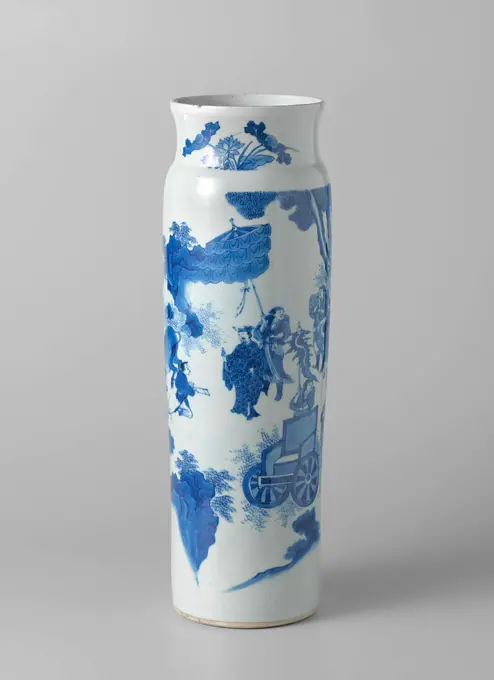
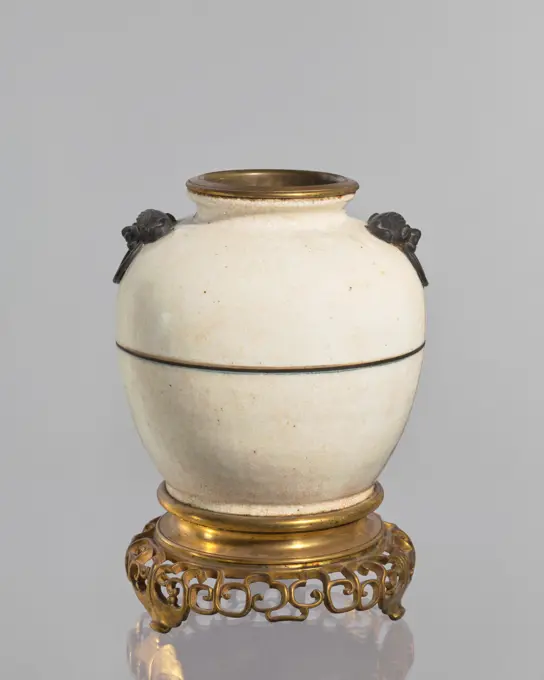
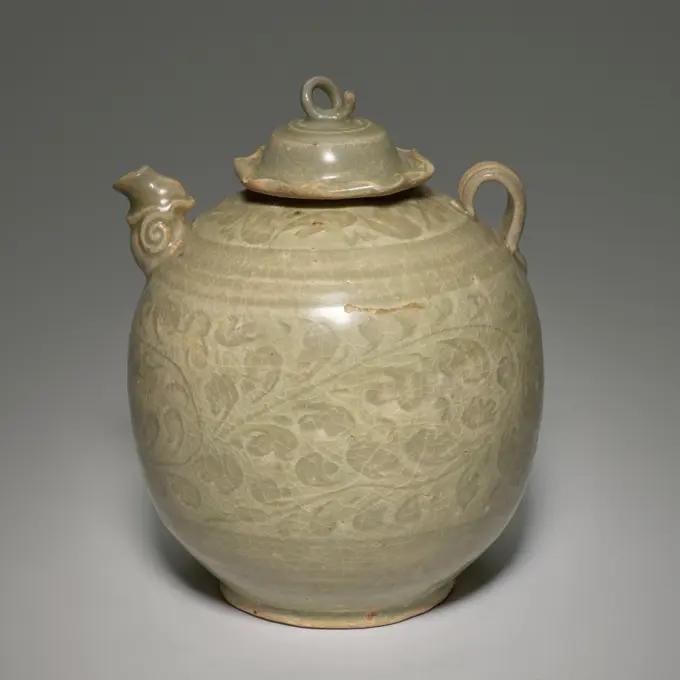
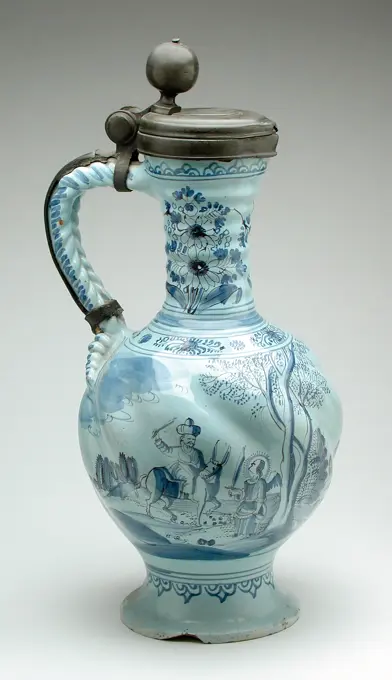
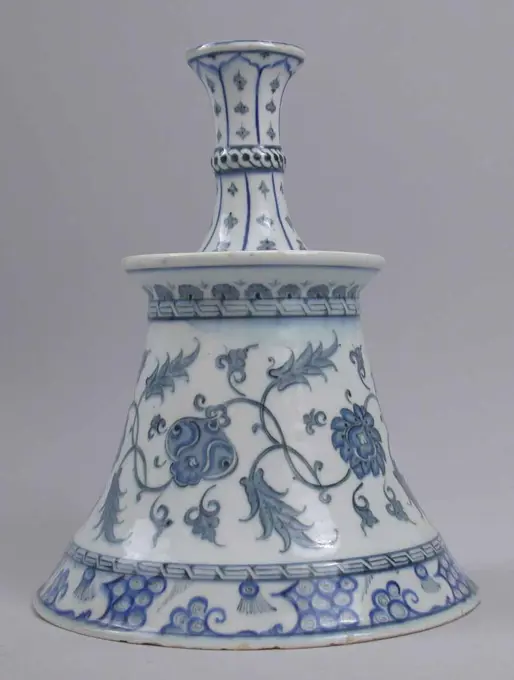
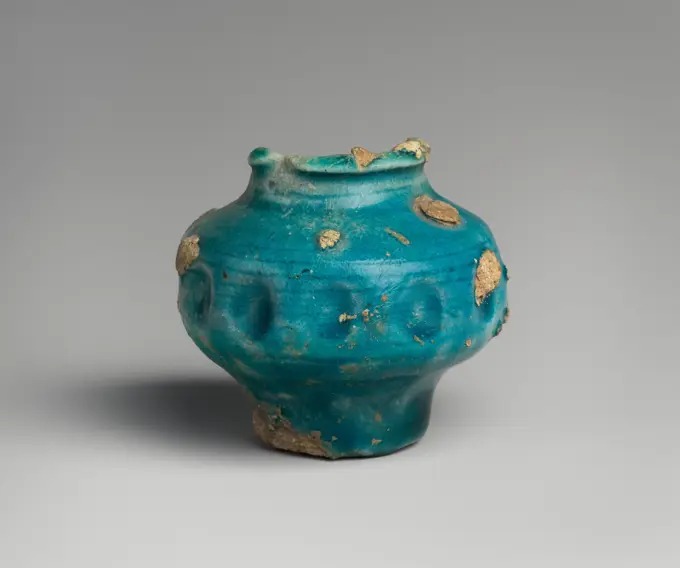
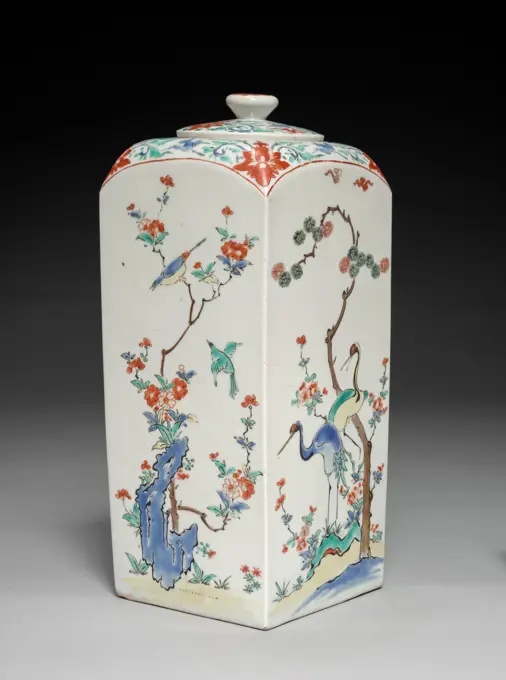
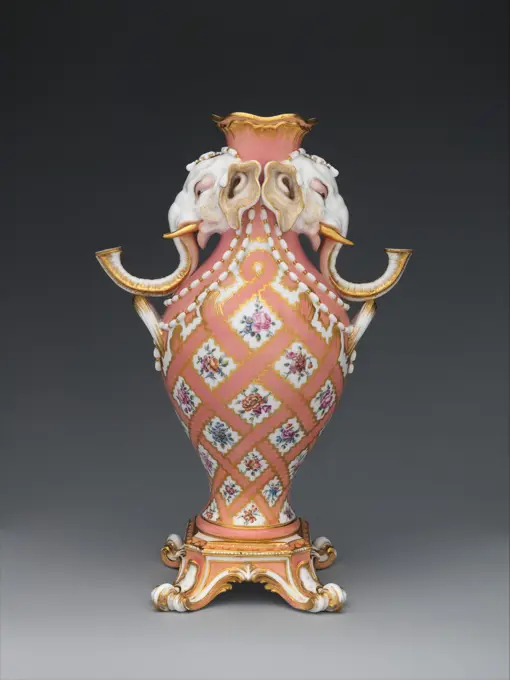
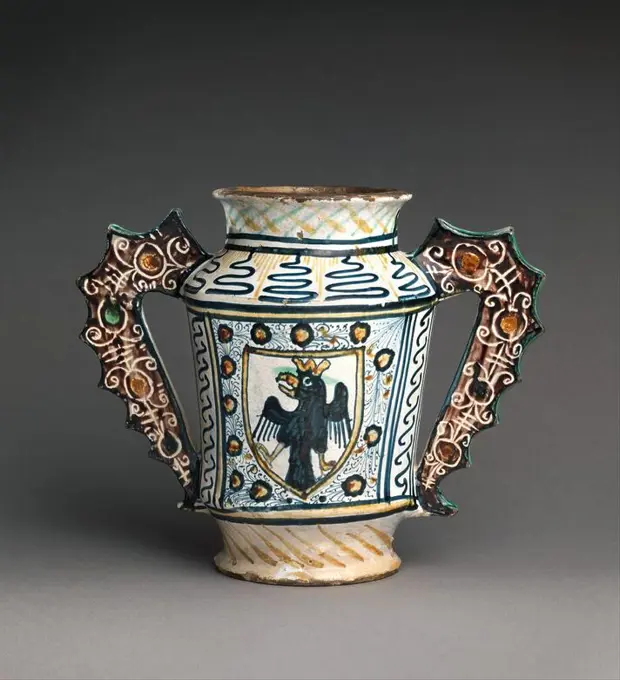
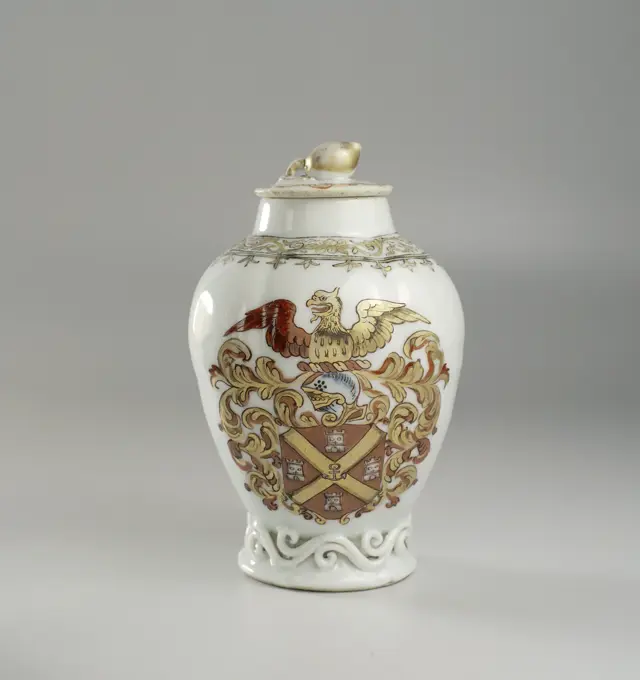
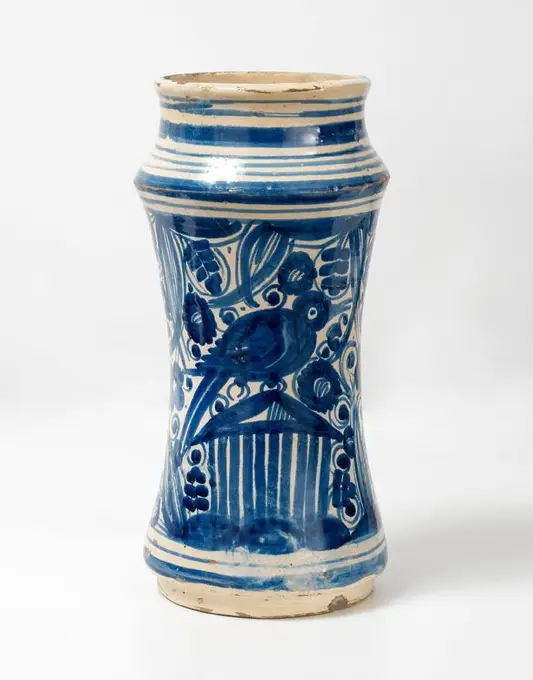
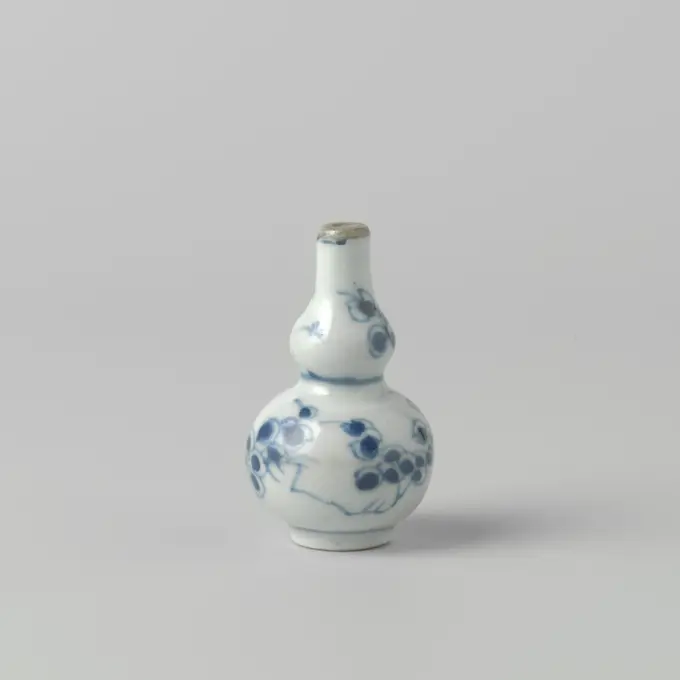
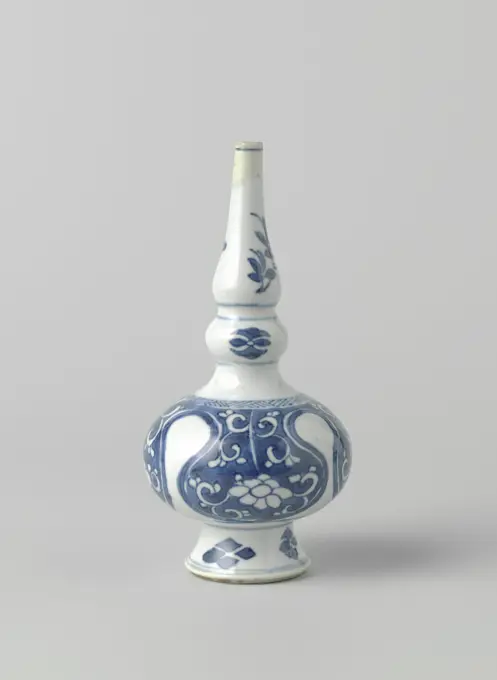
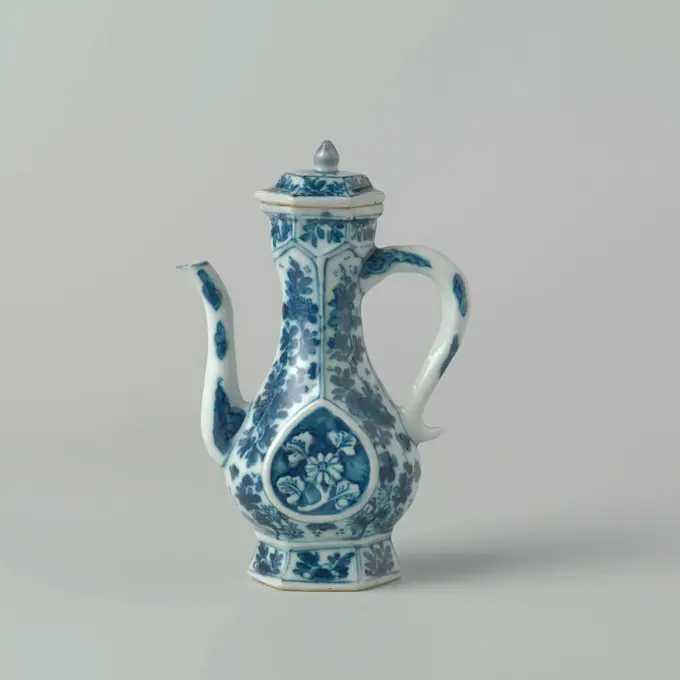
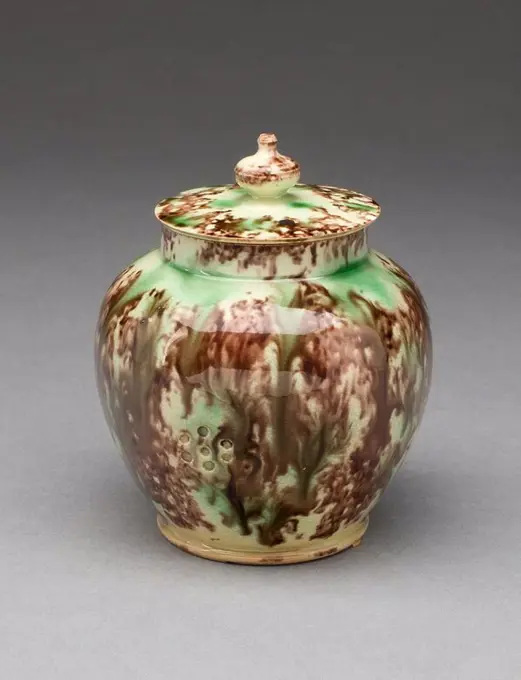
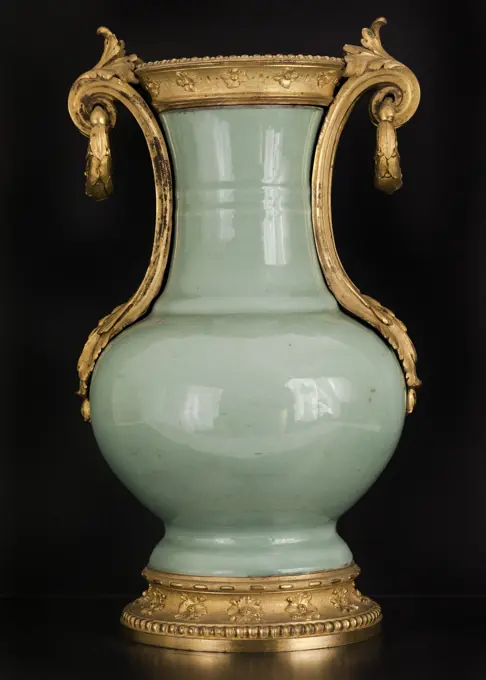
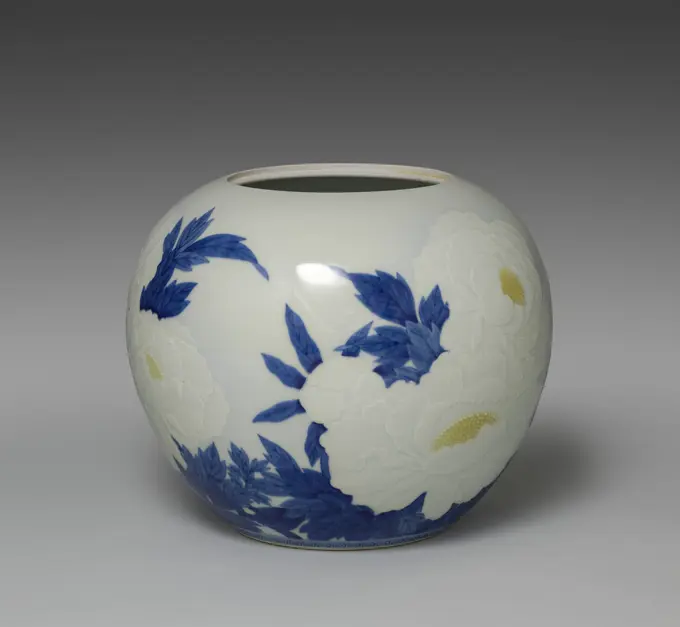
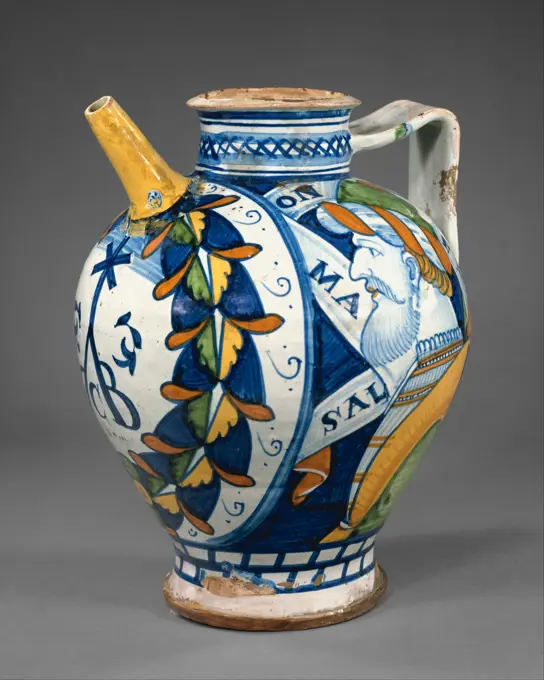
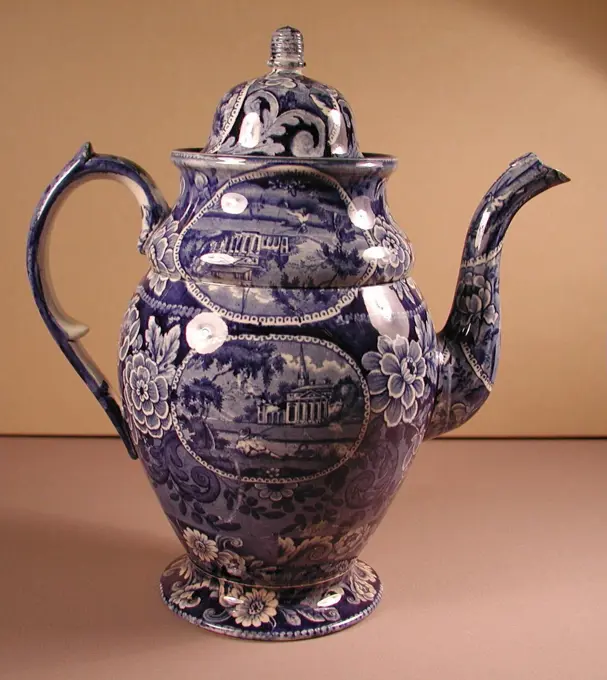
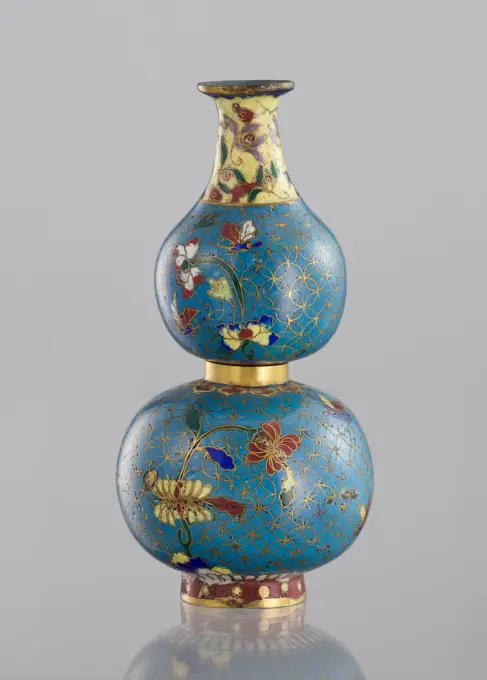
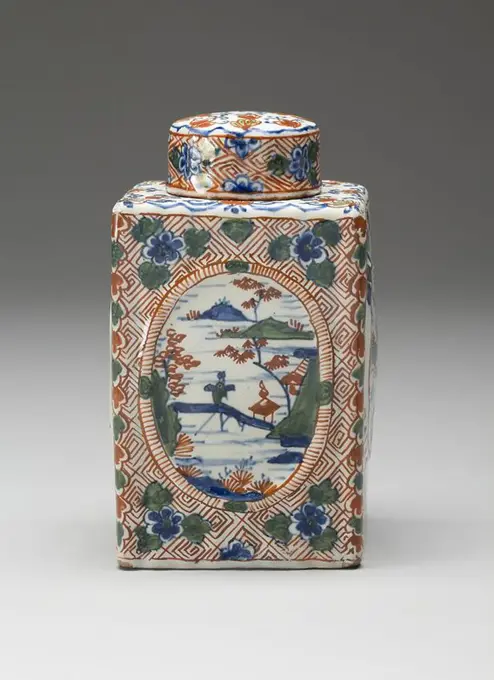
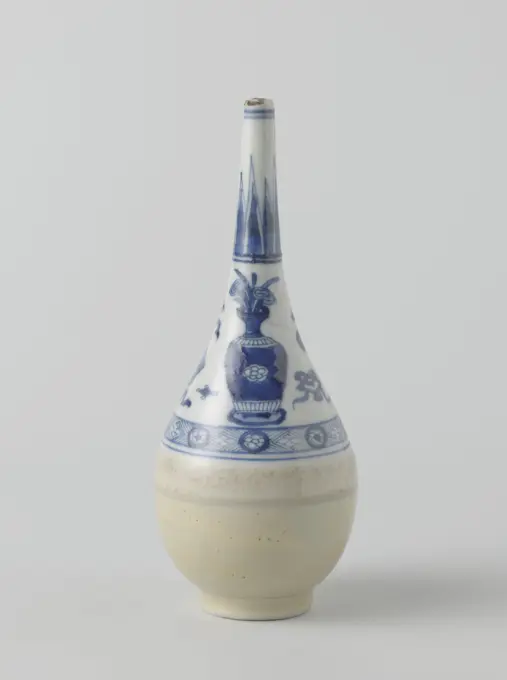
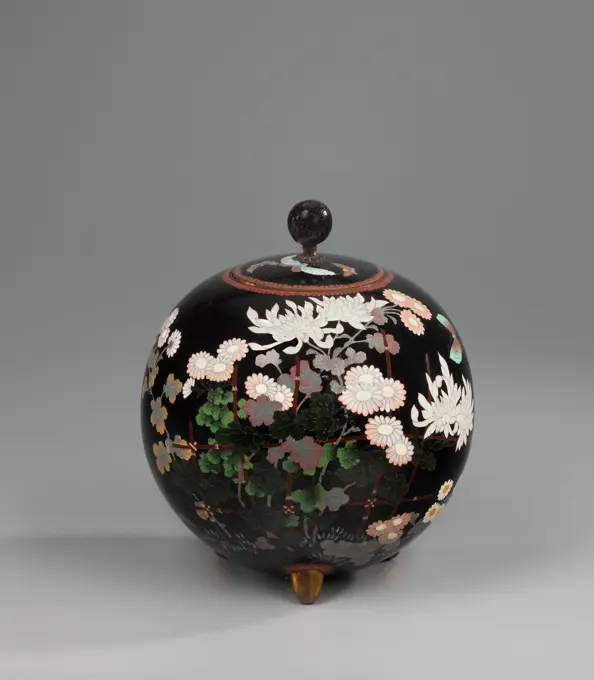
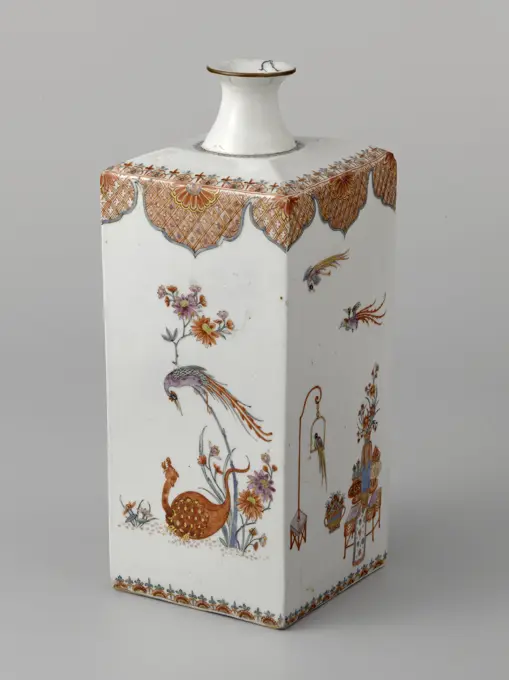
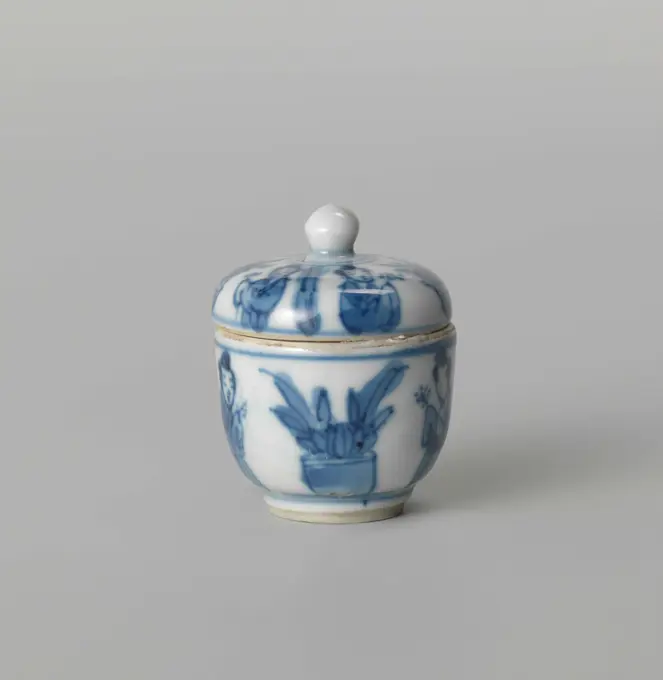
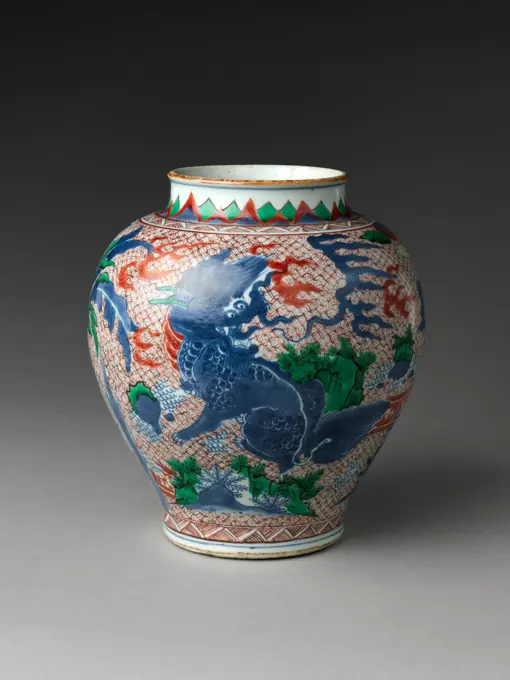
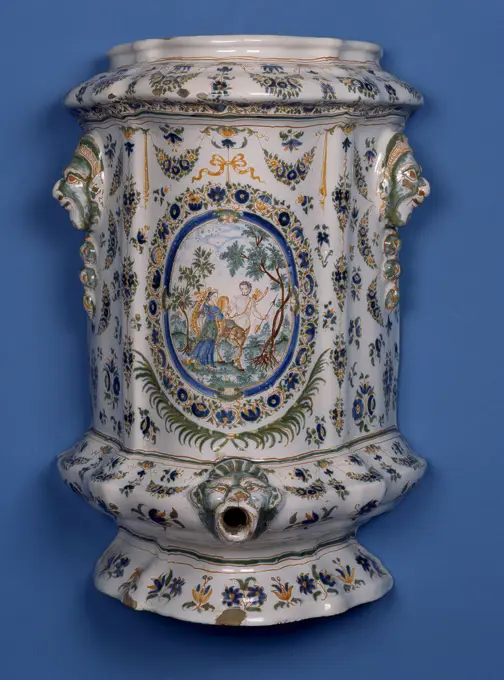
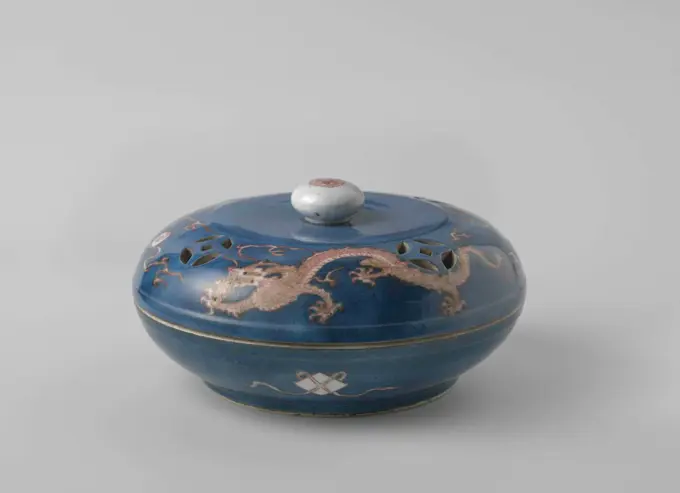
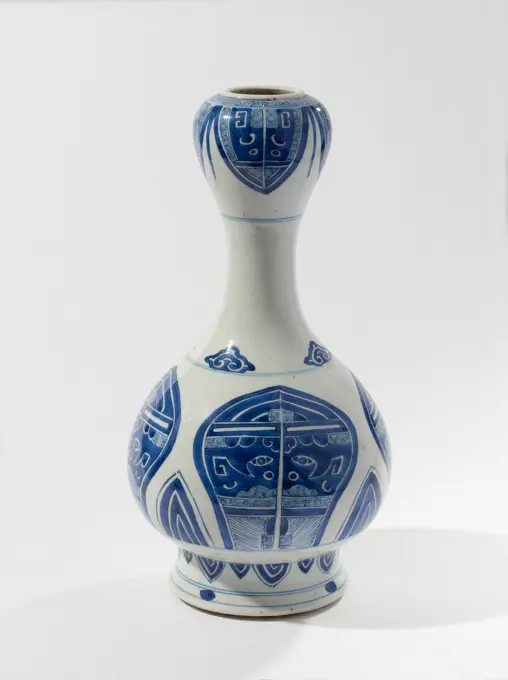
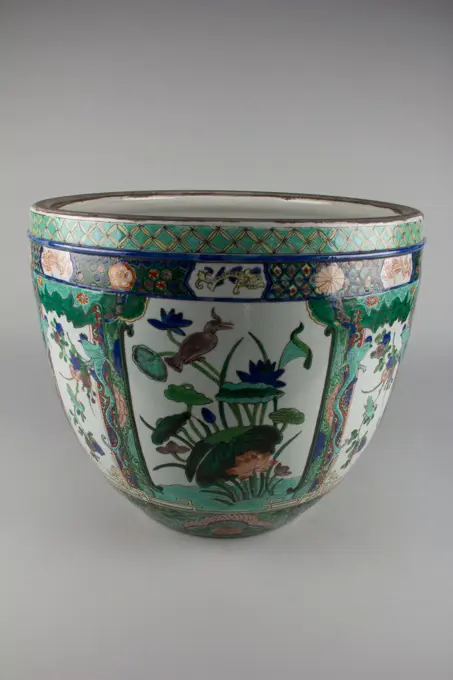
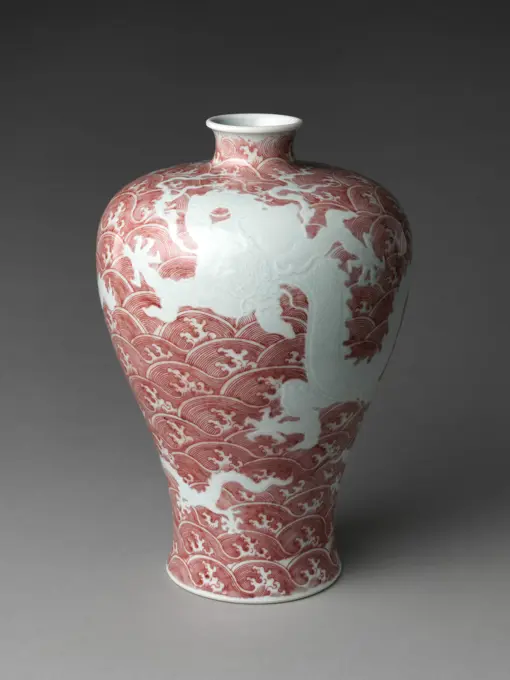
Vase with Dragons and Waves China. Vase with Dragons and Waves. China. Porcelain with sang de boeuf glaze. Qing dynasty (1644-1911),Yongzheng mark and period (1723-35). CeramicsWijnkan from V.O.C. ship De 'Witte Leeuw', Anonymous, Before 1613  Wijnkan from V.O.C. ship De 'Witte Leeuw', 95 present. Teapot model. Jingdezhen bone china (material)   Sint-HelenaCider jug British 19th century View more. Cider jug. British. 19th century. Imperial Stone. Ceramics-PotteryVase. Culture: China. Dimensions: H. 14 1/2 in. (36.8 c.); W. 7 in. (17.8 cm). Date: 18th century.The lion-like dogs cavorting on the surface of this vase are often known as Fu dogs in the West. Fu or fo is the Chinese word for Buddha, and the creatures were probably so named because they are often found in temples or monastic compounds. Here they are placed among various emblems of good luck, such as flaming pearls, some of which also derive from Buddhist imagery. Museum: Metropolitan Museum of Art, New York, USA.Vase, 1662-1722, H.17-1/2 x Dia.6 in. (at base), Porcelain, China, 17th-18th centuryVase;  around 1870-1880 (1870-00-00-1880-00-00);Scent Bottle 1779 British. Scent Bottle 7331. Flowerpot of faience. Blue painted with flower branches and Chinese women.Jug with Portuguese arms ca. 1520-40 Chinese, for Portuguese market This ewer with the Portuguese royal arms is witness to the first East-West trade in Chinese porcelain carried on by the Portuguese in the mid-sixteenth century. The form is neither Chinese nor European; rather, it is based on an Islamic metalwork vessel made for the Near Eastern market that was appropriated for the new European trade. The Chinese painters have misunderstood the Portuguese coat of arms, which appears upside down.. Jug with Portuguese arms. Chinese, for Portuguese market. ca. 1520-40. Hard-paste porcelain with cobalt blue under transparent glaze (Jingdezhen ware). Ceramics-Porcelain-ExportVase with European women and children 18th century China The women and children depicted in the landscape on this vase wear European attire. Their costume and the artists use of techniques such as shading and linear perspective demonstrate the eighteenth-century Chinese fascination with Western imagery.. Vase with European women and children. China. 18th century. Painted enamel on copper. Qing dynasty (1644-1911), Qianlong period (1736-95). EnamelsJar with Dragon and Clouds, late 18th century, Unknown Korean, 18 1/4 x 13 1/2 in. (46.36 x 34.29 cm), White porcelain with underglaze cobalt painting, Korea, 18th century, Unlike the vicious, fire-breathing beasts of Western mythology, Koreans believed that dragons defeated evil and brought rain for bountiful harvests. In both China and Korea, five-clawed dragons were emblematic of the emperor, and ceramics, paintings, and robes bearing five-clawed dragons were reserved for royal use. The dragon on this jar has four claws and thus was probably owned by a court official. Such jars were often produced in pairs and used to decorate formal reception halls.Ewer with incised scrolls, anonymous, c. 1175 - c. 1224 Can of quartz fritry with lobed mouth edge, decorated with ingrift curl work or leaf vines and covered with monochrome turquoise alarm laze. The neck ends in an eight -lobed bell shape. Iran earthenware. glaze engraving / vitrification Can of quartz fritry with lobed mouth edge, decorated with ingrift curl work or leaf vines and covered with monochrome turquoise alarm laze. The neck ends in an eight -lobed bell shape. Iran earthenware. glaze engraving / vitrificationBarrel-Shaped Covered Jar With Flower Scrolls And Geometric Patterns. Bon-shaped pot of porcelain made up of three concave layers above each other, painted on the glaze in red, green, yellow, eggplant and black with flower drinks and geometric motifs. Each layer has a different decoration: the bottom is filled with lotus drinks, the middle with geometric motifs interrupted by cartouches with a flower branch, the upper with floral drinks saved in a red ground; Curl works around the foot. Famille Verte.Covered jar with continuous lotus scrolls, anonymous, c. 1740 - c. 1760 Porcelain lid jar, painted in under -glaze blue. On the wall a bond with continuous lotus vines. The lid with the same decoration. Lid is glued. A few chips and a crack in the lid jar. Blue White. China porcelain. glaze. cobalt (mineral) painting / vitrification Porcelain lid jar, painted in under -glaze blue. On the wall a bond with continuous lotus vines. The lid with the same decoration. Lid is glued. A few chips and a crack in the lid jar. Blue White. China porcelain. glaze. cobalt (mineral) painting / vitrificationEwer ca. 1520 Italian, Deruta. Ewer. Italian, Deruta. ca. 1520. Maiolica (tin-glazed earthenware). Ceramics-PotteryVase with PlumBlossomsPair of candlesticks, anonymous, c. 1710 - c. 1725 FaaMence candlestick, multi -colored painted, with square shaft and round candle holder on octagonal base. Decorations in red, blue, green black and gold on white soil. Delft . FaaMence candlestick, multi -colored painted, with square shaft and round candle holder on octagonal base. Decorations in red, blue, green black and gold on white soil. Delft .Beaker. Czechy, creator. Vase of pottery with two ears, decorated in green and yellow on light yellow matte soil with a stylized motif.Hexagonal tea caddy with floral scrolls and petal borders.Hexagonal teabus from porcelain on six short feet, painted in underglaze blue. On each side a lobd cartouche with flower reflections saved in a blue background. On the top and bottom three decorative tires: one blue, one with tendrils saved in blue and one with standing or dependent, pointed leaf motifs. The lid with flower drinks saved in blue. Blue White.Covered Jar 14th century China. Covered Jar 44454Baluster Covered Jar With Pheasants on a Rock Near a Fence and Flowering Plants. Baluster-shaped porcelain lid pot, painted in underglaze blue and on the glaze in blue, red, pink, green, yellow, black and gold. On the wall a pheasant on a rock in blooming plants (peony, prunus) and a fence. A second pheasant, butterflies and birds flies in the air. On the ground other flowers (Aster, Lotus, Prachtanjer), mushrooms (Lingzhi) and a pond with ducks. On the shoulder a decorative band of small flour rosakes with curlwork and loose flowers on it. Above the foot a tire with stylized leaf motifs filled with garlands with lucky symbols (musical stone, mint, window). On the neck a band with 'crackled ice' and prunus blossoms interrupted by lobby cartouches with a landscape in ENCE the chine. The outer edge in Imii colors with a band with clouds on arrearing interrupted by cartouches with lotus drinks. The lid with the same decoration; Cover knob in the shape of a shishi. Family Rose.Three vases. Meissen porcelain vases were often sold in sets and displayed on chimneypieces or furniture. These three vases were originally part of a set of five or more pieces. The porcelain is painted with Chinese figures in landscapes, in the style of Johann Gregorius Höroldt, the leading painter at the Meissen porcelain factory.Powder pace. Powdered pace with blue saksian pattern, unnoticed.Sleeve Vase. Cylindrical vase (wheel wagon) of porcelain with a wide, spreading neck, painted in underglaze blue. On the wall a continuous landscape with mountains, trees and rocks. Herein a dignity and his effect and a wheelchair. He receives an oxshearder with his OS. The shepherd is on his knees for the dignity. Plants flowering (Lotus, Peony) and two insects on the neck. Transition porcelain in blue and white.. Bottle of quartz frying, painted in underglaze blue, red, green and black. A Schubmotief interrupted on the abdomen by stylized leaves. The neck with dots. Iznik.Bottle Vase With Three Shishi and Playing Boys. Bottle-shaped vase of porcelain, painted in underglaze blue and red and on the glaze blue, red, green, yellow and black. Original alone decorated with the three shishi (lion dog), in Europe, three playing boys and flower branches are filled on the body, on the shoulder-dependent cartouches filled with lotus drinks and added pointed leaf motifs on the edge. Two chips in the edge. Middle blue with copper red. Translated / Amsterdam fur.Vase with dragons late 16th century China. Vase with dragons 52605Vase set in gilded bronze - lamp column. unknown, craftsmanEwer with cover, Le or Tran dynasty, 13th-14th century, 8-1/4 x 6-11/16 x 6-3/8 in. (21.0 x 17.0 x 16.2 cm), Stoneware with carved decor under a celadon glaze, Vietnam, Le or Tran dynasty, 13th-14th century, Northern Vietnamese ceramic production flourished under the Le (1009-1225) and Tran (1225-1400) dynasties. While dialogue with Chinese forms and glazes is apparent, Vietnamese potters tended toward experimentation, producing unique vessels that were highly valued at home and exported abroad. One innovation was the production of rims with wavy edges, evoking the soft petals of the lotus flower. Another, as seen on this ewer, was a spout molded to mimic the head of a makara, a mythical aquatic beast. The wide body of the vessel provides an ample canvas for loose and spontaneous underglaze painting, with brushstrokes appearing like calligraphic floral sprays. 'Celadon,' or greenware, results from the application of a transparent, glassy-green glaze. Here, the glaze pools into the engrCooler with two bottles, De Metaale Pot, c. 1695 - c. 1715 Faaience bottle. Multicolored painted with flower decorations. Delft . Faaience bottle. Multicolored painted with flower decorations. Delft .Vase. unknown, craftsmanNarrow-Necked Jug with Two Biblical Scenes. Hanau Faïence Factory (Germany, 1661-1806). Germany, 1710-1715. Furnishings; Serviceware. Earthenware with tin glaze, enamel, and pewter mountsVase;  around 1900 (1896-00-00-1900-00-00);Pair or Candlesticks. Candlestick of faience, painted multily, with square shaft and round candle holder on octagonal foot. Decorations in red, blue, green black and gold on white ground.Barrel 1750-80 Mexican. Barrel 4509Pair of flower vases with eight spouts, anonymous, c. 1705 - c. 1715 Flower holder from Faïence. Multicolored painted, with eight pits and bird figures on the sides. Delft . Flower holder from Faïence. Multicolored painted, with eight pits and bird figures on the sides. Delft .Jar with Figures in Garden Scenes 1368-1644 China. Cizhou ware; glazed stoneware with overglaze painting in black, red, green and greenish yellow enamels .. .Czarka with the Cave;  1736-1795 (1736-00-00-1795-00-00);. Pilgrim flask from faience with screw lid and satyr-masksCandlestick in Imitation of Metalwork Form mid-16th century Unlike those Iznik dishes that derive their decoration and also their shape from Chinese porcelain models, this candlestick is a purely Ottoman shape and echoes a metal prototype. The simple, effective design, painted in blue and grayish-blue, demonstrates the continuing appeal of blue-and-white to the Iznik potter and his clients, even after additional colors were developed.. Candlestick in Imitation of Metalwork Form 451832Blue and White Jar with Cover. Dated: 18th century. Dimensions: overall (height by greatest diameter): 45.72 × 26.03 cm (18 × 10 1/4 in.). Museum: National Gallery of Art, Washington DC. Author: Chinese Qing Dynasty.Fragment of a Misfired Miniature Vase 11th-12th century This miniature vase glazed in turquoise has been previously described as a waster. While the tiny bits of fabric attached on the glazed surface suggest a kiln accident, the shape of the vessel is not as compromised as to make it completely unusable. The object would have probably been sold on a second rate market.. Fragment of a Misfired Miniature Vase. 11th-12th century. Stonepaste; glazed. Excavated in Iran, Nishapur. CeramicsSquare Jar with Birds in a Flowering Landscape, late 1600s. Japan, Edo period (1615-1868). Porcelain with overglaze color enamels and gold (Hizen ware, Kakiemon type); overall: 27.8 x 11.6 cm (10 15/16 x 4 9/16 in.). This type of square jar decorated with birds in a landscape is a common category of Kakiemon ware. It was likely paired with a complementary yet nonidentical mate. The pine tree, plum, and bamboo together form the frequently depicted motif known as the Three Friends of Winter (shchikubai), so named because of their hardy perseverance in the cold.Lidded vase with the figurine of fo lion on top. unknown, craftsmanBekervaas, part of a cupboard set. Vase of multicolored painted faïence. The vase is painted with four compartments. In two compartments a vase with two S-shaped handles, standing on a 3-legged pedestal and filled with flowers painted, in the other two compartments is a pot with lid on a 3-legged pedestal, above which a phoenix is painted. The vase is part of a couple and has been marked.Vase (vase à tête d'éléphant) (one of a pair) ca. 1758 Jean-Claude Duplessis These three vases (58.75.89a, b-.91) were originally accompanied by two additional vases to form a set, or garniture, that was one of the most extraordinary and expensive garnitures produced at Sèvres during the eighteenth century. The boat-shaped vase, known at the factory as a pot-pourri à vaisseau or a pot-pourri en navire, would have occupied the central position in the grouping flanked by the two elephant-head vases (vase à tête déléphant) and two vases with ear-shaped handles (vase à oreilles) now at the Musée du Louvre, Paris.[1 The garniture is remarkable not only for its originality of the vase forms but also for its novel and extremely highquality decoration.The body of the center vase is in the shape of a boat with marine masks at both ends and truncated bowsprits emerging from the mouths of the masks. The lid, which is formed from shrouds or rigging that alternate with pierced panels to representCan with pewter lid, decorated with embossed vases with flowers. Can be made from stoneware with pewter lid. The bullet-shaped belly is decorated with vases printed in plane relief in flat relief with flowers, uncoloured on a blue fond.Sugar sifter ca. 1745 Factory of Laufier-Ouéry Faience, or tin-glazed and enameled earthenware, first emerged in France during the sixteenth century, reaching widespread usage among elite patrons during the seventeenth and early eighteenth centuries, prior to the establishment of soft-paste porcelain factories. Although characterized as more provincial in style than porcelain, French faience was used at the court of Louis XIV as part of elaborate meals and displays, with large-scale vessels incorporated into the Baroque garden designs of Versailles. Earlier examples of French faience attest to the strong influence of maiolica artists from Italy. Later works demonstrate the ways in which cities such as Nevers, Rouen, Lyon, Moustiers, and Marseille developed innovative vessel shapes and decorative motifs prized among collectors throughout Europe. While faience can be created from a wide mixture of clays, it is foremost distinguished by the milky opaque white color achieved by the additioSquare Jar China. Square Jar 44747Snuff Bottle, 18th century, 2 3/8 x 1 5/8in. (6 x 4.1cm), Glass, China, 18th centuryFive Piece Garniture Consisting of Three Lidded Jars and Two Beakers; 1662 - 1722; Hard-paste porcelain with underglaze blue decoration;. Vase with a lid of pottery, belonging to a couple of three polychrhouses painted with sunflowers and topographic representations. On one side, the house is depicted the Paauw Wassenaar and on the other hand the house of the Prince of Wied in Scheveningen. Sunflowers have been painted between and above the performances.Isadore Goldberg and John Tarantino, Crock, c 1941 CrockCovered ewer with powder blue and panels in reserve with Flower sprays and birds. Gloves with lid of porcelain with elongated body, wide neck, ear and S-shaped curved spout, painted in underglaze blue and on the glaze red, green, yellow, eggplant, black and gold. Covered with bleu poudré (powder blue) with two scalloped cartouches on the wall in reserve filled with prunus branch, plants and birds or water with blooming lotus plants and two birds; on the powder blue ground a decoration in gold with magnolia branch and prunus branch, to shoulder a band with Ruyi-motif and one with a geometric pattern, the spout and the ear with decorative tape; The lid with four decorative tires in gold. Bleu poudré with famille verte.Small vase. unknown, craftsman. Trolley of faience with Tudor-rose, thistle and harp (for England, Scotland and Ireland).Albarello (Italy); tin-enamelled potteryPlatter. unknown, craftsmanTwo-handled storage jug (albarello) with crowned eagles. Culture: Italian, Deruta. Dimensions: Overall (confirmed): 9 1/2 × 11 3/4 × 6 3/4 in. (24.1 × 29.8 × 17.1 cm). Date: ca. 1460-80.In the fifteenth century, Italian maiolica design was influenced by vases imported from Spain, which is apparent in this vase's winglike handles. Dramatic and impractical, they echo the spread wings of the crowned eagles painted on either side of the vessel, a motif also borrowed from Hispano-Moresque pottery. The style of ornament mimics patterns typically found on earthenware produced in Valencia. Museum: Metropolitan Museum of Art, New York, USA.Ovoid tea caddy with the arms of the De Neufville family, anonymous, c. 1740 Egg -shaped porcelain tea with ribbed wall, painted on the glaze in blue, red, black and gold. On the belly the weapon of the De Neufville family. The weapon consists of four towers and a golden Sint Andreaskruis with an anchor in the middle. The shape of the shield is in Louis XIV style with on top of the Griffioen as a helmet sign. The weapon is surrounded by a cover of leaf vines. Around the foot a band with curl in relief. On the shoulder a band Lotusranken and a Spearhead-Border. The lid with a button in the shape of a peach and a decorative tire. Lid not matching. Weapon porcelain with email colors. China porcelain. glaze. gold (metal) painting / gilding / vitrification Egg -shaped porcelain tea with ribbed wall, painted on the glaze in blue, red, black and gold. On the belly the weapon of the De Neufville family. The weapon consists of four towers and a golden Sint Andreaskruis with an anchor in the midPharmacy pot, Late seventeenth century - early eighteenth century, Ceramics (Escornalbou series, crockery decorated in blue, with plants and birds, one of them resting on a columned building with triangular pediment), Barcelona, Height: 29,4 cm. Museum: Museo Fundación Francisco Godia, Barcelona, Cataluña, España.Miniature double gourd-shaped vase with flower sprays, anonymous, c. 1675 - c. 1727 Miniature gourd -shaped vase made of porcelain, painted in underlaze blue. On the wall and neck a flower branch (prunus). Blue White. China porcelain. glaze. cobalt (mineral) painting / vitrification Miniature gourd -shaped vase made of porcelain, painted in underlaze blue. On the wall and neck a flower branch (prunus). Blue White. China porcelain. glaze. cobalt (mineral) painting / vitrificationBeaker vase with women and flower sprays, anonymous, c. 1680 - c. 1720 Porcelain cup vase with a ribbed ring -shaped thickening, painted in underlaze blue. On the thickening three medallions with a women (long lips) with a flowering peony in a fenced garden. Below a band with peon branches. Twice two women with a leaf in hand, separated by a flowerpot above the thickening. A meander pattern on the edge. Marked on the underside with the four-character brand of Keizer Chenghua. Blue White. China porcelain. glaze. cobalt (mineral) painting / vitrification Porcelain cup vase with a ribbed ring -shaped thickening, painted in underlaze blue. On the thickening three medallions with a women (long lips) with a flowering peony in a fenced garden. Below a band with peon branches. Twice two women with a leaf in hand, separated by a flowerpot above the thickening. A meander pattern on the edge. Marked on the underside with the four-character brand of Keizer Chenghua. Blue White. China porcelain. glCovered Vase With Stand, Model LED in Bamboo Shaped Sections With Flower Sprays. Vase with lid on pedestal of porcelain, painted on the glaze in green, yellow, eggplant and black. The vase and the pedestal are modeled in bamboo-shaped segments. The segments are subdivided into courses filled with flower branches, flowering plants or leaves. On the neck and shoulder of the vase and on the lid a tire with modeled lotus leaves. The octagonal pedestal has four short legs. Email sur biscuit with famille verte colors.Rosewater sprinkler or bottle vase with floral scrolls in reserve in lambrequins, anonymous, c. 1680 - c. 1720 Rose water drops or point bottle on high, spreading foot and two thickening in the neck, painted in under -glaze blue. On the belly a band with a zigzag pattern with a band with a flower vines saved in lambrequins underneath. Alternately a stylized flower and a window. On the neck a band with stylized flowers; above that flower branches. Blue White. China porcelain. glaze. cobalt (mineral) painting / vitrification Rose water drops or point bottle on high, spreading foot and two thickening in the neck, painted in under -glaze blue. On the belly a band with a zigzag pattern with a band with a flower vines saved in lambrequins underneath. Alternately a stylized flower and a window. On the neck a band with stylized flowers; above that flower branches. Blue White. China porcelain. glaze. cobalt (mineral) painting / vitrificationHexagonal Ewer With Flowering Plants and Floral Scrolls. Hexagonal can of porcelain with a pear-shaped body, long, S-shaped spout and S-shaped ear, painted in underglaze blue. Plants blooming on the abdomen interrupted by a modeled cartouche with a landscaped flower branch in blue. The foot, edge and lid are divided into six compartments with flower branches. On the spout and the ear cloud motifs. Blue White.HU type vase;  XVII century (1600-00-00-1700-00-00);Teapot. unknown, craftsmanTea Caddy. England, Staffordshire. Date: 1740-1750. Dimensions: 8.9 x 7.3 cm (3 1/2 x 2 7/8 in.). Lead-glazed earthenware (creamware). Origin: Staffordshire. Museum: The Chicago Art Institute, Chicago, USA.Pot with lid, the gilded Blompot, 1780 - 1820  Pottle of Faience lid. Multicolored painted. The pot is marked: B-p. Delft .Covered Jar. Thailand, Sawankhalok, 16th century. Furnishings; Serviceware. Stoneware with underglaze brown painted decorationAnonymous. Vase mounted. Céladon, golden bronze, 1775-1785. Paris, Cognacq-Jay museum. 78926-17 Bronze Dore, Celadon, Ceramic, Gorn, Vase Monte, 18th 18th 18th 18th 18th 18th 18th centuryBottle. unknown, craftsmanOne of Seif Yohei III’s most visually impactful techniques, seen in this work, was to combine complex low-relief designs in clay surrounded by diffused underglaze blue or pink, which he then covered with a transparent or translucent glaze. Yohei III also experimented with clay bodies ranging from bluish white to ivory combined with translucent cream-colored glazes. The atmospheric effects he achieved were considered remarkable. Jar with Peonies, c. 1900. Seifū Yohei III (Japanese, 1851-1914). Porcelain with underglaze blue, overglaze color enamel, molded decoration; diameter: 26.4 cm (10 3/8 in.).Maiolica: Apothecary jug (brocca) early 16th century () Italian (supposedly Faenza or Florence). Maiolica: Apothecary jug (brocca) 460280Coffeepot with a view of VirginiaChurchFour-lobed box (from incense set) China second half 18th century Introduced from Europe, the technique of painted enamel was also commonly used by Chinese makers to decorate local wares, such as this incense set. Three-piece sets like this one appeared in China no later than the thirteenth century and included censers to burn small pieces of incense over burning charcoal. The box would have contained incense woods or balls, and the bottle would have held a pair of chopsticks and a spatula for handling the incense materials. (Set includes (81.1.638a-c, .642, .637a, b) View more. Four-lobed box (from incense set). China. second half 18th century. Painted enamel on copper alloy. Qing dynasty (1644-1911), Qianlong period (1736-95). EnamelsVase in a dual gourd;  19th century (1801-00-00-1900-00-00);Paderewski, Ignacy Jan (1860-1941), Paderewski, Ignacy Jan (1860-1941)-collection, qing (style), Chinese (culture), cloisonné, gift (provenance), flowers, butterflies, Chinese artPichet, polychrome decor, inscription "Law" (anc. Coll. Champfleury). Paris, Carnavalet museum. Pichet, polychrome decor, inscription "Law" (old coll champfleury) Polychrome decor, registration, law, pitcherTea Caddy. Lambertus van Eenhoorn; Dutch, 17th-18th century; Netherlands, Delft. Date: 1695-1705. Dimensions: 12 × 7 × 6 cm (4 3/4 × 2 3/4 × 2 3/8 in.). Tin-glazed earthenware (Delftware). Origin: Delft. Museum: The Chicago Art Institute, Chicago, USA. Author: Lambertus van Eenhoorn.Eight Peacocks/8 Peacocks, 1882-1888. Earthenware vase. Designer: William De Morgan .Candlestick (Netherlands); Made by Louwijs Victorsz, de Dobbelde Schenckan (the Double Jug Factory); tin-glazed earthenwareRosewater sprinkler with light brown and precious object and antiquities, anonymous, c. 1700 Rose water water dripper or porcelain point bottle with pear-shaped body, covered with a cafe-au-lait glaze and painted in underlaze blue. The lower part of the body is covered with a light brown glaze above which a strap with a thick cream -colored glaze; the upper part in underly glaze blue with a geometric band interspersed with a flower in a medallion, above it valuables (diamond, musical stone, artemisia magazine) and antiques (vase, tripod, scepter, books); The neck with pointed leaf motifs. Edge damaged. Monochrome brown with blue and white. China porcelain. glaze. cobalt (mineral) painting / vitrification Rose water water dripper or porcelain point bottle with pear-shaped body, covered with a cafe-au-lait glaze and painted in underlaze blue. The lower part of the body is covered with a light brown glaze above which a strap with a thick cream -colored glaze; the upper part in underly glaKuan vase. Belweder (manufaktura fajansu ; 1770-1780), factoryDish with a cover;  around 1900 (1895-00-00-1900-00-00);Block, Julius Henry (1858-1934) - collection, chrysanthemums, cloisonné, gift (provenance), Japanese (culture), butterflies, Japanese artSquare bottle with flowering plants, a dragon, birds, flower vases and insects, anonymous, c. 1700 - c. 1724 Square bottle of porcelain, painted on the glaze in blue, red, green, yellow, eggplant, black and gold. On the wall a flower vase on a stool with two flower baskets, insects and a bird next to it; Two quail in flowering plants, a rock and tied hedges; A flower vase on a table with three vases behind it, a parrot on a stick and two birds, lid jar with handle, bird and insects; A Hoo-Vogel on a flowering plant with a dragon underneath. On the shoulder a band with a kind of 'Spearhead-Border' with flowers; Below that a band with lambrequins with servetwork interrupted by flowers. Around the neck a band with leaf motifs. The underside is unglazed. Arita, decorated in the Japanese Kakiemon style in Europe. Japan porcelain. glaze. gold (metal) painting / gilding / vitrification Square bottle of porcelain, painted on the glaze in blue, red, green, yellow, eggplant, black and gold. On tVase with lid. unknown, craftsmanCovered Jar With Chinese Ladies And Flower Pots. Porcelain lid pot, painted in underglaze blue. On the wall a flowerpot twice with a Chinese lady (long lice) with a sprig in on either side. The lid with the same decoration. Blue White.Small vase with chinoiseries decoration. Wolff, Karol (fl. ca 1800), company owner, Bielino (manufaktura fajansu ; 1779-1800), factoryJar with Mythical Qilin mid-17th century China. Jar with Mythical Qilin. China. mid-17th century. Porcelain painted with colored enamels over transparent glaze (Jingdezhen ware). Qing dynasty (1644-1911), Shunzhi period (1644-61). CeramicsJar, 19th century. Siam, 19th century. Porcelain; overall: 22.3 cm (8 3/4 in.).AGUAMANIL EN LOZA POLICROMA-ALCORA-ESTILO OLERYS(DECORADOR FRANCES) 1727/1737. Location: MUSEE D'ARTS DECORATIFS. MADRID. SPAIN.Box with Dragons and Pierced Cover. Large box of thick porcelain, with a shallow body on foot ring, painted in underglaze bleu poudré (powder blue) and red. On the body of the box, four precious objects in underglaze red. The inside is divided into six compartments around a circular center. Twice copper batter on circular center. On the underside the six character mark of Emperor Chenghua in a double circle. Middle blue with copper food.Anonymous. "Bottle with swollen collar in Chinese porcelain". Chinese porcelain with blue decoration on a white background. 1701-1800. Paris, Carnavalet museum. 101429-5Fishbowl with birds and flowers late 19th-early 20th century China. Fishbowl with birds and flowers 46088Tureen with Cover. Designed by Richard Riemerschmid (German, 1868-1957); Made by Reinhold Merkelbach (German, active 20th century); Germany, Grenzhausen. Date: 1905-1906. Dimensions: H. 36 cm (13/16 in.); Diam. 33 cm (13 in.). Glazed stoneware. Origin: Munich. Museum: The Chicago Art Institute, Chicago, USA.Bowl, c. 1770. Worcester Porcelain Factory (British, established 1751). Porcelain; overall: 12.7 x 14.6 cm (5 x 5 3/4 in.).Vase with lid, painted multi-colored with chinoiseries. Hexagonal vase with lid, painted porcelain. The neck is decorated with symmetrical leaf refines in gold, the ribs with a trim with a lace-like ornament. On the shoulders Indian blums. On the six sides, large-figured Höroldt chinoiseries are painted with, among other things. A man and a woman with a child at a palm tree. The chinoiseries are on consoles of leaf and network in gold, in which crafted fours within which a landscape. The vase has been marked.