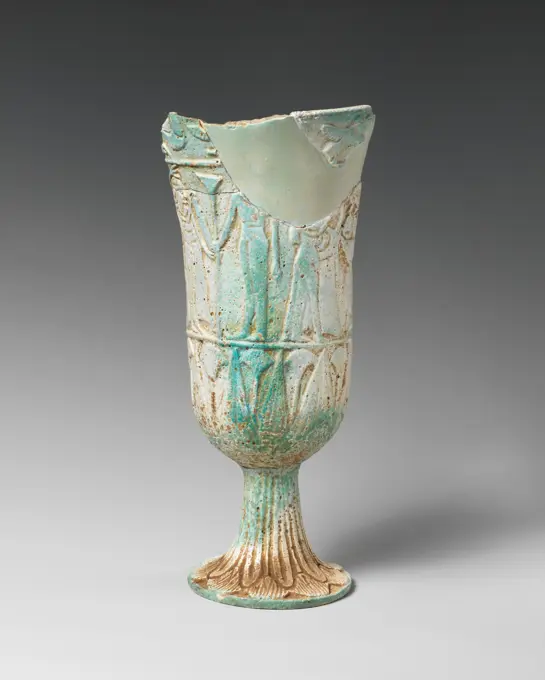
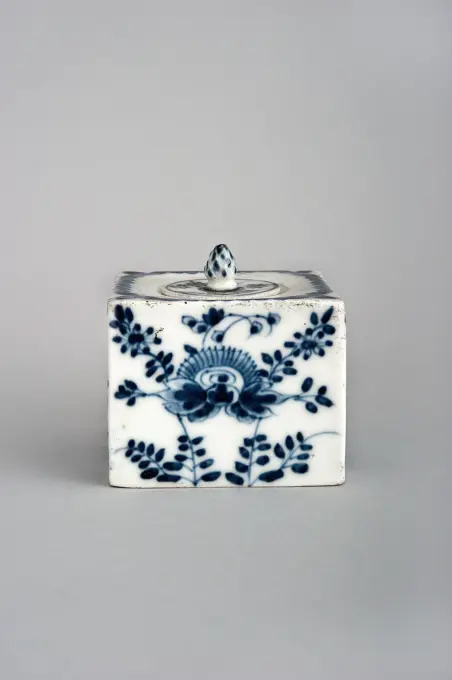
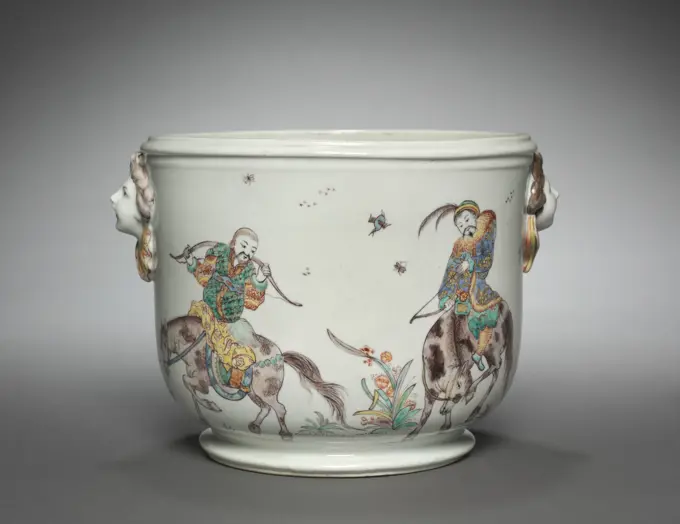
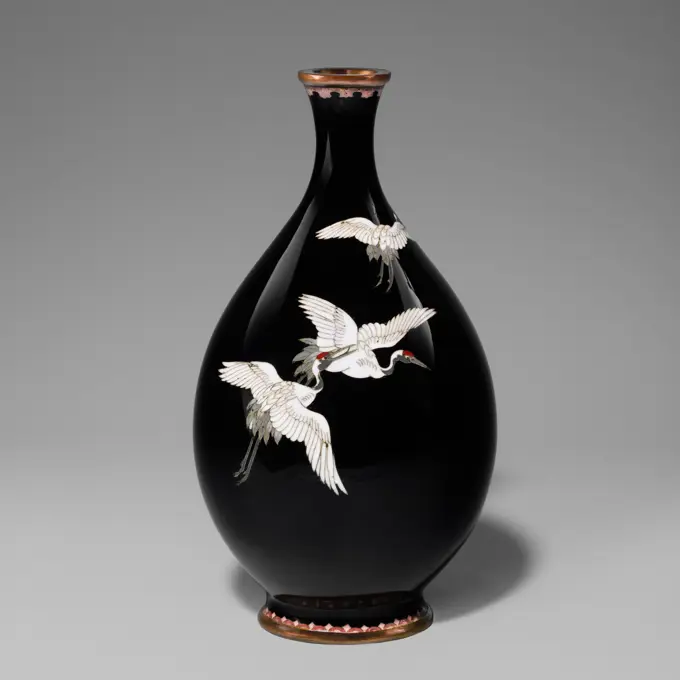
Decorative Vases

Elegant porcelain vases with intricate designs, showcasing floral motifs, colorful patterns, and historical craftsmanship.

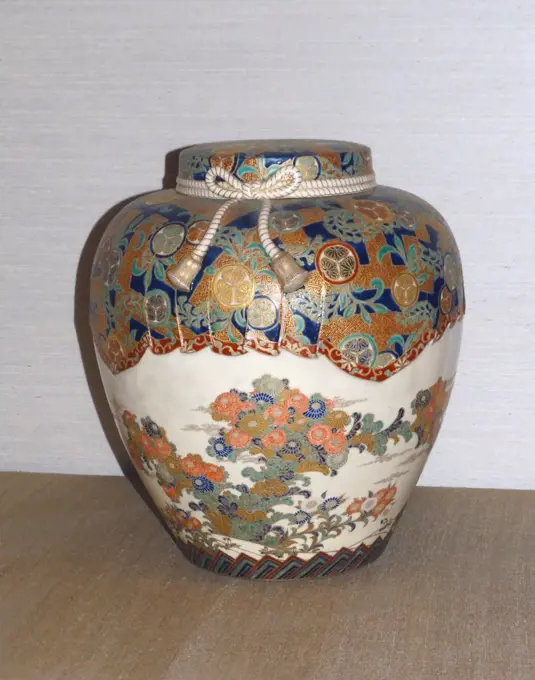
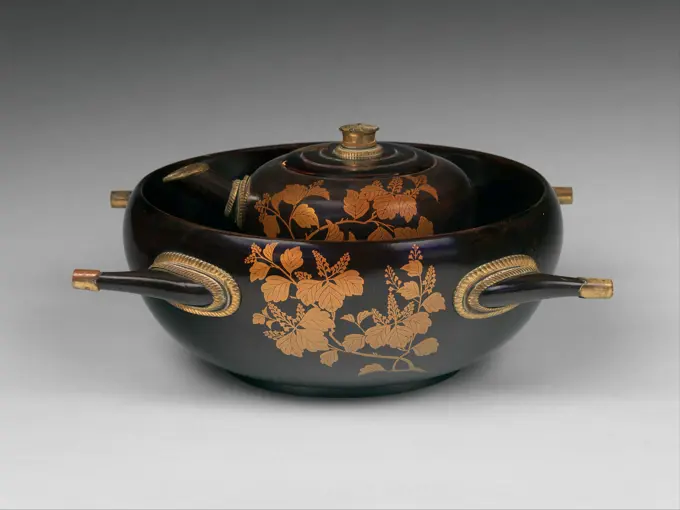
Covered baluster jar with large flower sprays, anonymous, c. 1720 - c. 1740 Cover button of Balus -shaped porcelain lid jar in the shape of a lion, painted in underly glaze blue and on the glaze red and gold. Painted with two large, flowering lotus plants; Around the edge of servetwork with flower branches in cartouches. Imari. Japan porcelain. glaze. cobalt (mineral). gold (metal) painting / gilding / vitrification Cover button of Balus -shaped porcelain lid jar in the shape of a lion, painted in underly glaze blue and on the glaze red and gold. Painted with two large, flowering lotus plants; Around the edge of servetwork with flower branches in cartouches. Imari. Japan porcelain. glaze. cobalt (mineral). gold (metal) painting / gilding / vitrification
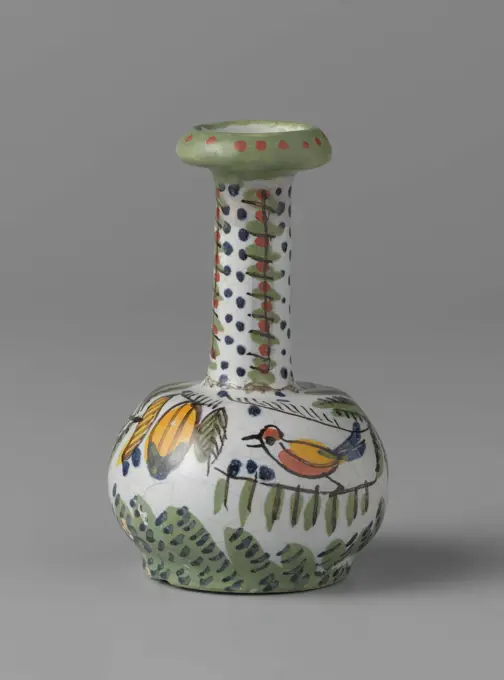
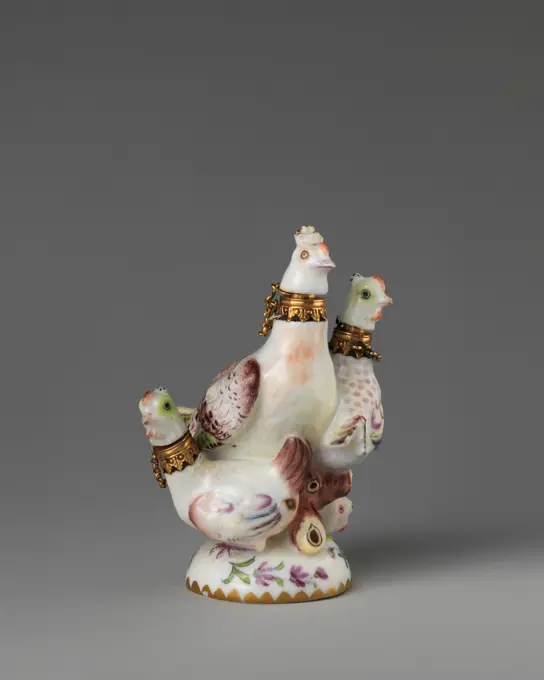
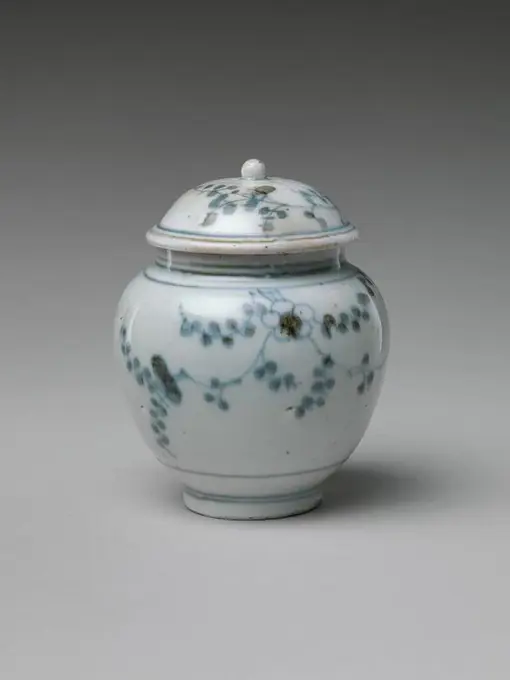
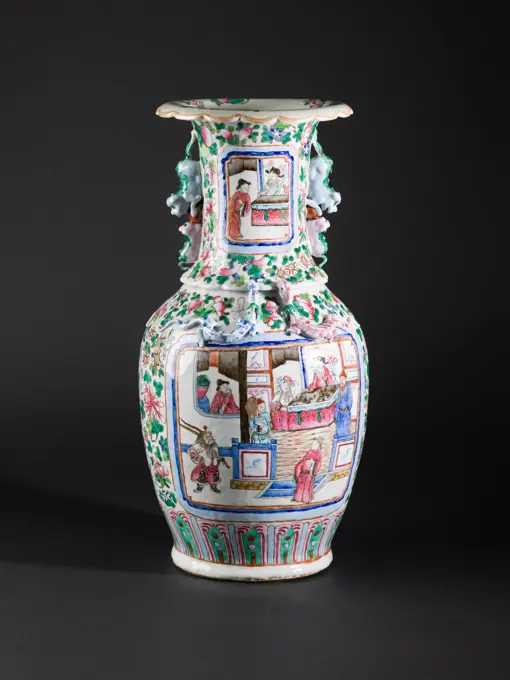
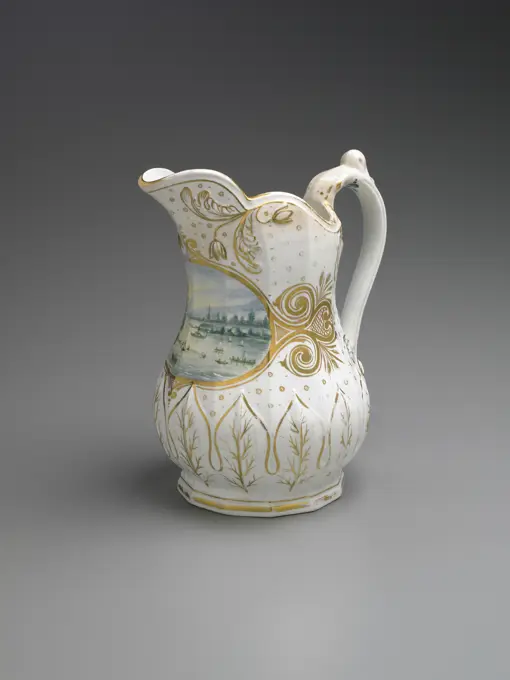
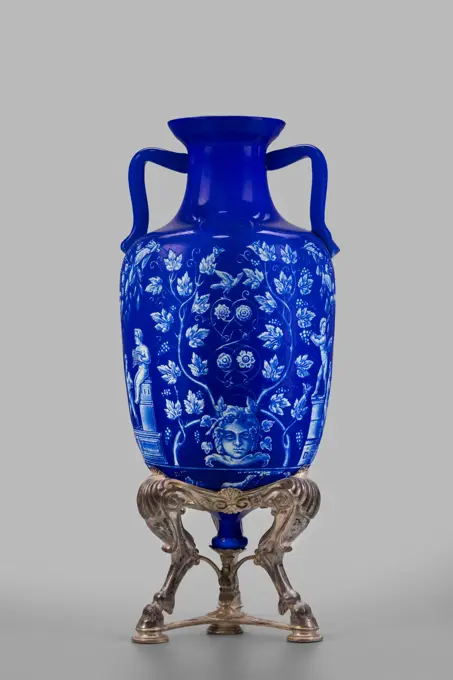
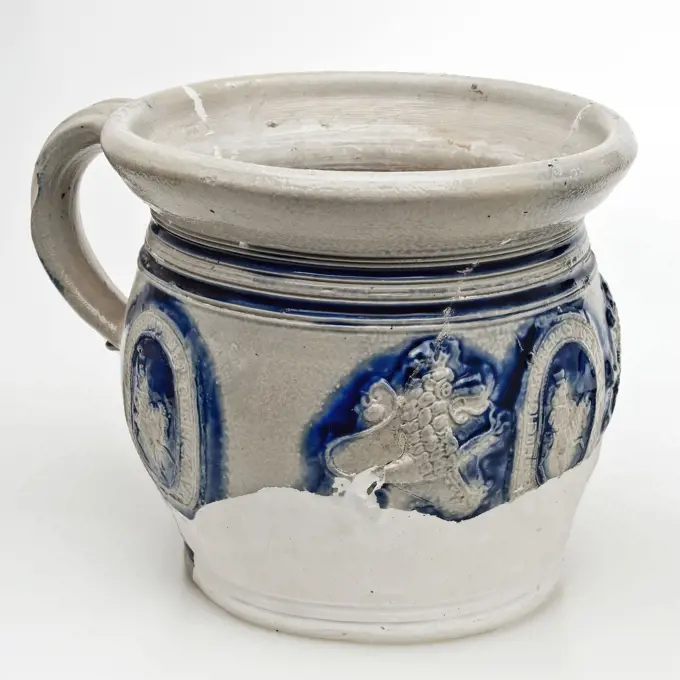
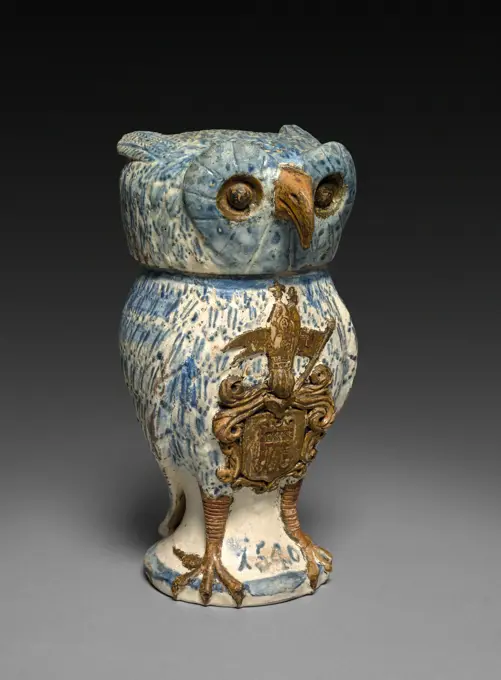
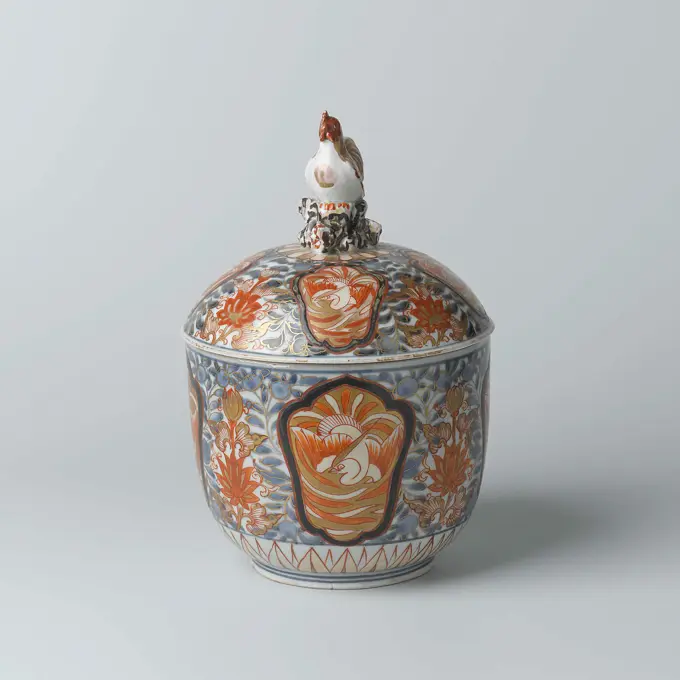
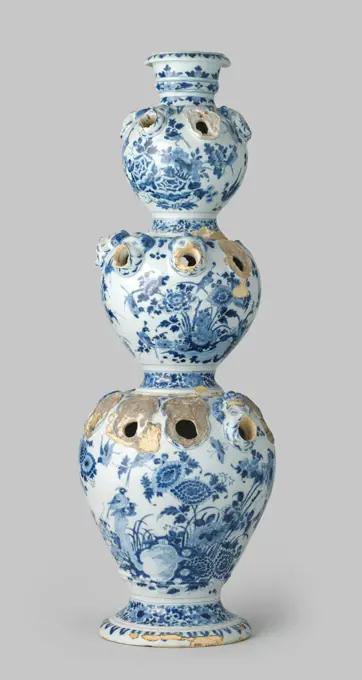
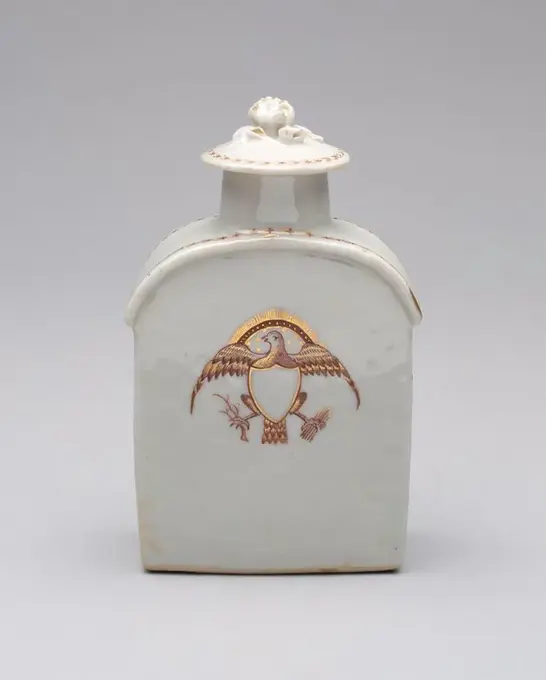
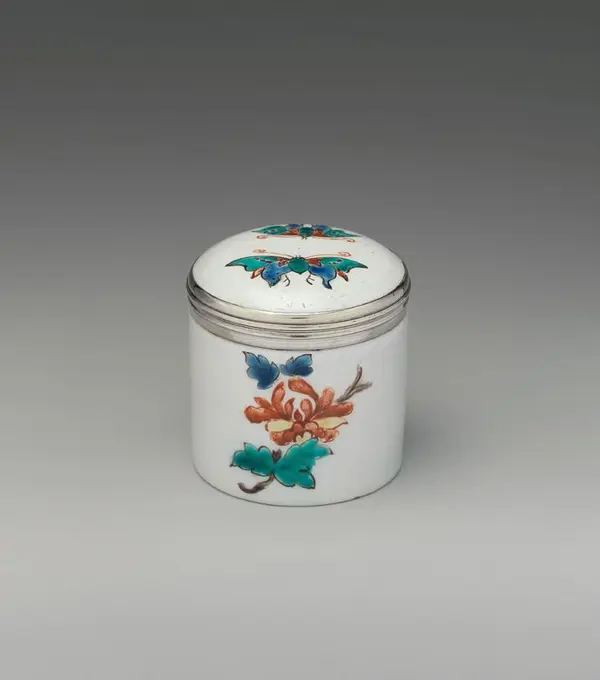
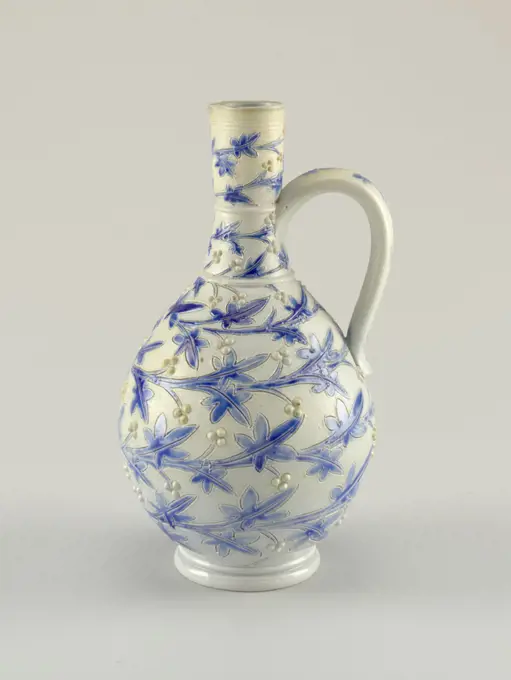
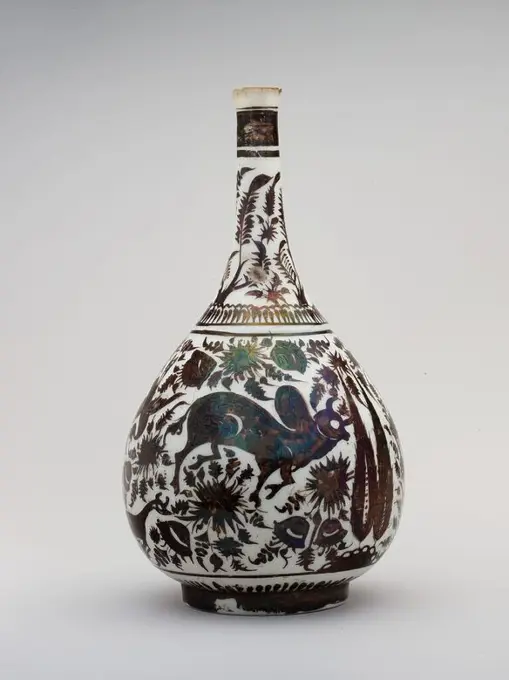
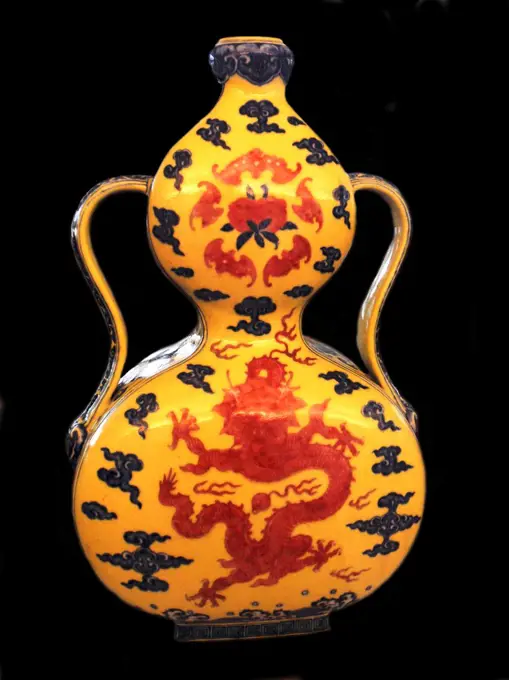
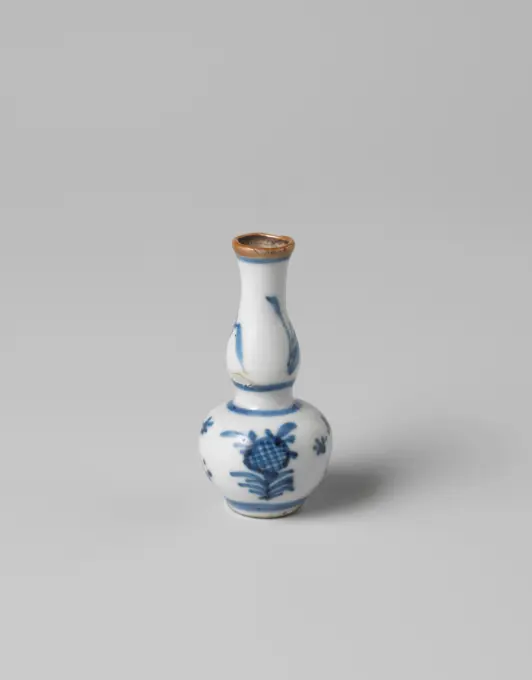
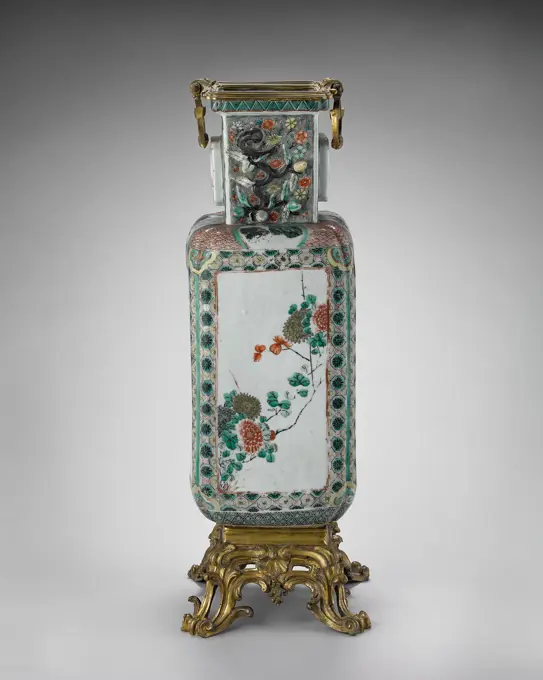
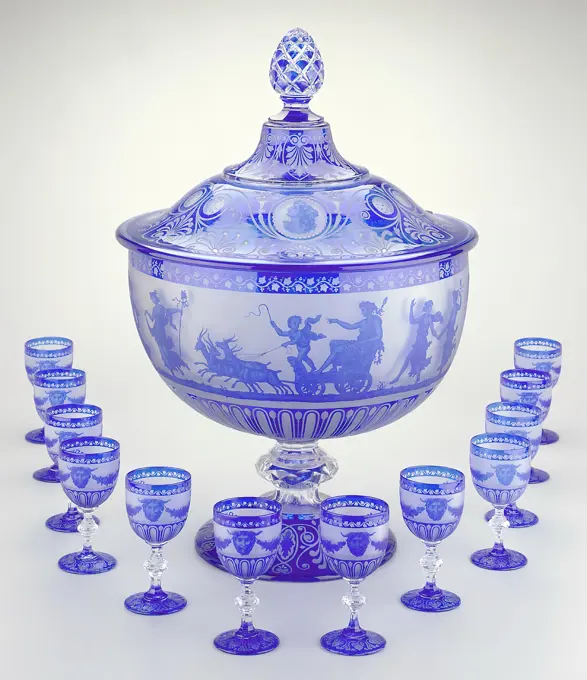
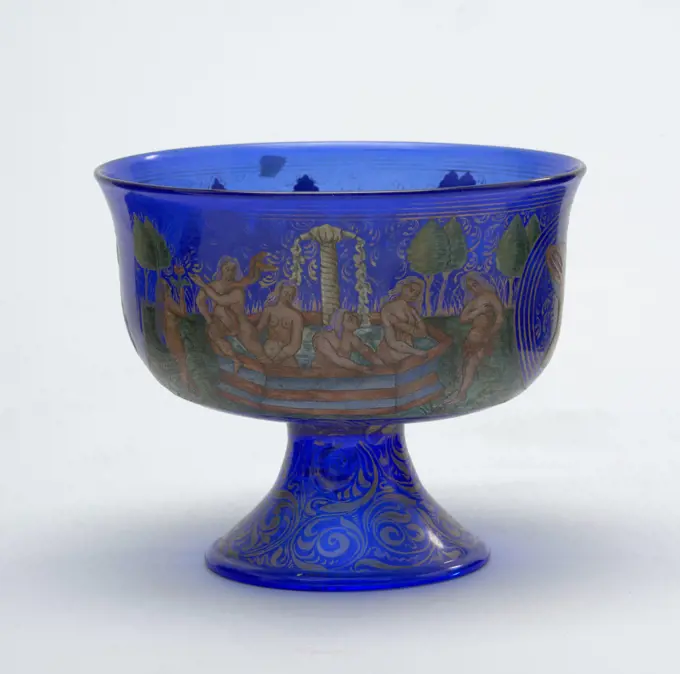
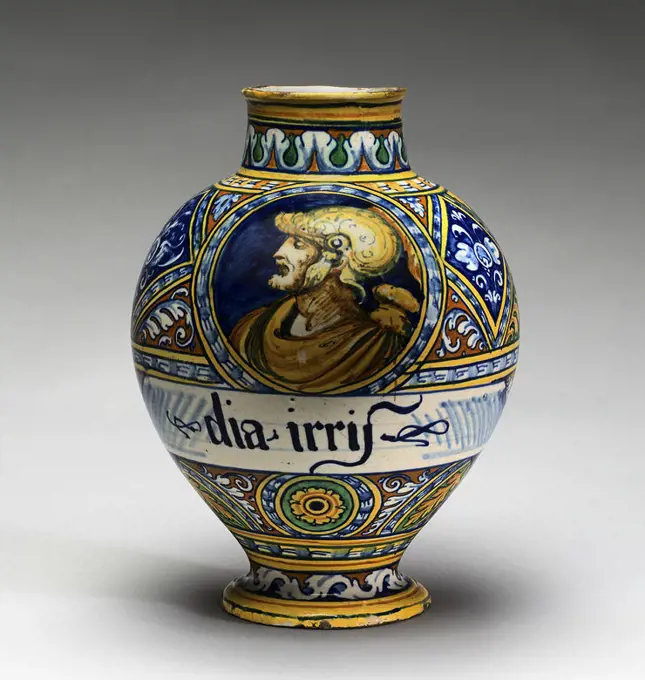
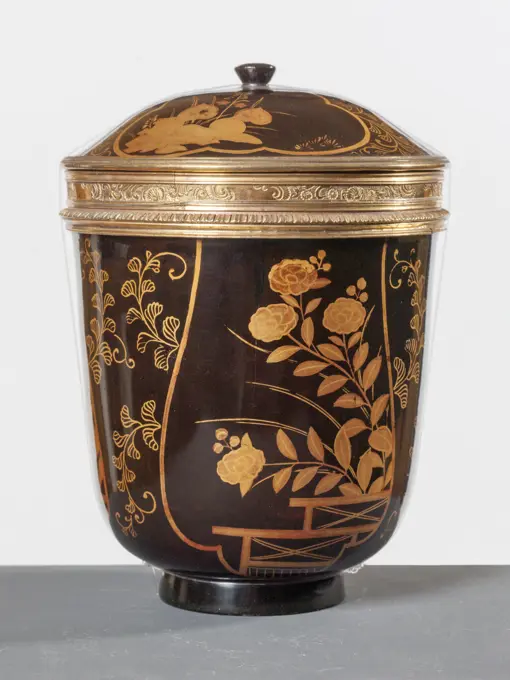
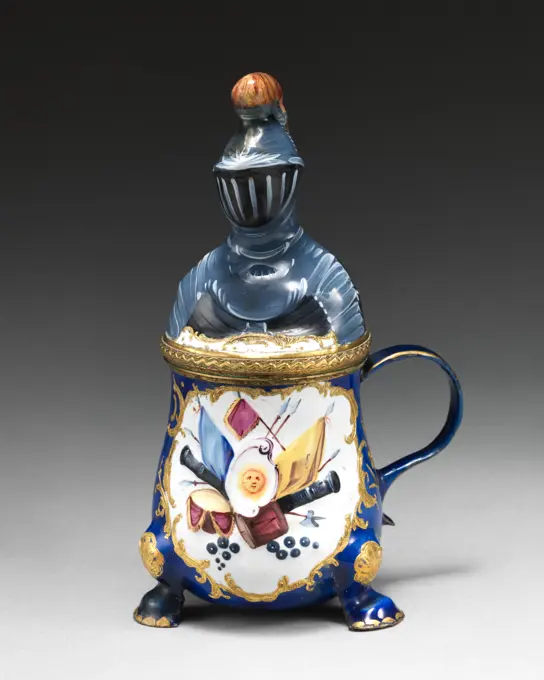
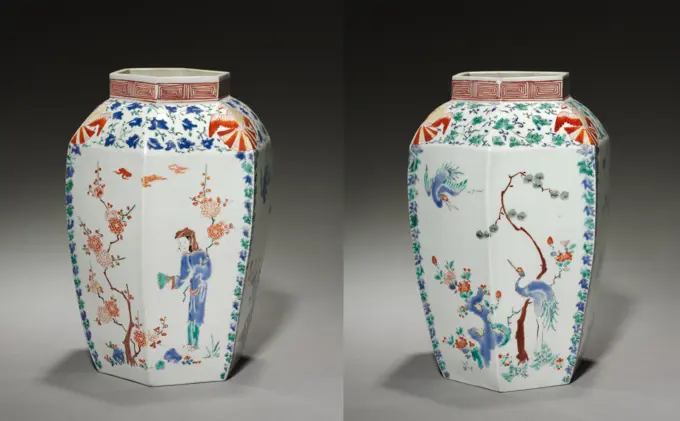
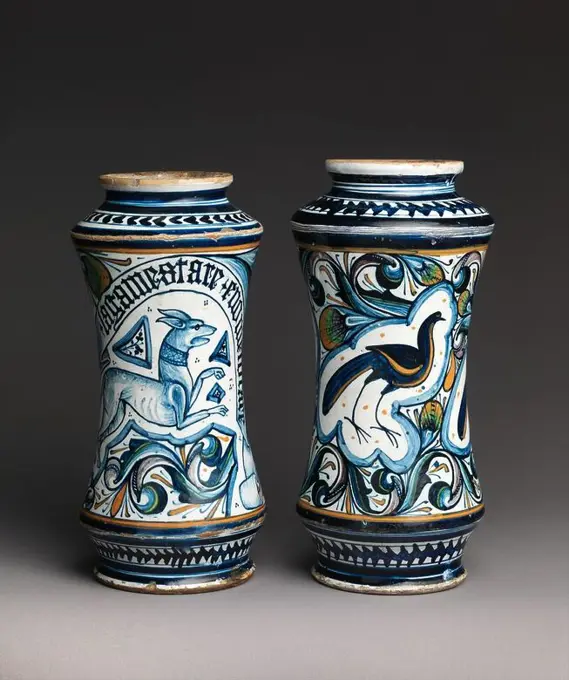
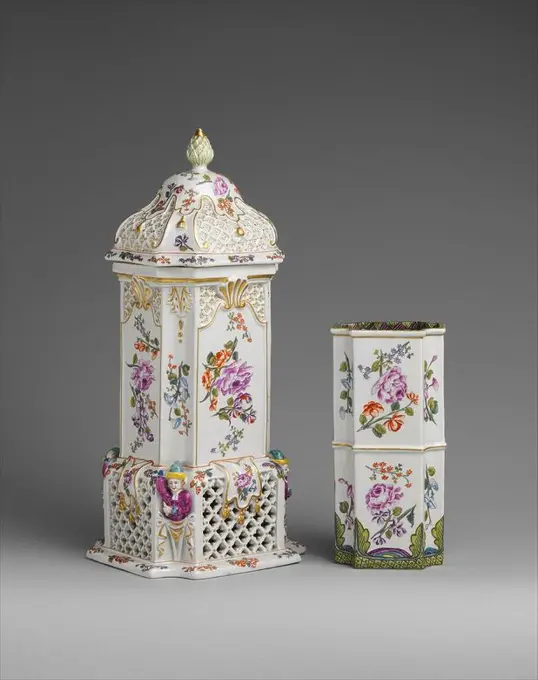
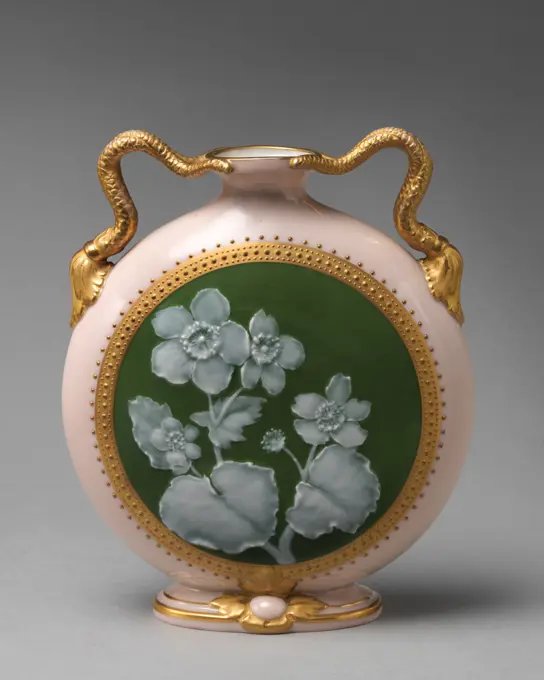
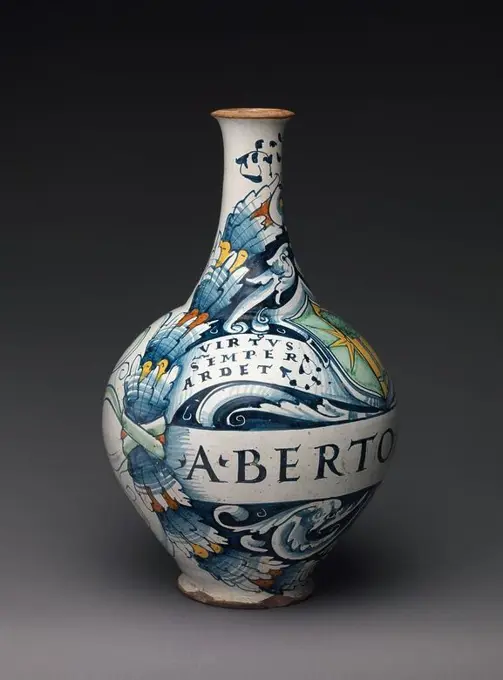
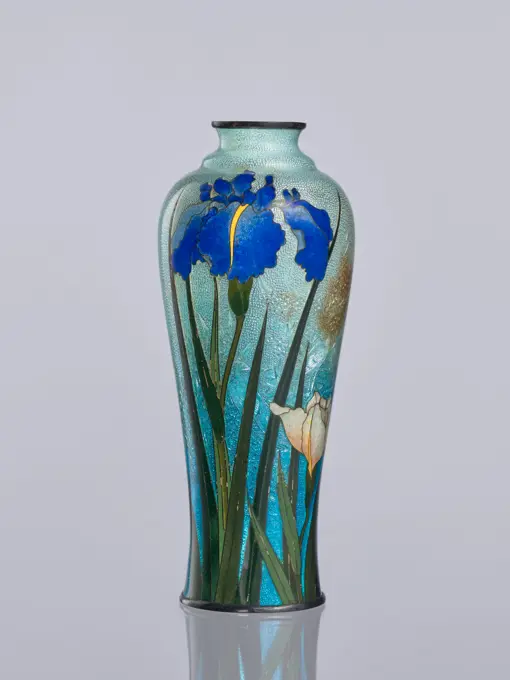
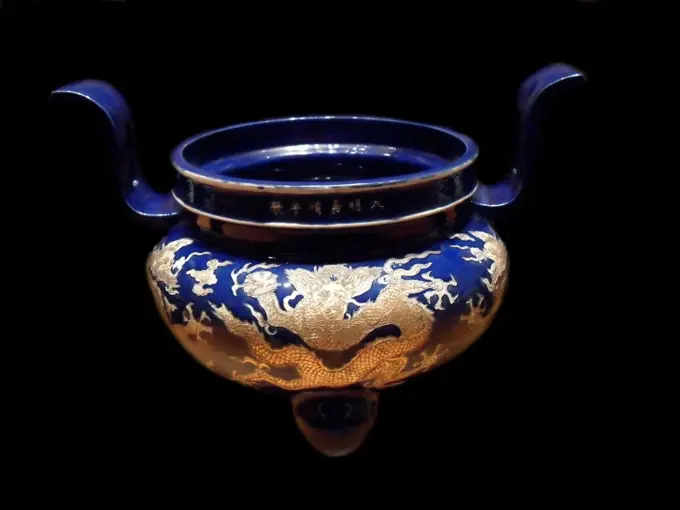
Moon flask, anonymous, c. 1920 Flat, round bottle of porcelain with two small ears between the shoulder and neck, painted in underlaze red. Prunus branches and bamboo with two birds on the wall; A stylized cloud motif around the foot and shoulder; the neck with bamboo leaves; the ears with decorative motif. Marked on the underside with the seal brand of Keizer Qianlong. Edge damaged. On the bottom a label of Bluett & Sons London. Underglaze copper red. China porcelain. glaze. copper (metal) painting / gilding Flat, round bottle of porcelain with two small ears between the shoulder and neck, painted in underlaze red. Prunus branches and bamboo with two birds on the wall; A stylized cloud motif around the foot and shoulder; the neck with bamboo leaves; the ears with decorative motif. Marked on the underside with the seal brand of Keizer Qianlong. Edge damaged. On the bottom a label of Bluett & Sons London. Underglaze copper red. China porcelain. glaze. copper (metal) painting / gildingMeiping, 14th-17th century, 12in. (30.5cm), Ceramic, celadon glaze,wooden stand, China, 14th-17th century. Vase of earthenware, with globe body and long straight neck and outstanding mouth edge. Decorated with birds and leaves. On neck and mouth edge, dots. Used colors: blue, green, yellow, orange and blackVase with cover (vase urne antique). Culture: French, Sèvres. Decorator: Attributed to Charles Nicolas Dodin (French, Versailles 1734-1803 Sèvres). Dimensions: Overall (confirmed): 11 15/16 x 7 9/16 x 5 3/4 in. (30.3 x 19.2 x 14.6 cm); Height with removed plinth: 13 7/8in. (35.2cm). Factory: Sèvres Manufactory (French, 1740-present). Modeler: Attributed to Jean-Claude Duplessis (French, ca. 1695-1774, active 1748-74). Date: ca. 1755-57.It is known from the factory sales records that only two vases of this form with this type of decoration were sold between 1755-57. Each sold for the impressive sum of 960 livres; one was purchased by Madame de Pompadour and the other by Count Moltke, a friend and court official to the Danish king, Frederik V. Museum: Metropolitan Museum of Art, New York, USA.Covered Box. Culture: American. Designer: Designed by Louis Comfort Tiffany (American, New York 1848-1933 New York). Dimensions: H. 2 5/8 in. (6.7 cm). Maker: Tiffany Studios (1902-32). Date: ca. 1905-13.This object forms part of a group of glass vessels and enamel containers Louis Comfort Tiffany loaned to the Museum in 1925 that were later given to the Museum by the Tiffany Foundation in 1951 (51.121.1-.44). Tiffany originally chose this group of objects to show examples of form, technique, and color that were not represented in the 1896 Havemeyer gift (96.17.9-.56). Only a few small, delicately carved wooden objects are known from the Tiffany Studios. The careful workmanship and innovative designs make them some of Tiffany's most unusual creations. Museum: Metropolitan Museum of Art, New York, USA.Stoneware with Over glaze enamels ceremonial jar for leaf tea. Dated 1880Ovoid Vase With Four Ladies and Two Children at a Table and With An Inscription. Egg-shaped vase of porcelain with wide, short neck, painted on the glaze in blue, red, pink, green, yellow, purple, black and gold. On the wall a scene of two 'go' playing ladies at a table with four spectators, two ladies and two children, beside the spectators a flower vase, behind the children playing a table with antiques (vase with peacock feathers, coral, scepter, music stone, Incense burner), next to the table two large vases. On the other side an inscription 'image of a' go 'image, painted on the day of flowers in the year Jiachen in a beautiful house on the Zujiang river in Lingnan' and a seal with 'The Golden Tang Hall'. Family Rose.. Lead-glazed earthenware (creamware), gilded .Large wine jar late 16th century China The inscription reads:Top line:六學仕攤[貪盃懶[攬去登瀛州[洲,二四神仙醉後不知歸洞府Eighteen scholars, in the thrall of their [wine cups, are too lazy to ascend Yingzhou [to serve as officials. Eight immortals, once they are drunk, know not how to return to their grottoes. Bottom line:紫府瓊漿,瑤池玉夜[液Sweet wine of the Purple Abode, jade liquor of the Jasper Lake.. Large wine jar 44738Hen and chickens in a group ca. 1755 Chelsea Porcelain Manufactory. Hen and chickens in a group. British, Chelsea. ca. 1755. Soft-paste porcelain. Chelsea Porcelain Manufactory (British, 1745-1784, Red Anchor Period, ca. 1753-58). Ceramics-PorcelainJar and Lid with Flowering Plant. Culture: Japan. Dimensions: H. 4 5/8 in. (11.7 cm); Diam. 3 1/2 in. (8.9 cm). Date: ca. 1630. Museum: Metropolitan Museum of Art, New York, USA.Covered vase with stand, modelled in bamboo-shaped sections with flower sprays, anonymous, c. 1700 - c. 1724 Porcelain vase, painted on the glaze in green, yellow, eggplant and black. On the lid a band with modeled lotus leaves. Email sur biscuit with family distance colors. China porcelain. glaze. painting / vitrification Porcelain vase, painted on the glaze in green, yellow, eggplant and black. On the lid a band with modeled lotus leaves. Email sur biscuit with family distance colors. China porcelain. glaze. painting / vitrificationAnonymous. "Vase (of a pair)". Ceramic. Paris, house of Victor Hugo. 122634-4 Asian art, Chinese art, art of extreme-East, Ceramics, Chinese, Decor, Flower, Character, VaseLotus Leaf” pattern pitcher. Decorator attributed to: Théophile Frey, Swiss, 1826-1871, active United States, 1849-71Manufacturer Attributed to: United States Pottery Company, 1849-1858POT O BOTE - CERAMICA DE MANISES - SIGLO XIV-XV - FLORONES Y ALAFIAS. Location: INSTITUTO VALENCIA DE DON JUAN-COLECCION. MADRID. SPAIN.Jar. Culture: China. Dimensions: H. 8 1/2 in. (21.6 cm). Museum: Metropolitan Museum of Art, New York, USA.Amfor vase; Imperial Porcelain Factory in St. Petersburg (1744-1917); early XIX century (1800-00-00-1810-00-00);Amphora on a tripod. Zach, Franz Paul (1819-1881), glass engraver. Pear-shaped cup spring from porcelain with a trumpet-shaped neck, painted in underglaze blue. Tire tires with flour branches on the wall with a double row of flower leaf-shaped compartments with flower branch; A decorative band at the foot. On the outer edge a bond with arrearing. Blue White.Unknown, bouquetière pot to fire (main title). Great fire earthenware, polychrome enamels. Petit Palais, Museum of Fine Arts of the City of Paris.Miniature bottle vase with a prunus spray and bat, anonymous, c. 1675 - c. 1724 Miniature bottle -shaped vase made of porcelain with flat -shaped body, painted in underlaze blue. Flowering prunus branches and a bat on the belly and neck; Around the foot a band with modeled leaf motifs. A chip in the edge. Blue White. China porcelain. glaze. cobalt (mineral) painting / vitrification Miniature bottle -shaped vase made of porcelain with flat -shaped body, painted in underlaze blue. Flowering prunus branches and a bat on the belly and neck; Around the foot a band with modeled leaf motifs. A chip in the edge. Blue White. China porcelain. glaze. cobalt (mineral) painting / vitrification. vase of faience. Blue painted with a landscape. The cup is part of a cupboard set.botella de cristal pintado motivos naturales. S.XVI. Museo del diseño de Barcelona.Stoneware Westerwald room pot with lions and oval cartouches with text and rider, pot holder sanitary earthenware ceramic stoneware glaze salt glaze cobalt cobalt oxide, edge 16.0 hand-turned trusses stamped glazed baked Chamber pot. Gray glaze external blue bands two blue appligues with crowned lions and three ovals appliques. Riders with around them text. Restoration not updated in cartouche: HOCH GEBVRER DER CVNNICK AVS SCHWETEN archeology Valckensteyn Poortugaal Albrandswaard indigenous pottery import drains night sleeping room hygiene Sweden Soil discovery: castle Valckensteyn in Poortugaal now Albrandswaard 1961-1962.Potpourri vase ca. 1766 Fürstenberg Porcelain Manufactory The gift of the Hans Syz Collection in 1995 endowed the Museum with nearly three hundred examples of European and Asian ceramics meticulously acquired by Swiss-born collector Dr. Syz (1894-1991) to chart the migration of models and patterns from East to West. Documenting a continuous process of influence and adaptation, these pieces provide a discriminating review of the nuances of stylistic change resulting from three centuries of trade.. Potpourri vase 208486Oval jardiniereSmall vase. unknown, craftsmanVase. Culture: British. Dimensions: H. 6 1/4 in. (15.9 cm). Date: 1760-65. Museum: Metropolitan Museum of Art, New York, USA.Vase;  2nd half of the century (1851-00-00-1900-00-00);Vase, two copies Necel, Franciszek (1868 1935)Greyhound ca. 1755 Chelsea Porcelain Manufactory. Greyhound. British, Chelsea. ca. 1755. Soft-paste porcelain. Chelsea Porcelain Manufactory (British, 1745-1784, Red Anchor Period, ca. 1753-58). Ceramics-PorcelainVase, multi -colored painted with chinoiseries, Meissener Porzellan Manufaktur, c. 1730 - c. 1735 Vase of painted porcelain. The vase is painted with a contour chinoiserie consisting of a running rider, preceded by a boy who wears a rolled-out music role on the back and with branches with Indianic blums. The vase is marked. Float porcelain Vase of painted porcelain. The vase is painted with a contour chinoiserie consisting of a running rider, preceded by a boy who wears a rolled-out music role on the back and with branches with Indianic blums. The vase is marked. Float porcelainOwl , 1540. Southern Germany, 16th century. Faience; diameter: 9.9 cm (3 7/8 in.); overall: 25.9 x 10.2 cm (10 3/16 x 4 in.); part 1: 22.9 cm (9 in.).Covered Jar With Hoo-Birds in panels on a ground of Lotus and Floral scrolls. Porcelain lid pot, painted in underglaze blue and on the glaze red, black and gold. On the outer wall flower drinks with a lotus drink and a cartouche with a hay-bird alternately. A tire with pointed leaf motifs around the foot. The lid with the same decoration; Lid knob in the shape of a rooster on a rock. Imari.Bowl, 19th century, 4 3/4 x 7 1/2 x 7 1/2 in. (12.07 x 19.05 x 19.05 cm), Glass, enamel, gilt, Russia, 19th centuryVase with ladies, plants, and landscape late 17th-early 18th century China. Vase with ladies, plants, and landscape. China. late 17th-early 18th century. Porcelain painted in underglaze cobalt blue (Jingdezhen ware). Qing dynasty (1644-1911), Kangxi period (1662-1722). CeramicsPharmacy Jar 1440-1460 Spanish. Pharmacy Jar 471756Ovoid octagonal vase with lid. unknown, craftsmanSugar Bowl and Creamer c 1820-1850 England. Earthenware .flower holder, anonymous, c. 1680 - c. 1700 Bloemhouder of blue painted faience. The vase consists of three vases on top of each other, the bottom of which is large and canopic and the upper small and spherical. Every vase has a round foot. On the shoulders of each vase, blowing angel heads were in relief, from whose mouths stabs are present. These spots are broken down for both vases. The vases are each painted with flowers on and near rocks and birds (including peacocks). Delft earthenware. tin glaze. Bloemhouder of blue painted faience. The vase consists of three vases on top of each other, the bottom of which is large and canopic and the upper small and spherical. Every vase has a round foot. On the shoulders of each vase, blowing angel heads were in relief, from whose mouths stabs are present. These spots are broken down for both vases. The vases are each painted with flowers on and near rocks and birds (including peacocks). Delft earthenware. tin glaze.Multicolored painted lid of faïence. Lid of faïence. Multicolored painted with flower decoration.Vase with flowers and poem late 17th-early 18th century China. Vase with flowers and poem. China. late 17th-early 18th century. Porcelain painted in overglaze polychrome enamels (Jingdezhen ware). Qing dynasty (1644-1911), Kangxi period (1662-1722). CeramicsTea Caddy with Cover. China; Chinese, made for the American market. Date: 1790-1800. Dimensions: 14.3 × 7.6 × 3 in. (5 5/8 × 3 × 1 3/16 in.). Porcelain. Origin: China. Museum: The Chicago Art Institute, Chicago, USA.Bottle, multi-colored painted with a kakiemon decor, Meissener Porzellan Manufaktur, c. 1730 Octagonal bottle of painted porcelain and a gilded bronze frame. The vase has a slender neck and is painted on both sides with flowering plants in Kakiemon style. The vase is marked. Float porcelain Octagonal bottle of painted porcelain and a gilded bronze frame. The vase has a slender neck and is painted on both sides with flowering plants in Kakiemon style. The vase is marked. Float porcelainPrzeszo Przyszoci unknownBowl with Lid China. Bowl with Lid 46789Pomade pot. Culture: French, Chantilly. Dimensions: Overall (confirmed): 1 13/16 × 1 3/4 × 1 3/4 in. (4.6 × 4.4 × 4.4 cm). Date: 1735-40.The widespread use of beauty products in eighteenth-century France inspired the creation of porcelain toilet jars, or pots à fard, in different sizes, sometimes provided with silver mounts. Museum: Metropolitan Museum of Art, New York, USA."POT" O BOTE DECORADO CON GALLO - CERAMICA DE MANISES DE LA SERIE DEL PEREJIL - SIGLO XV. Location: INSTITUTO VALENCIA DE DON JUAN-COLECCION. MADRID. SPAIN.Jug, George Tinworth, English, 1843 - 1913, Doulton Pottery and Porcelain Company, founded 1815, Salt-glazed stoneware, incised and relief decoration, A round body with long slender neck on low, banded foot. Two thin, applied collars on neck and two incised bands at lip. Strap handle. Colorless salt glaze on white body, encircled from neck to base by incised blue-glazed leafy branches with relief dots in groups of three., Lambeth, England, 1869-72, ceramics, Decorative Arts, JugRosewater Sprinkler With Light Brown and Precious Object and Antiques. Rose water water dropar or pine bottle of porcelain with pear-shaped body, covered with a café-au-lait glaze and painted in underglaze blue. The lower part of the body is covered with a light brown glaze above which a band with a thick cream-colored glaze; The upper part in underglaze blue with a geometric band interspersed with a flower in a medallion, above values (diamond, music stone, artemisia leaf) and antiques (vase, tripod, scepter, books); The neck with pointed leaf motifs. Edge damaged. Monochrome brown with blue and white.Pear-Shaped Bottle with a Bullock Design. Dimensions: H. 10 in. (25.4 cm). Date: second half 17th century.Very few pieces of Iranian lusterware survive from the fifteenth and sixteenth centuries, but this technique was revived in the seventeenth century. During this period, lusterware was produced in a relatively limited range of shapes, including elegant bottles, such as the one here, as well as dishes, bowls, cups, ewers and sand-shakers. This bottle would have been made toward the end of the reign of Shah 'Abbas II (1642-1666), a period of heightened artistic activity in which new ideas from Europe and India found favor. Thus, the eclectic confluence of the Indian zebu bull, the Persian peacock, and the Chinese deer on one bottle would have been admired as much as the elegant shape and lustrous glaze. Museum: Metropolitan Museum of Art, New York, USA.Snuff Bottle second half of 18th century China. Snuff Bottle. China. second half of 18th century. Black and white peking glass with coral stopper. Qing dynasty (1644-1911), Qianlong period (1736-95). Snuff BottlesJar with Rooster and Flowers mid-18th century China. Jar with Rooster and Flowers. China. mid-18th century. Porcelain painted in overglaze polychrome enamels (Jingdezhen ware). Qing dynasty (1644-1911). CeramicsBottle in the form of a gourde, Huluping. Jiangxi. Qing Dynasty 1736-1795) Porcelain decorated with a dragonMiniature double-gourd-shaped vase with flowering plants, anonymous, c. 1675 - c. 1724 Thumbnail vase of porcelain with gourd -shaped body, painted in underlaze blue. On the abdomen and the neck twice a flowering plant; The edge with a brown glaze. Blue White. China porcelain. glaze. cobalt (mineral) painting / vitrification Thumbnail vase of porcelain with gourd -shaped body, painted in underlaze blue. On the abdomen and the neck twice a flowering plant; The edge with a brown glaze. Blue White. China porcelain. glaze. cobalt (mineral) painting / vitrificationQuadrangular vase, porcelain; Mount: chopped and golden bronze. Carnavalet museum, history of Paris.Spherical vase. Sandstone. Cernuschi Museum, Asia Museum of Asia in the city of Paris.Punch goblet, 1867, Cristalleries de Baccarat, Baccarat, France, est. 1764, 4 3/4 x 2 7/16 in. (12.07 x 6.19 cm), Cased lead glass, France, 19th centuryDouble-Bodied Cruet With Two Spouts And Flowerbands. Double oil and vinegar bottle of porcelain with lobed wall and two curved spouts, painted in underglaze blue. The painting with flower branches follows the challenge, modeled tires; a few rocks around the foot; To the foot and around the spouts a decorative bond with geometric pattern. Marked on the bottom with an artemisia leaf. Borders damaged. Blue White.Cream jug ca. 1745 Chelsea Porcelain Manufactory. Cream jug. British, Chelsea. ca. 1745. Soft-paste porcelain. Chelsea Porcelain Manufactory (British, 1744-1784). Ceramics-PorcelainVase. Culture: China. Dimensions: H. 28 7/8 in. (73.3 cm). Museum: Metropolitan Museum of Art, New York, USA.Pear-Shaped Wine Ewer With Peach and Spout Ending in A Bird's Head. Vine of porcelain with a square pear shape, covered with a turquoise glaze. A modeled peach on both side walls; S-shaped ear and curved tuit ending in a bird head. Monochromes.Footed bowl, Blown glass, enameled and gilt, Footed bowl in blue glass with painted decoration showing women on horseback, bathers and two portrait medallions. In the Renaissance revival style., Italy, ca. 1880, glasswares, Decorative Arts, Footed bowlStoneware jug be used on stand foot, round and oval model with appliqués and lion head, Stoneware jug container holder soil find ceramic stoneware glaze salt glaze, hand turned stamped glazed glazed fried jug with shape of flat jug with pouring lip. Stoneware can gray shard with salt-glazed profiled neck with pouring lip bandoor with curled tail profiled foot archeology import pottery serve serve serve drink wine beerDrug jar with the head of a warrior. Dated: c. 1540/1550. Dimensions: overall (height by widest diameter): 26.7 × 19.7 cm (10 1/2 × 7 3/4 in.). Medium: tin-glazed earthenware (maiolica). Museum: National Gallery of Art, Washington DC. Author: Faentine 16th Century.Moon flask 1863-72 Minton(s) Minton was the most important ceramics factory during the Victorian period and began exhibiting products at the first Great Exhibition of 1851. Founded in 1793 by Thomas Minton at Stoke-on-Trent, the firm initially specialized in transferware pottery before expanding under the ownership of Thomass son Herbert Minton, beginning in 1836. Under the ownership of Colin Minton Campbell, who succeeded his uncle in 1858, the factory became recognized as a specialist producer of Aesthetics movement porcelain, which were inspired by a rich array of exotic and eclectic decorative motifs.. Moon flask. British, Stoke-on-Trent, Staffordshire. 1863-72. Earthenware. Ceramics-PorcelainVase Mounted as Ewer, porcelain, vitreous enamel, gold, Baluster-shaped vase with ormolu mounts in shape of ewer. Interior scene with figures, animals, porcelains and flowers in overglaze enamel in 'famille rose' colors., China (vase), France (mounts), mid-18th century, ceramics, Decorative Arts, ewer, ewerCovered pot. Drink; Japan lacquer, gilded bronze. 1775. Paris, Carnavalet museum. Bronze gilded, lid, cover, gilding, Japanese lacquer, flower motif, pot, 18th 18th 18th 18th 18th 18th 18 century, woodJingdezhen porcelains dated from the Ming dynasty. Dated 15th CenturyMustard pot with cover ca. 1770 British, South Staffordshire. Mustard pot with cover. British, South Staffordshire. ca. 1770. Enamel on copper. Enamels-PaintedGuéridon and a candelabra, anonymous c. 1775 Porcelain candlestick with a lobed, round base, layered stem and cylindrical candle holder, painted in underlaze blue and on the glaze blue, red, pink, green, yellow, brown, black and gold. The candlestick is decorated with a 'Tobacco Leaf' pattern of large leaves, flower branches and birds. European forms with email colors. China porcelain. glaze. gold (metal) painting / gilding / vitrification Porcelain candlestick with a lobed, round base, layered stem and cylindrical candle holder, painted in underlaze blue and on the glaze blue, red, pink, green, yellow, brown, black and gold. The candlestick is decorated with a 'Tobacco Leaf' pattern of large leaves, flower branches and birds. European forms with email colors. China porcelain. glaze. gold (metal) painting / gilding / vitrificationPair of Hexagonal Jars, late 1600s. Japan, Edo period (1615-1868). Porcelain with overglaze color enamel and gold decoration (Hizen ware; Kakiemon type); overall: 26.8 x 18.6 cm (10 9/16 x 7 5/16 in.). This kakiemon-type jar with plum design is a product made for the European markets. Here, Japanese kakiemon potters transformed the typical plum, bamboo, and pine motifs into a theme appreciating the plum. The 9th-century Japanese scholar and politician Sugawara Michizane established the plum as a symbol of scholarship. An excellent poet, particularly of Chinese-style poetry, he was also well known for his love of plum blossoms. Later, the plum came to represent tenmangu, a shrine for Sugawara.Two-Handled Sauceboat. Du Pacquier Factory (Austria, Vienna, active 18th century, 1719-1744). Austria, Vienna, circa 1730. Furnishings; Accessories. Porcelain with enamelTeapot with cover ca. 1719-30 Meissen Manufactory German One of the most distinctive models produced at the Meissen factory is this teapot in the form of a helmeted, bearded man. He holds a dolphin that forms a spout, while a mermaid, who is supported on the shoulders of a satyr, serves as the handle. The feet of the man emerge just above the base and rest on a shell that forms the foot. A gilt-metal chain looped around the spout and the top of the handle attaches to the finial on the lid, ensuring that the latter does not become separated from the teapot itself. The teapot is one of a small number of Meissen teapots of this design, several of which have been published.1 As Maureen Cassidy-Geiger has observed, a design by the French artist Jacques Stella (1596-1657) published in his Livre des Vases (1667) must have provided the inspiration for the teapot’s form, and it is likely that the Meissen model draws elements from other prints by him as well.2 While the design that relates mPomade box ca. 1765 British, Staffordshire. Pomade box. British, Staffordshire. ca. 1765. Salt-glazed stoneware. Ceramics-PotteryInkwell in earthenware from Rouen (dummy title). House of Victor Hugo - Hauteville House.Incense Burner China. Incense Burner 40674Vase with a lid Höroldt, Johann Gregorius, Mi Nia (Meissen)Four-Handled Basin (Tsunodarai) and Pitcher (Hanzō) with Paulownia and Foliage Scroll 17th century Japan. Four-Handled Basin (Tsunodarai) and Pitcher (Hanzō) with Paulownia and Foliage Scroll 40320Ceramic jug, 1817.. This jug commemorates a boxing match that took place on 12th July, 1817. The fight was between Sam Scott, a fly boatman from the Black Country and Granby, a prize fighter from Birmingham. Although bare knuckle boxing fights were illegal at this time, a large crowd came to see this 'local derby' at Billesley Common, Moseley, Birmingham.Vase with cover ca. 1730 Meissen Manufactory German. Vase with cover 198321old ceramic monastery tableware, Monastery of Santa María de Carracedo, 10th century, Carracedo del Monasterio, El Bierzo region, Castile and Leon, Spain.Storage jar (albarello) depicting a dog. Culture: Italian, possibly Pesaro. Dimensions: Overall (confirmed): 11 13/16 × 5 5/8 × 5 5/8 in. (30 × 14.3 × 14.3 cm). Date: ca. 1470-1500.Not all inscriptions appearing on maiolica storage vessels specify their contents. In this case, the words are a warning: "Laga me stare e no me tocare" (Let me be and do not touch me). Although unambiguous in sentiment, the statement is rather mysterious without its original context. It may refer to the angry-looking dog on the exterior of the jar, or possibly to poisonous materials contained within. Museum: Metropolitan Museum of Art, New York, USA.. Vase with lid of painted porcelain. The vase rejuvenates down and has a slightly outstanding foot. The vase is painted in underglazing blue with flowering plants and an insect. The vase has been marked.A mug with maze and sepov miniatures; Korzec (Porcelain and faience manufacture; 1790-1832); 1820-1832 (1820-00-00-1832-00-00);gift (provenance)Food warmer with insert. Culture: Austrian, Vienna. Dimensions: Overall (confirmed): 15 9/16 x 6 5/16 x 6 11/16 in. (39.5 x 16 x 17 cm);Insert: Overall (confirmed): 8 9/16 x 4 1/4 x 3 1/2 in. (21.7 x 10.8 x 8.9 cm);Other (without cover): 11 in. (27.9cm). Factory: Vienna. Factory director: Du Paquier period (1718-1744). Date: ca. 1730-35.This vessel was probably intended to be used in the intimate living quarters of a house, which, in the eighteenth century would have been far removed from the kitchen. The porcelain insert once held a metal liner where the food was placed. The heat source may have been a small candle set inside the perforated base. The decoration includes beautifully painted naturalistic flowers, trelliswork, and four figures holding either tankards or crescent-shaped pastries. Museum: Metropolitan Museum of Art, New York, USA.Decorated chalice Third Intermediate Period or later ca. 1070-664 B.C. View more. Decorated chalice. ca. 1070-664 B.C.. Faience. Third Intermediate Period or later. From Egypt. Dynasty 21-25Inkwell with a lid. Koenigliche Porcellain Fabrique, Meissen (1710-1763), factoryBottle Cooler (seau à bouteille), c. 1755. Mennecy- Villeroy Factory (French). Porcelain; overall: 15.7 x 21.9 x 18.8 cm (6 3/16 x 8 5/8 x 7 3/8 in.).Lid of incense burner, anonymous, 1850 - 1899 A sitting man with beard on the lid. Japan bronze (metal). gold (metal) A sitting man with beard on the lid. Japan bronze (metal). gold (metal)Vase;  19th/20th century (1891-00-00-1900-00-00);Block, Julius Henry (1858-1934) - collection, cloisonné, gift (provenance), Japanese (culture), Japanese art, vases, cranes (iconogr.)Ewer Made 1885 France. Enameled stoneware . Ernest ChapletMoon flask with snake handles and floral reserve 1870s Attributed to Grainger. Moon flask with snake handles and floral reserve. British, Worcester. 1870s. Porcelain, decorated with pte-sur-pte technique. Ceramics-PorcelainPharmacy bottle (one of a pair). Culture: Italian, Deruta. Dimensions: Overall (confirmed): 17 3/8 × 10 1/2 × 10 1/2 in. (44.1 × 26.7 × 26.7 cm). Date: ca. 1500-1510.The Latin mottos "Virtue always burns" and "Virtue has no value if one has no faith" may relate to the bottles' owner, whose coat of arms appears between the inscriptions. Prominent labels indicate that the vessels (see also 02.5.59) once held extracts of wood bettony and maidenhair fern. Museum: Metropolitan Museum of Art, New York, USA.Snuff Bottle China. Snuff Bottle. China. Crystal painted inside, coral stopper. Qing dynasty (1644-1911), Qianlong period (1736-95). Snuff BottlesVase; Miwa, Tomisaburô (Fl. Ca nyn 19th century-early twentieth century); beginning of the 20th century (1901-00-00-1910-00-00);Block, Julius Henry (1858-1934) - collection, cloisonné, gift (provenance), irises, Japanese (culture), Japanese art, vases, cranes (iconogr.)Bottle from Koryo (Goreyo) (Goreyo) Dynasty. Temmoku glaze; design of spots. From the Koryo (Goreyo) (Goreyo) period (918 - 1392)Close-up of a golden pottery vase in unique floral patterntrim pieces altar decorated with dragons. Ming dynasty. Jiajing reign (1522-1566) porcelain ceramic ovens, Jingdezhen ChinaShaker, Tin-glazed earthenware, Cylindrical body with domed top, on flaring foot. Open bottom. Sponged decoration in cobalt blue, and panted with green leaves and red berries on vine., Staffordshire, England, early 19th century, ceramics, Decorative Arts, Shaker