Decorative Vases

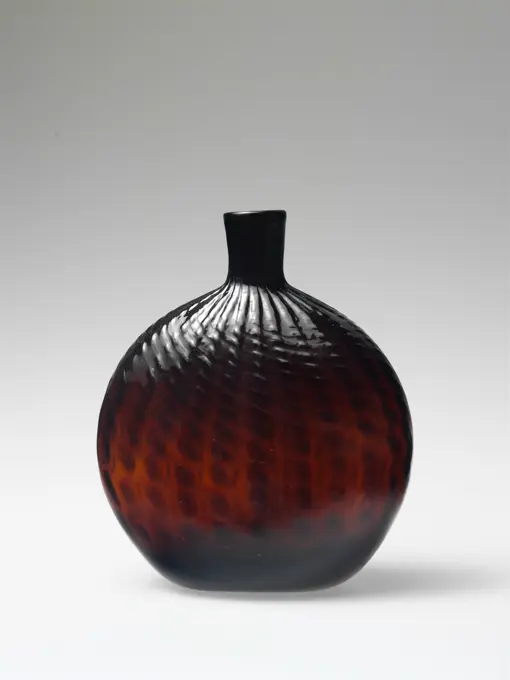
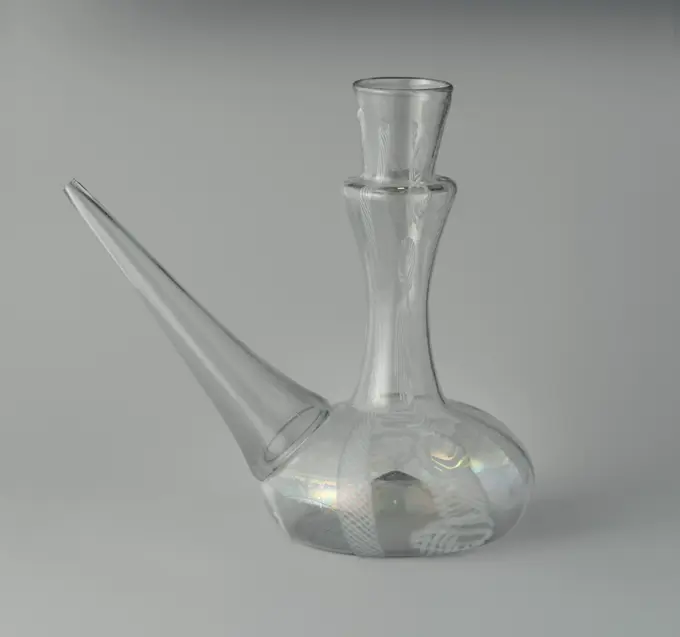
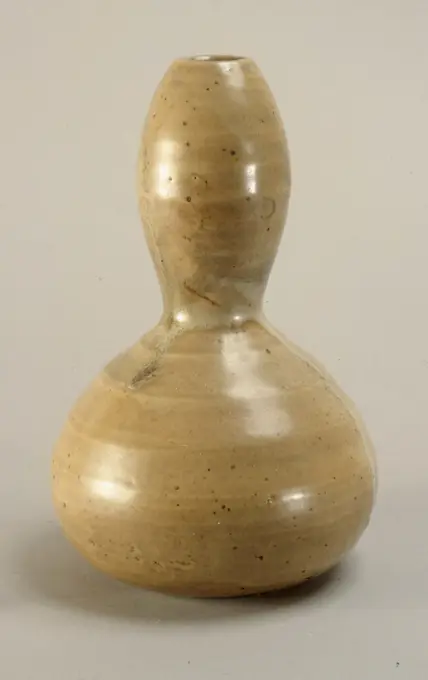
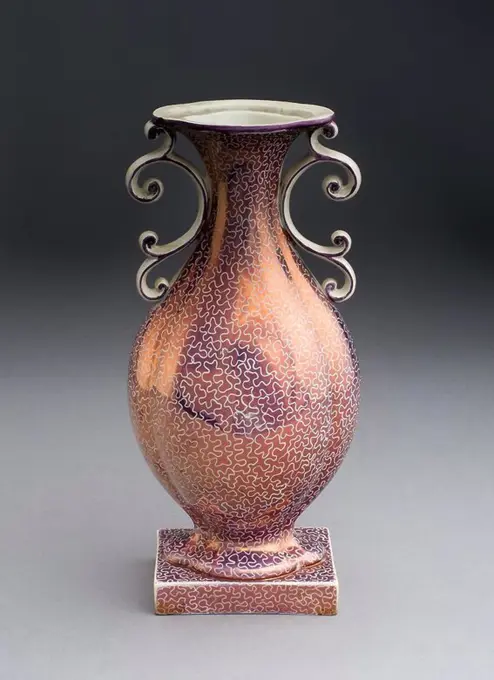
An assortment of artistic vases made from glass and porcelain, showcasing intricate designs and the beauty of historical craftsmanship.
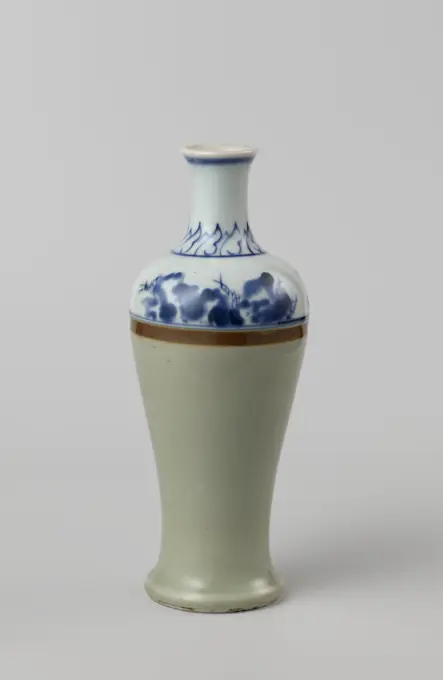
Baluster bottle vase with celadon glaze, rocks and fruit spray, anonymous, c. 1675 - c. 1699 Bottle -shaped vase of porcelain with baluster -shaped body, straight neck and spreading edge, painted in underlaze blue and with celadon green and brown glaze. The body is largely covered with a celladon green enamel; daaboven a brown band; A fruit branch and a rock group on the shoulder; A decorative band around the neck. Monochrome Celadon green with blue and white. China porcelain. glaze. cobalt (mineral) painting / vitrification Bottle -shaped vase of porcelain with baluster -shaped body, straight neck and spreading edge, painted in underlaze blue and with celadon green and brown glaze. The body is largely covered with a celladon green enamel; daaboven a brown band; A fruit branch and a rock group on the shoulder; A decorative band around the neck. Monochrome Celadon green with blue and white. China porcelain. glaze. cobalt (mineral) painting / vitrification
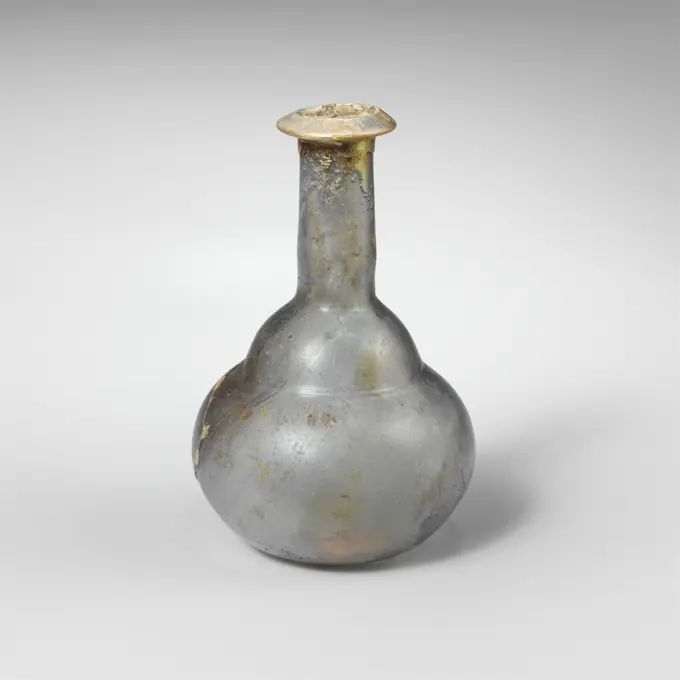
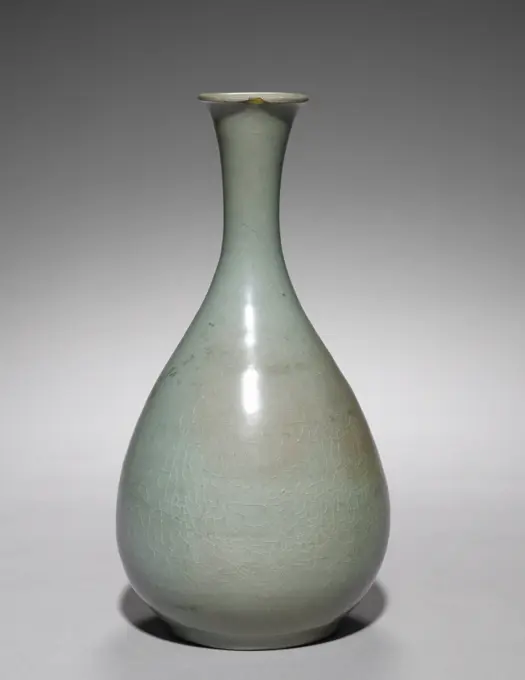
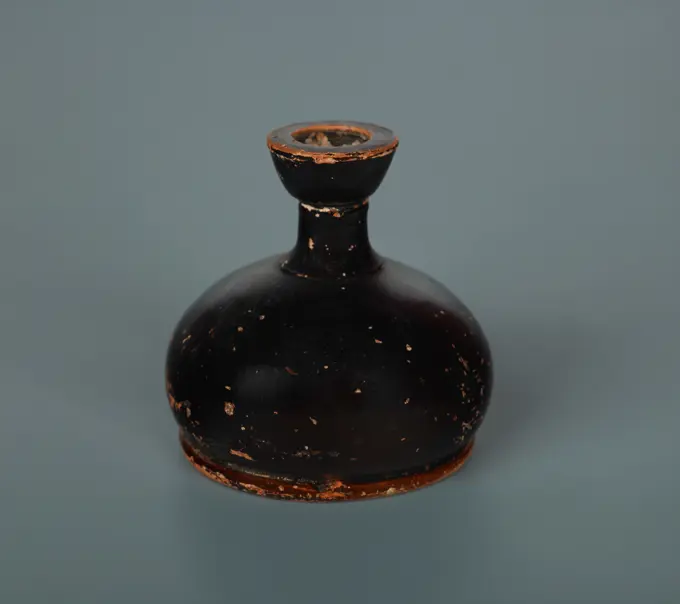
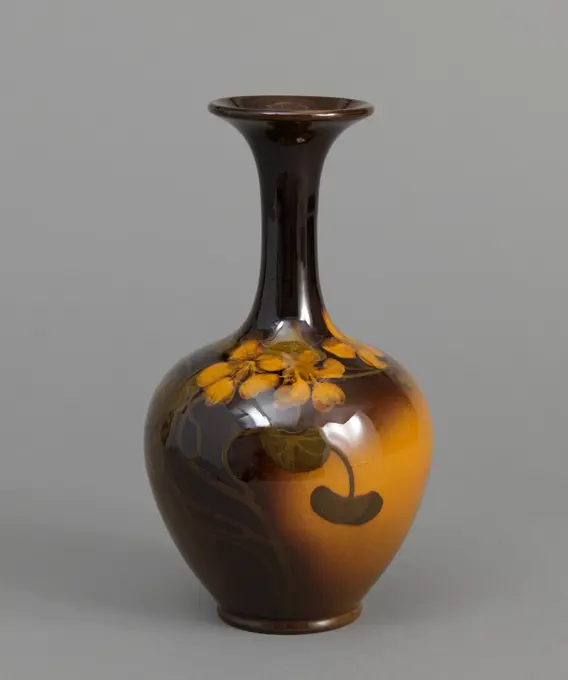
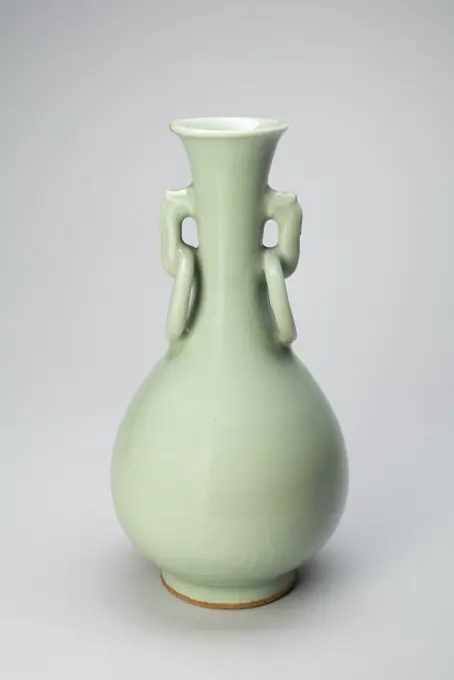
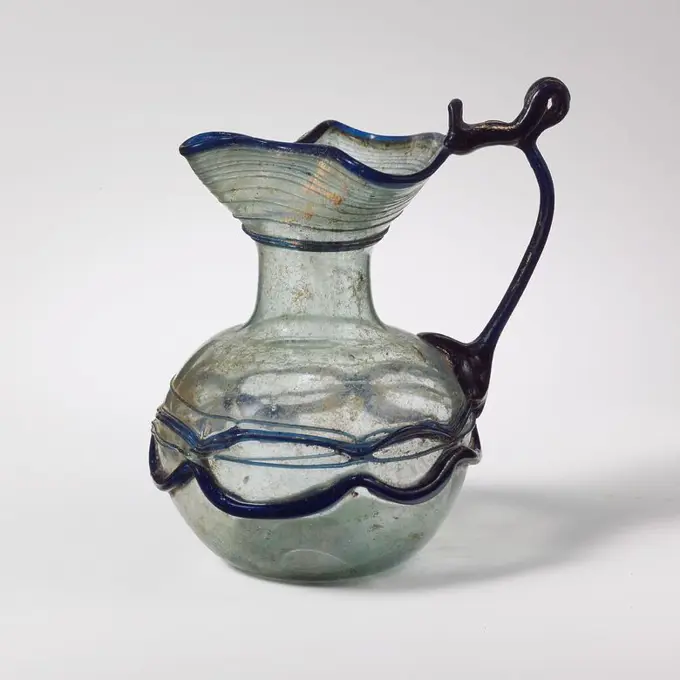
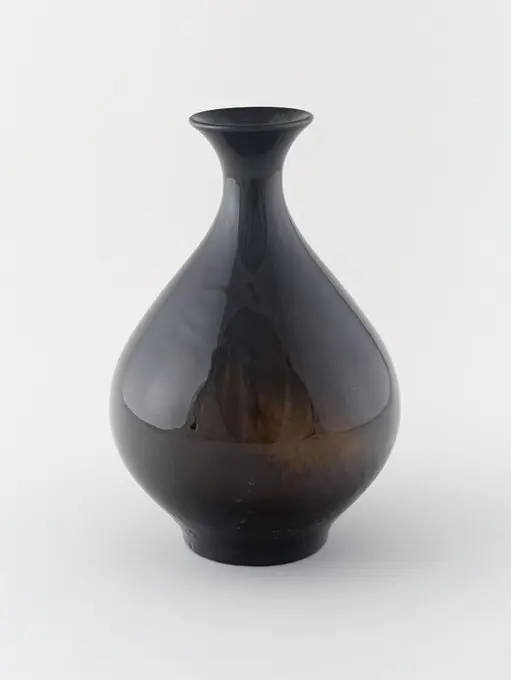
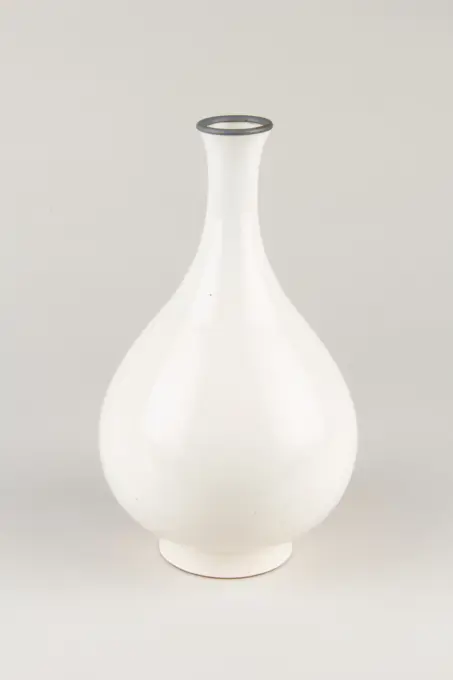
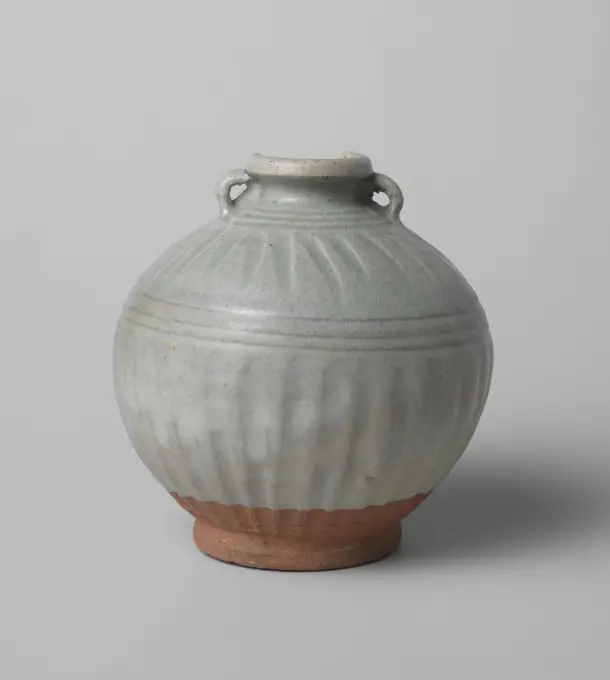
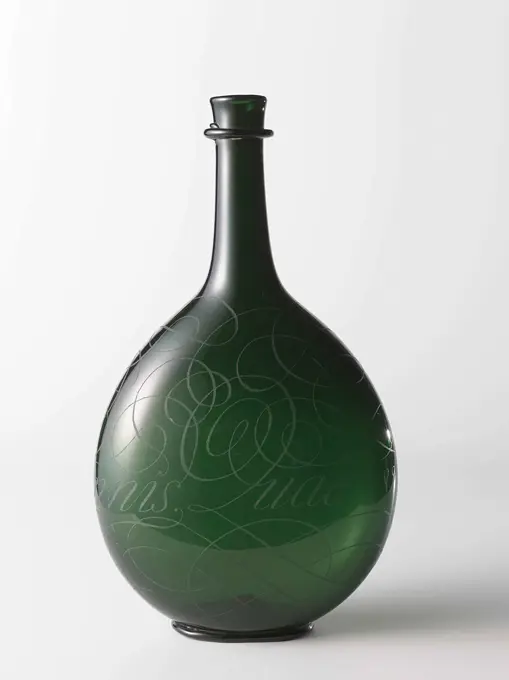
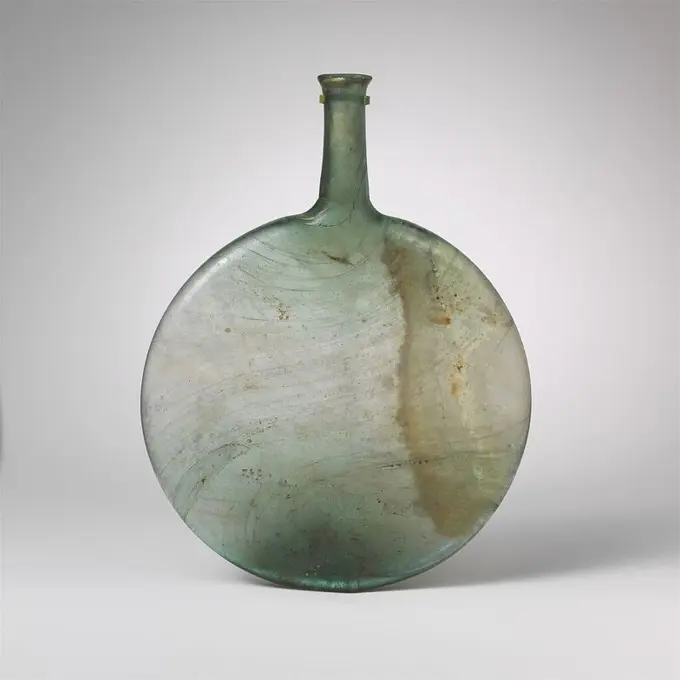
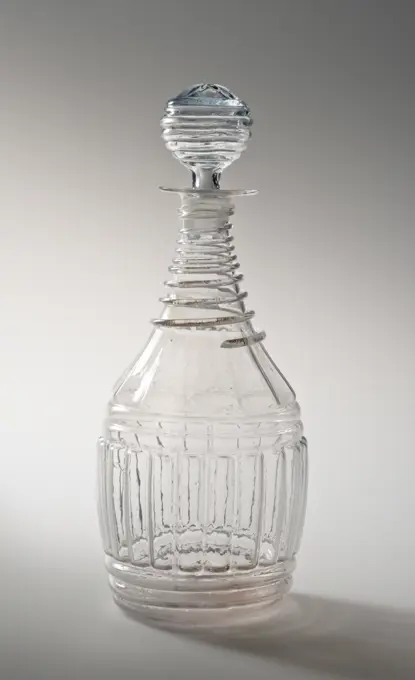
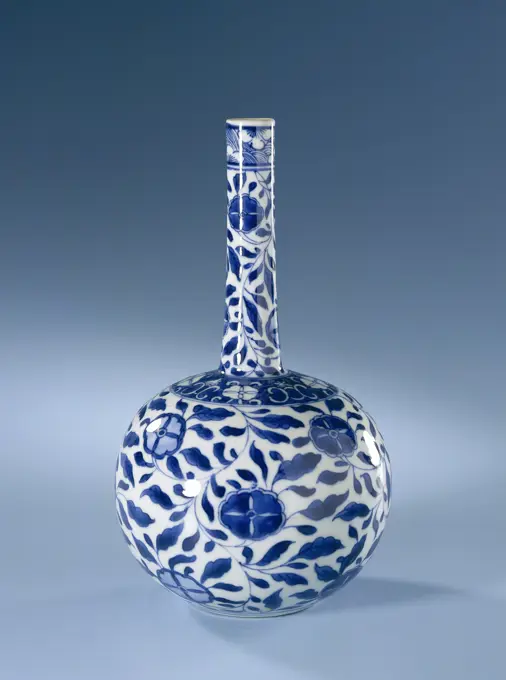
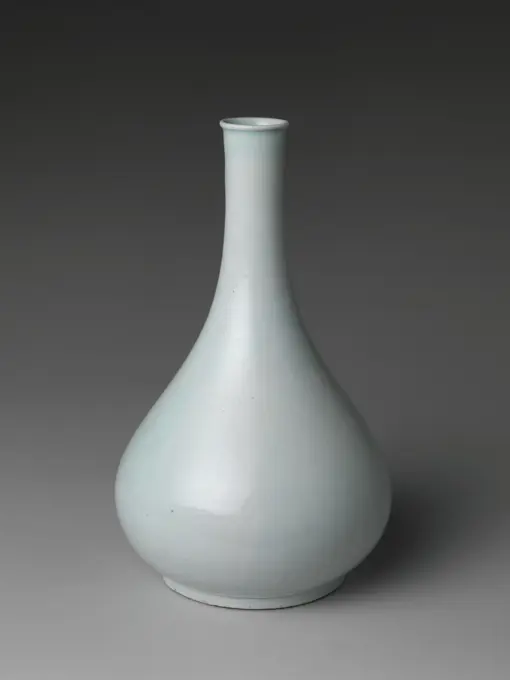
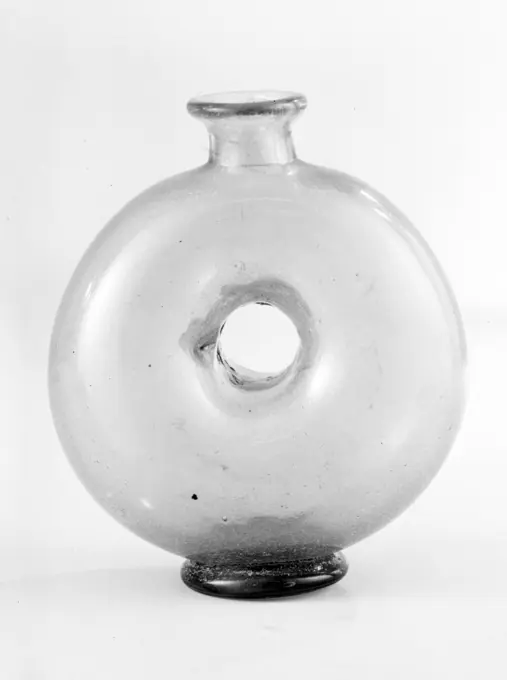
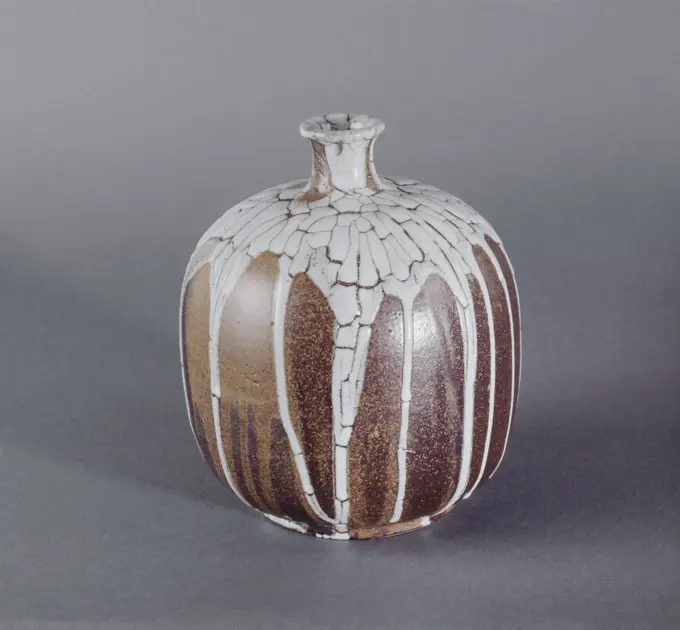
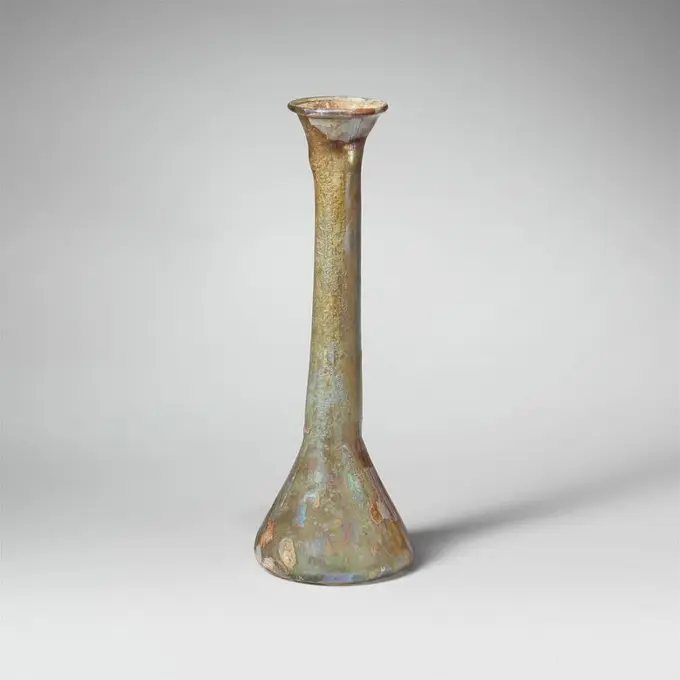
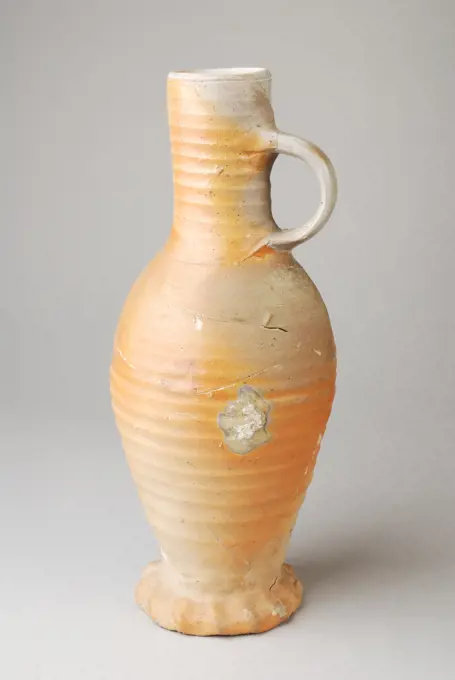
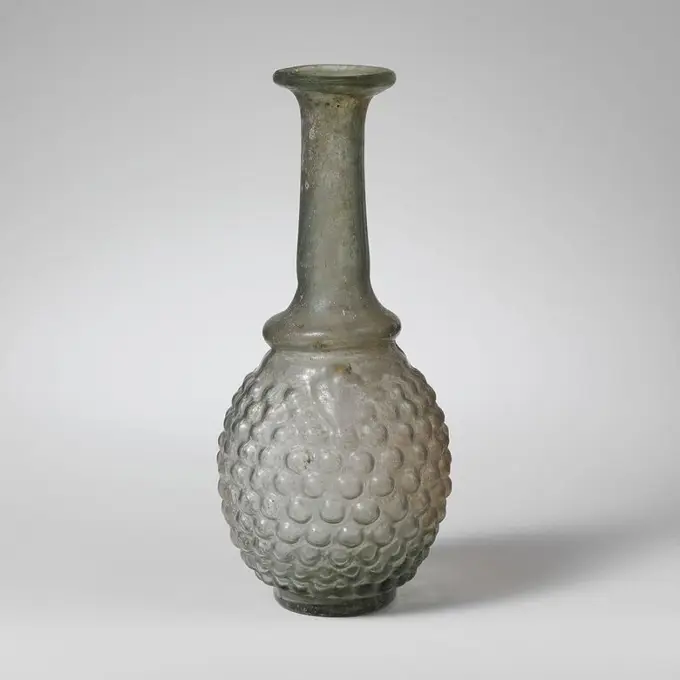
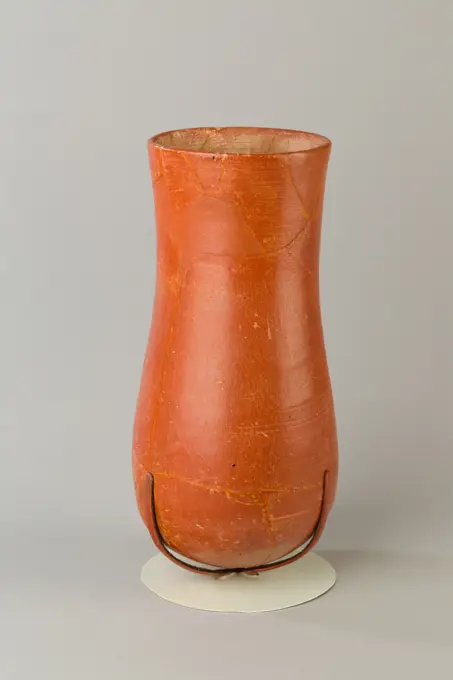
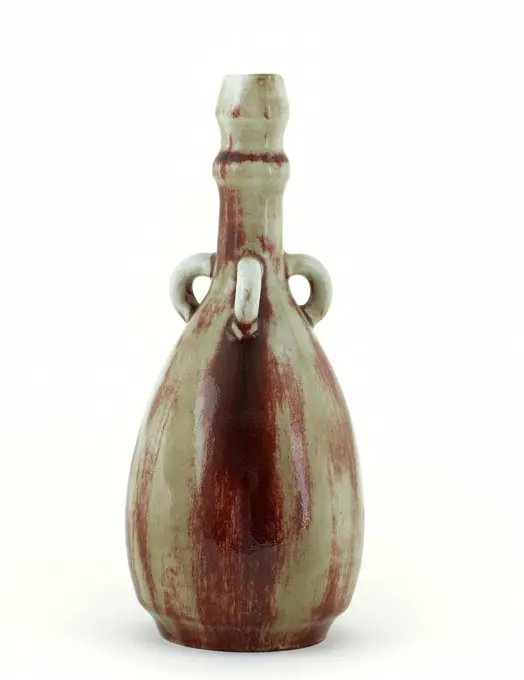
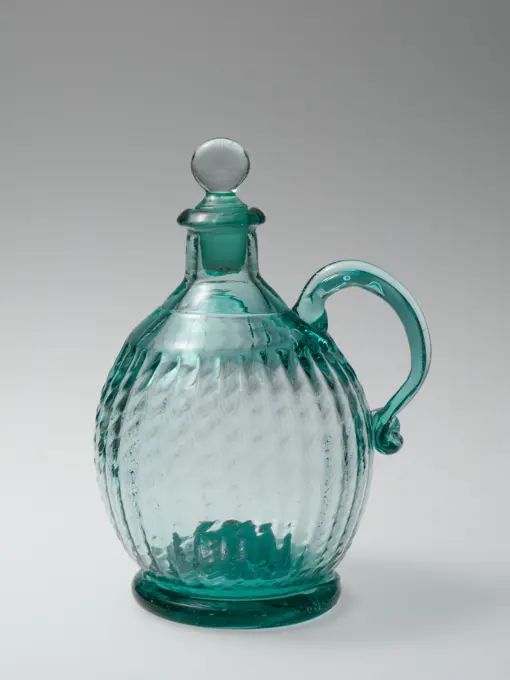
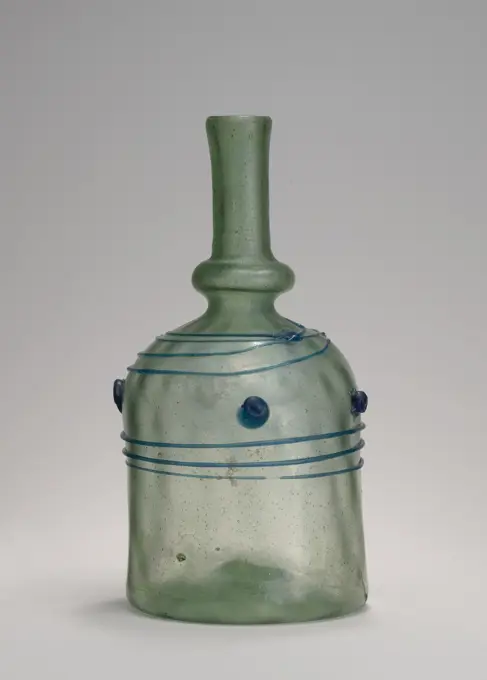
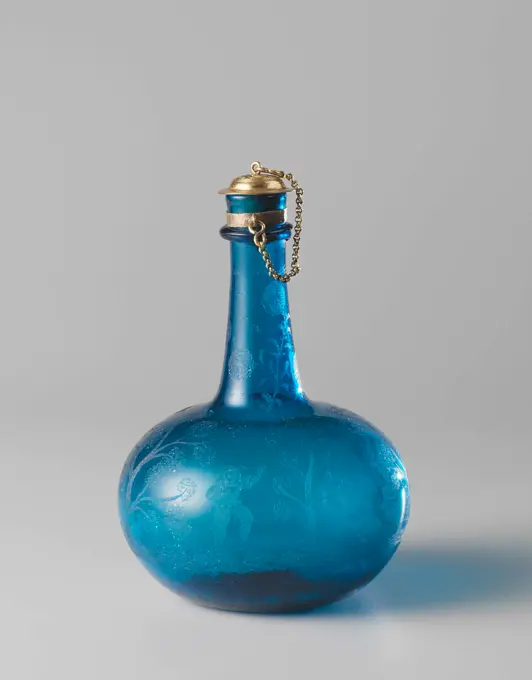
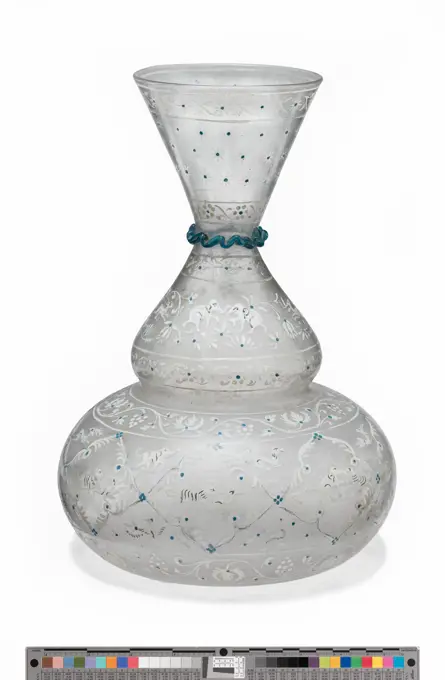
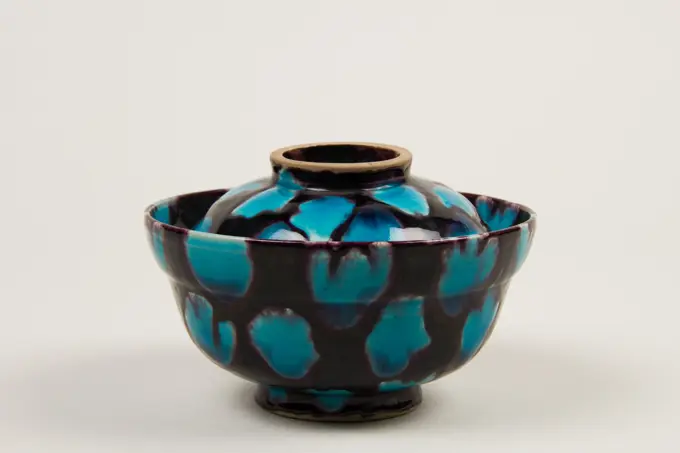
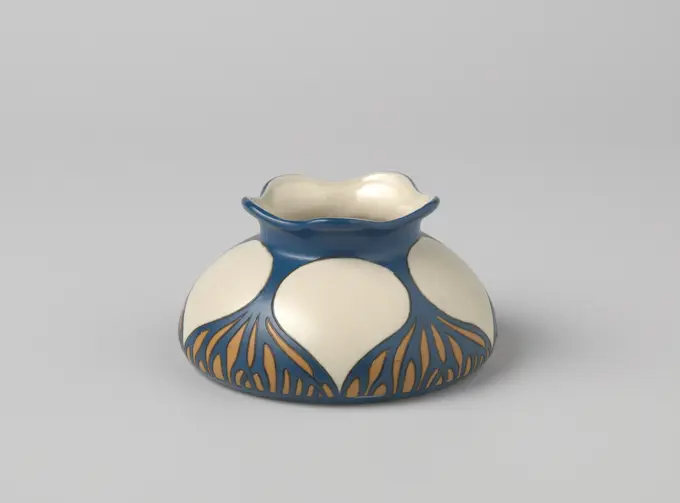
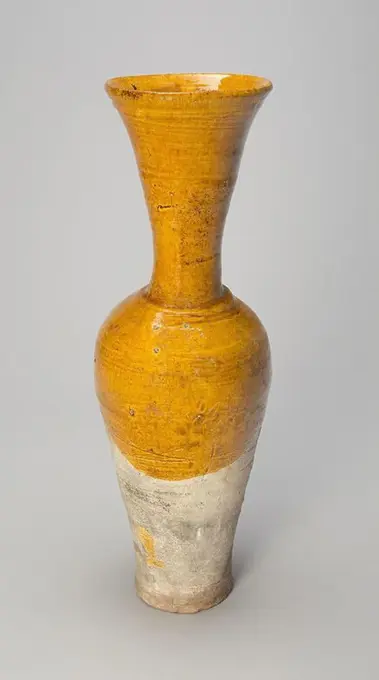
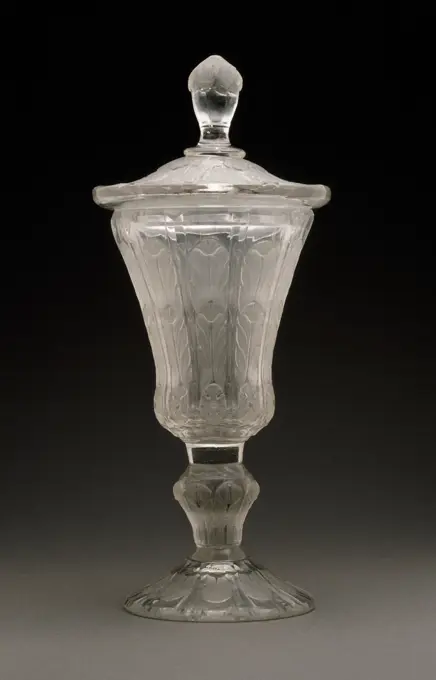
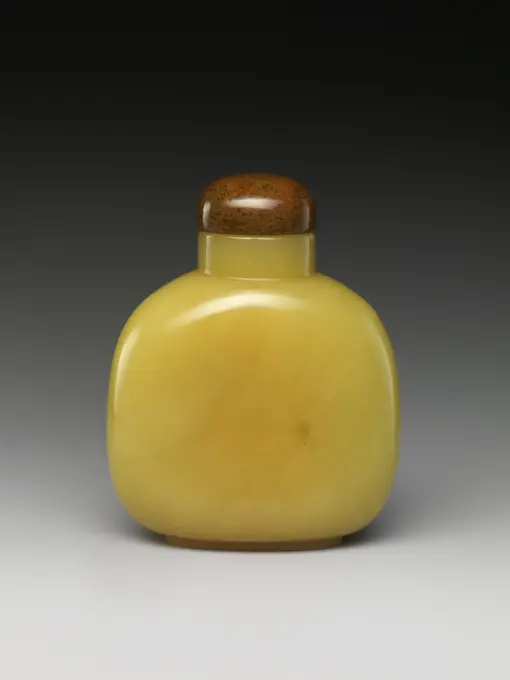
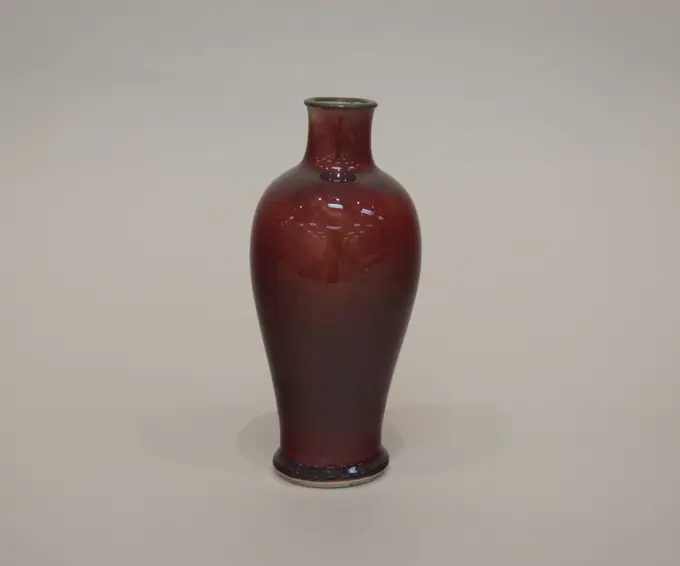
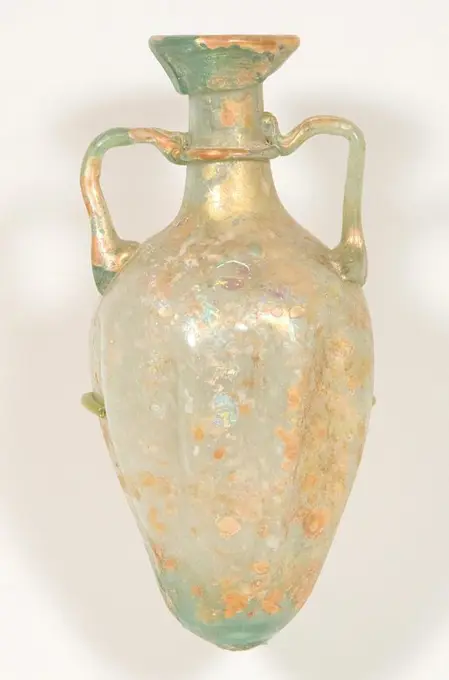
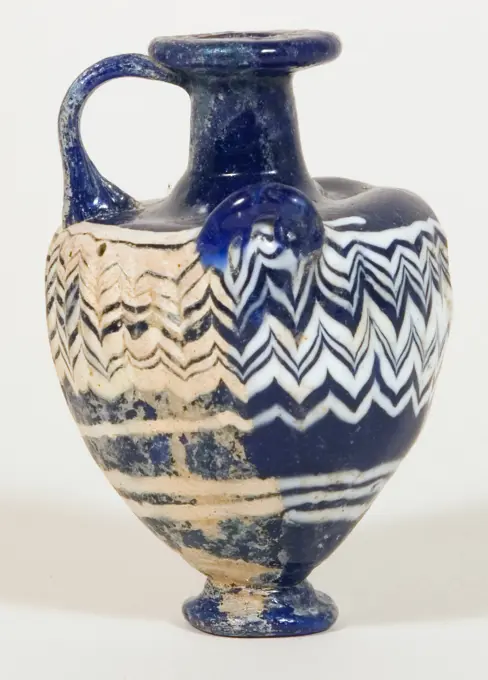
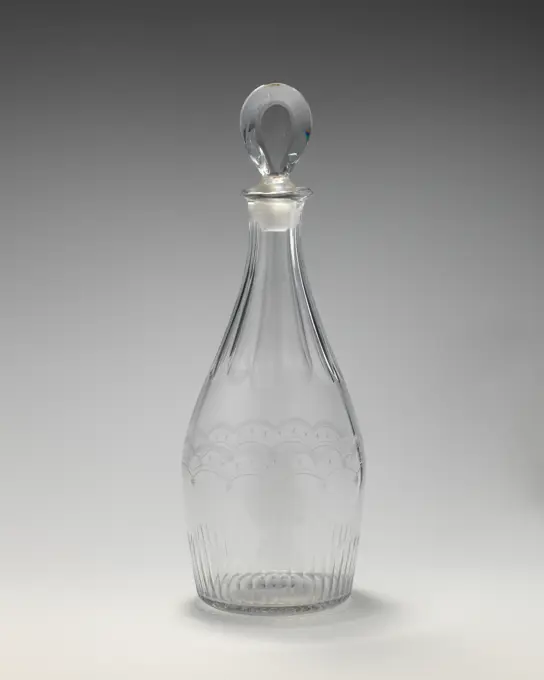
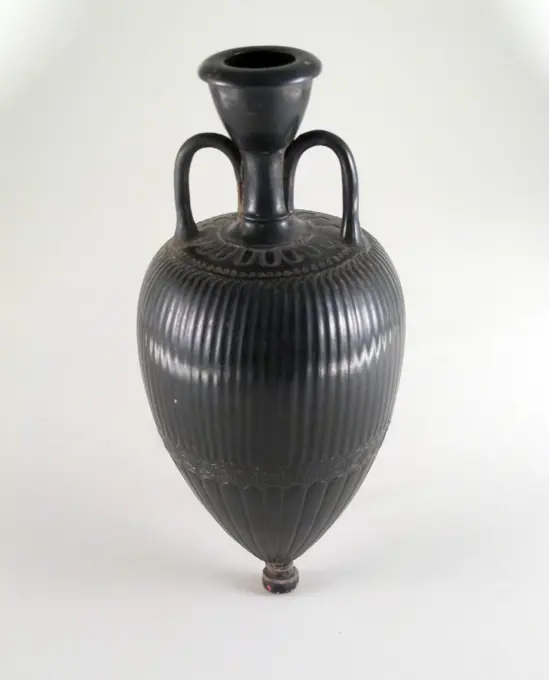
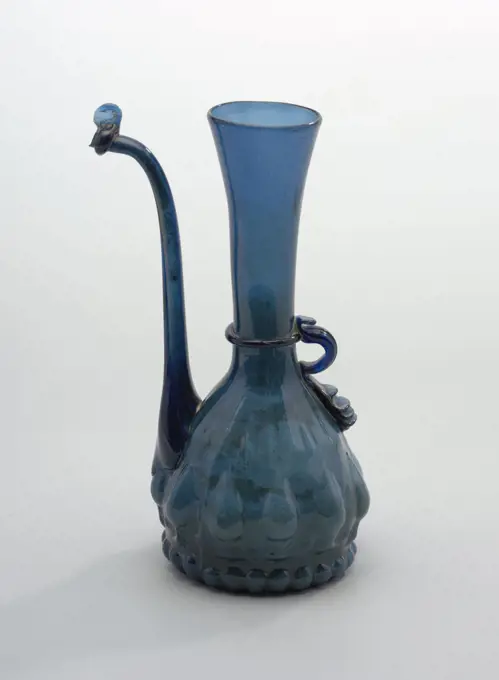
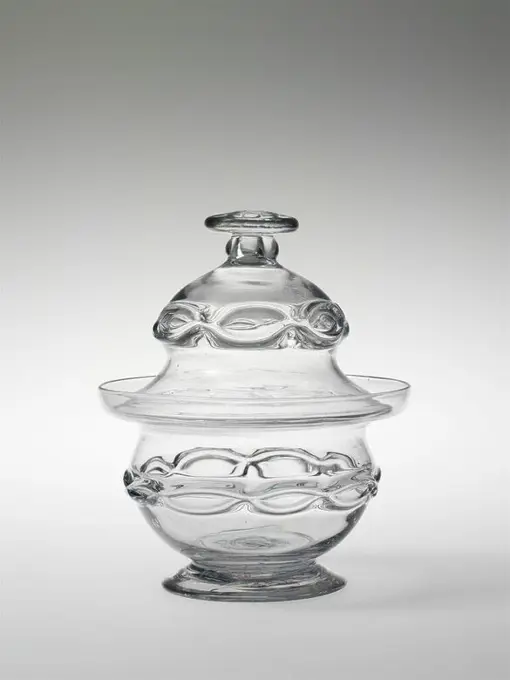
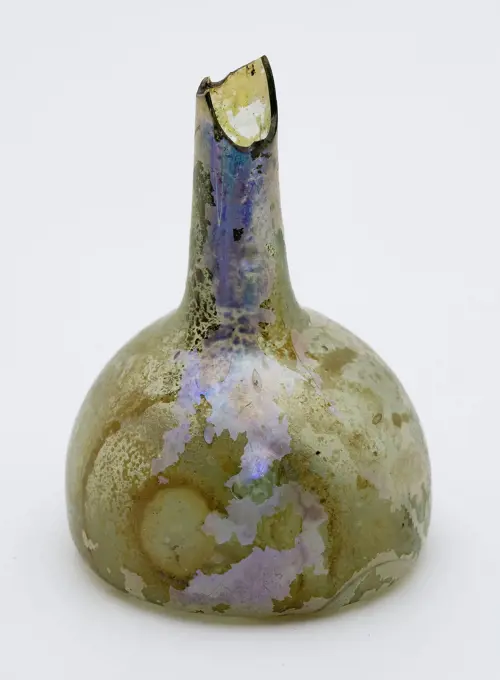
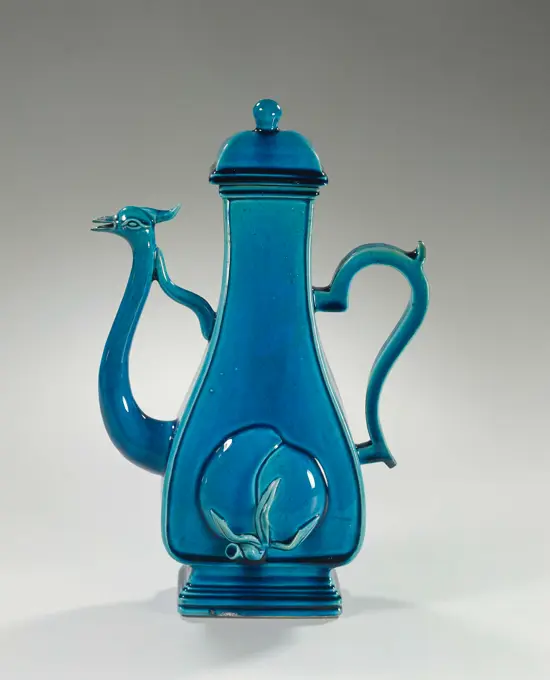
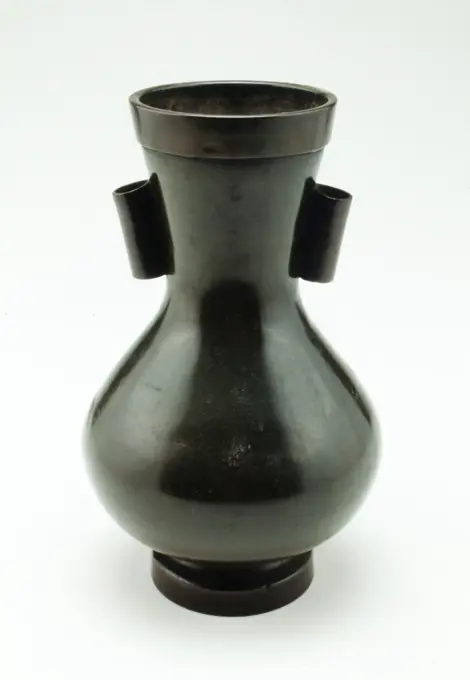
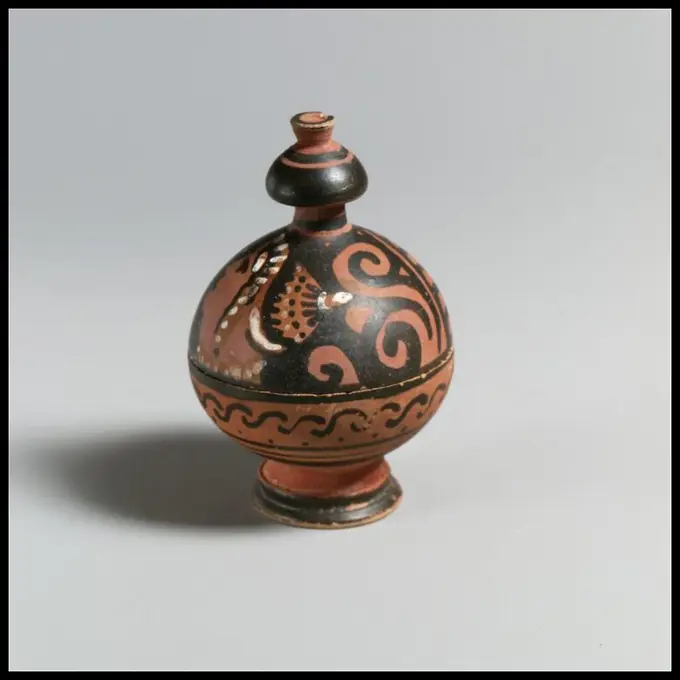
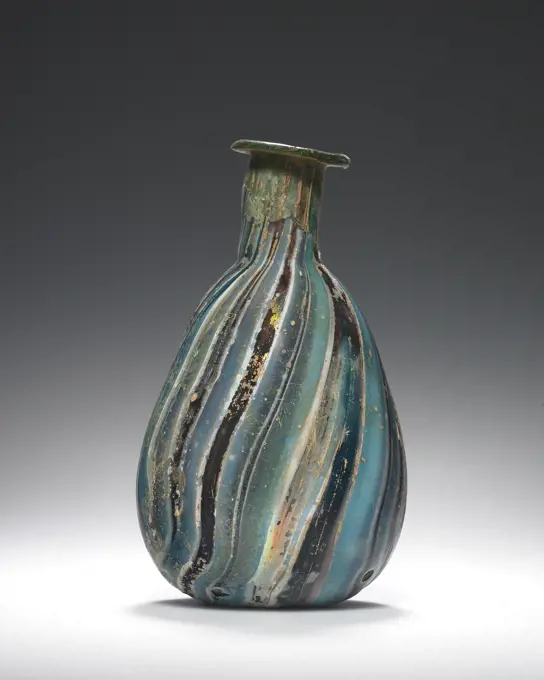
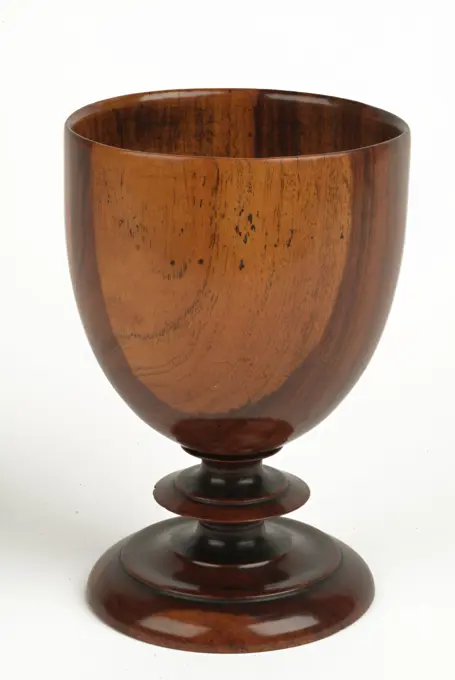
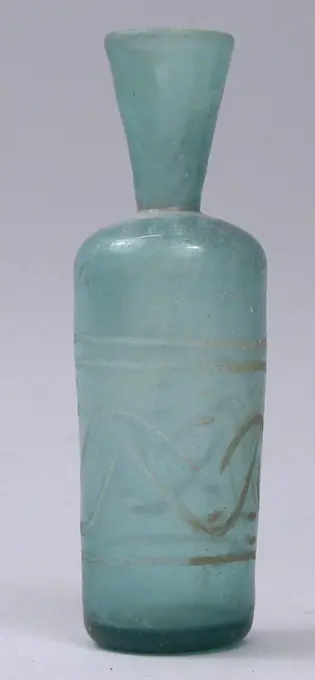
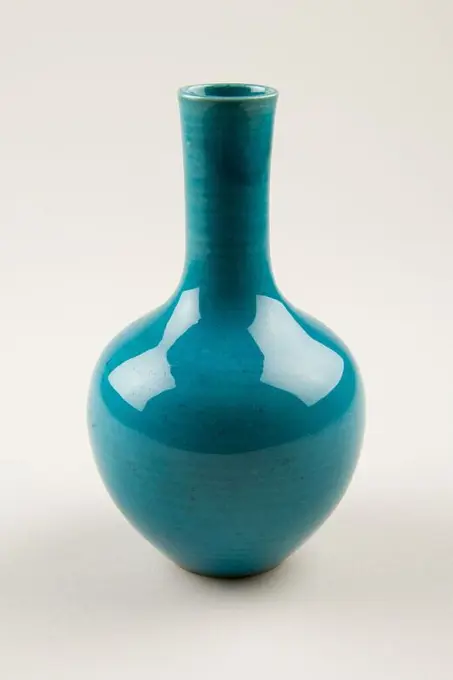
Vase. Culture: China. Dimensions: H. 5 in. (12.7 cm). Museum: Metropolitan Museum of Art, New York, USA.Balocard Balsamary. Bas-empire. Glass.Baluster bottle vase with celadon glaze, rocks and fruit spray, anonymous, c. 1675 - c. 1699 Bottle -shaped vase of porcelain with baluster -shaped body, straight neck and spreading edge, painted in underlaze blue and with celadon green and brown glaze. The body is largely covered with a celladon green enamel; daaboven a brown band; A fruit branch and a rock group on the shoulder; A decorative band around the neck. Monochrome Celadon green with blue and white. China porcelain. glaze. cobalt (mineral) painting / vitrification Bottle -shaped vase of porcelain with baluster -shaped body, straight neck and spreading edge, painted in underlaze blue and with celadon green and brown glaze. The body is largely covered with a celladon green enamel; daaboven a brown band; A fruit branch and a rock group on the shoulder; A decorative band around the neck. Monochrome Celadon green with blue and white. China porcelain. glaze. cobalt (mineral) painting / vitrificationGlass perfume bottle 1st century A.D. Roman Translucent pale greyish blue.Rim folded out, over, and in, with beveled upper surface; cylindrical neck, with tooling marks around base; convex sloping shoulder with prominent tooling marks below; bulbous body; slightly concave bottom.Intact; pinprick bubbles; deep pitting, some dulling, and brilliant iridescent weathering around top of neck and rim.. Glass perfume bottle 244673Bottle, 1100s. Korea, Goryeo period (918-1392). Celadon; overall: 27.7 cm (10 7/8 in.).Aryballos Shaped LekythosVase (USA); Manufactured by Rookwood Pottery (United States); earthenware, glazePear-Shaped Vase with Dragon-Head Ring Handles 1300-1368 China. Longquan ware; stoneware with molded decoration .Vase. PORALLAINE (). Par musée musée malée. 78839-12 Asian art, container, vaseGlass jug with trefoil rim. Culture: Roman, Syrian. Dimensions: H.: 4 3/16 in. (10.7 cm). Date: 5th-6th century A.D. or later.Translucent blue green; handle and trails in translucent cobalt blue.Trefoil rim with rounded lip; broad, flaring mouth; cylindrical neck with concave side; squat, globular body; kick in bottom with central pontil mark; slender rod handle applied as a large oval pad over trail on upper body, drawn up and outwards, then folded into a projecting loop as a thumb rest above rim, and dropped onto back of rim, with another flattened, smaller thumb rest above.One thick trail around lip; another fine trail wound round underside of mouth in a spiral; a third trail applied to side of body and wound round five or six times, forming a band of thicker and thinner lines, then pinched together to form an oval or "spectacle" pattern.Intact; a few pinprick and one large bubble, with some black impurities; small patches of encrustation and weathering.With trefoil mouth and bVase. Albert Robert Valentien for Rookwood Pottery; American, 1862-1925. Date: 1896. Dimensions: 19 × (diam. top) 5.1 × (diam. base) 6.3 cm (7 1/2 × 2 × 2 1/2 in.). Earthenware. Origin: Cincinnati. Museum: The Chicago Art Institute, Chicago, USA.Baluster-Shaped Vase with Peony Flowers 1115-1234 China. Cizhou ware; slip-coated and glazed stoneware with underglaze carved decoration .Small vase. Artist: Chinese , Qing Dynasty. Culture: Chinese. Dimensions: Height: 4 1/4 in. (10.8 cm.). Date: 18th century. Museum: Metropolitan Museum of Art, New York, USA.Jarlet 1100-1199 China. Northern blackware, Cizhou type; light grey stoneware with white trailed slip under dark brown glaze .Black Baluster Vase. Baluster-shaped vase of porcelain, covered with a monochrome, shiny black glaze. The vase has a wide, long neck, with an annular thickening and extends strongly on the top. A crack in the edge. Monochromes.Bottle China. Bottle. China. Porcelain. Qing dynasty (1644-1911), Yongzheng period (1723-35). CeramicsGlass flask Roman 4th-5th century CE Translucent blue green.Plain vertical rounded rim; funnel-shaped tall neck with slight bulging collar around base; squat globular body tapering downward; pushed-in bottom.On body, some twenty-five faint slanting ribs.Intact; some bubbles and blowing striations; dulling, iridescence, and patches of thick creamy brown weathering on exterior, soil encrustation and brilliant iridescent weathering on interior. View more. Glass flask. Roman. 4th-5th century CE. Glass; blown using a dip mold. Late Imperial. GlassVase, porcelain, ca. 1885-89, ceramics, Decorative Arts, VaseFragments of foot, trunk and base of glass of flute glass, flute glass drinking glass drinking utensils tableware holder fragment soil find glass, free blown and formed into blown shape Two fragments of part of foot of trunk and starter of chalice of chalice (flute glass) in clear colorless glass in façon de Venise style archeology Rotterdam IJsselmonde drinking wine beer serve serving Soil discovery: IJsselmonde Castle 1 and 2 Rotterdam 1972.Round bodied jar with fluted sides. Spher-shaped pot of stoneware with a narrow, short neck and raised edge, covered with a green glaze. On the shoulder, belly and around the foot three horizontal, ingrangled lines. In between, the wall is ribbed. Two semicircular ears mounted on the neck from the shoulder. A shard out of the edge, with remains of a restoration. Celadon.Maker Unknown, Cologne Bottle or Cruet, c. 1820-40, sapphire blue glass.Bottle with the inscription: Quae tennis cultivation. Smooth stand ring. Inserted soul. Plated spherical body, long slim neck with imposed ring around the neck. On body glared inscription: 'Quae wennis cultivation.'Vase, 19th century, 11 1/4in. (28.6cm), Porcelain, China, 19th centuryVase 19th century China. Vase. China. 19th century. Porcelain with blue glaze (Jingdezhen ware). Qing dynasty (1644-1911). CeramicsGlass lentoid bottle. Culture: Roman. Dimensions: Overall: 8 3/8 in. (21.3 cm)Other: 6 1/2 x 15/16 in. (16.5 x 2.4 cm). Date: 4th century A.D..Translucent blue green.Everted rim, folded over and in, with flattened upper surface, forming slight constriction to mouth; cylindrical neck, expanding downwards with tooled indents around base; disk-shaped, lentoid body with uneven flat sides and rounded edges; thick internal pad on bottom, with pontil scar.Intact; many bubbles and blowing striations; dulling, pitting, and iridescence on exterior, and patches of brown weathering and iridescence on interior.Flask-shaped bottle with slender neck. Museum: Metropolitan Museum of Art, New York, USA.EwerMaker Unknown, Decanter and Stopper, c. 1825-40, colorless glass.Flask. Roman; Levant or Syria. Date: 101 AD-500 AD. Dimensions: 13.7 × 10.2 × 10.2 cm (5 3/8 × 4 × 4 in.). Glass, blown technique. Origin: Syria. Museum: The Chicago Art Institute, Chicago, USA. Author: ANCIENT ROMAN.Squatm ovoid jar, anonymous, c. 1400 - c. 1599 Painted, egg -shaped pot of stoneware, covered with a crackled green enamel. Foot is unglazed. Celadon. China stoneware. glaze vitrification Painted, egg -shaped pot of stoneware, covered with a crackled green enamel. Foot is unglazed. Celadon. China stoneware. glaze vitrificationPot (Tsubo). Grove-commo level by and decor to Engobe blanc in Felet (ichcin) survede verted Céladon. VERS 1830-1870. Par musée musée malée. Japanese art, Japanese ceramic, white slip, net, Cealadon green background, gres, icchin, pot, tsubo, 19th XIX 19th 19th 19th centuryGarlic-Head Vase 1644-1911 China. Porcelain with dark purple glaze and light blue speckles .Tea caddy with a goldenbrown glaze, anonymous, anonymous, c. 1600 - c. 1800 Dust bar or Chare of stoneware with a spherical body and ivory lid, partially covered with a golden brown glaze. Old label on the bottom with 'W596'. Shunkei-yaki. Japan stoneware. glaze. deksel: ivory vitrification Dust bar or Chare of stoneware with a spherical body and ivory lid, partially covered with a golden brown glaze. Old label on the bottom with 'W596'. Shunkei-yaki. Japan stoneware. glaze. deksel: ivory vitrificationJean Carriès (1855-1894). "Small spherical pot". Enameled sandstone. Museum of Fine Arts of the City of Paris, Petit Palais. 24205-3 Ceramic, gres emaille, small, pot, sphericalMaker Unknown, Pocket Bottle, c. 1800-1830, aquamarine glass.Vase ca. 1886 Hobbs, Brockunier and Company. Vase 9337Vase. unknown, craftsmanBottle Vase (Meiping) with Stylized Spirals 1101-1279 China. Qingbai ware; porcelain with underglaze incised and stippled decoration .Bottle with stylized flower scrolls, anonymous, c. 1700 - c. 1724 Bottle of porcelain with spherical body and straight, long neck, painted in underlaze blue. On the bottle a continuous motif of stylized flower vines; On the shoulder a band with blue and flower vines in reserve; Around the edge a strap with floral motifs. Marked on the bottom with the letter 'G'. Blue White. China porcelain. glaze. cobalt (mineral) painting / vitrification Bottle of porcelain with spherical body and straight, long neck, painted in underlaze blue. On the bottle a continuous motif of stylized flower vines; On the shoulder a band with blue and flower vines in reserve; Around the edge a strap with floral motifs. Marked on the bottom with the letter 'G'. Blue White. China porcelain. glaze. cobalt (mineral) painting / vitrificationBottle first half of the 19th century Korea This bottles clean silhouette and unadorned surface speak to the essence of Joseon porcelain: restrained elegance.. Bottle. Korea. first half of the 19th century. Porcelain. Joseon dynasty (1392-1910). CeramicsPilgrim bottle 17th century French. Pilgrim bottle. French. 17th century. Glass. GlassJean Carriès (1855-1894). "Vase", ceramic in enameled sandstone. Museum of Fine Arts of the City of Paris, Petit Palais. 25042-1 Ceramic, gres emaille, decorative object, vaseGlass perfume bottle. Culture: Roman. Dimensions: Overall: 4 7/16 in. (11.3 cm)Diam.: 1 9/16 x 1 in. (4 x 2.5 cm). Date: 2nd-3rd century A.D..Small candlestick unguentarium.Translucent pale blue green.Rim folded out, over and in; flaring mouth; slender, and slightly concave cylindrical neck, with irregular bulges from tooling around top and horizontal indents around base; conical body; pushed-in bottom, with traces of circular pontil mark.Intact; many pinprick bubbles and blowing striations; deep pitting, dulling, and brilliant iridescence with small patches of thick creamy brown, enamel-like weathering. Museum: Metropolitan Museum of Art, New York, USA.Flamed stoneware jug on pinched foot, cylindrical neck, jug crockery holder soil found ceramic stoneware, twisted large stoneware jug. Flamed brown and orange. Cylindrical neck flat ear belly model. Pinched foot Restorations are colored archeology Capelle aan den IJssel House in Capelle castle crockery kitchenware tableware Soil discovery: canal on the south side house in Capelle ± 1395 - ± 1500 Capelle aan den IJssel 1965Beaker. Nieokreślona huta, factoryVase. Sandstone with dark blue covered animated with turquoise drips. Paris, Cernuschi museum. 78840-8 Asian art, container, vaseLithyalin Scent Bottle 1825-1835 Bohemia. Glass; marbled opaque red and ochre, blown, cut, stained and gilded . Friedrich EgermannGlass bottle shaped like a bunch of grapes. Culture: Roman. Dimensions: H. 15.24 cm.. Date: 3rd century A.D..Translucent blue green.Rim folded out, round, and in, and pressed into flaring mouth; cylindrical neck expanding downwards, with slight horizontal tooled indent around base; shoulder sloping down and out, with hollow projecting roll below; ovoid body; low cylindrical base, with concave bottom. Pontil scar at center of bottom. Body blown into a three-part mold of two vertical sections, extending from base to top of body, and a disk-shaped base section.On body, a pattern of stylized grapes comprising eleven interlocking rows of twenty-two unevenly-spaced hemispherical knobs, and at top two indistinct leaves opposite each other, centered between the mold seams; on bottom, three narrow raised concentric circles.Intact; many bubbles; patches of dulling, pitting, and iridescent weathering.Bottles, jars, and handled jugs whose body is made in the shape of a stylized bunch of grapeCup from Tutankhamun's Embalming Cache ca. 1336-1327 B.C. New Kingdom. Cup from Tutankhamun's Embalming Cache. ca. 1336-1327 B.C.. Pottery, hematite wash, burnished. New Kingdom. From Egypt, Upper Egypt, Thebes, Valley of the Kings, Embalming Cache of Tutankhamun (KV 54), Davis/Ayrton excavations, 1907-08. Dynasty 18Ernest Chaplet (1835-1909). Vase. Flammed porcelain. 1894. Museum of Fine Arts of the City of Paris, Petit Palais. 60190-1 Flamee porcelain, vaseCruet 1815-45 American. Cruet. American. 1815-45. Blown, pattern-molded glass. Probably made in Ohio, United StatesBottle with Blue Trails 12th century This appealing pale green bottle was initially blown into a mold with narrow vertical ribs and then inflated so that the ribs appear in very shallow, nearly imperceptible relief. A long, thin trail of dark blue glass spirals around the object, forming an irregular pattern. Additional, shorter trails form a festooned design around the base of the neck, and four small blue blobs dot a larger band created by the spiraling trail. Bottles of this shape and decorated with blobs of glass in contrasting colors were made in Syrian glass factories between the late eleventh and the early thirteenth century. A number of comparable objects and fragments have been excavated in Hama, in west central Syria, and Raqqa, on the bank of the Euphrates River some 150 miles to the northeast. Similar bottles are in museums in Saint Petersburg, Kiev, and Berlin. That a majority of these examples were reportedly found in the Caucasus region or along the coast of the Black SeBottle with figures in a landscape with trees. Bottle of blue glass. Inserted soul with pontital brand. Bol-shaped body, long slim neck with imposed ring around the neck. Above the ring a gold-plated copper frame with a chain, to which a cork mounted in gold-plated copper is attached. On the body there are a jester, a dancing man and a Lord who makes a bow engraved for a mandolinian playing lady. Two flower drinks on the neck.Terracotta lekythos (oil flask). Culture: Greek, Boeotian. Dimensions: H. 6 1/8 in. (15.6 cm). Date: 4th century B.C..Stamped patterns. Museum: Metropolitan Museum of Art, New York, USA.Vase 1805-1815 Staffordshire. Lead-glazed earthenware with lustre decoration .Flower Vase, Export ware made for the Indian market. Italy, Venice, circa 1670-1700. Furnishings; Accessories. Clear and blue Venetian or "Facon de Venise" glass with white and blue enamelCovered Bowl 19th century In the style of Eiraku Hozen Nagay ware originally come from a daimy kiln under the jursidiction of the mura lords and is part of the late-eighteenth-century phenomena of daimy families creating and patronizing a specific kiln.. Covered Bowl. In the style of Eiraku Hozen (Japanese, 1795-1854). Japan. 19th century. Porcelain with polychrome glaze (Kairakuen ware). Edo (1615-1868) or Meiji period (1868-1912). CeramicsFlask c 1850 Bohemia. Glass . Willington Glass Co.Bottle 1 CE-100 CE Syria. Glass, blown technique . Ancient RomanGlass cosmetic flask (kohl tube) 3rd-4th century A.D. Roman Translucent blue green; trail in same color.Tubular rim, folded out, over, and in; cylindrical neck, flaring upwards and joining imperceptibly below with slender, piriform body; splayed tubular foot, made by folding; deep kick in bottom with central pontil scar.Openwork zigzag trail applied to neck and wound round with eight upward loops attached to outer edge of rim, then drawn down and wound four times around lower neck as a spiral.Complete, but large internal in body; pinprick and a few larger bubbles, and large black impurity in neck below rim; some dulling, limy encrustation, and weathering.. Glass cosmetic flask (kohl tube). Roman. 3rd-4th century A.D.. Glass; blown and trailed. Late Imperial. GlassPitcher W Cewicz, Janina, Economic Huta ZawiercieAltar Flower Vase, 18th century, 17 1/8 x 5 5/8 in. (43.5 x 14.29 cm), Gold-splashed bronze, China, 18th century. .Vase of Chromolith Steengoed with a plant root motif, Villeroy & Boch Ceramic Werke K.G., 1904 Vase of Chromolith Steengoed, decorated in brown and blue with a plant root motif. Scalloped mouth edge. Metling mastery stoneware Vase of Chromolith Steengoed, decorated in brown and blue with a plant root motif. Scalloped mouth edge. Metling mastery stonewareBottle. Dimensions: H. 8 1/8 in. (20.6 cm). Date: ca. 1875. Museum: Metropolitan Museum of Art, New York, USA.Flask. UnknownVase with Trumpet-Shaped Mouth. China. Date: 1000-1099. Dimensions: H. 36.5 cm (14 3/8 in.). Stoneware with amber lead glaze. Origin: China. Museum: The Chicago Art Institute, Chicago, USA.Terracotta amphora with lid (jar). Culture: Greek, Attic. Dimensions: H. 19 13/16 in. (50.3 cm)H. with cover 25 1/8 in. (63.8 cm). Date: 4th century B.C..A gilt laurel wreath circles the neck. Museum: Metropolitan Museum of Art, New York, USA.Jar 1500-1699 Spain. Glass .Ginger Jar Vase; Designed by Jan Willem Mijnlief (1862 - 1937); Manufactured by Holland Pottery, Utrecht; Netherlands; earthenware; (a,b: overall): 17 x 11.3 cm (6 11/16 x 4 7/16 in.)Covered Goblet. Bohemia or Silesia, late 19th century. Furnishings; Serviceware. GlassSnuff Bottle late 18th-early 19th century China. Snuff Bottle 41402Crane-neck Sake Bottle. Japan, Edo period (1615-1868), 18th century. Ceramics. Stoneware with iron and rice straw ash glazesChair, Anonymous, 1775 - 1800 Dust bar with ivory lid. Brown glaze with black spots. Satsuma stoneware. glaze Dust bar with ivory lid. Brown glaze with black spots. Satsuma stoneware. glazePocket bottle 1815-45 American. Pocket bottle 6623Carafe with spherical body with diamond motif. Inserted soul, printed spherical body of two layers of glass, the outer in a diamond pattern. High, slender neck, c. Two cm under the edge remains of a drip ring, which hides under a silver band. The convex silver stop, with a chain on the tire, is awarded by Bacchus, which has its glass.Drinking bottle (Porrón) 18th century Spanish This drinking vessel made in the Catalonia region was blown with a white-threaded filigrana decoration first developed in Murano. Its distinctively long-spouted, bottle shape is particular to Spain. Drinking from this vessel is tricky: the wine is poured from a distance directly into the drinker's mouth.. Drinking bottle (Porrón). Spanish. 18th century. Glass. GlassJean Carriès (1855-1894). "Gourd". Enameled sandstone. Museum of Fine Arts of the City of Paris, Petit Palais. 24201-17 Ceramic, gourd, gres emailleVase. England, Staffordshire. Date: 1805-1815. Dimensions: H. 26 cm (10 1/4 in.). Lead-glazed earthenware with lustre decoration. Origin: Staffordshire. Museum: The Chicago Art Institute, Chicago, USA.Small Feeding VesselVase late 17th-early 18th century China. Vase. China. late 17th-early 18th century. Porcelain with copper red glaze (Jingdezhen ware). Qing dynasty (1644-1911), Kangxi period (1662-1722). CeramicsDoubled-Handled Flask. Late Roman or Byzantine; Eastern Mediterranean. Date: 301 AD-500 AD. Dimensions: 15.2 × 6.9 × 6.9 cm (6 × 2 3/4 × 2 3/4 in.). Glass, blown technique. Origin: Syria. Museum: The Chicago Art Institute, Chicago, USA.Antique glass 1898, Middle EastHydriske 450 BCE-350 BCE Eastern Mediterranean Region. Glass, core-formed technique . Ancient Eastern MediterraneanJar with Carved Benedictory Arabic Inscription in Thuluth Script. Dimensions: H. 5 1/2 in. (14 cm)Diam. 5 in. (12.7 cm). Date: 12th-13th century. Museum: Metropolitan Museum of Art, New York, USA.Decanter (one of a pair) 18th century British. Decanter (one of a pair). British. 18th century. Glass. GlassTerracotta amphoriskos (flask) 4th century B.C. Greek, Attic Black glazed with a pointed ribbed body used for perfume.. Terracotta amphoriskos (flask) 251508Ewer, Glass, Blue glass vessel with long flaring neck and slightly pear shaped body with tear drop shaped relief along base and long upturned spout; handle of applied glass., Iran, 17th-18th century, glasswares, Decorative Arts, EwerSugar bowl. Culture: American. Dimensions: H. 6 3/16 in. (15.7 cm); Diam. 5 1/4 in. (13.3 cm). Maker: Attributed to Thomas Cains (active 1812-ca. 1820). Manufacturer: Possibly at his South Boston Flint Glass Works or; Possibly at Phoenix Glass Works (1812-27). Date: 1812-27.The chainlike decoration on this sugar bowl and pitcher (69.167) was achieved by applying two parallel threads of glass and then nipping them together to form the connected ovals. This mode of decoration dates back to ancient Roman times and was revived on sixteenth-century Venetian and late-seventeenth-century English glass. It appeared again on English glass in the second half of the eighteenth century. Thomas Cains, who came from Bristol, England, was the proprietor of both firms that may have produced these pieces. Museum: Metropolitan Museum of Art, New York, USA.Bol Belly bottle, horse hoof, bottle holder miniature soil find glass, free blown and shaped Small bulbous bottle horse hoof in clear light green glass. Pontil mark under wide erected bottom Bolrond ascending wall to convex shoulders and long slightly rejuvenated neck archeology Rotterdam Kralingen-Crooswijk Struisenburg's Gravenweg Oostmaaslaan packing toys Soil discovery Oostmaaslaan and De's Gravenweg. Vine of porcelain with a square pear shape, covered with a turquoise glaze. A modeled peach on both side walls; S-shaped ear and curved tuit ending in a bird head. Monochromes.Pear-shaped vase, early 19th century, 12 1/2in. (31.8cm), Bronze, China, 19th centuryDish;  Unspile (0-00-00-0-00-00);Pyxis. Culture: Greek, South Italian, Apulian. Dimensions: H. 7.01 cm.. Date: ca. 300 B.C..On the lid, head of a woman. Museum: Metropolitan Museum of Art, New York, USA.Candlestick and socket, wood, turned, late 18th-early 19th century, Decorative Arts, Candlestick and socketFlask; Eastern Mediterranean; 1st century; Glass; 10.5 cm (4 1,8 in.)Jug still bank, 19th century, 3 1/2 x 2 13/16 x 2 15/16 in. (8.89 x 7.14 x 7.46 cm), Ceramic, United States, 19th centuryCup - Goblet, 1700-1800. Made in England. Pinto Collection - Purchased from Edward H Pinto, 1965.. This laburnum wood goblet is one of a pair, probably dating from the eighteenth century. We can tell that it was made on a pole lathe because the point where the goblet was held in place on the lathe leaves a characteristic mark on the base. It is very difficult to date these plain wooden goblets accurately as styles and patterns changed very slowly over the years. Laburnum wood was an interesting choice for this goblet as its warm tones and contrasting dark heart and yellow sapwood help to add a certain beauty and finesse to an otherwise everyday object.Pitcher 1880 Yorkshire. Christopher Dresser was known for prioritizing an objectís function while still maintaining geometric elegance. He gave special consideration to the placement of spouts and handles on vessels, such as this pitcher designed for Linthorpe Art Pottery. Dresser looked to a variety of cultural sources for inspiration. The shape of this pitcher is an adaptation of ancient Greek Cycladic jugs, the incised decoration was likely copied from Bronze Age pots excavated in Yorkshire, and the dripped glazing effect is based on Japanese Raku pottery.. Lead-glazed earthenware . Christopher Dresser (Designer)Bottle with Cut Design 7th-8th century The white lines on the surface of this small bottle were engraved with a rotating device. This decorative technique carries on the tradition of late Roman vessels engraved in a similar fashion. The similarity to Roman glasswork suggests that this piece dates from a transitional period, early in Islamic history.. Bottle with Cut Design 448356Unknown, Sugar Bowl, 1800-40, cobalt blue glass.