Decorative Vases

An assortment of artistic vases made from glass and porcelain, showcasing intricate designs and the beauty of historical craftsmanship.
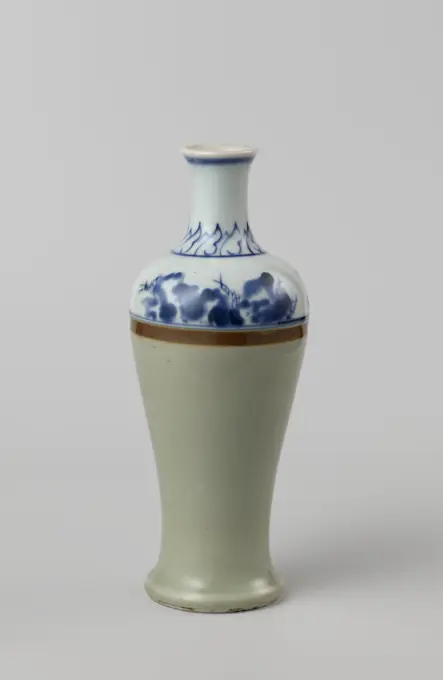
Baluster bottle vase with celadon glaze, rocks and fruit spray, anonymous, c. 1675 - c. 1699 Bottle -shaped vase of porcelain with baluster -shaped body, straight neck and spreading edge, painted in underlaze blue and with celadon green and brown glaze. The body is largely covered with a celladon green enamel; daaboven a brown band; A fruit branch and a rock group on the shoulder; A decorative band around the neck. Monochrome Celadon green with blue and white. China porcelain. glaze. cobalt (mineral) painting / vitrification Bottle -shaped vase of porcelain with baluster -shaped body, straight neck and spreading edge, painted in underlaze blue and with celadon green and brown glaze. The body is largely covered with a celladon green enamel; daaboven a brown band; A fruit branch and a rock group on the shoulder; A decorative band around the neck. Monochrome Celadon green with blue and white. China porcelain. glaze. cobalt (mineral) painting / vitrification
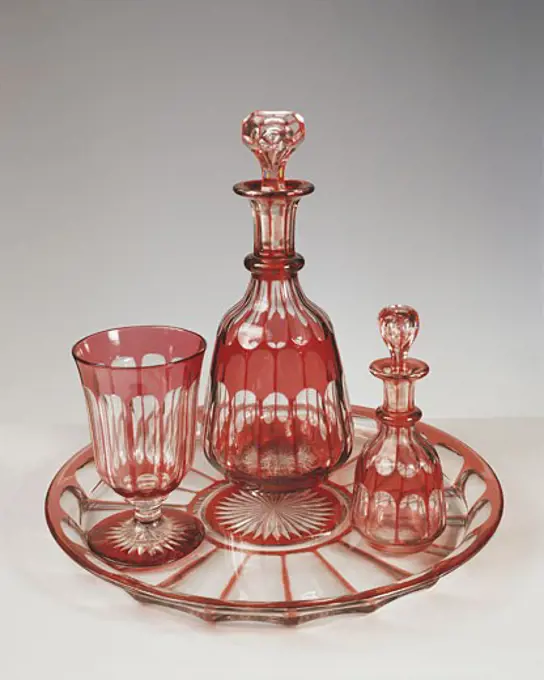
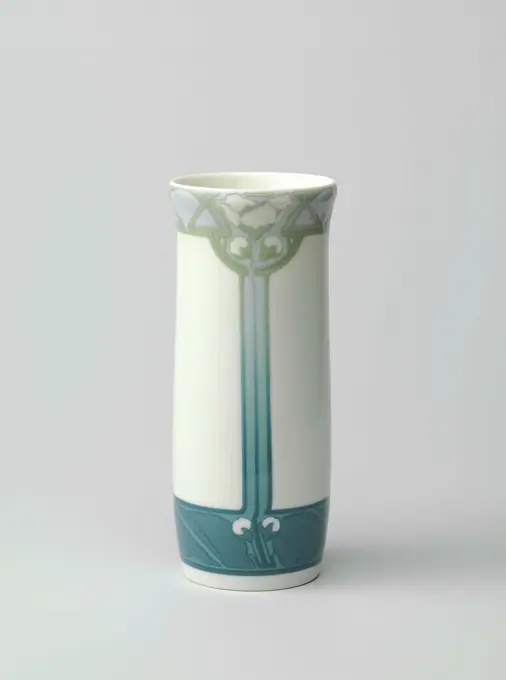
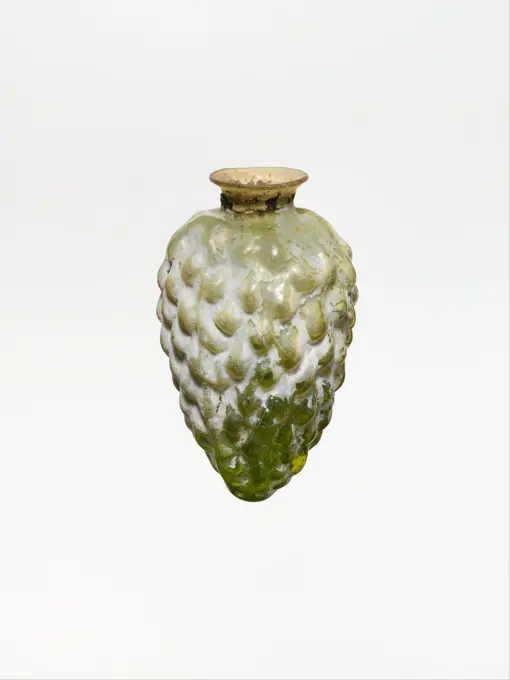
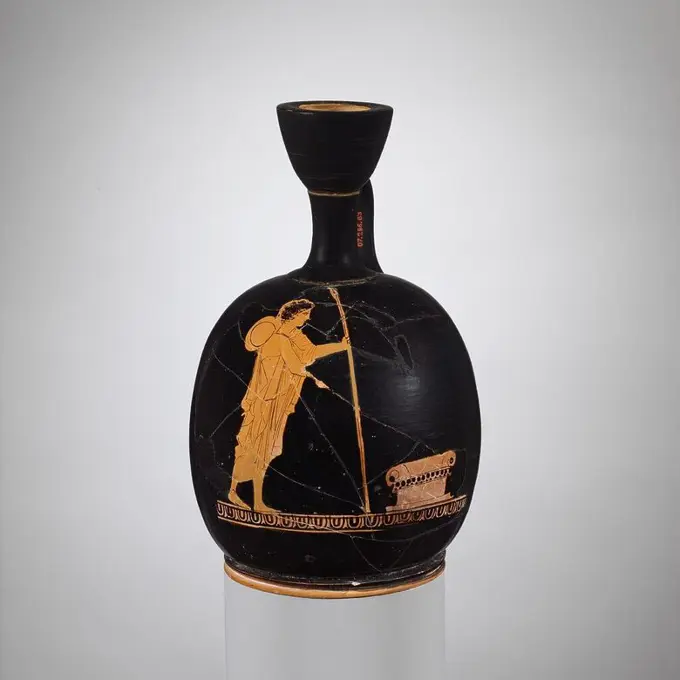
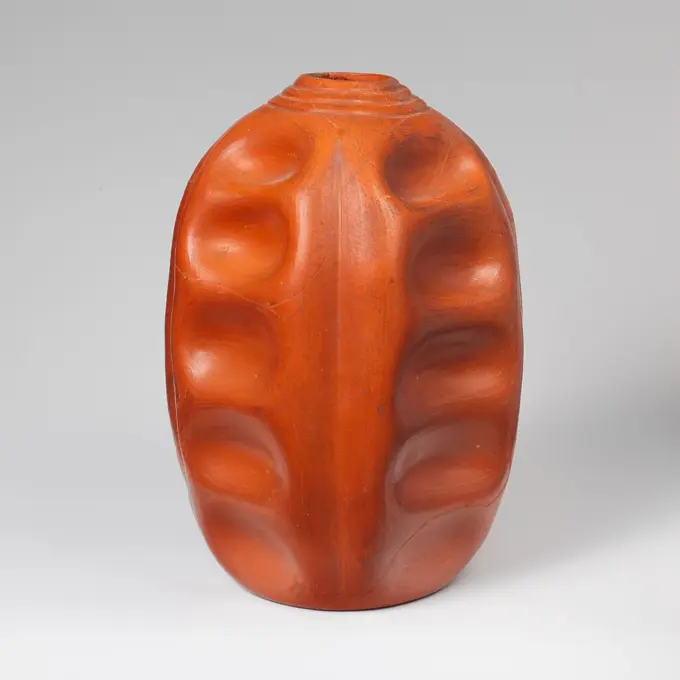
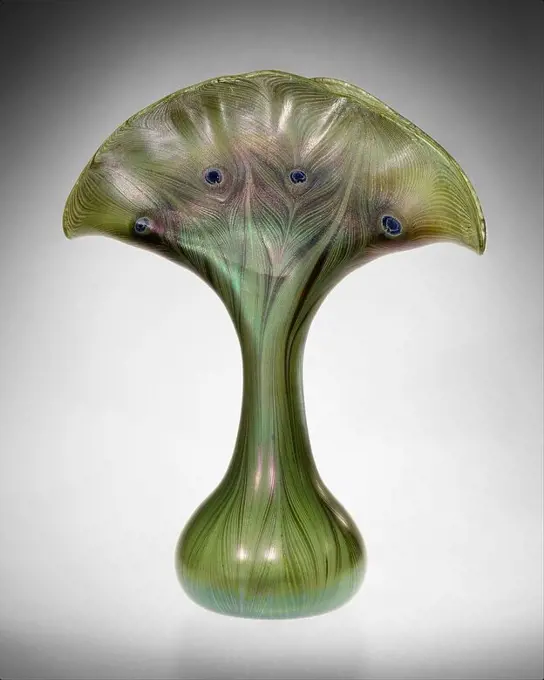
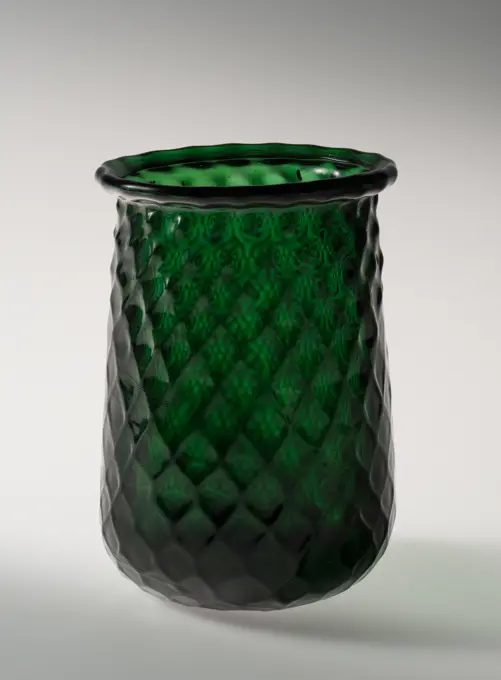
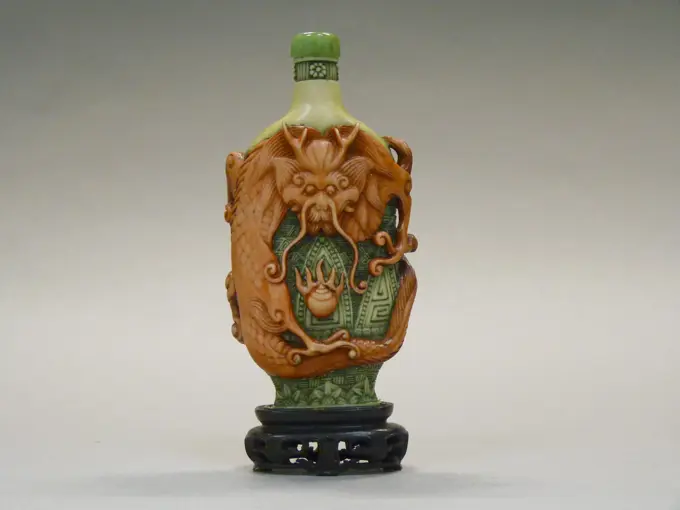
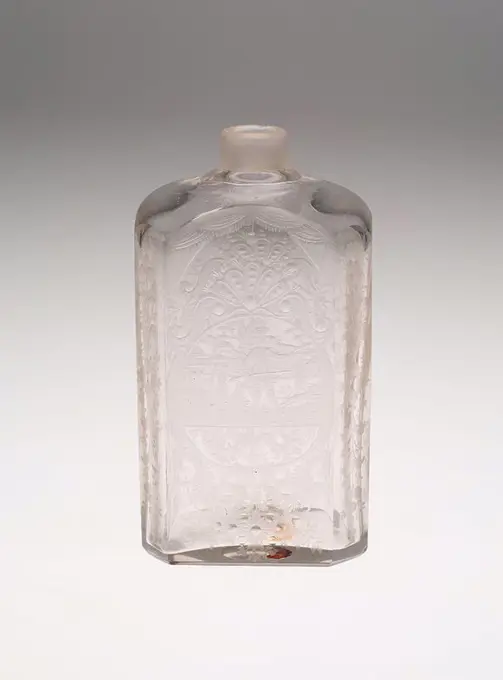
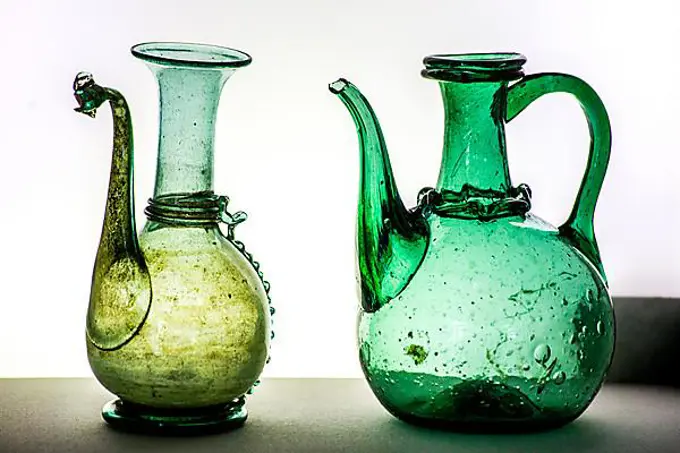
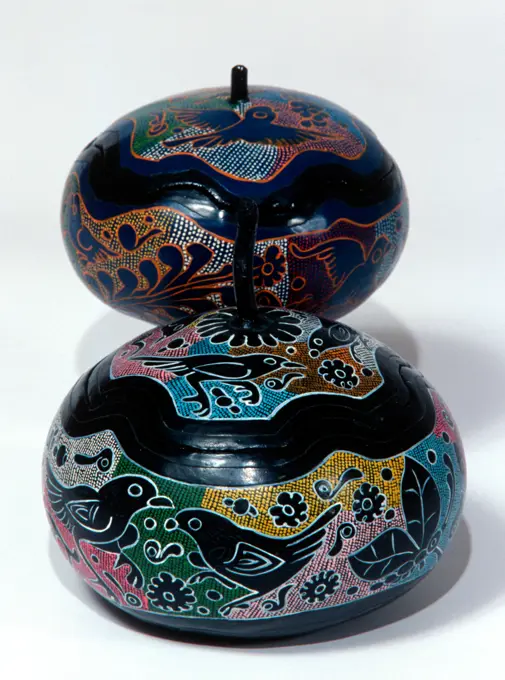
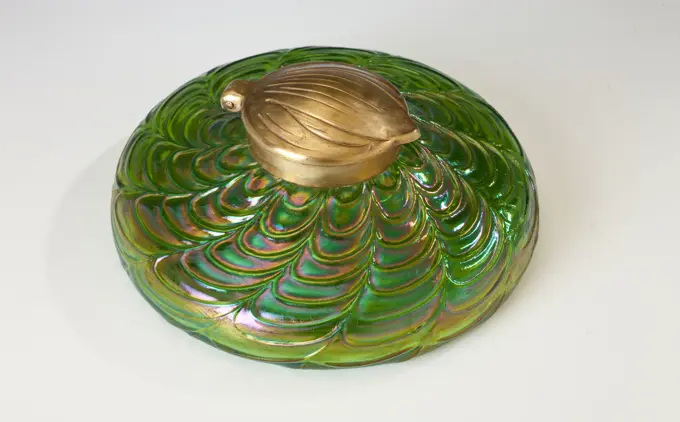
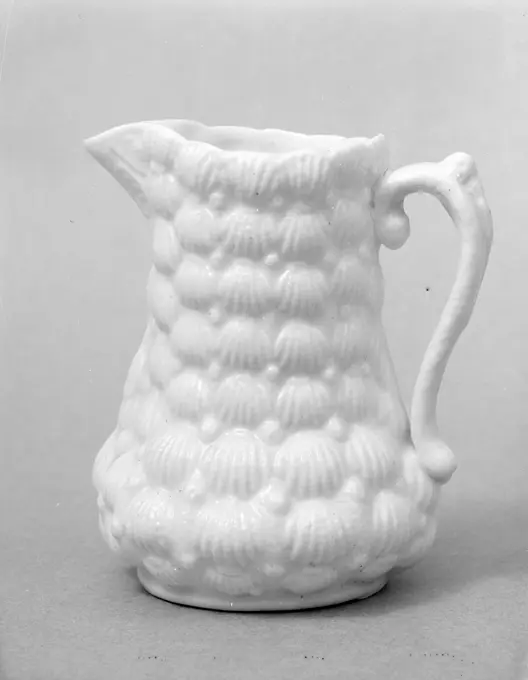
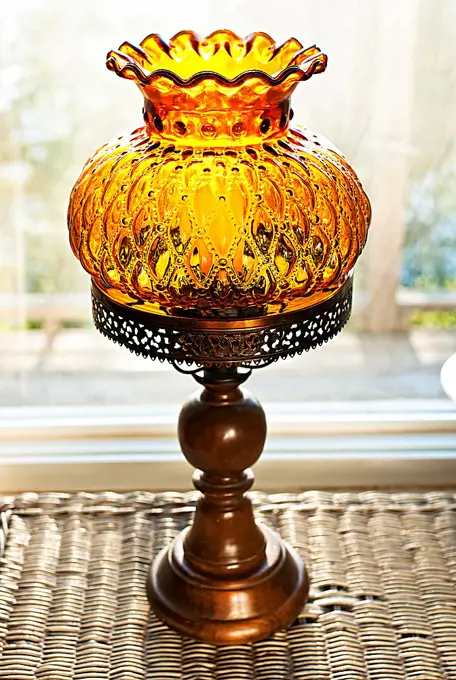
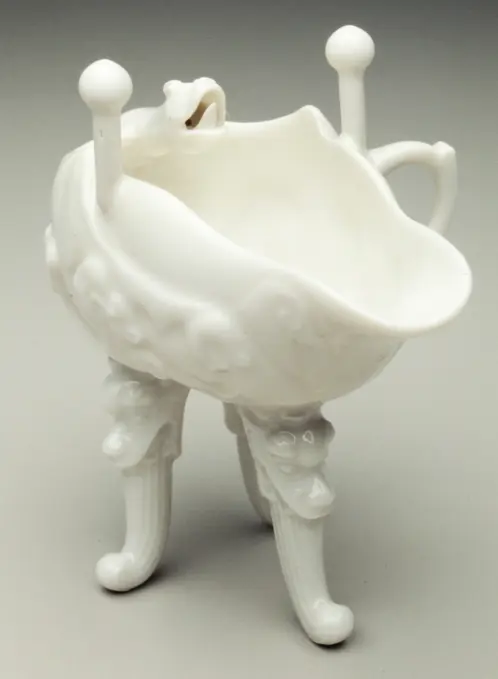
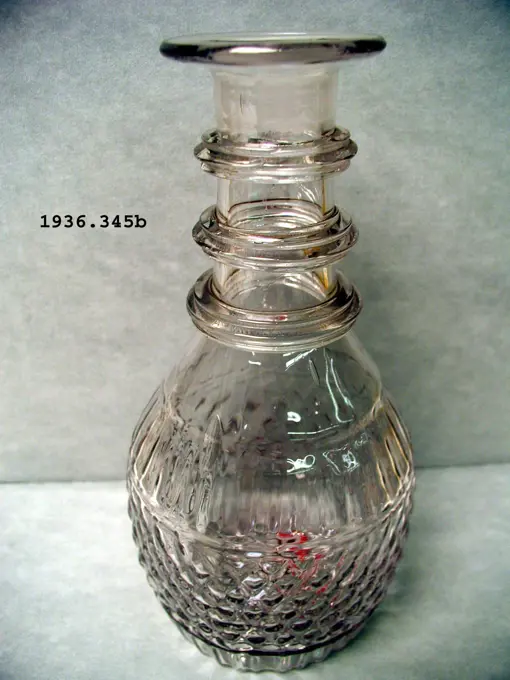
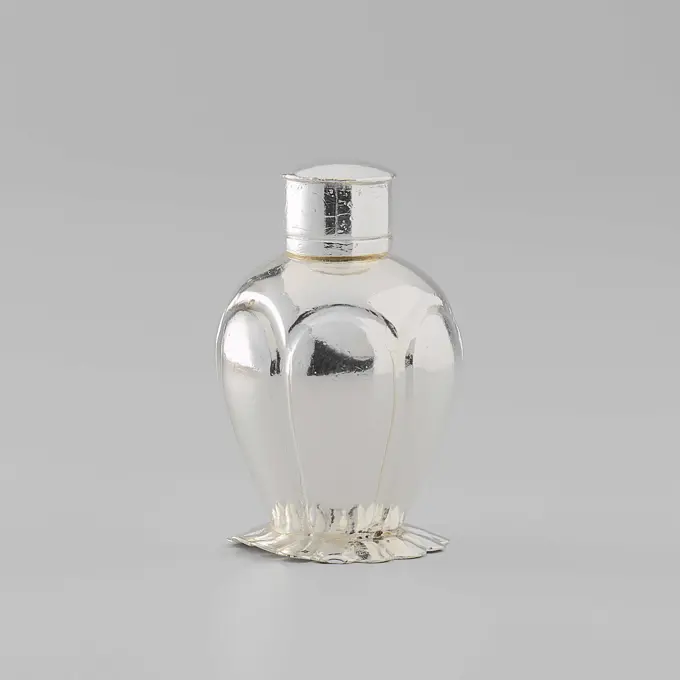
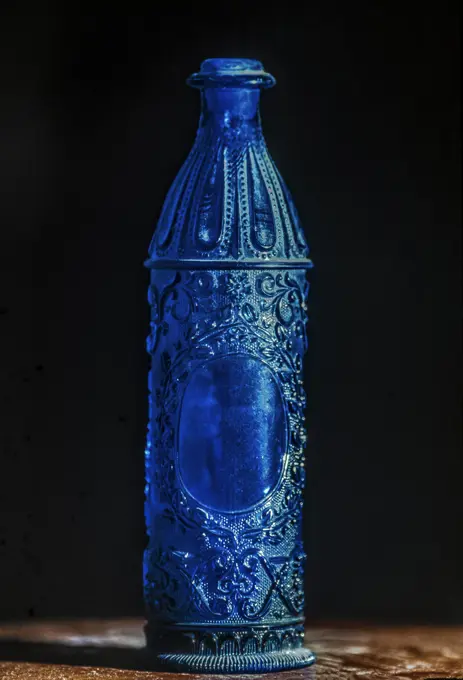
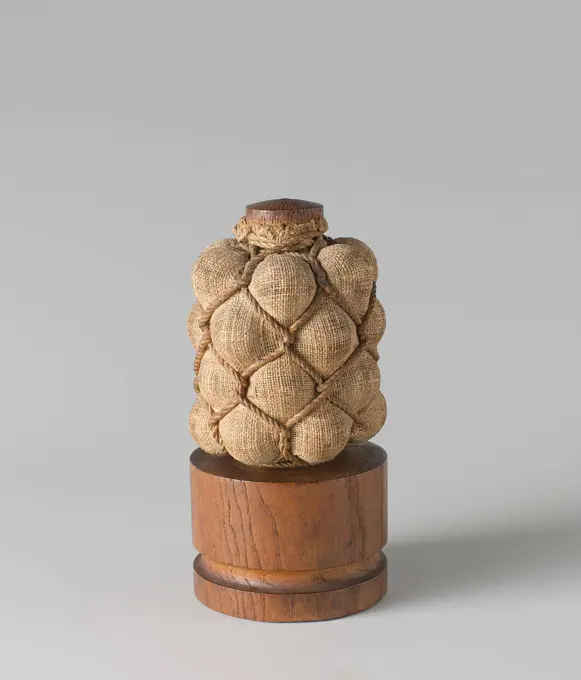
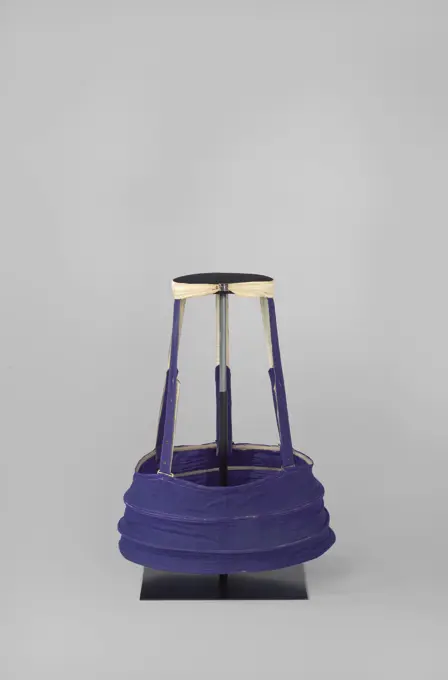
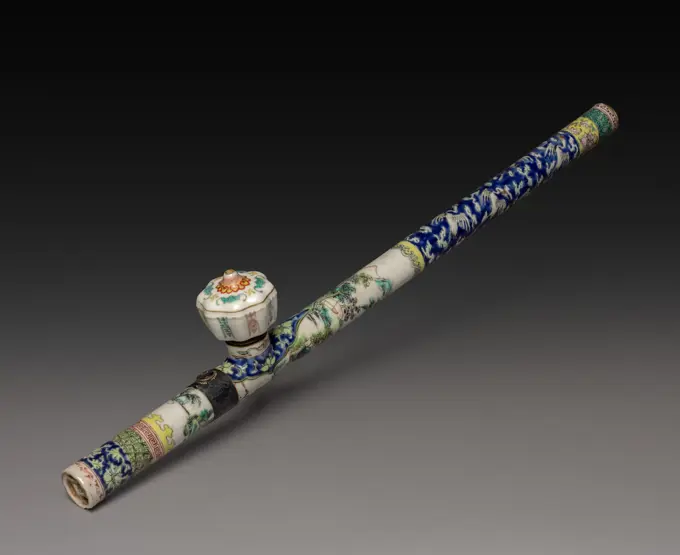
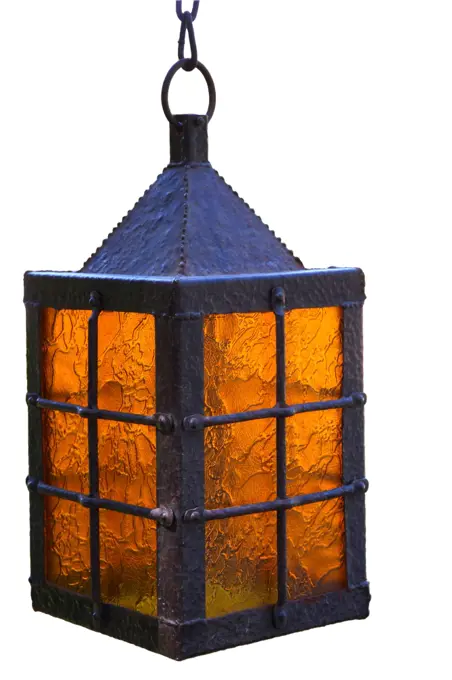
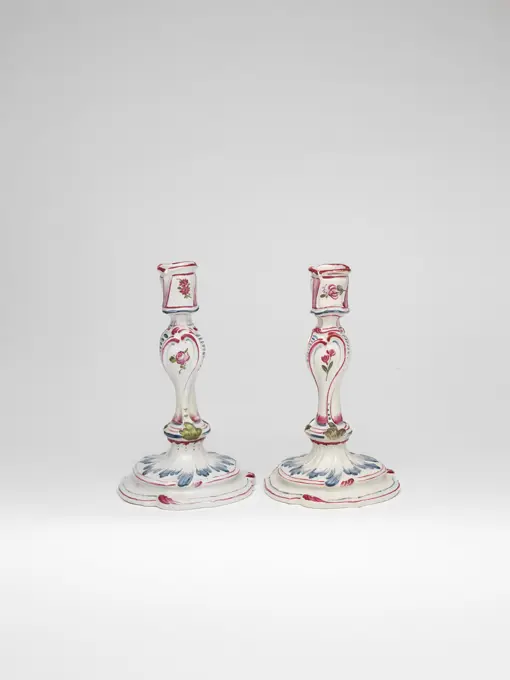
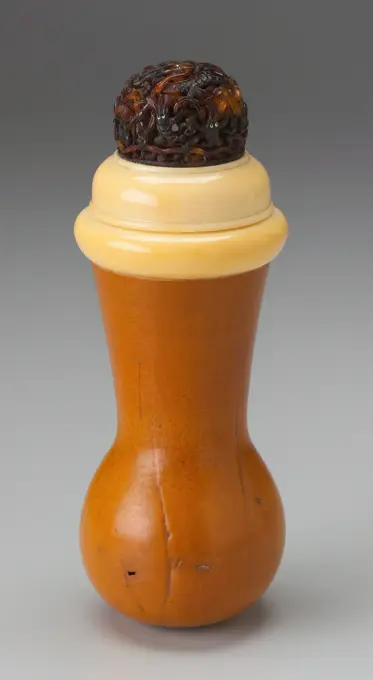
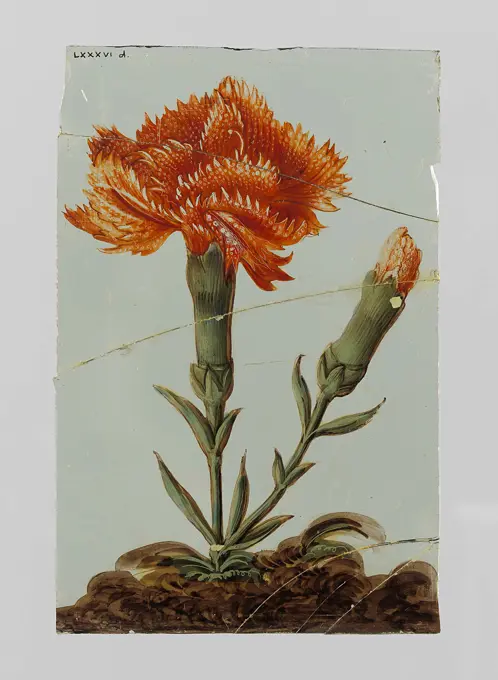
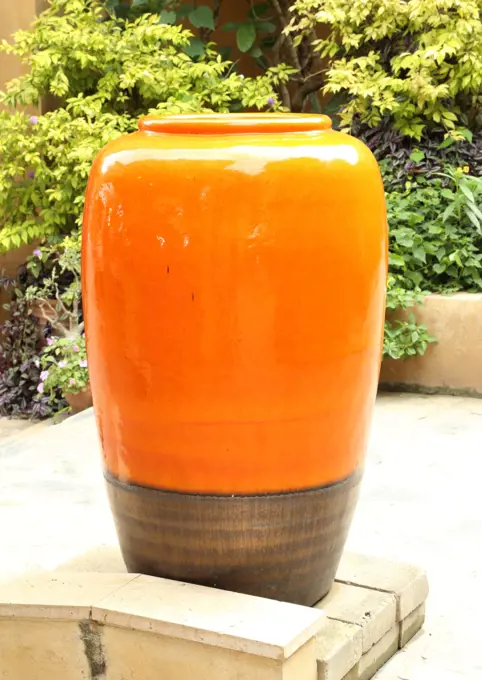
Anonymous / 'Case for large vessel with a jade and silver-gilt cover'. 1675 - 1711. Leather, Wood, Metal, Cloth. Museum: Museo del Prado, Madrid, España.Tulip ca. 1760 Chelsea Porcelain Manufactory. Tulip. British, Chelsea. ca. 1760. Soft-paste porcelain. Chelsea Porcelain Manufactory (British, 1745-1784, Gold Anchor Period, 1759-69). Ceramics-PorcelainClose-up of a crystal glass set, FranceLamp. United States, probably Massachusetts, Sandwich, 1825-1840. Furnishings; Lighting. GlassKuttrolf of filigrein glass, Anonymous, c. 1600 - c. 1699Vase of porcelain decorated with jasmine. Porcelain vase, decorated with jasmine in green and two colors blue. Labeled: Scepter and monogram TSB in underglazing blue and rebel F; J5 () And the annual letter L () Before 1911.Glass;  19th/20th century (1890-00-00-1910-00-00);Glass flask in the shape of a pine cone 2nd half of 1st century A.D. Roman Translucent light green.Plain everted rim; short cylindrical neck; pushed-in shoulder; elongated body with convex side tapering to thick, pointed bottom. Two mold seams run down sides of body.Body decorated with ten overlapping rows of teardrop-shaped knobs, perhaps intended to represent a pine cone.Intact; dulling, whitish iridescent weathering, and soil encrustation on interior.. Glass flask in the shape of a pine cone 249486Terracotta squat lekythos (oil jar). Culture: Greek, Attic. Dimensions: H. 4 1/8 in. (10.5 cm). Date: mid-5th century B.C..Young hunter at an altarThe youth is characterized as a hunter by his spears in addition to his travelling garb, the hat and cloak. The phiale indicates that he is about to offer a libation. Museum: Metropolitan Museum of Art, New York, USA.Candlestick 1875-1900 American. Candlestick 1344Vase. Culture: American. Dimensions: 11 5/8 in. (29.5 cm). Maker: Adelaide Alsop Robineau (American, Middletown, Connecticut, 1865-1929 Syracuse, New York). Date: ca. 1907-8.By the late nineteenth century, there was an increasing desire among ceramists, especially women, to become more independent and to involve themselves in all aspects of their craft. Among those, Adelaide Alsop Robineau, working primarily in Syracuse, New York, became one of the most accomplished. She epitomized the studio potter. Working in the difficult medium of porcelain, she relied on her husband to prepare the glazes and fire the kiln. She was especially noted for her pain-staking carved decoration and rich crystalline glazes. She carved very carefully and methodically, patiently cutting away the unfired porcelain with needle-like tools, leaving the design in relief.This unusually large carved vase, consistent with her ambitious carved work, features decoration of three moose, depicted frontally with a rigidGreen vase with long neck ending in a bulb, anonymous, c. 1700 - c. 1724 Vase of porcelain with short pear -shaped body and long neck ending in a sphere, covered with a monochrome green glaze. Spreading foot. Monochrome. China porcelain. glaze vitrification Vase of porcelain with short pear -shaped body and long neck ending in a sphere, covered with a monochrome green glaze. Spreading foot. Monochrome. China porcelain. glaze vitrificationJug - Farrar Pottery Farrar PotteryTerracotta flask. Culture: Roman. Dimensions: H. 6 5/16 in. (16 cm); diameter 4 1/2 in. (11.5 cm). Date: ca. 2nd-3rd century A.D..The flask has a very unusual shape that is perhaps modeled on a gourd. Museum: Metropolitan Museum of Art, New York, USA.Sugar bowl, 18th-19th century, 7 3/4in. (19.7cm), Glass, United States, 18th-19th centuryVase. Culture: American. Designer: Designed by Louis Comfort Tiffany (American, New York 1848-1933 New York). Dimensions: 14 1/8 x 11 1/2 in. (35.9 x 29.2 cm). Maker: Tiffany Glass and Decorating Company (American, 1892-1902). Date: 1893-96.This vase forms part of a group of more than forty objects given to the Museum in 1896 by Louisine and Henry Osborne Havemeyer (96.17.9-.56), the first American glass to enter the Museum's collection. Most likely prompted by Louis Comfort Tiffany, the Havemeyers presented their collection of Tiffany favrile glass to the Museum only three years after Tiffany started making decorative blown-glass vessels. The shapes, colors, and finishes of Tiffany's vases and plaques were inspired by the natural world and by ancient glass. Museum: Metropolitan Museum of Art, New York, USA.Sculpture by Piero Manzoni (1933-1963)Models of shot bundles (grapeshot). A cannon could be loaded with a single cannonball or bundles of smaller projectiles, such as this grapeshot’. Grapeshot consisted of a canvas bag filled with iron balls or metal slugs, tied together so that it resembled a bunch of grapes. It was used to hit living targets - horses and soldiers - at close range. The Dutch word for machine gun (mitrailleur) comes from the French term for grapeshot (boîte à mitraille).POT. Grès à glaçures turquoise "violette. Par musée musée malée. 78838-9 Asian art, ancient ceramic, containerMaker Unknown, Bucket Lamp, late 19th-early 20th century, green glass.Snuff Bottle 19th century China. Snuff Bottle 41464PEGARRA DE UN ASA CON VERTEDERO REDONDO Y LARGO-ESMALTADA EN BLANCO. Location: ALFARERIA. Rioja. SPAIN.Miniature Vase 1700-1750 Japan. Miniature Vase. Japan. 1700-1750. Pottery covered glaze (Bizen ware, Imbe style). Edo period (1615-1868). CeramicsLancaster Glass Works, Figured Flask, c. 1849-60, aquamarine glass.Bottle. Bohemia, Czech Republic. Date: 1700-1725. Dimensions: H. 14.6 cm (5 3/4 in.). Glass. Origin: Bohemia. Museum: The Chicago Art Institute, Chicago, USA.Storm shade (one of a pair). Culture: Italian, Venice or Austrian, Innsbruck. Dimensions: Height: 22 in. (55.9 cm). Date: ca. 1560. Museum: Metropolitan Museum of Art, New York, USA.Vase. Cristallerie de Gallé (France, Nancy, active 1874-1935)Emile Gallé (France, Nancy, 1846-1904). France, Nancy, circa 1900. Furnishings; Accessories. GlassTripod Vase: Ting, 1644-1911. China, Qing dynasty (1644-1911). Jade; overall: 16 cm (6 5/16 in.).cruet/stand, glass, 2 cruets with glass stoppers, salt & pepper shaker, jar in metal stand, 19th century, glasswares, Decorative Arts, cruet/standGlass jugs 18th-19th c. A. D. Shiraz, Glass and Ceramics Museum, Tehran, Tehran, Iran, AsiaKettle for alcohol (choshi). unknown, authorLobster-shaped Jug, anonymous, c. 1550 - c. 1599 Wine jug of porcelain with an S-shaped ear and spout, painted on the biscuit in green, yellow and eggplant. The jug has the shape of a lobster, crawling on a lotus plant above swirling waves from which two carp jump. The neck and lid are in the shape of a lotus. Ming porcelain in email sur biscuit. China porcelain. painting Wine jug of porcelain with an S-shaped ear and spout, painted on the biscuit in green, yellow and eggplant. The jug has the shape of a lobster, crawling on a lotus plant above swirling waves from which two carp jump. The neck and lid are in the shape of a lotus. Ming porcelain in email sur biscuit. China porcelain. paintingSyrupCanBottle possibly 17th century Italian, Venice (Murano). Bottle. Italian, Venice (Murano). possibly 17th century. Glass, metal. GlassBottle And Cap (Switzerland); glassDecanter with stopper, 19th-20th century, 11 x 3 1/2 in. (27.94 x 8.89 cm), Bohemian ruby glass, Germany, 19th-20th centuryNorth America, Mexico, Traditional Arts: painted, laquered gourds. (PR)Terracotta guttus (flask with handle and vertical spout) 4th century B.C. Greek, South Italian, Apulian Spout in the form of a lion's head. Terracotta guttus (flask with handle and vertical spout) 255805The Heart, 1923. Artist: UnknownA inkwell with a glass insert Loetz widow, JohannMoradabad Brass works IndiaVase, Emile Gallé, French, 1846 - 1904, Etablissement Gallé, French, 1904-1931, Glass, Tall vase with wide base and flared mouth; red amber flowers on yellow background., Nancy, France, late 19th-early 20th century, glasswares, Decorative Arts, VaseFrog drinks cup of coffeePitcher 1830-70 American. Pitcher. American. 1830-70. Parian porcelain. Probably made in Bennington, Vermont, United StatesBottleSet of ancient vase hand drawn ink sketch. Engraved style vector illustrationYellow vasebrYellow vase Traditional Maroccan yellow vase isolated with clipping path included Traditional Maroccan yellow vase isolated with clipping path included Copyright: xZoonar.com/Baloncicix 7162109Rock Crystal Bottle. Egypt (), 10th-11th century. Stone. Rock crystal, carvedDrinking glasses of various color on a plateOld kerosene blue lamp isolated over white backgroundAntique lampSnuff Bottle with Design of Parcel Wrapper. Culture: China. Dimensions: H. 2 15/16 in. (7.5 cm). Date: late 18th century. Museum: Metropolitan Museum of Art, New York, USA.Pot, Bottle And Grape Ceramic pot, glass bottle and bunch of grapes on isolated background Copyright: xZoonar.com/AndreyxSkatx 7790172Jue-shaped vessel, 17th-18th century, 4 5/8 x 3 1/4 x 4 1/2in. (11.7 x 8.3 x 11.4cm), Porcelain, China, 17th-18th centuryA manner with a traffic jam in a case Willn & ..Wall Pocket Made 1800-1810 Staffordshire. Earthenware with lustre decoration . Wedgwood ManufactoryPair ofDecanters. Round, vase-shaped tea bus on a wide foot and with a lid. The foot is scalloped and the bus is six-spoiled in clams. The shape of the lid is cylindrical. The tea bus has been marked: STK. = Amsterdam, MT. = Shed to Frederik of STRANT I.Aurenevase.  Designer Frederick Carder, American, born England, 1863-1963 Manufacturer: Steuben Glass Works, American, 1903-1918Mate in calabash up from calabash and straw, traditional drink of Argentina. Copyright: xZoonar.com/NatalliaxYaumenenkax 3564734Vintage blue bottle, india, asia Copyright: xAnilxDave/DinodiaxPhotoxPilgrim Bottle 1700-1710 Potsdam. Ruby glass with silver-gilt mounts .Shell by John Kuss, photographyGlass;  19th/20th century (1890-00-00-1910-00-00);Colorful modern vase Colorful modern vase with many strips isolated over white Copyright: xZoonar.com/IvonnexWierinkx 7199825Models of shot bundles (grapeshot). A cannon could be loaded with a single cannonball or bundles of smaller projectiles, such as this grapeshot’. Grapeshot consisted of a canvas bag filled with iron balls or metal slugs, tied together so that it resembled a bunch of grapes. It was used to hit living targets - horses and soldiers - at close range. The Dutch word for machine gun (mitrailleur) comes from the French term for grapeshot (boîte à mitraille).Japanese Wonder Shell on black backgroundCrinoline of Purple Twin Cotton, with three ribs and five buckles to which the same number of tires are attached with six nestle holes and a hook., Anonymous, 1840 - 1860 Purple's crinoline, equipped with three ribs and five buckles to which the same number of tires are attached with six nestle holes and a hook.  twill twill Purple's crinoline, equipped with three ribs and five buckles to which the same number of tires are attached with six nestle holes and a hook.  twill twillThree -room set. 2 Carafes of the so -called George Sand Service: 1 Carafe Amber Color with blue handle, a cork and a blue -colored carafe with translucent handle. Paris, Museum of Romantic Life. 35004-3 Blue handle, cap, amber color, French writer, service, translucent, carafeflowerpot, india Copyright: xAjitxParekh/DinodiaxPhotoxCOlorful ceramic pomegranate close up cut isolated. COlorful ceramic pomegranate close up isolatedSnuff Bottle with Orchids late 18th-early 19th century China. Snuff Bottle with Orchids. China. late 18th-early 19th century. Rock crystal with jadeite stopper. Qing dynasty (1644-1911). Snuff BottlesPipe, 1644-1911. China, Qing dynasty (1644-1911). Famille verte porcelain with blue overglaze enamel; overall: 55.6 cm (21 7/8 in.).Close-up of three decorative urns in a rowantique lantern isolated on white backgroundGlassware vases, souvenirs, Thira, Santorini, Cyclades, Greece, EuropeCunnic parasol button or umbrella button of celluloid with mother -of -pearl gloss, decorated with cut roses, Gustav Schnitzler, c. 1920 Consian parasol button or umbrella button of celluloid with mother -of -pearl gloss, decorated with sliced roses. Nijmegen celluloid (cellulosic) cutting Consian parasol button or umbrella button of celluloid with mother -of -pearl gloss, decorated with sliced roses. Nijmegen celluloid (cellulosic) cuttingMeiping vase with flame glaze with blue purple color unknownKalian (water pipe). Iran, early 17th century/circa 11th century A.H.. Ceramics. Fritware, molded and glazedCandlestick ca. 1750-60 French, Sceaux Faience, or tin-glazed and enameled earthenware, first emerged in France during the sixteenth century, reaching widespread usage among elite patrons during the seventeenth and early eighteenth centuries, prior to the establishment of soft-paste porcelain factories. Although characterized as more provincial in style than porcelain, French faience was used at the court of Louis XIV as part of elaborate meals and displays, with large-scale vessels incorporated into the Baroque garden designs of Versailles. Earlier examples of French faience attest to the strong influence of maiolica artists from Italy. Later works demonstrate the ways in which cities such as Nevers, Rouen, Lyon, Moustiers, and Marseille developed innovative vessel shapes and decorative motifs prized among collectors throughout Europe. While faience can be created from a wide mixture of clays, it is foremost distinguished by the milky opaque white color achieved by the addition of tinClose-up of three boxes on a deskmarket sale manufacturing container in    oman muscat the old pottery Cricket Container, 5 7/8 x 2 3/16 x 2 3/16 in. (14.92 x 5.55 x 5.56 cm) (overall), Gourd, ivory, tortoise shell, ChinaSquare Wine Ewer With Coiling Dragon As Spout and Handle. Square wine jug of porcelain, painted on biscuit in turquoise, blue. Can with square body, no lid and spout and ear in the shape of a winding, five-handed dragon, in its front leg a pearl. Monochromes.Snuff Bottle, 17th-19th century, 2 1/2 x 1 1/4in. (6.4 x 3.2cm), Crystal,rose quartz, China, 17th-19th centuryItaly, Venice. Nighttime window display for store selling decorative glassware.Square with a carnation. A diamond with email painting of a flower (carnation) in predominantly orange and green. Note: Part of the LXXXVI-A T / M D. group.water jar decoration in the garden