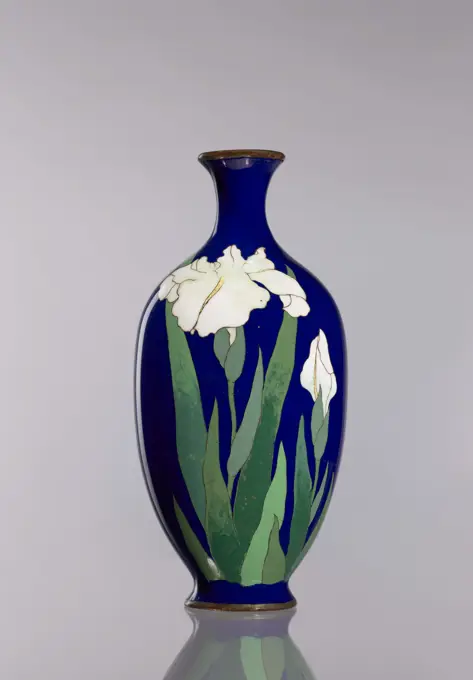
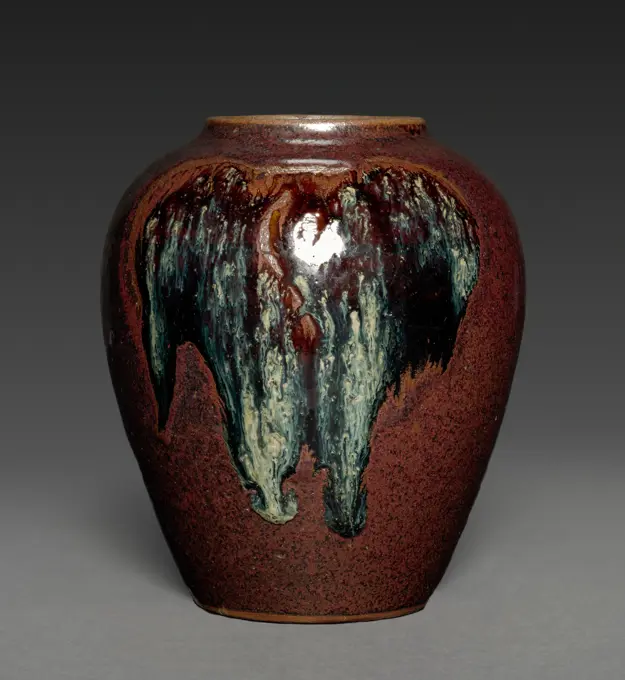
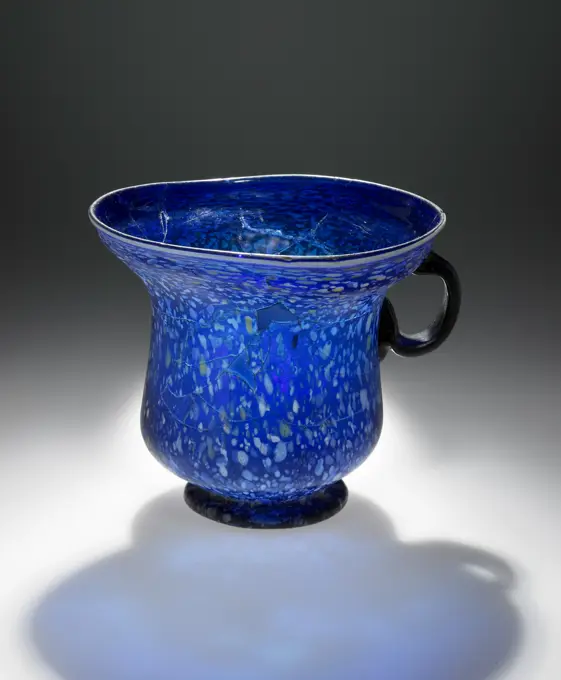
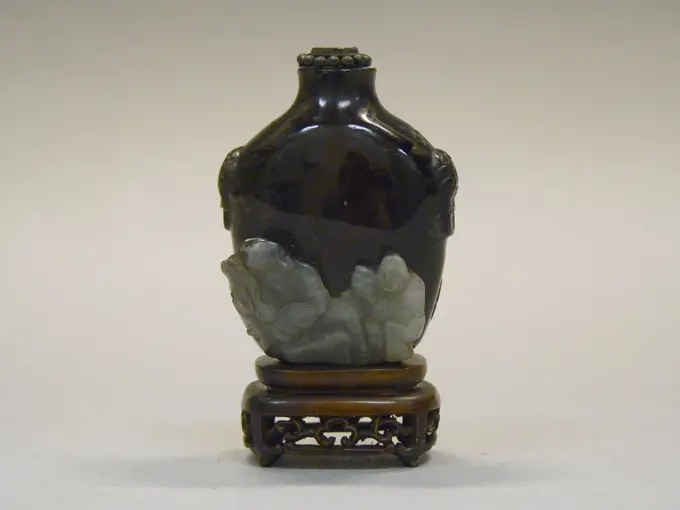
Decorative Vases Collection

An assortment of unique decorative vases featuring various shapes, colors, and glazes, each embodying artistic craftsmanship and historical significance.

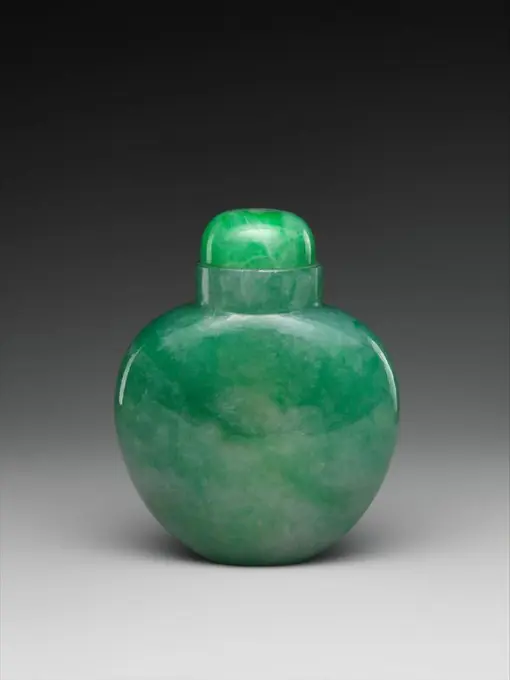
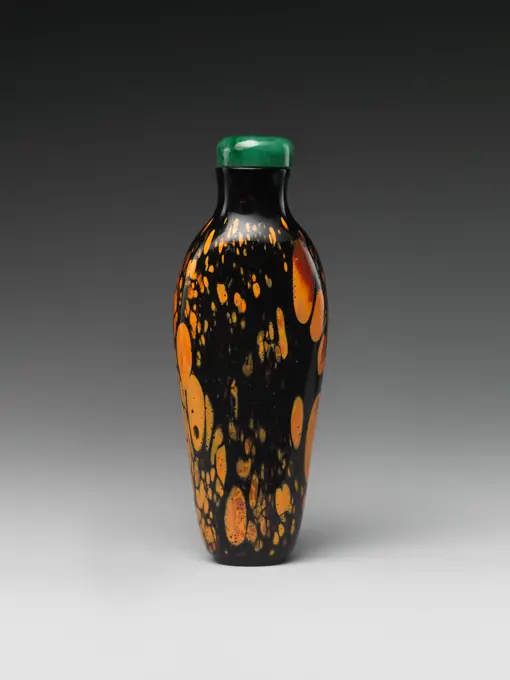
Snuff Bottle, 19th century, 4 x 1 3/8in. (10.2 x 3.5cm), Ivory, China, 19th century
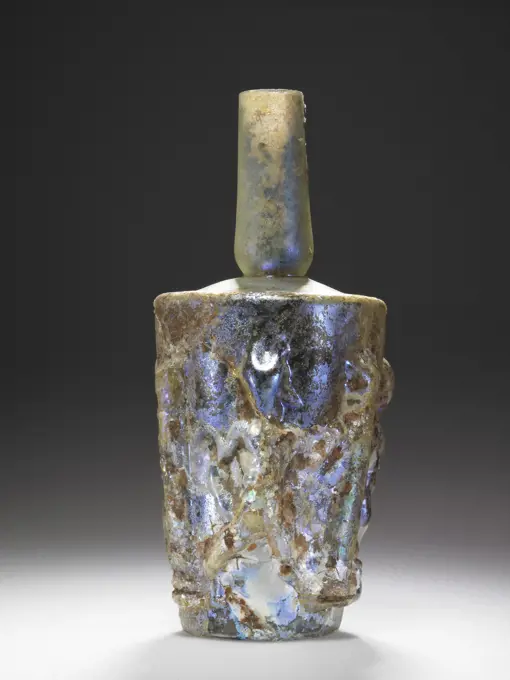
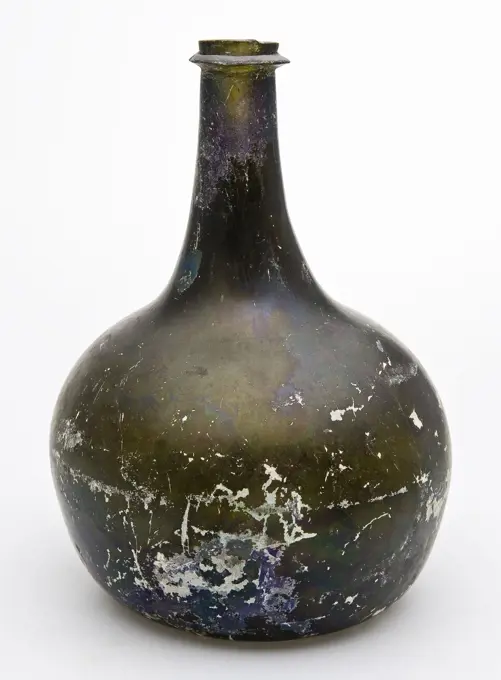
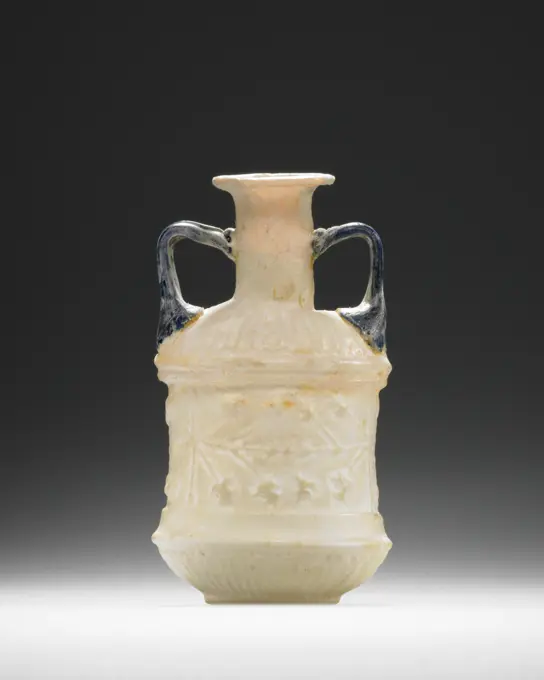
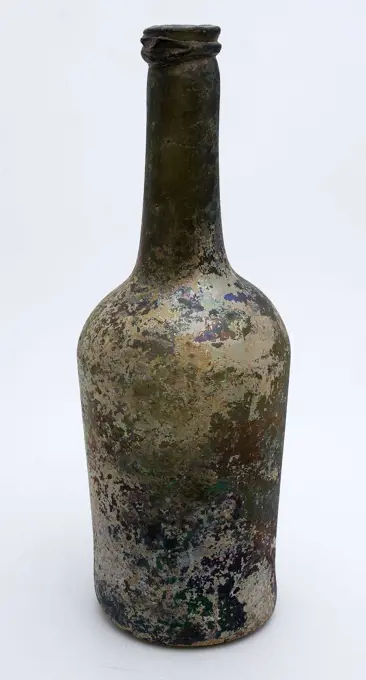
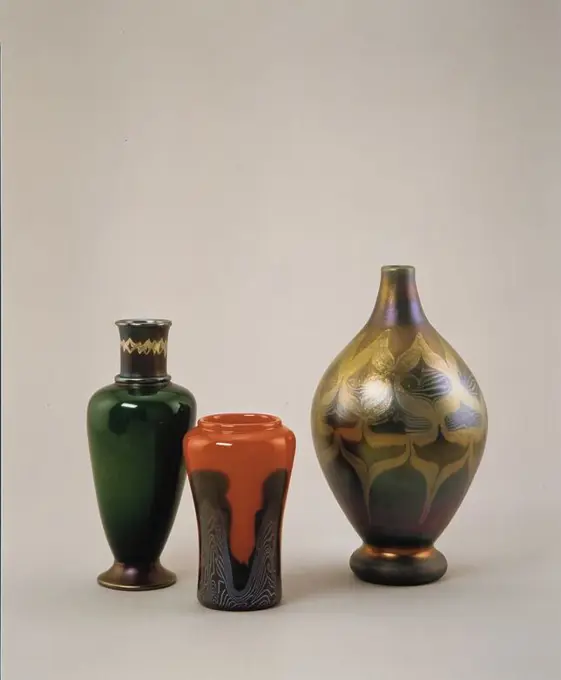
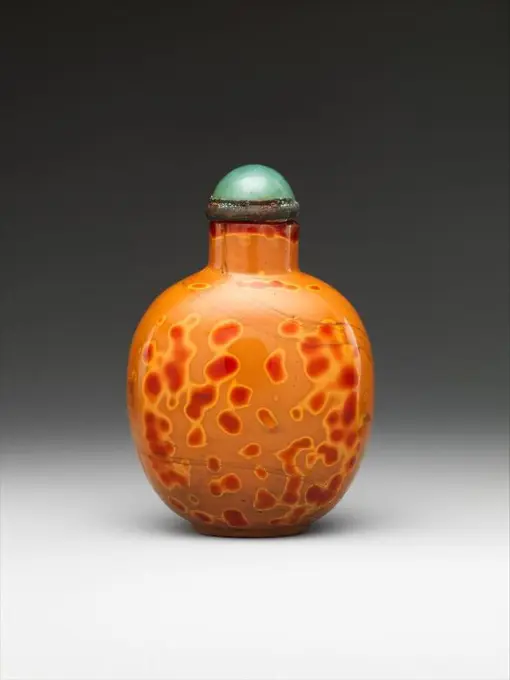
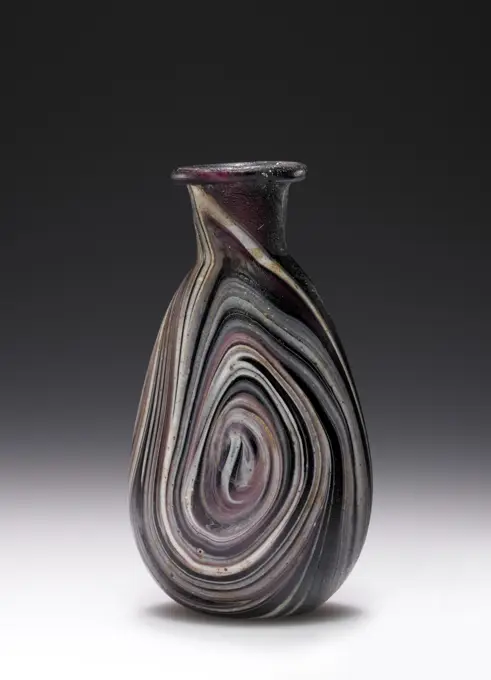
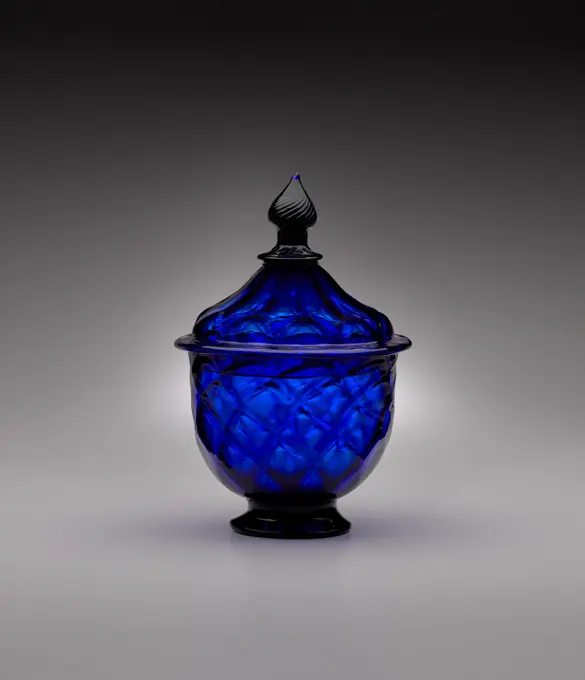
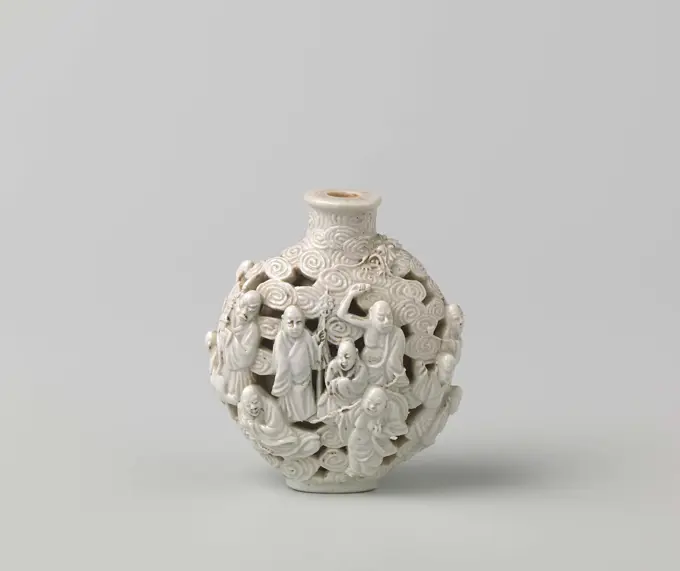
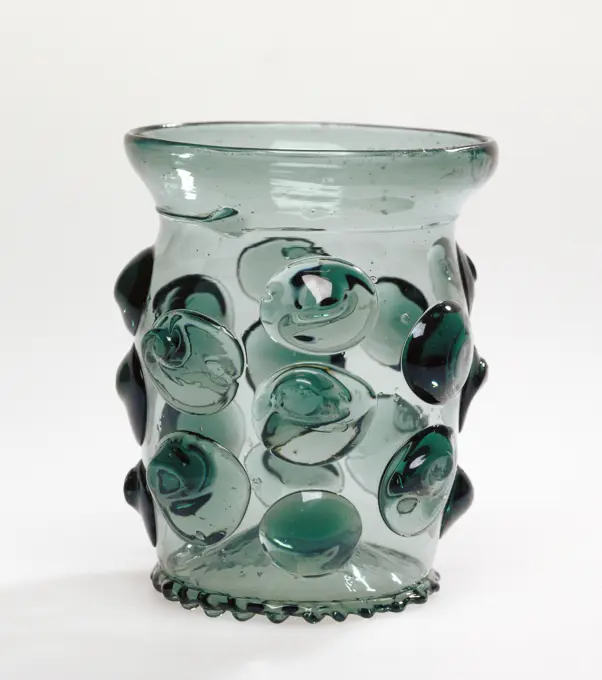
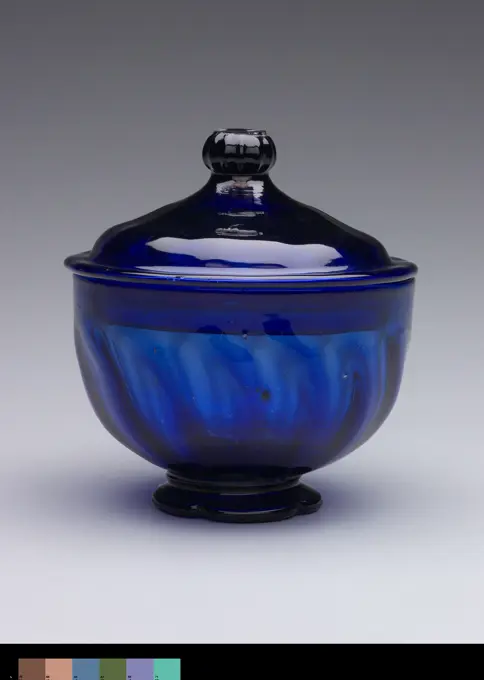
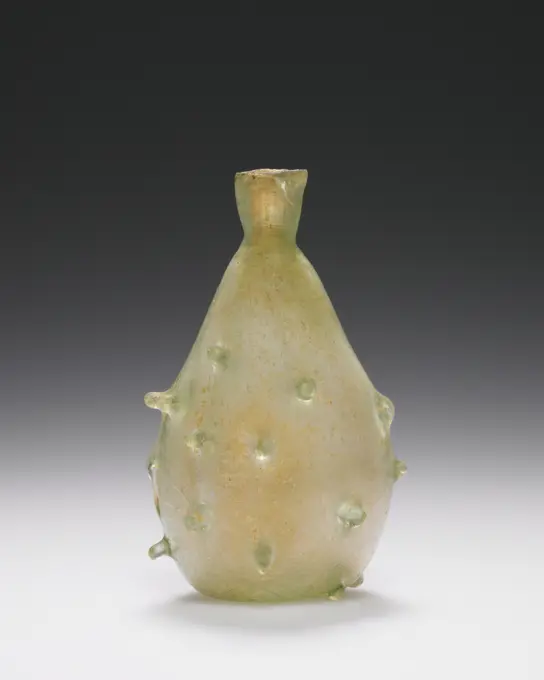
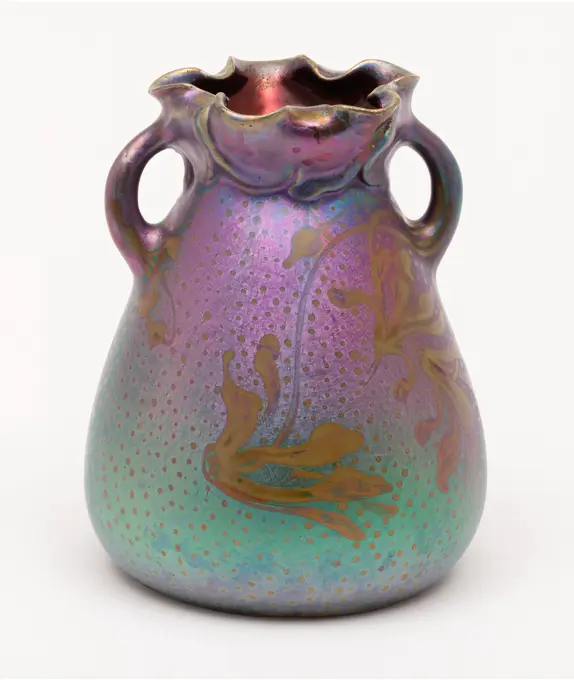
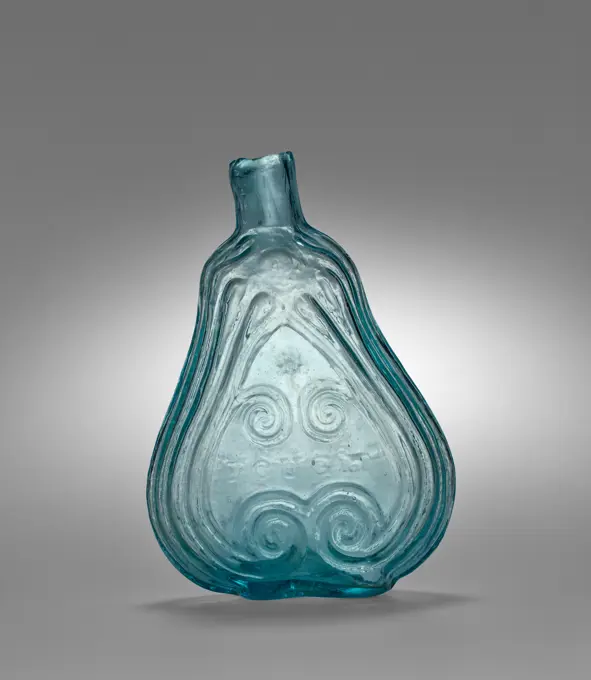
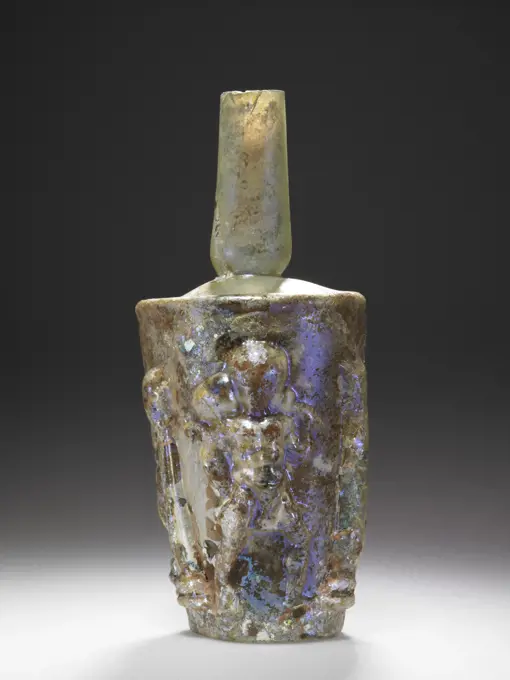
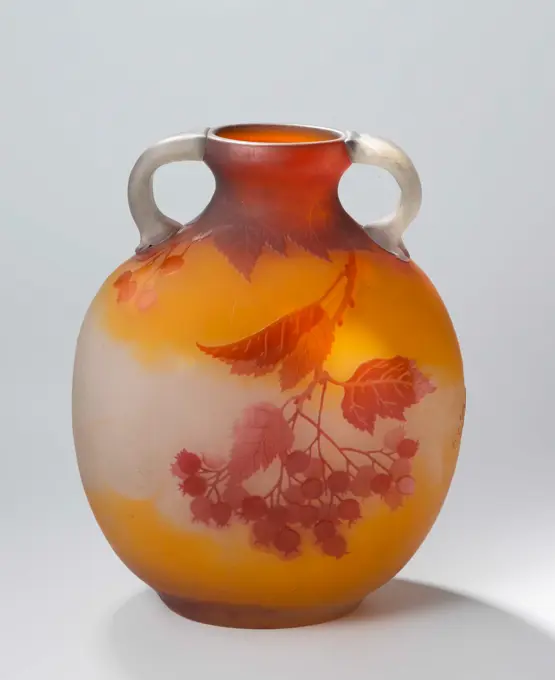
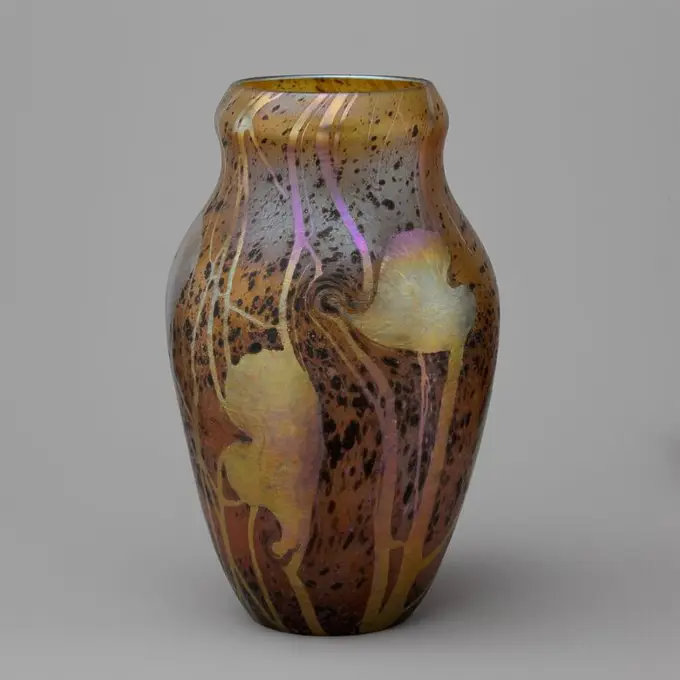
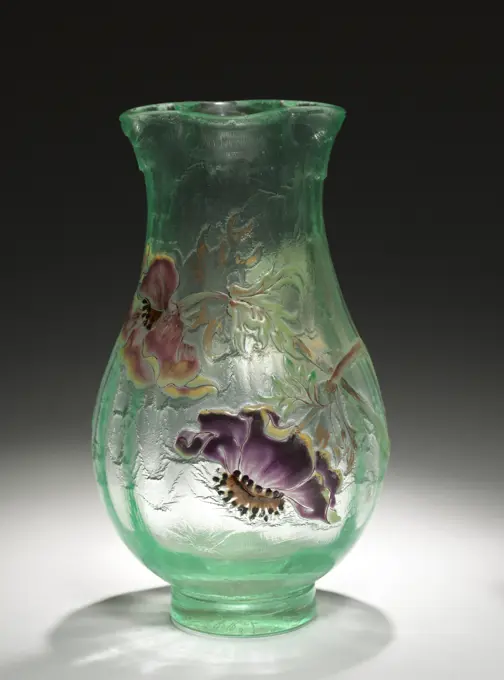
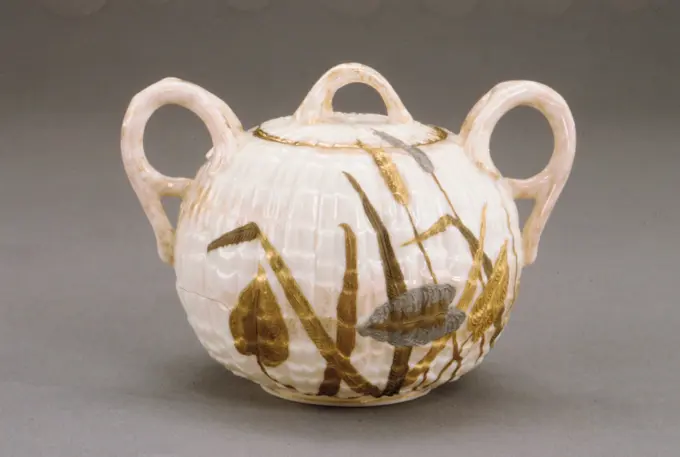
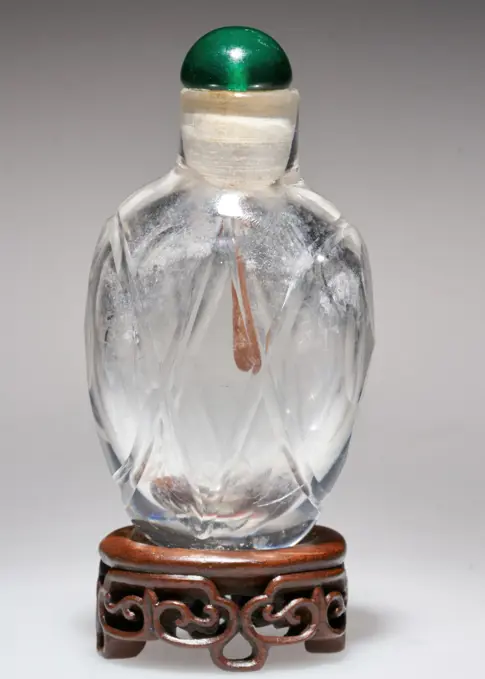
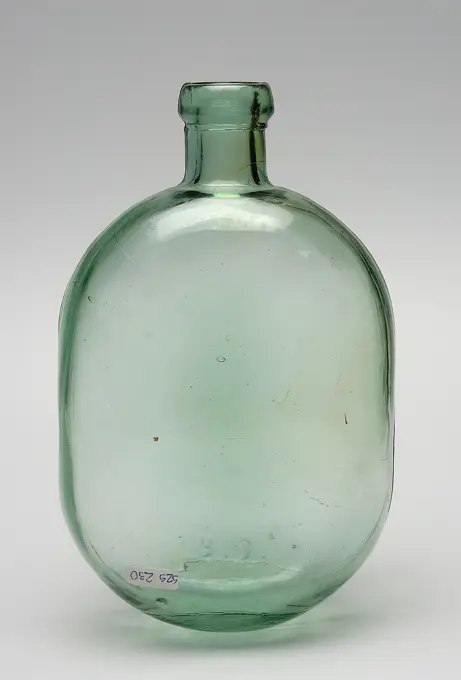
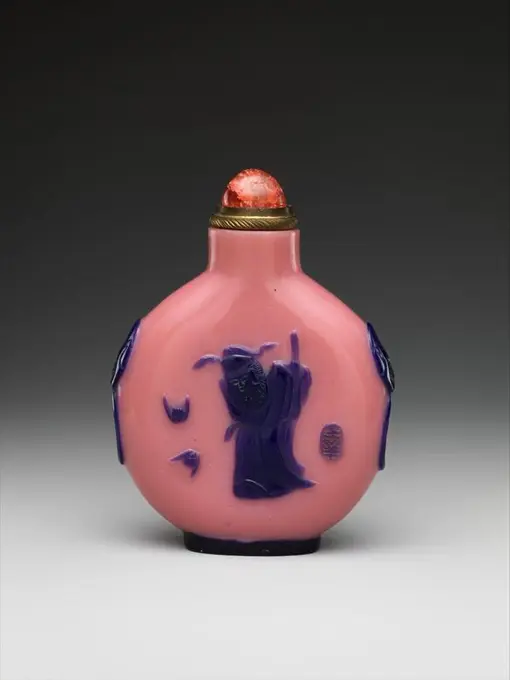
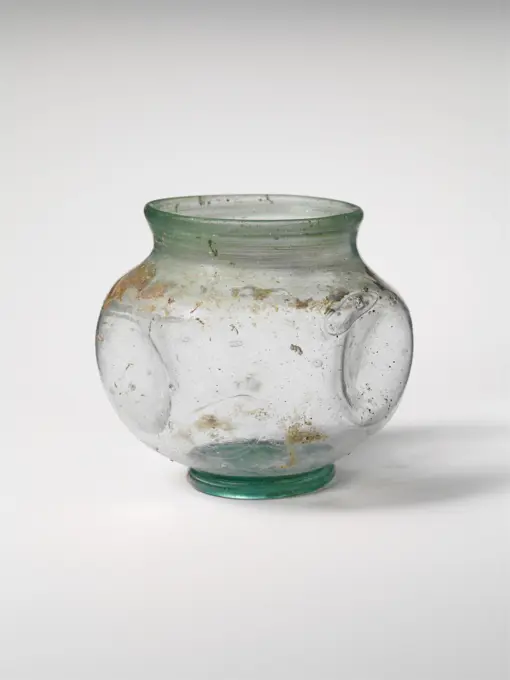
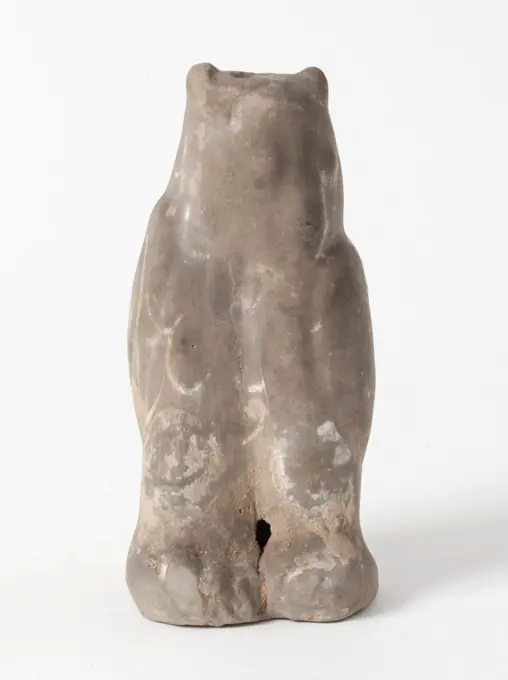
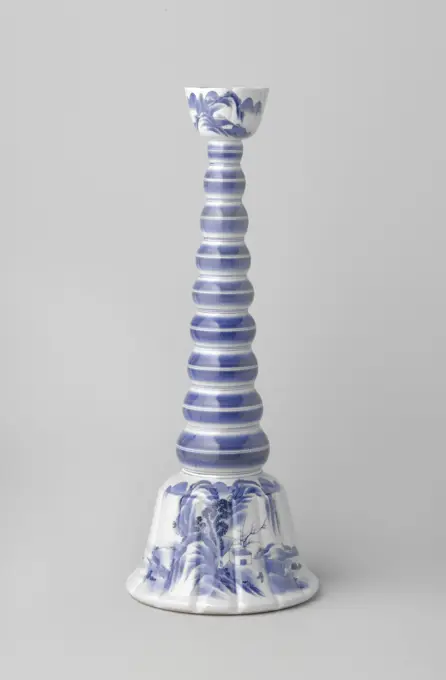
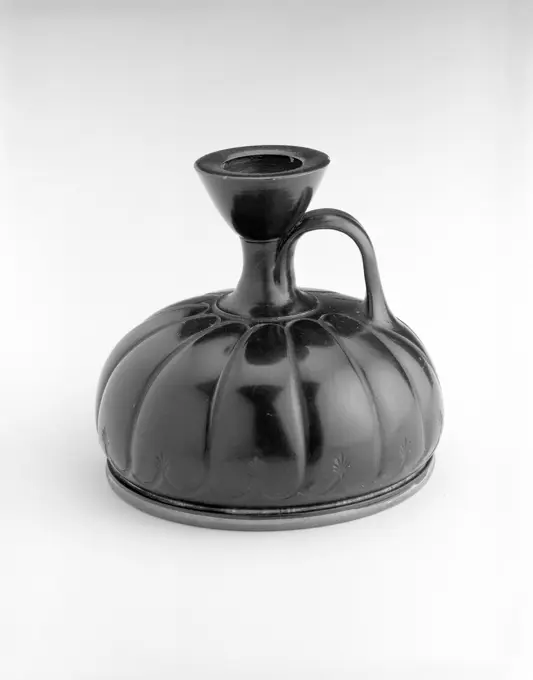
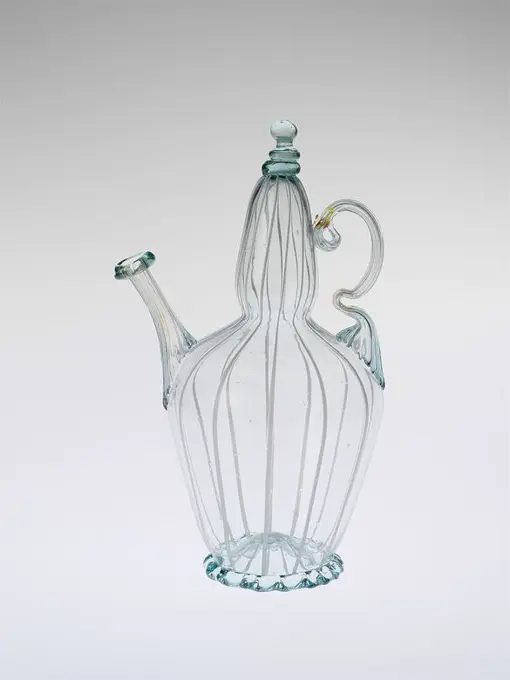
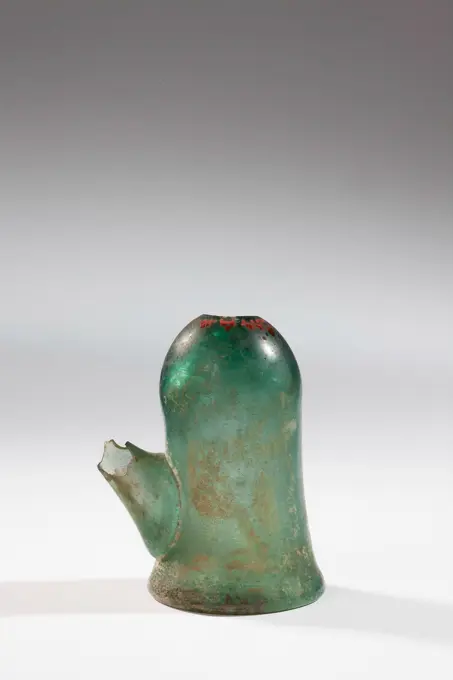
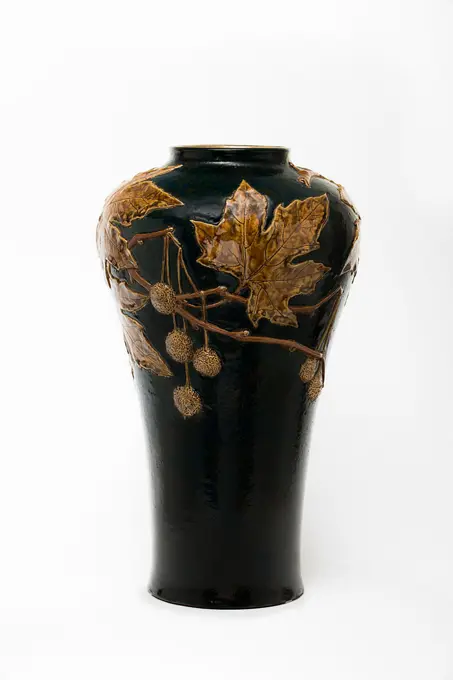
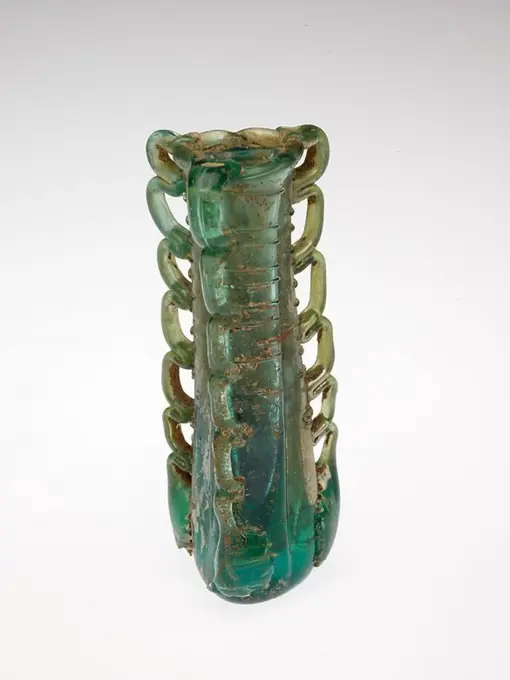
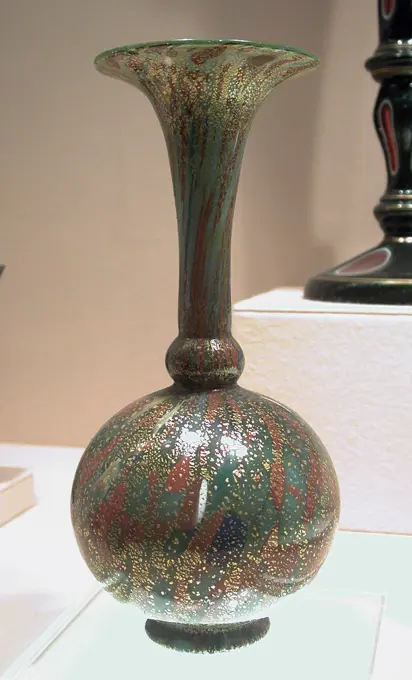
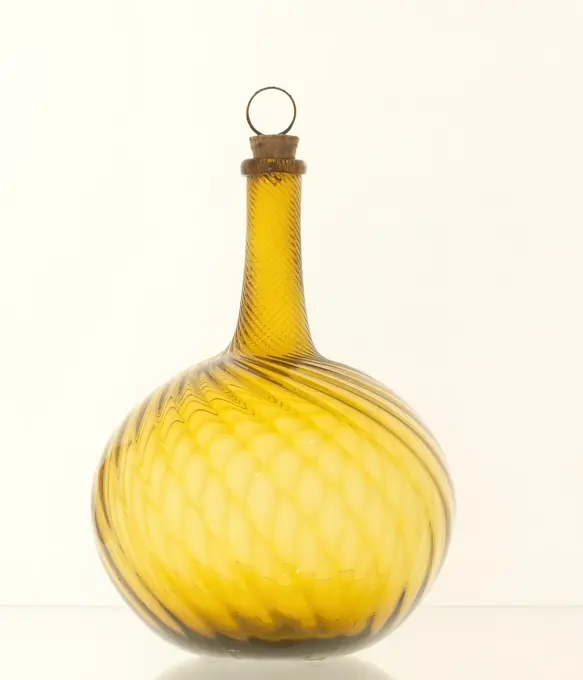
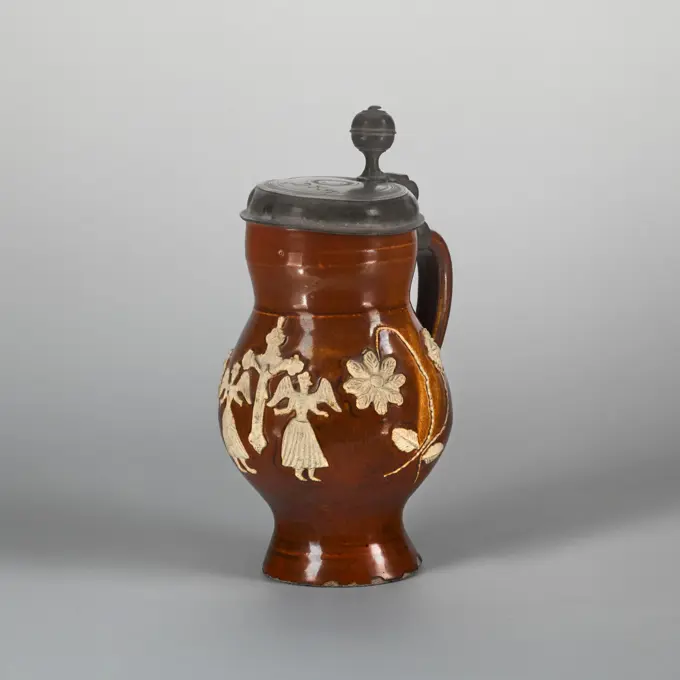
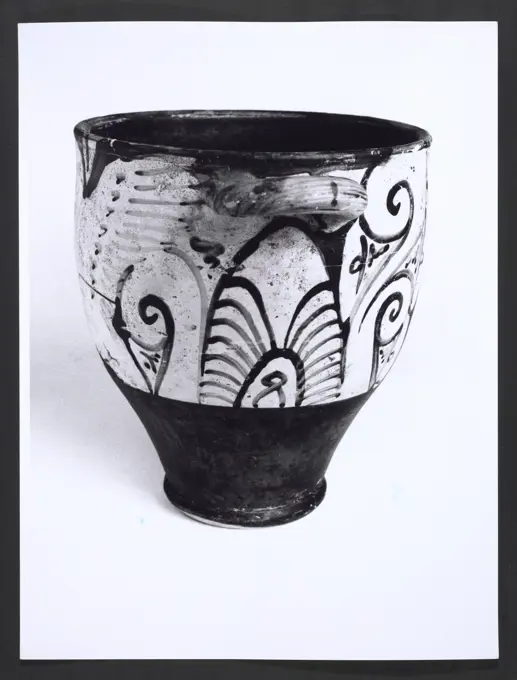
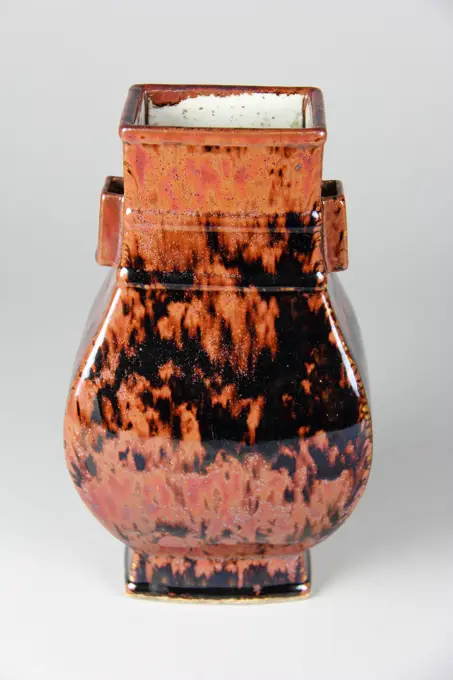
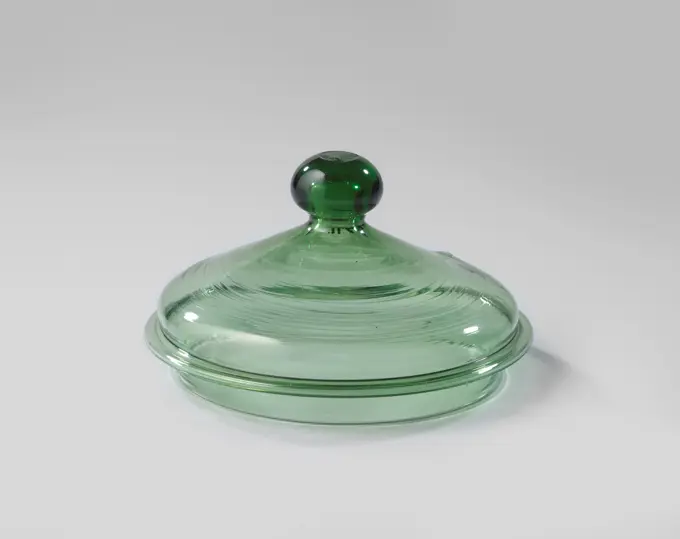
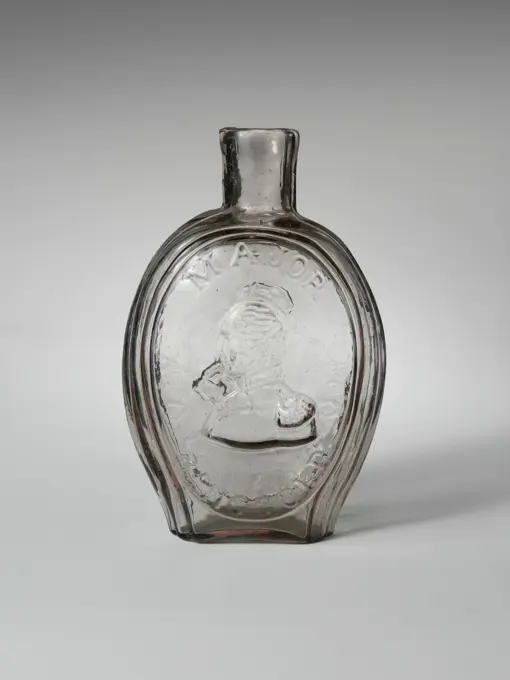
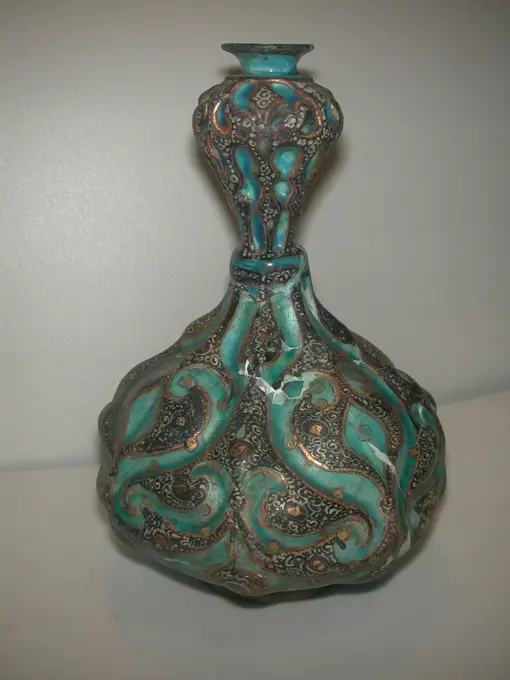
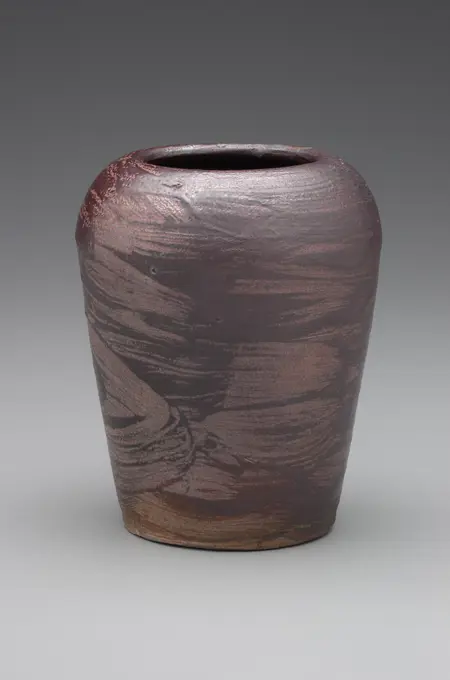
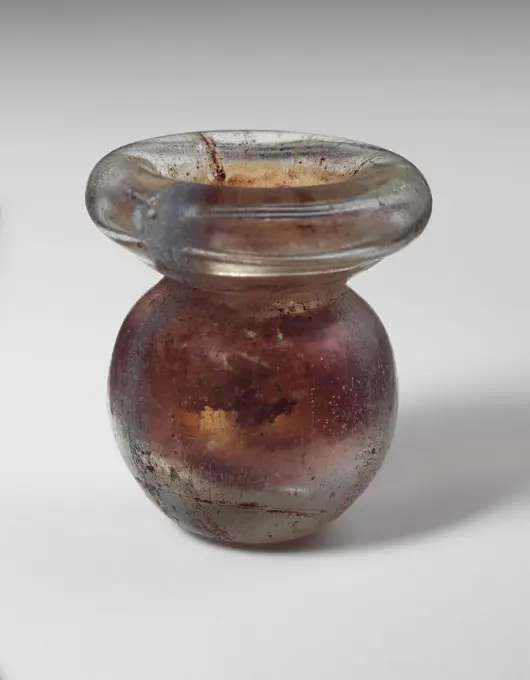
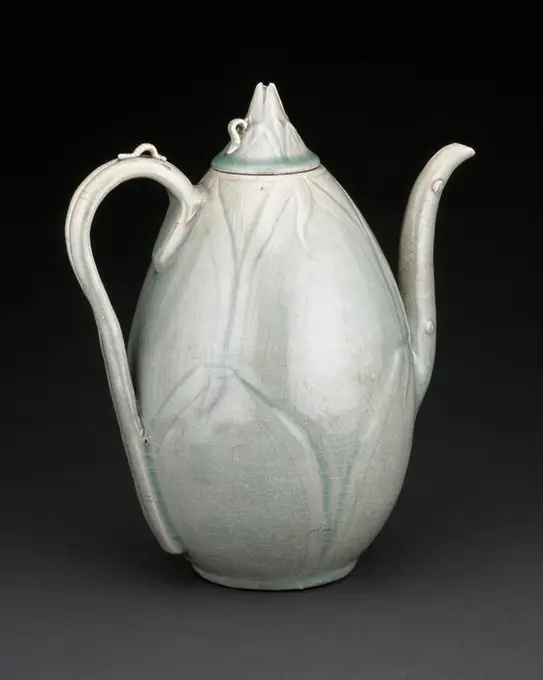
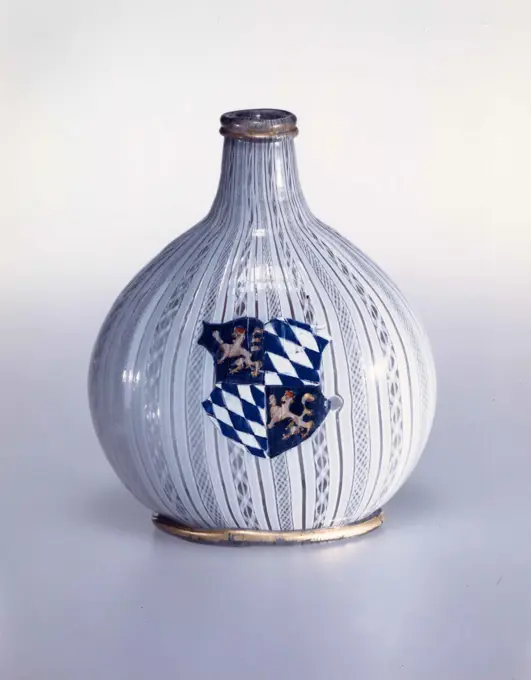
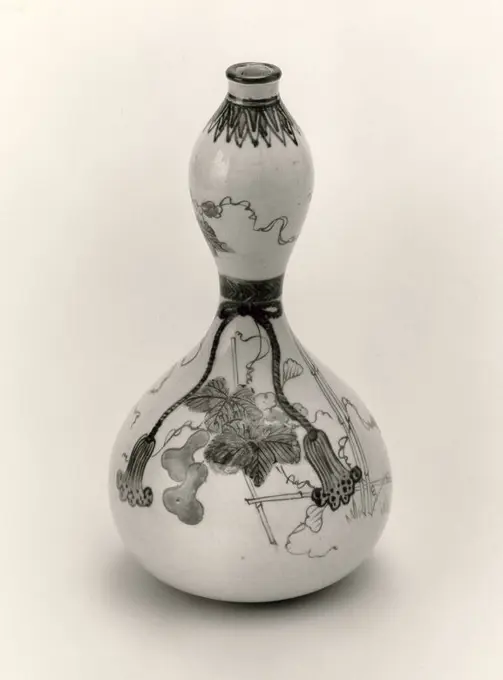
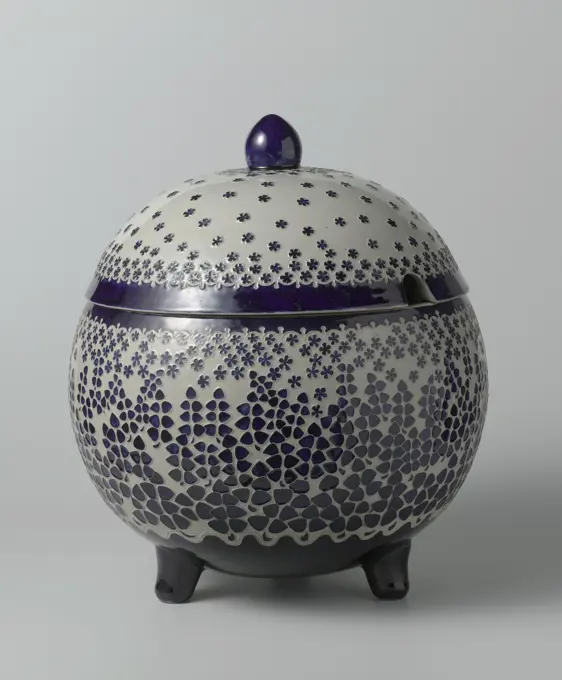
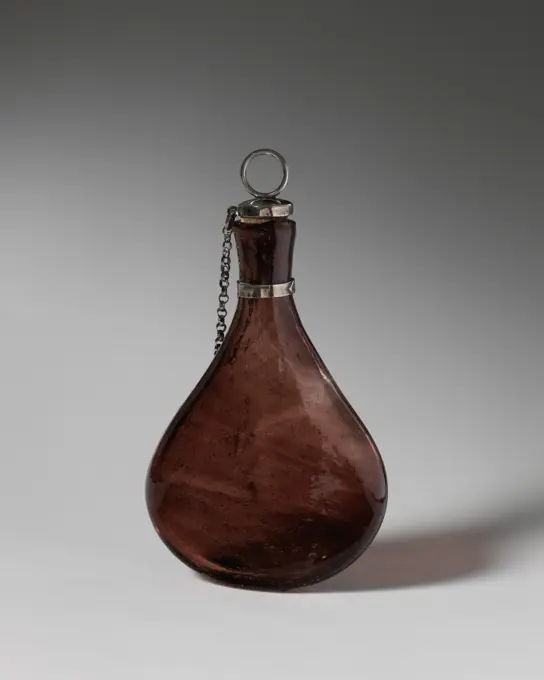
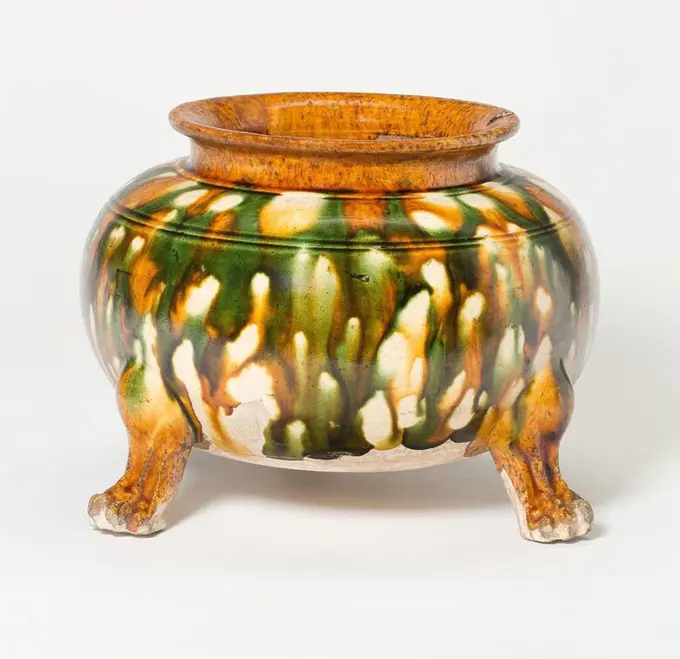
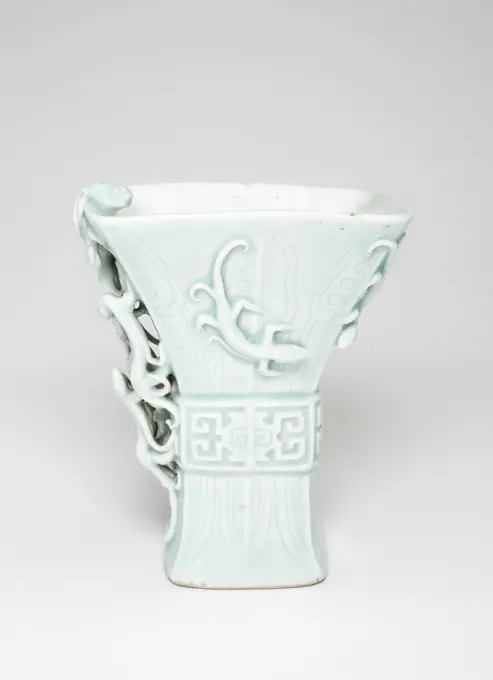
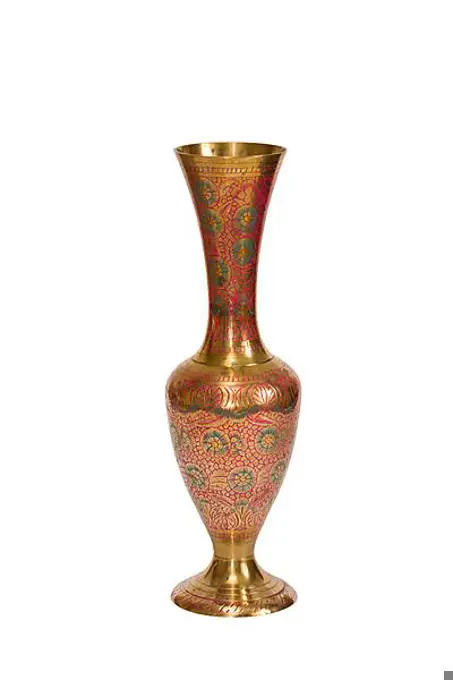
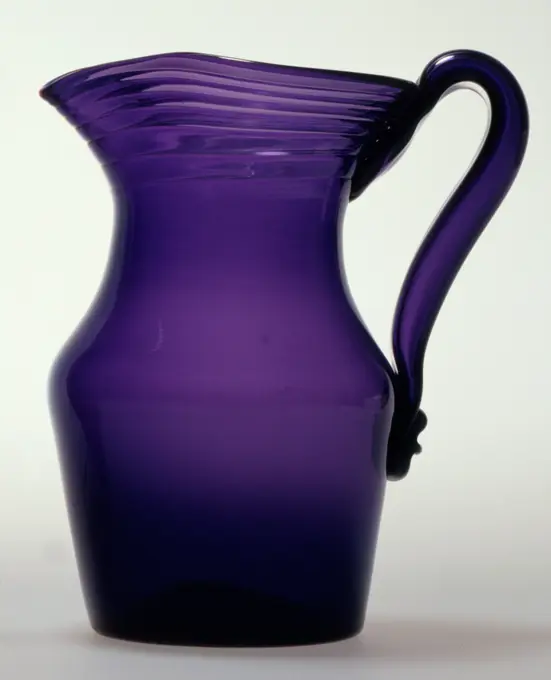
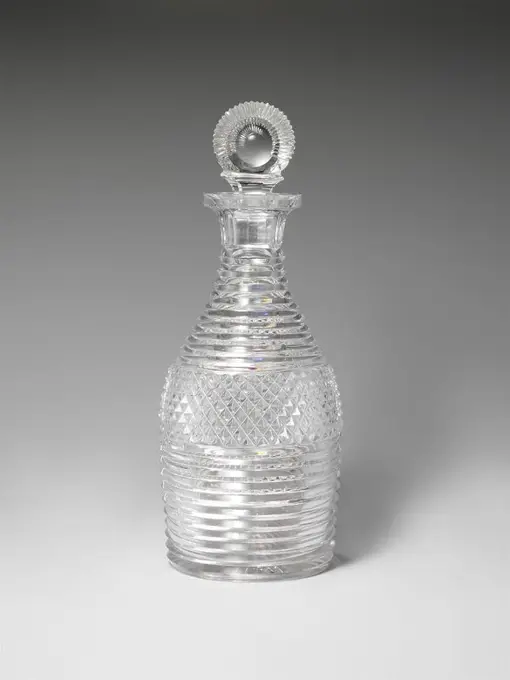
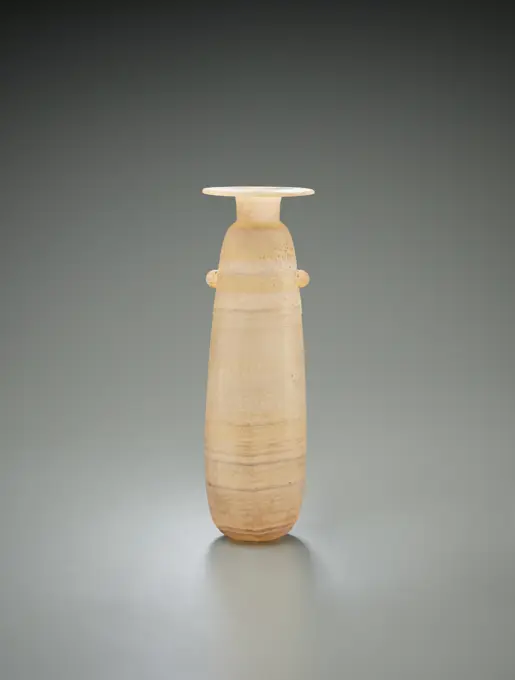
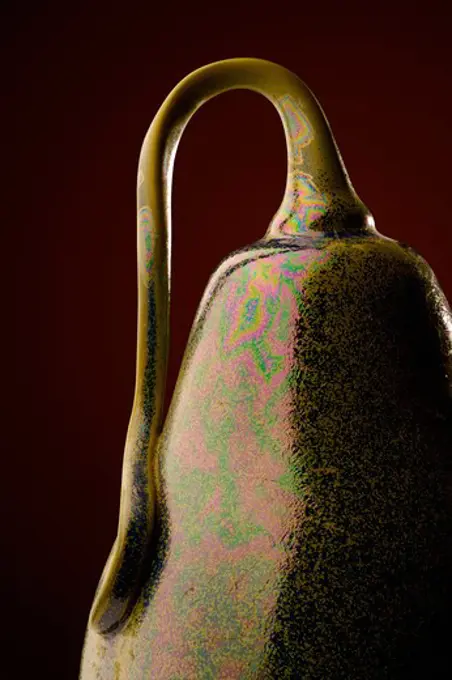
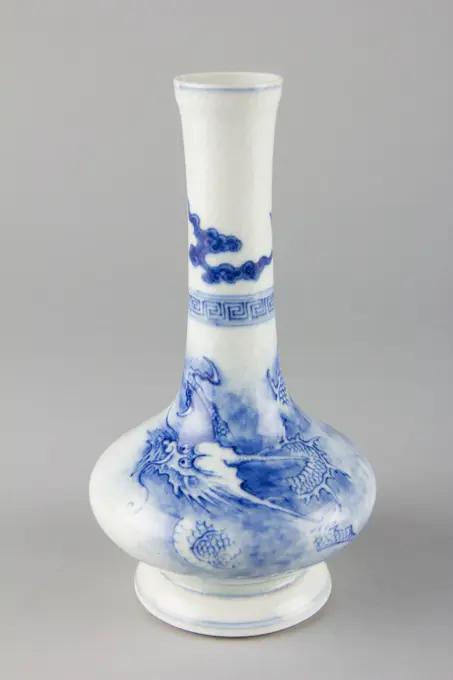
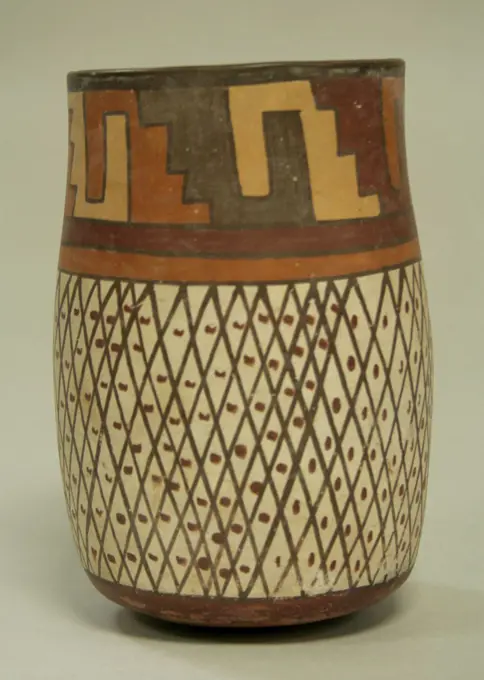
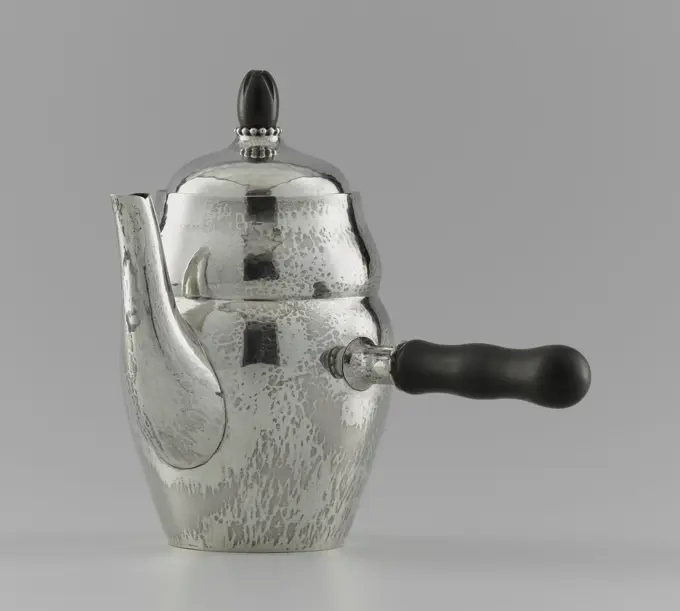
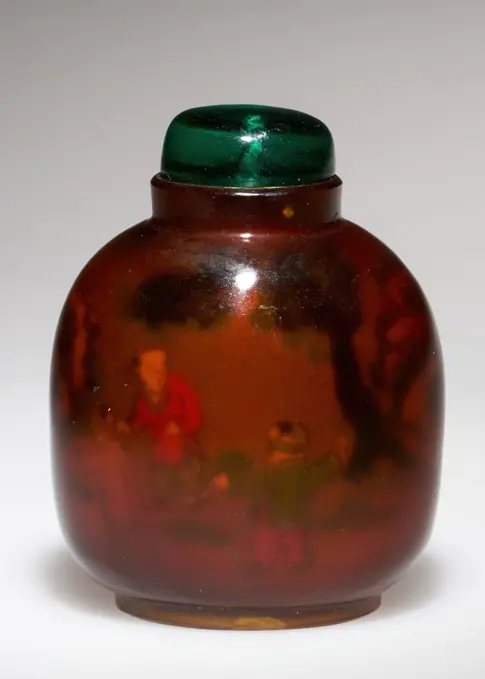
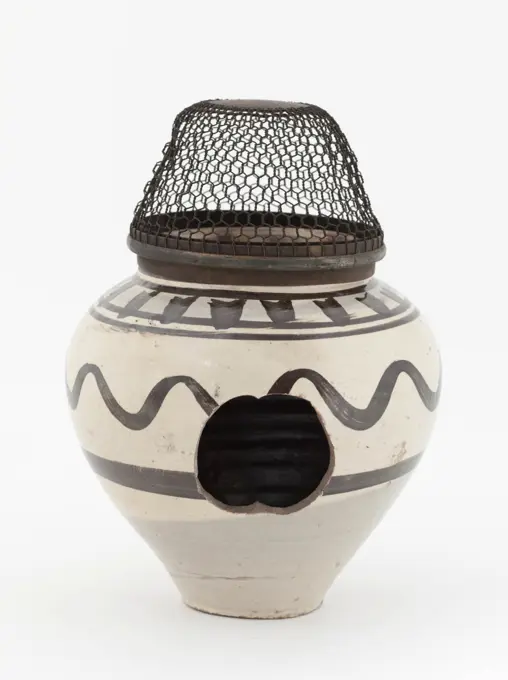
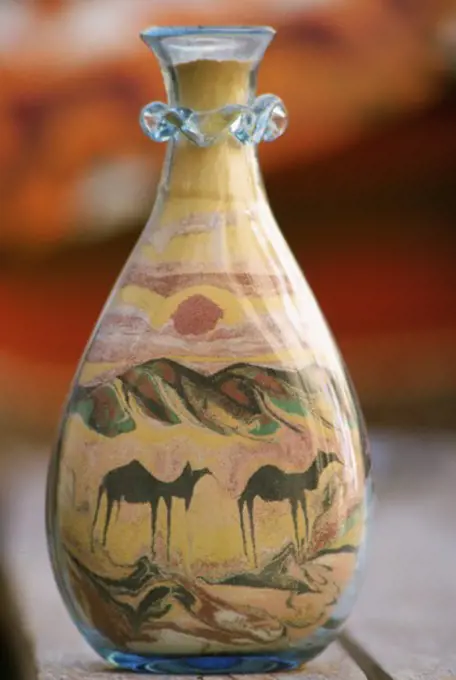
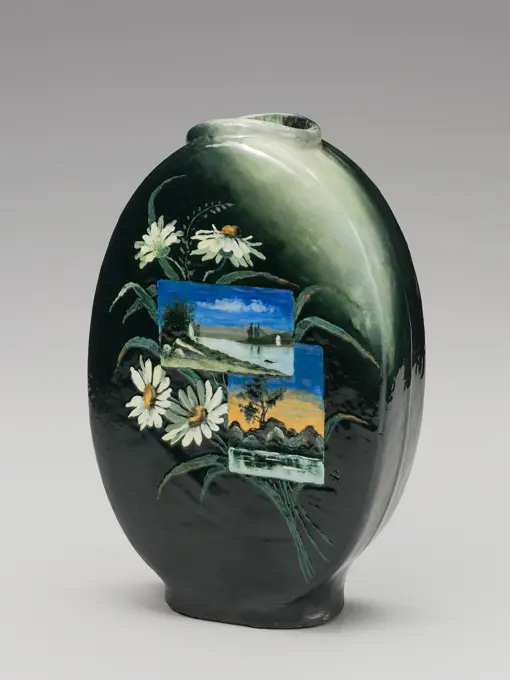
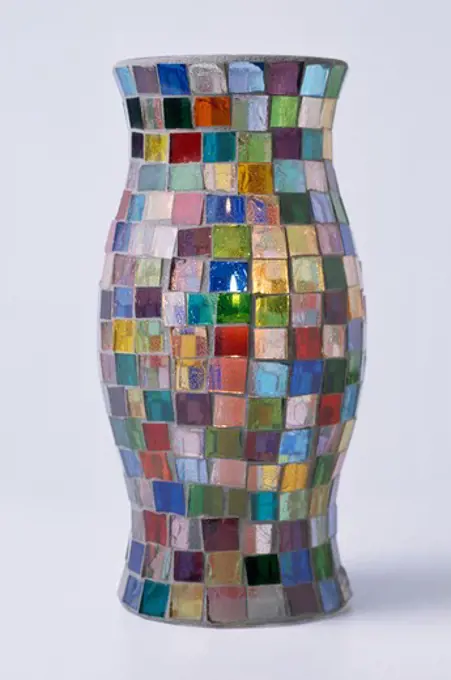
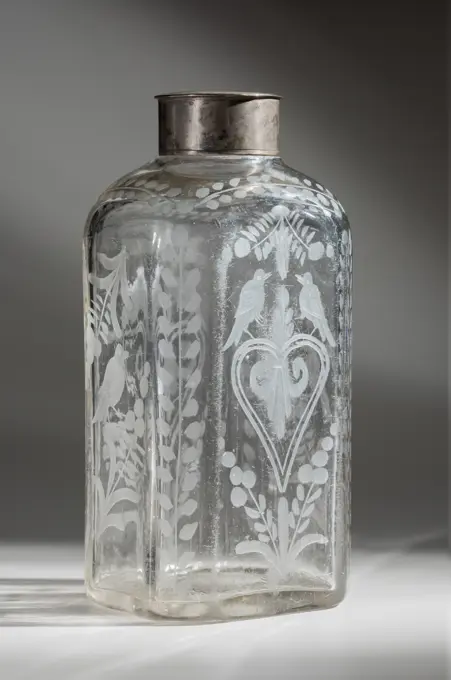
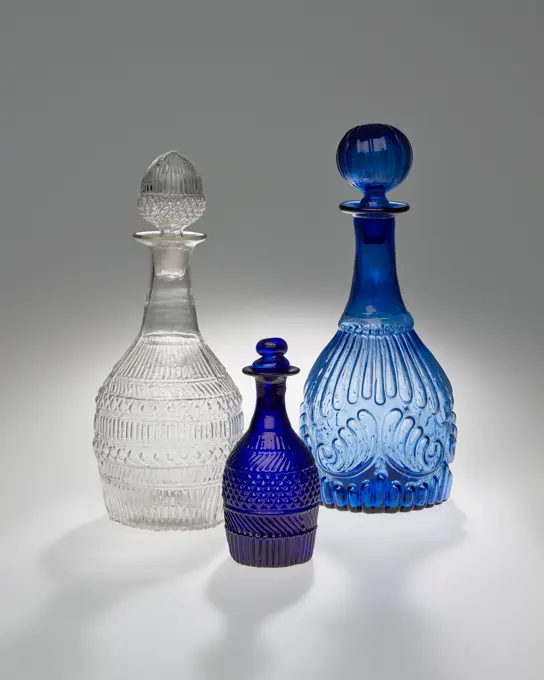
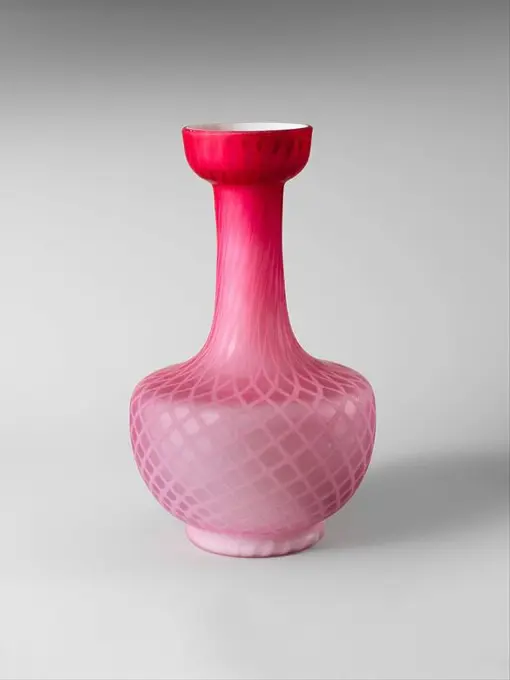
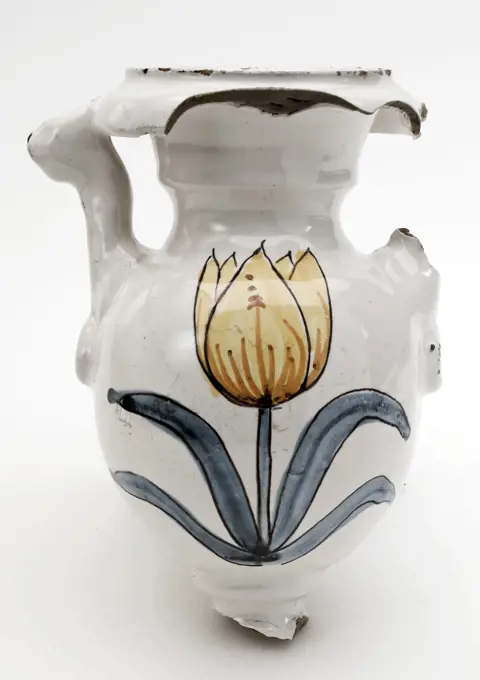
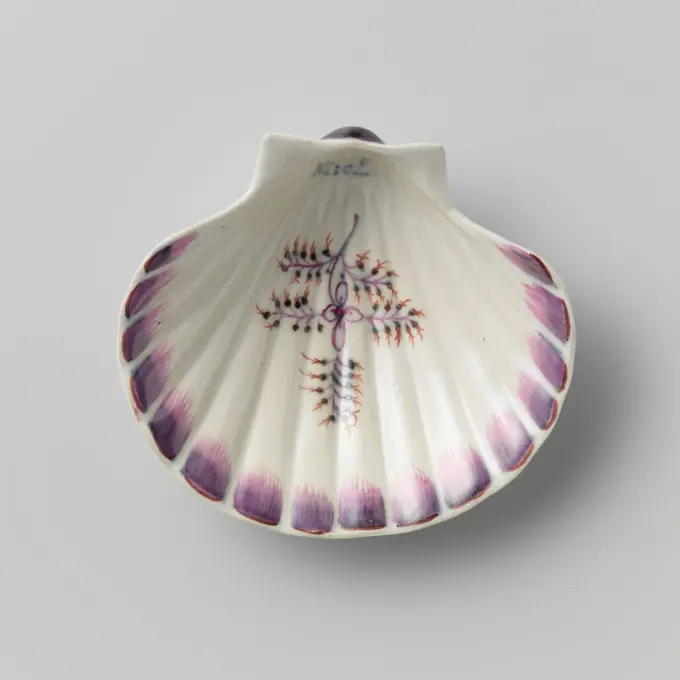
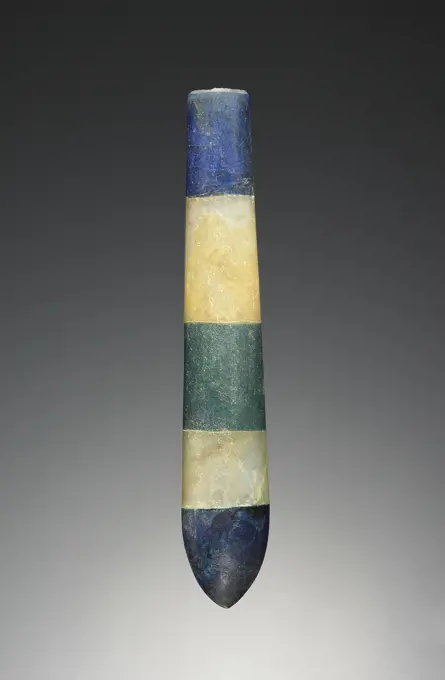
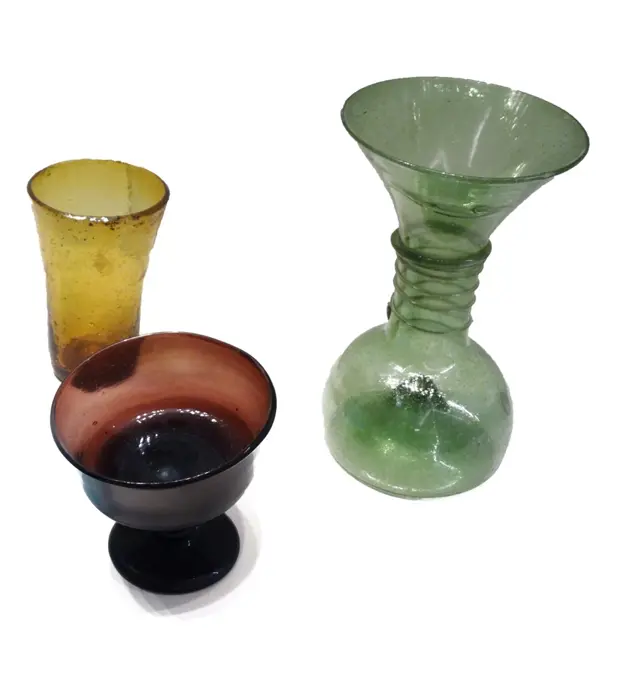
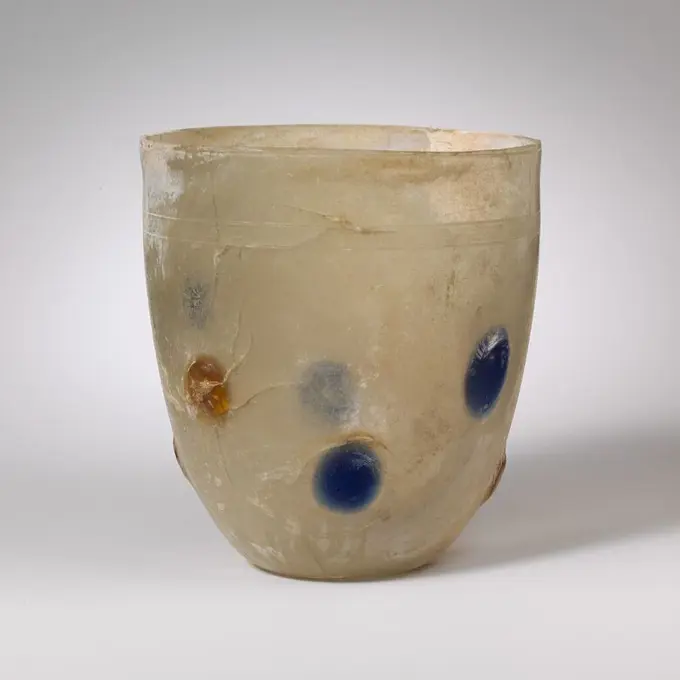
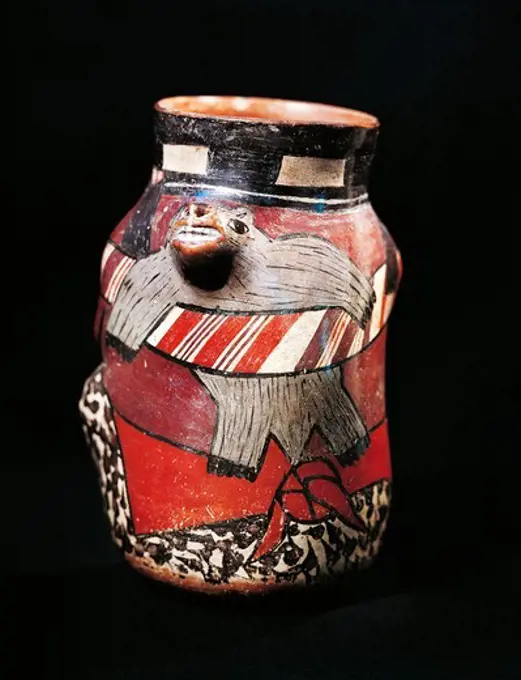
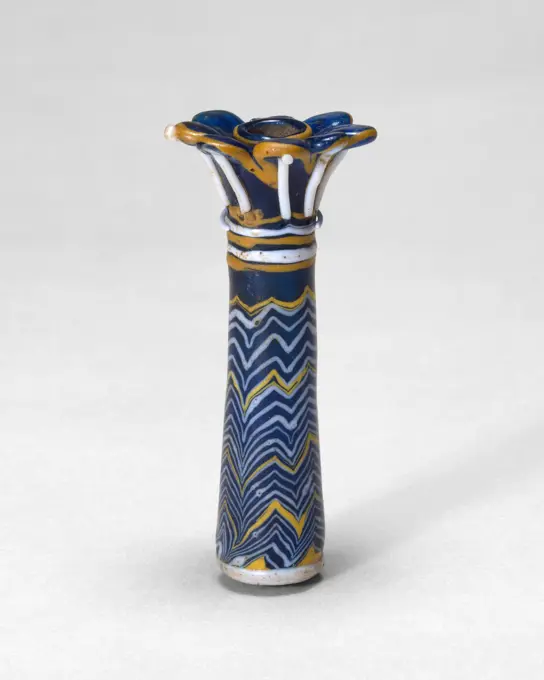
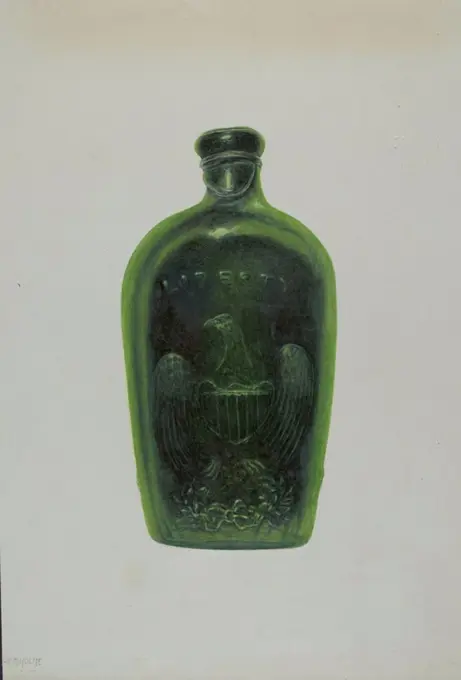
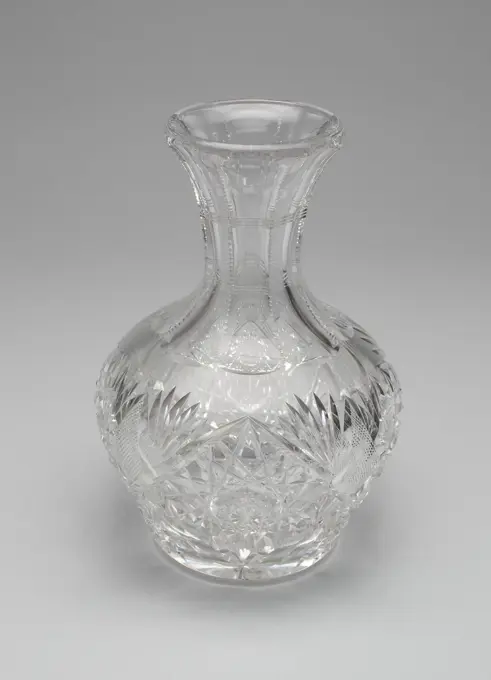
Carafe c 1902 United States. Glass . Artist unknownFlask; Eastern Mediterranean; late 1st century; Glass; 19.5 cm (7 11,16 in.)Belly bottle, belly bottle bottle holder soil find glass, free blown and shaped glass application Circular bottle in clear dark green glass. Pontil mark under wide raised bottom Body with outward facing wall to convex shoulders and long rejuvenated neck with imposed circumferential sharp glass wire (chip) and flattened lip (chip) archeology packaging transportingAmphoriskos. UnknownCylindrical bottle, bottle holder bottomfound glass, in blown glass application Cylindrical bottle in clear green glass. Pontil mark under slightly raised bottom Slightly widened cylindrical body to convex shoulders and slightly rejuvenated neck with imposed all-round smooth glass thread and dilated and flattened lip archeology packagingVase. Culture: American. Designer: Designed by Louis Comfort Tiffany (American, New York 1848-1933 New York). Dimensions: 9 5/8 x 5 1/2 in. (24.4 x 14 cm). Maker: Tiffany Glass and Decorating Company (American, 1892-1902). Date: ca. 1895. Museum: Metropolitan Museum of Art, New York, USA.Snuff bottle imitating realgar. Culture: China. Dimensions: H. 2 1/4 in. (5.7 cm). Date: 19th century. Museum: Metropolitan Museum of Art, New York, USA.Flask. UnknownJar. Culture: China. Dimensions: H. 8 1/2 in. (21.6 cm). Date: 19th century. Museum: Metropolitan Museum of Art, New York, USA.Covered SugarBowl. Maker, attributed to: Henry William Stiegel, American, 1729-1785Snuff Bottle With Monks On a Ground Of Pierced Clouds. Small porcelain snuff bottle with a double wall, covered with a translucent white glaze. The outer wall of the vial with a group of monnches against a land of openworked clouds. Monochromes, white porcelain.Prunted Beaker (Krautstrunk). UnknownAskosCovered SugarBowlFlask. UnknownVase (USA); Designed by Jacques Sicard (French, 1865-1923); Manufactured by Weller Pottery; molded, glazed, and lustered earthenwareScroll Flask Commemorating ZacharyTaylor. Honorand: Zachary Taylor, American, 1784-1850Flask; Eastern Mediterranean; about A.D. 75; Glass; 19.8 × 8.8 cm (7 13,16 × 3 7,16 in.). Concave, cut bottom, flattened spherical body of colorless glass, flared in a long neck. Double überfang in orange and red on a yellow and colorless surface. Decor of ahornts with berries, partially etched. On the body the signature gallé with a *.Vase. Culture: American. Designer: Designed by Louis Comfort Tiffany (American, New York 1848-1933 New York). Dimensions: H. 8 7/16 in. (21.5 cm). Maker: Tiffany Glass and Decorating Company (American, 1892-1902). Date: ca. 1899. Museum: Metropolitan Museum of Art, New York, USA.Vase, c. 1900. Emile Gallé (French, 1846-1904). Enameled glass; diameter: 13.5 cm (5 5/16 in.); overall: 23.4 cm (9 3/16 in.).Covered Sugar Bowl 1876-83 Ott and Brewer. Covered Sugar Bowl. American. 1876-83. Porcelain. Made in Trenton, New Jersey, United StatesSnuff Bottle, 3 5/8 x 2in. (9.2 x 5.1cm), Crystal, ChinaVase. Culture: American. Dimensions: H. 11 in. (27.9 cm); Diam. 11 in. (27.9 cm). Maker: John Bennett (1840-1907). Date: 1882.Like Daniel Cottier, John Bennett was instrumental in bringing Aesthetic taste from Great Britain to America. At Doulton, Bennett developed a distinctive technique of underglaze decoration, which was on view at the Philadelphia Centennial Exhibition of 1876. Shortly thereafter he established himself in New York City. His style and choice of subject matter--flowers and fruits stylized into flat, two-dimensional patterns--had much in common with that of British reform designers such as William Morris (1834-1896). This vase of cream-colored earthenware features underglaze decoration of pink and white dogwood blossoms and branches on a yellow background. An unusual feature in Bennett's work, the mottled background is further ornamented with a stylized sprig design of the same hue, yet in a different tone, reminiscent of wallpaper designs of the Aesthetic Movement. Canteen;  1. W. 20th century (1900-00-00-1925-00-00);Szczygielski Robert, DarSnuff bottle with demon queller Zhong Kui. Culture: China. Dimensions: H. 2 7/8 in. (7.3 cm). Museum: Metropolitan Museum of Art, New York, USA.Cream Jug 1780-1820 American or British. Cream Jug 2601Glass jar 2nd-3rd century A.D. Roman Translucent blue green.Outsplayed, rounded, and thickened rim; short, concave neck; squat, bulbous body; tubular base ring; flat bottom with central kick and pontil scar.On body, six deep, circular indents.Intact; many pinprick and large bubbles, with some glassy inclusions; patches of encrusted weathering, especially on interior below neck.. Glass jar 245360Bottle second half 17th century. Bottle 448429Mingqi: Hibou ". Terre Cuite, traces the polychrnomy. Dynasty Han (220 AP. J.-C.). JUSTY CUSTE Chinese art, Han dynasty, Han time, owl, mingqi, Chinese object, funeral substitute, terracotta, animalCandlestick with a conical bulb stem and candleholder and base with a water landscape, anonymous, c. 1775 - c. 1799 Porcelain candlestick with conical steel with nine ring -shaped thickening, bell -shaped base with a ribbed wall and a head -shaped candle holder with a ribbed wall and lobed edge. Painted in underlaze blue. The ring -shaped nodules with blue tires. The foot and head with a continuous river landscape with pavilions, trees, rocks and boats on the water. At the top of the foot, a fled circle on which the upper part of the candlestick is placed. The stem has been broken. Blue White. Japan porcelain. glaze. cobalt (mineral) painting / vitrification Porcelain candlestick with conical steel with nine ring -shaped thickening, bell -shaped base with a ribbed wall and a head -shaped candle holder with a ribbed wall and lobed edge. Painted in underlaze blue. The ring -shaped nodules with blue tires. The foot and head with a continuous river landscape with pavilions, trees, rocks anJug ca. 1879-89 Christopher Dresser This jug and another of the same model manufactured by Ault Pottery (2016.178.5) represent a single Christopher Dresser model produced by two different factories at different dates. When Linthorpe closed in 1889, its molds were acquired by Ault Pottery. In 1893, Dresser signed a contract with Ault to produce new designs; the contract also stated that going forward, each piece should be marked with his facsimile signature.. Jug. British. ca. 1879-89. Glazed earthenware. Ceramics-PotterySquat Lekythos (Oil Jar) 430 BCE-410 BCE Greece. During the course of the 5th and 4th centuries B.C., black vessels (commonly called black-glaze vessels) were made with increasing frequency in both Greece and South Italy. Many of them replicate the shape of metal vessels. Others have detailing that is molded or incised. Although black-glazed wares can be rather coarse, this example is quite fine. Regardless, they would have been less expensive than vessels decorated in other contemporary techniques, for example, in red-figure.. terracotta, black-glaze technique with impressed decoration . Ancient GreekCruet. Culture: Spanish, Catalonia. Dimensions: Height: 9 1/8 in. (23.2 cm). Date: 17th century. Museum: Metropolitan Museum of Art, New York, USA.Khokhloma colorfull russian khokhloma isolated on a white background Copyright: xZoonar.com/VladxPodkhlebnikx 479613Snuff Bottle with Stopper China. Snuff Bottle with Stopper 41411Bowl or Lamp. East Mediterranean, 4th -5th century. Furnishings; Serviceware. Mold-blown glassAlembic - distillation vessel. unknown, craftsmanSnuff Bottle late 18th-early 19th century China. Snuff Bottle 41227Vase with platform decor. Acquired by the artist at the World's Fair 1900Kohl Container. Byzantine; Eastern Mediterranean. Date: 401 AD-600 AD. Dimensions: 12.3 × 5.5 × 4.5 cm (4 7/8 × 2 1/8 × 1 3/4 in.). Glass, blown technique. Origin: Levant. Museum: The Chicago Art Institute, Chicago, USA.. Vase, cup-shaped, with decor "hollow" in black and yellow. Signature with factory stamp in circle shape, 124 / AP / "hollow" (in black)Vase 19th century Italian The shape is ultimately derived from Near-Eastern glass and metal bottles.. Vase 186165Snuff Bottle. Culture: China. Dimensions: H. 2 7/16 in. (6.2 cm). Date: 19th century. Museum: Metropolitan Museum of Art, New York, USA.Jenny LindFlask. Maker, attributed to: McCarty & Torreyson, American, active 19th century  Subject: Johanna Maria Lind, Swedish, 1820-1887Bell Beaker 6th-7th century Frankish. Bell Beaker 465685 Frankish, Bell Beaker, 6th7th century, Glass, Overall: 4 5/16 x 2 3/8 in. (11 x 6.1 cm). The Metropolitan Museum of Art, New York. Gift of J. Pierpont Morgan, 1917 (17.193.347)Globular Bottle, 19th century, Zanesville Glass Manufacturing Company, (Zanesville, Ohio), 8 1/4in. (21cm), Glass, United States, 19th centuryVase. unknown, craftsmanTankard. Switzerland, 17th-18th century. Furnishings; Serviceware. Earthenware, faienceInverted Pear-Shaped Jar, 1800s. Japan, Edo period (1615-1868). Pottery; overall: 9.6 cm (3 3/4 in.).One-handled Cup. UnknownSnuff Bottle China. Snuff Bottle 41545Zinc jug lid; Boles 4. W. 18th century; around 1789 (1780-00-00-1800-00-00);Bolesławiec Kamionka, Crucifixion, New Testament, Angels, decoration with overlaysLazio Viterbo Viterbo Museo Civico93. Hutzel, Max 1960-1990 Views of paintings (Middle Ages through 18th c.), frescoes, a tabernacle, coffin, sculpture reliefs, portal fragments, busts, sculpture, tapestry found in the Pinacoteca, Second floor gallery and Second floor cloister sequences. Antiquities: Many views of Etruscan and Roman fragments, sculpture, sarcophagi, pottery, masks, jewelry and other objects found in the Storeroom sequence (inventory numbers on back of prints), and the Cloister, Second floor Cloister, Valle Giulia, Sala Romana and Sala Etrusca sequences. General Notes: There are eight separate numerical sequences for this location. The cloister as an architectural structure, rather than museum site, is documented in the record and file for S. Maria della Verita, Cloister, all views of which are stored in Medieval core collection. Five views from the Museo Civico Second floor cloister sequence are stored in Medieval. German-born photographer and scholar Max Hutzel (1911-Tea Caddy. Meissen porcelain manufactory Meissen, c. 1715 stonewareVase late 18th-first half of the 19th century China. Vase. China. late 18th-first half of the 19th century. Porcelain with mottled brown glaze. Qing dynasty (1644-1911). CeramicsEwer probably 18th-19th century. Ewer 443128Green glass lid with button, anonymous, c. 1400 - c. 1950 Green glass lid with button.  glass Green glass lid with button.  glassFlask ca. 1846 Attributed to Baltimore Glass Works. Flask 3718Bottle 13th century. Bottle. 13th century. Stonepaste; overglaze painted and leaf gilded (lajvardina). Attributed to Iran. CeramicsVase.  Maker: North State Pottery, American, 1924-1959Glass miniature jar. Culture: Roman. Dimensions: 15/16 × 13/16 in. (2.4 × 2.1 cm)Diam. of rim: 13/16 in. (2.1 cm). Date: 2nd-4th century A.D..Colorless with blue green tingeLarge tubular rim folded out, up and in; short neck, tooled in at base; globular body; thick bottom, with small flattened pad at center.Intact; many pinprick bubbles; slight dullign on exterior; soli enctrustation and iridescent weathering on interior. Museum: Metropolitan Museum of Art, New York, USA.Ewer Formed as Sprouting Bamboo. Korea. Date: 1101-1200. Dimensions: H. 28.3 cm (11 1/8 in.). Stoneware with celadon glaze and underglaze incised and carved decoration. Origin: Korea. Museum: The Chicago Art Institute, Chicago, USA.Armorial flask mid-16th century Venetian or façon de Venise, possibly Saxony. Armorial flask. Venetian or façon de Venise, possibly Saxony. mid-16th century. Colorless (slightly gray) and opaque white nonlead glass. Blown, "vetro a retorti", enameled, gilt.. GlassFlask. UnknownSake Bottle in the Shape of a Gourd. Culture: Japan. Dimensions: H. 9 in. (22.9 cm); Diam. 5 in. (12.7 cm); Diam. of rim 7/8 in. (2.2 cm). Date: late 17th century. Museum: Metropolitan Museum of Art, New York, USA.Vase 12th-13th century China. Vase 50568Dark Blue Marbled Flask (). UnknownPunchkom, Richard Riemerschmid, c. 1915 Spherical punch bowl on three legs. Designer: Munichhöhr-Grenzhausen stoneware vitrification Spherical punch bowl on three legs. Designer: Munichhöhr-Grenzhausen stoneware vitrificationBottle 18th century British, possibly Bristol. Bottle. British, possibly Bristol. 18th century. Glass. GlassTripod Jar. China. Date: 700 AD-750 AD. Dimensions: H. 14.0 cm (5 1/2 in.); diam. 18.7 cm (7 3/8 in.). Earthenware with three-color (sancai) lead glazes. Origin: China. Museum: The Chicago Art Institute, Chicago, USA.Flask late 18th-early 19th century British, probably Nailsea. Flask. British, probably Nailsea. late 18th-early 19th century. Glass. GlassSnuff Bottle with Mottled Surface late 18th-early 19th century China. Snuff Bottle with Mottled Surface 41520Cup in the Shape of an Archaic Bronze Vessel with Lizards 1700-1899 China. Celadon-glazed porcelain with underglaze molded and incised decoration .Stamped brass vase isolated on white backgroundPitcher. United States, Pennsylvania, Pittsburgh, 1820-1840. Furnishings; Serviceware. Blown glassDecanter with stopper. Culture: American. Dimensions: 11 1/2 x 4 5/8 in. (29.2 x 11.7 cm). Maker: Pellatt & Green. Date: 1818.William Bayard (1761-1826) commissioned this table service (2008.594.1-.53) in 1818 for his daughter Harriet (1799-1875) and her husband Stephen Van Rensselaer IV (1789-1868) from Pellatt & Green, London's premier glasshouse. The fine lead glass and deep Regency cutting would have created a brilliant sparkle in their candlelit dining room, in Albany, New York. The set originally included dozens of drinking glasses, for claret, ale, and champagne, as well as decanters, wine coolers, tumblers, and finger glasses, all "elegantly cut in diamonds & Rings" according to the surviving bill of sale (2008.594.54a,b). In addition to its elegance and quality, the service is extremely rare in it's documentation to the specific American family who owned it and to the English glasshouse that made it. Museum: Metropolitan Museum of Art, New York, USA.AlabastronClose-up of a decorative pottery vase in unique formVase with dragon late 18th century China. Vase with dragon 50899Water jar ca. 1624-1643 Japan. Water jar 50334Tall Jar with Crosshatch Designs 1st-6th century Nasca. Tall Jar with Crosshatch Designs 309757Silver coffee pot with ebony handle, Georg Jensen, 1918 Coffee pot of silver with Ebben handle. The body consists of a ball-walled part above which a lower part with S-shaped curved wall. The straight wooden handle is at right angles to the wall, connected by a silver attachment, which is decorated with an edge of oval at the impetus of the wooden section. The spout is bent. The vaulted lid is crowned by a wooden button in the shape of a stylized flower bud, around which a pearl edge. The surface of the pot is processed with a stelhamer to achieve a 'hammer-stroke' effect. Brands on the bottom bottom: Georg Jensen in lying oval; Copenhagen in lying oval; G1. 830s among each other in standing oval; 1918 in rectangle; 1; reinorn in italics V (foreign works, 1906-1953); reinorn Z II. Copenhagen (city) silver (metal). ebony (wood) Coffee pot of silver with Ebben handle. The body consists of a ball-walled part above which a lower part with S-shaped curved wall. The straight wooden handle isSnuff Bottle, 17th-19th century, 2 1/2 x 2in. (6.4 x 5.1cm), Glass, China, 17th-19th centuryJar and lid ". Terracotta coated with slip -in -brown cream under transparent cover. Paris, Cernuschi museum. Chinese art, Chinese ceramic, lid, creed cream, mesh, jar, terracotta, holeColored sand bottle, Jerash, JordanVase ca. 1880-82 T. J. Wheatley & Company. Vase. American. ca. 1880-82. Earthenware. Made in Cincinnati, Ohio, United StatesClose-up of mosaic glass lanternMaker Unknown, Bottle, Mid- to late 19th century, colorless glass, silver.Decanter. Maker, probably by: Boston and Sandwich Glass Works, American, 1826-88Vase. Culture: American. Dimensions: H. 9 1/4 in. (23.5 cm). Date: after 1885. Museum: Metropolitan Museum of Art, New York, USA.Majolica vase, classic in form, with polychrome tulip as representation, vase crockery holder soil find ceramic earthenware glaze tin glaze lead glaze, hand-turned baked 2x majolica Majolica vase with polychrome tulip as show Classical shape around oval body top edge with lip two ears in animal form and high stand Tulp is shown with purple drawing blue leaves and yellow calyx with orange stripes archeology Rotterdam Heliport terrain indigenous pottery show flower table room classic Soil discovery: Heliport terrain Rotterdam June 1978.Oyster shell, painted with a flower branch, manufacture Oud-Loosdrecht, c. 1778 - c. 1782 Oyster shell of porcelain, painted in underly glaze blue, purple and red with a branch with flowers. The ends of the ribs on both sides decorated with accents in underly glaze blue and purple, also at the front with a closing stripe in red. Loosdrecht porcelain Oyster shell of porcelain, painted in underly glaze blue, purple and red with a branch with flowers. The ends of the ribs on both sides decorated with accents in underly glaze blue and purple, also at the front with a closing stripe in red. Loosdrecht porcelainAlabastron; Eastern Mediterranean; late 1st century B.C. - early 1st century A.D; Glass; 13.4 cm (5 1,4 in.)A selection of bowls, beakers and a bottle. Found in the Hebron area, 20th century.Glass beaker. Culture: Roman, Rhenish. Dimensions: H.: 4 13/16 in. (12.3 cm)Diam.: 4 3/8 in. (11.1 cm). Date: 4th century A.D..Colorless; translucent cobalt blue and honey yellow blobs.Uneven vertical rim, cracked off and ground, slightly outsplayed; tall, convex side to body, tapering downwards; concave bottom.Immediately below rim, a single wheel-cut horizontal line; below, a band comprising two wheel-cut horizontal lines with wheel-abraded lines between them; around middle and lower part of side a band of applied blobs, comprising two irregular horizontal lines of four alternating sets of two blobs of the same color.Complete, but many internal cracks; a few pinprick and larger bubbles; dulling, faint iridescence, limy encrustation, and weathering. Museum: Metropolitan Museum of Art, New York, USA.Vase depicting hunter carrying captured animal in shawl (back), Peru, Nazca culture, Pre-Inca civilizationA bottle of three partsContainer for Kohl in the Shape of a Palm Column 1352 BCE-1213 BCE Egypt. Glassworking in Egypt appeared suddenly as a fully developed industry under the pharaohs of the Eighteenth Dynasty (1550ñ1295 BCE) and was probably imported from the older glass centers of the Eastern Mediterranean. During this time glass production was restricted to a handful of workshops producing vessels and objects intended only for the pharaoh and his court. In addition to small glass objects such as beads, amulets, and inlays, the new industry produced a wide variety of glass vessels for unguents, incense, and cosmetics. Particularly popular were vessels like this example made to contain kohl, a black pigment used by both men and women to outline their eyes. The kohl was applied with a thin rod, and the containers were sealed with stoppers made of linen and wax. The shape of this object recalls a palm column, a traditional element of Egyptian architecture. The bright, opaque colors of these early core-forme"Liberty" Bottle. Dated: 1935/1942. Dimensions: overall: 35.5 x 24.2 cm (14 x 9 1/2 in.). Medium: watercolor, graphite, and pen and ink on paper. Museum: National Gallery of Art, Washington DC. Author: Maud M. Holme.