Decorative Vases Collection

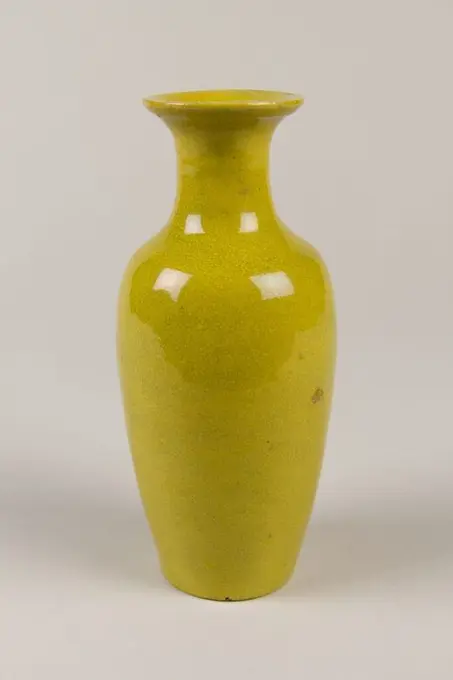
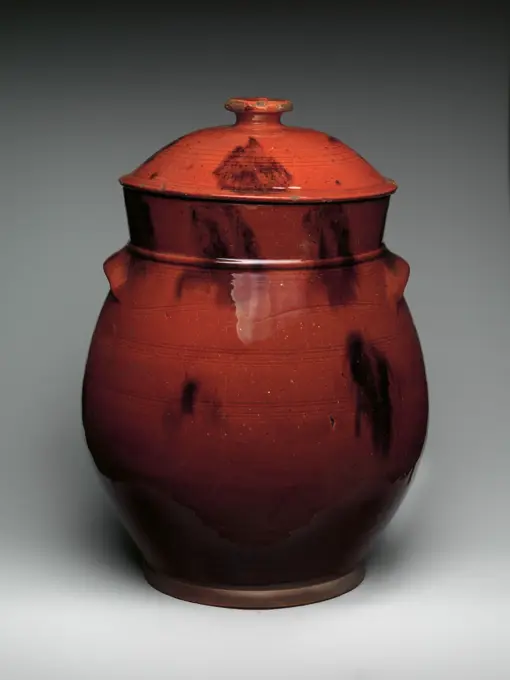
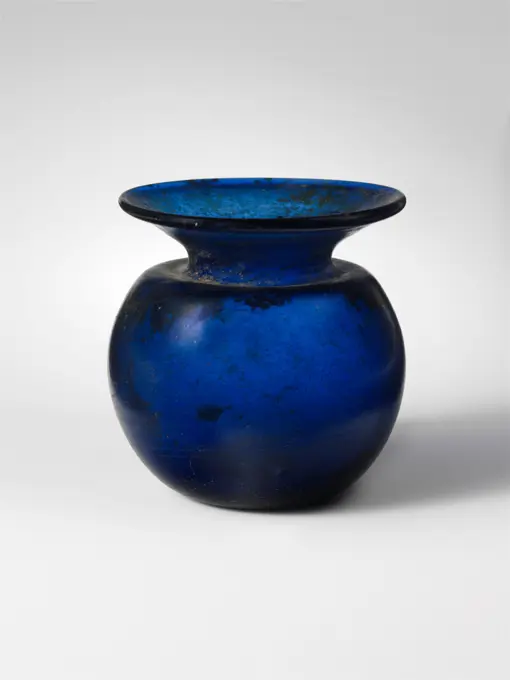
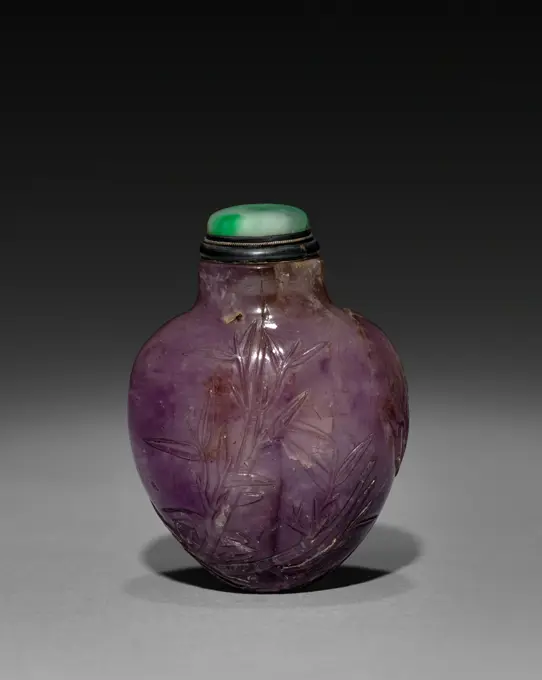
An assortment of unique decorative vases featuring various shapes, colors, and glazes, each embodying artistic craftsmanship and historical significance.

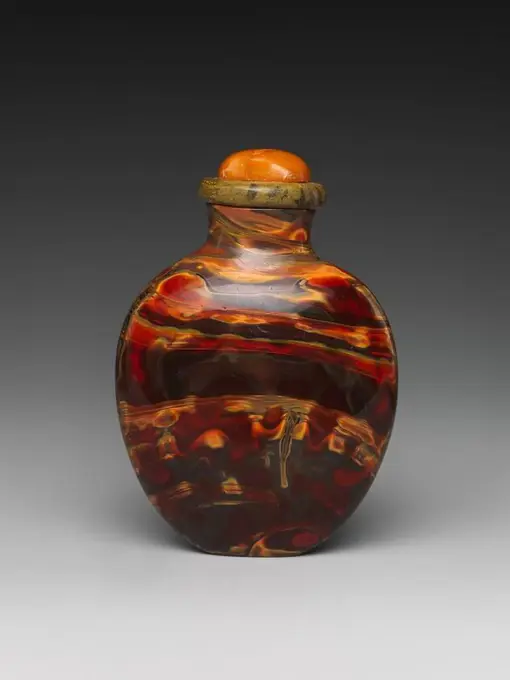
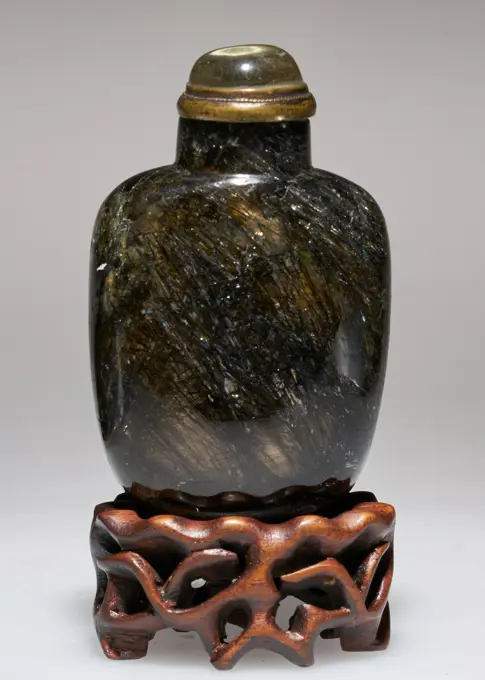
Snuff Bottle, 19th century, 4 x 1 3/8in. (10.2 x 3.5cm), Ivory, China, 19th century
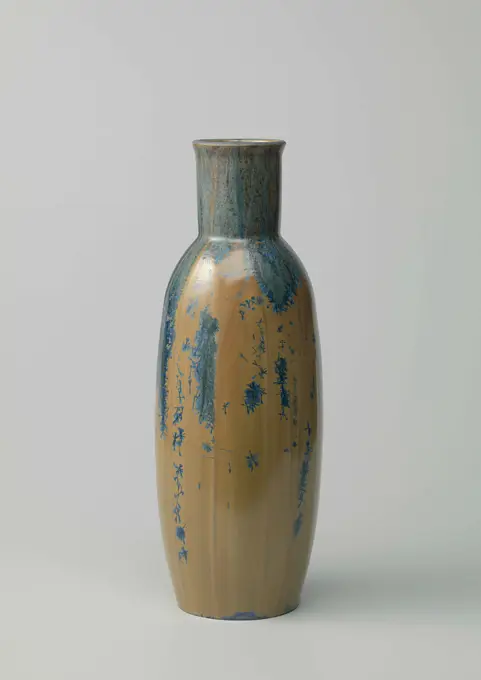
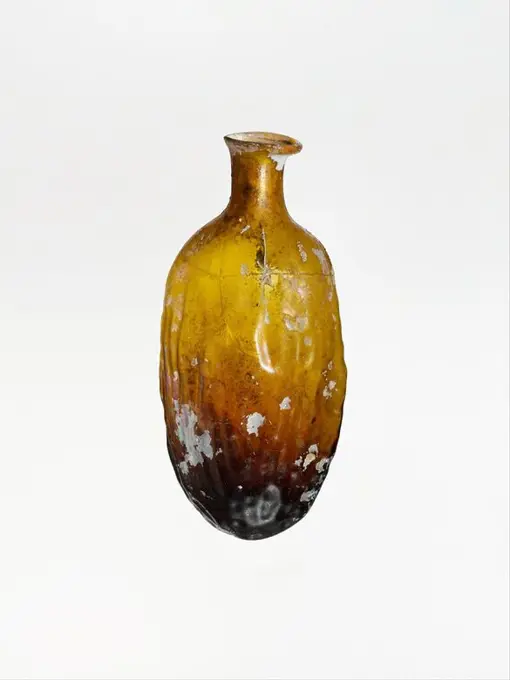
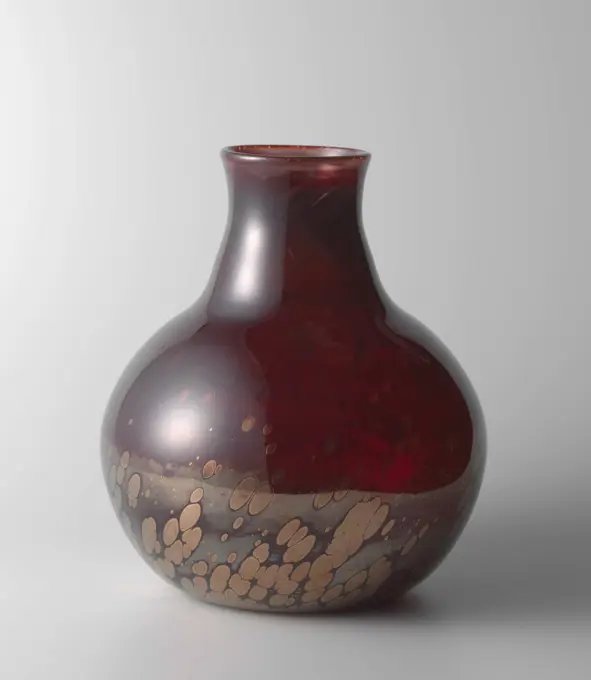
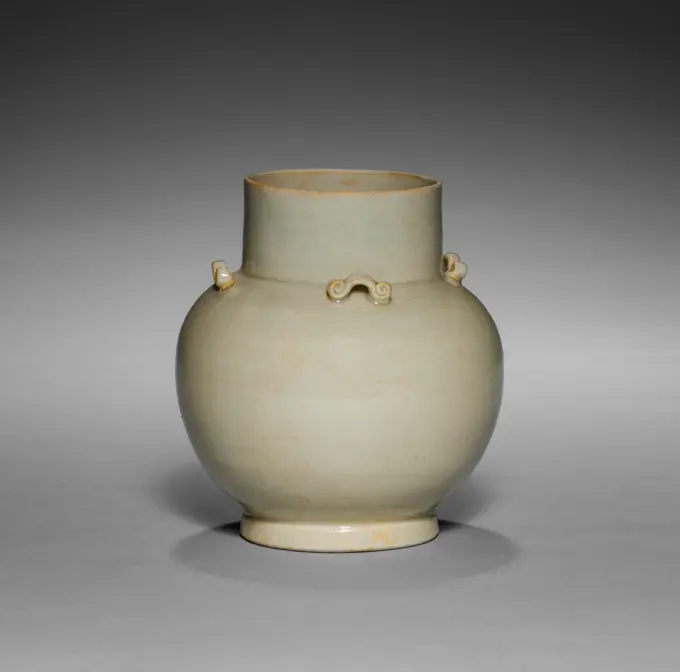
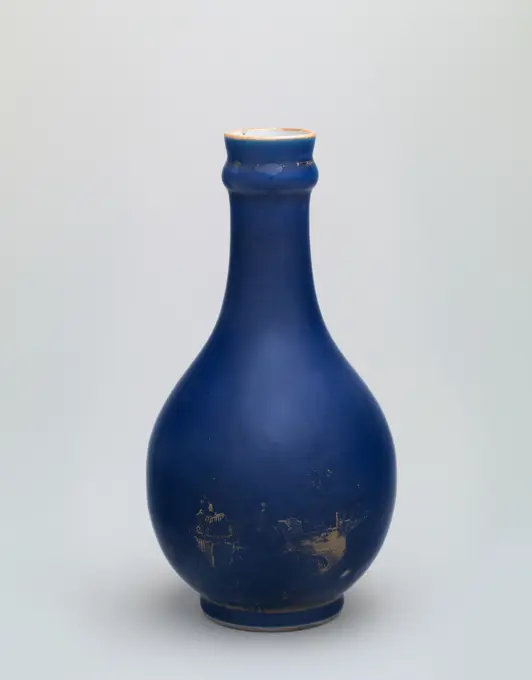
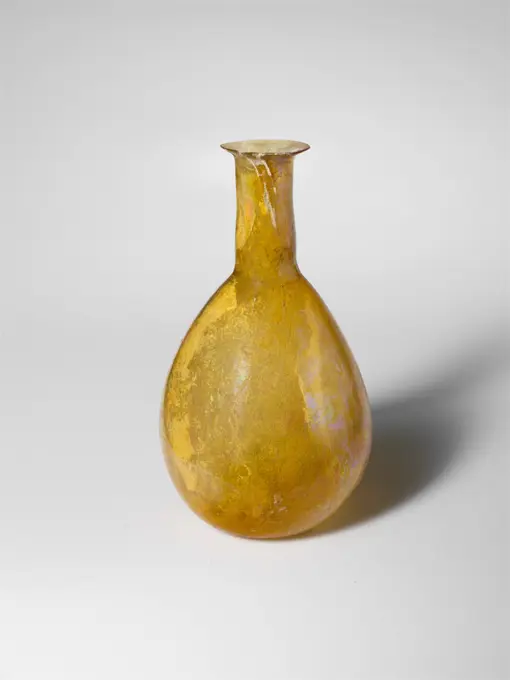
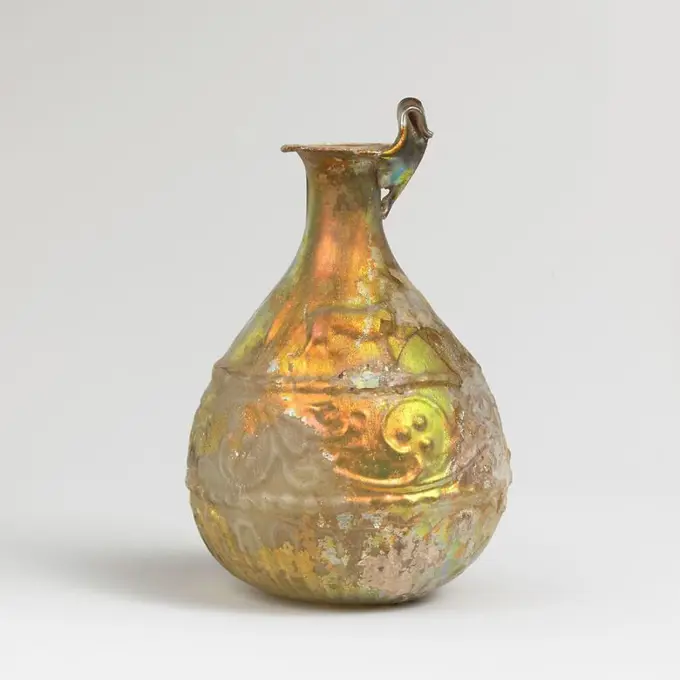
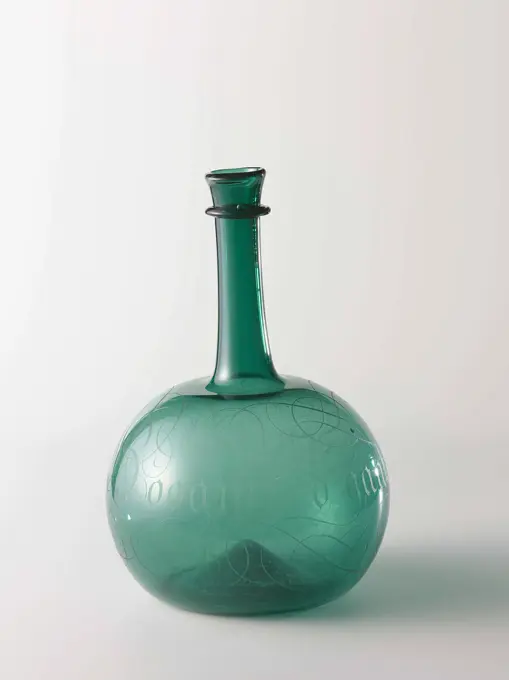
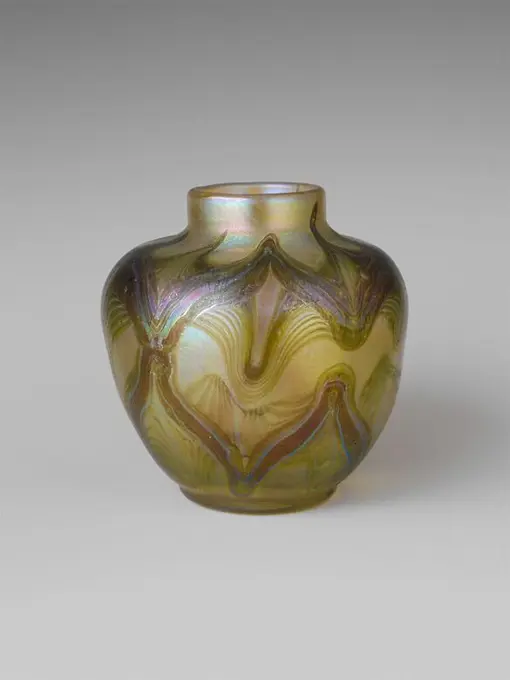
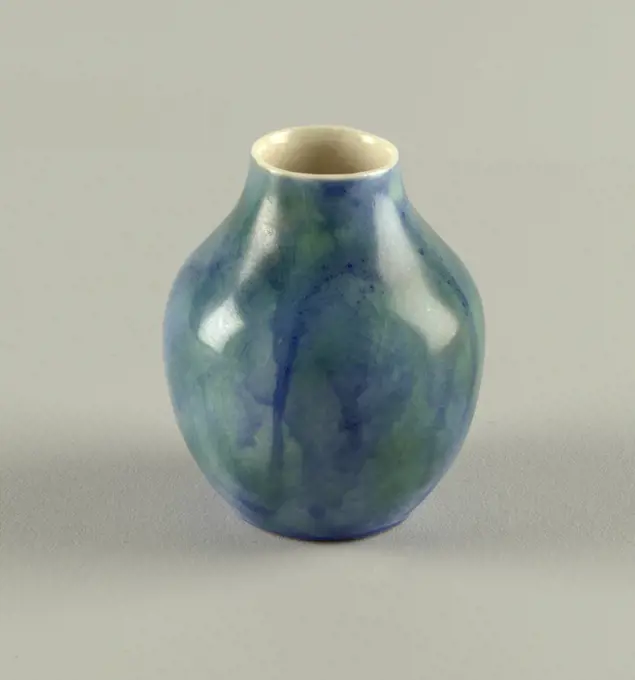
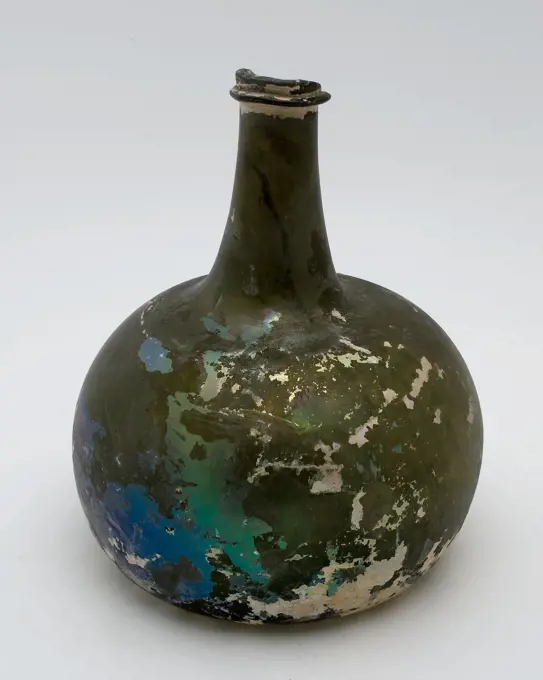
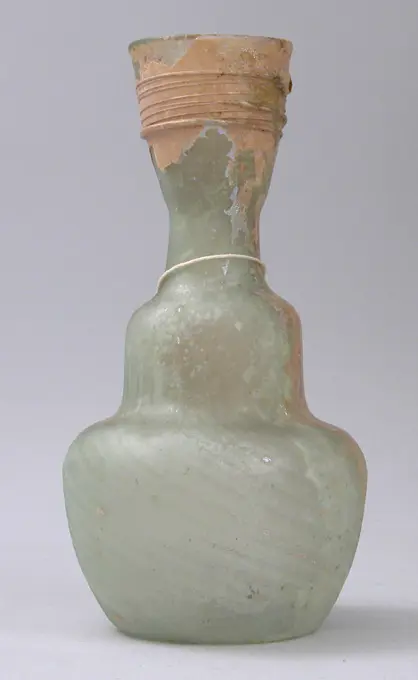
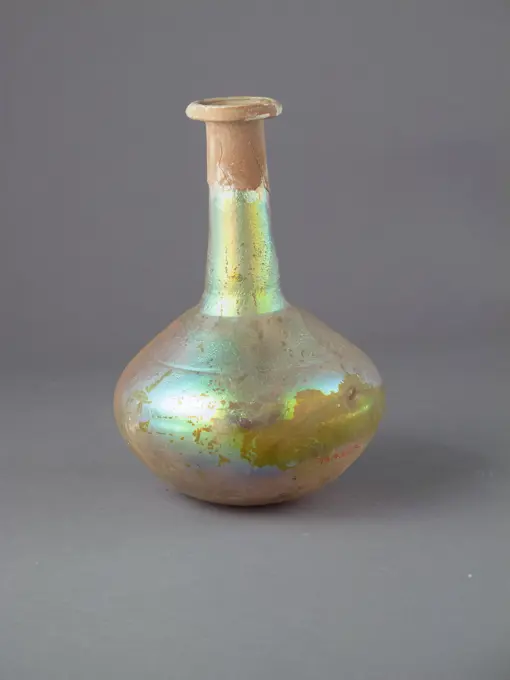
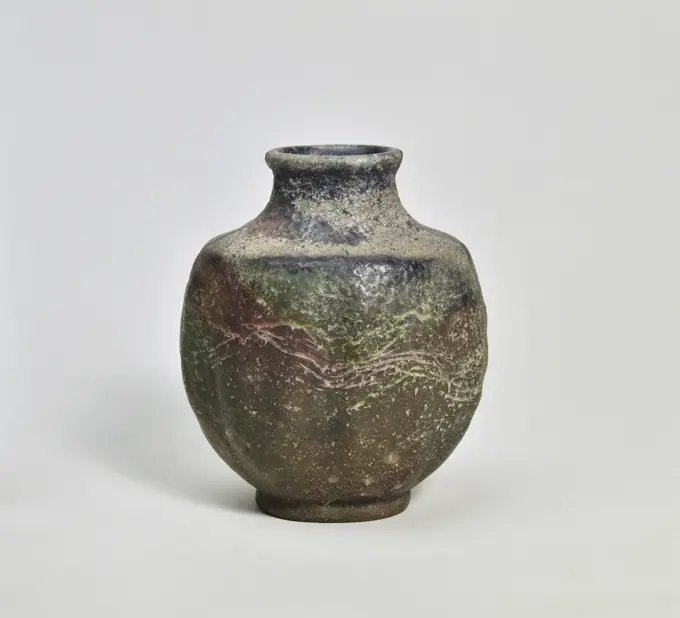
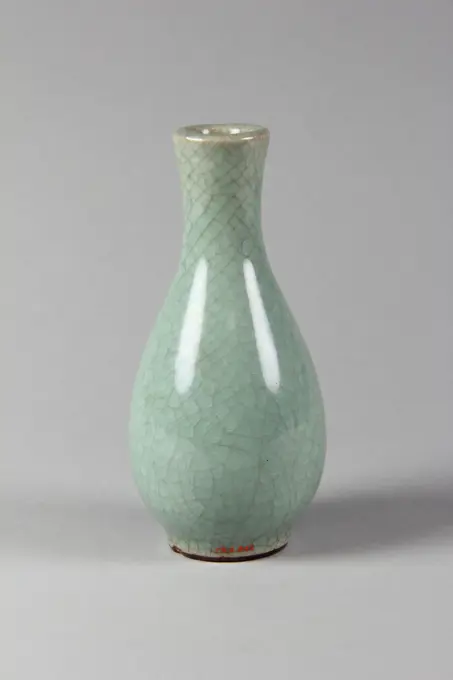
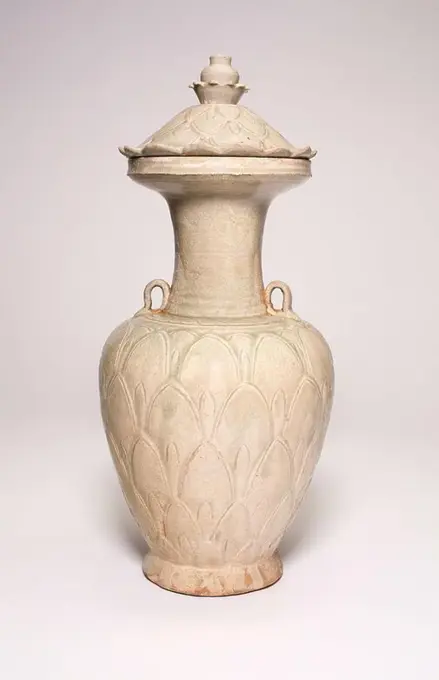
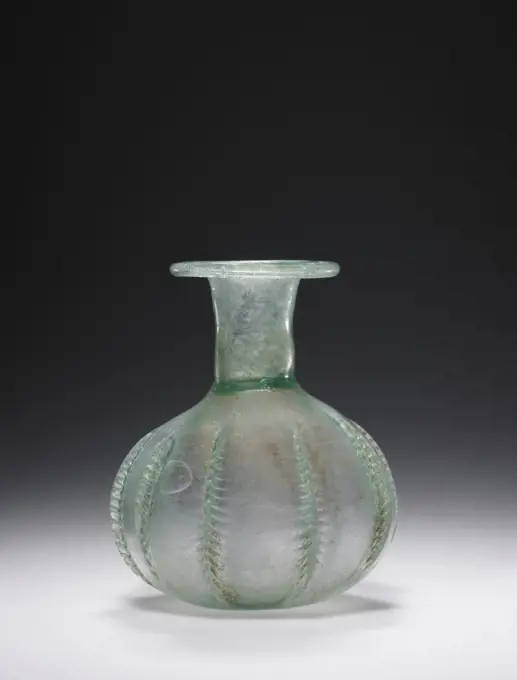
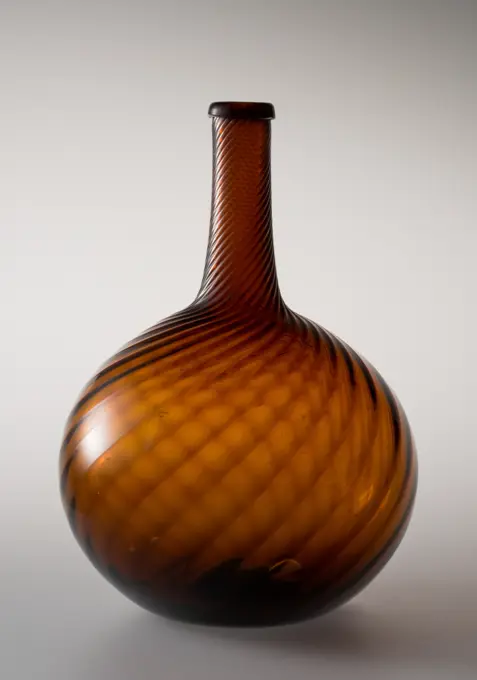
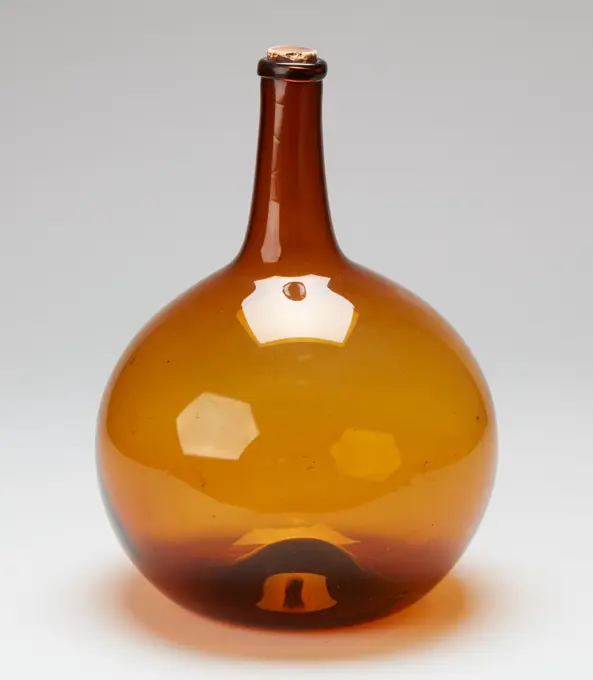
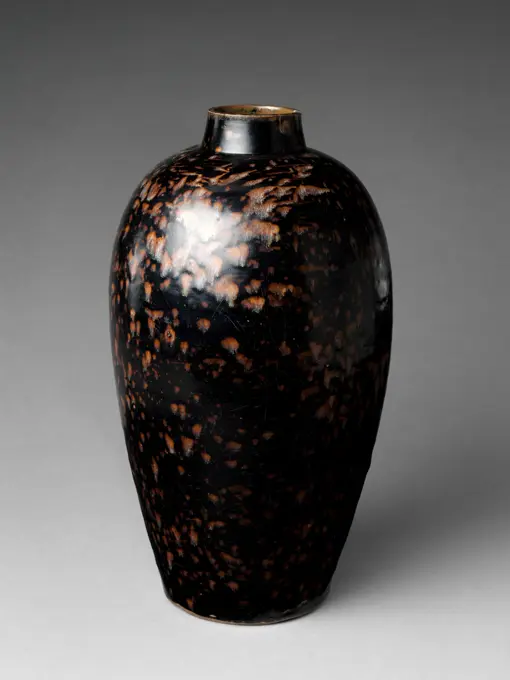
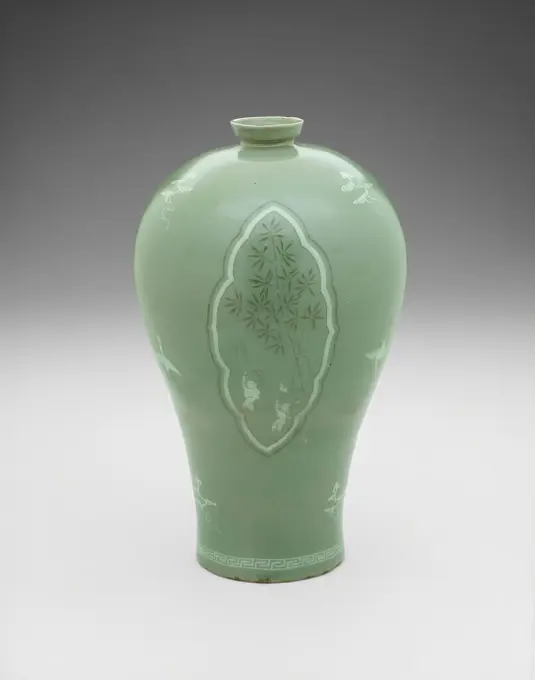
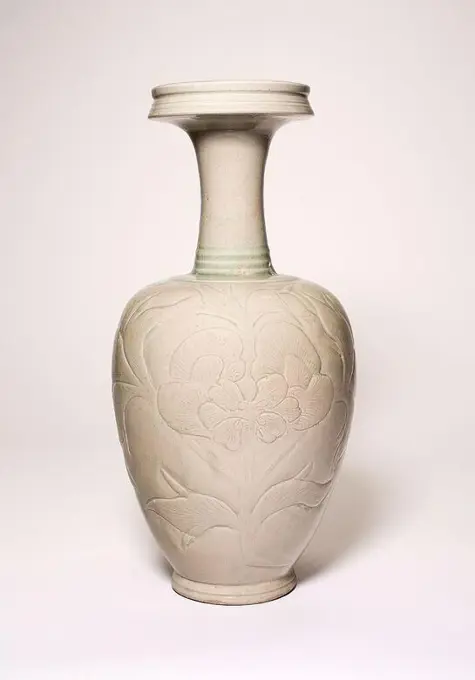
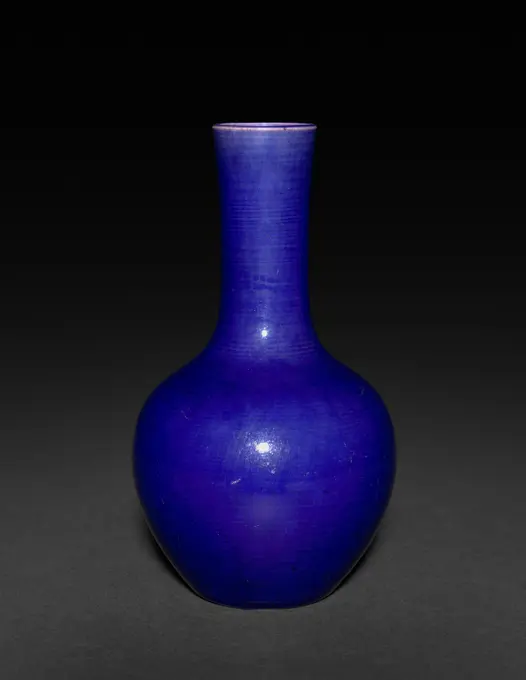
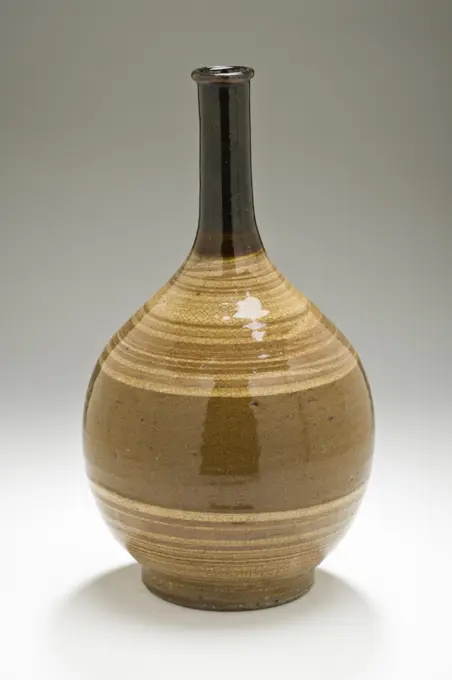
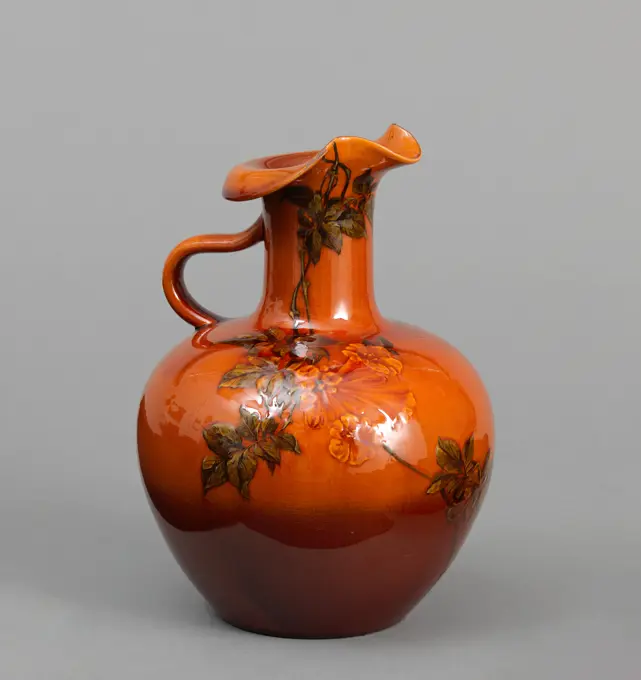
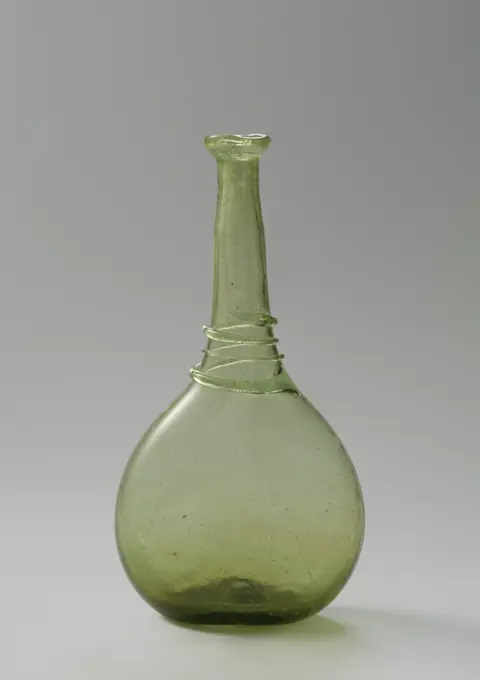
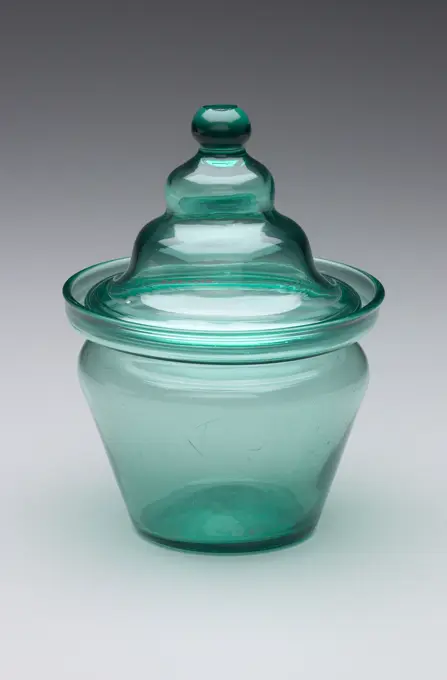
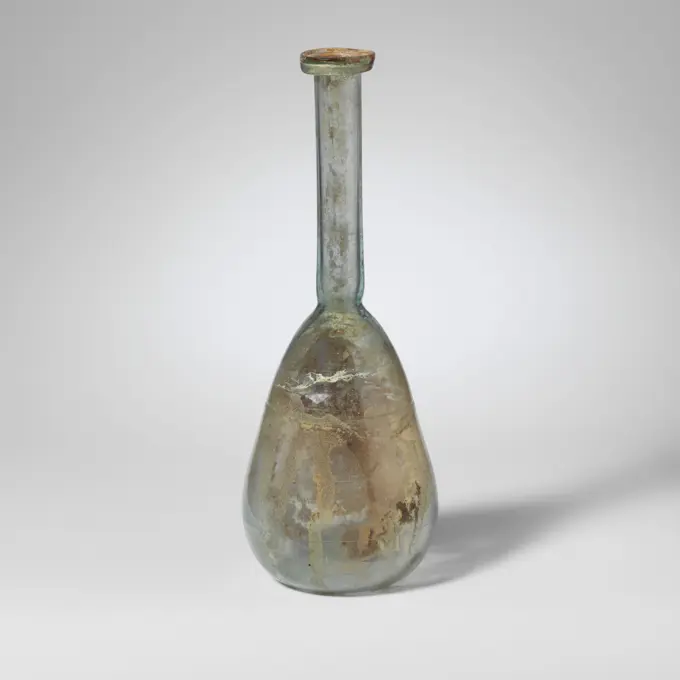
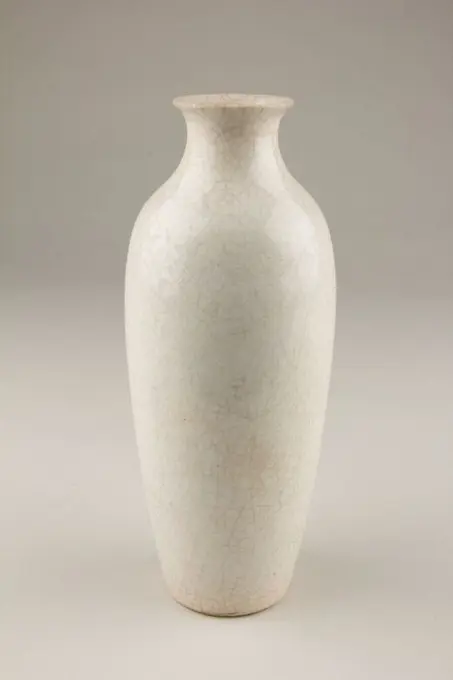
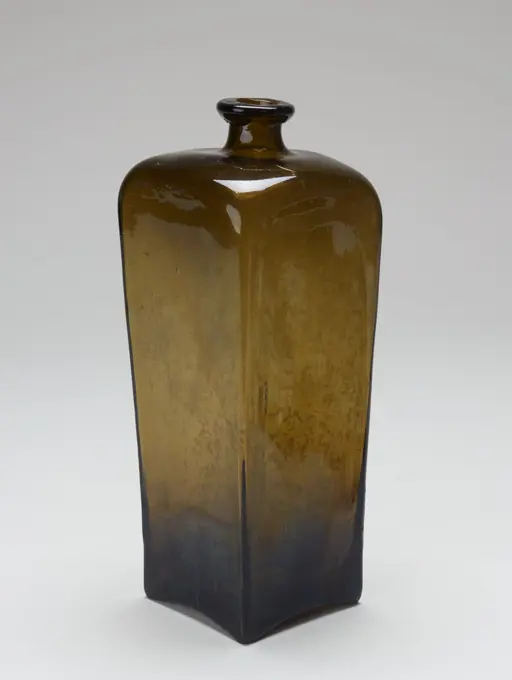
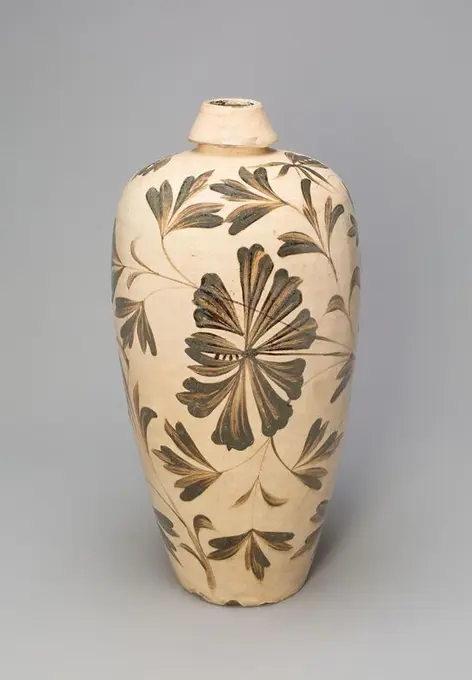
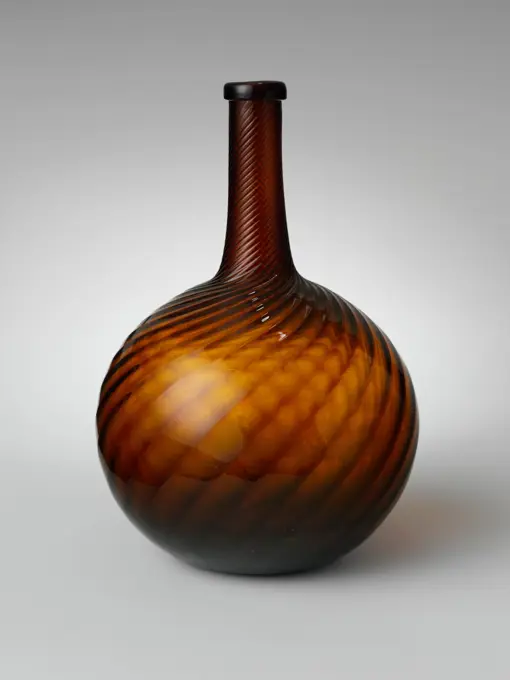
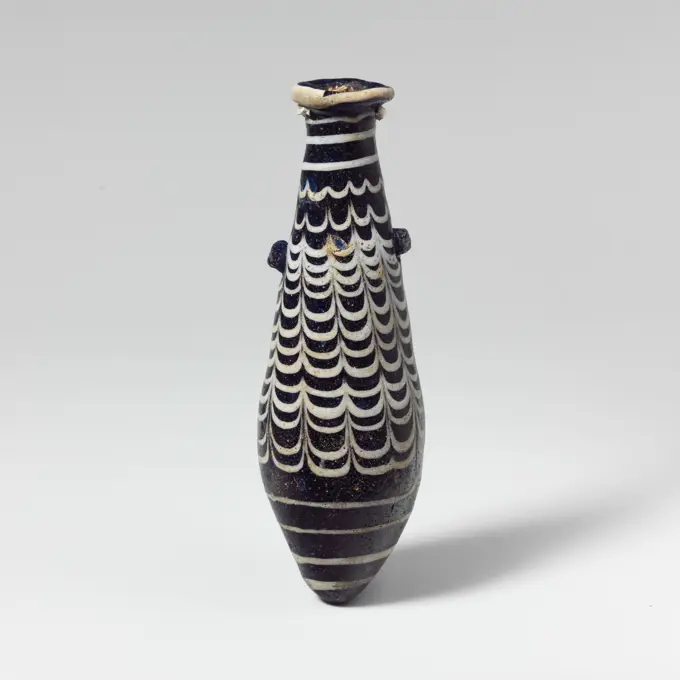
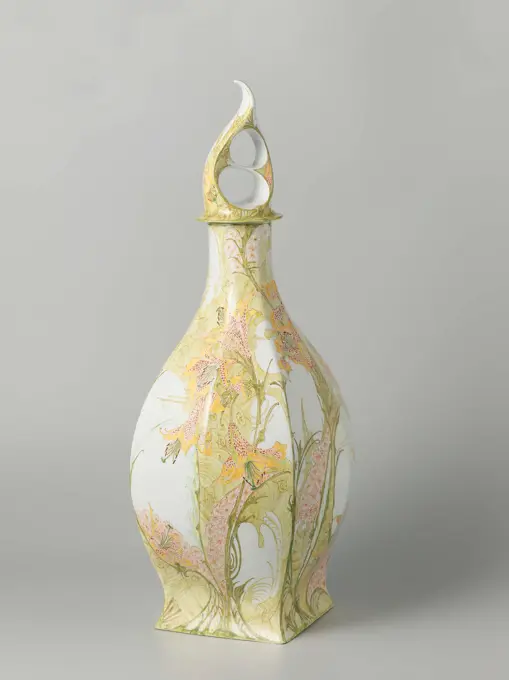
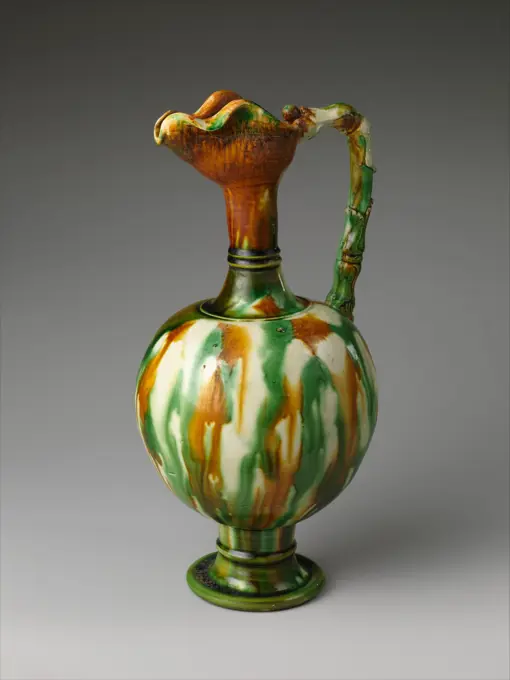
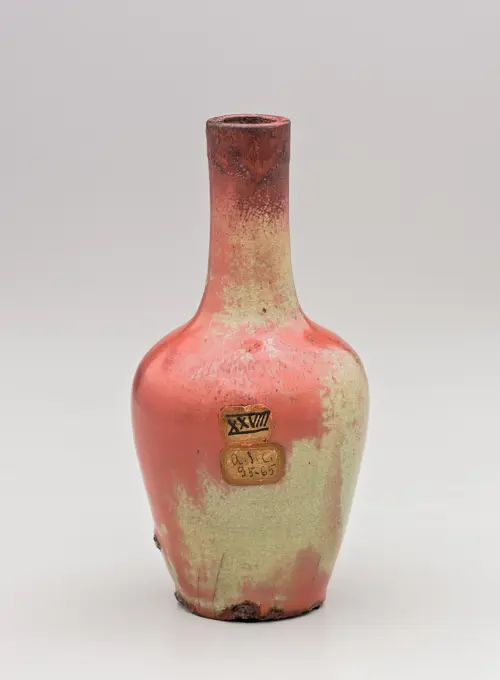
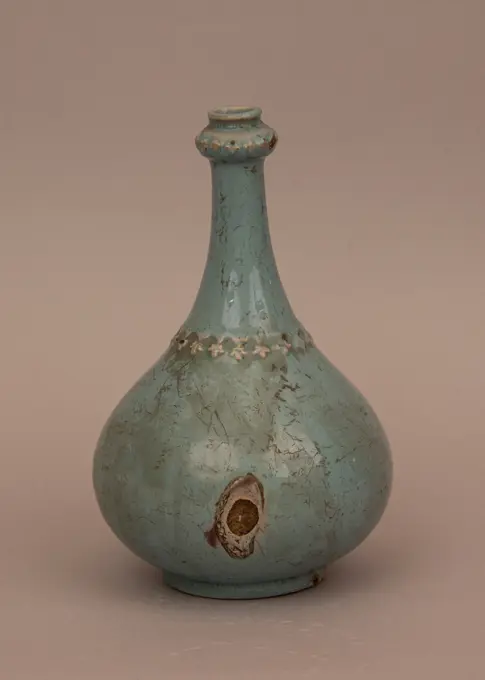
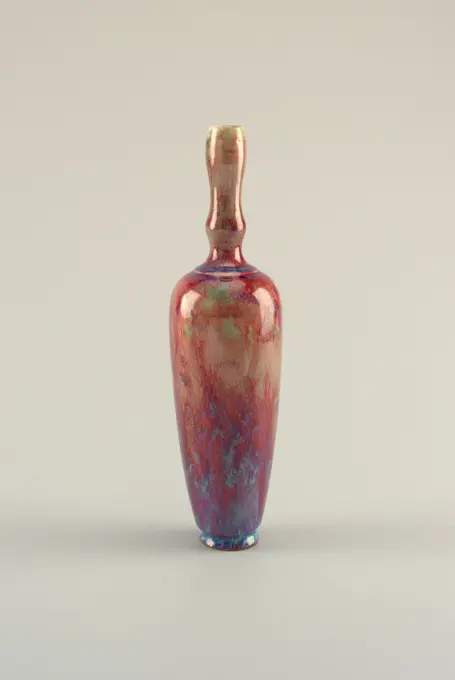
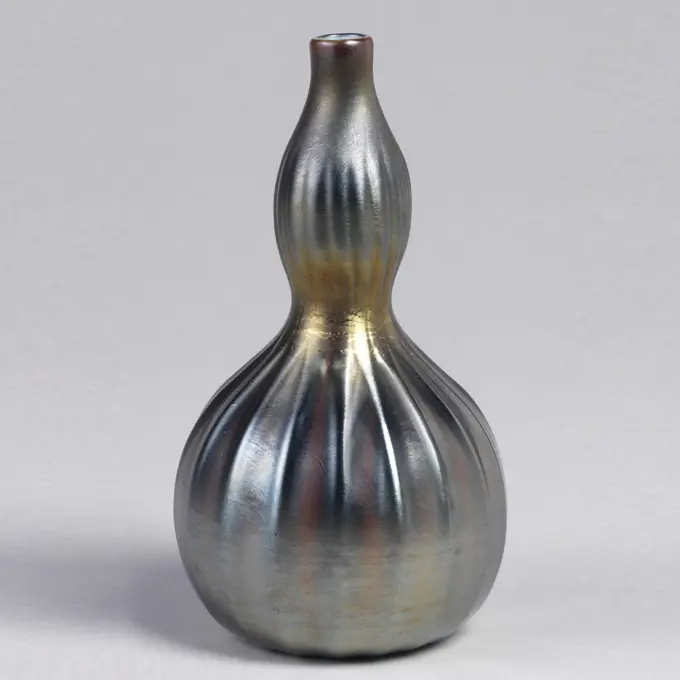
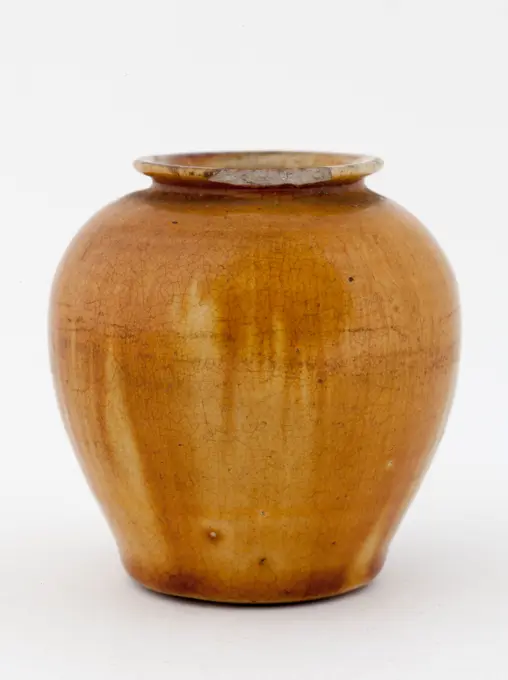
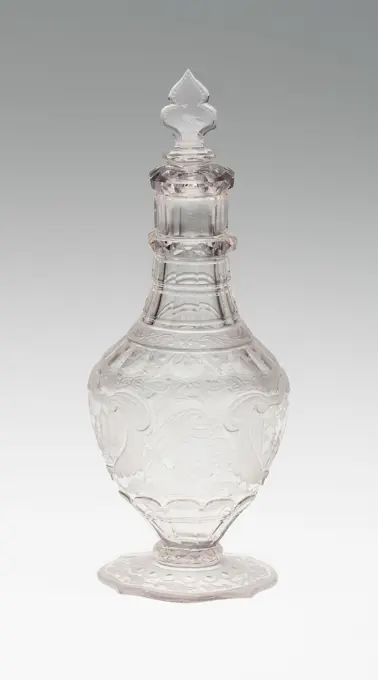
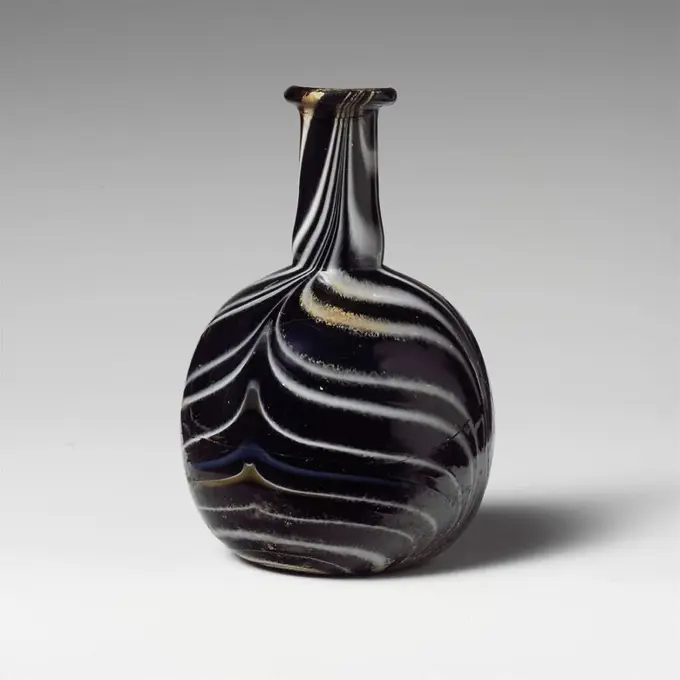
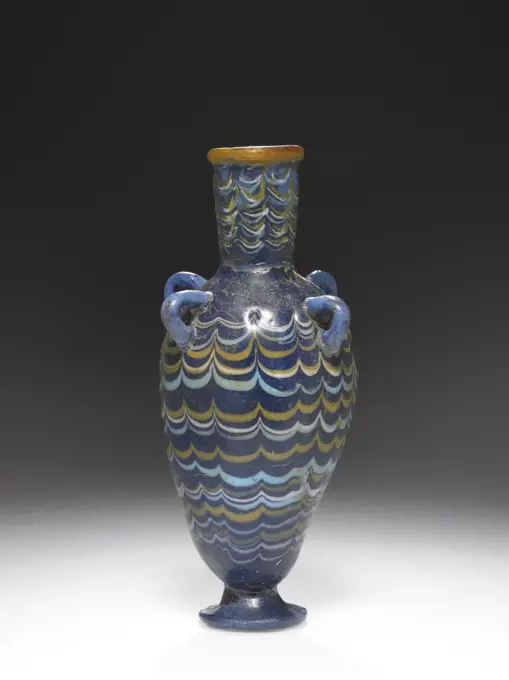
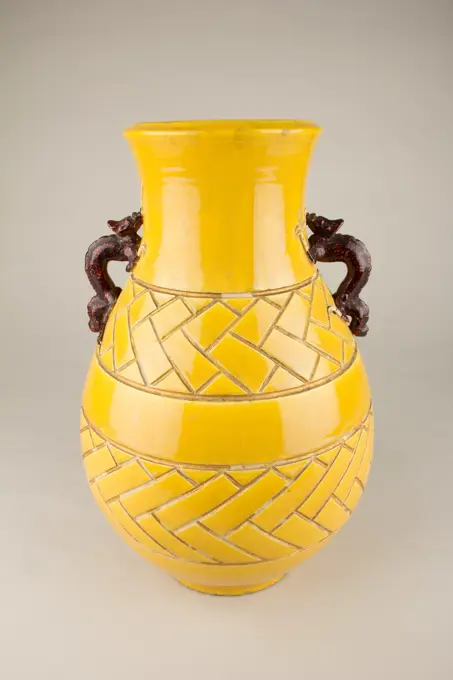
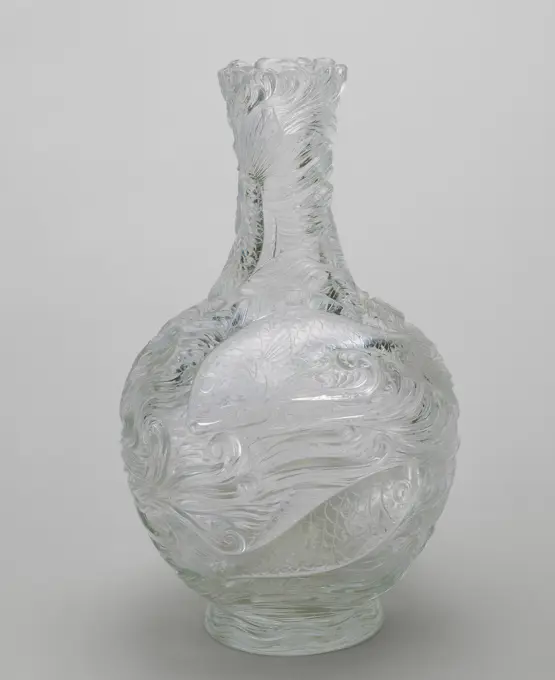
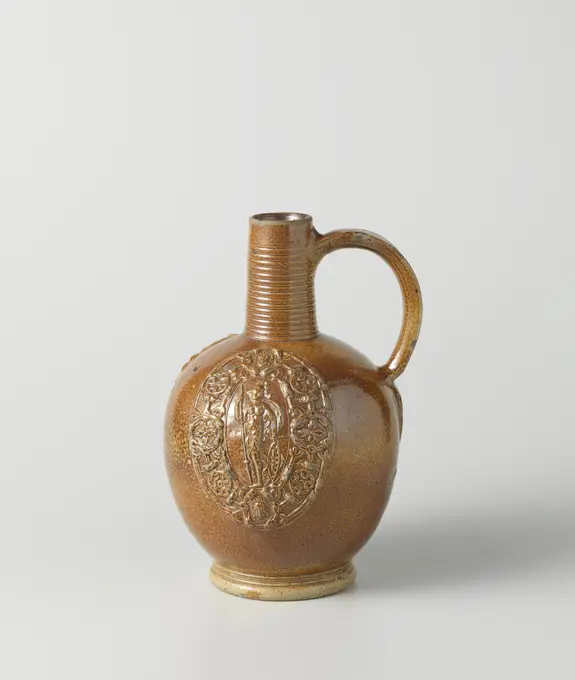
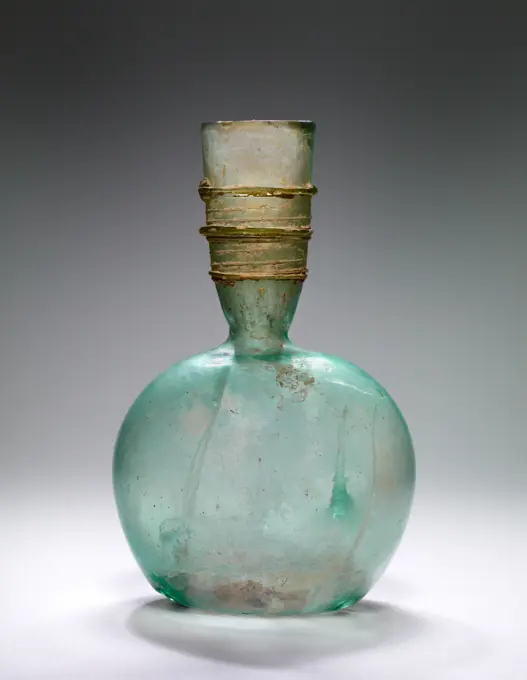
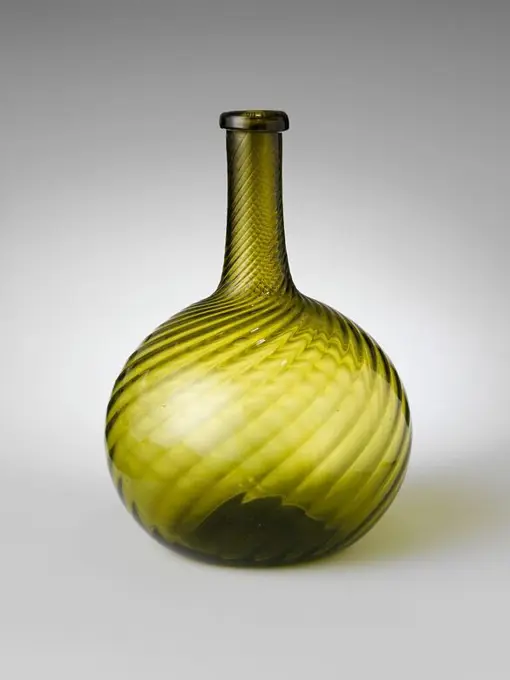
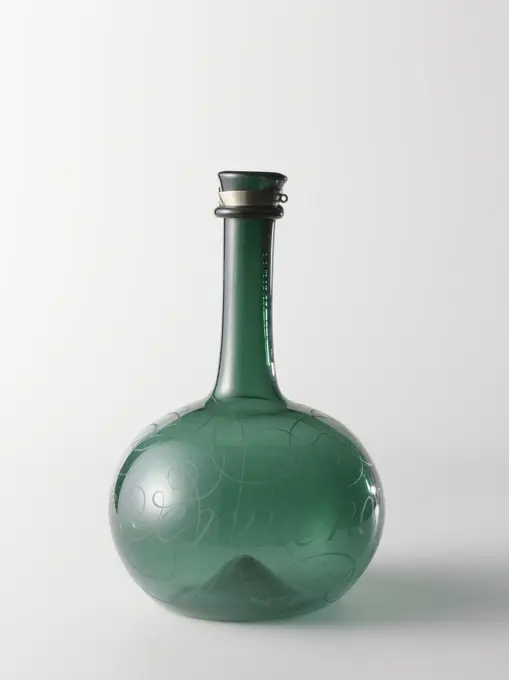
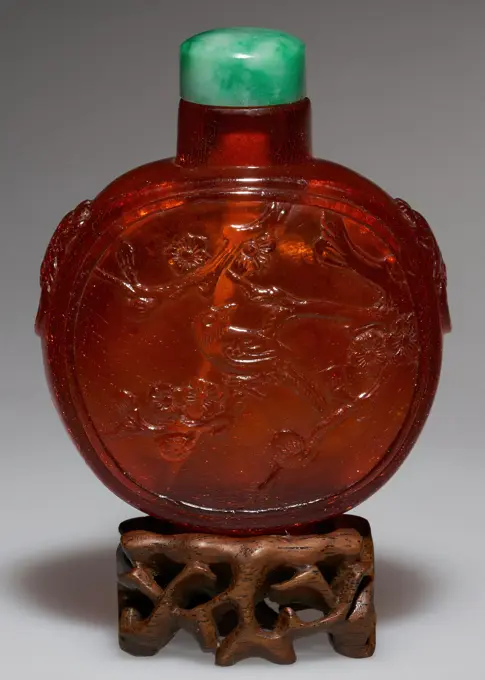
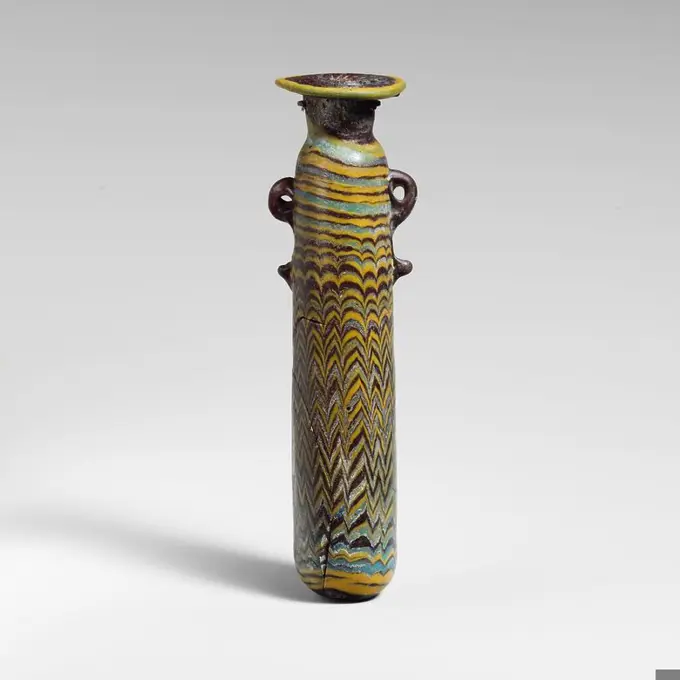
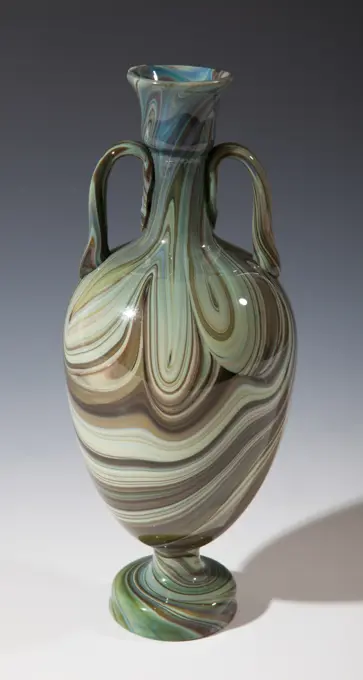
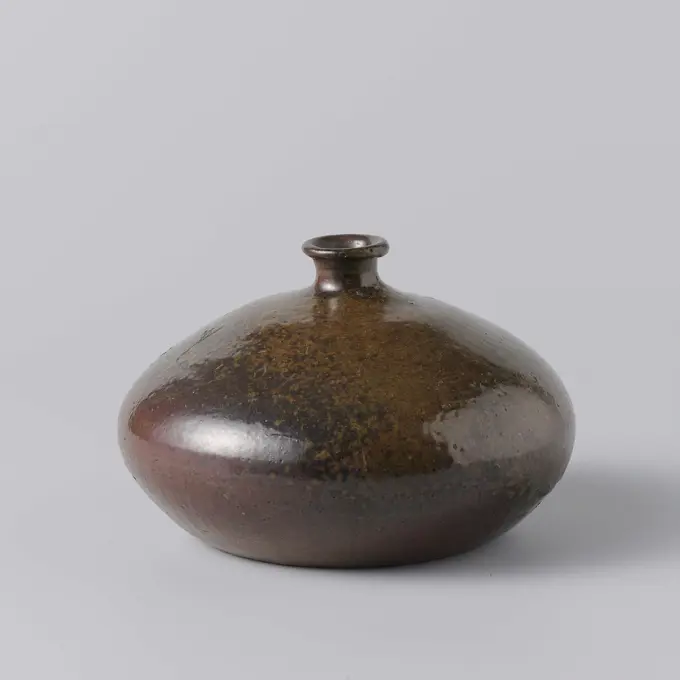
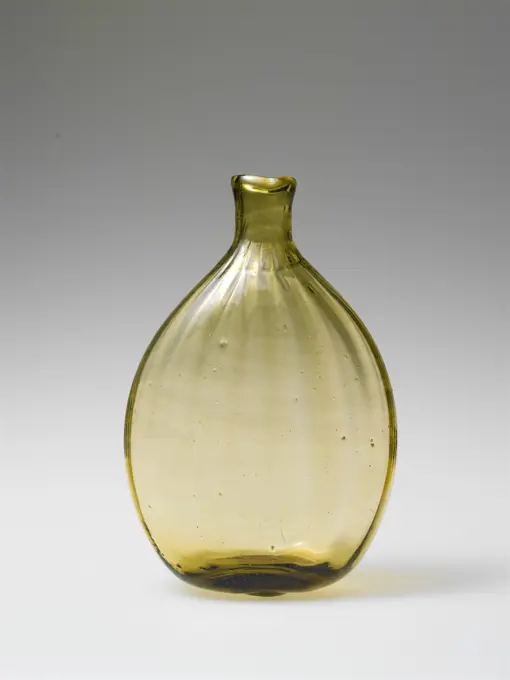
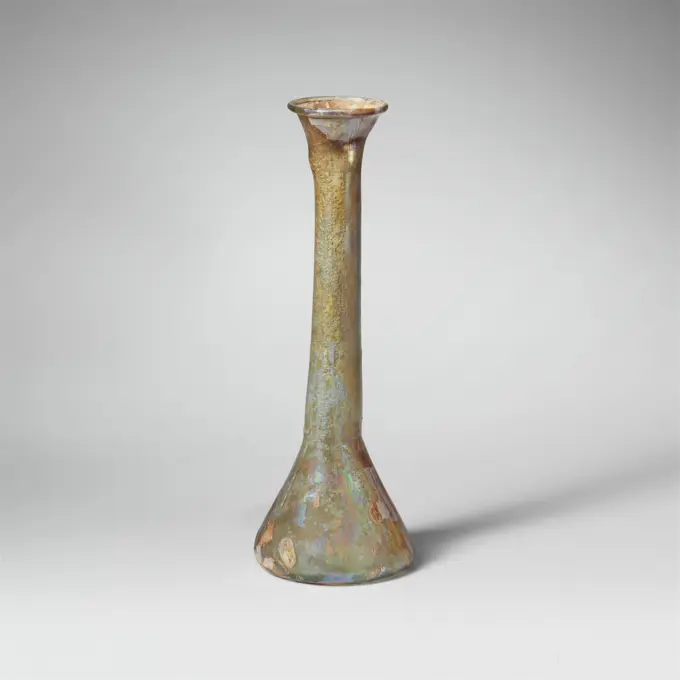
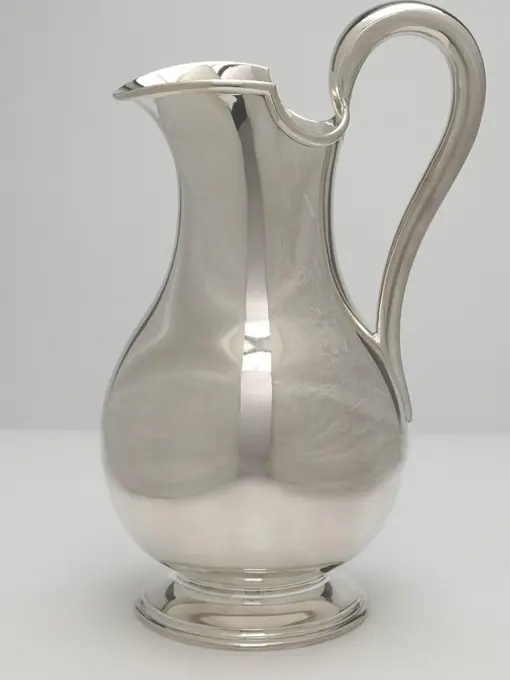
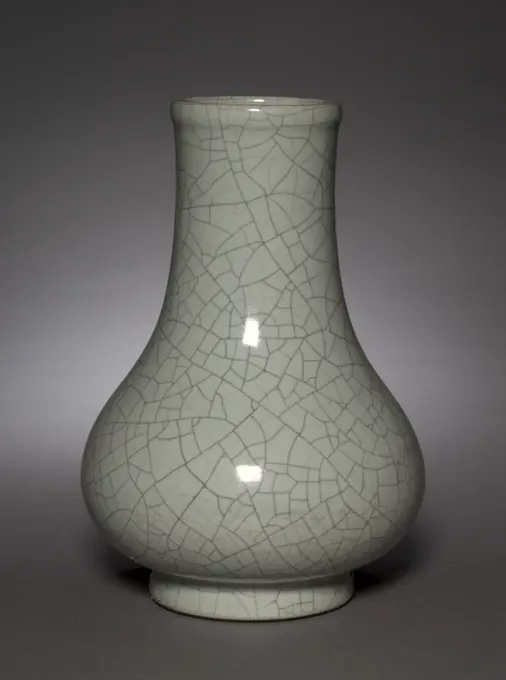
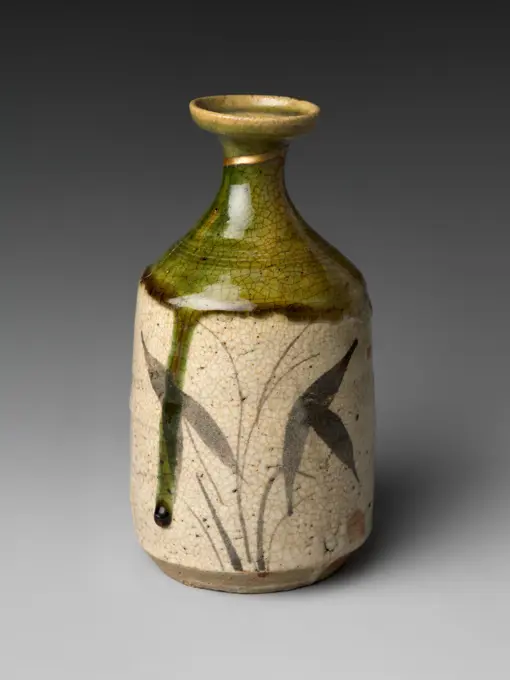
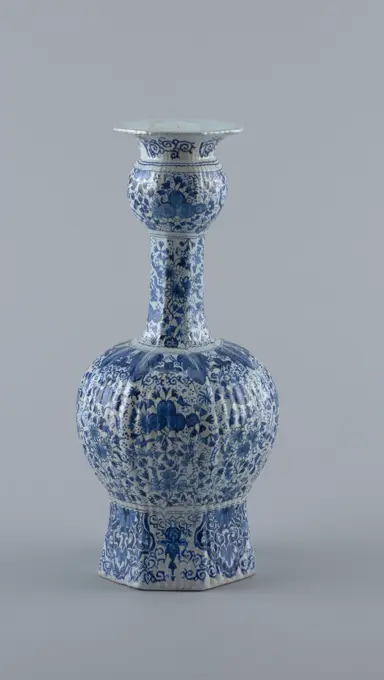
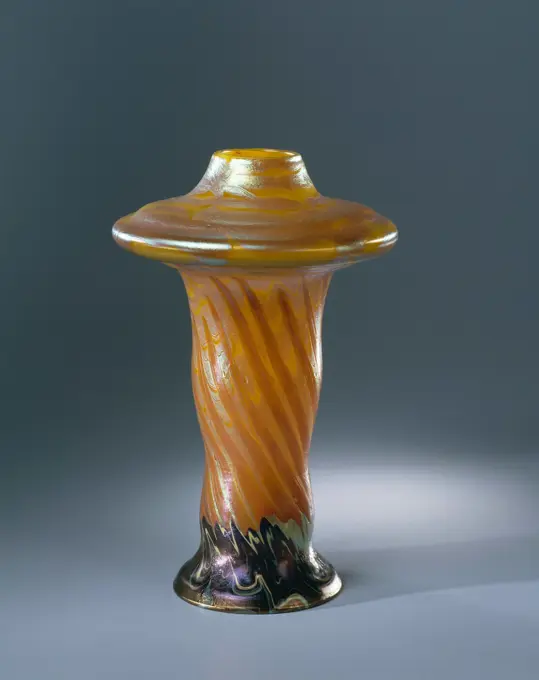
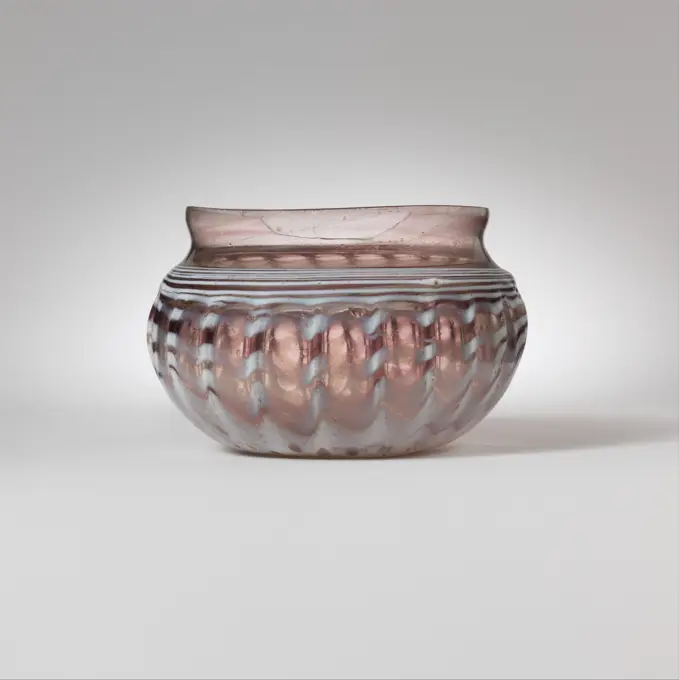
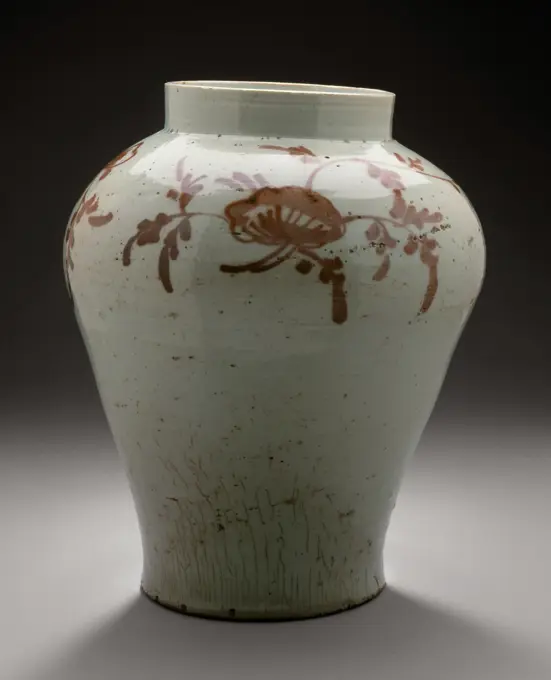
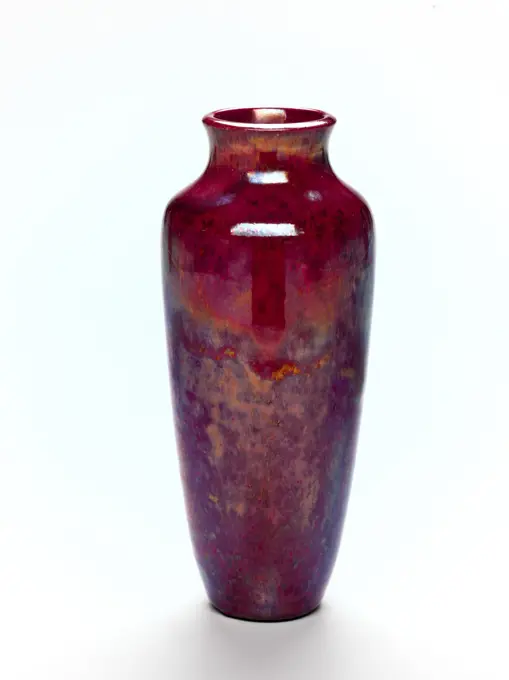
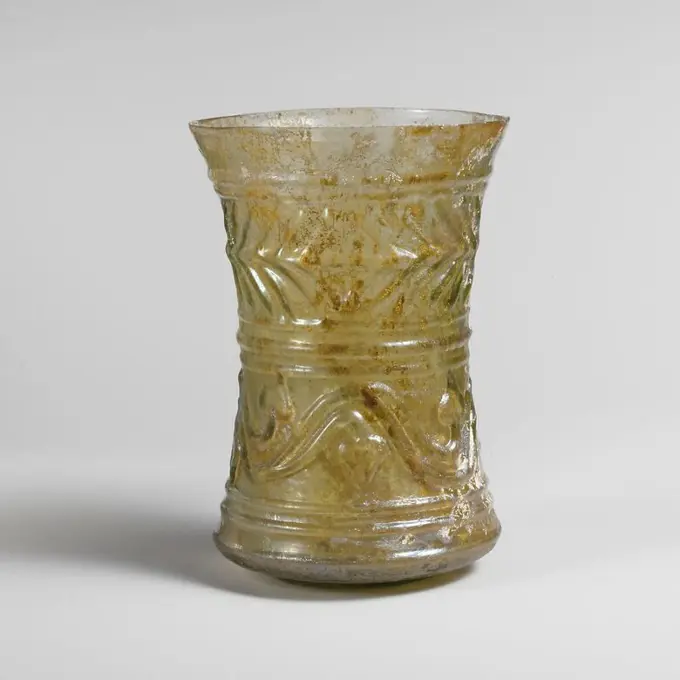
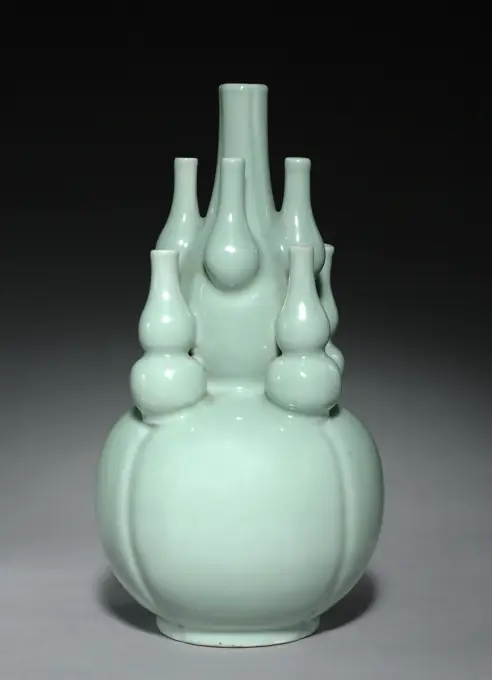
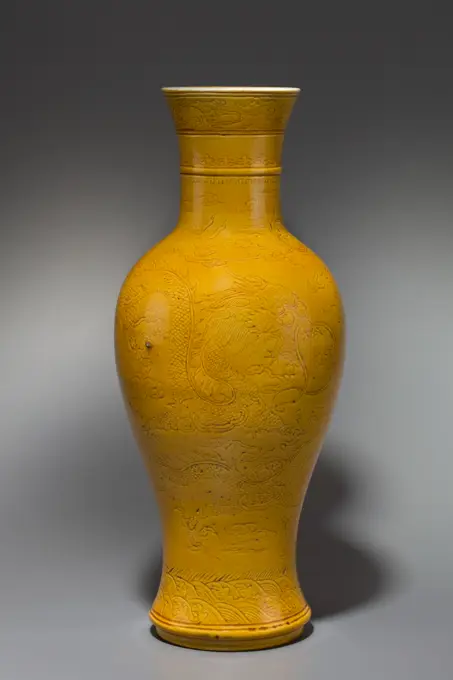
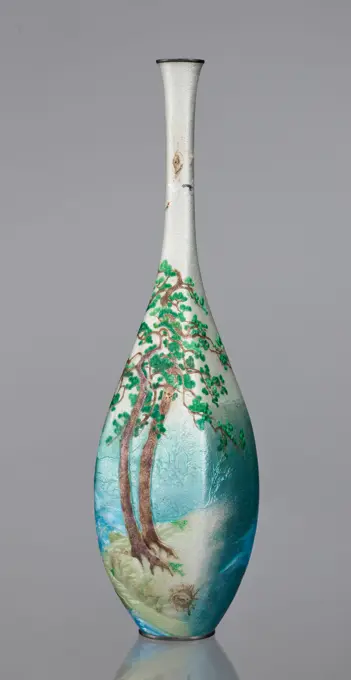
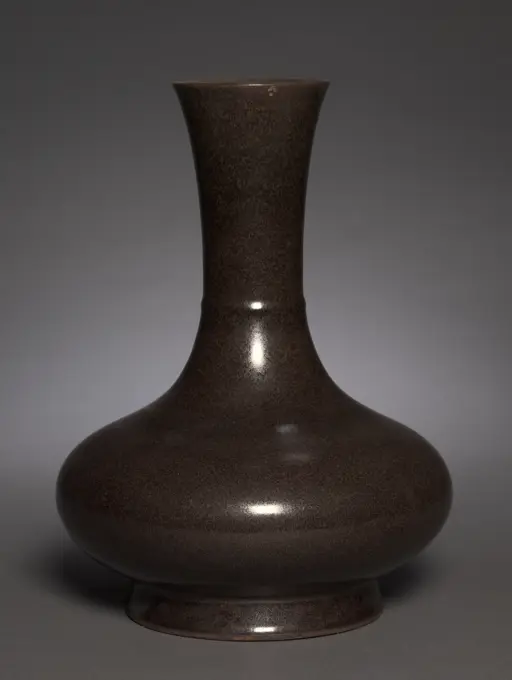
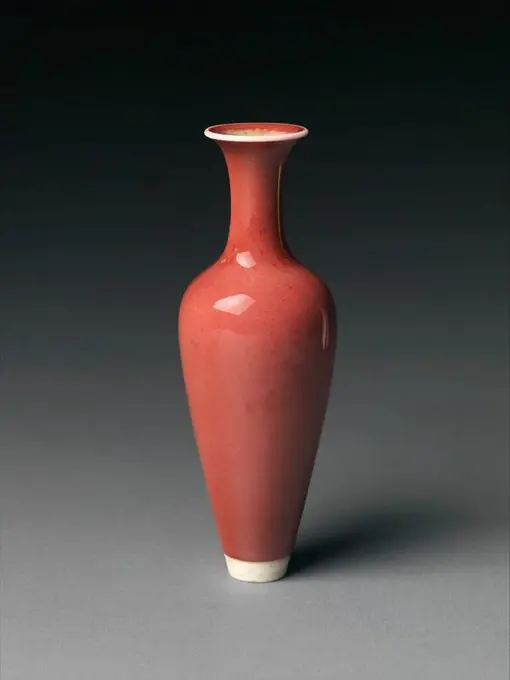
Vase Zbigniew Horbowy, Huta Gospodarcza SzczytnaVase with blue crystal glaze on light brown fond. Vase of stoneware, decorated with blue crystal glaze on a light brown fond. Slim, slightly curved cylindrical shape with steeped cylindrical neck. Marked with: Inserted 1008 DALPAYRAT and 31 in red.Glass bottle shaped like a date. Culture: Roman. Dimensions: H.: 3 1/2 x 1 3/4 x 1 1/4 x 11/16 in. (8.9 x 4.4 x 3.2 x 1.7 cm). Date: mid-1st-early 2nd century A.D..Translucent yellowish brown, appearing darker around bottom.Uneve, everted rim folded round and flattened into mouth; cylindrical neck with concave sides; elongated body, lentoid in cross section; round, thick-walled bottom. One continuous mold seam around body.Body molded into the shape of a wrinckled date, with pattern of long wavy ridges and hollows.Broken and repaired around upper body, with hole on one sdie; dulling, pitting, patches of whitish weathering, and iridescence. Museum: Metropolitan Museum of Art, New York, USA.. Light inserted soil. Spherical body overtorning in a short neck, free-legged and formed. Ossebloedrode Überfang, broken open in a reducing fire. The underside of the body irradiated. A strong gold gloss in the broken parts. Signature with the Diamant Leerdam Unica C.J. Lanoooy E54.Jar with four lug handles, 960-1279. China, Southern Song dynasty (1127-1279). Stoneware with bluish-green glaze, Qingbai-type ware; overall: 15 x 13 cm (5 7/8 x 5 1/8 in.).Bottle, 1662-1722, H.6-1/2 in., Porcelain with apple green glaze, China, 17th-18th centuryEwer 1800-1810 Chinese. Ewer. Chinese. 1800-1810. Porcelain. Made in ChinaProbably Mount Vernon Glass Works, Decanter, c. 1820-44, aquamarine glass.Glass perfume bottle 1st century A.D. Roman Translucent yellow.Very fine, outsplayed rim; cylindrical neck, with horizontal tooled indent around base; piriform body; slightly concave bottom.Intact, except for small chip in rim; pinprick bubbles; slight pitting, faint weathering, and iridescence on exterior, whitish weathering on interior.. Glass perfume bottle 245426Snuff Bottle, 19th century, 4 x 1 3/8in. (10.2 x 3.5cm), Ivory, China, 19th centuryGlass hunt-and-scroll bottle. Culture: Roman. Dimensions: Height: 3 7/8 × 2 7/16 × 7/8 in. (9.8 × 6.2 × 2.2 cm). Date: 1st century A.D..Probably colorless; handle of uncertain color.Everted fine rim, folded over and in; short cylindrical neck, splayed at base and merging with piriform body; flat bottom; handle trailed over rim and top of neck and drawn downwards; continuous mold seam runs from neck, down side, and across bottom, with two distinct vertical creases in relief on neck.On body, decoration in relief in three registers, separated by two horizontal rows of knobs: at top, large dog (or lion) with long tail, facing right, crouching on forepaws on one side of mold and a deer standing facing right with head erect on the other side, flanked by a slender tree to left and an indistinct object to right; center, two wavy tendril scrolls with berries divided by a vertical palmettes across mold seam on one side; bottom, twenty-one upturned flutes, two of which overlap at junction of mVase 18th century China. Vase. China. 18th century. Porcelain with blue glaze (Jingdezhen ware). Qing dynasty (1644-1911). CeramicsPocket bottle 1815-40 American. Pocket bottle. American. 1815-40. Blown, pattern-molded glass. Possibly made in Pennsylvania, United States; Probably made in Ohio, United StatesBottle with the inscription: pride is before the fall. Inserted soul. Bol-shaped body, long slim neck with imposed ring around the neck. On body interrupted inscription: "Pride goes before the fall." Under the word drop signed it's Petit write Mr. A Leyden 1683 '.Vase with gusted green glass splinters and golden irisering. Flat soil, curved body, at four places at the top. Gusted green glass splinters; Gold colored irisering.Vase. Culture: American. Designer: Designed by Louis Comfort Tiffany (American, New York 1848-1933 New York). Dimensions: H. 4 in. (10.2 cm). Maker: Tiffany Glass and Decorating Company (American, 1892-1902). Date: ca. 1895. Museum: Metropolitan Museum of Art, New York, USA.Vase, Porcelain, Molded porcelain body decorated underglaze with mottled blue and green. Clear, semi-matte glaze., Cincinnati, Ohio, USA, ca. 1903, ceramics, Decorative Arts, VaseBulbous bottle, belly bottle bottle holder soil find glass, free blown and shaped glass application Bulky bottle in clear green glass. Pontil mark under wide, raised bottom Body with convex wall to convex shoulders and rejuvenated short (dm 4.5 - 2.5 cm) neck with imposed circumferential sharp glass thread (chip 2.0 cm) and dilated lip about half is missing archeology packagingBottle 6th-7th century. Bottle 453504Glass perfume bottle 1st century A.D. Roman Uncertain color, possibly colorless.Rim folded out, down, round, and up, forming narrow irregular collar around mouth; cylindrical neck expanding downward with slight tooling indent just above base; bi-conical body with rounded side at point of greatest diameter; small flat bottom.Horizontal line at junction of neck and body; another cut line around upper half of body.Complete but two cracks around side of body; many pinprick bubbles; pitting, thick creamy brown weathering, and brilliant iridescence.. Glass perfume bottle. Roman. 1st century A.D.. Glass; blown and cut. Early Imperial. GlassFigured flask. Culture: American. Dimensions: H. 6 1/2 in. (16.5 cm). Maker: Keene Glass Works (1815-41). Date: 1830-40. Museum: Metropolitan Museum of Art, New York, USA.Bottle Vase: Black Ware, 1200s-1300s. Northern China, Jin dynasty (1115-1234) - Yuan dynasty (1271-1368). Glazed stoneware with underglaze slip coating and iron oxide decoration; diameter: 17.4 cm (6 7/8 in.); overall: 27.3 cm (10 3/4 in.).Georges Despret (1862-1952). Vase. Glass, glass paste. XIXth-XXth century. Museum of Fine Arts of the City of Paris, Petit Palais. 19th XIXth XIX 19th 19th 19th century, XXth XXth XX 20th 20th 20th centuryVase first half of the 19th century China. Vase. China. first half of the 19th century. Porcelain with crackled celadon glaze. Qing dynasty (1644-1911). CeramicsCovered Vase with Lotus Petals Decoration. China. Date: 950 AD-1050. Dimensions: H. 33.7 cm (13 1/4 in.); diam. 15.0 cm (5 15/16 in.). Yue ware; stoneware with grayish green glaze and underglaze incised decoration. Origin: China. Museum: The Chicago Art Institute, Chicago, USA.Sprinkler Flask; Eastern Mediterranean; 3rd-4th century A.D; Glass; 9.5 × 7.5 cm (3 3,4 × 2 15,16 in.)Vase. Culture: China. Dimensions: H. 7 3/8 in. (18.7 cm). Date: first half of the 19th century. Museum: Metropolitan Museum of Art, New York, USA.Maker Unknown, Bottle, c. 1820-50, amber glass.Globular Bottle, 19th century, Zanesville Glass Manufacturing Company, (Zanesville, Ohio), 12 1/4 x 9 1/8 x 9 1/8 in. (31.1 x 23.18 x 23.18 cm), Glass, United States, 19th centuryBottle in Meiping Shape with Tortoiseshell” Glaze 14th century China One of many glaze effects re-created in Japan and in the West, tortoiseshell” decoration is created by applying an iron-rich slip to a ceramic body and then covering the slip with an iron-rich glaze. During firing, the glaze melts and separates and the iron bubbles to the surface to create the dramatic design.. Bottle in Meiping Shape with Tortoiseshell” Glaze. China. 14th century. Stoneware with iron glaze (Jizhou ware). Yuan dynasty (1271-1368). CeramicsVase (Maebyong) with Clouds, Flying Cranes, and Children amid Willows. Korea. Date: 1175-1199. Dimensions: 33.5 cm (13 1/8 in.). Celadon-glazed stoneware with underglaze inlaid decoration of black and white clays. Origin: Korea. Museum: The Chicago Art Institute, USA.Anonymous (n. - d.), Vase (main title). Porcelain, cracked celadon, metal frame. Petit Palais, Museum of Fine Arts of the City of Paris.Vase with Cup-Shaped Mouth and Peony Flowers. China. Date: 960 AD-1050. Dimensions: H. 35.7 cm (14 1/16 in.); diam. 17.7 cm (7 in.). Longquan ware; stoneware with underglaze carved and incised decoration. Origin: China. Museum: The Chicago Art Institute, Chicago, USA.Bottle-Shaped Vase, 1736-95. China, Qing Dynasty (1644-1911), Qianlong reign (1736-95). Porcelain; overall: 14.5 cm (5 11/16 in.).Sake Bottle with Stripe Design. Japan, Edo period (1615-1868), first half, 18th century. Ceramics. Hizen ware, Takeo style; stoneware with iron glaze, white slip and clear glazeEwer (USA); Manufactured by Rookwood Pottery (United States); Decorated by Albert R. Valentien (American, 1862-1925) (American, 1862 - 1925); glazed earthenwareBottle with flattened, spherical body, anonymous, c. 1700 - c. 1900 Soul inserted. Silent -flattened, spherical body, transfer to high, slightly tuning neck with a protruding mouth. A glass wire is wounded around the transition from the body to the neck. Persia glass glassblowing Soul inserted. Silent -flattened, spherical body, transfer to high, slightly tuning neck with a protruding mouth. A glass wire is wounded around the transition from the body to the neck. Persia glass glassblowingCovered SugarBowlGlass bottle 1st-early 2nd century A.D. Roman Translucent pale blue green.Collared rim, with vertical, rounded lip; slender, cylindrical neck, tooled in around base; piriform body; concave bottom.Wheel-abraded decoration on body in horizontal bands; single fine line at top, then band of two fine lines flanking a broader groove, two more fine lines, and a single fine line at point of greatest diameter.Broken and repaired around body with two small holes in side; some elongated, large, and pinprick bubbles; patches of enamel-like weathering and iridescence.. Glass bottle 239656Vase. Culture: China. Dimensions: H. 7 5/8 in. (19.4 cm). Museum: Metropolitan Museum of Art, New York, USA.Schnapps Bottle, 18th century, 10 x 3 3/4 x 3 3/4in. (25.4 x 9.5 x 9.5cm), Glass, Netherlands, 18th centuryGlass perfume bottle. Culture: Roman. Dimensions: Overall: 6 5/8in. (16.9cm)Diam.: 2 7/8 x 1 1/4 in. (7.3 x 3.2 cm). Date: 2nd-3rd century A.D..Candlestick unguentarium.Colorless with pale greenish tinge and purple streaks.Rim folded out, over and in; flaring mouth; cylindrical neck, expanding downwards, with indent around base; undulating bulbous body, expanding downwards; convexbottom.Intact; pinprick, elongated, and some larger bubbles; black impurities in rim; faint iridescence on exterior; small patches of soil encrustation and thin whitish weathering on interior. Museum: Metropolitan Museum of Art, New York, USA.Snuff Bottle. Culture: China. Dimensions: H. 2 5/8 in. (6.7 cm). Date: late 18th century. Museum: Metropolitan Museum of Art, New York, USA.Elongated Bottle Vase (Meiping) with Peony Sprays. China. Date: 1115-1234. Dimensions: H. 27.8 cm (14 7/8 in); diam. 18.7 cm (7 3/8 in). Cizhou ware; stoneware, slip-coated with overglaze painted decoration in iron brown. Origin: China. Museum: The Chicago Art Institute, Chicago, USA.Bottle 1820-40 American. Bottle 603Glass alabastron (perfume bottle) 2nd-mid 1st century B.C. Greek, Eastern Mediterranean Translucent cobalt blue, with handles in same color; trails in opaque white.Rim-disk with thick rounded edge, uneven with radiating tooling marks on upper surface and projecting jagged inner edge to mouth; straight-sided fusiform body expanding downward, then tapering in to pointed bottom; two horizontal lug handles applied over trail at top of body, one slightly higher than the other.Thick trail applied around rim; another trail attached at bottom, drawn up in a spiral to point of carination, tooled into a festoon pattern on side with twelve upward strokes, and wound round again in spiral ending on rim.Intact; some dulling, a few deep pitting holes, and faint iridescence.. Glass alabastron (perfume bottle) 245461. Lid belonging to a porcelain vase (A). The lid is asymmetrical and has two openings above each other. The multicolored painting, in green, yellow and red, consists of lilies, which cover a large part of the vase into an ornamental ranking.Extended ball vase. .Amphora late 7th century China Brilliantly colored lead glazes in shades of green, amber, and white, which are known as three-color, or sancai, glazes, were widely used in funerary goods in the late seventh and the first half of the eighth century. The shape of this ewer derives from the metalwork of the ancient Iranian world and illustrates the impact of trade along the famed Silk Road.. Amphora. China. late 7th century. Earthenware with three-color (sancai) glaze. Tang dynasty (618-907). CeramicsVase ca. 1885-89 Chelsea Keramic Art Works Steeped in ceramics from birth, Hugh C. Robertson pursued his craft with fierce devotion and a passion for experimentation. From a family of trained English ceramists, he honed his skills in New Jersey before settling in Massachusetts as one of the founders of Chelsea Keramic Art Works and later, Dedham Pottery. Robertsons lifelong explorations in glazes, particularly their color and texture, make him one of the key figures of American art pottery at the turn of the twentieth century. During the 1880s Robertson increasingly turned his attention to developing new glaze formulas and clay bodies. In the middle of the decade he became obsessed with the highly coveted yet elusive sang-de-boeuf, or oxblood, glaze, a quest that became the hallmark of his later career. This richly colored blood-red glaze is traditionally created from a copper-based formula and fired in a kiln, which when wet straw and other materials are introduced, deprives the atmoBottle 17th-18th century. Bottle. 17th-18th century. Earthenware; glazed. Attributed to Iran. Ceramics. Polf bottle with screw closure. Four passes engraved on the body, interspersed with sunflowers. The glasses () DOP is missing.Vase, ca. 1885-89; Made by Ernest Chaplet (French, 1935 - 1909); porcelainVase (USA); Produced by Tiffany Glass and Decorating Company; Design Director: Louis Comfort Tiffany (American, 1848-1933); mold-blown favrile glassVase. Culture: China. Dimensions: H. 5 3/4 in. (14.6 cm). Date: late 18th-first half of the 19th century. Museum: Metropolitan Museum of Art, New York, USA.Chinese grey and white vase with vegetal and bamboo pattern Hung-wu period (1368-98). Ming. Museum: NATIONAL PALACE MUSEUM, TAIPEI, Taiwan.Covered Jar 1800-1830 American. Covered Jar 2399Glass jar ca. 3rd-4th century A.D. Roman Translucent cobalt blue.Rounded, slightly thickened rim; broad, flaring mouth; very short, concave neck; narrow, pushed-in shoulder; bulbous body; kick in bottom with central pontil scar.Intact, but one small area of cracking in side; bubbles, blowing striations, and a few glassy inclusions; pitting, dulling, and iridescence, with some patches of limy brown weathering.. Glass jar 245274Snuff Bottle, 1644-1911. China, Qing dynasty (1644-1911). Glass; overall: 6.4 cm (2 1/2 in.).Jar ". Terracotta with amber glaze. China, Tang dynasty (618-907). Paris, Cernuschi museum. Chinese art, Chinese ceramic, container, tang dynasty, oval form, jar, container, terracottaCruet 1745-1755 Silesia. Glass .Glass mosaic perfume bottle. Culture: Roman. Dimensions: Diam.: 4 in. (10.2 cm). Date: 1st half of 1st century A.D..Translucent deep cobalt blue, with translucent honey brown, opaque white, opaque light blue, and opaque yellow trails.Everted, rounded rim; cylindrical neck, expanding slightly downward, with fine indent around base; globular body; concave bottom.Striped mosaic pattern of applied trails wound round on a blue ground and then tooled in four strokes, alternating upward and downward, into a broad feather pattern.Broken and repaired, with one large chip in rim, and one hole and some small cracks in body; some large bubbles; faint iridescence and small patches of creamy white weathering. Museum: Metropolitan Museum of Art, New York, USA.Amphoriskos; Egypt; about 1403 - 1347 B.C; Glass; 9.5 cm (3 3,4 in.)Przeszłość Przyszłości unknownDish;  New PAVase with Incised Design and Salamander Handles in Kochi Style first half of the 19th century Eiraku Hozen. Vase with Incised Design and Salamander Handles in Kochi Style 48577Vial. unknown, craftsmanRock Crystal Vase 1889 Stourbridge. Glass . Thomas Webb & SonsJug with Minerva and ribbed neck, Baldem Mennicken (attributed to workshop of), c. 1550 - c. 1599 Jug of stoneware on stand ring with a spherical body and long, ribbed neck. The C-shaped ear is attached to the neck and shoulder. Profiles closely. Covered with a brown Engobe. On the abdomen twice a rich -decorated medallion with masks. In it a representation of Minerva. Raeren. Rae stoneware. glaze. engobe vitrification Jug of stoneware on stand ring with a spherical body and long, ribbed neck. The C-shaped ear is attached to the neck and shoulder. Profiles closely. Covered with a brown Engobe. On the abdomen twice a rich -decorated medallion with masks. In it a representation of Minerva. Raeren. Rae stoneware. glaze. engobe vitrificationAmphorous vase with three handles. .Flask. UnknownBottle. Culture: American. Dimensions: H. 7 3/8 in. (18.7 cm). Date: 1820-40. Museum: Metropolitan Museum of Art, New York, USA.Bottle with the inscription: Mixghd you joy with Zorge, c. 1690 - c. 1700 Soul inserted. Spherical body, long slender neck with imposed ring and silver strap around the neck. On body calligraphy inscription: "Mixghd you joy with Zorge". glassblower: Low CountriesNorthern Netherlands ice cream. neckline: silver (metal) glassblowing Soul inserted. Spherical body, long slender neck with imposed ring and silver strap around the neck. On body calligraphy inscription: "Mixghd you joy with Zorge". glassblower: Low CountriesNorthern Netherlands ice cream. neckline: silver (metal) glassblowingSnuff Bottle, 17th-19th century, 2 5/8 x 2in. (6.7 x 5.1cm), Amber, jade, China, 17th-19th centurySnuff Bottle, 1850-1900, 2 1/2 x 1 1/2in. (6.4 x 3.8cm), Rutiled crystal, glass, ChinaGlass alabastron (perfume bottle). Culture: Greek, Eastern Mediterranean. Dimensions: H. 5 1/2 in (14 cm); Diameter: 2 5/8 in (6.7 cm). Date: 5th century B.C..Opaque dark red brown, with handles in same color; trails in opaque yellow and opaque turquoise blue.Broad slightly uneven horizontal rim-disk; cylindrical neck; rounded shoulder; straight-sided cylindrical body with slight upward taper; convex bottom; two vertical ring handles with knobbed tails, applied over trail decoration.Intermingled yellow and turquoise blue trails attached at edge of rim-disk; a yellow trail applied to bottom of neck and a turquoise blue trail applied to top of body and overlaid on the yellow; both wound in a spiral around top of body, then tooled first into an inverted festoon and lower down into a close-set zigzag pattern; the yellow trail continuing in a spiral around bottom.Broken and repaired, with several holes and chips in body; dulling, pitting, and faint iridescent weathering.During the fiftVase Radi, Lorenzo (1803 1874)Pendant, vase. Culture: Egyptian possibly. Dimensions: 7/8 × 9/16 × 3/8 in. (2.2 × 1.4 × 1 cm). Date: 4th-5th century. Museum: Metropolitan Museum of Art, New York, USA.. Bottle-shaped vase of stoneware with a printed spherical body and a narrow, slightly spreading neck, covered with a green-brown glaze. An old label with 'W567' on the underside. Marked on the bottom with a manufacturing mark (Yahita). BIZEN.Pocket bottle 1815-45 American. Pocket bottle 6611Glass perfume bottle 2nd-3rd century A.D. Roman Small candlestick unguentarium.Translucent pale blue green.Rim folded out, over and in; flaring mouth; slender, and slightly concave cylindrical neck, with irregular bulges from tooling around top and horizontal indents around base; conical body; pushed-in bottom, with traces of circular pontil mark.Intact; many pinprick bubbles and blowing striations; deep pitting, dulling, and brilliant iridescence with small patches of thick creamy brown, enamel-like weathering.. Glass perfume bottle 244630Pitcher. R. & W. Wilson; American, 1825-1883; Philadelphia, Pennsylvania. Date: 1825-1846. Dimensions: 36.8 × 14.6 cm (14 1/2 × 5 3/4 in.). Silver. Origin: United States. Museum: The Chicago Art Institute, Chicago, USA.Vase, 1723-35. China, Jiangxi province, Jingdezhen kilns, Qing dynasty (1644-1911), Yongzheng mark and reign (1723-35). Porcelain with a crackled Guan-type glaze; overall: 33.7 cm (13 1/4 in.).Sake Bottle with Decoration of Three-Leaf Arrowhead early 17th century Japan The upper section of this sake bottle is completely coated with copper green glaze, while the design of water plants (omodaka) and reeds is painted in iron washes. The most characteristic feature of the Oribe style seen on this bottle is the thick single drip of glaze, with a rounded drop at the end that boldly flows down the body of the vessel.. Sake Bottle with Decoration of Three-Leaf Arrowhead. Japan. early 17th century. Stoneware with underglaze iron, copper-green glaze, and incised decoration (Mino ware, Oribe type). Momoyama period (1573-1615). CeramicsVase (Netherlands); tin-glazed earthenware; 42 x 19 x 19 cm (16 9/16 x 7 1/2 x 7 1/2 in.); Bequest of Walter Phelps Warren; 1986-61-35. Flat ground, in the middle concave soil, vaulted body with a strong cutting upper, short neck with tapered mouth. A setting of gusted, silvery combed wires and a silver colored irisering. Marked on the bottom, in Radgravure Loetz Austria.Jean Carriès (1855-1894). "Cabossé pot". Enameled sandstone. Museum of Fine Arts of the City of Paris, Petit Palais. 24205-9 Cabosse, ceramic, gres emaille, potMaker Unknown, Bottle, c. 1790-1830, olive-green glass.Vase Vase; Manufactured by Tiffany and Co. (United States); Design Director: Louis Comfort Tiffany (American, 1848-1933); USA; bronze electroplated semi-porcelain, glassGlass ribbed bowl 1st-3rd quarter of 1st century A.D. Roman Translucent pale streaky purple; trail in opaque white.Knocked-off, uneven rim; short concave neck; squat globular body curving in to flat, thick bottom.Trail wound spirally around body, with large circular patch on bottom, ending in a fine trail on shoulder; side tooled into twenty-three irregular, vertical ribs.Intact, except for large chip in rim; some bubbles and a few gritty inclusions; dulling, faint iridescence and weathering, and pitting of broad trail around lower body.Reddish amethyst bowl with white wavy lines and bottom.. Glass ribbed bowl 249519Bottle 18th century Japan. Bottle. Japan. 18th century. White porcelain decorated with blue under the glaze (Arita ware). Edo period (1615-1868). CeramicsJar with Underglaze Copper Floral Scroll Design. Korea, Korean, Joseon (1392-1910), 18th century. Furnishings; Serviceware. Wheel-thrown porcelain with red painted decoration under clear glazeVase ca. 1885-89 Chelsea Keramic Art Works Steeped in ceramics from birth, Hugh C. Robertson pursued his craft with fierce devotion and a passion for experimentation. From a family of trained English ceramists, he honed his skills in New Jersey before settling in Massachusetts as one of the founders of Chelsea Keramic Art Works and later, Dedham Pottery. Robertsons lifelong explorations in glazes, particularly their color and texture, make him one of the key figures of American art pottery at the turn of the twentieth century.During the 1880s Robertson increasingly turned his attention to developing new glaze formulas and clay bodies. In the middle of the decade he became obsessed with the highly coveted yet elusive sang-de-boeuf, or oxblood, glaze, a quest that became the hallmark of his later career. This richly colored blood-red glaze is traditionally created from a copper-based formula and fired in a kiln, which when wet straw and other materials are introduced, deprives the atmosGlass beaker. Culture: Roman. Dimensions: H.: 3 13/16 in. (9.7 cm)Diam.: 2 11/16 in. (6.8 cm). Date: 1st century A.D..Translucent light green.Unworked, knocked-off rim; cylindrical body with deep concave sides; slight convex bottom. Two vertical mold seams run down sides, with a separate shallow disk-shaped base section. On body, two friezes, bordered above and below by two horizontal ridges and divided by a band of three horizontal ridges; in upper frieze, wreath pattern in four sections with sprays facing in alternating directions; on lower frieze, continuous ivy tendril with leaves on long stems above and below wavy stem; on bottom, rounded broad base ring with inner ring surrounding a double-set small ring at center forming overlapping figure-of-eight.Intact; pinprick bubbles; pitting, patches of whitish weathering, and iridescence. Museum: Metropolitan Museum of Art, New York, USA.Beaker with five rows of loop-shaped prunts, anonymous, c. 1550 - c. 1600 Cup with inserted soil. Smooth stand ring. Ton -shaped body, for three -quarters set with five rows of studs, pulled out and bent into loops, under a smooth thread. Germany glass glassblowing Cup with inserted soil. Smooth stand ring. Ton -shaped body, for three -quarters set with five rows of studs, pulled out and bent into loops, under a smooth thread. Germany glass glassblowingDouble-gourd Shaped Bottle, 1736-1795. China, Qing dynasty (1644-1911), Qianlong mark and reign (1736-1795). Porcelain with celadon glaze; overall: 22.6 cm (8 7/8 in.).Troll vase;  XVII/18th century (1691-00-00-1710-00-00);Paderewski, Ignacy Jan (1860-1941), Paderewski, Ignacy Jan (1860-1941)-collection, qing (style), ceramics, Chinese (culture), gift (provenance), dragons (iconogr.), Chinese artVase; Kawaguchi, Bunzemon (1860-Post 1910); End of the 19th century (1891-00-00-1900-00-00);Block, Julius Henry (1858-1934) - collection, gift (provenance), Japanese (culture), pine, Japanese art, vases, cranes (iconogr.)Vase, 1736-1795. China, Qing dynasty (1644-1911), Qianlong reign (1736-1795). Porcelain with dark brown glaze; overall: 31.8 cm (12 1/2 in.).Vase. Culture: China. Dimensions: H. 6 1/8 in. (15.6 cm). Date: 1678-88.As had been the case earlier in Europe, when American collectors such as Altman began to collect Chinese porcelains, they often commissioned elegant mounts to hold and display these precious pieces. Museum: Metropolitan Museum of Art, New York, USA.