Decorative Vases Collection

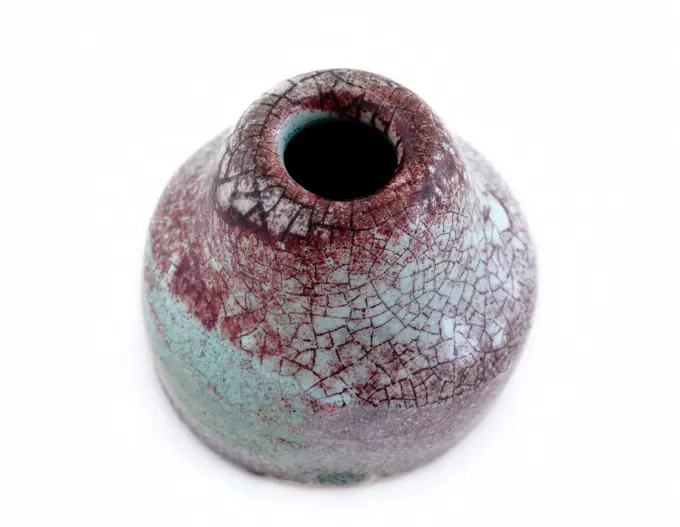
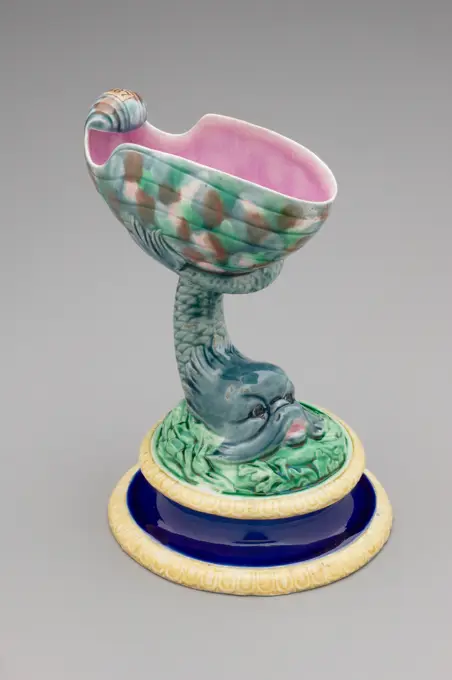
A variety of decorative vases including different styles and materials, featuring intricate designs and colors that highlight their artistic craftsmanship.

Ovoid vase with translucent star motif, ruyi-heads and ornamental borders, anonymous, c. 1900 - c. 1944 Egg -shaped vase of porcelain, covered with a translucent white glaze. On the body a broad bond with glazed ajour work; Around the foot and around the shoulder a band with Ruyi motifs and a band with decorative pattern. Blanc the Chine. China porcelain. glaze vitrification Egg -shaped vase of porcelain, covered with a translucent white glaze. On the body a broad bond with glazed ajour work; Around the foot and around the shoulder a band with Ruyi motifs and a band with decorative pattern. Blanc the Chine. China porcelain. glaze vitrification
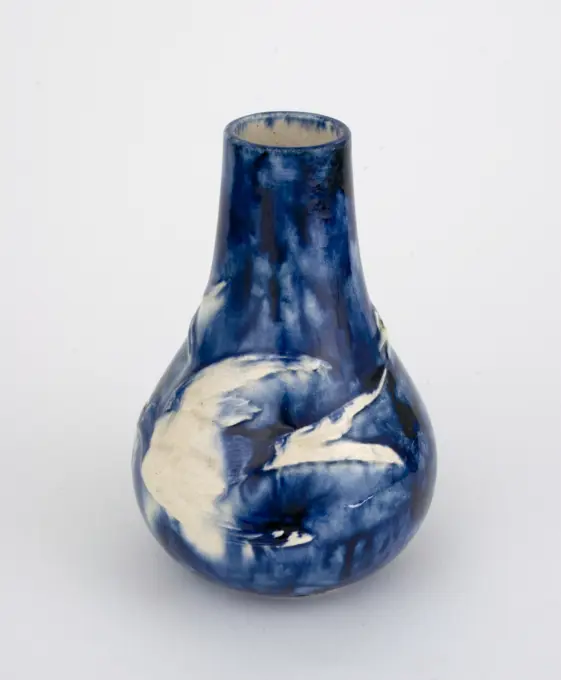
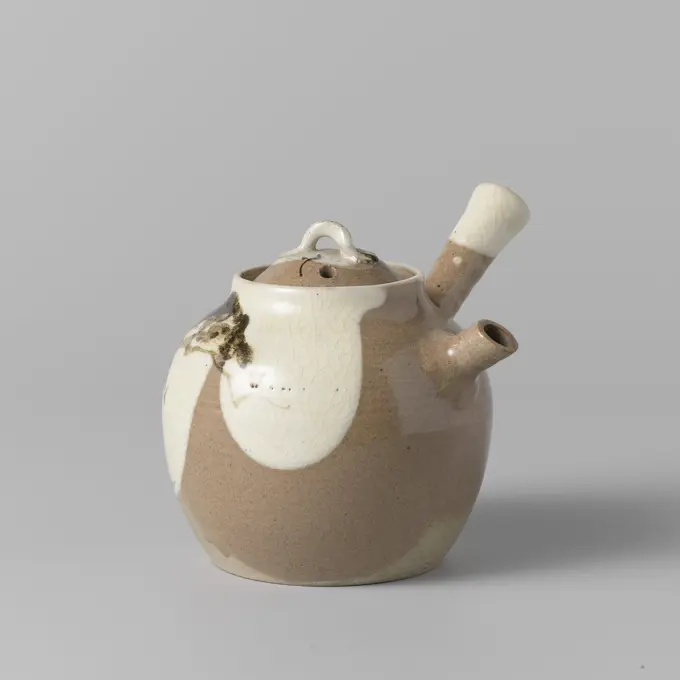
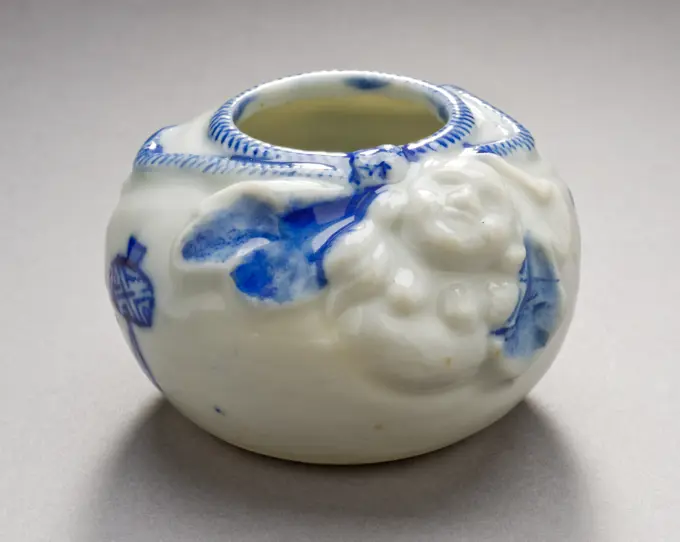
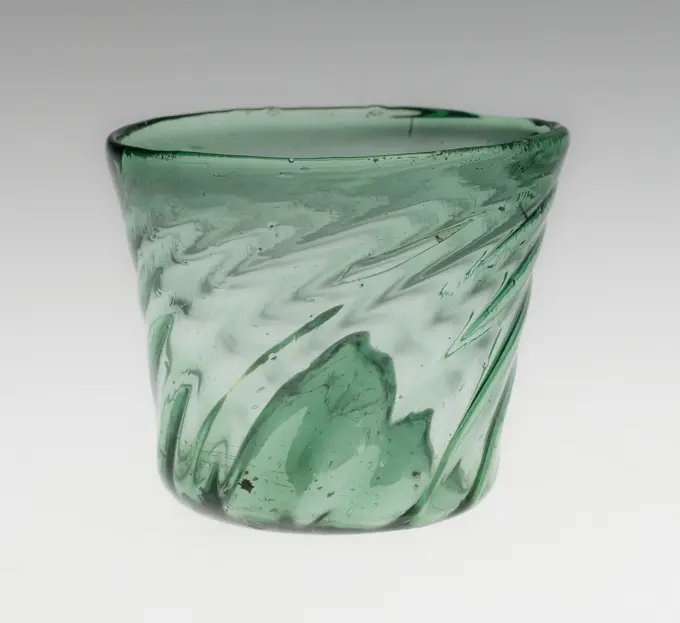
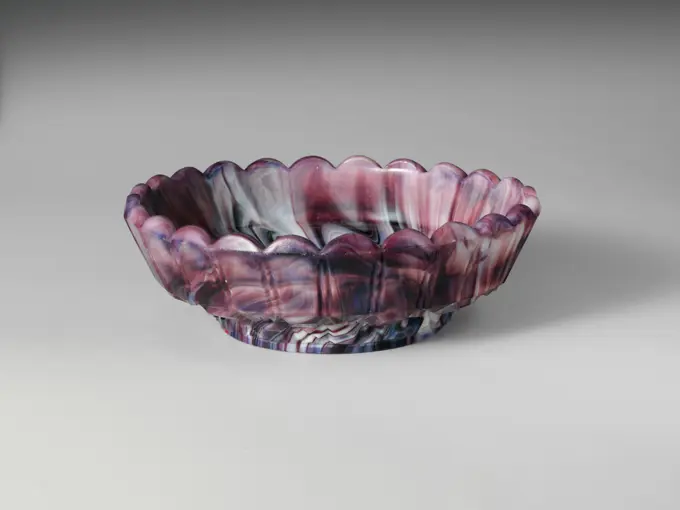
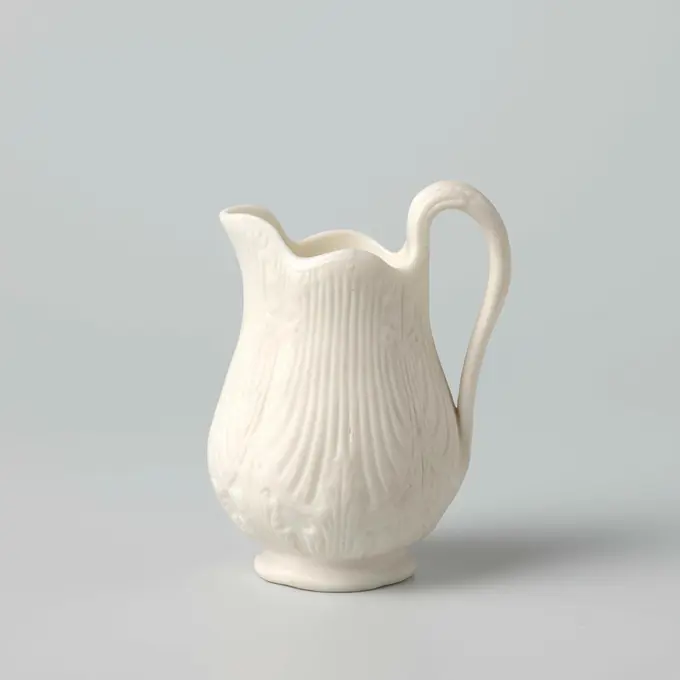
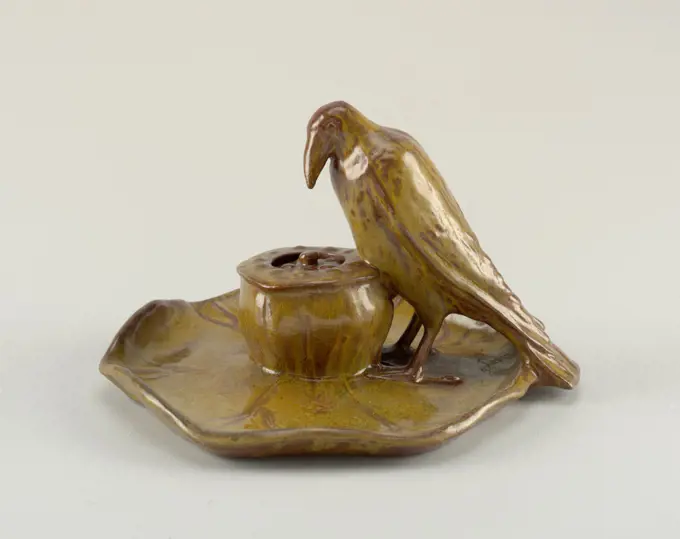
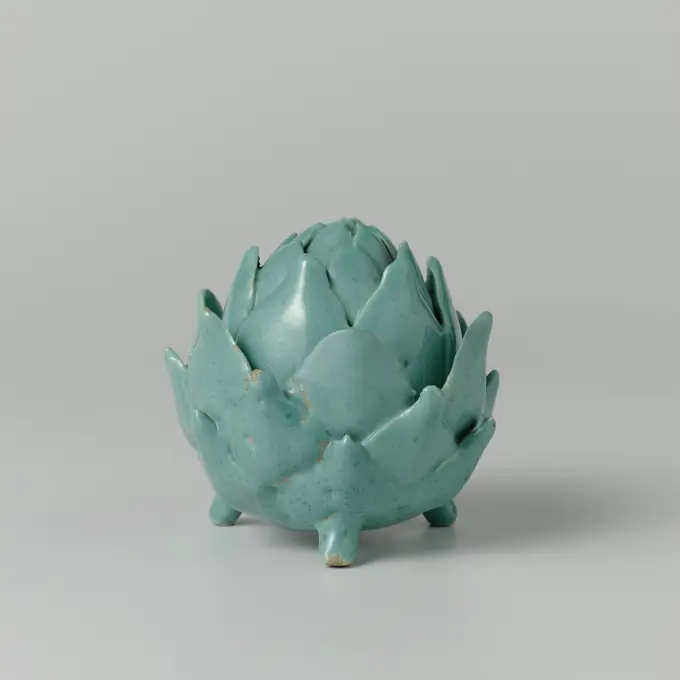
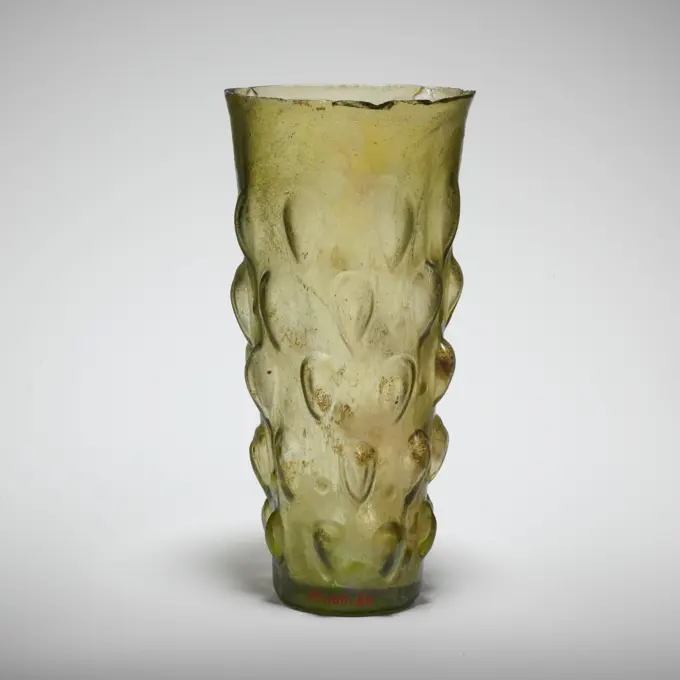
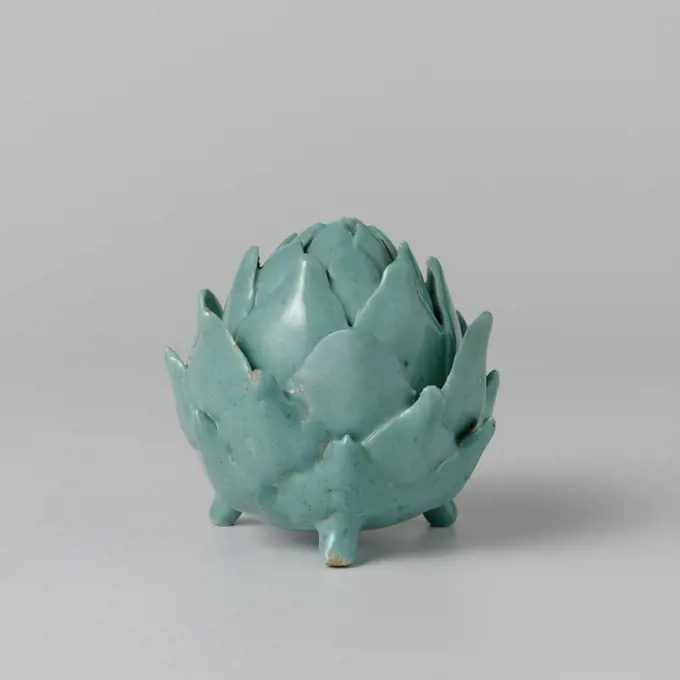
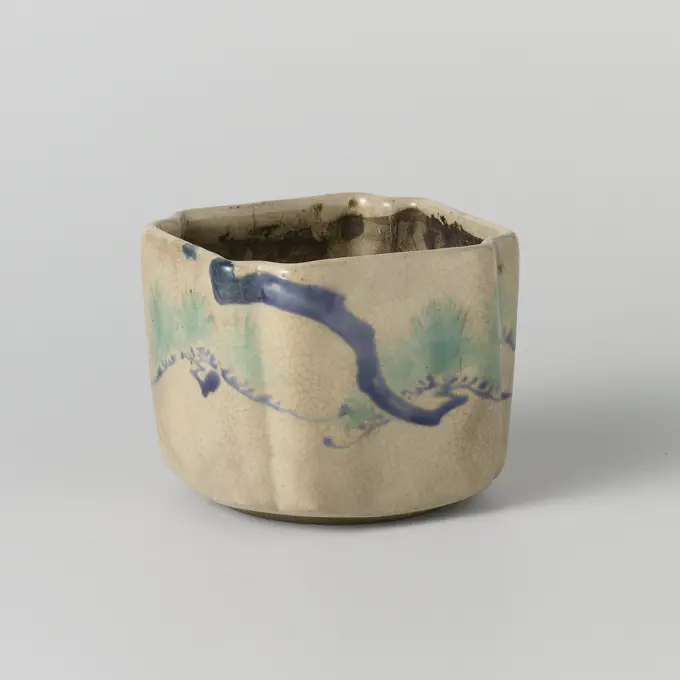
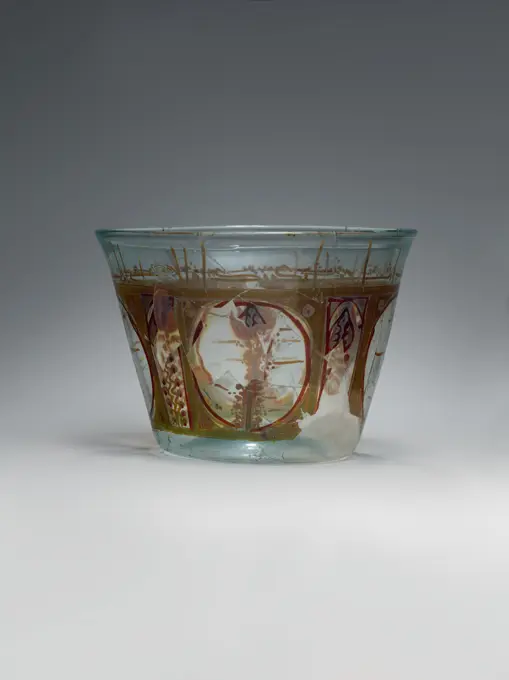
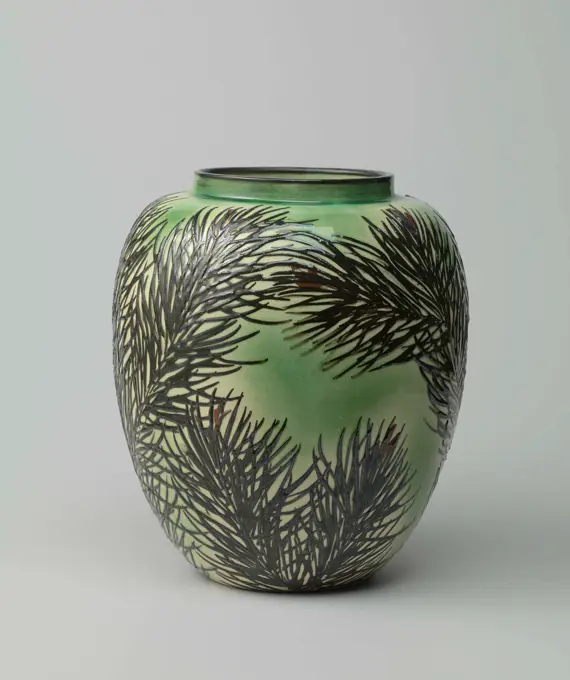
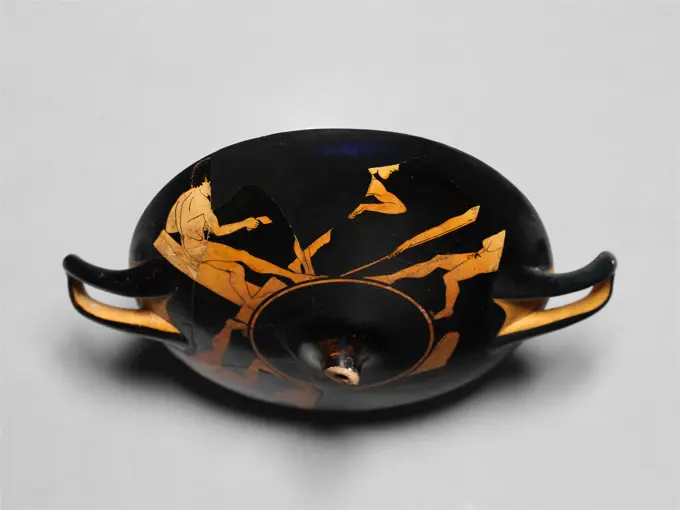
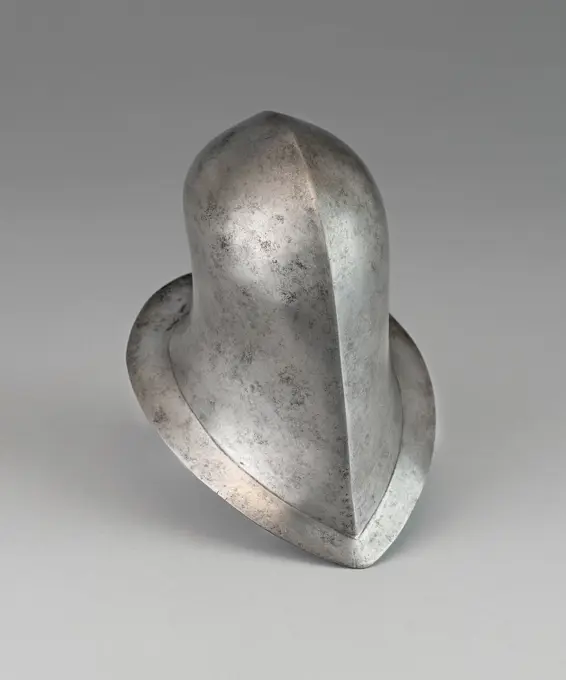
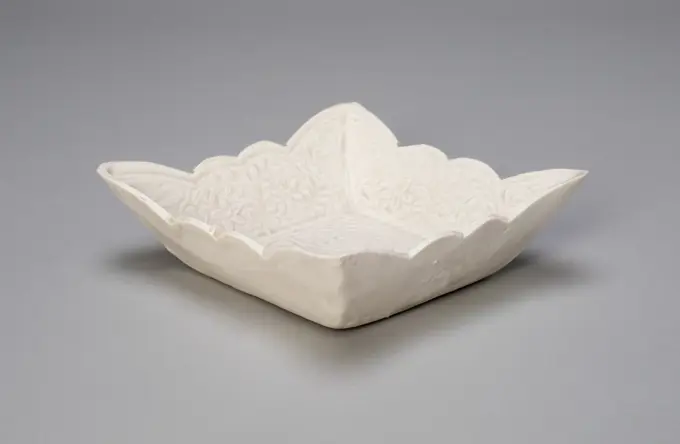
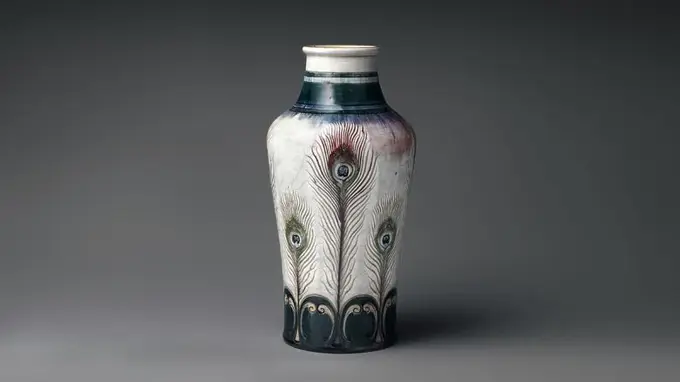
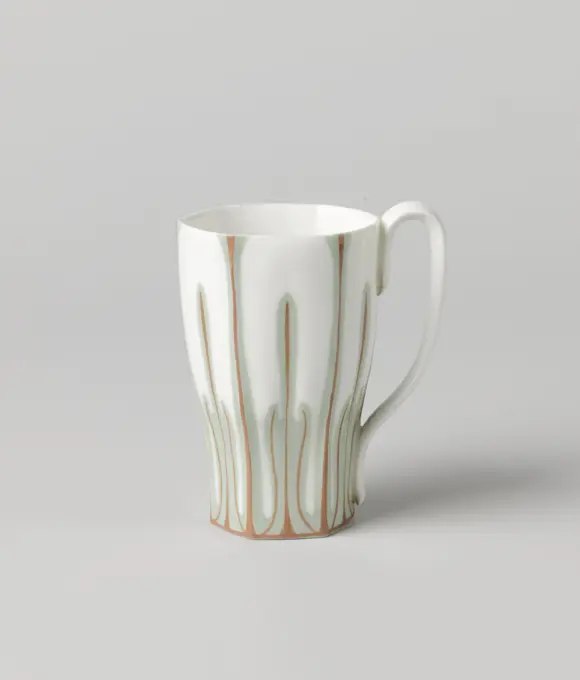
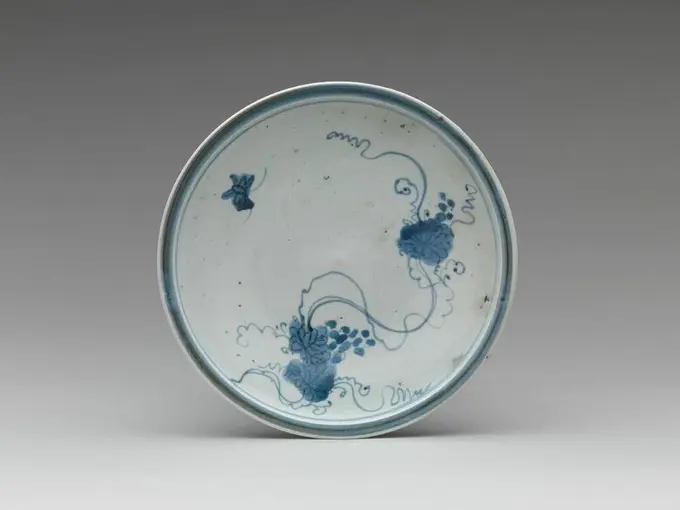
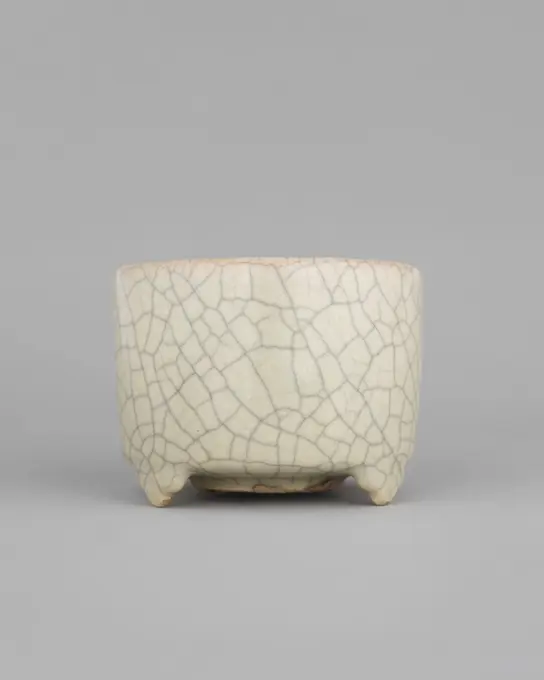
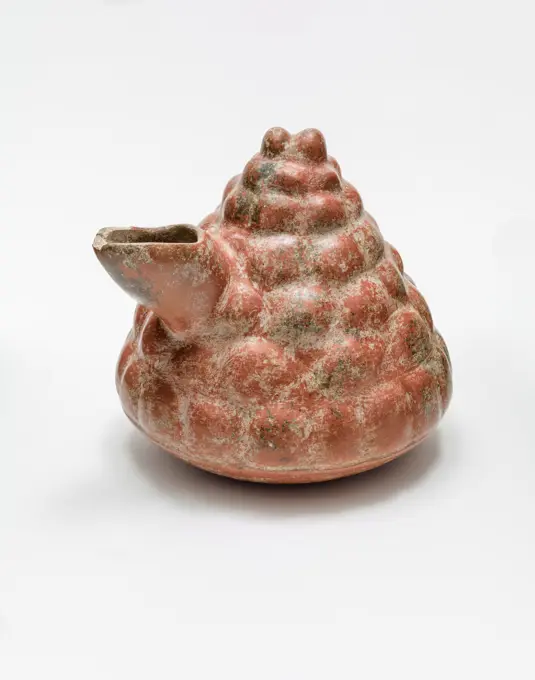
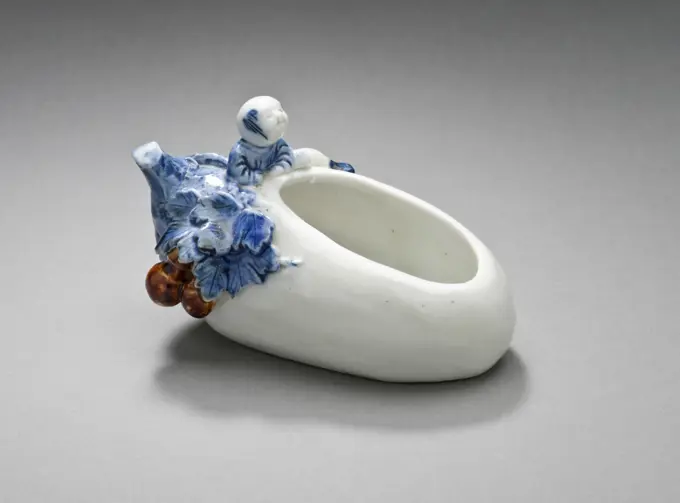
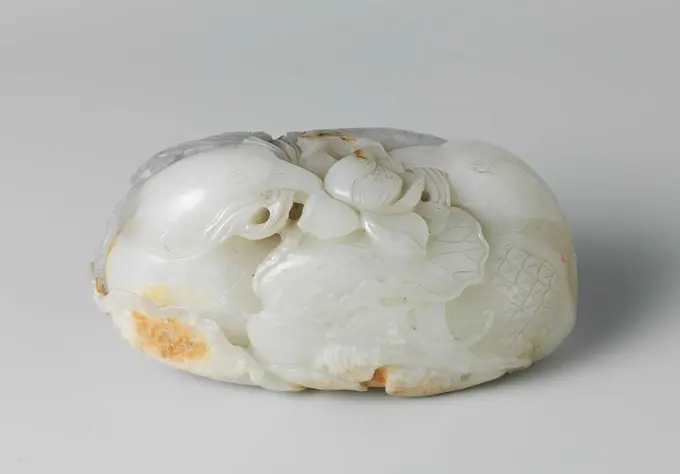
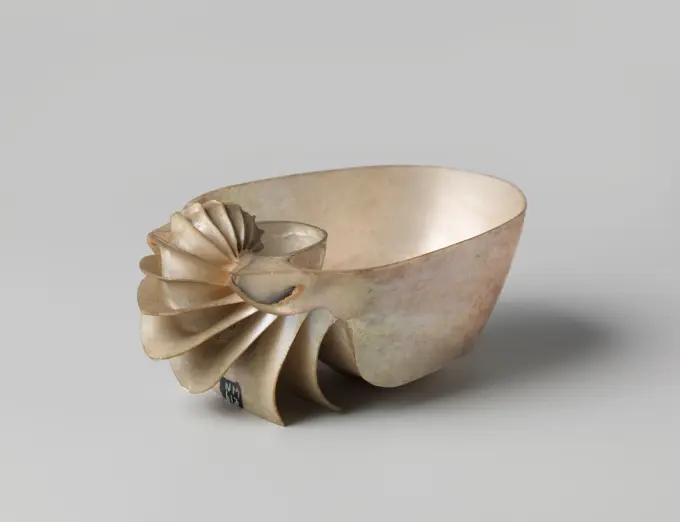
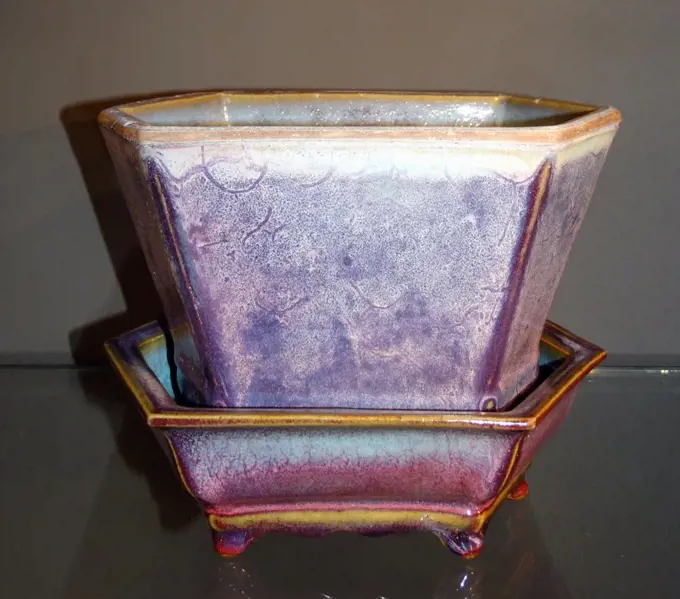
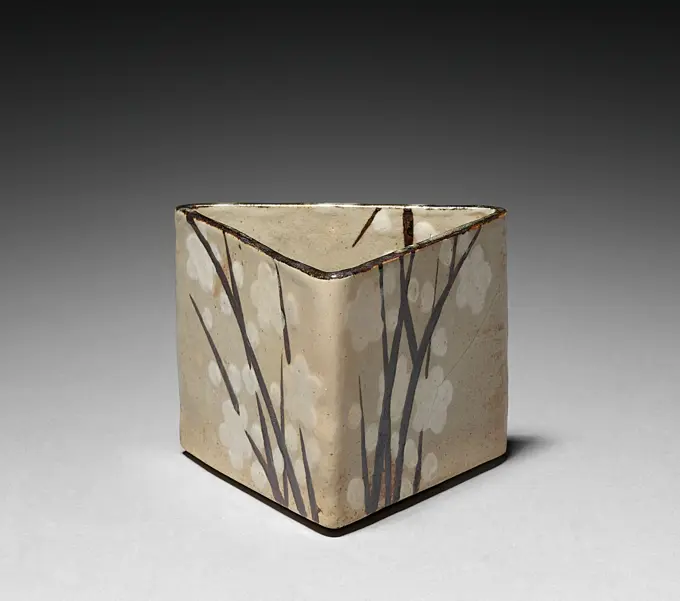
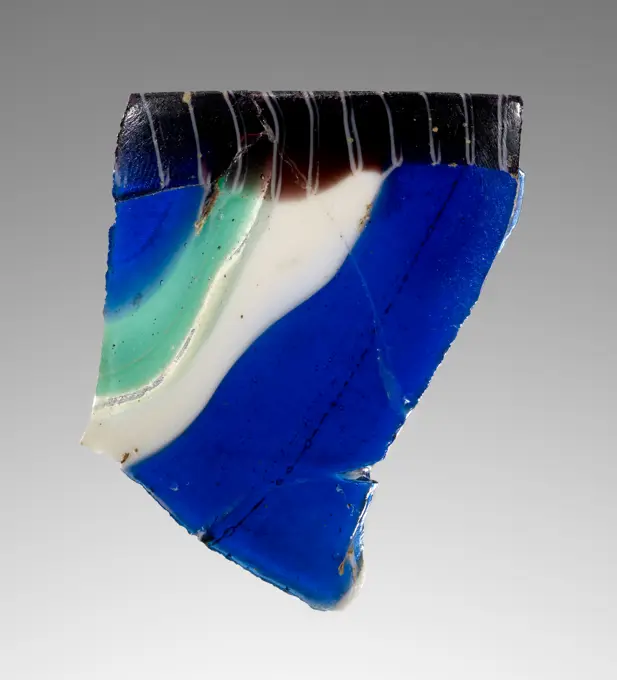
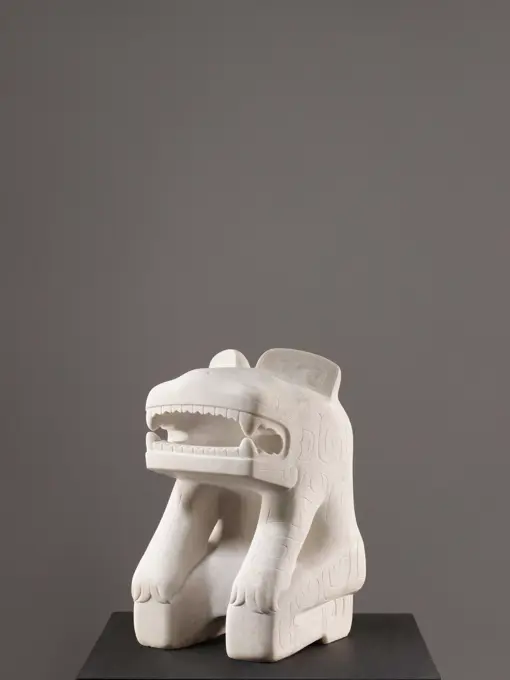
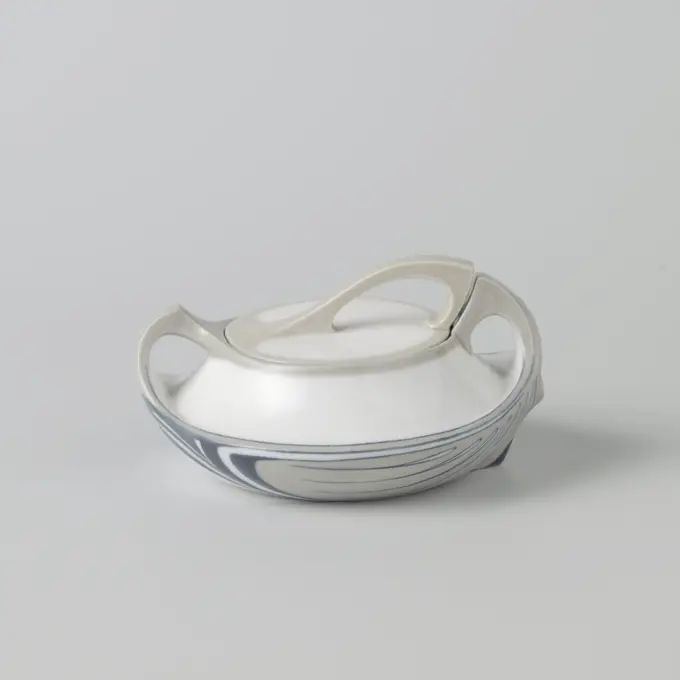
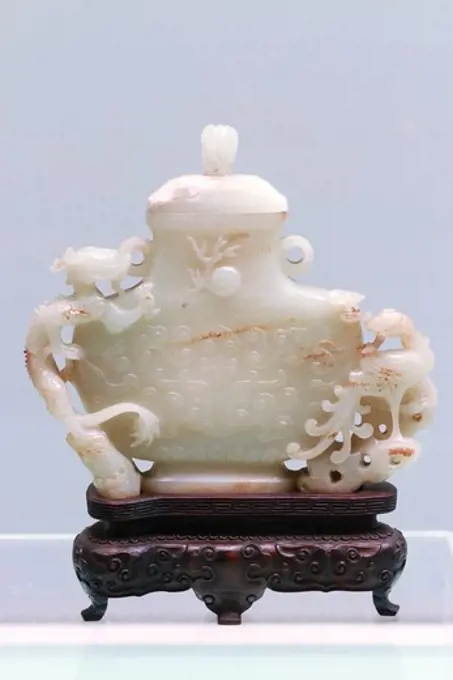
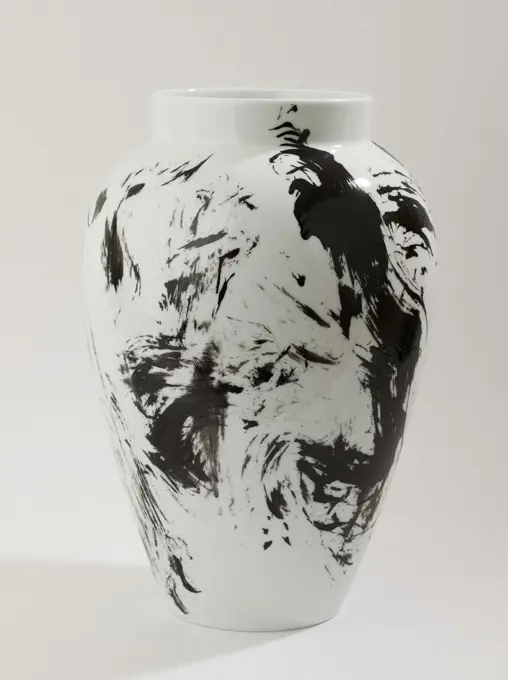
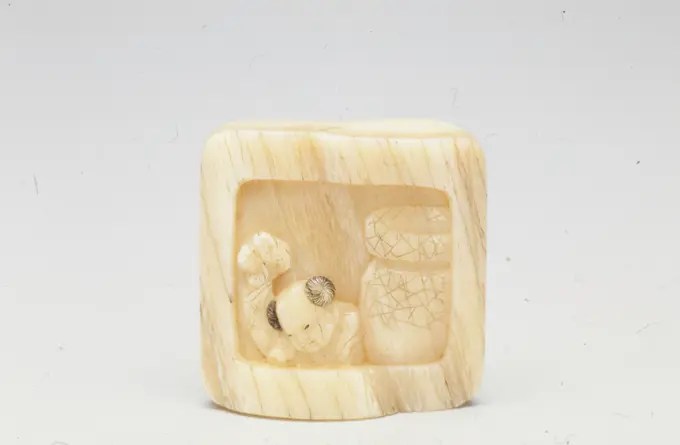
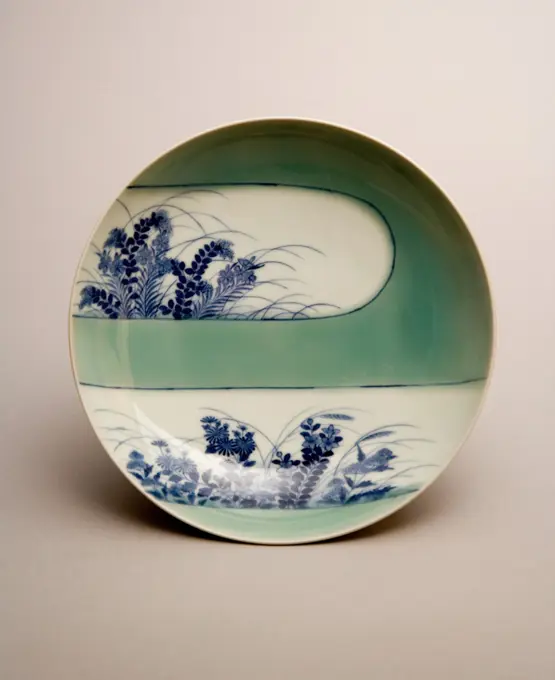
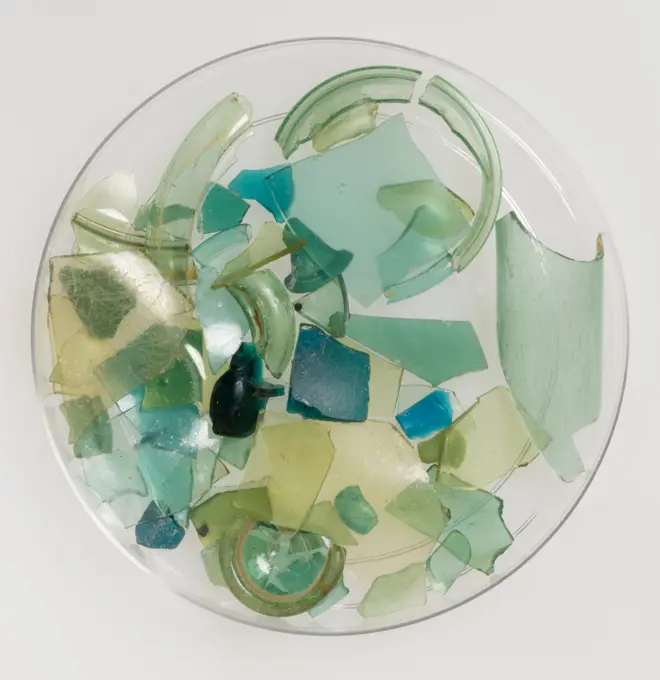
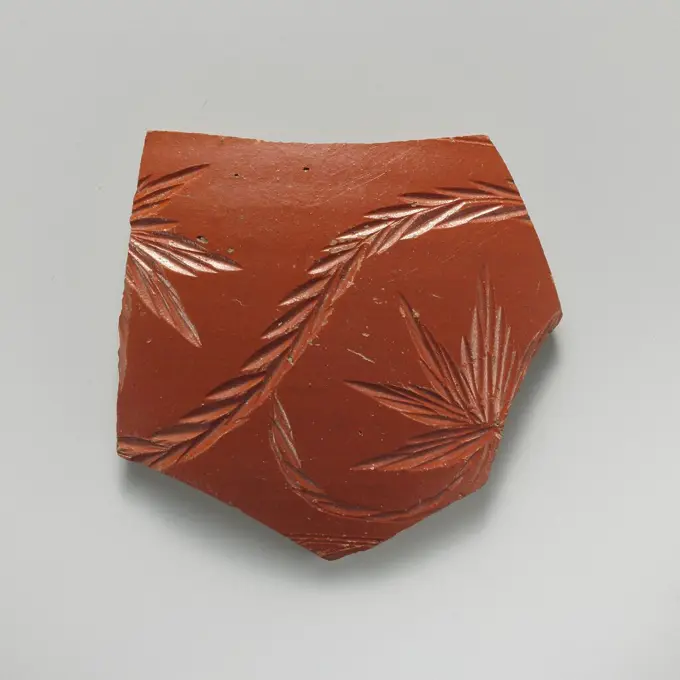
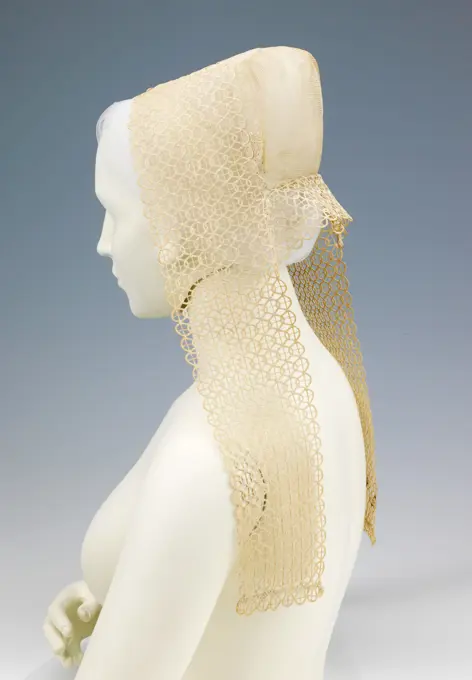
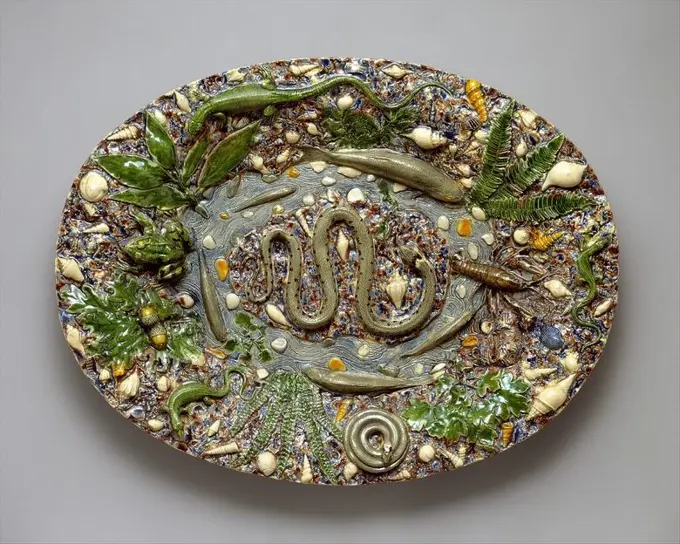
Vase (USA); Made by Joseph Fortune Meyer (1848 - 1931); earthenwareVase with landscape early 18th century China. Vase with landscape. China. early 18th century. Porcelain painted in overglaze black and red enamels (Jingdezhen ware). Qing dynasty (1644-1911), Yongzheng period (1723-35). CeramicsVase Krzesz Męcina, Maria Ludwika (1863 1949)Ovoid vase with translucent star motif, ruyi-heads and ornamental borders, anonymous, c. 1900 - c. 1944 Egg -shaped vase of porcelain, covered with a translucent white glaze. On the body a broad bond with glazed ajour work; Around the foot and around the shoulder a band with Ruyi motifs and a band with decorative pattern. Blanc the Chine. China porcelain. glaze vitrification Egg -shaped vase of porcelain, covered with a translucent white glaze. On the body a broad bond with glazed ajour work; Around the foot and around the shoulder a band with Ruyi motifs and a band with decorative pattern. Blanc the Chine. China porcelain. glaze vitrificationOvoid teapot with a tree, anonymous, c. 1600 - c. 1800 Egg -shaped teapot made of stoneware with a handle at right angles to the spout, partially covered with a light brown and cream -colored glaze and painted in brown. A sketchy tree on the wall. The lower part of the pot is unglazed. Japan stoneware. glaze painting / vitrification Egg -shaped teapot made of stoneware with a handle at right angles to the spout, partially covered with a light brown and cream -colored glaze and painted in brown. A sketchy tree on the wall. The lower part of the pot is unglazed. Japan stoneware. glaze painting / vitrificationSmall Vessel in the Form of Hotei with His Bag. Japan, 19th century. Ceramics. Hirado Mikawachi ware; porcelain with clear and blue glazesOne of Seif Yohei III’s most visually impactful techniques, seen in this work, was to combine complex low-relief designs in clay surrounded by diffused underglaze blue or pink, which he then covered with a transparent or translucent glaze. Yohei III also experimented with clay bodies ranging from bluish white to ivory combined with translucent cream-colored glazes. The atmospheric effects he achieved were considered remarkable. Vase with Peonies, 1900-1914. Seifū Yohei III (Japanese, 1851-1914). Porcelain with molded and carved design and pink-infused cream glaze; height: 17.8 cm (7 in.); diameter: 12.1 cm (4 3/4 in.).Beaker 1490-1500 Germany. Green glass .Bowl late 17th-early 18th century China. Bowl 47312JarAnonymous. Burning-to-parfum cover. Jade, Qianlong era (18th century). Museum of Fine Arts of the City of Paris, Petit Palais. 112502-6Pitcher. Culture: American. Dimensions: 9 1/2 x 8 3/4 in. (24.1 x 22.2 cm). Maker: Southern Porcelain Company. Date: ca. 1862. Museum: Metropolitan Museum of Art, New York, USA.Two Pipe Rests, Manufactuur Oud-Loosdrecht, c. 1778 - c. 1782 Pipes sleigh of porcelain. Painted in beet red with water landscapes with a figure in the foreground. Loosdrecht porcelain Pipes sleigh of porcelain. Painted in beet red with water landscapes with a figure in the foreground. Loosdrecht porcelainSauce Dish 1870-90 Challinor, Taylor and Company. Sauce Dish. American. 1870-90. Pressed purple marble glass. Made in Tarentum, Pennsylvania, United StatesBowl - Maple Thomas Furnival & Sons Thomas Furnival & SonsVase, Caroline Virginia (Rich) McGuffey, American, 1839 - 1905, Rookwood Pottery, American, 1880 - 1967, Glazed earthenware, Straight-sided cylindrical vase with flat foot and lip. Around base a 1 1/8 inch band of incised trilobe leaves, outlined in blue. Around vase, incised line spiraling upward to lip, upon which are seated nine stylized children in various postures, each with hair standing on end. All figures with incised outlines filled with cobalt blue. Vase glazed overall (interior and exterior) in grey-green color with fine crackle., Cincinnati, Ohio, USA, 1883, ceramics, Decorative Arts, VaseCan be relieved from translucent, cast porcelain, with leaf motifs. Can be embossed from translucent, cast porcelain, alabaster white, with leafmothips. NOTE: Cracked.Inkwell and cover, Rookwood Pottery, American, 1880 - 1967, earthenware, glaze, Rookwood inkwell with figure of rook, (2 parts), Cincinnati, Ohio, USA, 1903, ceramics, Decorative Arts, Inkwell and coverFaaMence butter fleet in the form of an artichoke, anonymous, c. 1740 - c. 1775 Butter fleet of green colored faience in the form of an artichoke. Delft earthenware. tin glaze. Butter fleet of green colored faience in the form of an artichoke. Delft earthenware. tin glaze.Scherd of a saucer with flower sprays, anonymous, c. 1600 - c. 1624 Sharf of a porcelain dish with ribbed wall, painted in undermglaze blue. On the flat a medallion with flower branches behind a fence. Blue White. Japan porcelain. glaze. cobalt (mineral) painting / vitrification Sharf of a porcelain dish with ribbed wall, painted in undermglaze blue. On the flat a medallion with flower branches behind a fence. Blue White. Japan porcelain. glaze. cobalt (mineral) painting / vitrificationGlass beaker ca. A.D. 40-100 Roman Translucent yellow green.Unworked, knocked-off rim with slight bulge below; truncated conical body; thick, concave bottom. Three vertical mold seams run down sides from bulge to edge of bottom, with a separate shallow disk-shaped base section.On body, five staggered rows of buds, decreasing in size, down side, some smooth, some tiered on surface, and alternating with raised dots; on bottom, a single raised circle.Intact, but with several chips in rim; pinprick bubbles and blowing striations; pitting and iridescent weathering on exterior, small patches of creamy brown weathering and iridescence on interior.The raised bosses that decorate this drinking vessel are identified as representing the knots in the club wielded by Hercules, whose cult was popular with the Romans. Finds from numerous military sites across the Empire may suggest that soldiers in particular liked to have glass tableware that recalled the strength and drinking prowess of the great hCachepot - Bretby Art Pottery Bretby Art PotteryButter dish of faience in the shape of an artichoke, Anonymous, c. 1740 - c. 1775Miniature Bottle Vase With Chinese Ladies and Flower Sprays. Miniature bottle-shaped vase of porcelain with a slightly spreading neck, painted in underglaze blue. The belly is modeled in six compartments with in four Chinese ladies (long lines) and in two flower branches. A flower branch twice twice. Blue White.Square charcoal burner with pine and bamboo, anonymous, anonymous, c. 1800 - c. 1899 Square charcoal burner (Hiire) of stoneware with squeezed corners, partially covered with a frequency, cream -colored glaze and painted on the glaze in blue and green. On the outside wall a continuous pine branch and bamboo leaves. The inner and bottom are unglazed. Marked on the underside with an unidentified signature. Kyoyaki. Japan stoneware. glaze. painting / vitrification Square charcoal burner (Hiire) of stoneware with squeezed corners, partially covered with a frequency, cream -colored glaze and painted on the glaze in blue and green. On the outside wall a continuous pine branch and bamboo leaves. The inner and bottom are unglazed. Marked on the underside with an unidentified signature. Kyoyaki. Japan stoneware. glaze. painting / vitrificationVase. unknown, craftsmanGlass Bowl late 10th-early 11th century The shape, size, and decoration of this bowl demonstrate an affinity between lusterpainted glass and ceramic lusterware. The division of the vessel walls into panels and the stylized palmettetree motifs frequently appear on lusterpainted bowls made in Fatimid Egypt. The Arabic inscription around the rim, in angular kufic script, has not yet been deciphered.. Glass Bowl. late 10th-early 11th century. Glass, bluish; blown, stained. Attributed to probably Egypt. GlassVase of pottery, decorated in sludge technique with dennent branches. Vase of pottery, decorated in sludge technique with pine branches in black and red-brown on green fond. Signature: Inrummation: Factory stamp, 1804, Prof. Lauger, Made in Germany, etc.Terracotta kylix (drinking cup) 1st quarter of 5th century B.C. Attributed to the manner of the Antiphon Painter Interior, diskos-throwerExterior, obverse and reverse, athletes practicingThe Antiphon Painter and artists around him depicted athletic scenes on their cups frequently and with sympathy.. Terracotta kylix (drinking cup) 247928The isolated bowl from onyx on a white background. The isolated bowl from onyxBurgundy Ribbed Bowl (Rippenschale) with White Trails. UnknownKohl Jar ca. 1479-1425 B.C. New Kingdom A set of cosmetic jars highlighted with gold foil (26.8.29a, b-26.8.39) are associated with the grave goods of three foreign wives of Hatshepsut's nephew, Thutmose III. Most of these vessels are inscribed with the king's cartouche, marking them as royal gifts.The inscription on this jar reads: "the Good God, Menkheperre (Thutmose III), given life.". Kohl Jar. ca. 1479-1425 B.C.. Diorite, gold leaf. New Kingdom. From Egypt, Upper Egypt, Thebes, Wadi Gabbanat el-Qurud, Wadi D, Tomb of the Three Foreign Wives of Thutmose III. Dynasty 18Glass eye bead. Culture: Greek, Eastern Mediterranean. Dimensions: Diam.: 1 1/4 in. (3.2 cm). Date: ca. 4th century B.C..Gray opaque bead covered with white and blue eyes. Museum: Metropolitan Museum of Art, New York, USA.Codpiece Made 1550-1570 Germany. Though a strange fashion to us today, the codpiece was commonly used to garb the male groin throughout Europe in the 16th century. In clothing they might be stuffed or used as a pouch or pocket in which items were kept. In steel, they were worn only for use on foot, as they would have caused discomfort when riding, and therefore were designed to be detachable. The spring-loaded pin at the top passed through a hole at the crotch of the breastplate from which it suspended.. Steel .Bowl and cover, Lead-glazed earthenware ('cream ware'), Melon-shaped bowls with molded leaf-shaped saucers. Stem handles. Covers have pierced lattice figures and applied decoration in form of wavy lines terminating in fruit and leaves., Leeds, England, late 18th century, ceramics, Decorative Arts, Bowl and coverFoliate Square Dish 950 CE-1000 China. Porcelain with creamy white glaze and underglaze molded decoration .Vase with peacock feathers. Culture: French, Paris. Dimensions: Overall (confirmed): 17 3/16 × 8 5/8 × 8 5/8 in., 12.6 lb. (43.7 × 21.9 × 21.9 cm, 5.7 kg). Maker: Auguste Delaherche (French, Beauvais 1857-1940 Paris). Date: ca. 1889.Although Delaherche would later denounce the use of ornament, he frequently used decorative motifs with feathers or floral patterns early in his career. Favored for their iridescence and exoticism, peacock feathers were a popular Art Nouveau motif, appearing on Tiffany glass and other decorative arts. Two examples of this vase were shown in Delaherche's display at the Exposition Universelle in Paris in 1889, where he won a gold medal. Museum: Metropolitan Museum of Art, New York, USA.Kop, painted with the crocus decor, Meissener Porzellan Manufaktur, 1896 Cup of painted porcelain. The head is painted in green and brown. The head is marked. Float porcelain Cup of painted porcelain. The head is painted in green and brown. The head is marked. Float porcelainBox with Landscape (tray), 1800s. Japan, Edo period (1615-1868) to Meiji period (1868-1912). Lacquer with sprinkled gold; overall: 1.9 x 17.2 cm (3/4 x 6 3/4 in.).Dish with Grapevine. Culture: Japan. Dimensions: H. 1 1/4 in. (3.3 cm); Diam. 7 7/8 in. (19.9 cm). Date: first half of the 17th century. Museum: Metropolitan Museum of Art, New York, USA.Sugar bowlClose-up of a teapot, ItalyClose-up of beech bowlBowl And Cover; lead-glazed earthenware ("cream ware")Sugar bowl, blue, with scalloped wall, interrupted by a smooth horizontal band, Peter Regout, c. 1860 - c. 1890 Sugar bowl of earthenware, blue stone. The scalloped wall is interrupted by a smooth horizontal tire. The pot has two S-shaped ears. Maastricht . Sugar bowl of earthenware, blue stone. The scalloped wall is interrupted by a smooth horizontal tire. The pot has two S-shaped ears. Maastricht .Burnt-Parfum (common name). Covered covered. Cernuschi Museum, Asia Museum of Asia in the city of Paris.Dish with Grapevine first half of the 17th century Japan. Dish with Grapevine 50323Cherimoya Vessel. Mexico, Colima, 200 BCE-500 CE. Ceramics. Slip-painted ceramicBowl or Brush Washer in the Form of an Eggplant with a Chinese Boy Peering In. Japan, 19th century. Ceramics. Hirado Mikawachi ware; porcelain with underglaze blue and iron glazeJade ducks. Two ducks lying on lotus leaves, in their mouthpiece: lotus stalk with flowers and leaves. Light green jade.Scale, anonymous, c. 1400 - c. 1950 Dish formed from a carved nautilus.  . Dish formed from a carved nautilus.  .Vase (usual name). Sandstone clothed in Tenmoku type glazes. Cernuschi Museum, Asia Museum of Asia in the city of Paris.Cylindrical Censer with Towers in a Landscape Design. Japan, late 18th to early 19th century. Ceramics. Hirado Mikawachi ware; porcelain with blue underglazeJun Wares, a type of Chinese celadon, Ming dynasty. Dated 13th CenturyDouble Snuff Box. Augsburg, Germany. Date: 1730-1740. Dimensions: 6.7 × 7.3 × 5.2 cm (2 5/8 × 2 7/8 × 2 1/16 in.). Polychrome enamel on copper with silver mounts. Origin: Augsburg. Museum: The Chicago Art Institute, Chicago, USA.Flask with design of pine, plum, and bamboo, first half 19th century, Unknown Japanese, 7 5/8in. (19.4cm), Imari ware; porcelain with underglaze cobalt blue, Japan, 19th centuryOne of Five Serving Bowls (Mukozuke) with Prunus Design, 1700s to mid-1800s. School of Ogata Kenzan (Japanese, 1663-1743). Kyoto Ware: stoneware with underglaze iron oxide and slip decoration; overall: 6.9 cm (2 11/16 in.); each side: 9 cm (3 9/16 in.). Note the rough, tan, clay bodies of these bowls with their deliberate irregularities. The design of branches was first painted in a black iron oxide, then the blossoms and buds in a white slip, followed by the application of a very thin transparent overglaze.Cast Fragment. UnknownPostać przypominająca klęczącego człowieka z głową tygrysa - podpora bazy kolumny. unknown, craftsmanFlask; Eastern Mediterranean; 3rd - 4th century; Glass; 9.7 cm (3 13,16 in.)Ernest Chaplet (1835-1909). Inkwell. Flammed porcelain. 1909. Museum of Fine Arts of the City of Paris, Petit Palais. 60190-16 Inkwell, flame porcelainJewelTray.  Maker: Griffen, Smith & Company, American, 1882-1889Maker, formerly attributed to: Phoenixville Pottery, AmericanLid of sugar bowl from the coffee and tea set 'Saxonia', Meissener Porzellan Manufaktur, c. 1904 Porcelain sugar bowl, painted in blue and gray. Float porcelain. uranium oxide Porcelain sugar bowl, painted in blue and gray. Float porcelain. uranium oxideBowl 50 BCE-50 CE Levant. This monochrome bowl has evenly spaced ribs radiating around lower portion of the bowl. The pale bluish-green color of the bowl occured naturally, as the result of iron and other oxides in the sand, one of the essential components used in making glass.Initially affordable among only the wealthy, glass was used widely in the Roman world to create a variety of everyday objects such as those displayed here, including delicate cosmetic containers that held perfumes and oils and various forms of tableware designed for serving food and drink. Glass was also used to imitate precious stones in jewelry.. Glass, cast (sagged ) . Ancient RomanTeapot (cover), c. 1730. Chantilly Porcelain Factory (French). Soft-paste porcelain; overall: 8.3 x 15 cm (3 1/4 x 5 7/8 in.). The pieces composing this individual tea set are entirely typical of Chantilly soft-paste porcelain in the Kakiemon style. Both the form and decoration of these pieces were inspired by Japanese prototypes. The use of knobs in the form of trumpet-shaped blossoms is characteristic of Chantilly wares.Gourd-shaped Vase, 1368-1644. China, Ming dynasty (1368-1644). Porcelain; overall: 23.6 cm (9 5/16 in.).Garment hook in the shape of a phoenix 19th century China. Garment hook in the shape of a phoenix. China. 19th century. Jade (nephrite). Qing dynasty (1644-1911). JadeCome, fragment from the edge, decorated with sludge layers., Anonymous, c. 1575 - c. 1630 Fragment of the edge of a bowl of lead glaze pottery. The edge is bent and profiled and is covered with shed green, brown and white sludge layers. Italy earthenware. lead glaze Fragment of the edge of a bowl of lead glaze pottery. The edge is bent and profiled and is covered with shed green, brown and white sludge layers. Italy earthenware. lead glazeSubtotel of multicolored painted faience, the porceleyne byl, c. 1750 Subtotle in the form of a leaf. Chernating with a terrine of earthenware in the form of a grape chocolas. Delft . Subtotle in the form of a leaf. Chernating with a terrine of earthenware in the form of a grape chocolas. Delft .Dilekyt. warsztat syryjski, workshopLid of multi -colored painted faience, the porceleyne byl, c. 1750 Lid in the form of a grape vent. Corning with a Terrine and Subtotel. Delft . Lid in the form of a grape vent. Corning with a Terrine and Subtotel. Delft .Double vessel with mythical beasts (champion vase) 18th century China The term champion vase,” which appears only in Western scholarship, refers to vessels that have two narrow vertical compartments connected by a carved mythical bird. It may be a loose translation of yingxiong bei, or hero’s cup, referring to the eagle (ying) and the bear (xiong) upon which such vessels stand. Based on an archaic bronze vessel type that can be traced back to the second century B.C., champion vases were revived beginning in the sixteenth century and were manufactured in the following centuries in different media, including jade, cloisonné enamel, and rhinoceros horn.. Double vessel with mythical beasts (champion vase) 44247Jade itemZao Wou-Ki (1920-2013). "Bernardaud, Baluster 4" vase. Original porcelain painting. 2006. Paris, Muse Cernuschi. Asian art, Chinese art, large vase, original, porcelain painting, container, baluster vase 4Vase with figures by a lotus pond late 18th-early 19th century China. Vase with figures by a lotus pond 47341Bottle. Roman; Levant or Syria. Date: 201 AD-300 AD. Dimensions: H. 11.4 cm (4 1/2 in.); diam. 6.4 cm (2 1/2 in.). Glass, blown technique. Origin: Syria. Museum: The Chicago Art Institute, Chicago, USA. Author: ANCIENT ROMAN.Glued fragment majolica dish with weapon in blue, dish plate board plate soil find ceramic earthenware glaze tin glaze lead glaze, baked 2x painted glazed Fragments of majolica dish depicting coat of arms in blue on white ground. Scutcheon diagonally divided into two planes one plain blue the other white in which painted: an ox horn or ox head Yellow shard Stand ring baked underside white glazed probably mixture of lead glaze and remains tinglazuur archeology Rotterdam City center Stadsdriehoek Schielandshuis heraldry indigenous earthenware serve serving food decorate table, Schielandshuis 1981 during restoration.Netsuke Kwang Sze-Ma, 19th century, Unknown Japanese, 1 5/16 x 1 5/16 x 9/16in. (3.3 x 3.3 x 1.4cm), Ivory, Japan, 19th centuryVase.  Designer Harry Rhead Manufacturer: Wardle and Company, Limited, BritishPart of a Tea Service, Manufactuur Oud-Loosdrecht, c. 1782 Porcelain tea lid with lid. Painted with figures in a landscape in beet red and gold piping. Loosdrecht porcelain Porcelain tea lid with lid. Painted with figures in a landscape in beet red and gold piping. Loosdrecht porcelainWhimsey - BirdSucculent plant in Murano glass, by Martinuzzi Napoleone (Nape), 20th Century, Unknow. Italy, Lombardy, Gardone Riviera, Brescia, The Vittoriale. Knick-knacks succulent plant red blue glass.Maselniczka HabitatVase (Japan); ivory , silverRollingPinPlate with autumn grasses, 17th-19th century, Unknown Japanese, 2 1/4 × 8 × 8 in. (5.72 × 20.32 × 20.32 cm), Nabeshima ware; porcelain with underglaze cobalt blue and celadon glaze, Japan, 17th-19th century, 島 Nabeshima wareSnuff Bottle 19th century China. Snuff Bottle 41417Dish Japan. Dish 52243Close-up of three small hand-made wooden bowlsPitcher. American; Probably Pennsylvania. Date: 1890-1900. Dimensions: h. 20.7 cm (8 1/8 in.). Earthenware. Origin: United States. Museum: The Chicago Art Institute, Chicago, USA.Glass Fragments 4th-7th century Coptic. Glass Fragments. Coptic. 4th-7th century. Glass. Glass-VesselsFragment of terra sigillata. Culture: Roman. Dimensions: 3 × 3 × 1/4 in. (7.6 × 7.7 × 0.6 cm). Date: ca. A.D. 170-220.Plant forms.These fragments demonstrate how some producers of Roman fineware pottery in the Rhineland experimented with incised decoration inspired by that found on contemporary glassware. Museum: Metropolitan Museum of Art, New York, USA.Bannerstone 3000-2000 B.C. Archaic. Bannerstone. Archaic. 3000-2000 B.C.. Banded slate. United States, Michigan. Stone-ImplementsCap 1890-1910 French Caps from this part of Brittany were noted for their long lappets, as seen in this example. The form is simple but elegant, and characterizes the fine workmanship of French work.. Cap 157189Terrine of multi-colored padded faience, in the form of a grape food. Terrine in the form of a grape food. With accompanying lid and underfaith.Crested pheasant ca. 1755 Derby Porcelain Manufactory. Crested pheasant. British, Derby. ca. 1755. Soft-paste porcelain. Derby Porcelain Manufactory (British, 1751-1785). Ceramics-PorcelainBisbigoncia (double vat) by Vittorio Osvaldo Tommasini (also known as Farfa, 1881-1964) and MazzottiPlatter. Culture: French, Paris. Dimensions: Overall: 20 1/2 x 15 5/8 x 2 13/16 in., 5.5 lb. (52.1 x 39.7 x 7.1 cm, 2472.5 g). Maker: Follower of Bernard Palissy (French, Agen, Lot-et-Garonne 1510-1590 Paris). Date: last quarter 16th century.The sixteenth century was marked by a scientific interest in natural phenomena. New worlds had been discovered, occupied by animals and human beings never before seen in Europe. Museums of curiosities abounded, and self-styled naturalists, such as Cosimo de' Medici, gilded armadillos from the Americas and placed them on pillars in their palaces. Native Indians of the Americas toured the courts of Europe, and the taste for the exotic flourished. It was in this atmosphere that the talented French potter Bernard Palissy began practicing his trade. An enthusiastic natural scientist, Palissy used local fish, plants and reptiles--he made casts of actual specimens for use in his modeling--fashioned in a range of colored glazes, to develop what he called . High round box with a decor of aquatic plants in most vertical rows in gold, inlaid with mother-of-pearl.Wedding veil 1846 British. Wedding veil 168517