Decorative Vases Collection

A variety of vases made from different materials and designs, showcasing intricate motifs and unique shapes, ideal for home decor.
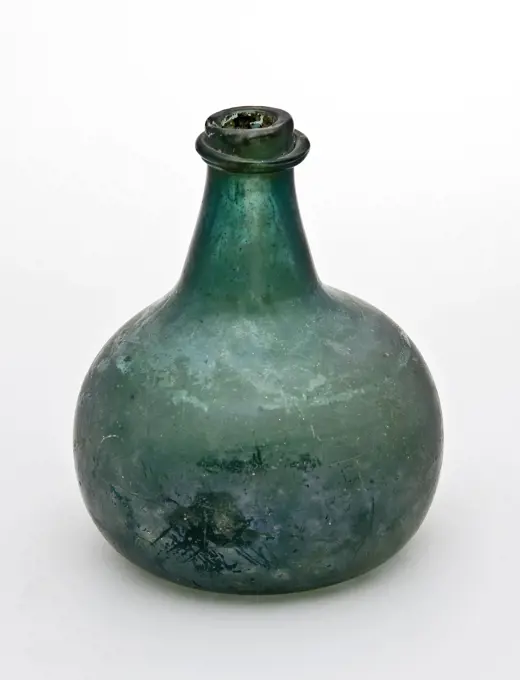
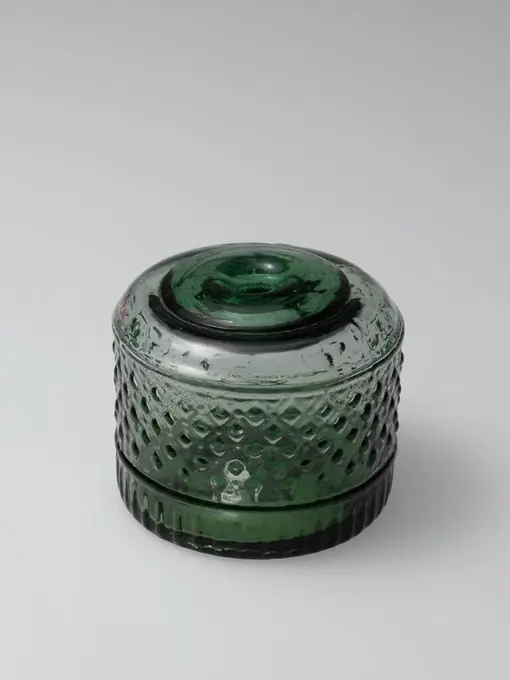
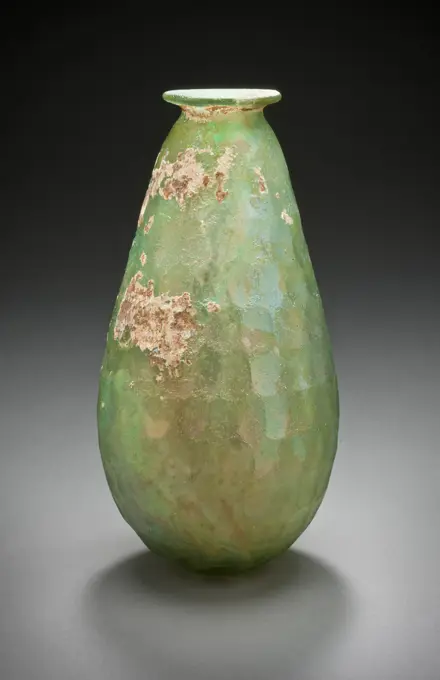
Tubby small bottle in clear moss-green glass, bottle bottle wine bottle stock bottle bottle holder soil find glass, free blown and shaped Tubby bottle in clear moss green glass Bottom (blowpipe) pontilemark on raised bottom. Light ascending soul: 02.5 cm. Round shoulders to eccentrically placed rejuvenated neck. Round imposed glass wire to neck at 1 cm under mouth. Mouth flattened and slightly damaged (presumably by using metal cork strap). By staying in soil light attack on and in the bottle archeology packing transport table
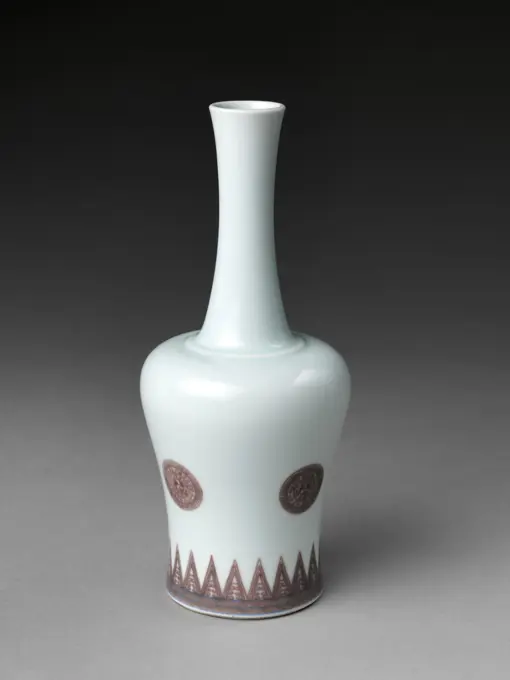
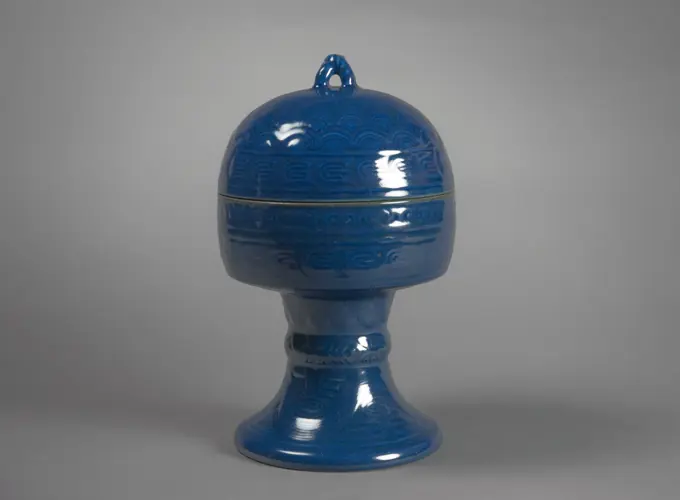
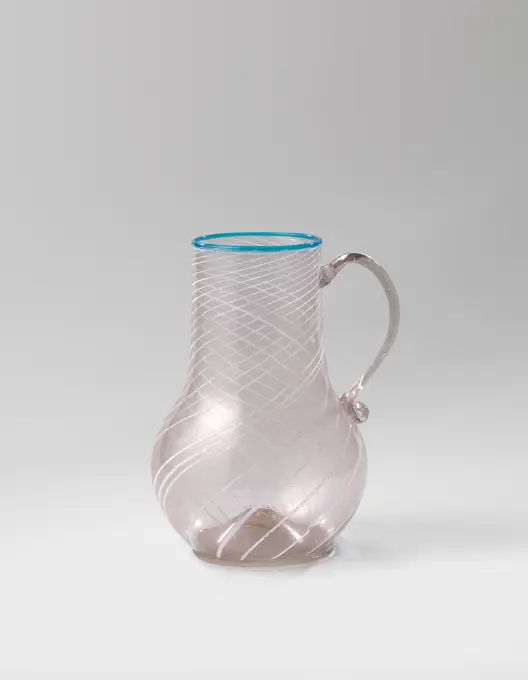
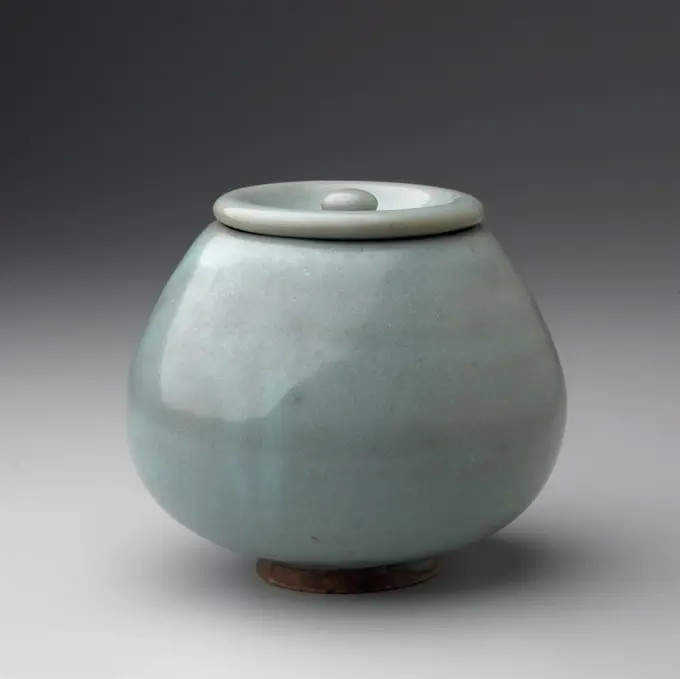
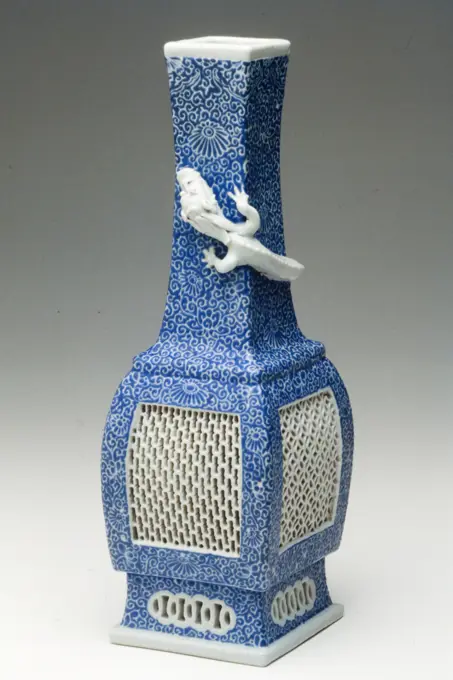
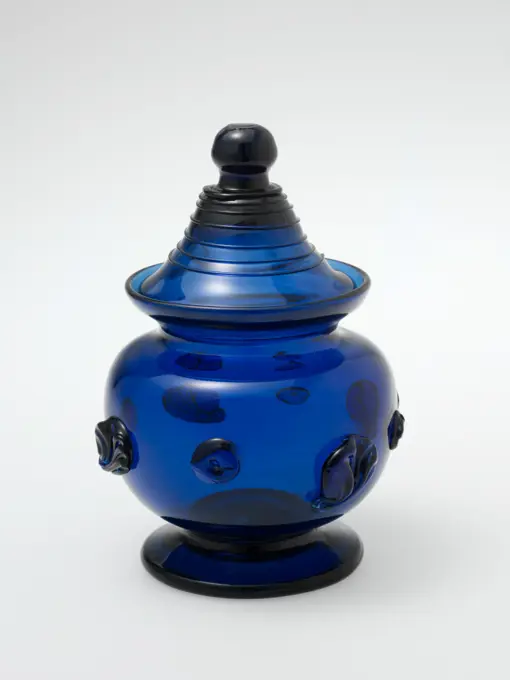
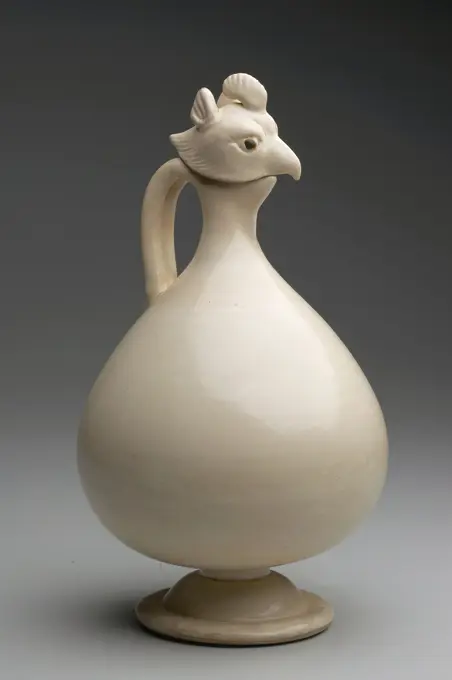
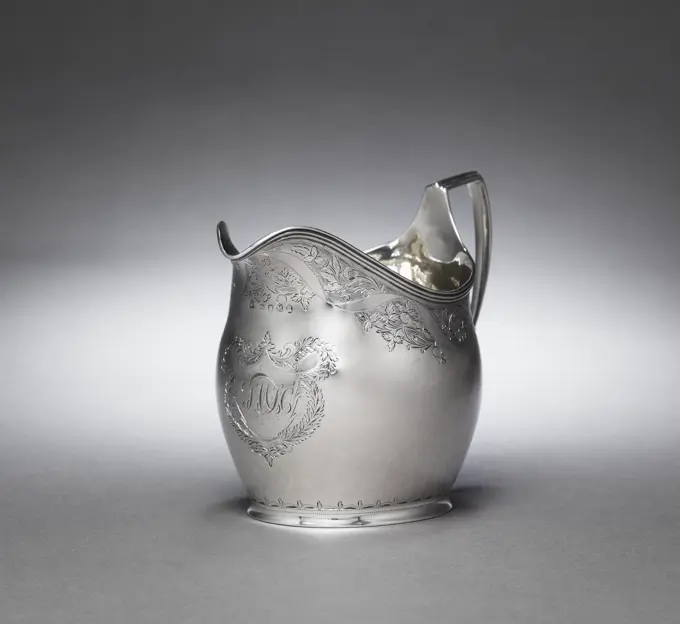
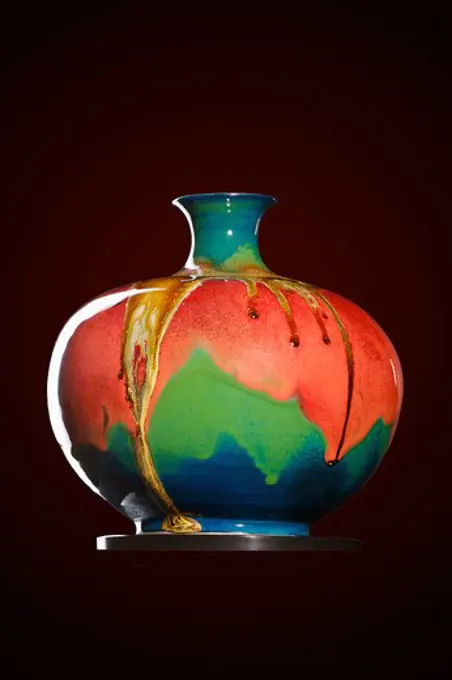
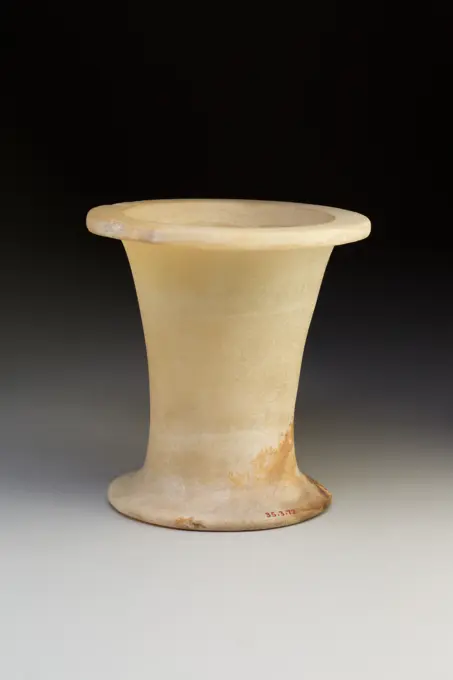
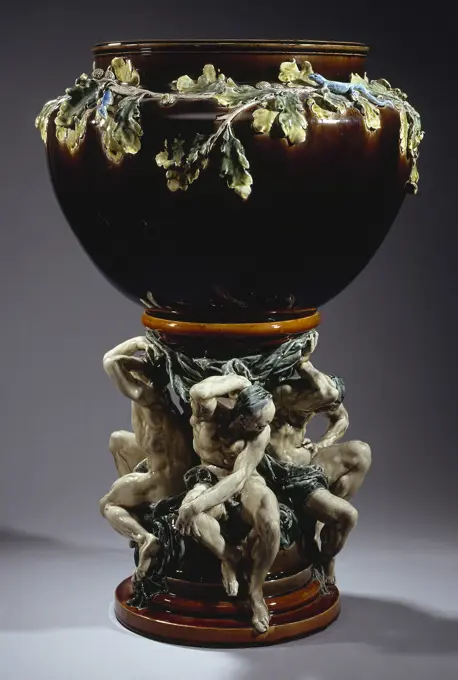
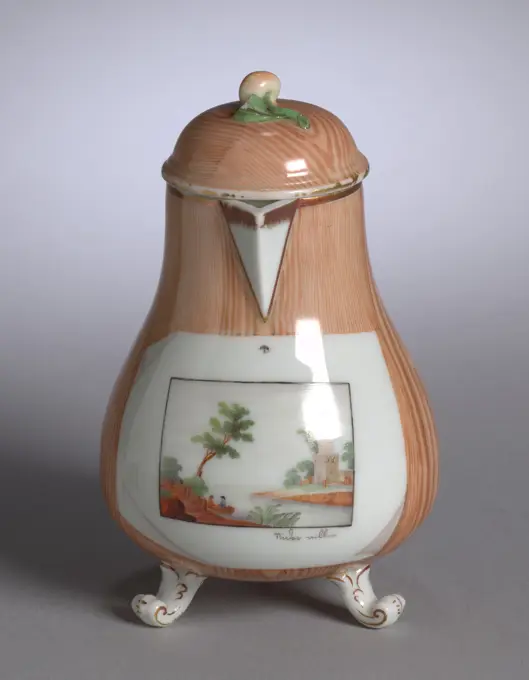
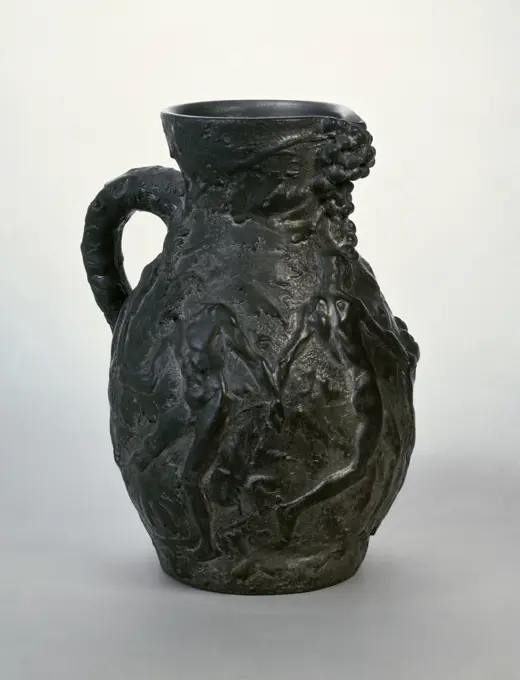
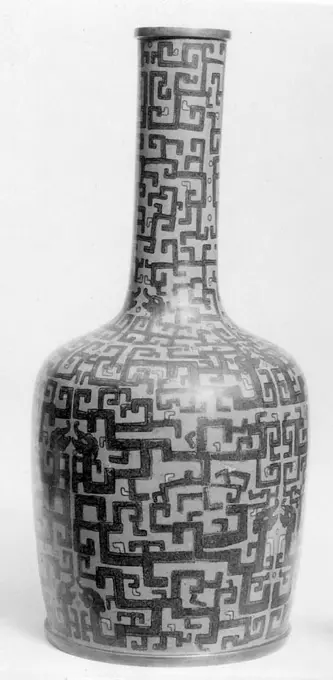
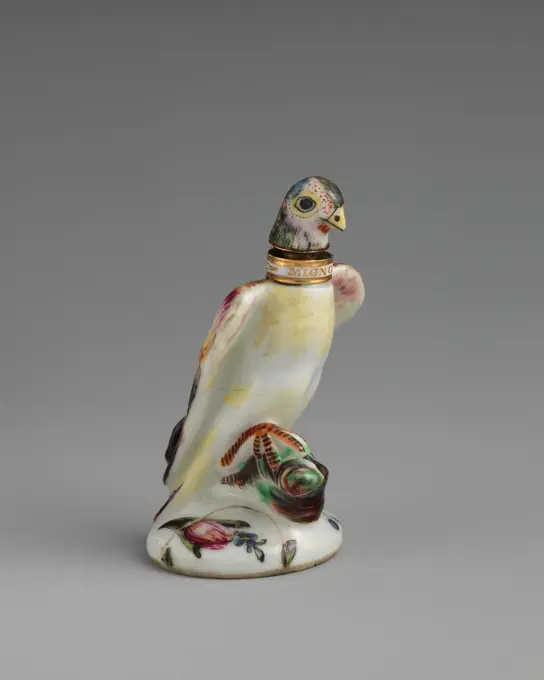
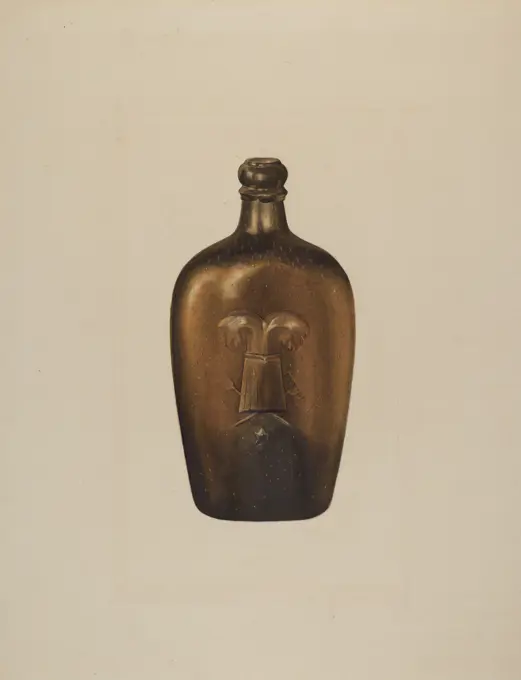
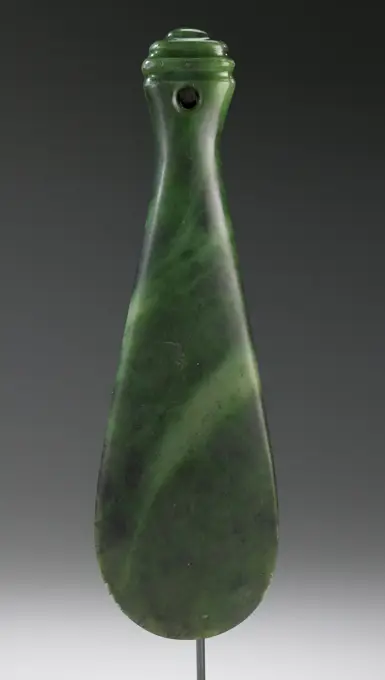
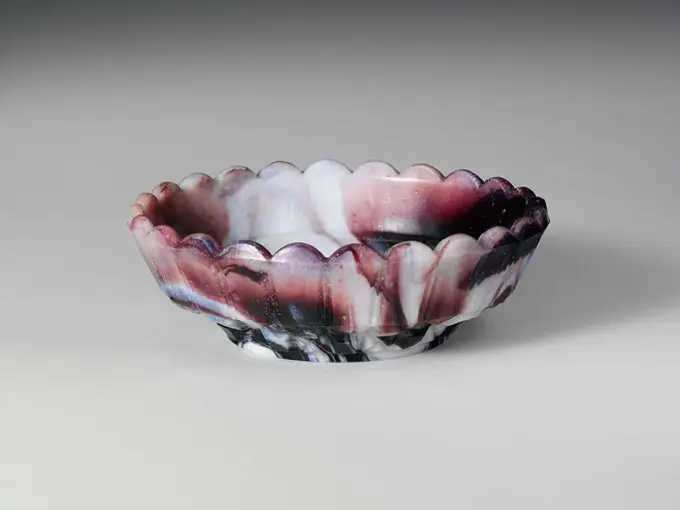
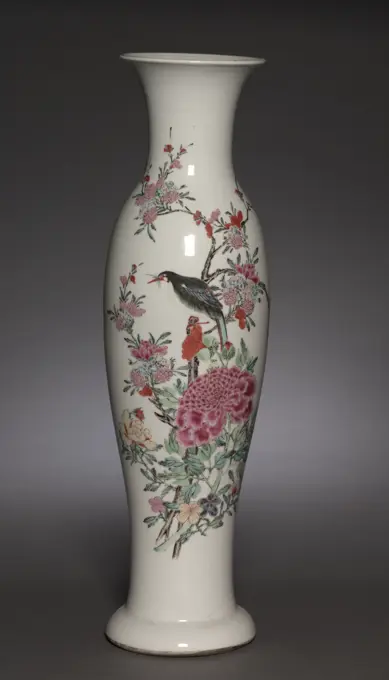
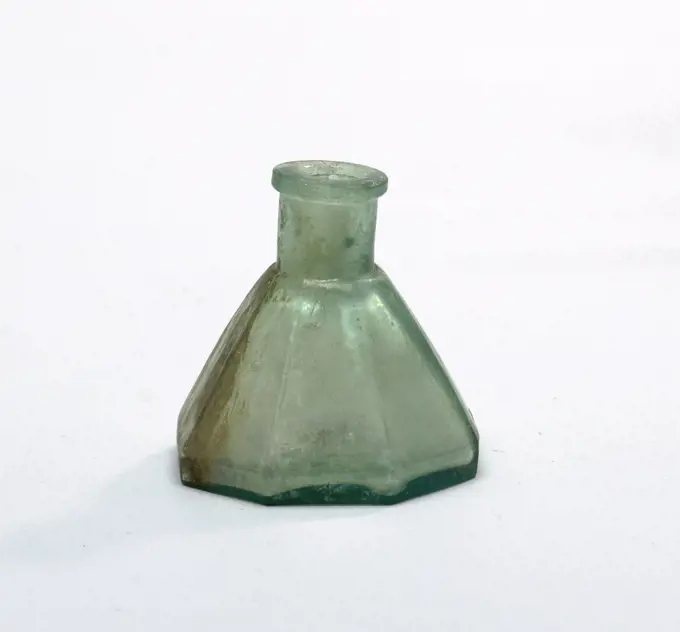
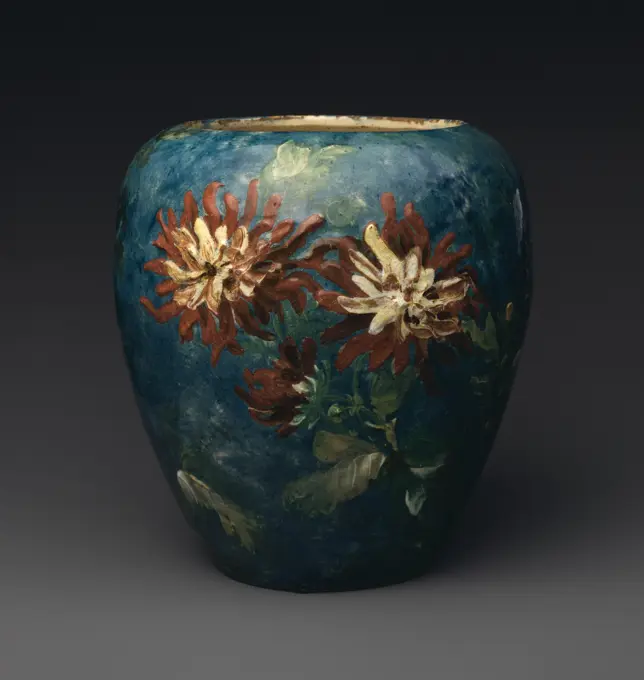
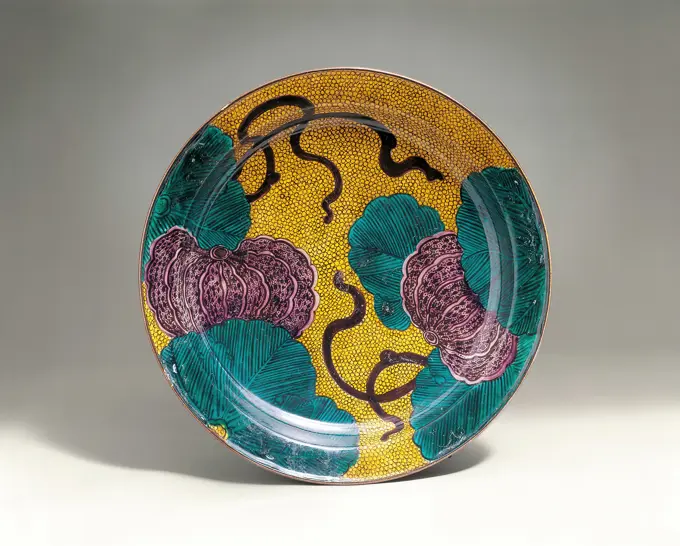
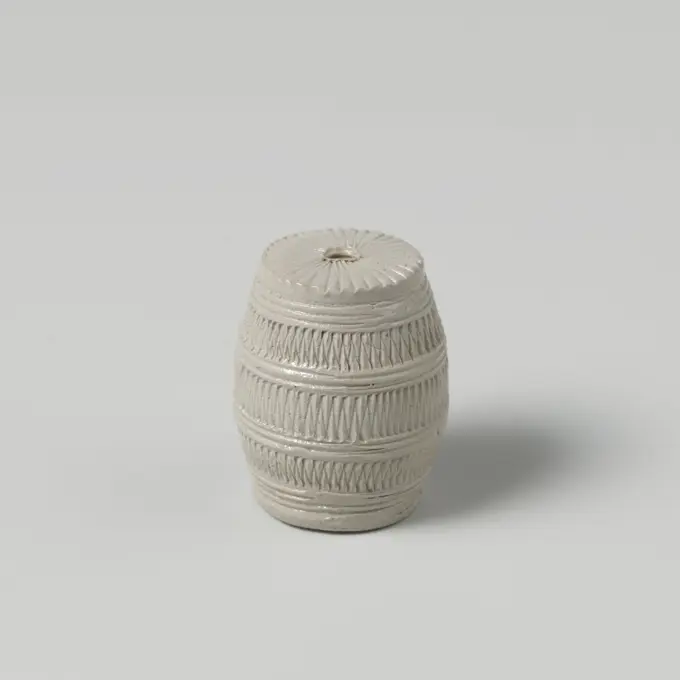
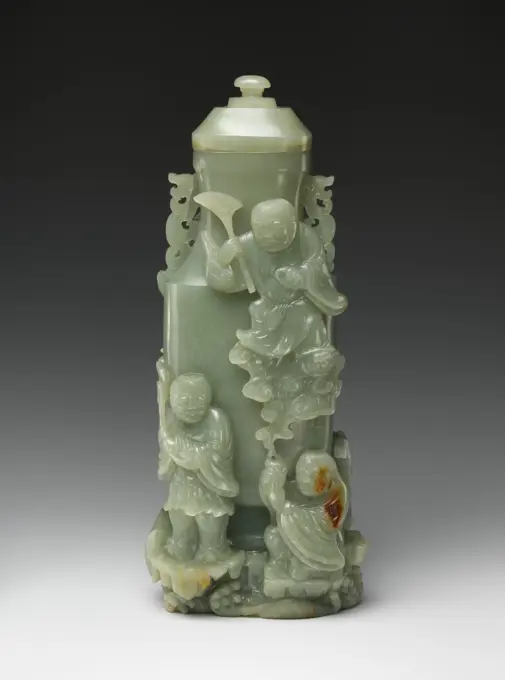
Covered vase with immortals 18th-19th century China. Covered vase with immortals. China. 18th-19th century. Jade (nephrite). Qing dynasty (1644-1911). JadeVase first half of the 19th century China. Vase 51106Grandfather's Flask, 19th century, attributed to Zanesville Glass Manufacturing Company, (Zanesville, Ohio), 8 1/4 x 7 1/4in. (21 x 18.4cm), Glass, United States, 19th centuryButterfly decorated Chinese vase isolated on white Butterfly decorated Chinese vase isolated on white Copyright: xZoonar.com/PatrickxGuenettex 10648828Jean Carriès (1855-1894). "Piriform pot". Enamelled sandstone and golden drips. Museum of Fine Arts of the City of Paris, Petit Palais. J. CARRIES - POT PIRIFORME CERAMIQUE, COULURE OR, Ceramic, ENAMELLED STONEWARE, GOLDEN RUNOFF, GRES EMAILLE, PEAR-SHAPED, PIRIFORME, POTBottle with Stylized Rosette 1713-22 China. Bottle with Stylized Rosette. China. 1713-22. Porcelain painted with copper red under transparent glaze (Jingdezhen ware). Qing dynasty (1644-1911), Kangxi mark and period (1662-1722). CeramicsVessel for Ritual Offering (Dou) China These vessels (25.143.1-.3) were used in state rituals held in the first lunar month of the year, during which the emperor made offerings to heaven at the Altar for Bountiful Harvest (Qigutan), part of the Temple of Heaven in Beijing. In shape and decoration, these ceramic vesselsa gui and two douare modeled on bronze grain receptacles of the Eastern Zhou dynasty (770-256 B.C.), which would have formed part of a larger set of objects, employed in ritual offerings, that included containers for wine and meat. In later times, ceramic took the place of bronze, and vessels were color-coded according to one of four ritual altars at which the emperor conducted ceremonies: blue for heaven, yellow for earth, red for the sun, and white for the moon.. Vessel for Ritual Offering (Dou). China. Porcelain with low-relief decoration under dark blue glaze. Qing dynasty (1644-1911), Qianlong period (1736-95). CeramicsCan of filigree glass, anonymous, c. 1600 - c. 1700 Inserted soil. Smooth, flattened stand ring. Spherical body, transfers to a cylindrical neck, made of clear glass with spiral -melted opaque white threads. The edge trimmed with a blue wire. C-shaped ear. Low Countries glass glassblowing Inserted soil. Smooth, flattened stand ring. Spherical body, transfers to a cylindrical neck, made of clear glass with spiral -melted opaque white threads. The edge trimmed with a blue wire. C-shaped ear. Low Countries glass glassblowingVase late 18th-early 19th century China. Vase. China. late 18th-early 19th century. Porcelain with copper red glaze (Jingdezhen ware). Qing dynasty (1644-1911). CeramicsAlabastron. UnknownVase of Bone Porcelain, multi -colored painted with lizards and plants, N.V. Haagsche Plateel Factory Rozenburg, 1901 Bone porcelain vase, multi -colored painted with lizards and plants. The Hague . Bone porcelain vase, multi -colored painted with lizards and plants. The Hague .De select; Unknown Syrian workshop; 4th century (301-00-00-400-00-00);Vase. Culture: China. Dimensions: H. 15 1/8 in. (38.4 cm); Diam. 8 3/4 in. (22.2 cm). Museum: Metropolitan Museum of Art, New York, USA.Sake bottle with grapevine decoration second half of the 17th century Japan. Sake bottle with grapevine decoration 72372Scent Bottle 1835-1855 Bohemia. Glass; cut and colored with metal mounts .StripLidded Jar, 12th century, 4 x 4 1/2 in. (10.2 x 11.43 cm), Chun ware Stoneware with pale blue glaze, China, 12th centuryVase, Qianlong period, 1735-1796, 14in. (35.6cm), Porcelain, China, 18th centurySugar bowl 1830-65 American. Sugar bowl. American. 1830-65. Blown glass with applied decoration. Made in New Jersey, United StatesFlask orBottleInkwell. Culture: American. Dimensions: H. 2 in. (5.1 cm). Date: 1820-45. Museum: Metropolitan Museum of Art, New York, USA.Jug. Culture: Ancestral Pueblo (Anasazi). Dimensions: H. 6 1/4 x W. 4 1/2 in. (15.9 x 11.4 cm). Date: 12th-18th century. Museum: Metropolitan Museum of Art, New York, USA.Fragmentary can of earthenware with lead glaze. Fragmentary can of earthenware with lead glaze. The can be decorated with appliqued flower and leaf ornaments in white-traying engobe. Just like BK-1979-23-A and BK-1979-23-B, the fragment is a soil find from Noord-Holland.Snuff Bottle, 17th-19th century, 3 5/8 x 2in. (9.2 x 5.1cm), Amethyst, China, 17th-19th centuryWine Bottle. Anonymous. Japan, 16th-17th century. Lacquer. Black lacquer with painted red lacquerCovered SugarBowl, Cobalt flint glass, bowl with cover: 7 1/4 × 4 1/2 in. (18.42 × 11.43 cm), Probably made in Pennsylvania, American, 19thcentury, Containers -GlassEwer with Pheasant-Head Stopper, 8th century, 12 x 6 3/4 x 6 3/4 in. (30.48 x 17.15 x 17.15 cm), Xing ware Porcelaneous stoneware with clear glaze, China, 8th century, Tang white ware, the world's first porcelain--durable, finely potted, and simply adorned--set a technical and aesthetic standard for all subsequent dynasties. It would also influence Middle Eastern ceramic traditions. This exceptionally rare ewer is capped with a removable lid in the shape of a pheasant head. It differs from earlier yue ware examples in that the spout is not set on the shoulder of the vessel but rather at the top of a simple, elegantly shaped container nearly devoid of decoration. It is possible that silver or even glass vessels imported from the Middle East during Tang (618-906) may have influenced the basic shape and placement of the bird head at the top of the vessel. The refined form and pure white color however is reflective of Chinese taste in early porcelain.Table LampTea Service (Creamer), 1807. Anne Bateman (British, 1748-1813), Peter Bateman (British, 1740-1825), William (I) Bateman (British, 1774-1850). Silver; overall: 11.3 x 13.4 x 8.7 cm (4 7/16 x 5 1/4 x 3 7/16 in.).Glass square bottle. Culture: Roman. Dimensions: H.: 4 9/16 in. (11.6 cm). Date: 1st century-2nd century A.D..Translucent light blue, with same color handle.Rim folded out, down, over, and in, and pressed into top of mouth, with beveled and uneven top surface; cylindrical neck, with slight tooling indent around base; shoulder with rounded, sloping corners; flat, vertical sides; slightly concave bottom; strap handle with ribs on either side, attached to outer edge of shoulder, drawn up vertically, turned in an acute angle and trailed onto neck.Intact, except for small weathered chip in side of handle; pinprick and some larger bubbles, one long black impurity streak in shoulder and neck; dulling, iridescence, and some soil encrustation on exterior; areas of soil encrustation, weathering, and brilliant iridescence on interior. Museum: Metropolitan Museum of Art, New York, USA.UnionBottle. Proprietor: Adam R. Samuels Manufacturer: Keystone Glass Works, American, ca. 1866-ca. 1874Bowl. Iran, Nishapur, 10th century. Ceramics. Earthenware, underglaze slip-paintedClose-up of a decorative pottery vase in unique patternPocket flask 1800-1860 American. Pocket flask. American. 1800-1860. Blown pattern-molded glass. Made in United StatesBlown glass flask with 'snake thread' trailed decoration from Rome. Dated 2nd CenturyCopper Chisel with Figures. Culture: Moche. Dimensions: H. 9 1/4 in. (23.5 cm). Date: 3rd-7th century. Museum: Metropolitan Museum of Art, New York, USA.Cylindrical Jar ca. 1504-1447 B.C. New Kingdom. Cylindrical Jar. ca. 1504-1447 B.C.. Travertine (Egyptian alabaster). New Kingdom. From Egypt, Upper Egypt, Thebes, Asasif, Tomb of Neferkhawet (MMA 729), west chamber A, Burial of Rennefer (II), in coffin, near head, MMA excavations, 1935-36. Dynasty 18, earlyPear-shaped Bottle. Iran, 224-651. Furnishings; Accessories. Opaque green glassVase with red borders, royal porcelain manufactory, c. 1925 Vase of porcelain with a layer, printed egg -shaped body and long, narrow neck. Painted in underlaze red. Just below the spreading edge of the neck a dilution with narrow red tires; The same decoration on the belly. The foot and the edge with a wider red band. Marked on the underside with the scepter, the figures 25/85, the red government apple with K.P.M., the annual letters z. ... and the letter M. Art Nouveau. Berlin porcelain. glaze. painting / vitrification Vase of porcelain with a layer, printed egg -shaped body and long, narrow neck. Painted in underlaze red. Just below the spreading edge of the neck a dilution with narrow red tires; The same decoration on the belly. The foot and the edge with a wider red band. Marked on the underside with the scepter, the figures 25/85, the red government apple with K.P.M., the annual letters z. ... and the letter M. Art Nouveau. Berlin porcelain. glaze. painting / vitrificationCarrier-Belleuse (Albert-Ernest Carrier de Belleuse, 1824-1887) and Auguste Rodin (1840-1917). "Titans vase: Overview of the pot holder decorated with branches of oak leaves and lizard and its base decorated with four Atlanteans, in enameled ceramic, last quarter of the 19th century". Ceramics and enamel, Manufacture de Choisy-le-Roi. Museum of Fine Arts of the City of Paris, Petit Palais. 26363-14 Atlante, branch, pot, ceramic emaillee, decor, email, chene leaf, lezard, choisy-le-roi manufacture, black, decorative object, base, vase of titans, 19th XIX 19th 19th 19th 19th century, mythologyCUENCO PINTADO Y VIDRIADO. Location: ALFARERIA. ALBOX. Almería. SPAIN.Clay pipe, unnoticed with smooth handle, clay pipe smoking equipment smoke floor pottery ceramics pottery h 2,9, pressed finished baked Clay pipe with smooth handle unmarked Rad under lip ring only on side steel archeology Rotterdam City center Cool Schiedamse Vest Mainland City Triangle Job indigenous pottery smoking tobacco craft Soil discovery: Vasteland-Baan Schiedamse Vest Rotterdam discovery complex with material from pastry shop and pipe making and house waste from the 17th century.Covered Cream Jug, c. 1780. Niderviller Factory (French). Hard-paste porcelain with enamel and gilt decoration; overall: 12.9 x 9.7 x 8.2 cm (5 1/16 x 3 13/16 x 3 1/4 in.).Gourde ". Ceramic. China, Liao dynasty. Paris, Cernuschi museum. 72685-1 Chinese, ceramic art, liao dynasty, gourdCutout Disk. Culture: Moche (Loma Negra). Dimensions: Diam.8 7/8 in. (22.5 cm). Date: 390-450. Museum: Metropolitan Museum of Art, New York, USA.Glass Vase in a Brass Mount. Around 1900 the Vienna School of Arts and Crafts was one of the leading institutions for training in the decorative arts. Designers such as Otto Wagner, Josef Hoffmann, and Koloman Moser taught there. A student may have made this vase as his masterpiece’; it is as bold as it is legant The metallic sheen of the undulating lines in the glass in combination with the brass mount is quite unusual.Alexandre Louis Marie Charpentier (1856-1909). "Wine pot, drunken decor". Etain, 1891. Museum of Fine Arts of the City of Paris, Petit Palais. 33861-1 Antiquity, dancing, Dionysian, tin, drunkenness, nudite, wine pot, round, nakedAgate Cup. UnknownBottle (one of a pair) China. Bottle (one of a pair) 40761Bird ca. 1750-55 Saint James's Factory Listen to experts illuminate this artwork's story Listen Play or pause #413. Retail Value. High and Low Supported by Bloomberg Philanthropies We're sorry, the transcript for this audio track is not available at this time. We are working to make it available as soon as possible.. Bird. British, London. ca. 1750-55. Soft-paste porcelain. Ceramics-PorcelainProto-Corinthian Olpe Fragment. Attributed to Painter of Vatican 73 (Greek (Corinthian), active 650 - 625 B.C.)Isidore Steinberg, Flask, c 1938 FlaskSnuff Bottle. Culture: China. Dimensions: H. 2 1/2 in. (6.4 cm). Date: late 18th-early 19th century. Museum: Metropolitan Museum of Art, New York, USA.Mere Pounamu, 13 x 4 x 1 in. (33.02 x 10.16 x 2.54 cm), Nephrite, Aotearoa (New Zealand), Among the Maori, weapons were regarded as treasured heirlooms, and those made of nephrite, also called New Zealand jade, were the most precious of all. This prestigious club would have been a chiefly weapon, intended for hand-to-hand combat. The warrior would grasp it with either hand and attack the enemy with short slicing or thrusting motions. This type of club was also a status symbol, worn tucked into the belt before battle, and stored in a secret place when not in use.Sauce Dish. Culture: American. Dimensions: Diam. 4 1/2 in. (11.4 cm). Maker: Challinor, Taylor and Company (1866-1891). Date: 1870-90. Museum: Metropolitan Museum of Art, New York, USA.Bottle with flattened, spherical body. Inserted soul. Sideways flattened, spherical body, passing in a high, slightly ingleic neck with a curing mouth. To the neck, a glass wire is wounded to the neck.Henri Husson / Adrien-Aurélien Hébrard. Vase. Copper, silver inlays, brass or gold. 1909-1914. Museum of Fine Arts of the City of Paris, Petit Palais. 76390-21 Copper, silver inlay, brass, gold, vaseVase, 1723-35. China, Jiangxi province, Jingdezhen kilns, Qing dynasty (1644-1911), Yongzheng reign (1722-35). Porcelain with famille rose overglaze enamel decoration; overall: 45.8 cm (18 1/16 in.).Wall Pocket Made 1800-1810 Staffordshire. Earthenware with lustre decoration . Wedgwood Manufactory161, Roman vases and vessels from the 1st to 4th century in the Museum of Ancient Near Eastern Cultures, Istanbul, Turkey, AsiaGlass bottle. Culture: Roman. Dimensions: H. 3 in. (7.6 cm). Date: 1st-2nd century A.D..Translucent greenish blue.Broad rim, folded out, round, and in; flaring mouth; concave neck; sloping shoulder; cylindrical body with almost straight, vertical sides; thick, flattened bottom with circular pontil scar.Intact; some bubbles and blowing striations; deep pitting and iridescence on exterior, with thick gritty encrustation under rim, patches of black enamel-like weathering and some encrustation on interior. Museum: Metropolitan Museum of Art, New York, USA.Cruet ca. 1885 American. Cruet 2751Vase, glass, Bottle green glass, long neck with triangular body. octogon shape in plan., 19th century, glasswares, Decorative Arts, VaseVase 1881 John Bennett John Bennett had headed the division of Lambeth Faience at the Doulton Pottery in England before immigrating to the United States in 1877 and setting up his own workshops in New York City. His work is dominated by floral decoration in a highly decorative mode, harking back to his days at Doulton, with the use of colored oxides. This is a rare example of Bennett working in the barbotine technique, one dominated by French potters, and it exhibits his fluency with both modes of decoration popular in the late 1870s and early 1880s.. Vase. American. 1881. Earthenware. Made in New York City, New York, United Statesset of ceramic vases, 3d renderAmphu; ka; Egyptian workshop; III century (201-00-00-300-00-00);Bottle -Jenny LindBottle. Maker, possibly by: Ravenna Glass Works, American, 1857-ca. 1880  Subject: Johanna Maria Lind, Swedish, 1820-1887Tea Cannister. Gorham Manufacturing Company; American, founded 1831; Providence, Rhode Island. Date: 1881-1895. Dimensions: 10.6 cm (4 3/16 in.). Copper, with silver. Origin: Providence. Museum: The Chicago Art Institute, Chicago, USA.Three-Sectional Altar Group: Koro (lid), 1644-1911. China, Qing dynasty (1644-1911). Jade; overall: 17 cm (6 11/16 in.); with base: 21.5 cm (8 7/16 in.); lid: 8.6 x 9 cm (3 3/8 x 3 9/16 in.).Miniature Covered Box 1401-1500 Vietnam. Glazed stoneware with cobalt-blue underglaze .UNGUENTARIUM; unknown eastern workshop; III-IV century (201-00-00-400-00-00);Reichsadlerbecher, anonymous, c. 1800 - in or before 1860 Light soil inserted. On the light conical body the black double -headed government citizen with yellow crown. For the chest the Rijksappel. On the wings in two times four vertical rows, each with a banderole with explanatory inscription, the shields of the Quaterniones Imperii. On the back a lily of Dalen and a rosette. All around, starting between the eagle heads, the inscription Vivat G.W.M.Z.B. AM 1716 (Georg Wilhelm Markgraf Zu Brandenburg). Bohemia glass glassblowing / gilding Light soil inserted. On the light conical body the black double -headed government citizen with yellow crown. For the chest the Rijksappel. On the wings in two times four vertical rows, each with a banderole with explanatory inscription, the shields of the Quaterniones Imperii. On the back a lily of Dalen and a rosette. All around, starting between the eagle heads, the inscription Vivat G.W.M.Z.B. AM 1716 (Georg Wilhelm Markgraf Zu Brandenburg). BohemBottle vase late 17th-early 18th century China. Bottle vase. China. late 17th-early 18th century. Porcelain with copper red glaze (Jingdezhen ware). Qing dynasty (1644-1911), Kangxi period (1662-1722). CeramicsPierre-Adrien Dalpayrat (1844-1910). Vase. Flammed sandstone. Museum of Fine Arts of the City of Paris, Petit Palais. GRES, GRES FLAME, object of decoration, vase, 19th 19th 19th 19 19th 19th centuryBox in the Form of Apples, c. 1760. Sceaux Factory (French, active 1748-66). Tin- glazed earthenware (faience) wth enamel decoration; overall: 14 x 18.1 cm (5 1/2 x 7 1/8 in.).Antiquarian glass bottle Antiquarian glass bottle for liquid products. It was used the last centuries Copyright: xZoonar.com/ValeryxxSibrikovx 2525152Tassel, Medium: silk, wooden core, linen, Tassel made up of parts of an earlier tassel. Head is vase-shaped and covered with green and yellow silk in a chevron pattern. Collar of green and yellow looped silk. The head is inverted and has hanging yellow and green threads bound at the top to form a tassel. Green silk cord knotted into the top., Spain, 18th-19th century, trimmings, TasselThis tea set with orchids has a side-handled pot called a kysu, used for steeping, straining, and serving tea. Seif Yohei III’s painting teacher, Tanomura Chokuny (1814-1907), made a visual record of famous sencha events that shows how these kinds of porcelains fit with objects such as a stove and kettle to form a complete set of utensils for tea preparation, and with ensembles of decorative objects meant to inspire creativity. Lid for a Teapot from Tea Set with Orchids, c. 1893-1914. Seifū Yohei III (Japanese, 1851-1914). Porcelain with underglaze blue;Bottle - Inconnu / UnknownBottle. Eastern Mediterranean, 8th-9th century. Glass. Glass, blown in two parts with impressed decorationSherbet Dish ca. 1885 British. Sherbet Dish 7427Félix Massoul (Félix-Victor Massoul, dit). Vase. Ceramic. Museum of Fine Arts of the City of Paris, Petit Palais. Ceramic, object of decoration, dishes, vase, 19th 19th 19th 19 19th 19th centurySmall vase. unknown, craftsmanPlate with pumpkins, c. 1660s, Unknown Japanese, 2 1/2 × 15 × 15 in. (6.35 × 38.1 × 38.1 cm), Hizen ware, Kutani type, Aode Kokutani style; porcelain with overglaze enamels, Japan, 17th century, 前 Hizen ware, 九谷 Kutani type, 青手古九谷 Aode Kokutani stylePlate ca. 1760 Style of Whieldon type. Plate. British, Staffordshire. ca. 1760. Glazed earthenware. Ceramics-PotteryFlask vase 18th century China. Flask vase 47409Burning metal torch, ornament on a historic monument, Nordfriedhof cemetery, Duesseldorf, North Rhine-Westphalia, Germany, EuropeSheng (  ). Culture: Chinese. Dimensions: 16 1/2 × 2 1/2 in. (41.9 × 6.4 cm). Date: ca. 1850-89. Museum: Metropolitan Museum of Art, New York, USA.Ice Cream Plate, 1890s, Unknown American, 1 1/8 x 7 1/4 in. (2.9 x 18.42 cm), Glass, United States, 19th centuryDrug Jar, 18th Century. Maiolica, tin glazed and painted earthenware.. The inscription around the base suggests that the jar was used to contain orris root.Double Snuff Bottle China. Double Snuff Bottle 41377Cornflower Bead ca. 1390-1353 B.C. New Kingdom. Cornflower Bead. ca. 1390-1353 B.C.. Faience, blue and green. New Kingdom. From Egypt, Upper Egypt, Thebes, Malqata, Palace of Amenhotep III, MMA excavations, 1910-11. Dynasty 18Jar with Stopple, 1700s to mid-1800s. Japan, Edo period (1615-1868). Stoneware; overall: 10.5 cm (4 1/8 in.).Three dusty vintage bottles stand together, covered in grime, highlighting their age and history. These relics evoke memories of past gatherings and forgotten stories in a dimly lit cellarEgg on base still bank, 20th century, 4 3/4 x 2 1/2 x 2 1/2 in. (12.07 x 6.35 x 6.35 cm), Wood, pigment, 20th centuryMiniature cask with wavey lines, anonymous, c. 1700 - c. 1799 Miniature barrel or Maywijnvat van Steengoed, in the form of a wooden barrel. Decorated with profile tires, interspersed with pressed zigzag lines (Knibis). The sides also with a pressed zigzag line; one side with a hole. Westerwald. Westerwald stoneware. glaze vitrification Miniature barrel or Maywijnvat van Steengoed, in the form of a wooden barrel. Decorated with profile tires, interspersed with pressed zigzag lines (Knibis). The sides also with a pressed zigzag line; one side with a hole. Westerwald. Westerwald stoneware. glaze vitrificationBowl, late 1800s - early 1900s. Daum Brothers (French). Glass; overall: 11.2 cm (4 7/16 in.); average: 8 x 9.3 cm (3 1/8 x 3 11/16 in.).Vase. Designer Sascha Brastoff, American, 1918-1993 Manufacturer: Sascha Brastoff Products, Incorporated, American, 1947-1963This teapot with begonias combines underglaze blue with subtle use of yellow and white enamels. Lid for Teapot with Begonias, 1897-1914. Seifū Yohei III (Japanese, 1851-1914). Porcelain with underglaze and overglaze colors;