Decorative Vases Collection

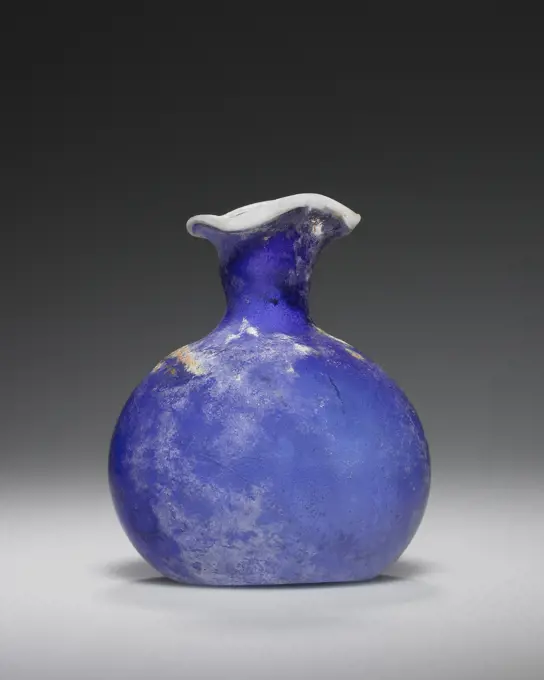
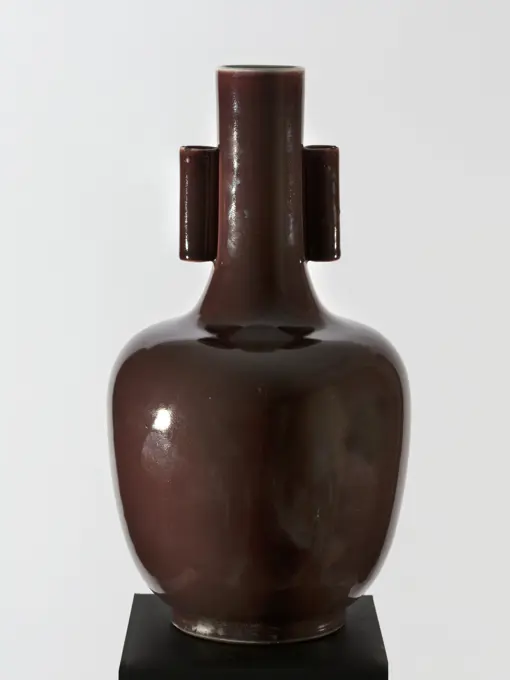
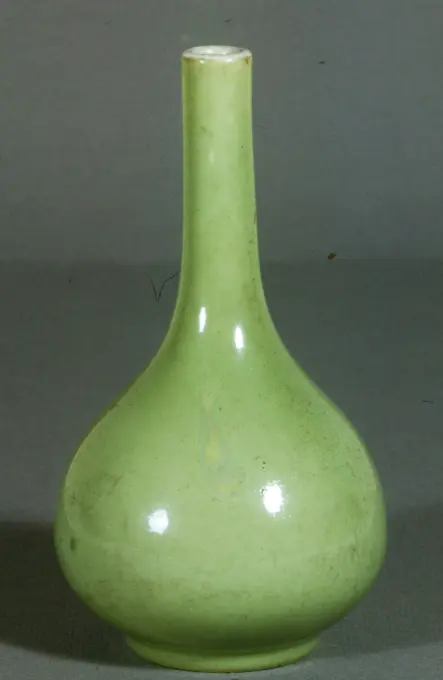
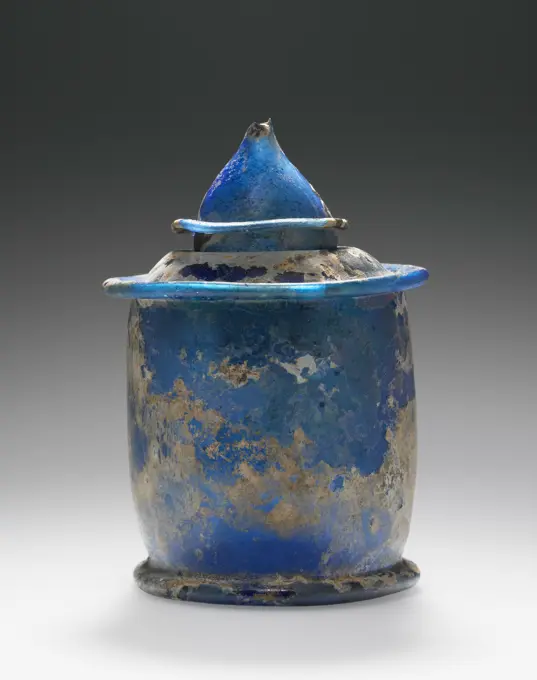
A variety of vases made from different materials and designs, showcasing intricate motifs and unique shapes, ideal for home decor.
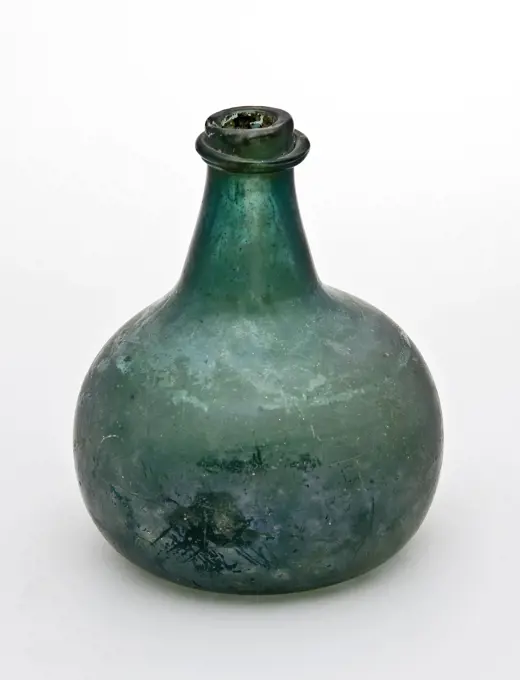
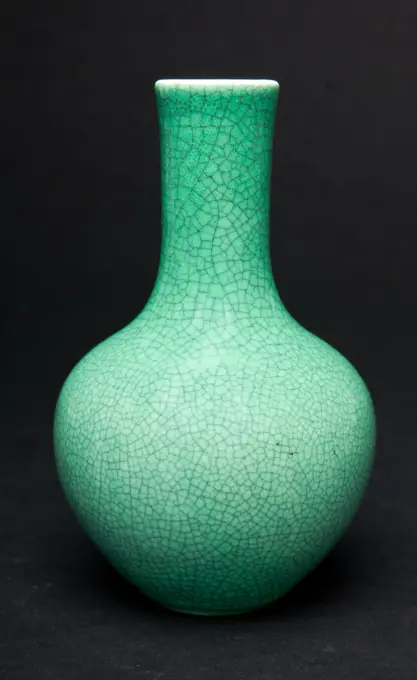
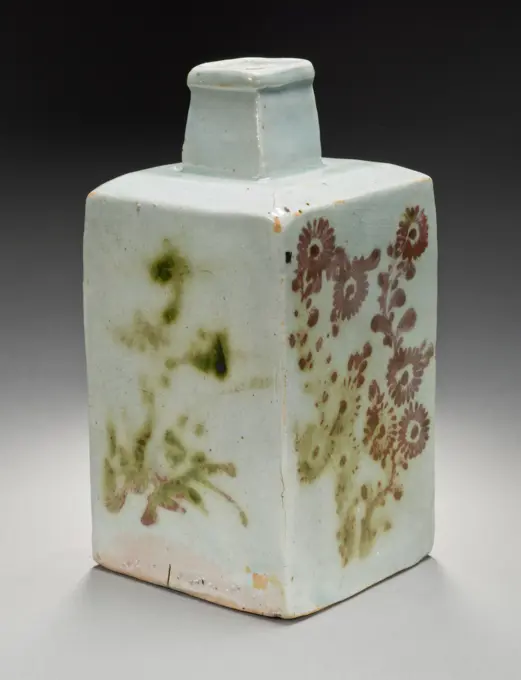
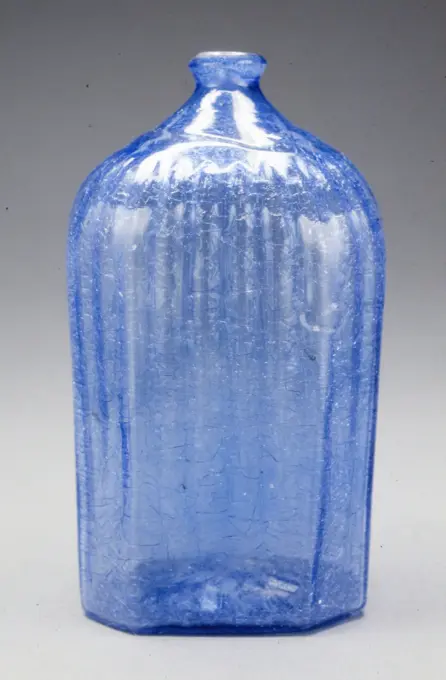
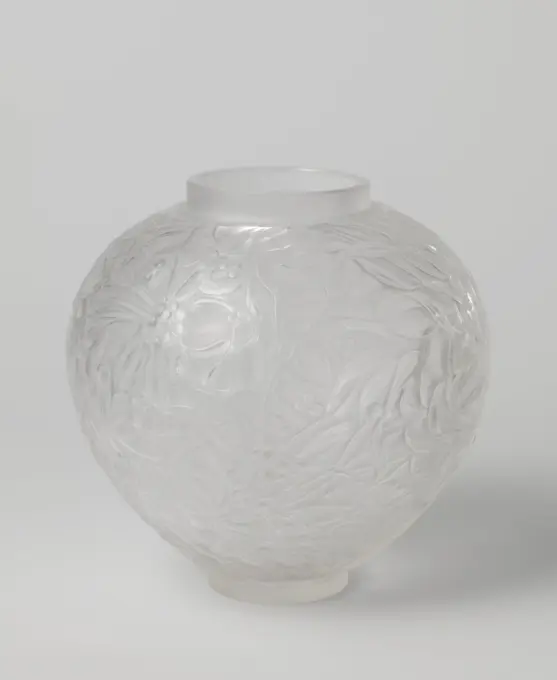
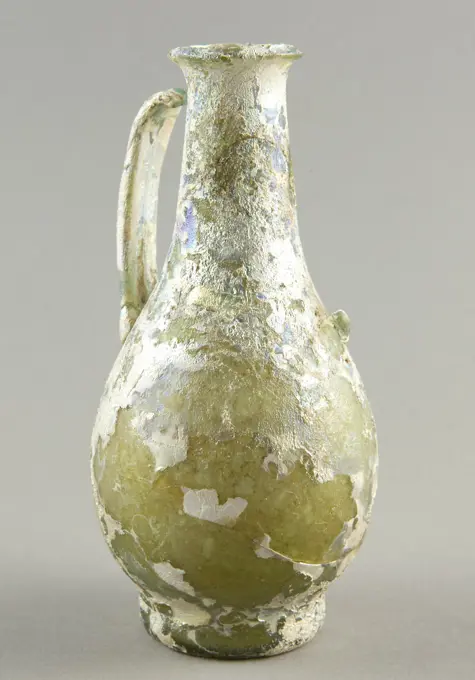
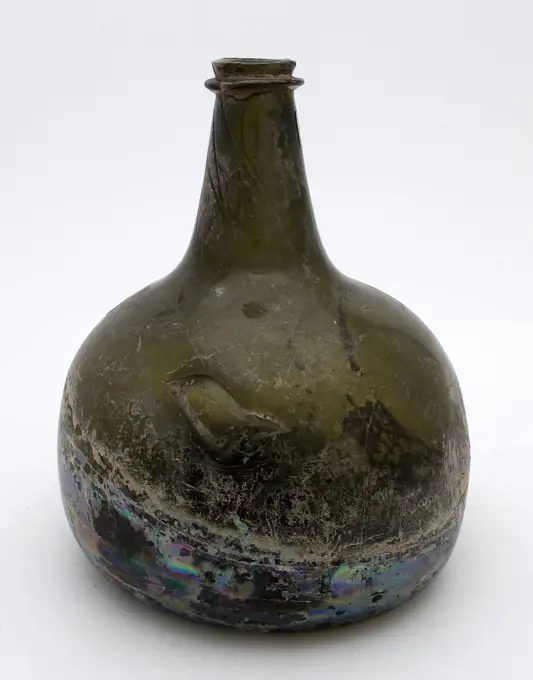
Tubby small bottle in clear moss-green glass, bottle bottle wine bottle stock bottle bottle holder soil find glass, free blown and shaped Tubby bottle in clear moss green glass Bottom (blowpipe) pontilemark on raised bottom. Light ascending soul: 02.5 cm. Round shoulders to eccentrically placed rejuvenated neck. Round imposed glass wire to neck at 1 cm under mouth. Mouth flattened and slightly damaged (presumably by using metal cork strap). By staying in soil light attack on and in the bottle archeology packing transport table
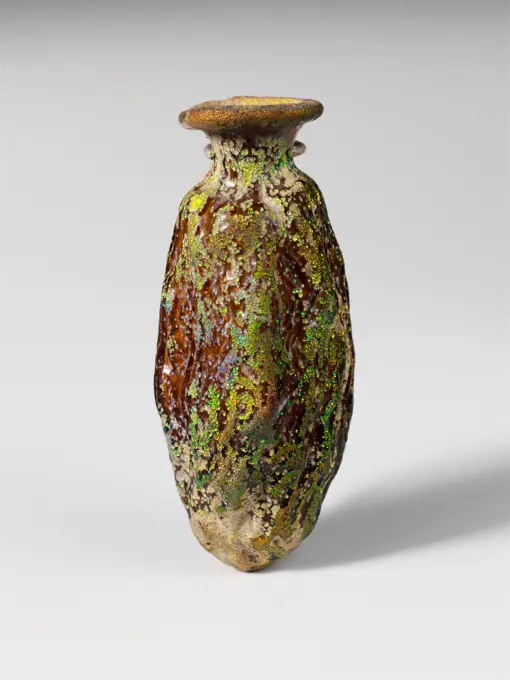
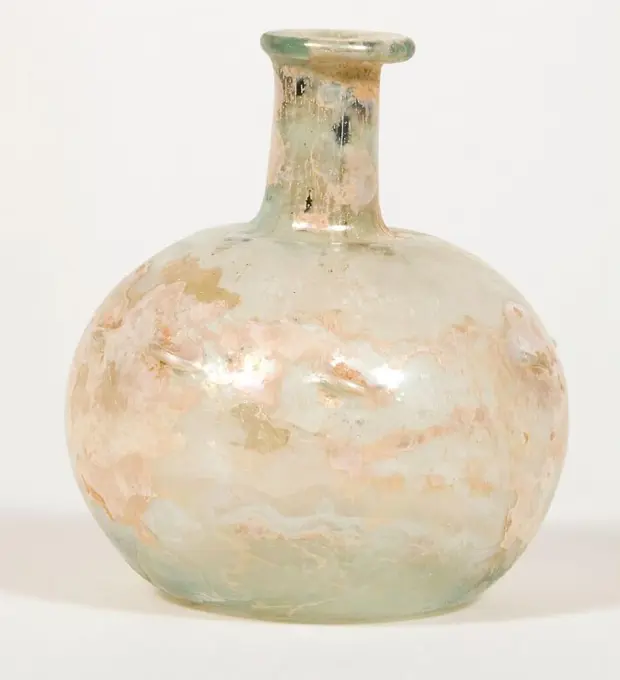
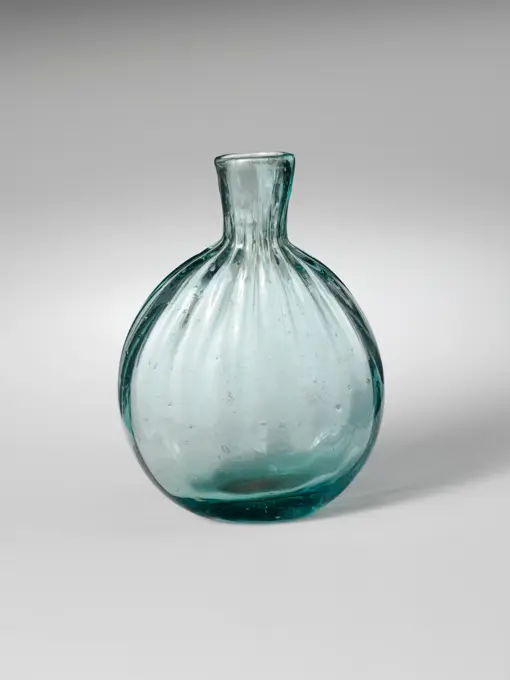
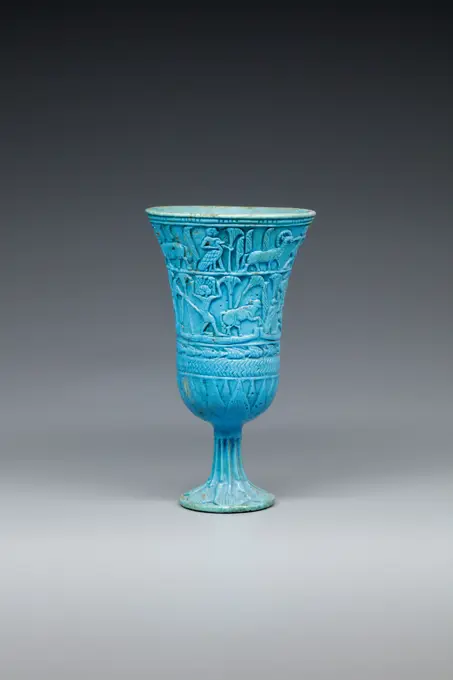
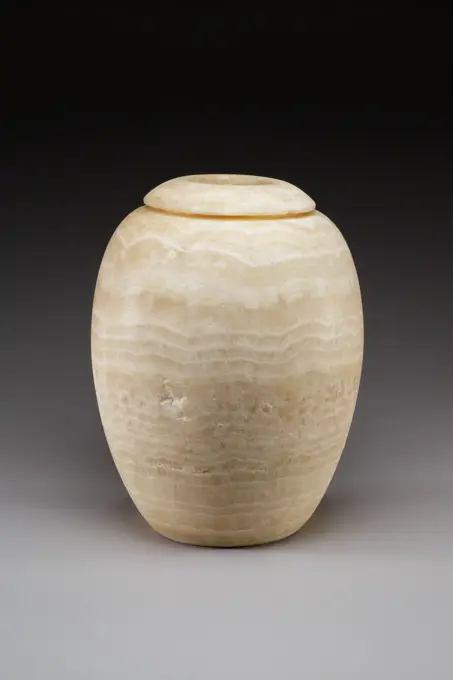
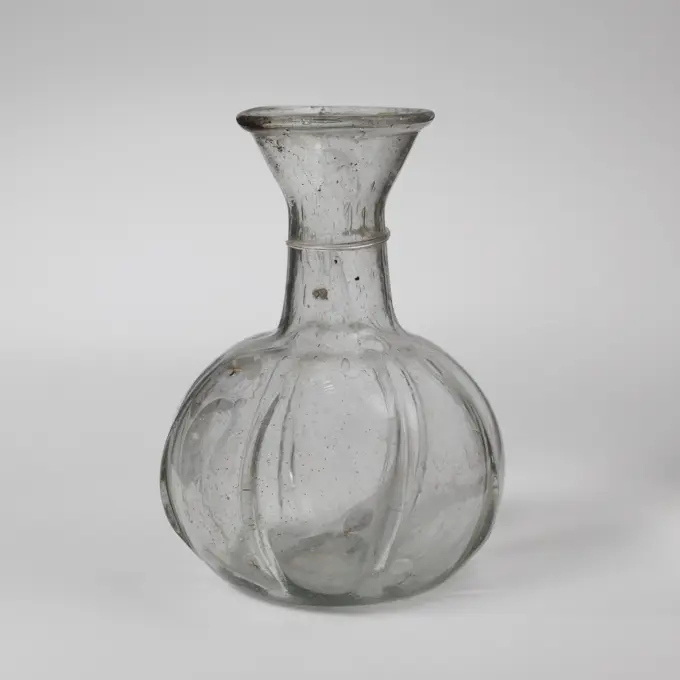
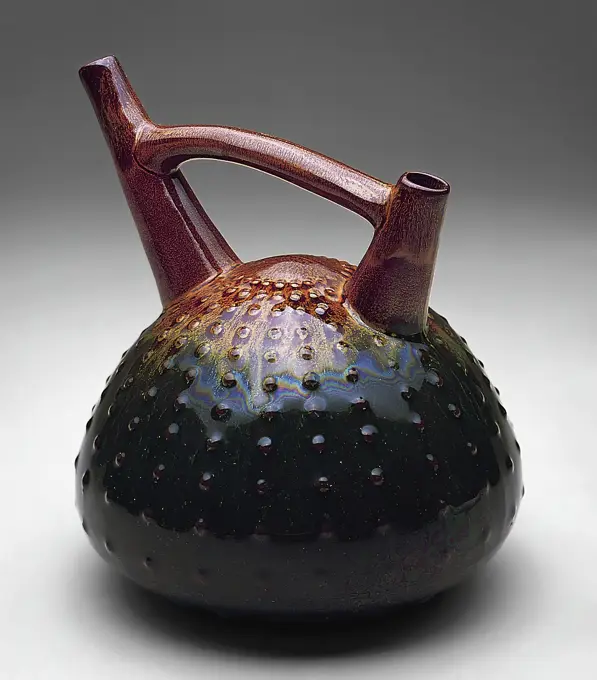
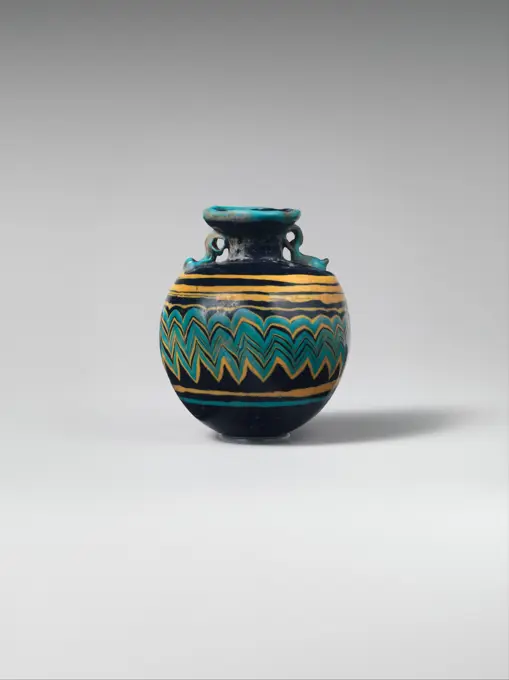
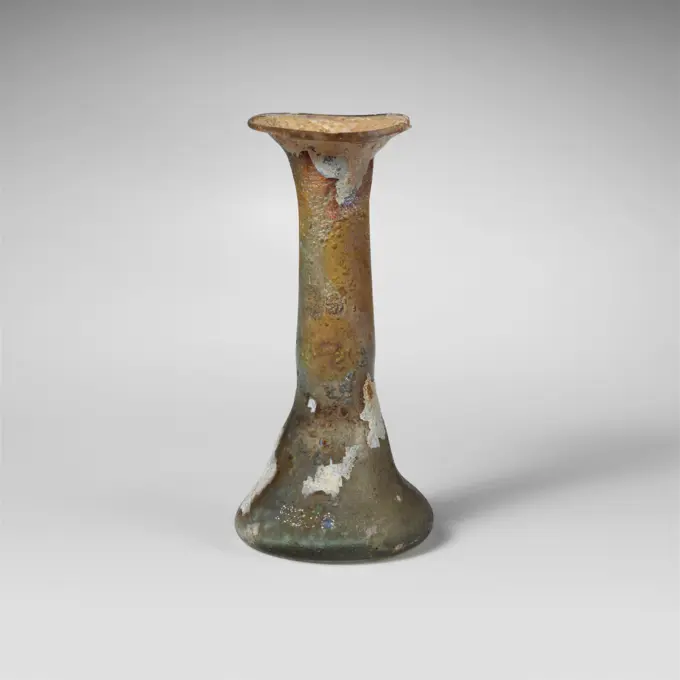
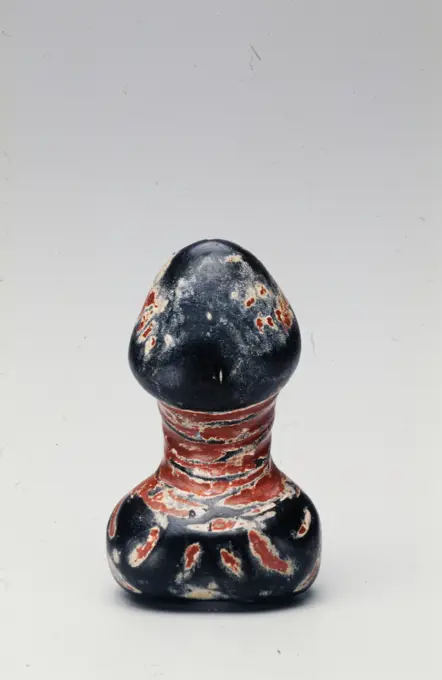
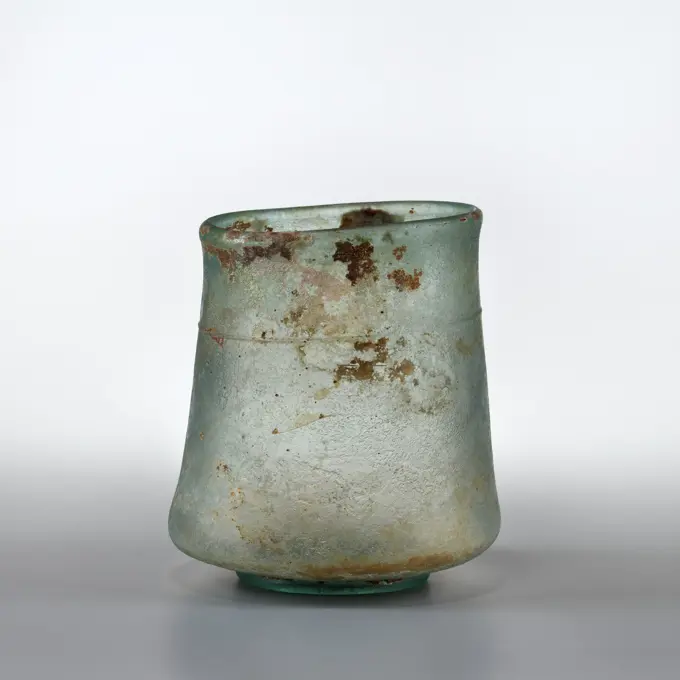
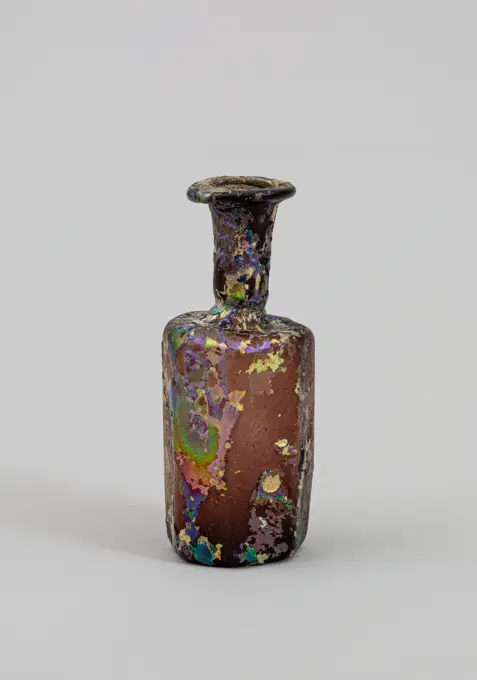
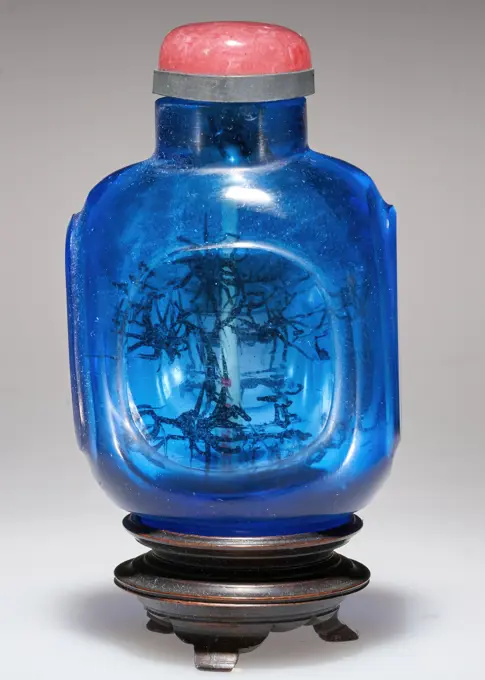
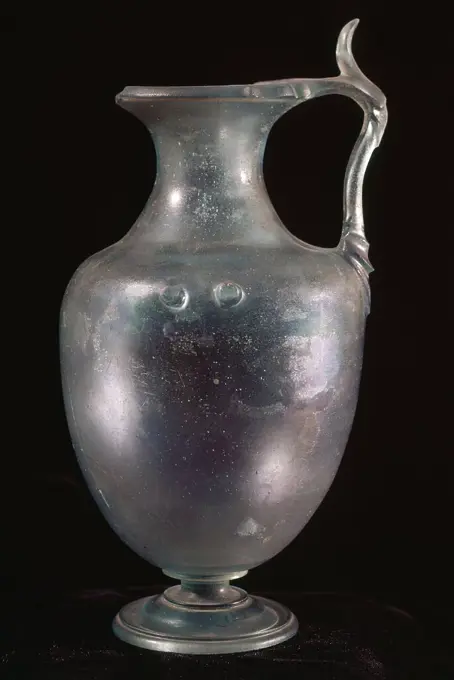
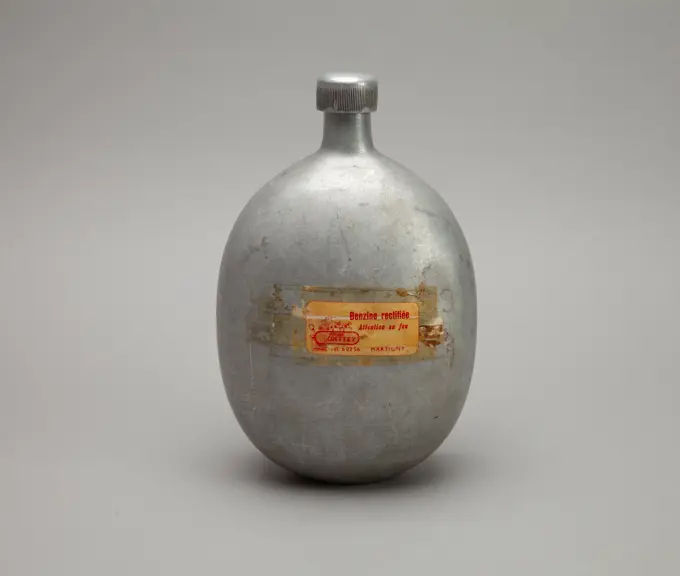
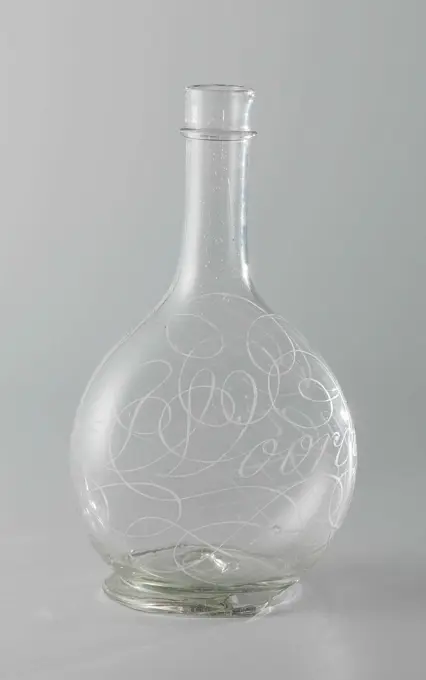
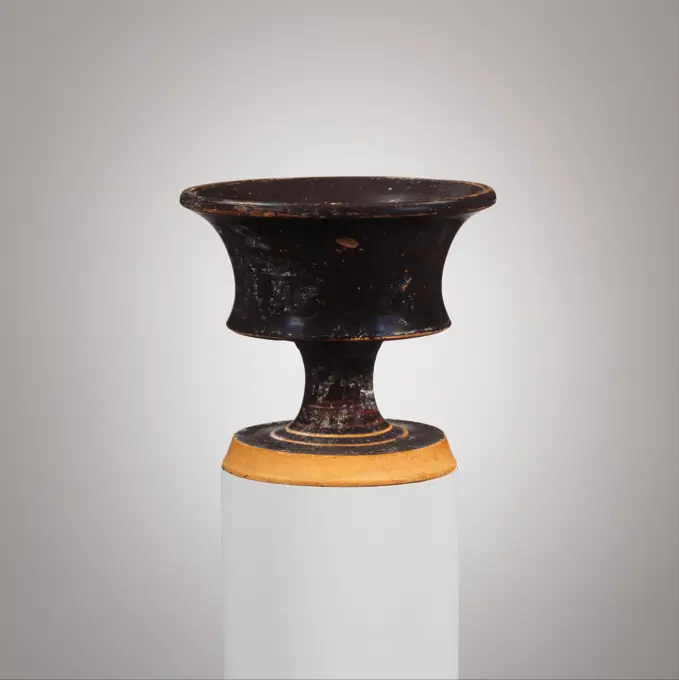
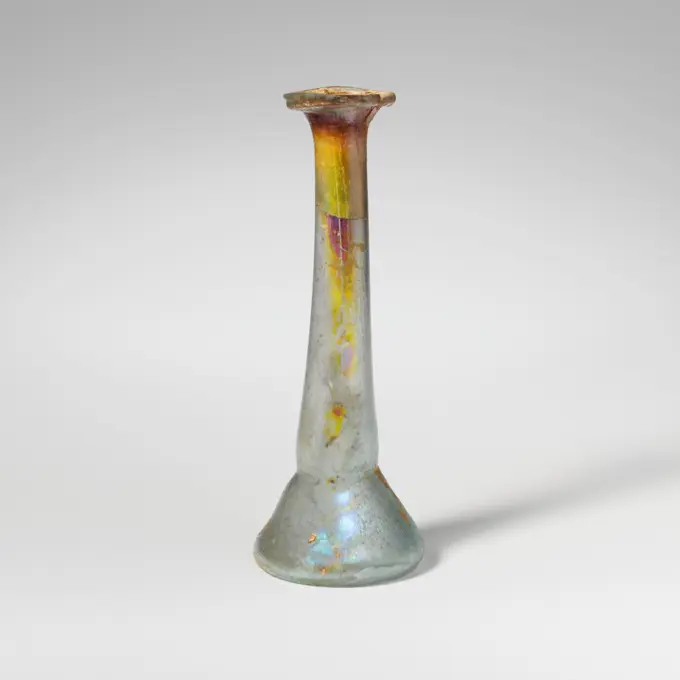
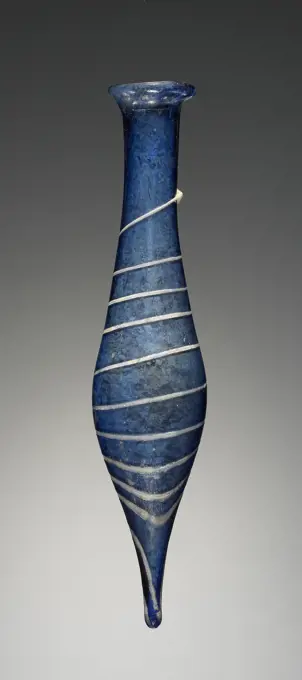
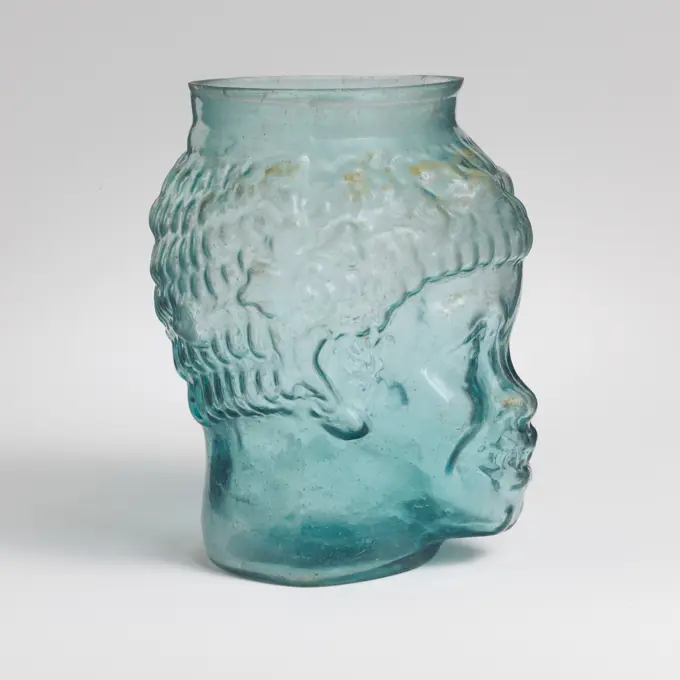
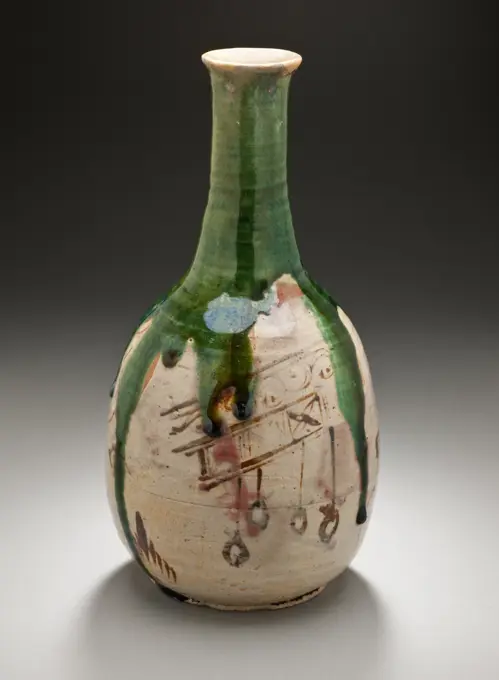
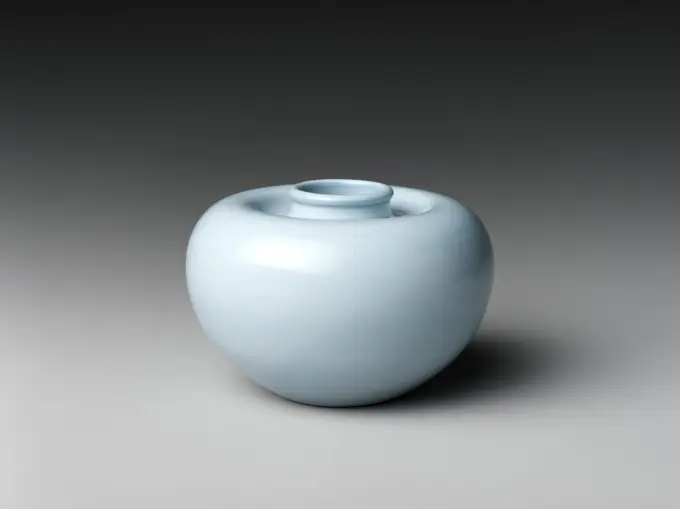
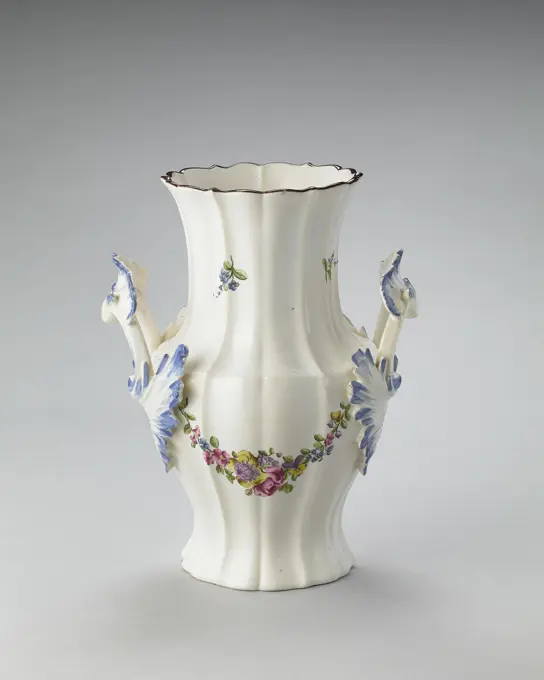
Vase, 1662-1722, H.6-5/8 in., Porcelain with starch blue glaze, China, 17th-18th century. Theo Colenbrander was the artistic mastermind of the Rozenburg earthenware factory in The Hague. His designs exhibit great freedom in both form and decoration. The slender, ribbed shape of these vases recalls bamboo. The ornamentation is modern: abstractly rendered floral and plant motifs in bright colours. Their shapes, however, are quite old-fashioned. It is a garniture (set) of five vases for display atop a cabinet.Covered Sugar Bowl 1800-1830 American. Covered Sugar Bowl 2479Jar 401 CE-600 CE Ancient Mediterranean. Glass . IslamicVase. England, circa 1890. Furnishings; Accessories. Cased glassGlass bottle shaped like a date mid-1st-early 2nd century A.D. Roman Translucent yellowish brown.Thick, everted rim folded round and in; flaring mouth; short cylindrical neck; elongated body; uneven pointed bottom. One continuous mold seam around body.Body molded into the shape of a wrinckled date, with pattern of short wavy ridges and hollows.Intact, except for small weathered hole in neck; dulling, deep pitting, and brilliant iridescence.. Glass bottle shaped like a date 245806Glass perfume bottle. Culture: Roman. Dimensions: 4 1/2in. (11.5cm)Other: 2 5/8in. (6.7cm)Diam. of rim: 1 3/16 in. (3 cm). Date: 2nd-3rd century A.D..Colorless.Uneven, rounded rim, folded out, over, and in; cylindrical neck, expanding slightly near base, and tooling marks around base; squat, bulbous body; flat bottom with rounded edge.Intact; many bubbles and blowing striations; deep pitting and brilliant iridescent weathering. Museum: Metropolitan Museum of Art, New York, USA.Bottle. Byzantine; Eastern Mediterranean. Date: 401 AD-500 AD. Dimensions: 7.1 × 6.4 × 6.4 cm (2 3/4 × 2 1/2 × 2 1/2 in.). Glass, blown technique. Origin: Mediterranean Region. Museum: The Chicago Art Institute, Chicago, USA.Bottle 1800-1830 American. Bottle. American. 1800-1830. Blown pattern-molded glass. Possibly made in New Geneva, Ohio, United States; Possibly made in Mantua, Ohio, United StatesBottle-Shaped Vase 1723-1735 China. Porcelain .Roemer with three rows of raspberry prunts. The Netherlands or Germany, c. 1675-1700glassChalice ca. 945-712 B.C. Third Intermediate Period Chalices in the form of the blue lily were familiar items among burial equipment beginning in early Dynasty 18 (ca. 1500 B.C.). The flower's association with life and rebirth made it a potent symbol in ritual contexts of all kinds. In Dynasty 21, such chalices were adorned with elaborately detailed relief decoration that amplifies this theme.The principal scene on this example, in a band around the body of the cup, depicts three boats moving to viewer right on a narrow strip of water, all against a marshy background dominated by tall papyrus plants. In the stern of each boat is a female figure, who propels the craft by either pulling on a papyrus stem or using a pole. In the bow of the central boat is a calf; to the right of this, a man walks forward, holding a nest containing a chick. In front of him is a second boat, in this case with two plumed serpent deities in the bow. Behind the central boat is another man, this time carrying a Oinochoe.  Artist: UnknownGlass cup 2nd-3rd century A.D. Roman Translucent blue green, with same color trail and ring base.Rim outsplayed, cracked off and ground; straight side expanding downwards, and then turned in sharply to solid ring base; shallow kick in center of bottom.Fine horizontal trail wound once round top of body; on side, eight oval indents.One large chip in rim and one long crack running from rim around body; some pinprick bubbles; patches of limy encrustation, creamy weathering, and iridescence on exterior.. Glass cup 245354Flakon with dark green glazed with Krakelra unknownDjed Pillar Amulet. Dimensions: H. 17.8 × W. 5.3 × D. 2 cm (7 × 2 1/16 × 13/16 in.). Date: ca. 664-332 B.C..The djed-pillar is a stylized representation of an early fetish that probably consisted of plant material. From the beginning of ancient Egyptian history, it was used as a symbol signifying permanence. Later it was associated with the god Osiris and identified as his backbone. The djed-pillar here was probably used as a funerary amulet to ensure permanence and to closely connect the deceased to Osiris, who was revived after death. Museum: Metropolitan Museum of Art, New York, USA.Vase, anonymous, c. 1750 - c. 1799 Gu-shaped vase of porcelain, covered with a slightly crawling, monochrome turquoise glaze. The vase has a spherical thickening, spreading foot on a foot ring and a trumpet -shaped mouth. Monochrome. China porcelain. glaze vitrification Gu-shaped vase of porcelain, covered with a slightly crawling, monochrome turquoise glaze. The vase has a spherical thickening, spreading foot on a foot ring and a trumpet -shaped mouth. Monochrome. China porcelain. glaze vitrificationSquare Bottle with Chrysanthemum and Bamboo Design in Cinnabar. Korea, Joseon (1392-1910), 19th century. Furnishings; Accessories. Slab-built porcelain with red painted decoration under clear glazeGlobular Jar. China. Date: 700 AD-750 AD. Dimensions: H. 19.0 cm (7 1/2 in.); diam. 21.0 cm (8 1/4 in.). Slip-coated earthenware with blue streaks. Origin: China. Museum: The Chicago Art Institute, Chicago, USA.Octagonal Ribbed Bottle, 18th century, 5 1/2 x 3 x 2 1/2in. (14 x 7.6 x 6.4cm), Glass, Switzerland, 18th centuryVaas 'Gui', René Lalique, 1920 Low stand. Spherical body, blown into shape with mistleteks on a matte surface. Marked on the bottom r.lalique. France glass glassblowing / etching Low stand. Spherical body, blown into shape with mistleteks on a matte surface. Marked on the bottom r.lalique. France glass glassblowing / etchingFlask; Eastern Mediterranean; 1st - 2nd century; Glass; 6 x 5.7 cm (2 3,8 x 2 1,4 in.)Vase 19th century China. Vase 46729Porrón, Vimbodi glass. Museum: COLECCION PRIVADA.. Dust tea bus or chair of stoneware with an ivory lid, partially covered with a dark brown glaze. The lower part of the bus is unglazed. Old label on the inside with 'Kyushu'. Kyushu.Long-necked cosmetic vessel, 1st-5th century, 4 x 2 x 2 in. (10.16 x 5.08 x 5.08 cm), Glass, 1st-5th centuryVase. Brownish red monochrome covered porcelain. Paris, Cernuschi museum. 78839-16 Asian art, Chinese art, porcelain, container, vaseSnuff Bottle with Two Eagles. Culture: China. Dimensions: H. 2 3/4 in. (7 cm). Date: late 18th-early 19th century. Museum: Metropolitan Museum of Art, New York, USA.Vase (usual name). Gray covered cracked. Cernuschi Museum, Asia Museum of Asia in the city of Paris.Spindle Bottle with Handle. Dimensions: H. 17.5 cm (6 7/8 in). Dynasty: Dynasty 18. Reign: reign of Akhenaten. Date: ca. 1353-1336 B.C..Egyptian glass vessels were often modeled after vessels originally made in other materials. This slender flask of turquoise glass was copied from an imported pottery "spindle bottle" of the type that Syrians are depicted carrying in contemporary Egyptian tomb paintings, actual examples of which would most likely have contained some sort of resin. The flask was core-formed and finished by hand, with the strap handle applied separately. The elongated, ovoid body and slender neck were decorated with finely executed zigzags of dark blue and white glass. The handle is embellished with repeating bands of dark blue, yellow, and white. Glass objects were first imported into Egypt from the Near East in the joint reign of Hatshepsut and Thutmose III. Egyptian craftsmen, who had more than a millennium of experience manufacturing the related substance faience, quFigured flask. Culture: American. Dimensions: H. 5 7/8 in. (14.9 cm). Manufacturer: Bakewell, Page & Bakewells (1827-1832). Date: 1827-32. Museum: Metropolitan Museum of Art, New York, USA.Bottle, 1662-1722, H.5-3/4 in., Porcelain with pea green glaze, China, 17th-18th centuryVase Vase; Manufactured by Rorstrand (Sweden); Sweden; porcelain, chrystalline glazeInkwell and Cover. UnknownPitcher 101 CE-300 CE Syria. Glass, blown technique . Ancient RomanSnuff Bottle. Culture: China. Dimensions: H. 3 1/8 in. (7.9 cm); W. 1 3/8 in. (3.5 cm); D. 15/16 in. (2.4 cm). Date: 19th century. Museum: Metropolitan Museum of Art, New York, USA.BottleVase (USA); Manufactured by Dedham Pottery, Hugh Cornwall Robertson (1845 - 1908); stonewareOvoid jar ca. 2750-2649 B.C. Early Dynastic Period. Ovoid jar. ca. 2750-2649 B.C.. Travertine (Egyptian alabaster). Early Dynastic Period. From Egypt, Memphite Region, Saqqara, Tomb 2322, Egyptian Antiquities Service/Quibell excavations, 1910-11. Dynasty 2, second halfBottle (common name). Brown covered. Cernuschi Museum, Asia Museum of Asia in the city of Paris.Bottle, 960-1279, 2 x 1 1/2 in. (5.1 x 3.8 cm), Glass, China, 10th-13th centuryRoemer, Maria Tesselschade Roemers Visscher (attributed to), c. 1625 - c. 1650 Low, spun from a wire. Deep inserted soul. The egg -shaped chalice blown as a whole with the trunk, which is set with four rows of brambles. A ribbed thread indicates the transition from the chalice to the trunk. On the chalice, the Sic Soleo Amicos say in Italian letters (this way they can trust his friends) are engraved. A dragonfly flies under the A of Amicos. On the S of SIC hangs on a wire a spider lurking on a fly. There is a mosquito on the S of Soleo. Above the C of the word Amicos, an insect is engraved on a ladybug.  glass glassblowing Low, spun from a wire. Deep inserted soul. The egg -shaped chalice blown as a whole with the trunk, which is set with four rows of brambles. A ribbed thread indicates the transition from the chalice to the trunk. On the chalice, the Sic Soleo Amicos say in Italian letters (this way they can trust his friends) are engraved. A dragonfly flies under the A of Amicos. On Red-Glazed Bottle Vase. China. Date: 1723-1735. Dimensions: H. 14.9 cm (5 7/8 in.); diam. 8.6 cm (3 3/8 in.). Porcelain with copper red peachbloom glaze. Origin: China. Museum: The Chicago Art Institute, Chicago, USA.Snuff Bottle 19th century China. Snuff Bottle 41252Opaque Mosaic Flask. UnknownGlass flask 3rd-4th century A.D. Roman Colorless with bluish green tinge, with same color trail and ribs.Rim folded out, over, and in; funnel-shaped mouth; short, cylindrical neck, expanding downward; bulbous body; kick in bottom with trace of pontil scar.Trail wound once round neck; eight slanting, vertical ribs of varying length around body.Intact; some large and pinprick bubbles; several gritty inclusions; slight iridescence.. Glass flask 239615Decanter ca. 1850 German. Decanter 207915Kyoto-based Japanese ceramist Seif Yohei III (1851-1914) admired the glaze colors found on Chinese porcelain and tried to replicate them through intensive experimentation. His green and creamy white glazes were particularly well received. The combinations of colors with subtle molded and incised decorations in his ceramics respond powerfully to changes in light, creating a dynamic viewing experience. Names for the glazes, written in ink with a brush on the lids of the custom-made storage boxes for the works, often indicate a specific glaze or ware that had inspired him, even when the resulting color was distinctively his own. Flower Vase with Dragon Roundels, c. 1900-1914. Seifū Yohei III (Japanese, 1851-1914). Porcelain with purple glaze and molded and carved design; height: 15 cm (5 7/8 in.); diameter: 10 cm (3 15/16 in.).Wase with dark red enamel Lang Yao unknownSea Urchin' double-spouted vessel, 1879-1882, Christopher Dresser; Manufacturer: Linthorpe Art Pottery, Middlesbrough, Yorkshire, England, 1879-1889, Scottish, 1834-1904, 7 x 5 1/2 x 5 3/4in. (17.8 x 14 x 14.6cm), Glazed ceramic, England, Art NouveauChinese, Peach Bloom Vase, porcelain.Vase late 18th-early 19th century China. Vase. China. late 18th-early 19th century. Porcelain with flambé glaze (Jingdezhen ware). Qing dynasty (1644-1911). CeramicsGlass aryballos (perfume bottle) late 6th-5th century B.C. Greek, Eastern Mediterranean Translucent dark cobalt blue, with handles in opaque turquoise blue; trails in opaque turquoise blue and opaque yellow. Thick inward-sloping rim-disk; short cylindrical neck; almost horizontal sloping shoulder; sperical body; convex, slightly pointed bottom; two vertical ring handles with knobbed tails extend from shoulder to underside of rim-disk.Turquoise blue trail applied to outer edge of rim-disk; a yellow trail applied to outer edge of shoulder and wound spirally, at first in four horizontal lines, then tooled into a zigzag pattern around central section of body, formed by shallow vertical tooling indents, where a turquoise blue trail is added, mingling with the yellow; below this, a yellow trail and a turquoise blue trail wound once around body.Intact; slight dulling and pitting, and small patches of iridescent milky weathering on rim, neck, and handles.Glass vessels such as these first appeaJug. Painted by Johann Schaper; German, 1621-1670; Nuremberg, Germany. Date: 1660-1670. Dimensions: H. 24.4 cm (9 5/8 in.). Tin-glazed earthenware (faience) and pewter with enamel decoration. Origin: Nuremberg. Museum: The Chicago Art Institute, Chicago, USA.Bottle probably 18th-19th century. Bottle 444752Glass perfume bottle late 1st-3rd century A.D. Roman Translucent blue green.Rim folded out, over, and in; broad flaring mouth; cylindrical, slight convex neck with irregular tooling marks at top and horizontal indent around base; concical body with slightly concave sides; pushed-in bottom.Intact; many pinprick bubbles; dulling, iridescence and small patches of creamy weathering on exterior, thicker creamy brown weathering on inside of mouth and neck with some soil encrustation on interior.. Glass perfume bottle 244648Phallus, 19th century, Unknown Japanese, 1 3/16 x 1 1/8 x 13/16in. (3 x 2.9 x 2.1cm), Wood, lacquer, Japan, 19th centuryBulbous bottle, dutch onion, belly bottle bottle holder soil find glass, neck with irregularly laid around going to wrap sharp glass wire and flattened expanded lip archeologyJar, 16th-17th century, 9 3/8in. (23.8cm), Porcelain, China, 16th-17th centuryMug;  II-III century (101-00-00-300-00-00);Figured flask. Culture: American. Dimensions: H. 7 in. (17.8 cm). Date: 1836-40. Museum: Metropolitan Museum of Art, New York, USA.Glass heptagonal bottle Roman ca. 3rd-4th century CE Translucent purple.Rim folded out, round, and in, with flattened upper surface; cylindrical, tapering neck, with tooled indent around base; pushed-in shoulder with rounded edges and corners; body with vertical side comprising seven flat panels; pushed-in bottom.Intact; many pinprick bubbles; heavily pitted and brilliant iridescent weathering. View more. Glass heptagonal bottle. Roman. ca. 3rd-4th century CE. Glass; mold-blown. Late Imperial. GlassFlask. UnknownCeramic Perfume Bottle 500 B.C.Vial. unknown, craftsmanGourd -shaped vase;  around 1870 (1865-00-00-1870-00-00);Snuff Bottle, 1644-1911. China, Qing dynasty (1644-1911). Glass; overall: 6.4 cm (2 1/2 in.).Scarab, 1980-1648 BC. Egypt, Middle Kingdom, late Dynasty 12 to Dynasty 13. Blue-green glazed steatite, gold mount; overall: 1.3 cm (1/2 in.).Gourd-shaped vase 18th century China. Gourd-shaped vase 47050Lotus Bud Beaker; Eastern Mediterranean; 1st century; Glass; 21 x 9 cm (8 1,4 x 3 9,16 in.)Palm ColumnflaskVase Spanish, Almería or Granada 17th-18th century View more. Vase. Spanish, Almería or Granada. 17th-18th century. Glass. GlassSnuff Bottle, 1900-1925, 3 x 1 7/8in. (7.6 x 4.8cm), Glass, rose quartz, China, Qing dynastyJARRA DE VIDRIO ROMANO TALLADO DE BOLONIA - CADIZ. Location: MUSEO ARQUEOLOGICO NACIONAL-COLECCION. MADRID. SPAIN.Vase With Small Dragon. Baluster-shaped vase of porcelain with a long, flared neck, covered with a translucent white glaze. On the neck embossed a winding chilong (corneless dragon) with a branch in its mouth. On the underside an old label with 'Friends of Asian art'. Blanc De Chine.Vase. Culture: China. Dimensions: H. 2 5/8 in. (6.7 cm). Date: first half of the 19th century. Museum: Metropolitan Museum of Art, New York, USA.Jar China. Jar 52739Jar probably 18th century Italian, possibly Venice (Murano). Jar. Italian, possibly Venice (Murano). probably 18th century. Glass. GlassAluminum manner unknown labelVase with a FoliateLipSnuff Bottle China. Snuff Bottle 41438Snuff Bottle with Five Bats China late 18th centuryAmulet, heart ca. 1550-1295 B.C. New Kingdom. Amulet, heart 571955Fles met het opschrift: Woorden gelden niet.Inserted soul. Smooth stand ring. Flattened, spherical body, long slim neck with imposed ring around the neck. Calligraped inscription on the body: Words do not apply.Terracotta stemmed calyx early 5th century B.C. Greek, Attic This useful shape was popular from the last quarter of the sixth century B.C. into the third quarter of the fifth. It may have contained foods such as nuts, olives, and other small fruits.. Terracotta stemmed calyx. Greek, Attic. early 5th century B.C.. Terracotta; black-glaze. Late Archaic. VasesSnuff Bottle, 1875-1925, Coral, turquoise, ChinaGlass perfume bottle 2nd-3rd century A.D. Roman Translucent pale blue green.Uneven rim, folded out, over, and in; small, flaring mouth; cylindrical neck, expanding downward and tooled in around base; squat, conical body; pushed-in bottom.Intact; some bubbles; dulling, pitting, iridescence, with patches of creamy weathering.. Glass perfume bottle 239655Flask; Roman Empire; 1st century; Glass; 12 x 2.5 cm (4 3,4 x 1 in.)Vase - cylinder;  18th century (1700-00-00-1800-00-00);Vase. Culture: China. Dimensions: H. 8 in. (20.3 cm). Museum: Metropolitan Museum of Art, New York, USA.Glass cup in the form of the head of a Black African 2nd half of 1st century A.D. Roman Translucent blue green.Lopsided, everted, thick, knocked-off rim; narrow, cylindrical neck; body modeled in the shape of a head in the round; base ring with rounded lower edge; flat bottom. Two mold seams run from rim down sides of head to base ring, with a separate disk-shaped base section.On body, a head wearing an ivy wreath and globular pendant earrings; one half of mold comprises the back of the head and part of the proper left ear, with the hair arranged in six horizontal rows of short vertical locks in relief, and wreath tied in a knot at back with hanging finials; the other half of the mold shows the face and all of his proper right ear, with a regular, curving fringe to his hair, high arched eyebrows, large almond-shaped eyes, raised cheeks, broad flat nose, large open mouth with upper teeth showing and full lips, and a small but prominent chin; on bottom, a single raised circle around a ceSake Bottle with Design of Drying Persimmons. Japan, Edo period, 1615-1868, mid-19th century. Ceramics. Seto ware; stoneware with white and green glazes and iron decorationGlass Reliquary. Culture: German or Netherlandish. Dimensions: 2 3/4in. (7cm). Date: late 15th-early 16th century. Museum: Metropolitan Museum of Art, New York, USA.Glass perfume bottle Roman late 1st-3rd century CE Colorless with blue-green tinge.Everted rim, partially folded over and in; slender, concave neck expanding downwards and joining imperceptibly with small, bulbous body; slightly pushed-in bottom.Complete except for weathered hole in neck near rim; many bubbles; deep pitting, some thick enamel-like weathering, and brilliant iridescence. View more. Glass perfume bottle. Roman. late 1st-3rd century CE. Glass; blown. Imperial. GlassBiconical Bottle late 15th century German This is an unusually small example of a bottle made of two cones merged together. While the vessel type was fairly common in the fifteenth and sixteenth centuries, its purpose is unclear.. Biconical Bottle. German. late 15th century. Glass. Made in Mainz (), Germany. Glass-VesselsHat salt 1820-40 American. Hat salt 4263Water Jar 1689-1712 China. Water Jar. China. 1689-1712. Porcelain with moonlight glaze (Jingdezhen ware). Qing dynasty (1644-1911), Kangxi mark and period (1662-1722). CeramicsVessel for Ritual Offering (Dou). Culture: China. Dimensions: H. 7 3/4 in. (19.7 cm).These vessels (25.143.1-.3) were used in state rituals held in the first lunar month of the year, during which the emperor made offerings to heaven at the Altar for Bountiful Harvest (Qigutan), part of the Temple of Heaven in Beijing. In shape and decoration, these ceramic vessels--a gui and two dou--are modeled on bronze grain receptacles of the Eastern Zhou dynasty (770-256 B.C.), which would have formed part of a larger set of objects, employed in ritual offerings, that included containers for wine and meat. In later times, ceramic took the place of bronze, and vessels were color-coded according to one of four ritual altars at which the emperor conducted ceremonies: blue for heaven, yellow for earth, red for the sun, and white for the moon. Museum: Metropolitan Museum of Art, New York, USA.Côte ribbed on board Chantourné and two handles; White background and garlands of polychrome flowers. Openwork handles, decorated with cut leaves and enhanced with blue. Soft porcelain. Carnavalet museum, history of Paris.Jug with pearls, anonymous, c. 1630 - c. 1670 Jug of stoneware on a high base with a spherical body and wide neck. The C-shaped ear is attached to the neck and shoulder. Profiles on the neck and the foot. Partly covered with cobalt blue. Six printed and imposed vertical ties with pearls on the belly in relief. Blue line on the neck and foot. Attached to the ear a pewter frame with lid. Westerwald. Westerwald Stoneware. Glaze. frame: tin (metal) vitrification Jug of stoneware on a high base with a spherical body and wide neck. The C-shaped ear is attached to the neck and shoulder. Profiles on the neck and the foot. Partly covered with cobalt blue. Six printed and imposed vertical ties with pearls on the belly in relief. Blue line on the neck and foot. Attached to the ear a pewter frame with lid. Westerwald. Westerwald Stoneware. Glaze. frame: tin (metal) vitrification