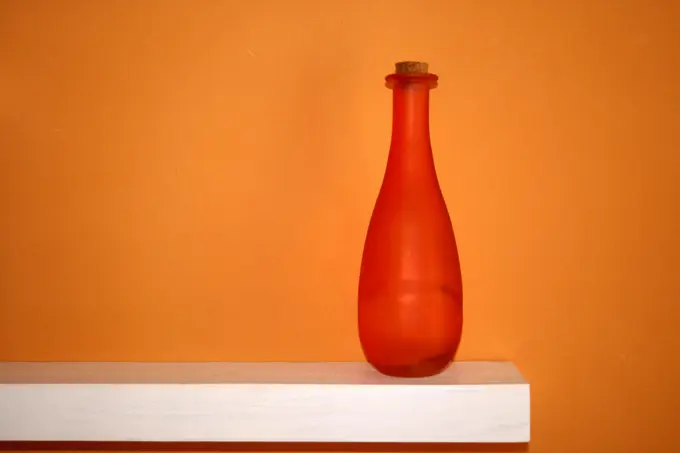
Decorative Vases Through History

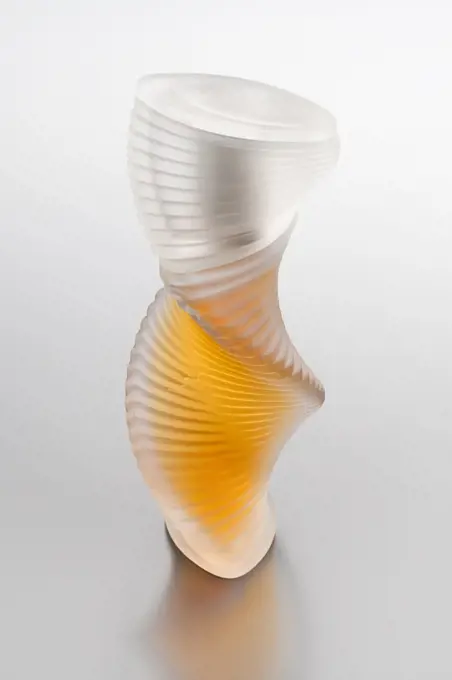
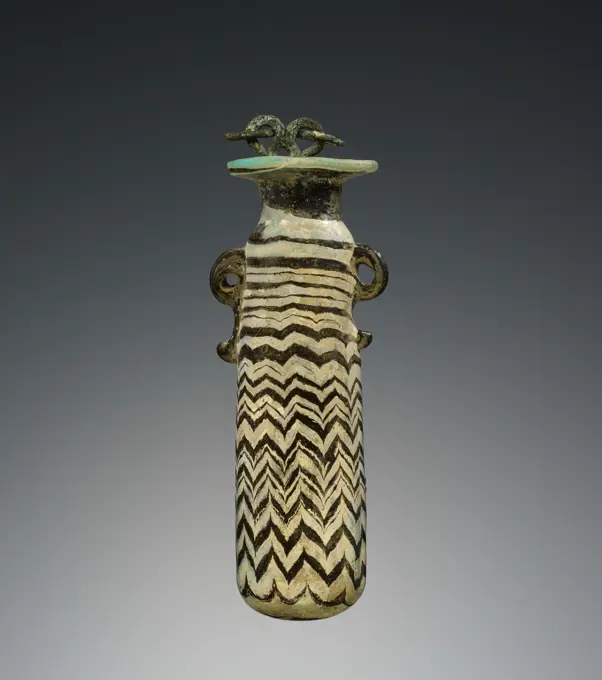
An array of artistic vases from different cultures and time periods, showcasing intricate designs and colors, perfect for home decor.
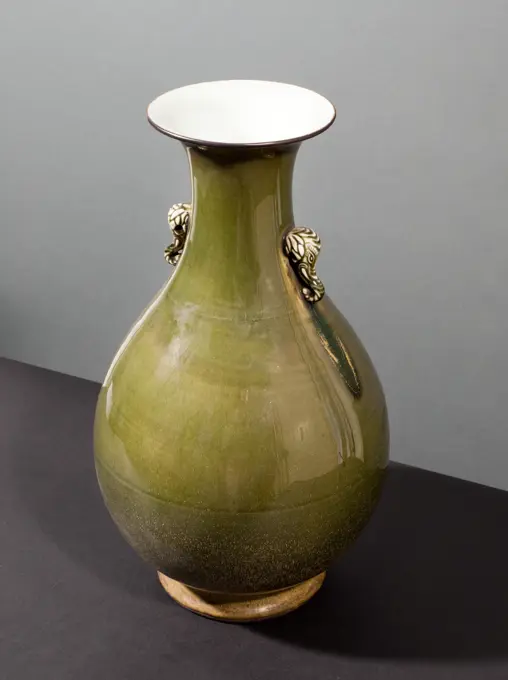
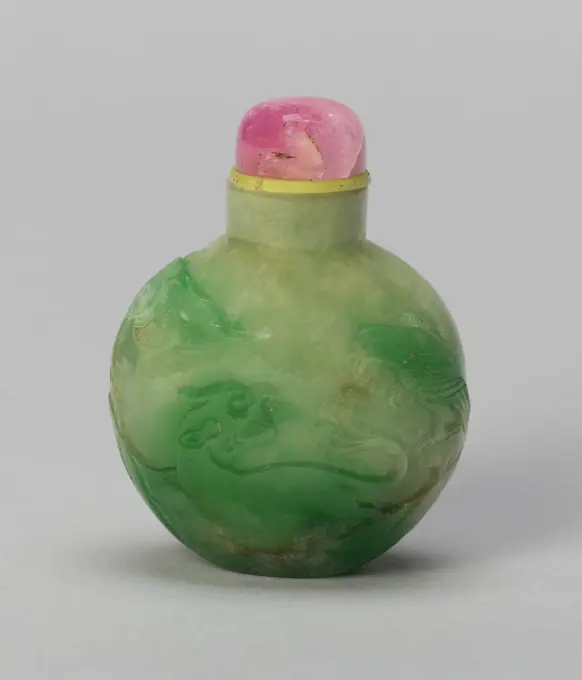
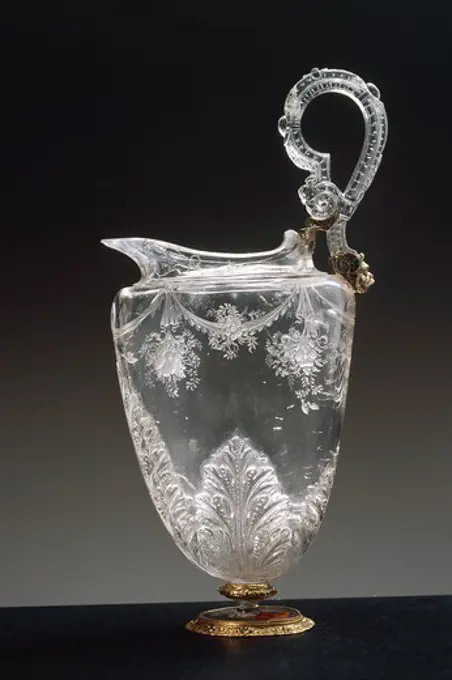
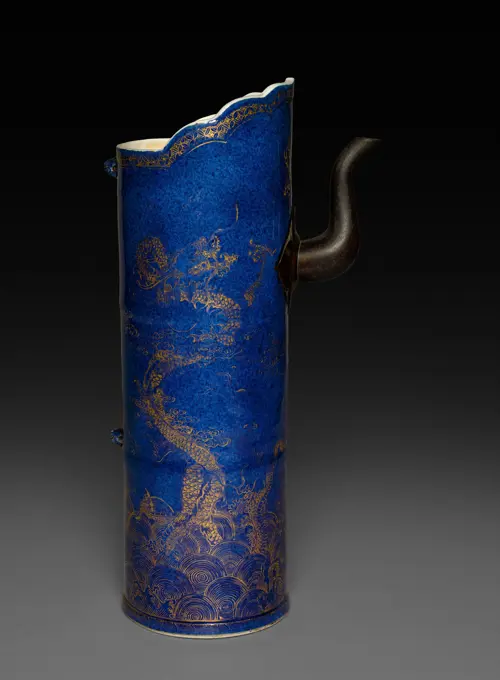
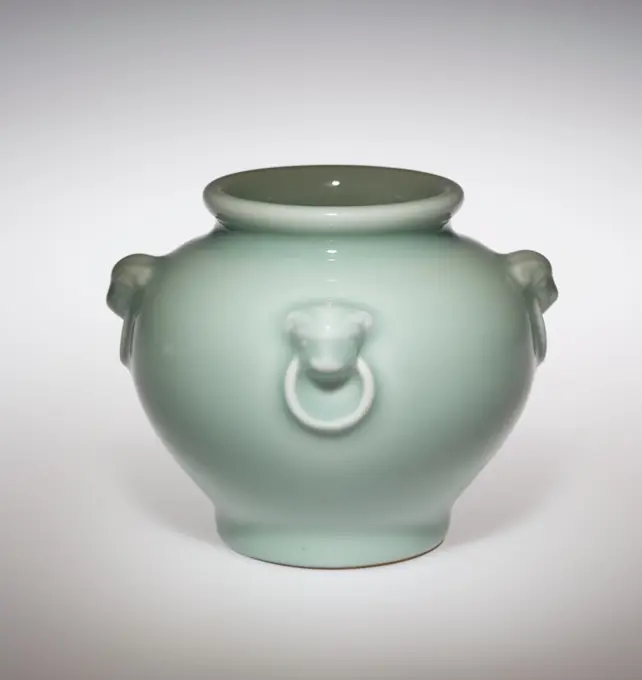
Vase. Porcelain with speckled green cover, Qing dynasty (1644-1912). Provenance: China. Paris, Cernuschi museum. 78839-23 Asian art, Chinese art, art of living, ceramic, fine ceramic, Ching dynasty, Qing dynasty, tsing dynasty, porcelain, container, vase
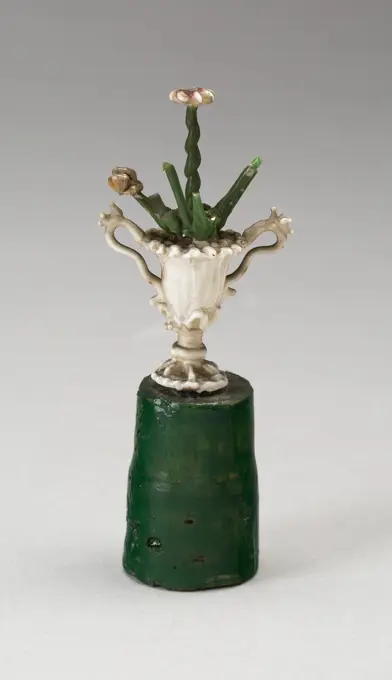
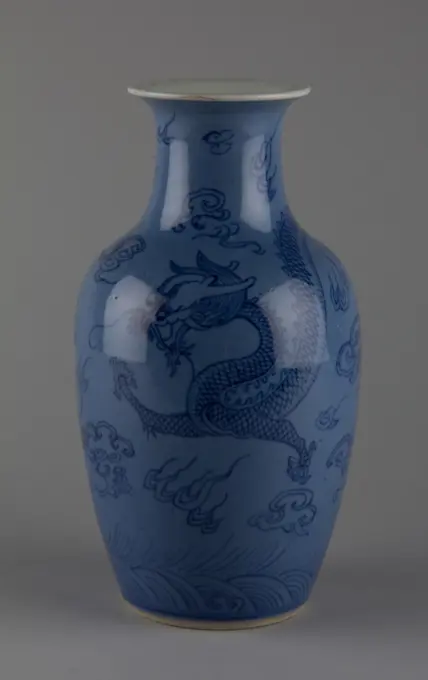
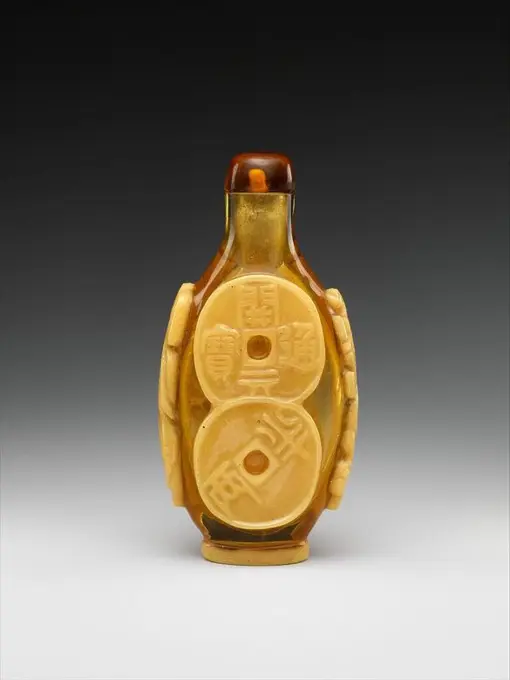
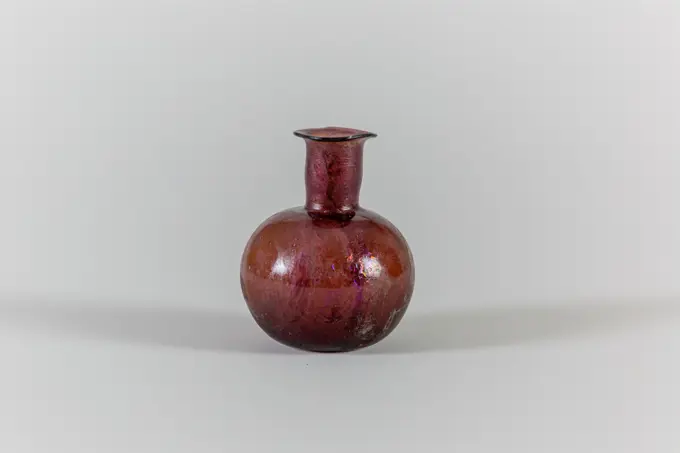
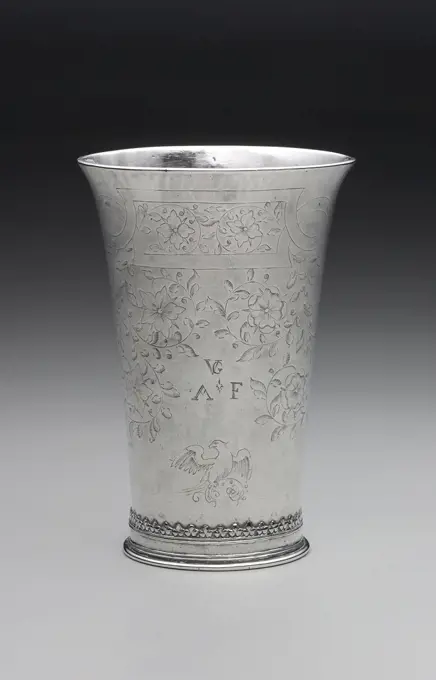
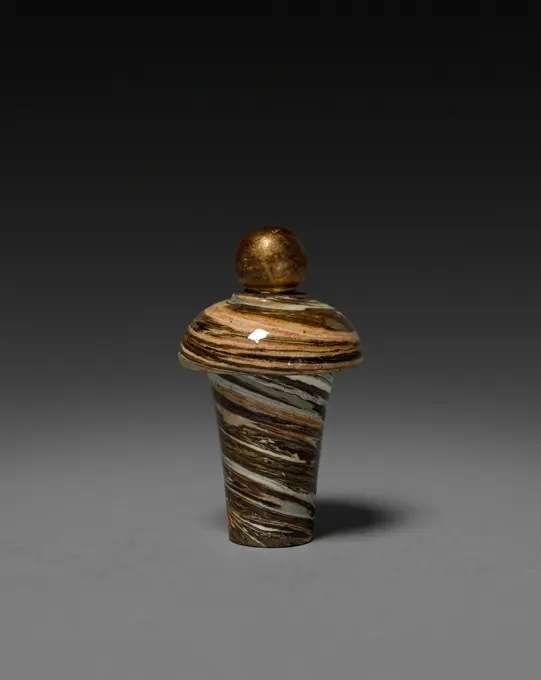
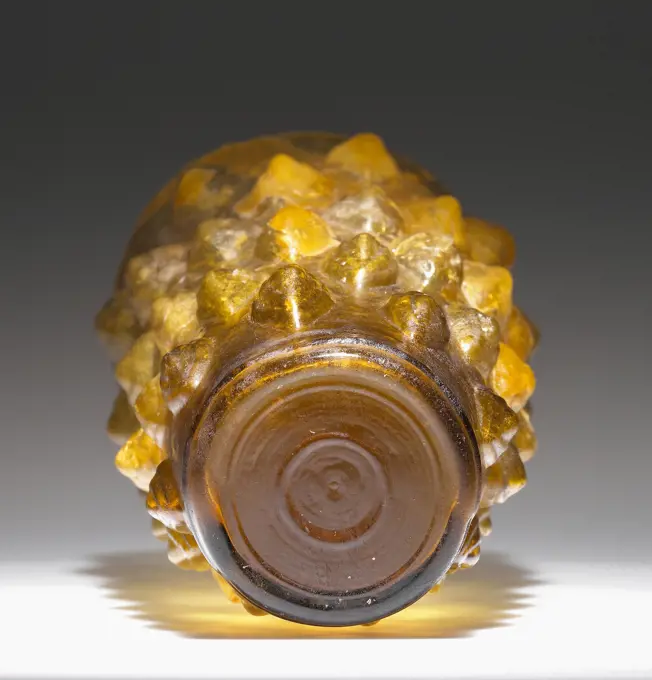
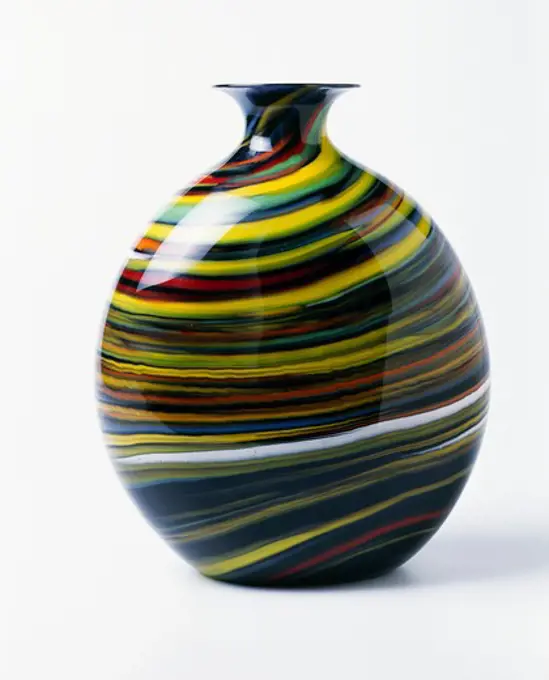
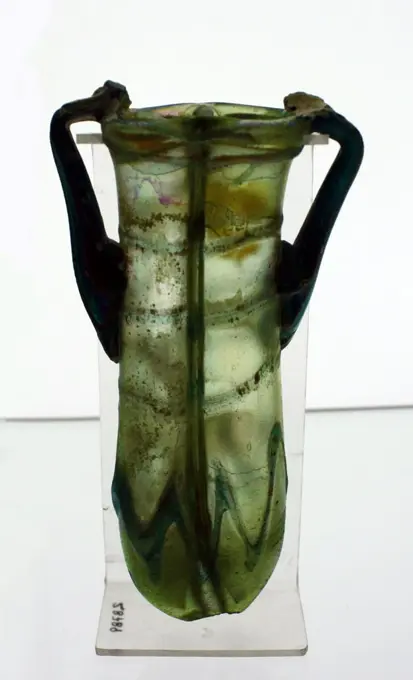
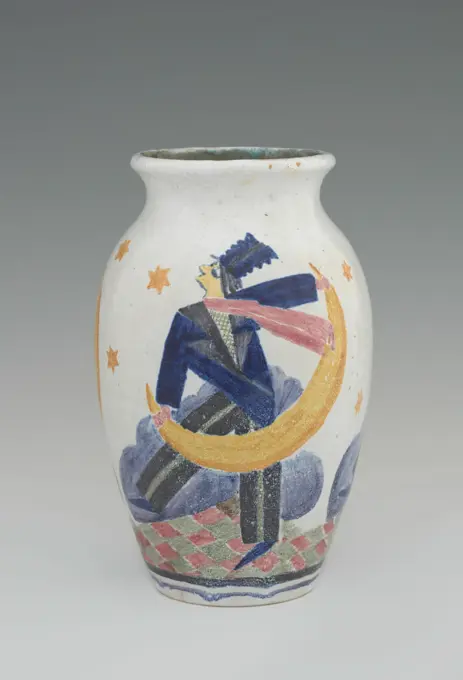
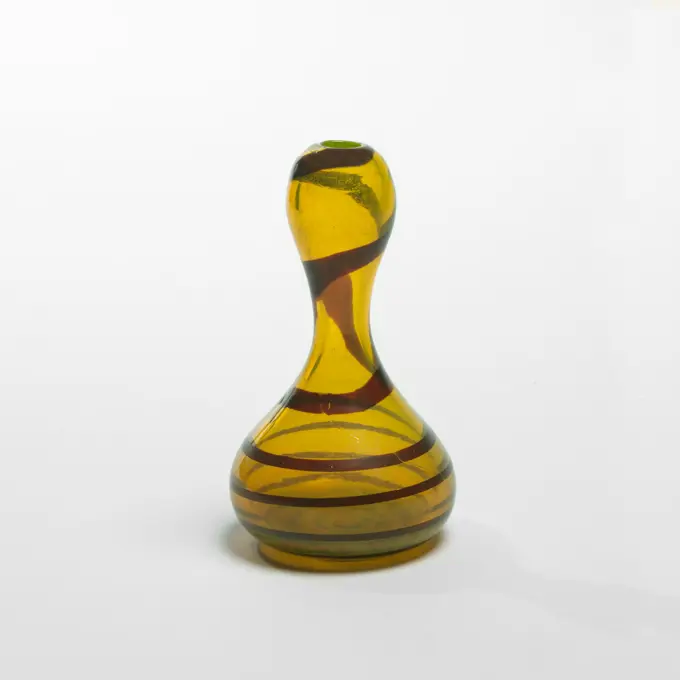
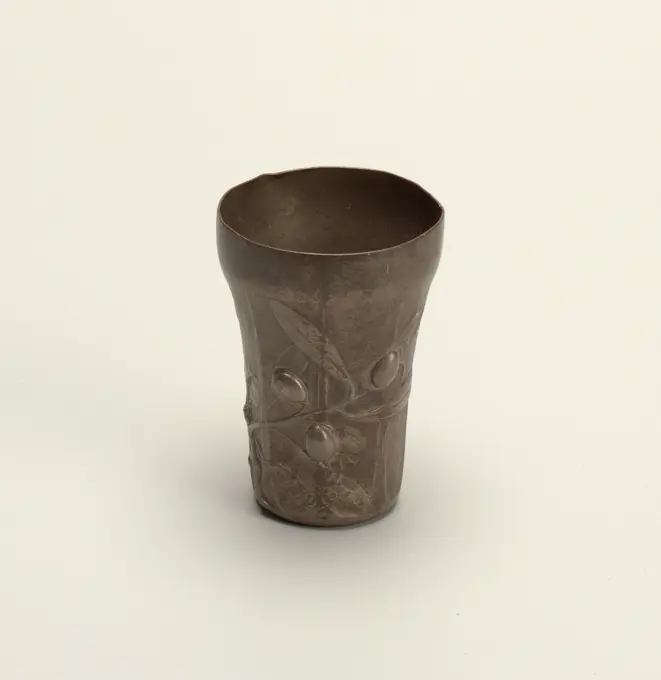
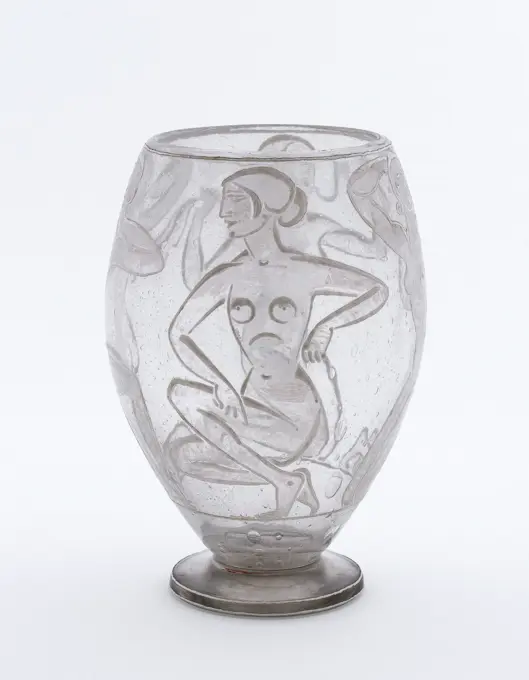
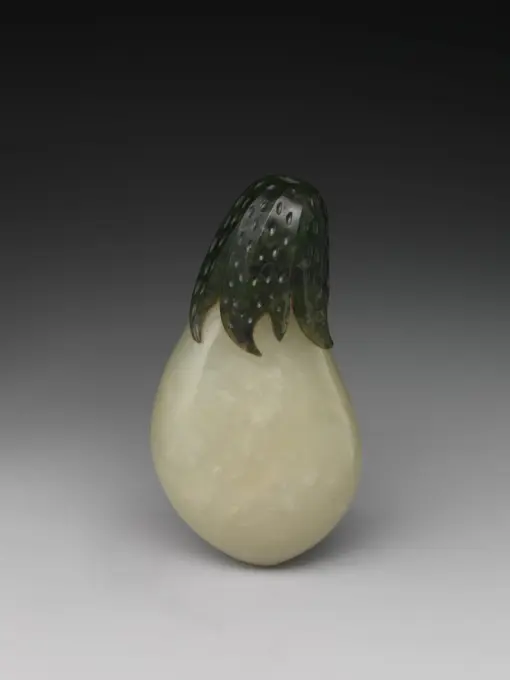
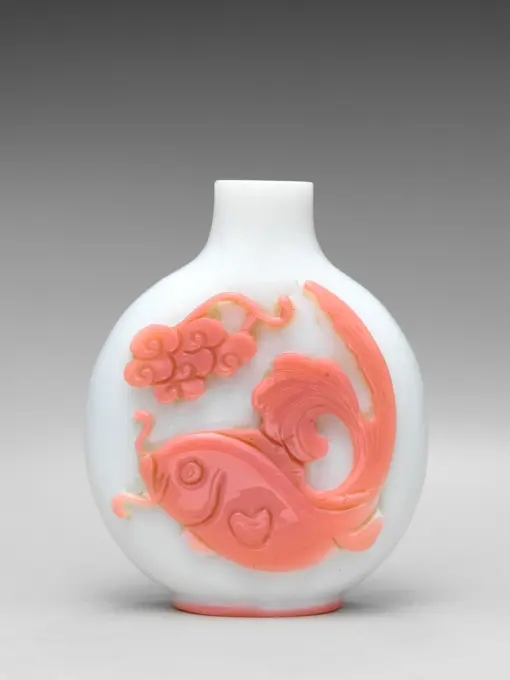
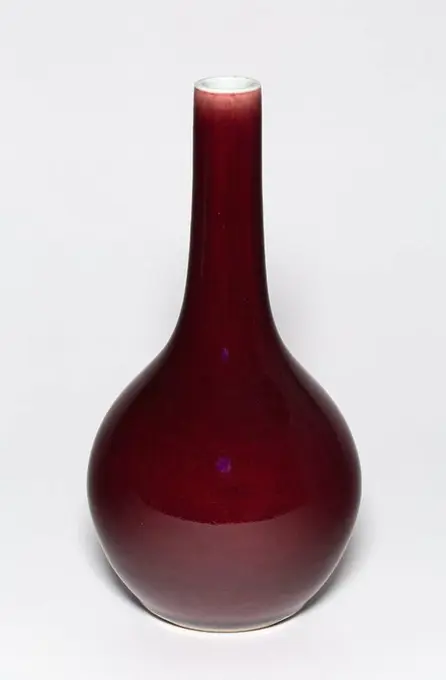
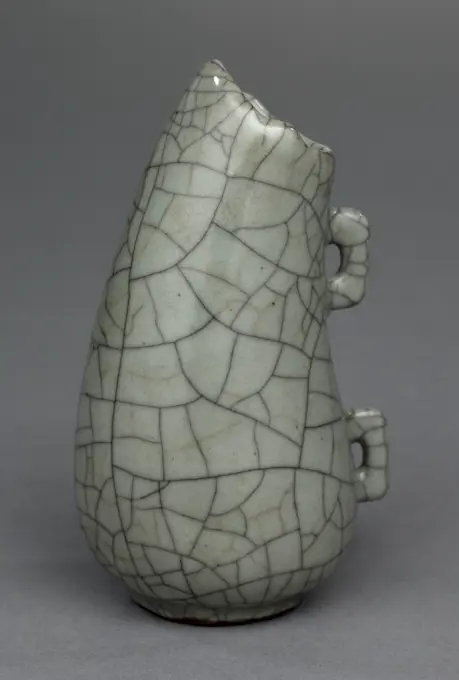
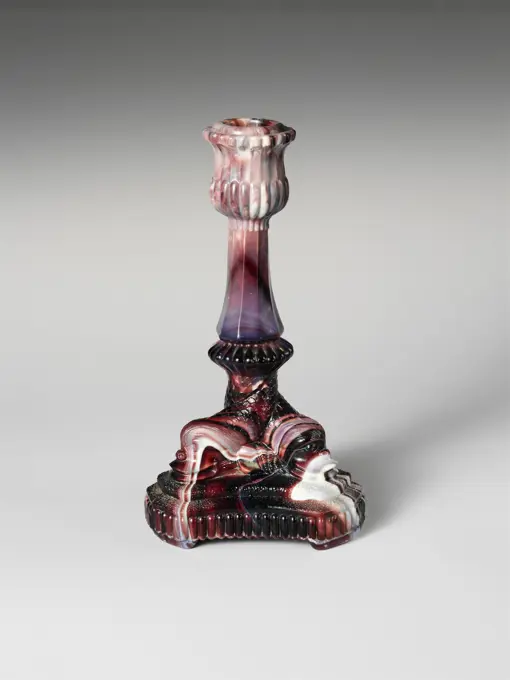
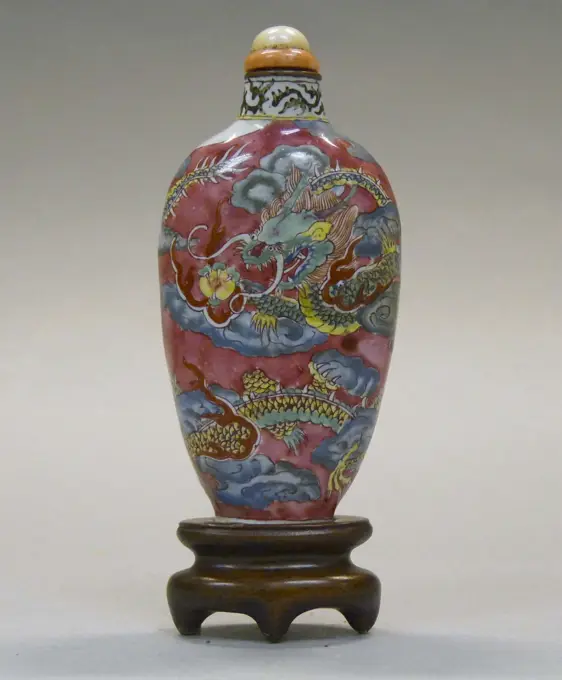
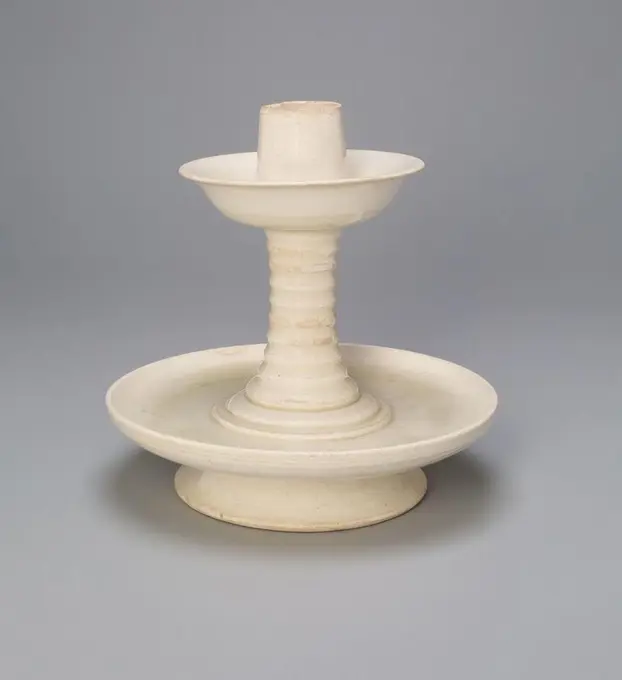
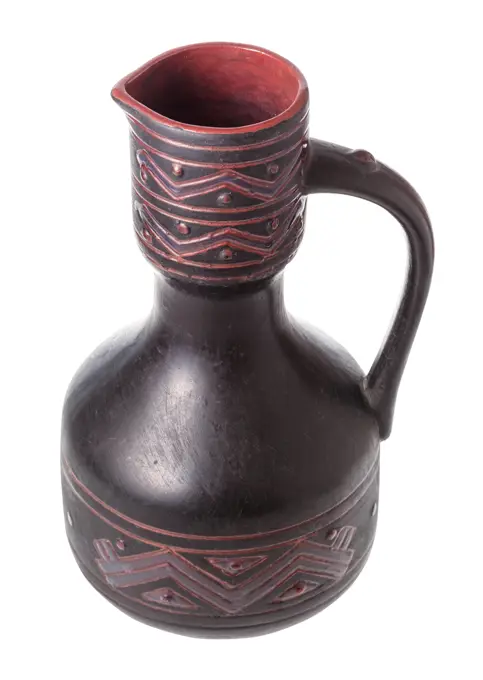
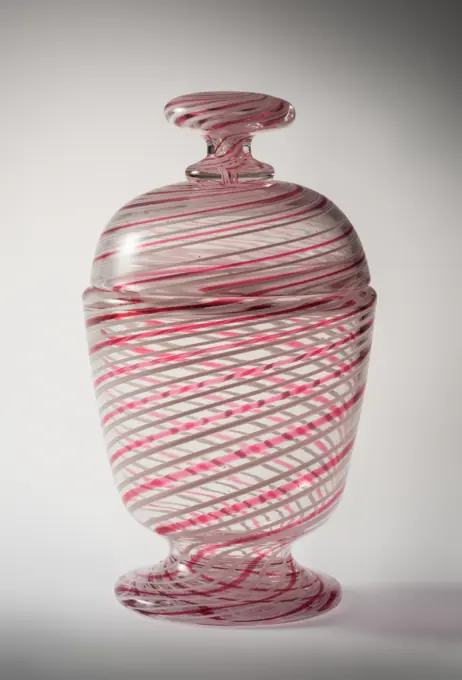
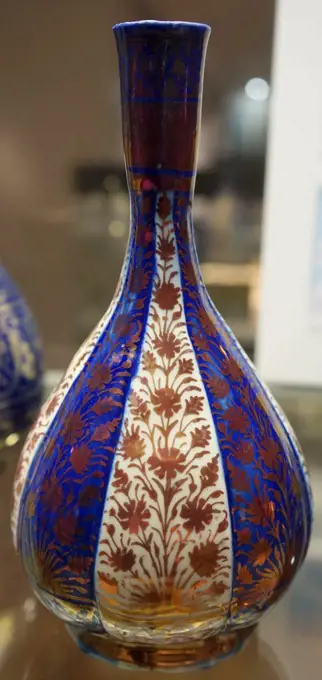
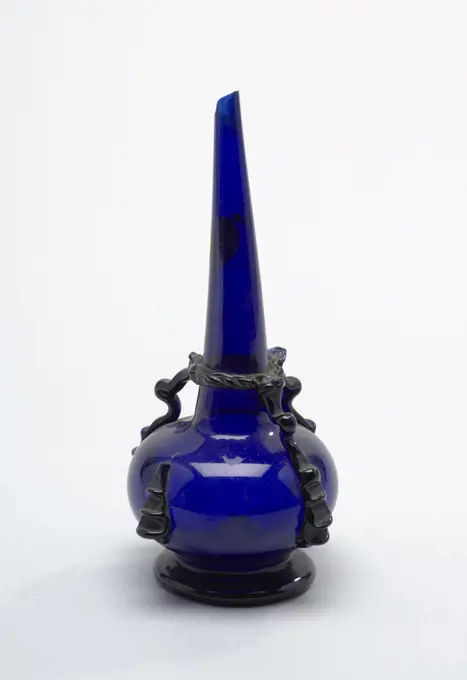
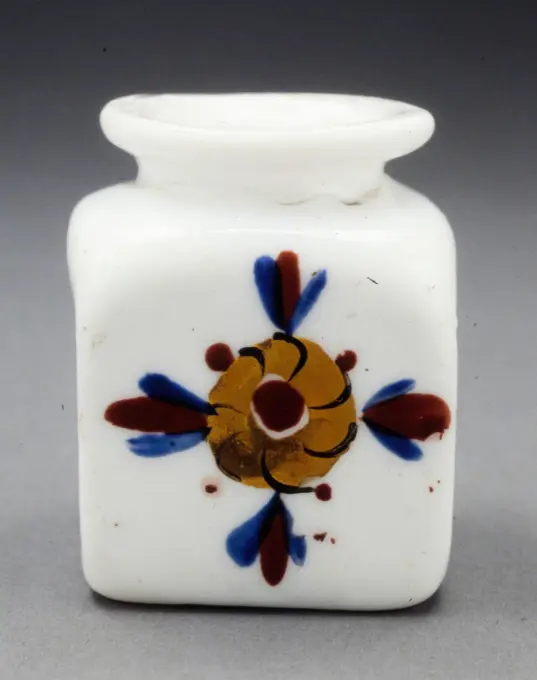
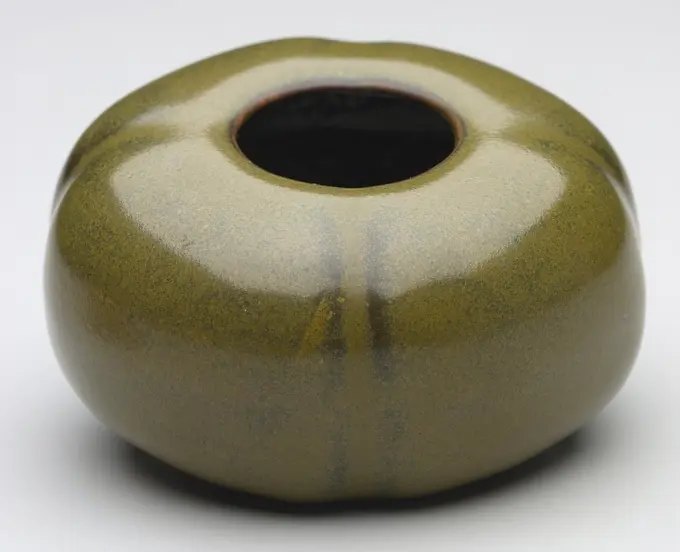
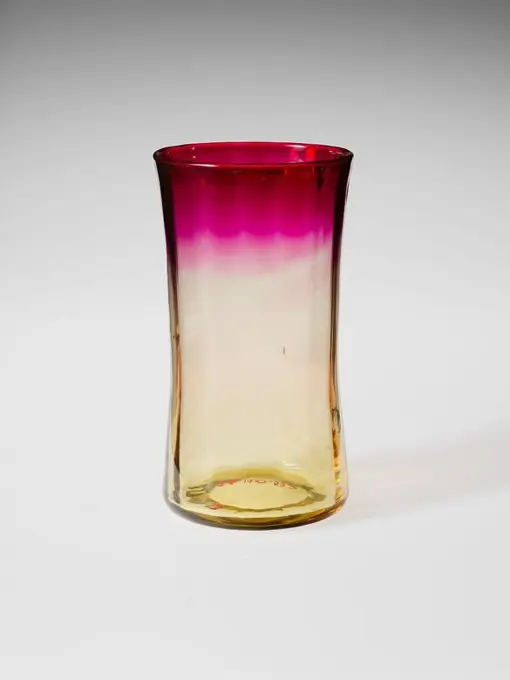
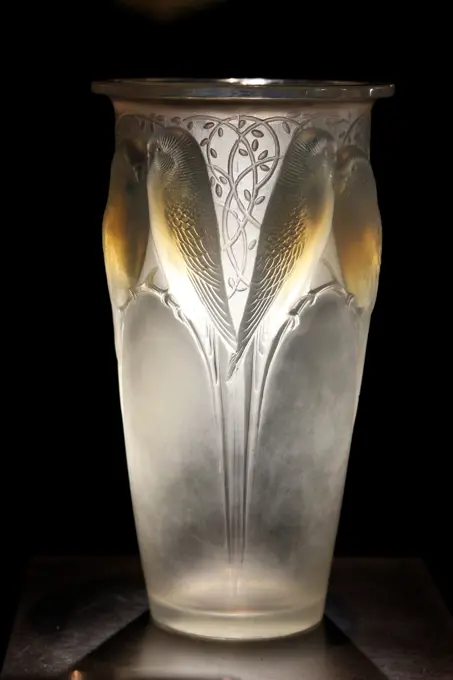
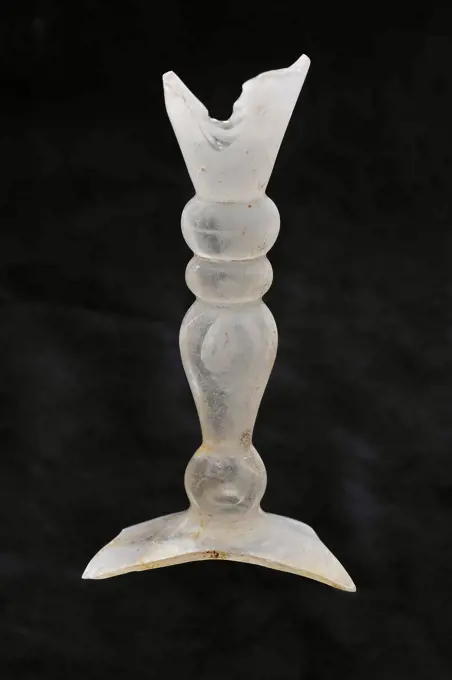
Glass beaker or lamp. Culture: Roman. Dimensions: H.: 2 3/8 in. (6 cm)Diam.: 3 1/2 in. (8.9 cm). Date: 4th-5th century A.D..Translucent yellow brown.Outsplayed horizontal rim, with uneven, cracked-off vertical lip; straight side tapering downwards, then slightly outsplayed at base; small circular bottom with central indent.Band of fifty-eight vertical ribs around top of body above irregular honeycomb pattern that becomes elongated and fainter towards base.Intact, except for one weathered chip in rim; some pinprick and a few white, gritty inclusions; dulling, brown enamel-like weathering, and faint iridescence. Museum: Metropolitan Museum of Art, New York, USA.. Pilgrim flask, low concave foot with beaten edge. Schedlated spherical body overtorning in a slim neck, lightly bent on the top. On the sides down and on the shoulders an eye. On the front and rear a rosette engraved in gilt, enlivened with small rosettes in blue, red and green with white dots. On the side a gold-plated and engraved diamond with colored dots. On the foot a gold-plated and engraved tire with colored dots. To the middle of the neck a colored band with white arabes of two gold plated and engraved tires with colored dots. Colored tires with white arabesken connect the central rosette with the four eyes.Urn with Flowers 1700-1799 France. Glass; lampwork (verre de Nevers), metal armature .Flask. American; Probably Midwestern. Date: 1860-1875. Dimensions: H. 19.1 cm (7 1/2 in.). Glass. Origin: United States. Museum: The Chicago Art Institute, Chicago, USA.Vase with dragons late 18th-early 19th century China. Vase with dragons 47295Colourful blue pedestal tray and flower vase China ware, Chinese porcelain on wooden backgroundSnuff bottle with design of coins. Culture: China. Dimensions: H. 2 3/4 in. (7 cm); H. incl. stand 3 3/8 in. (8.6 cm); W. 1 1/4 in. (3.2 cm); D. 3/4 in. (1.9 cm). Museum: Metropolitan Museum of Art, New York, USA.EagleFlask. Maker, attributed to: Louisville Glass Works, American, 1855-1873Glass perfume bottle 1st century A.D. Roman Translucent purple.Everted rim with uneven fire-rounded lip; cylindrical neck, slightly tooled inwards around base; globular body; slightly concave bottom.Intact; some pinprick bubbles; dulling, whitish weathering, and iridescence.. Glass perfume bottle. Roman. 1st century A.D.. Glass; blown. Early Imperial. GlassMaker, attributed to: Jurian Blanck, Jr., American, 1645-1714, Beaker, ca.1680-90, Silver, 6 5/8 in. (16.8 cm), Made in New York, New York, American, 17thcentury, Containers -MetalsJug ca. 1880 Christopher Dresser The floral decoration on this jug unusual and illustrates a different aspect of Dressers work. The Museum has another example of this model (1988.423.2) with a similar glaze without the floral design.. Jug. British. ca. 1880. Glazed earthenware. Ceramics-PotteryUrn (lid), late 1700s - 1800s. England, late 18th or 19th century. Earthenware; overall: 15 cm (5 7/8 in.).CaseBottleAlabastron; Eastern Mediterranean; 4th - 3rd century B.C; Glass; 18.4 cm (7 1,4 in.)Lotus Bud Beaker; Eastern Mediterranean; 1st century; Glass; 21.2 cm (8 3,8 in.)Covered SugarBowl. Maker, attributed to: Henry William Stiegel, American, 1729-1785Tea caddy with cover ca. 1760 British, Staffordshire. Tea caddy with cover. British, Staffordshire. ca. 1760. Lead-glazed earthenware. Ceramics-PotteryClose-up of spherical blown glass vase with multi-coloured stripesJean Carriès (1855-1894). "Squash". Enamelled sandstone and golden drips. Museum of Fine Arts of the City of Paris, Petit Palais. 24205-17 Ceramic, gold, squash, gres emaillePolychrome ceramic pharmacy jar, 17th century, anonymous author, Museum of Baroque of Catalonia, Manresa, Spain.CANTARO DE CERAMICA. Location: EXTERIOR. SPAIN.Flask. American; Probably Pittsburgh, Pennsylvania. Date: 1855-1875. Dimensions: h. 22.9 (9 in.). Glass. Origin: United States. Museum: The Chicago Art Institute, Chicago, USA.Concept, still life sindoor or kumkum vermillion powder with pot on white background, India India Copyright: xNirmalaxMishra/DinodiaxPhotoxBottle. Culture: British, possibly Bristol. Dimensions: 4 3/8 × 2 1/2 in. (11.1 × 6.4 cm). Date: 18th century. Museum: Metropolitan Museum of Art, New York, USA.Blown Glass jug Green. Barcelona. Spain 2013Vase. Gallé, Emile (1846-1904), glassmaking companyVase State School of Artistic Industry in Krakow (PSPA)Vase (USA); Made by Louis Comfort Tiffany (American, 1848-1933); favrile glassOld vase from clay, the handwork, isolated on a white backgroundTerracotta plemochoe (vase for perfume). Culture: Greek, Attic. Dimensions: H. 6 3/16 in. (15.7 cm). Date: late 6th century B.C..There were several types of vase in ancient Athens for perfumed oils. The aryballos and alabastra were small, and their round bases prevented them from standing on their own. They required a support or were suspended from a cord. The plemochoe has a flat base but on fifth-century vases is often shown being carried by a woman. The mouth is specially profiled to minimize spilling. Museum: Metropolitan Museum of Art, New York, USA.Ewer ca. 1860-1880 Italian, Venice (Murano) In the late nineteenth century, collectors displayed historic examples of drinking vessels as works of art in their homes. This ewer imitates sixteenth-century glass models. Though it has the appearance of an everyday vessel for pouring liquids, the prickly pink handle suggests that it was intended as a showpiece.. Ewer. Italian, Venice (Murano). ca. 1860-1880. Glass. GlassPass Glass, Anonymous, 1600 - 1699Tumbler (France); Workshop of Jules-Paul Brateau (French, 1844 - 1923); pewter; 11.3 cm (4 7/16 in.) Diameter: 7.8 cm (3 1/16 in.)Small suantou ping vase. unknown, craftsmansoftly lit perfume bottle on reflective surfaceCzark with a base in the shape of a tree bough unknownAlabastron. UnknownVase. Culture: American. Designer: Designed by Louis Comfort Tiffany (American, New York 1848-1933 New York). Dimensions: H. 5 5/16 in. (13.5 cm). Maker: Tiffany Studios (1902-32). Manufacturer: Attributed to Tiffany Glass and Decorating Company (American, 1892-1902) or. Date: ca. 1910. Museum: Metropolitan Museum of Art, New York, USA.Maurice Marinot (1882-1960). Vase. Enamelled glass. Signed in white under the band: Marinot ". Old label under the background" 222 ". Museum of Fine Arts of the city of Paris, Petit Palais. VASE White, nudite, bange, female representation, signature, vase, Slot glass, nakedFlacon with six ribs in blue with white strings, with silver frames, anonymous, c. 1600 - c. 1700 Glass bottle with six ribs in blue with white strings. Shoulder, mouth rim and lid of silver. Venice (possibly) glass. silver (metal) Glass bottle with six ribs in blue with white strings. Shoulder, mouth rim and lid of silver. Venice (possibly) glass. silver (metal)Snuff Bottle in the Shape of an Eggplant late 18th century China. Snuff Bottle in the Shape of an Eggplant. China. late 18th century. Nephrite (jade). Qing dynasty (1644-1911). Snuff BottlesVase. Culture: American. Designer: Designed by Louis Comfort Tiffany (American, New York 1848-1933 New York). Dimensions: 16 1/16 x 9 1/16 x 5 1/8 in. (40.8 x 23 x 13 cm). Maker: Tiffany Furnaces. Manufacturer: Attributed to Tiffany Glass and Decorating Company (American, 1892-1902) or. Date: ca. 1900-1915.This so-called jack-in-the-pulpit vase is one of the quintessential shapes in Tiffany's oeuvre of blown glass. Essentially a flower form, it has a flattened globular base resembling a bulb rising into a slender stalk to an open blossom with a ruffled rim. The outer rim has a feathery appearance, as if the iridescence on the surface developed shallow fissures when the molten blossom was expanded to its final form. Museum: Metropolitan Museum of Art, New York, USA.Snuff Bottle China 19th century View more. Snuff Bottle. China. 19th century. Peking glass. Qing dynasty (1644-1911). Snuff BottlesSnuffer with a spoon;  18th century (1701-00-00-1800-00-00);Bottle-Shaped Vase. China. Date: 1723-1735. Dimensions: H. 19.9 cm (7 13/16 in.); diam. 10.2 cm (4 in.). Porcelain with sang de boeuf glaze. Origin: China. Museum: The Chicago Art Institute, Chicago, USA.Flask. Dated: 1935/1942. Dimensions: overall: 35.4 x 24.5 cm (13 15/16 x 9 5/8 in.). Medium: watercolor, graphite, and colored pencil on paper. Museum: National Gallery of Art, Washington DC. Author: Chris Makrenos.Ewer 18th century Spanish. Ewer. Spanish. 18th century. Glass. GlassBottle;  XIII-XIV century () (1201-00-00-1400-00-00);Semerau-Siemianowski, Władysław (1849-1938), Semerau-Siemianowski, Władysław (1849-1938)-collection, gift (provenance), Islamic artWater Flask: Guan ware, 1271-1368. China, Yuan dynasty (1271-1368). Glazed stoneware; diameter: 6.5 cm (2 9/16 in.); overall: 11.8 cm (4 5/8 in.).Candlestick 1880-90. Candlestick 1260The Bottle glass bottle on a shelf in front of orange -colored wall.Snuff Bottle 19th century China. Snuff Bottle. China. 19th century. Painted enamel with pearl and coral stopper. Qing dynasty (1644-1911). Snuff BottlesRosewater Sprinkler or Bottle with Celadon Green and Chrysanthemums. Rose water dropper or point bottle at high foot of porcelain with spherical body and long, narrow neck, covered with a ceilo-green glaze and painted in underglaze blue. The bottle is covered with a celadon green glaze and in underglaze blue three round reserves with chrysanthemum. Monochrome celadon green with underglaze blue.Painted brass vintage benzine dispenserDish-Shaped Candlestand with Long, Ribbed Neck. China. Date: 600 AD-650 AD. Dimensions: H. 20.1 cm (7 15/16 in.); diam. 19.6 cm (7 3/4 in.). Glazed stoneware. Origin: China. Museum: The Chicago Art Institute, Chicago, USA.Pharmacy Jar 1435-1465 Spanish. Pharmacy Jar. Spanish. 1435-1465. Tin-glazed earthenware. Made in Manises, Valencia, Spain. CeramicsEurope, Italy, Campania, Naples, National Archaeological MuseumSanctuary of La Benite Fontaine. Catholic mass. Eucharistic table.  France. . Square bottle of porcelain, covered with a turquoise glaze and painted on the glaze in blue, red, pink, green, yellow, black and gold. On the wall twice flowering plants with a butterfly and twice a bird on a flower branch in blooming plants and a rock. On the shoulder and top of the wall lambrequins with napkin interrupted by a flower, with a lobd cartouche with a flower on the corners. On the shoulder around the neck a band with leaf motifs. Old label on the underside with 'Collection Westendorp / 112'. Brown edge. Arita, decorated in the Japanese Kakiemon style in Europe.Snuff Bottle with a Hawk and a Bear beneath a Pine Tree 1820-1900 China. Emerald and apple green jadeite with carved decoration .typical georgian ceramic ewer isolated on white typical georgian ceramic ewer made in the middle of 20th century isolated on white background Copyright: xZoonar.com/ValeryxVoennyyx 15362699DETALLE-BOTIJA VIDRIADA Y PINTADA EN VERDE-ARTE POPULAR S XX. Location: ALFARERIA. LUCENA. CORDOBA. SPAIN.Maker Unknown, Bowl and Cover, c. 1850-60, colorless lead glass with opaque white and red glass threads.Vase with ladies and boys China late 18th-19th centuryStone-paste bottle from Iran. Dated 17th CenturySilversmith's art, Italy, 16th century. Rock crystal and gilded silver pitcher. Height 32.5 cm.Snuff Bottle, 1644-1911. China, Qing dynasty (1644-1911). Glass; overall: 7.4 cm (2 15/16 in.).Vase, purple glass, Cobalt blue glass ; long narrow neck with broken tip, Iran, 17th-18th century, glasswares, Decorative Arts, VaseWine Bottle, London, dated 1644. Glass wine bottles were not made in any quantity until the end of the 17th century. Before this, wine was served from delftware or German stoneware bottles.Small Square Bottle, 18th century, 2 1/4 x 1 1/4 x 1 1/4in. (5.7 x 3.2 x 3.2cm), Glass, enamel, Switzerland, 18th centuryBrushwasher, H.1-5/8 x Dia.3-1/16 in., glazed ceramic, ChinaAlbert-Louis Dammouse (1848-1926). Vase. Molten glass. 1927. Museum of Fine Arts of the City of Paris, Petit Palais. 54217-10 Leaf, paste glass, stem, vase, glasswareCandelier on Cup. Terracotta. China, Tang dynasty. Paris, Cernuschi museum. 74290-21Flakonik - snack from Zatyczk;  19th century (1801-00-00-1900-00-00);Glezmer, Stanisław (1853-1916) - collection, Chinese (culture), Cloisonné, Dar (provenance), dragons (iconogr.), Chinese art, snacksSet of Ceramic, stylish tableware, table decor and food menu concept.. Set of Ceramic, stylish tablewareCylindrical Ewer with Dragons Pursuing Flaming Jewel, 1662-1722. China, Jiangxi province, Jingdezhen kilns, Qing dynasty (1644-1911), Kangxi reign (1662-1722). Porcelain with powder blue glaze painted with gold decoration and supplied with metal fittings; diameter: 14.7 cm (5 13/16 in.); overall: 41.6 cm (16 3/8 in.); diameter with spout: 20.6 cm (8 1/8 in.).PitcherSnuff Bottle, 19th century, 2 1/2 x 2in. (6.4 x 5.1cm), Agate, China, 19th centurySnuff Bottle 18th century China. Snuff Bottle. China. 18th century. Cloisonné; coral. Qing dynasty (1644-1911), Qianlong period (1736-95). Snuff BottlesVase. Culture: American. Designer: Designed by Louis Comfort Tiffany (American, New York 1848-1933 New York). Dimensions: H. 8 7/16 in. (21.4 cm). Maker: Tiffany Furnaces. Date: ca. 1903. Museum: Metropolitan Museum of Art, New York, USA.Tumbler. Culture: American. Dimensions: H. 4 3/16 in. (10.6 cm); Diam. 2 1/4 in. (5.7 cm). Maker: Probably New England Glass Company (American, East Cambridge, Massachusetts, 1818-1888). Date: ca. 1883-88. Museum: Metropolitan Museum of Art, New York, USA.Jar, 1912-1949, 4 7/16 × 5 1/8 × 5 1/8 in. (11.27 × 13.02 × 13.02 cm), Glazed porcelain, China, 20th centuryVase, Doulton Pottery and Porcelain Company, founded 1815, earthenware, Cincinnati, Ohio, USA, 1888, ceramics, Decorative Arts, VaseJug -Size of 20 liters, Anonymous, c. 1700 - c. 1800  Wooden size of 20 liters with iron batter, ruined and v.z.v. label. Netherlands wood (plant material). beslag: iron (metal)   NetherlandsMottled vase and snowdrop (Galanthus nivalis) flower in red backgroundPALMATORIA VIDRIADA CON DECORACION-CERAMICA POPULAR - FOTO AÑOS 90. Location: ALFARERIA. QUART. GERONA. SPAIN.Vase c 1898-1902 Corona. Glass and bronze . Tiffany StudiosKännchen in the form of an African head. The jug has a slim, high neck with clover-leaf spout and a high handle. These games are outside and inside black. To the lower end of the neck, a bright pearlies pull. The belly of the pot is formed by the head, which is reproduced up to the shoulder approaches. The Krause hair, the beaded lips and the black, shiny surface characterize him as african. He wears a phrygic cap still pink color residue. On the lips and on the stand surface of the vessel radicals red color can be seen. Eyes and teeth are white, on the eyes also traces of green color.When extensive discovery and trials develop the Greeks, especially but the Athenians, a preference for the exotic. It also reflects in the production of images, sculptures and commodities.Saltcellar 18th century Spanish. Saltcellar. Spanish. 18th century. Glass. GlassSeal Carved as Circus Impresario. Japan, 19th century. Costumes; Accessories. WoodVase, Favrile glass, Gourd-shaped vase in yellow glass with maroon swirl., Corona, New York, USA, ca. 1900, glasswares, Decorative Arts, VaseOctagonal bottle of milk glass with flower and braid motifs, anonymous, c. 1700 - c. 1800 Flat ground. Octagonal, body blown into the shape with black, red, yellow and blue stylized flower branches on the front and rear and flower and braid ornaments on the narrow sides. A slender on the shoulder. The mouth caught in a pewter frame with thread. Middle Europe glass. tin (metal) glassblowing Flat ground. Octagonal, body blown into the shape with black, red, yellow and blue stylized flower branches on the front and rear and flower and braid ornaments on the narrow sides. A slender on the shoulder. The mouth caught in a pewter frame with thread. Middle Europe glass. tin (metal) glassblowingCup, 1900s. Democratic Republic of the Congo, Kuba, 20th century. Wood; overall: 14.5 x 10.5 x 12.6 cm (5 11/16 x 4 1/8 x 4 15/16 in.).Pot, pear -shaped, with red glaze and a wooden stop, standing on a wooden board, Henry Simmen, c. 1925 Pot of stoneware, pear -shaped, covered with red glaze. It is on a rectangular board and has a wooden stop. Ingrift: HSIM.  pot: stoneware. stop: wood (plant material). voet: wood (plant material) vitrification / cutting Pot of stoneware, pear -shaped, covered with red glaze. It is on a rectangular board and has a wooden stop. Ingrift: HSIM.  pot: stoneware. stop: wood (plant material). voet: wood (plant material) vitrification / cuttingA man with a spearFRANCE, Alsace, Lalique Museum, close-up of a crystal vase with parakeets on it.Vase, painted multi-colored with women's heads and a lady's vegetative motif. Vase of painted porcelain. The vase is decorated on both sides in Pte-sur-Pte technique with an and face seen women's head in rose and blue with long beige-brown hair. The head has a white rosette on both sides with a beige-brown heart. The rest of the vase is decorated with a bye stretched vegetative motif in blue on green fond. The vase has been marked.Tea bus of hard baked earthenware; Whieldon Ware, Cauliflower Ware., Anonymous, c. 1765 - c. 1775 Cylindrical tea lever of hard baked pottery. The bus has a rounded top. The tea business has the appearance of a cauliflower due to the decoration in relief and the colors green and white. The wall of the bus is lobed. England earthenware. lead glaze Cylindrical tea lever of hard baked pottery. The bus has a rounded top. The tea business has the appearance of a cauliflower due to the decoration in relief and the colors green and white. The wall of the bus is lobed. England earthenware. lead glazeStem of goblet or trumpet glass, clear glass with buds and air bubble, pontilmark, drinking glass drinking utensils tableware holder soil find glass, blown into shape Stem of chalice or trumpet glass. Clear and colorless glass milky weathered by irisation. Baluster-shaped with four thickenings long bubble in the bottom two thickenings Pontil-brand archeology Valckensteyn Poortugaal Albrandswaard drink liquor serve wine beer Soil discovery: castle Valckensteyn in Poortugaal now Albrandswaard 1961-1962.