Decorative Vases Through History

An array of artistic vases from different cultures and time periods, showcasing intricate designs and colors, perfect for home decor.
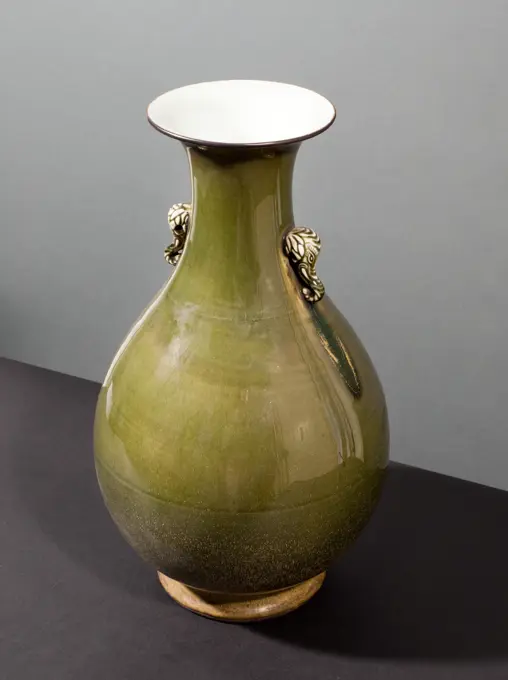
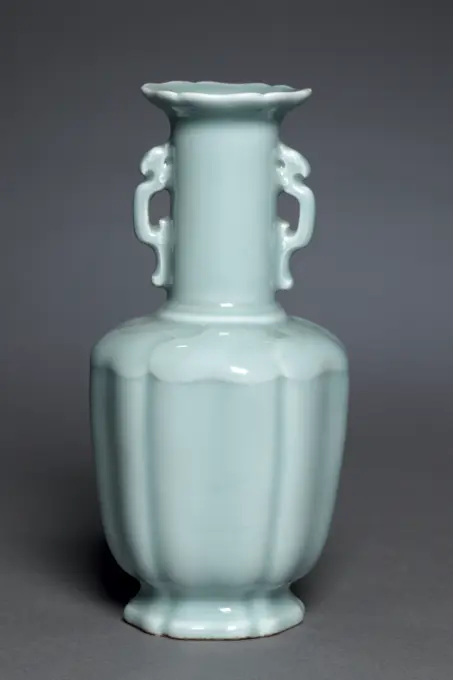
Vase. Porcelain with speckled green cover, Qing dynasty (1644-1912). Provenance: China. Paris, Cernuschi museum. 78839-23 Asian art, Chinese art, art of living, ceramic, fine ceramic, Ching dynasty, Qing dynasty, tsing dynasty, porcelain, container, vase
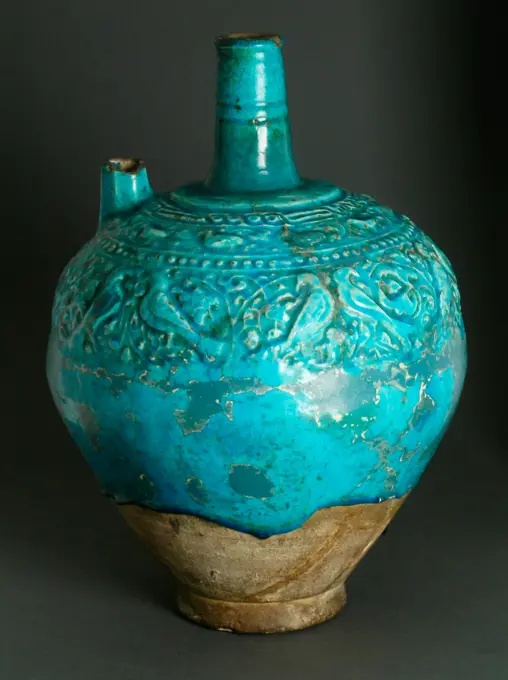
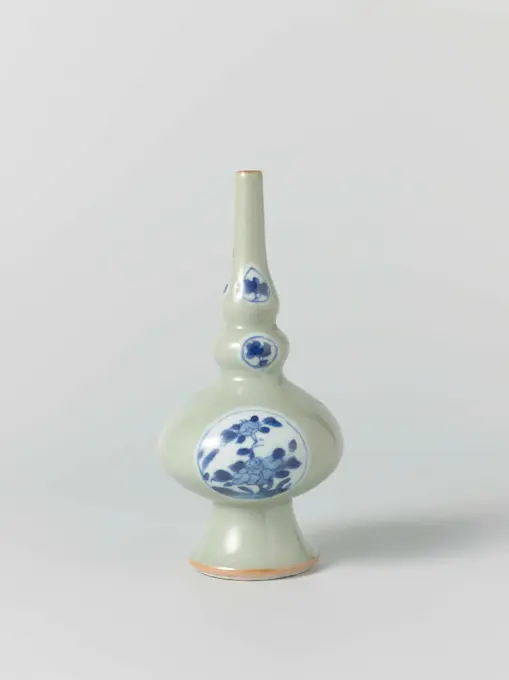
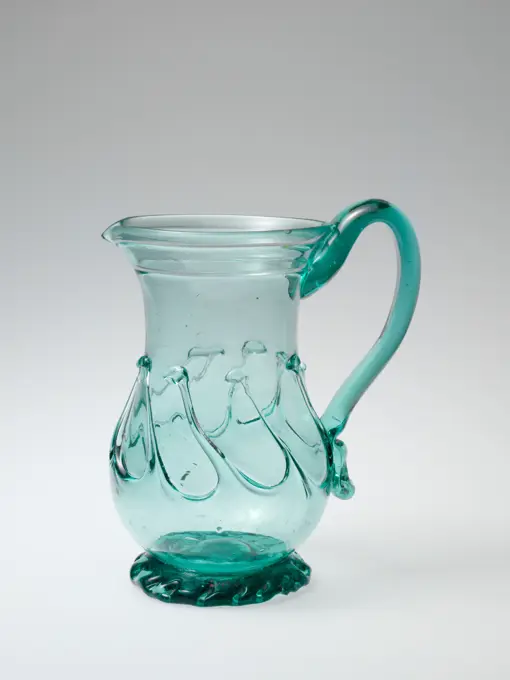
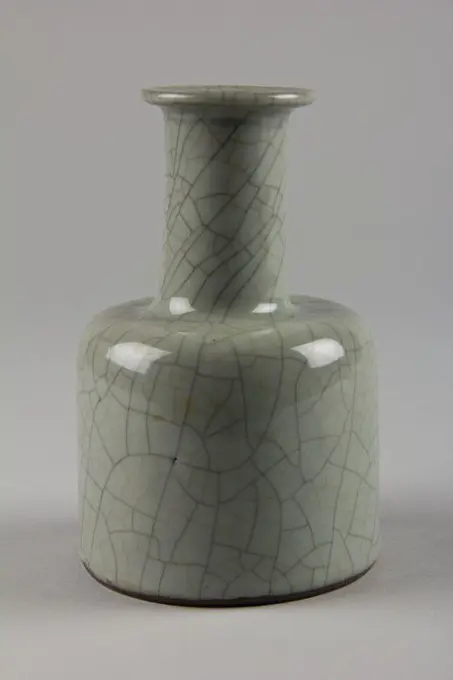
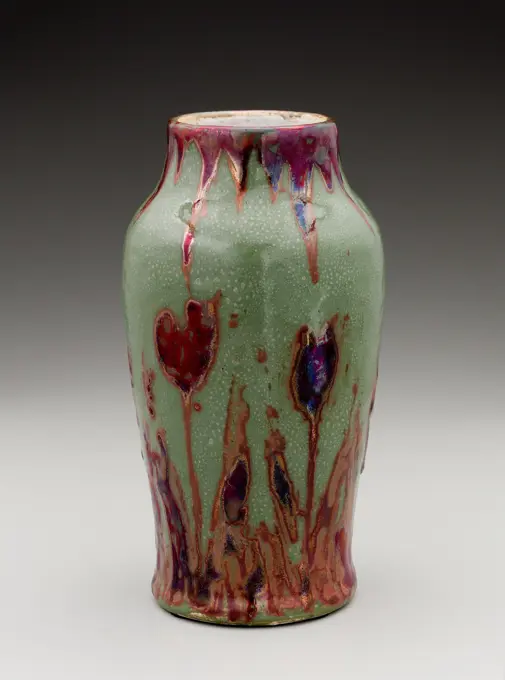
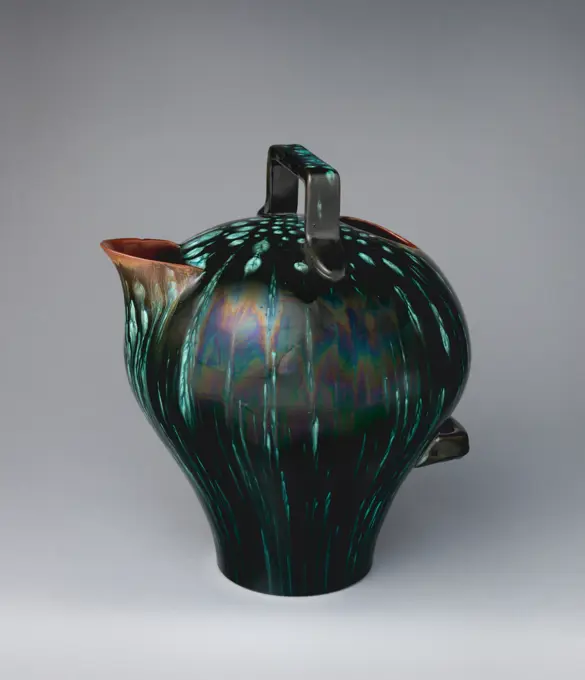
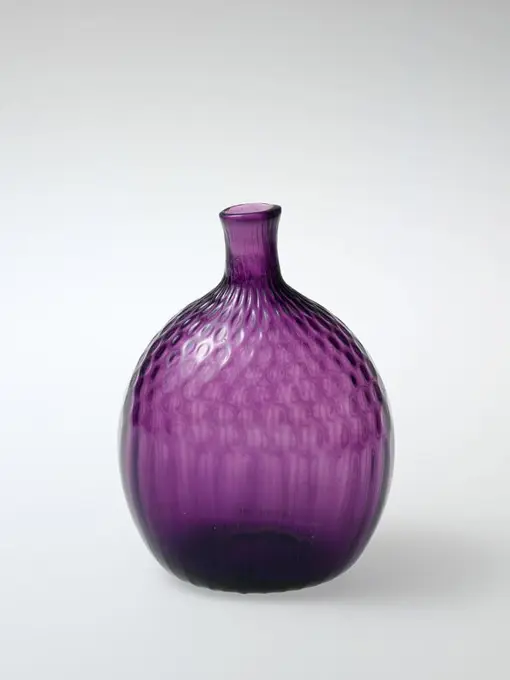
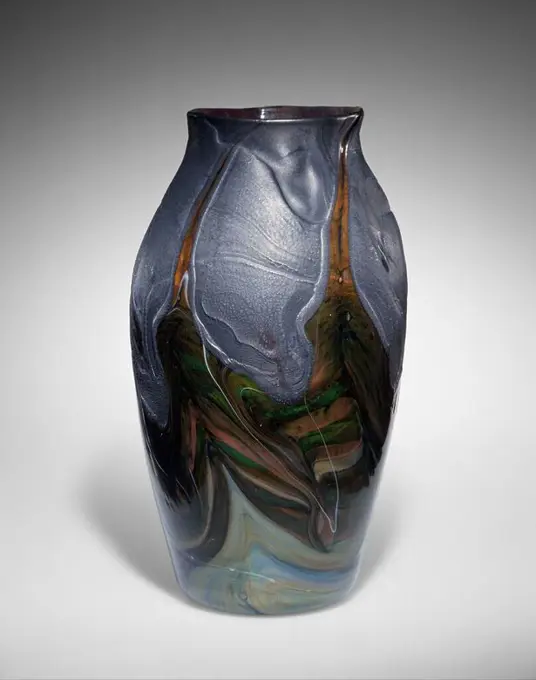
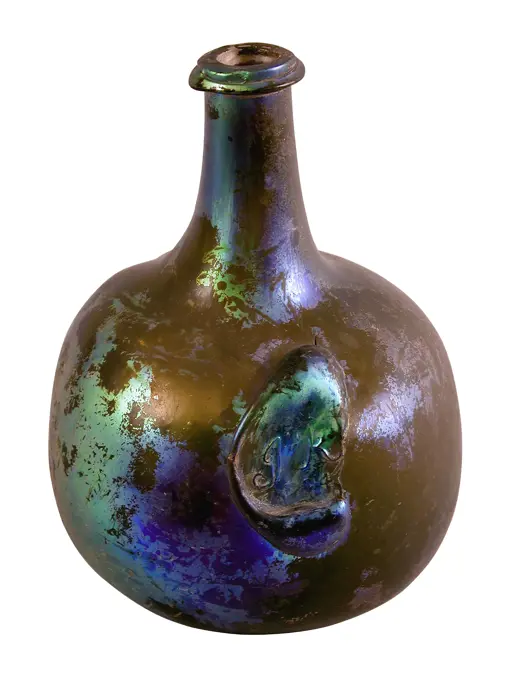
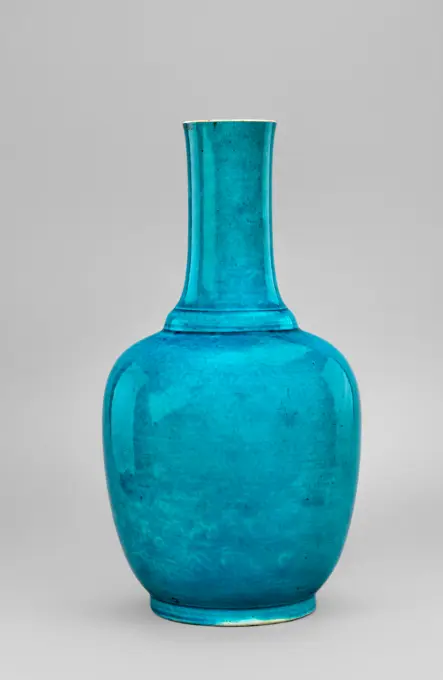
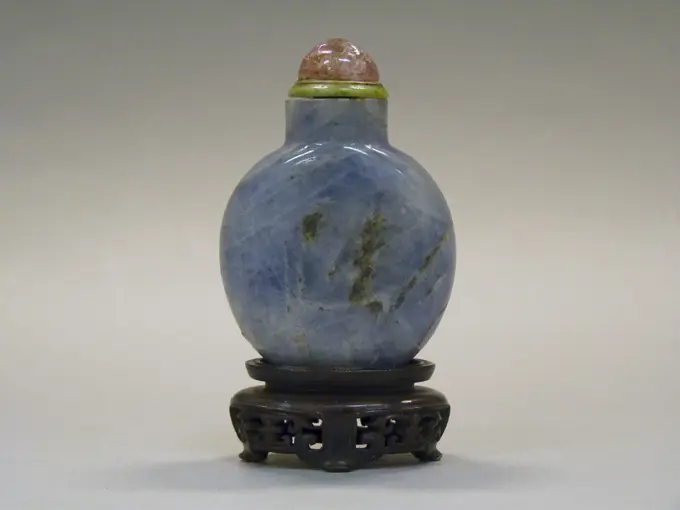
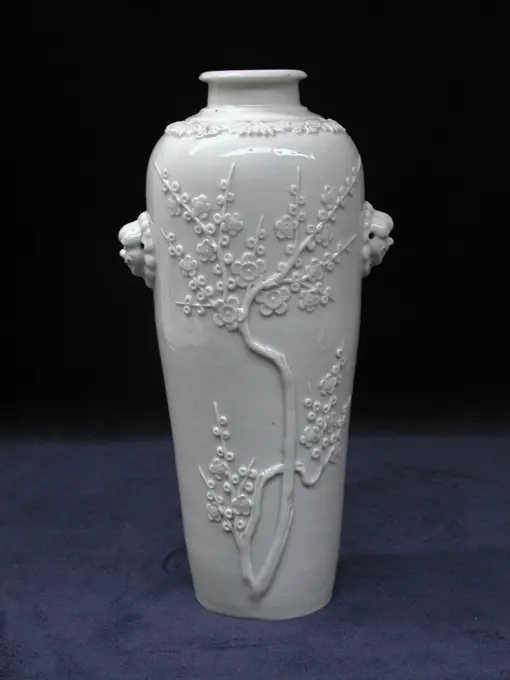
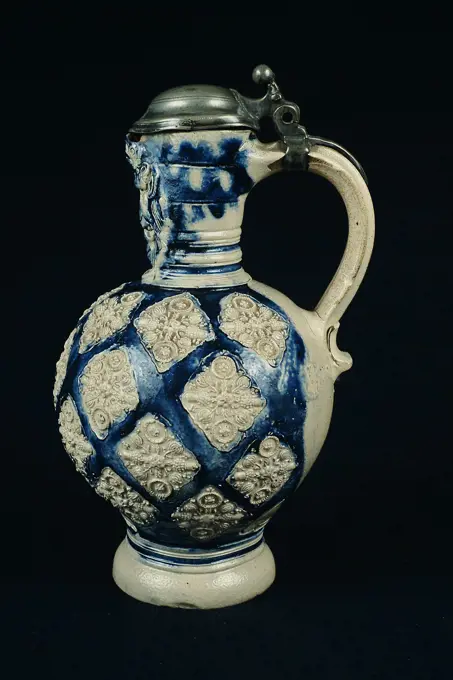
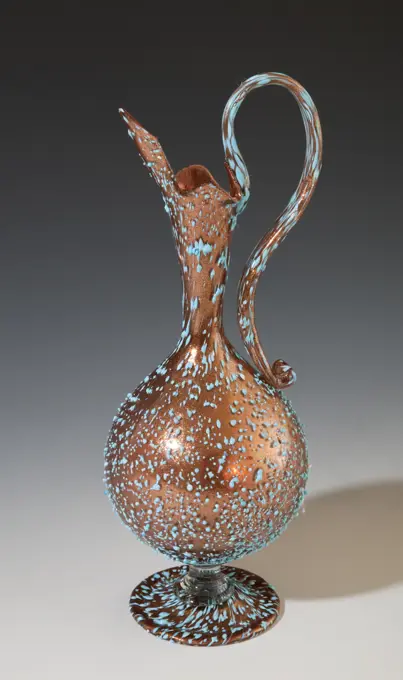
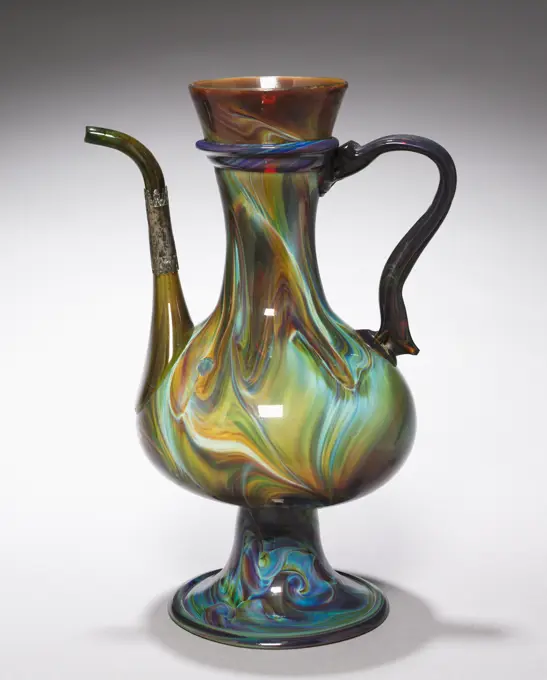
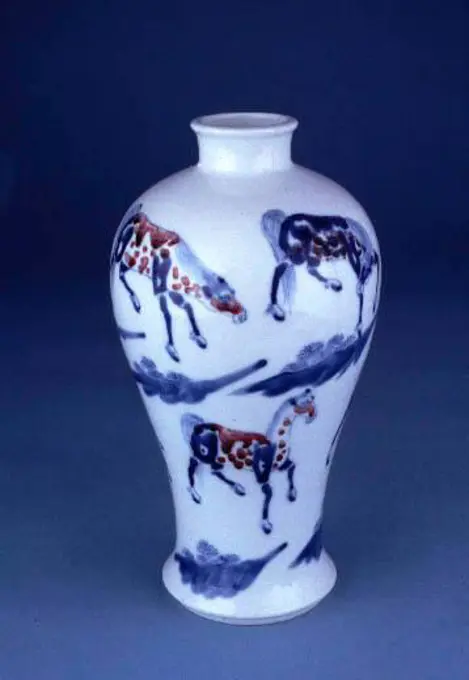
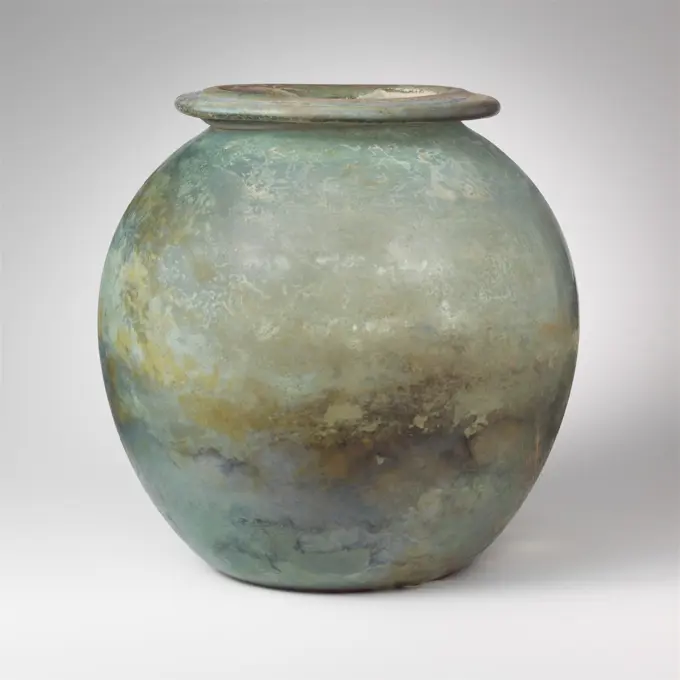
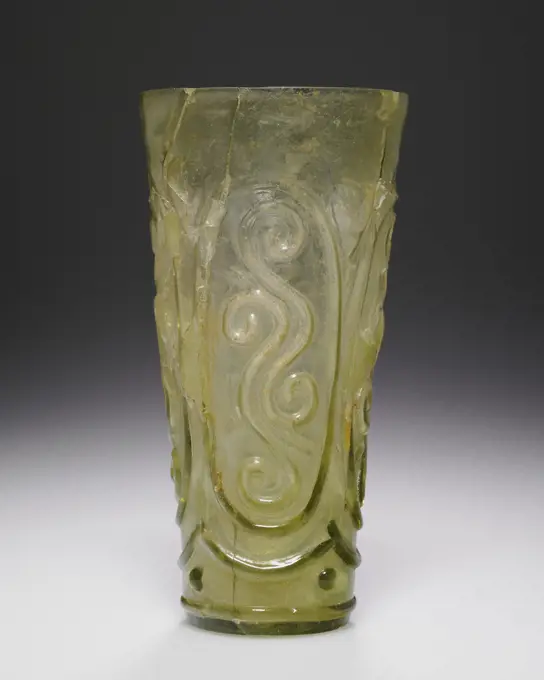
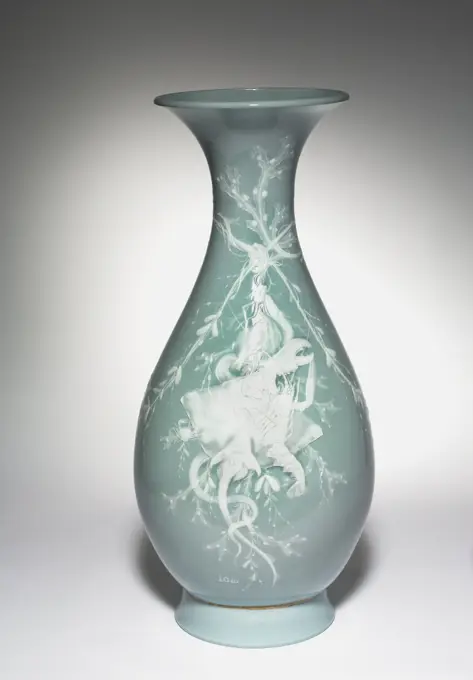
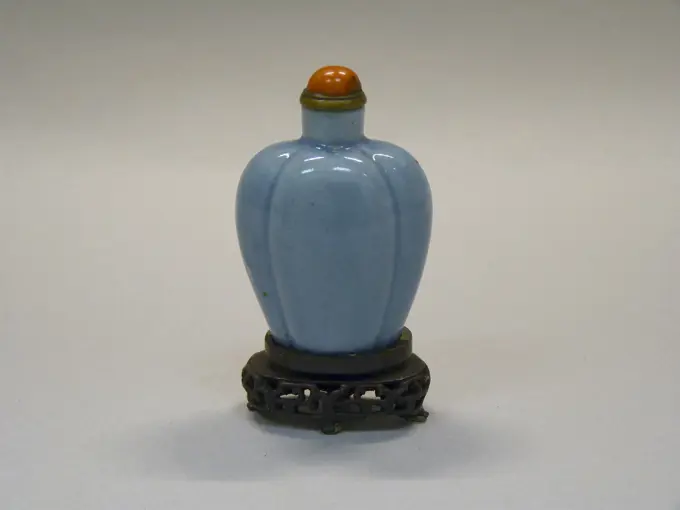
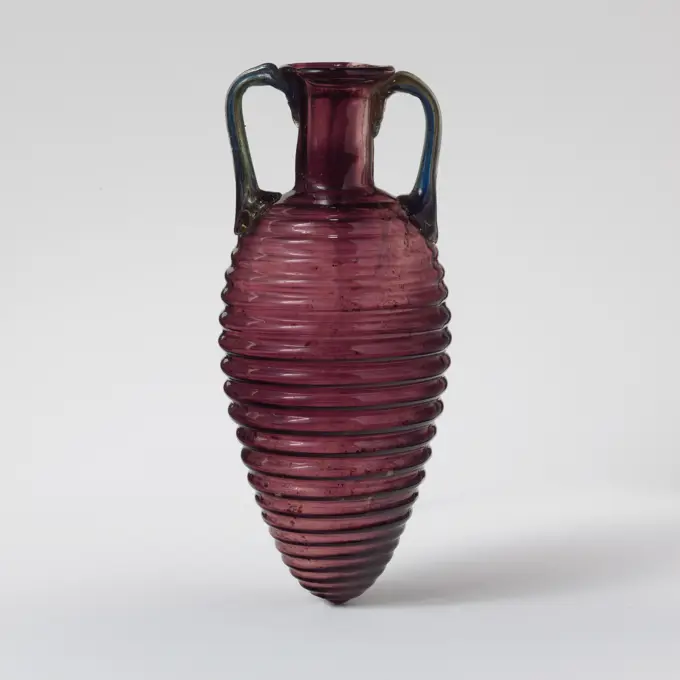
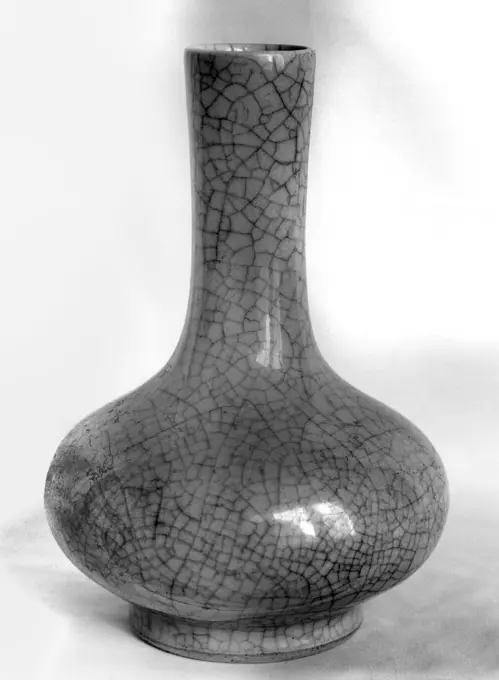
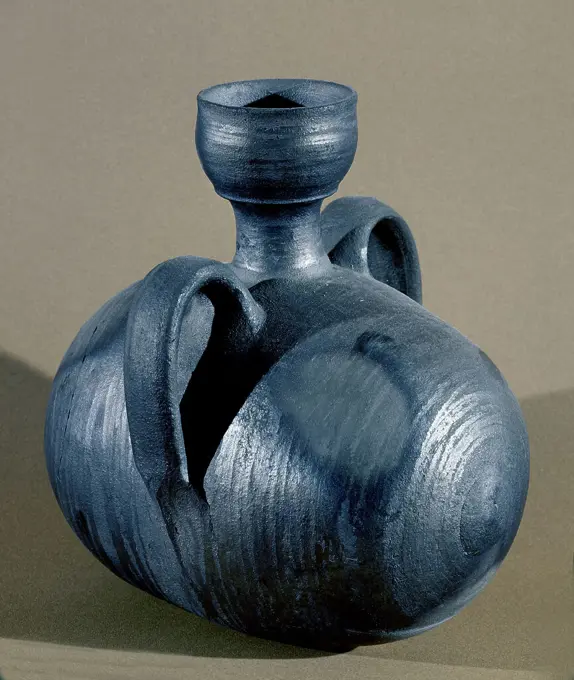
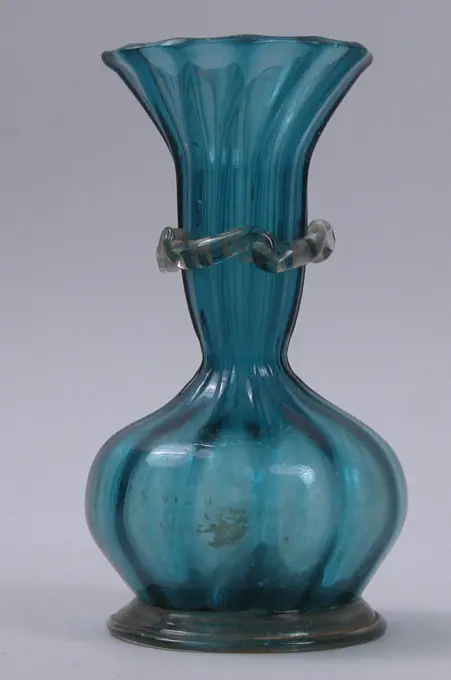
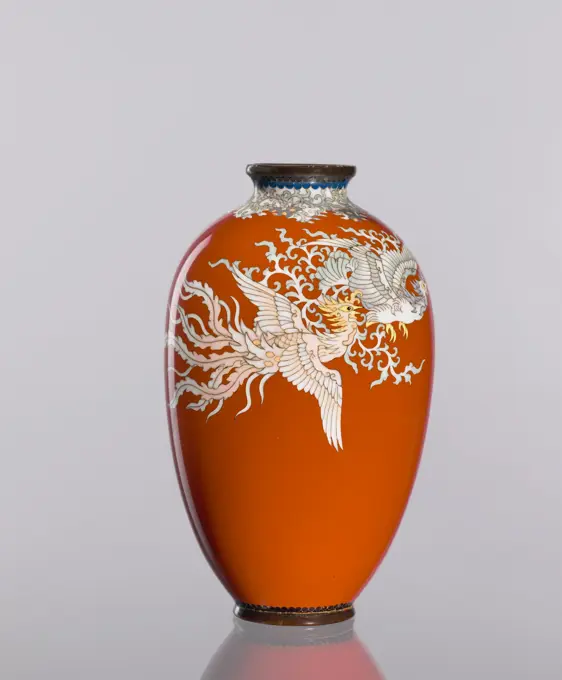
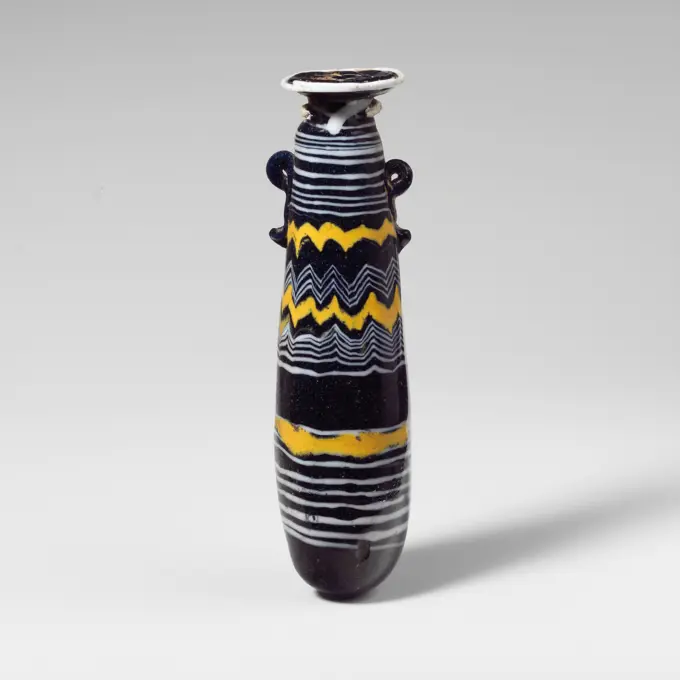
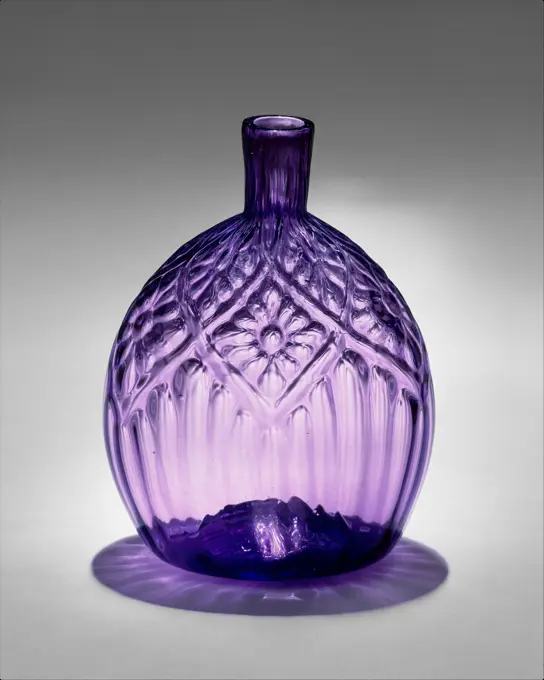
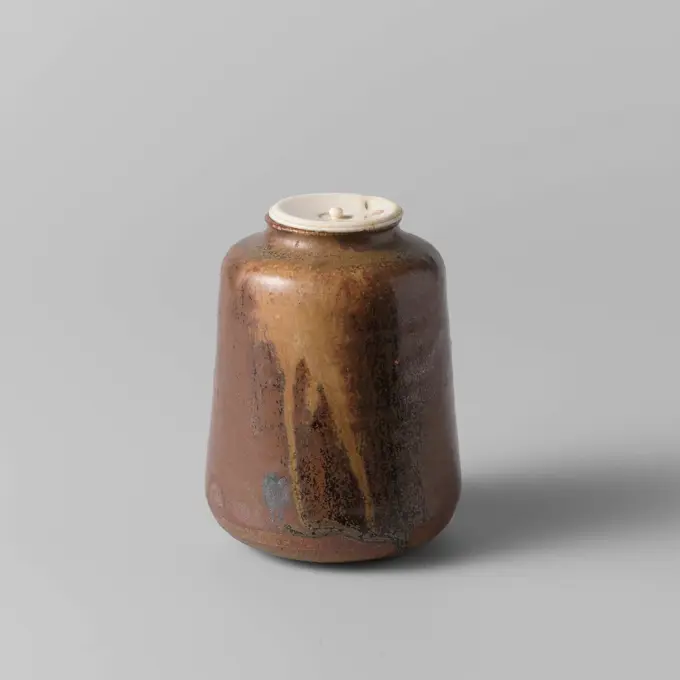
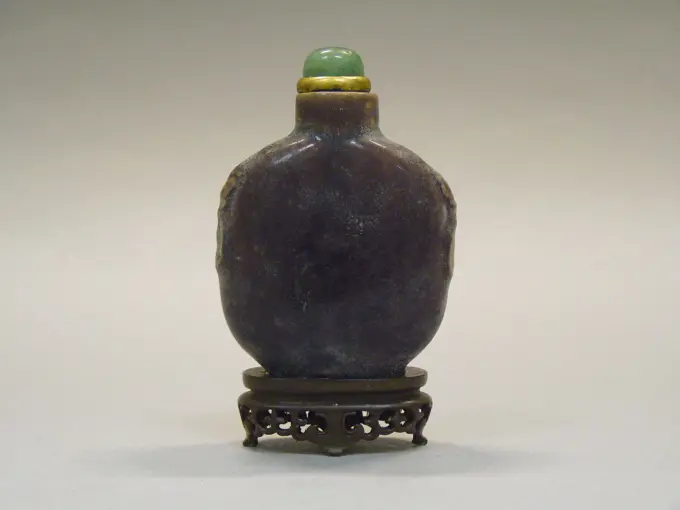
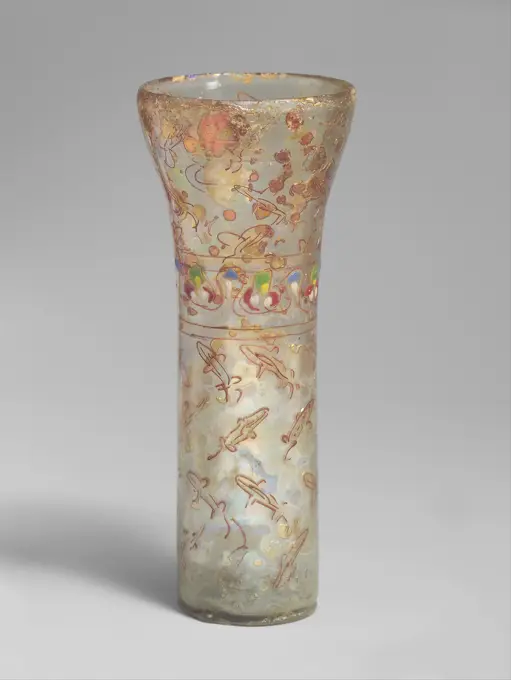
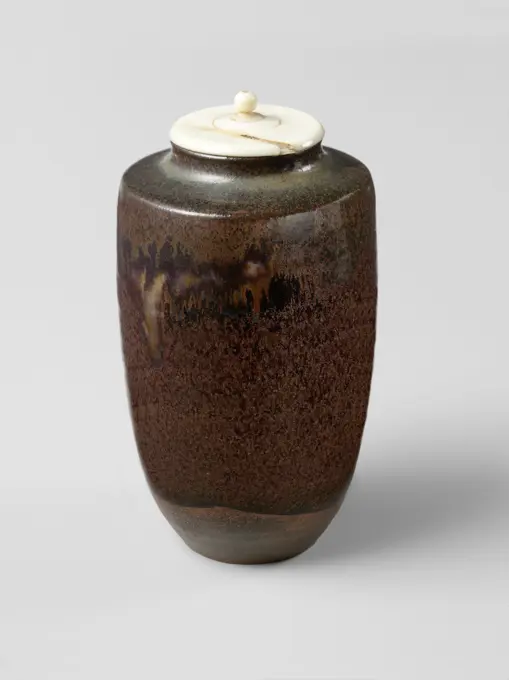
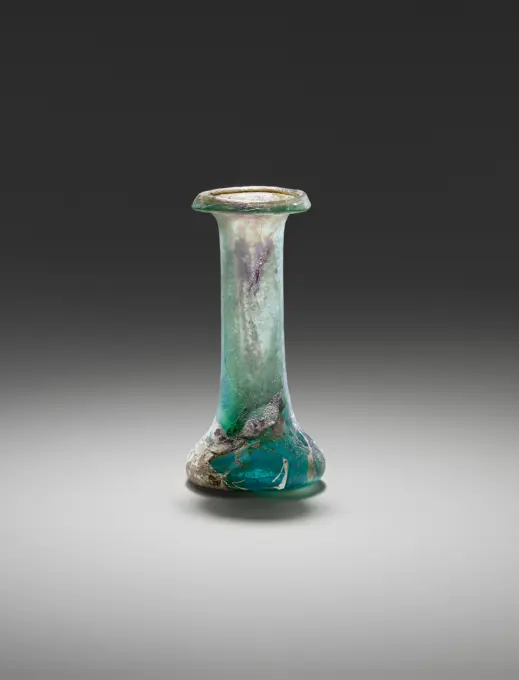
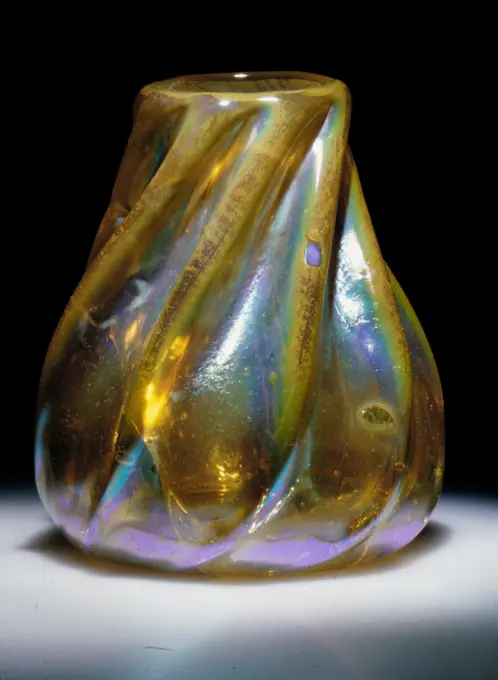
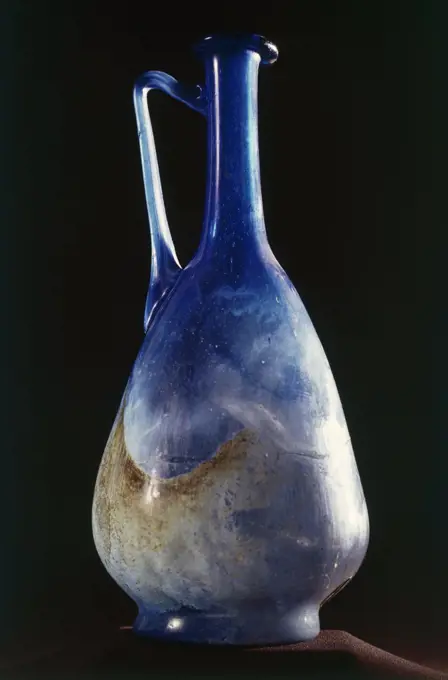
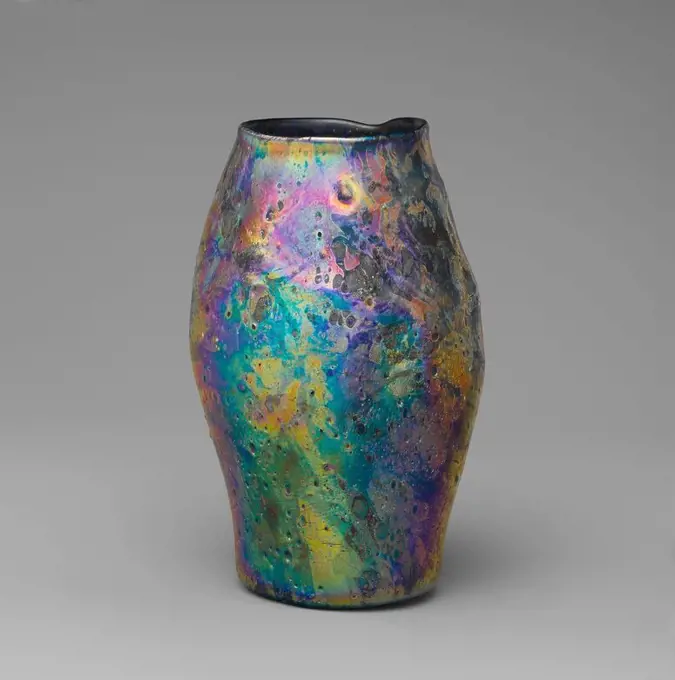
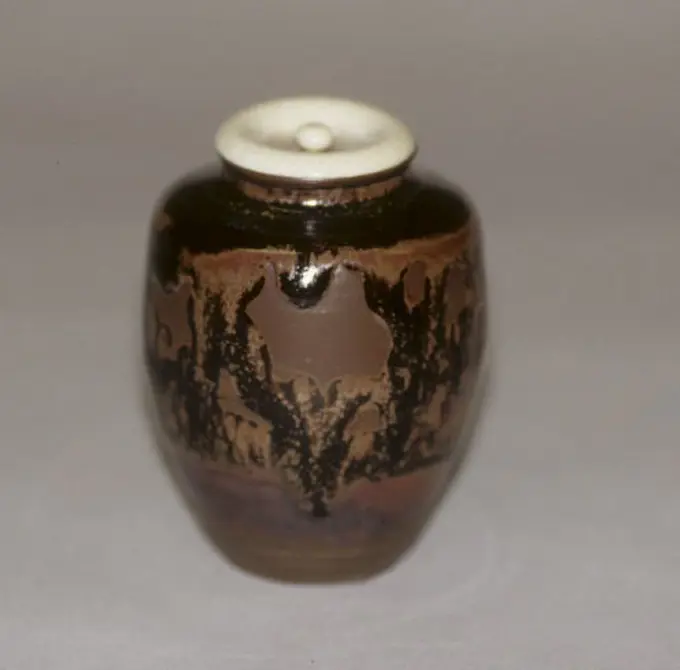
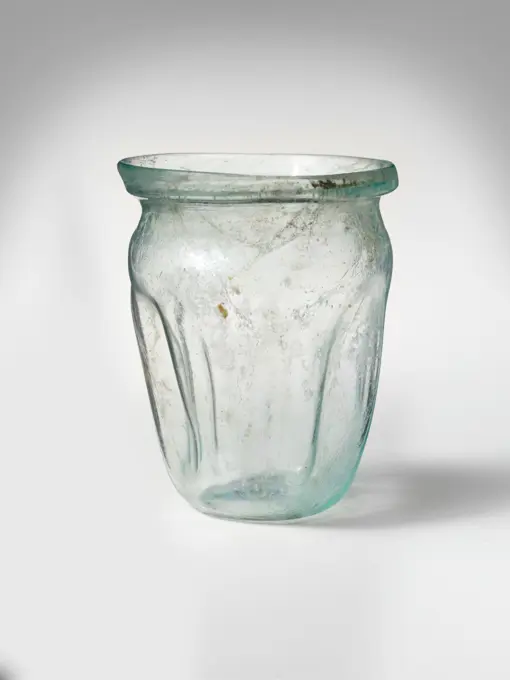
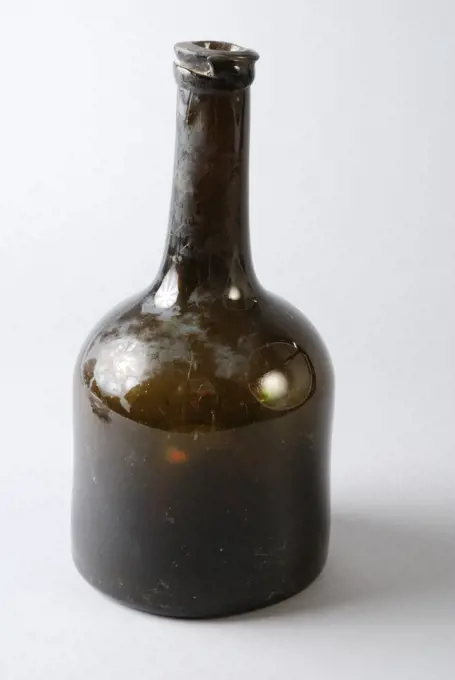
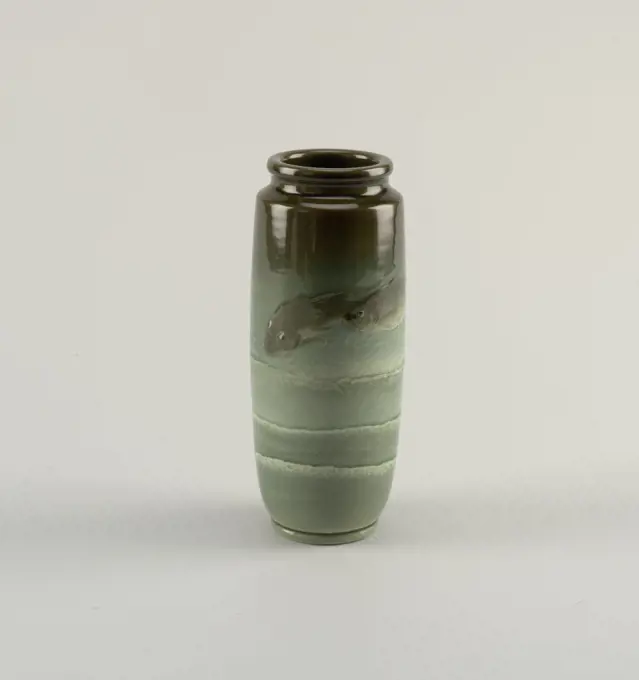
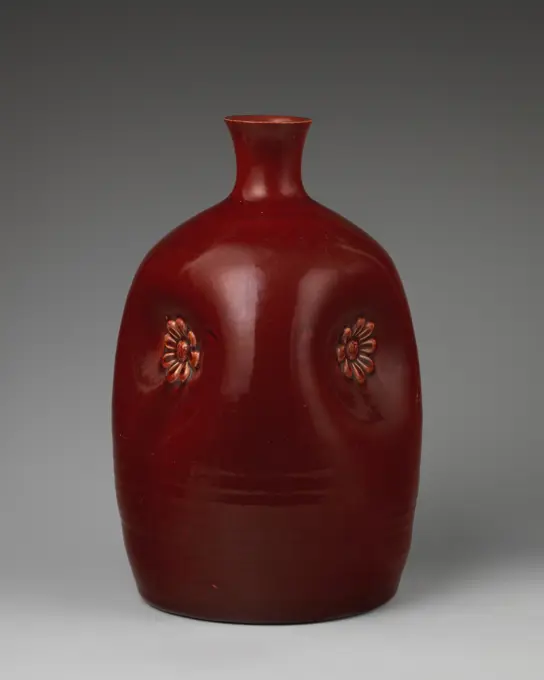
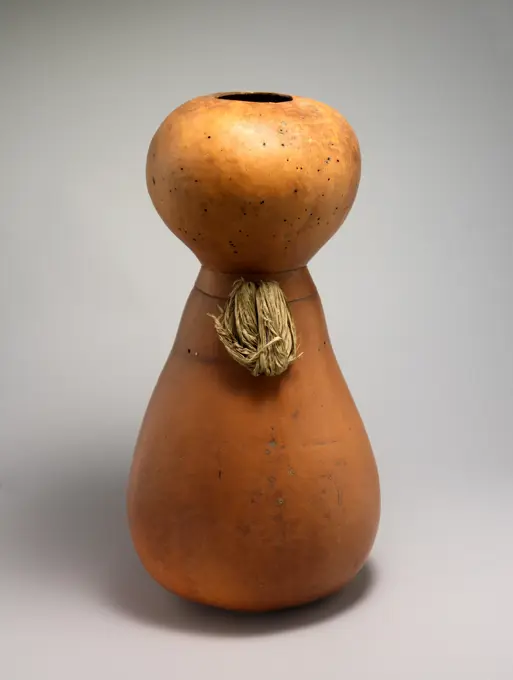
Long-Necked Vase with Encircling Dragon 1736-1795 China. Celadon-glazed porcelain flecked with underglaze red and iron brown .Glass cup for oil and unguentary storing from the necropolis of AtesteBanded agate amphoriskos (perfume bottle). Culture: Roman. Dimensions: H. 2 3/8 in. (6.0 cm)diameter 1 7/8 in. (4.8 cm). Date: late 1st century B.C.-early 1st century A.D..In Hellenistic and Roman times, vessels made in semiprecious stone were much sought after as symbols of wealth and sophistication. They were used as diplomatic gifts or treasured as heirlooms, and many of them found their way into royal tombs or imperial collections, both in antiquity and later. Their rarity also encouraged imitations in both glass and pottery. Museum: Metropolitan Museum of Art, New York, USA.Ewer. Probably Iran, 12th-13th century. Ceramics. Fritware, molded and glazedVase with raised, combed threads in silver, gold -colored irization., Witwe Johan Lötz, c. 1900 vase Low base, conical body, over a striking shoulder in a short neck. Decoration of the rumbled, combed threads in silver, gold -colored irization. Klostermühle glass glassblowing / iridescenceVase with Dragon Handles, 1736-95. China, Qing Dynasty (1644-1911), Qianlong reign (1736-95). Porcelain with celadon glaze; diameter: 19.7 cm (7 3/4 in.); overall: 3.2 cm (1 1/4 in.).Can. Bronze can for life lixer. The spout on the shoulder is missing.Fragment of round wine bottle with deep soul, irisation, bottle bottle wine bottle bottle holder soil find glass, free blown and shaped belly bottle in clear green glass. Pontil mark under erected bottom Bolsted body to convex shoulders and rejuvenated neck broken down archeology underground pit Rotterdam Kralingen Gedempte Slaak drink transport packing wine store Soil discovery underground pit Gedempte Slaak January 1978.. Pear-shaped vase of porcelain with a thickening in the neck just under the edge. Covered with a brown glaze and decorated with a white sludge. On the body a flowerpot with large, blooming plants twice. Monochrome brown Ming porcelain.Bottle (one of a pair) ca. 1700-22 China. Bottle (one of a pair) 50717. Rose water dropper or peak bottle at high foot of porcelain with spherical body and two thickenings in the long, narrow neck, covered with a ceilo-green glaze and painted in underglaze blue. The bottle is covered with a celadon green glaze with nine reserves filled in this with flower branches in underglaze blue. Monochrome celadon green with underglaze blue.Chinese, Snuff Bottle, porcelain.Pitcher 1835-65 American. Pitcher. American. 1835-65. Blown glass with applied decoration. Possibly made in New Jersey, United States; Probably made in New York, United StatesVaseVase in the Shape of a Small Mallet. Culture: China. Dimensions: H. 5 3/4 in. (14.6 cm); Diam. 3 3/4 in. (9.5 cm). Date: 18th century. Museum: Metropolitan Museum of Art, New York, USA.Melon-Shaped Ewer with Triple-Strand Handle and Floral Tendrils 1000-1099 China. This ewer was probably used to pour wine, which was customarily served warm. Its grey-tinged glaze, melon-like form, and triple-strand handle with floral tendrils are most distinctive to ceramics made under the Liao, a semi-nomadic people who conquered north China and established their southern capital in the area of present-day Beijing (Peking).. Porcelain with underglaze molded decoration .Acacia Vase. Designed by René Lalique (French, 1860-1945); Manufactured by Lalique et Cie (French, founded 1885). Date: 1921. Dimensions: 20.5 x 11 cm (8 1/16 x 4 5/16 in.). Glass; transparent gray, mold blown and acid etched. Origin: Paris. Museum: The Chicago Art Institute, Chicago, USA.Chinese Crackle-ware Vase,  Qing Dynasy, 18th centuryPitcher 1830-70 American. Pitcher 5729Bottle or Flask. American; Probably New York, New York. Date: 1885-1895. Dimensions: 13.7 × 10.2 × 5.1 cm (5 3/16 × 4 × 2 in.). Glass. Origin: United States. Museum: The Chicago Art Institute, Chicago, USA. Author: William T. Murphy.Vase ca. 1896-1908 Dedham Pottery Steeped in ceramics from birth, Hugh C. Robertson pursued his craft with fierce devotion and a passion for experimentation. From a family of trained English ceramists, he honed his skills in New Jersey before settling in Massachusetts as one of the founders of Chelsea Keramic Art Works and later, Dedham Pottery. Robertsons lifelong explorations in glazes, particularly their color and texture, make him one of the key figures of American art pottery at the turn of the twentieth century.From Chelsea to Dedham, Robertson continued to pursue his passion for innovation, employing the grayish-white stoneware used for Dedhams dinnerware to throw simple forms covered with bold combinations of colored and textured glazes. Despite his financial backers stipulation against further research into sang-de-boeuf, or oxblood, glazes, Robertson did not entirely abandon that costly pursuit. Many of his Dedham vessels have brilliant layerings of red and purple glazes. Jug ca. 1880 Christopher Dresser This jug shares a similar streaked blue-green glaze with another Christopher Dresser-designed vase (2015.122) in the Museum's collection.. Jug. British. ca. 1880. Glazed earthenware. Ceramics-PotteryPocket bottle. Culture: American. Dimensions: H. 5 1/4 in. (13.3 cm). Maker: Attributed to American Flint Glass Manufactory (1764-1774); Attributed to Henry William Stiegel (American (born Germany), Cologne 1729-1785 Charming Forge, Pennsylvania). Date: 1769-74. Museum: Metropolitan Museum of Art, New York, USA.Pitcher. Culture: American. Dimensions: H. 7 5/8 in. (19.4 cm). Date: 1835-65. Museum: Metropolitan Museum of Art, New York, USA.Jar 1780 Japan. Jar 47066Vase. Culture: American. Designer: Designed by Louis Comfort Tiffany (American, New York 1848-1933 New York). Dimensions: 8 5/8 x 5 in. (21.9 cm). Maker: Tiffany Glass and Decorating Company (American, 1892-1902). Date: 1893-96.This object forms part of a group of over forty given to the Museum in 1896 by Louisine and Henry Osborne Havemeyer (96.17.9-.56). The gift was the first American glass to enter the Museum's collection. Most likely prompted by Louis Comfort Tiffany, the Havemeyers presented their collection of Tiffany Favrile glass to the Museum only three years after Tiffany started making decorative blown-glass vessels. The shapes, colors, and finishes of Tiffany's vases and plaques were inspired by the natural world and ancient glass. Museum: Metropolitan Museum of Art, New York, USA.Pseudo-Mosaic GlassAmphoriskosBelly bottle with seal on shoulder, wine bottle belly bottle bottle holder soil find glass, free blown and shaped glass application Belly bottle with lightly lit soul (2 cm) and pontilemark in dark green glass Belly body with rejuvenated neck with sharp ring just under mouth. On the shoulder thick dollop glass in which stamp with text is printed of which readable: J * K * 1 . 24. One side flattened with dent Irisatie In the seal the letters: JK.1.24 further not readable archaeological packaging transporting saveVase. unknown, craftsmanCruet with cover, Earthenware, Baluster-form white cruet with short spout, decorated with polychrome flowers. Lid with finial. Birds head with plume on handle., France, 18th century, ceramics, Decorative Arts, Cruet with coverSnuff Bottle 19th century China. Snuff Bottle 41421Wine decanter. Czechy, creatorVase late 18th century Chinese, for European market The gift of the Hans Syz Collection in 1995 endowed the Museum with nearly three hundred examples of European and Asian ceramics meticulously acquired by Swiss-born collector Dr. Syz (1894-1991) to chart the migration of models and patterns from East to West. Documenting a continuous process of influence and adaptation, these pieces provide a discriminating review of the nuances of stylistic change resulting from three centuries of trade.. Vase 208398Salt or BonnetGlass. Maker, attributed to: Henry William Stiegel, American, 1729-1785Maker, attributed to: John Frederick Amelung, American, born Germany, 1741-1798Stoneware jug from Westerwald with Bartmann jug, also called Bellarmine jug, mask and tin lid, jug crockery holder soil find ceramic stoneware glaze salt glaze tin metal, hand turned fried glazed stoneware jug light gray shard with salt glaze profiled bandoor with curled tail profiled neck and foot pouring lip With tin lid The lid roughly shaped Duimrust with two locks inside lid: stamped mark: horse and P archeology import pottery drink wine serve beer serveJugVase China. Vase. China. Porcelain painted in underglaze blue, with light blue glaze. Qing dynasty (1644-1911). CeramicsVase probably 18th-19th century. Vase 443109Vase, painted multicolored with poppies on a blue fond. Vase of painted porcelain. The vase has a flattened around body and a long, slender neck. It is decorated in Pte-sur-Pte technique with pink poppies on the light blue fond, with which the vase is covered. The vase has been marked.Ewer, c. 1500. Italy, Venice, 16th century. "Chalcedony" inlaid glass; silver mount; overall: 29.6 cm (11 5/8 in.).Vase with Trees in relief, royal porcelain manufactory, 1903 Vase of porcelain with a dish -shaped base and a body at the bottom, which narrowed up and spreads under the raised edge. Painted in underly glaze blue and green. On the vase in relief, three tree trunks ending on the thickening under the edge in flared branches with fruits. Marked on the underside with the scepter, 'T.S.B.', Annual letters J.C (1903), the model number 6926 and 'LF No 14498 N 15'. Art Nouveau. Berlin porcelain. glaze. cobalt (mineral) painting / vitrification Vase of porcelain with a dish -shaped base and a body at the bottom, which narrowed up and spreads under the raised edge. Painted in underly glaze blue and green. On the vase in relief, three tree trunks ending on the thickening under the edge in flared branches with fruits. Marked on the underside with the scepter, 'T.S.B.', Annual letters J.C (1903), the model number 6926 and 'LF No 14498 N 15'. Art Nouveau. Berlin porcelain. glaze. cobalt (mineral) paCarafe with a medallion with a women's portrait, anonymous, c. 1850 - c. 1900 Matt glass carafe with small gold -plated medallion in which a bust portrait of a girl. A golden rosette on the opposite side. Along the four -part lobed spout and along the base golden edges. France (possibly) glass glassblowing / gilding Matt glass carafe with small gold -plated medallion in which a bust portrait of a girl. A golden rosette on the opposite side. Along the four -part lobed spout and along the base golden edges. France (possibly) glass glassblowing / gildingAmphora (Storage Jar) 500 BCE-401 BCE Egypt. Glass, core-formed technique . Ancient EgyptianLekythos, c. 450-430 BCE, Attributed to The Carlsberg Painter, Greeced, Greece (Attica), 11 1/4 x 4 x 3 in. (28.58 x 10.16 x 7.62 cm), White ground slip glazed earthenware, Greece, 5th-4th century BCESpoon Holder ca. 1889 Dalzell, Gilmore and Leighton. Spoon Holder 7853Glass aryballos (oil bottle) 1st-3rd century A.D. Roman Small oil bottle.Translucent blue-green; handles in same color.Broad, tubular rim folded out, over, and in, with flattened upper surface; short, concave neck; globular body; thick, round bottom with deep, jagged pontil scar; two handles applied to top of body, each drawn up neck, and folded out over underside of rim and then down over itself, forming open loop, and ending in a final upward trail.Intact; pinprick and some larger bubbles; slight weathering on exterior, soil encrustation and some iridescent weathering on interior.. Glass aryballos (oil bottle) 245414Tea Caddy 18th century Japan. Tea Caddy. Japan. 18th century. Seto ware, stoneware with iron-rich glaze. Edo period (1615-1868). CeramicsChinese Vase Painted with Figures of Horses (one of a pair),  Qing Dynasty, 19th century.Glass cinerary urn (olla) mid-1st-2nd century A.D. Roman Translucent blue green.Broad, everted, tubular rim, made by folding out, down, round, and in, with beveled upper surface; ovoid body; deep concave bottom.Intact, but with one internal crack running vertically from rim to top of side; some bubbles; dulling, pitting, limy encrustation, faint iridescence, and patchy whitish weathering on exterior, limy encrustation and thick weathering with brilliant iridescence on interior.Plain ovoid jar.. Glass cinerary urn (olla) 245163Beaker; Eastern Mediterranean; 1st century; Glass; 13.9 x 7.1 cm (5 1,2 x 2 13,16 in.)Vase Bertin, c. 1855. Jules-Constant Peyre (French, 1811-1870), Léopold Jules Gély (French), Sèvres Porcelain Factory (French, est. 1756). Porcelain with pte-sur-pte decoration; diameter: 45.8 cm (18 1/16 in.); overall: 99 cm (39 in.).Snuff Bottle China. Snuff Bottle 41640Lid of a double gown (). Faceted, vaulted lid, awarded with articulated lid, consisting of two flat buttons and five discs. The end lacked. A engraved flower garland on the lid.Jar with tinplated lid, with a guild emblem. Bolesławiec (ośrodek ceramiczny ; ca 1400- ), potter's workshopGlass amphoriskos with horizontal ribs 2nd half of 1st century A.D. Roman Translucent streaky purple, with handles in translucent blue mixed with yellowish green.Rim folded out, over, and in; cylindrical neck; ovoid body, tapering to pointed bottom; two rod handles attached to upper body in pads, drawn up and in, then pressed onto top of neck and underside of rim. One continuous mold seam around body.Body decorated with twenty-two concentric, horizontal ribs.Intact; many bubbles, some large; very slight weathering and iridescence.with 17.194.235These bottles are modeled on the large clay storage jars that were used to transport wine and olive oil. The miniature glass examples have been found in many parts of the Roman Empire, as well as in tombs beyond the eastern frontier in Armenia and Georgia.. Glass amphoriskos with horizontal ribs 245371Vase late 17th-early 18th century China. Vase. China. late 17th-early 18th century. Porcelain with crackled green glaze (Jingdezhen ware). Qing dynasty (1644-1911), Kangxi period (1662-1722). CeramicsVase ca. 1898-1918 William J. Walley. Vase. William J. Walley (1852-1919). American. ca. 1898-1918. Stoneware. Made in West Sterling, Massachusetts, United StatesPoporo. Lime container used to carry the lime to the mouth while chewing coca leaves. Poporos are also attributed with mystical powers and social status. It is made with tumbaga (alloy of gold and copper) as pumpkin. It comes from Roldanillo (Valle del Cauca). Quimbaya art. Jewelry. COLOMBIA. CUNDINAMARCA. Bogot. Gold Museum.TONELETE O BOTIJO-CERAMICA NEGRA BRUíIDA-PROCEDE DE LLAMAS DE MOURO-ASTURIAS. Location: MUSEO DEL PUEBLO ESPAíOL. MADRID. ESPAíA.Glass cup. Culture: Roman. Dimensions: 3 5/16 in. (8.5 cm)Diameter: 3 1/4 × 2 1/4 in. (8.3 × 5.7 cm). Date: 2nd-3rd century A.D..Colorless with greenish tinge, with trail in same glass.Plain, rounded rim; short, flaring neck; carinated body with straight, conical sides, then angled in to integral, tubular base ring; broad, flat bottom with slight small central kick.Single horizontal trail around upper body, then spiral up to end below rim.Complete, except for large hole in one side; many pinprick bubbles; heavily weathered and pitted, with brilliant iridescence; some soil encrustation and black, enamel-like weathering on interior. Museum: Metropolitan Museum of Art, New York, USA.Turquoise Glass Bottle with an Onion Shaped Body probably 18th-19th century. Turquoise Glass Bottle with an Onion Shaped Body 444742Vase;  around 1910-1920 (1910-00-00-1920-00-00);Block, Julius Henry (1858-1934) - collection, cloisonné, gift (provenance), phoenixes (iconogr.), Japanese (culture), Japanese art, vasesLazio Viterbo Viterbo Museo Civico88. Hutzel, Max 1960-1990 Views of paintings (Middle Ages through 18th c.), frescoes, a tabernacle, coffin, sculpture reliefs, portal fragments, busts, sculpture, tapestry found in the Pinacoteca, Second floor gallery and Second floor cloister sequences. Antiquities: Many views of Etruscan and Roman fragments, sculpture, sarcophagi, pottery, masks, jewelry and other objects found in the Storeroom sequence (inventory numbers on back of prints), and the Cloister, Second floor Cloister, Valle Giulia, Sala Romana and Sala Etrusca sequences. General Notes: There are eight separate numerical sequences for this location. The cloister as an architectural structure, rather than museum site, is documented in the record and file for S. Maria della Verita, Cloister, all views of which are stored in Medieval core collection. Five views from the Museo Civico Second floor cloister sequence are stored in Medieval. German-born photographer and scholar Max Hutzel (1911-Duck in basket still bank, 20th century, 5 1/2 x 3 1/16 x 5 3/8 in. (13.97 x 7.78 x 13.65 cm), Ceramic, 20th centuryGlass alabastron (perfume bottle) late 6th-5th century B.C. Greek, Eastern Mediterranean Semi-opaque dark blue, with handles in same color; trails in opaque white and opaque yellow.Slightly inward-sloping, broad, coiled rim-disk; short cylindrical neck; uneven shoulder; elongated oval body with upward taper; convex bottom; below shoulder, two vertical ring handles with knobbed tails, applied over trails, one slightly higher than the other.A white trail attached at edge of rim-disk; another applied as a thick line over shoulder and wound down in tight spiral on upper part of body; below this four bands of trails tooled into a zigzag pattern, comprising a broader trail in yellow wound horizontally slightly more than once, followed by a thin white trail wound round four times, then another thicker yellow trail wound once round body, and another thin white trail wound seven times; a fifth white trail applied on lower down body and wound round eight times in almost horizontal lines and a thPocket bottle 1769-74 Attributed to American Flint Glass Manufactory Henry William Stiegel, who operated the American Flint Glass Manufactory from 1765 to 1774, was the first successful producer of glass tableware that was the equal of European imports. The diamond-daisy pattern in this amethyst-colored pocket flask was probably made by Stiegel; the pattern was not used by European glassmakers. Many variations of this popular design exist, as seen in other pieces in the collection (see 1980.502.68 and 34.65).. Pocket bottle 6635CERAMICA DE ALMERIA - CANTARO VIDRIADO. Location: MUSEO DEL PUEBLO ESPAÑOL. MADRID. SPAIN.. Dust tea bus or chair of stoneware with an ivory lid, partially covered with a golden brown glaze. The lower part of the bus is unglazed. Old label on the bottom with 'W632'. Seto in the style of Hafugama.. Lid of can of porcelain, painted in underglaze blue. The lid is in the form of an inverted lotus leaf with a slightly upstanding, lobed edge. Ming porcelain in blue and white.Snuff Bottle China. Snuff Bottle 41639Fourbone vase San Tsai decoration white and purple for turquoise blue background unknownBeaker with Fish Motifs 13th-14th century Glass decorated with contrasting colors was common in the early Islamic period and continued to be made well into the thirteenth century, as is exemplified by this marvered, enameled, and applied glass beaker.. Beaker with Fish Motifs 447010Tea caddy with a brown glaze, anonymous, anonymous, c. 1600 - c. 1699 Dust bar or Chare of stoneware with an ivory lid, partially covered with a brown glaze. The underside of the bus is unglazed. Old label on the inside with 'Tamba/ 17th'. Tamba. Japan stoneware. glaze. deksel: ivory vitrification Dust bar or Chare of stoneware with an ivory lid, partially covered with a brown glaze. The underside of the bus is unglazed. Old label on the inside with 'Tamba/ 17th'. Tamba. Japan stoneware. glaze. deksel: ivory vitrificationMeiping-type vase on stand. unknown, craftsmanUnguentariumVase 1893 Designed by Louis Comfort Tiffany American This object forms part of a group of over forty given to the Museum in 1896 by Louisine and Henry Osborne Havemeyer (96.17.9-.56). The gift was the first American glass to enter the Museum's collection. Most likely prompted by Louis Comfort Tiffany, the Havemeyers presented their collection of Tiffany Favrile glass to the Museum only three years after Tiffany started making decorative blown-glass vessels. The shapes, colors, and finishes of Tiffany's vases and plaques were inspired by the natural world and ancient glass.. Vase. American. 1893. Favrile glass. Made in New York, United StatesBottle second quarter 16th century Although the neck on this piece has been restored, the overall shape suggests a variation of the Ottoman sürahi, or water bottle. The vitreous glaze is somewhat weathered and pitted, and the floral blossoms set in medallions are drawn in the loose, freehand style that succeeded the more tightly controlled designs of early sixteenth-century Iznik blue-and-white wares.. Bottle 451840Pitcher. Culture: American. Dimensions: H. 10 1/4 in. (26 cm). Maker: United States Pottery Company (1852-58); Fenton's Works (1847-1848) or. Date: 1847-53. Museum: Metropolitan Museum of Art, New York, USA.Beaker of Archaistic Design 18th century China. Beaker of Archaistic Design 44159CANTARO ESMALTADO CON DECORACION VEGETAL-S XX ARTE POPULAR. Location: ALFARERIA. SALVATIERRA DE LOS BARROS. Badajoz. SPAIN.Blown-glass ampoule. Roman civilisation, 3rd-2nd century BC.Vase. Culture: American. Designer: Designed by Louis Comfort Tiffany (American, New York 1848-1933 New York). Dimensions: H. 5 1/16 in. (12.9 cm). Maker: Tiffany Glass and Decorating Company (American, 1892-1902); Tiffany Studios (1902-32). Date: 1912. Museum: Metropolitan Museum of Art, New York, USA.Emile Gallé (1846-1904). Vase. Museum of Fine Arts of the City of Paris, Petit Palais. 23878-5 Small palace museum, art object, vaseSnuff bottle with figure in a garden 19th century China. Snuff bottle with figure in a garden 41230Jar. Culture: Mexican. Dimensions: H. 10 1/2 in. (26.7 cm). Date: 1750-80. Museum: Metropolitan Museum of Art, New York, USA.Snuff Bottle China. Snuff Bottle 41522CERAMICA DE ALMERIA - JARRA CON DECORACION DE RAYAS. Location: MUSEO DEL PUEBLO ESPAÑOL. MADRID. SPAIN.Bottle. Culture: China. Dimensions: H. 8 in. (20.3 cm). Museum: Metropolitan Museum of Art, New York, USA.Tea jar 18th century Japan. Tea jar 63128VaseGlass cup 2nd-3rd century A.D. Roman Translucent blue green.Slightly flaring, uneven, collar-like rim with vertical, rounded lip; short, concave neck; bulbous shoulder; body tapering downwards; concave bottom.On body, eight deep, irregular, elongated indents.Intact, except for minor surface chip in bottom; few bubbles; some iridescent weathering and small patch of soil encrustation on inside of rim.. Glass cup 245361Pocket Bottle 1780-1820 American. Pocket Bottle 6600Stoneware Jug. Dated: c. 1938. Dimensions: overall: 27.9 x 22.8 cm (11 x 9 in.) Original IAD Object: 16' High 10" Dia.. Medium: watercolor, colored pencil, graphite and pen and ink on paper. Museum: National Gallery of Art, Washington DC. Author: Annie B. Johnston.Cylindrical bottle, bottle holder bottomfound glass cork, hand-blown glass application Cylindrical bottle in clear brown-green glass heavy version (Liège Pot). Pontil mark under high bottom Cylindrical wall rises almost straight up to drooping shoulders and slightly rejuvenated neck with wide irregular irregular flat glass wire. Lip is skewed flattened archeology packagingJar and lid. Terracotta. Vietnam. Paris, Muse Cernuschi. Jar and lid Asian art, art of extreme orient, art of Vietnam, Vietnamese art, terracotta, dishesFragment of foot ring, bottom and wall of birch eggs, berkemeier drinking glass drinking utensils tableware holder soil find glass forest glass, free blown and formed glass application Fragment of foot ring bottom and part of wall of -lage - berkemeier in clear green glass (forest glass) Under raised bottom pontilmark Rounded convex foot ring partially ribbed and over 2 cm rough worn off wall runs obliquely at the bottom part are four faded studs set of which 3 remain. Wall mounted on wall at 3 cm from the ground around narrow glass wire as transition to the goblet archeology Rotterdam railway tunnel medicine drug Soil discovery: rail tunnel Rotterdam.Vase, Rookwood Pottery, American, 1880 - 1967, Glazed and hand-painted stoneware, Sea green vase. White clay body, thrown. Cylindrical body with short inset neck with thick lip; molded flat foot. Decorated with two fish above three tiers of foamy waves. Underglaze slip colors are shades of green: fish are an olive green, water is blue-green with slightly raised ridges of white. Above fish is dark olive green area. Allover light green glaze; fine cracklature. Interior and bottom glazed., Cincinnati, Ohio, USA, 1901, ceramics, Decorative Arts, VasePinch bottle ca. 1890 Christopher Dresser This bottle demonstrates the strong influence of Japanese ceramics on Christopher Dresser (1834-1904), a prolific designer who played a key role in promoting the industrial arts in Victorian England. In 1876, Dresser became the first designer to be invited by the Japanese government to study the arts of Japan as a delegate of the newly opened South Kensington Museum (Victoria and Albert Museum). His keen interest in the unconventional forms and experimental glazes of Meiji period ceramics such as Awaji pottery merged with domestic traditions in English salt-glazed wares in the designs he produced for Linthorpe Art pottery (1878-1889). William Ault purchased and used the Linthorpe factorys molds based on Dressers shapes when he established his pottery in 1887, and formally hired Dresser as a designer in 1894. This bottle was first designed by Dresser during the Linthrope period, and was later produced by Ault pottery around 1892.. Pinch bottleIpu Hula 19th century Hawaiian Large gourd drums called ipu hula are unique to Hawai'i. Ipu hula are fashioned from two ipu (gourds), a smaller one forming the top and a larger one the lower portion of the instrument. The gourds are specially cultivated to obtain the desired shape. When they have reached the appropriate size the gourds are harvested and the upper portions and contents removed, leaving the hard empty shells. The smaller gourd is inverted and cemented over the open top of the larger one with glue, formerly made from breadfruit tree sap, creating a hollow figure-eight shaped instrument. A circular hole made in the top allows the sound to escape. Ipu hula are used to provide the fundamental rhythm for chants and dances, especially, as the name indicates, various forms of Hawaiian hula. It can be played by musicians of either sex. When playing the ipu hula, the musician sits and places a pad, typically made from folded cloth, on the ground to cushion the impact of the instrBox ,, 1750 - 1800 Octagonal elongated box with both top and flattened edges. Japan wood (plant material). lacquer (coating) Octagonal elongated box with both top and flattened edges. Japan wood (plant material). lacquer (coating)