Decorative Vessels

An assortment of unique decorative vessels, including tea caddies and vases. Various shapes and materials reflect artistry and cultural significance.
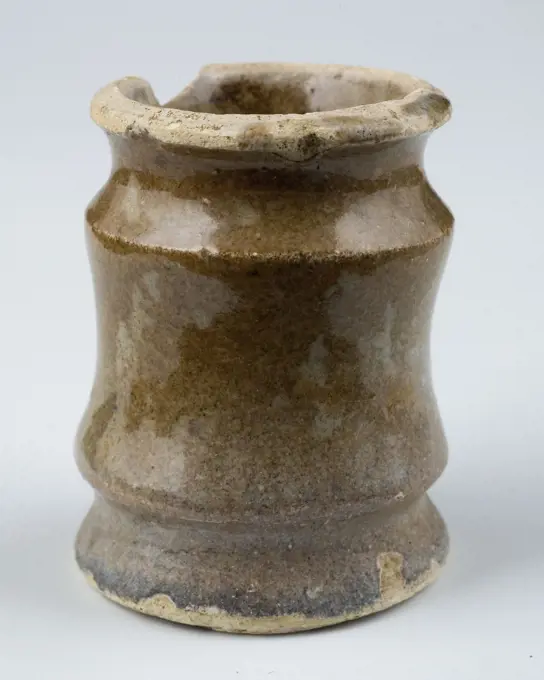
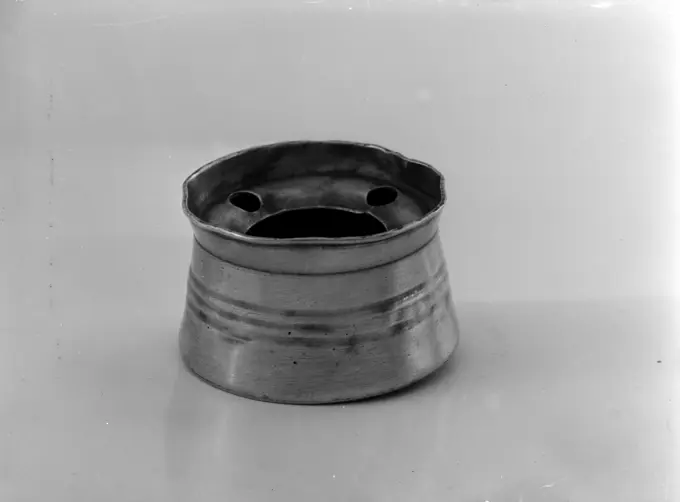
Pottery ointment jar, tapered with three nips, purple-brown speckled glazed, ointment jar pot holder soil find ceramic earthenware glaze tin glaze, hand turned baked 2x glazed Pottery ointment jar tapered with three constrictions with wider base. Glazed purple brown color. Stand area with deducting rails. So called Delftware in the form of an albarello archeology health care indigenous pottery packing pharmacy store selling medicine drug craft
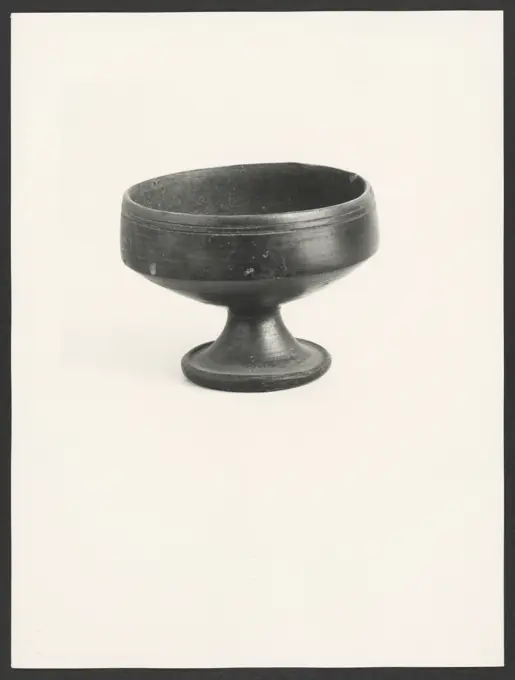
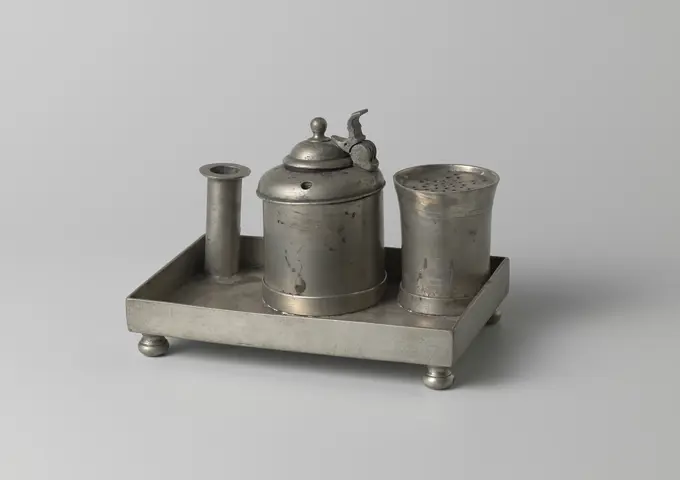
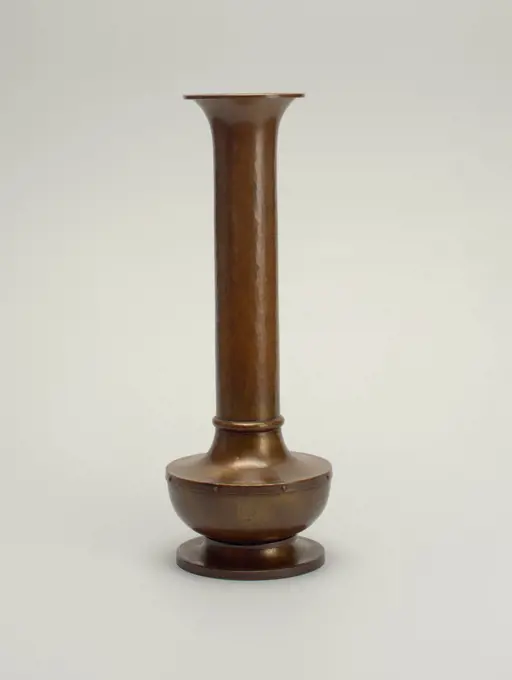
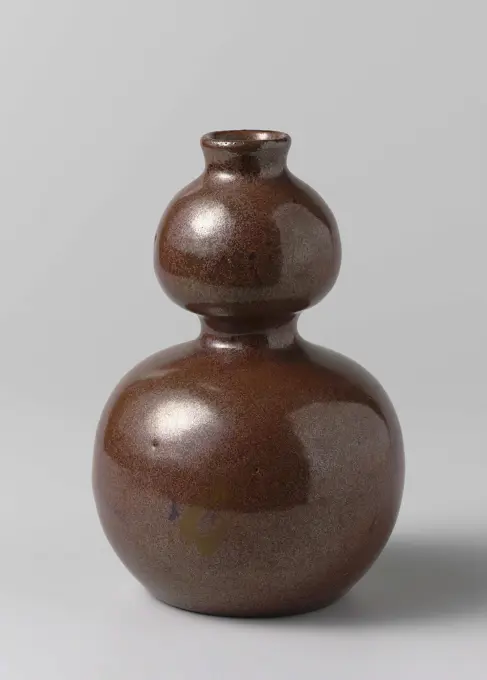
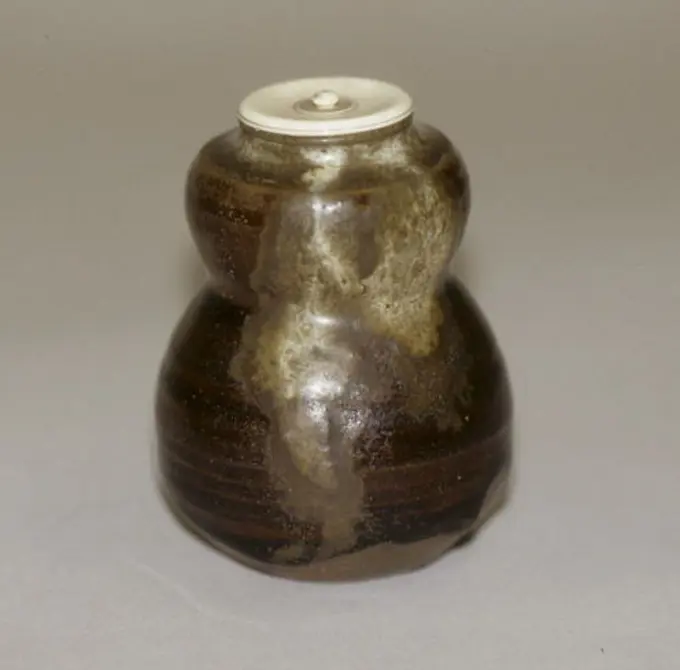
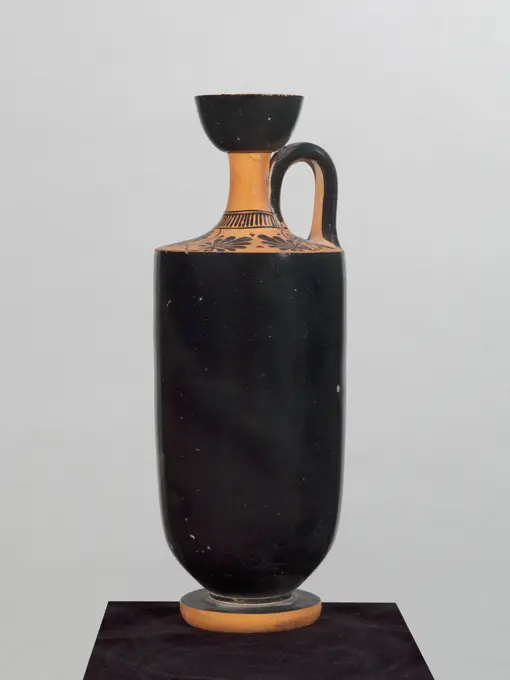
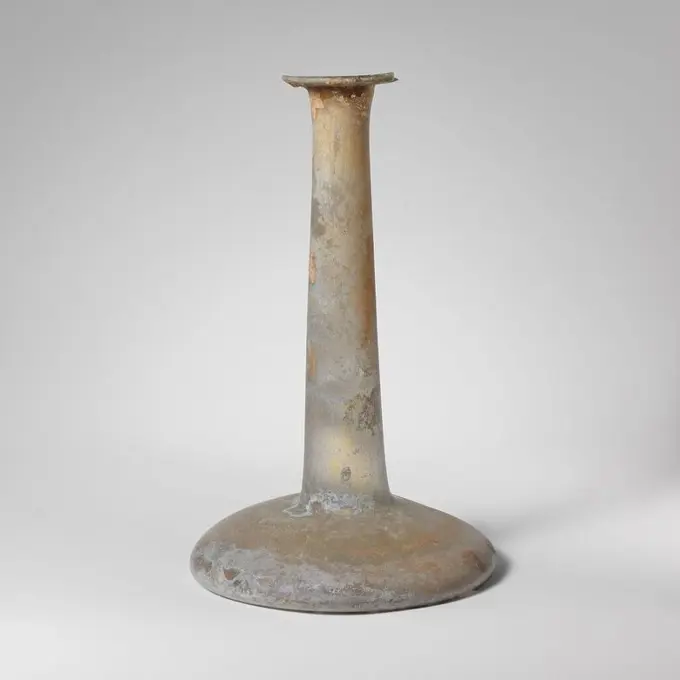
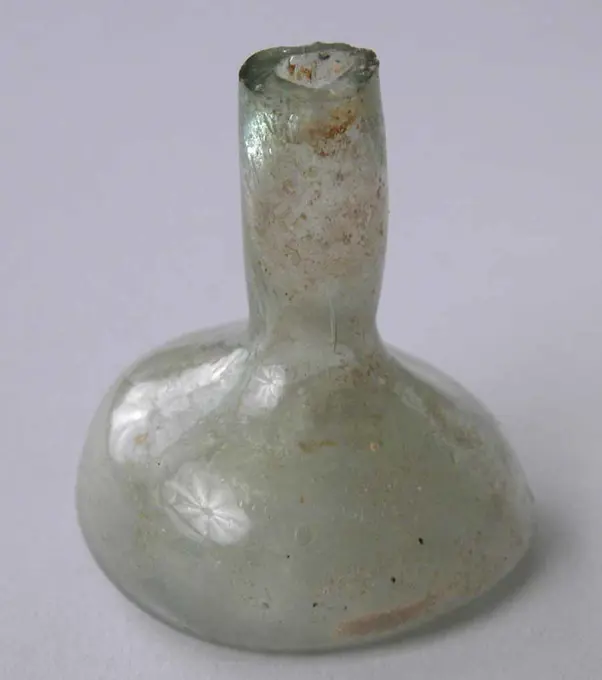
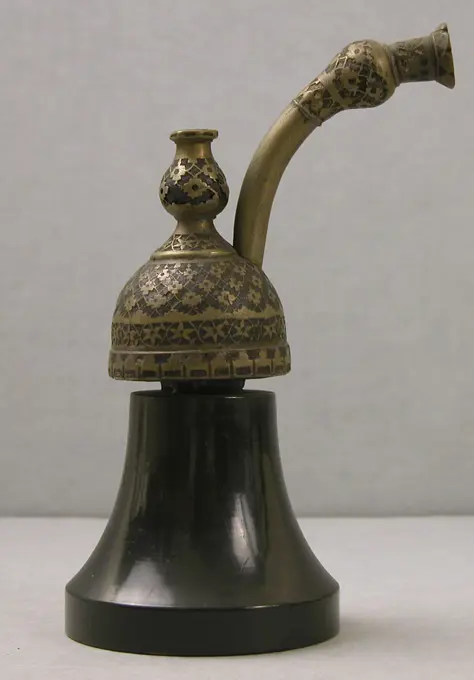
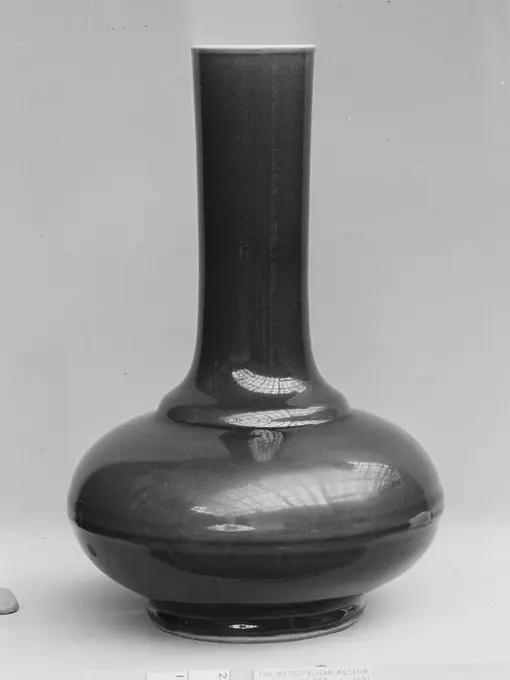
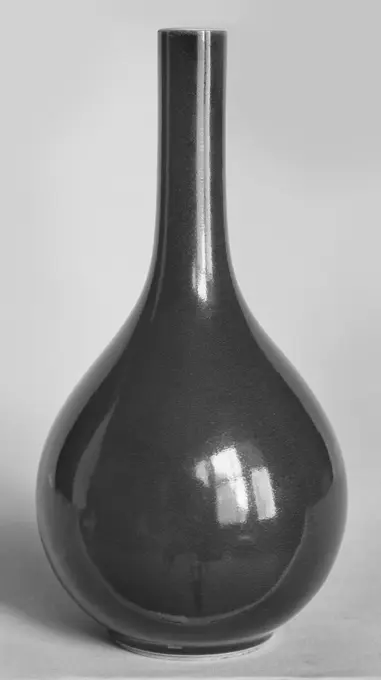
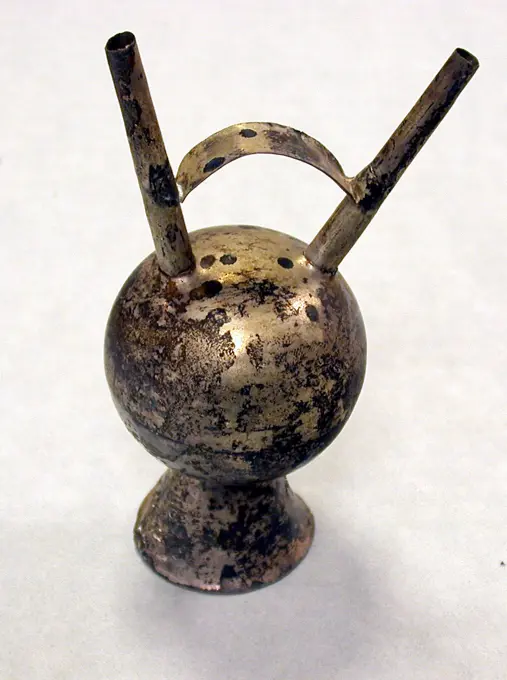
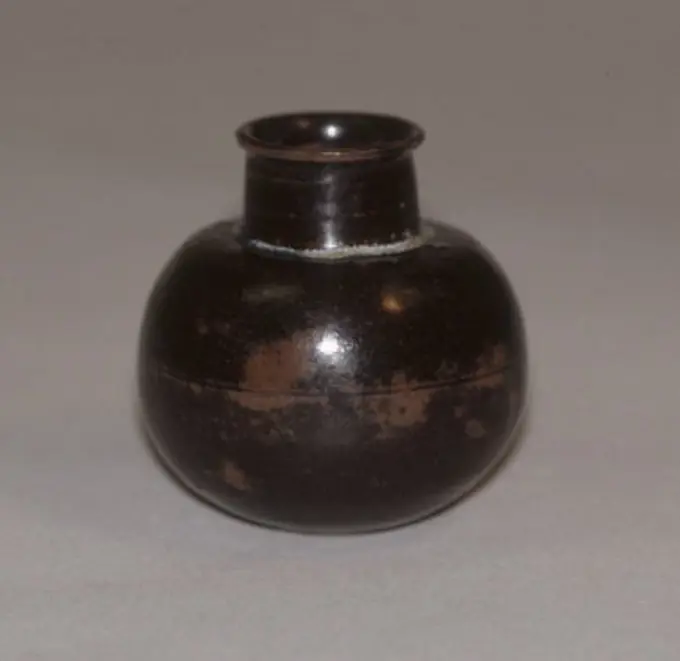
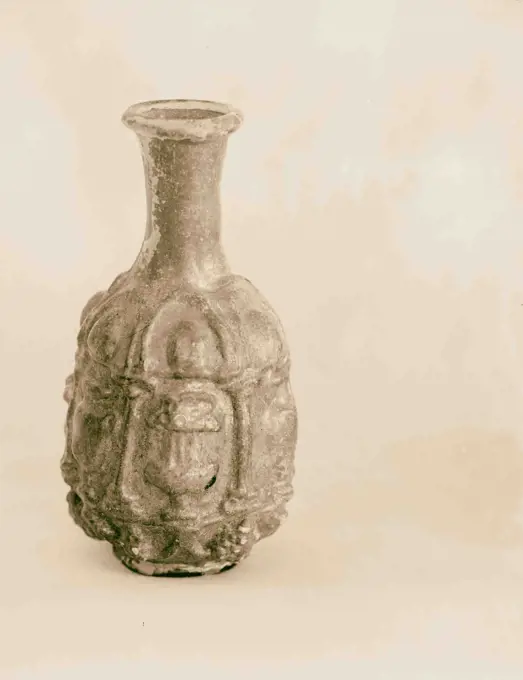
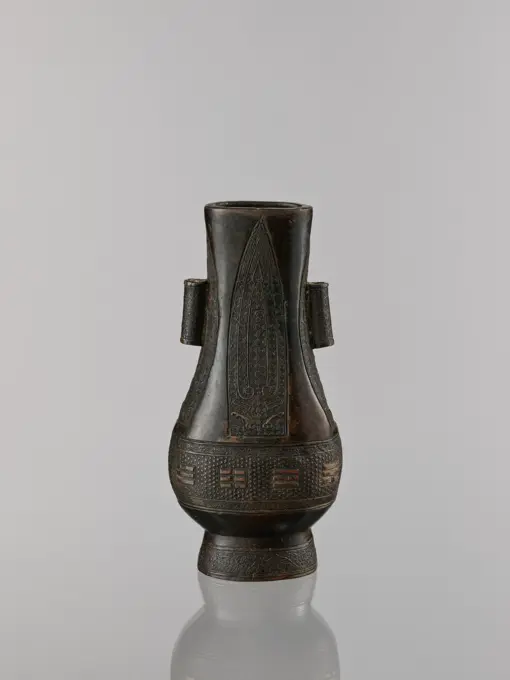
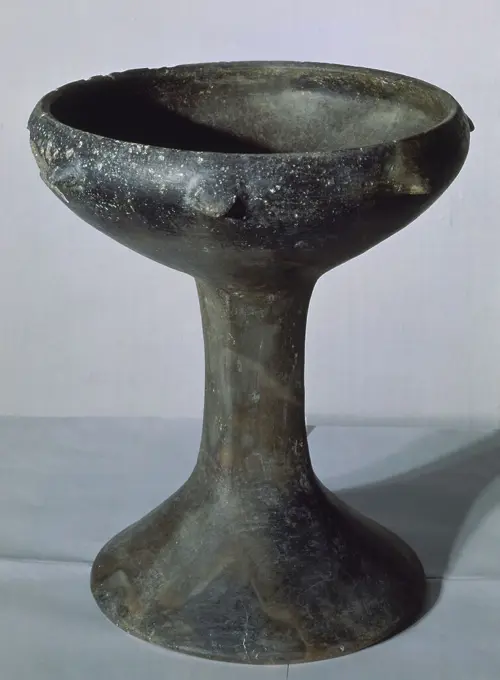
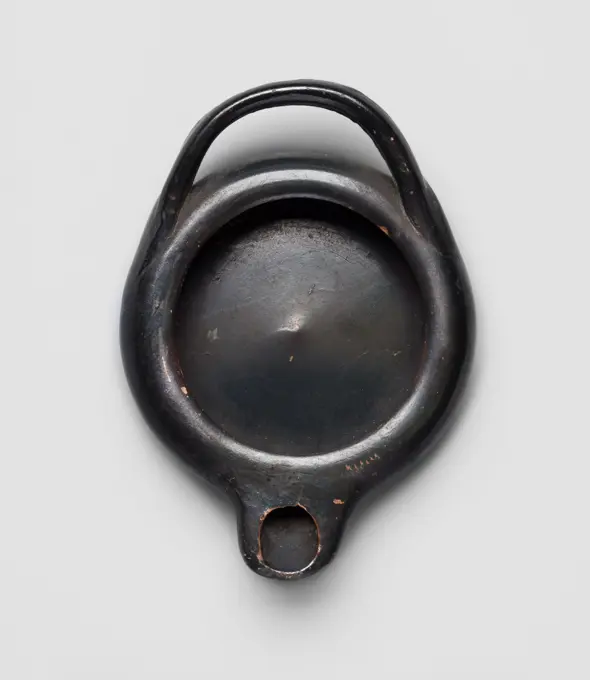
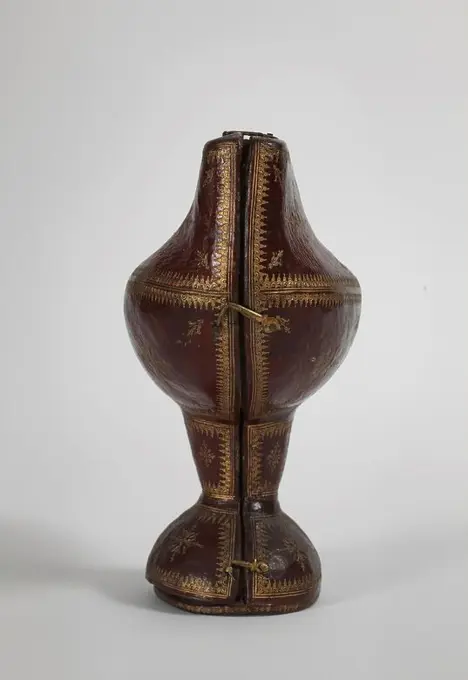
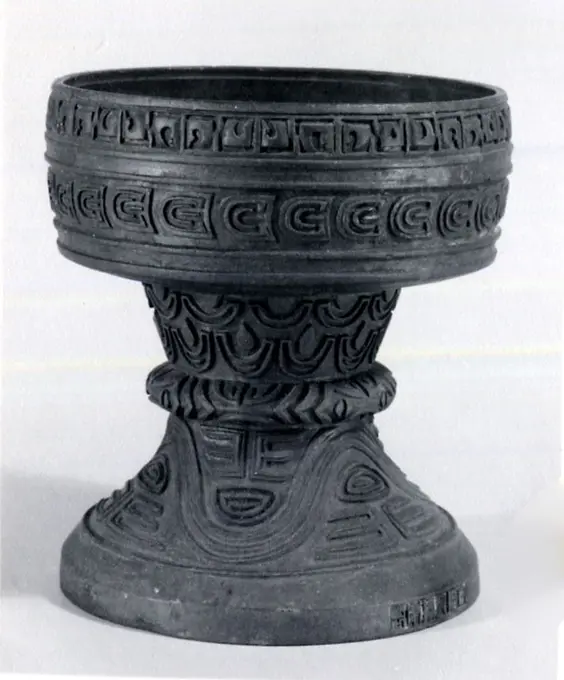
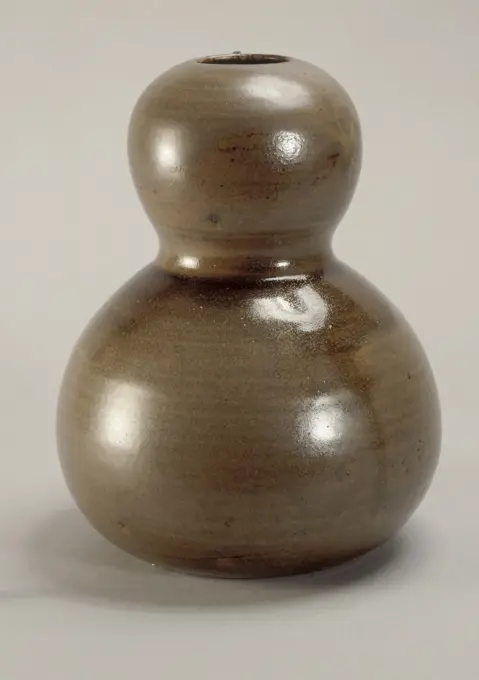
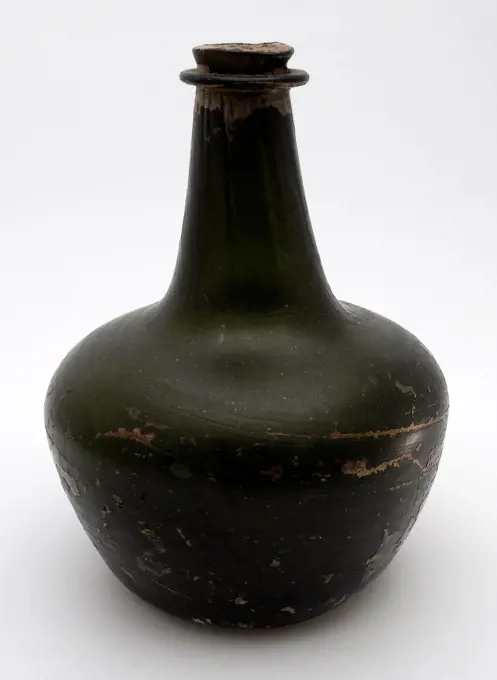
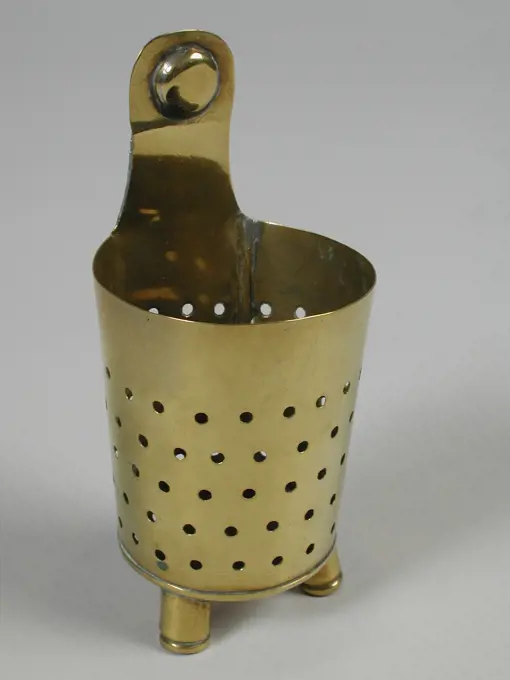
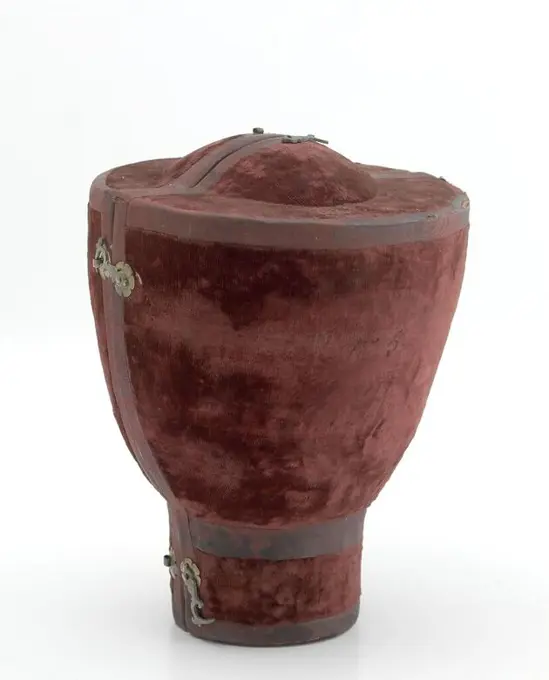
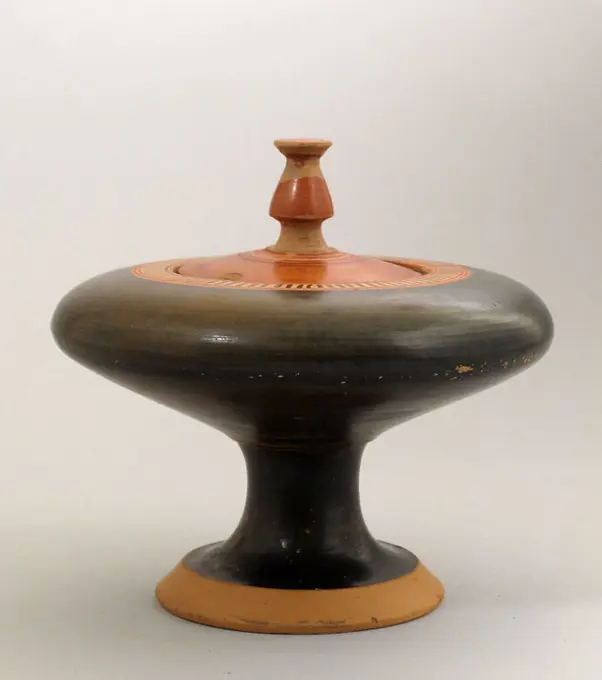
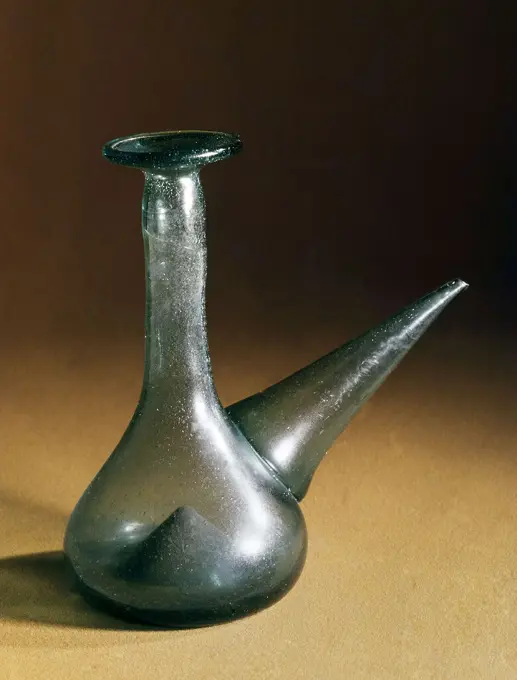
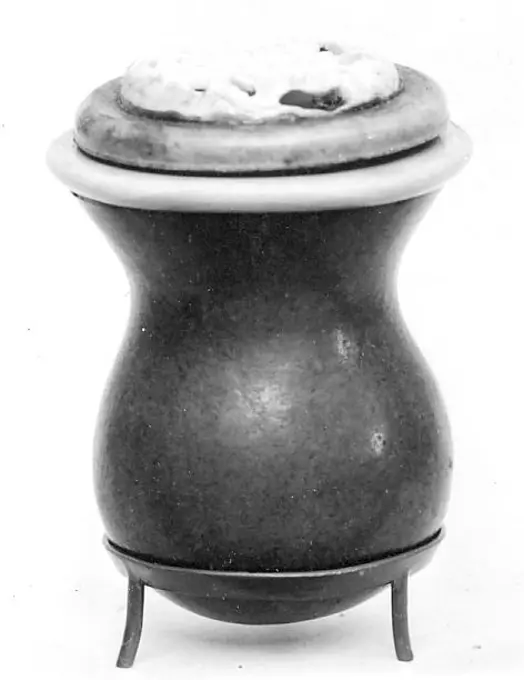
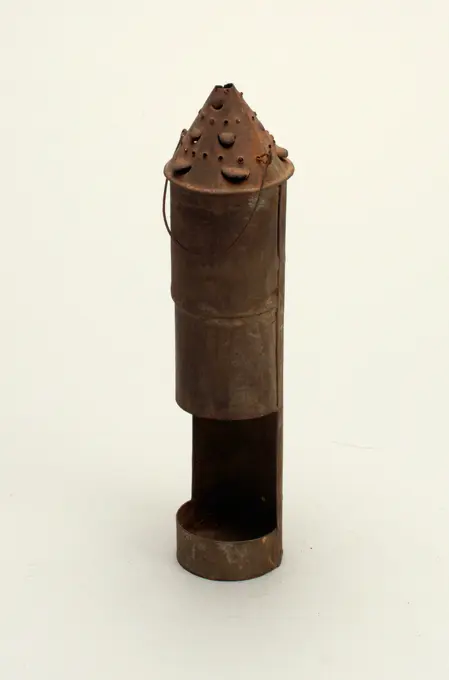
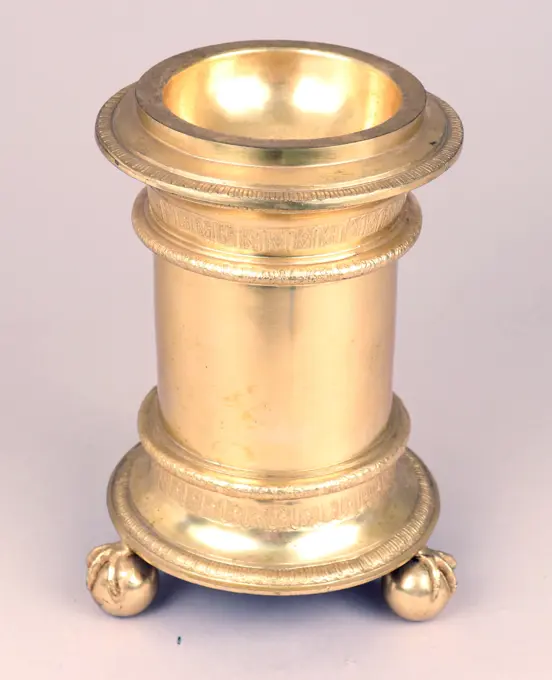
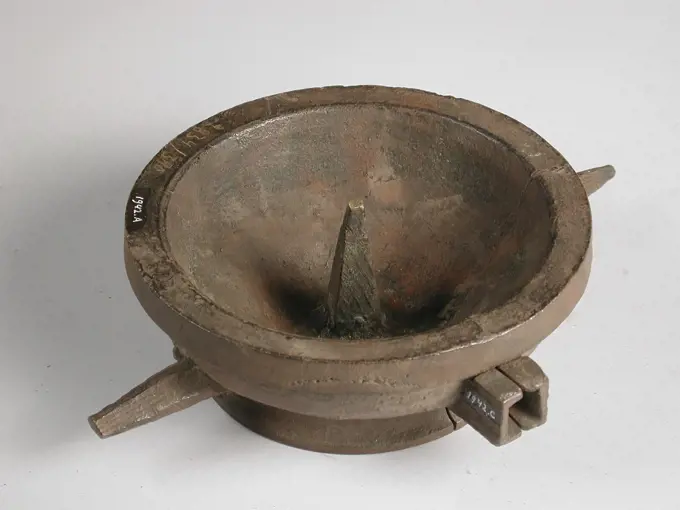
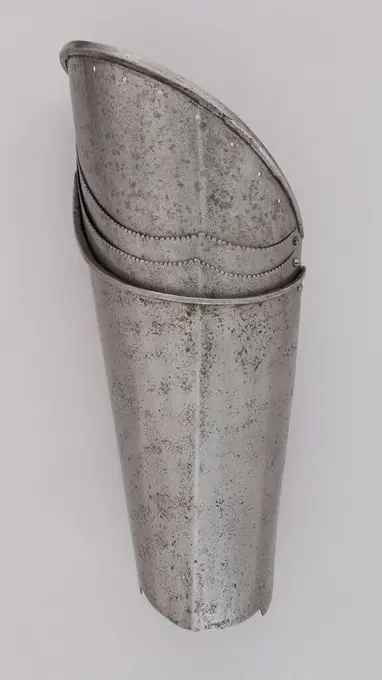
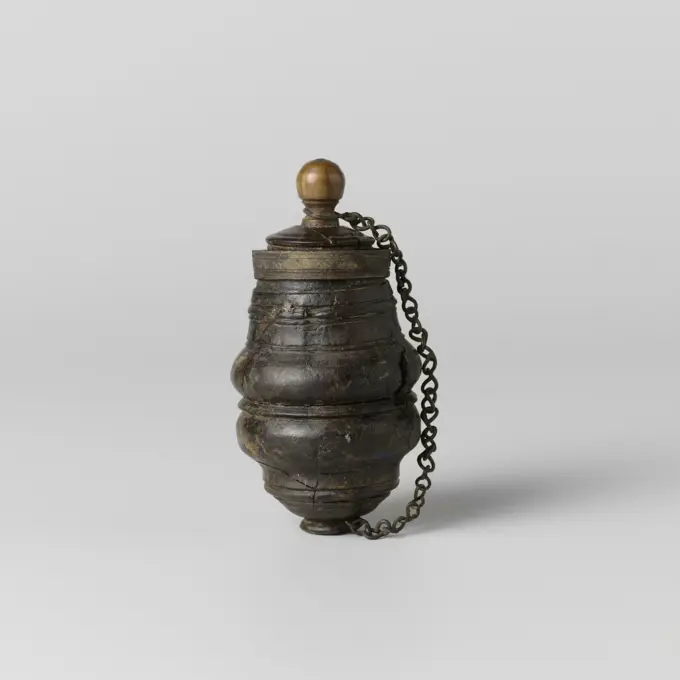
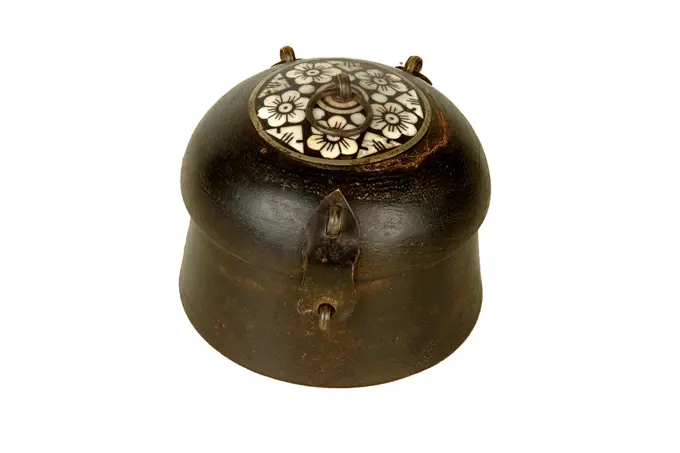
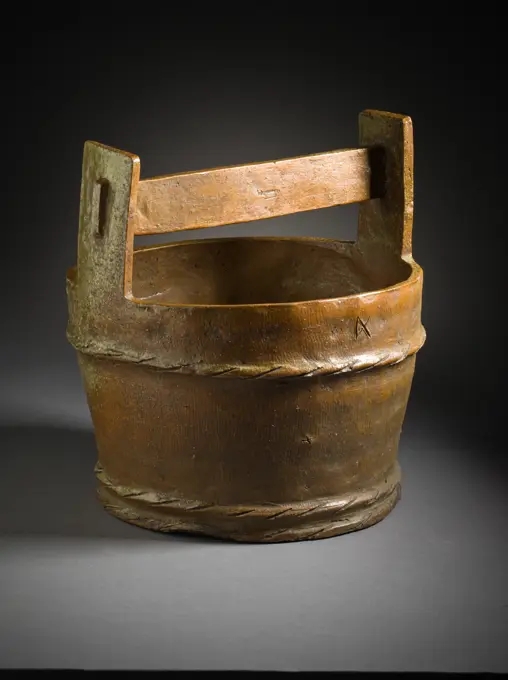
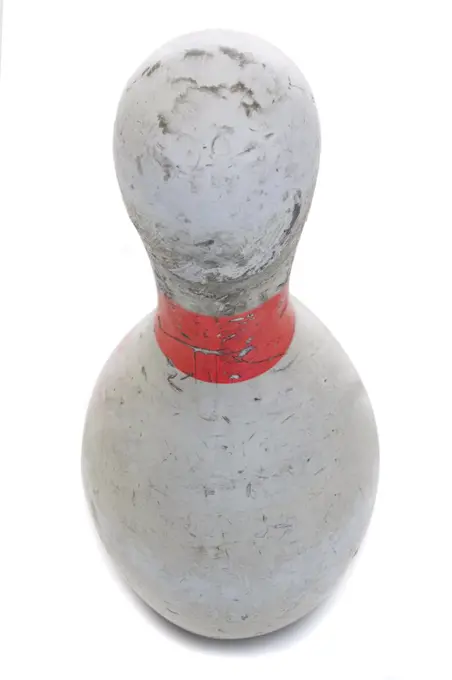
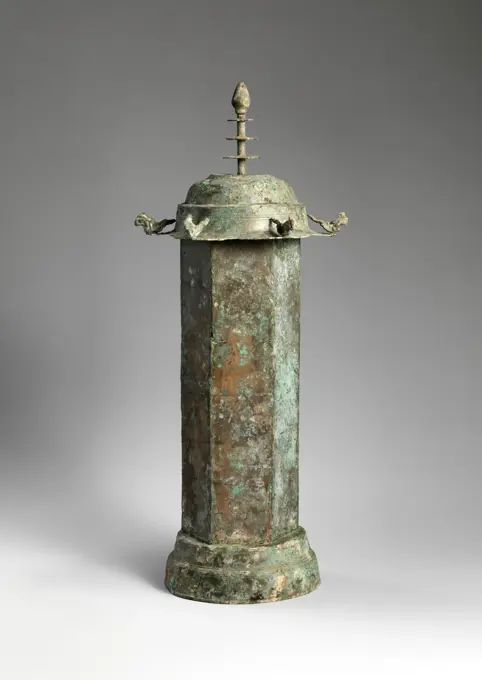
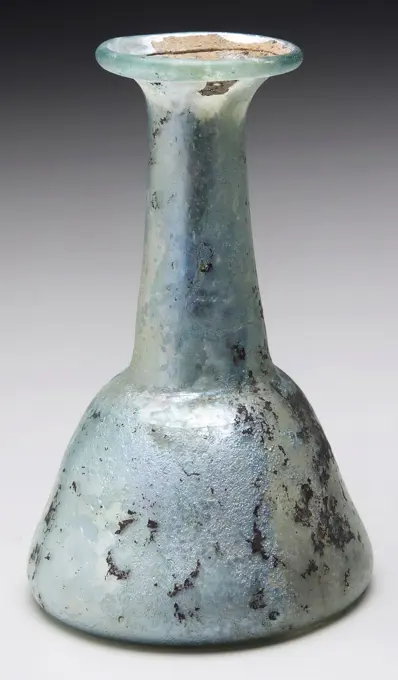
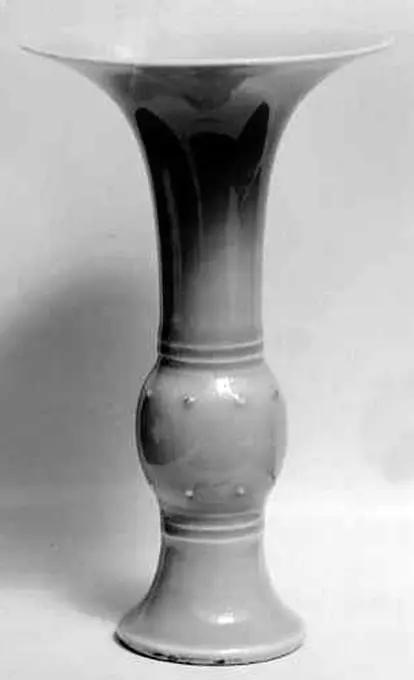
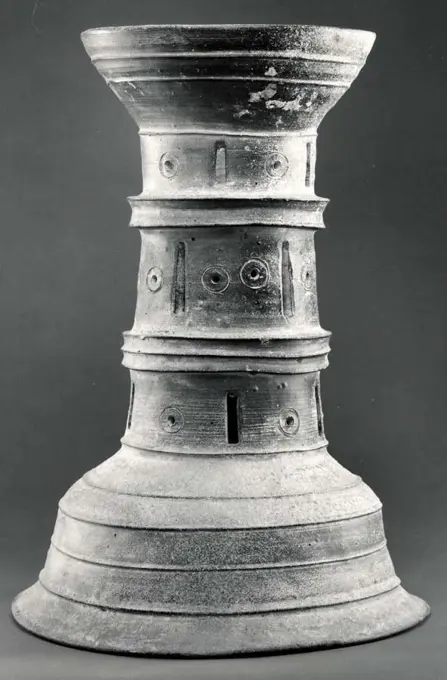
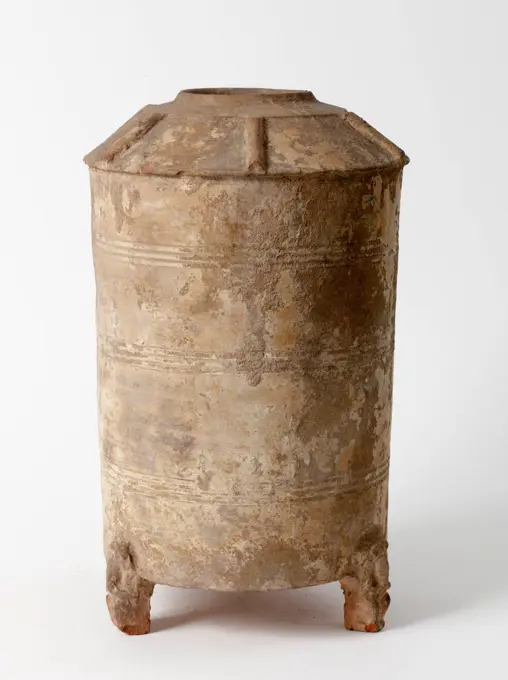
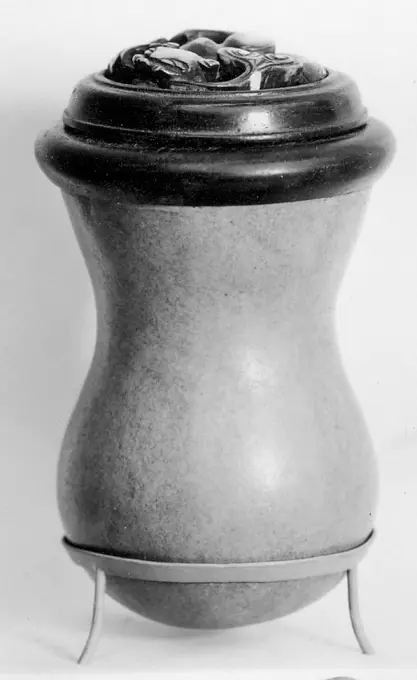
Cricket cage 18th-19th century China. Cricket cage 60726Gourd-shaped Tea Caddy 18th century Japan. Gourd-shaped Tea Caddy 62682Candlestick (Sham'dan) with Titular Inscription 1400-1500 Iran. Jade with incised decoration . IslamicAmerican Beauty, Roycroft Shops, East Aurora, NY, 1895 - 1938, Copper, Large hammered copper vase with an elongated neck with flared lip and riveted band around the bulbous bottom resting on flared foot., Aurora, New York, USA, ca. 1912, metalwork, Decorative Arts, Vase, VaseREMATE DE ESCALERA VIDRIADO. Location: ALFARERIA. FREGENAL DE LA SIERRA. Badajoz. SPAIN.. Gourd-shaped vase of stoneware with a short, slightly spreading neck, covered with a bronze-colored glaze (Tea-Dust). The bottom is unglazed. Old label on the bottom with 'W842'.Old rusty scale weight isolated on white backgroundblack pawn piece vintage wooden pawn chess piece isolated on white Copyright: xZoonar.com/YuryxZapx 1053976884stPottery ointment jar, tapered with three nips, purple-brown speckled glazed, ointment jar pot holder soil find ceramic earthenware glaze tin glaze, hand turned baked 2x glazed Pottery ointment jar tapered with three constrictions with wider base. Glazed purple brown color. Stand area with deducting rails. So called Delftware in the form of an albarello archeology health care indigenous pottery packing pharmacy store selling medicine drug craftTea jar ca. 1500 Japan. Tea jar 63125Lécythe with black body. Palmettes in black figures. Athens (Greece), around 500 BC. AD Museum of Fine Arts of the City of Paris, Petit Palais. 59233-20 Anse, Greek antiquity, Greek art, ceramic, black figure, shaded shape, perfume oil, black body lecythe, pattern, decorative pattern, palmette, base, body care, ancient vase, 5th 5th 5th 5th century AV.JC , VIEM LIFE VI 6th 6th 6 CENTURY AV.JCGlass perfume bottle. Culture: Roman, Cypriot. Dimensions: 9 3/4 in. (24.8 cm)Other: 6 1/8 in. (15.6 cm)Other (rim): 2 1/4 in. (5.7 cm). Date: 2nd-3rd century A.D..Colorless with blue green tinge.Tubular rim folded down, over, and in, and pressed into everted mouth; cylindrical neck flaring downward, with irregular shape at top from tooling; broad, almost flat body, with convex side, curving out and downward; pushed-in bottom with central kick and large pontil mark.Complete except for about half of rim and mouth, and internal cracks in body; some pinprick bubbles; dulling, iridescence, and patches of creamy brown weathering.This unusually large bottle with its broad, shallow body, belongs to a type that is often called the 'candlestick unguentarium.'. Museum: Metropolitan Museum of Art, New York, USA.Bottle 9th century. Bottle. 9th century. Greenish glass; free-blown, undecorated. Found/excavated Iraq, Samarra. GlassWater Pipe Top 19th century. Water Pipe Top 444575Fragment of pottery salt barrel or candlestick, terracotta, salt vessel holder candle holder lighting means soil finds ceramic earthenware terracotta, hand-turned baked Fragment of earthenware salt barrel or candlestick. Semi-finished product of terracotta end product Shallow dish on column collar in the middle of the column Base with high soul Orange shard archeology Rotterdam City center Stadsdriehoek Schielandshuis indigenous earthenware Soil discovery: Schielandshuis Rotterdam.Case for Eucharistic chalice and paten, 1627, 10 3/4 x 8 1/8 x 8 1/8 in. (27.31 x 20.64 x 20.64 cm) (closed), Stamped leather, metal, Germany, 17th centuryCloseup of a small bell on whiteVase. Culture: China. Dimensions: H. 14 1/2 in. (36.8 cm); Diam. 10 in. (25.4 cm). Museum: Metropolitan Museum of Art, New York, USA.Oriental pot Oriental pot isolated with clipping path included Copyright: xZoonar.com/MarkoxBericx 7067057Bottle vase 18th century China. Bottle vase. China. 18th century. Porcelain with copper red glaze (Jingdezhen ware). Qing dynasty (1644-1911). CeramicsSilver Double Spouted Bottle 12th-15th century Chimú. Silver Double Spouted Bottle 315302Tea Jar 1650 Japan. Tea Jar. Japan. 1650. Clay covered with glaze; right-handed itogiri (Takatori ware). Edo period (1615-1868). CeramicsVase. Bronze. Chine. Par musée musée malée. 70003-51 Chinese art, bronze, decorative motif, container, relief, vaseAntique glass 1898, Middle EastOil Lamp 14th century or earlier Thailand (Tak Province). Oil Lamp. Thailand (Tak Province). 14th century or earlier. Bronze. MetalworkHu vase;  19th century () (1801-00-00-1900-00-00);old door knockerVase. Culture: Japan. Dimensions: H. 5 1/2 in. (14 cm). Date: 17th century. Museum: Metropolitan Museum of Art, New York, USA.COPA DE CERAMICA ARGARICA CON PEANA PROCEDENTE DEL CERRO DE LA ENCINA DE MONACHIL (GRANADA) - 1900-1300 a JC. Location: MUSEO ARQUEOLOGICO-PREHISTORIA. SPAIN.Lampka oliwna. warsztat attycki, workshopTea Jar 17th century Japan. Tea Jar 62632Anonymous / 'Case for boat-shaped agate cup with Cupid on a dragon'. 1600 - 1711. Leather, Wood, Metal, Velvet. Museum: Museo del Prado, Madrid, España.Ceremonial Vessel China. Ceremonial Vessel 61279Rosewater sprinkler or bottle with powder blue and light brown, anonymous, c. 1700 - c. 1724 Rose water dropper or porcelain porcelain with spherical body and thickenings in the long, narrow neck, covered with underly glaze blue and cafe-au-lait glaze. The body is covered with bleu poudré (powder blue); The neck is covered with a light brown glaze. Bleu Poudré with monochrome brown. China porcelain. glaze. cobalt (mineral) painting / vitrification Rose water dropper or porcelain porcelain with spherical body and thickenings in the long, narrow neck, covered with underly glaze blue and cafe-au-lait glaze. The body is covered with bleu poudré (powder blue); The neck is covered with a light brown glaze. Bleu Poudré with monochrome brown. China porcelain. glaze. cobalt (mineral) painting / vitrificationJean Carriès (1855-1894). "Bilobé vase". Enameled sandstone. Museum of Fine Arts of the City of Paris, Petit Palais. 24201-12 Bilobe, ceramic, gres emaille, vaseBelly bottle, 'shaft and globe', bottle holder bottomfound glass, free blown and shaped glass application Bulky bottle in clear green glass. Pontil mark under slightly raised bottom (chip is in belly bottle) Body with widening ascending wall to flat shoulders and rejuvenated (dm 6.0 - 3.0 cm) neck with imposed all-round sharp glass thread and dilated flattened lip archeology packagingPricket Candlestick ca. 1445 French. Pricket Candlestick 467758Miniature Bottle China. Miniature Bottle. China. Porcelain. Qing dynasty (1644-1911), Kangxi period (1662-1722). CeramicsVase 19th century China. Vase 46748Philip Smith, Preserve Jar, 1938 Preserve JarLamp. Oil lamp or moderator lamp, incomplete.Jar -metal worker: Gresnich, Yellow copper tea leaves colander, colander sieve kitchen utensils equipment miniature toy relaxant model brass, filed soldered Front weakly conical and perforated backside flat and merging into hanging clip three legs 1868 Sibilla van Embden playing seven kitchensAnonymous / 'Case for the vase with hunting scenes'. s XVI - XVII century. Wood, Metal, Velvet. Museum: Museo del Prado, Madrid, España.Water barrel. Water barrel with a bowl-shaped body, without a spout. Belongs to tripod AK-RAK-1989-7-B.Plemochoe with lid. Culture: Greek, Attic. Dimensions: H. 3 3/4 in. (9.6 cm)diameter 5 1/4 in. (13.3 cm)H. with cover 4 13/16 in. (12.3 cm). Date: late 6th century B.C..The rim curves in to prevent spilling. Museum: Metropolitan Museum of Art, New York, USA.Bucket used to contribute songbooks, the so-called mop's jar .Wood bucket with ribs handle and tires and copper buttons. Wooden hinged lid with button in diamond shaped embossed decoration.Knife Urn. Culture: American. Dimensions: 25 11/16 x 12 1/2 in. (65.2 x 31.8 cm). Date: ca. 1820.Knife boxes typically were displayed on the top of sideboards and contained all the silver cutlery required for dining. The cylindrical form and multiple reeds with pointed Gothic profiles around the bodies of these examples are design features specific to Baltimore. Museum: Metropolitan Museum of Art, New York, USA.PORRON CATALAN DE VIDRIO SOPLADO. Location: MUSEO ETNOLOGICO. Barcelona. SPANIEN.Old Rubber stamp isolated on white backgroundSnuff bottle with stopper China. Snuff bottle with stopper. China. Pale bluish green jadeite tinged with lavender and grey; pink tourmaline stopper. Qing dynasty (1644-1911), Qianlong period (1736-95). Snuff BottlesMiniature tea caddy ca. 1720-30 David Clayton British. Miniature tea caddy. David Clayton (British, active 1689). British, London. ca. 1720-30. Silver. Metalwork-Silver-MiniatureCricket cage 18th-19th century China. Cricket cage 60739Lantern (France); tinSalt 19th century, after 1613-14 original Elkington & Co. British This electrotype is after a seventeenth-century original (1613-14), at time of reproduction a treasure of the Kremlin, Moscow.. Salt. British, Birmingham, after British, London original. 19th century, after 1613-14 original. Silver on base metal. Metalwork-ElectrotypeSword Pommel Made 1600-1650 Europe. Iron .Box and cover with inner cover 18th century probably British. Box and cover with inner cover. probably British. 18th century. Pewter. Metalwork-PewterCricket Container, 4 15/16 x 2 x 2 in. (12.54 x 5.08 x 5.08 cm) (overall), Gourd, ivory, tortoise shell, ChinaLincoln High Hat (Pass Around the Hat)' still bank, c. 1882, 2 1/4 x 2 7/16 x 2 15/16 in. (5.72 x 6.19 x 7.46 cm), Iron, pigment, United States, 19th centuryPierre-Adrien Dalpayrat (1844-1910). Vase. Flammed sandstone. Museum of Fine Arts of the City of Paris, Petit Palais. GRES, GRES FLAME, object of decoration, vase, 19th 19th 19th 19 19th 19th centuryFlower Vase. Culture: Japan. Dimensions: H. 9 1/4 in. (23.5 cm); W. 3 1/2 in. (8.9 cm); Diam. of rim: 2 in. (5.1 cm); Diam. of foot: 3 in. (7.6 cm). Date: late 18th century. Museum: Metropolitan Museum of Art, New York, USA.Philip Goelet, Pepper Box, c. 1720, silver.Three parts of four-piece bronze mold for top of pot or jug, cast molding tools tools base metal bronze, cast turned Four-piece bronze mold for casting top of pot or jug top, Rotterdam tin foundry tin pewter Mews Druy craft Forms come from the originally 18th century Rotterdam tinnegieter J Druy. The large molds that were not signed or dated were the property of the tinker guild and were rented to the small tin caster.Pair of Thigh Defenses (Cuisses). Culture: Italian. Dimensions: Cuisse (a); H. 15 in. (38.1 cm); W. 7 in. (17.8 cm); D. 5 in. (12.7 cm); Wt. 2 lbs. 3.3 oz. (1000.7 g); cuisse (b); H. 15 in. (38.1 cm); W. 6 in. (15.2 cm); D. 6 3/4 in. (17.1 cm); Wt. 2 lbs. 0.1 oz. (910 g). Date: ca. 1450. Museum: Metropolitan Museum of Art, New York, USA.Wouden tinderbox from the wreck of the Dutch East Indiaman Hollandia, anonymous, 1700 - in or before 1743 pot Pot; egg-shaped, inverted baluster moulding, narrow flat circular base, straight upper rim, band around rim; loose lid, circular, slightly domed, narrow overhanging rim, concave underneath, baluster-shaped finial: attached to base with chain. Netherlands wood (plant material). copper (metal). bone (material)   SecondMortar and pestle against a white backgroundAntique wooden pot with cap , Jodhpur, Rajasthan, India Copyright: xSafatxAli/DinodiaxPhotoxCold Water Container for Tea in the Form of a Wooden Bucket. Japan, Momoyama period, 1573-1615. Ceramics. Tanba ware: stoneware with natural ash glaze; lacquered woodBowling pinLink wheels.Case for the centrepiece of Wenzel Jamnitzer. This leather case was specially made for the large centrepiece by Nuremberg silversmith Wenzel Jamnitzer (on display in Gallery 2.3). That silver-gilt showpiece is shaped like a high-footed bowl surmounted by a vase. The table ornament was kept in a dedicated area of the treasury of the town hall of Nuremburg. The case was opened only on rare occasions for particularly high-ranking guests.Hexagonal Sutra Container, 1127, Unknown Japanese, 16 1/2 × 6 5/8 × 6 5/8 in. (41.91 × 16.83 × 16.83 cm), Bronze, Japan, 12th century, This sutra container can be dated to the year 1127 thanks to an inscription incised on the body of the container. Its lid is decorated with delicate bird motifs.Inkwell 1807-13 Thomas Danforth, III. Inkwell. American. 1807-13. Pewter. Made in Philadelphia, Pennsylvania, United Statesone Life (base for candelabra); Lilpop, Karol Jerzy (Fl. 1820-1833); 1815-30 (898-00-00-1820-00-00);Flask, 1st-5th century, 4 3/4 in. (12.07 cm), Glass, Syria, 1st-5th centuryBeaker China. Beaker 51037Basket 19th century Japan. Basket. Japan. 19th century. Bamboo. Edo (1615-1868) or Meiji period (1868-1912). BasketryStand 5th-6th century Korea. Stand 57521Gewicht van 1 kilogram in houten standaard.Charter kilogram with fixed button. The weight is stored between two circular pieces of palm wood, which are connected by three wooden columns. On the top of v.z.v. threaded and a wooden button so that the top shelf can be taken. Object v.Z.V. label and stamp on the ground surface of the Ministry of the Interior and with that of the first class of the Royal Dutch Institute.Grenier ". Terracotta, traces of coating. Han dynasty (206 BC-220 AD). Paris, Cernuschi museum. Chinese art, Chinese ceramic, han dynasty, han time, extended shape, granary, terracotta, tripod, three feetWhite City Pail' still bank, 1893, Nicol and Co., Chicago, est. 1893, 2 5/8 x 2 5/8 x 2 5/8 in. (6.67 x 6.67 x 6.67 cm), Iron, pigment, United States, 19th centuryOld retro metal traditional vessel on stone and green grassHelmet 18th-19th century Caucasian. Helmet 32126Snuff Bottle, 17th-19th century, 2 1/2 x 1 3/4in. (6.4 x 4.4cm), Nut or pod, jade, silver, China, 17th-19th centuryBelly bottle, belly bottle bottle holder soil find glass, bottom Body with almost vertically ascending wall to convex shoulders and rejuvenated, neck of which top with glass thread and lip chipped archeology packagingchess piecesCovered Jar China. Covered Jar 61302Sordino, anonymous, 1800 - 1850 Damper for a horn made from cardboard, blue paper, green -felt fabric, rope and metal. It was found with the Hoorn BK-NM-11430-36.  cardboard. metal. wool. paper. rope Damper for a horn made from cardboard, blue paper, green -felt fabric, rope and metal. It was found with the Hoorn BK-NM-11430-36.  cardboard. metal. wool. paper. ropeKitchen handmill for pepper isolated on whiteStupa Reliquary 195 CE-205 CE Gandhara. Phyllite .Incense box in the shape of a square basket, anonymous, anonymous, c. 1700 - c. 1799 Incense box of stoneware in the shape of a square basket, covered with a green glaze and painted in brown. With lid button. Oribe. Japan stoneware. glaze vitrification Incense box of stoneware in the shape of a square basket, covered with a green glaze and painted in brown. With lid button. Oribe. Japan stoneware. glaze vitrificationCandlestick 1837-60 Rufus Dunham. Candlestick. American. 1837-60. Pewter. Made in Westbrook, Maine, United StatesRetro copper mortar and pestle isolated on whiteCoffee grinder Old vintage coffee grinder isolated over white background Copyright: xZoonar.com/IvonnexWierinkx 7410877Tea boiler with spout ending in a animal head, anonymous, c. 1800 - c. 1850 Tea boiler from Messing. The object is composed of the following parts: the boiler, the bottom, spout, the handle, the handle, the lid and the lid button. The boiler is from under ball round, above it hollow round with a straight raised neck. The bottom is a flat plate that has been bent and browned on the edges. This was later recessed with solder. The angular spout is gorgeed against the boiler, which goes up with a sharp turn and ends in an animal head. Two handle reasons were applied to the top of the boiler next to the neck in the extension of the spout. The accolade -shaped handle has wooden straight grip in the middle. The bell -shaped lid has a large wooden button on top. The zinc lower edge of the lid is switched off. The indoor sides of both the boiler and the lid are tied. Netherlands Brass (Alloy). Button and part of handle: Wood (plant material). Zinc. tin (metal) casting / soldering Tea boiler froLamp , Lamps. The Massachusetts WPA Federal Art Project Photograph CollectionCAMPANA DE BRONCE DEL ABAD SAMSON PROCEDENTE DE ESPIEL - SIGLO X - 19,5x19,5 cm. Location: MUSEO ARQUEOLOGICO-COLECCION, CORDOBA, SPAIN.Lazio Viterbo Viterbo Museo Civico31. Hutzel, Max 1960-1990 Views of paintings (Middle Ages through 18th c.), frescoes, a tabernacle, coffin, sculpture reliefs, portal fragments, busts, sculpture, tapestry found in the Pinacoteca, Second floor gallery and Second floor cloister sequences. Antiquities: Many views of Etruscan and Roman fragments, sculpture, sarcophagi, pottery, masks, jewelry and other objects found in the Storeroom sequence (inventory numbers on back of prints), and the Cloister, Second floor Cloister, Valle Giulia, Sala Romana and Sala Etrusca sequences. General Notes: There are eight separate numerical sequences for this location. The cloister as an architectural structure, rather than museum site, is documented in the record and file for S. Maria della Verita, Cloister, all views of which are stored in Medieval core collection. Five views from the Museo Civico Second floor cloister sequence are stored in Medieval. German-born photographer and scholar Max Hutzel (1911-Chassis of tin ink set. Mount of tin. There is a rectangular plate with a raised edge at four caps. In the bin in the left rear corner a high pen cooker. In addition, almost against the rear wall on two circular layer, raised edges for the inkwell and the sandpot.Vase unknown