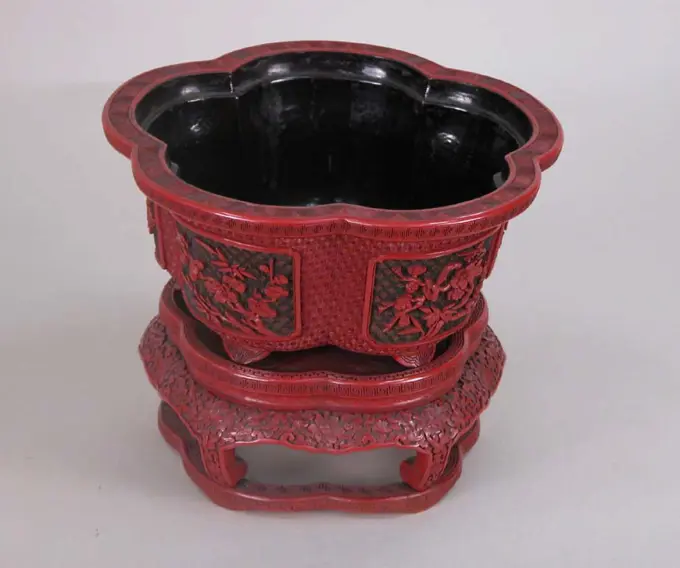
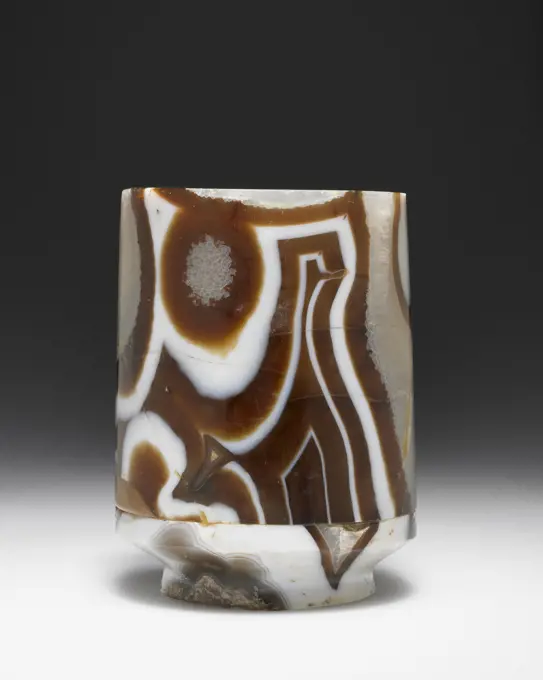
Decorative Vessels

A variety of ornamental vessels including colorful earthenware, porcelain, and glass pieces, featuring floral designs and unique shapes, highlighting craftsmanship.
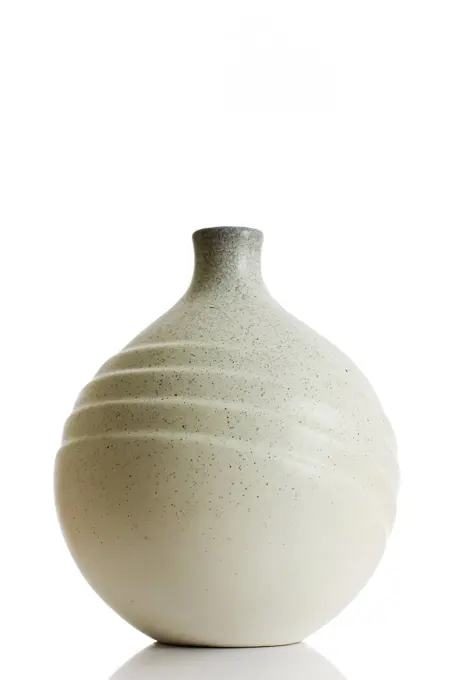
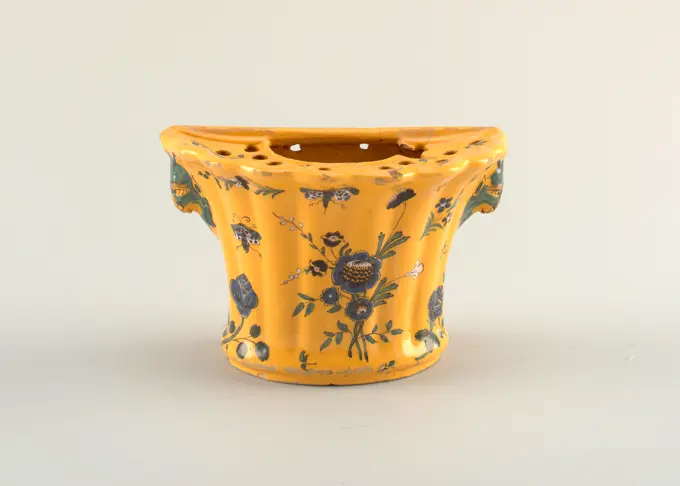
Vase.
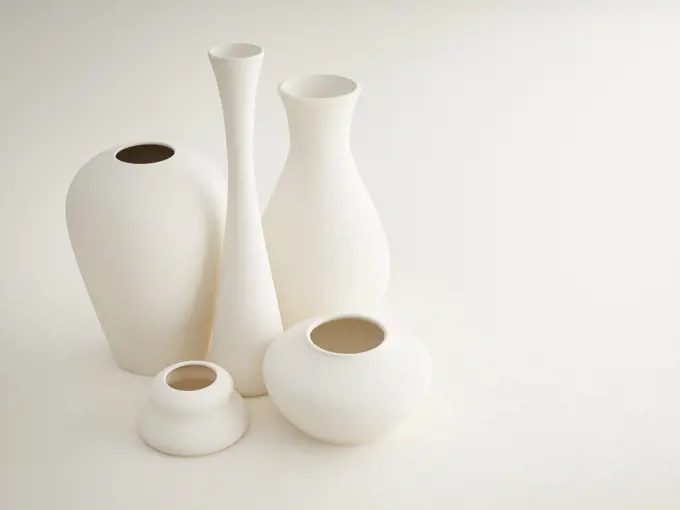
Vase.
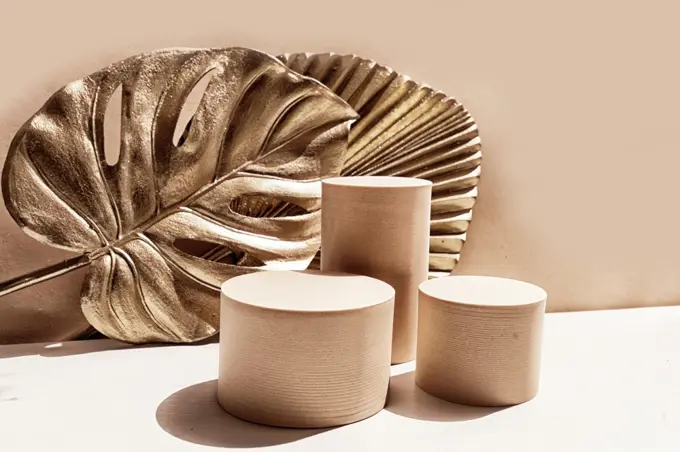
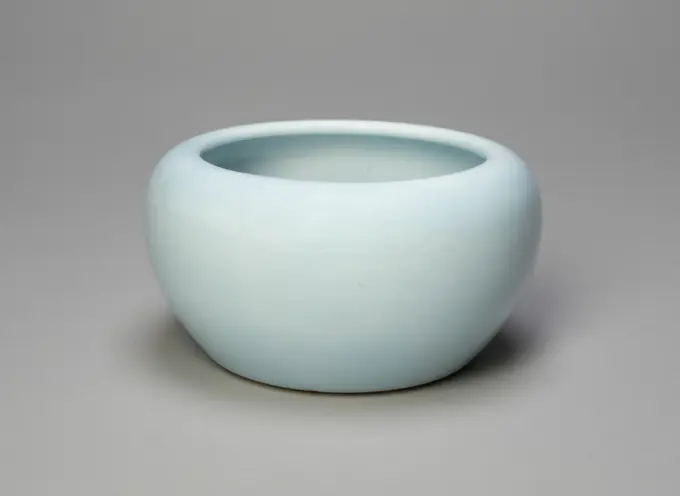
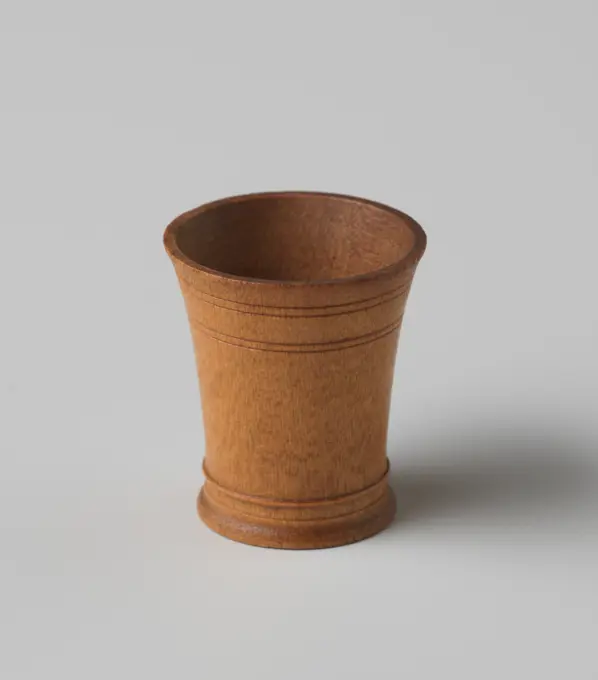
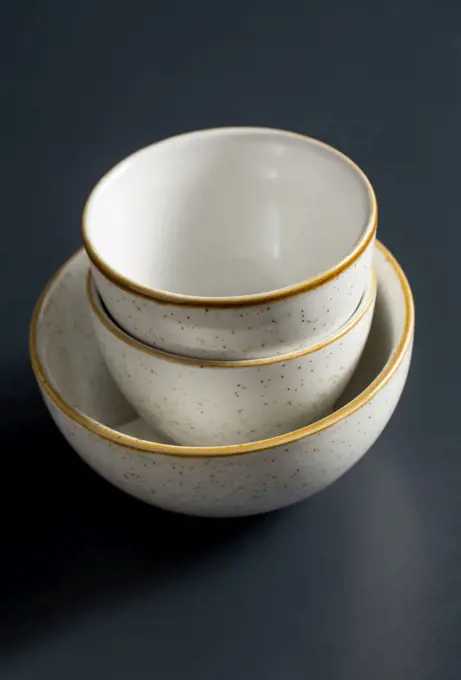
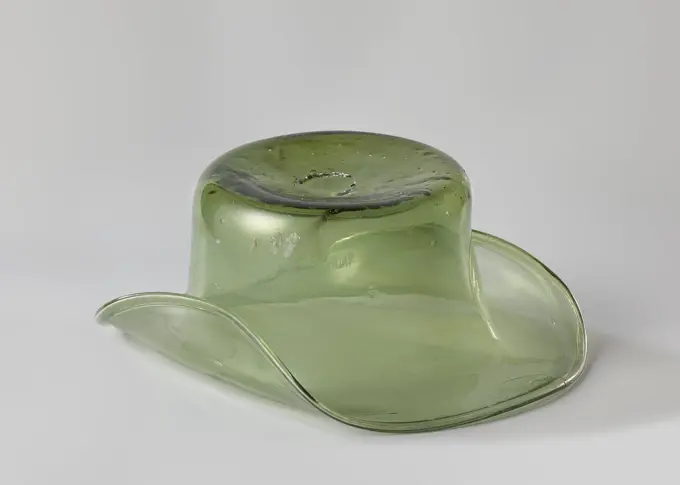
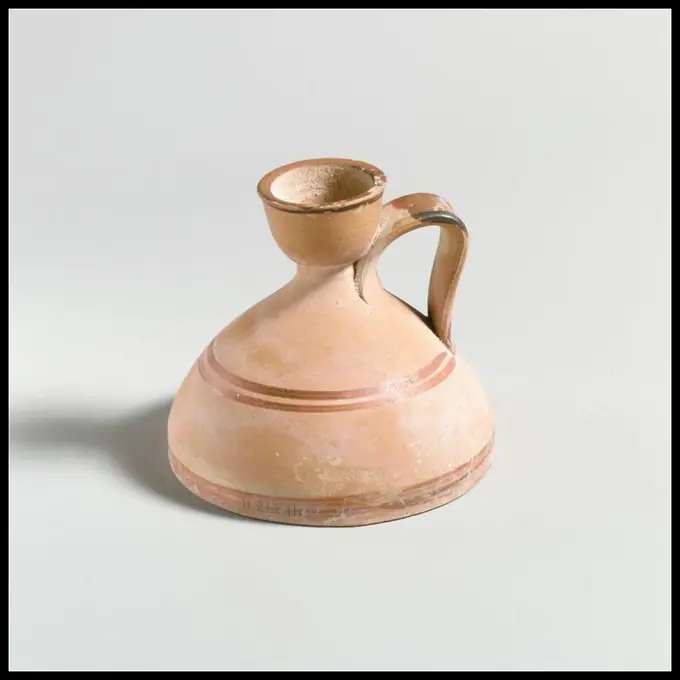
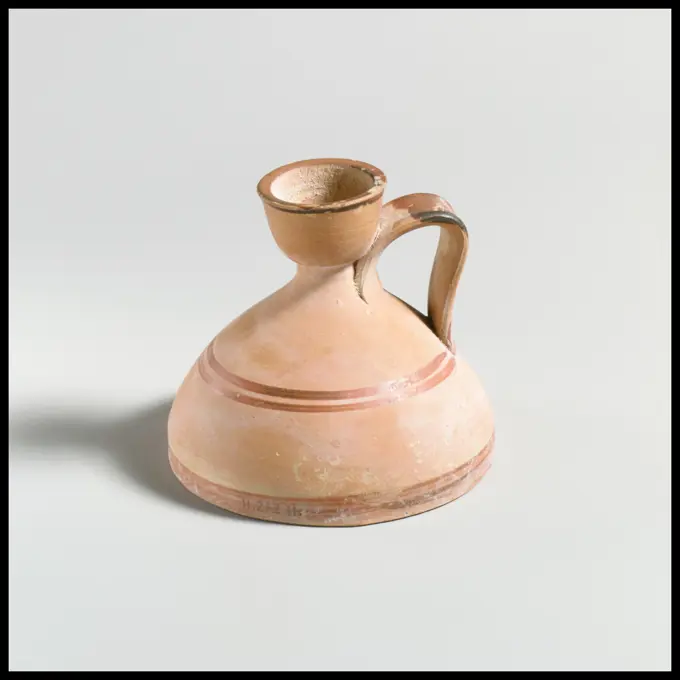
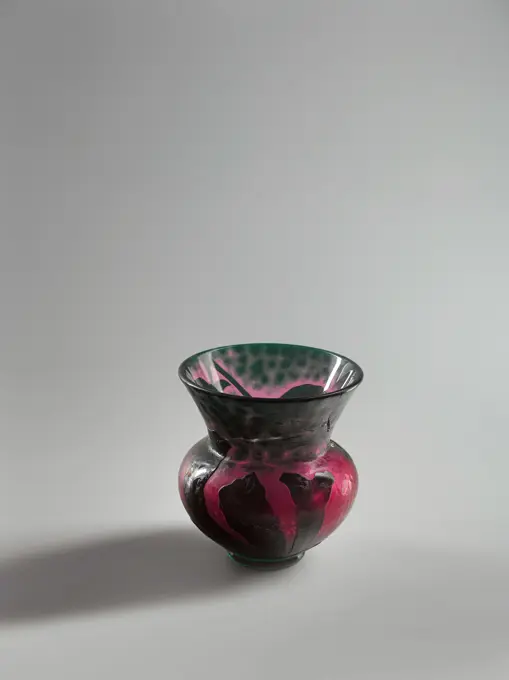
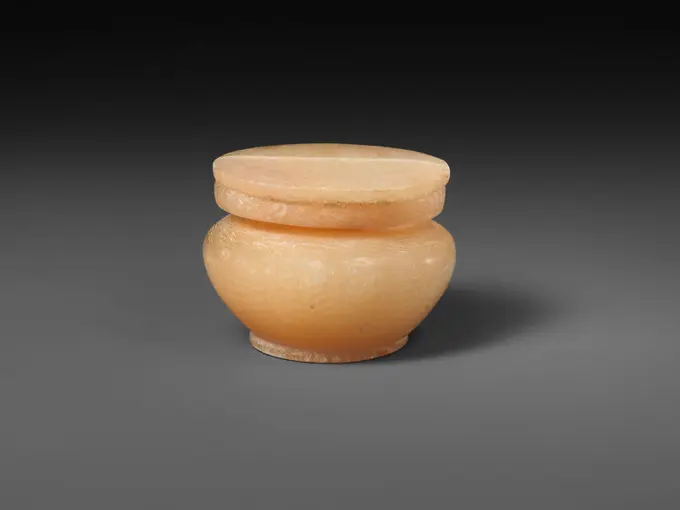
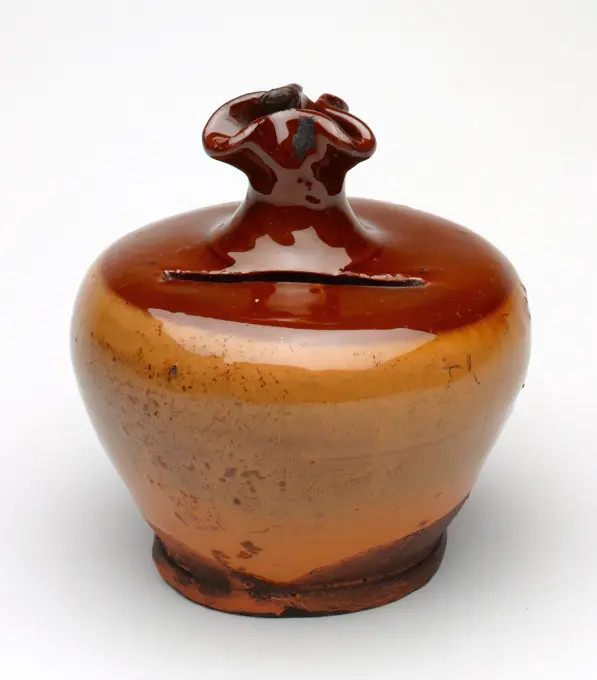
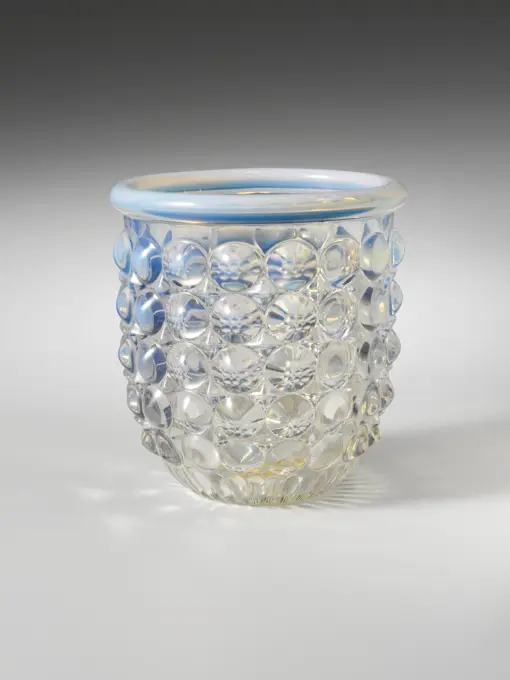
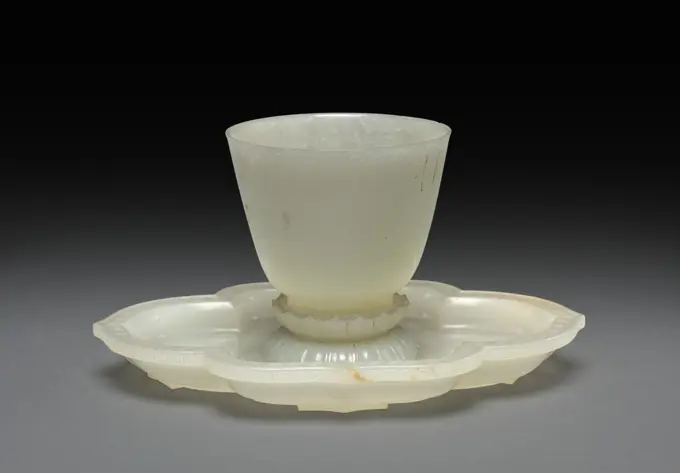
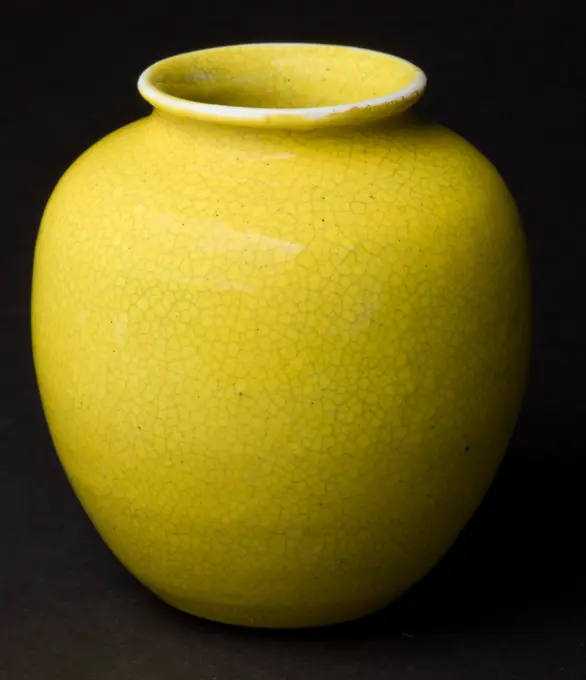
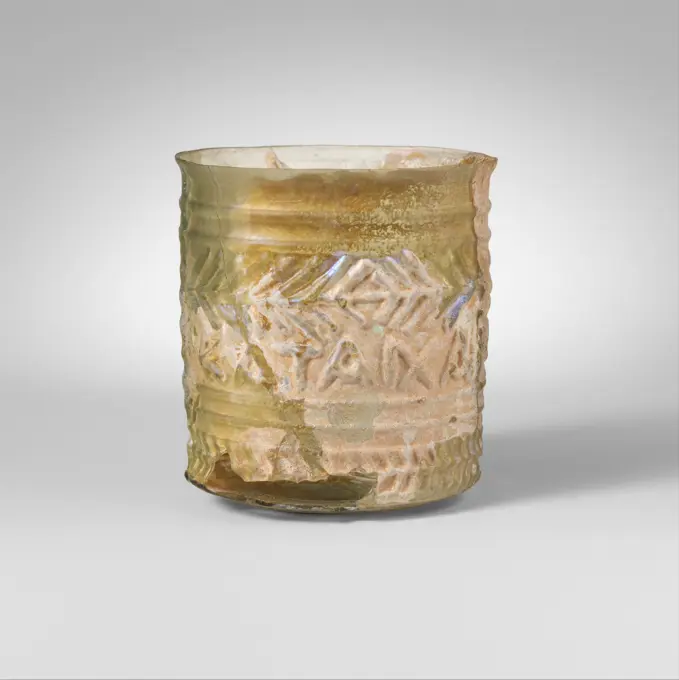
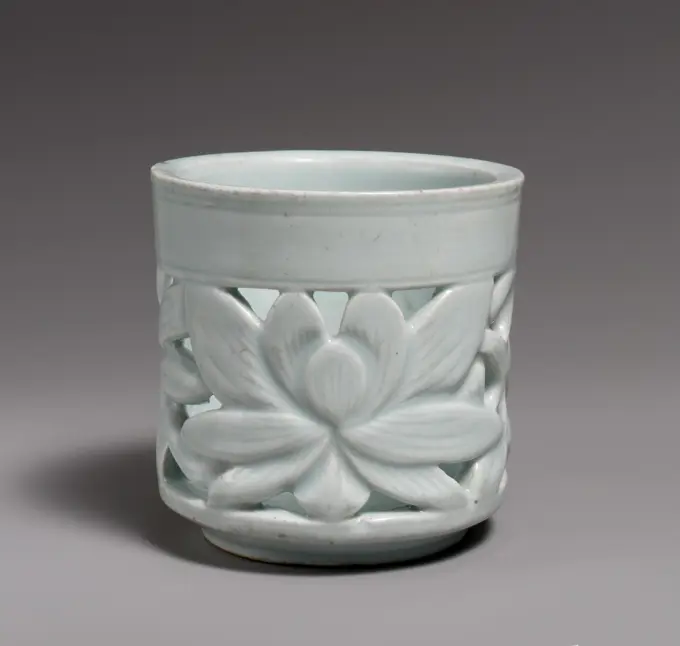
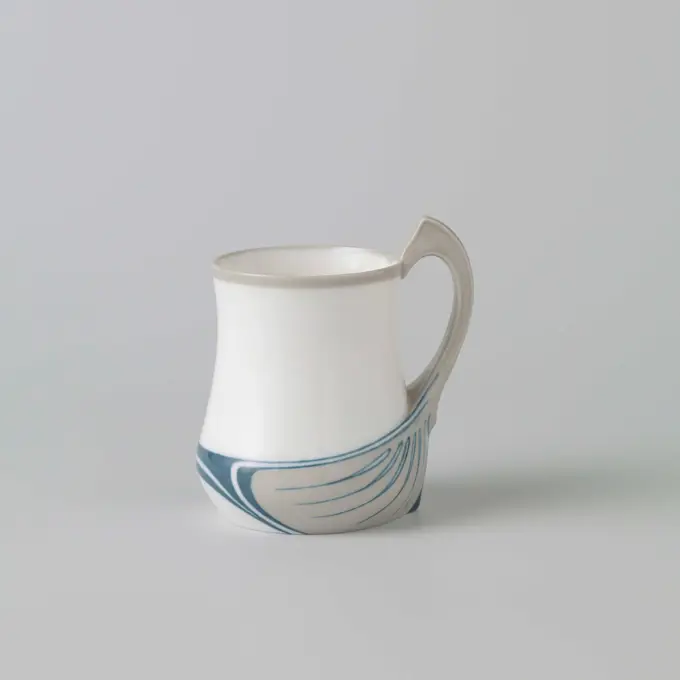
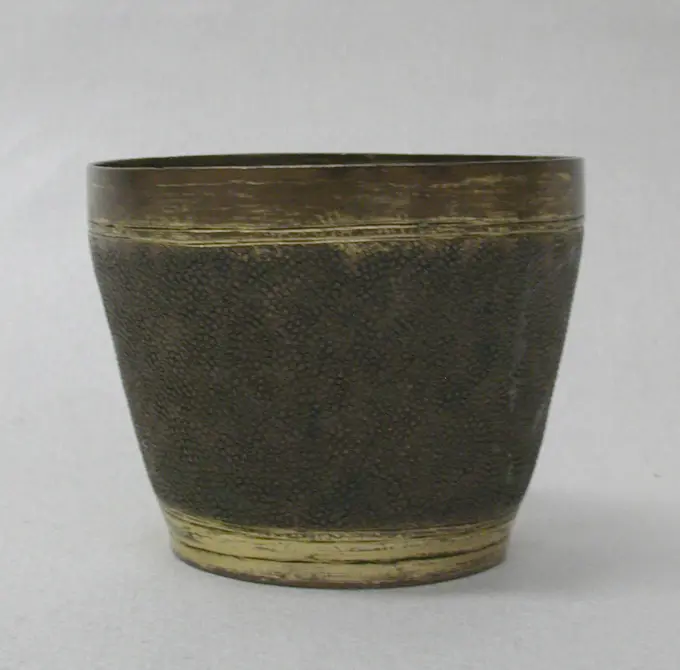
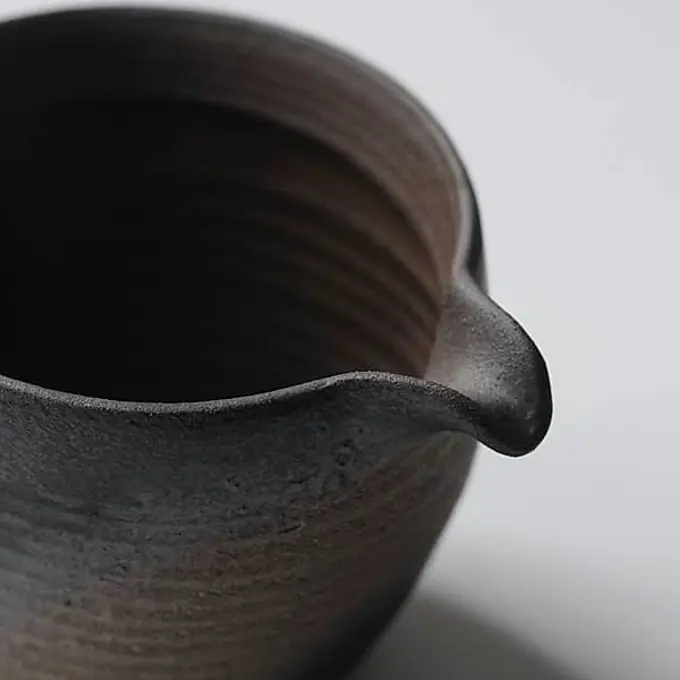
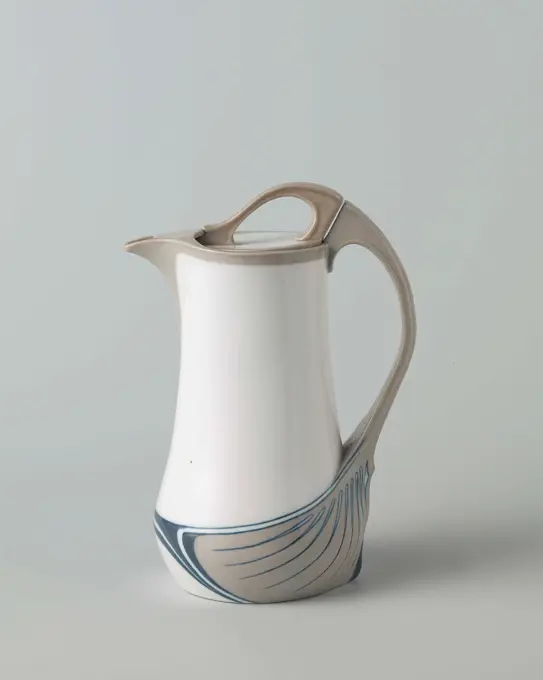
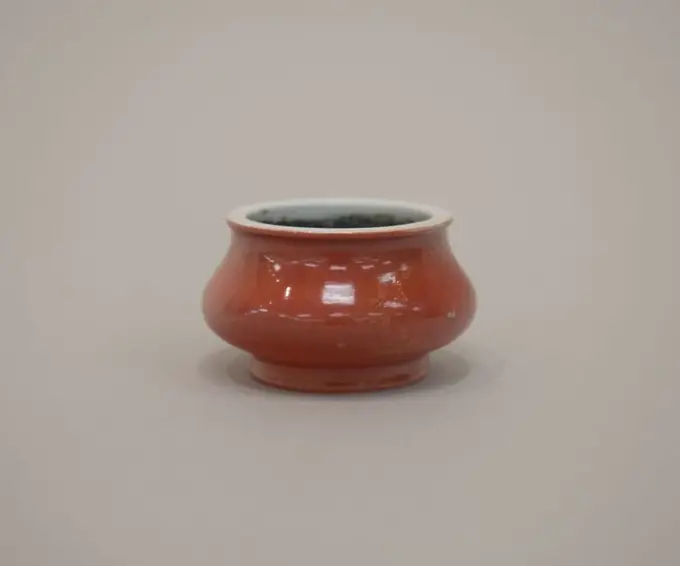
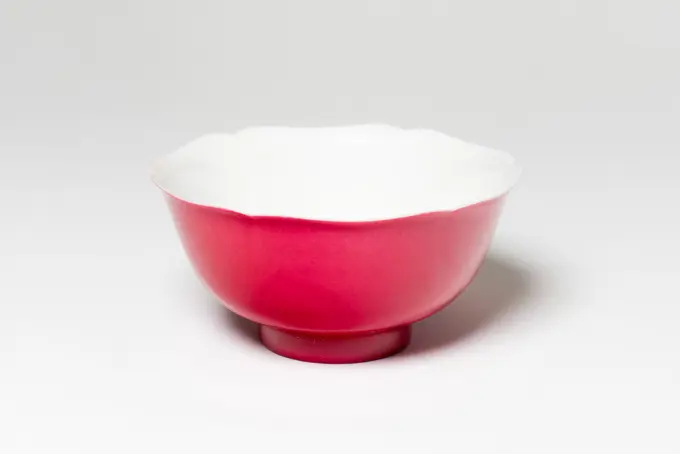
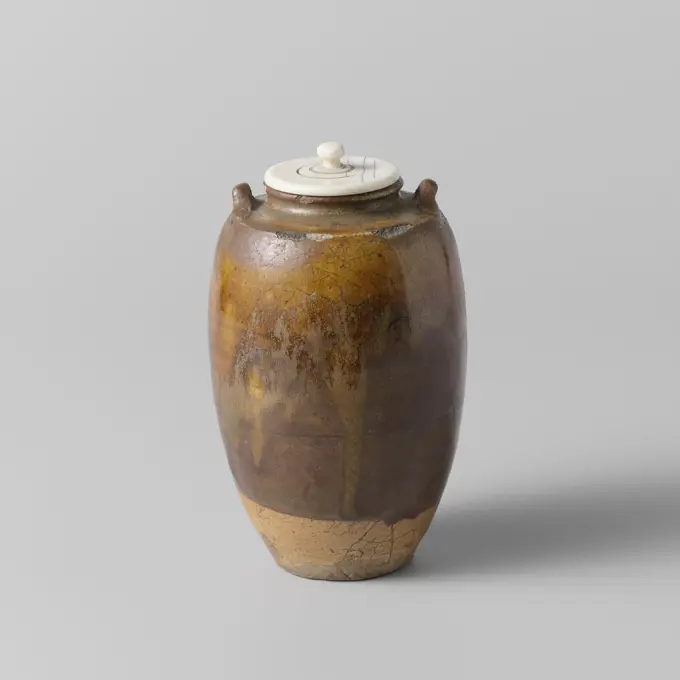
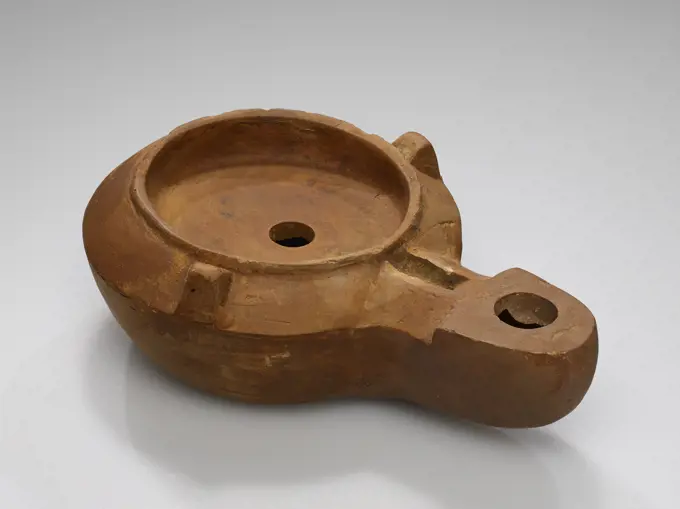
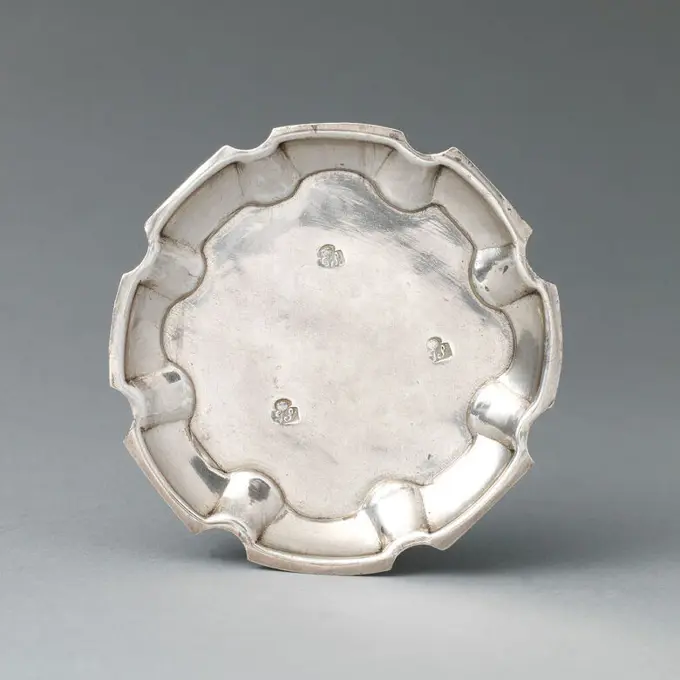
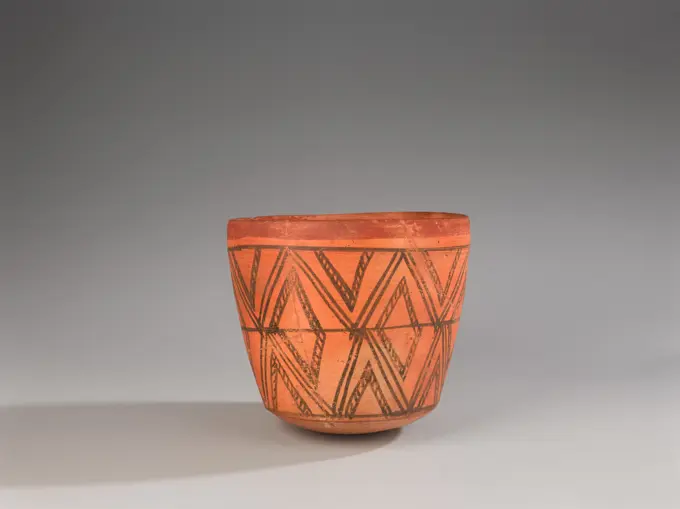
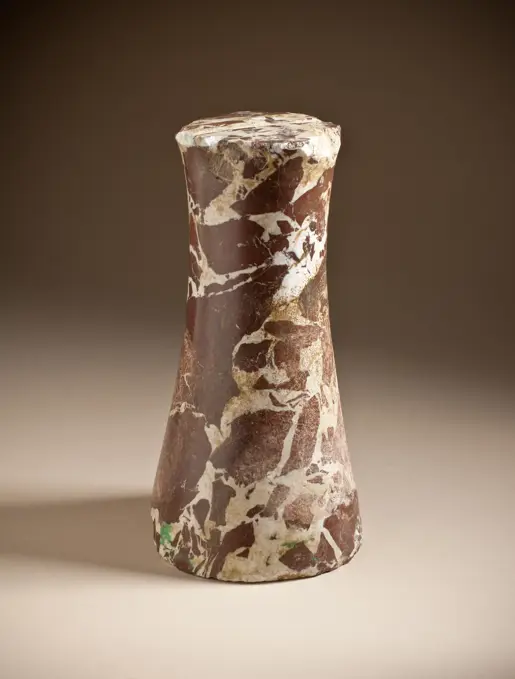
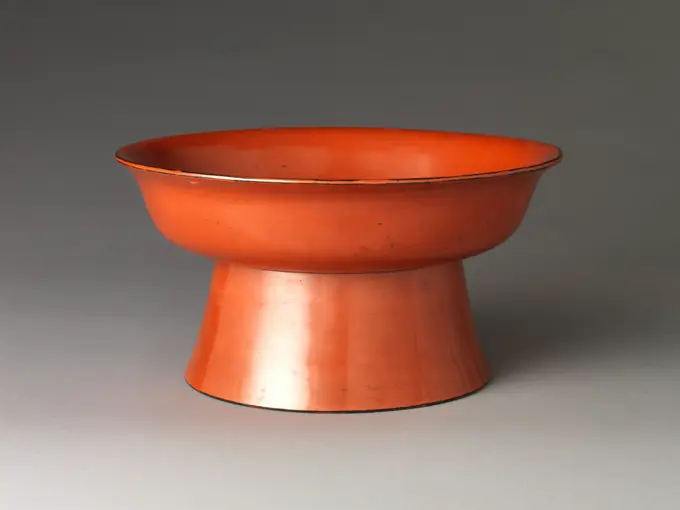
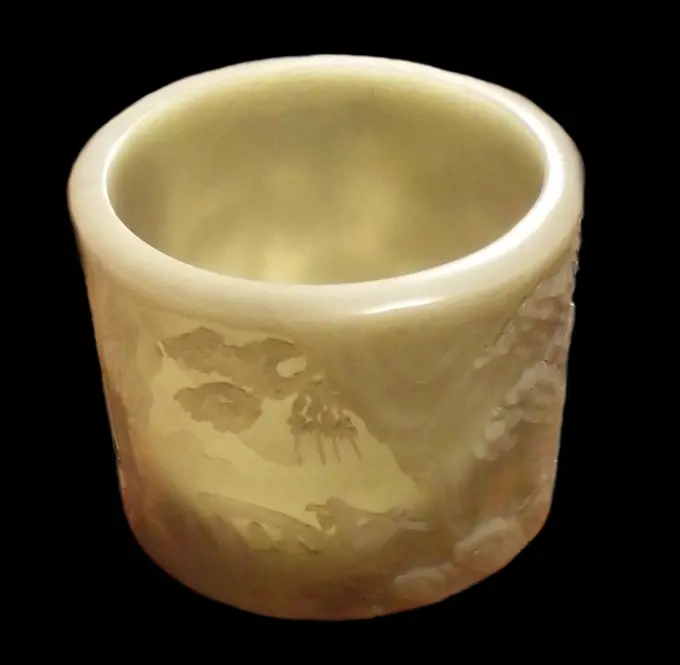
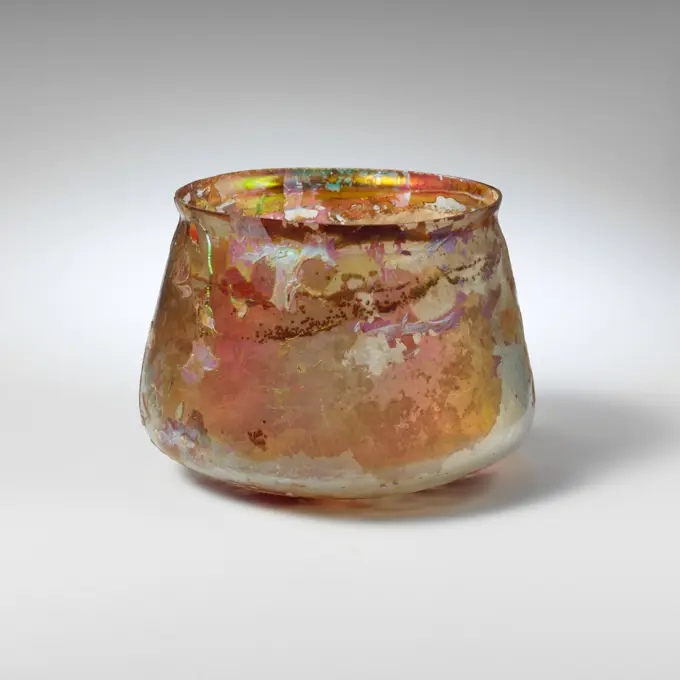
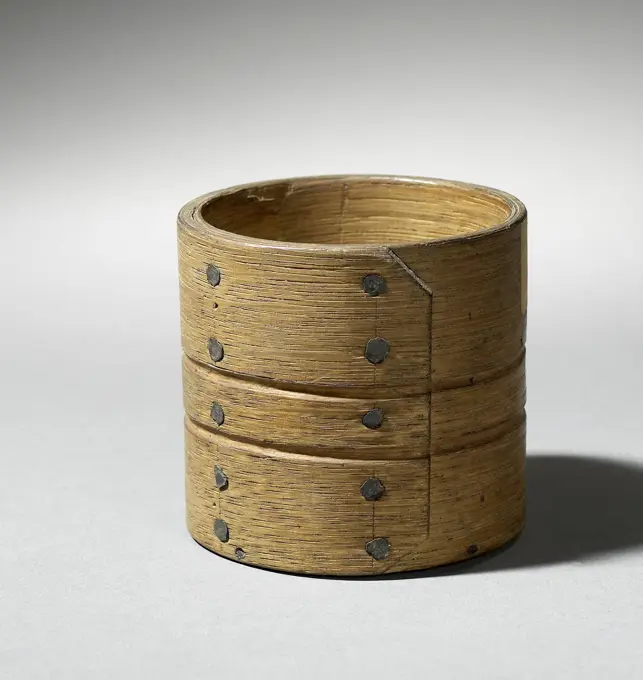
Bough Pot (France); molded and glazed earthenware with polychrome enamel; L x W x D: 13.6 × 12.2 × 21.6 cm (5 3/8 × 4 13/16 × 8 1/2 in.)Container from Lit Charcoal and Ash Containers, c. 1893-1914. Seifū Yohei III (Japanese, 1851-1914). One from a set of four containers; porcelain with molded design; overall: 10 x 12 cm (3 15/16 x 4 3/4 in.).Brush Washer with Incurved Rim 1736-1795 China. Porcelain with pale lavender-blue (tianlan) glaze .Anonymous, bowl (common name). Transparent glass, dark green. Cernuschi Museum, Asia Museum of Asia in the city of Paris.Fragment of a jug with incised lines and chip carving, anonymous, c. 1580 - c. 1699 fragment Fragment of a jug of stoneware on high foot. The shard is partially covered with cobalt blue. The part above the foot is equipped with lines that are divided into courses with blue. Separated by a profile, a notch cut is just seen on the belly. Raeren/ Westerwald. Raeren (possibly) stoneware. glaze. cobalt (mineral) vitrificationCup with profile edge and two groove edges, turned. A cup of turned maple wood with under one profile edge and above two double groove edges.Vase.tableware, kitchen utensil and dishes concept - close up of white ceramic bowls on black table. close up of white ceramic bowls on black tableTeabowl with a black brown glaze, anonymous, anonymous, c. 1800 - c. 1899 Teaom of stoneware, covered with a black brown glaze. Old label on the bottom with 'W710'. Raku (black). Japan stoneware. glaze vitrification Teaom of stoneware, covered with a black brown glaze. Old label on the bottom with 'W710'. Raku (black). Japan stoneware. glaze vitrificationGlass in shape of a hat, anonymous, c. 1800 - in or before 1896 Green hat with edge stored on both sides. Northwest Europe glass glassblowing Green hat with edge stored on both sides. Northwest Europe glass glassblowingLekythos. Culture: Greek, South Italian, Campanian. Dimensions: 2 5/16in. (5.9cm). Date: late 5th century B.C.. Museum: Metropolitan Museum of Art, New York, USA.Lekythos late 5th century B.C. Greek, South Italian, Campanian. Lekythos 248592Vase. Daum Freres, glassmaking companyVat van twisted, solid wood, anonymous, c. 1700 - c. 1799 A barrel of solid maple wood. Amsterdam (possibly) maple (wood) A barrel of solid maple wood. Amsterdam (possibly) maple (wood)Tobbe or stand ring, made from equal wound with two and three hoops. Standing ring or bottomless Tobbe or drip tray, made from loose sites of a tropical hardwood (bolletry) Wound through two and three hoops from Rattan.Cut. Blue monochrome covered porcelain. Paris, Cernuschi museum. 78846-25 Asian art, ancient ceramic, containerPottery ointment jar, white shard, internally glazed yellow, ointment jar pot holder soil find ceramic earthenware glaze lead glaze, hand turned glazed baked Pottery ointment white shard internal yellow glazed on stand. Cylindrical model tapered downwards with narrowing above the foot archeology health care indigenous pottery pharmacy store sell craftKohl jar with a separate neck and lid. Dimensions: Overall: H. 2.9 cm (1 1/8 in.); Diam. 4 cm (1 9/16 in.)Jar: H. 2.1 cm (13/16 in.); Diam. 4 cm (1 9/16 in.)Neck: H. 0.8 cm (5/16 in.); Diam. 3.6 cm (1 7/16 in.)Lid: H. 1 cm (3/8 in.); Diam. 3.7 cm (1 7/16 in.). Date: ca. 1887-1750 BC.This small jar is composed of a base, neck, and lid. Its style suggests that it once held a substance used as eyepaint. Museum: Metropolitan Museum of Art, New York, USA.Crimped top jar still bank, c. 1830, 4 3/8 x 3 13/16 x 3 13/16 in. (11.11 x 9.68 x 9.68 cm), Ceramic, 19th centuryCovered jar with a three-colored glaze, anonymous, c. 618 - c. 906 Cover of pottery with a spherical body, covered with a green, brown and cream -colored enamel. Sancai, Tang. China earthenware. glaze vitrification Cover of pottery with a spherical body, covered with a green, brown and cream -colored enamel. Sancai, Tang. China earthenware. glaze vitrificationBowl of white porcelain. A bowl of white porcelain.Vase (USA); Made by Louis Comfort Tiffany (American, 1848-1933); mold-blown favrile glassCome, blue, with flowers and leaves in relief, Peter Regout, c. 1860 - c. 1890 Come from earthenware, blue stone. The walls with flowers and leaves in relief, the inside smooth. The bowl has a scalloped top edge. Maastricht . Come from earthenware, blue stone. The walls with flowers and leaves in relief, the inside smooth. The bowl has a scalloped top edge. Maastricht .wooden bowl empty wooden bowl on the vintage green table top Copyright: xZoonar.com/YuryxZapx 11342498Five Lamp Shades (USA); Designed by Louis Comfort Tiffany (American, 1848-1933); Made by Tiffany and Co. (United States); favrile glassVigil Light ca. 1888 Richards and Hartley Flint Glass Co.. Vigil Light 9591Salt barrel () High foot. Salt vessel () At high foot of maple wood, turned from one piece.Lian cosmetic case with interior containers, c. 100 BCE - c. 100 CE, 5 3/4 x 6 11/16 x 6 11/16 in (14.6 x 17 x17cm), Painted lacquer with silver inlay over wood core, China, 2nd century BCE- 2nd century CE, This brilliantly decorated lacquer cosmetic case was recovered intact, complete with three small lacquer boxes inside. It is one of the best-preserved sets to have survived from the Western Han dynasty. Each smaller box is formed and decorated to match the larger case, or lian, with its delicately drawn scrollwork and silver inlay. The two small circular boxes have silver inlaid quatrefoil on top, and one still contains red face powder. In the narrow D-shaped box are four wooden hair combs of the same shape. The boxes are made of thin wood protected by several coats of dark brown lacquer. They are decorated with elaborate tracery painted in red and ocher lacquer and images of striding animals cut from silver sheets. The interiors of all boxes and lids are lacquered and embellished wLotus-shaped Dish and Cup, 1736-95. China, Qing dynasty (1644-1911), Qianlong reign (1736-95). Jade; overall: 15.5 cm (6 1/8 in.).Wase with lemon yellow glazing with small krakelra unknownGlass beaker with inscription 1st century A.D. Roman, Syrian Translucent pale yellow green.Outsplayed unworked rim; cylindrical body with vertical sides; flat bottom. Two vertical mold seams run down sides from rim to edge of bottom through palm fronds, with a separate disk-shaped base section.On body, large central frieze bordered above and below by two horizontal ridges, and divided vertically by two tapering palm fronds, extending from top of band around bottom of body to rim: the frieze contains an inscription in Greek capitals that reads ΚΑTAIΧAIPЄ // KAI ЄΥΦPAINOY, with wreaths above, pointing in opposite directions; around bottom of side, continuous horizontal wreath with chevrons facing to right. The inscription translates as "Rejoice and be merry!" On bottom, projecting rounded ring and central dot.Broken and repaired, one small hole in side and larger holes in lower body and around edge of bottom; pinprick bubbles; dulling, slight pitting, creamy weathering, and patches of brBowl 1723-1735 China. Porcelain with crimson pink glaze .Brush holder with lotus decoration mid-19th century Korea Scholarly men of the Joseon dynasty collected and used tasteful accessories, such as this piece and the water droppers, for writing or painting. The lotus is an emblem of the Confucian scholar aptly used here to ornament an object for his study.. Brush holder with lotus decoration. Korea. mid-19th century. Porcelain with openwork design. Joseon dynasty (1392-1910). CeramicsCup of the coffee and tea service 'Saxonia'. Cup of porcelain, painted in blue and gray. The head is part of the Saxonia coffee and tea service. The head is noticed.Cup late 17th-early 18th century Austrian. Cup 208105Coffee pan from the coffee and tea set 'Saxonia', Meissener Porzellan Manufaktur, c. 1904 Coffee pan of porcelain, painted in blue and gray. The jug has a SNEB and a lid. The Kan is part of the coffee and tea set Saxonia. The coffee pot is marked. Float porcelain. uranium oxide Coffee pan of porcelain, painted in blue and gray. The jug has a SNEB and a lid. The Kan is part of the coffee and tea set Saxonia. The coffee pot is marked. Float porcelain. uranium oxidebrown wooden cup isolated on white backgroundAn aesthetic close-up of a beautifully handmade clay jug that shows off its intricately textured surfacewhite of groups vaseAnonymous, bowl (common name). Light yellow opaque glass. Cernuschi Museum, Asia Museum of Asia in the city of Paris.Colourful diyas Alabaster flask late 4th-3rd century B.C. Cypriot There was a long tradition of carving alabaster vessels in Cyprus, reflecting early Egyptian influence. This shape finds a parallel in core-formed glass alabastra, two examples of which are 91.1.1393 and 17.194.795.. Alabaster flask. Cypriot. late 4th-3rd century B.C.. Gypsum (alabaster). Classical or Hellenistic. Miscellaneous-Stone VasesCoffee pan from the 'Saxonia' coffee and tea set. Coffee pan from porcelain, painted in blue and gray. The can have a sneb and a lid. The can be part of the Saxonia coffee and tea service. The coffee pot has been marked.Kop, painted with the crocus decor, Meissener Porzellan Manufaktur, 1896 Cup of painted porcelain. The head is painted in green and brown. The head is marked. Float porcelain Cup of painted porcelain. The head is painted in green and brown. The head is marked. Float porcelainabstract minimal indoors wooden decorationIncense Burner. Culture: China. Dimensions: H. 1 1/2 in. (3.8 cm); W. 2 3/4 in. (7 cm); Diam. of rim: 2 1/4 in. (5.7 cm); Diam. of foot: 1 3/4 in. (4.4 cm). Museum: Metropolitan Museum of Art, New York, USA.Mortar and pestleBowl with Foliate Rim 1775-1899 China. Porcelain with ruby pink glaze .Tea caddy with a brown glaze and two handles, anonymous, anonymous, c. 1700 - c. 1900 Dust bar or Chare of stoneware with an ivory lid and two ears on the shoulder, partially covered with a brown glaze. The lower part of the bus is unglazed. SETO. Japan stoneware. glaze. deksel: ivory vitrification Dust bar or Chare of stoneware with an ivory lid and two ears on the shoulder, partially covered with a brown glaze. The lower part of the bus is unglazed. SETO. Japan stoneware. glaze. deksel: ivory vitrificationVinaigrette 1775-1785 England. Rose gold and agateEmpty terracotta flower pot on white background Empty terracotta flower pot on white background Copyright: xZoonar.com/NikitaxPetrovx 8495335Traditional Japanese sake set, cups close upLamp, North Africa (); 1st century; Terracotta; 4 x 7.5 x 11.5 cm (1 9,16 x 2 15,16 x 4 1,2 in.)Basket, c. 1911, 3 7/8 × 4 7/8 × 4 7/8 in. (9.84 × 12.38 × 12.38 cm), Plant fibers, United States, 20th centuryMiniature waiter. Culture: British, London. Dimensions: Diameter: 2 3/4 in. (7 cm). Maker: Probably by John Le Sage (British, active 1718-43). Date: ca. 1740. Museum: Metropolitan Museum of Art, New York, USA.Censer in the Form of an Ancient Bronze Tripod Cauldron (ding) Made 1644-1911 China. Porcelain .Waza. warsztat nubijski, factoryCeremonial Grooved Column. Afghanistan, circa 2000-1500 B.C.. Sculpture. StoneBasket. Manufacturing former loose ruderecht, c. 1778-1782Hard-Paste Porcelainclosed ceramic sugar bowl on a white backgroundCzarek on a high leg with dark red Lang Yao (Sang de Boeuf) unknownHigh-Footed Bowl early 17th century Japan A taste for grandeur characteristic of the Momoyama period marks this capacious curved bowl with gracefully flared lip that was used for serving food. Its elegant hight ring foot forms a pedestal that accentuates the bounteous form and also functions to ease handling of such a large piece.. High-Footed Bowl. Japan. early 17th century. Negoro ware; red lacquer on black lacquer. Momoyama period (1573-1615). LacquerChinese jade brush pot decorated with landscape. Date unknownGu-Shaped (Archaic Bronze Vessel) Vase 1723-1735 China. Porcelain .keramischer Tontopf keramischer Tontopf Copyright: xZoonar.com/Dr.xNorbertxLangex 14172593Clay jars isolated on the white background
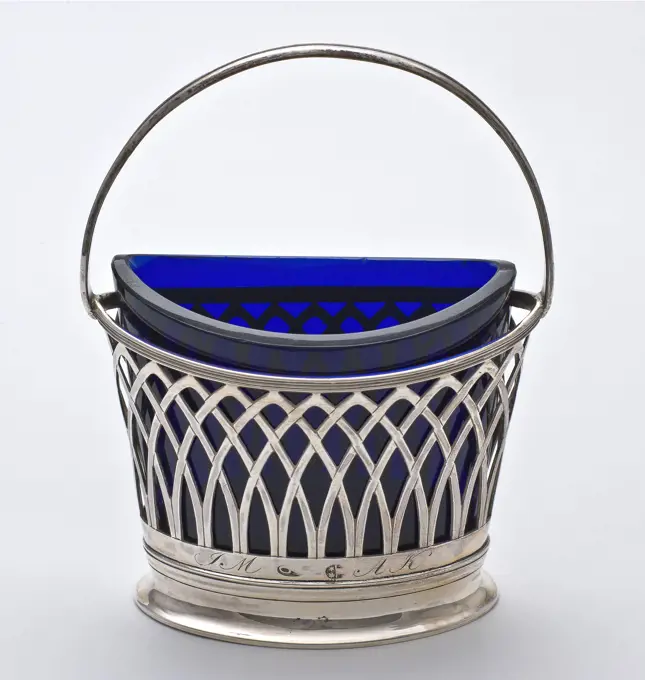
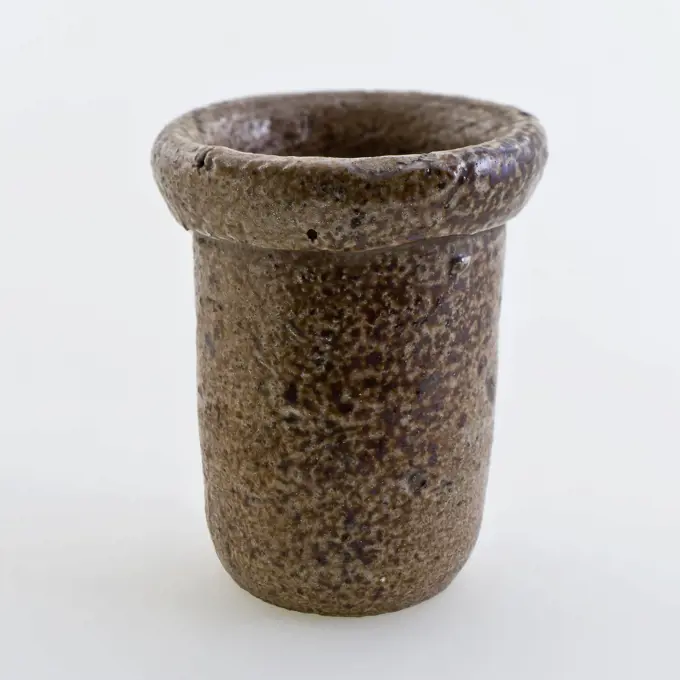
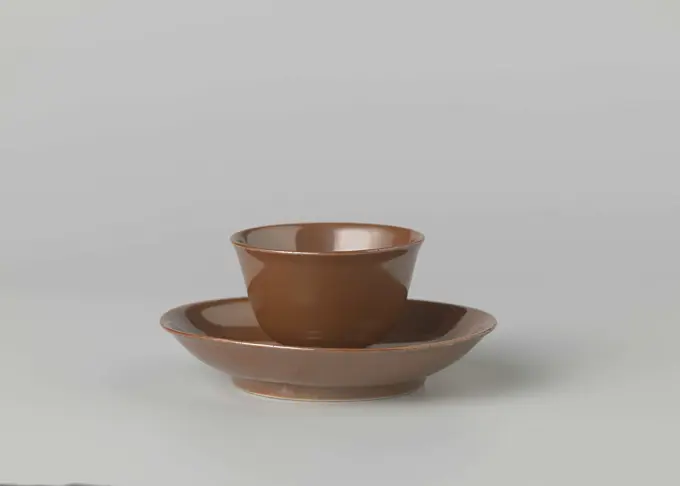
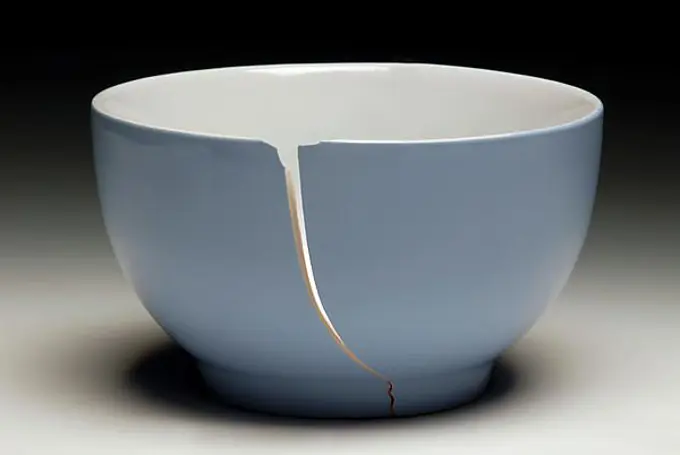
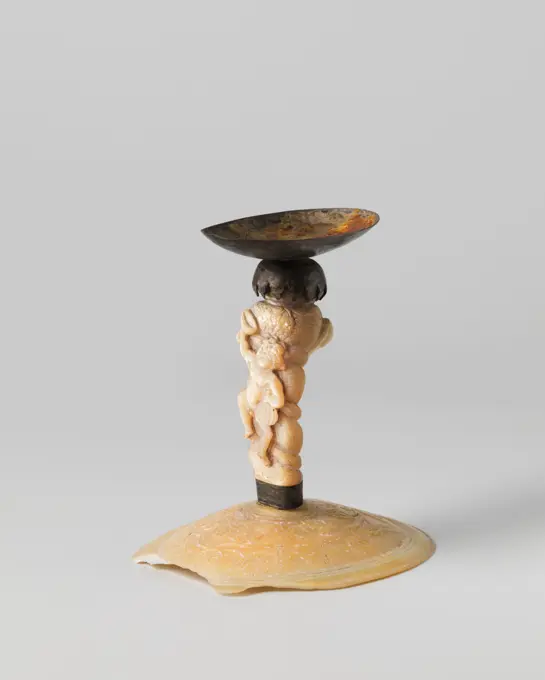
wooden bucket Empty wooden bucket isolated over white background Copyright: xZoonar.com/IvonnexWierinkx 7463809Set: Salader Smaller Glassworks J. Stolle NiemenSpittoon 1815-1825 Burslem. Stoneware (basaltware) . Wedgwood Manufactory (Manufacturer)Demitasse cup - Compagnie de transport du Bas Saint-Laurent Royal Doulton Company Limited, 1901-1956 Royal Doulton Company Limited, 1901-1956Vase (Lotus Ware), c. 1895. Knowles, Taylor and Knowles Company (American). Porcelain; diameter: 13.3 cm (5 1/4 in.); overall: 20.4 cm (8 1/16 in.).Over dishesNo. 193 Mouth Wash Tumber; Designed by Ludwig Lobmeyr (Austrian, 1829 - 1917); Manufactured by J. & L. Lobmeyr GmbH (Austria); Austria; mouth-blown crystal, hand painted gold, and engravingGlass cup 2nd-3rd century A.D. Roman Colorless with blue green tinge.Knocked-off, uneven rim; slightly bulging collar below rim; sides expanding downward, then angled in to join convex bottom, flattened at center.Band of two faint wheel-cut lines on body above angle.Intact; some bubbles; dulling, deep pitting, and brilliant iridescent weathering.. Glass cup 239832Silversmith: Cornelis Knuijsting, Drage tray: silver basket with blue glass tray, drageebak tableware holder silver glass, sawn pointed oval tray on constricted short foot handle openwork wall, blue glass inner box, bottom edge tray outside (debossed) servingStoneware ointment jar, white shard, fully glazed in gray and brown, ointment jar holder soil find ceramic stoneware glaze salt glaze h 4,4, hand turned glazed baked stoneware white ointment on stand surface Completely gray and brown mottled glazed Cylindrical model irregularly shaped bottom coarsely finished. Thick outstanding top edge. Stand with light soul. Turning beads on the inside archeology health care indigenous pottery import pharmacy store sell craftGrain size of 2 deciliter, anonymous, 1803  Wooden grain size of ½ deciliter with label. Netherlands wood (plant material)   NetherlandsPot made of clay isolated on white. top viewGreen cooking jug, cooking pot on three legs, with standing pinched ear, cooking pot tableware holder utensils earthenware ceramics earthenware glaze lead glaze, hand turned set glazed baked White earthenware internal yellow exterior green glazed one pinched ear three legs rotations Low model with convex bottom and wide upper edge. Rotations on the sidewall archeology Valckensteyn Poortugaal Albrandswaard indigenous pottery kitchen cooking nutrition food food cook prepare food Soil discovery: castle Valckensteyn in Poortugaal now Albrandswaard 1961-1962Almond peel icon. Cartoon of almond peel vector icon for web design isolated on white background. Almond peel icon, cartoon styleDutch wooden shoe Traditional Dutch wooden shoe isolated over white Copyright: xZoonar.com/IvonnexWierinkx 6861926Saucer with a Dark Brown Glaze. Dish of porcelain, covered with a monochrome brunette glaze. Monochromes.Sugar bowl, black, decorated with corrugated edges. Black stone sugar bowl. The body with close-up ribbed edges.Satz leere Schalen Satz leere Schalen LicenseRF Copyright: xZoonar.com/NATASHAxBREENx 23308890Cracked bowlHand-turned wooden bowl made of oak wood in the shape of a ship on whiteRoasted garlic bulb in a dish on white backgroundPillow, 12th century, 5 1/4 x 15 1/2 x 11 1/2 in. (13.34 x 39.37 x 29.21 cm), Cizhou ware Stoneware with carved décor under green glaze, China, 12th century, Green lead-glazed ware is one of at least nineteen categories of Cizhou ceramics. Pillows represent the largest subgroup of the green-glazed technique. The bean shaped headrest is freely carved in the center with a ribbon-tied spray of lotus and sagittarius blossoms against a dense ground of scrolling vine motif. A great many ceramic pillows were produced at the Cizhou kilns in southern Hebei province between the tenth and fourteenth centuries. At first considered items made only for burial, it is now confirmed that ceramic pillows were used domestically and inscriptions mention their use as gifts for newly-married couples and as congratulatory objects.Undecorated limestone chest Cypriot On the short ends are cross-pieces reinforced by three vertical uprights.. Undecorated limestone chest 244042two brown and white ceramic vases isolated on white backgroundhigh angle bowl baby bottle with copy spaceFoot of engraved mother -of -shell, anonymous, c. 1400 - c. 1950 Pearl foot base, on which grape vines and baccians, with silver mounted. unknown mother of pearl engraving Pearl foot base, on which grape vines and baccians, with silver mounted. unknown mother of pearl engravingFlower Pot with Stand China. Flower Pot with Stand 73168Saucer with stylized flowers on a feather or scale ground, anonymous, c. 1725 - c. 1749 Porcelain dish with round wall, painted on the glaze in red and gold. On the flat three stylized flowers against a ground with feathers or scaly motif, a paved medallion with flour in the center. Three cracks in the wall. Part of a tea set. European forms with email colors. China porcelain. glaze. gold (metal) painting / gilding / vitrification Porcelain dish with round wall, painted on the glaze in red and gold. On the flat three stylized flowers against a ground with feathers or scaly motif, a paved medallion with flour in the center. Three cracks in the wall. Part of a tea set. European forms with email colors. China porcelain. glaze. gold (metal) painting / gilding / vitrificationThe isolated bowl from onyx on a white background. The isolated bowl from onyxopen ceramic pot from black unglazed clay isolated open ceramic pot from black unglazed clay isolated on white background Copyright: xZoonar.com/ValeryxVoennyyx 8880381Charcoal burner with plants and a frame, anonymous, anonymous, c. 1700 - c. 1799 Square charcoal burner (Hiire) of stoneware, covered with a cracked, cream -colored enamel and painted in under -glaze black. Plants stylized on two sides, one side with a framework and one side with a kind of extractor. The edge is unglazed. Three prenes on the bottom. Old label on the bottom with 'W762A'. Shino. Japan stoneware. glaze painting / vitrification Square charcoal burner (Hiire) of stoneware, covered with a cracked, cream -colored enamel and painted in under -glaze black. Plants stylized on two sides, one side with a framework and one side with a kind of extractor. The edge is unglazed. Three prenes on the bottom. Old label on the bottom with 'W762A'. Shino. Japan stoneware. glaze painting / vitrificationAgate Cup; Iran (); 2nd century B.C; Agate; 9.7 × 7 cm (3 13,16 × 2 3,4 in.)Golden leaves styled stock scene, product podium with copy space, rich earth tones. Golden leaves styled stock sceneBrazier with Coins Motif, c. 1893-1914. Seifū Yohei III (Japanese, 1851-1914). Stoneware with underglaze iron oxide designs and crackling; height: 16.5 cm (6 1/2 in.); diameter: 15.5 cm (6 1/8 in.).