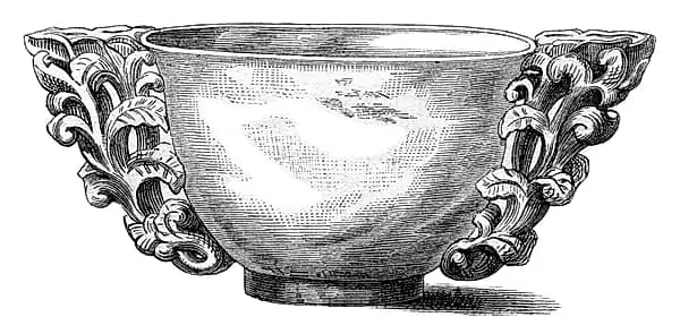
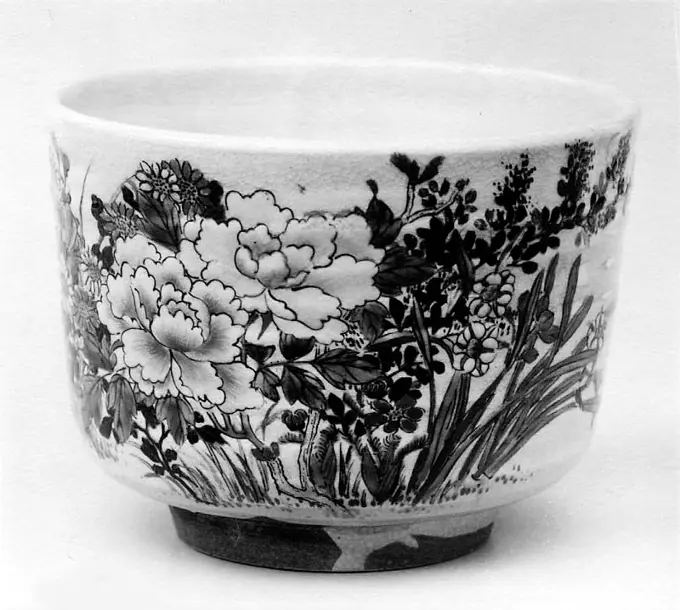
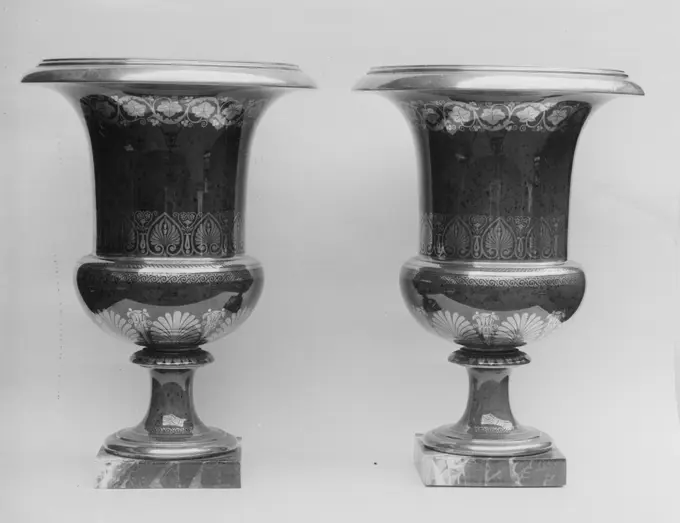
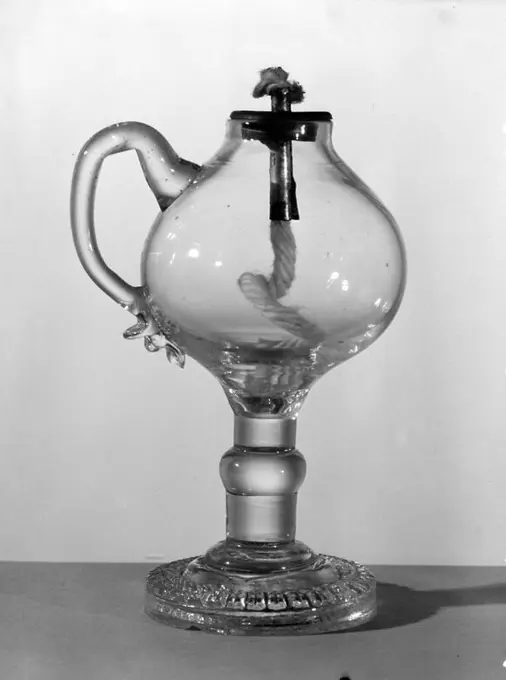
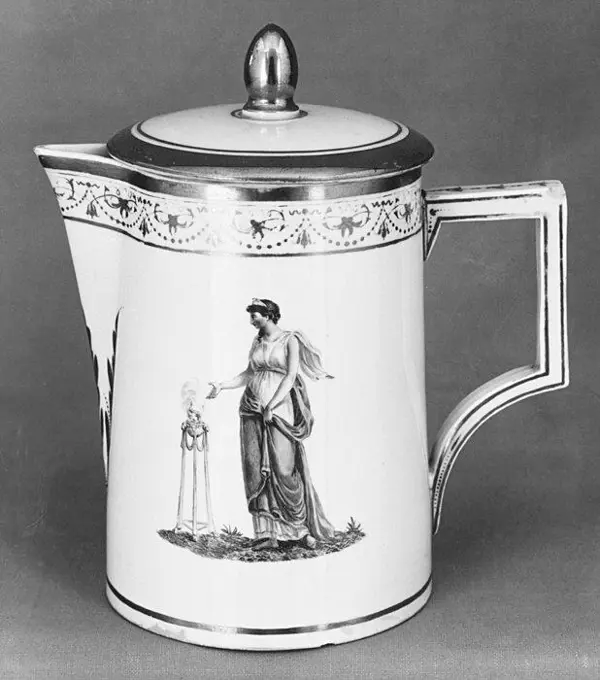
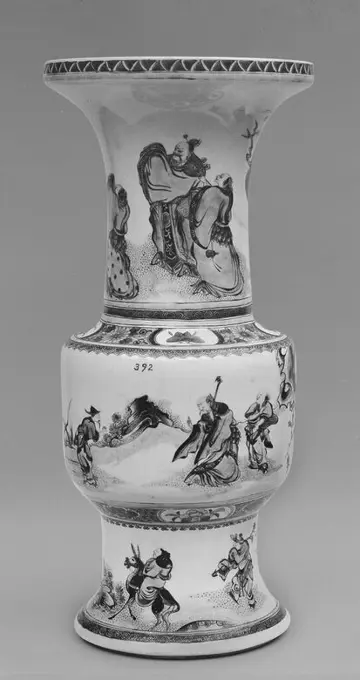
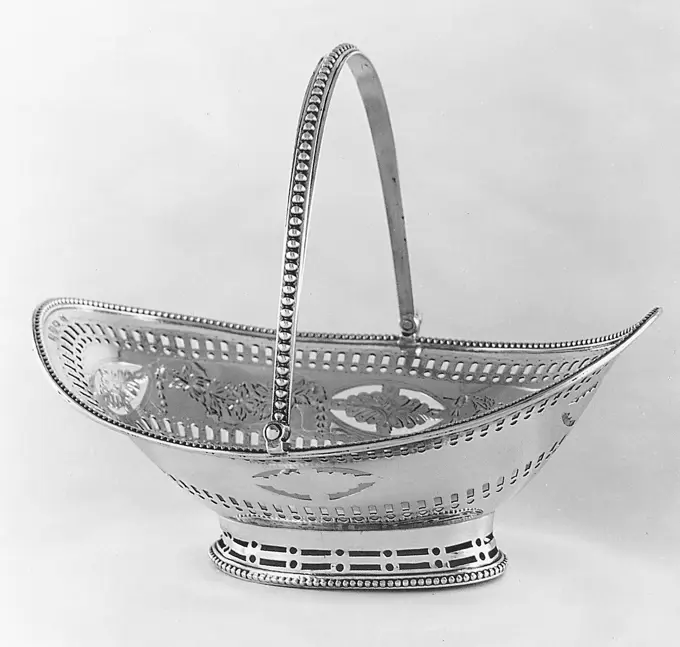
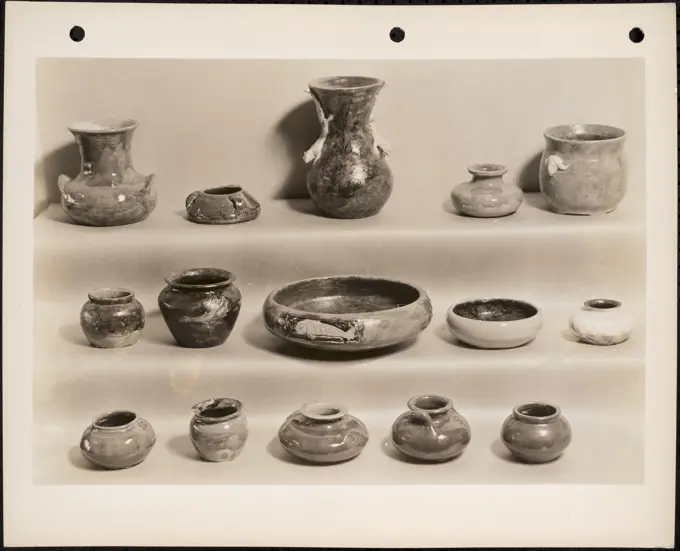
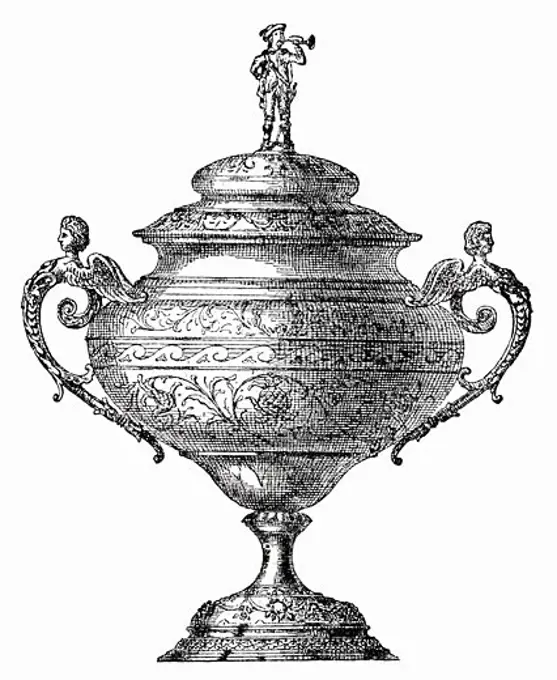
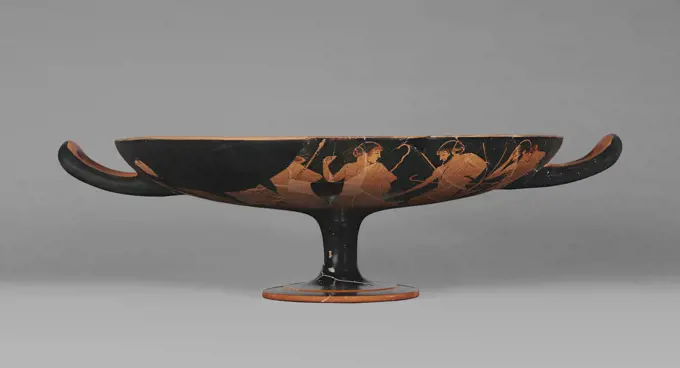
Decorative Vintage Cups and Bowls

Featuring a variety of ornate ceramic cups and bowls, these vintage pieces showcase intricate designs from different cultures and centuries, blending elegance and artistry.

Bowl 1780 Japan. Bowl. Japan. 1780. Porcelain decorated with enamels (Arita ware, Imari type). Edo period (1615-1868). Ceramics
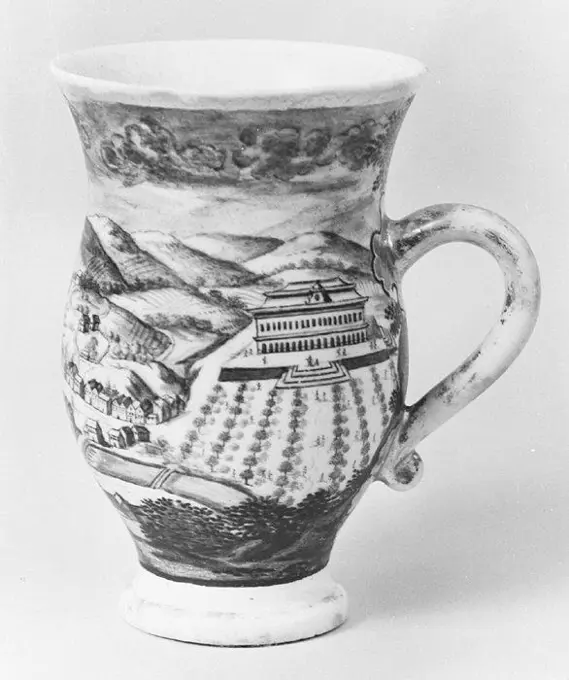
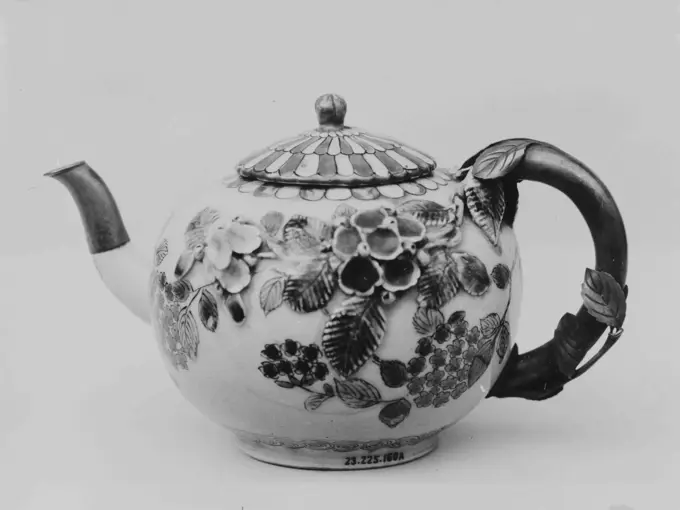
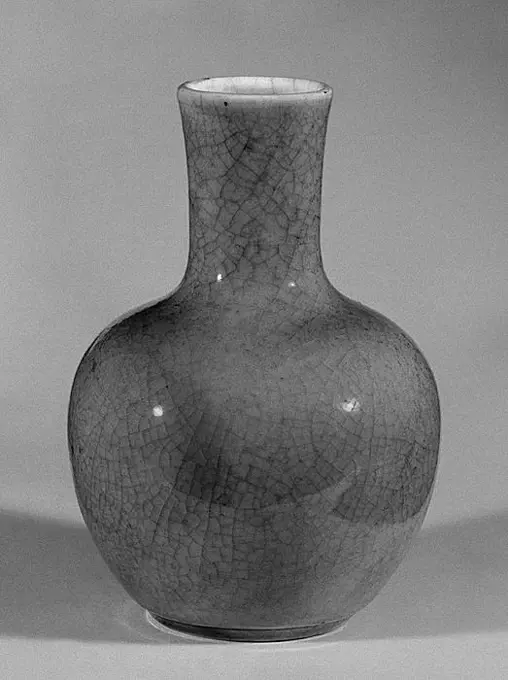
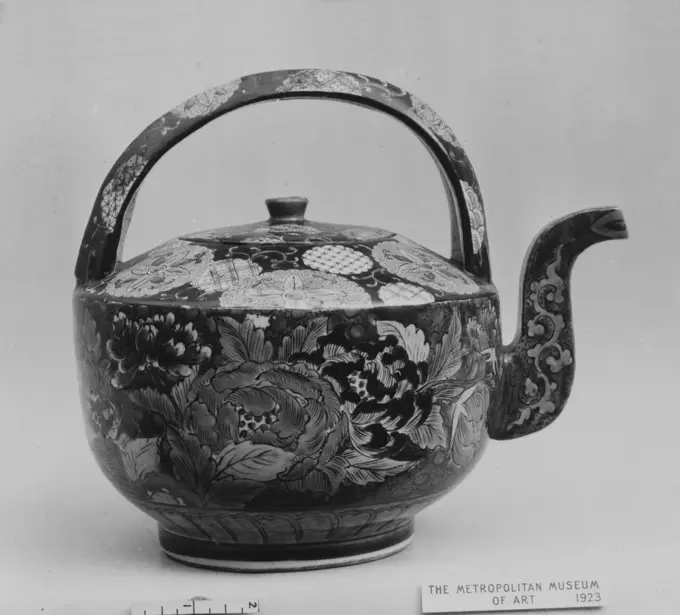
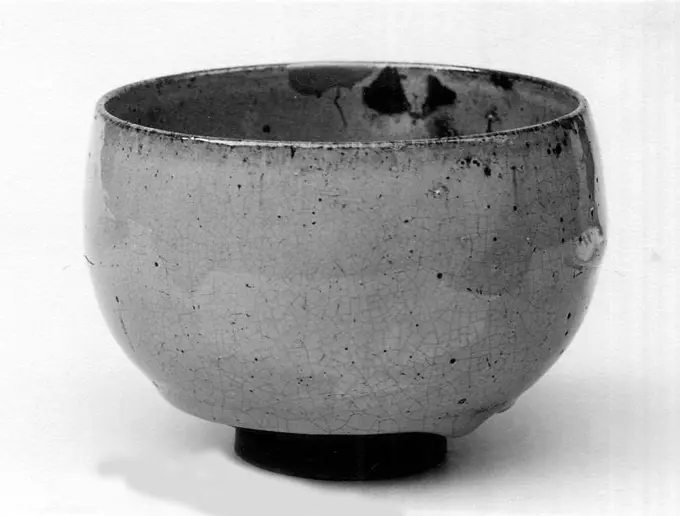
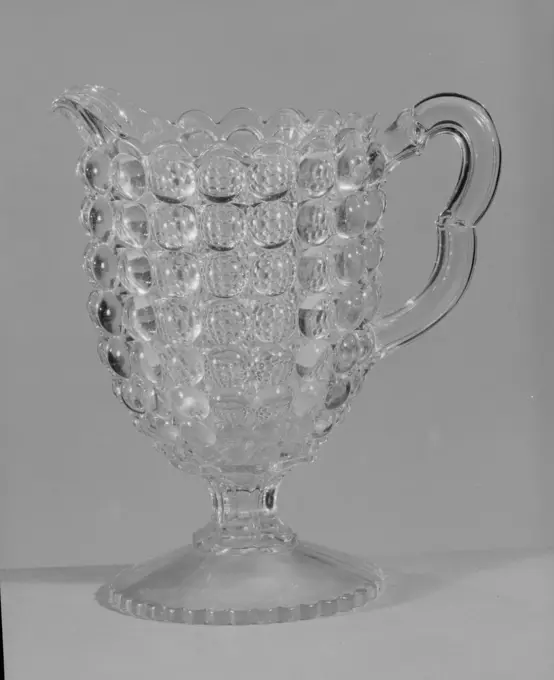
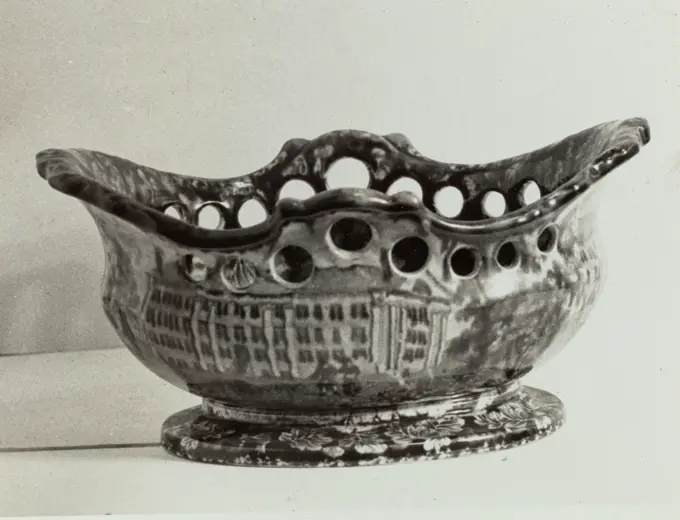
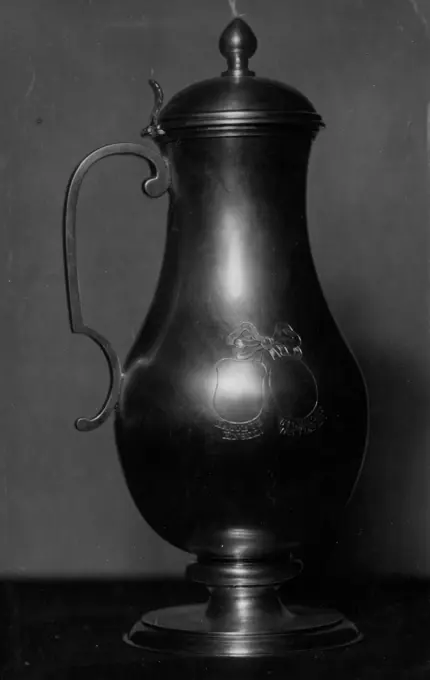
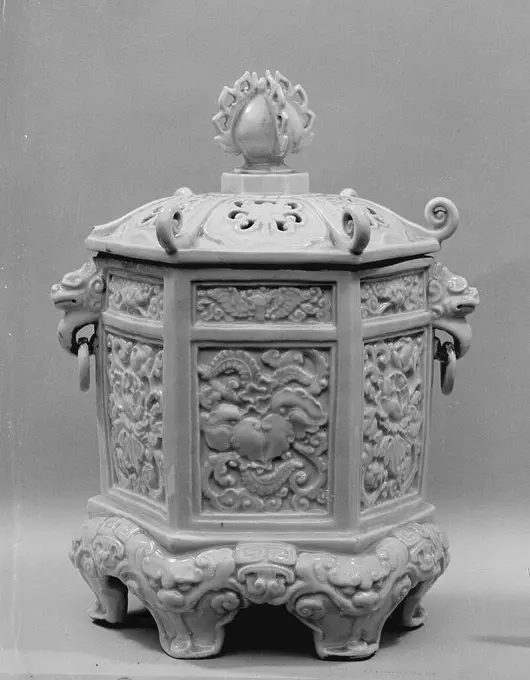
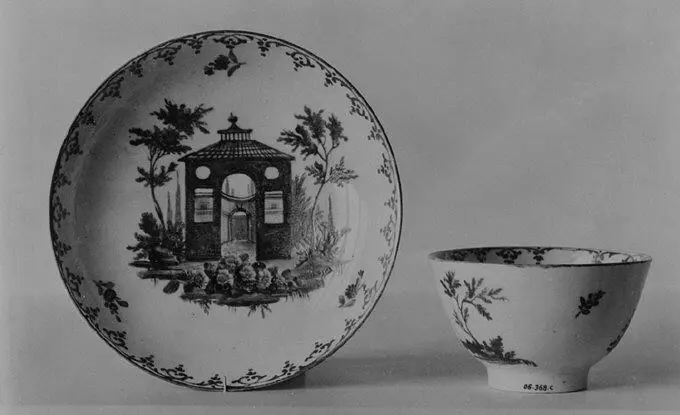
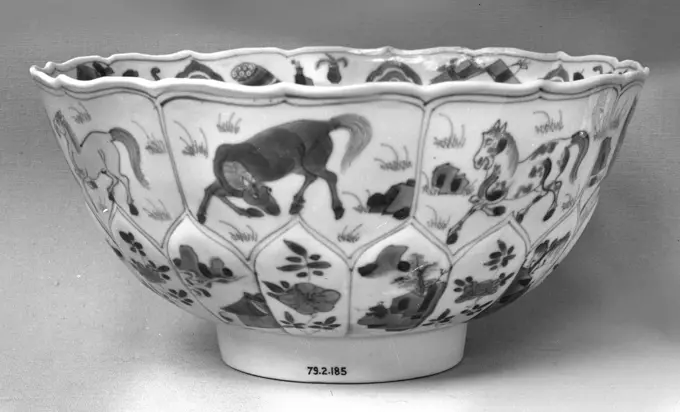
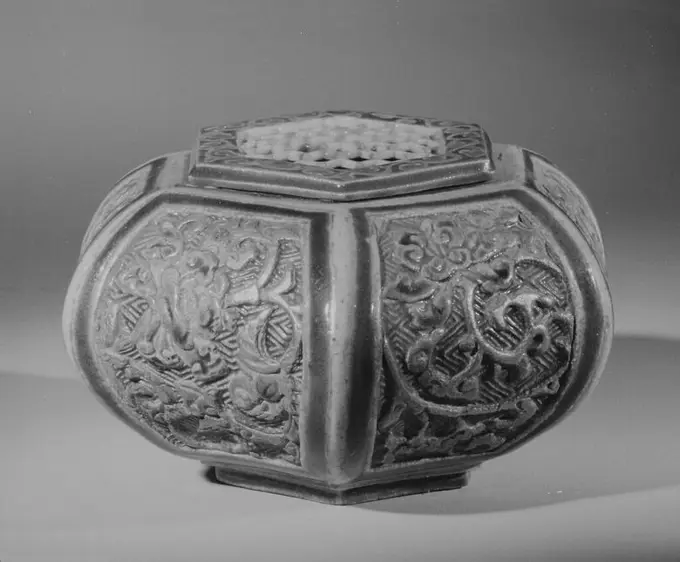
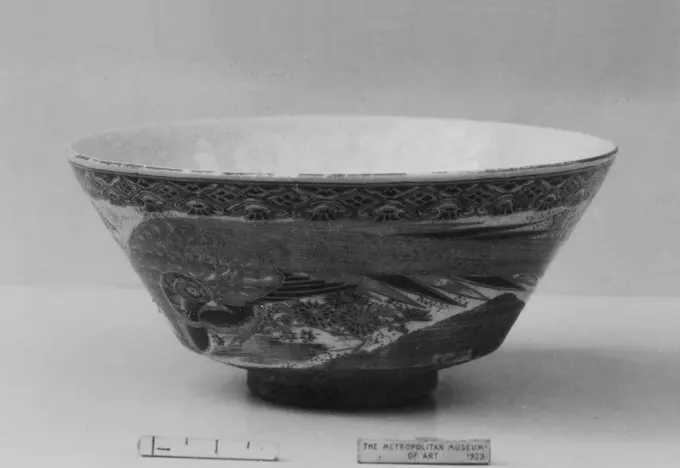
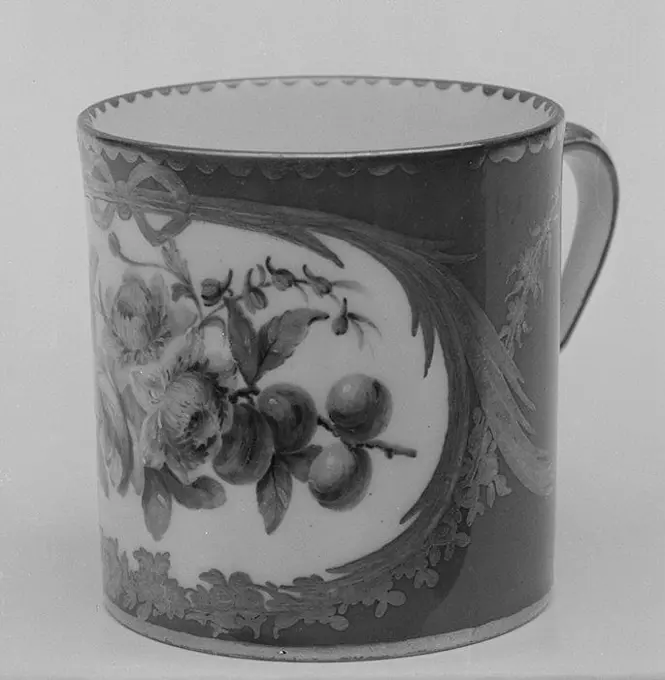
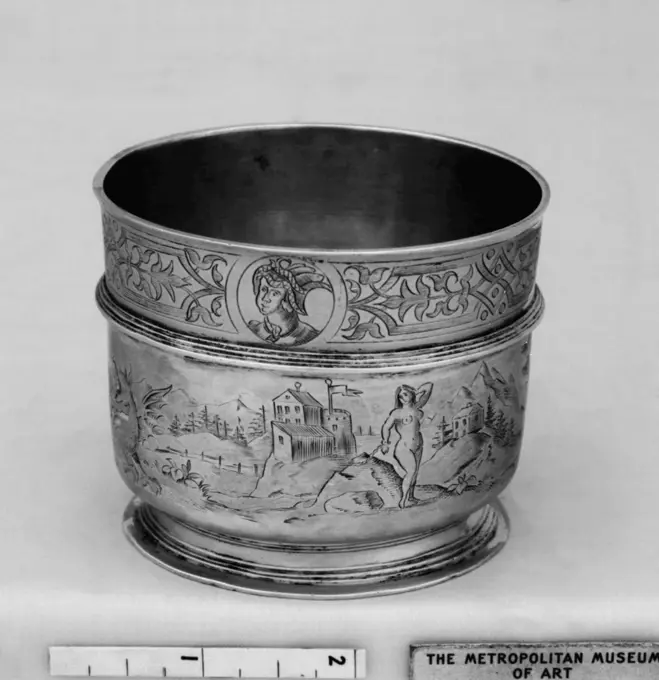
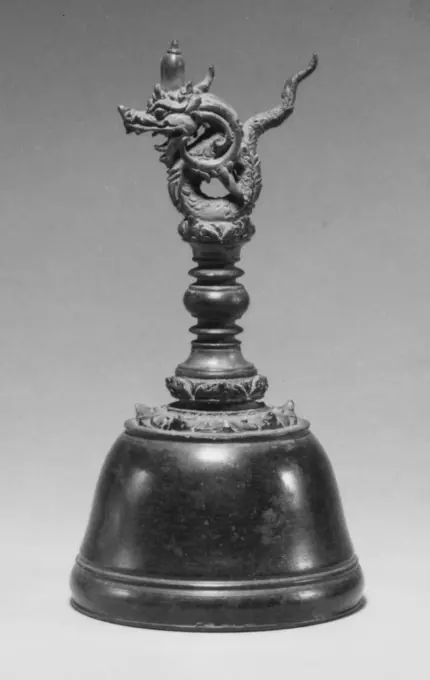
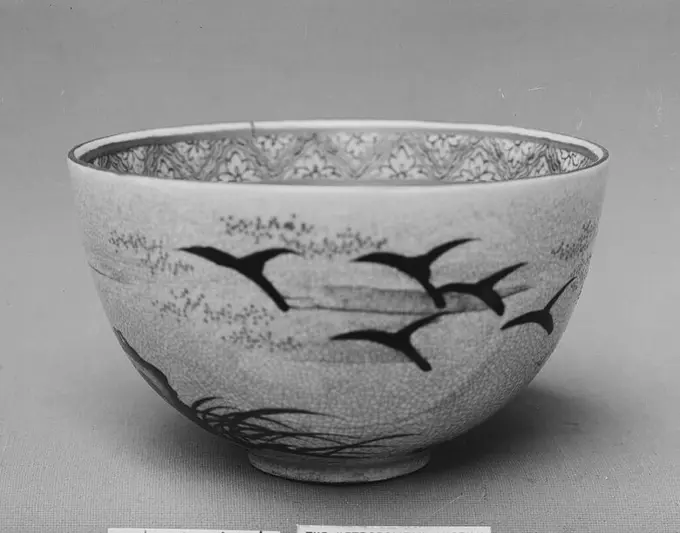
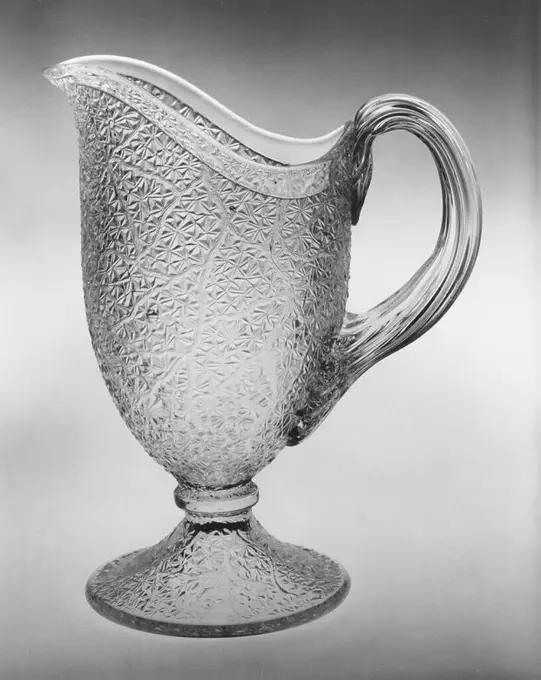
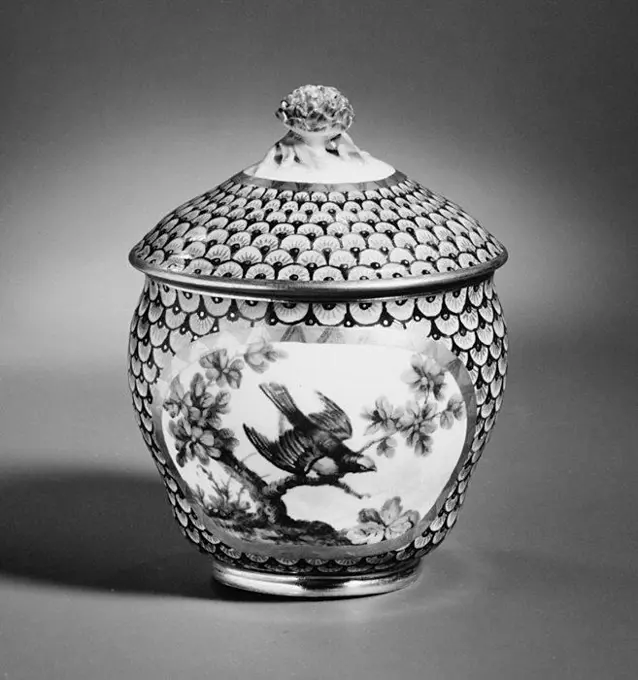
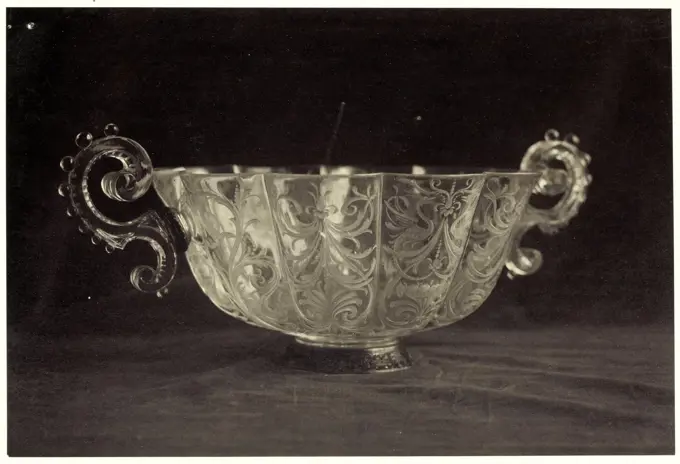
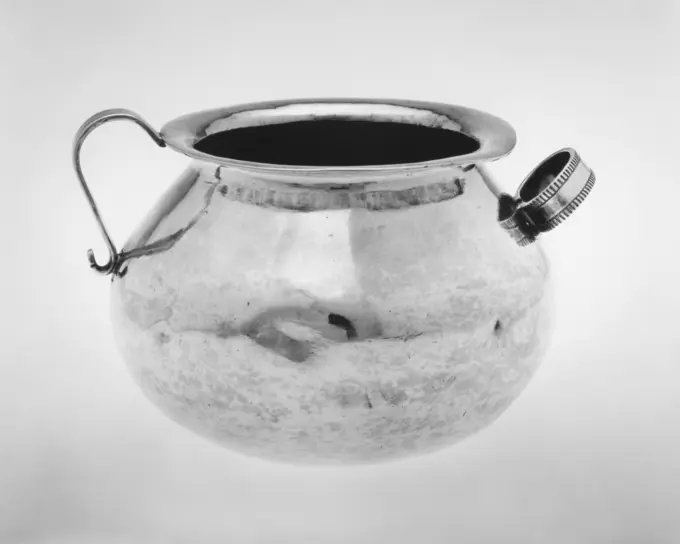
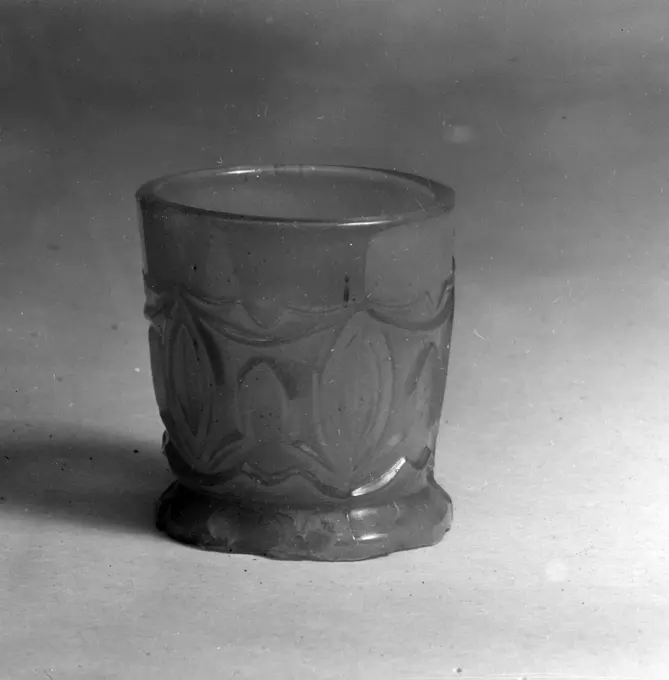
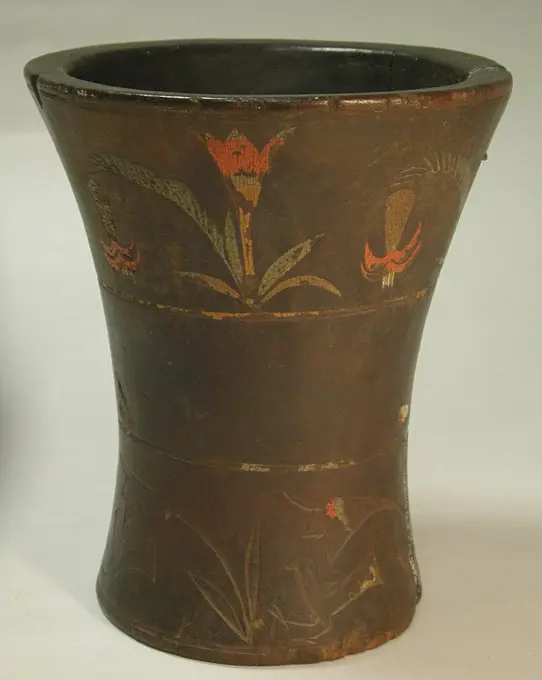
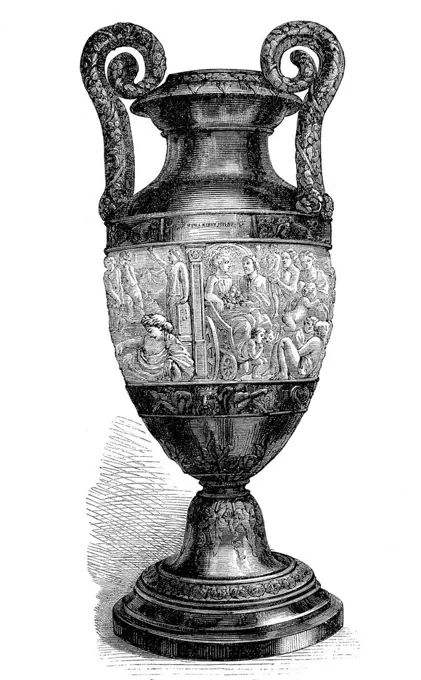
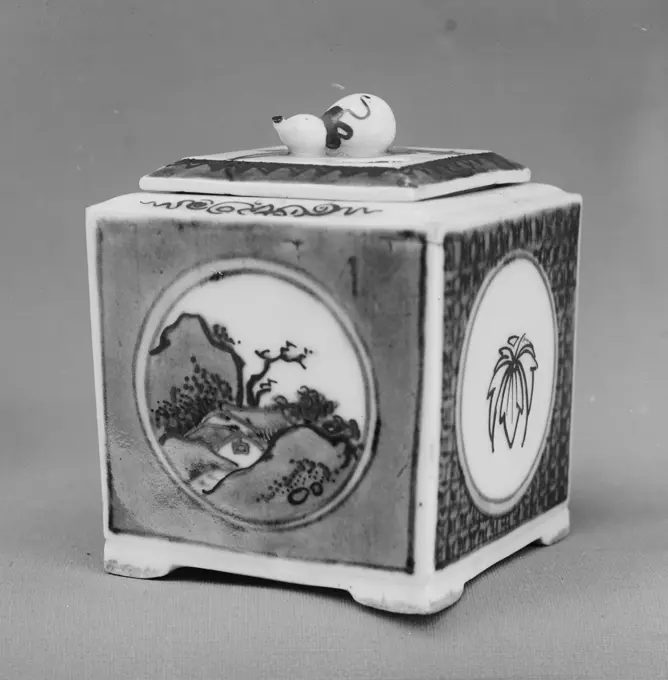
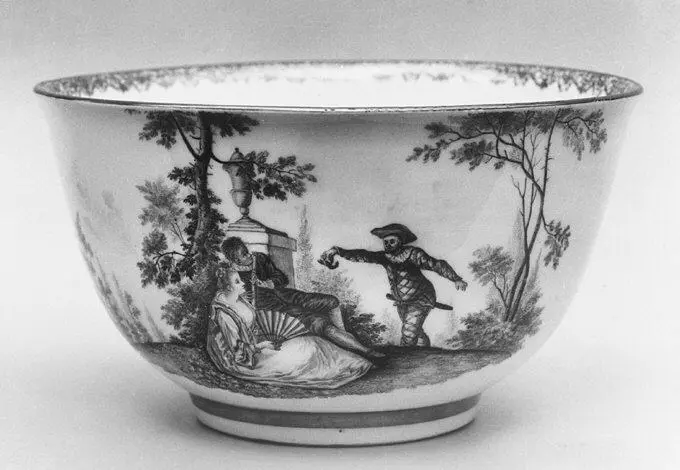
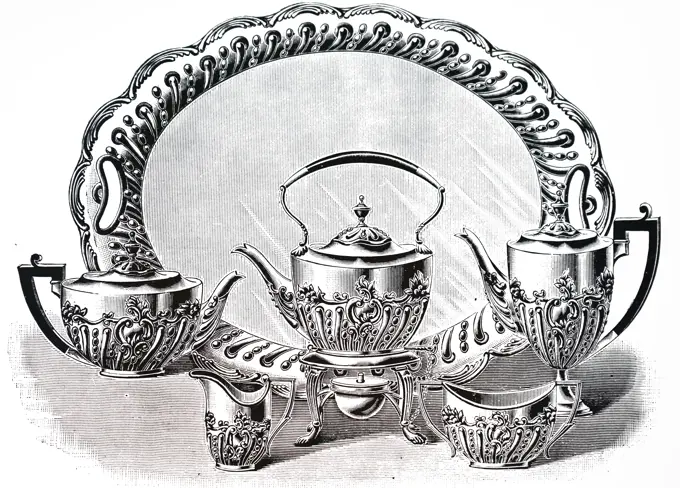
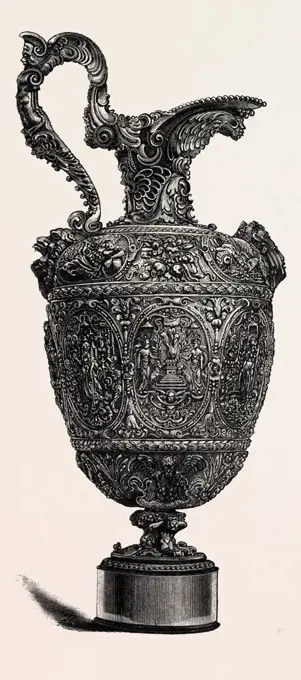
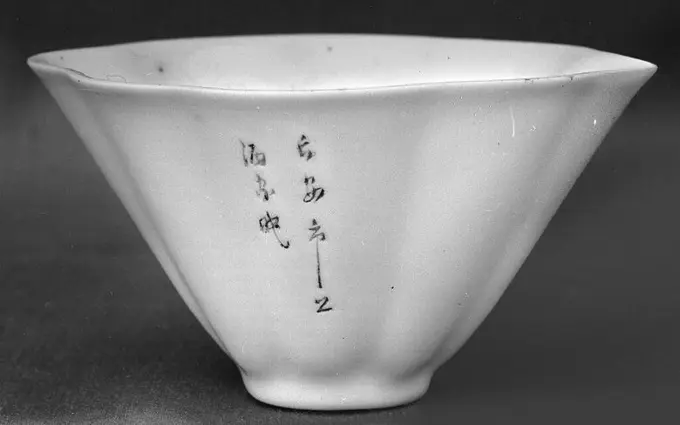
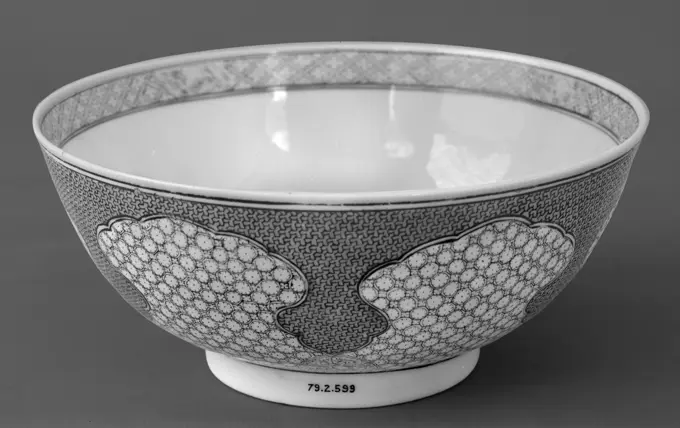
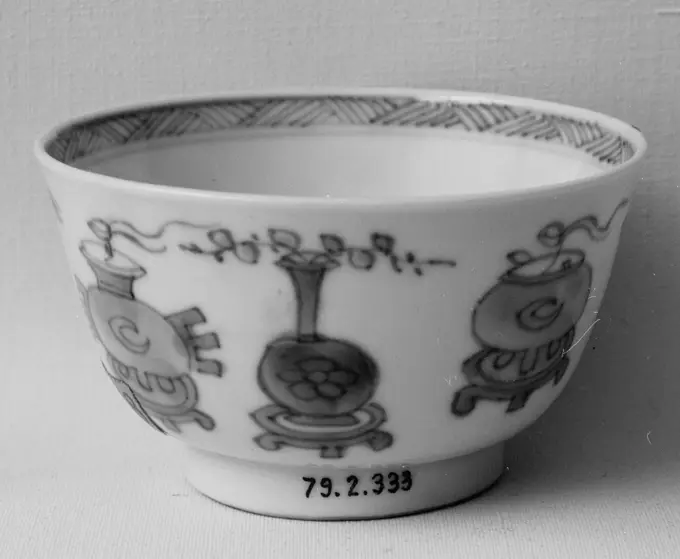
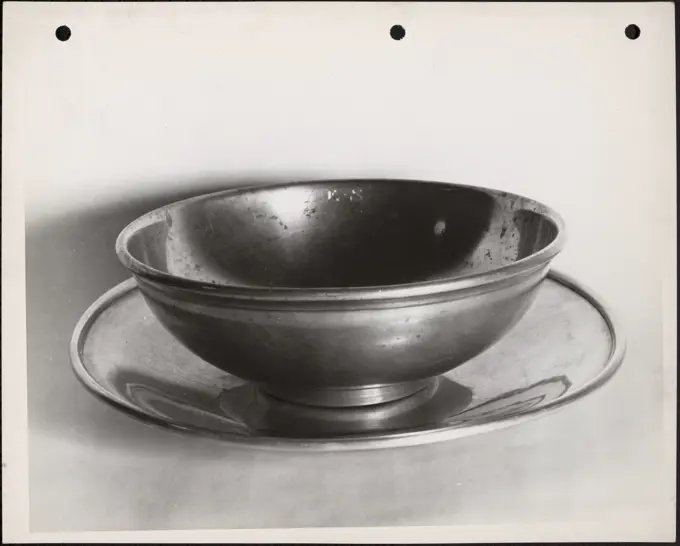
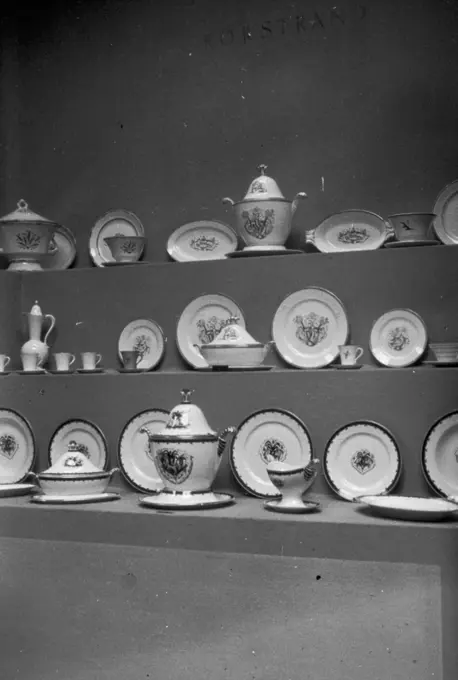
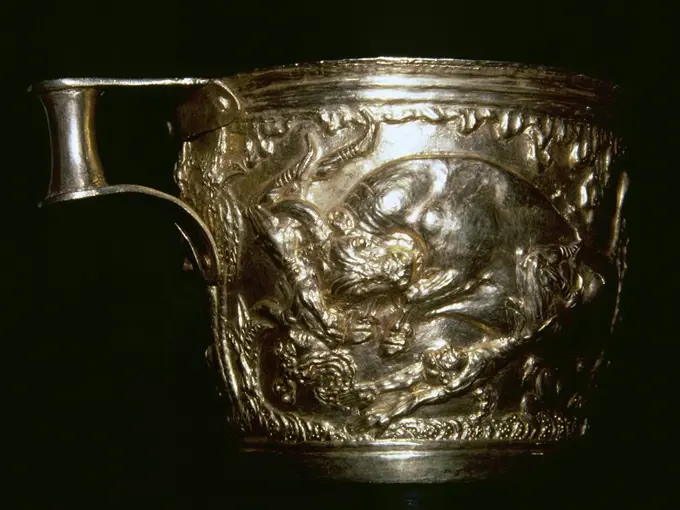
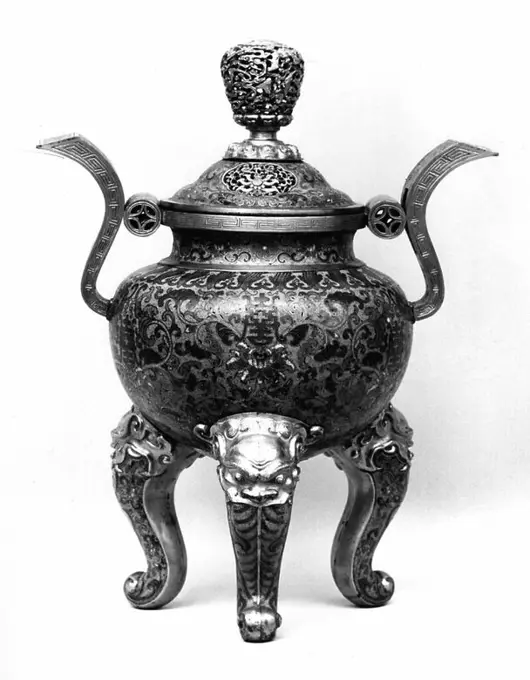
Incense Burner from a Set of Five-Piece Altar Set (Wugong). Culture: China. Dimensions: H. 14 1/2 in. (36.8 cm); W. 11 in. (27.9 cm).Cloisonné is the technique of creating designs on metal vessels with colored glass paste placed within enclosures made of copper or bronze wires, which have been bent or hammered into the desired patterns. Known as cloisons (French for "partitions"), the enclosures are generally either glued or soldered onto the metal body. The glass paste, or enamel--which gets its color from metallic oxides--is painted into the contained areas of the design. The vessel is usually fired at a relatively low temperature, about 800 degrees Celsius. Enamels tend to shrink during firing, and the process is repeated several times to fill in the design. Once this process is completed, the surface of the vessel is rubbed until the edges of the cloisons are visible. Museum: Metropolitan Museum of Art, New York, USA.Cup ca. 1740 Vienna. Cup 200937Teapot and cover 1780 Japan. Teapot and cover. Japan. 1780. Porcelain decorated with relief designs and enamels (Arita ware, Imari type). Edo period (1615-1868). CeramicsVase 18th century China. Vase 46989Wine bottle 18th century Japan. Wine bottle. Japan. 18th century. Porcelain decorated with iron red enamels (Kutani ware). Edo period (1615-1868). CeramicsCup and saucer ca. 1785 Fulda Pottery and Porcelain Manufactory. Cup and saucer 188763 Factory: Fulda Pottery and Porcelain Manufactory, German, 17641789, Cup and saucer, ca. 1785, Hard-paste porcelain, Height (cup .271): 2 3/4 in. (7 cm); Diameter (saucer .272): 4 3/4 in. (12.1 cm). The Metropolitan Museum of Art, New York. Gift of Alfred Duane Pell, 1902 (02.6.271, .272)Campania Caserta Capua Museo Campano039. Hutzel, Max 1960-1990 Medieval: Byzantine architectural fragments; parchment fragments with miniatures (12th century) from Montecassino; painted wooden crucifix (13th century); Carolingian crucifixes; Bishop's miter (11th century) of gold and silver damask; fresco (13th century). Post-medieval: Architecture (15th century). Formerly the Palazzo Antignano. Unusual Catalan/Moorish-style portal; Paintings on panel and canvas (15th-18th centuries); marble intarsia (16th century); marble sculpture: busts of Christ and Mary (17th century); sculpture of saints in marble and in wood (15th century); painted and gilded sculpture in wood; marble grave sculpture (16th century); sarcophagus with allegorical carvings; gold reliquary "Rosa d'Oro"; crucifix made of elephant tusk Specific Location: Pianterreno Antiquities: Italic sculpture (seated women holding babies); inscription. Photo campaign #1: 533 photos. Roman relief and sculpture; cinerary urns; Greek aTeabowl ca. 1850 Japan. Teabowl 64074Water Bottle. Culture: Japan. Dimensions: H. 5 1/4 in. (13.3 cm). Date: 18th century. Museum: Metropolitan Museum of Art, New York, USA.Creamer ca. 1888 Richards and Hartley Flint Glass Co.. Creamer. American. ca. 1888. Pressed yellow glass. Made in Tarentum, Pennsylvania, United StatesUnknown photographer, green vault in Dresden (without dat.): Bernstein-Krug. Photo on cardboard, 16.9 x 11 cm (including scan edges) unbek. Fotograf : Grünes Gewölbe in Dresden (ohne Dat.)Jelly Glass. Culture: American or British. Dimensions: H. 4 in. (10.2 cm). Date: 1785-1825. Museum: Metropolitan Museum of Art, New York, USA.Helmut Hiatt, Fruit Dish  Brooklyn Ferry, c 1936 Fruit Dish - Brooklyn FerryImage of De Zilveren is possible for the Supper of the Nicolaikerk (Nicolaaskerkhof 8) in Utrecht.Incense Burner in the Shape of a Hanging Lantern (one of a pair). Culture: Japan. Dimensions: H. incl. finial 12 in. (30.5 cm); H. without lid 8 1/4 in. (21 cm); Diam. 9 in. (22.9 cm). Date: 18th century. Museum: Metropolitan Museum of Art, New York, USA.Bliżej Kultury unknownJar. Culture: American. Dimensions: H. 7 1/2 in. (19.1 cm); Diam. 2 in. (5.1 cm). Date: ca. 1820-50. Museum: Metropolitan Museum of Art, New York, USA.Bowl 1870-90 Possibly Challinor, Taylor and Company. Bowl. American. 1870-90. Pressed purple marble glass. Made in Tarentum, Pennsylvania, United StatesLantern (one of a pair) China. Lantern (one of a pair) 51038Teabowl and saucer ca. 1765-75 Cozzi Manufactory Italian. Teabowl and saucer 209995Plate. Culture: Japan. Dimensions: Diam. 9 1/4 in. (23.5 cm). Date: ca. 1800. Museum: Metropolitan Museum of Art, New York, USA.Hat Stand China. Hat Stand 40693Jar 1850 Japan. Jar. Japan. 1850. Stoneware covered with glaze and decoration in relief. Edo period (1615-1868). CeramicsLotus bowl with Eight Horses of the King of Mu late 17th-early 18th century China. Lotus bowl with Eight Horses of the King of Mu. China. late 17th-early 18th century. Porcelain painted in underglaze cobalt blue (Jingdezhen ware). Qing dynasty (1644-1911), Kangxi period (1662-1722). CeramicsBowl ca. 1725, decorated ca. 1748-50 Meissen Manufactory German. Bowl 199155Covered Box China. Covered Box. China. Cloisonné enamel on gilt copper. Ming dynasty (1368-1644). CloisonnéIncense Burner. Culture: Japan. Dimensions: H. 1 7/8 in. (4.8 cm). Date: ca. 1790. Museum: Metropolitan Museum of Art, New York, USA.Syrup Jug 1852-58 United States Pottery Company. Syrup Jug 8047Bowl 1820 Japan. Bowl. Japan. 1820. Faience decorated with colored enamels; part of outer surface unglazed (Satsuma ware). Edo period (1615-1868). CeramicsCovered bowl with Buddhism images 19th century China. Covered bowl with Buddhism images. China. 19th century. Porcelain painted in overglaze polychrome enamels (Bencharong ware). Qing dynasty (1644-1911). CeramicsCup (gobelet litron) (one of nine) (part of a a service) 1787 Sèvres Manufactory French. Cup (gobelet litron) (one of nine) (part of a a service) 197943Candlestick 1875-1900 American. Candlestick 1202Bowl with cover ca. 1765 Meissen Manufactory German. Bowl with cover 199247Cup 16th century Possibly by Vinzenz Hofer. Cup 185946Cream pot with cover ca. 1766-69 Marieberg Manufactory. Cream pot with cover 199381Probably Edward Furnice, Caddy Spoon, 1822/23, silver.Hand Bell ca. 13th-14th century Indonesia (Java). Hand Bell 37689Bowl. Culture: Japan. Dimensions: H. 2 1/4 in. (5.7 cm); Diam. 3 5/8 in. (9.2 cm). Date: 1800. Museum: Metropolitan Museum of Art, New York, USA.Tree of life pitcher. Culture: American. Dimensions: 9 5/16 x 8 in. (23.7 x 20.3 cm). Maker: George Duncan and Sons (1874-1891); Possibly Portland Glass Company (1864-73) or. Date: ca. 1865-85. Museum: Metropolitan Museum of Art, New York, USA.Cup (one of a set) 16th century Flemish. Cup (one of a set) 193465Sugar bowl (pot à sucre Hebert) (part of a service) 1767 Sèvres Manufactory French Birds were depicted on Vincennes and then Sèvres porcelain from the earliest years of production at Vincennes, but they were painted as fanciful creations and employed as decorative elements with no concern for fidelity to actual birds. Most of these early painted creatures had little delineation and their coloring was entirely arbitrary. It was not until the late 1760s that the painters at Sèvres began depicting birds that were accurate representations of those found in nature, rendered with specificity and accurate coloration. The impetus for this change was the availability of hand-colored etchings of birds published in George Edwardss (British, 1694-1773) A Natural History of Birds (1743-51) and his Gleanings of Natural History, issued in a series of volumes between 1747 and 1764.[1 The first pieces of Sèvres porcelain decorated with birds copied from Edwardss prints were produced for Charles LennCrystals engraved scale with volutes, from the Louvre, Charles Thurston Thompson, 1866 - 1890 photomechanical print  Louvre Museum paper  container of glass: bottle, jar, vase Louvre MuseumJar first half of 8th century China. Jar 44349Footed bowl 1850-70 American With the development of new formulas and techniques, glass-pressing technology had improved markedly by the late 1840s. By this time, pressed tablewares were being produced in large matching sets and innumerable forms. During the mid-1850s, colorless glass and simple geometric patterns dominated. Catering to the demand for moderately-priced dining wares, the glass industry in the United States expanded widely, and numerous factories supplied less expensive pressed glassware to the growing market. At the Exhibition of the Industry of All Nations at New Yorks Crystal Palace in 1853, for example, the New England Glass Company exhibited 130 pieces of one design, "consisting of bowls, tumblers, champagnes, wines, and jelly glasses." This object belongs to one such service. Although the glass manufactory is not known, the glassware is very typical of the large services that were very popular with Americas middle class in the nineteenth century.. Footed bowl. AmHurricane glass (one of a pair) early 19th century American or British. Hurricane glass (one of a pair). American or British. early 19th century. Glass. GlassNakakeer late 19th century Egyptian. Nakakeer 501798Covered bowl with flowers 19th century China. Covered bowl with flowers 46221Ewer 1830-70 American. Ewer. American. 1830-70. Parian porcelain. Probably made in Bennington, Vermont, United StatesCup with a scene of lotus pond late 17th-early 18th century China. Cup with a scene of lotus pond. China. late 17th-early 18th century. Porcelain painted in overglaze polychrome enamels (Jingdezhen ware). Qing dynasty (1644-1911), Kangxi period (1662-1722). CeramicsNo maker's mark, Sugar Bowl and Cover, 1713-15, silver.Incense Burner 18th century China. Incense Burner. China. 18th century. Cloisonné and painted enamel. Qing dynasty (1644-1911), Qianlong period (1736-95). CloisonnéCup 17th century Probably by Jakob Heise. Cup 193527Teapot. Culture: British. Dimensions: 6 1/2 x 11 1/8 in. (16.5 x 28.3 cm). Date: ca. 1825. Museum: Metropolitan Museum of Art, New York, USA.Pot (Olla) 18th century South American (Bolivian). Pot (Olla). South American (Bolivian). 18th century. Silver. Made in BoliviaWhiskey Taster 1840-60. Whiskey Taster. 1840-60. Lacy pressed blue glassCup offerings of the Chinese emperors, exhibited in 1869 at the Palace of Industry in Paris, vintage engraved illustration. Magasin Pittoresque 1870Teabowl ca. 1830 Minpei Japanese. Teabowl. Minpei (active 19th century). Japan. ca. 1830. White glaze which stops short of foot; elaborate decoration in enamel colors (Agano ware). Edo period (1615-1868). CeramicsVase (one of a pair) 1825 Sèvres Manufactory French. Vase (one of a pair). French, Sèvres. 1825. Hard-paste porcelain. Ceramics-PorcelainLamp. Culture: American. Dimensions: H. 4 3/4 in. (12.1 cm). Date: ca. 1827-35. Museum: Metropolitan Museum of Art, New York, USA.Bottle cooler ca. 1760 Imperial Porcelain Manufactory, St. Petersburg Russian The cooler is from a table service made for the empress Elizabeth (1709-1762) and kept in the court pantry of the Winter Palace.. Bottle cooler 199372Hobnail Fruit Bowl. Culture: American. Dimensions: 3 3/16 x 8 in. (8.1 x 20.3 cm). Maker: Probably Hobbs, Brockunier and Company (1863-1891). Date: after 1886. Museum: Metropolitan Museum of Art, New York, USA.Milk pot () (part of a coffee service) early 19th century Nymphenburg Porcelain Manufactory. Milk pot () (part of a coffee service) 186249Vase. Culture: China. Dimensions: H. 16 in. (40.6 cm). Museum: Metropolitan Museum of Art, New York, USA.Saucer ca. 1710-30 Chinese, for Dutch market. Saucer. Chinese, for Dutch market. ca. 1710-30. Hard-paste porcelain. Ceramics-Porcelain-ExportBeaker. Culture: China. Dimensions: H. 21 1/4 in. (54 cm); W. 7 in. (17.8 cm). Museum: Metropolitan Museum of Art, New York, USA.Flower vase China. Flower vase. China. Nephrite, pale yellow of waxy aspect tinged in places with light brown. Ming dynasty (1368-1644). JadeAnefo photo collection. "See Italy in Amsterdam", exhibition in Rai. 17 June 1968. Amsterdam, Noord-HollandCup and saucer ca. 1740-45 Meissen Manufactory German. Cup and saucer 199213Robert Hennell I, Sweetmeat Basket, 1783/84, silver.Milk jug (pot à lait à trois pieds) (part of a service) Manufactory Sèvres Manufactory French Decorator François-Joseph Aloncle French 1767 Birds were depicted on Vincennes and then Sèvres porcelain from the earliest years of production at Vincennes, but they were painted as fanciful creations and employed as decorative elements with no concern for fidelity to actual birds. Most of these early painted creatures had little delineation and their coloring was entirely arbitrary. It was not until the late 1760s that the painters at Sèvres began depicting birds that were accurate representations of those found in nature, rendered with specificity and accurate coloration. The impetus for this change was the availability of hand-colored etchings of birds published in George Edwardss (British, 1694-1773) A Natural History of Birds (1743-51) and his Gleanings of Natural History, issued in a series of volumes between 1747 and 1764.[1 The first pieces of Sèvres porcelain decorated with birds coSaucer ca. 1735 Meissen Manufactory German. Saucer 187783 Factory: Meissen Manufactory, German, 1710present, Saucer, ca. 1735, Hard-paste porcelain, Diameter: 4 5/8 in. (11.7 cm). The Metropolitan Museum of Art, New York. Gift of Henry G. Marquand, 1894 (94.4.171)Display of glazed pottery , Bowls Tableware, Vases. The Massachusetts WPA Federal Art Project Photograph CollectionDish ca. 1750 Meissen Manufactory German. Dish. German, Meissen. ca. 1750. Hard-paste porcelain. Ceramics-PorcelainVase with plum blossoms (one of a pair) late 17th-early 18th century China. Vase with plum blossoms (one of a pair) 46136Showcase with objects of ceramics; Halls of crafts July 1962..Bound Print (France)Kero 16th-17th century Quechua. Kero 316845Bowl 19th century Japan. Bowl 62586Vase. Culture: China. Dimensions: H. 10 1/2 in. (26.7 cm). Museum: Metropolitan Museum of Art, New York, USA.Lazio Latina Sezze Antiquarium Comunale45. Hutzel, Max 1960-1990 German-born photographer and scholar Max Hutzel (1911-1988) photographed in Italy from the early 1960s until his death. The result of this project, referred to by Hutzel as Foto Arte Minore, is thorough documentation of art historical development in Italy up to the 18th century, including objects of the Etruscans and the Romans, as well as early Medieval, Romanesque, Gothic, Renaissance and Baroque monuments. Images are organized by geographic region in Italy, then by province, city, site complex and monument.Abruzzo Chieti Chieti Museo Nazionale di Antichita9. Hutzel, Max 1960-1990 Exterior views of part of the former Villa Frigeri, which along with a neighboring palazzo, houses the Museo Nazionale di Antichita. Views also of the gardens, fountain (17th century) and the restored interior. The so-called "Capestrano Warrior" (5th century B.C.) is found in the Antiquities core collection under Men, Youths, Warriors--Stone--Etruscan, Italic. Hutzel views include statues, funerary monuments, portrait busts and mosaics, many of which were excavated from Alba Fucens. Hutzel paid particular attention to the colossal statue of Hercules (late Hellenistic); the funerary temple reliefs of Lucius Storax; various nudes, torsos and heads, including the portrait bust of Agrippina Minore and the sepulchral portrait relief of Lucius Poditius (1st century A.D.); gravestones with inscriptions and bas-reliefs; Roman coins; bronze figurines (mainly warriors); and bronze vessels, utensils, helmets and ornaments.Decorative art objects, exhibited in the south-kensington museum, London, 1896, Vase designed by Baron Triqueti, Historic, digitally restored reproduc...Bowl ca. 1730-35 Meissen Manufactory German. Bowl. German, Meissen. ca. 1730-35. Hard-paste porcelain. Ceramics-PorcelainIncense Burner 1750 Japan. Incense Burner. Japan. 1750. White porcelain decorated in blue under the glaze (Hizen ware, Kutani type). Edo period (1615-1868). CeramicsBowl ca. 1760 Meissen Manufactory German. Bowl 199216An advertisement for the Goldsmith's and Silversmith's company - a solid silver tea service. Dated 19th centurySilver-Gilt Ewer. Sixteenth Century. Augsburg Work, Germany12/31/1949. Orzas of the Monastery pharmacy - Talavera - 16th century escorial - Osma museum.Cup. Culture: China. Dimensions: H. 2 in. (5.1 cm); W. 3 5/8 in. (9.2 cm). Museum: Metropolitan Museum of Art, New York, USA.Bowl with landscape and geometric patterns China 18th century View more. Bowl with landscape and geometric patterns. China. 18th century. Porcelain painted in overglaze polychrome enamels (Jingdezhen ware). Qing dynasty (1644-1911). CeramicsCup late 17th-early 18th century China. Cup. China. late 17th-early 18th century. Porcelain painted in underglaze blue. Qing dynasty (1644-1911), Kangxi period (1662-1722). CeramicsPewter bowl , Bowls Tableware. The Massachusetts WPA Federal Art Project Photograph CollectionBowl ca. 1730 Meissen Manufactory German. Bowl 199379Jug. Culture: British. Dimensions: H. 7 in. (17.8 cm). Date: 1770-1800. Museum: Metropolitan Museum of Art, New York, USA.Pewter bowl , Bowls Tableware. The Massachusetts WPA Federal Art Project Photograph CollectionSkiopticone image with motifs from Baltic exhibition in Malmö in 1914, art industry and craft exhibition.Vafio Glass, Minoan style, 1500-1450 BC, depicting a bull trapped in a network and another fleeing ramming two young men. Embossed gold. From the tomb of Vafio, near Sparta (Laconia). National Archaeological Museum. Athens, Greece.Wine Cup with the Suicide of Ajax; Attributed to Brygos Painter (Greek (Attic), active about 490 - 470 B.C.); Athens, Greece; 490 - 480 B.C; Terracotta; 11.2 × 39.1 × 31.4 cm (4 7,16 × 15 3,8 × 12 3,8 in.)Cup (part of a set) ca. 1735-40 Meissen Manufactory German. Cup (part of a set) 199171