Decorative Vintage Cups and Bowls

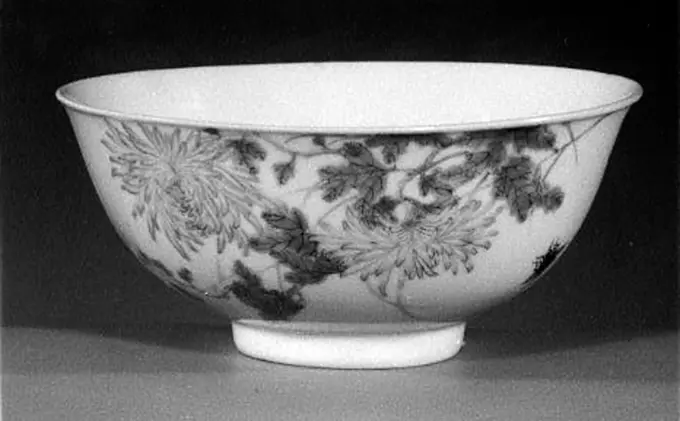
Featuring a variety of ornate ceramic cups and bowls, these vintage pieces showcase intricate designs from different cultures and centuries, blending elegance and artistry.

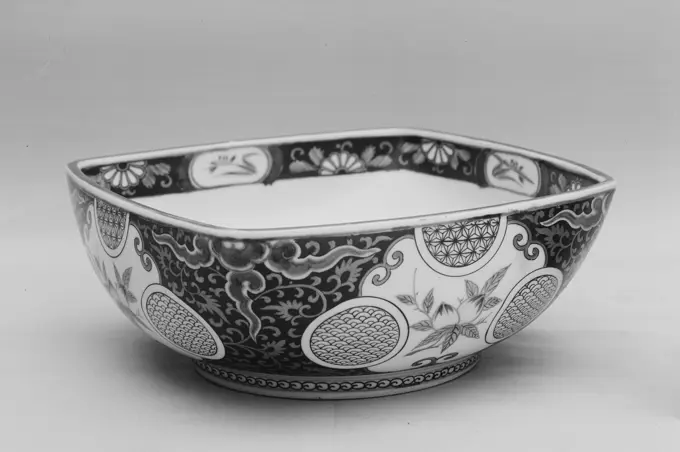
Bowl 1780 Japan. Bowl. Japan. 1780. Porcelain decorated with enamels (Arita ware, Imari type). Edo period (1615-1868). Ceramics
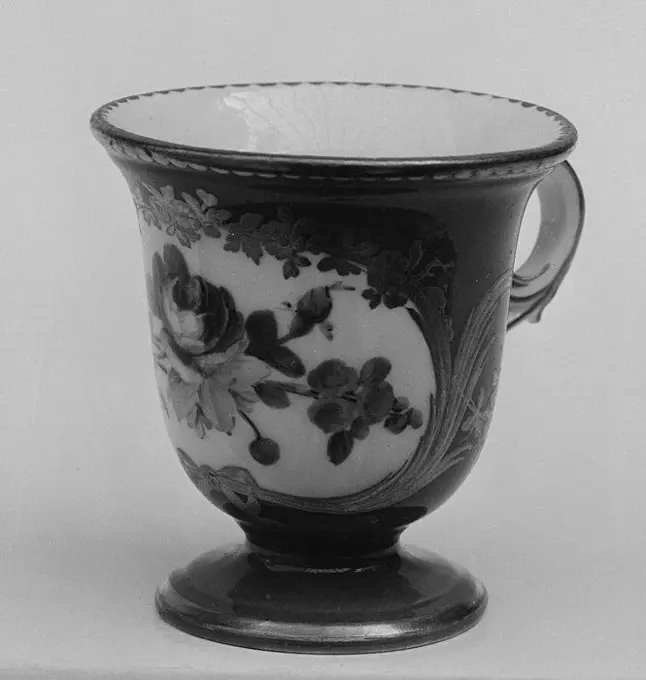
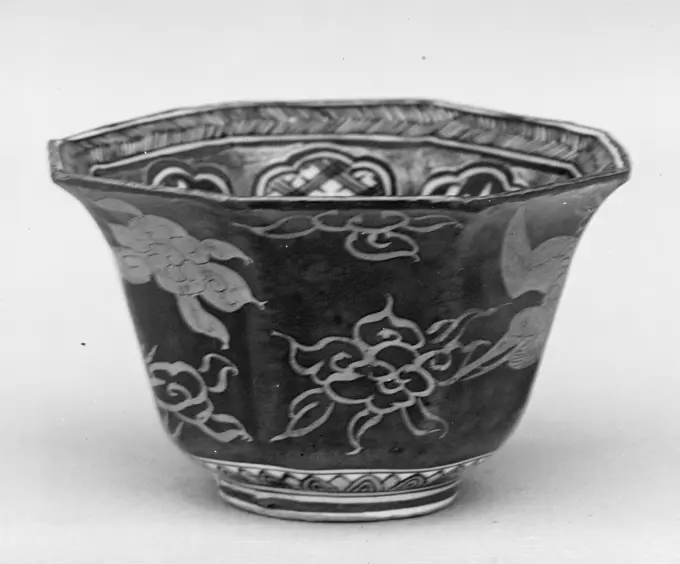
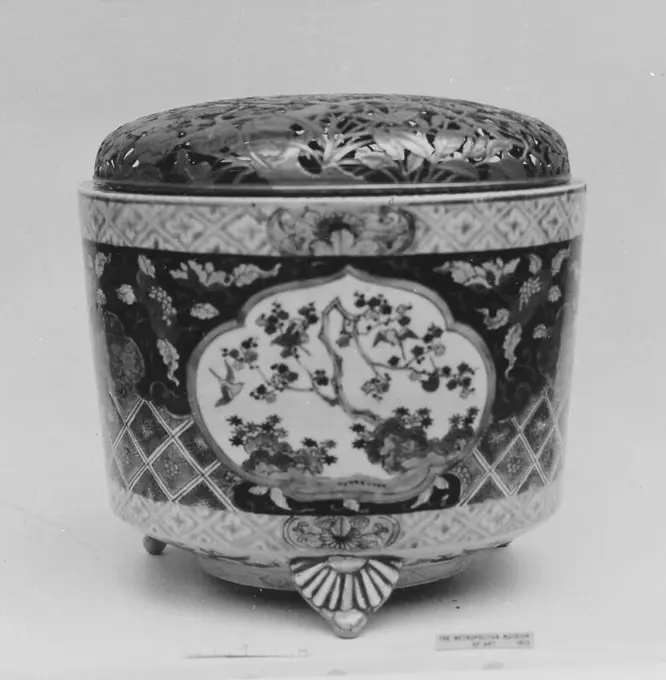
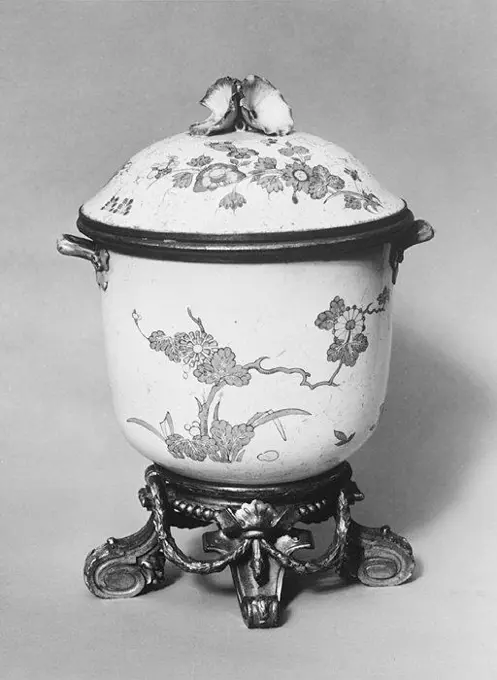
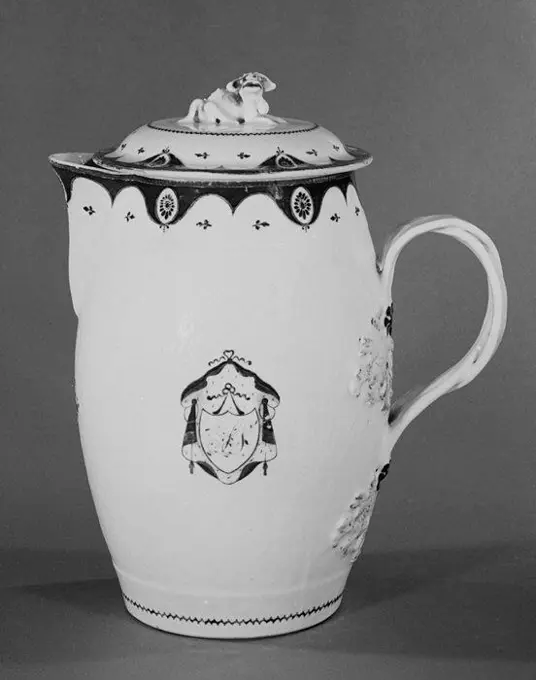
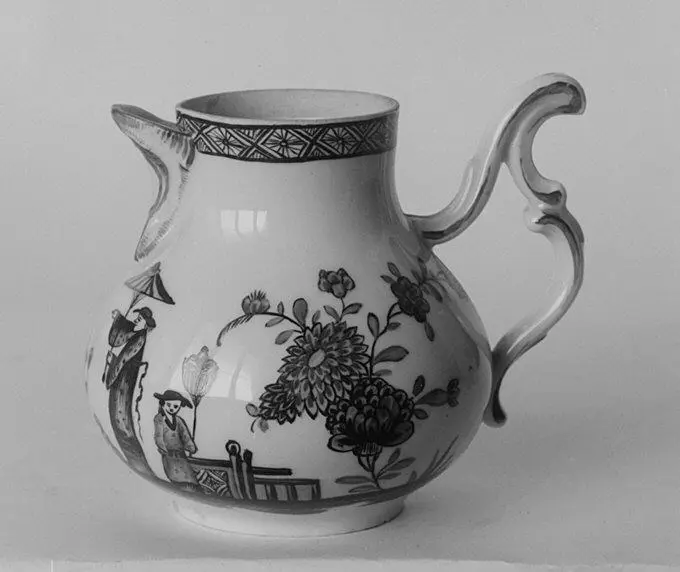
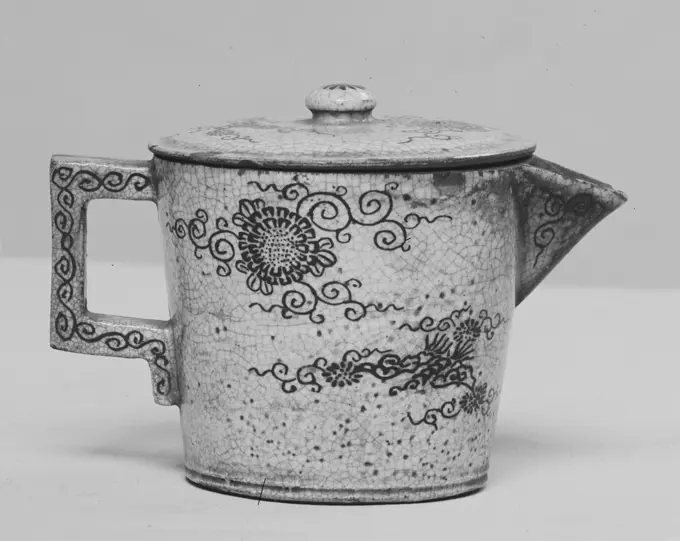
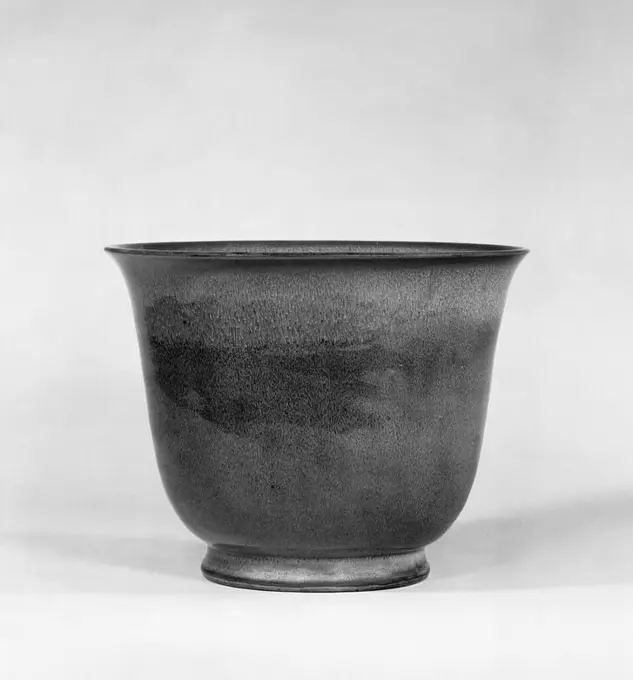
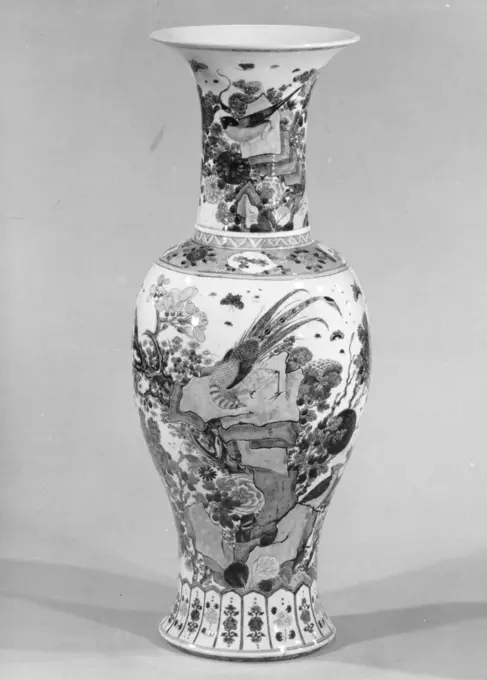
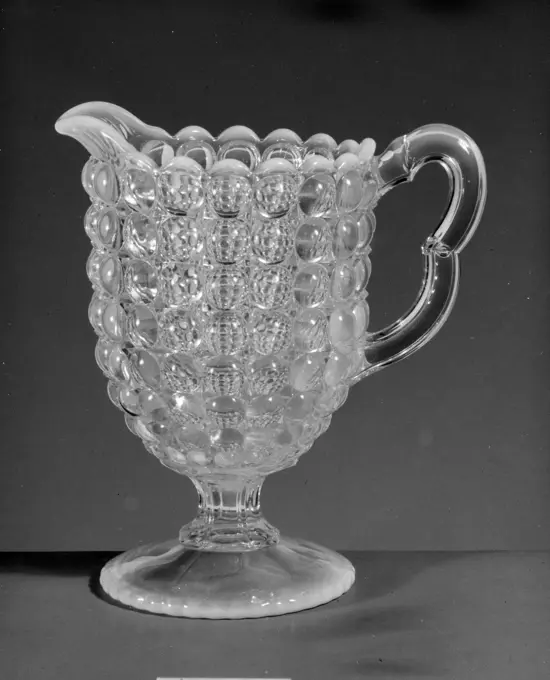
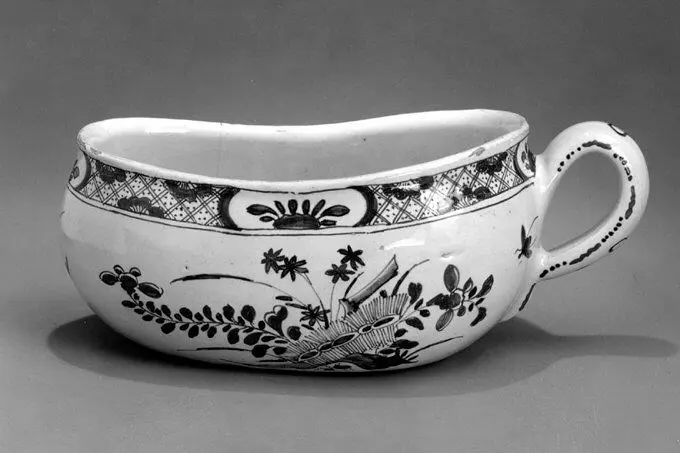
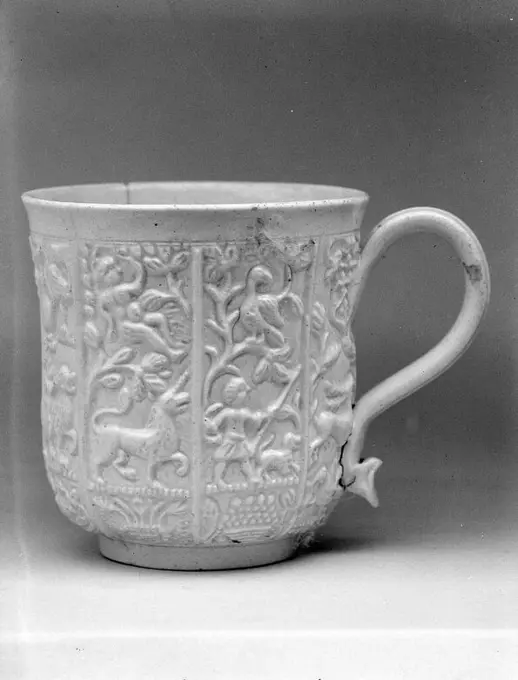
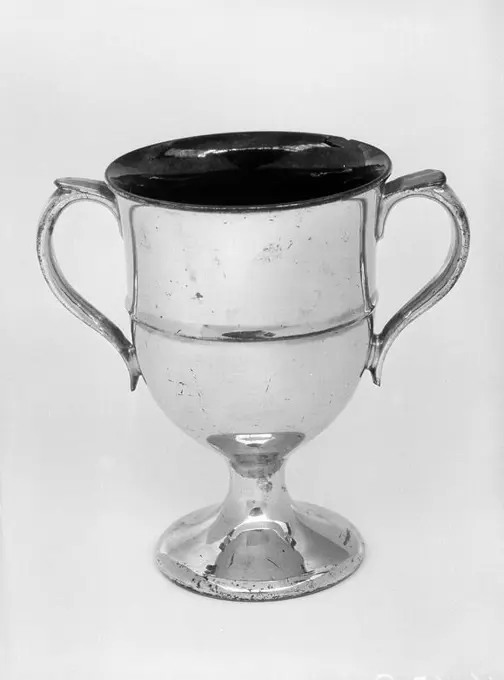
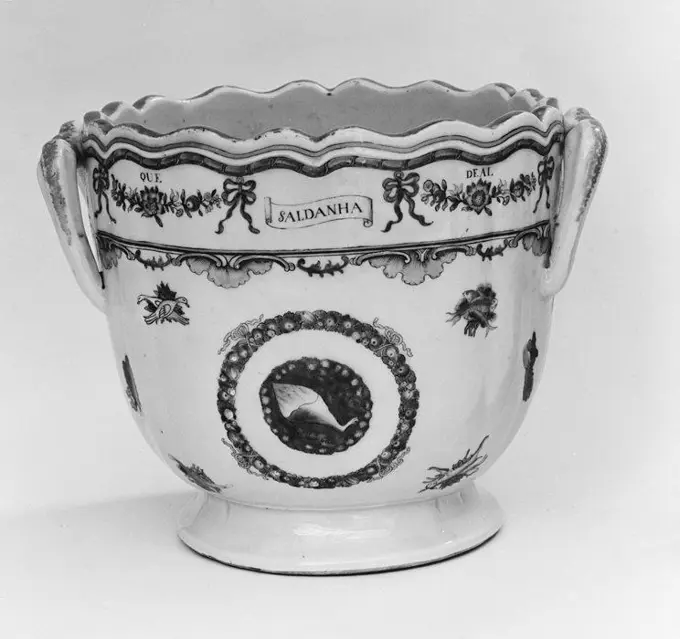
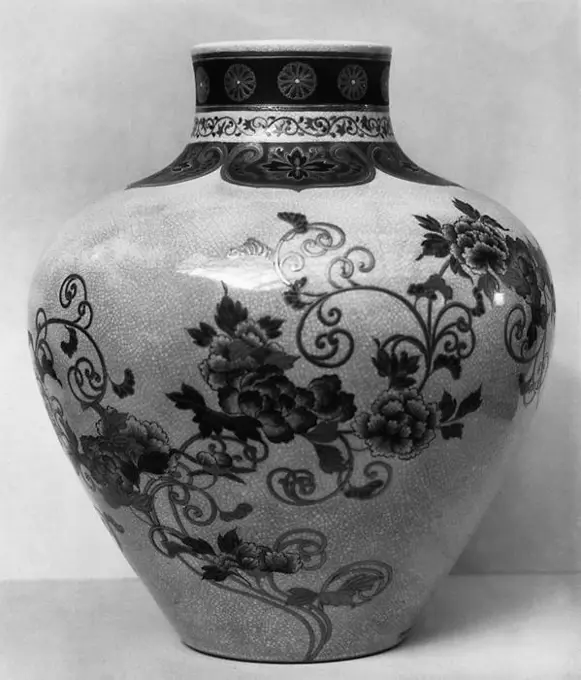
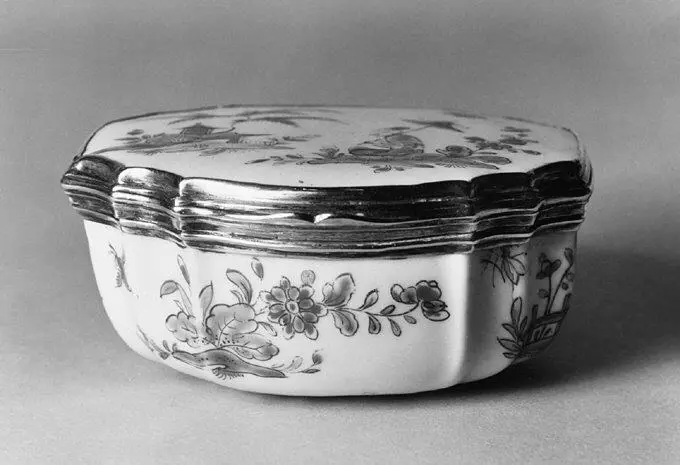
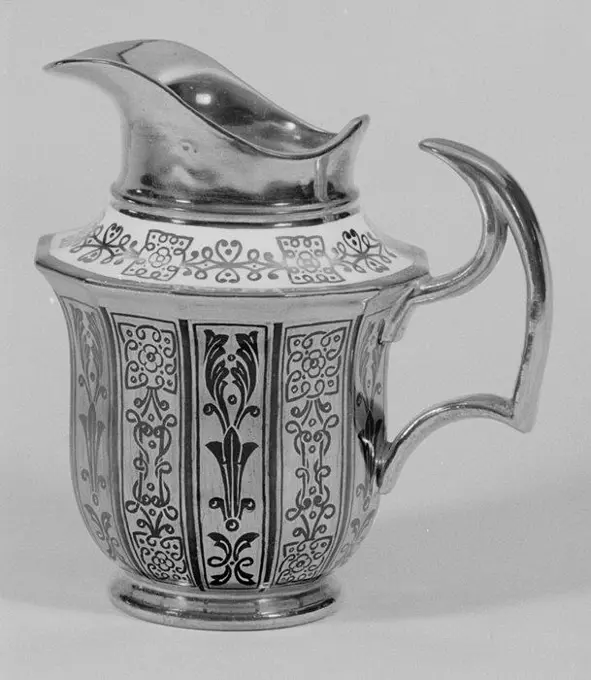
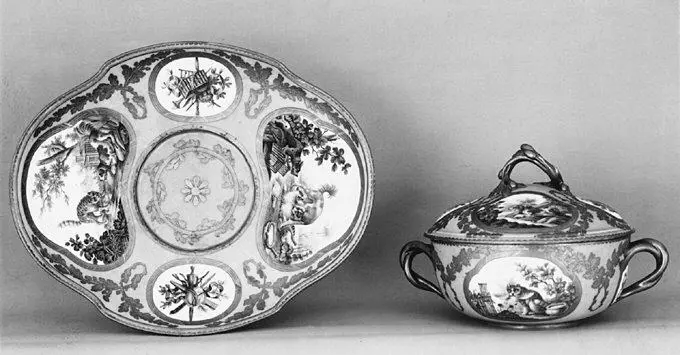
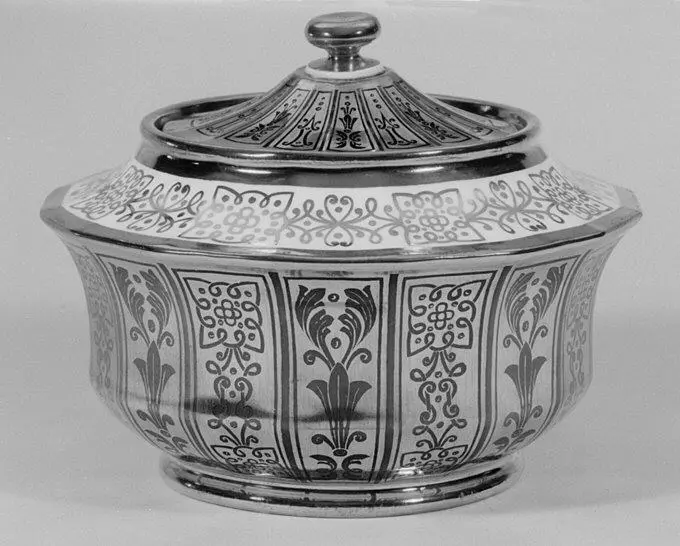
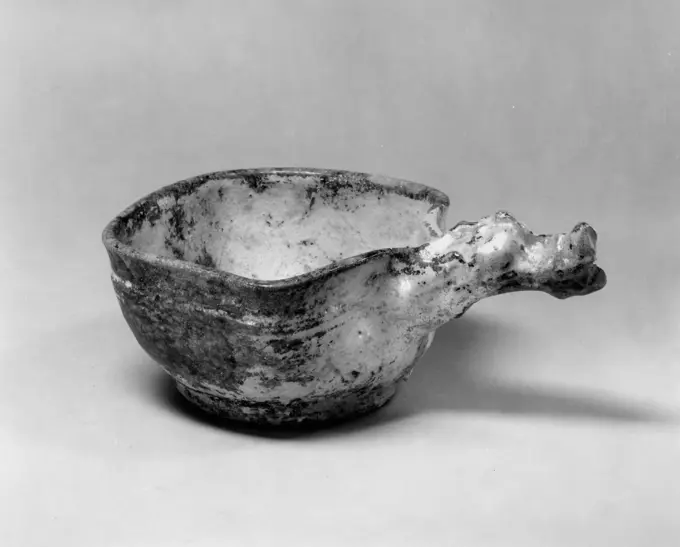
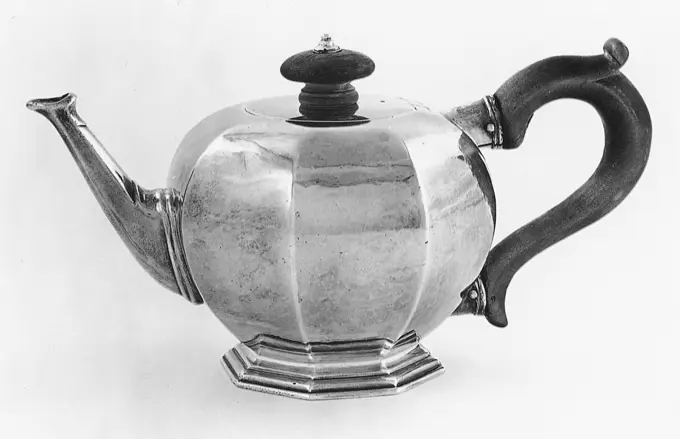
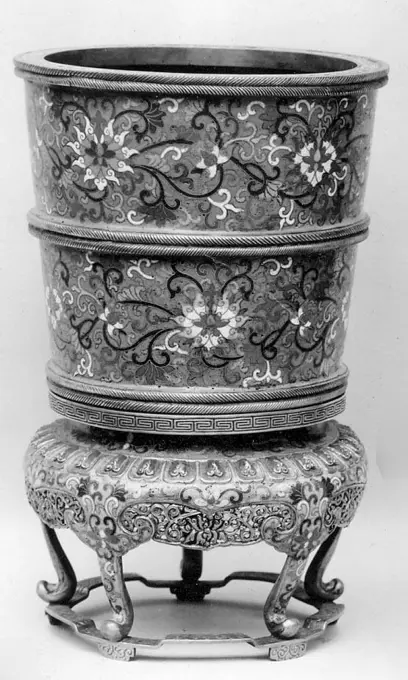
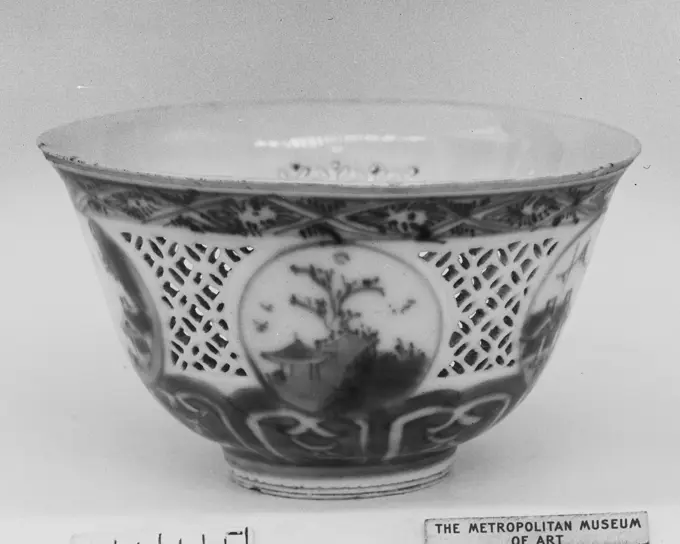
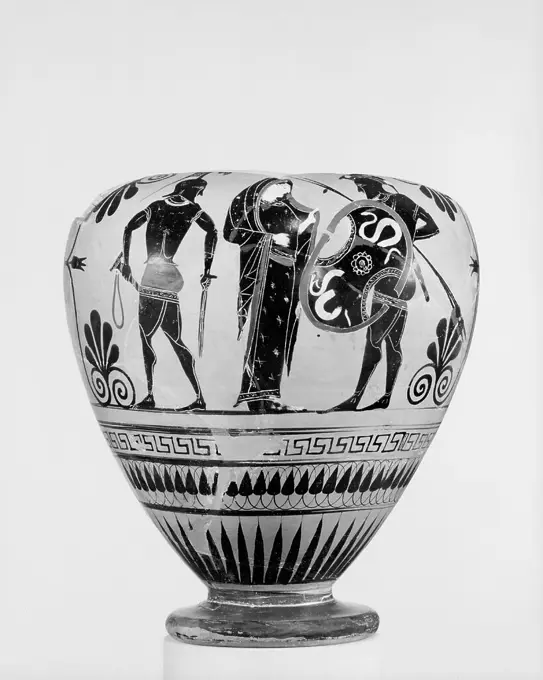
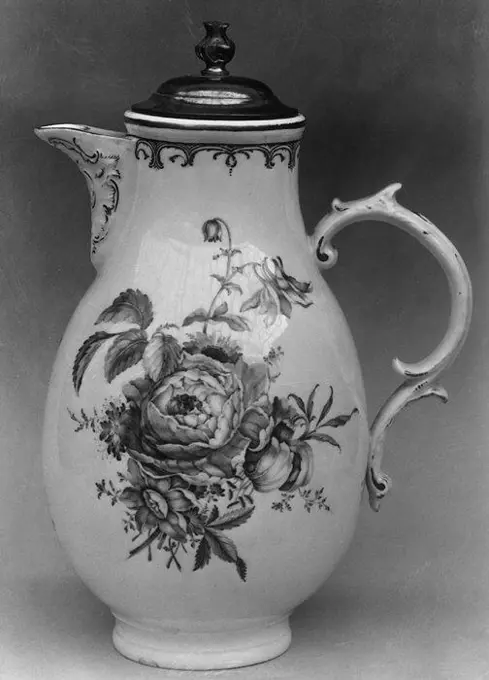
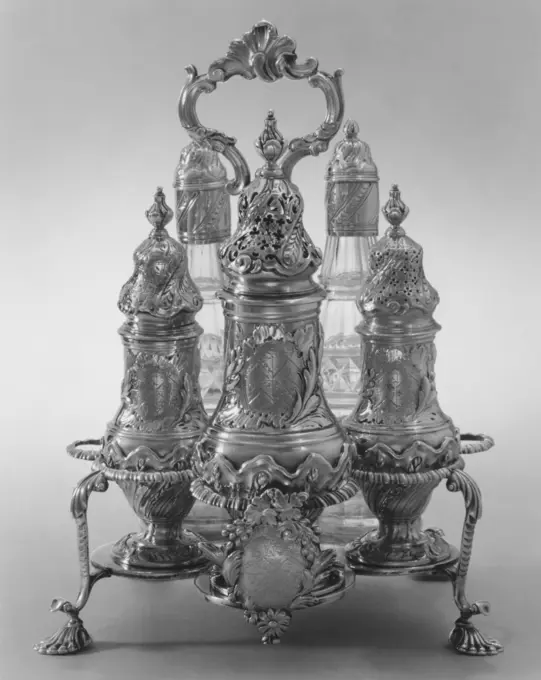
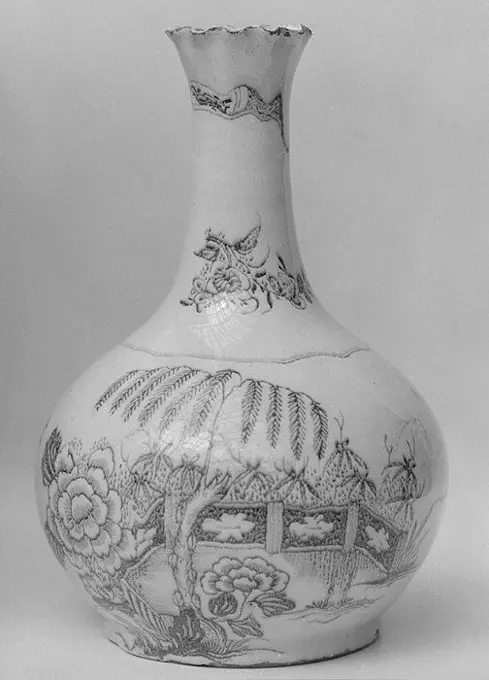
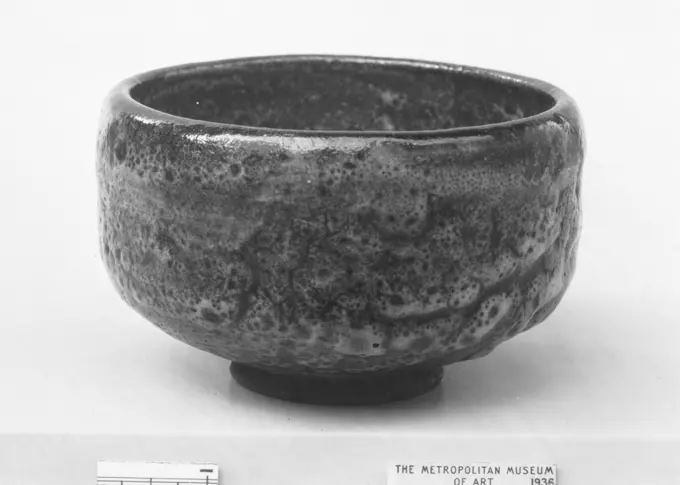
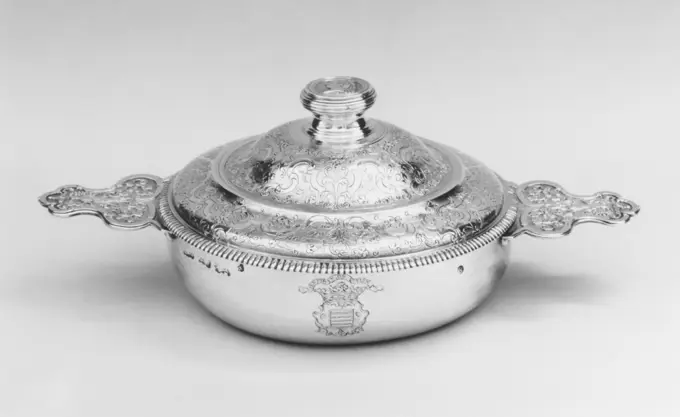
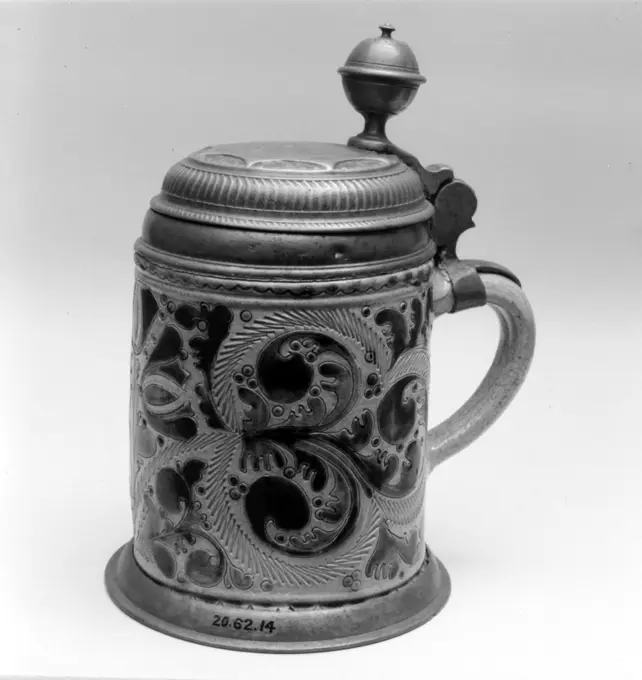
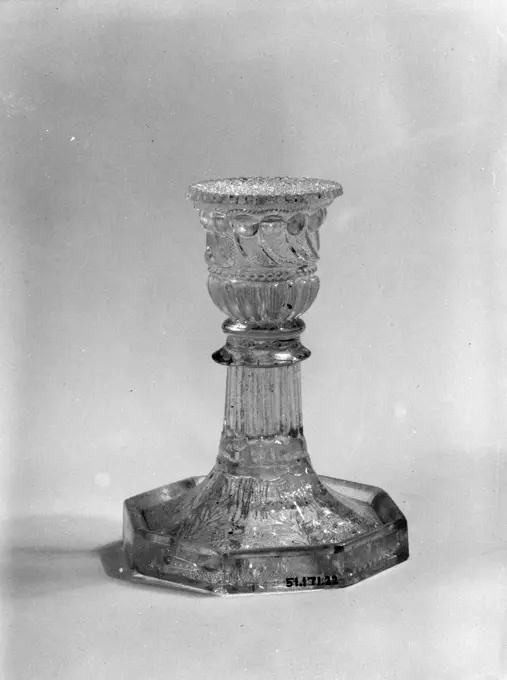
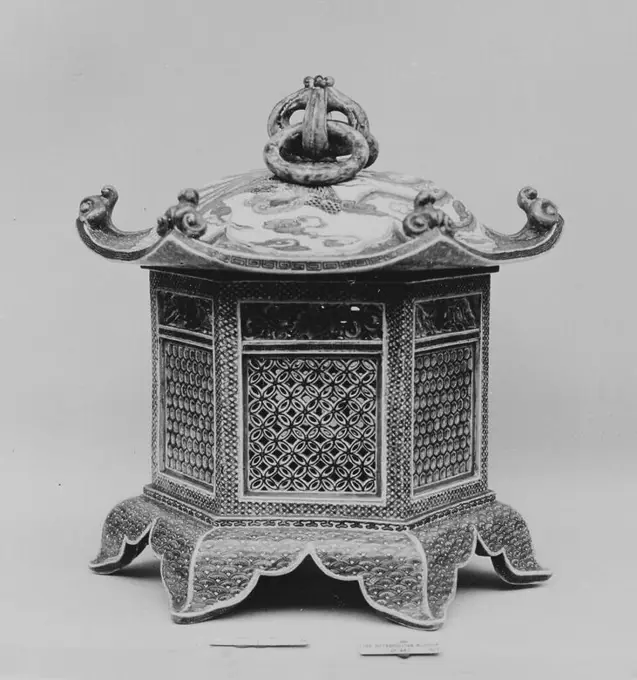
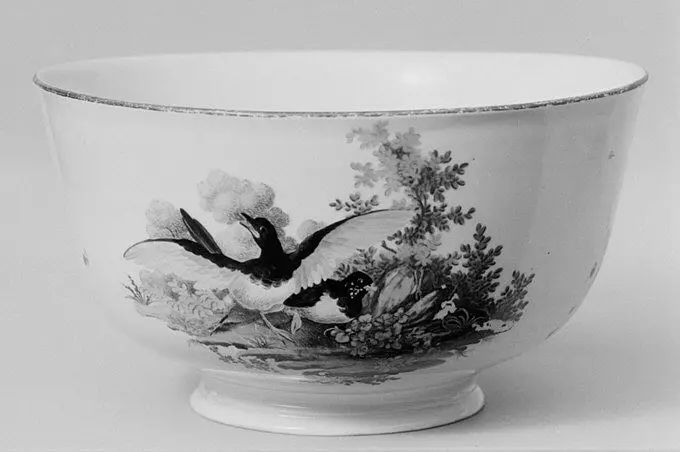
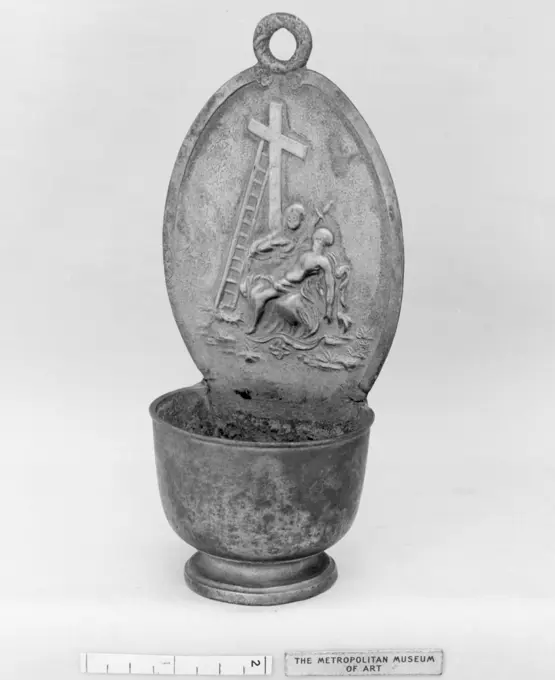
Wine glass cooler (seau à verre) possibly ca. 1830 Possibly by Apt. Wine glass cooler (seau à verre) 194490Cup on High Foot with Cover. Culture: Japan. Dimensions: H. 6 1/4 in. (15.9 cm). Date: 18th century. Museum: Metropolitan Museum of Art, New York, USA.Cup (part of a service) 1750-70 Chinese, for Continental European market. Cup (part of a service) 201217Ice cream cup (tasse à glace) (one of thirty-one) (part of a service) 1780 Sèvres Manufactory French. Ice cream cup (tasse à glace) (one of thirty-one) (part of a service) 197869Cup early 19th century Japan. Cup. Japan. early 19th century. Porcelain decorated in colors and gold. Edo period (1615-1868). CeramicsBowl 1780 Japan. Bowl. Japan. 1780. Porcelain decorated with enamels (Arita ware, Imari type). Edo period (1615-1868). CeramicsBeaker ca. 1840 Bohemian. Beaker. Bohemian. ca. 1840. Glass. GlassOctagonal Jar with Decoration of Flowering Cherry and Chrysanthemum late 17th century Japan. Octagonal Jar with Decoration of Flowering Cherry and Chrysanthemum. Japan. late 17th century. Porcelain with overglaze enamels (Arita ware, Kakiemon-related type). Edo period (1615-1868). CeramicsMustard pot 1778-79 Jean-Baptiste Saurin. Mustard pot 200128Square Bowl 1760 Japan. Square Bowl. Japan. 1760. White porcelain decorated with blue under the glaze, colored enamels (Arita ware). Edo period (1615-1868). CeramicsCenser with Silver Lid. Culture: Japan. Dimensions: H. 9 in. (22.9 cm); Diam. 9 1/2 in. (24.1 cm). Date: 1750. Museum: Metropolitan Museum of Art, New York, USA.Bowl with cover ca. 1735-40 Chantilly. Bowl with cover 196552Bottle cooler (seau à bouteille) 1750-55 Chantilly. Bottle cooler (seau à bouteille) 195209Bliżej Kultury unknownBowl 18th century Japan. Bowl 58366Cup. Culture: Japan. Dimensions: Diam. 2 7/8 in. (7.3 cm). Date: 1800. Museum: Metropolitan Museum of Art, New York, USA.Bowl China. Bowl. China. Dark reddish ware with black glaze and gold band on mouth rim. Song dynasty (960-1279). CeramicsFlagon ca. 1790 Chinese, for British or American market. Flagon 202474Jug ca. 1710-30 Chinese, for European market. Jug 195127Cream jug ca. 1770 Zurich Pottery and Porcelain Factory. Cream jug 188993 Manufactory: Zurich Pottery and Porcelain Factory, Swiss, founded 1763, Decorator: Decoration in the style of Johann Ehrenfried Stadler, German, Dresden 170141, Cream jug, ca. 1770, Hard-paste porcelain, Height: 3 in. (7.6 cm). The Metropolitan Museum of Art, New York. Rogers Fund, 1906 (06.351)Octagonal bowl with symbols of the Eight Immortals China. Octagonal bowl with symbols of the Eight Immortals. China. Porcelain painted in overglaze polychrome enamels, turqoise green glaze inside (Jingdezhen ware). Qing dynasty (1644-1911), Tongzhi period (1862-74). CeramicsPitcher. Culture: American. Dimensions: H. 7 5/8 in. (19.4 cm). Date: 1870-90. Museum: Metropolitan Museum of Art, New York, USA.Teapot 18th century Japan. Teapot. Japan. 18th century. Clay covered with a pitted glaze and design in enamels (Kiyomizu ware). Edo period (1615-1868). CeramicsUnknown manufacturer, Sugar Bowl and Cover, c. 1800-1810, hard-paste porcelain.Covered Jar 18th century Japan. Covered Jar 63061Jar 12th-14th century China. Jar 42448Bowl and Cover 1750 Japan. Bowl and Cover. Japan. 1750. White porcelain decorated with polychrome enamels (Nabeshima ware, Kakiemon type). Edo period (1615-1868). CeramicsFlower Pot. Culture: China. Dimensions: H. 8 in. (20.3 cm); Diam. 10 1/8 in. (25.7 cm). Date: 13th-14th century. Museum: Metropolitan Museum of Art, New York, USA.Vase China. Vase 50841Creamer ca. 1888 Richards and Hartley Flint Glass Co.. Creamer. American. ca. 1888. Pressed colorless and opalescent glass. Made in Tarentum, Pennsylvania, United StatesCovered Jar. Culture: China. Dimensions: H. with cover: 51 in. (129.5 cm). Museum: Metropolitan Museum of Art, New York, USA.Covered Compote 1850-70 American. Covered Compote. American. 1850-70. Pressed glass. Made in United StatesSaltcellar 17th-18th century Spanish, Valencia. Saltcellar. Spanish, Valencia. 17th-18th century. Glass. GlassFrame for oil and vinegar early 18th century Dutch, Delft. Frame for oil and vinegar 200753Bowl 19th century German. Bowl. German. 19th century. Glass. GlassVase. Culture: French. Dimensions: Dimensions unavailable. Date: ca. 1825. Museum: Metropolitan Museum of Art, New York, USA.Vase late 18th-early 19th century China. Vase 61010Medieval-Renaissance style mortar Italian 19th century View more. Medieval-Renaissance style mortar. Italian. 19th century. Bronze. Sculpture-BronzeBourdalou ca. 1715 The "Greek A" Factory. Bourdalou 206632Cup 1800 Japan. Cup 52448Ice cream cup (tasse à glace) (one of thirty-one) (part of a service) 1771 Sèvres Manufactory French. Ice cream cup (tasse à glace) (one of thirty-one) (part of a service) 197875Cup. Culture: British (American market). Dimensions: H. 2 1/2 in. (6.4 cm); Diam. 2 1/2 in. (6.4 cm). Date: 1740-50. Museum: Metropolitan Museum of Art, New York, USA.Water Jar. Artist: Nonomura Ninsei (Japanese, active ca. 1646-94). Culture: Japan. Dimensions: H. 6 1/3 in. (16.1 cm). Date: 17th century. Museum: Metropolitan Museum of Art, New York, USA.Cup. Culture: British. Dimensions: H. 5 1/4 in. (13.3 cm); Diam. 3 1/2 in. (8.9 cm). Date: 1800-1830. Museum: Metropolitan Museum of Art, New York, USA.Jardinière (part of a service) ca. 1765 Chinese, for Portuguese market. Jardinière (part of a service) 201157Jar with Scrolling Peony Design 1870 Japan. Jar with Scrolling Peony Design. Japan. 1870. Faience with crackled glaze; decoration in colored enamels and gold (Satsuma ware). Meiji period (1868-1912). CeramicsLazio Viterbo Viterbo Museo Civico79. Hutzel, Max 1960-1990 Views of paintings (Middle Ages through 18th c.), frescoes, a tabernacle, coffin, sculpture reliefs, portal fragments, busts, sculpture, tapestry found in the Pinacoteca, Second floor gallery and Second floor cloister sequences. Antiquities: Many views of Etruscan and Roman fragments, sculpture, sarcophagi, pottery, masks, jewelry and other objects found in the Storeroom sequence (inventory numbers on back of prints), and the Cloister, Second floor Cloister, Valle Giulia, Sala Romana and Sala Etrusca sequences. General Notes: There are eight separate numerical sequences for this location. The cloister as an architectural structure, rather than museum site, is documented in the record and file for S. Maria della Verita, Cloister, all views of which are stored in Medieval core collection. Five views from the Museo Civico Second floor cloister sequence are stored in Medieval. German-born photographer and scholar Max Hutzel (1911-Water jar in the shape of a flower 19th century China. Water jar in the shape of a flower. China. 19th century. Carnelian. Qing dynasty (1644-1911. HardstonePosset pot 1710 British, Staffordshire Inscribed "The best is not too good for you 1710." Posset was a popular warm drink of milk curdled with wine or ale.. Posset pot. British, Staffordshire. 1710. Lead-glazed earthenware. Ceramics-PotteryMortar 16th century Italian, Venice. Mortar. Italian, Venice. 16th century. Bronze. Metalwork-BronzeCup (part of a service) ca. 1750 Chinese, for British market. Cup (part of a service) 201350Snuffbox 1738-44 Saint-Cloud factory In eighteenth-century Europe, Paris led the production of high-quality luxury goods. Parisian goldsmiths made a wide range of small, personal articles such as snuffboxes; étuis to hold sealing wax, tweezers, or utensils for sewing; souvenirs, which contained thin ivory tablets for note taking; and shuttles for knotting lace. Gold snuffboxes and boxes decorated with portrait miniatures were prized and frequently given as royal gifts, often to ambassadors or members of the court in lieu of cash payments for their services. Coveted and admired, these boxes were produced from a variety of materials. The best were skillfully made of gold and embellished with diamonds, enameled decoration, lacquer, and other luxurious materials. By the middle of the century, the taking of snuff had become an entrenched social ritual, and the snuffbox, too, had become an important social prop. Snuffboxes were considered highly fashionable accessories, with some merchants aPitcher (part of a coffee and tea service) 1834 Imperial Porcelain Manufactory, St. Petersburg Russian This group is part of a tea and coffee service of twenty-nine pieces (69.162.1-.29). The design of the service reflects the widespread fascination of the nineteenth century with a variety of pseudo-styles and their indigenous interpretation by the Imperial Porcelain Manufactory.. Pitcher (part of a coffee and tea service) 205127Écuelle 1776 Sèvres Manufactory French. Écuelle 187772 Factory: Svres Manufactory, French, 1740present, Decorator: Franois-Joseph Aloncle, French, 17341781, Decorator: Gilded by Jean-Pierre Boulanger, 17221785, active 175485, Tray, 1776, Soft-paste porcelain, Width: 10 7/16 in. (26.5 cm). The Metropolitan Museum of Art, New York. Gift of Henry G. Marquand, 1894 (94.4.155)Vase (part of a garniture) Manufactory Fürstenberg Porcelain Manufactory German ca. 1780-90Bottle 1650 Japan. Bottle. Japan. 1650. White porcelain decorated with blue under the glaze, stopper of black lacquer (Arita ware, Imari type). Edo period (1615-1868). CeramicsSugar bowl (part of a coffee and tea service) 1834 Imperial Porcelain Manufactory, St. Petersburg Russian This group is part of a tea and coffee service of twenty-nine pieces (69.162.1-.29). The design of the service reflects the widespread fascination of the nineteenth century with a variety of pseudo-styles and their indigenous interpretation by the Imperial Porcelain Manufactory.. Sugar bowl (part of a coffee and tea service) 205128Cream jug ca. 1735 William Townsend. Cream jug 191793Bowl early 19th century China. Bowl 50796Food Container (Kui) 1st-2nd century China. Food Container (Kui) 44330Pitcher 1st millennium B.C.. Pitcher 324214Wall vase () 18th century French. Wall vase (). French. 18th century. Wood, carved. WoodworkMaker's mark IE, star above, possibly John Edwards II or John Eckfourd II, Teapot, 1730/31, silver.Jar with flowers 19th century China. Jar with flowers 45873Flower Pot with Stand (One of a Pair) China. Flower Pot with Stand (One of a Pair) 40715Bowl ca. 1770 Worcester factory The pattern is directly copied from imported Japanese Imari porcelain.. Bowl 198419Cup late 17th century China. Cup. China. late 17th century. Porcelain with reticulated decoration, painted in underglaze blue. Qing dynasty (1644-1911), Kangxi period (1662-1722). CeramicsNeck-amphora. Culture: Greek, Attic. Dimensions: H. /restored 41.50 cm.. Date: ca. 520 B.C.. Museum: Metropolitan Museum of Art, New York, USA.Coffeepot 1770-75 Fürstenberg Porcelain Manufactory. Coffeepot 199268Warwick cruet stand with three casters and two bottles 1762-63 Robert Peaston British. Warwick cruet stand with three casters and two bottles 204698Wine bottle ca. 1750 British, Liverpool. Wine bottle 196567Tureen with cover and stand ca. 1760 Meissen Manufactory German. Tureen with cover and stand 188672 Factory: Meissen Manufactory, German, 1710present, Tureen with cover and stand, ca. 1760, Hard-paste porcelain, Length (tureen .134): 11 in. (27.9 cm); Length (stand .135): 13 1/2 in. (34.3 cm). The Metropolitan Museum of Art, New York. Gift of Alfred Duane Pell, 1902 (02.6.134a, b, .135)Cream jug ca. 1760 Probably by Tudor and Leader. Cream jug 204473Tea cup (part of a set) 1790-1800 Chinese, for British market. Tea cup (part of a set) 201066Vase ca. 1900 Emile Gallé French. Vase 483856Plinth. Culture: French. Dimensions: Overall: 26 3/4 × 26 3/8 × 10 1/4 in. (67.9 × 67 × 26 cm). Date: 18th century. Museum: Metropolitan Museum of Art, New York, USA.Teabowl ca. 1810 Raku Tannyu Japanese. Teabowl. Raku Tannyu (Japanese, 1795-1854). Japan. ca. 1810. Clay covered, except for spots on foot, by glaze and overglaze which has turned black (Raku ware). Edo period (1615-1868). CeramicsBowl with cover (écuelle) 1725-27 Nicolas-Antoine de Saint-Nicolas. Bowl with cover (écuelle) 200366Sèvres Porcelain Manufactory, Covered Ecuelle with Stand, c. 1800, soft-paste porcelain.Wineglass. Culture: German, Potsdam. Dimensions: Height: 8 5/16 in. (21.1 cm). Date: late 17th century. Museum: Metropolitan Museum of Art, New York, USA.Candelabrum ca. 1836. Candelabrum 1138Ewer 1745-50 German, Silesia. Ewer. German, Silesia. 1745-50. Glass. GlassBowl China. Bowl 52592Photography of the glass cup with the Polish Saxon coat of arms (III) unknownTankard (Stein) 18th century German, Westerwald German stoneware tankards were brought to America in large numbers on Dutch fur-trading ships. Shards of these popular vessels have been uncovered at seventeenth century sites in New York and New England.. Tankard (Stein) 194593Candlestick ca. 1827-35 Boston & Sandwich Glass Company. Candlestick. American. ca. 1827-35. Lacy pressed glass. Made in Sandwich, Massachusetts, United StatesLantern. Artist: Genemon. Culture: Japan. Dimensions: H. 11 5/8 in. (29.5 cm); Gr. W. 9 3/4 in. (24.8 cm). Date: 1850. Museum: Metropolitan Museum of Art, New York, USA.Shaped box 1725-30 Meissen Manufactory German. Shaped box 203165Cup 1815-30 French. Cup. French. 1815-30. Porcelain. Made in Paris, FranceBowl (part of a service) ca. 1770 Frankenthal Porcelain Manufactory. Bowl (part of a service) 196938Three Votive Implements: Incense Burner, Candlestick, and Vase 19th century Japan This set of votive implements comprises a decorative convention for the tokonoma alcove and is derived from the ancient Indian practice of offering gifts to a deity. The use of this arrangement in Japan can be traced to the Kamakura period (1185-1333), when it was standard practice in Zen temples to place offerings before an image of the Buddha. With the spread of religious architecture into secular contexts in the Muromachi period (1392-1573), the implements became part of the formal decoration of the tokonoma alcove.. Three Votive Implements: Incense Burner, Candlestick, and Vase. Japan. 19th century. Bronze. Meiji period (1868-1912). MetalworkCreamer ca. 1825 British. Creamer 2605Lazio Viterbo Viterbo Museo Civico40. Hutzel, Max 1960-1990 Views of paintings (Middle Ages through 18th c.), frescoes, a tabernacle, coffin, sculpture reliefs, portal fragments, busts, sculpture, tapestry found in the Pinacoteca, Second floor gallery and Second floor cloister sequences. Antiquities: Many views of Etruscan and Roman fragments, sculpture, sarcophagi, pottery, masks, jewelry and other objects found in the Storeroom sequence (inventory numbers on back of prints), and the Cloister, Second floor Cloister, Valle Giulia, Sala Romana and Sala Etrusca sequences. General Notes: There are eight separate numerical sequences for this location. The cloister as an architectural structure, rather than museum site, is documented in the record and file for S. Maria della Verita, Cloister, all views of which are stored in Medieval core collection. Five views from the Museo Civico Second floor cloister sequence are stored in Medieval. German-born photographer and scholar Max Hutzel (1911-Beaker 1710-20 German, Potsdam. Beaker. German, Potsdam. 1710-20. Glass. GlassTeapot 1740-70 Chinese, for European market. Teapot 201314Small or hanging bénitier 17th century French or Flemish. Small or hanging bénitier 189133 French or Flemish, Small or hanging bnitier, 17th century, Pewter, Height: 6 7/8 in. (17.5 cm). The Metropolitan Museum of Art, New York. Rogers Fund, 1906 (06.863)Cup and saucer ca. 1725-35 Meissen Manufactory German. Cup and saucer 199219Wine Kettle. Culture: Japan. Dimensions: H. 6 1/4 in. (15.9 cm). Date: 1780. Museum: Metropolitan Museum of Art, New York, USA.Covered bowl with Thai mythical figures 19th century China. Covered bowl with Thai mythical figures. China. 19th century. Porcelain painted in overglaze polychrome enamels (Bencharong ware for Thai market). Qing dynasty (1644-1911). CeramicsPair of butter dishes with covers 18th century Dutch, Delft. Pair of butter dishes with covers 206592