Decorative Vintage Tea Cups

Elegant porcelain tea cups, featuring intricate floral designs and varied colors, capturing vintage craftsmanship in delicate tableware.

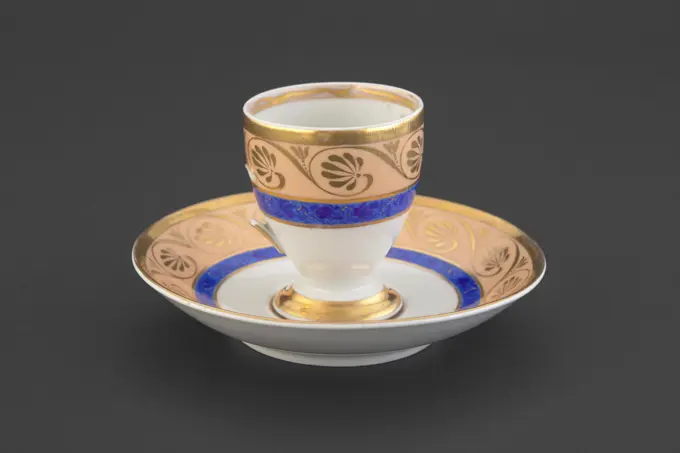
Cup and saucer, royal porcelain manufactory, c. 1790 - c. 1805  Porcelain cup and saucer with a angular ear, painted in green and pink and on the glaze yellow, black and gold. The outer wall of the head is divided into three tires separated by golden lines. In the middle, a wide, continuous strap of flower branches saved in a pink background. Above and -under a green band with grape vines. The dish with the same decoration, with a rosette in the center. Marked on the bottom with the scepter and number 81 in red. Berlin porcelain. glaze. gold (metal) gilding / vitrification
Cup and saucer, royal porcelain manufactory, c. 1790 - c. 1805 Porcelain cup and saucer with a angular ear, painted in green and pink and on the glaze yellow, black and gold. The outer wall of the head is divided into three tires separated by golden lines. In the middle, a wide, continuous strap of flower branches saved in a pink background. Above and -under a green band with grape vines. The dish with the same decoration, with a rosette in the center. Marked on the bottom with the scepter and number 81 in red. Berlin porcelain. glaze. gold (metal) gilding / vitrification
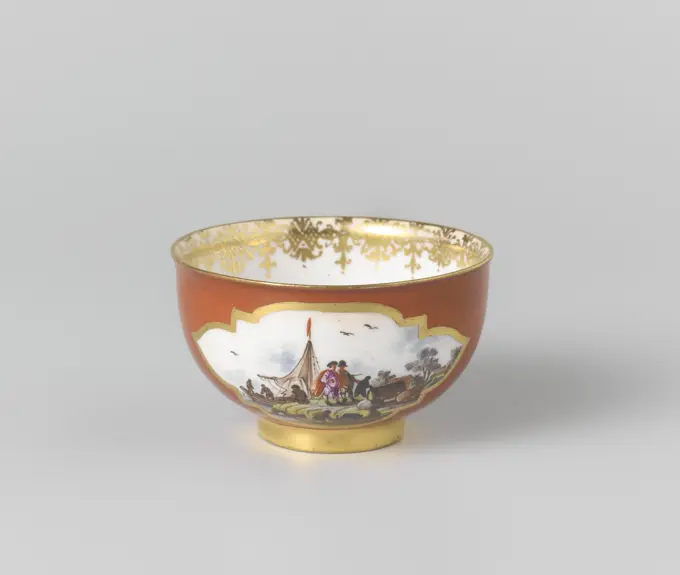
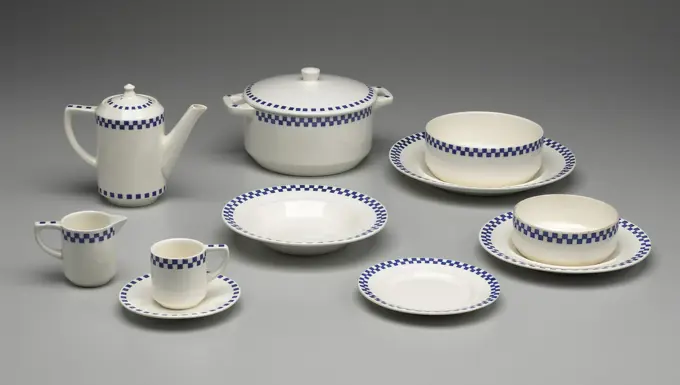
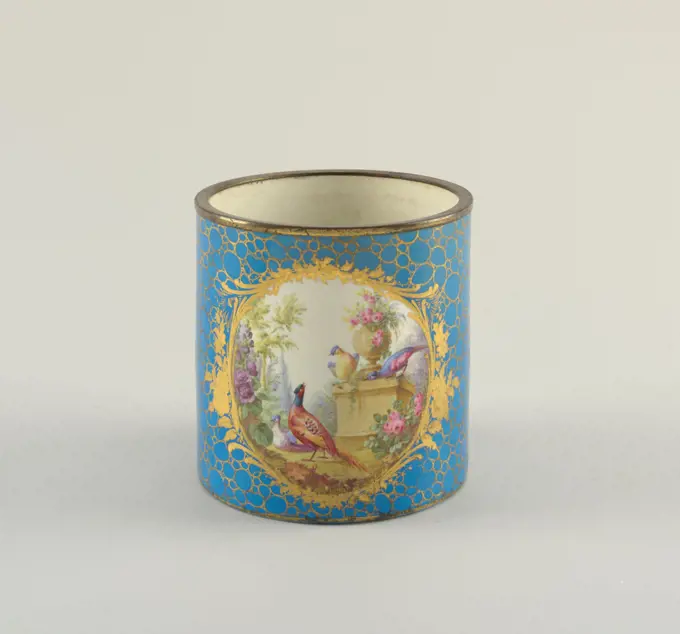
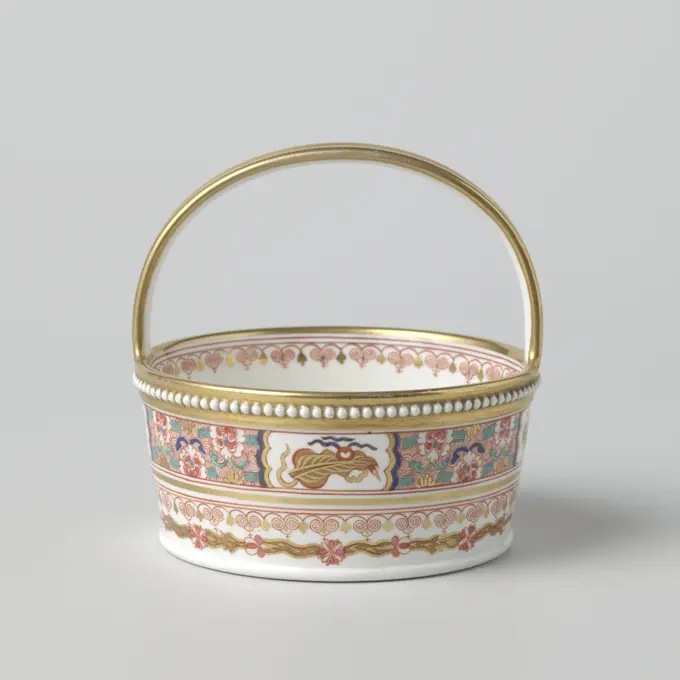
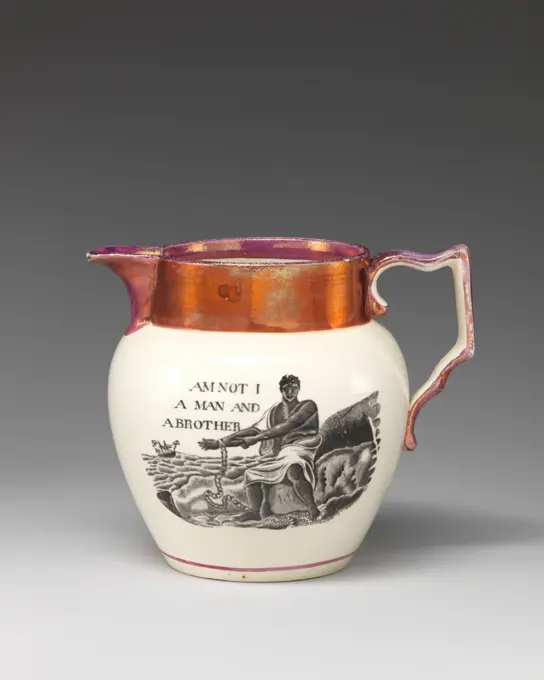
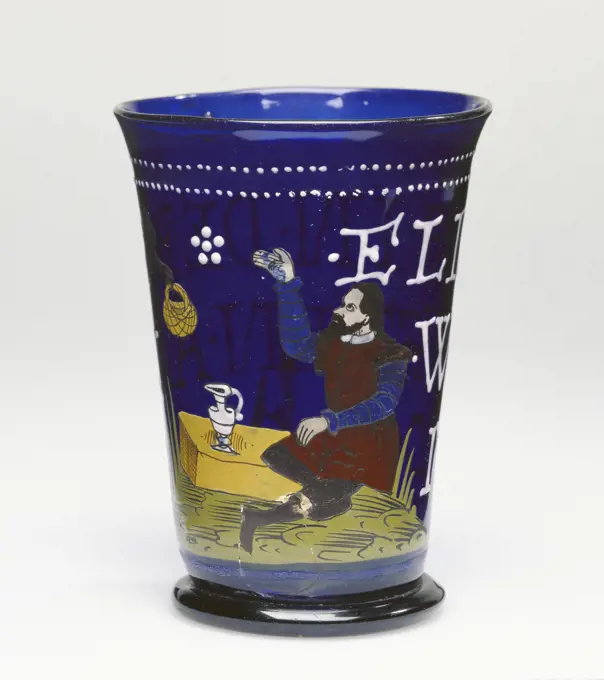
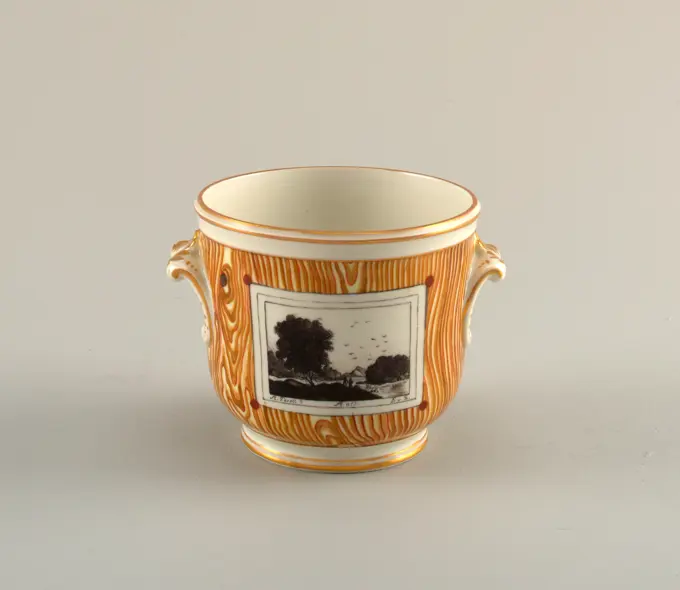
Bowl (Austria); Manufactured by Du Paquier Porcelain Manufactory; porcelainTeacup. falsyfikat Korca, factory, Korzec (manufaktura porcelany ; 1790-1832), factoryCup of the coffee and tea service 'Saxonia'. Cup of porcelain, painted in blue and gray. The head is part of the Saxonia coffee and tea service. The head is noticed.Cup with ear, multi -colored painted with a performance of the month of May, Meissener Porzellan Manufaktur, c. 1740 - c. 1745 Cylindrical cup with S-shaped ear, made of painted porcelain. The cup is painted with a cartouche of leaf and network within which couples in a garden and a boy with a dog and above which the name Majus. On both sides is a small person (caricature) with glasses and a small person (caricature) painted with a basket. The cup is marked. Float porcelain Cylindrical cup with S-shaped ear, made of painted porcelain. The cup is painted with a cartouche of leaf and network within which couples in a garden and a boy with a dog and above which the name Majus. On both sides is a small person (caricature) with glasses and a small person (caricature) painted with a basket. The cup is marked. Float porcelainTAZA PORCELANA DE ALCORA S XVIII. Location: CONVENTO DE SAN CLEMENTE-MUSEO. Toledo. SPAIN.Kop, multicolored painted with water landscapes in saved four passes in an Oranjerode Fond, Meissener Porzellan Manufaktur, c. 1735 - c. 1740 Head without ear, from painted porcelain. The head is covered with an Oranjerode Fond, in which accolade -shaped four passes are saved with (water) landscapes with European figures, sometimes with bales and ships. The head is marked. Float porcelain Head without ear, from painted porcelain. The head is covered with an Oranjerode Fond, in which accolade -shaped four passes are saved with (water) landscapes with European figures, sometimes with bales and ships. The head is marked. Float porcelainFili Anka with a saucer; Koenigliche Porzellan Manufaktur (KPM; Berlin; 1763-1918); 1849-70 (1832-00-00-1850-00-00);Cup and saucer ca. 1830-40 British. Cup and saucer. British. ca. 1830-40. Pottery, creamware. Ceramics-PotteryOpen sugar bowl, from child's coffee set with check pattern, c. 1924-1926, Waechtersbach Earthenware Factory, Schierbach, Hesse, Germany, 7/8 x 2 13/16 in. (2.2 x 7.14 cm), Earthenware, Germany, 20th centuryCup with a landscape on a ground of imitation bark, anonymous, c. 1775 - c. 1799  Porcelain head with a cylindrical wall and C-shaped ear, painted on the glaze in enamel colors and gold. The outer wall is covered with a fierce bark with moss, on which a poster with a landscape looks stuck. At the top the paper is torn and hangs forward. The landscape shows two people between hills, trees and buildings. On the underside of the poster the inscriptions' Celocies.  Inv. Et fecit "and" Devret Excud. " Golden band above the foot and the edge, the ear and the inside are covered with gold. Marked on the bottom with 'Revil, Rue/ Neuve des/ Capucines' and a B. Paris porcelain. glaze. gold (metal) painting / gilding / vitrificationKutani, Shoza (n.1816 - D.1883), infused tea cup (senchawan) (common name), 1870. sandstone, polychrome decor on the covered, gilding. Cernuschi Museum, Asia Museum of Asia in the city of Paris.Mug 1765-1775 Worcester. Soft-paste porcelain, underglaze blue decoration . Worcester Royal Porcelain CompanySèvres Style, Cup and Saucer, 18th century, hard-paste porcelain.. Octagonal Kwispoor of porcelain with ear, a globe body and pressed corners, painted in underglaze blue. Lotu places blooming on the wall, a willow and two flower branches on either side of the ear; the exterior of the edge with four flower branches; The inside of the edge with napkin and flower reflections saved in blue; A flower branch on the ear. A chip in the edge. Blue White.Head, multi -colored painted with flower bouquets, Meissener Porzellan Manufaktur, c. 1750 Half -ball -shaped head of painted porcelain. The head is painted with flower bouquets and decorated with an Ozier edge. The head is marked. Float porcelain Half -ball -shaped head of painted porcelain. The head is painted with flower bouquets and decorated with an Ozier edge. The head is marked. Float porcelainSmall jug with Apollo and three Muses. Flaxman Mł., John (1755-1826), sculptor, Josiah Wedgwood & Sons (Stoke-on-Trent ; wytwórnia ceramiki ; 1790-1895), factoryFlower Pots (Cachepots), Sèvres Porcelain Manufactory, French, established 1756 to the present, porcelain, vitreous enamel, gold, Cylindrical, with gilded brass strip at edge. Bleu céleste (sky blue) ground color with gilded pattern of circles. Gilded cartouches at front and back frame garden scenes with birds., France, 1771, ceramics, Decorative Arts, cachepots, cachepotsHile bin with Chinese motifs, Spode, 1790 - 1800 White porcelain handle, decorated with Chinese motifs in red, gold, turquoise, blue and yellow -brown. The handle is gilded. On the top edge of the bowl a row of white pearls in relief. Stoke-on-Trent porcelain White porcelain handle, decorated with Chinese motifs in red, gold, turquoise, blue and yellow -brown. The handle is gilded. On the top edge of the bowl a row of white pearls in relief. Stoke-on-Trent porcelainMug 1870-80 Probably Adams and Company. Mug 5389Beaker. Culture: British. Dimensions: H. 7 1/8 in. (18.1 cm). Date: 1760-65. Museum: Metropolitan Museum of Art, New York, USA.Milk bowl, c. 1752, 3 13/16 x 8 9/16 x 7 15/16 in. (9.68 x 21.75 x 20.16 cm), Porcelain, China, Chinese exportCup, glass, Rose, peach glass cup with clear glass handle, 19th century, glasswares, Decorative Arts, CupAbolitionist jug ca. 1820 British, probably Stafforshire or Sunderland Though humble in form, luster-glazed and transfer-printed ceramics objects such as this jug served as powerful vehicles for political change. Antislavery messages reached different classes of British society. Moreover, the quotidian form of the pitcher pointed to the important role that women played as consumers in the domestic sphere in voicing public opposition to the slave trade. The image of the freed slave on one side of the jug references the most famous piece of abolitionist ceramics, Wedgwoods antislavery medallion, produced in 1787 to commemorate the establishment of the Society for Effecting the Abolition of the Slave Trade that year in London. William Cowper penned the abolitionist poem, “The Negros Complaint,” excerpted on the other side of the jug in 1788. Wedgwoods medallion features a kneeling enslaved black man in chains, with the words “Am I not a man and a brother?” impressed in relief above himBeaker; Northern Bohemia (probably), Czech Republic; 1599; Free-blown cobalt-blue glass with gold leaf and enamel decoration; 11.4 cm (4 1,2 in.)Cup on foot with photo of boy. .