Decorative Wall Tiles

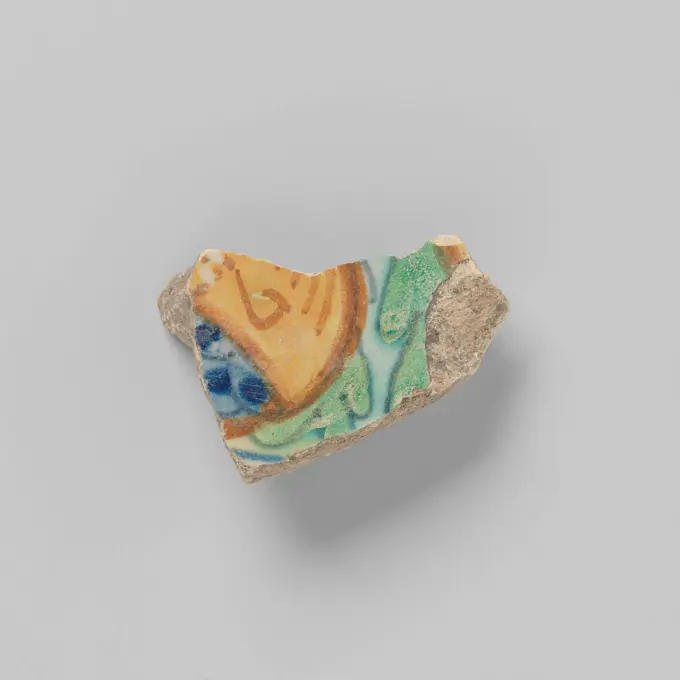
Tin-glazed earthenware tiles with intricate underglaze patterns reminiscent of floral and decorative motifs from historical designs.

Wall Facing (Holland); tin-glazed earthenware, underglaze
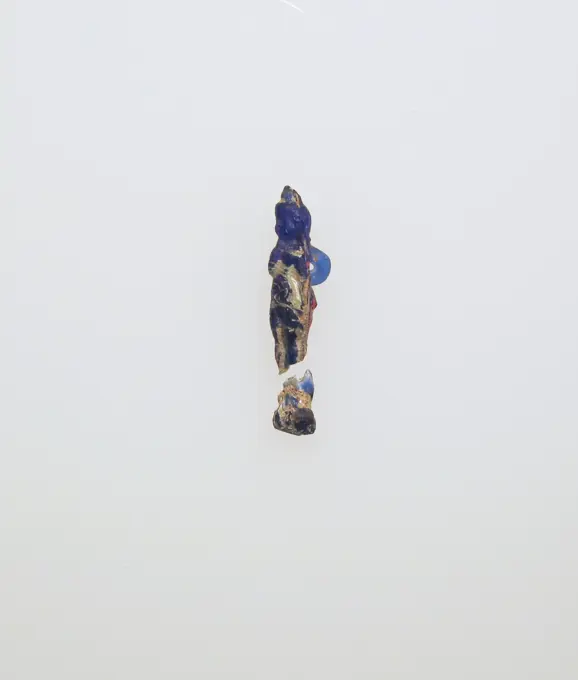
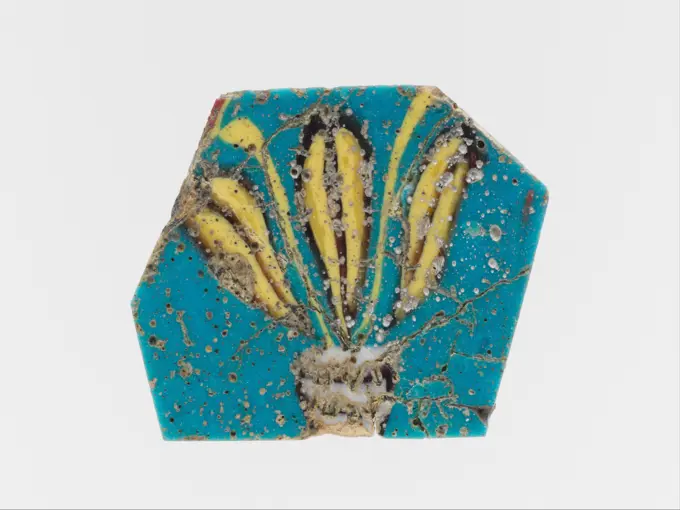
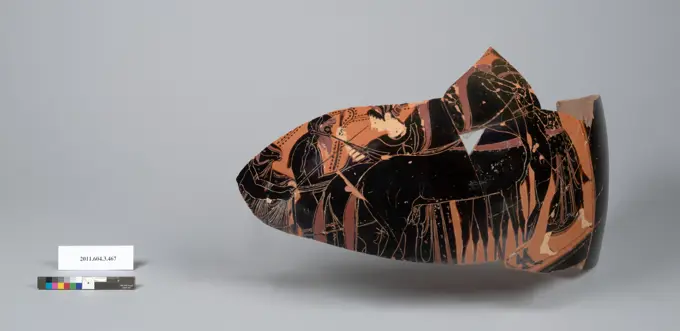
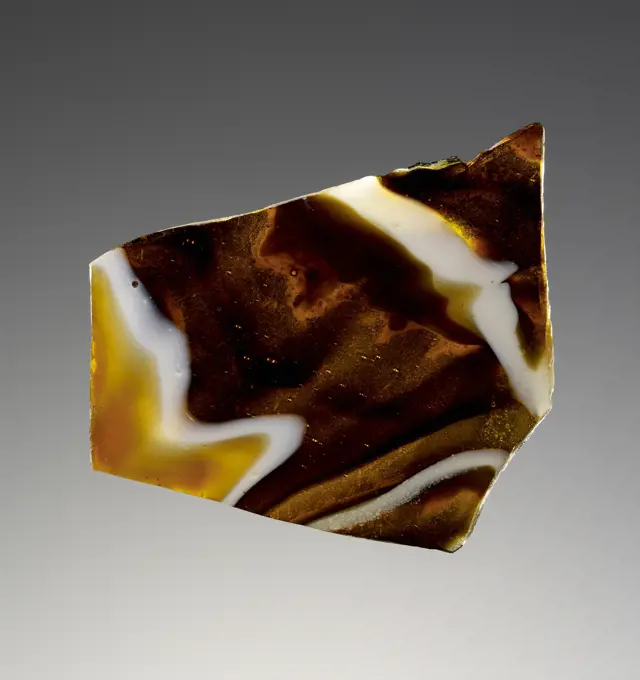
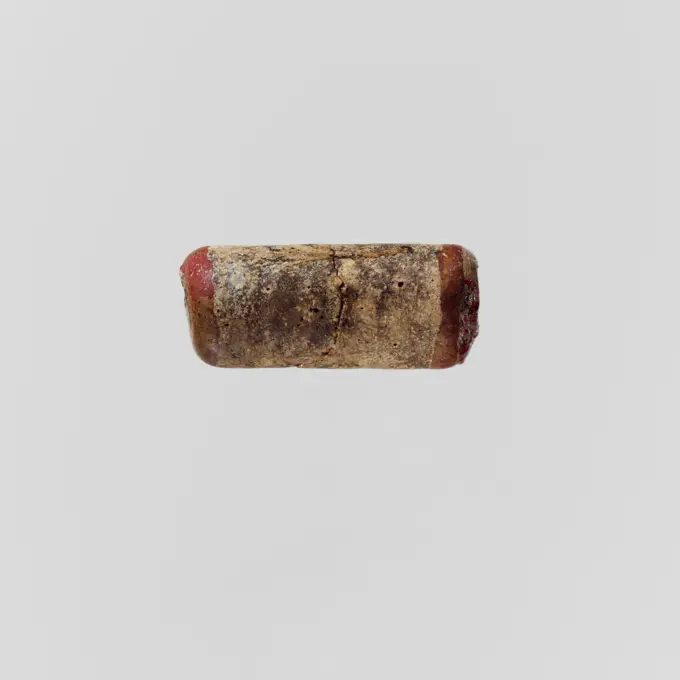
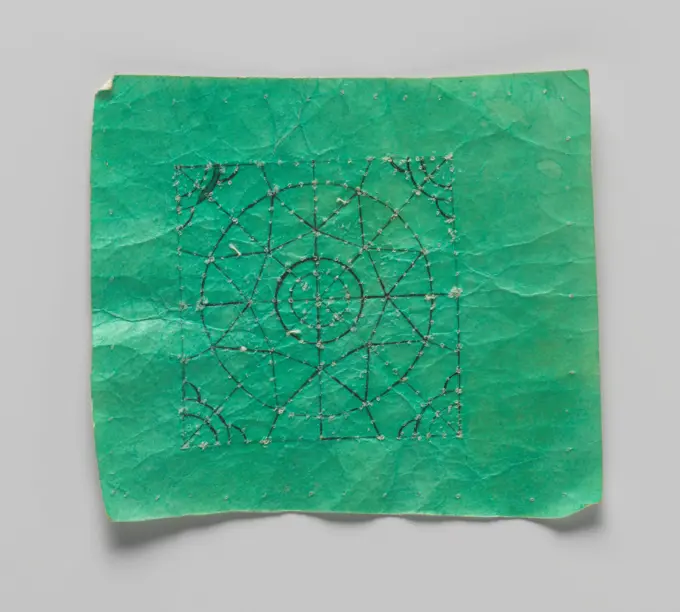
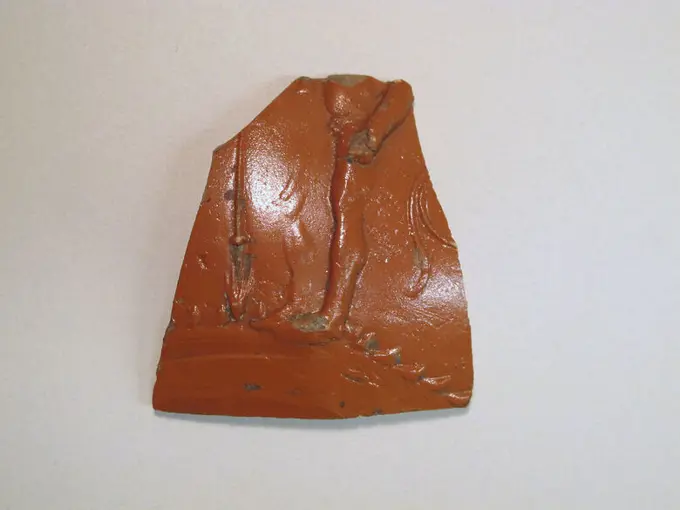
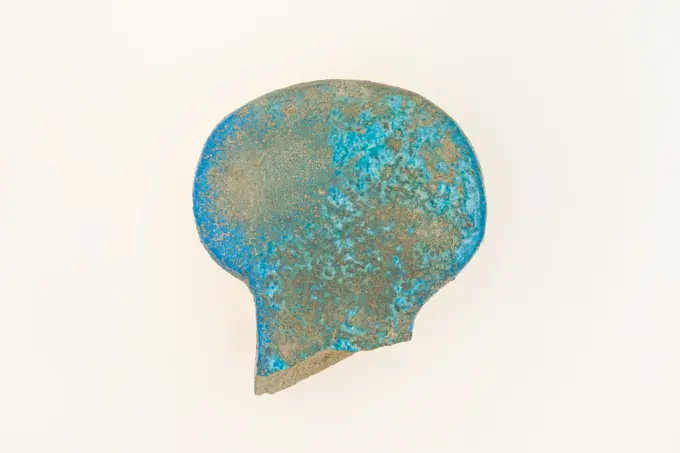
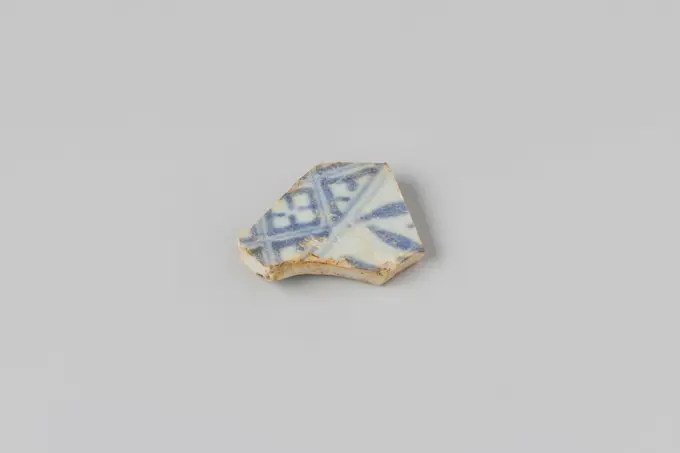
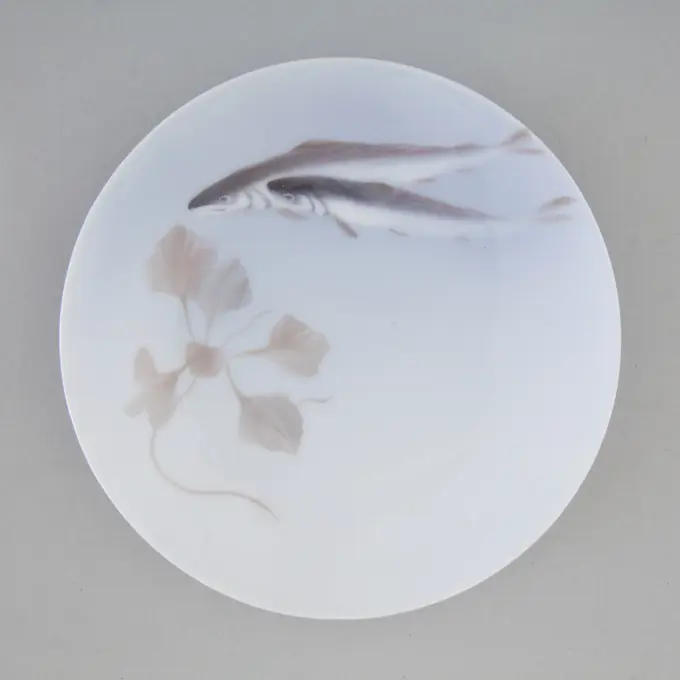
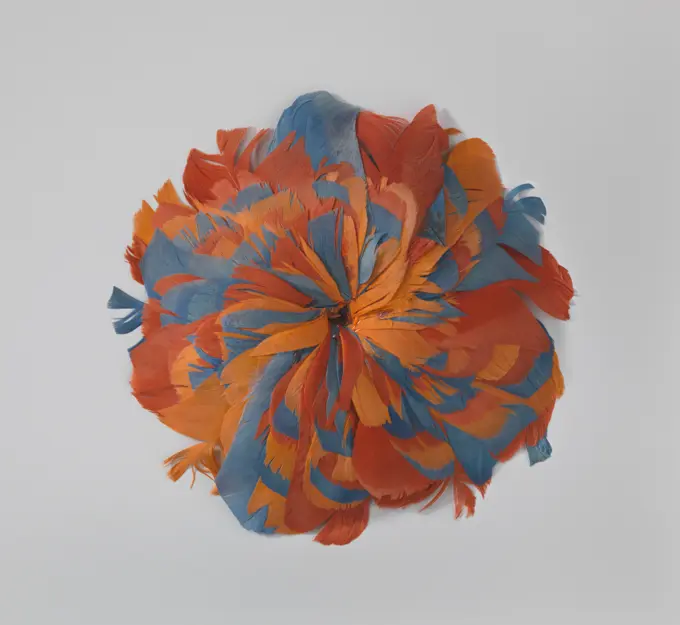
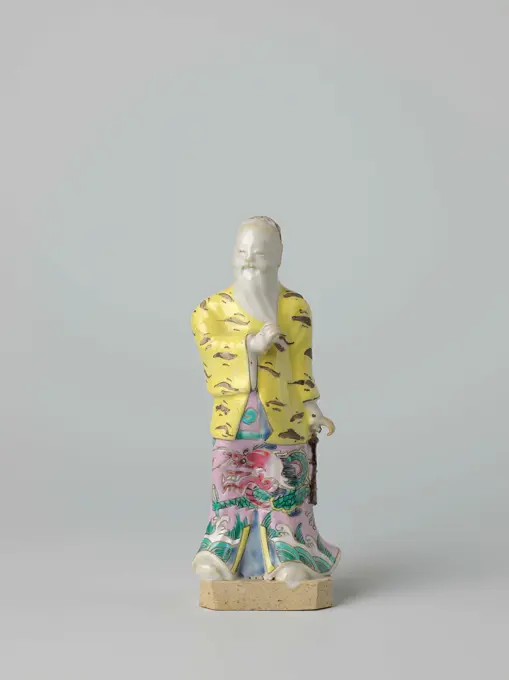
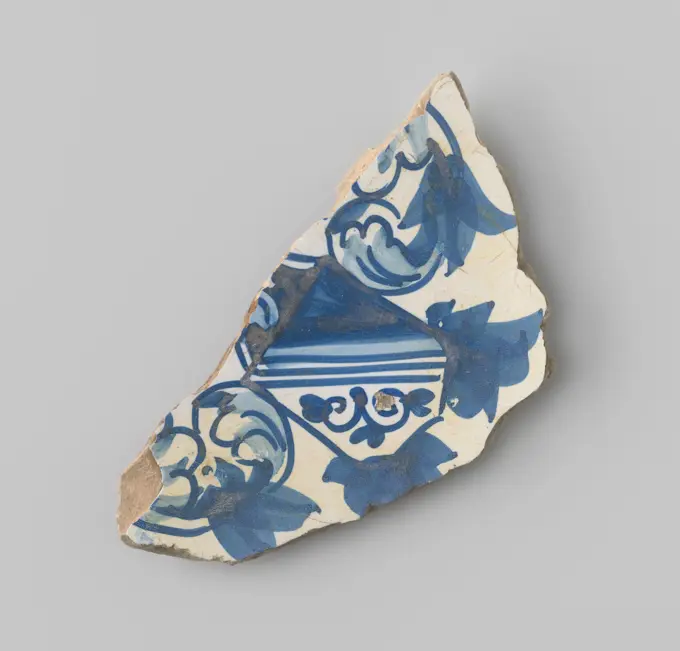
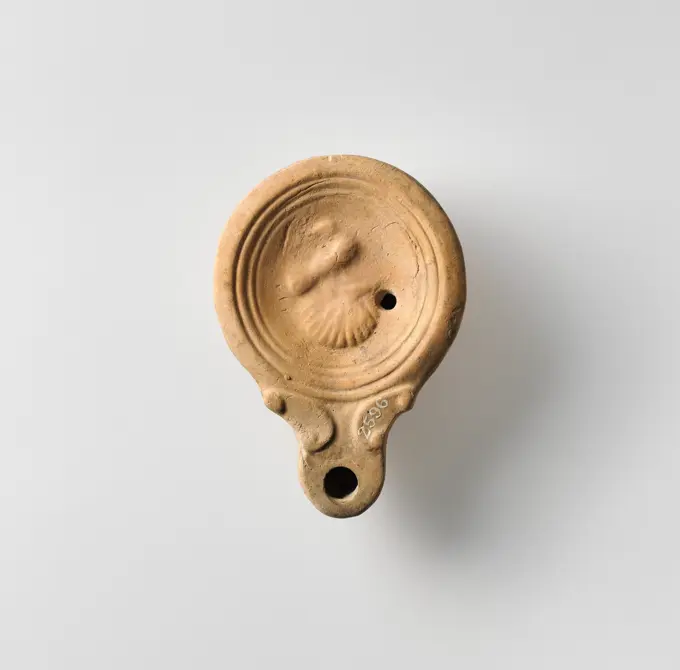
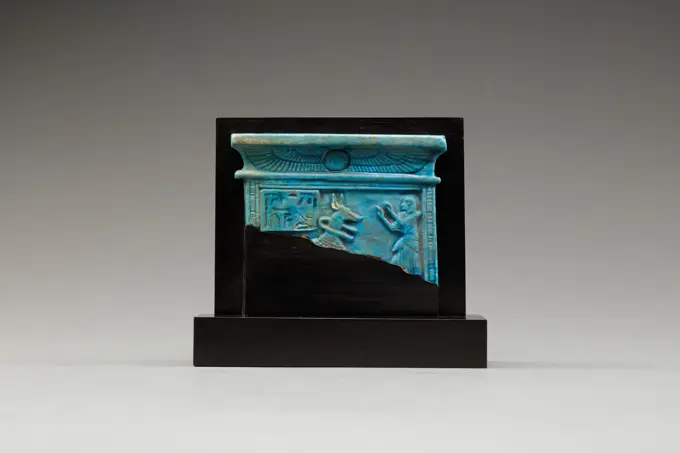
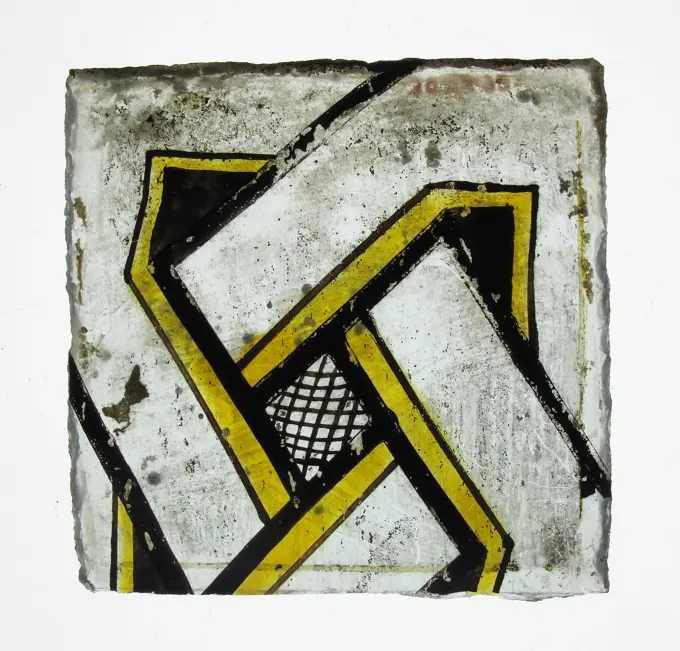
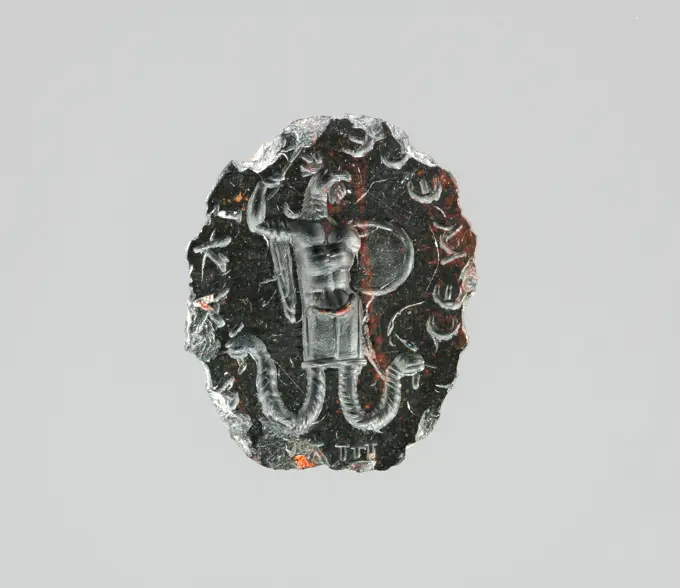
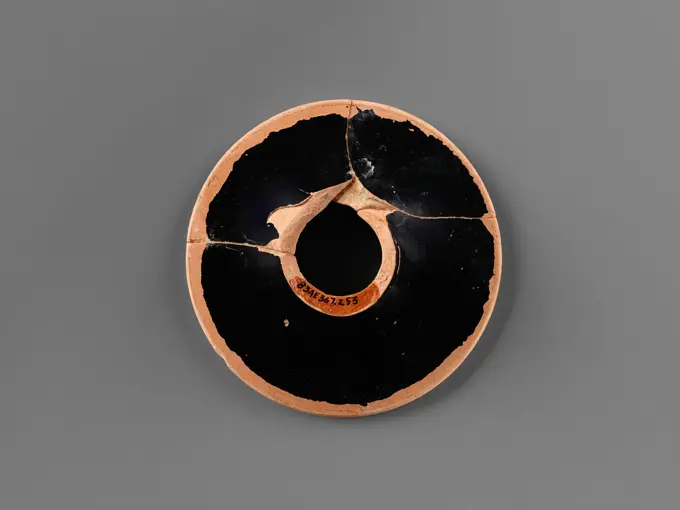
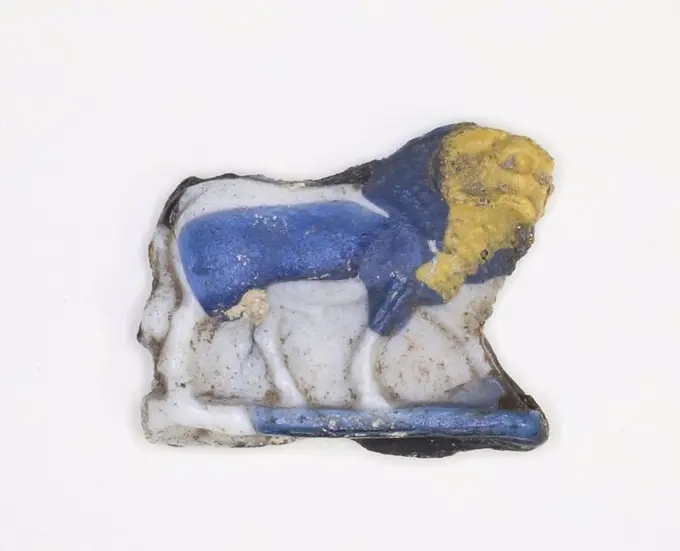
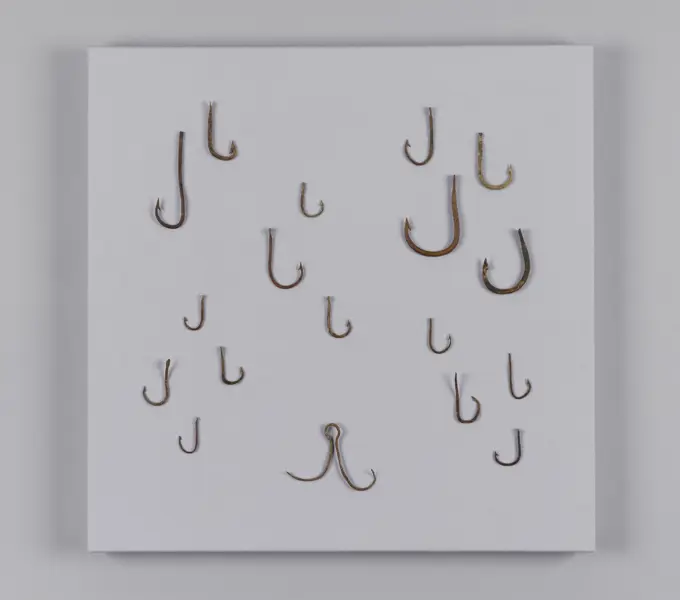
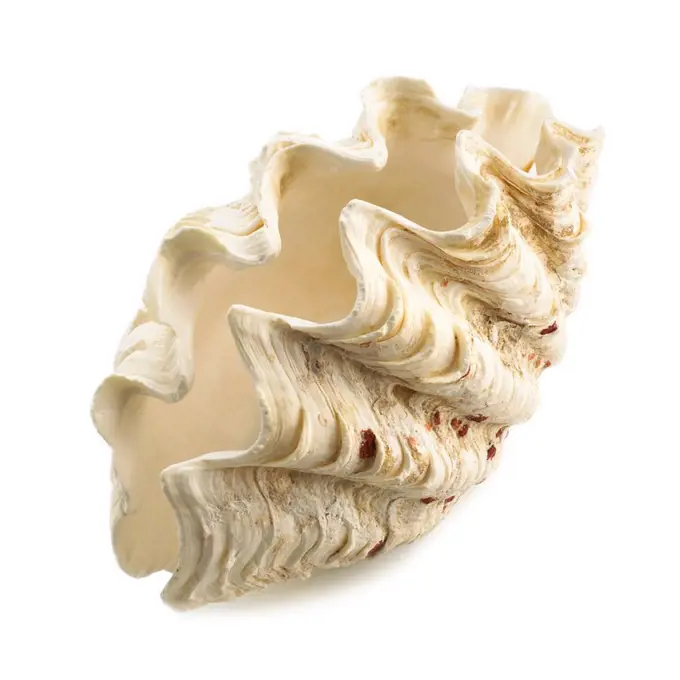
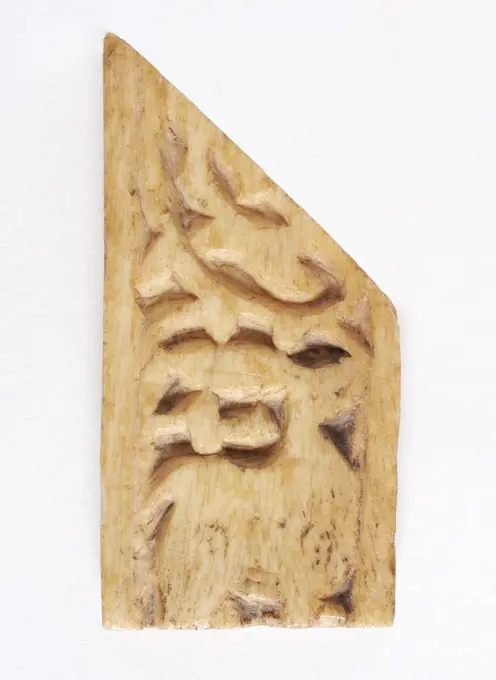
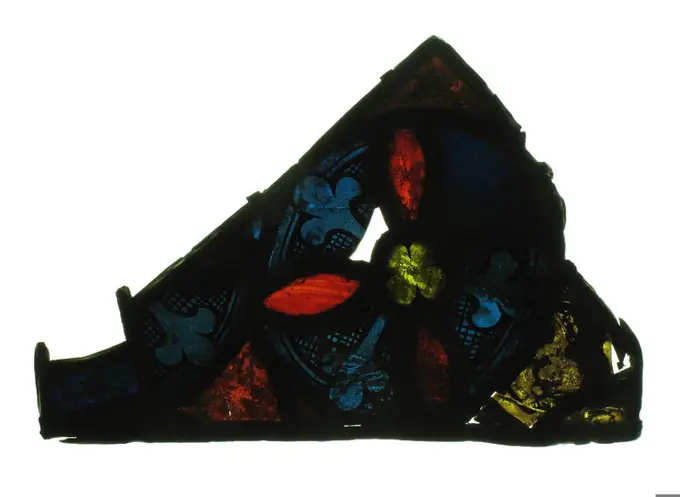
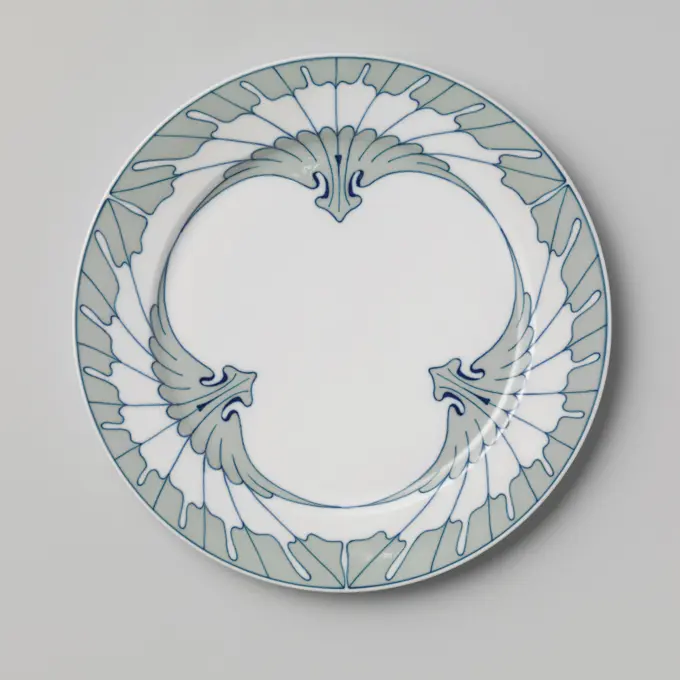
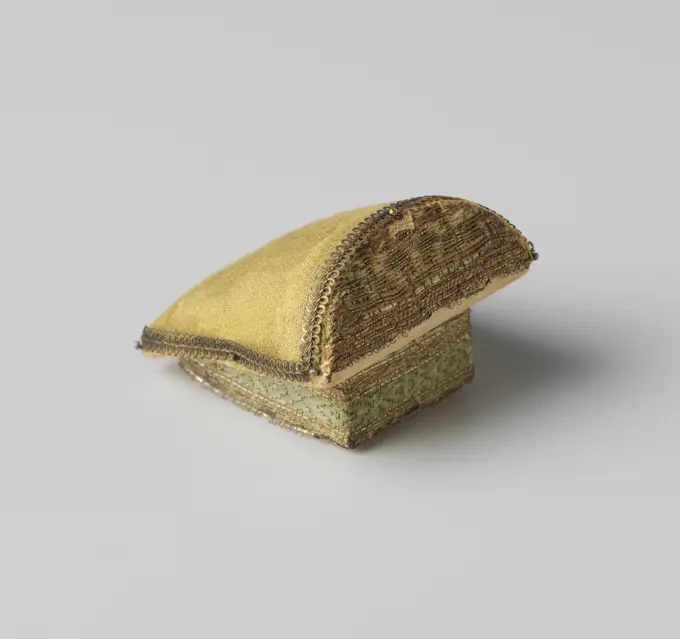
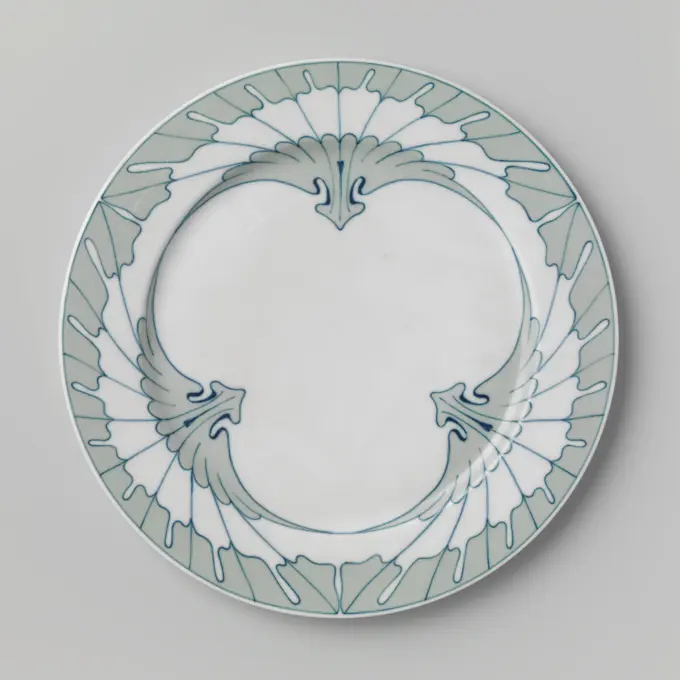
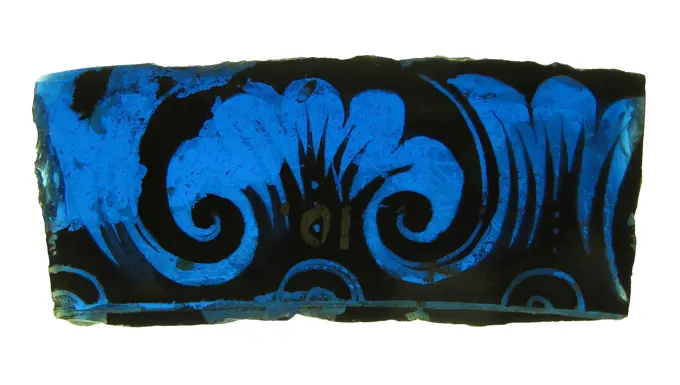
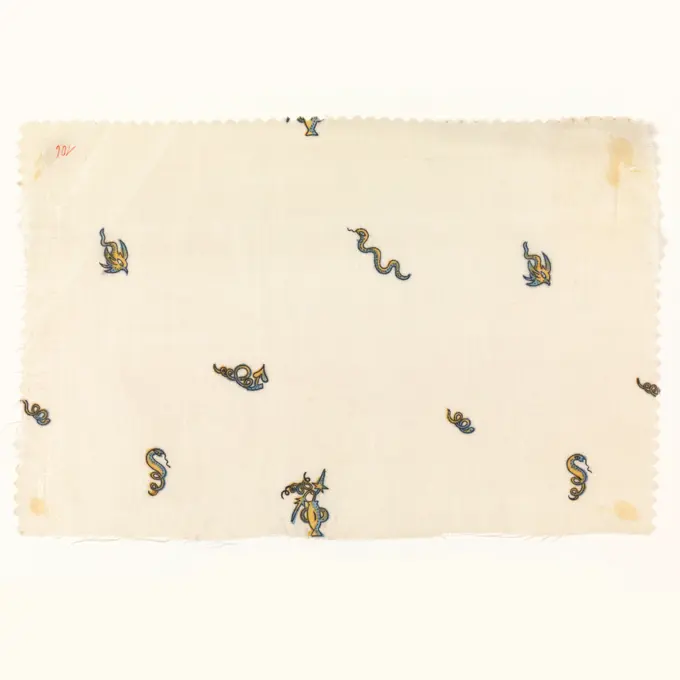
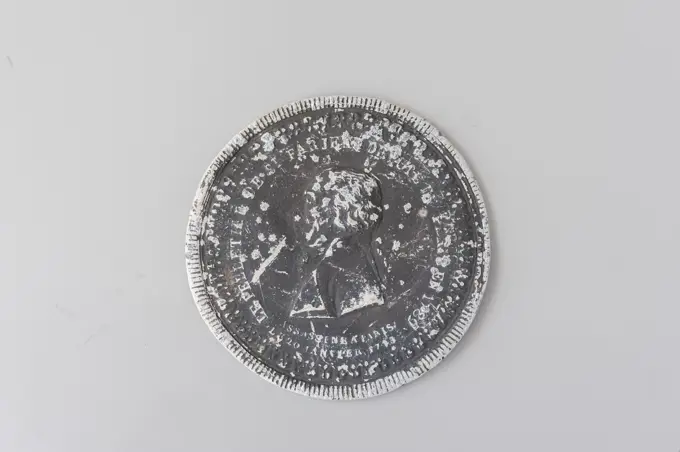
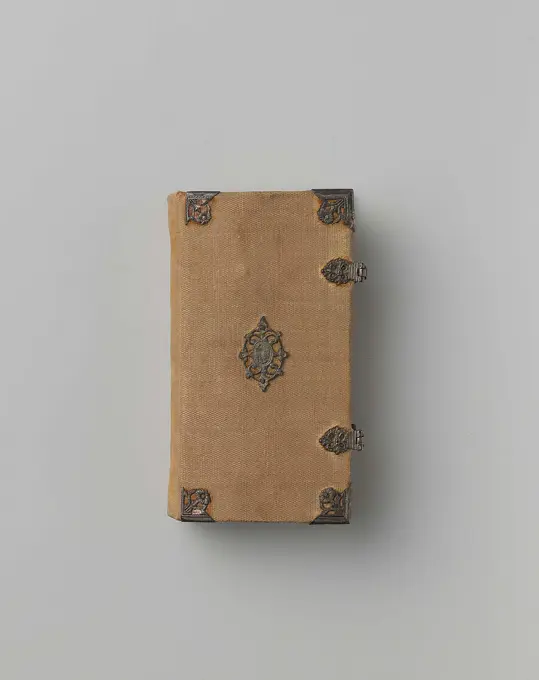
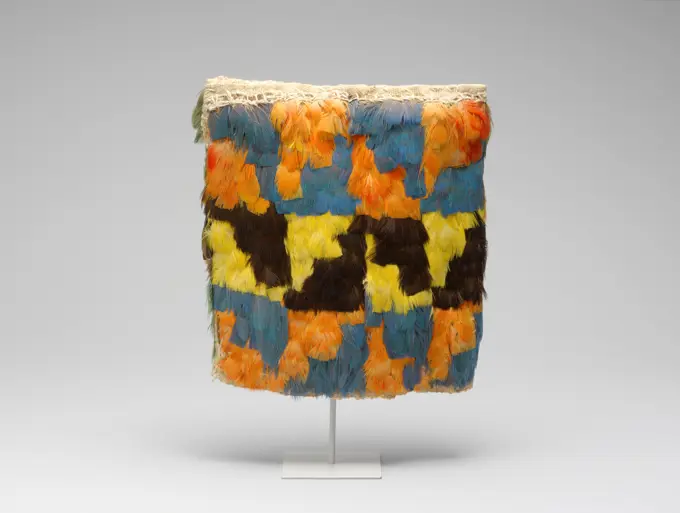
Miniature baluster vase with flower sprays, anonymous, c. 1675 - c. 1724 Miniature Balus -shaped vase of porcelain, painted in underlaze blue. On the abdomen a flower branch (aster) and a small, loose branch. Two twigs on the neck. Blue White. China porcelain. glaze. cobalt (mineral) painting / vitrification Miniature Balus -shaped vase of porcelain, painted in underlaze blue. On the abdomen a flower branch (aster) and a small, loose branch. Two twigs on the neck. Blue White. China porcelain. glaze. cobalt (mineral) painting / vitrificationGlass pendant in the shape of Harpokrates 1st century B.C.-1st half of 1st century A.D. Greek, Eastern Mediterranean Translucent cobalt blue.Solid, vertical pendant, with mold marks running up sides of figure, over his head, and under his feet; on his back a small vertical suspension loop.Harpocrates, standing facing front, with hair topped with a small version of the double crown of Egypt, naked, left arm at side, right arm bent up across his chest and his forefinger pressed to his lips.Complete, but broken across legs and repaired; dulling, pitting, and iridescent weathering.. Glass pendant in the shape of Harpokrates. Greek, Eastern Mediterranean. 1st century B.C.-1st half of 1st century A.D.. Glass; cast in a two-part mold. Hellenistic. GlassGlass mosaic inlay 1st century B.C.-1st century A.D. Egyptian, Roman Semi-opaque turquoise blue ground; decoration in opaque white and yellow, and translucent deep purple appearing black, with opaque red and cobalt blue appearing on underside.Polygonal, flat plaque with slightly beveled edges.Floral motif with yellow leaves and buds, outlined in purple, issuing from a base in purple and white horizontal stripes.Broken and repaired with large cracks and small losses; upper side ground and polished; pitted surface bubbles.. Glass mosaic inlay 249614Empty toilet paper rollSaucer with pelican and fish amid stylized waves, anonymous, c. 1850 - c. 1899 Porcelain dish, painted on the glaze in blue, red, pink, green, yellow, black and gold. On the flat a pelican, different types of fish and a shrimp between stylized waves; The inner edge with a decorative pattern on a yellow soil. Famle Rose. China porcelain. glaze. gold (metal) painting / gilding / vitrification Porcelain dish, painted on the glaze in blue, red, pink, green, yellow, black and gold. On the flat a pelican, different types of fish and a shrimp between stylized waves; The inner edge with a decorative pattern on a yellow soil. Famle Rose. China porcelain. glaze. gold (metal) painting / gilding / vitrificationChalcedony cone. Culture: Greek, Ionian. Dimensions: L. 2.1 cm. Date: 2nd half of the 5th century B.C..Doe lying down and looking toward a snake. Museum: Metropolitan Museum of Art, New York, USA.Terracotta fragment of an amphora (jar) third quarter of the 6th century B.C. Greek, Attic Obverse, on the cart of the chariot to right, draped bearded man, and a woman wearing a himation patterned with rosettes (Dionysos and Ariadne); behind the chariot and horses a satyr to right, playing the aulos; draped maenad to left, who wears a sakkos, a garment patterned with rosettes, and a necklace, who is grasping vines in her right hand; in front of the horses, a satyr and maenad to right; the maenad is wearing a nebris over her chiton; Reverse, unidentified subject. Terracotta fragment of an amphora (jar). Greek, Attic. third quarter of the 6th century B.C.. Terracotta; black-figure. Archaic. VasesFragment; Workshop in the Eastern Mediterranean, Eastern Mediterranean; 2nd century B.C. - 1st century A.D; Glass; 2.5 cm (1 in.)Tile, J. & J. G. Low Art Tile Works, 1877 - 1883, Glazed stoneware, Square, molded tile of white clay, the reverse is inscribed: 'J. & J.G. Low, Patent Art Tile, Works, Chelsea, Mass. U.S.A. Copyright 1881 by J. & JG Low', The impressed inscription is set within a double line frame; face of tile is decorated with an all over pattern of daisty-like flowers set between plain, horizontal bands. Glaze is a deep crackle brown., Chelsea, Massachusetts, USA, late 19th century, tiles, Decorative Arts, TileBible illustrations, c. 1550 - c. 1699    wood (plant material)Glass bead ca. 330-70 B.C. Greek Translucent deep purple, appearing black; trails in opaque red and white.Cylindrical, with rounded edges at both ends; pierced lengthwise; red trail around each end; body covered with white trails in feather pattern.Broken; almost half of one side missing.. Glass bead. Greek. ca. 330-70 B.C.. Glass; rod-formed and trailed. Hellenistic. GlassBelt plate. Bronze. End 2nd-1st centuries BC. AD Daodunzi (), Province of Ningxia. Paris, Cernuschi museum. 59515-7 Antiquity, bronze, belt plate, ancientFragment from a Mosaic Bowl ca. 1427-1400 B.C. New Kingdom. Fragment from a Mosaic Bowl. ca. 1427-1400 B.C.. Red porphyry. New Kingdom. Probably from Upper Egypt, Thebes, Valley of the Kings; From Egypt. Dynasty 18Black lace strip, c. 1920 Black lace strip. NijmegenFrance (possibly) paper Black lace strip. NijmegenFrance (possibly) paperDeaf and Dumb Asylum, Block-printed on handmade paper, pasteboard support, Box bottom has fanciful scene of rhinoceros with hunters on foot and on horseback, with background of mountains. Lid has view of large building on manicured grounds, with legend of the 'Deaf and Dumb Asylum'., USA, ca. 1831, Wallcoverings, Bandbox and lid, Bandbox and lidPick with needle side pattern on green colored parchment for a reticella four-side, anonymous, c. 1920 Pick with needle side pattern on green colored parchment for a reticella four-side. Netherlands parchment (animal material) drawing Pick with needle side pattern on green colored parchment for a reticella four-side. Netherlands parchment (animal material) drawingFragment of a terracotta amphora (jar) ca. 540 B.C. Attributed to the Group of London B 174 Departure of a warrior in a chariotThe subject may be the departure of Amphiaraos.. Fragment of a terracotta amphora (jar) 247934Vase fragment. Culture: Roman. Dimensions: 1 15/16 × 1 3/4 × 3/16 in. (4.9 × 4.5 × 0.6 cm). Date: 1st century B.C.-1st century A.D..Figure with inverted torch. Museum: Metropolitan Museum of Art, New York, USA.SIN TITULO. Author: TXOMIN BADIOLA. Location: PRIVATE COLLECTION. MADRID. SPAIN.Vase fragment ca. 550-500 B.C. Greek, Laconian. Vase fragment 251775 Greek, Laconian, Vase fragment, ca. 550500 B.C., Terracotta, 1 11/16in. (4.3cm). The Metropolitan Museum of Art, New York. Gift of A. J. B. Wace, 1924 (24.195.209)Votive Menat fragments ca. 1479-1458 B.C. New Kingdom. Votive Menat fragments. ca. 1479-1458 B.C.. Faience. New Kingdom. From Egypt, Upper Egypt, Thebes, Deir el-Bahri, Hatshepsut Hole, Hathor Shrine, MMA excavations, 1922-23. Dynasty 18Attic Black-Figure Eye Cup Fragment. UnknownDish ca. 1815-30 Derby Porcelain Manufactory. Dish 187984 Factory: Derby, Factory director: Bloor Period, Dish, ca. 181530, Soft-paste porcelain, 9 1/2  12 in. (24.1  30.5 cm). The Metropolitan Museum of Art, New York. Gift of Miss Emilie Lazarus, 1895 (95.6.18)Shard of a plate from the wreck of the East India Hollandia.Porcelain, Plate, Type 2; Fragm or Rim, SIM. Or 1980-27H2624h.Head, fragment, with blue floral motifs, anonymous, c. 1650 - c. 1690 Fragment of a head of blue painted faience. Floral motifs are painted on the fragment. The fragment is a soil find from Delft. Delft earthenware. tin glaze.   Delft Fragment of a head of blue painted faience. Floral motifs are painted on the fragment. The fragment is a soil find from Delft. Delft earthenware. tin glaze.   DelftCrawfish salt (one of a pair) 1745-50 Chelsea, Lawrence Street Factory. Crawfish salt (one of a pair). British, Chelsea. 1745-50. Soft-paste porcelain. Chelsea, Lawrence Street Factory. Ceramics-PorcelainSword Guard (Tsuba) 19th century Japanese A tsuba is a sword guard and part of a sword mounting. It is mounted between the swords blade and grip to protect the users hands.. Sword Guard (Tsuba) 34974Round incense box. Three quail between autumn grasses. In wooden box.Plate Royal CopenhagenTile with blue drawing, tile pilaster footage fragment ceramics pottery glaze, d 1.1Trapezoidal Plaque. China. Date: 1000 BC-700 BC. Dimensions: 7.8 × 7.8 × 1.1 cm (3 1/8 × 3 1/8 × 7/16 in.). Jade. Origin: China. Museum: The Chicago Art Institute, Chicago, USA.Cookward of feathers in the colors orange and blue in the form of a rosette. Cooking of Feathers in the Colors Orange and Blue in the Form of a Rosette.Galon, black, c. 1920 Galon, black. NijmegenFrance (possibly) galloon Galon, black. NijmegenFrance (possibly) galloonFigure of A Standing Man With Sword. Image of porcelain on pedestal, painted on the glaze in blue, pink, green, yellow and black. A standing man with beard, a sword, a robe with a pearl rooting dragon and a yellow jacket. Headdress broken down. Family Rose.Textile (USA); Manufactured by American Print Works; cottonAttic Red-Figure Kylix Fragment. UnknownTile (USA); Made by Louis Comfort Tiffany (American, 1848-1933); glass3D abstract striped sculpture with blue and white patternsAlbum, Album of Hand Fan and Panel Designs; Designed by Bellay (French, active from 1734); Print Maker: Gabriel Huquier (French, 1695-1772); Published by Pierre Roguié (French, 1713 - 17)Writing box with a view of Sarusawa Pond, Funabashi Shūmin, c. 1905 Writing box (Suzuribako) of paintwork with gold and silver Hira, Taka and Togidashi Maki-E, with inlaid leaf gold (kirigane) on a fine gold dust-sprinkled black background, with a decoration of a performance of the Sarusawa pond in Nara: A willow tree on the banks of a pond, with the hall Haku'endō on the other side on the right and the pagoda of the Kōfukuji temple on the left. The inside of the lid with snowy trees on the banks of a river with mountains in the distance. The inside of the box with a few ducks in the water with snow covered reed on the bank. Lid and box with silver edge. The ink stone (Suzuri) with an edge of gold lacquer, the water dripper (suiteeki) of silver with inlaid metal (Hirazōgan) in the form of two overlapping sheets of paper for poems, decorated with hōō-birds and peonies, two brushes and an ink block holder, knife And prime with seizure of inlaid metal (Hirazōgan) with a decoration of stylDishes of white -baking earthenware, with white glaze on the top, on which part of a weapon with feathers is painted in blue, anonymous, c. 1500 - c. 1699 fragment   earthenware. glazeTerracotta oil lamp 1st century B.C.-1st century A.D. Roman, Cypriot Loeschcke Type 4. Mold-made. Discus: bird perched on fan-shaped leaf, facing right but with head turned back to left; a single, small filling hole at right; band of lines and grooves towards edge. Volutes flanking nozzle. Incised base ring, and raised, flat base.Intact.. Terracotta oil lamp. Roman, Cypriot. 1st century B.C.-1st century A.D.. Terracotta; mold-made. Early Imperial. TerracottasRed-Figure Skyphos Fragment (part of 93.AE.54). Kleophrades Painter (Greek (Attic), active 505 - 475 B.C.)Przęślik. unknown, authorShards of stoneware from the wreck of the East Indies Hollandia, Anonymous, 1700 - in or Before 1743  Shards of stoneware with gray and blue glaze. Westerwald stoneware. glaze   SecondTile (Spain); earthenware, glazed and high frie decoratedPectoral Fragment ca. 1200-700 B.C. Late New Kingdom-early Third Intermediate Period This fragmentary pectoral is made in a greenish blue faience. The decoration in low relief shows a standing man, his arms upraised in an attitude of adoration, in front of Anubis, the god of embalming, here represented as a recumbent jackal. The blue-green color had a regenerative significance for the ancient Egyptians, explaining why objects made in blue and green faience were used for the burial equipment. Made from a mold, without personalized details (like the deceaseds name), objects such as this pectoral could be described as mass-produced.. Pectoral Fragment. ca. 1200-700 B.C.. Faience. Late New Kingdom-early Third Intermediate Period. From Egypt. Dynasty 19-22Wall Facing (Netherlands); tin-glazed earthenware, underglaze; 5 tiles tall, various wideGlass Fragment 15th century European. Glass Fragment. European. 15th century. Colorless glass, silver stain. Glass-StainedPart of a console, c. 1800 - c. 1825 Oak red -brown stable pilaster decoration. Netherlands oak (wood) Oak red -brown stable pilaster decoration. Netherlands oak (wood)Shards of signs from V.O.C. ship De 'Witte Leeuw', Anonymous, Before 1613 plate (dishes) Shards of signs from V.O.C. ship De 'Witte Leeuw'. Jingdezhen bone china (material)   Sint-HelenaInrō with Bird on a Blossoming Plum Tree 19th century Koma Yasutada Japanese. Inrō with Bird on a Blossoming Plum Tree 58928Jasper intaglio: Cock-headed anguipes 3rd century A.D. Roman. Jasper intaglio: Cock-headed anguipes. Roman. 3rd century A.D.. Jasper. Late Imperial. GemsAttic Red-Figure Cup Fragment (comprised of 4 Joined Fragments). UnknownBlue and red square silk cushion with gold ethnic embroidery and beadworkExcerpt of a plate, painted in blue under the glaze with a cartouche, in which the text: I // comes v a // vrient, anonymous, 1600 - 1650 plate (dishes) Fragment of a plate of pottery, painted in blue under the glaze with a cartouche, which comes across the text: I // Ve // Vrient. Northern Netherlands earthenwareAmulet of a Ram. Egyptian. Date: 700 BC-1 BC. Dimensions: 2.5 × 2 × 0.5 cm (1 × 3/4 × 3/16 in.). Glass. Origin: Egypt. Museum: The Chicago Art Institute, Chicago, USA. Author: Ancient Egyptian.Fish Hook. UnknownColorful geometric website sale tag button. Colorful geometric website sale tag button. universal internet bannerFluted giant clam shellFrieze. Egypt, 10th-11th century. Bone, carvedColorful geometric website sale tag button. Colorful geometric website sale tag button. Vector universal internet bannerVintage booksBundle of Letters; Paquet de Lettres. Marcel Broodthaers (1924-1976). Oil on canvas collage. 29.2 x 31.7cm.Blue silicone swim cap isolated on whiteGlass Fragment. Culture: European. Dimensions: Overall: 7 1/16 x 10 9/16 in. (18 x 26.8 cm). Date: 13th century. Museum: Metropolitan Museum of Art, New York, USA.Leporello of ten miniature photos with different faces on Driebergen, 1851 - c. 1900 photograph Leporello of ten miniature photos with different faces on Driebergen, Utrecht. Driebergen paper albumen print city-view in general; 'veduta' DriebergenBORD, TELDERD MET Het wing pattern decor, Meissener porcelain manufactory, 1901 Plate of painted porcelain. The board is painted in green and blue with the Flügelmuster. The board belongs to a service (BK-1976-65-1 to BK-1976-65-34) and is marked. Float porcelain Plate of painted porcelain. The board is painted in green and blue with the Flügelmuster. The board belongs to a service (BK-1976-65-1 to BK-1976-65-34) and is marked. Float porcelainSword Guard (Tsuba) ca. 1615-1868 Japanese A tsuba is a sword guard and part of a sword mounting. It is mounted between the swords blade and grip to protect the users hands.. Sword Guard (Tsuba) 33477Paperweight 1843-1865 England. Glass .Colorful geometric website sale tag button. Colorful geometric website sale tag button. universal internet bannerLace cushion, covered with silk and deposited with metal wire. Lace cushion made of blackboard paper, covered with silk and trimmed with metal wire.BORD, TELDERD MET Het wing pattern decor, Meissener porcelain manufactory, 1901 Porcelain plate, painted in green and blue with the decor Flügelmuster. The board is marked. And belongs to a service (BK-1976-65-1 to BK-1976-65-34). Marked with: crossed swords and 35. In under -glaze blue, tie and 22. Float porcelain Porcelain plate, painted in green and blue with the decor Flügelmuster. The board is marked. And belongs to a service (BK-1976-65-1 to BK-1976-65-34). Marked with: crossed swords and 35. In under -glaze blue, tie and 22. Float porcelainGlass Fragment 13th century French. Glass Fragment. French. 13th century. Pot metal glass. Glass-StainedSample, Tantalus; Designed by Wiener Werkstätte (Austria), Felice Rix-Ueno (Austrian, 1893-1967, active Japan 1935-1967); Austria; silkVase fragments Neolithic, Gonia. Vase fragments 253263 Neolithic, Gonia, Vase fragments, Terracotta, length 15/16in. (2.4cm). The Metropolitan Museum of Art, New York. Anonymous Gift, 1930 (30.119.58)Fragments Bizarre silk, c. 1740 - c. 1760 Fragment bizarre silk. Fond of satin in green and beige stripes, on which a pattern of leaves, a parasol, Chinese architecture with a Pagoda-shaped building with a gate in which a lion. (Pattern identical to BK-BR-416-A) Netherlands (possibly)England (possibly)France (possibly) silk. Fragment bizarre silk. Fond of satin in green and beige stripes, on which a pattern of leaves, a parasol, Chinese architecture with a Pagoda-shaped building with a gate in which a lion. (Pattern identical to BK-BR-416-A) Netherlands (possibly)England (possibly)France (possibly) silk.Blue murano glass ashtray with lighted cigarette isolated on white backgroundCarnavalet museum, medal collection Law Bust of Le Peletier on the left.Pendant, bust of a man. Dimensions: H. 3 × W. 2.1 cm (1 3/16 × 13/16 in.). Date: 200 BC-100 AD.Monochrome and mosaic glass have been fused to form a small bust.of an individual in a diamond patterned garment. The bust probably represents the head of an "Ethiopian", a popular subject in the Greco-Roman world. Museum: Metropolitan Museum of Art, New York, USA.Balzac, Honoré de (n.1799-05-20-D.1850-08-18), Chronicle of Paris: political, administrative, scientific, literary, artistic and industrial criticism (Paris), 1836 (registered title (letter), 1836. Balzac house.Fragment of a dish decorated with a pomegranate. Fragment of blue, green, orange and yellow painted majolica, decorated with a pomegranate.Round Plaque. Culture: Vicús. Dimensions: Diameter 1-1/2 in. (3.8 cm). Date: 3rd century B.C.-A.D. 2nd century. Museum: Metropolitan Museum of Art, New York, USA.Votive Fish. UnknownVotive Fish. UnknownVotive Fish. UnknownVotive Fish. UnknownCrab traps stored at Crescent City marina, Northern CaliforniaPortable diptych sundial 1602 Paulus Reinman. Portable diptych sundial. German, Nuremberg. 1602. Ivory, brass. HorologyBrown bags stacked together in a wooden crateSculpture titled 'Saffa' depicting a matchstick book, by Raymond Hains (1926-2005) French artist. Dated 1964Empty wooden rectangular cutting board on a plain background, flatley with copy space Empty wooden rectangular cutting board on a plain background, flatley with copy space. Kitchen utensils in home kitchen Copyright: xZoonar.com/TetianaxChernykovax 21757934Memory of , from, The  sheets , Karl Wiener -, artistPsalm book. A psalm book from the 17th century, tied in velvet with beautiful silver fittings.Flowerpot, in purple on white, small flowerpot inside circle, corner pattern meanders, wall tile tile sculpture ceramic earthenware glaze, baked 2x glazed paintedMiniature Tunic Ica 12th-13th centuryGlass Fragment 15th century European. Glass Fragment. European. 15th century. Pot metal glass. Glass-StainedFragment zijdeweefsel, , c. 1300 - c. 1399 Fragment of purple-yellow side with a repeating pattern of peacocks and pawns bound to each other. Stylized flower and leaf work around it. Mounted on cardboard, and covered with mesh. Italy Ketting an element: Silk. Fragment of purple-yellow side with a repeating pattern of peacocks and pawns bound to each other. Stylized flower and leaf work around it. Mounted on cardboard, and covered with mesh. Italy Ketting an element: Silk.Miniature Dress 12th-13th century Ica. Miniature Dress 312827Salver 1730 Augustin Courtauld British. Salver 205678