Decorative Wall Tiles

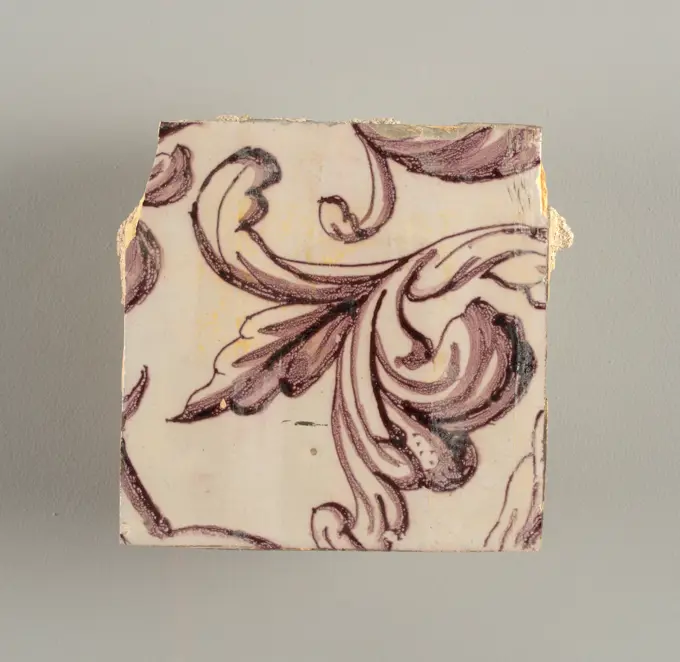
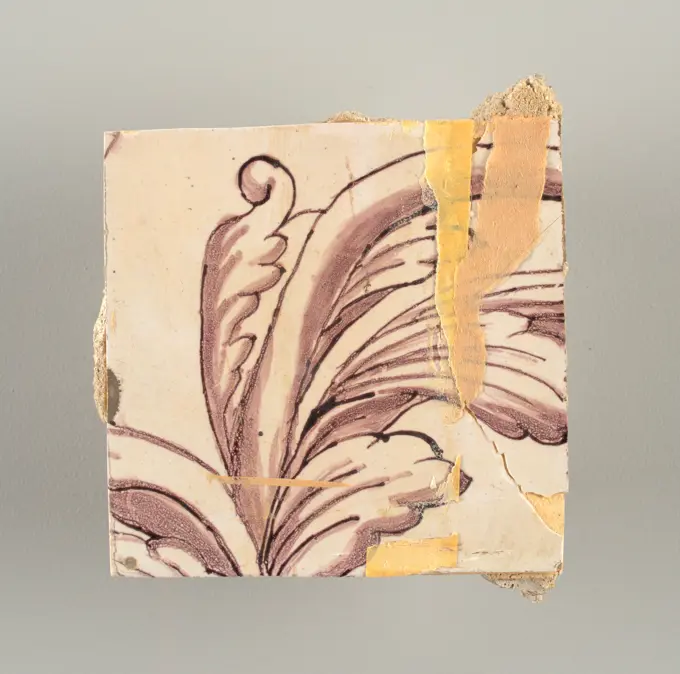
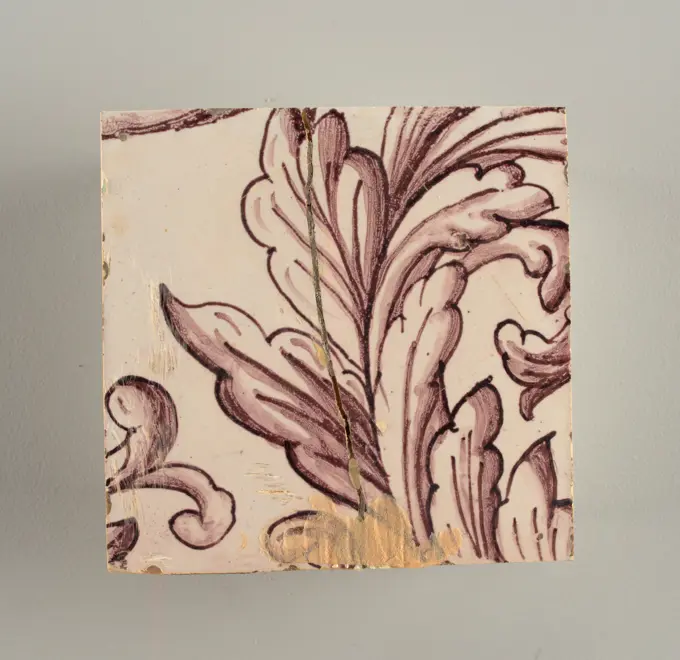
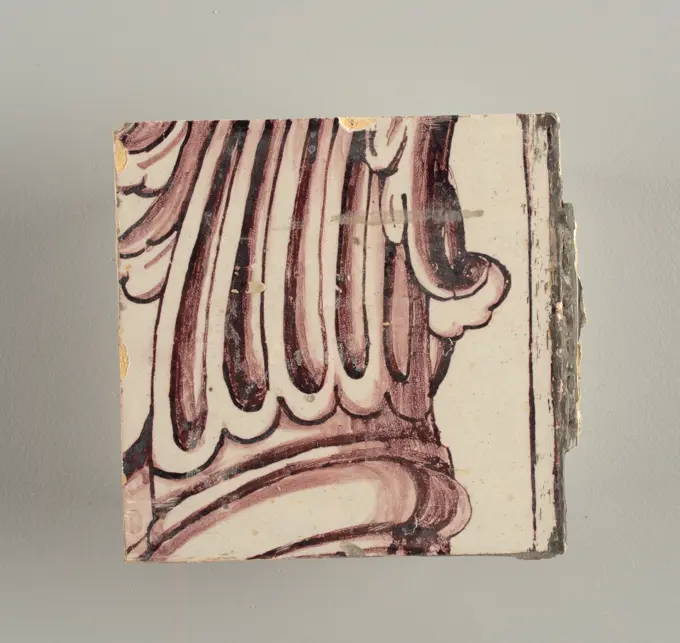
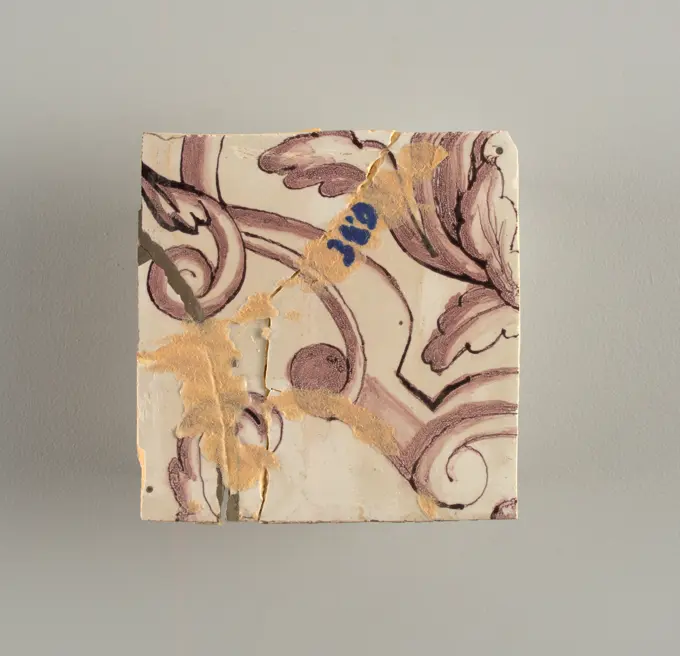
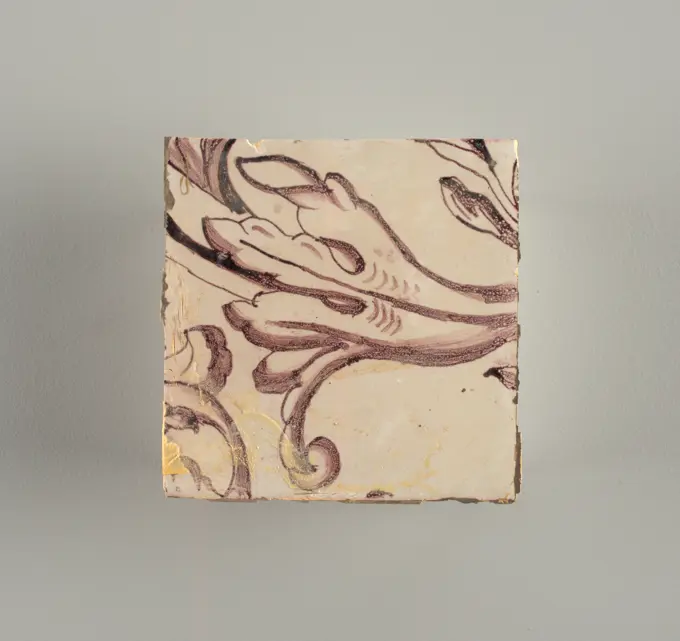
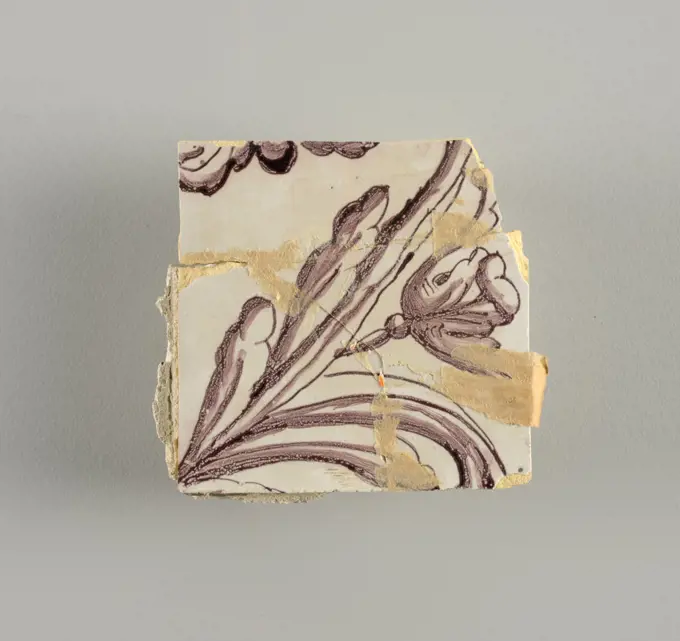
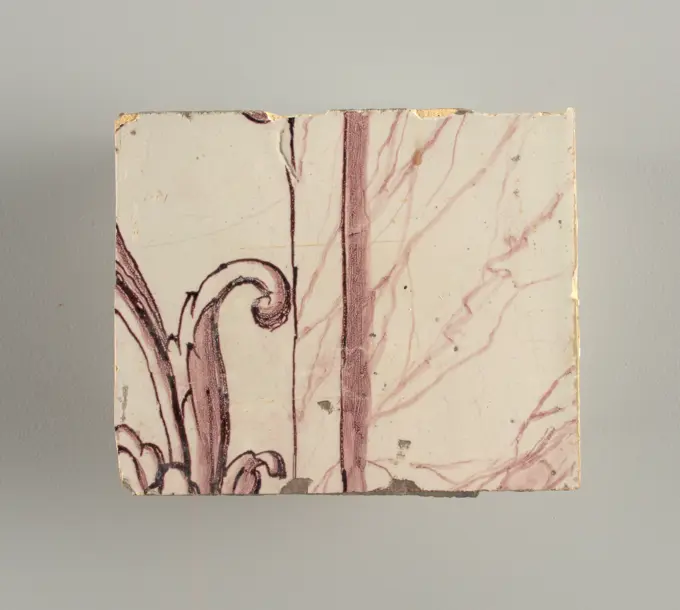
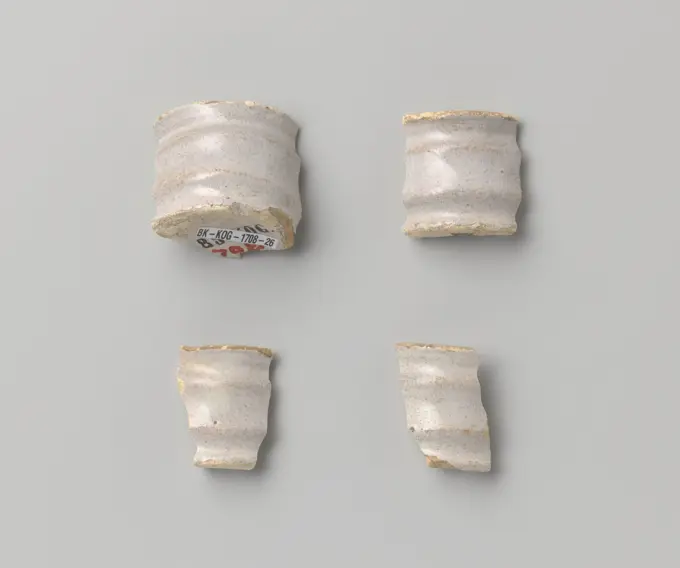
Tin-glazed earthenware tiles with intricate underglaze patterns reminiscent of floral and decorative motifs from historical designs.

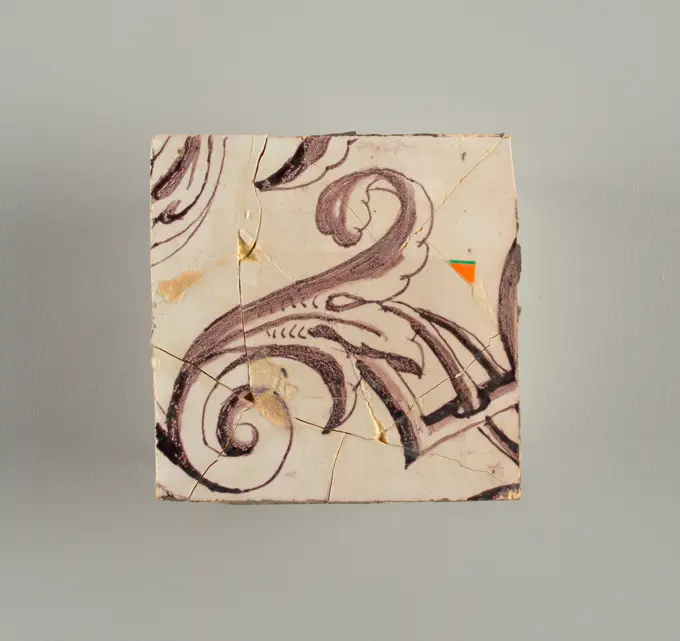
Wall Facing (Holland); tin-glazed earthenware, underglaze
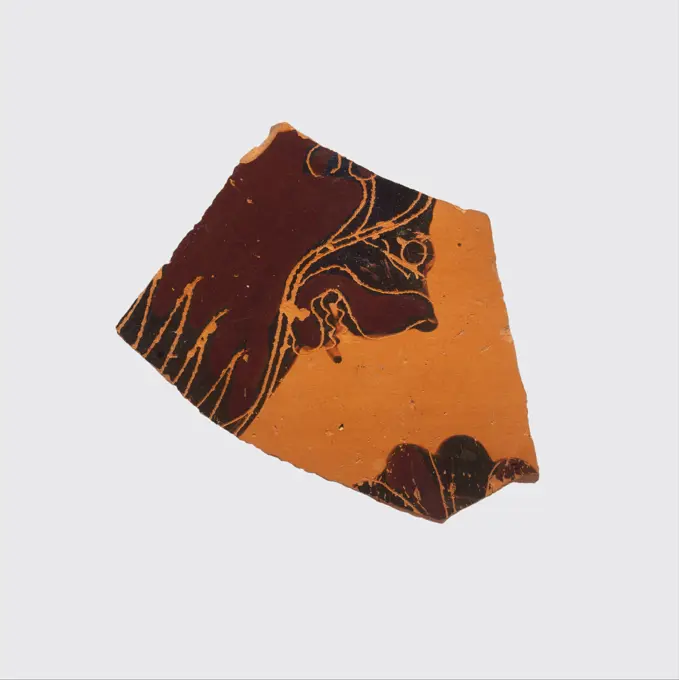
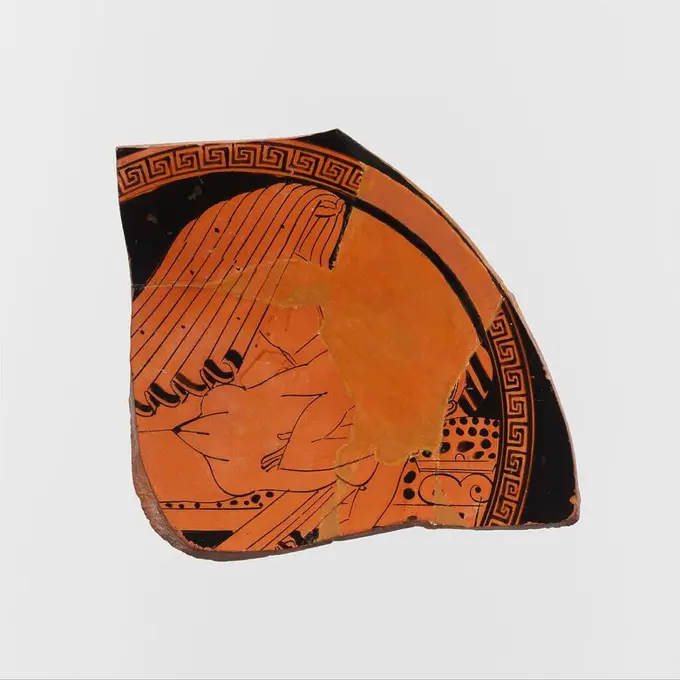
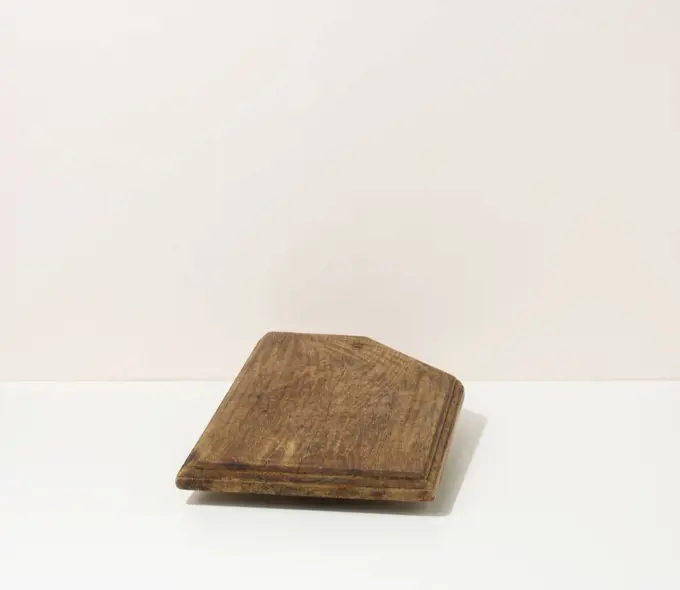
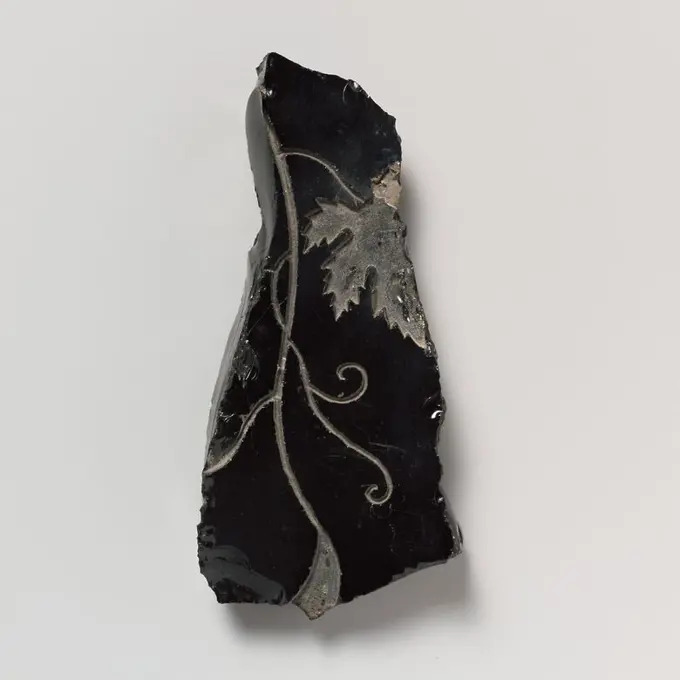
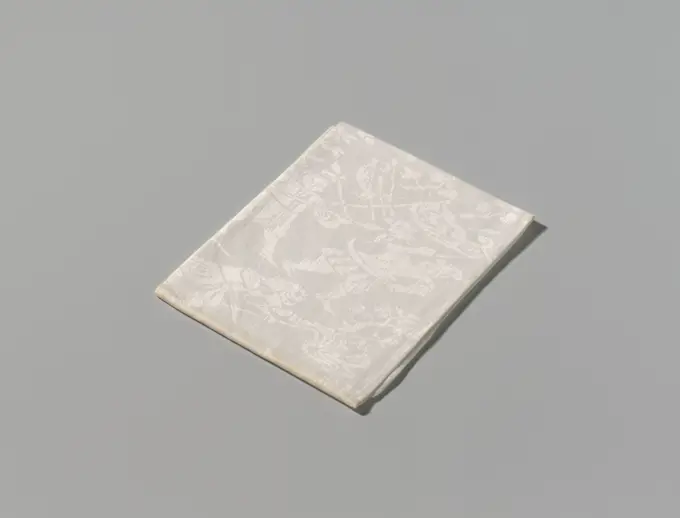
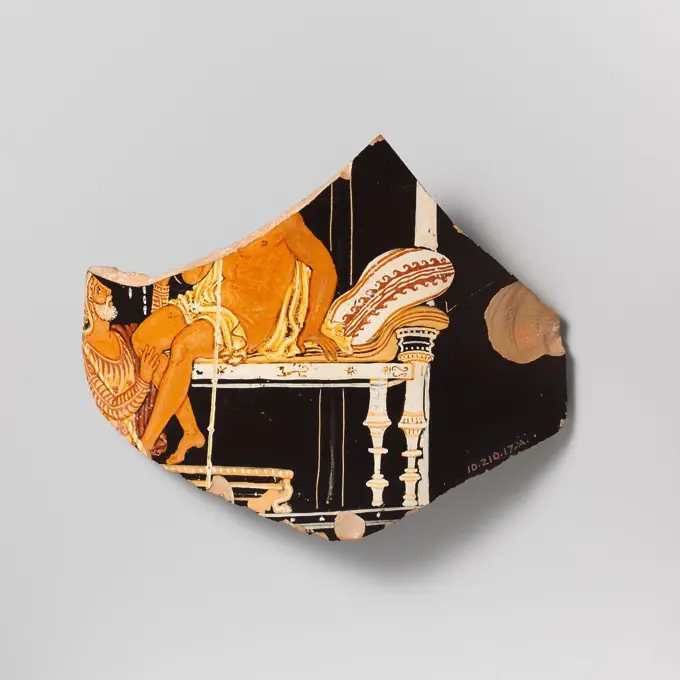
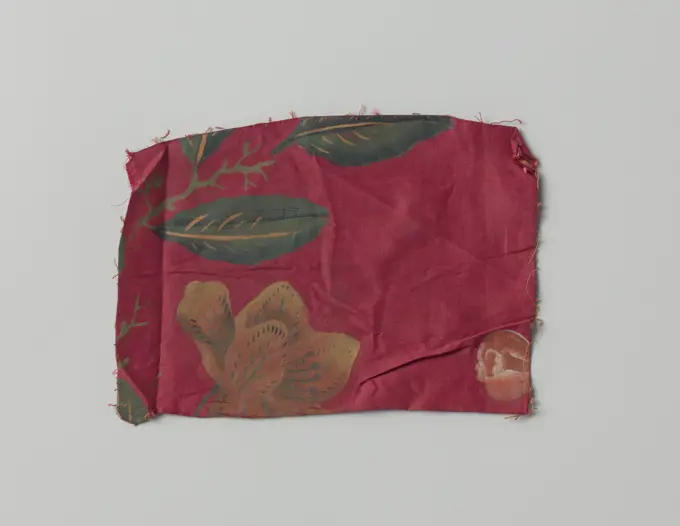
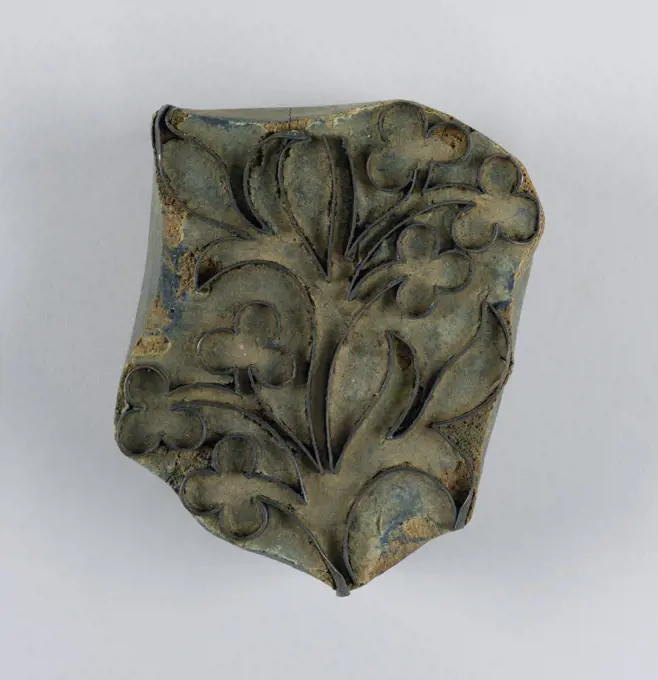
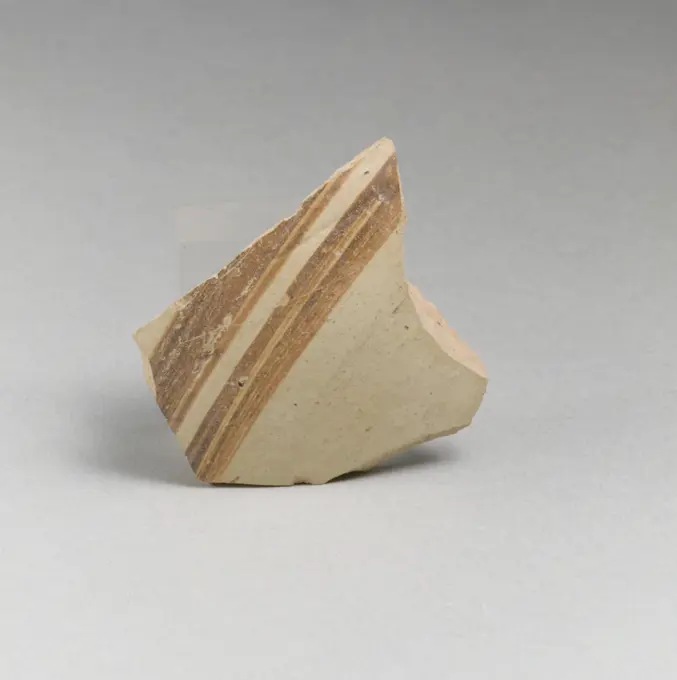
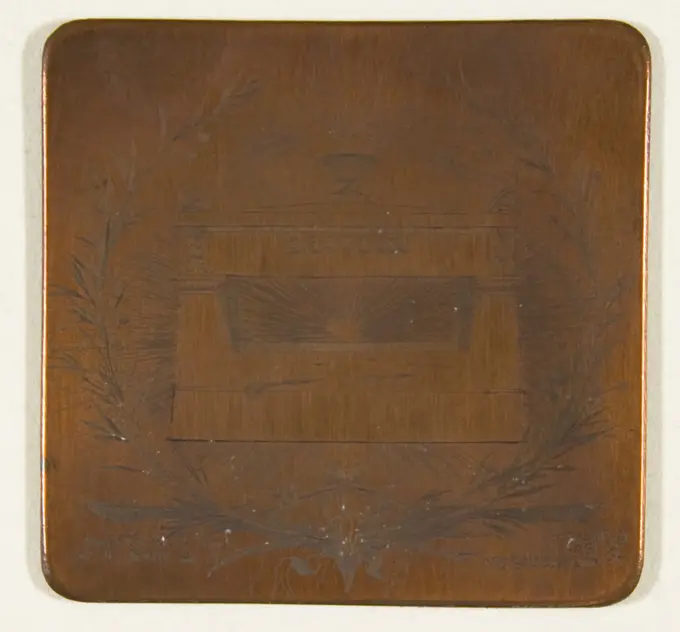
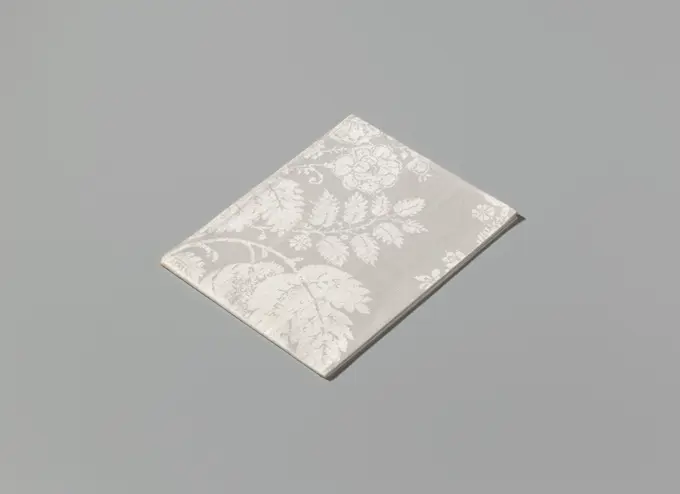
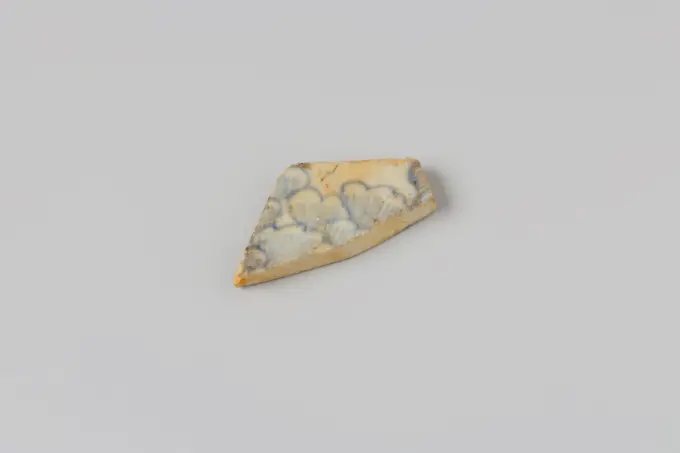
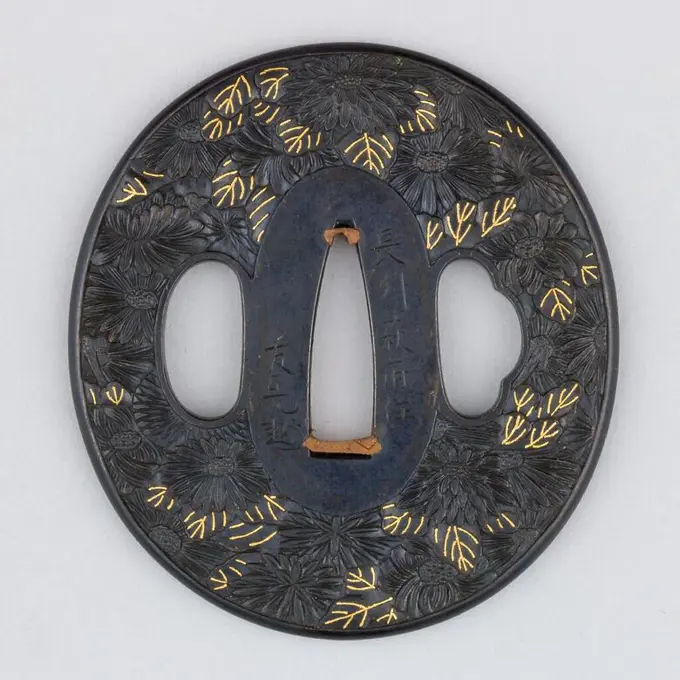
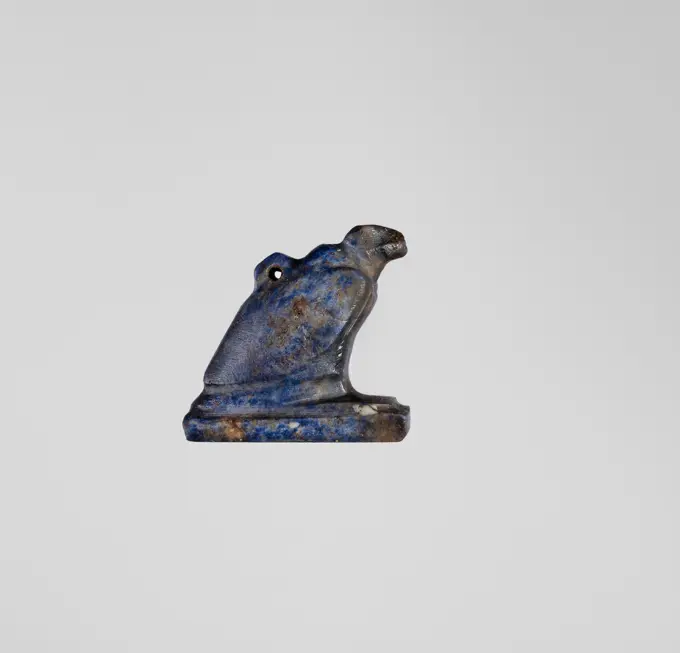
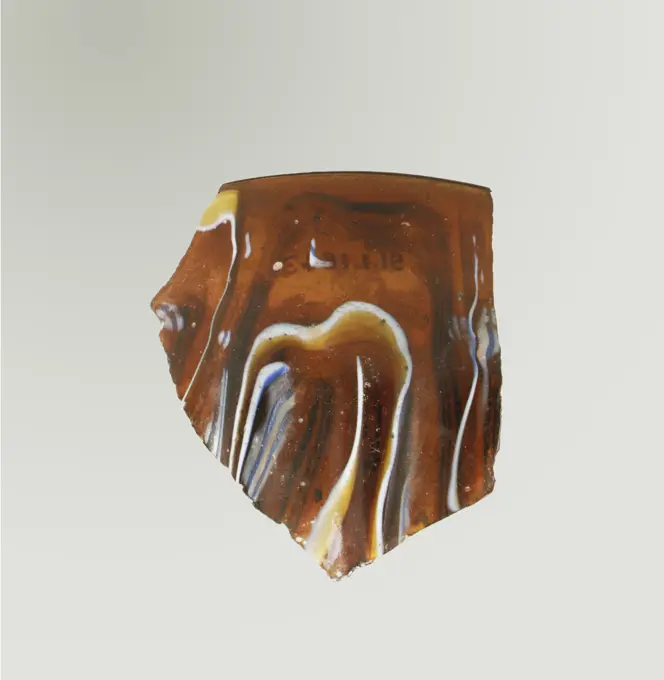
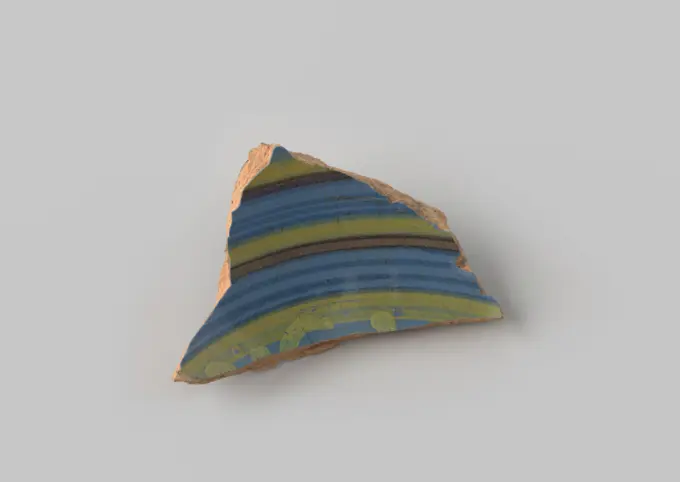
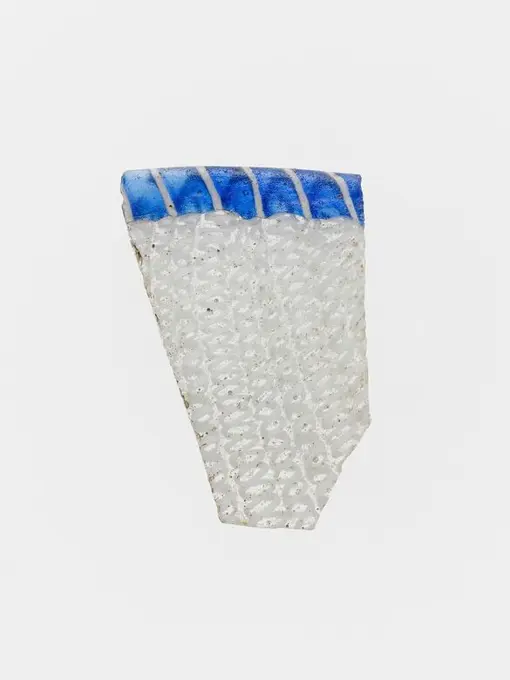
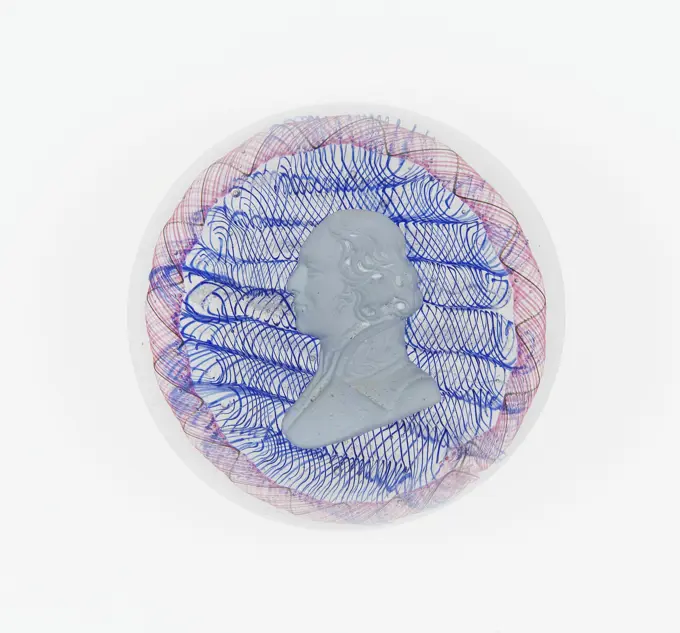
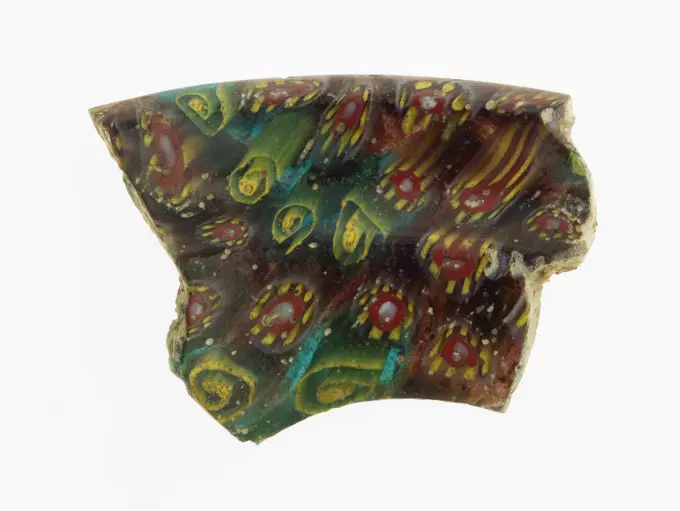
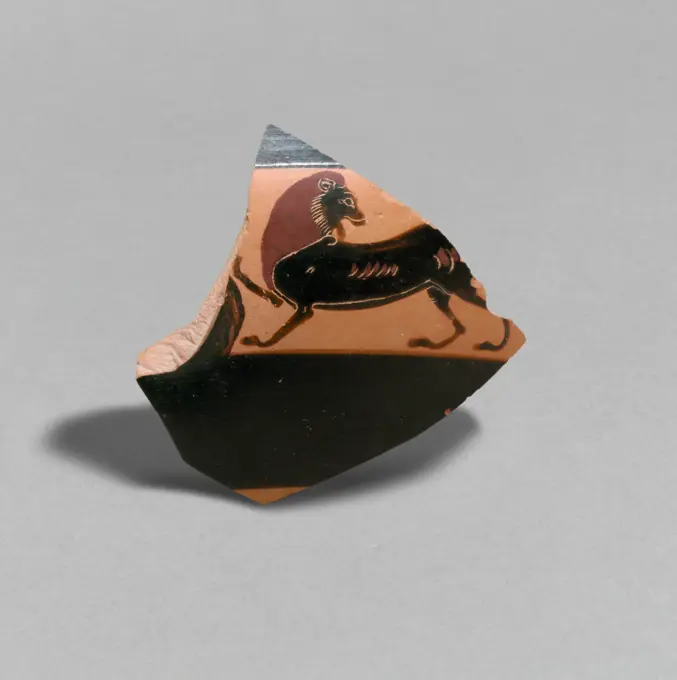
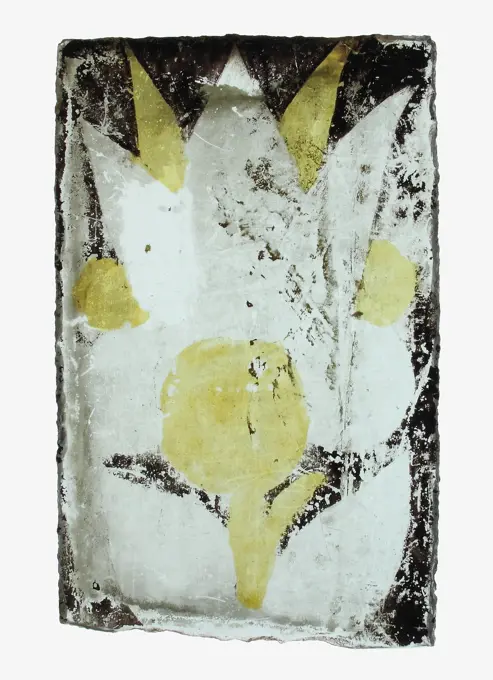
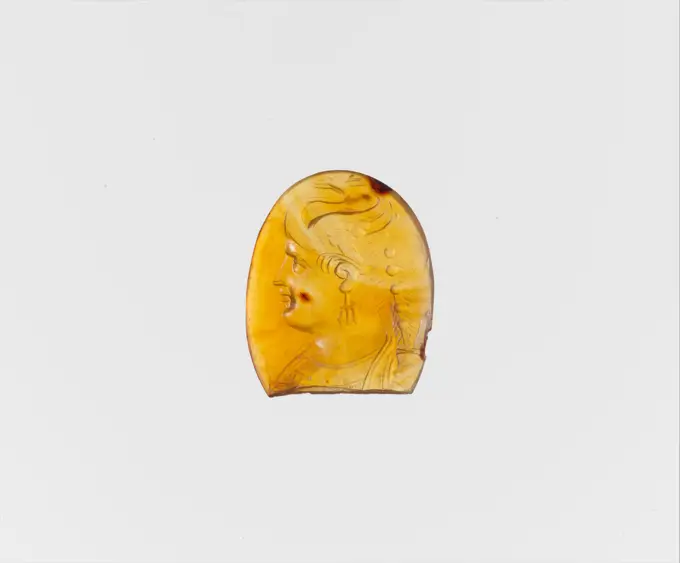
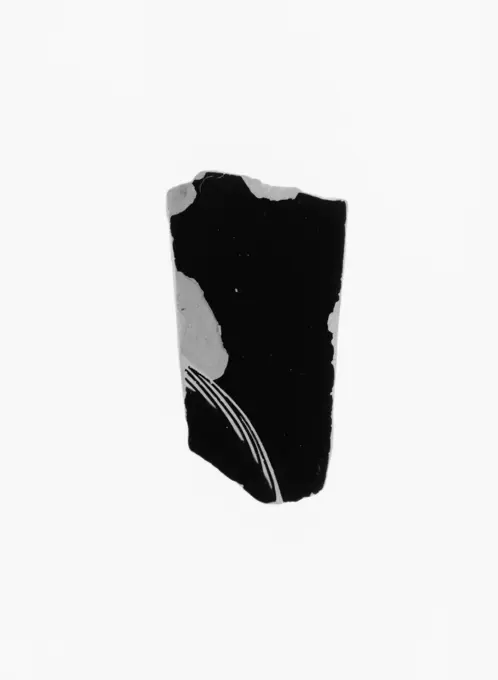
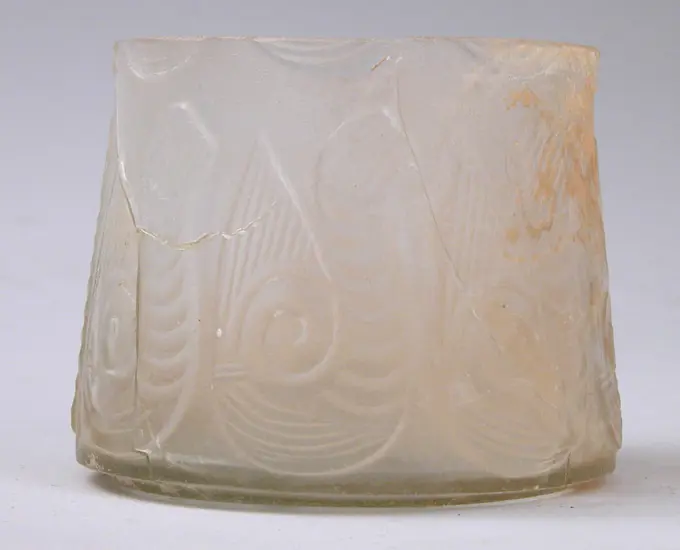
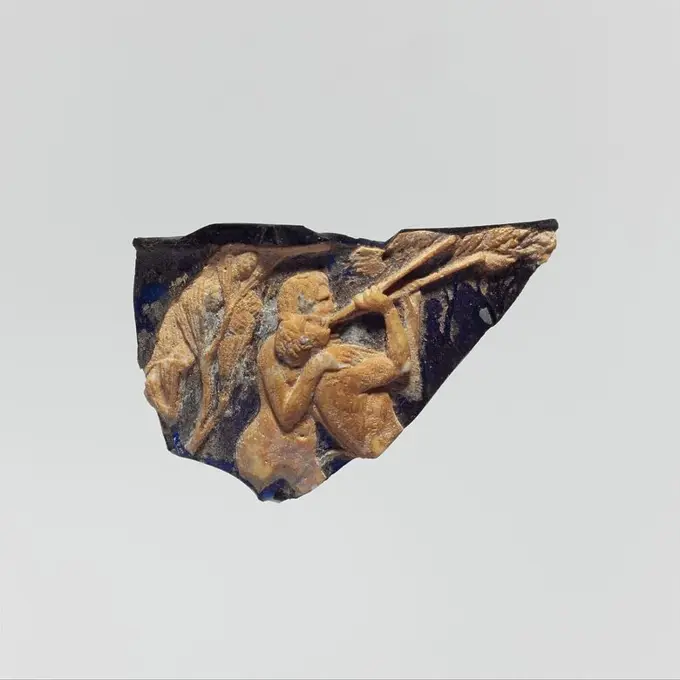
Wall Facing (Holland); tin-glazed earthenware, underglazeWall Facing (Netherlands); tin-glazed earthenware, underglazeTile Wall Facing (Netherlands); tin-glazed earthenware, underglazeWall Facing (Holland); tin-glazed earthenware, underglazeTile Wall Facing (Netherlands); tin-glazed earthenware, underglazeFragment of a terracotta oinochoe: olpe (jug) ca. 580 B.C. Attributed to the Gorgon Painter LionThe Gorgon Painter is associated with a type of jug often decorated with a lion within a panel.. Fragment of a terracotta oinochoe: olpe (jug) 255083 : Attributed to the Gorgon Painter, Fragment of a terracotta oinochoe: olpe (jug), ca. 580 B.C., Terracotta, greatest diameter 2 5/8in. (6.6cm). The Metropolitan Museum of Art, New York. Gift of Nicolas Koutoulakis, 1960 (60.92.3)Tile Wall Facing (Netherlands); tin-glazed earthenware, underglazeWall Facing (Holland); tin-glazed earthenware, underglazeTile Wall Facing (Netherlands); tin-glazed earthenware, underglazeTile Wall Facing (Netherlands); tin-glazed earthenware, underglazeWall Facing (Holland); tin-glazed earthenware, underglazeWall Facing (Holland); tin-glazed earthenware, underglazeWall Facing (Netherlands); tin-glazed earthenware, underglaze; 5 tiles tall, various wideWall Facing (Holland); tin-glazed earthenware, underglazeFragment of a terracotta kylix (drinking cup). Culture: Greek, Attic. Dimensions: H. 1 7/8 in. (4.8 cm); diameter 3 13/16 in. (9.7 cm). Date: ca. 490 B.C..Interior, lovemakingThe Eucharides Painter was a particularly versatile artist. He worked in both the red-figure and black-figure techniques, and although he specialized in large vases, he also decorated some cups. Museum: Metropolitan Museum of Art, New York, USA.rectangular empty brown wooden kitchen board on a white table, utensils. Place to display foodWall Facing (Holland); tin-glazed earthenware, underglazeObsidian revetment slab fragment. Culture: Roman. Dimensions: Overall: 4 9/16 x 2 3/16 x 9/16 in. (11.6 x 5.5 x 1.4 cm). Date: 1st century A.D..Opaque black slab; pattern of ivy cut for inlay; architectural; cast and carved. Museum: Metropolitan Museum of Art, New York, USA.Napkin Spanish Succession War, c. 1825 - c. 1850   linen (material)   linen (material)Fragment of a silk tissue, with print, c. 1750 - c. 1800 Fragment of a silk tissue, with print. Flower branches are printed on a light green stock and golden lines. Germany silk. cotton (textile). twill / printing Fragment of a silk tissue, with print. Flower branches are printed on a light green stock and golden lines. Germany silk. cotton (textile). twill / printingThree fragments of a terracotta calyx-krater (mixing bowl). Culture: Greek, South Italian, Apulian, Gnathian. Dimensions: a: greatest H. 5 1/2 in. (14 cm); greatest width: 6 3/4 in. (17.1 cm)b: greatest H. 7 3/4 in. (19.7 cm)d: greatest H. : 2 1/4 in. (5.7 cm); greatest width: 2 1/8 in. (5.4 cm). Date: ca. 360-340 B.C..The ransom of Hector and a satyr standing before a womanGnathian is a conventional term principally used for Apulian pottery in which polychrome decoration is applied to a black-glaze ground. The representation of the ransom of Hector was inspired by Aischylos' tragedy of the same name. The action is occurring on a stage, indicated by the horizontal lines below Hector's couch and footstool and the vertical tent supports. Priam kneels, clasping the legs of Achilles in supplication. The reverse shows figures executed in incision, with added white and yellow details. Museum: Metropolitan Museum of Art, New York, USA.Wall Facing (Netherlands); tin-glazed earthenware, underglaze; 5 tiles tall, various wideTile Wall Facing (Netherlands); tin-glazed earthenware, underglazeGrahal-Manzara. Carnavalet 2013-2016 collection sites. Numismatics.Tile Wall Facing (Netherlands); tin-glazed earthenware, underglazeFragment of a Bowl 25 BCE-75 CE Roman Empire. In ancient Rome, there was a high demand for colorful glass that could dazzle banquet guests alongside the expensive silver and gold serving wares meant to impress. Fragments like this one would have once been a part of larger mosaic dishes. The ribbon pattern was made by bundling rows of parallel rods of glass, which were then fused to create swirling patterns. Glass, ribbon technique . Ancient RomanMajolica plate with painting in Lustrertechniek, Anonymous, 1600 - 1699 Majolica plate with painting in Luster technology. Spain earthenware. glaze. luster (textile) painting Majolica plate with painting in Luster technology. Spain earthenware. glaze. luster (textile) paintingWall Facing (Netherlands); tin-glazed earthenware, underglazeWall facing, Tin-glazed earthenware, underglaze, Horizontal rectangle. Thirty-seven tiles wide and twenty-one high with opening for door or window nineteen and one-half tiles high and twelve wide. To left and right of opening, centered canopy above. Left, woman representing Hope, right, a sculputure urn. Centered above opening, a mascaron. Arabesque design of foliage., Possibly Delft, Netherlands, Possibly Rotterdam, Holland, ca. 1725, tiles, Decorative Arts, Wall facingWall Facing (Holland); tin-glazed earthenware, underglazeWall Facing (Netherlands); tin-glazed earthenware, underglaze; 5 tiles tall, various wideFragment of a seat for seat session, from printed silk, 1770 - 1780 Three covers for seat sessions. The covers are made of printed silk. Multicolored flower branches are printed on a red soil. The covers have a linen lining. maker: NetherlandsFrance silk. linen (material) printing / painting Three covers for seat sessions. The covers are made of printed silk. Multicolored flower branches are printed on a red soil. The covers have a linen lining. maker: NetherlandsFrance silk. linen (material) printing / paintingGrahal-Manzara. Carnavalet 2013-2016 collection sites. Numismatics.Sloop met koordsluiting, anonymous, c. 1750 Demolition for pillow, on the short side with six holes for cord closure. Netherlands linen (material) Demolition for pillow, on the short side with six holes for cord closure. Netherlands linen (material)Printing block for embroidery, Medium: wood, copper, brass, One of twenty-one wood blocks showing a different floral motif formed by metal strips set in wood., USA, 1825-50, appliances & tools, Printing block for embroideryVase fragment ca. 1400-1300 B.C. Mycenaean. Vase fragment 248274Glass Fragments 4th-early 5th century Coptic. Glass Fragments 477111Excerpt of copper from the wreck of the East Indians Hollandia, 1700 - in or before 1743 fragment Varied parts or fragments, strips and strip-shaped fragments; fragm. Netherlands copper (metal)   SecondFragment of faience plate decorated with blue decor, bird, plate crockery holder fragment earthenware pottery earthenware glaze tin glaze, hand-turned baked glazed painted fried Fragment of faience plate with blue decor Pictured are the legs of flying bird. Level plane Shoulder on the transition from mirror to flag only at the top. White fond consisting of dull tin glaze with rough structure. No traces of use in the glaze. Cassava in archeology Rotterdam Heliport grounds indigenous pottery craftsmanship pottery bakery serving food serving serve Soil discovery: Heliport site Rotterdam June 1978.Tile Wall Facing (Holland); tin-glazed earthenware, underglazeMolière's tomb, Père-Lachaise Cemetery, Paris 1854 Charles Meryon French. Molière's tomb, Père-Lachaise Cemetery, Paris 376644Fragment Martavaan from V.O.C. ship De 'Witte Leeuw', Anonymous, Before 1613  Fragment Martavaan from V.O.C. ship De 'Witte Leeuw'. China stoneware. porcelain   Sint-HelenaLinnamast napkin with a edge pattern ,, 1725 - 1730 White Linnamasten napkin with so -called lace pattern, brand Kroon iavg 16. Northern Netherlands (Possible) linen (material) damask White Linnamasten napkin with so -called lace pattern, brand Kroon iavg 16. Northern Netherlands (Possible) linen (material) damaskGrahal-Manzara. Carnavalet 2013-2016 collection sites. Numismatics.Wall Facing (Holland); tin-glazed earthenware, underglazeTile wall facing, Tin-glazed earthenware, underglaze, Horizontal rectangle. Thirty tiles wide and twenty-three tiles high with opening for fireplace eleven tiles wide and ten high. Foliage arabesques disposed about three vertical axes from which are emphazised by urns at center and right, and at left by the figure of a standing woman carrying an infant on her arm and accompanied by two children., Possibly Rotterdam, Holland, Possibly Delft, Netherlands, ca. 1725, tiles, Decorative Arts, Tile wall facingShoe box of pair of children's shoes, au printemps, c. 1800 - c. 1900 Rectangular cardboard box covered with paper on which flora and fauna motifs are depicted. On the inside lid print of au printemps paris. Paris cardboard Rectangular cardboard box covered with paper on which flora and fauna motifs are depicted. On the inside lid print of au printemps paris. Paris cardboardSharf of a sign from the wreck of the East Indians Hollandia, Anonymous, 1700 - in Or Before 1743 plate (dishes) Porcelain, plate, type 2; fragm of centre, sim. NG 1980-27H2624h. Netherlands porcelain   SecondPile of four canvases, tied together with tape. A pile of four folded and linen tape tied together with linen with damask pattern.Box in the form of a book, anonymous, c. 1650 Opened box in the form of a book. A ring is attached to the top. The sliding plate is missing. An openwork side has engraved a medallion with the letters H a V in the middle. The box is not marked. See also BK-NM-11177-81. Netherlands silver (metal) Opened box in the form of a book. A ring is attached to the top. The sliding plate is missing. An openwork side has engraved a medallion with the letters H a V in the middle. The box is not marked. See also BK-NM-11177-81. Netherlands silver (metal)Vase fragment ca. 1981-1640 B.C. Middle Kingdom. Vase fragment 560587Fragment sign from V.O.C. ship De 'Witte Leeuw', Before 1613 plate (dishes) Fragment sign from V.O.C. ship the 'Witte Leeuw'. Jingdezhen porcelain   Sint-HelenaSword Guard (Tsuba). Culture: Japanese. Dimensions: H. 2 3/4 in. (7 cm); W. 2 1/2 in. (6.4 cm); thickness 3/16 in. (0.5 cm); Wt. 3.5 oz. (99.2 g). Date: 17th century. Museum: Metropolitan Museum of Art, New York, USA.Wall Facing (Holland); tin-glazed earthenware, underglazeAmulet - sęp. unknown, authorSign from V.O.C.-ship De 'Witte Leeuw', Anonymous, Before 1613 plate (dishes) Sign from V.O.C. ship De 'Witte Leeuw', 50 present. Jingdezhen bone china (material)   Sint-HelenaAlbarello, painted with geometric ornaments, anonymous, c. 1625 - c. 1650 Cylindrical ointment pot of multicolored painted majolica. The pot has a squeezed foot and edge. The pot is painted in blue and yellow with geometric ornaments. The pot was dug up in London (Fleet Street). London earthenware. tin glaze. lead glaze majolica Cylindrical ointment pot of multicolored painted majolica. The pot has a squeezed foot and edge. The pot is painted in blue and yellow with geometric ornaments. The pot was dug up in London (Fleet Street). London earthenware. tin glaze. lead glaze majolicaTea Bowl with Leaf Decoration 12th-13th century China. Tea Bowl with Leaf Decoration. China. 12th-13th century. Stoneware with black and brown glaze and pigment (Jizhou ware). Southern Song dynasty (1127-1279). CeramicsExcerpt deep plate from v.o.c.-ship De 'Witte Leeuw', Anonymous, Before 1613 plate (dishes) Fragment deep plate with loose shard from v.o.c. ship De 'Witte Leeuw', 50 present. Jingdezhen bone china (material)   Sint-HelenaShards of signs from V.O.C. ship De 'Witte Leeuw', Before 1613 plate (dishes) Shards of signs from V.O.C. ship De 'Witte Leeuw'. Jingdezhen porcelain   Sint-HelenaGlass mosaic ribbed bowl fragment late 1st century B.C.-early 1st century A.D. Roman Rim fragment.Translucent honey brown, cobalt blue, and opaque white.Vertical, rounded rim; at top, straight side, then bulging outward with convex curving profile.Spiral mosaic pattern formed from sections of a single cane in brown ground with irregular white and blue threads in parallel lines; on exterior, two vertical ribs, with flattened tops and rounded outer edges, tapering downward.Polished exterior; pitting of surface bubbles on exterior; dulling and creamy iridescent weathering on interior, rim, and jagged edges.. Glass mosaic ribbed bowl fragment. Roman. late 1st century B.C.-early 1st century A.D.. Glass; cast and tooled. Early Imperial. GlassVase fragment 1st century B.C.-1st century A.D. Roman Lion's-skin.. Vase fragment 250447Sharf of red -baking earthenware, with blue glaze on the top with decoration of stripes in brown and yellow, anonymous, 1600 - 1650  Northern Netherlands earthenware. glaze majolica  Northern Netherlands earthenware. glaze majolicaSword Guard (Tsuba) 18th century Japanese A tsuba is a sword guard and part of a sword mounting. It is mounted between the swords blade and grip to protect the users hands.. Sword Guard (Tsuba) 26317Sample (USA); cottonNetwork mosaic glass fragment. Culture: Roman. Dimensions: Overall: 1 1/2 x 1 in. (3.8 x 2.5 cm). Date: late 1st century B.C.-early 1st century A.D..Part of the rim of a bowl. Museum: Metropolitan Museum of Art, New York, USA.Shards of a dish from the wreck of the East Indians Hollandia, Anonymous, 1700 - in Or Before 1743  porcelain, saucer, type 4; Fragm of Base, Sim. ng 1980-27H3206. Netherlands porcelain   SecondPaperweight 1841-1860 Clichy. Glass . Clichy GlasshouseFragment of a Cup 50 BCE-100 CE Italy. In ancient Rome, there was a high demand for colorful glass that could dazzle banquet guests alongside the expensive silver and gold serving wares meant to impress. Fragments like this one would have once been a part of larger mosaic dishes. The mosaic pattern was made by sagging molten glass into bowl-shaped molds, a technique used on many of these fragments is similar to millefiori, ìthousand flowersî in Italian, a modern glass-making method in which tiny rods of colored glass are bundled together, wrapped in a sheet of glass, fused, and then thinly sliced to reveal swirls of a flower-like patterns. They were arranged side by side, sometimes together with bits of colored glass, and fused together with heat.. Glass, mosaic glass technique . Ancient RomanGroup of Checkerboard Patterned Inlays 100 BCE-1 BCE Italy. In ancient Rome, there was a high demand for colorful glass that could dazzle banquet guests alongside the expensive silver and gold serving wares meant to impress. Fragments like this one would have once been a part of larger mosaic dishes. The mosaic pattern was made by sagging molten glass into bowl-shaped molds, a technique used on many of these fragments is similar to millefiori, ìthousand flowersî in Italian, a modern glass-making method in which tiny rods of colored glass are bundled together, wrapped in a sheet of glass, fused, and then thinly sliced to reveal swirls of a flower-like patterns. They were arranged side by side, sometimes together with bits of colored glass, and fused together with heat.. Glass, mosaic technique . Ancient EgyptianFragment of a Bowl 10th-12th century. Fragment of a Bowl 447266Vase fragment ca. 1981-1640 B.C. Middle Kingdom. Vase fragment 560595Glass mosaic ribbed bowl fragment late 1st century B.C.-early 1st century A.D. Roman Body fragment.Translucent cobalt blue, purple, opaque white and yellow.Convex curving side.Mosaic pattern formed from polygonal sections of two canes: one in a blue ground with a ring of white rods and a central rosette in a purple ground outlined in white, and the other in a purple ground with a ring of white rods and a central rosette in a blue ground outlined in white; other strips in yellow and in purple and white; on exterior, a single vertical rib with rounded outer edge.Polished interior; pitting of surface bubbles on interior; dulling and creamy iridescent weathering on exterior and jagged edges.. Glass mosaic ribbed bowl fragment 257317Handwork with stopping fillings, Aagje Tiket, c. 1900 Handicraft with stopping fillings on a square of tulle, on blue cardboard. Belonging to series of eight white and ten colored crafts, made by Aagje Tiket for achieving the deed of beautiful and/or useful handicrafts at the industrial school, BK-1974-105-A to R. Amsterdam cardboard Handicraft with stopping fillings on a square of tulle, on blue cardboard. Belonging to series of eight white and ten colored crafts, made by Aagje Tiket for achieving the deed of beautiful and/or useful handicrafts at the industrial school, BK-1974-105-A to R. Amsterdam cardboardSilversmith's Model (USA); ivoryWhite ointment pot made of earthenware, with colorless lead glaze on the inside and outside, incomplete, anonymous, 1500 - 1799   earthenware. lead glaze   earthenware. lead glazeWriting Box (Suzuribako) with Books 18th century Japan Beautifully bound works of literature decorate the top of this box. The two closed books bearing titles are the poetry anthology Zoku gosenshū and "The Autumn Excursion", Chapter 7 of the Tale of Genji; the partially open book quotes from a poetry contest. The illustration in the fully open book shows a scene from "Channel Buoys", chapter 14 of The Tale of Genji.. Writing Box (Suzuribako) with Books 55974Jug. Fragment of a jug of stoneware. The fragment is in a relief decorated with a representation of Christ on the Cross and the Saint Mary Magdalene.Menat fragment ca. 1479-1458 B.C. New Kingdom. Menat fragment. ca. 1479-1458 B.C.. Faience. New Kingdom. From Egypt, Upper Egypt, Thebes, Deir el-Bahri, Hatshepsut Hole, MMA excavations, 1922-23. Dynasty 18Attic Vase Fragment. UnknownVase fragment ca. 1981-1640 B.C. Middle Kingdom. Vase fragment 556917Almost empty toilet paper roll, white background,Fragment of a terracotta kylix: band-cup (drinking cup) ca. 550 B.C. Attributed to the Amasis Painter Lion.. Fragment of a terracotta kylix: band-cup (drinking cup). Greek, Attic. ca. 550 B.C.. Terracotta; black-figure. Archaic. VasesGlass Fragment possibly 15th century European. Glass Fragment. European. possibly 15th century. Colorless glass. Glass-StainedFragment 13th century. Fragment 455242Sard ring stone 1st century B.C.-3rd century A.D. Roman Female bust with a headdress in the form of a peacockSince the peacock was a symbol of the starry heavens and was sacred to Hera, the goddess Hera or a Ptolemaic princess in the guise of Hera may be represented here.. Sard ring stone. Roman. 1st century B.C.-3rd century A.D.. Sard. Late Republican or Imperial. GemsSquare Plaque 3rd century B.C.-A.D. 2nd century Vicús. Square Plaque 314886Attic Red-Figure Amphora Fragment. Eucharides Painter (Greek (Attic), active about 500 - 470 B.C.)Vase fragment of lid, hand holding snake, wingedfootCup 10th-11th century. Cup 452796Glass cameo cup (scyphus) fragment. Culture: Roman. Dimensions: Overall: 1 5/8 x 2 3/8 in. (4.1 x 6 cm). Date: late 1st century B.C.-mid-1st century A.D..Translucent cobalt blue with opaque white overlay; handle in translucent cobalt blue.Slightly everted rim tapering to rounded vertical lip; convex curving side; part of right side of handle attachment overlaid on white with small pointed projection.On exterior, in deep relief two satyrs, naked from hips and waist, the one to right with his right arm around shoulder of the other, who is leaning back and playing the double flute, held aloft by both his hands; to either side of satyrs branches of pine trees.Broken with weathered edges; pitting of surface bubbles, dulling, and creamy weathering with iridescence. Museum: Metropolitan Museum of Art, New York, USA.Architectural Fitting (Gong) Made 770 BCE-481 BCE China. This is one of sixteen hollow bronze fittings in the museumís collection that together comprise rectangular, L-shaped, and cylindrical pieces. In 1973, fittings of similar shape and design were excavated from the site of a palace of the 7th century B.C. in modern-day Fengxiang, Shaanxi province in north China. Most show tightly interlaced surface patterns like those cast in this piece. Archaeologists have conjectured that these fittings, some of which preserve traces of wood, originally served as collars and sleeves that had been socketed over a framework of timber columns and tie beams embedded into the earthen walls. Some of these pieces may originally have been stuffed with silk to tighten them.. Bronze .Apulian Red-Figure Calyx or Bell Krater Fragment. Close to the Suckling - Salting Group (Greek (South Italian, Apulian), active about 360 - 340 B.C.)False coin, Riga shilIIng, Sigismund III Vasa (1587 1632)Sharf of a sign from the wreck of the East Indians Hollandia, Anonymous, 1700 - in Or Before 1743 plate (dishes) Porcelain, plate, type 2; fragm of rim, sim. NG 1980-27H2624h. Netherlands porcelain   SecondPortrait of an unknown woman, Edward M. Estabrooke, 1855 - 1900 photograph  New York (city) iron (metal). cardboard. paper ferrotyping historical persons - BB - womanWomans head - figurine fragment. unknown, craftsmanShards of porcelain from V.O.C. ship De 'Witte Leeuw', Anonymous, Before 1613  Shards Porcelain van Kom from V.O.C. ship De 'Witte Leeuw'. One fragment consists of two glued fragments. Jingdezhen porcelain   Sint-HelenaWall Facing (Netherlands); tin-glazed earthenware, underglaze; 5 tiles tall, various widePortfolio in flat, elongated model of white silk, painted with a flower edge, in which a basket with flowers, anonymous, c. 1790 - c. 1820 Portfolio in flat, elongated model with a pointed valve, of cardboard with white silk exaggerated. The front is painted with a border with fine branches and flowers, in which a basket with flowers hangs, at the back a border with small blue flowers and green branches, in which a vase on a base filled with various flowers and branches. The portfolio is trimmed along all edges with a piping of twisted silver thread. Inside four compartments, two of which are with a pointed valve, lined with plain, ecrinkey taf side and trimmed with a piping of silver thread. West-Europa whole: Silk. Reinforcement: Cardboard. Decoration: Watercolor (Paint). Bies: Silver thread. Lining: Silk painting Portfolio in flat, elongated model with a pointed valve, of cardboard with white silk exaggerated. The front is painted with a border with fine branches and flowers, in whi