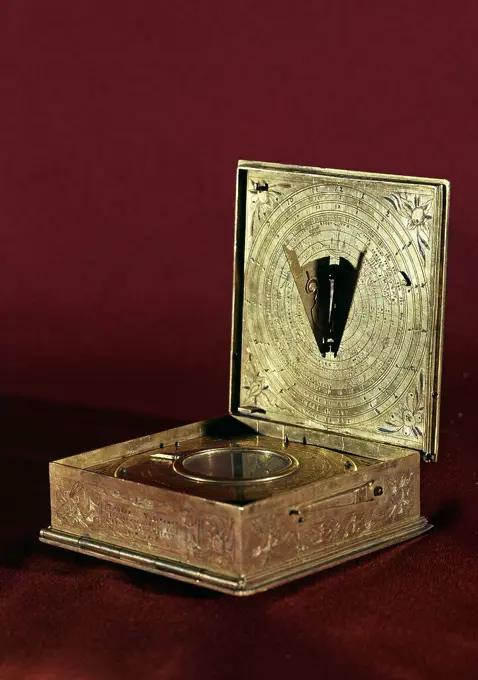
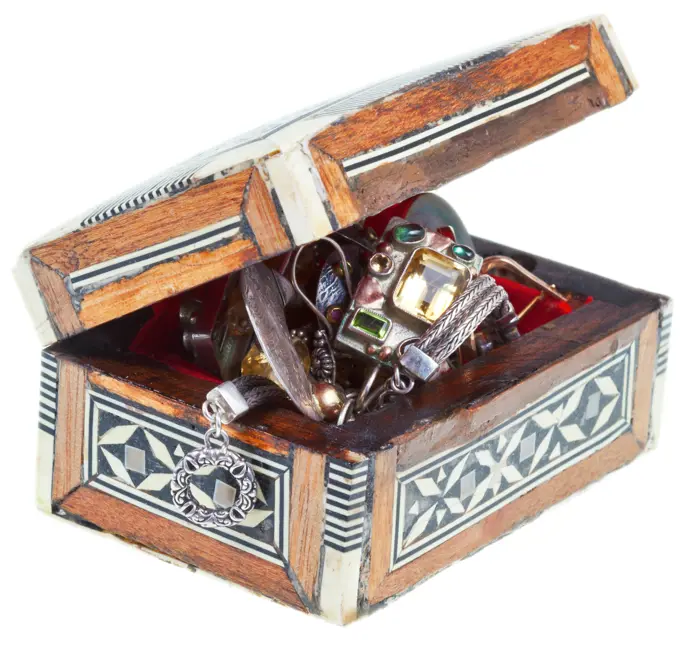
Decorative Wooden Boxes

Intricately designed wooden chests and boxes from Asia and Europe, showcasing craftsmanship with silver accents and traditional decorative elements.

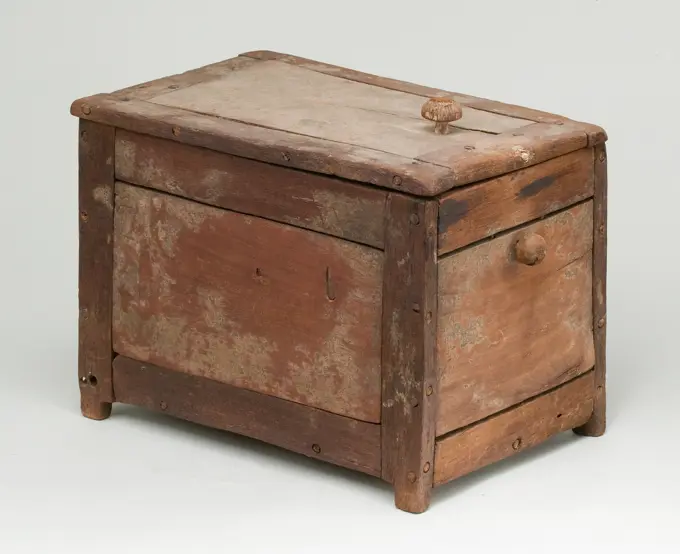
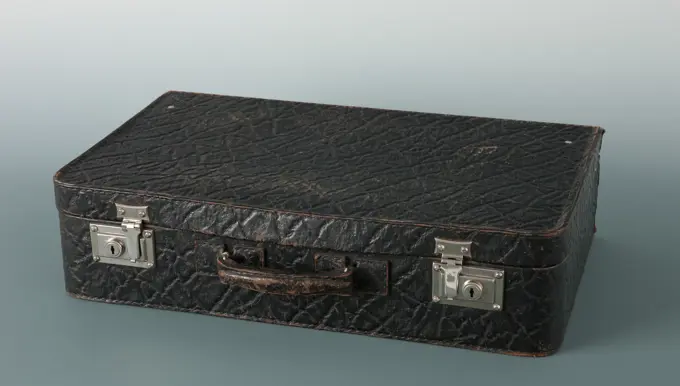
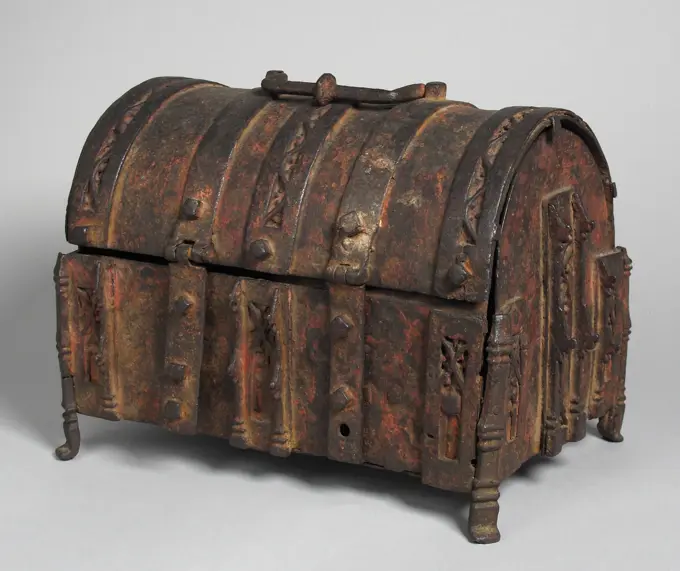
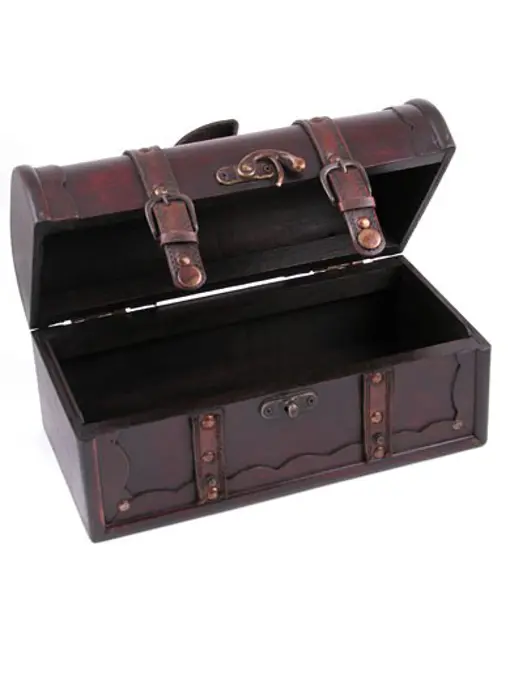
Case, coffin cabinet furniture furniture interior design iron oak wood, Light spherical lid diamond shaped bandage attached with nails decorative handles and keyhole with sting stave save theft prevention hinges
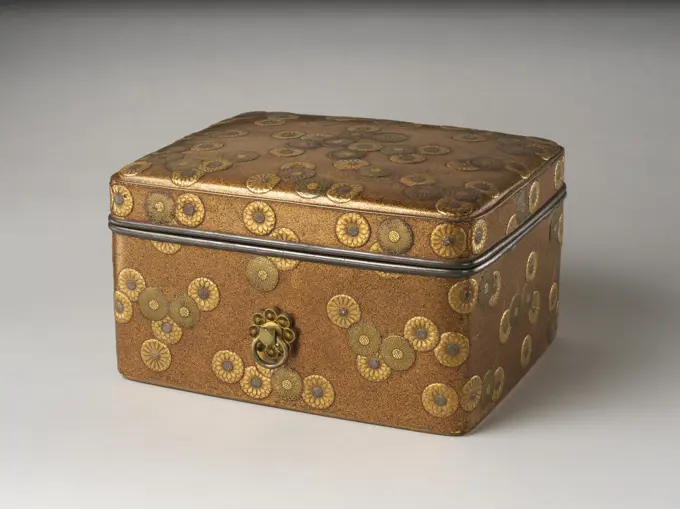
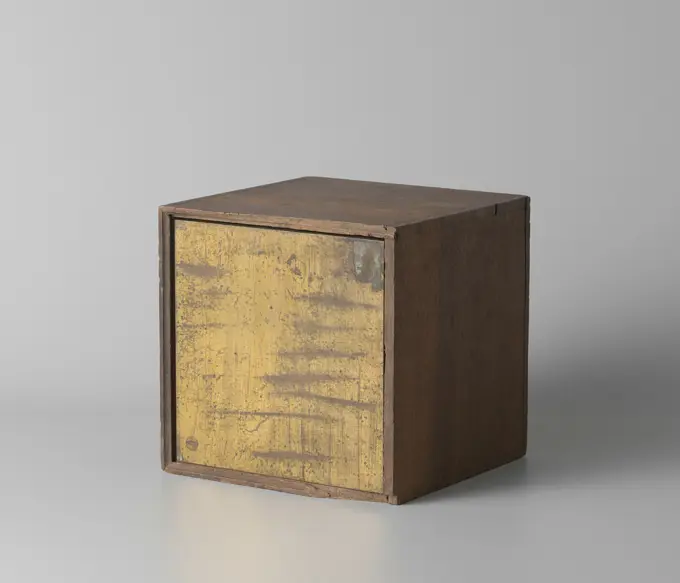
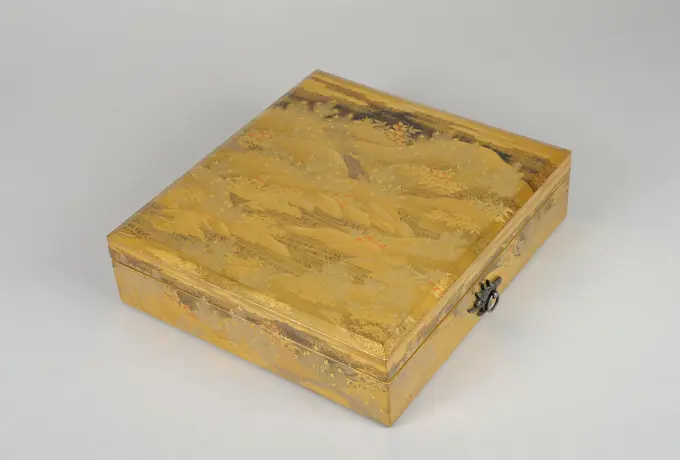
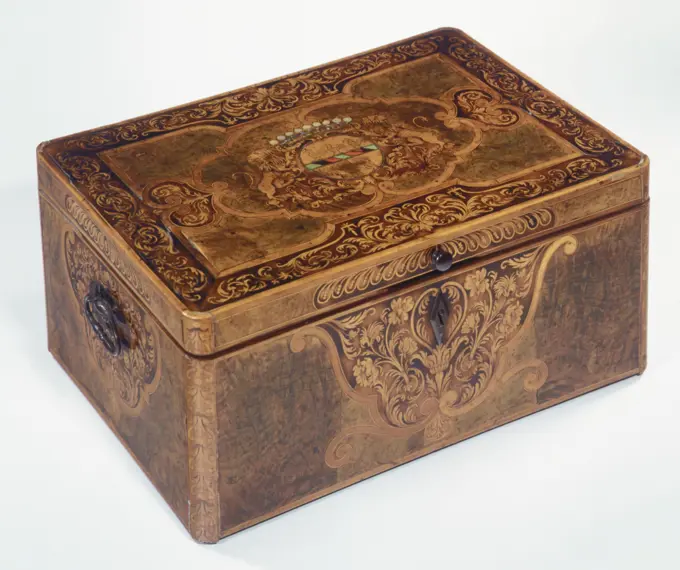
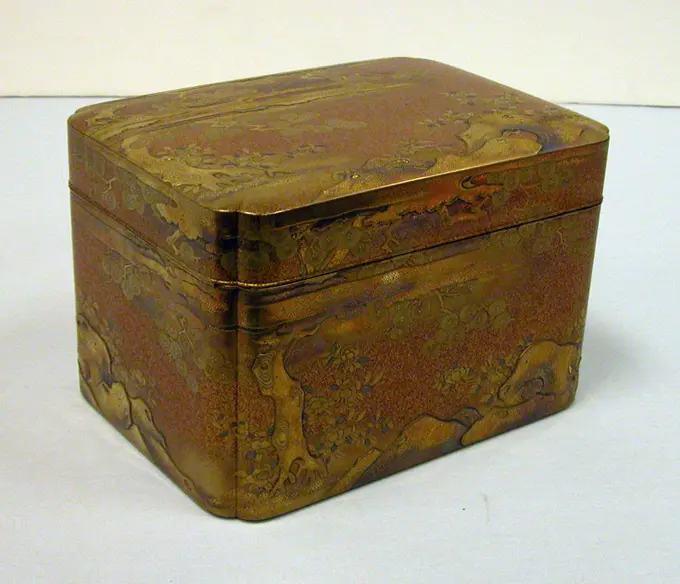
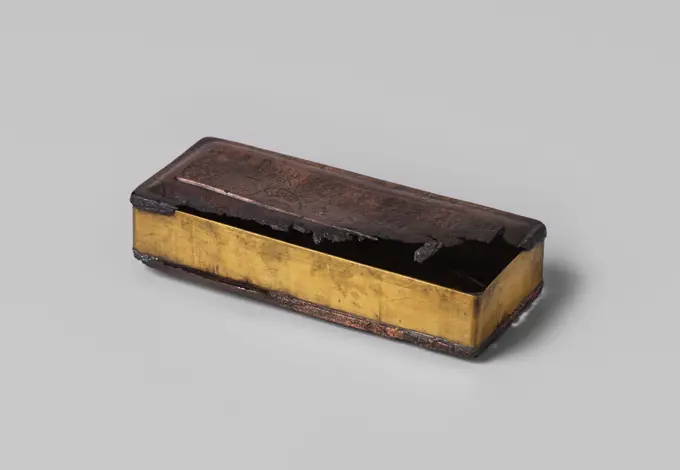
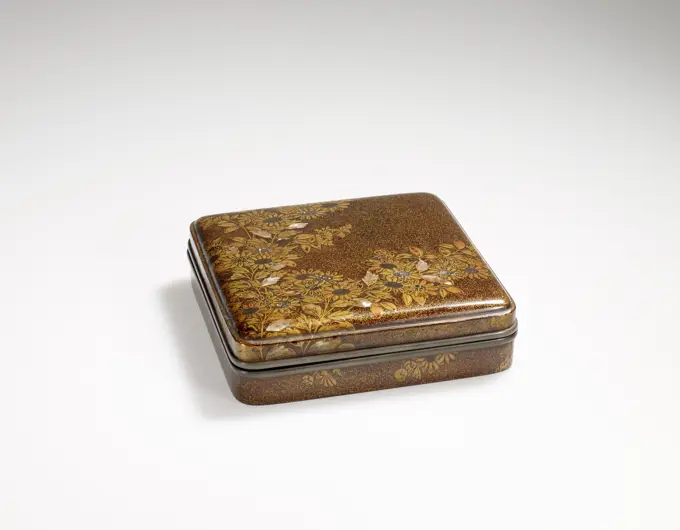
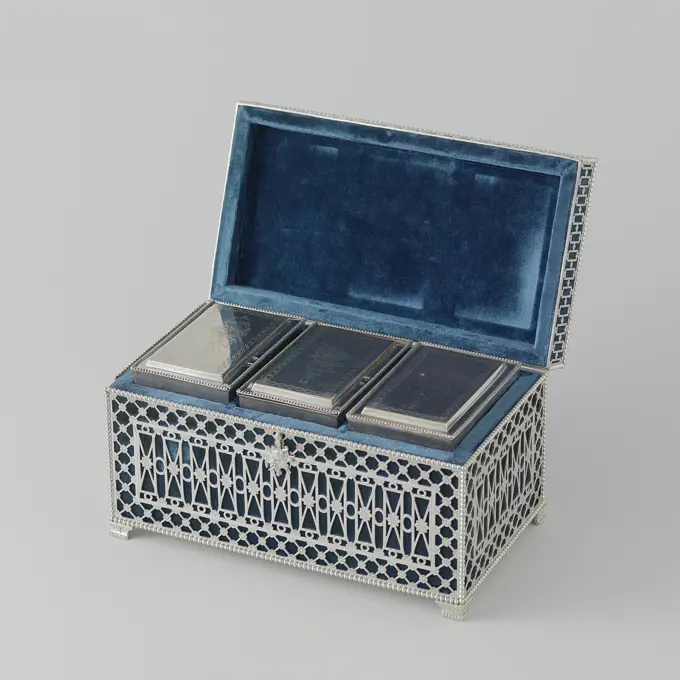
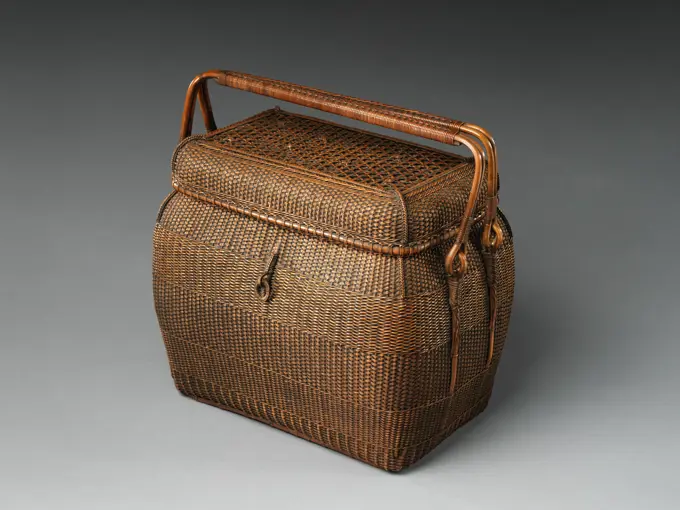
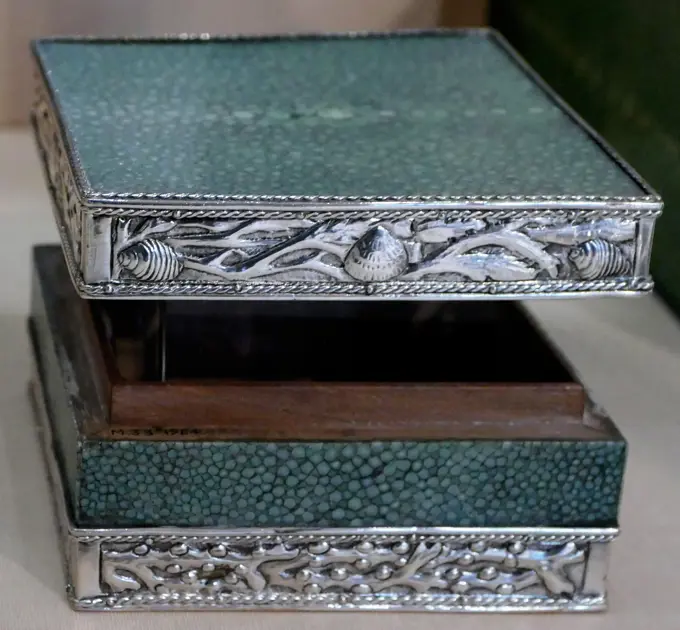
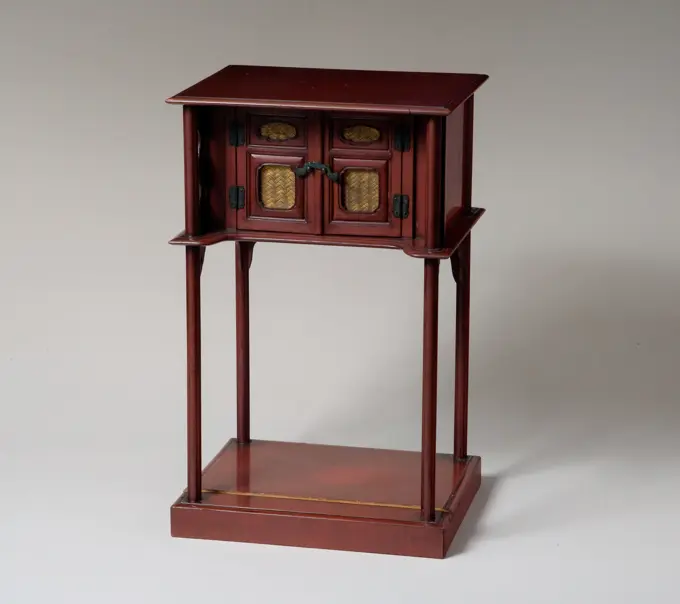
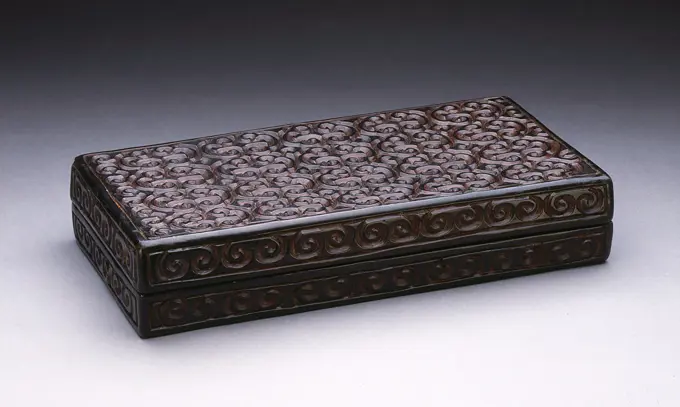
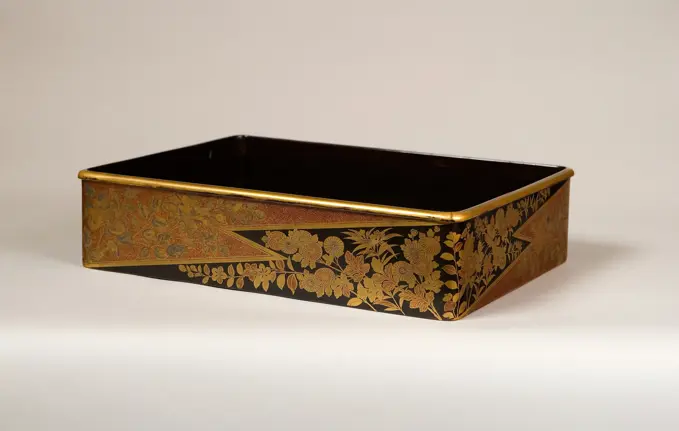
Case of Ambonese Satijnhout with Silver batter, Anonymous, 1700 - 1799 Case of Ambonese Satijnhout with Silver batter. The rectangular chest has a hinged lid and an intérieur with a compartment sealed by a lid on the right. Cover and corners have a profiled edge. The corners have driven fitted with flower branches, the lock plate shows two Phoenixes in the midst of flower brackets, as well as the back plates of the handles on the sides. The hinges of silver have round ends on the inside of the lid, driven with flowers. Four rosettes around the lock plate, also four on the lid. Indonesia satinwood (wood). padouk (wood). silver (metal) Case of Ambonese Satijnhout with Silver batter. The rectangular chest has a hinged lid and an intérieur with a compartment sealed by a lid on the right. Cover and corners have a profiled edge. The corners have driven fitted with flower branches, the lock plate shows two Phoenixes in the midst of flower brackets, as well as the back plates of the handles onCosmetic Box (Tebako) with Chrysanthemum Flowers first half of the 15th century Japan During the Nara (710-784) and Heian (794-1185) periods, when the most important Shinto shrines were created in Japan, the court nobility offered sacred gifts to the deities (kami) venerated in these shrines, including mirrors, swords, precious crystals and cosmetic boxes. This lacquer cosmetic box (tebako) is a rare example of the kind of precious object made as a ritual offering. The boxes were offered with the notion that the deities could beautify themselvessimilarly to the courtiers who applied makeup as a ritual and as a court custom. This tradition of offering elaborately decorated lacquer cosmetic sets continued mainly through the beginning of the Momoyama period (1573-1615). These special orders were made by the best lacquer masters using the most precious materials regardless of the costs. This 15th-century, rectangular, deep box is decorated with gold and silver chrysanthemum flowers executShrapnel shell. This shrapnel shell has been sawn down the middle, showing how deadly it was, for there are balls of lead shot, with a diameter of 24 mm, packed above the explo-sive charge. These shells were produced by the British firm of Armstrong from 1868. Although the Royal Nether-lands Navy certainly used 18 cm calibre artillery made by Armstrong, it is not known whether the navy also used this type of shrapnel, which is of the same calibre.Cubic of copper, with hail filled and in a wooden box. Cubic of copper, with hail filled and in a wooden box with a loose wooden backBox for Square Calligraphy Paper (shikishi-bako) with an Auspicious Landscape of Young Pines and Nandina Shrubs second half of the 19th century Japan Shikishidecorative, square-shaped poem cardsare used for calligraphy or painting. The paper is usually decorated with gold or silver flakes and has a printed or painted design that will serve as the background to the calligraphy. As they are precious calligraphy items, square-shaped lacquer boxes (shikishi-bako) were made to store them. This shikishi-box represents a landscape with young pines and nandina shrubs. The young pines symbolize the renewal of nature and longevity, while the evergreen “heavenly bamboo,” the nandina, bears red berries that ripen in late autumn and persist through the winter.. Box for Square Calligraphy Paper (shikishi-bako) with an Auspicious Landscape of Young Pines and Nandina Shrubs. Japan. second half of the 19th century. Lacquered wood with gold, silver, red hiramaki-e, takamaki-e, cutout gold foil applicaBox ca. 1740 Attributed to Pierre Hache. Box 203892Box, cosmetic ca. 1981-1550 B.C. Middle Kingdom-Early New Kingdom. Box, cosmetic. ca. 1981-1550 B.C.. Wood. Middle Kingdom-Early New Kingdom. From Egypt. Dynasty 12-18Case, coffin cabinet furniture furniture interior design iron oak wood, Light spherical lid diamond shaped bandage attached with nails decorative handles and keyhole with sting stave save theft prevention hingesRectangular Box (Changfang He) with Interlaced Buddhist Swastikas (Wan)The Ariel Automatic Barrel or Street OrganBrass design fitting on antique wooden carving pen box, Jodhpur, Rajasthan, India Copyright: xSafatxAli/DinodiaxPhotoxTwo chests isolated on the whiteGold Mold, 4 3/8 x 3 1/2 x 1 in. (11.11 x 8.89 x 2.54 cm), StoneBox with tray 17th century Attributed to Higashiyawa Yohimasa. Box with tray 57952Tobacco box from the wreck of the East Indians Hollandia, Anonymous, 1700 - in Or Before 1743  Tobacco box; box with lid, eroded: rectangular oblong, flat, lid and underside engraved: on lid a lion rampant with bundle of arrows enclosed by 7 coat of arms of the United Provinces and scrolling foliage: on underside a central panel with scene of seated man and nude woman with a veil, on either side a bird and scrolling foliage. Netherlands copper (metal)   SecondBox, leather, tooled and gilded, 1701-50, Decorative Arts, BoxLeather Case, from a Sèvres Breakfast Service (Déjeuner Mosaïque Florentine), leather, wood, fabric, metal, Rectangular box (a) covered in dark green leather with stamped gilt bands and borders; hinged lid decorated with gilt borders and a cartouch comprising a crown surmounting flowing ribbons and drapery surrounding an eagle encircled by a chain of office() with the letter 'N' in shield, and pendant medal. Two hook closures at front. Interior lined in tan suede and fabric, with wells for cabaret service pieces; rectangular suede cushion (b)., France, 1813 or later, containers, Decorative Arts, case, caseElizabeth Curtis, Chest, c 1936 ChestWriting box, c. 1400 - c. 1950 Writing box, decorated with sliced leaf motifs and diamond motif on the lid on four round legs. Gilded lock plate (key is missing). The inside of the box contains four drawers with copper () Buttons. On the inside lid the initials G d L.  oak (wood) Writing box, decorated with sliced leaf motifs and diamond motif on the lid on four round legs. Gilded lock plate (key is missing). The inside of the box contains four drawers with copper () Buttons. On the inside lid the initials G d L.  oak (wood)Cash boxesCryer, square, on four Bolpoten, Anonymous, c. 1700 - c. 1799 A fool of nut wood, square model with a quarter -round profile on the bottom plate on four low bol legs; loose wooden seat with hole; Lid is missing (see holes for hinge and beveled upper edge). Amsterdam (possibly) walnut (hardwood) A fool of nut wood, square model with a quarter -round profile on the bottom plate on four low bol legs; loose wooden seat with hole; Lid is missing (see holes for hinge and beveled upper edge). Amsterdam (possibly) walnut (hardwood)Iron design fitting on antique wooden box, Jodhpur, Rajasthan, India Copyright: xSafatxAli/DinodiaxPhotoxBrass white metal, and copper design fitting on antique wooden box, Jodhpur, Rajasthan, India Copyright: xSafatxAli/DinodiaxPhotoxNanban Cabinet with Drawers early 17th century Japan In the second half of the sixteenth century, Japanese lacquer made for Western markets was known as Nanban (Southern Barbarian) lacquer, a reference to the epithet given to foreigners from Spain, Portugal, and the Netherlands. Many of these export lacquers were made in Kyoto. Six-drawer cabinets of this type, listed in European collections as secrétaires or comptoiren, would generally have had a fall-front door. One of the earliest examples of an export cabinet without a fall front was inventoried at Schloss Ambras in Austria, around 1607. The drawer fronts of this sumptuous, small, and richly embellished cabinet are densely decorated with autumn flowers and shells, while geometric patterns, floral designs, and repeated intersecting-circle motifs (shippo) embellish the dividers. The top and sides display complex compositions inspired by Japanese literary classics. The unusual size and iconography of the cabinet indicate that it couldThunder CrackerRolland Livingstone, Pennsylvania German Candle Box Pennsylvania German Candle BoxBox 17th century Japan. Box 57935Brass design fitting on greenishyellow wooden box, Jodhpur, Rajasthan, India Copyright: xSafatxAli/DinodiaxPhotoxBox Decorative jewellery box isolated with clipping path included Copyright: xZoonar.com/MarkoxBericx 6807616Model of a Fire Hearth for Steam Engines. Model of a device for mechanically firing a boiler; A bin with movable bottom, operated by a handle with pally on a gear, is filled with coal through a small door; The bottom is stretched and the coal led from below to the grid; Due to two movable parts of the grid, operated with a lever and against decline, prevented a part of the container content of the container with a pal on a gear quadrant. Scale 1:10 (derived).Box with chrysanthemum design, mid 16th century, Unknown Japanese, 1 1/8 x 4 1/2 x 4 7/16 in. (2.86 x 11.43 x 11.27 cm), Black lacquer with sprinkled gold and mother-of-pearl inlay, Japan, 16th century, This small box is decorated with a delicate design of blossoming chrysanthemums, emblematic of autumn. The artist's sparing use of iridescent mother-of-pearl is typical of lacquers produced during the 16th century in Japan. While the original use of this box is not known, such boxes were typically used to store cosmetics or incense.Oval hat box of cardboard with loose lid, covered with beige rip paper, Caroline Reboux, c. 1934 - c. 1960 Oval hat box with loose lid, covered with beige rip paper, with cotton bow ribbons. On the lid a label with the name of modist, Caroline Reboux. Paris cardboard. cotton (textile). paper Oval hat box with loose lid, covered with beige rip paper, with cotton bow ribbons. On the lid a label with the name of modist, Caroline Reboux. Paris cardboard. cotton (textile). paperTea chest, Pieter Adolf Bruné, 1785 Rectangular, silver mixer, decorated with a engraved trophy of fishing with dead fish, a basket, skewers and a trap. Amsterdam silver (metal). wood (plant material) engraving Rectangular, silver mixer, decorated with a engraved trophy of fishing with dead fish, a basket, skewers and a trap. Amsterdam silver (metal). wood (plant material) engravingsuitcase Box of stitch from J.R. Thorbecke. Box of two-off stitch belonging to J.R. Thorbecke as the Minister of the Interior.. Bruné was a brother-in-law of Christoffel Mittscherlich, the leading assistant of Johannes Schiotling. This chest contains three canisters, two for tea and one for mixing. Tea was expensive and tea chests were therefore often fitted with a lock. Here, the keyhole is covered by a small ribbon-shaped lock plate from which musical instruments are suspended.Pipe and pipe tool case Firma: F.W. CramerBank of walnut with interior of poplar wood, Anonymous, c. 1500Trunk Old metal trunk isolated included clipping path Copyright: xZoonar.com/NikolaxObradovicx 8148762Box (USA); tôle (painted tin)Four-sided ding-type censer. unknown, craftsmanBox with gardenia, plum blossoms, and finches. Culture: China. Dimensions: H. 4 1/2 in. (11.4 cm); W.18 3/8 in. (46.7 cm); D. 12 in. (30.5 cm). Date: late 16th-early 17th century.The technique of combining fine basketry weaving with Chinese lacquer first appeared in the late sixteenth century. Basketry panels were installed on the sides of lacquer containers that were used to present gifts and important documents. The colorful painting of birds and flowers on this cover probably came from a pattern book, as multiblock color printing became popular in southern China in the same period. Museum: Metropolitan Museum of Art, New York, USA.Miniature toilet set case 1690-1710 German, probably Augsburg. Miniature toilet set case 202764. Bruné was a brother-in-law of Christoffel Mittscherlich, the leading assistant of Johannes Schiotling. This chest contains three canisters, two for tea and one for mixing. Tea was expensive and tea chests were therefore often fitted with a lock. Here, the keyhole is covered by a small ribbon-shaped lock plate from which musical instruments are suspended.Chest with black leather exaggerated, anonymous, c. 1500 - c. 1525 Chest with black leather exaggerated, in which hand -cut ornaments and two coats of arms. Iron batter and handle. The oldest documents from the Thorn abbey were kept here.  wood (plant material). leather   Thorn Chest with black leather exaggerated, in which hand -cut ornaments and two coats of arms. Iron batter and handle. The oldest documents from the Thorn abbey were kept here.  wood (plant material). leather   ThornVintage box open old vitange box against a white background Copyright: xZoonar.com/YannxPoirierx 2290279Lunchbox -Brass design fitting on green wooden almira, Jodhpur, Rajasthan, India Copyright: xSafatxAli/DinodiaxPhotoxFoot Warmer; woodNecessaryTwo chests isolated on the whiteStoof, anonymous, c. 1400 - c. 1950 An oak cut stew with copper handle. Northern Netherlands (possibly)Netherlands (possibly) wood (plant material). copper (metal). oak (wood) An oak cut stew with copper handle. Northern Netherlands (possibly)Netherlands (possibly) wood (plant material). copper (metal). oak (wood)Tobacco box with scenes from the life of Christ, Anonymous, c. 1700 - c. 1725 The object is composed of twelve parts. The bottom and the wall, the hinge, the lid; The two sliders on the lid are made of red copper and have a engraved decoration and whether or not a performance. The two sliders at the bottom of the bottom are made of yellow copper and have a engraved decoration and representation; The three series of two scenes each on the bottom of the bottom of the box and on the inside and outside of the lid are cut out, silver-plated and engraved in yellow copper. On the outside they are on yellow, applied to red canvas on the inside. On the inside, a yellow copper plate with six yellow copper screws and nuts is attached to the bottom. Lid and bottom walk on the sides to the center, and are further flat. They end in vertical edges with a groove, which include the because of the box. The convex parts of the lid and bottom have engraved ongoing rank ornament. The wall has two engraved Lesser Van Eikhout, Anonymous, 1685 - 1700 Eikhout desk. The top and bottom are accolade shaped and decorated with cutting. Northern Netherlands oak (wood) Eikhout desk. The top and bottom are accolade shaped and decorated with cutting. Northern Netherlands oak (wood)Cutlery case, Wood, parchment, Germany, 1799, containers, Decorative Arts, Cutlery caseBrass design fitting on antique wooden pen box, Jodhpur, Rajasthan, India Copyright: xSafatxAli/DinodiaxPhotoxPainted wrought iron Nuremberg coffin, archive coffin coffin cabinet furniture furniture interior design iron oil paint, Iron box with outside band iron attached with rivets; two large handles on both sides turned halfway; two transfer wackets at the front which can be pushed over the protruding staples but which now hang downwards. At the front fake key plate of driven iron for decoration. Lid can be opened with the help of key that is inserted into the keyhole, placed centrally on the lid and over which round keyhole protector can be slid. This can also be lifted slightly so that the entire keyhole is released. Whole is painted on the outside with primitive painted flowers and landscapes on dark ground. Rear store completely painted dark save theft prevention hang-and-closeSchatztruhe Eine antike Schatztruhe oder Schatzkiste aus Holz, isoliert über weißem Hintergrund *** Treasure chest An antique treasure chest or treasure chest made of wood, isolated over a white backgroundDesk (China); cedar (), brass, silk, velvet, printed cotton, block-printed lining paper, glass, metallic gold braidHigh ivory stack box with openwork panels and two painted medallions. Stacker box, consisting of three stacked bins, a lid and a hand connected at the foot. The walls and the lid are open and consist of eight panels with very beautifully performed geometric patterns that are caught in modeled ribs with flour branch and dot tracks in low relief. On the walls of the top container are two Meaderlons painted, both with Venus and Amor. On the Hengsel Flower Drinks in Hoog relief.Content of 1 hectoliters, anonymous, c. 1815  Spans and iron content measurement for dry wares with bridge and style of 1 hectoliters, v.z.v. inscription. Netherlands wood (plant material). iron (metal)   NetherlandsRed-lacquered Headrest. Korea, Joseon dynasty (1392-1910), 19th century. Furnishings; Furniture. Paper maché on wood coreGames Box, 1600-1700. Eger Work made by Johann Karl Haberstumpf and. Adam Eck. Pinto Collection - Purchased from Edward H Pinto, 1965.. The town of Eger in Bohemia (southern Germany) was the centre of a specialised type of woodworking in the 17th century. Here, craftsmen created detailed pictures, using layers of carefully selected woods which were glued on to a background and then carved to make a relief marquetry panel. It was known as Egerwork. This highly artistic and painstaking work was mainly used to decorate altar fronts, luxury cabinets and gamesboards. Egerwork panels are usually highly detailed and the battle scene on the cover of this board is typical. In contrast, the backgammon board has been made by laying strips of veneer into a base panel to produce a flush surface. This is known as inlaid marquetry. .Concertina 1855-60 Charles Wheatstone Wheatstone designed this instrument between 1850 and 1855 to play duets and accompany melodies. Just as with a regular English concertina, pressure and suction give the same note on two different reeds. Both hands nominally play the same twelve notes, but those played with the right hand sound an octave higher.Wheatstone was not only a physicist and manufacturer but also carried on a publishing business. Soon after 1850 he published an instruction book for the duet concertina and twelve books of arrangements of popular music to promote the introduction of this model.. Concertina 503683Closed old travel leather suitcase.Iron design fitting on antique wooden box, Jodhpur, Rajasthan, India Copyright: xSafatxAli/DinodiaxPhotoxOblong Fubako (ScrollBox)Japan, 20th century - Mitsubishi 6X-300 transistor radio, 1960's.Snuffbox ca. 1760 Designed by Nicolas Lancret French. Snuffbox. British, Staffordshire. ca. 1760. Enameled copper. Enamels-PaintedCoffret 15th-16th century European. Coffret. European. 15th-16th century. Iron. Metalwork-IronOval hat case with lid, brown leather, covered with stickers from foreign hotels; The inner lining is made of filled cream satinet, anonymous, c. 1900 - c. 1925 Oval hat case of brown leather. The lid, with handle, is attached to the suitcase with a leather belt that can be attached to a copper lock at the front. Two belts are attached to the lid that can be secured with buckles. Five labels of foreign hotels are stuck on the suitcase. The edge of the suitcase is covered with red paper; The inside is further covered with cream satinet. West-Europa Suitcase: Leather. lining:. Rand covering: Paper. Slot: Copper (Metal) Oval hat case of brown leather. The lid, with handle, is attached to the suitcase with a leather belt that can be attached to a copper lock at the front. Two belts are attached to the lid that can be secured with buckles. Five labels of foreign hotels are stuck on the suitcase. The edge of the suitcase is covered with red paper; The inside is further covered with cream satShare lambrizing from the house of Dentz van Schaick, Carel Adolph Lion Cachet, c. 1900 - c. 1905 Scot, part of the paneling made for the house of Mr Th.G. Dentz van Schaick on Frederiksplein in Amsterdam 50-52. This shot consists of two vertical and one horizontal panel and is made of rosewood and notehnout. With blue chalk: AB8 D1. Amsterdam rosewood (wood). walnut (hardwood) Scot, part of the paneling made for the house of Mr Th.G. Dentz van Schaick on Frederiksplein in Amsterdam 50-52. This shot consists of two vertical and one horizontal panel and is made of rosewood and notehnout. With blue chalk: AB8 D1. Amsterdam rosewood (wood). walnut (hardwood)Share lambrizing from the house of Dentz van Schaick, Carel Adolph Lion Cachet, c. 1900 - c. 1905 Scot, part of the paneling made for the house of Mr Th.G. Dentz van Schaick on Frederiksplein in Amsterdam 50-52. This shot consists of two vertical and one horizontal panel and is made of rosewood and notehnout. In pencil: 4. Amsterdam rosewood (wood). walnut (hardwood) Scot, part of the paneling made for the house of Mr Th.G. Dentz van Schaick on Frederiksplein in Amsterdam 50-52. This shot consists of two vertical and one horizontal panel and is made of rosewood and notehnout. In pencil: 4. Amsterdam rosewood (wood). walnut (hardwood)Basket for Transporting Sencha Tea-Ceremony Utensils (Chakago or Teiran) ca. 1877-80s Hayakawa Shkosai I Shkosai is believed to be the first master craftsman of baskets to sign his compositions, a custom probably inspired by Western artists amid the Meiji-period modernization of the Japanese decorative arts. The signature would have also indicated that his Chinese-inspired karamono works were actually made by a Japanese master. Shkosai concentrated for the most part on making tea-ceremony utensils (primarily using rattan), reflecting the needs of the literati and others associated with the period’s thriving sencha tea culture. He came to prominence in 1877 when one of his sencha works—a lidded basket with a handle, intended to carry a tea set to an outdoor event—received the Phoenix Prize at the first Domestic Industrial Exposition held in Tokyo.. Basket for Transporting Sencha Tea-Ceremony Utensils (Chakago or Teiran). Hayakawa Shkosai I (Japanese, 1815-1897). Japan. ca. 1877-80s.Pa. German Tinder Box. Dated: c. 1939. Dimensions: overall: 28.4 x 34.8 cm (11 3/16 x 13 11/16 in.) Original IAD Object: 6 1/8" wide; 3 5/8" deep. Medium: graphite on paperboard. Museum: National Gallery of Art, Washington DC. Author: Gordon Sanborn.CAJA DEL SIGLO XV - FOTOGRAFIA EN BLANCO Y NEGRO - AÑOS 60. Location: CATEDRAL-CAPILLA REAL-INTERIOR. GRANADA. SPAIN.Toilet Box for holding, powder boxes, mirror and other items. English, 1929, made from walnut an silver and covered with Shageen ( a Leather, mother of pearl substitute.Stack of ancient books, quill and ink, isolated on white backgroundBible on white background, close upStand with cabinet, 19th century, Unknown Japanese, 18 7/8 × 11 5/8 × 9 1/2 in. (47.94 × 29.53 × 24.13 cm), Wood, metal and bamboo, Japan, 19th centuryRectangular Box (Changfang He) with Sword-Pommel Pattern. China, Yuan dynasty, 1279-1368. Furnishings; Accessories. Carved black and red lacquer on wood core (tixi)Box at Penning: Die Tyranny Drying ..., Royal Dutch Mint NV, 1948 box Square blue cardboard box and a accompanying letter. Front Cover: Die Tyranny dries that through my myn deer. Changing side: your Maintiendrai. Utrecht cardboard   NetherlandsESTUCHE NAUTICO DE FELIPE II-RELOJ DE SOL. Location: MUSEO NAVAL / MINISTERIO DE MARINA. MADRID. SPAIN.open treasure chest close-upsField Lesser of Jacub Schultz van Haegen (1651-1748) General of the Cavalerie, Anonymous, c. 1690 - c. 1748  Wooden desk with hinged French lid, lock and inside three drawers, used in the field by the general in the service of the State army. Netherlands wood (plant material). copper (metal)   NetherlandsInk, one of a set of 16, c. 1757, 3 3/16 x 1 3/16 x 7/16 in. (8.1 x 3.02 x 1.11 cm), Pine soot and animal adhesive, China, 18th centuryBox for Trenchers 1595-1605 England. Sycamore, painted and gilded .Portlight. A patent glass in a wooden porthole. It has a round glass with the convex, matte side outside excellent; On the inside it is fixed in the conical opening in the wood with a copper ring. Outer head shows a horseshap-shaped batter with scratches. Similar to MC-237-1.Toilet set, c. 1795 Rectangular box belonging to the AK-RAK-2003-8-1 mirror standard. Covered with black paint with gold decorations. On the lid a monogram ECVB surrounded by a narrow b and with leaf motifs and four small flowers. Around the central medallion a flower band and outside this tire the surface is filled with geometric motifs. Loose flower branches on the sides. Canton whole: Wood (plant material). whole: Lacquer (coating). Looking Glasses lacquering Rectangular box belonging to the AK-RAK-2003-8-1 mirror standard. Covered with black paint with gold decorations. On the lid a monogram ECVB surrounded by a narrow b and with leaf motifs and four small flowers. Around the central medallion a flower band and outside this tire the surface is filled with geometric motifs. Loose flower branches on the sides. Canton whole: Wood (plant material). whole: Lacquer (coating). Looking Glasses lacqueringPart of a lits-jumeaux., Piet L. Kramer, c. 1920 Lits-jumeaux made of oak and pine and black tinted without. Design P. Kramer. Ca. 1920. Ligbelbel. Netherlands oak (wood). pine (wood). beech (wood) Lits-jumeaux made of oak and pine and black tinted without. Design P. Kramer. Ca. 1920. Ligbelbel. Netherlands oak (wood). pine (wood). beech (wood)House Model, Various woods, Tea caddy in the form of a nineteenth century Gothic-Tudor style half-timbered house with numerous chimneys, the roof lifting to reveal 2 tea caddies and one glass mixing bowl., England, ca. 1870, models and prototypes, Decorative Arts, Tea caddy, Tea caddyTray Box (midare bako) with Design of Peonies and Autumn Plants on a Divided Ground, 17th century, Unknown Japanese, 3 5/8 × 15 × 11 1/2 in. (9.21 × 38.1 × 29.21 cm), Black lacquer with sprinkled gold, Japan, 17th centuryMilitary bag unknown labelsmall treasure ancient chest with jewel small treasure ancient chest with jewel isolated on white background Copyright: xZoonar.com/VVxVoennyyx 5039078Wooden case Retro wooden case isolated with clipping path included Copyright: xZoonar.com/Baloncicix 7309342Travel camera produced by Bernhard Wachtl after 1870, measuring 26 x 31 cm, constructed primarily of wood.metal worker: Gresnich, Green painted miniature polystyledon, Sulfur tray baking utensils miniature toy relaxant model metal paint, curved soldered painted tinned tin Oblong rectangular. Hinged lid with handle 1868 Sibilla van Embden play store kitchenDutch photo album with 65 portraits and a photo production of a drawing, anonymous, various manufacturers, c. 1875  Photo album with 36 pages with a total of 66 photos. The album contains 57 cartes-de-visiting and 8 cabinet photos in with golden lines or flower decorations framed passe-partouts and a loose photo of larger size. Not all passe-partouts in the album are filled. Portraits of unknown men, women and children are depicted. Some of the people portrayed are spiritual. In addition, the album contains a photo production of a drawing. The photos were taken by various Dutch photographers, including the Gebroeders Cordes, J.G. Mulder and Johannes Wilhelmus Franciscus Offenberg. The majority of the photos were taken in Haarlem. The photographer is anonymous of 4 photos. Netherlands cardboard. paper. photographic support. leather. metal albumen print historical persons. historical persons - BB - woman. theologian. child. (scenes from the life of) John the Baptist and MaryCabinet with Design of Chrysanthemum by a Stream 19th century Japan. Cabinet with Design of Chrysanthemum by a Stream. Japan. 19th century. Gold and silver maki-e on lacquered wood with metal fittings. Edo period (1615-1868). LacquerNutmeg Grater. Marked CW Co.; Birmingham, England. Date: 1837-1848. Dimensions: 4.1 × 2.9 cm (1 5/8 × 1 1/8 in.). Silver and iron. Origin: Birmingham. Museum: The Chicago Art Institute, Chicago, USA.