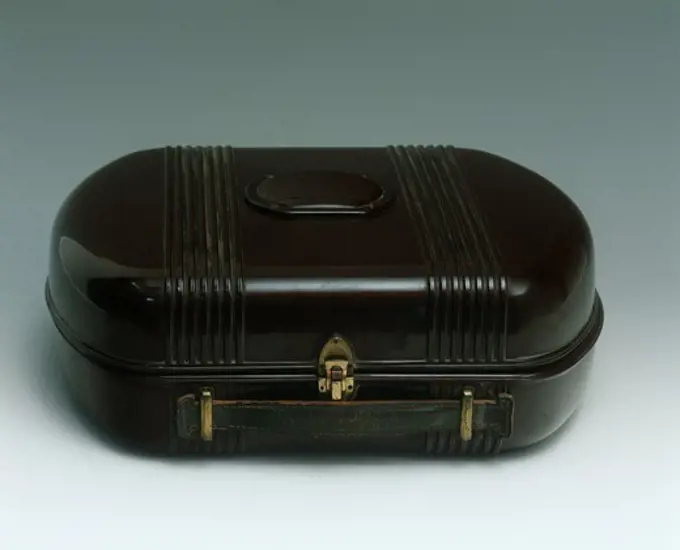
Decorative Wooden Boxes

A collection of ornate wooden boxes from various periods, featuring intricate designs, floral motifs, and historical significance.

Mint weight and scales in a weight box, anonymous, c. 1400 - c. 1950 Wooden box, in which copper mint weights and a scales. The lid is decorated on the inside with multiple performances; Most performances are placed within a medallion, ran around a larger performance in the middle.  copper (metal). wood (plant material) Wooden box, in which copper mint weights and a scales. The lid is decorated on the inside with multiple performances; Most performances are placed within a medallion, ran around a larger performance in the middle.  copper (metal). wood (plant material)
Mint weight and scales in a weight box, anonymous, c. 1400 - c. 1950 Wooden box, in which copper mint weights and a scales. The lid is decorated on the inside with multiple performances; Most performances are placed within a medallion, ran around a larger performance in the middle. copper (metal). wood (plant material) Wooden box, in which copper mint weights and a scales. The lid is decorated on the inside with multiple performances; Most performances are placed within a medallion, ran around a larger performance in the middle. copper (metal). wood (plant material)
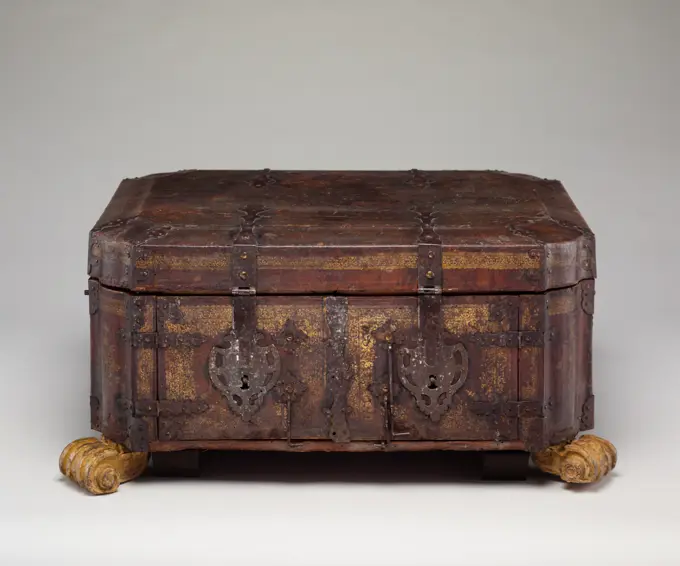
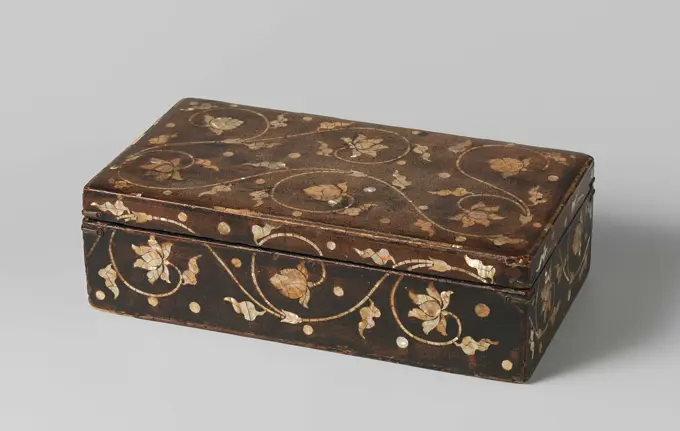
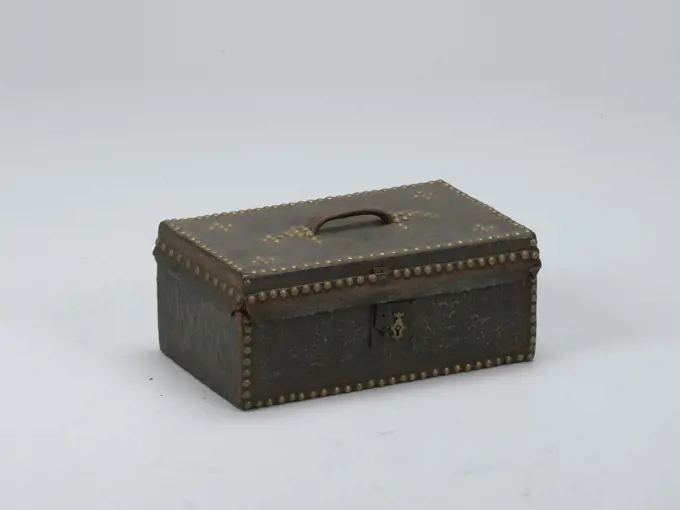
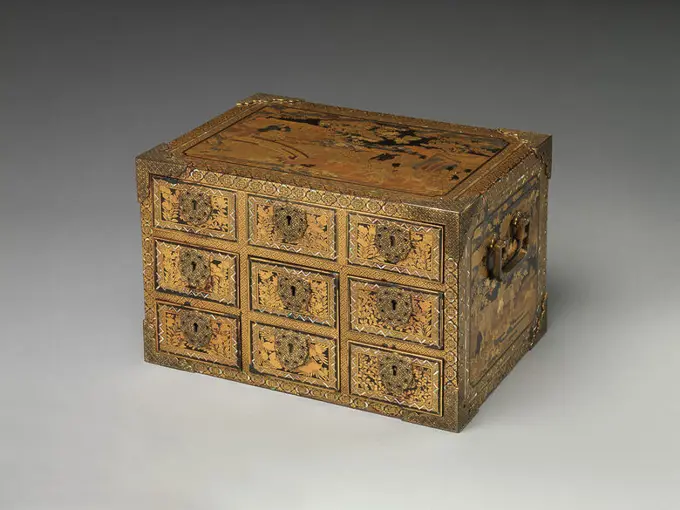
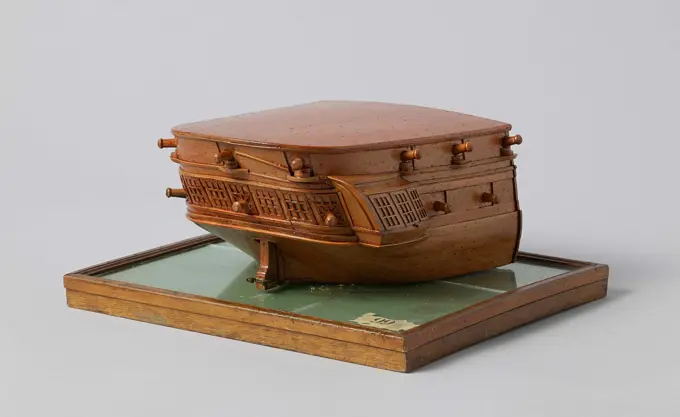
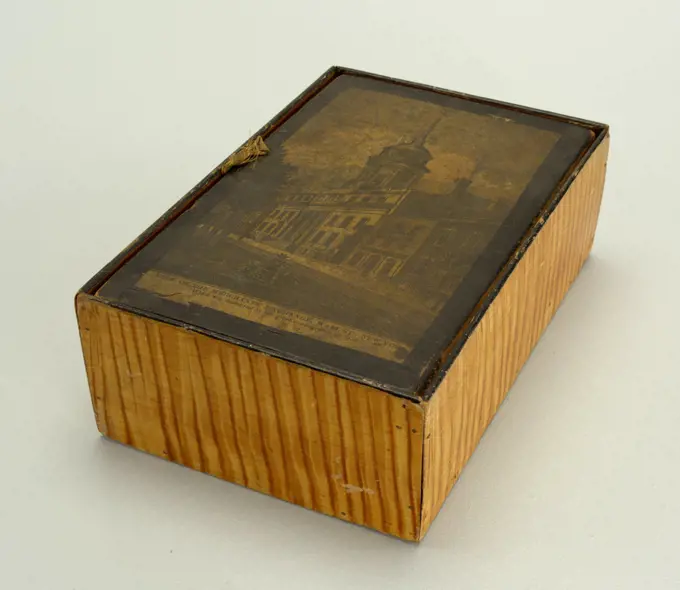
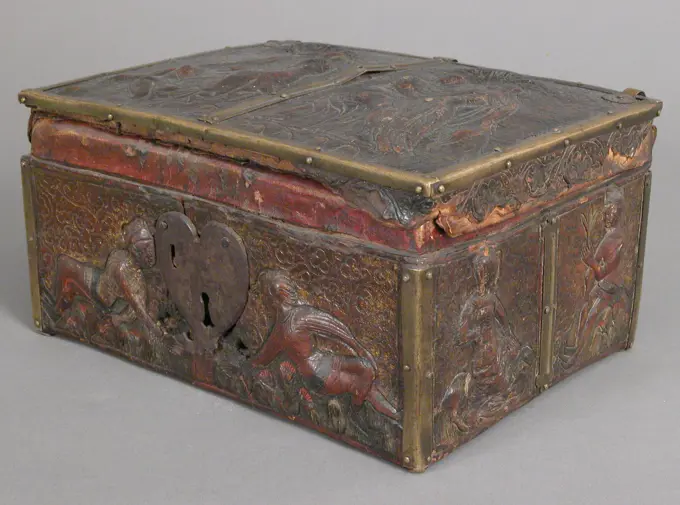
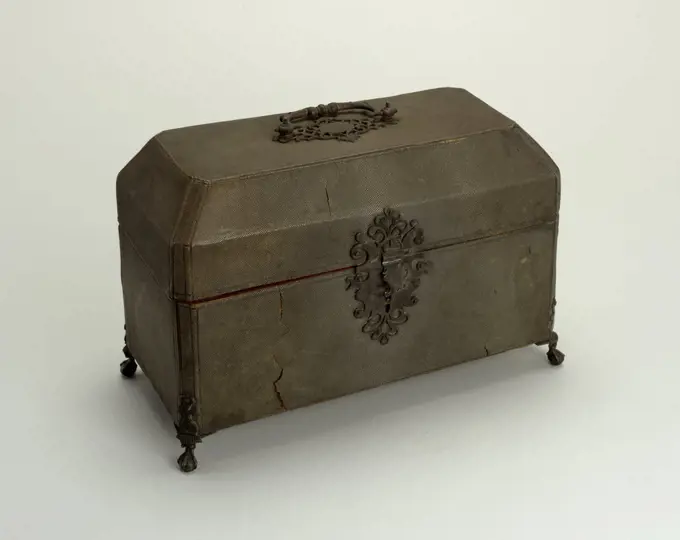
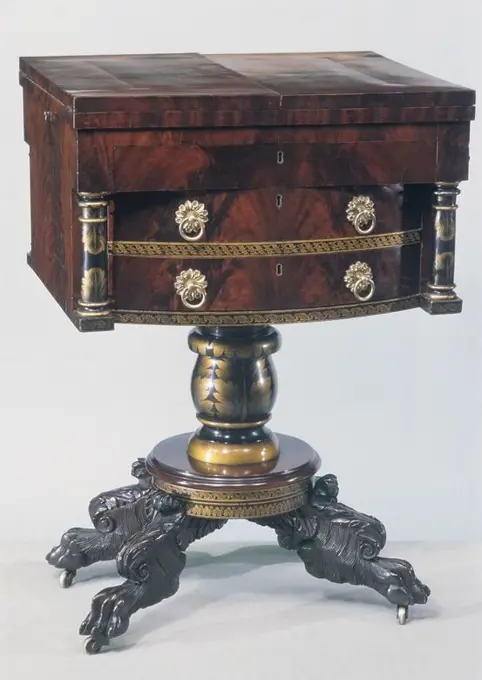
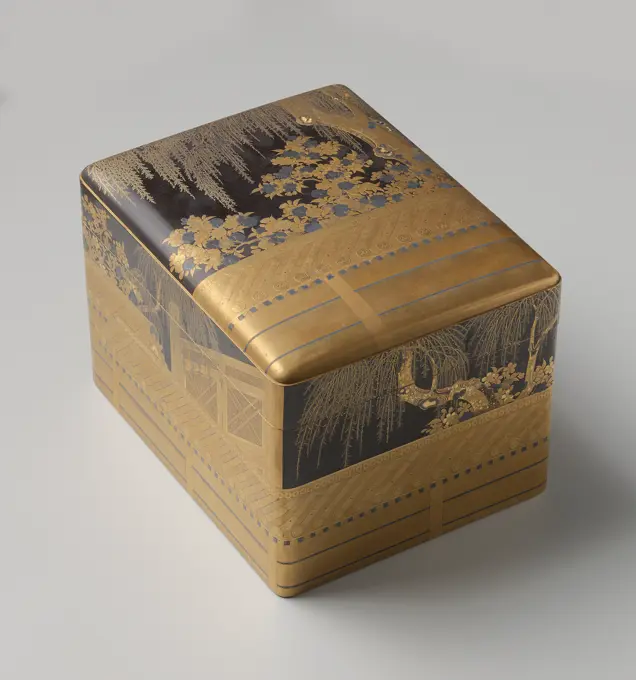
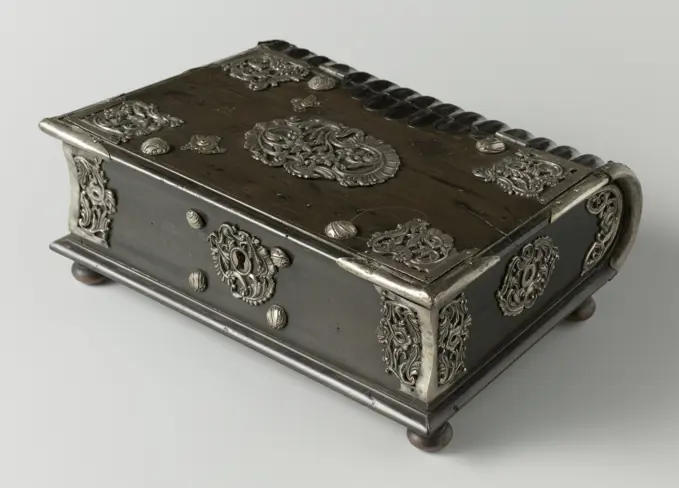
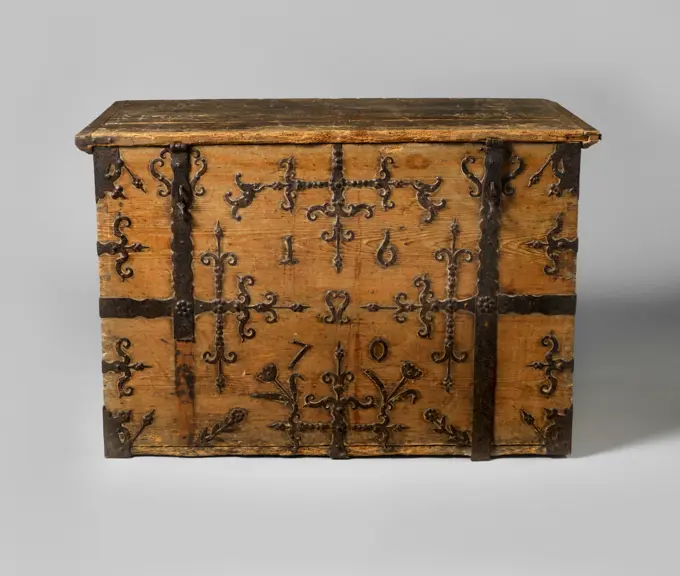
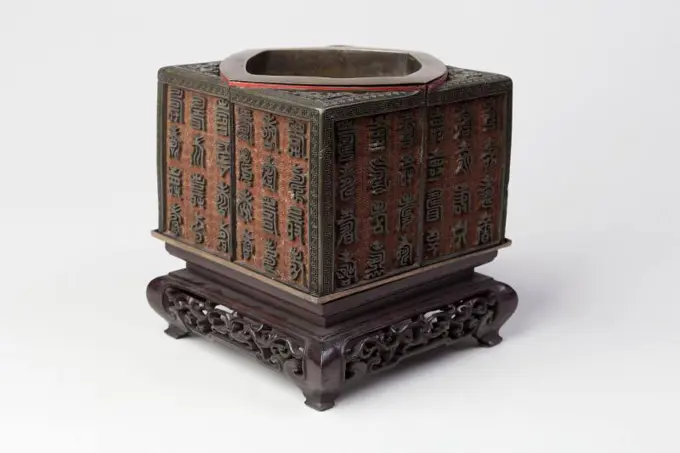
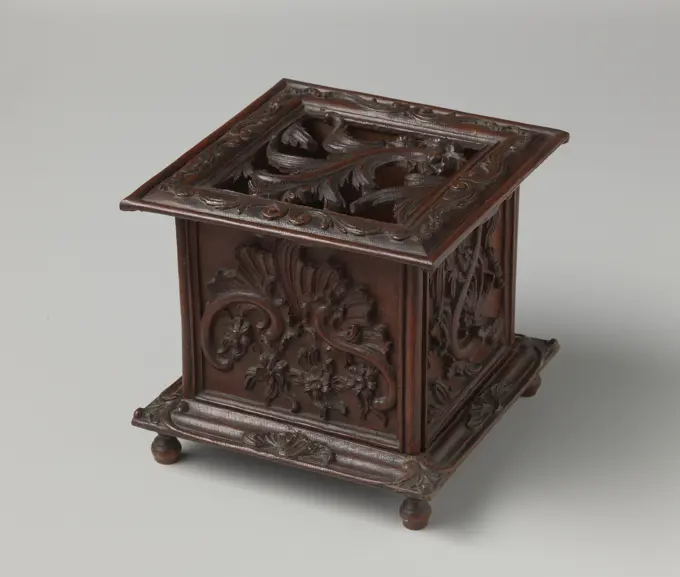
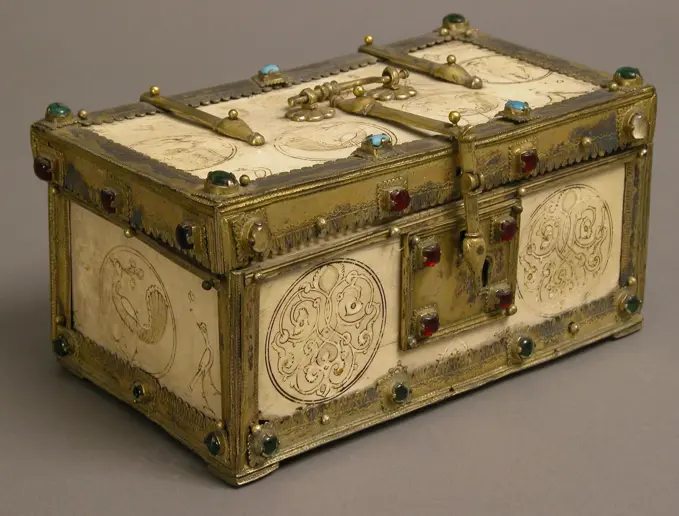
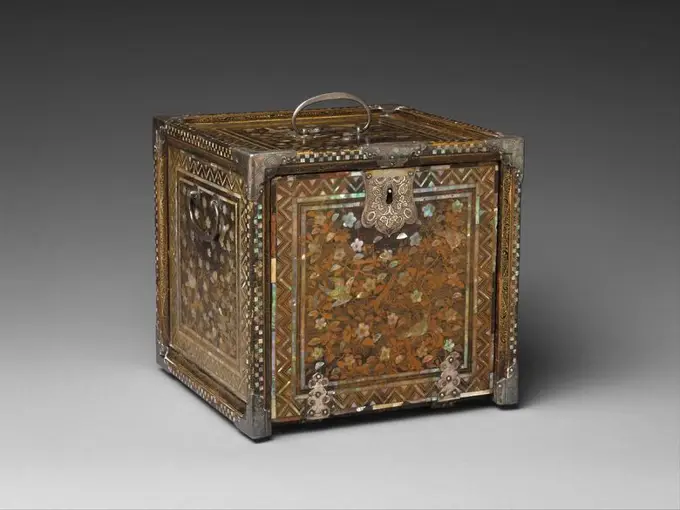
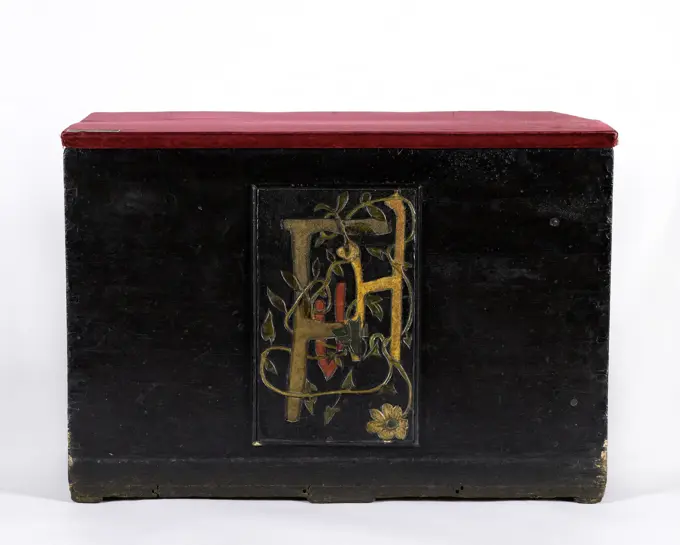
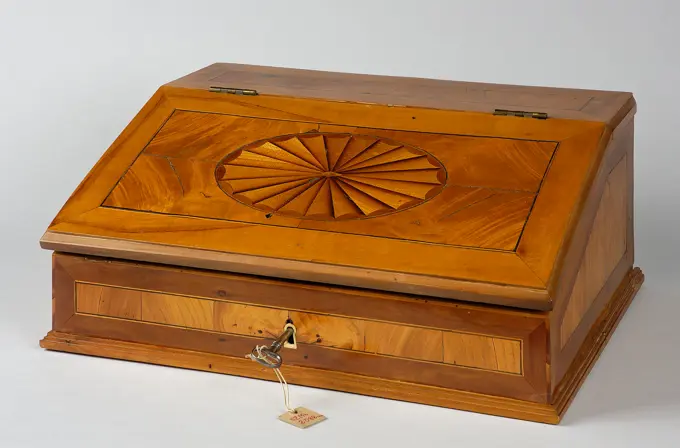
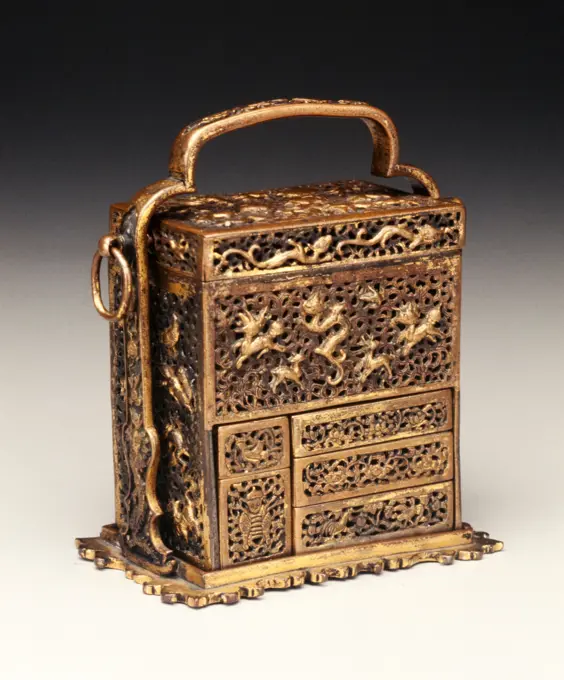
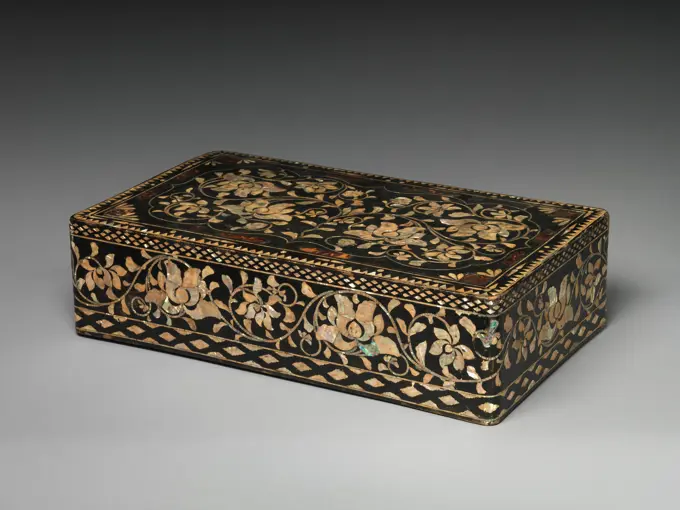
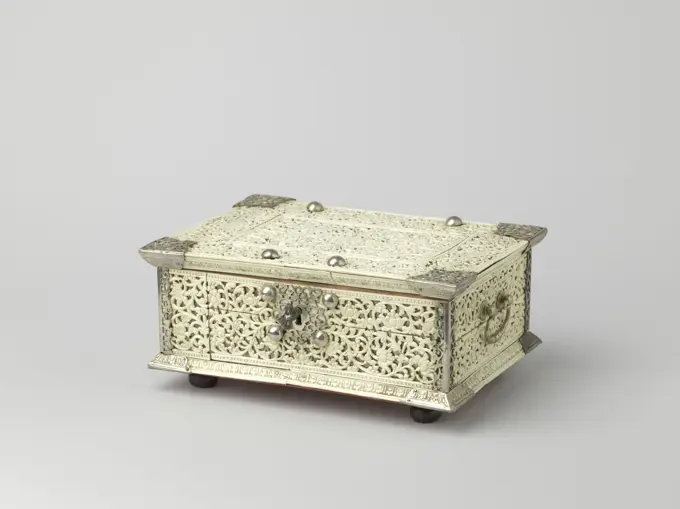
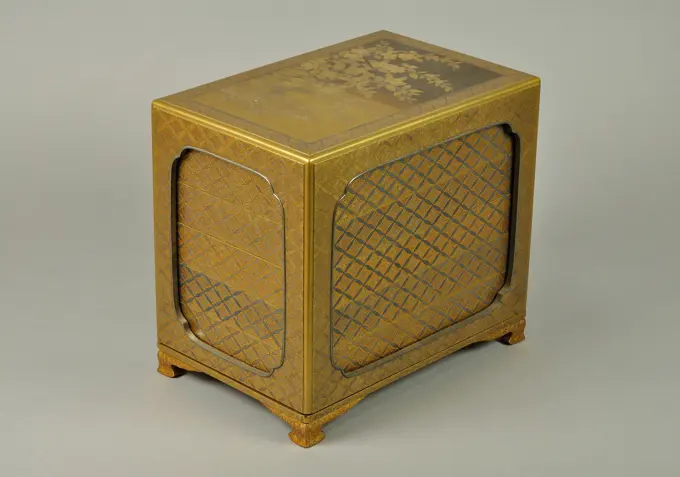
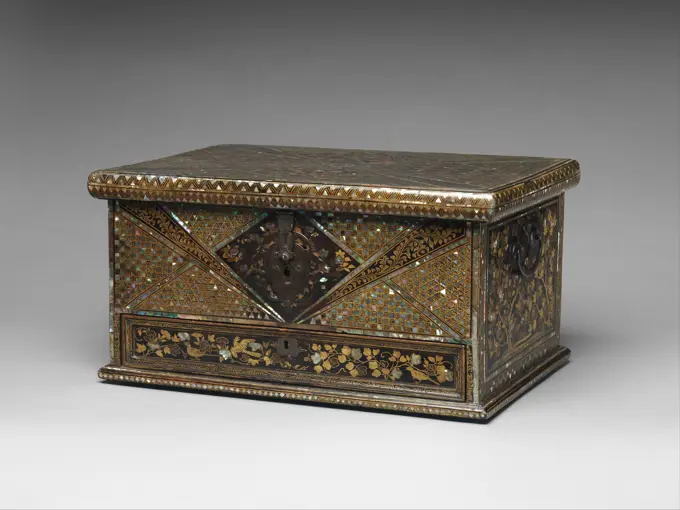
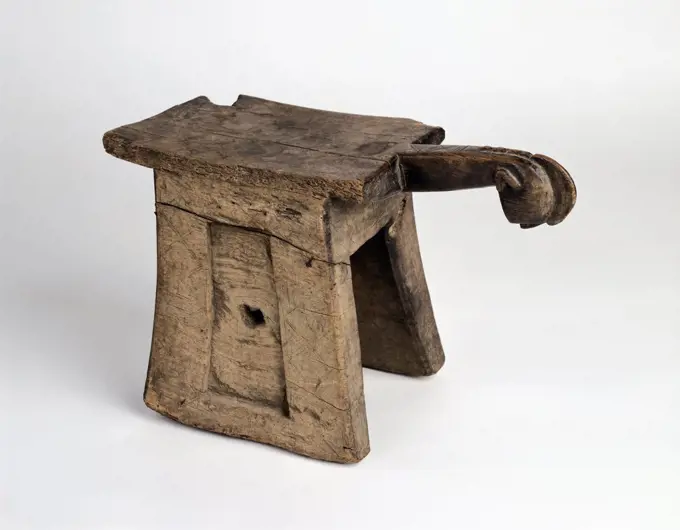
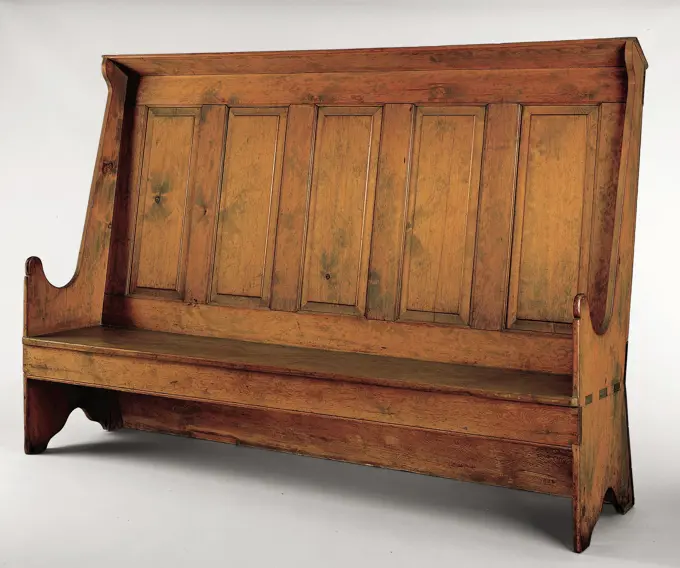
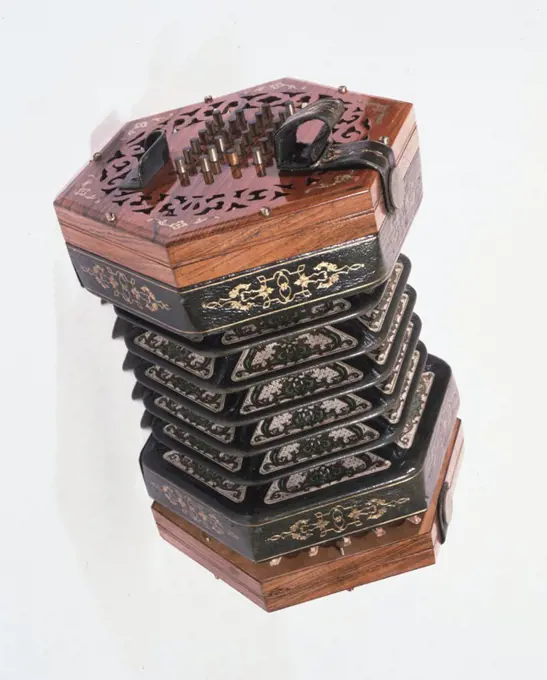
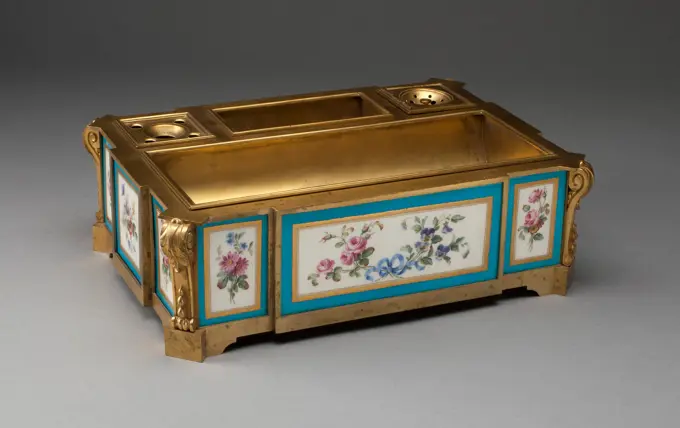
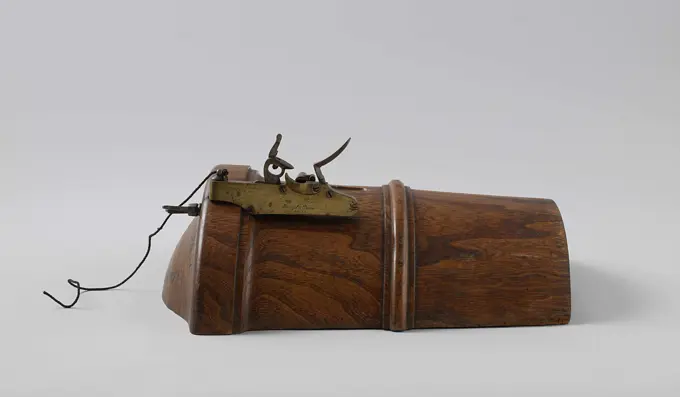
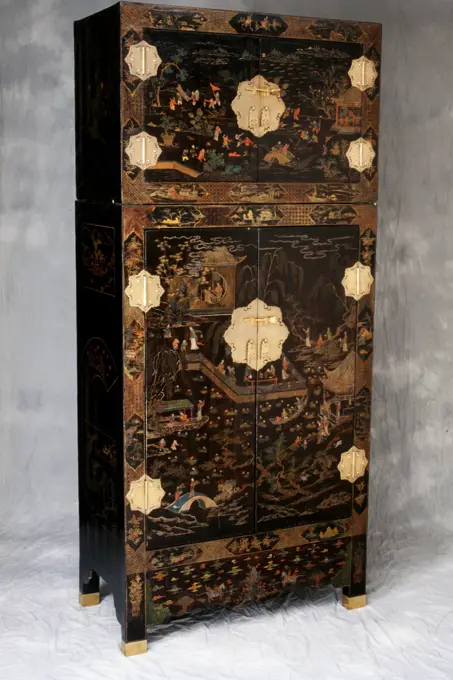
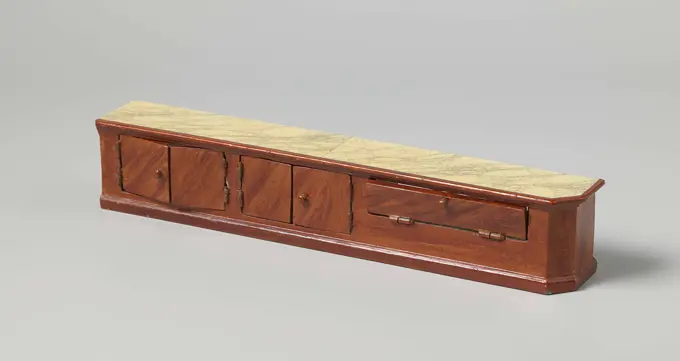
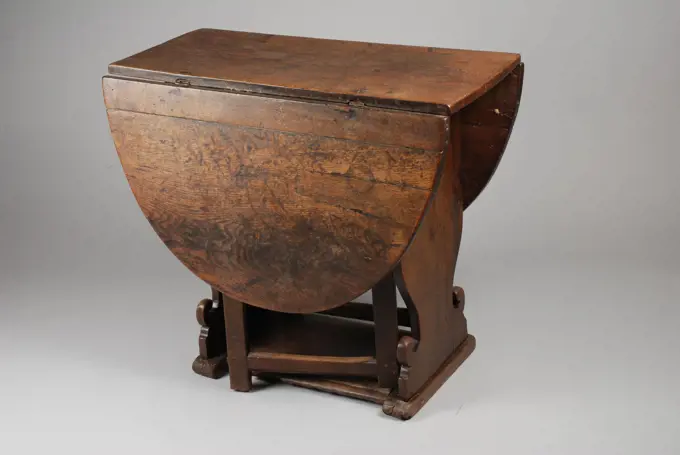
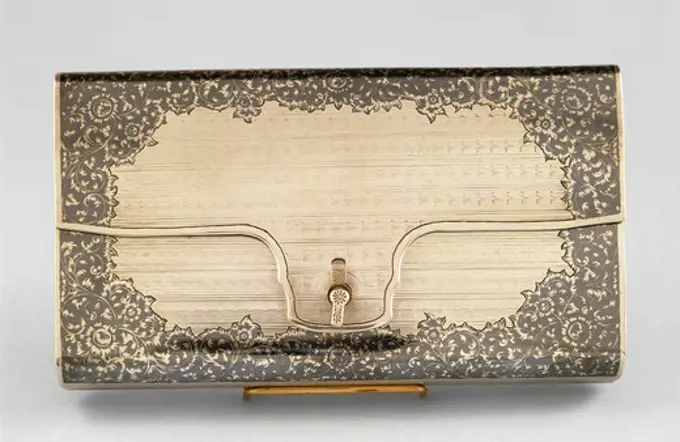
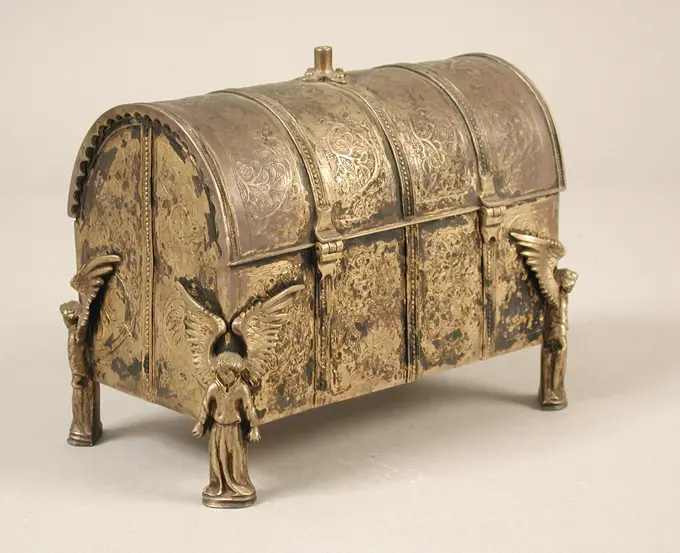
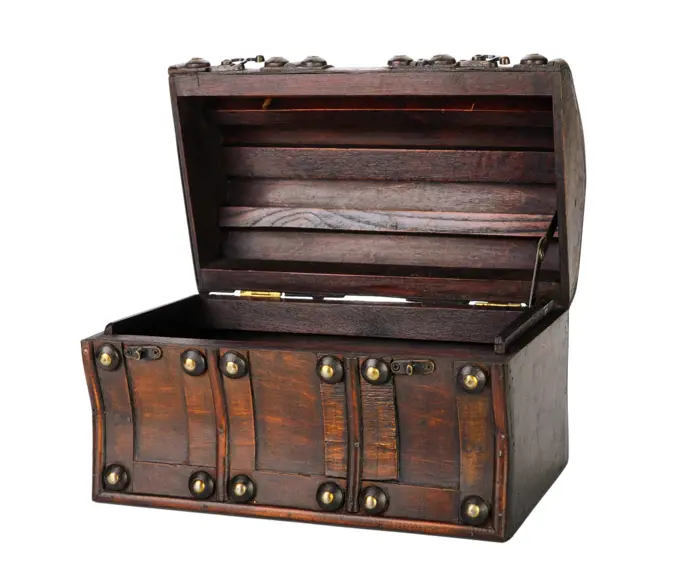
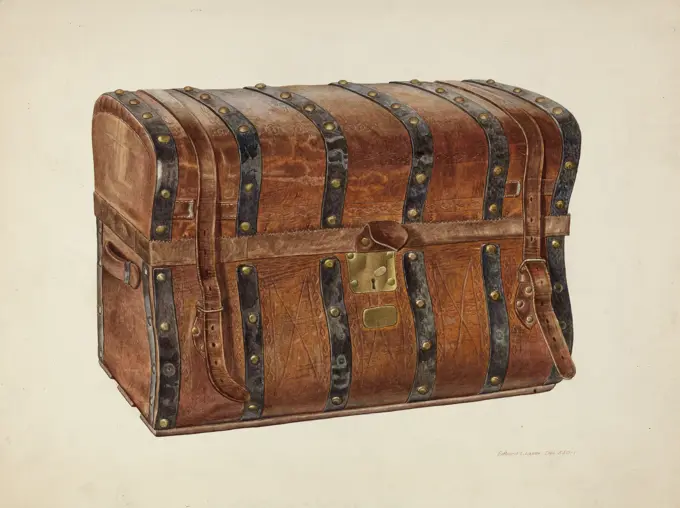
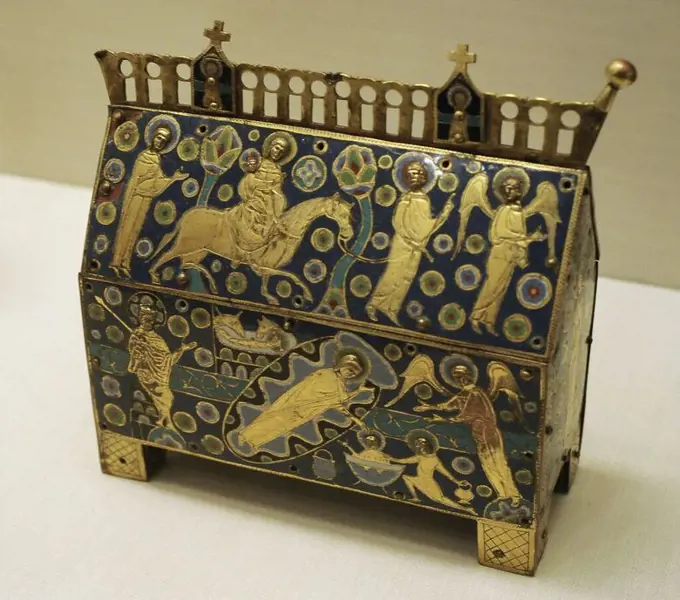
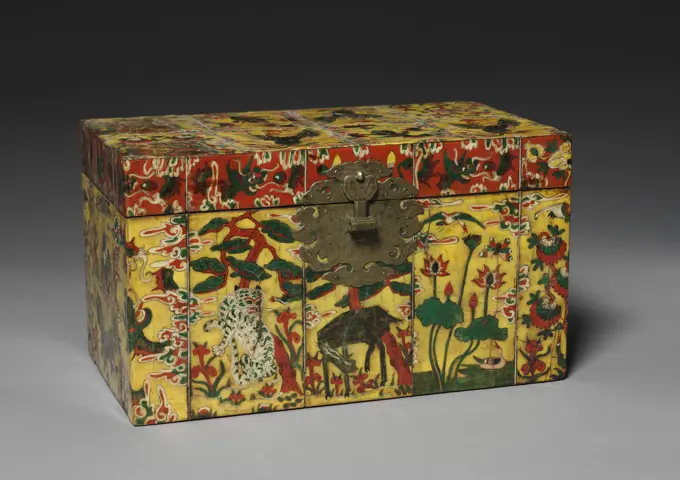
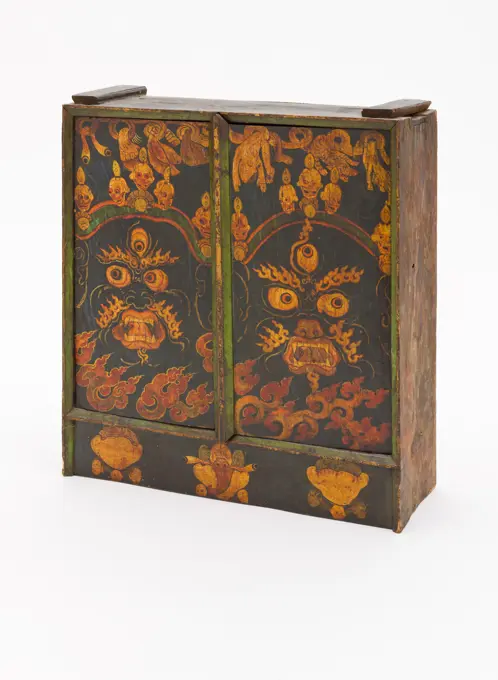
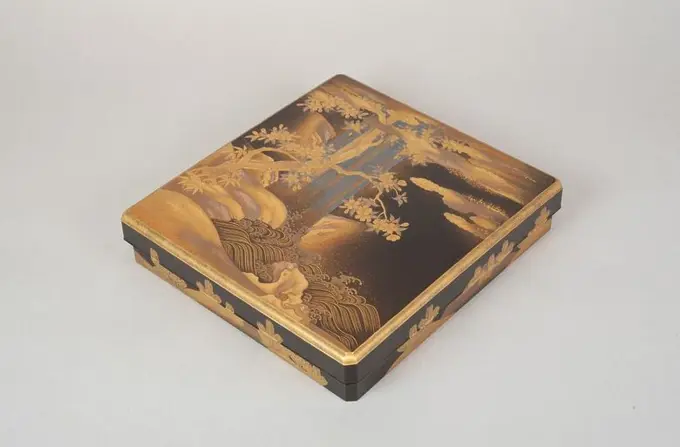
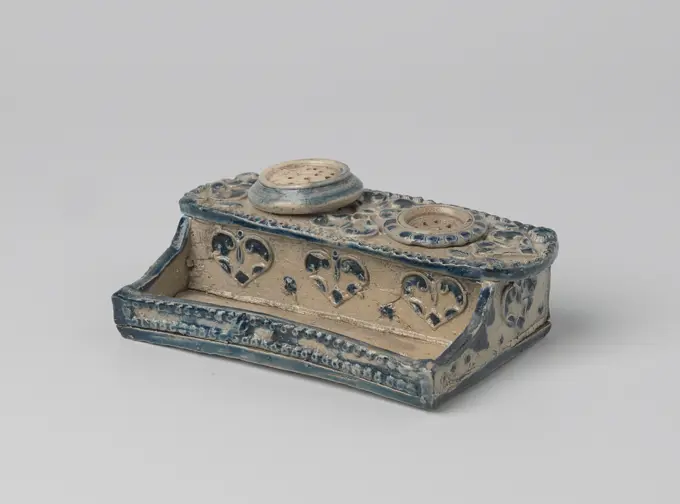
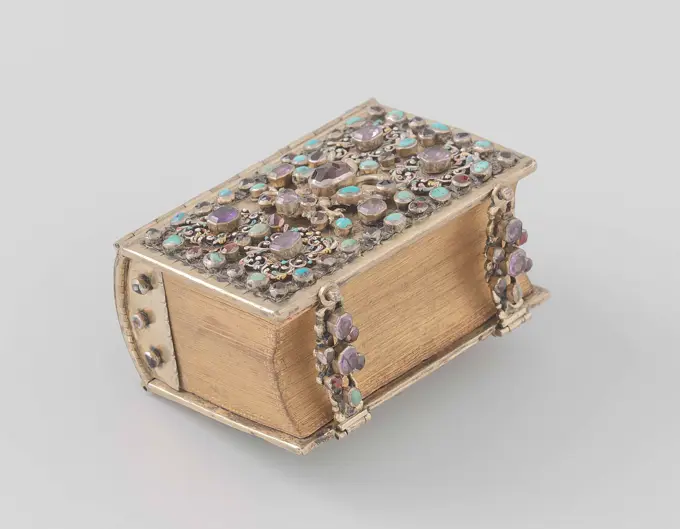
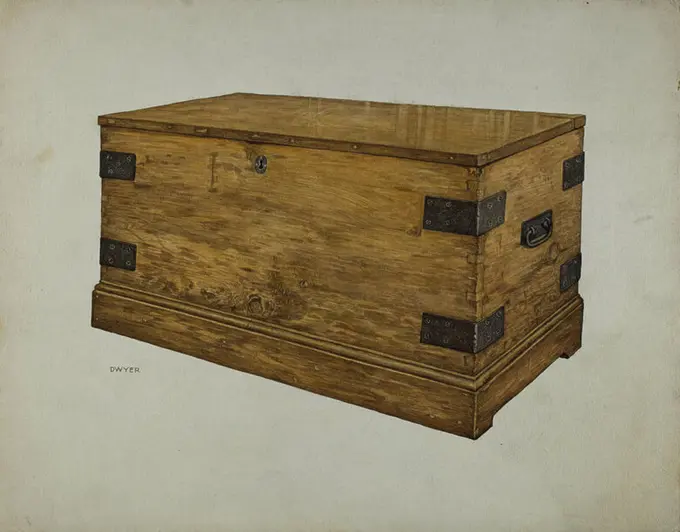
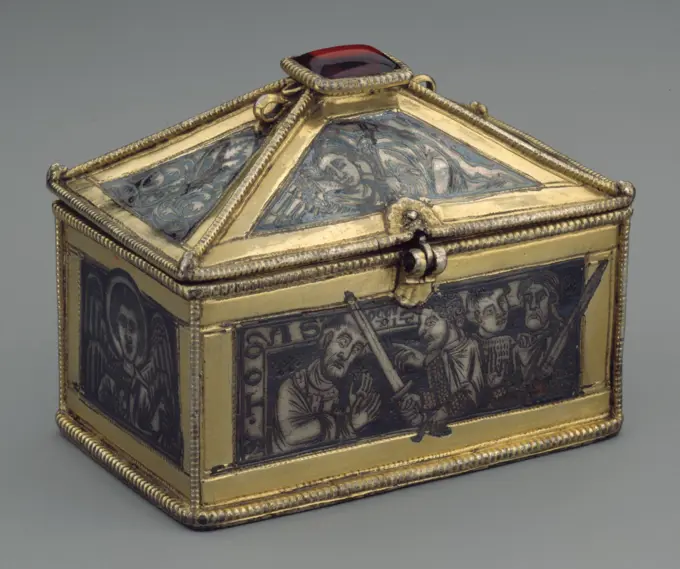
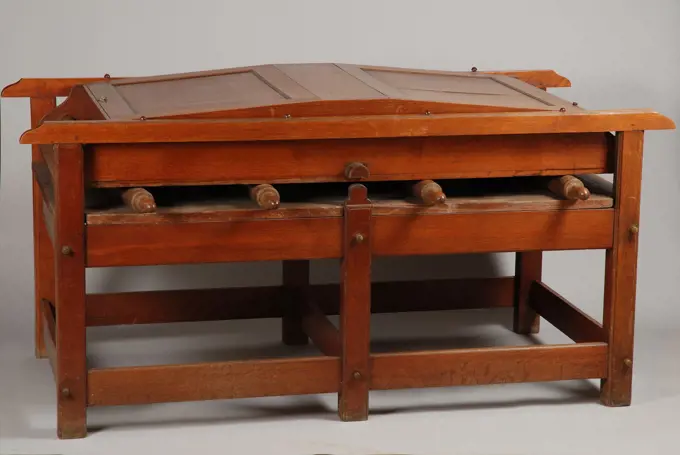
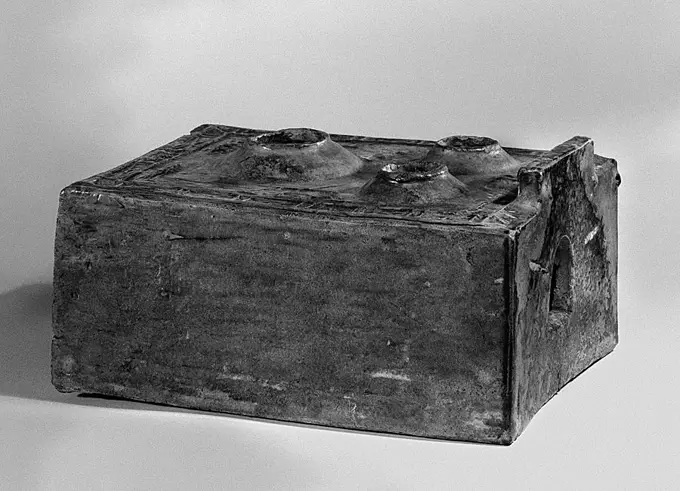
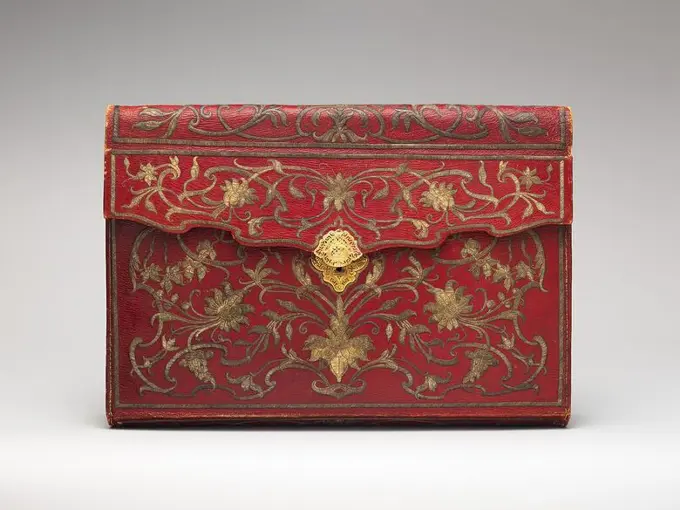
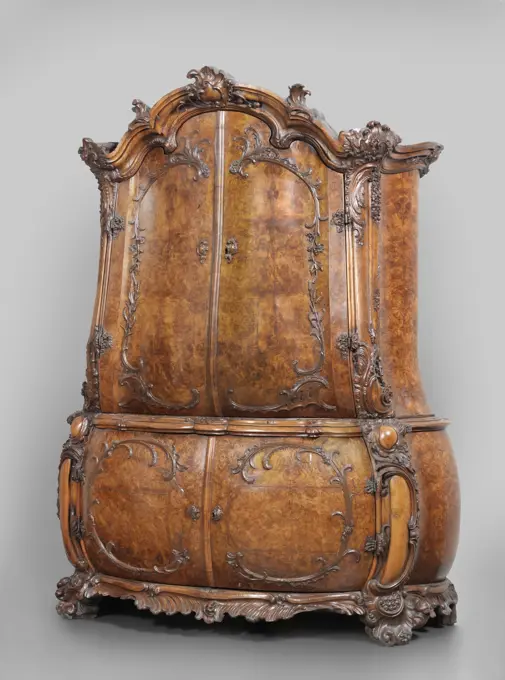
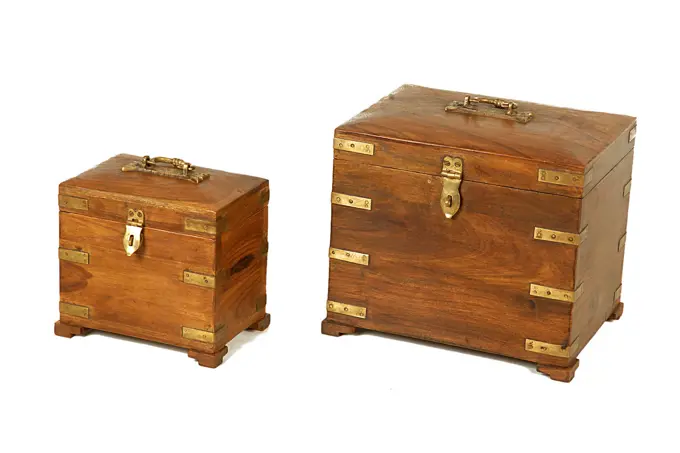
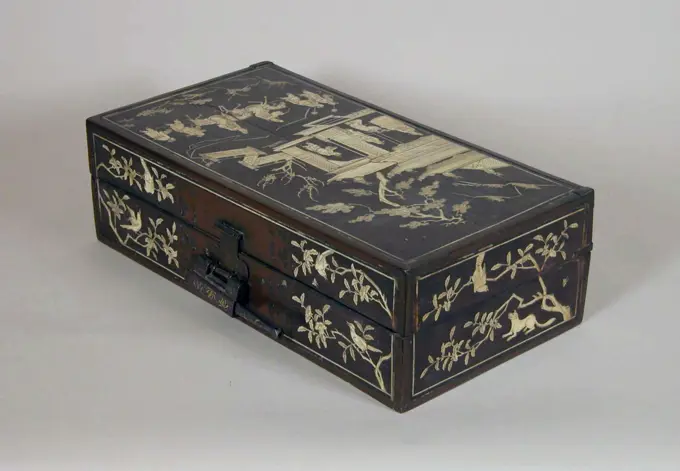
Box with Scene of a Visit 17th century China. Box with Scene of a Visit. China. 17th century. Wood with ivory and bitumen. Qing dynasty (1644-1911). WoodworkMint weight and scales in a weight box, anonymous, c. 1400 - c. 1950 Wooden box, in which copper mint weights and a scales. The lid is decorated on the inside with multiple performances; Most performances are placed within a medallion, ran around a larger performance in the middle.  copper (metal). wood (plant material) Wooden box, in which copper mint weights and a scales. The lid is decorated on the inside with multiple performances; Most performances are placed within a medallion, ran around a larger performance in the middle.  copper (metal). wood (plant material)Toilet set case ca. 1743-45 German, Augsburg. Toilet set case 231564Lakdoos met binnenbak en deksel.Paint box with inner bin and lid, inlaid with pearly floral motifs.Chest, Leather-covered wood, iron lock, brass tacks, fabric, paper., Rectangular box covered with black leather (now in crazed condition), with hinged lid, iron lock with patterned brass escutcheon, leather handle (center top), flaps of leather extending from front and side edges of top. Leather attached by rows of round-headed brass tacks, patterns of tacks on top. Lined with printed fabric, small-patterened red, white, black ground. Leather hinge, interior., Concord., New Hampshire, USA, 1820-40, containers, Decorative Arts, ChestCabinet with Drawers in Nanban (Southern Barbarian) Style. Culture: Japan. Dimensions: H. 8 3/8 in. (21.3 cm); W. 12 11/16 in. (32.2.cm); D. 9 3/16 in. (23.3 cm). Date: early 17th century. Museum: Metropolitan Museum of Art, New York, USA.Medicine box. Medication box provided with partially inlaid copper fittings, closed by a lid and two doors. Against the inside of the doors, on the right a box divided into nine square boxes, including two placed on top of the other; There is only one side in the left door. Behind the doors a box with eighteen square boxes including two loading up each other. Completely under one large tray. Inscription; On the bottom sides of the drawers: (Chinese characters).Box c 1790-1810 New England. Sycamore, walnut, and white pine . Artist unknownTurtle box in which six vials with turtle lids, anonymous, c. 1740 Rectangular turtle box on four feet decorated with pickled gold chinoiseries and so -called piqué work. Content: Six vials with similarly decorated turtle lids.  gold (metal) Rectangular turtle box on four feet decorated with pickled gold chinoiseries and so -called piqué work. Content: Six vials with similarly decorated turtle lids.  gold (metal)Casket. unknown, contractorInkwell stand, Metal, applied wire, Rectangular box with round corner posts, horseshoe-shaped hinges, hinged lid, top covered by paralleled bandings of scrolled wire patterns. Round bosses centers of each panel. Bottom: raised lines like cod tying package with a bow in the middle. Interior: tray divided into three compartments with four hinged lids decorated with raised X” pattern., Philippines, 19th century, metalwork, Decorative Arts, Inkwell standModel of the Sterns or Two Different Frigates.block model and waterline model of a stern, on starboard according to the Frigate IJssel, to port board according to the Frigate Waal. Elliptical fence of one floor with a side gallery to starboard; Straight stir with square roofing in triangular hennegat. The seam runs out something, a recessed bark wood. The model is placed on a base shelf with green painted paper and glass, watering water.BoxBox with lid 19th century Japan. Box with lid 57898Box, wood, paper, a) Rectangular wood box, covered with paper simulating wood grain., b) Flat cover with attached ribbon and 'View of the Merchants' Exchange, Wall St. New York . . . ', 1880-1890, Decorative Arts, BoxBox; wood, paintedantique wooden chest with carvings on a white background antique wooden chest with carvings on a white background Copyright: xZoonar.com/BorisxZerwannx 7009413Coffret 14th century French This casket, like many late medieval secular objects, is decorated with scenes of courtship or romances based on medieval concepts of courtly love. In this example, a lover offers his lady his heart while she combs his hair and gives him, in return, her girdle as a token of her affection. The earliest cogent expression of courtly love is probably to be found in the twelfth-century troubadour songs of southern France. The code of courtly love, formalized in the late twelfth and early thirteenth centuries, was observed, in some places, will into the fifteenth century. A popular author, Christine de Pisan (circa 1360-1430), expressed the sentiments of her day: "For it is well known there is no joy on earth that is so great as that of the lover and the beloved." Typical in the Middle ages, the line between religious and secular subject matter is fine, for on the inside of the cover of this casket is a representation of the Virgin and Child.. Coffret 467766Tea caddy and case, shagreen, Transcribed from notecard found in the tea caddy (note placed in object file):, 'George II Shagreen Tea Caddy Case with silver mounts, handle, feet escutcheon, etc. - all lined, 3 compartments with red velvet. We bought it empty years ago without the caddies. Should be put in museum for 'Silversmiths' work.' Pres. S. C. Hewitt.', ca. 1730-40, Decorative Arts, Tea caddy and caseWork Table. Culture: American. Dimensions: 32 1/4 x 22 1/4 x 18 1/4 in. (81.9 x 56.5 x 46.4 cm). Date: 1815-20. Museum: Metropolitan Museum of Art, New York, USA.Box. Box with lid and inner box for writing paper. Decoration of a garden fence with blossoms and weeping wools that rise above it.Small Oblong Two-Drawer Chest, 1800s. China, Qing dynasty (1644-1911). Chicken-wing wood (jichimu); overall: 16.1 x 50.2 x 24.2 cm (6 5/16 x 19 3/4 x 9 1/2 in.).Box with Design of Pine, Bamboo, and Plum 19th century Japan. Box with Design of Pine, Bamboo, and Plum 57894Cassette in book form, Anonymous, 1750 - 1774  Cassette in book form on 4 round, flattened, legs. The corners have silver battle in Rococo motif. On the lid comparable batter surrounded by florets. Silver bar with shell motif, including on the final plate. Back of cassette is ribbed as with a book. Key is missing. Indonesia ebony (wood). silver (metal). copper (metal) cutting / striking (metalworking) / engraving book. fantasy ornament Sri Lanka. Dutch East Indies, TheCoffin with year 1670. Casket of pine with iron fittings. This consists of crucifixes about the furniture tires laid, of which the horizontal ends in volutes. In the middle in iron figures the year 1670, including tulips.Chinese Black on Red Square Cinnabar Lacquer Box and Stand,  Qing Dynasty, Qianlong Period, 1736 - 1795Brass design fitting on antique wooden box, Jodhpur, Rajasthan, India Copyright: xSafatxAli/DinodiaxPhotoxBox; leather, tooled and gildedStew. Oak stew with Louis-XV ornament and associated openwork lid. The whole is red varnished.Kist van Notenhout, Anonymous, 1500 - 1600 Chest of partially gilded walnut resting on the lion's claws placed overhoek. The basement consists of a stabbed edge on which a list of turned over, with a palmet in the middle. The most striking about the decoration are the fields filled with brown, yellow and green -charged marble plates, separated by consoles. The cushion -shaped lid has a stabbed profiled leaf edge and wears a coat of arms inside a cartouche on top in the middle. Italy wood (plant material). walnut (hardwood). copper (metal). iron (metal). gilding (material). marble (rock) gilding Chest of partially gilded walnut resting on the lion's claws placed overhoek. The basement consists of a stabbed edge on which a list of turned over, with a palmet in the middle. The most striking about the decoration are the fields filled with brown, yellow and green -charged marble plates, separated by consoles. The cushion -shaped lid has a stabbed profiled leaf edge and wears a coat of arms . Chest of oak with bombed lid, covered with black leather in which printed gold-plated ornaments and shows: on the lid twice a jonkman and lady in a garden with castle in it. On the front a deer hunt and on the sides in reinforcing warriors on horseback. On the back a letter in Roman letters: yellemoer.yans. Daughter Wt loves soils. Lock plate, hinges and handle of decorated and cut copper. Four copper legs. Inside lined with red silk.Old chest isolated on the white backgroundCasket with Painted Roundels late 12th-early 13th century The motifs featured on this casketpeacocks, gazelles, lions, small birds with branches in their beaks, and arabesque patternsoccur frequently in a variety of media in the south Mediterranean around this time. However, here the roundels enclosing these motifs are not interlaced as they usually are. Painted ivories such as this one are thought to have been mass-produced rather than made by special commission. The metal mounting with glass, quartz, and turquoise inserts was added at a later period.. Casket with Painted Roundels 452500Model of A Ship's Rail with Armor Plating, Rijkswerf Vlissingen, 1858 demonstration model Model of a piece of ship's wall with bulky plates, on ground board, incomplete. Only one of the eight barrier plates has been found; He is in the pot lid with two pens and is held upright by a support at the back. The model has a deck at half -hedger, with a gun gate flanked by a railing with cage re -ramps on the inside. Scale 1:20 (according to Obreen). Flushing wood (plant material). brass (alloy)Portable Cabinet with Drawers. Culture: Japan. Dimensions: H. 10 1/4 in. (26 cm); W. 10 5/8 in. (27 cm); D.10 1/4 in. (26 cm). Date: 16th century.This cabinet belongs to a category of goods known as nanban (literally, "southern barbarians"), which were produced in Japan in the late sixteenth and early seventeenth centuries for trade with Portugal and other European countries. The form of the cabinet derives from writing chests used in Portugal and Spain. Comparable works, made with wood, lacquer, mother-of-pearl, and ivory, were produced in India for the same markets. The leaves and flowers and the geometric borders seen here are not found on contemporaneous works made for use in Japan. It is possible that they demonstrate an awareness of Indian designs transmitted via such trade goods as lacquers and textiles. Museum: Metropolitan Museum of Art, New York, USA.Victor Hugo (1802-1885). Chest to the monogram of François Victor Hugo. Wood painted and sculpted, around 1864. Paris, house of Victor Hugo. 77240-2 Painted wood, chest, furniture, monogram, sculpt, furnitureTravel secretary;  XVIII/19th century (1780-00-00-1815-00-00);Veritas" antique shop (Warsaw - antique shop - 1950-), classicism (style), purchase (provenance)Incense Boxes and Burners, late 16th-early 17th century, 4 5/8 x 4 x 2 5/8 in. (11.75 x 10.16 x 6.67 cm), Gilt bronze, China, 16th-17th century, This unique incense set is comprised of openwork containers (for solid lumps of incense) and a small burner fitted into a compartmentalized case with a handle. The work, in gilt relief on a pierced ground, features the twelve animals of the Chinese zodiac. This unusual decoration suggests a regional type of metalwork from the Tonkin Gulf, west of Guandong province in southern China. A vessel like this would probably have been used to store and transport various types of aromatic wood. Ya-chi, or 'elegant gatherings,' were a favorite pastime of China's educated class and frequently included games involving the identification of burning incense. Some of the best poetry, calligraphy, and music also occurred at these congenial gatherings, where group interaction inspired intellectual and artistic achievement.Writing Box, anonymous, 1775 - 1825 Outside lid and box decorated with a mountain landscape, vines and an OI (type of box to wear on the back) in gold and silver. Japan wood (plant material). lacquer (coating) Outside lid and box decorated with a mountain landscape, vines and an OI (type of box to wear on the back) in gold and silver. Japan wood (plant material). lacquer (coating)Hat case with brown linen covered, c. 1400 - c. 1950 A hat case with brown linen. A large cube with copper ditches and hinges. A leather handle on the lid. Interior with yellow paper. Storage space for six (or four) Hats. Inscription: M. L.  linen (material). copper (metal). leather. paper A hat case with brown linen. A large cube with copper ditches and hinges. A leather handle on the lid. Interior with yellow paper. Storage space for six (or four) Hats. Inscription: M. L.  linen (material). copper (metal). leather. paperTrunkClothing box decorated with peony scrolls 17th century Korea This box demonstrates stylistic variations on the peony scroll, a favorite design on Korean lacquer ware ornamented with shimmering abalone shells, or mother-of-pearl. Here, the large luscious blooms are accentuated.. Clothing box decorated with peony scrolls. Korea. 17th century. Lacquer inlaid with mother-of-pearl and tortoiseshell. Joseon dynasty (1392-1910). LacquerChest, decorated with openwork ivory pictures against a mirroring background. Corner batter, handles, key plate and key of silver, anonymous, c. 1690 - c. 1710 Chest, rectangular, decorated with openwork ivory plates, which are applied to a wooden core against a mirroring background. The sculpture consists of symmetrical, weird flower and leaf vines, while the flat lid gives a rosette and four women (goddesses) Halve-rising from flower buttons. The corners of the box are decorated with open -up silver batter; The handles, key plate, the key, the long hinges and the convex heads of the nails on the lid and around the key plate are of the same material. Sri Lanka ivory. silver (metal)   Sri Lanka Chest, rectangular, decorated with openwork ivory plates, which are applied to a wooden core against a mirroring background. The sculpture consists of symmetrical, weird flower and leaf vines, while the flat lid gives a rosette and four women (goddesses) Halve-rising from flower buttons. The corSet of Five Writing Boxes with Japanese Globeflowers, Plum Blossoms, and Interlaced Roundels late 18th-early 19th century Japan Writing-box sets are used in poetry contests or incense games in which several participants have to write at the same time. The writing boxes are distributed at the beginning of the event and collected at the end. This set of five boxes is housed in an open frame decorated with a landscape with a river and Japanese globeflowers. The lid of the stacked boxes is embellished with a plum-tree branch and brushwood fence, a well-known design from the Tshg (Tokugawa memorial shrine) in Nikk, where the door of the main shrine is decorated with a similar motif. The sides are embellished with interlaced gold and silver roundels (shipp), an auspicious motif on nashiji (pear skin) ground.. Set of Five Writing Boxes with Japanese Globeflowers, Plum Blossoms, and Interlaced Roundels. Japan. late 18th-early 19th century. Lacquered wood with gold and silver hiramaki-e anChest with a Single Drawer late 16th-early 17th century Japan This spectacular chest belongs to a category of goods known as nanban (literally southern barbarians), produced for trade with Portugal and other European countries in the late sixteenth and early seventeenth centuries. While the shape of the chest derives from European traditions, the geometric patterns on the top and sides were most likely influenced by the Indian textiles that were widely traded at the time. On the other hand, the delicate floral scroll on the front is an East Asian motif, imported into Japan from China around the eighth century.. Chest with a Single Drawer 74490Stool with Small Head Bobo or Related Culture African Art Gift of Mr & Mrs. Benno Hurwitz Collection of The Museum of Contemporary Art, Jacksonville, FloridaChest, Mahogany, brass, gilt bronze, Upright, rectangular form; veneered surface with two drawers surmounted by a drop front panel with inlay of light wood bands around edges, stars at corners and gilt bronze escutcheon in form of trophy; drawers with gilt bronze circular pulls and lily-of-the-valley escutcheons; rectangular gilt bronze handles on left and right side; two paw feet with gilt foliate decoration in front; turned rear feet., New York, New York, USA, ca. 1825, furniture, Decorative Arts, Chest, ChestSettee 1725-1850 American. Settee 7403Coffin. Casket with valve behind which six states that are painted on the fronts of landscapes, covered with decorative paperBrass design fitting on antique wooden small almira, Jodhpur, Rajasthan, India Copyright: xSafatxAli/DinodiaxPhotoxConcertina by Wheatstone. Museum: SCIENCE MUSEUM, NAPOLES, UK.Box and cover, sharkskin (shagreen), wood, silver, probably Netherlands or Germany, 1785-95, containers, Decorative Arts, Box and coverInkstand 1775-1825 Sèvres. Soft-paste porcelain, polychrome enamels, gilding, and gilt bronze . Manufacture nationale de Sèvres (Manufacturer)Caja relicario, siglo XVI. Catedral de Valencia.wooden box ang small wooden box isolated on white reflective surface, focus on lock Copyright: xZoonar.com/YuryxZapx 16347363Pump with countertop, anonymous, c. 1750 - c. 1800 An oak fountain or pump with a kitchen cabinet attached to it: reservoir with two copper faucets with heart -shaped buds and two holes of hodger sink bucket Anthracite -colored painted with gutter; Counter cupboard with open door with round, palmhout button and on top white, marble top. Amsterdam (possibly) Cupboard: Oak (Wood). Button: Boxwood. Crane: Copper (Metal). Blad: Marble (Rock) An oak fountain or pump with a kitchen cabinet attached to it: reservoir with two copper faucets with heart -shaped buds and two holes of hodger sink bucket Anthracite -colored painted with gutter; Counter cupboard with open door with round, palmhout button and on top white, marble top. Amsterdam (possibly) Cupboard: Oak (Wood). Button: Boxwood. Crane: Copper (Metal). Blad: Marble (Rock)Hutch still bank, early 20th century, 8 3/4 x 3 7/8 x 4 7/8 in. (22.23 x 9.84 x 12.38 cm), Wood, metal, pigment, string, United States (probably), 20th centurySquare lantern with pierced sides, anonymous, c. 1700 - c. 1724 Square lantern of porcelain with openwork walls, painted on biscuit in blue, green, yellow, eggplant and black. The walls are opened in a medallion in a square decorated with Swastika pattern, servetwork and flower vines. Around the square always loose flowers in a geometric pattern on a speckled soil. Email sur biscuit with family distance colors. China porcelain. glaze. painting / vitrification Square lantern of porcelain with openwork walls, painted on biscuit in blue, green, yellow, eggplant and black. The walls are opened in a medallion in a square decorated with Swastika pattern, servetwork and flower vines. Around the square always loose flowers in a geometric pattern on a speckled soil. Email sur biscuit with family distance colors. China porcelain. glaze. painting / vitrificationFlint gunlock for a 12-pounder cannon on a wooden breech.Cannon were traditionally fired using a lighted fuse, a method that always entailed a certain delay. Replacing the fuse with a flintlock enabled the cannon to fire imme-diately. From 1810, the Dutch Navy introduced flintlock mechanisms on cannon, known as gunlocks. The wooden dummy (the breech) was intended to show the gunmaker the exact position of the flintlock.Compound Wardrobe Cabinet, early 17th century, 103 7/8 x 46 3/4 x 24 5/8 in. (263.84 x 118.75 x 62.55 cm), Lacquer on softwood core, China, 17th century, Made with separate top and bottom sections, compound storage cabinets were large and imposing forms especially when arranged in pairs. In terms of their construction, these cabinets fall within the group called 'square-cornered,' a type that typically employed prominent flush-mounted hardware hinges and decorative lock escutcheons. Ming dynasty literature makes more mentions of lacquer furniture than it does hardwood, and it is known that both lacquer and hardwood furniture could be used in the same household. The black lacquer ground of this cabinet has been decorated in polychromy with a landscape of women engaged primarily in literati pursuits, such as playing the ch'in, examining antiques, enjoying nature, and composing poetry.Settlement with two cupboards and a marbled leaf. Settlement of painted oak, the leaf marbled as a kitchen floor and the rest of yard as a frames, chimney cap and pump. In the counter two cabinets with double, patio doors in which a shelf and a wide box with the covered flap (peat bin)Oak wooden table, hanging table folding table table furniture interior design wood oak wood, folded, Baluster-shaped cut-out cheeks.Picnic Box (tihe), 17th century, 10 1/4 x 15 x 8 1/4in. (26 x 38.1 x 21cm), Huang hua-li, brass, China, 17th centurySilversmith's Art, Russia 19th century. Silver cigar case, decorated with niello, front side.Empty wooden cutting board on gray textured concrete background Empty wooden cutting board on gray textured concrete background. Cutlery, preparation for dinner Copyright: xZoonar.com/TetianaxChernykovax 21909361Coffret early 20th century (original dated 14th century) Portuguese. Coffret 463213Lightbox, illumination box with panel with conductors and five candles, light box illumination box wood metal, Rectangular wooden box lined inside with tin Both short sides have three holes: two small and one large. One of the long sides has panel that is both reversible and removable. There is rectangular opening in this panel; on both sides (inside and outside) are above and below conductors In the guides different formats of plates with images can be inserted. Removing the panel gives the opening the size of the accompanying slide panoramas. In the cabinet there is separate tin holder with five candle holders for narrow candles; this holder can be removed. For the illumination of the diafanoramas thick short candles were used. The light box was therefore suitable for different applications (translucent or punched prints slide slides diafanoramas) optics diafanoramaBrazier. Viceroyalty of Peru. 1600-1622. Shipwreck of the galleon "Nuestra Seora de Atocha". Florida Keys, Florida, United States. Silver. Museum of the Americas. Madrid, Spain.Open Wooden chest, isolated on a white background.Edward L Loper, Large Trunk, c 1940 Large TrunkReliquary- Casket with the Nativity of Jesus and the flight into Egypt. France, Limoges. Second quarter of the 13th century. Romanesque. Wood, gesso ground, copper and enamel. The State Hermitage Museum. Saint Petersburg. Russia.Box with Painted Oxhorn, 1800s. Korea, Joseon dynasty (1392-1910). Painted wood with flattened ox-horn inlay; overall: 16.5 x 28.6 cm (6 1/2 x 11 1/4 in.).Offering Cabinet (Torgam) with Fierce Deities or Mahakala and Tantric Offerings. Tibet, late 19th-20th century. Furnishings; Furniture. Wood with mineral pigments and gold; shellacWriting Box with Design of a Cherry Tree and Waterfall. Culture: Japan. Dimensions: H. 1 13/16 in. (4.6 cm); W. 9 in. (22.9 cm); D. 9 3/4 in. (24.8 cm). Date: 19th century.This scene of a cherry tree in full bloom bending over a mountain stream is one that invariably recalls the long-celebrated beauty of the mountains of Yoshino, south of Nara in springtime. Museum: Metropolitan Museum of Art, New York, USA.Ink set. Stoneware ink set. The bin is decorated with relief ornament, blue on gray.Sand spreader. Sand spreader of stoneware.Furniture. Oak stew with the letters m.t.l.-n.t.v. And with the year 1770.Half Model of a Merchantman, anonymous, c. 1780 - c. 1820 ship model. half model. builder's model Polychromed mold model (starboard) of a two -mast. No decks or gun gates indicated. Get mirror, Hol Wulf, no details of fence or side gallery; Straight with square Roer King, the stern runs high in the Wulf. Seeping forwards and backwards, one bark wood and one reehout. Peaked around. Scale approx. 1:48 (derived). Netherlands (possibly) wood (plant material)Band to a Paradys Gärtlein. Band of gold-plated silver on wood. Decorated with a double eagle, ornaments of email and colored stones. In the band, the Paradysz Gärtlein of Johann Arnts from 1667 is tied.Wooden Chest. Dated: c. 1939. Dimensions: overall: 27.9 x 35.8 cm (11 x 14 1/8 in.) Original IAD Object: 38 x 20 x 20 inches. Medium: watercolor and colored pencil on paperboard. Museum: National Gallery of Art, Washington DC. Author: James Dwyer.A 9 x 12 cm wooden magazine box camera produced anonymously after 1887, showing design, construction, and photographic function.Anonymous / 'Case for bottle with two mouths and rings'. 1570 - 1600. Leather, Wood, Metal, Cloth. Museum: Museo del Prado, Madrid, España.Wooden Chamber Pot 17th Century.Reliquary Casket with Scenes from the Martyrdom of Saint Thomas Becket ca. 1173-80 British This precious silver box was created to contain a relic of the martyred English saint Thomas Becket. Saint Thomas was the archbishop of Canterbury from 1162 to 1170, and he is perhaps best known for his struggles with King Henry II of England over the separation between the rights of the monarch and the rights of the church. Thomas was killed by four knights of Henry's court in Canterbury Cathedral at twilight on December 29, 1170.The long sides of the reliquary display a brief narrative of the saint's martyrdom. On one side, the lower rectangular panel shows the four knights assaulting Thomas, while on the triangular lid above, an angel makes a sign of blessing over the event. On the other side, the lower panel shows Thomas's body lying in state, while above, an angel cradles a small child, the symbol of the saint's soul as it rises to heaven. This reliquary is dated to the years immediately folOak firing table, wood firewood oak wood elmwood boxwood brass brass metal, Oak firewood table box on frame with sturdy square legs two valves to close the box four wooden rolls with handle matching bricks Overschie furniture RotterdamModel of a stove 1st-2nd century China. Model of a stove 48435Circular Food Box with Dragons and the Character Shou (Longevity) 18th-19th century China. Circular Food Box with Dragons and the Character Shou (Longevity). China. 18th-19th century. Black and red lacquer painted with gold, lacquer, and oil colors. Qing dynasty (1644-1911). LacquerBriefcase (portefuille). Culture: Turkish and French. Dimensions: L. 17-11/16 x W. 13-1/8 x D. 2-1/2 in. (45 x 33.3 x 6.3 cm.). Lock maker: Probably by Jacques Lourdière (master 1746-after 1768). Date: 1763-64.Made in Turkey for the western market, morocco leather briefcases were fashionable in both England and France during the last quarter of the seventeenth and throughout the eighteenth century. This sumptuous example embellished with embroidery in silk and metal thread can be dated to 1763-64 by one of the marks on the gold lock: the crowned letter Z, the assay mark warranting the standard of the metal.The embroidery on the back displays both a banderole with the words "Ministère des Affaires Étrangères" (Ministry of Foreign Affairs) and the coat of arms of César-Gabriel, comte de Choiseul-Chevigny and later duc de Praslin (1712-1785). This nobleman enjoyed a successful military career before undertaking a political one. He served as foreign minister of France from 1761 to 1766 aCabinet, anonymous, c. 1755 - c. 1765 Oak cabinet, glued with nut and root nut wood, consisting of an upper and base cabinet, both with strongly curved surfaces and in horizontal cross-section with S-shaped curves. Round corner styles; Golfed lower, middle and upper lists. The sculpted ornaments consist of rocailles and vegetable motifs. Furthermore, the cupboard is on so -called "foaming" legs. The hinges and the key holes are concealed by "growing" flower branches over it. Because of all this, the entire furniture works as one ornamental shape. Amsterdam oak (wood). walnut (hardwood). mahogany (wood). spruce (wood) Oak cabinet, glued with nut and root nut wood, consisting of an upper and base cabinet, both with strongly curved surfaces and in horizontal cross-section with S-shaped curves. Round corner styles; Golfed lower, middle and upper lists. The sculpted ornaments consist of rocailles and vegetable motifs. Furthermore, the cupboard is on so -called "foaming" legs. The hinges andConsole, ending in a gilded bronze Pijnappel., Anonymous, 1700 - 1725 Slanting console ending in a gilded bronze Pijnappel. Part of a cartel clock, glued with turtle and ebony, with gilded bronze batter. See: BK-15990-A. France ebony (wood). brass (alloy). bronze (metal) gilding Slanting console ending in a gilded bronze Pijnappel. Part of a cartel clock, glued with turtle and ebony, with gilded bronze batter. See: BK-15990-A. France ebony (wood). brass (alloy). bronze (metal) gildingMetal design fitting on antique wooden box, Jodhpur, Rajasthan, India Copyright: xSafatxAli/DinodiaxPhotoxHalf Model of a Tow Yacht.Polychromed mold model (port) of a Passenger vessel flat bottom. The skin above the bark wood is closed. The deck is closed and has a long deck house with ten lights. Flat mirror, hollow wulf, gate plate; Wide stir, keel with heeling. The seam runs back to back, one bark wood.Model or a filtering machine. Model of filtering machine for purifying drinking water, brown painted. It is a flat, square container that is on a narrow side. Inside a piping system is laid: a thick pipe with a narrow branch runs from above diagonally to below, where a narrow horizontally running tube connects, which has an outlet in the side; On the other hand, a narrow vertical pipe with an open end leaves at the bottom of slightly above the bottom, where a drain pipe is in the side and above it a small compartment that the pipe comes in and is finished with a basket. Almost identical to NG-MC-577-1.Plateau (common name). Enameled covered sandstone. Cernuschi Museum, Asia Museum of Asia in the city of Paris.Germany, 20th century - Telefunken portable record player with bakelite case, 1940's.Portrait of the husband in a white uniform;  19th century (1815-00-00-1820-00-00);Men's portraits, ancestors' portraitsKey clock Kienzle1 Schepel from Amersfoort, Anonymous, 1800  Spans contents measure with iron fittings for dry wares of 1 scoop with bridge and style, v.z.v. Labels. Amersfoort wood (plant material). beslag: iron (metal)   AmersfoortClose-up of two small brass-bound wooden boxesAnonymous / 'Case for jasper tazza with stem in the form of a woman'. 1590 - 1620. Leather, Wool, Wood, Silk. Museum: Museo del Prado, Madrid, España.