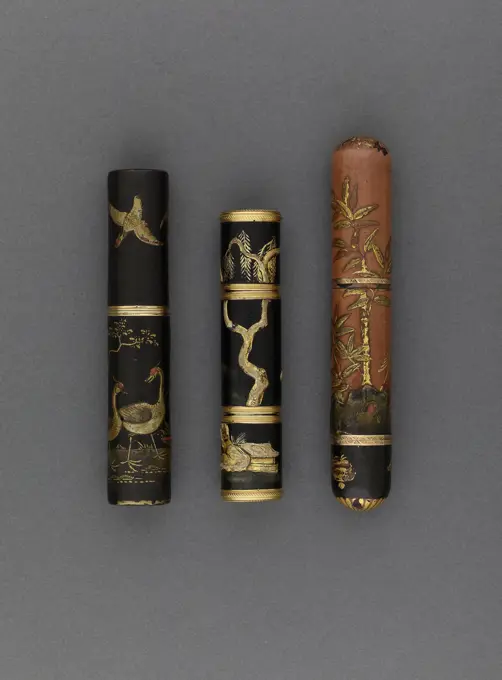
Decorative Wooden Boxes

A collection of ornate wooden boxes from various periods, featuring intricate designs, floral motifs, and historical significance.

Mint weight and scales in a weight box, anonymous, c. 1400 - c. 1950 Wooden box, in which copper mint weights and a scales. The lid is decorated on the inside with multiple performances; Most performances are placed within a medallion, ran around a larger performance in the middle.  copper (metal). wood (plant material) Wooden box, in which copper mint weights and a scales. The lid is decorated on the inside with multiple performances; Most performances are placed within a medallion, ran around a larger performance in the middle.  copper (metal). wood (plant material)
Mint weight and scales in a weight box, anonymous, c. 1400 - c. 1950 Wooden box, in which copper mint weights and a scales. The lid is decorated on the inside with multiple performances; Most performances are placed within a medallion, ran around a larger performance in the middle. copper (metal). wood (plant material) Wooden box, in which copper mint weights and a scales. The lid is decorated on the inside with multiple performances; Most performances are placed within a medallion, ran around a larger performance in the middle. copper (metal). wood (plant material)
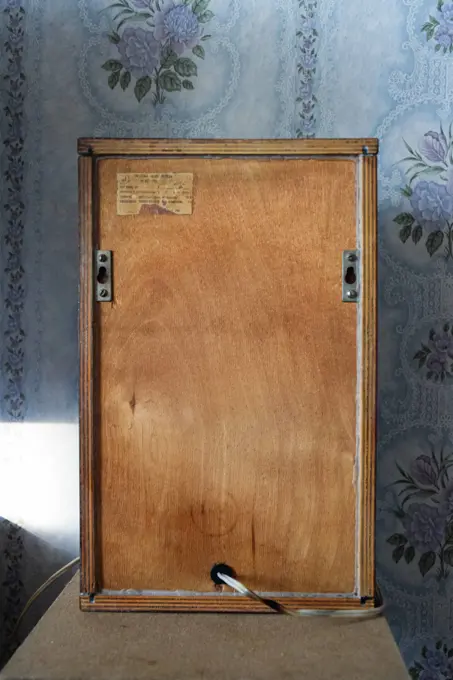
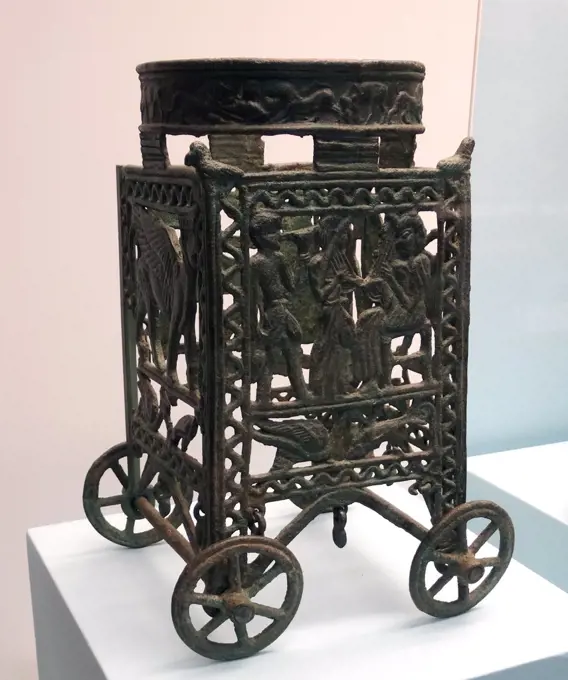
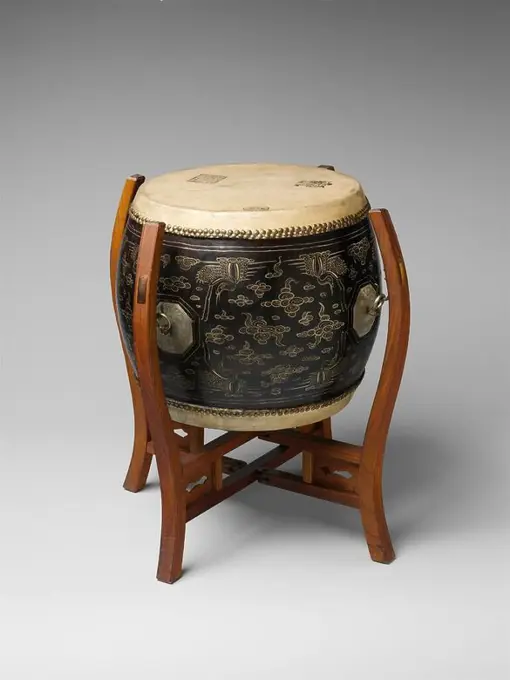
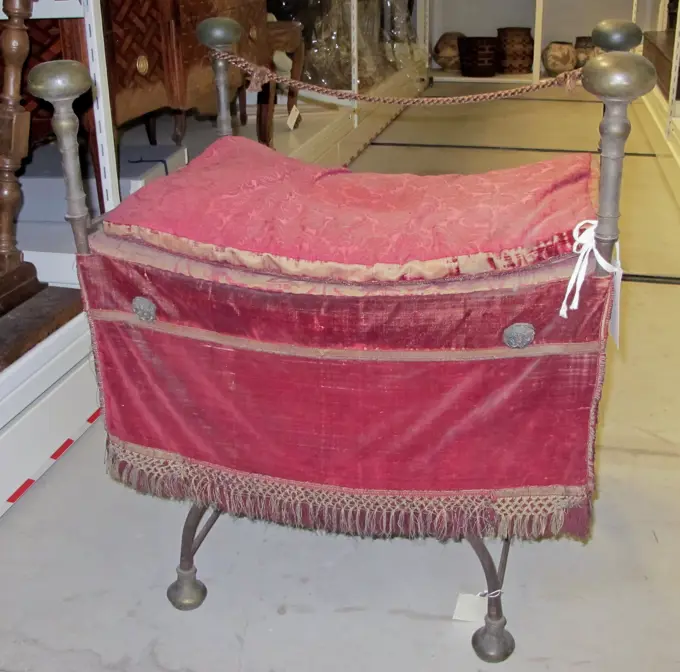
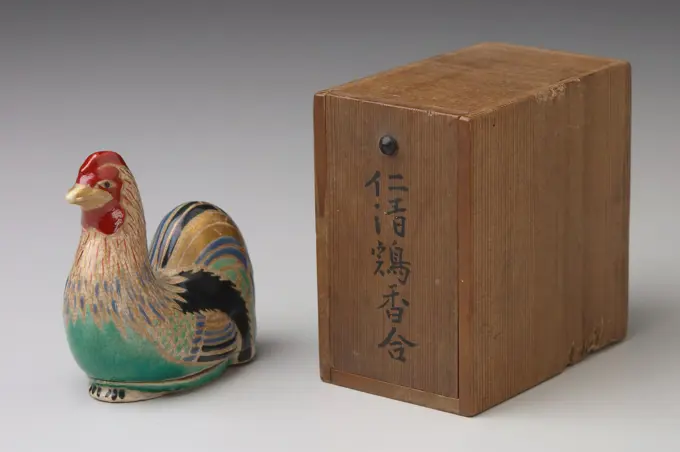
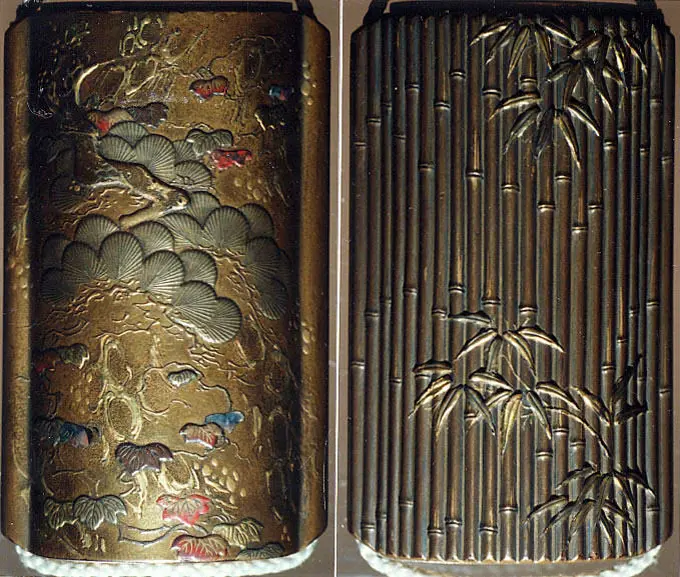
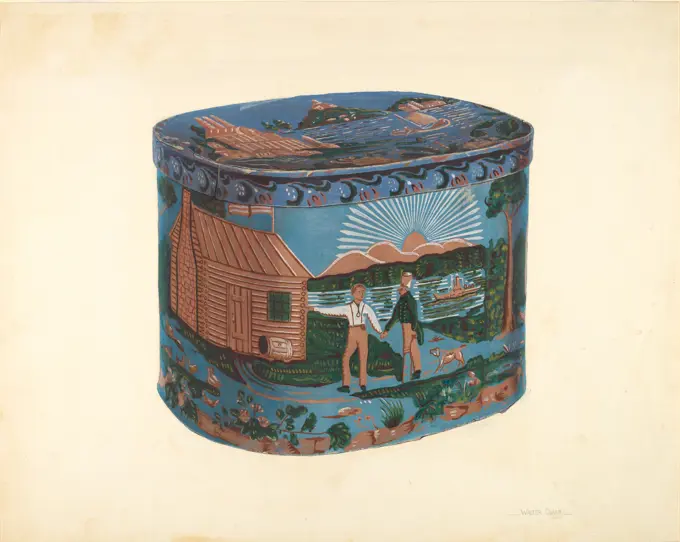
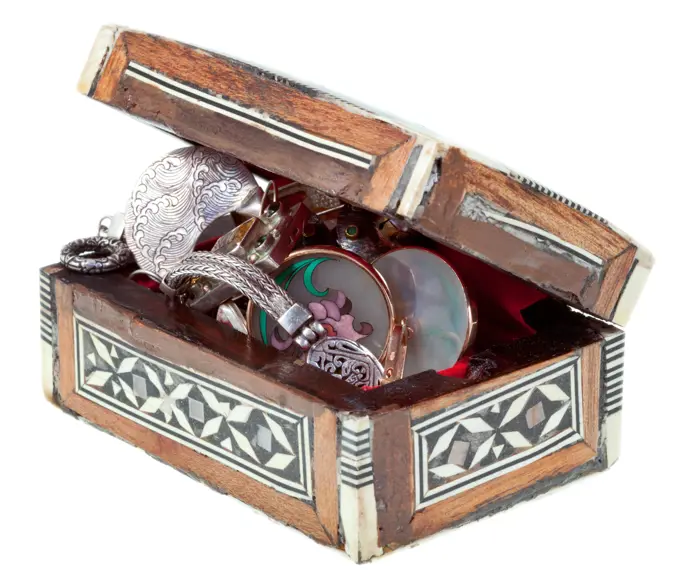
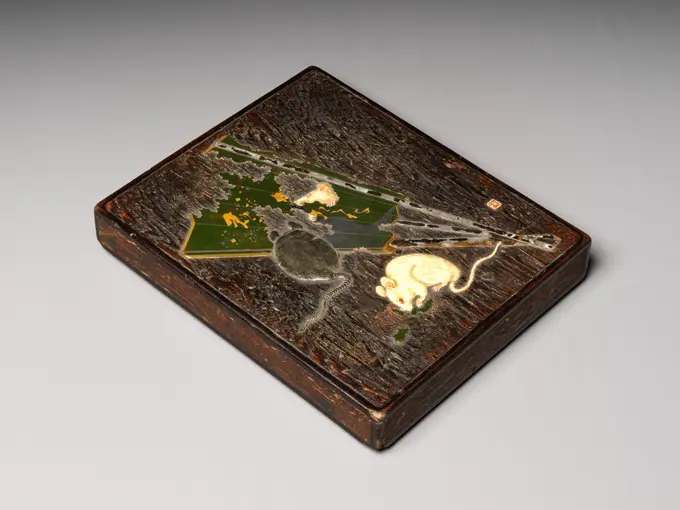
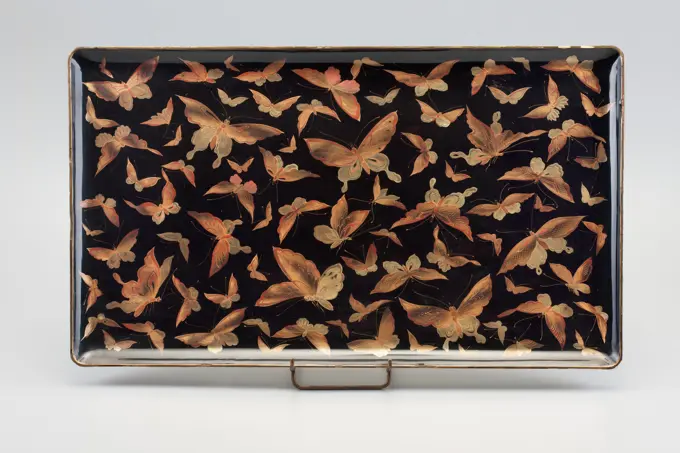
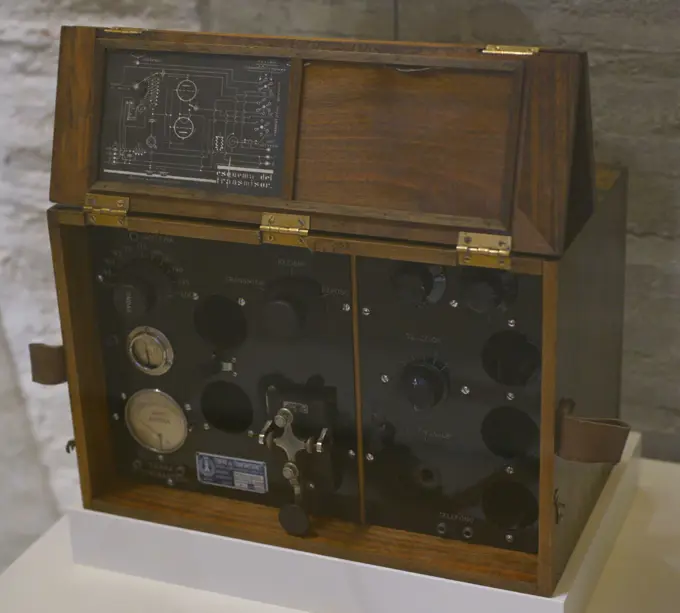
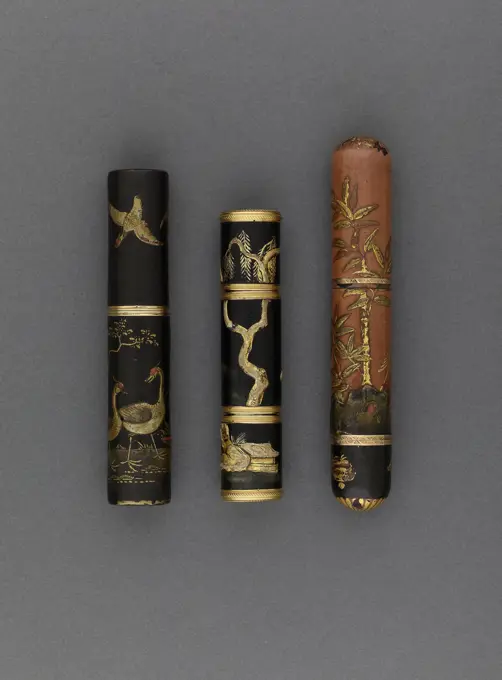
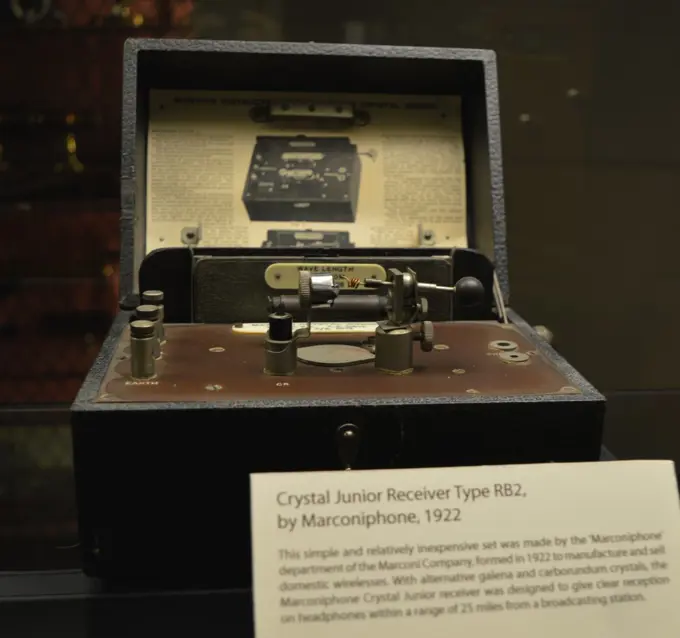
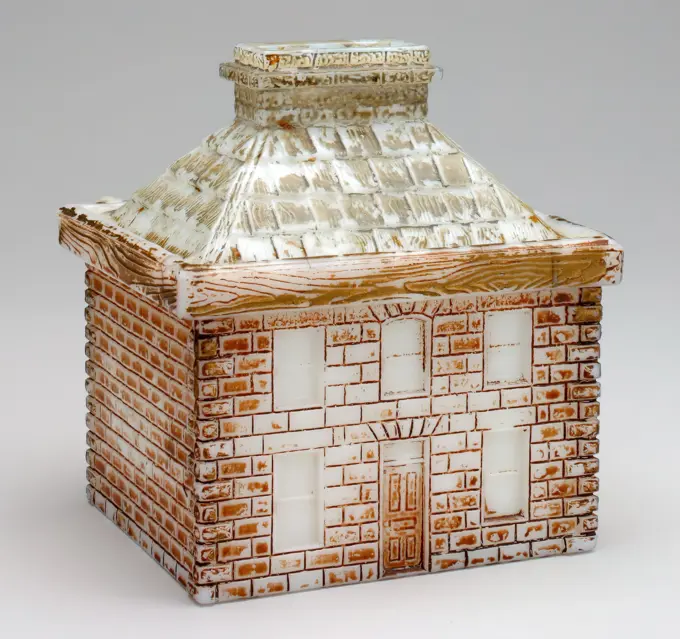
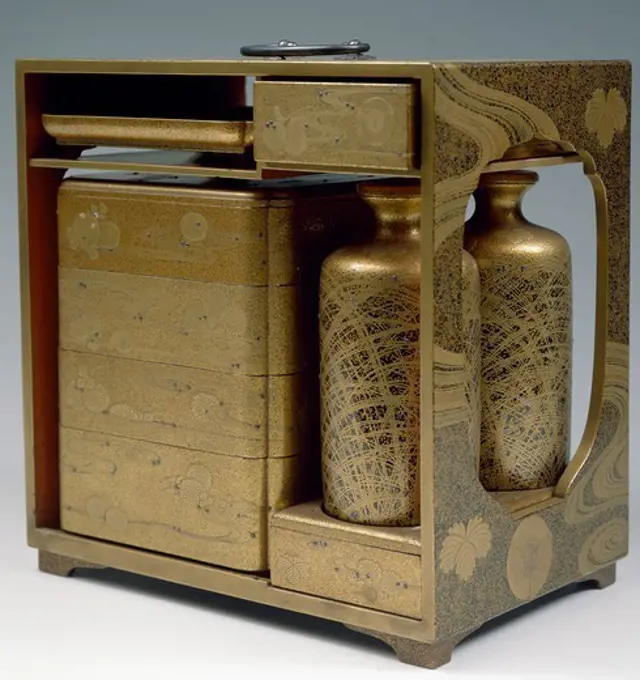
Lacquered lunchbox, Japan. Japanese Civilisation, 19th century.Die Rückseite des Regal-Lautsprechersystems besteht aus Sperrholz. Spalte Lautsprecher 15AS-208. Alte sowjetische Bücherregal-Akustik. Krasnodar, Russia - April 11, 2020: The back of the shelf speaker system is made of plywood. Column speaker 15AS-208. Vintage Soviet bookshelf acoustics. LicenseRF Copyright: xZoonar.com/OlgaxFedoseevax 15439288Toy rowboat - Newfoundland DoreyFitted Chest with Floral and Grape-Leaf Motifs 1801-1900 India. Iron inlaid with silver in the kuftgari technique .Case with Duelling Pistols, Jean le Page, 1808 flintlock pistol. gun accessories Kist in which a couple of pistols together with all the necessities. Engraved in gold: Arger de l'Empereur. An eagle is engraved on the crop bracket. Three letters were added to which these pistols belonged to Napoleon I. The pistols were taken as a booty, from one of the emperor's travel cars, by Major Henry Sagermans after the Battle of Waterloo. Paris wood (plant material). iron (metal). gold (metal). leather. velvet (fabric weave)   WaterlooChest. unknown, creatorAnonymous / 'Travel Toiletry Case Belonging to Ferdinand VII, King of Spain'. 1820 - 1825. Museum: Museo del Prado, Madrid, España.altes Buch isoliert auf weiß ancient book isolated on white LicenseRF Copyright: xZoonar.com/DmitrixMarutax 23196257Skull with case. Vinckenbrinck specialized in small-scale carvings in boxwood; he had a great feeling for the rendering of texture and detail. The owner of this little skull - a vanitas symbol for the transience of life - valued the piece so greatly as a work of art that a small case was made to house it.Close-up of assorted boxes on a deskRustic wooden cutting board on rusty stone backgroundbronze wheeled stand, designed to support a bowl or incense burner used in a ceremony or feast. decoration includes musicians and revellers, a hunting lion, a sphinx, a charioteer and other wildlife. Cyprus, 1250-1100 BC Bronze AgeBackgammon board Retro backgammon board isolated with clipping path included Copyright: xZoonar.com/Baloncicix 7157460Tanggu. Culture: Chinese. Dimensions: Height: 22 in. (55.9 cm)Width: 22 in. (55.9 cm). Maker: Elevated Tone Workshop, Guangzhou (Canton). Date: 19th century.The tone and volume of this double-headed barrel drum can be varied by striking the oxhide nearer or farther from the center or rim. Used in theatrical performances or Buddhist rituals, drums similar to this one, suspended in a frame or on poles, have held a place in Chinese music since the Shang dynasty. Newer adaptations of the tanggu are now used in the modern Chinese orchestra. Museum: Metropolitan Museum of Art, New York, USA.Ecclesiastical Faldstool, 1400s-1500s. Italy, 15th-16th century. Brass and iron; overall: 86.4 x 75.6 x 32.7 cm (34 x 29 3/4 x 12 7/8 in.).Chinese lantern and a kettle with envelopes on the tableIncense box in the shape of a rooster, c. 1665, Nonomura Ninsei, active c. 1646 - 1694, 2 7/8 x 1 1/2 x 2 5/8 in. (7.3 x 3.8 x 6.7 cm), Kyōyaki ware; stoneware with overglaze enamels, Japan, 17th century, Masters of the Japanese tea ceremony often burn incense before their guests arrival, to mask the smell of charcoal from the hearth. For this purpose, they store precious pieces of rare aromatic wood such as camphor and sandalwood in small lacquer or ceramic boxes called kōgō. Particularly beautiful boxes may be displayed in the tokonoma (alcove) within the tearoom, for the guests enjoyment. Nonomura Ninsei was one of Japans most renowned potters, whose innovative designs revolutionized 'tea taste' in the late 1600s.Saya Inr with Pine and Ivy (obverse) and Bamboo Grove (reverse) second half of the 19th century Japan. Saya Inr with Pine and Ivy (obverse) and Bamboo Grove (reverse). Japan. second half of the 19th century. Sheath shape; lacquered wood with gold and silver takamaki-e, hiramaki-e, togidashimaki-e, and colored ivory inlay on gold lacquer ground Netsuke: kagamibuta type, lotus pad with frog; stained ivory and metal Ojime: agate bead. Meiji period (1868-1912). Inra suitcase stuffed with old instrumentsWalter Doran, Bandbox Design, c 1939 Bandbox Designpearl inlay wooden chest with jewels pearl inlay wooden chest with jewels isolated on white background Copyright: xZoonar.com/VVxVoennyyx 5038973Writing Box (Suzuribako) with Mice and Fan 18th century School of Ogawa Haritsu (Ritsu) Japanese This box for writing implements presents a novel vision of nature and art that reveals the spirited wit of urban culture in the mid-Edo period. Three mice devour a fan that once opened to reveal a classic poem on beautifully decorated paper. The gusto with which they dispatch this traditional art form becomes clear when the box is opened to show the tail and hindquarters of one through the hole they've nibbled in the cover. Ogawa Haritsu was a man of many arts—painting, pottery, and haiku poetry in addition to lacquer. His work is distinctive for its use of other materials with lacquer, and his use of lacquer to ingeniously simulate other materials.. Writing Box (Suzuribako) with Mice and Fan. School of Ogawa Haritsu (Ritsu) (Japanese, 1663-1747). Japan. 18th century. Lacquered wood with gold, silver, green hiramaki-e, gold and silver foil application, ceramic, ivory, and pewter inlays. ETray;  End of the 19th century (1891-00-00-1900-00-00);Block, Julius Henry (1858-1934) - collection, gift (provenance), laka, butterflies, Japanese art, traysModel of An Armed Longboat, Rijkswerf Rotterdam, c. 1819 ship model. instruction model Spant model with round wood on a standard. Smooth bodder double -belt barkas, around with flat seam and flat mirror; A foreclosure, seven dids and railway sticks and an open cabin with side rods. The Voorsteven is copied and has a disk. Three -part trusses. Easy stir with a tie that fits over the roson king. The rig consists of a large mast with RA for a bucket sail and a drizzle with paaaiist sock and blade. The Barkas is armed with a carronade on a loose sledge that rises from front to stern. There are also a hand pump, a boat hook and sixteen rowing germs on individual parts. Scale 1:20 (derived). Rotterdam wood (plant material). brass (alloy). bronze (metal)Model of a Three-Masted Ship.Waterline and construction model of a three-master. The hull has no skin and consists only from the main inhales. The model has four levels: bottom cover, head deck, upper deck (semi-deck and container), and top campanje, none of them closed. Poop with wrecked mirror, hollow wulf, no details of fence except the construction, no side galleries. The seam runs a little to both ends, two bark wood and one Reehout. The model is untrown; Notes is the fact that the large and lean rests.Morse radio transmitter, 1930. Wood, bakelite and metal. Army Museum. Toledo, Spain.Little woodenl model boat in hand on white backgroundScaffolding Model of a 60 to 68-Gun Ship, Schelte Hasselaar (attributed to), 1752 ship model. hull model. demonstration model Spant model of the hull of a ship on a slope surrounded by wooden scaffolding, on a sloping ground board. The skin of the model has been omitted so that the nine -part trusses are visible. As far as distinguishable can be distinguished, the model six and sixty gun ports spread over three decks, which are only indicated by the gates, apart from the lower deck, for which also deck beams have been installed. Get mirror with two gates, hollow wulf, no details of fence or side galleries. The Zeeg runs slightly to both ends, a barwood. Flat. Striking is the replacement of the seed wood with two sitting wood. Harlingen wood (plant material)Anonymous French. Case. European lacquer. 18th century. Paris, Cognacq-Jay museum. 56641-15 Etui, European lacquerAnonymous French. Case. European lacquer. 18th century. Paris, Cognacq-Jay museum. 56641-15 Etui, European lacquerThe picture probably shows the armor boat Thule to Ankars with hoisted Union flag .. The picture probably shows the armor boat Thule to Ankars with hoisted Union flag.Crystal Junior Receiver Type RB2, by Marconiphone, 1922. This simple and relatively inexpensive set was made by the'marconiphone' department of the Marconi Company, formed in 1922 to manufacture and sell to domestic wirelesses. With alternative galena and carborundum crystals, the Marconiphone Crystal Junior receiver was designed to give clear reception on headphones within a range of 25 miles from a broadcasting station.Westmoreland Specialty Company Mustard' still bank, mid 20th century, 4 x 3 3/4 x 3 1/8 in. (10.16 x 9.53 x 7.94 cm) (approximate), glass, pigment, wax, United States (probably), 20th centuryRussia, Russian handicrafts. High quality painted lacquer box showing the wildlife of Russia and amber necklace.Model or a 44-gun ship of the line. Witnessed pant model. Nine and twenty of the four and forty guns are missing; Two and forty guns divided into two decks. Four levels: cow bridge (web), bottom shelter, intermediate deck, trendy lice and baking deck and semi-deck with running walks (lack); Parts of the decks can be removed. The sheek image is a crowned lion with lily between the front legs, glagon with carving of waves. Wrinkled mirror, hollow wulf with two ports, gate of one floor with sliding windows and carving of pilasters, curlwork, weapon trophies and a weapon worn by two figures; Side galleries of one floor with sliding window. Straight stir with square rhythm, no luvar trolley, steering wheel on the semi-deck. The model is equipped with two anchors, an anchorage, a double capstan, two chain pumps, a table, a galley with y-shaped chimney, a compass house and a ship's bell. Parts of the skin can be removed, in the keel is a hole. The seam walks back to back, two bark woods and tShowcases with coins and tokens on the bordes in the library. .