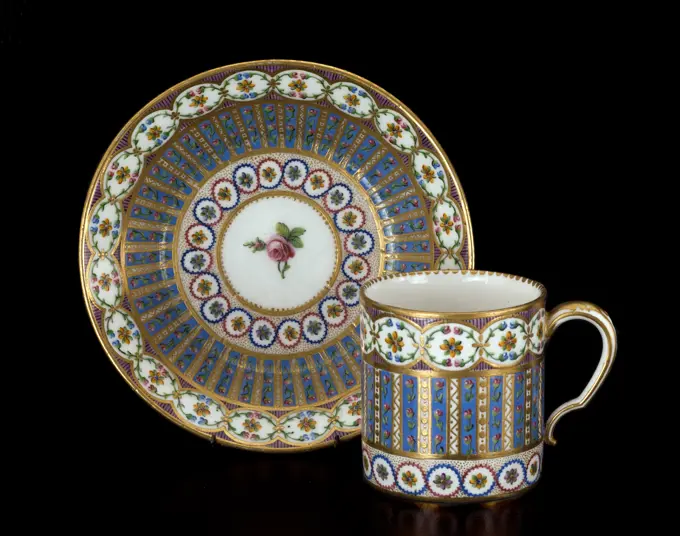
Delicate Porcelain Dishware

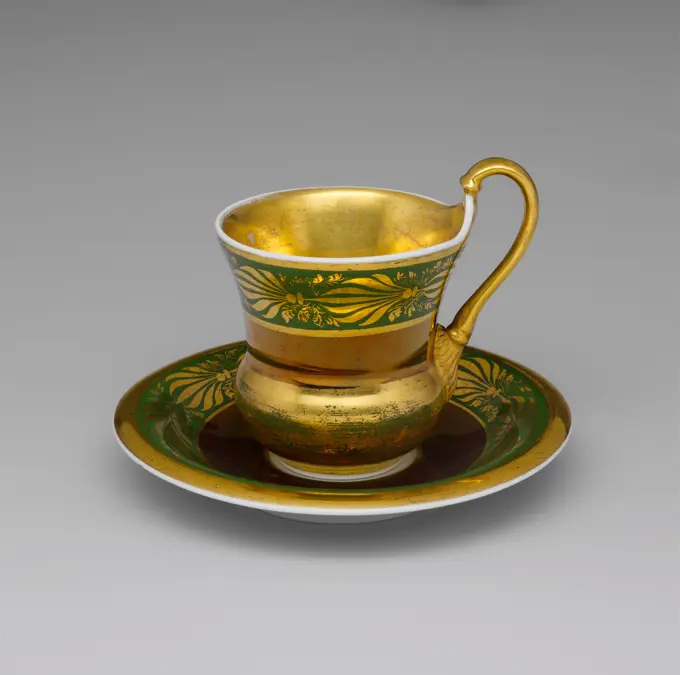
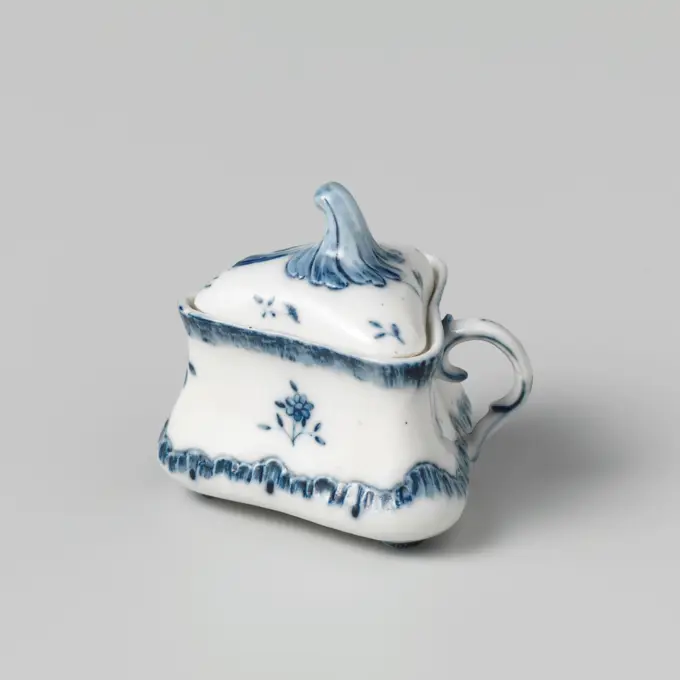
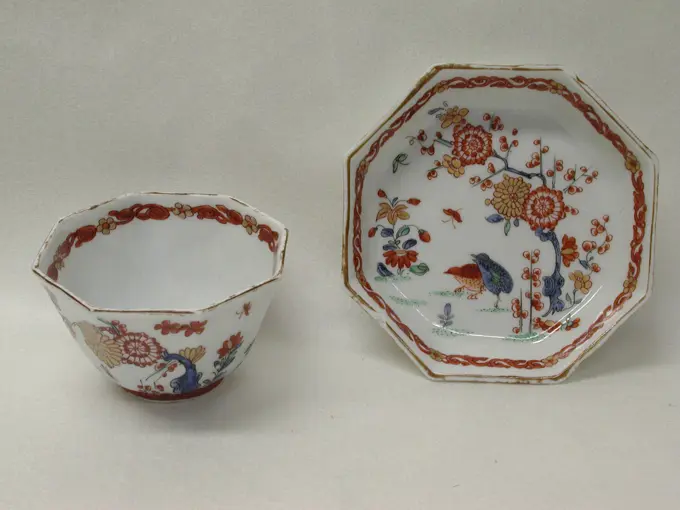
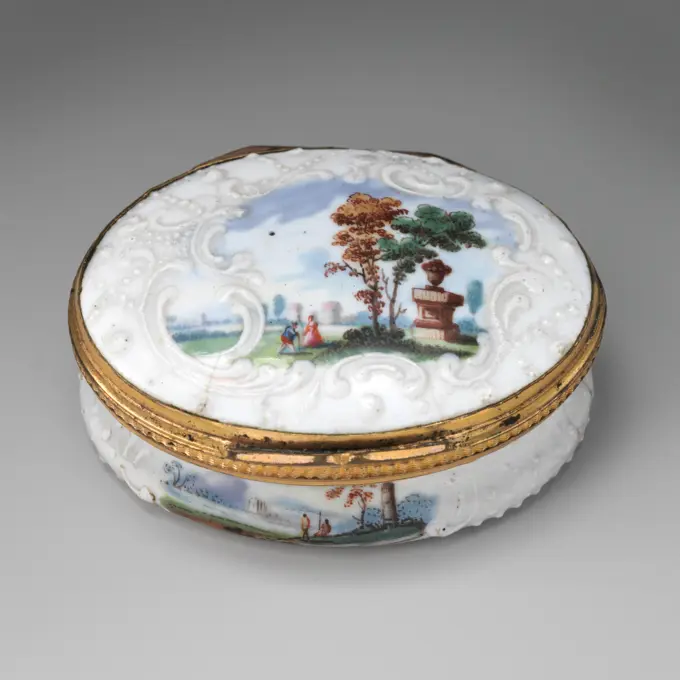
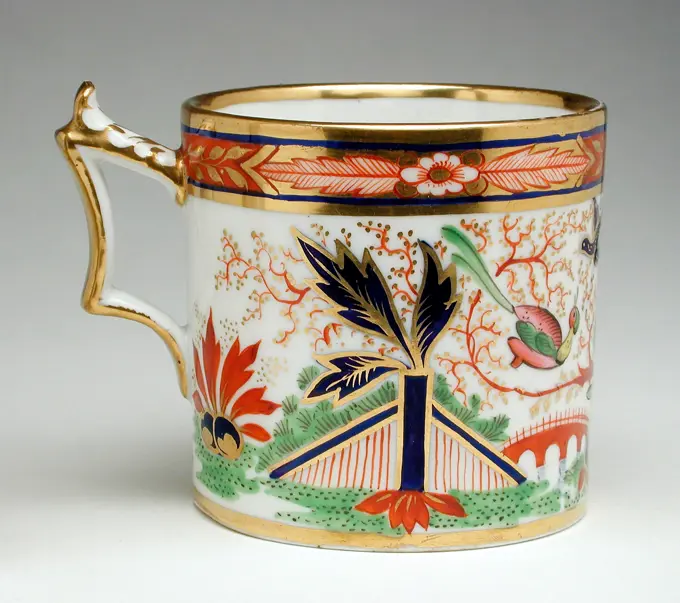
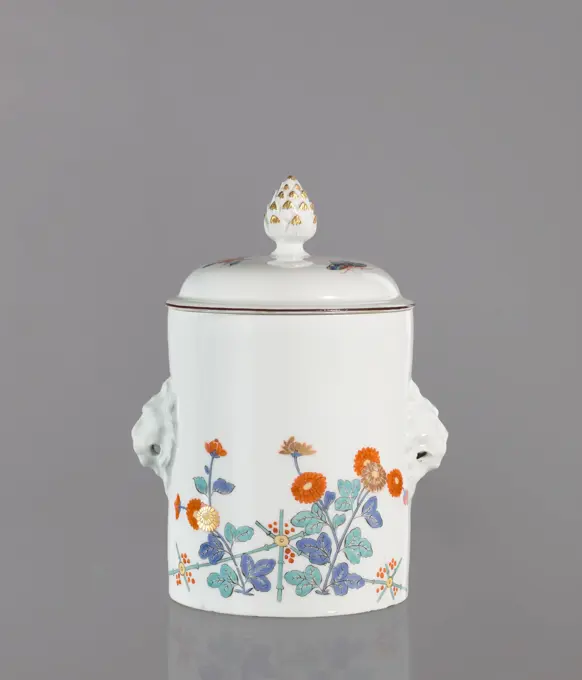
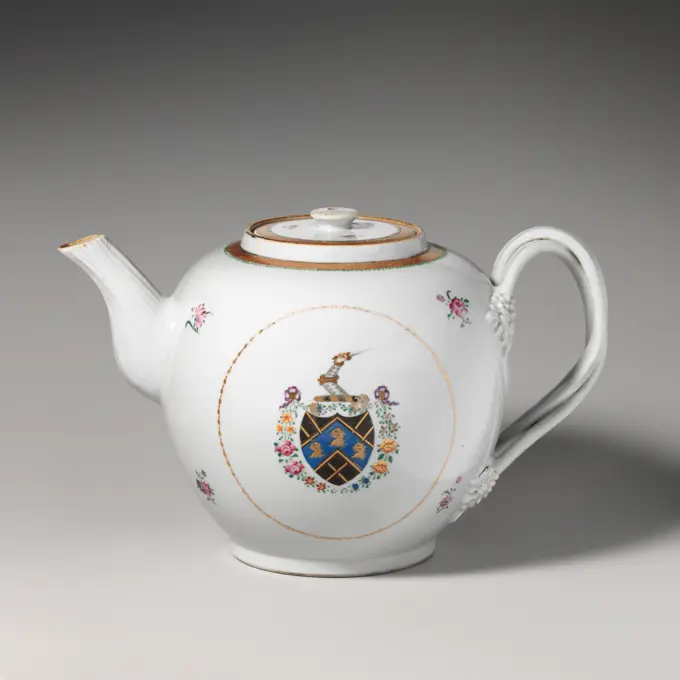
Beautifully crafted porcelain dishware including cups, saucers, and tureens, adorned with colorful floral designs and gold accents.
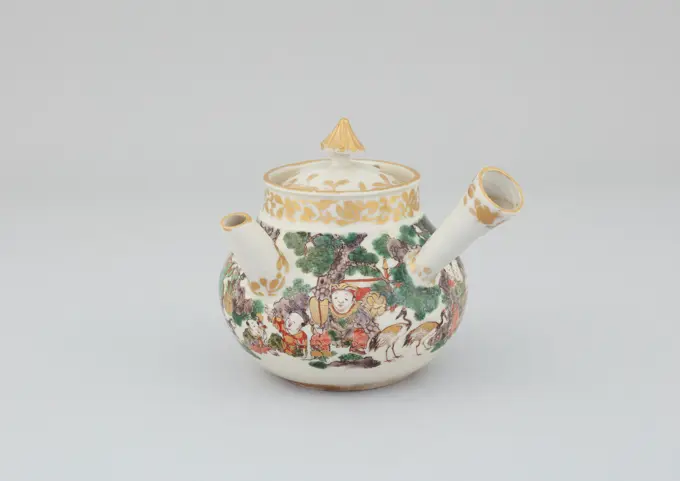
Ogata, Shuhei (N.1788 - D.1839), Théière (Kyusu) (common name), 1800. Porcelain, polychrome decor (blue, green, black and gilding enamel). Cernuschi Museum, Asia Museum of Asia in the city of Paris. This teapot intended for infused green tea presents a decor of Chinese children emblem of fertility, called in China Baizi '(a hundred sons); Floral firm pattern painted in gilding on the borders.
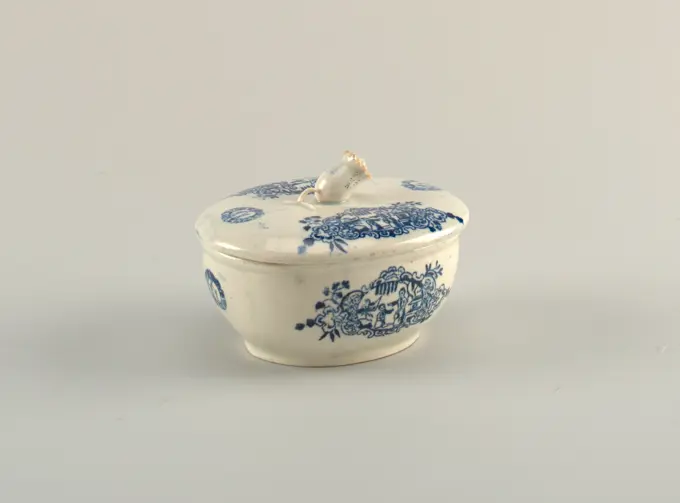
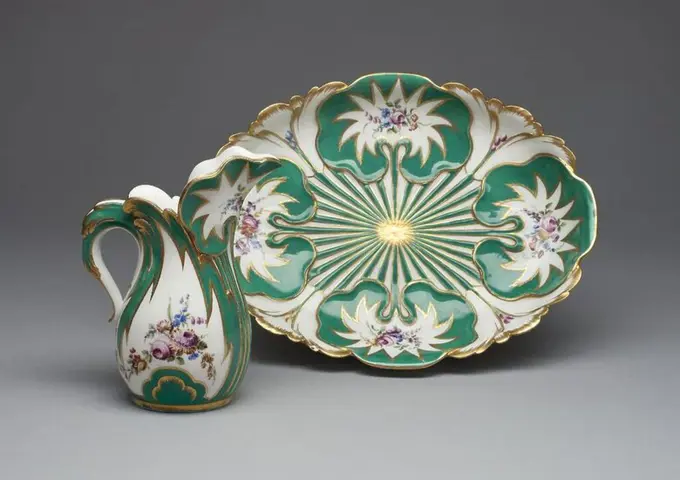
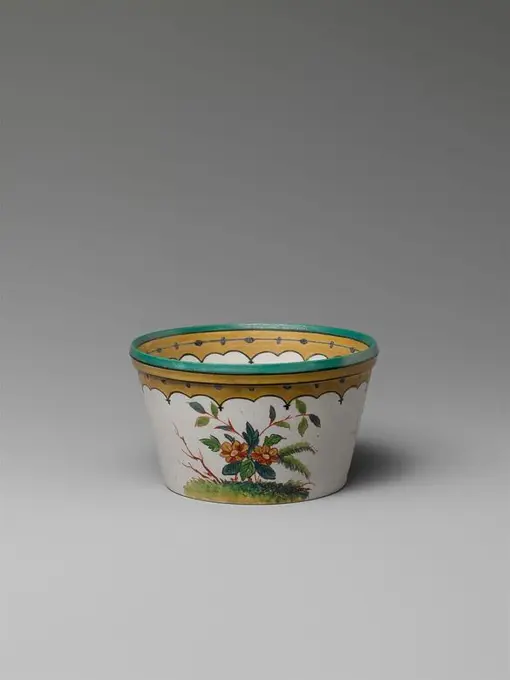
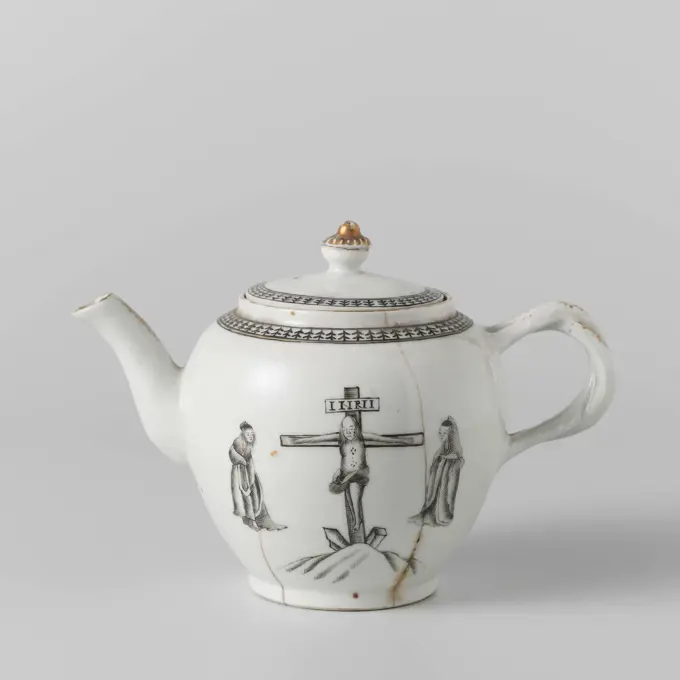
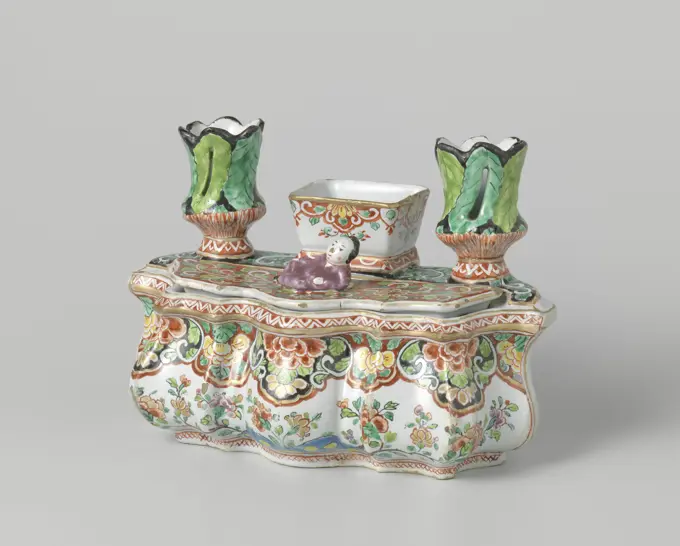
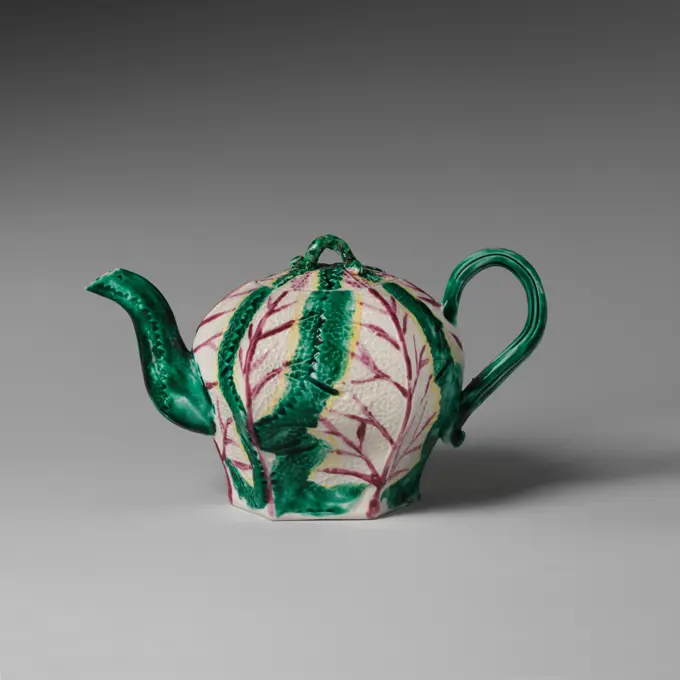
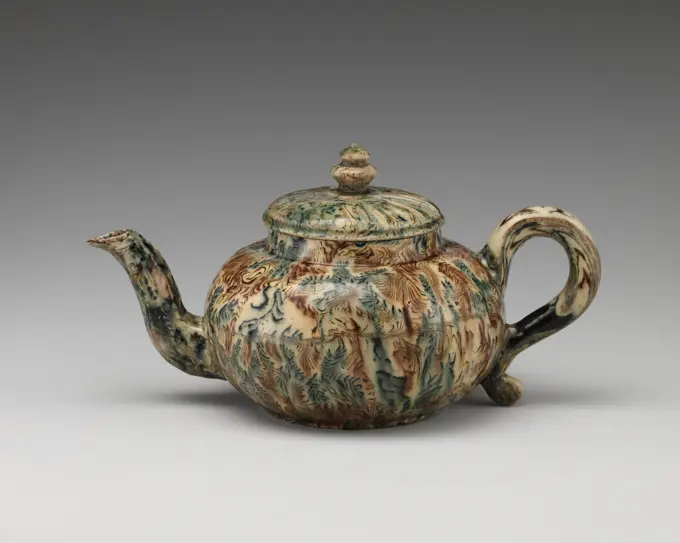
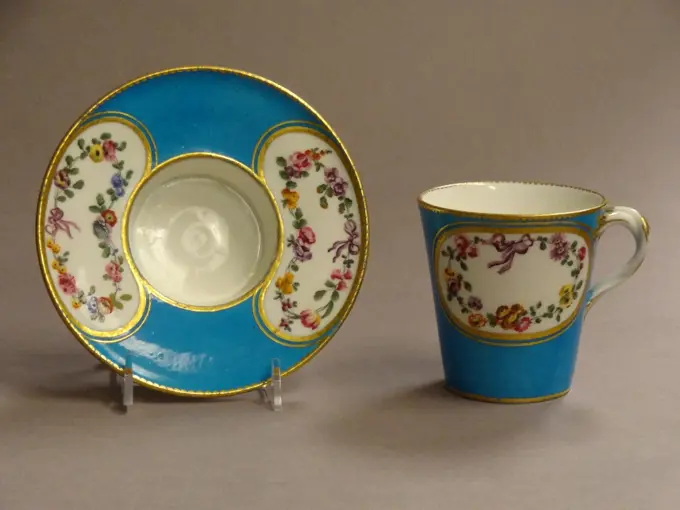
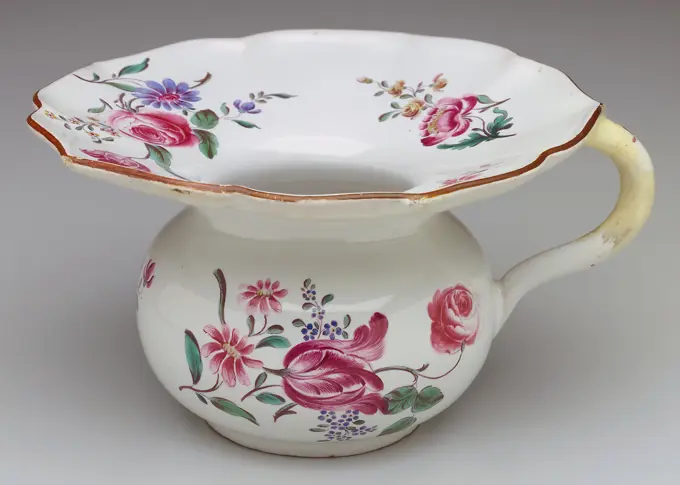
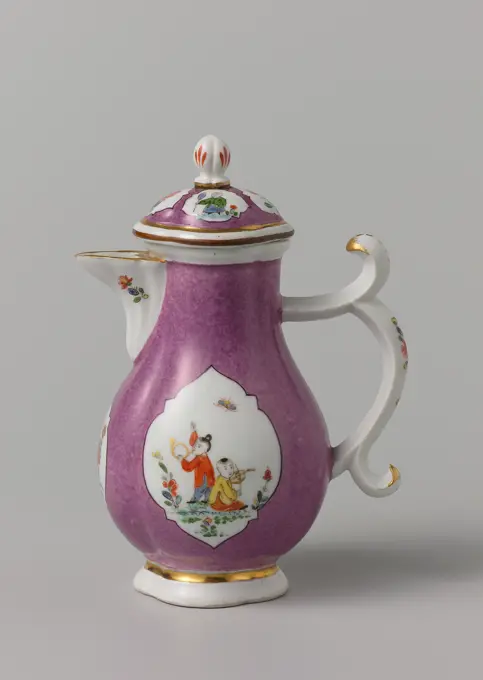
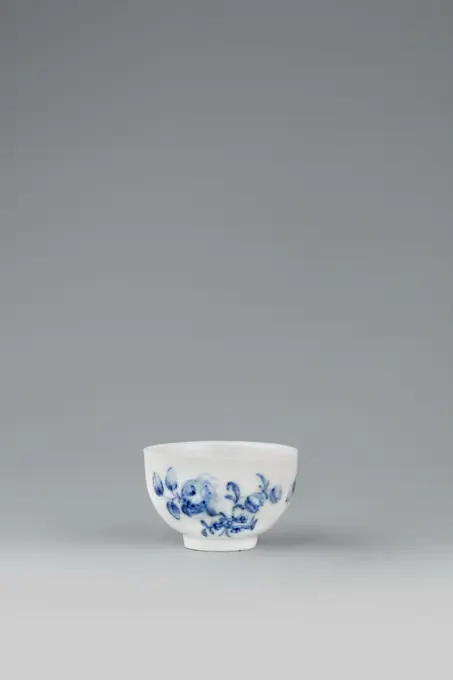
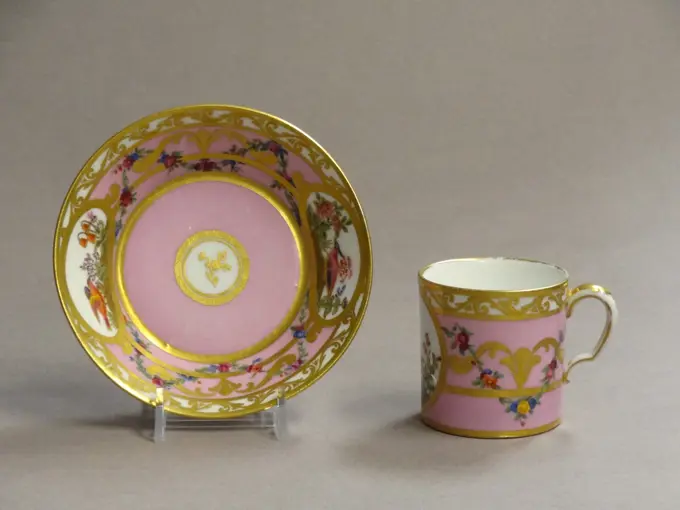
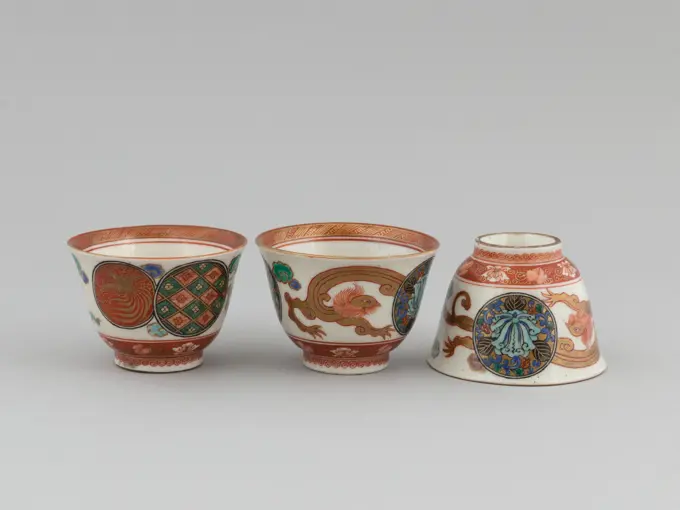
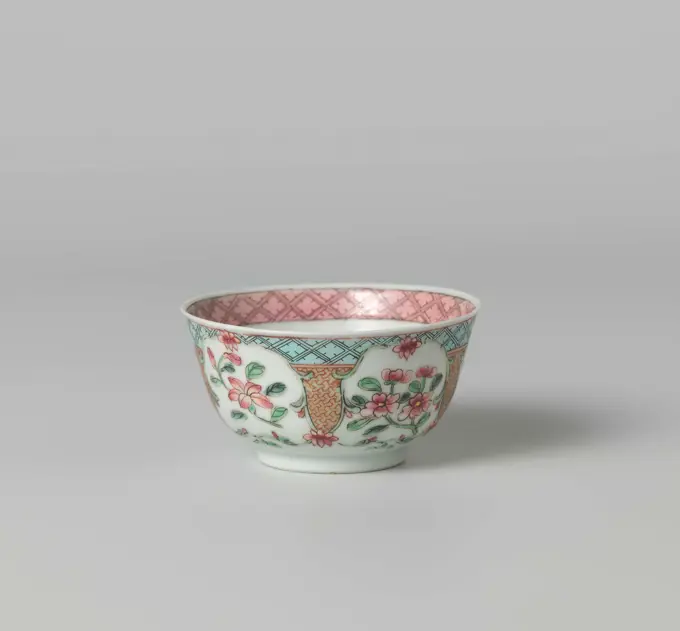
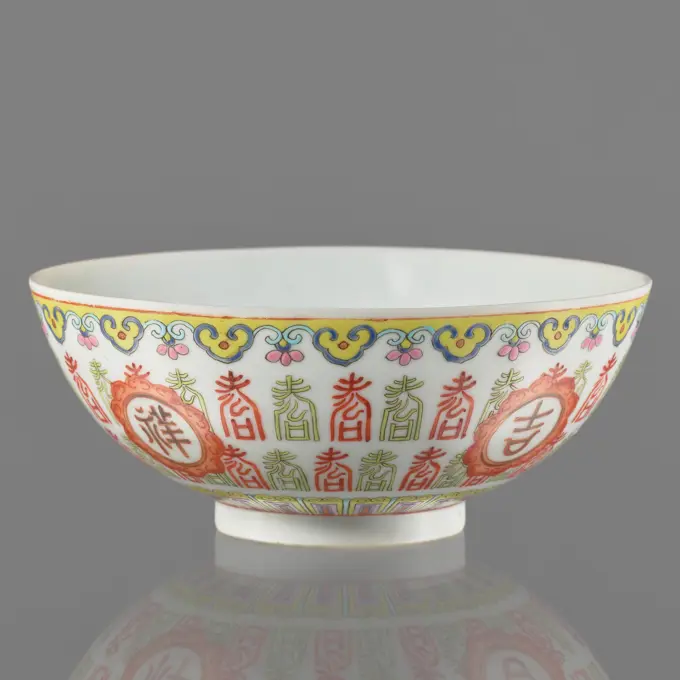
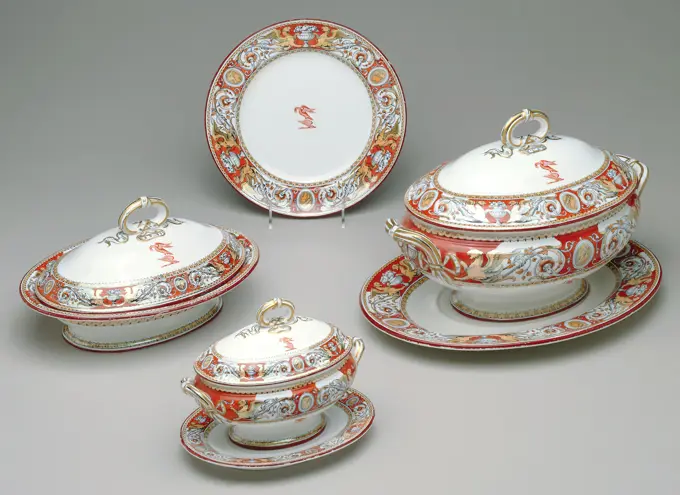
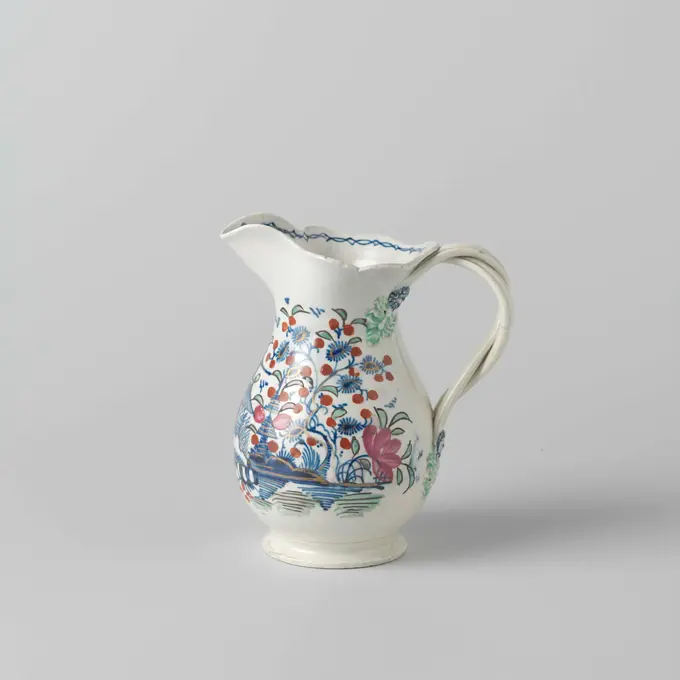
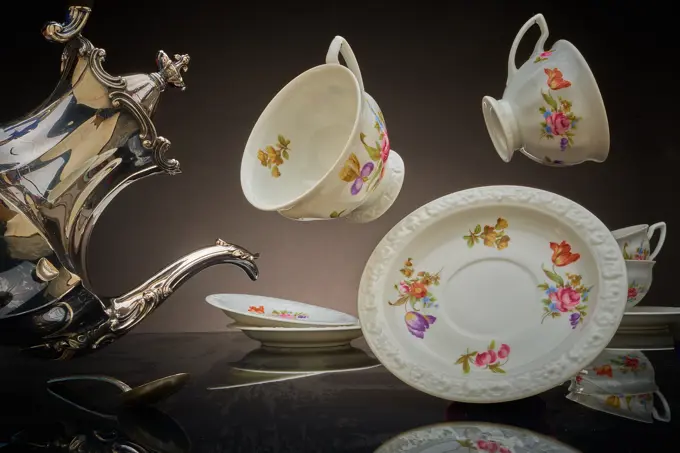
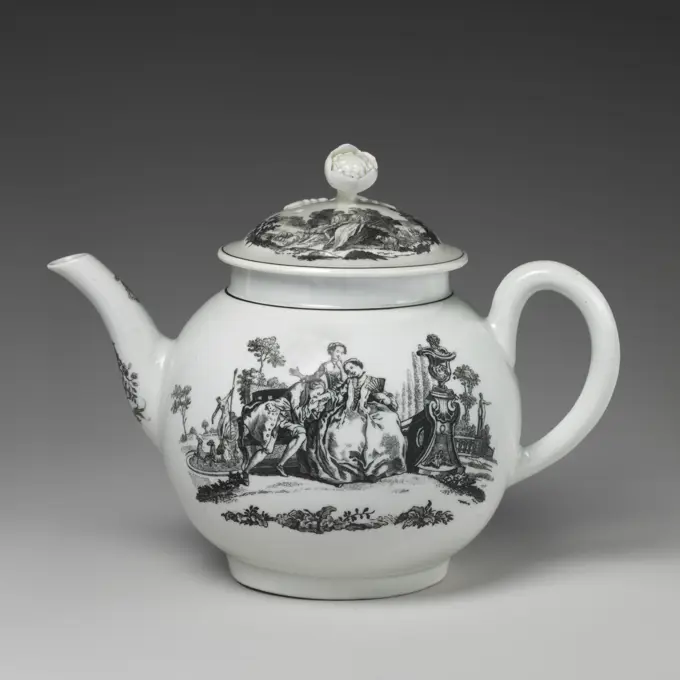
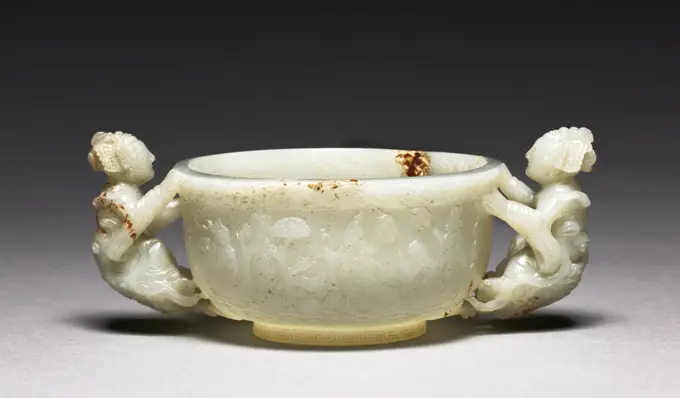
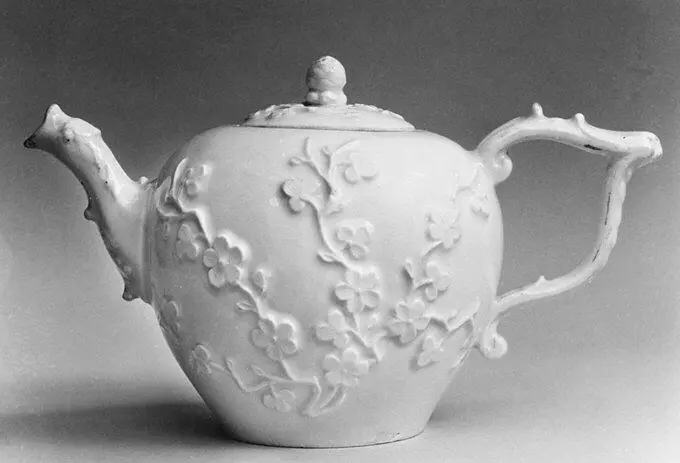
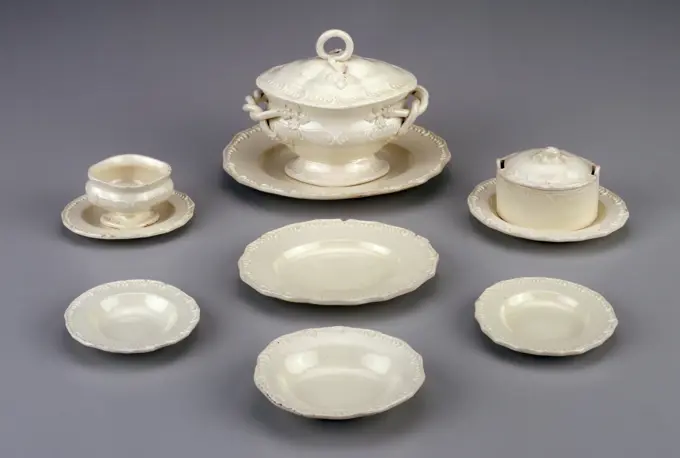
Sugar Bowl And Lid; molded and glazed porcelainBowl And Lid (England); Made by Philip Christian (English), John Pennington; soft-paste porcelainTiered Box Composed of Three Layers with Dragons and Precious Objects. Round stack box made of porcelain consisting of three layers and a lid, painted in underglaze blue. The walls of the boxes and the lid with cloud motifs and valuables (pearl, diamond, music stone). Blue White.Fili, a naked spherical saucer; Baranówka (Porcelain Manufaktura; 1804-2012); 1830 (1830-00-00-1830-00-00);Covered bowl with powder blue and river landscapes, anonymous, c. 1700 - c. 1720 Come with a lid of porcelain with two S-shaped ears modeled in the shape of a dragon head, painted in under-glaze blue and on the glaze blue, red, green, yellow, eggplant, black and gold. The wall is covered with bleu poudré (powder blue), with two fan -shaped compartments with a river landscape filled with people, pavilions and trees; next to the courses a flower branch in gold; The lid with a button with the same decoration. Three chips in the edge of the lid. Bleu Poudré with Famle Verte. China porcelain. glaze. cobalt (mineral). gold (metal) painting / gilding / vitrification Come with a lid of porcelain with two S-shaped ears modeled in the shape of a dragon head, painted in under-glaze blue and on the glaze blue, red, green, yellow, eggplant, black and gold. The wall is covered with bleu poudré (powder blue), with two fan -shaped compartments with a river landscape filled with people, pavilions and tCup ca. 1730 Meissen Manufactory German Nowhere is Meissen's sensitivity to the kakiemon style more evident than in these beautifully realized pieces, which, like their Japanese prototypes, were owned by Augustus II, elector of Saxony and king of Poland.. Cup 199185Teapot and Lid, Tin-glazed earthenware with transfer-printed decoration, White earthenware teapot and cover decorated with an outdoor garden and gazebo scene in blue., England, ca. 1805, ceramics, Decorative Arts, Teapot and LidCoffee Pot with a Landscape and Flower Sprays, royal porcelain manufactory, c. 1780 Porcelain coffee pot with a pear-shaped body, C-shaped ear and spout from the neck and edge. Painted in email colors and gold. On the abdomen twice a medallion of flower branches with a landscape in it. The ear and the spout are decorated in rocaillest style. Marked on the bottom with the scepter and I. Berlin porcelain. glaze. gold (metal) painting / gilding / vitrification Porcelain coffee pot with a pear-shaped body, C-shaped ear and spout from the neck and edge. Painted in email colors and gold. On the abdomen twice a medallion of flower branches with a landscape in it. The ear and the spout are decorated in rocaillest style. Marked on the bottom with the scepter and I. Berlin porcelain. glaze. gold (metal) painting / gilding / vitrificationEwer and Basin (Pot a l'Eau et jatte Feuille d'Eau). Sèvres Porcelain Manufactory; French, founded 1740; Designed by Jean-Claude Duplessis (probably); (French, fl. 1745/48-1774, d. 1783). Date: 1756-1760. Dimensions: Ewer height: 7.5 cm (6 7/8 in.)Basin: 30.2 × 23.5 cm (11 7/8 × 9 1/4 in.). Soft-paste porcelain, polychrome enamels and gilding. Origin: Sèvres. Museum: The Chicago Art Institute, Chicago, USA. Author: Manufacture nationale de Sevres.Salt vessel, multi -colored painted with Deutsche Blumen, Insekten and Fruits, Meissener Porzellan Manufaktur, c. 1750 - c. 1760 Salt vessel made of painted porcelain. The salt barrel has the shape of a shell with a scalloped edge and stands on three volute -shaped legs. The salt barrel is painted with Deutsche Blumen, Insekten and Fruits. The edge is decorated with the Neuozier pattern in relief. The salt barrel is marked and belongs to a service (BK-17474-1 to BK-17474-253). Float porcelain Salt vessel made of painted porcelain. The salt barrel has the shape of a shell with a scalloped edge and stands on three volute -shaped legs. The salt barrel is painted with Deutsche Blumen, Insekten and Fruits. The edge is decorated with the Neuozier pattern in relief. The salt barrel is marked and belongs to a service (BK-17474-1 to BK-17474-253). Float porcelainTea bowl. Culture: American. Designer: Designed by Karl L. H. Müller (ca. 1820-1887). Dimensions: H. 2 1/16 in. (5.2 cm); Diam. 2 9/16 in. (6.5 cm). Manufacturer: Manufactured by Union Porcelain Works (1863-ca. 1922). Date: ca. 1876.This tea bowl is part of a tea set (69.194.7-.14) designed for the 1876 Centennial celebration in Philadelphia. Museum: Metropolitan Museum of Art, New York, USA.. Egg-shaped teapot of porcelain with reduced, braided C-shaped ear, curved spout and lid, painted on the glaze in black and gold. On the outside a representation of the crucifixion with the two Maria's; The shoulder and lid edge with a band with a decorative pattern. Pot has been broken. Part of a tea service. European performance in Encre de Chine.Ink set of multicolored painted faïence, anonymous, c. 1750 - c. 1775 Elongated ink set with bowl between two candle holders. The multi -colored painting consists of lambrequins and flower branches. Delft . Elongated ink set with bowl between two candle holders. The multi -colored painting consists of lambrequins and flower branches. Delft .Bowl 1368-1644 China. Porcelain painted in underglaze blue .Teapot in the form of a cabbage ca. 1760 British, Staffordshire Listen to experts illuminate this artwork's story Listen Play or pause #407. Teapots Supported by Bloomberg Philanthropies We're sorry, the transcript for this audio track is not available at this time. We are working to make it available as soon as possible.. Teapot in the form of a cabbage. British, Staffordshire. ca. 1760. Salt-glazed stoneware with enamel decoration. Ceramics-PotteryHead without ear, with tea drinking pair and shepherd, Petrus Regout, 1867 Come without an ear of earthenware with flow -blue transfer decor. On the outside two cartouches with a tea drinking pair and a shepherd. Between the cartouches flowers. The inside of the wall is decorated with flowers and leaves. A stylized flower on the bottom. Maastricht . Come without an ear of earthenware with flow -blue transfer decor. On the outside two cartouches with a tea drinking pair and a shepherd. Between the cartouches flowers. The inside of the wall is decorated with flowers and leaves. A stylized flower on the bottom. Maastricht .Tea head with decoration of trophies on tied ribbons, Royal Porcelain Factory Dommer & Co., 1809 - in Or Before 1814 Tea set consisting of a teapot, a sugar bowl, a coil and twelve cups and saucers multicolored painted with trophies hanging on blue bows. The trophies relate to various professions. Marked in black: Amstel (the sugar bowl Amstel N. 805 and Inganglift A). Various entry brands in the heads and saucers. Nieuwer-Amstel porcelain Tea set consisting of a teapot, a sugar bowl, a coil and twelve cups and saucers multicolored painted with trophies hanging on blue bows. The trophies relate to various professions. Marked in black: Amstel (the sugar bowl Amstel N. 805 and Inganglift A). Various entry brands in the heads and saucers. Nieuwer-Amstel porcelainTeapot ca. 1750-65 British, Staffordshire Listen to experts illuminate this artwork's story Listen Play or pause #407. Teapots Supported by Bloomberg Philanthropies We're sorry, the transcript for this audio track is not available at this time. We are working to make it available as soon as possible.. Teapot. British, Staffordshire. ca. 1750-65. Agateware (glazed earthenware). Ceramics-PotterySèvres Porcelain Manufactory, Cup and Saucer, 1763, soft-paste porcelain.Spitoon, 1749-60, Paul Antoine Hannong, French (Strasbourg), French, c.1700-1760, 3 1/2 x 5 x 5 in. (8.9 x 12.7 x 12.7 cm), Tin-glazed earthenware, France, 18th centuryDecorative tea potMeissen Porcelain Manufactory, Cup and Saucer, c. 1760-65, hard-paste porcelain.Teapot, Manufactuur Oud-Loosdrecht, c. 1774 - c. 1778 Teapot with lid of porcelain. Painted with a river face with two man figures in the foreground and a large tree. All edges in gold. Loosdrecht porcelain Teapot with lid of porcelain. Painted with a river face with two man figures in the foreground and a large tree. All edges in gold. Loosdrecht porcelainCup 1785-1805 Chinese. Cup 2844Milkus, painted multi-colored with chinoiseries in crafted fours in a violet fond. Milk jug of painted porcelain. The can have a quadruped shape and is almost entirely covered with a violet fond. On the body of the can be two large accolad-shaped four passes and a smaller shaped, on the four-handed lid. In the four passes, one or two boys are painted between flowers, sometimes only flowers. In an image they play a trumpet and a string instrument. The milk jug has been marked.Five Piece Tea Service with Chrysanthemum Design. Japan, late 19th century. Ceramics. Hirado Mikawachi ware; porcelain with underglaze blueBowl with Four Panels of Landscape Scenes 1800-1899 China. Porcelain painted in overglaze enamels .Sugar Bowl (from a tea service). Sèvres Porcelain Manufactory; French, founded 1740; Figures after François Boucher (French, 1703-1770); Painted by Jacques Fontaine (French, 1734/35-1807, active 1752-1800). Date: 1770. Dimensions: 10.2 x 9.2 cm (4 x 3 5/8 in.). Soft-paste porcelain, polychrome enamels, and gilding. Origin: Sèvres. Museum: The Chicago Art Institute, Chicago, USA.Cup, painted multicolored with playing Chinese children. Cup of painted porcelain. The head has no ear and is painted with a contour-chinoiserie consisting of four children playing. The prevention is closed on either side by flowers. The head is noticed.Chocolate Cup and saucer, Meissener porcelain manufactory, c. 1725 - c. 1730 Chocolate head of painted porcelain. The head has two gilded ears. Along the inside of the mouth rim runs a lace ornament in gold. The head is painted with two Höroldt chinoiseries within a four-pass with a golden edge and surrounded by mother-of-pearl fields and band and leaf work. Two Chinese are presented in a garden. On one side a Chinese pulls on a curtain. The head is marked. Float porcelain Chocolate head of painted porcelain. The head has two gilded ears. Along the inside of the mouth rim runs a lace ornament in gold. The head is painted with two Höroldt chinoiseries within a four-pass with a golden edge and surrounded by mother-of-pearl fields and band and leaf work. Two Chinese are presented in a garden. On one side a Chinese pulls on a curtain. The head is marked. Float porcelainShallow bowl from Augustus IIIs dinner set for the Royal Castle in Warsaw. Koenigliche Porcellain Fabrique, Meissen (1710-1763), factoryFaïence ink set of multicolored painted faïence. Ink tube of the ink set.Lid of hard baked pottery; Whieldon Ware, Agate Ware ("Kievit"), Whieldon, c. 1750 - c. 1765 Lid with a button in bird shape. Fenton earthenware. lead glaze Lid with a button in bird shape. Fenton earthenware. lead glazeSèvres Porcelain Manufactory, Cup and Saucer, 1779, hard-paste porcelain.Lid of red hard baked earthenware, children's toys., Anonymous, c. 1830 - c. 1860 The lid with a fruit as a button. Bohemia earthenware The lid with a fruit as a button. Bohemia earthenwareTea Service 1877-1878 England. Bone china, enamel, and gilding .Box, painted multi-colored with Chinese in landscapes. Box of painted porcelain. The box has a five-spectable form and is painted with contour chinoiseries, on one side a running chinese with a dog on a rope for herself approaching one on his knees sitting Chinese in a landscape, on the other side one on a tabouret sitting Chinese With a dog in front of him in a landscape and on the lid two figures twice in a landscape. The box has been marked.Cup and Saucer ca. 1844-47 Koenigliche Porzellan Manufaktur. Cup and Saucer 2849Melkus lid. Melkus lid. Along the edge a golden flower and leaf drink. The golden bud in the shape of a pine cone.Roompot, painted with sprinkling flowers, manufacture Oud-Loosdrecht, c. 1774 - c. 1778 Roompot made of porcelain. Triangular with question mark -shaped ear and incorporated wall. Along mouth and foot edge rocaille ornament in relief. Painted in underlaze blue with sprinkling flowers. The edges, painted in the same color. Loosdrecht porcelain Roompot made of porcelain. Triangular with question mark -shaped ear and incorporated wall. Along mouth and foot edge rocaille ornament in relief. Painted in underlaze blue with sprinkling flowers. The edges, painted in the same color. Loosdrecht porcelainCup and saucer British 19th century. Meissen porcelain manufactory ice cream, c. 1725-1730Hard Paste PorcelainCup and Saucer, c. 1750. China, Chinese Export, 18th century, Period of Kien Lung. Porcelain; diameter: 10.2 cm (4 in.); overall: 6.7 cm (2 5/8 in.).Tureen andcoverBox second half 18th century probably British, South Staffordshire. Box. probably British, South Staffordshire. second half 18th century. Enamel on copper. Enamels-PaintedDessert Service (Coffee Cann). Flight, Barr & Barr (England, Worcester, 1813-1840). England, 1813. Furnishings; Serviceware. Porcelain, 'Japan' patternCompote, c. 1749-60, 7 5/8 x 9 1/2 x 8 3/4 in. (19.37 x 24.13 x 22.23 cm), Tin-glazed earthenware, France, 18th centuryA can from covers with decorations Kakiemon; Koenigliche Porcellain Fabrique, Meissen (1710-1763); around 1730 (1720-00-00-1730-00-00);Lid of Roompot, painted with spreading flowers. Porcelain lid. Triangular, painted in underglazing blue with spreader flowers. The lid knob is painted in the same color.Cup with flower branches, anonymous, c. 1670 - c. 1700 Round head of porcelain, painted on the glaze in blue, red, green, black and gold, with flowering branches in two square flower boxes. Kakiemon style. Japan porcelain. glaze. painting / vitrification Round head of porcelain, painted on the glaze in blue, red, green, black and gold, with flowering branches in two square flower boxes. Kakiemon style. Japan porcelain. glaze. painting / vitrification(Rinsing Bowl with stemmed bottom), 20th century, Unknown Japanese, 5 1/8 x 7 3/16 x 7 3/16 in. (13.02 x 18.26 x 18.26 cm), Imari ware; porcelain, enamels, Japan, 20th centuryTea service, porcelain factory Frankenthal, c. 1765 - c. 1770 Tea set (solitaire) of porcelain, painted on the glaze in blue and gold. The crockery consists of six parts, including a leaf, teapot, sugar bowl, milk jug and a cup with a dish. All decorated with vertical tires with flower and leaf vines. Marked on the bottom with the crowned CT. Frankenthal porcelain. glaze. gold (metal) painting / gilding / vitrification Tea set (solitaire) of porcelain, painted on the glaze in blue and gold. The crockery consists of six parts, including a leaf, teapot, sugar bowl, milk jug and a cup with a dish. All decorated with vertical tires with flower and leaf vines. Marked on the bottom with the crowned CT. Frankenthal porcelain. glaze. gold (metal) painting / gilding / vitrificationSèvres Porcelain Manufactory, Cup and Saucer, porcelain: 1765; decoration: possibly later, soft-paste porcelain.3 infused tea cups. Ceramic. Japan, province of Kaga, around 1870. Paris, Cernuschi museum. 59521-9 Asian, ceramic art, decorative motive, kaga province, cup, the infuseCoffee pan with lid, painted with the crocus decor, Meissener Porzellan Manufaktur, 1896 Coffee pan with lid of painted porcelain. The jug has a lid and is painted in green and brown. The jug is marked. Float porcelain Coffee pan with lid of painted porcelain. The jug has a lid and is painted in green and brown. The jug is marked. Float porcelainFlowerpot of multi-colored painted faience, with a solid. Flowerpot of multi-colored padded faience on a yellow fond. The flowerpot consists of a vase and a dish in Louis XVDE style. The flower pot and the dish are decorated with tulips and madelieves and marked with the LPK letters. The flowerpot belongs to an identical copy with Invnr. BK-NM-11351-A.Teapot ca. 1790-1800 Chinese, for British market Listen to experts illuminate this artwork's story Listen Play or pause #407. Teapots Supported by Bloomberg Philanthropies We're sorry, the transcript for this audio track is not available at this time. We are working to make it available as soon as possible.. Teapot. Chinese, for British market. ca. 1790-1800. Hard-paste porcelain. Ceramics-Porcelain-ExportSubto belonging to Punchkom, Ansbach, c. 1777 - c. 1790 Underothable belonging to a punch bowl with lid. Multicolored painted on two sides with a face on the Portuguese synagogue in Amsterdam on one side and a water landscape with sailing ships. porcelain company: AnsbachThe Hague porcelain Underothable belonging to a punch bowl with lid. Multicolored painted on two sides with a face on the Portuguese synagogue in Amsterdam on one side and a water landscape with sailing ships. porcelain company: AnsbachThe Hague porcelainInkwell Stand And Lid (France); tin-glazed earthenware with cobaltDessert Service (Coffee Cann). Flight, Barr & Barr (England, Worcester, 1813-1840). England, 1813. Furnishings; Serviceware. Porcelain, 'Japan' patternSèvres Porcelain Manufactory, Cup and Saucer, 1785, soft-paste porcelain.Sèvres Porcelain Manufactory, Cup and Saucer, 1775-80, soft-paste porcelain.Cup and Saucer. China, for export markets, 18th-19th century. Furnishings; Serviceware. Porcelain, overglaze enamelsCover with a Riverlandscape with Large Pavilion and Figures. Porcelain lid, painted in underglaze blue. With a river landscape with two people on a bridge, trees, mountains and pavilions; the border with fitzhugh band; The button in the shape of a lion. Part of AK-NM-6944-B can. Blue White.Subdates of terrine with lid, painted with flower branches. Subdates of oval terrine of multi-colored painted faience. The lower part has a lobed edge. Painted with flower branches.Bell-Shaped Cup with a Flower Basket, Floral Scrolls and Flower Sprays. Bell-shaped head porcelain, painted on the glaze in blue, red, pink, green, black and gold. A medallion with six flower leaf-shaped compartments formed by lotus drinks; in the medallion a flower vase, in the boxes of different flower branches; between the napkin courses; On the edge a tire with napkin. A chip in the edge of the head. Family Rose.Czarka;  beginning of the 19th century (1801-00-00-1810-00-00);Dinner plate, c. 1865, Minton's Pottery and Porcelain Factory, British, 1 1/8 x 10 3/8 in. (2.86 x 26.35 cm), Ceramic, England, 19th centuryPipes sled of porcelain. Painted in beet red with flower branches and rocaille ornament along the edges.Dish with floral pattern 19th century China. Dish with floral pattern. China. 19th century. Porcelain painted in overglaze polychrome enamels (Bencharong ware for Thai market). Qing dynasty (1644-1911). CeramicsLimoges Porcelain Factory (), Cup and Saucer, c. 1865, hard-paste porcelain.Teapot. Culture: Austrian, Vienna. Dimensions: H. 4-3/4 in. (12.1 cm.). Factory: Vienna. Factory director: Du Paquier period (1718-1744). Date: ca. 1735-40.The gift of the Hans Syz Collection in 1995 endowed the Museum with nearly three hundred examples of European and Asian ceramics meticulously acquired by Swiss-born collector Dr. Syz (1894-1991) to chart the migration of models and patterns from East to West. Documenting a continuous process of influence and adaptation, these pieces provide a discriminating review of the nuances of stylistic change resulting from three centuries of trade. Museum: Metropolitan Museum of Art, New York, USA.Milk jug of hard-baked pottery; Leeds creamware. Pear-shaped milk jug of hard-baked pottery, with a blue decoration under the glaze and a multicolored decoration on the glaze. The decoration does Japanese and consists of a landscape in which stylized trees, plants and houses. The can stand on a foot, has a wide lip and a braided C-shaped ear.. Terrine of silver, with lid and subset, decorated with pilasters and leafguird builds.Tea head with decoration of trophies on tied ribbons, Royal Porcelain Factory Dommer & Co., 1809 - in Or Before 1814 Tea set consisting of a teapot, a sugar bowl, a coil and twelve cups and saucers multicolored painted with trophies hanging on blue bows. The trophies relate to various professions. Marked in black: Amstel (the sugar bowl Amstel N. 805 and Inganglift A). Various entry brands in the heads and saucers. Nieuwer-Amstel porcelain Tea set consisting of a teapot, a sugar bowl, a coil and twelve cups and saucers multicolored painted with trophies hanging on blue bows. The trophies relate to various professions. Marked in black: Amstel (the sugar bowl Amstel N. 805 and Inganglift A). Various entry brands in the heads and saucers. Nieuwer-Amstel porcelainCup with a snake pattern on a dark blue background unknownCup, painted with water landscape with castle / palace. Cup of porcelain, painted multi-colored with water landscape in green and brown with figures in blue, red-brown and purple on the shore and with a large castle / palace across the street with light blue windows and roofs. Golden piping along the edges, the ear is also decorated in gold.Zoomorphic miniature miniature alcohol. Porcelain decorated with polychrome enamels. Cernuschi Museum, Asia Museum of Asia in the city of Paris.Silver coffeepot and floating coffee cups, Mad HatterTeapot with Lamour ca. 1765 Worcester factory Listen to experts illuminate this artwork's story Listen Play or pause #407. Teapots Supported by Bloomberg Philanthropies We're sorry, the transcript for this audio track is not available at this time. We are working to make it available as soon as possible.. Teapot with Lamour. British, Worcester. ca. 1765. Soft-paste porcelain with transfer-printed decoration. Worcester factory (British, 1751-2008). Robert Hancock (British, Burslem 1730-1817 Bristol). Ceramics-PorcelainTea Bowl and Saucer. Du Paquier Porcelain Manufactory; Austrian, 1718-1744. Date: 1725-1735. Dimensions: Cup: H. 4.1 cm (1 5/8 in.); diam. 7.8 cm (3 1/16 in.); Saucer: diam. 13 cm (5 1/8 in.). Hard-paste porcelain, black monochrome, and gilding. Origin: Vienna. Museum: The Chicago Art Institute, Chicago, USA.Two polygonal bowls with graviata decoration unknownBowl with Daoist Figures, 1271-1368. China, Yuan dynasty (1271-1368). White jade; diameter of mouth: 10.3 cm (4 1/16 in.); overall: 6.5 cm (2 9/16 in.); width with handles: 16 cm (6 5/16 in.).Pieces from an Armorial Dinner Service. China, Qianlong period, circa 1765. Furnishings; Serviceware. Porcelain with glaze, enamel colorsVAJILLA DE PORCELANA DE LA FABRICA DE PASAJES. Location: MUSEO NAVAL / MINISTERIO DE MARINA. MADRID. SPANIEN.Cream pitcher 1875-90 Possibly Challinor, Taylor and Company Marbled glassware was originally developed in England. It was patented in the United States by Challinor, Taylor and Company in 1886.. Cream pitcher 2663Teapot ca. 1745 Meissen Manufactory German. Teapot 199139Meat Dish, from a Child's Dinner Service, c. 1775, 1/2 x 4 x 3 1/2in. (1.3 x 10.2 x 8.9cm), Creamware, England, 18th centurySèvres Porcelain Manufactory, Cup and Saucer, 1782, soft-paste porcelain.Cup (China); hand painted and gilded porcelain; 4.5 x 7.6 diameter cm (1 3/4 x 3 in.)Dish of earthenware, painted in black and brown, Franciscus Johannes Mansveld, c. 1925 - c. 1930 Dish of earthenware, painted in black and brown. This includes a head (A). Arnhem earthenware Dish of earthenware, painted in black and brown. This includes a head (A). Arnhem earthenwareSoup tureen and stand with arms of Michel, c. 1755, 12 1/2 x 10 3/4 in. (31.75 x 27.31 cm), Porcelain, China, 18th centuryMiniature teapot (common name). Sandstone covered with polychrome enamels on covered and gilding. Cernuschi Museum, Asia Museum of Asia in the city of Paris.a ceramic old bowl isolated on a white backgroundTureen and Stand. Staffordshire, England. Date: 1760-1769. Dimensions: 24.1 x 38.3 x 30.8 cm (9 1/2 x 15 1/16 x 12 1/8 in.). Salt-glazed stoneware. Origin: Staffordshire. Museum: The Chicago Art Institute, Chicago, USA.Censer with figures in landscape 1707 China The thickly potted censer stands on three small feet and is painted with a continuous landscape of mountains and rivers. Three scholars are shown boating on one side while another two stand on a promontory overlooking the view. Signs of habitation are also found in the pavilion nestled along the sides of the river, and the two small thatched huts on the river banks. The full moon in the sky and the flying geese add a seasonal element to the scene as do the budding trees. It seems likely that the painting, rendered in dramatic shades of light and dark cobalt, represents a moment in either autumn or spring. A four character inscription in cobalt blue in a round cartouche on the bottom reads dinghai nian zhi (), a cyclical date with corresponds with 1708. There are no missing pieces.. Censer with figures in landscape. China. 1707. Porcelain painted with cobalt blue under a transparent glaze (Jingdezhen ware). Qing dynasty (1644-1911), KangxiBowl with Bamboo, Tree Peony, and Swallow, 1723-35. China, Jiangxi province, Jingdezhen kilns, Qing dynasty (1644-1911), Yongzheng mark and reign (1723-35). Porcelain with famille rose overglaze enamel decoration and celadon glaze; diameter: 11.8 cm (4 5/8 in.).Buteux elder son (active from 1760 to 1799). Litron cup and saucer. Porcelain, 1783. Paris, Cognacq-Jay museum. 79171-5 Threatening art, flower motif, porcelain, saucer, litron cup, dishes, 18th 18th 18th 18th 18th 18th 18th centurySubdated of multi-colored painted faience. Flower pot of multicolored faience on a yellow fond. The flowerpot consists of a vase and a dish in Louis XVDE style. The flower pot and the dish are decorated with tulips and madelieves and marked with the LPK letters. The flowerpot belongs to an identical copy with the Invnr. BK-NM-11351-B.Teapot.  Manufacturer: Castleford Pottery, British, ca. 1790-1821