Dishware And Platters

An assortment of plates and platters made from different materials, emphasizing historical craftsmanship and decorative designs across various cultures.
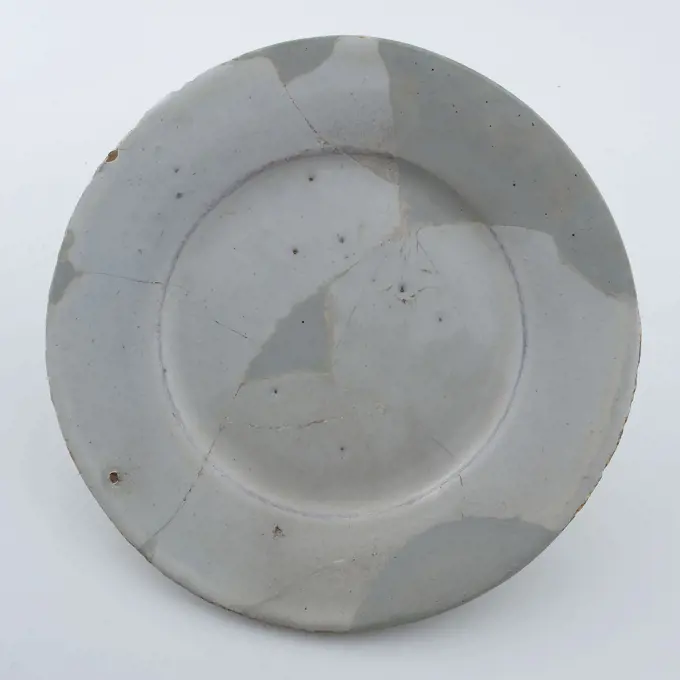
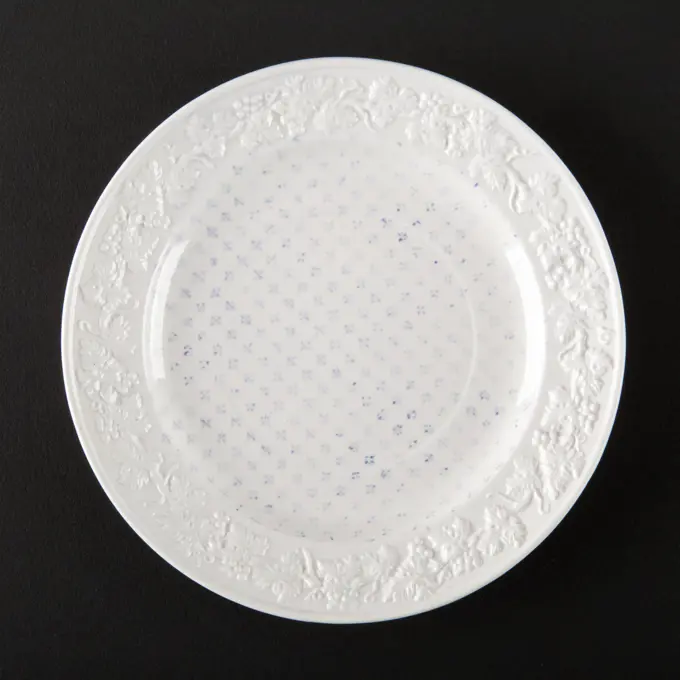
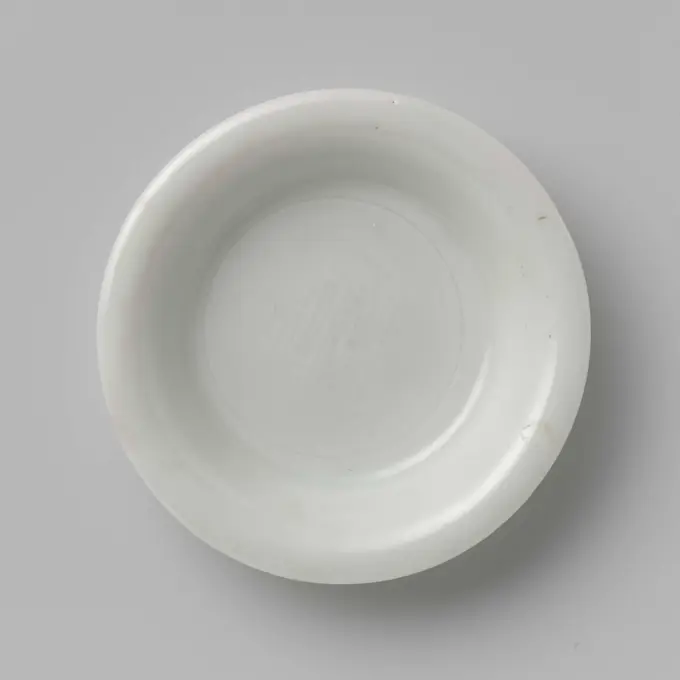
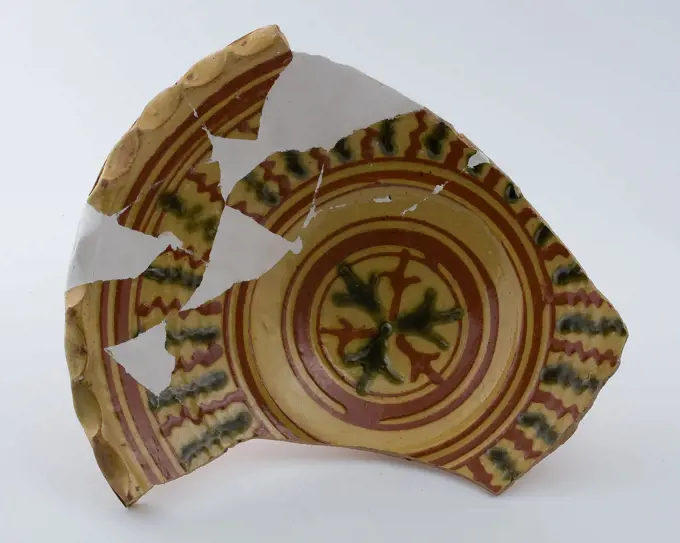
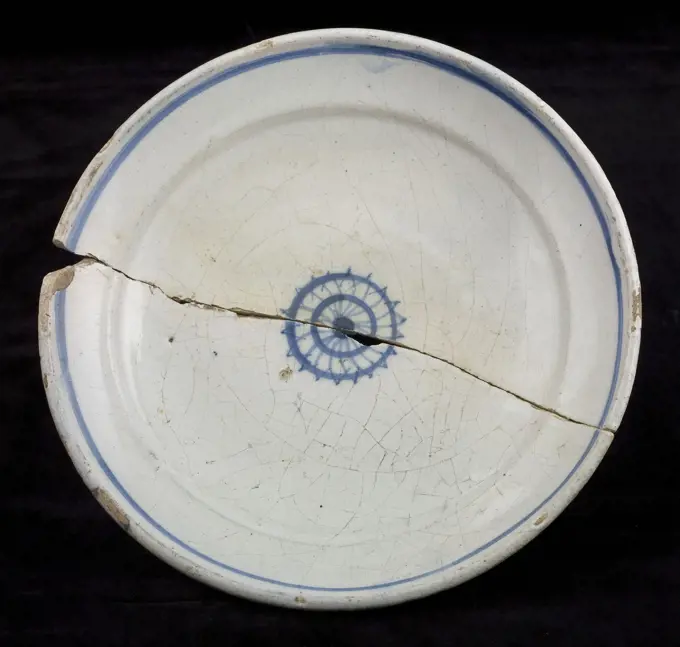
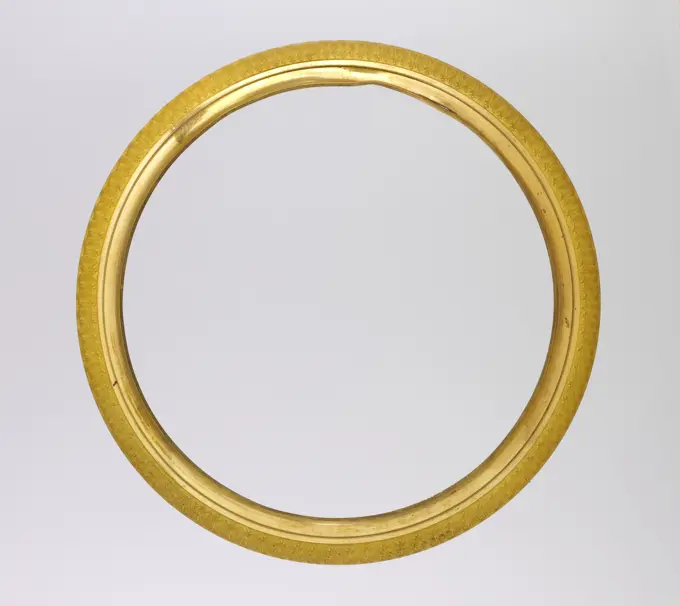
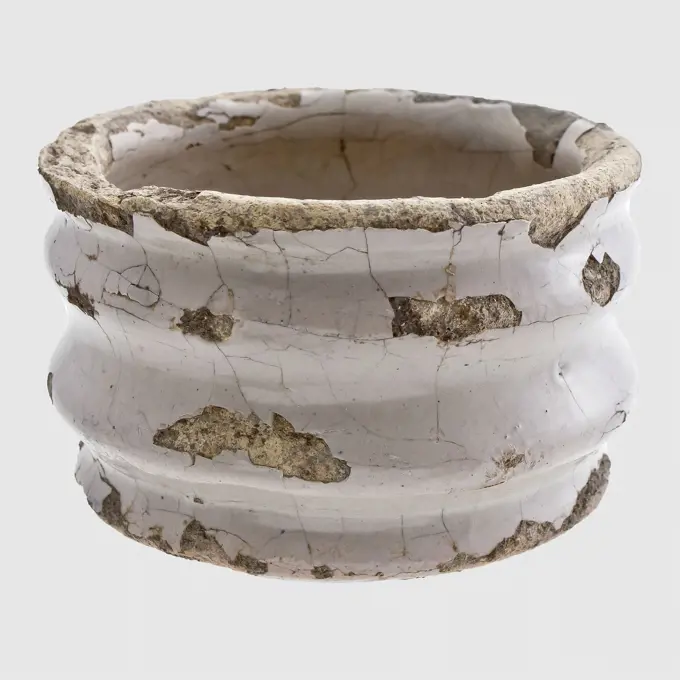
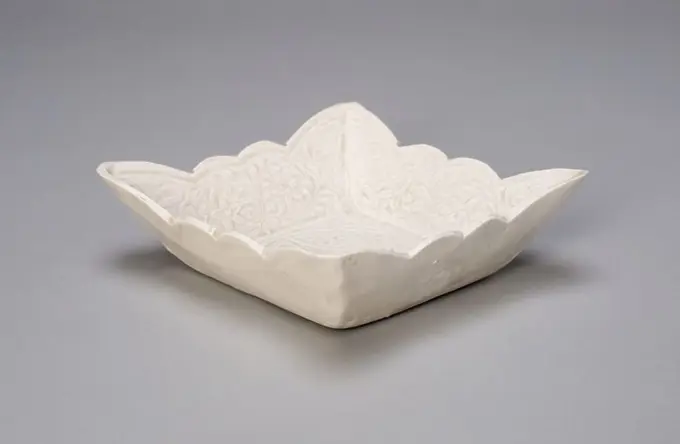
Faience plate on stand surface, entirely white glazed, plate dish crockery holder soil find ceramic earthenware glaze tin glaze, hand turned baked glazed baked White plate on stand surface Lightly curled flat dish edge. Shoulder only on the inside on the transition from mirror to flag. Printing of tube at the bottom of the board edge Ripples in glaze layer. Restoration in adorned but not entirely color archeology Rotterdam Stadscentrum Stadsdriehoek New port indigenous pottery food serving table room serving Soil discovery: Nieuwe Haven 2nd cesspool (square) 22-08-1980
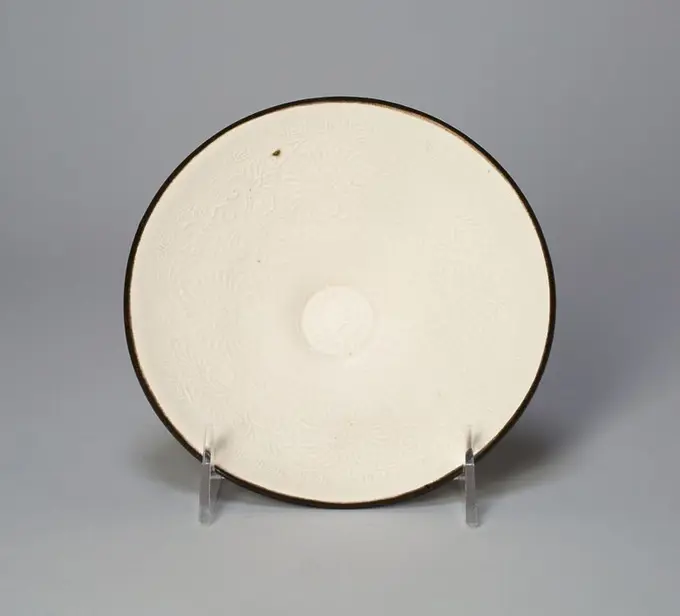
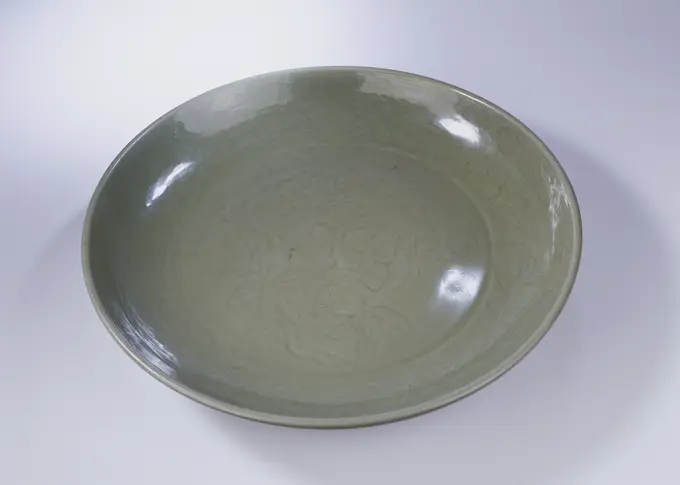
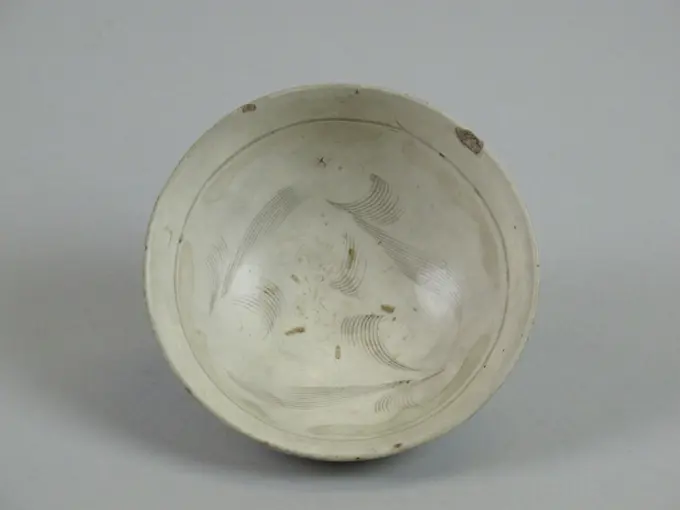
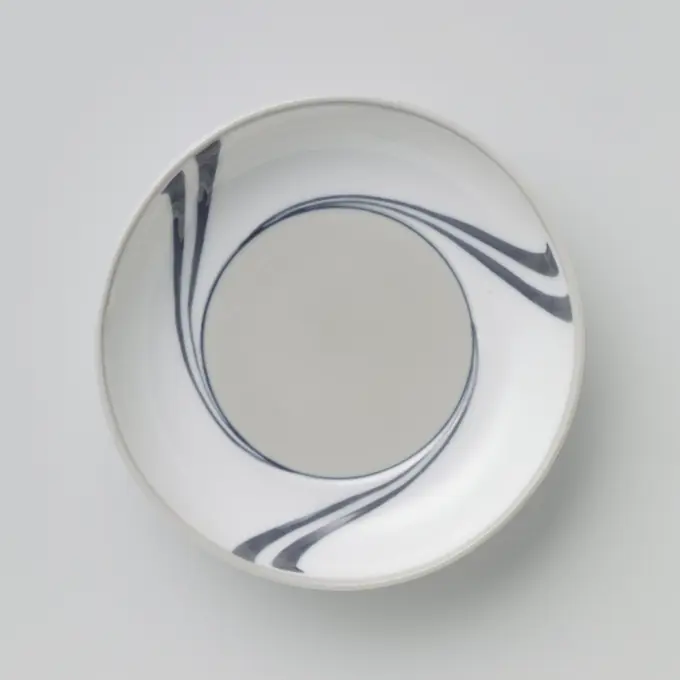
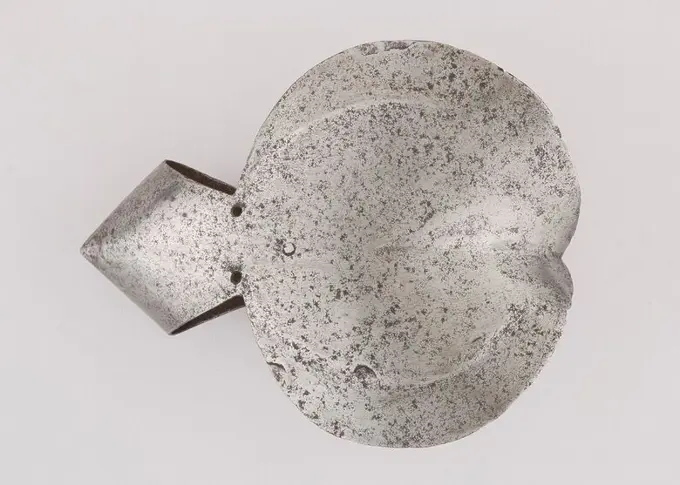
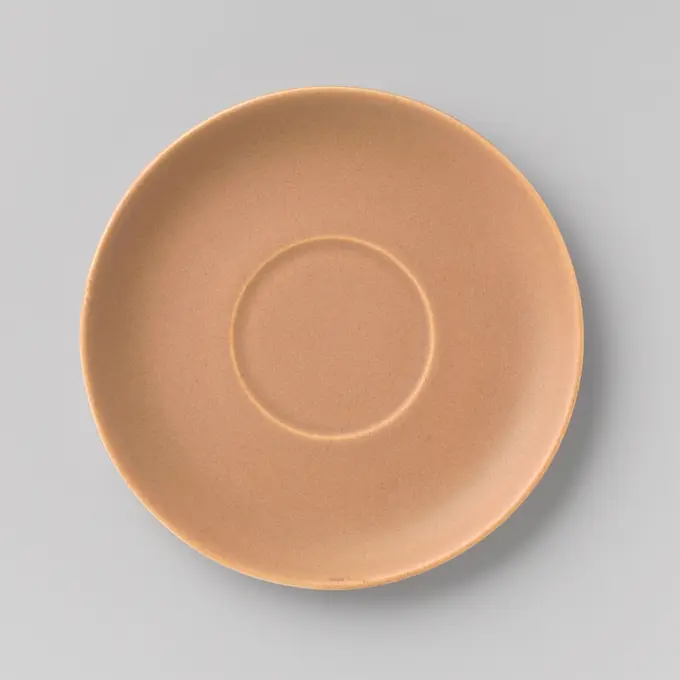
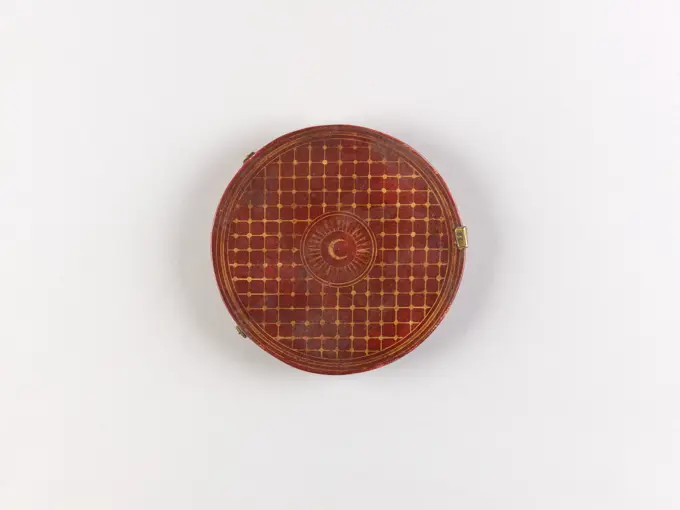
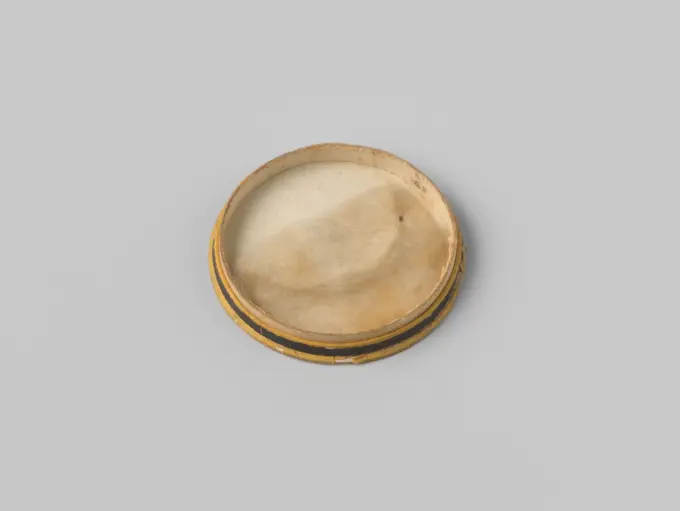
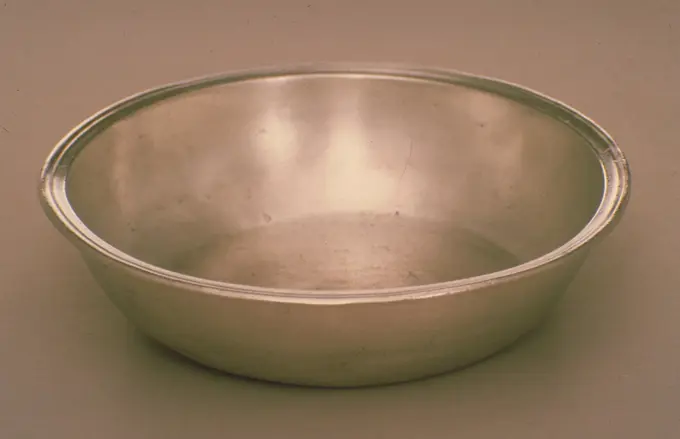
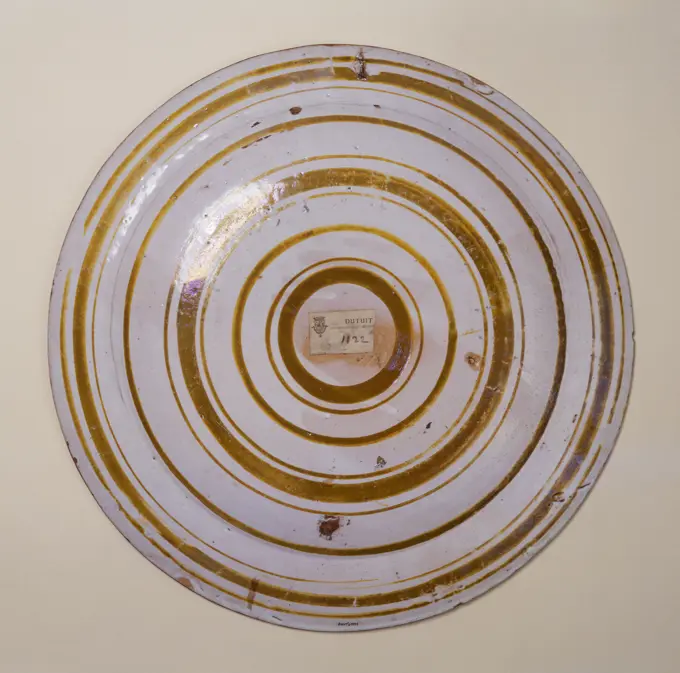
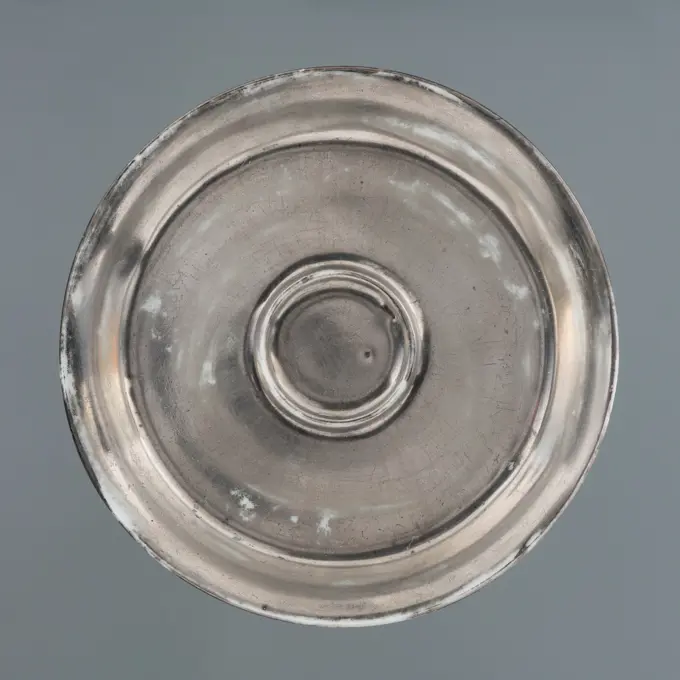
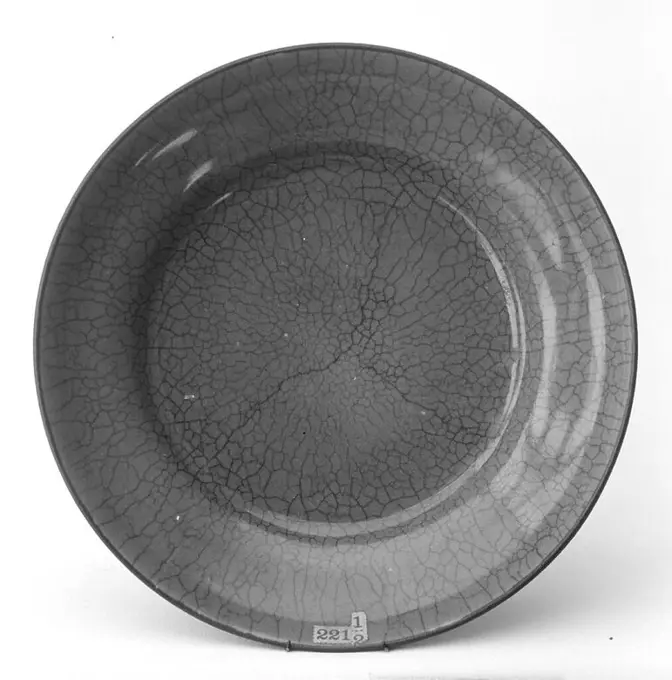
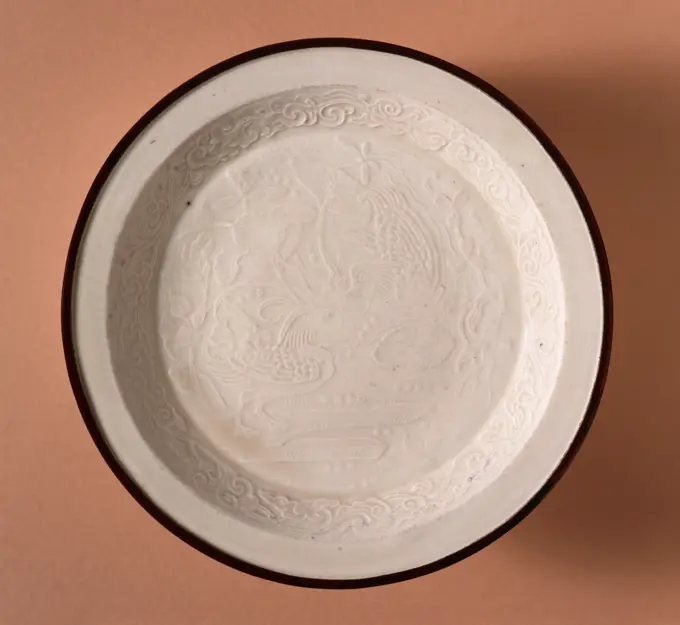
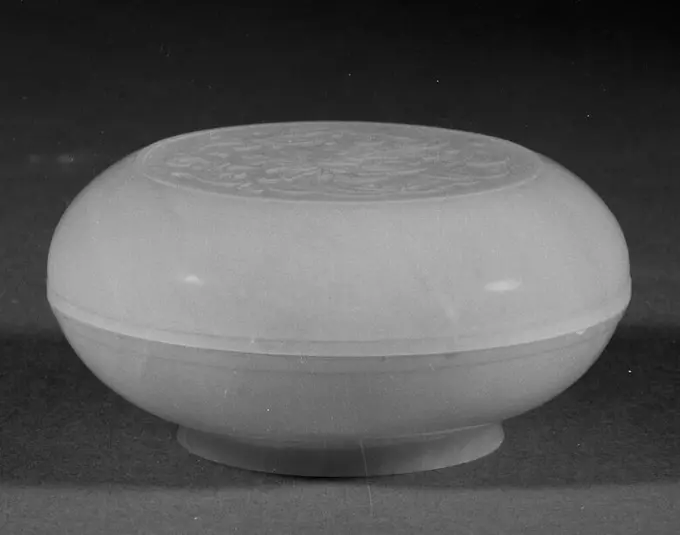
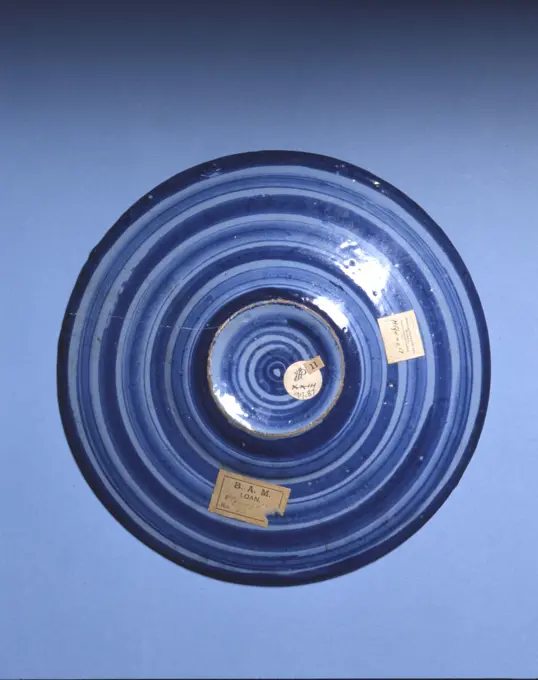
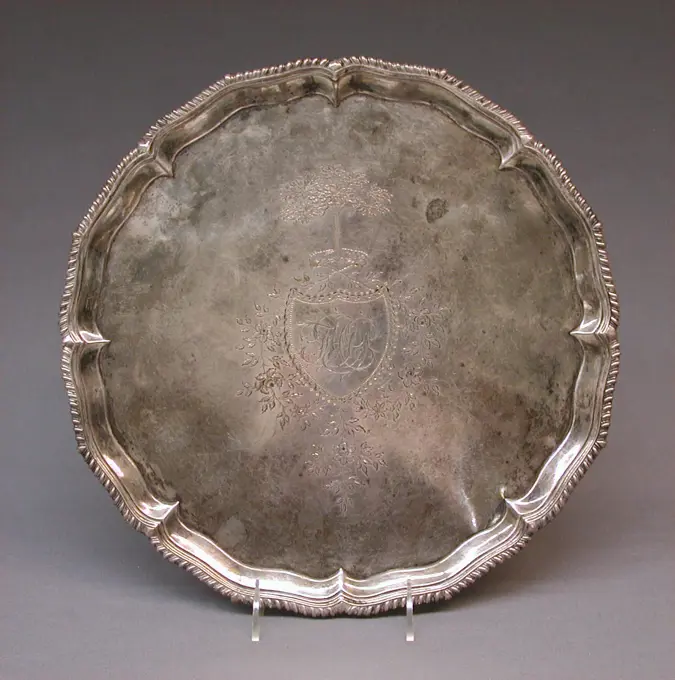
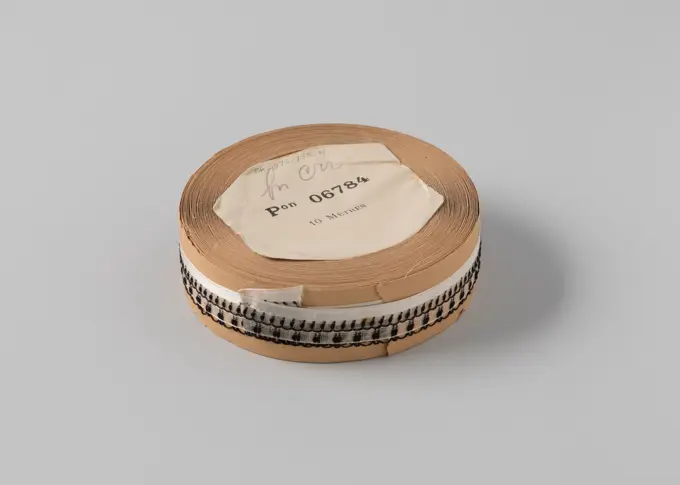
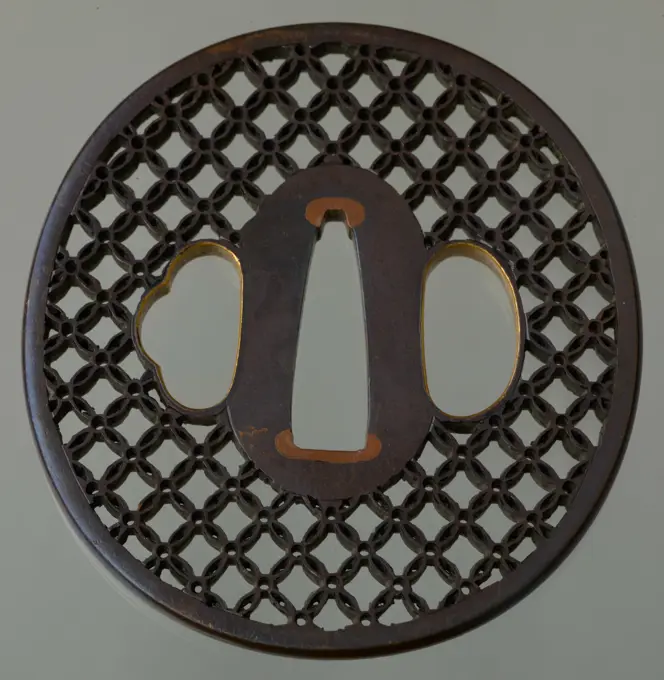
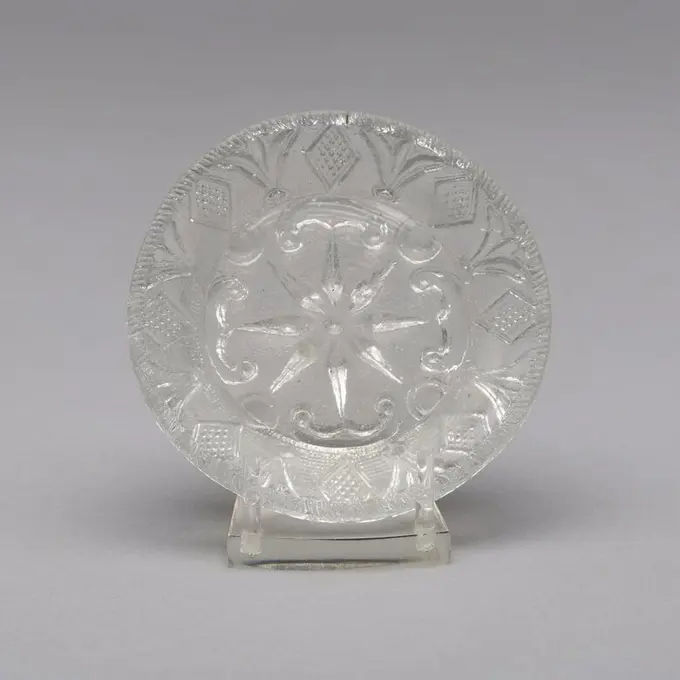
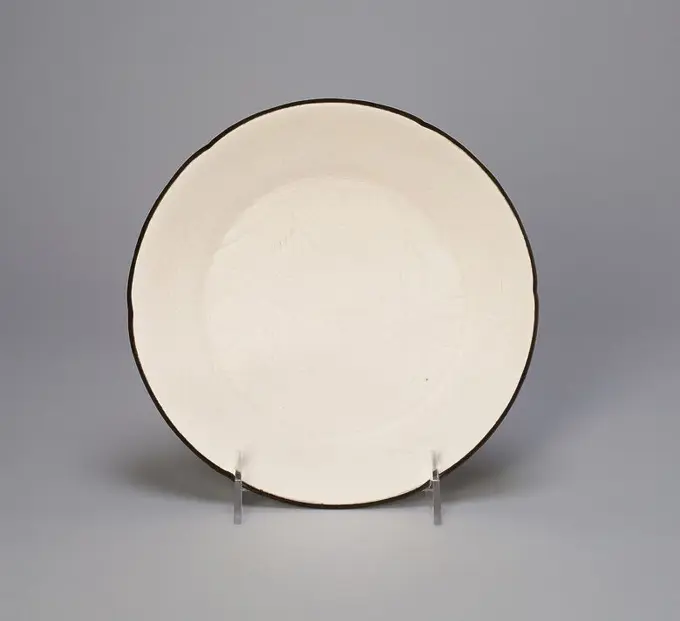
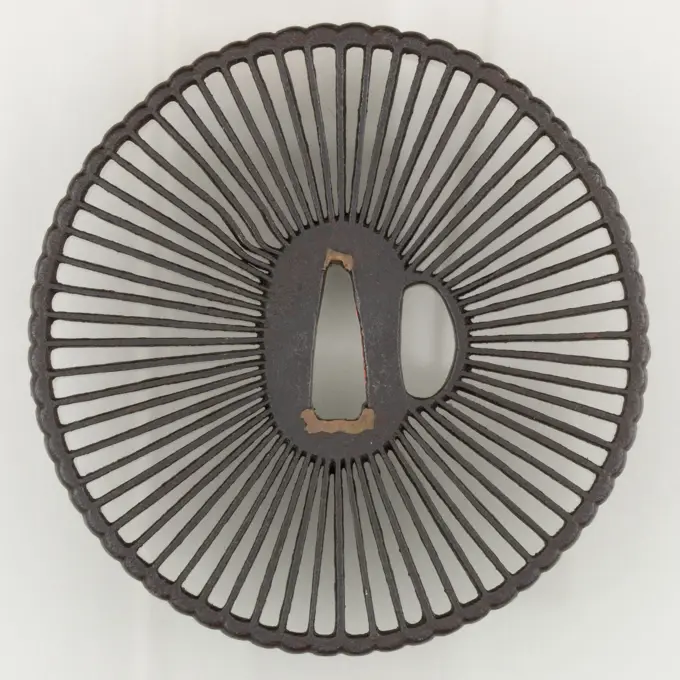
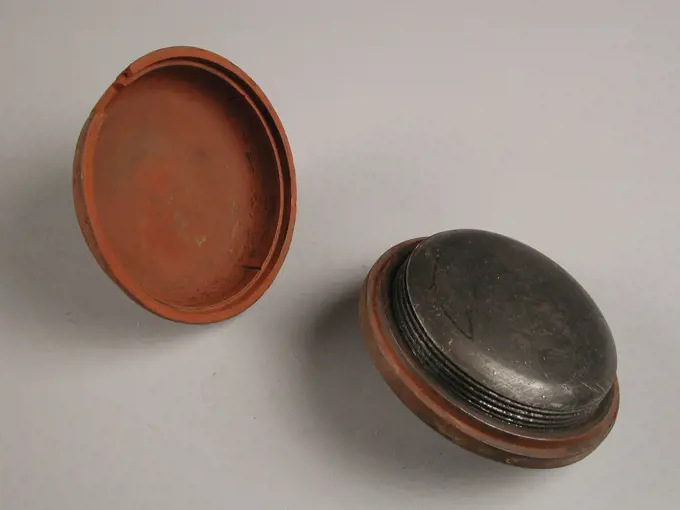
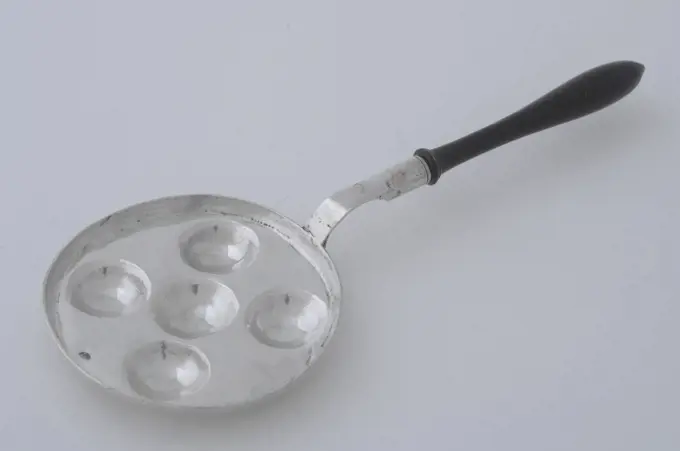
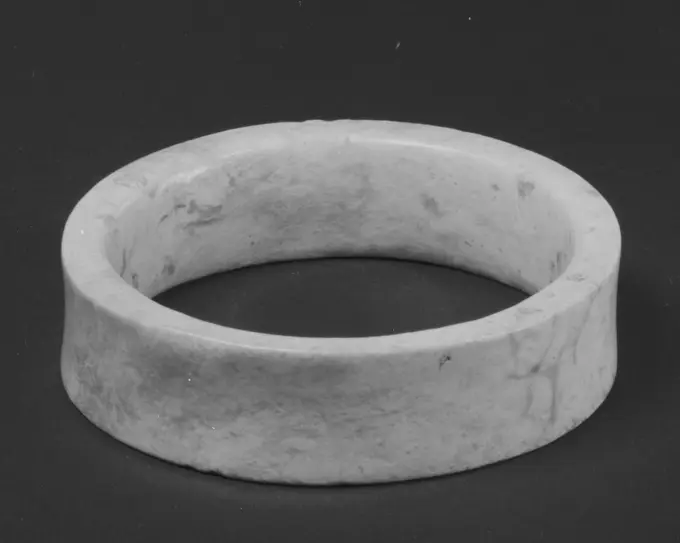
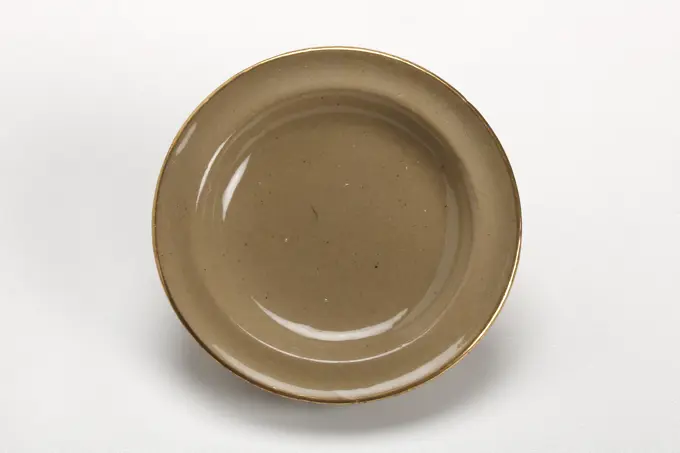
Plate - St. Johns Stone Chinaware Company (founded 1873) St. Johns Stone Chinaware Company (founded 1873)Bowl with Peony Scrolls. China. Date: 1115-1199. Dimensions: H. 4.5 cm (1 3/4 in.); diam. 16.2 cm (6 3/8 in.). Ding ware; porcelain with underglaze mold-impressed decoration; metal rim. Origin: China. Museum: The Chicago Art Institute, Chicago, USA.Dish or“Platter”.  Maker: Edmund Dolbeare, American, ca. 1644-1706/11For a long time; Rzodkiewicz, Zaborowski, Surzycki (Warsaw; Wytwórnia; 1879-1883); Kon. XIX century (1885-00-00-1895-00-00);TrencherPlatter, anonymous, c. 1400 - c. 1424 Dish of stoneware, covered with a green glaze. On the flat a medallion with a flower branch entered. On the wall a band with fruit branches and a band with leaf vines. Celadaon (Longquan). China stoneware. glaze engraving / vitrification Dish of stoneware, covered with a green glaze. On the flat a medallion with a flower branch entered. On the wall a band with fruit branches and a band with leaf vines. Celadaon (Longquan). China stoneware. glaze engraving / vitrificationFaience plate on stand surface, entirely white glazed, plate dish crockery holder soil find ceramic earthenware glaze tin glaze, hand turned baked glazed baked White plate on stand surface Lightly curled flat dish edge. Shoulder only on the inside on the transition from mirror to flag. Printing of tube at the bottom of the board edge Ripples in glaze layer. Restoration in adorned but not entirely color archeology Rotterdam Stadscentrum Stadsdriehoek New port indigenous pottery food serving table room serving Soil discovery: Nieuwe Haven 2nd cesspool (square) 22-08-1980Bowl with wave pattern 13th-14th century China. Bowl with wave pattern 48143Saucer dish with a crackled red glaze, anonymous, c. 1800 - c. 1899 Porcelain bowl with round wall, covered with a cracked red (sang the boeuf) glaze, the edge is white. Within the foot ring a crackling celadong glaze. Wand has been broken. Monochrome. China porcelain. glaze vitrification Porcelain bowl with round wall, covered with a cracked red (sang the boeuf) glaze, the edge is white. Within the foot ring a crackling celadong glaze. Wand has been broken. Monochrome. China porcelain. glaze vitrificationFor a long time; Fraget, Józef (Warsaw; Silver and Plated Products Factory; 1824-1945); 19th century (1870-00-00-1890-00-00);Small Bowl, 11th century, 2 1/2 x 7 in. (6.35 x 17.78 cm), Qingbai ware Porcelain with incised and combed décor under a light blue glaze, China, 11th century, Some of the earliest Qing Bai ware was simply decorated with freely executed incisions outlining the motif, usually floral, set off with incised comb patterns. Similar use of comb striations can be found in other Song ceramics including Yaozhou celadon and Cizhou wares. Delicately potted, lightly incised, and subtlety glazed, this small bowl reflects the aesthetic refinement Qing Bai could achieve within what was essentially a mass manufactured utilitarian ware with broad public appeal.Dish from the coffee and tea set 'Saxonia', Meissener Porzellan Manufaktur, c. 1904 Porcelain dish, painted in blue and gray. The dish is part of the coffee and tea set Saxonia. The dish is marked. Float porcelain. uranium oxide Porcelain dish, painted in blue and gray. The dish is part of the coffee and tea set Saxonia. The dish is marked. Float porcelain. uranium oxideRoll with white ribbon with one frayed silk and three blue horizontal stripes, c. 1930 Roll with white ribbon with one frayed side and three blue horizontal stripes. Nijmegenfrance textile materials. cardboard. paper Roll with white ribbon with one frayed side and three blue horizontal stripes. Nijmegenfrance textile materials. cardboard. paperDish.   Maker: John Shorey, Jr., British, active ca. 1708 - 1732Serving plate - St. Johns Stone Chinaware Company (founded 1873) St. Johns Stone Chinaware Company (founded 1873)Planets-manager. Cornalet Collection Sites 2013-2016. Numismatic.Elbow Defense (Couter). Culture: Italian. Dimensions: H. 6 in. (15.2 cm); W. 5 in. (12.7 cm); D. 8 in. (20.3 cm); Wt. 9.7 oz. (275 g). Date: ca. 1430-40. Museum: Metropolitan Museum of Art, New York, USA.Dish, part of a tea set, Petrus Regout & Co., 1934 Dish of earthenware, part of a tea set. Brown distance on the outside, with red buttons, spouts, ears and edges. Marked with sphinx stamp; Petrus Regout & Co Maastricht in a lying rectangle; Made in Holland; Dishes: Insented AR and waxing moon. Maastricht earthenware Dish of earthenware, part of a tea set. Brown distance on the outside, with red buttons, spouts, ears and edges. Marked with sphinx stamp; Petrus Regout & Co Maastricht in a lying rectangle; Made in Holland; Dishes: Insented AR and waxing moon. Maastricht earthenware. Talam, bronze sacrifice sheet with a engraved decoration in the middle, representing a horn shell, stylized floral motifs and a flame edge.Food, Empty grey plates and linen napkin on grey concrete or stone table. Cooking background. Rustic style. Selective focus. Top view, copy spaceHuzhou Mirror, 1500s. China, Huzhou, Ming dynasty (1368-1644). Bronze; diameter: 15.8 cm (6 1/4 in.); overall: 1.1 cm (7/16 in.); rim: 0.9 cm (3/8 in.).Seal Paste Box, 12th century, 1 1/2 x 3 5/16 in. (3.81 x 8.41 cm), Longquan ware Porcelaneous stoneware with celadon glaze, China, 12th century2016.49 View 7 of 7. Qibla Indicator, 1700-1825. Also known as Qibla Compass.. Qibla indicators are used to find the direction and time of prayer by Muslim worshippers. According to the central tenets (or five pillars) of Islam they must pray five times a day.Box Horning with a bronze medal, Edouard Louis Geerts, 1874 box Round cardboard box. The inside is padded. Lid is missing. Brusselsprinter: The Hague cardboard.   NetherlandsDish from the coffee and tea set 'Saxonia', Meissener Porzellan Manufaktur, c. 1904 Porcelain dish, painted in blue and gray. The dish is part of the coffee and tea set Saxonia. The dish is marked. Float porcelain. uranium oxide Porcelain dish, painted in blue and gray. The dish is part of the coffee and tea set Saxonia. The dish is marked. Float porcelain. uranium oxideSilver Bel, Anonymous, 1900 - 1925 Electric bell of silver. A round, wooden base with a silver border, on which a flattened silver half sphere is applied. The sphere is decorated with a yellow translucid email.  silver (metal). wood (plant material). Electric bell of silver. A round, wooden base with a silver border, on which a flattened silver half sphere is applied. The sphere is decorated with a yellow translucid email.  silver (metal). wood (plant material).Basin.   Maker: Townsend and Compton, BritishAiguière basin: Warrior bust, Italian majolica of Deruta, around 1540 (reverse). Museum of Fine Arts of the City of Paris, Petit Palais. 27010-5 Aiguiere, basin, ceramic, deruta, faience, Italy, Italian majolica, reverseBrooch -A plate;  18th century (1701-00-00-1800-00-00);Saucer SawskBeautiful round wooden cake stand on a textured concrete background. Kitchen utensil itemplate isolated on white backgroundDish-Shaped Candlestand with Long, Ribbed Neck 600 CE-650 CE China. Glazed stoneware .Two plates. These two lacquer plates are examples of imitation metal. The left one suggests smoothly wrought bronze, while the other one imitates the unevenness of old silver. The embellishment of the left plate is modern and severe, while that of the other plate is inspired by an ancient pattern.Dish. Culture: China. Dimensions: H. 1 3/4 in. (4.4 cm); Diam. 8 in. (20.3 cm). Date: late 18th-first half of the 19th century. Museum: Metropolitan Museum of Art, New York, USA.Jousting Lance with Vamplate 1500-1600 Germany. Steel, leather, and wood .Stationary horizontal sundial. Culture: British, Leeds. Dimensions: Overall: 3 3/4 × 7 in. (9.5 × 17.8 cm). Maker: George () Davis (working 1720). Date: ca. 1720. Museum: Metropolitan Museum of Art, New York, USA.A saucepan used by soldiers of the 2nd Polish Corps of General Władysław AndersWine Cup with Stand, 13th century, 2 5/8 x 2 9/16 in. (6.67 x 6.51 cm) (a: cup)3 1/2 x 5 7/8 in. (8.89 x 14.92 cm) (b: stand), Qingbai ware Porcelain with pale blue glaze, China, 13th century, The Song dynasty (960-1279) saw a tremendous increase in the production of fine, white stoneware and porcelain began to be made in kilns throughout north and south China. The most important group of southern white ware came from the Jingdezhen kilns in Jiangxi province. Known as qing bai (bluish-white), it had a fine, white paste and was wood-fired in a reducing atmosphere. Totally lacking decoration, this thin-walled wine cup and accompanying saucer-stand rely entirely on purity of form and color for their aesthetic impact. Although the best Qing Bai ceramics were light, elegant, and thin-walled with translucent gemlike, blue-tinted glaze, the ware was not greatly appreciated by the Chinese court.Speech Bubble Icon A light beige square speech bubble icon with a textured, slightly aged appearance. Suitable for messaging, notifications, and communication interfaces. Copyright: xiadamsonxDish with Mandarin Ducks in a Lotus Pond 1115-1199 China. Ding ware; porcelain with underglaze molded decoration; metal rim .Teapot Stand 1796 Paul Revere Jr. American This elliptical teapot stand and its matching fluted bail­handled sugar basket (33.120.544) were originally part of a larger service ordered from Paul Revere Jr. in June 1796 by Jonathan Hunnewell (1759-1842). Fashioned in the prevailing neoclassical taste and engraved with delicate bright­cut swags and tassels, they closely resemble other tea wares supplied by Revere in the mid­ to late 1790s. Hunnewells order also included a silver teapot, a second teapot stand, and four salt shovels. The individual pieces are itemized in Reveres ledgers, along with their weights and costs. Teapot Stand 7884Rug of linen with a border bobbin with stylized 'clock' pattern of pattern designer De Jager Meezenbroek-van Beverwijk, L.P.J. de Jager Meezenbroek-van Beverwijk, c. 1924 Dress of linen with a rim of natural -colored bobbin side: Wijdenes Kant. Oval model. The repeating pattern consists of clocks (campunules) that are alternately reversed. The pattern is completely filled with clocks. The residual space between two clocks forms another clock in itself. The clocks that 'hanging' from the inner edge to the outer edge were made in linen stroke with a center line made with tie strokes. The intermediate clocks consist of a stripe pattern of horizontal braids, with a center line in linen battle. The so-called 'Klokje' pattern was designed by Louise Pierrette Jacqueline de Jager Meezenbroek-van Beverwijk. On 25 February 1914 she founded the lace klosschool 'Everyone for Allen' in Wijdenes. NetherlandsWijdenes linen (material) Bobbin Lace / Wijdenes Lace Dress of linen with a rim of natural -cPie Dish. Culture: American. Dimensions: Diam. 12 3/8 in. (31.4 cm). Date: 1800-1830. Museum: Metropolitan Museum of Art, New York, USA.Cup & SaucerPlate (one of a set of twelve) Thomas Farren British 1715/16 View more. Plate (one of a set of twelve). British, London. 1715/16. Silver. Metalwork-SilverMaker Unknown, Strainer, 1761, silver.Dish (Pan) with a Pair of Mandarin Ducks. China, Hebei Province, Quyang County, Jin dynasty, 1115-1234. Furnishings; Serviceware. Ding ware, molded stoneware with impressed decoration, transparent glaze, and banded metal rimSalver.   Maker: John Edwards, American, 1671-1746Beautiful empty white ceramic gravy boat on a textured concrete background. Kitchen utensil itemCovered seal box. Culture: China. Dimensions: H. 1 3/8 in. (3.5 cm); Diam. 3 in. (7.6 cm). Date: 18th century. Museum: Metropolitan Museum of Art, New York, USA.PENNING DOOR. Turned wooden box. Associated medal is NG-2013-14-1.Maker: Thomas Dane, American, 1726-1759, CreamPail, ca.1750, Silver, 2 7/8 in. (7.3 cm), Made in Boston, Massachusetts, American, 18thcentury, Containers -Metals(Verso). Maiolica Bowl, 1525-35. Tin-glazed earthenware bowl. Manufacturer unknown. Faenza, Ravenna, Italy .Salver 1770-71 Possibly by Ebenezer Coker. Salver 208866Bowl 13th century China. Bowl. China. 13th century. Stoneware with celadon glaze (Longquan ware). Southern Song dynasty (1127-1279). CeramicsRibbon on roll, white mesh ribbon with two rows of black sculptes, c. 1890 - c. 1935 Ribbon on roll, white mesh ribbon with two rows of black sculptes. NijmegenFrance (possibly) textile materials. cardboard. paper Ribbon on roll, white mesh ribbon with two rows of black sculptes. NijmegenFrance (possibly) textile materials. cardboard. paperCDK unknownCup plate. American; Probably Pittsburgh, Pennsylvania. Date: 1825-1835. Dimensions: Diam. 7.6 cm (3 in.). Pressed glass. Origin: Pittsburgh. Museum: The Chicago Art Institute, Chicago, USA.Covered Box: Ding ware, 1000s-1100s. China, Hebei province, Ch'ü-yand District, Northern Song dynasty (960-1127). White porcelain; diameter: 7.6 cm (3 in.); overall: 7.3 cm (2 7/8 in.).Assorted dishesCounter 30 B.C.-A.D. 364. Counter 444847. Lid of round box of stoneware, covered with a green glaze. Celadon (Yue).Plate, Boston and Sandwich Glass Company, Sandwich, Massachusetts, USA, active 1824-1888, Overshot mold-blown glass, applied gilding, Circular form of pink-red 'ice' or 'overshot' glass with wide rim and shallow well, smooth top surface, the underside rough and irregular; narrow gilded band around rim., ca. 1875-85, glasswares, Decorative Arts, PlateBumpy empty ceramic plate on a textured concrete background. Kitchen utensil itemSmall Dish With Incised 'Shou' Symbol. Dish of porcelain, covered with a translucent white glaze. On the flat the ingrangled 'shou' symbol, long life, in a medallion. Ming porcelain.Lobed Dish with Lotus Sprays and Curled Feather-Like Leaves. China. Date: 1000-1099. Dimensions: H. 4.6 cm (1 13/16 in.); diam. 19.7 cm (7 3/4 in.). Ding ware; porcelain with underglaze carved decoration. Origin: China. Museum: The Chicago Art Institute, Chicago, USA.Dish 10th century. Dish 453852Earthenware dish on stand with wavy saucer edge, clear sludge decoration in yellow and green, dish plate crockery holder soil find ceramic earthenware glaze lead glaze clay, surface 8.5 hand-turned glazed decorated fried loin cord Pottery dish on stand surface Internally glazed. Deep dish with straight slanted side wall. Decorated in sludge technology Decoration consists of six arrows in yellow circle in the center of the mirror Around it yellow circles On the flag wide strip of yellow stripes on which narrow green lines Thickened raised saucer edge with sculpted wave line. Restoration is left empty archeology underground pit Rotterdam City Triangle Blaak Groenendaal indigenous pottery import food serve serving table room Soil discovery underground pit Groenendaal direction Blaak.Vase, 1644-1911. China, Qing dynasty (1644-1911). Porcelain; overall: 28.6 cm (11 1/4 in.).Cover Bohemian 19th centuryRing 500 BCE-400 BCE China. Jade .Terracotta stemmed dish. Culture: Greek, Attic. Dimensions: H. 3 1/16 in. (7.8 cm); diameter of mouth 7 9/16 in. (19.2 cm); diameter of foot 3 1/16 in. (7.9 cm). Date: 5th century B.C..Stemmed dish with no decoration. Museum: Metropolitan Museum of Art, New York, USA.Fragment of bottom and part wall of braid cup, drinking cup drinking utensil holder soil find glass, hand-blown into the mold Fragment of bottom and small part of wall of plaiting cup in clear colorless glass. Pontil mark under raised bottom (h 2.3 cm). number of times the wall was wound with glass wire, of which two windings were left. Next, the cup was blown into mold with 12 grooves. After that flat wide glass wire as stand ring under the soil laid archeology Rotterdam rail tunnel drink Soil discovery: rail tunnel Rotterdam.Faience sign on stand, blue decor, small rosette in the middle, blue trim on the edge, plate crockery holder soil find ceramic earthenware glaze tin glaze, hand-turned baked decorated glazed fried Faience plate on small standing surface Strongly curved dish edge only at the top shallow shoulder on the transition to the flag. Blue decor on white fond. Small rosette in the middle of mirror and blue stripe on the flag. Cooked in tube. Misbaksel dish is broken in two during the second time baking archeology City Triangle Rotterdam Town Hall indigenous pottery handicraft pottery Soil discovery: probably Raadhuisterrein Rotterdam 1917.Terracotta stemmed dish 6th-5th century B.C. Greek, Attic Dish, stemmed.. Terracotta stemmed dish 255241 Greek, Attic, Terracotta stemmed dish, 6th5th century B.C., Terracotta, H. 2 1/4 in. (5.7 cm); diameter 3 3/8 in. (8.6 cm). The Metropolitan Museum of Art, New York. Rogers Fund, 1967 (67.11.14)Ladle.   Maker: Miles Gorham, American, 1747-1847Sword Guard (Tsuba) 1600-1700 Japanese A tsuba is a sword guard and part of a sword mounting. It is mounted between the swords blade and grip to protect the users hands.. Sword Guard (Tsuba) 33382Kiyomizu, Shichibei I (n. - D.1860), Cuttings to cool water (yuzamashi) (common name), 1840. sandstone, decor painted red on the covered, gilding. Cernuschi Museum, Asia Museum of Asia in the city of Paris. On the side, cherry flower motif in spring and maple in autumn, called in Japanese Unkin-de, painted on a gray-beige background.Cap 1820-25. Cap. 1820-25. BrassTeljoor, anonymous, c. 1590 - c. 1596 plate (dishes) Plate or teljoor, round and shallow with a narrow raised edge. The board was originally painted red (Weapon with French lily) and has running tracks in the plane of which the middle on both sides is finished with a chisel. The board served to cut down fixed food, especially meat. Cut tracks are visible on the user side. See also NG-NM-7677.  wood (plant material). paint (coating) painting  Nova Zembla. Saving HuysOval car ink unknownTwo-piece bronze mold for convex lid with screw thread of barrel pot, mold casting tool tools base metal bronze, cast twisted Two-piece bronze mold for convex lid with screw thread of gortepot or butter pot topside: 2834 201 Rotterdam tin foundry tin stainer tin Meeuws Druy craft Shapes are from the van origins 18th century Rotterdam tinnegieter J Druy. The large molds that were not signed or dated were the property of the tinker guild and were rented to the small tin caster.Miniature poffertjes, Dutch Mini Pancakes, pan with wooden handle, pancake pan crockery holder kitchenware miniature model silver wood, whipped Round pan with long handle of black wood five round cavities in pan raised edge re-mark: n (Rotterdam 1795) prepare dolls food baking games decorate kitchen home interior RotterdamBowl second half 10th century. Bowl 451119Jade Ring ca. 2400-2000 B.C. China. Jade Ring. China. ca. 2400-2000 B.C.. Jade (Nephrite). Neolithic period. JadeAlabaster stemmed bowl ca. 1600-1200 B.C. Cypriot Ribbed exterior and high foot.. Alabaster stemmed bowl 243997Toy dinner plate - Spode SpodeFurniture Hardware 1820-30 Henry Kellam Hancock. Furniture Hardware 2165black coffee cup over a white backgroundJooster de Pottenbakster, White low ointment jar, wide model with three constrictions, ointment jar holder soil find ceramic earthenware glaze tinglaze h 4,5, hand-turned baked glazed fried Low-wide albarello shape with three turns with smooth transitions at the constrictions. White-yellow shard. White archeology Valckensteyn Poortugaal Albrandswaard health care indigenous pottery ointment care medication medicine pharmacy packaging Soil discovery: castle Valckensteyn in Poortugaal now Albrandswaard 1961-1962.Big green macaroon isolated over white backgroundCommemorative patera of shooting competitions in Chur Huguenin Frères & CoFoliate Square Dish. China. Date: 950 AD-1000. Dimensions: 3.7 × 11.5 × 11.5 cm (1 7/16 × 4 1/2 × 4 1/2 in.). Porcelain with creamy white glaze and underglaze molded decoration. Origin: China. Museum: The Chicago Art Institute, Chicago, USA.Faience plate on stand, blue decor, small flower rosette, piping over the flag, plate crockery holder soil find ceramic earthenware glaze tin glaze, hand-turned baked decorated glazed fried Faience plate on stand Shallow shoulder between flag and flat. Fully covered with tin glaze. Yellow shard. Blue floral pattern or rosette in the middle of the mirror and blue stripes over the flag. Cooked in archeology Stadscentrum Stadsdriehoek Rotterdam Town hall indigenous pottery handicraft pottery earthenware Soil discovery: probably Council House Rotterdam 1917.Peanut butter swirl in glass bowl, top view Peanut butter swirl in glass bowl, top view with copy space Copyright: xZoonar.com/MaksimxLashcheuskix 21933607White empty soup bowl on a dark concrete background White empty soup bowl on a dark concrete background. Family dinner preparation Copyright: xZoonar.com/TetianaxChernykovax 21341878Salzstreuer und Pfefferstreuer - Saltshaker and pepper caster Salzstreuer und Pfefferstreuer - Saltshaker and pepper caster Copyright: xZoonar.com/lantapixx 11266572Saltshaker and pepper caster