Diverse Footwear Collection

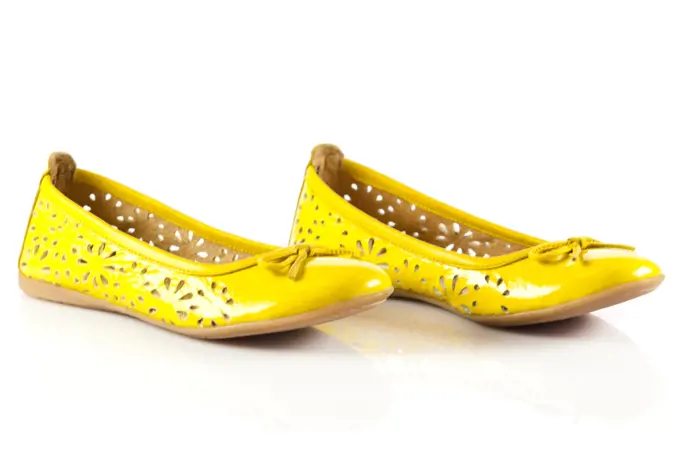
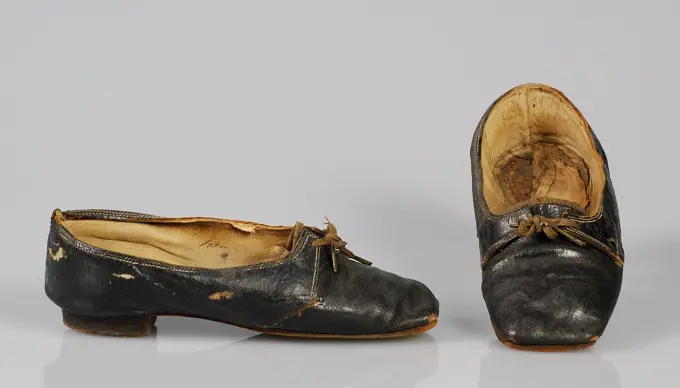
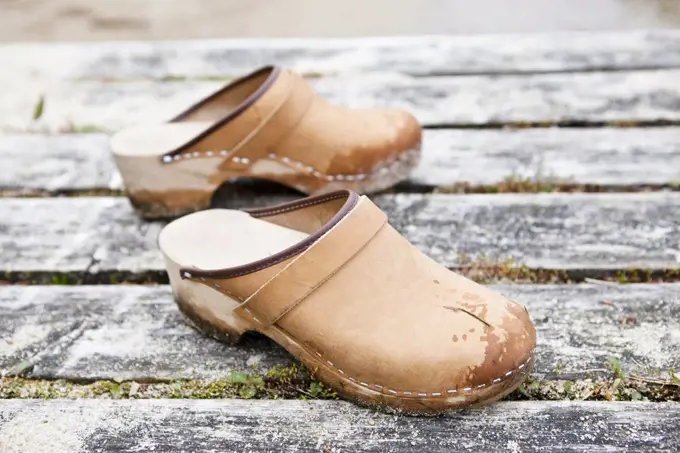
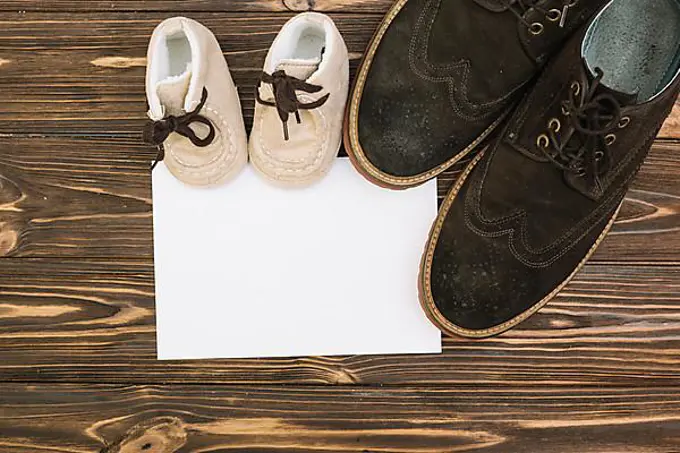
A variety of shoes including baby shoes, men's dress shoes, and colorful children's shoes, showcasing different styles, colors, and designs.

Close-up of old fashioned baby shoes
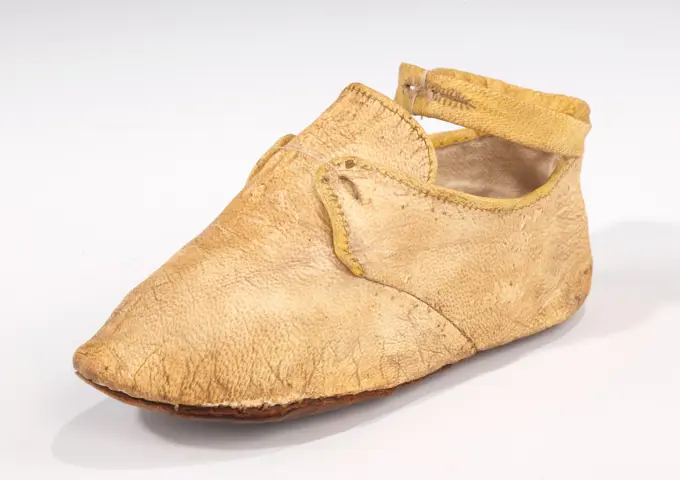
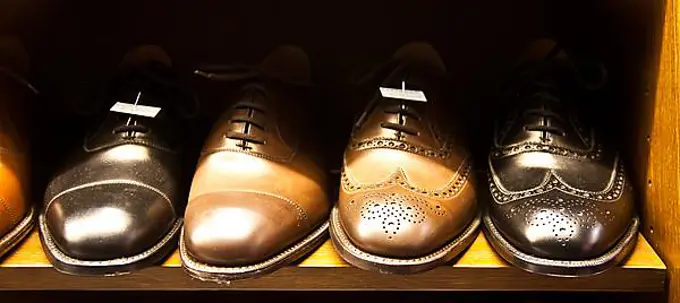
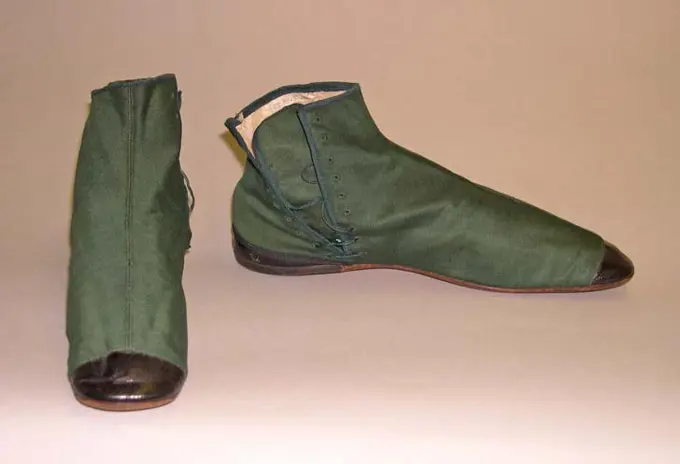
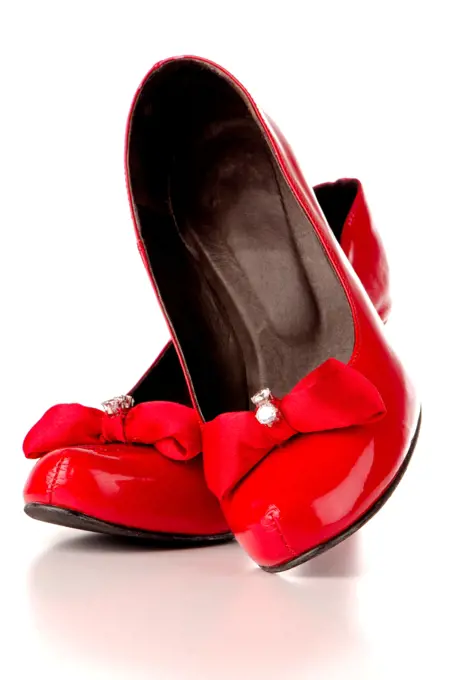
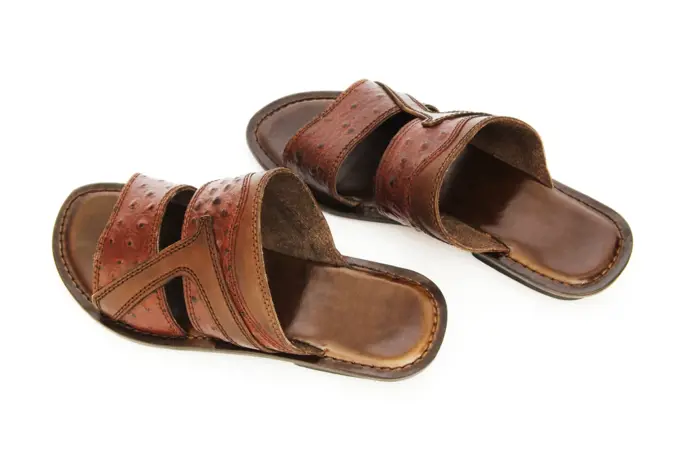
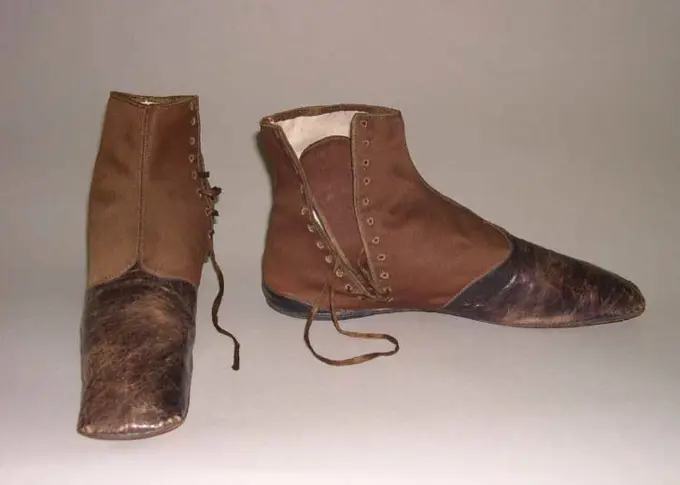
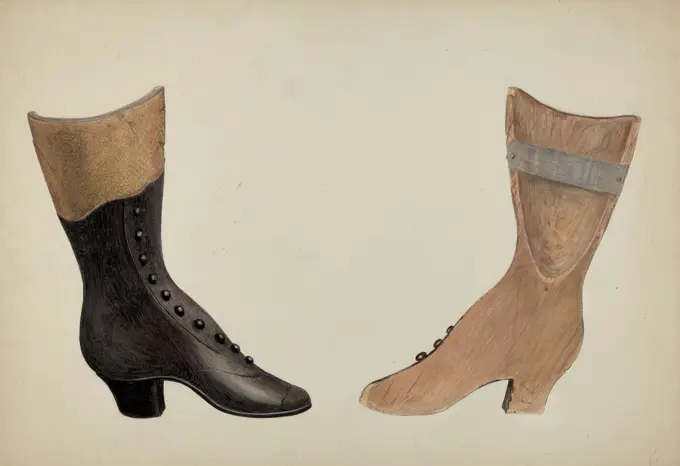
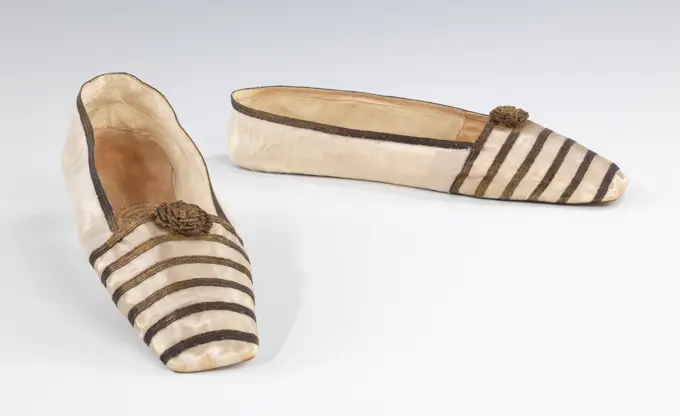
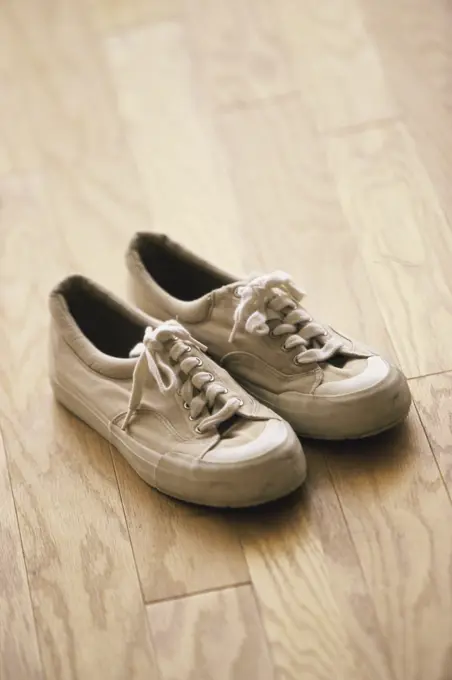
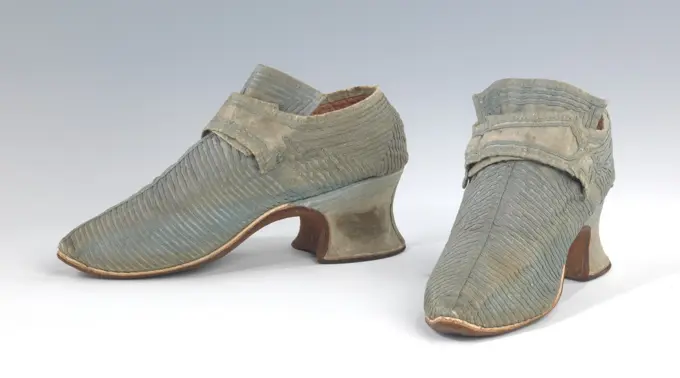
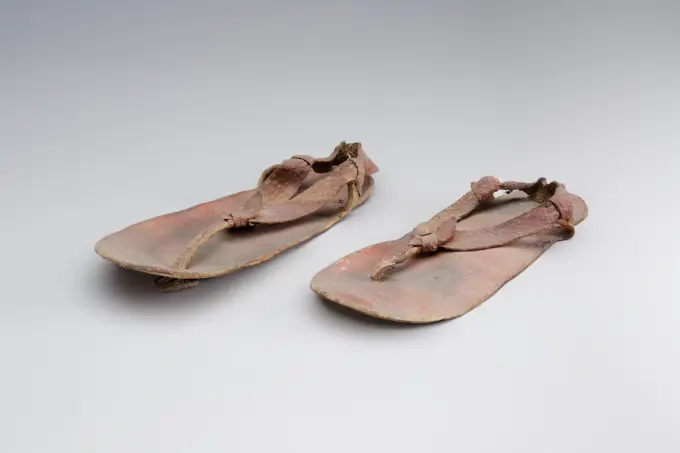
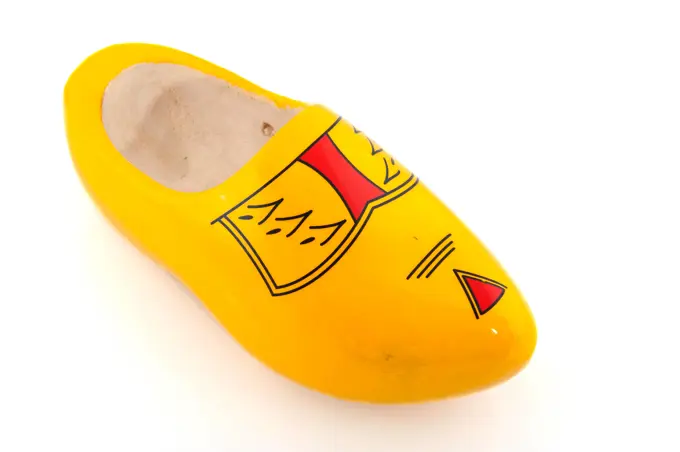
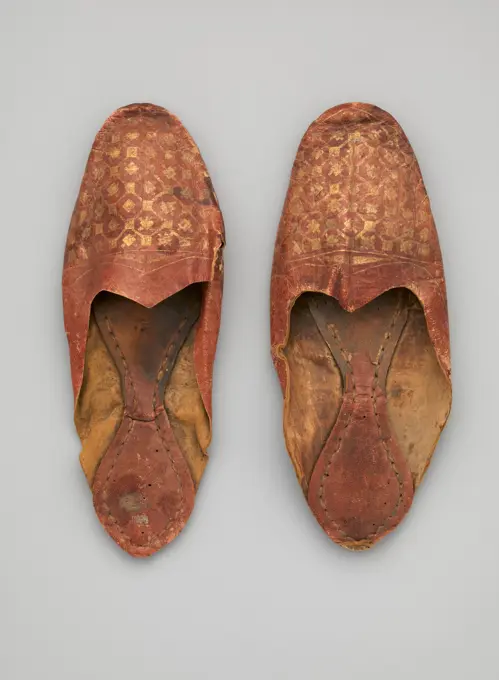
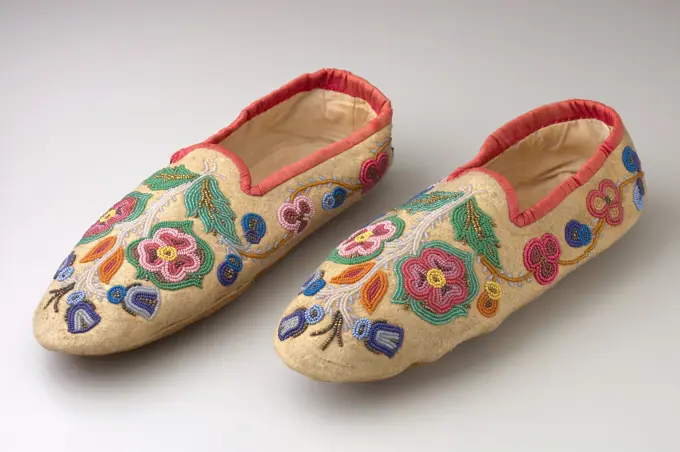
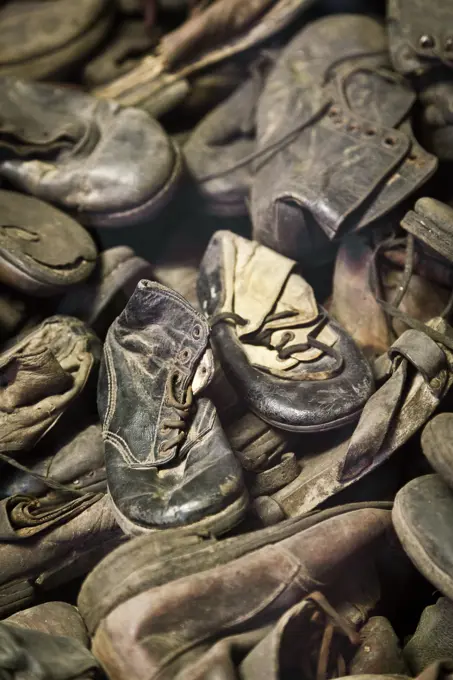
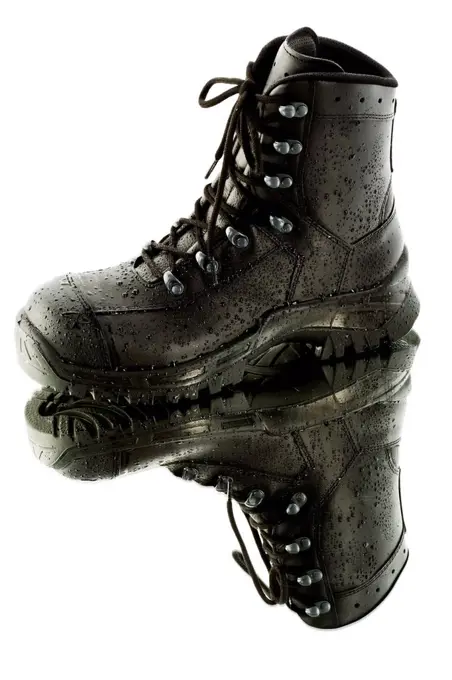
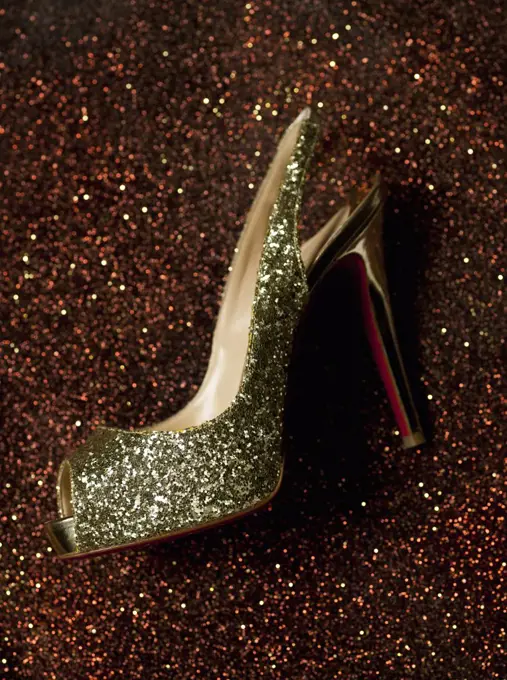
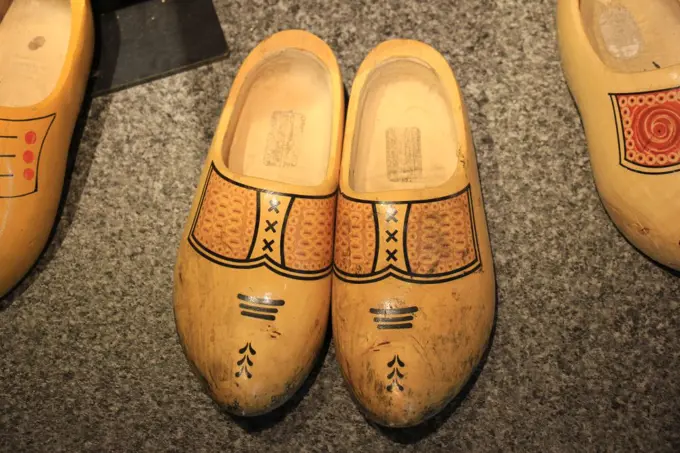
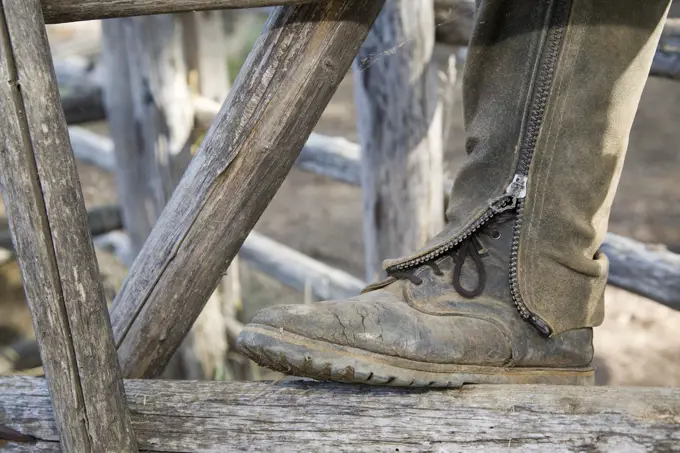
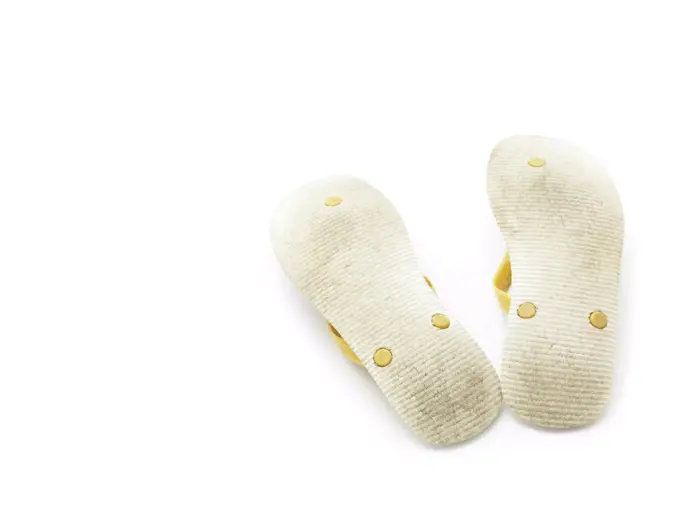
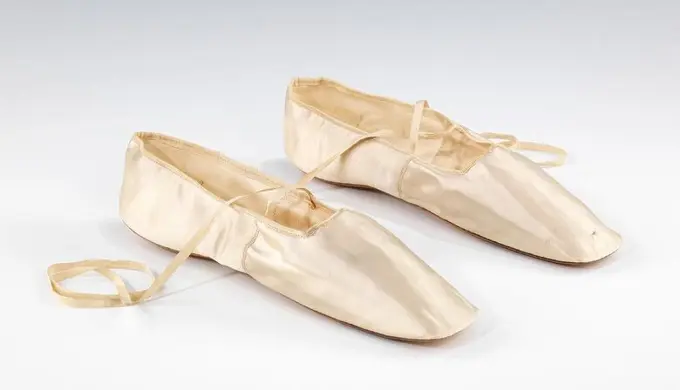
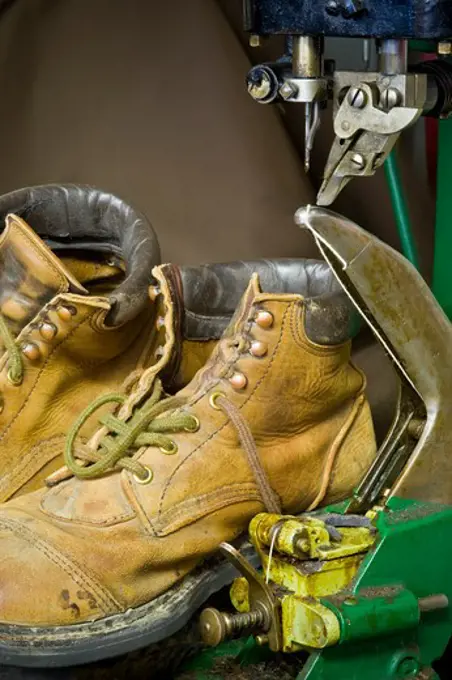
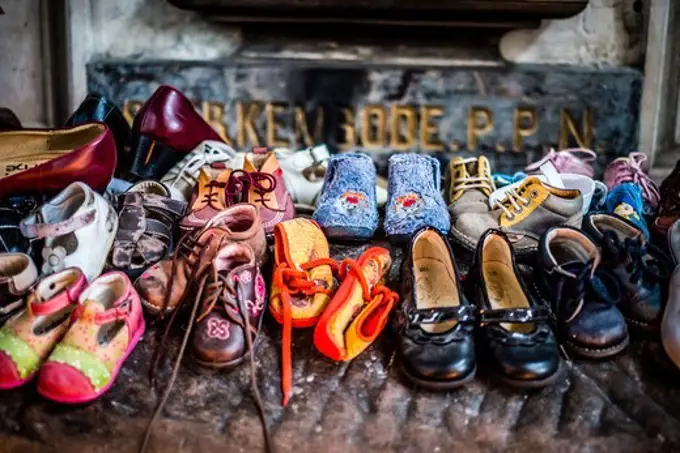
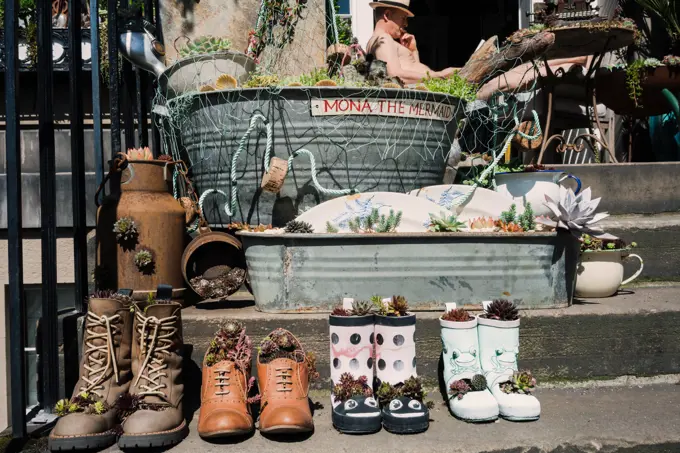
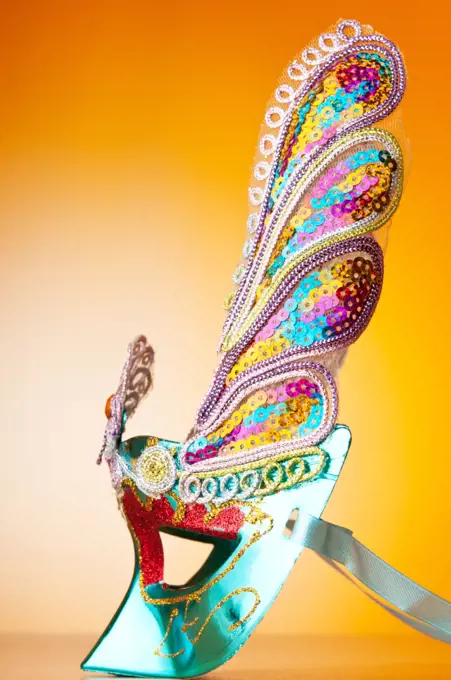
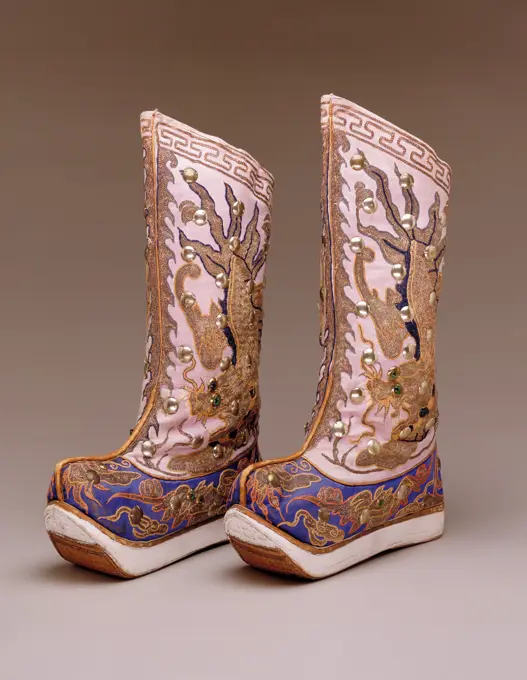
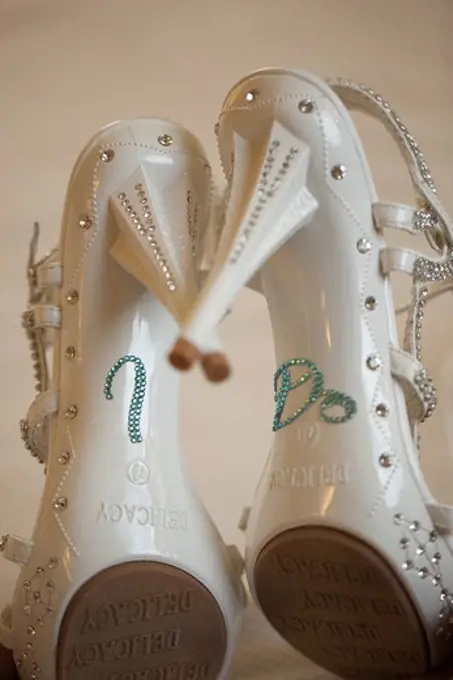
Close-up of old fashioned baby shoesMale shoes isolated on the white background	Close-up of a baby sandal with a high heel shoemen’s dress shoes on a white background, close-upchildren shoes isolated on white background.Shoes 1840-59 American. Shoes 169125SlippersSlippers 1870s American. Slippers 116029Two pairs of wooden shoesPair of shoes, red, with sides tie and buckle Pair of shoes, red, with silk ties and nickel -plated () Buck. Pair of shoes, red, with silk ties and nickel -plated () Buck.Pair of slippers on wooden floorboardShoes 1775-1825 probably European One of the few 18th century examples of children's footwear preserved in the collection, this infant's shoe features an appealing two-tone yellow color scheme to add interest to the simple form. The cut derives from the adult latchet-tie style, but has the added feature of an ankle strap. Although not a feature of adult footwear at the time, ankle straps are common on children's shoes, as they secure the shoe more surely to wriggling feet.. Shoes 158052Old worn ballerina shoes on a white backgroundBoots ca. 1883 French. Boots 90444Child's Shoes. United States, 1865-1870. Costumes; Accessories. Leather. Overshoe or "patijn" from white wood with a dichotomy cover of light blue silk damask. Model: Sole of white wood with rounded nose. From the nose the wood runs down in a rounded curve. After a plateau on the ground, the wood runs in a rounded curve towards Geleng. The front of the heel runs straight down. The side and back of the heel run down in a rounded curve. The two parts of the cover page are fenced with three nails per side in the wood. The cover page starts halfway through the forefoot and are connected to each other in a straight line. The cover page runs at the instep in a round bend towards the Geleng where it is secured in the wooden sole. The cover page is lined with beige linen. Decoration: Flower-like shapes can be seen in the Damask drawing. The two parts of the cover sheet both have two metal fat gland. Due to the fat gelders, an ivory-colored silk ribbon is strung together that holds the two parts of the cover page. Beated with ivory silk.Pattens early 18th century European. Pattens. European. early 18th century. leather, silkSilver ladies shoes with multicolored shoelacesLeft shoe size 35, anonymous, c. 1590  Left shoe, size 35, envelope sewn with tire closure and decorated with vertical inseeds and diagonal alder holes. The quarter of an hour tires are under the cover sheet with the shoe closing. The upper leather and the heel lining are made of goat theory and the envelope of calf leather. The Veter holes are in a non-prodetta manner with yarn ombo. A 10 mm thick cork layer has been placed between the cattle sole and outsole between the forefoot and a non-running wood filling under the heel section.  goatskin. calf (leather). cork (bark) cutting / sewing  Nova Zembla. Saving HuysEvening slippers 1845-65 Menochet. Evening slippers. French. 1845-65. SilkItalian shoes in a shop in Milan, close to Via MontenapoleoneShoes 1840s American. Shoes 104758Red shoes isolated on white reflective background.Rubber bootsSummer shoes isolated on the white backgroundClose up of rubber boots on white backgroundSlippers 1790s probably American. Slippers 112674Shoes 1840s American or European. Shoes. American or European. 1840s. leather, linenA Pair Of Flat Women's Shoes With Wedding Bands On Top Of ThemLadies's pussy with cover sheet of Blauwe Zijdendamast, insole and heel covered with white glacé leather, c. 1750 - c. 1800 Ladies's pussy with cover sheet of Blauwe Zijdamast, insole and heel covered with white glacé leather. Netherlands Cover: Silk. insole:. heel: Ladies's pussy with cover sheet of Blauwe Zijdamast, insole and heel covered with white glacé leather. Netherlands Cover: Silk. insole:. heel:Costume artefact. Kubrick Exhibition at the Design Museum, London, United Kingdom. Architect: N/A, 2019.Pair of miniature shoes early 18th century Dutch. Pair of miniature shoes 206594Close Up Of A Totem Pole, Teslin Tlingit Heritage Centre, Teslin, YukonClose-up of a woman tripping on a rug.Schoen van zwart leer.Black leather shoe. Model: Valves with very low heels, toothed around. The leather-covered wooden heels are partially loose, decorated with trim of red leather. (Relative to BK-NM-10850). Men's modelAmerican 20th Century, Shoe Shop Sign  Two Views, 1935 1942 Shoe Shop Sign: Two ViewsEvening slippers 1840-49 Gundry & Sons British The celebrity tie-in is not a new phenomenon to fashion. Merchants and makers have always been anxious to promote their products by their connections to the social elite. A small workshop could survive by local patronage and word-of-mouth referrals, but the increased volume and wider distribution of products generated by the Industrial Revolution necessitated the development of print advertising. Shoes are a particularly good example of this phenomenon, as they were one of the earlier items of apparel to bear labels. In this pair of slippers, the well preserved paper label makes full use of the maker's noble associations to promote the product, squeezing the names of four royal clients into the text. Also of note is it ribbon-striped vamp which enjoyed a period of fashionability in the 1840s.. Evening slippers 156181Pair of tennis shoesShoes. Culture: American. Date: ca. 1890.It is commonly held by fashion historians that through most of history children were dressed as miniature adults once they had passed the age of infancy. While the cuts and favored trimmings frequently correlate, the more extreme adult styles were seldom applied unmodified to childrenswear. It is therefore particularly exciting to find in boyswear this faithful miniature of high-style men's shoes. The design is rendered exactly as seen in adult styles at the time, including the square upturned toe, incised lines on the vamp, and mock button closure with elastic side gores. These shoes were rescued from the ruins of an abandoned shop, so we can only image the little dandy up to the task of wearing such an advanced style. Museum: Metropolitan Museum of Art, New York, USA.Shoes 1730-59 European The decorative motif of stripe-like allover braid application is well represented by this pair of shoes dating from the end of its fashionable period, which lasted for about 100 years beginning in the mid-1600s. While contrasting colors had been common in the 17th and early 18th centuries, later examples of this type of ornamentation are usually monochrome. The braid is worked in an attractive star design on tongue, despite the fact that this would have been covered by the buckled latchets when worn.. Shoes 156200i m walking i m walking Copyright: xZoonar.com/murxxxx 1274864Male shoes isolated on the white backgroundman’s shop in shop art shopping centreFlat shoe from black silk with ribbon, anonymous, c. 1850 - c. 1930  Europe silk. leather  Europe silk. leatherWedding boots ca. 1855 European, Eastern. Wedding boots 112786Child's BootsSet of traditional hand made leather shoes in a bazaarShoes ca. 1830 American. Shoes 112737Shoes of man and woman lying next to each other on the sand.Sepia colors.Golden shoes forSlippers 1872 French. Slippers. French. 1872. silkSlippers dyed in different colors in the souk , marrakesh, morocco, africa.Pair of sandals from the Burial of Amenhotep ca. 1479-1458 B.C. New Kingdom A pair of leather sandals were found near the foot of the mummy inside the coffin of the child Amenhotep (36.3.153). The leather has been stained red and the upper sides of the soles have been lightly incised with geometric decoration.. Pair of sandals from the Burial of Amenhotep. ca. 1479-1458 B.C.. Cow hide, calf skin, stained red. New Kingdom. From Egypt, Upper Egypt, Thebes, Sheikh Abd el-Qurna, below the Tomb of Senenmut (TT 71), burial of Amenhotep, inside coffin near foot, MMA excavations, 1935-36. Dynasty 18Training shoesAsian ChildBakhchisaray, Ukraine. Ornate embroidered velvet slippers for sale at outdoor market.Evening slippers 1845-65 Melnotte. Evening slippers 168922Lighthouse by sunset Lighthouse from Breskens in Holland by sunset Copyright: xZoonar.com/IvonnexWierinkx 6883248Paper near male child shoesLeather Shoe with Gilded Decoration 4th-7th century Documentary and archaeological sources attest to the variety of footwear in Byzantine Egypt. Written evidence suggests that sandals were worn by government officials, slippers by monks and clergy, and boots by soldiers and laborers; the poorest members of society would have gone barefoot.The gold that creates the lattice pattern was stamped onto the red leather of this sumptuously decorated shoe.. Leather Shoe with Gilded Decoration. 4th-7th century. Leather; gilded. From Egypt, Akhmim (former Panopolis). LeatherAntike Langlaufschlittschuhe im Varosliget Cafí , Budapest Ungarn *** antique Cross-country skates at Városliget cafí , Budapest Hungary 1033903104Moccasins, c. 1890-1910, 2 1/4 x 4 5/16 x 10 3/8 in. (5.7 x 11 x 26.4 cm), Hide, beads, cotton, United States, 19th-20th centuryPoland, Oswiecim, Auschwitz I concentration camp. Shoes that had belonged to victims.Woman's Shoe. Dated: 1935/1942. Dimensions: overall: 23.3 x 21.5 cm (9 3/16 x 8 7/16 in.). Medium: watercolor, graphite, and gouache on paper. Museum: National Gallery of Art, Washington DC. Author: Margaret Concha.Old worn baby shoes on the sidewalk tile. The concept of poverty. Old shoes for poor childOrnaments and shoes of the bride prepared on wedding.. Shoes of the bride 898.Safety bootsRaw blue crab Top view raw blue crab on wood background. Copyright: xZoonar.com/szefeix 7588057Row Of Shoes In The BasementMorocco, Fes. Shoes for sale in a souk in the medina, the old walled part of the village.Shoe pile, studio shot, France, Europethree trekking shoes for the family: father, mother and childSparkling Gold ShoeOld worn clogs, the traditional Dutch wooden shoes A pair of slippers unknownSlippers. possibly China made for the European market, circa 1870. Costumes; Accessories. Silk satin with silk- and metallic thread embroidery and leatherFound: worn and weathered men's shoeOld boots used a decoration, Pagosa Springs, Colorado, United States.SHOES IN WARDROBE.Europe. Italy. Tuscany. Grosseto Province. Maremma. Alberese. Cowboy. Detail of the ShoesPair of flipflopsClose-up of wooden high heels sculptures hanging at storeWedding slippers. Culture: American. Designer: C. Middleton. Date: 1844.Notions of feminine delicacy and daintiness in the Romantic period dictated that the proper lady should possess tiny feet and hands. This pair of classic flat slippers of the mid-nineteenth century shows the extremely narrow and tight style, which compressed the foot into an idealized symmetrical shape. The long ribbons laced around and extended the line of the shoe gracefully up the ankle. Although beautifully made, this type of shoe was so flimsy that it could endure only a handful of wearings. Museum: Metropolitan Museum of Art, New York, USA.new treking shoes and  used isolated on a white Work BootsShoe polish.Wedding shoes 1855-65 American. Wedding shoes 112770Black lacquered women's woods from Tofta parish, Rönneberga Härad, Skåne. Nordic Museum Inv.nr NM.0015668 NordicShoes in front of the shrine of St. Erkembode in St. Omer cathedral in the Pas-de-Calais area of northern France. The saint is the parton saint of cripples and people place the shoes of their children here to pray for their recovery from debilitating illnesses.Masks with theatre conceptWork Boots                                                                                                                                                                                              Traditional shoemaker workshopStreet steps with arranged old boots and metal bath with growing plants inside, ScotlandMasks with theatre conceptwoman ironing clothes at homeCollection of Cowboy BootsBallet SlippersPair of Theatrical Boots, 19th century, 28 5/8 x 22 3/4 (length of sole) in. (72.7 x 57.8 cm), Silk,leather,metal thread,brass,glass, China, 19th centuryShoes in a shoe market, Wernigerode town, Saxony-Anhalt, Germany, Europewedding shoes i do