My Boards
View Pictures
  • My Boards
← Artworks

Egyptian Art and Sculpture

Ancient Egyptian sculptures and busts representing kings and deities, characterized by their craftsmanship and symbolism, showcasing a range of historical periods.

A bust of the 18th dynasty pharoah Akhenaten (also known as Amenhotep IV) in the National Museum in Alexandria, Egypt.
266 assets in this story
1525R-198186
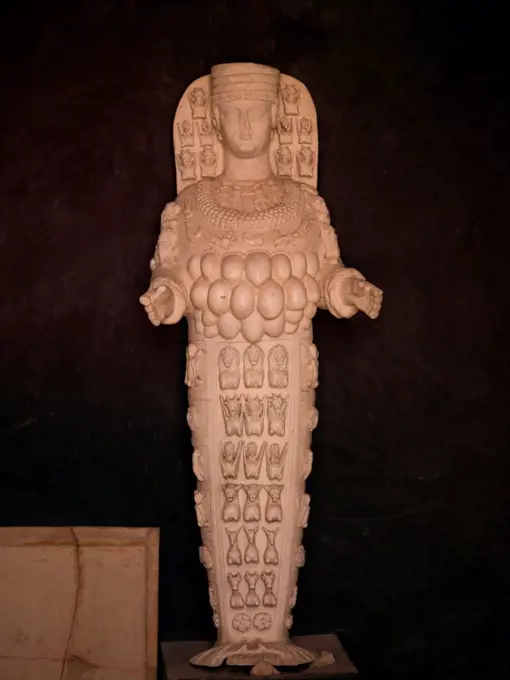
Ephesus in Kusadasi Turkey
6145-59049135
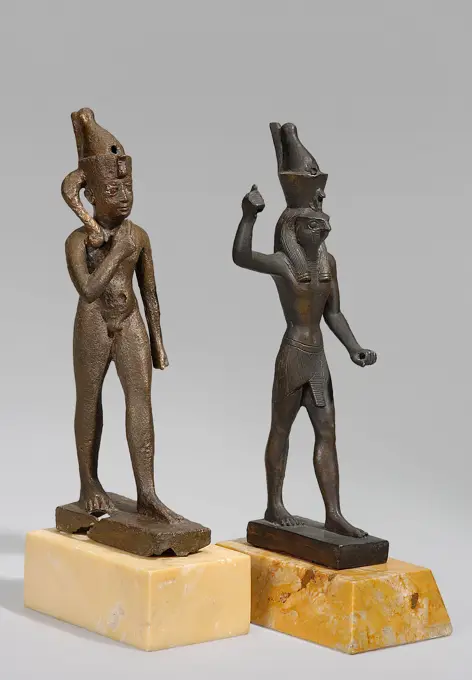
Horus-Dziecko, Horus warrior;  664-332 BC; Half-ny (0-00-00-0-00-00), 664-525 BC; Half period, 26 dynasty (0-00-00-0-00-00);Hoffmann, Henri (1865-1917), Hoffmann, Henri (1865-1917) - collection, horus (mitol.), Louvr (Paris) - collection, scenes.gal.g.g., Egyptian deities, double crown, ureusze
6145-29090340
Supporting Lion, style of the 1200s. Italy, style of the 13th century. Pink limestone (known as "Verona Marble"); overall: 141 x 44.8 x 63.5 cm (55 1/2 x 17 5/8 x 25 in.).
1746-29955233
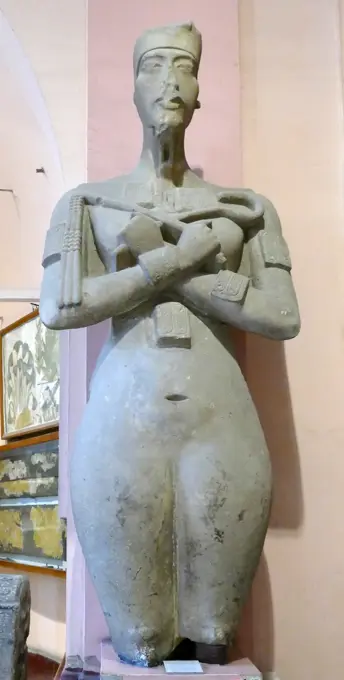
Statue of Nefertiti or Akhenaten 1350 BC, found in the Precinct of the Aten at Karnak. Sandstone; 18th Dynasty, Reign of Akhenaten (c. 1351-1334 BC). Part of a statue which was one of a series of colossi that once lined a colonnade in the Aten temple, erected by Akhenaten at the beginning of his reign at Kamak.
2757-552758
A ScribeEgyptian ArtEgyptian National Museum, Cairo, Egypt
1788-15487
Egyptian civilization, Quartzite head of princess, daughter of Pharaoh Akhenaton. From Tell al-Amarna
1746-19699005
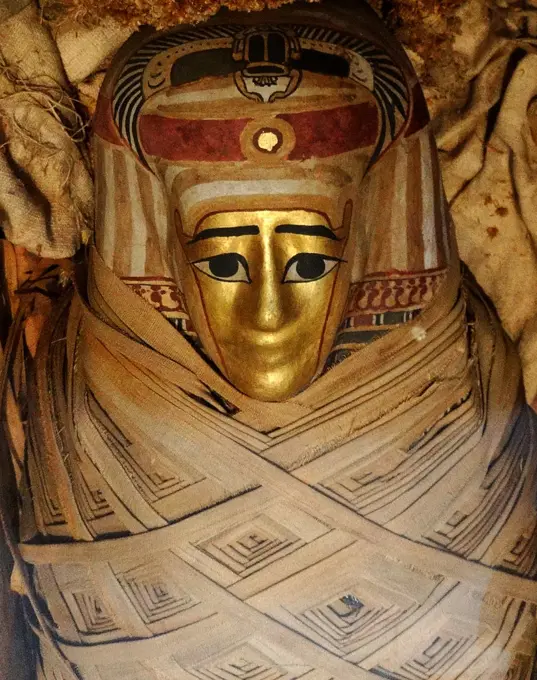
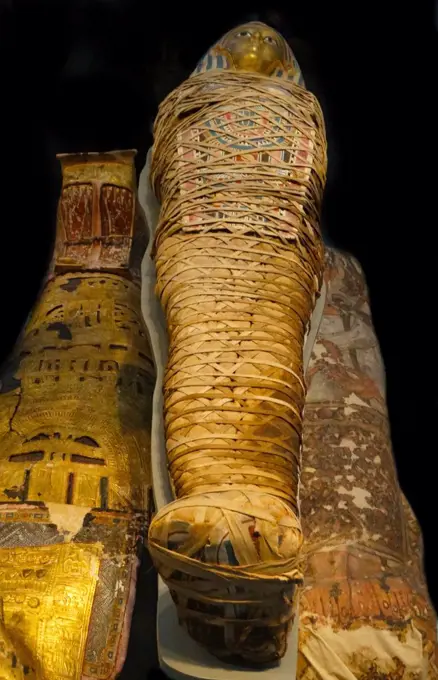
Mummy of a man with a golden mask from the Greco roman period 1st century AD; Fayum Egypt
4409-17411660
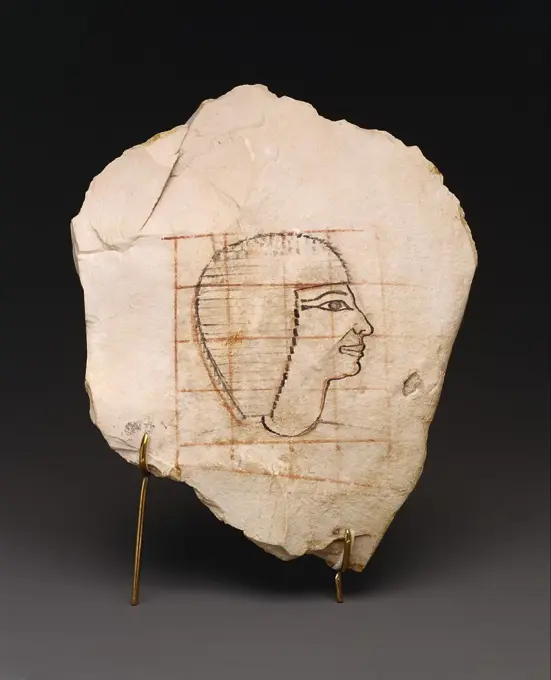
Artist's Gridded Sketch of Senenmut. Dimensions: h. 22.5 cm (8 7/8 in); w. 18 cm (7 1/16 in); th. 3.3 cm (1 3/8 in). Dynasty: Dynasty 18. Reign: Joint reign of Hatshepsut and Thutmose III. Date: ca. 1479-1458 B.C..This gridded sketch of a man wearing a short wig undoubtedly depicts Senenmut, one of Hatshepsut's most valued officials. His appointment to a large number of important offices, such as steward of the god Amun at Karnak, enabled him to afford the excavation of an elaborate funerary complex consisting of an offering chapel (TT 71) and a tomb (TT 353) not far from Hatshepsut's temple at Deir el-Bahri in western Thebes. He also created a tomb for his mother, Hatnefer (36.3.1), and other family members on the hillside below.This limestone chip, called an ostracon, was found in debris on the hillside just below Senenmut's offering chapel on Sheikh abd el-Qurna hill. The profile is quite similar to a drawing in Senenmut's tomb at Deir el-Bahri. It also resembles drawings on anoth
4409-17277070
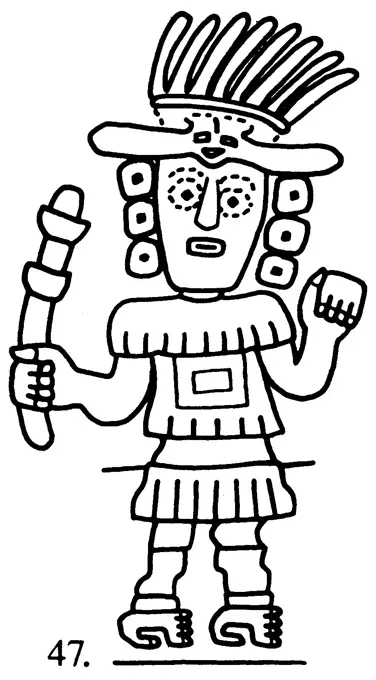
ESCULTURA PRECOLOMBINA. Location: MUSEO DE ARTE COLONIAL. BOGOTA. COLOMBIA.
1746-29954817
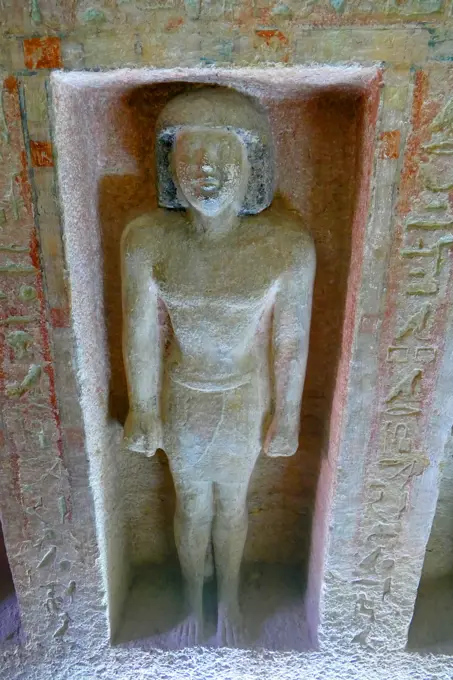
niche containing a high-relief statue of Idu. From the Tomb of Idu, in the Giza Necropolis, Cairo, Egypt. G7102 or Idu's Mastaba lies to the east of Queen Hetepheres pyramid in the Great Pyramid complex. He was an official of the sixth dynasty, probably during the reign of Pepi I. He held the titles "Scribe of the Royal Documents", Pepi I Meryre (reigned 2332  2287 BC) as the third king of the Sixth dynasty of Egypt
1788-19194
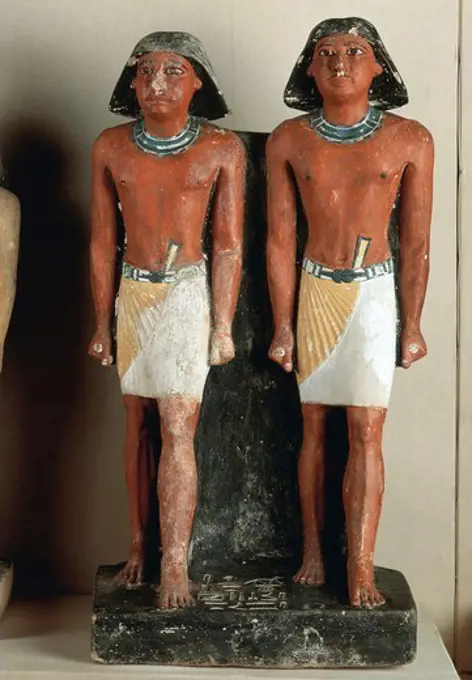
Double statue of Nimeasted, painted limestone from Saqqara
6145-29118115
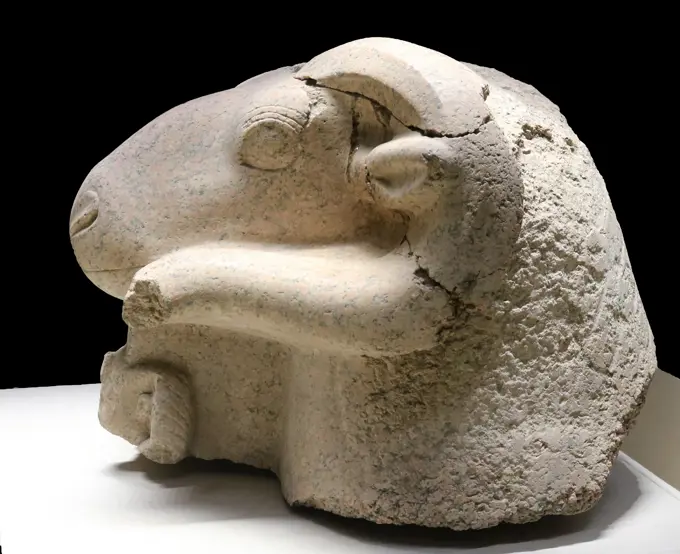
Ram's Head. Egypt, Late Period, 712-332 BCE. Sculpture. Limestone
4409-17266493
FIGURA EN BRONCE DE LA DIOSA ISIS CON SU HIJO HORUS. Location: MUSEO ARQUEOLOGICO NACIONAL-COLECCION. MADRID. SPAIN.
1899-20257583
Africa. Benin Plaques, 16th-17th centuries. Relief plaque made of brass cast using the 'cire perdue' (lost wax) technique. They decorated the pillars of buildings in the Benin royal palace. Plaque representing Benin court officials flanking a palace entrance or altar. Detail of one of the guards. Benin City. British Museum. London, England, United Kingdom.
1788-18027
Head of the god Apollo, with curly hair made of gold
1746-21110800
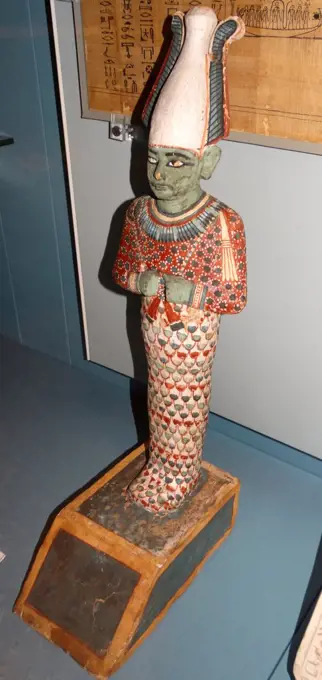
Painted wooden statue of Osiris 20th Dynasty, about 1170 BC From Thebes, Egypt. depicts the god wearing characteristic feathered crown and grasping the royal crook and flail sceptres. The green colouring of the skin reflects the god's associations with vegetation as a metaphor for rebirth.
6145-59330305
Images of a pharaohzoon and a queen in the museum of Gizh, Anonymous, c. 1895 - in or before 1905 photograph Part of Reisalbum with photos of sights in Greece and Egypt. Giza paper. photographic support albumen print monument, statue. permanent exhibition, museum Giza
1848-56648600
Museo arqueologico y de historia de Elche Alejandro Ramos Folques, Elche, Alicante, comunidad Valenciana, Spain, Europe
4435-4892
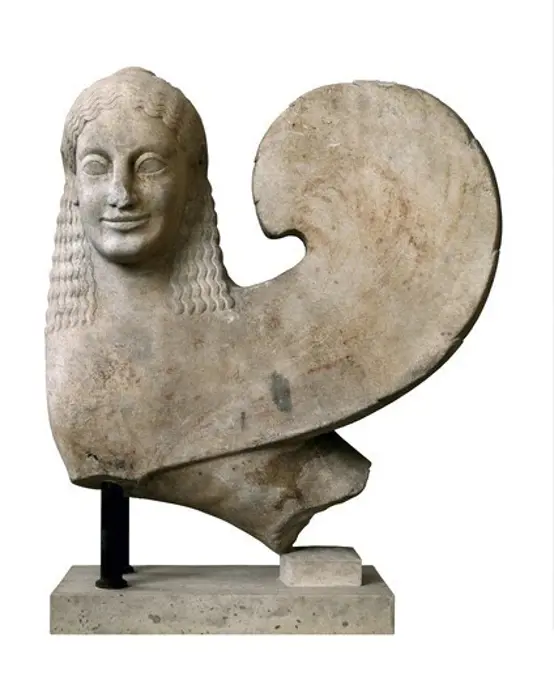
Winged Sphinx. 570 -540 BC. Archaic Greek art. Sculpture on marble. GREECE. ATTICA. Athens. Acropolis. Acropolis Museum.
1746-19664263
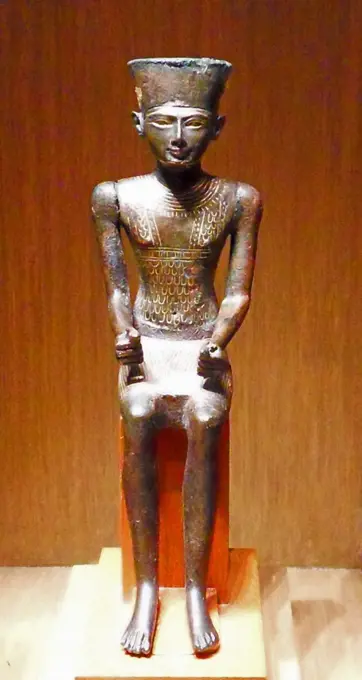
Statuette of Amun. Third Intermediate Period 21-22 Dynasty Egypt, ca. 1070712 B.C. Cupreous alloy, precious metals
1848-19295167
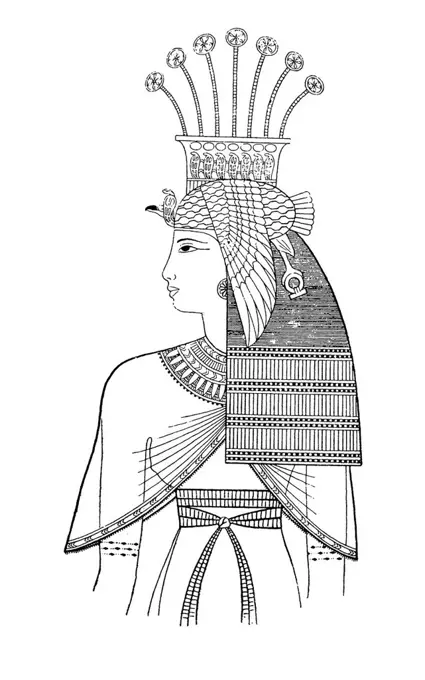
Koenigin Rebto, Tochter des Pharao Ramses II, Aegypten, 19. Dynastie, Geschichte der Mode, Kostümgeschichte, Historisch, digitale Reproduktion einer O...
4272-37645
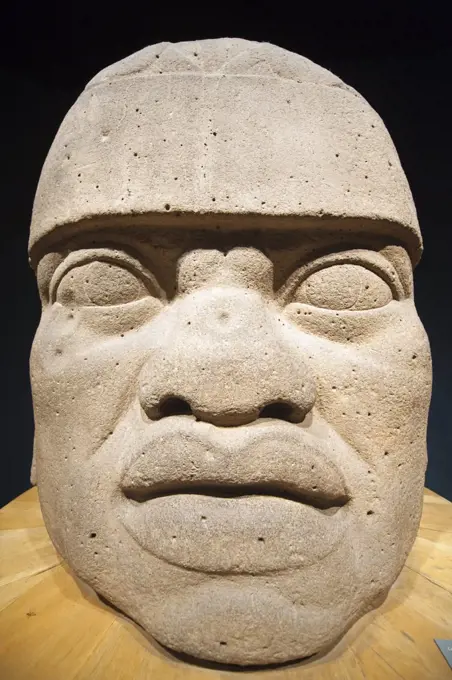
North America, Mexico, Mexico City, District Federal, Museo Nacional de Antropología, Antropology Museum
4409-62747632
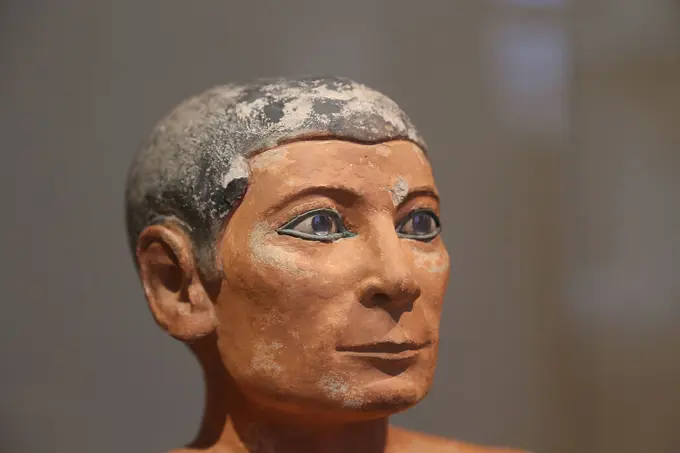
Egyptian art. Seated Scribe. Old Kingdom. 2620-2500 BC. Louvre Museum. Paris. France.
4409-63015121
Huaco portrait representing an elite figure. Mochica culture. Peru. 1-800 AD. Museum of Cultures of the World. Spain.
7155-70374120
Taika mummy, 21st Dyn. EGYPT.
4409-63010923
Lamassu from the Palace of Sargon II. Assyrians. 721-705 BC. Khorsabad Palace. Detail head. Louvre Museum. Paris. France.
6176-67037763
Egyptian statuette of Bes. Artist: Unknown
1788-10758
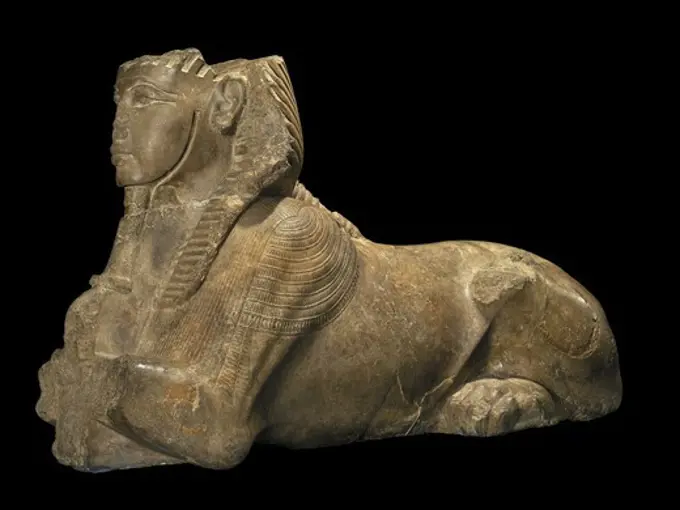
Egypt, Calcite sphinx making offerings, Temple of Amun at Karnak, (Middle-New kingdom, 2000-1070 b.C,), (329669)
6145-29718559
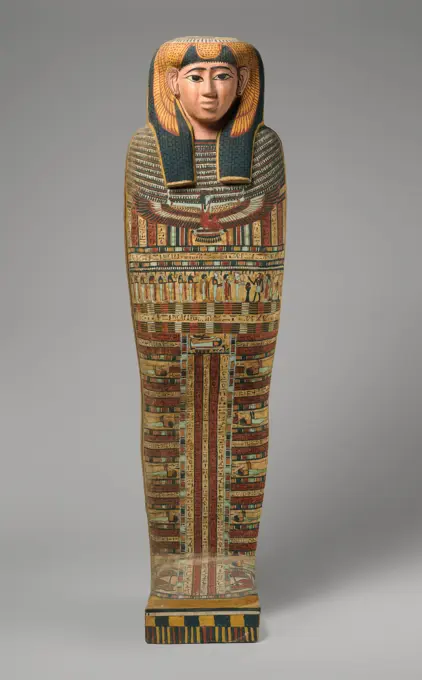
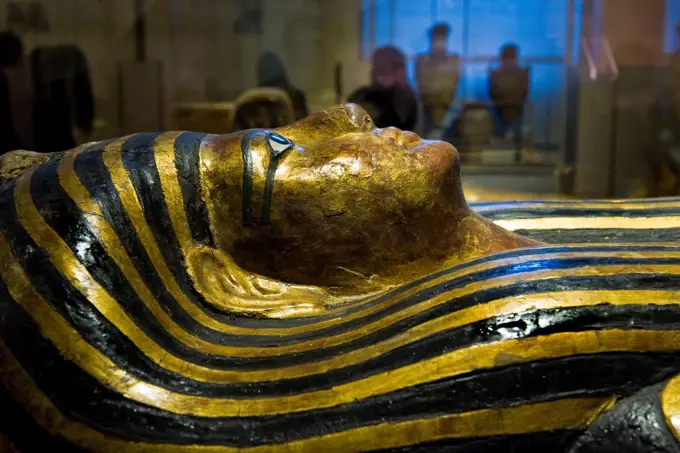
Inner coffin of Ankhshepenwepet ca. 712-664 B.C. Third Intermediate Period The Singer of the Residence of Amun, Ankhshepenwepet, was buried in a tomb within the precinct of Hatshepsut's temple in Deir el-Bahri. The burial was plundered and no traces were left of her mummy, which would have been placed in the inner coffin.The inner coffin of Ankhshepenwepet has a new shape which was developed during Dynasty 25. It is broader, with square shoulders and an over-sized head. On her head she wears a lappet wig (the hair painted blue), and a vulture headdress formerly worn by only queens and goddesses. The decoration on the lid includes the scene of the weighing of the heart from the Book of the Dead, and below it, for the first time on coffins, the mummy is depicted. It lies on an embalmer's bed and a ba-bird, symbolizing Ankhshepenwepet's spirit, hovers above it (see detail photo). Beneath the bed are two groups of objects; four canopic jars and four viscera bundles (containing the internal
7012-69850088
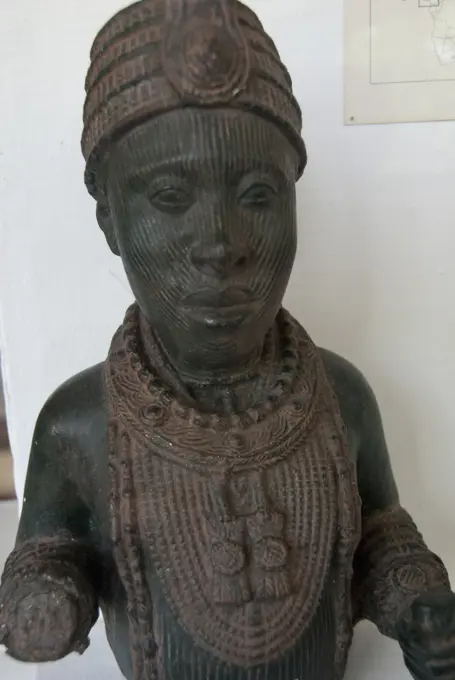
Africa, Ghana, Accra. National Museum, regarded as one of the finest museums in sub-Saharan Africa. Metal figure.
4409-58968
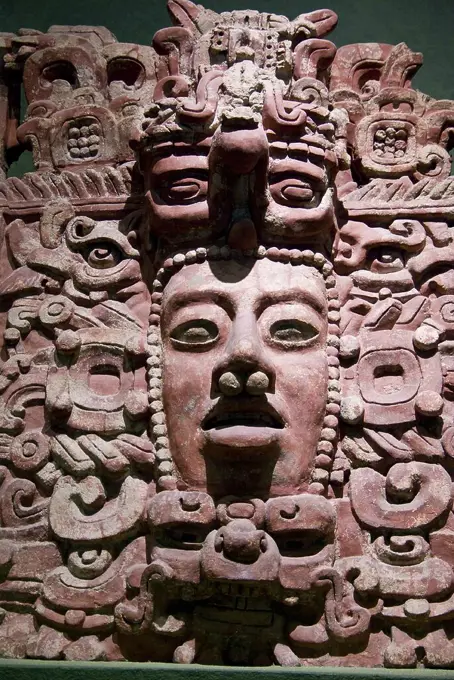
Mexico city.National Museum of Anthropology.Maya culture.Stucco frieze from Placeres in Campeche.250-600 AD.
4292-159369
Italy, Piedmont, Turin, Egyptian Museum, Kha sarcophagus
1746-19665597
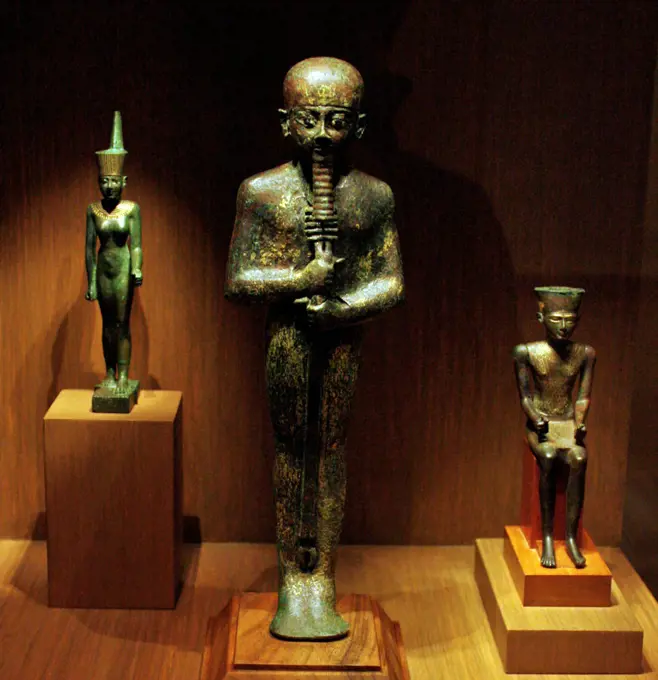
Ptah 3rd Interim Period, Dynasties 21-24 (ca 1070-712 B.C.) Bronze gilding, glass inlay.
4220-4431
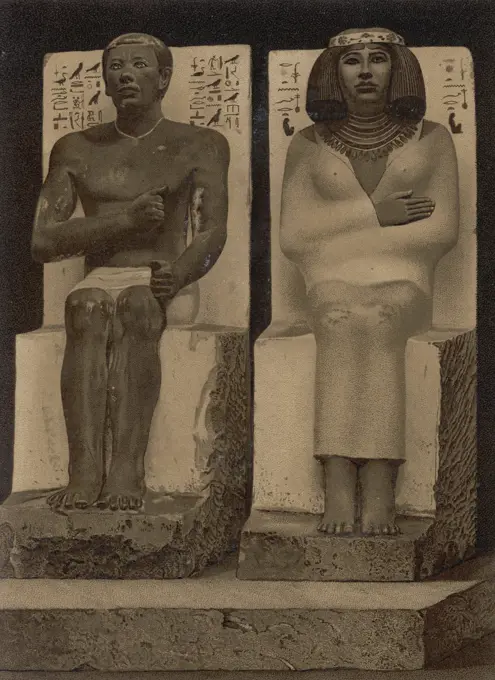
Seated painted limestone statue of Rahotep with his wife Nofret(members of the royal family of the Fourth Dynasty) from their tomb in Meidum, Egypt. When the undisturbed mastaba tomb was discover in 1871 by Albert Daninos, the Egyptian workmen opening up the tomb fled in terror, as in the torch light, they saw the statues' inlaid rock crystal eyes glinted at them in an eerily lifelife manner-a feature originally intented to to ward off grave-robbers.
1746-21110739
Painted wooden coffin with mummy of Djehor, Ptolemaic period, Egypt, 250 BC
1746-19985112
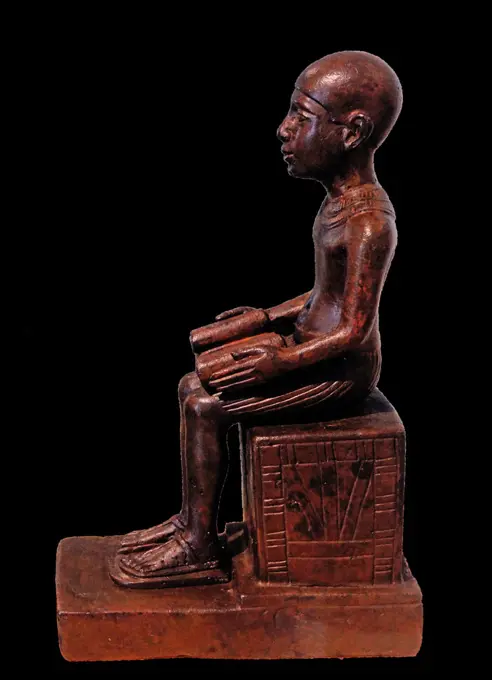
Depiction of the god Imhotep. Bronze. 26th Dynasty (664-525 BC). Imhotep, High Priest of Re in Heliopolis and builder of the first pyramid in Egypt for his king Djoser (3rd Dynasty).
1848-49512700
Statue of Ramses II on the pylon, Ancient Egyptian Luxor Temple, Luxor, Egypt, Africa
1746-29955185
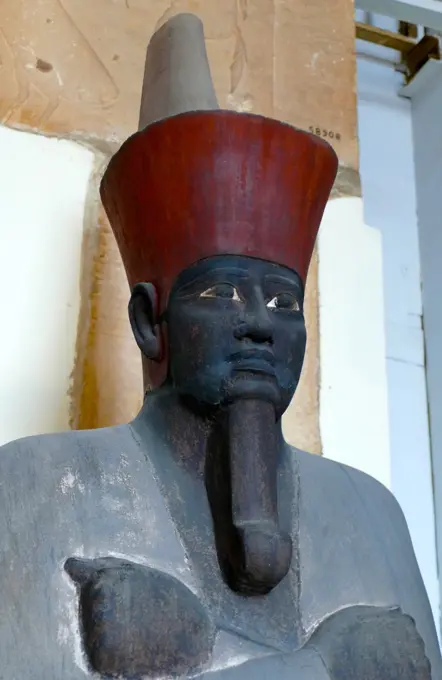
Painted sandstone sculpture of King Nebhepetre Mentuhotep II (reigned c. 2061 BC  2010 BC) was a Pharaoh of the 11th Dynasty who reigned for 51 years. Around his 39th year on the throne he reunited Egypt, thus ending the First Intermediate Period. Consequently, he is considered the first pharaoh of the Middle Kingdom.
4435-6396
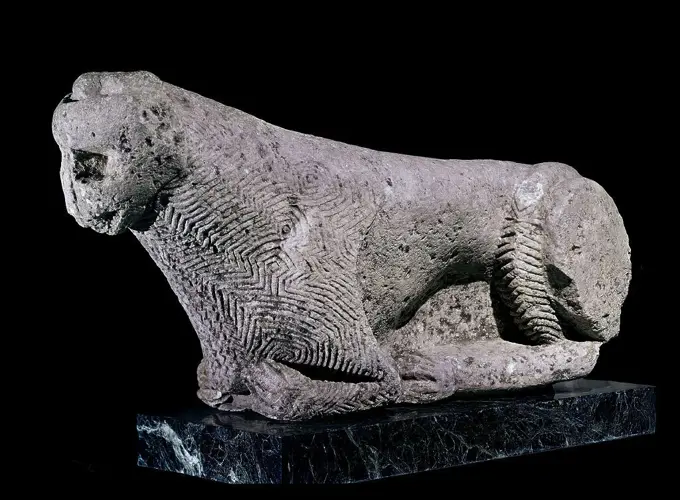
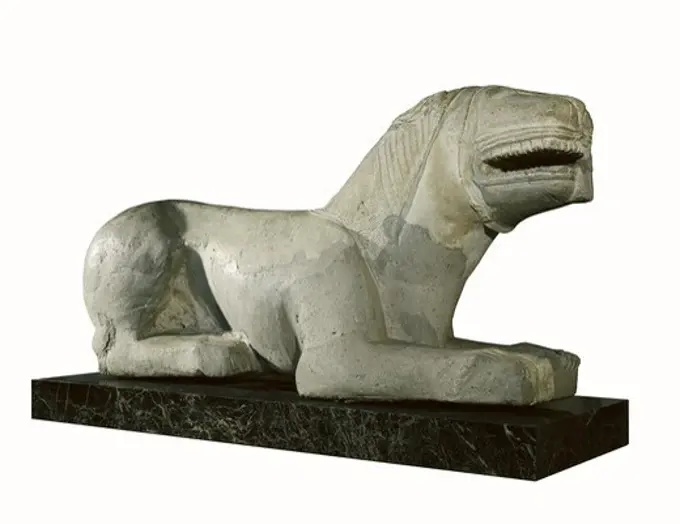
The Lion of Baena or The Lioness of Baena. 6th c. - 5th c. BC. Iberian art. Sculpture on rock. SPAIN. ANDALUSIA. Cordoba. Archaeological Museum of Cordoba. Proc: SPAIN. ANDALUSIA. CORDOBA. Baena.
4409-20937615
"ESCRIBA SENTADO". Escultura egipcia de tiempos de la V DINASTIA (desde h. -2480). Realizada en caliza policromada (53 cm. de altura). Tal vez es el retrato del príncipe Kai. Descubierta por A. Mariette en la necrópolis de Sakkara en 1850. Detalle. Museo del Louvre. París. Francia.
6145-30176394
Head (Uhunmwun Elao) Made 1701-1825 Nigeria. This brass head was commissioned by a newly crowned king for an altar commemorating a previous ruler, most likely the kingís father. Its shape imitates the regal coral-beaded collar and cap and served as the pedestal for a carved elephant tusk, the white color of which signaled the kingís divine and sacred nature. In Benin thought, the head is an important symbol of authority and power. Through this portrait a king channeled his deified ancestors to vitalize and protect his reign.. Brass . Edo
4409-153115
LOBA -ESCULTURA IBERICA. Location: MUSEO ARQUEOLOGICO-COLECCION. CORDOBA. SPANIEN.
7222-71282691
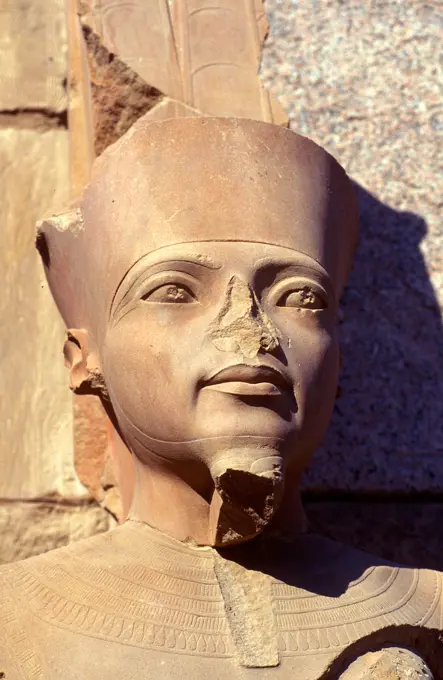
The carved head of a monumental statue at The Temple of Karnak
4409-17544474
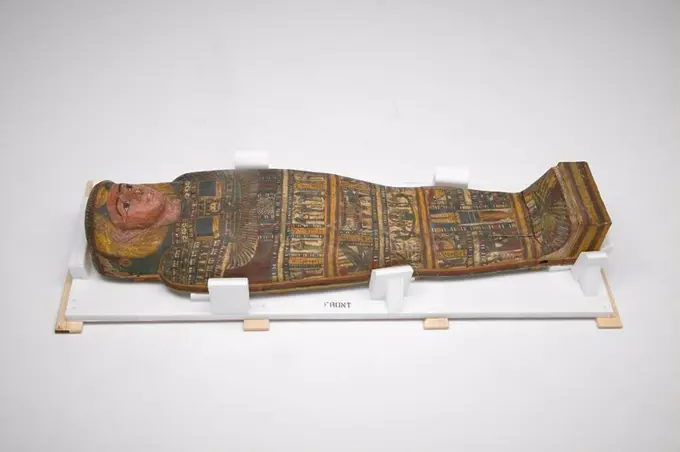
Coffin of Wenuhotep. Egyptian. Date: 780 BC. Dimensions: 44.1 × 181 × 51.4 cm (17 3/8 × 71 1/4 × 20 1/4 in.). Wood, pigment. Origin: Egypt. Museum: The Chicago Art Institute, Chicago, USA. Author: Ancient Egyptian.
7208-70658354
Teotihuacan, Turqoise,Mosaic, Mask
866-4135
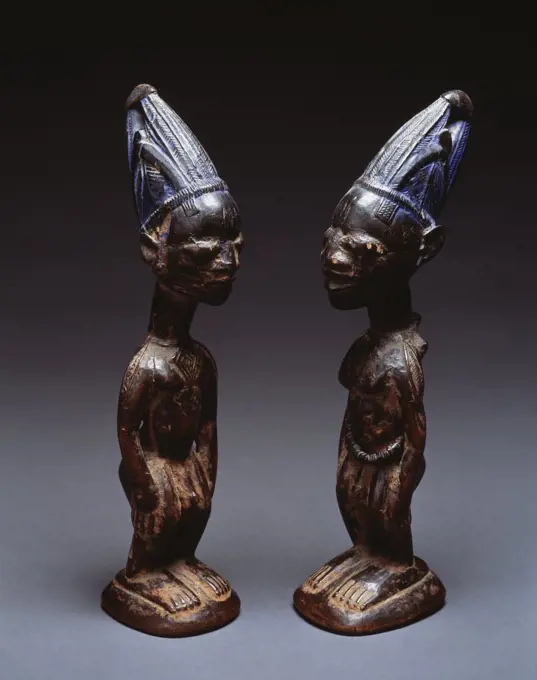
Pair of Yoruba Twin Figures, Ere Ibeji Primitive Art Christie's, London
1746-30020254
Head of Khnum, the ancient Egyptian god of fertility, associated with water and with procreation. Khnum was worshipped from the 1st dynasty (c. 2925-2775 bce) into the early centuries CE. He was represented as a ram with horizontal twisting horns or as a man with a ram's head. 25th Dynasty, Taharqa, Egypt. 690-664 BC. Rose Granite
1788-18720
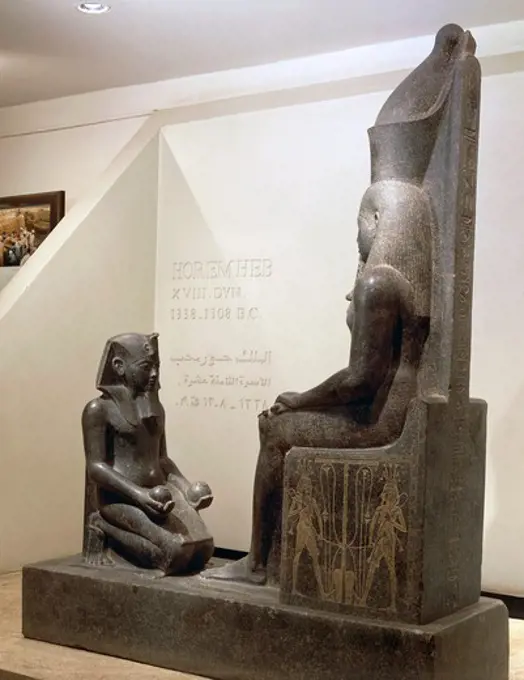
Granite sculptural group portraying Horemheb offering to god Atum
6176-66098460
Canopic Jars representing the Four Sons of Horus. A set of four canopic jars was an important element of the burial in most periods of Ancient Egyptian history. Canopic jars were containers in which the separately mummified organs would be placed. The best known versions of these jars have lids in the shape of the heads of protective deities called the four Sons of Horus. The human-headed Imsety was the guardian of the liver; the baboon-headed Hapy looked after the lungs; the jackal-headed Duamutef was responsible for the stomach; and the falcon-headed Qebehsenuef cared for the intestines.
1788-18544
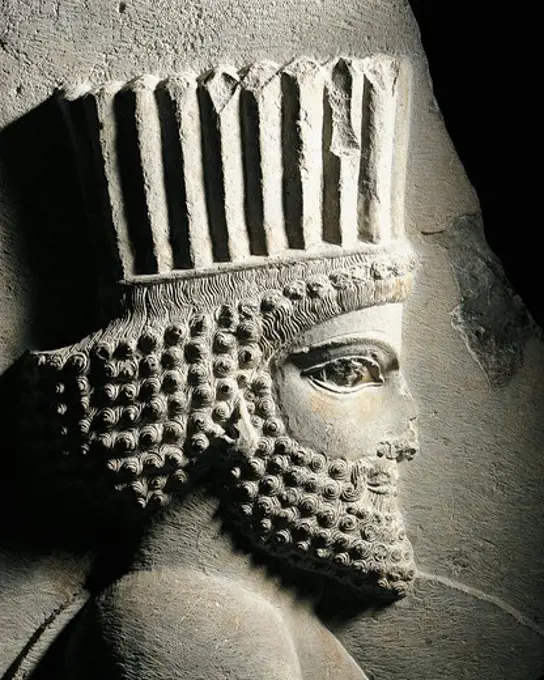
Fragment of relief with Persian guard, from Persepolis Apadana central stairway
1746-29965814
mummy and coffin of Amunre an army general, 21st Dynasty, Egypt; 1069 BC to 945 BC
4409-17242591
anthropomorphic mummy coffin of Amenhotep, wood, Thebes, 10th B.C. , Gregorian Egyptian Museumn Musei Vaticani, State of the Vatican City, Roma, Lazio, Italia.
1746-19686949
Head of a Queen Mother, Cast brass, Benin, Nigeria, 16th century. A special altar for Queen Mother was maintained within the royal city. Queen Idia, mother of Oba Esigie, king of Benin from the late fifteenth to the early sixteenth century, played a key role in her son's military campaigns against the Igala people, which may have been over control of the Niger waterway. Benin finally won these wars and made the Igala king a vassal of the Oba. British Museum
4409-10900
Queen Ahmose-Nefertari. Wall painting from Kinebu's tomb in Thebes. c.1150 BC. 18th Dynasty. 43 cm. London, British Museum. Location: BRITISH MUSEUM. LONDON. ENGLAND.
1525R-224592
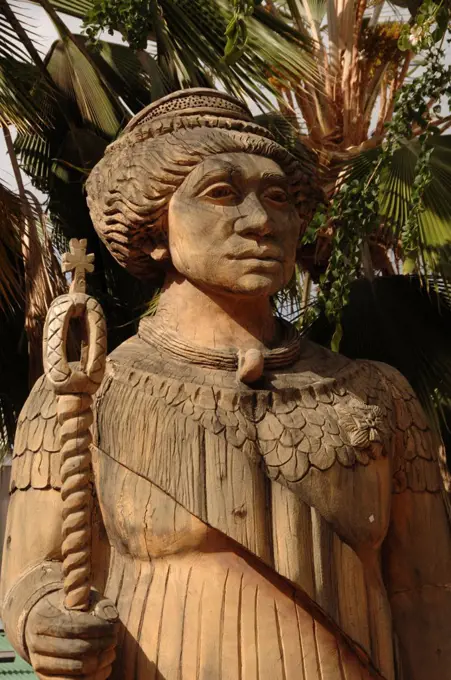
Wood carved face
1788-18758
Pyramid wall with stucco decoration representing the Maya sun god Kinich Ahau, from the State of Campeche, Mexico,
1899-65659743
The mummy head pictured in this photograph dating to 1907 is of Ramesses (also spelled Rameses and Ramses) III of the 20th Dynasty.
1890-29976037
View of the remains of an ancient Egyptian Sarcophagus on display at the Egyptian Museum, Cairo, Egypt, North Africa, Africa
6145-51834046
Mantle ("The Paracas Textile") Nasca. Mantle ("The Paracas Textile"), 100-300 C.E. Cotton, camelid fiber, 24 5/8 × 58 11/16 in. (62.5 × 149 cm).  This extraordinarily complex mantle, or cloak, is one of the most renowned Andean textiles in the world. It was most likely used as a ceremonial object. The ninety figures decorating the border, created by needle knitting, have been interpreted as a microcosm of life on Perus South Coast two thousand years ago, with a particular focus on agriculture. Many of the images illustrate native flora and fauna as well as cultivated plants. Costumed figures may represent humans impersonating gods and acting as intermediaries between the real and supernatural worlds. Severed human trophy heads are shown as germinating seeds, suggesting the practice of ritual sacrifice and the interconnected cycles of birth and death. Este extraordinariamente complejo manto, o capa, es uno de los textiles andinos más conocidos en el mundo. Fue usado probablemente como
6145-52524122
Thoutmosis I Thutmose I. Carter, Howard, 1874-1939. 1904. still image. The Miriam and Ira D. Wallach Division of Art, Prints and Photographs: Picture Collection. Egypt , Kings and rulers, Thutmose I, King of Egypt, headdresses , To 499, kings , Egypt , To 499
1525R-189934
Wooden sculpture
4409-28797778
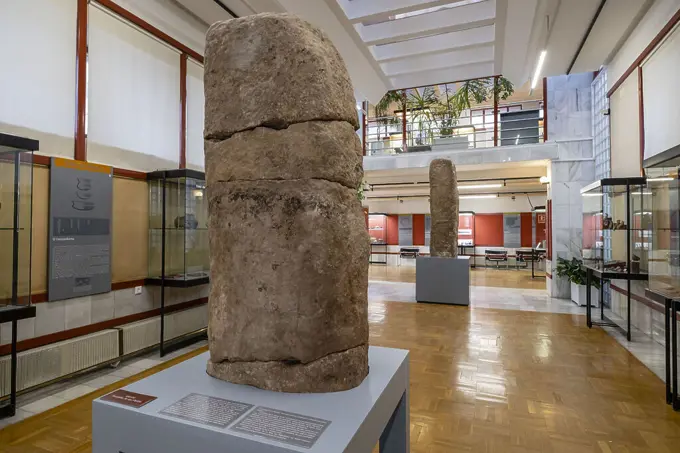
menhir de Alcubilla de las Peñas, museo Numantino de Soria, Soria, Comunidad Autónoma de Castilla, Spain, Europe.
4168-21957477
A bronze human head with gold mask from the 12th century BC in the exhibit of ancient artifacts at the Sanxingdui Museum in Sanxingdui near Chengdu, Sichuan Province in China.
5514-70684642
Conservation of an ancient Egyptian coffin.
4409-50049594
Barcelona, 03/08/2016. The Egyptian Museum of Barcelona, with the new acquisitions. Photo: Inés Baucells ARCHDC.
1848-62773011
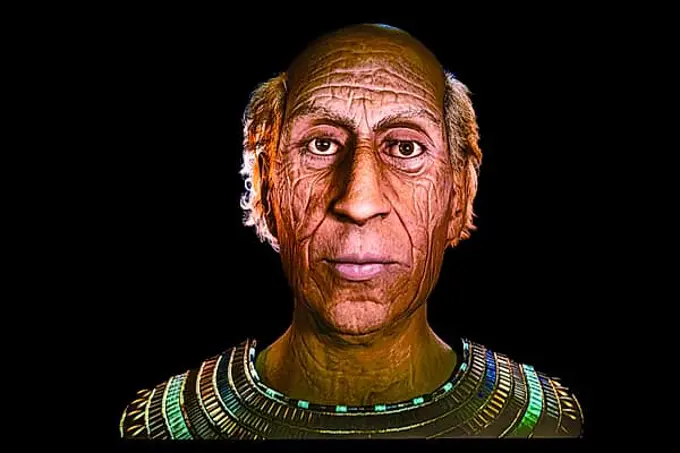
Reconstruction of the face of Ramses II from the exhibition: Ramses the Great and the Gold of the Pharaohs, Cologne, North Rhine-Westphalia, Germany, Europe
PREVIOUS
of 3
NEXT
2401 S. Ervay, Suite 206
Dallas, Texas 75215
United States
Get Started
Free ResearchMy BoardsMy Cart
For Creators
How To License Your ContentContributor PortalFrame of Mind
Resources
API accessPricing
Contact
+1 866 236 0087help@viewpictures.co.uk Contact form
©2026 View Pictures. All Rights Reserved. -A
This site is protected by reCAPTCHA and Google Privacy Policy and Terms of Service apply.