Egyptian Reliefs and Hieroglyphics

A collection of ancient Egyptian wall reliefs depicting gods, daily life, and rituals, showcasing intricate detail and historical significance.
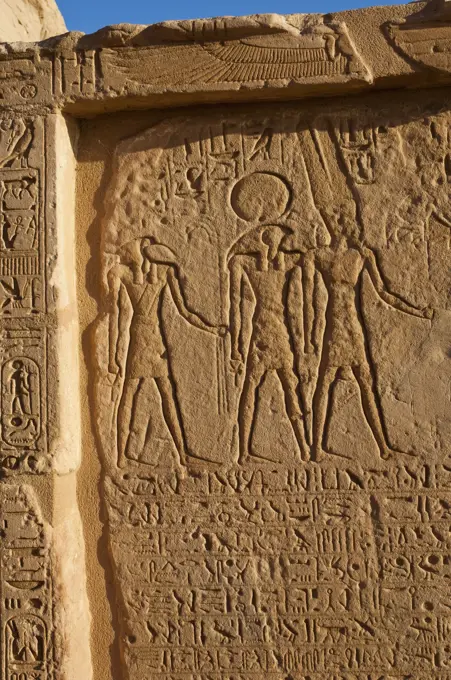
Egypt, Abu Simbel. Nubian Monuments.
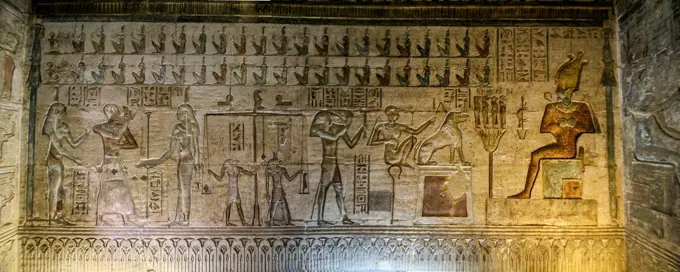
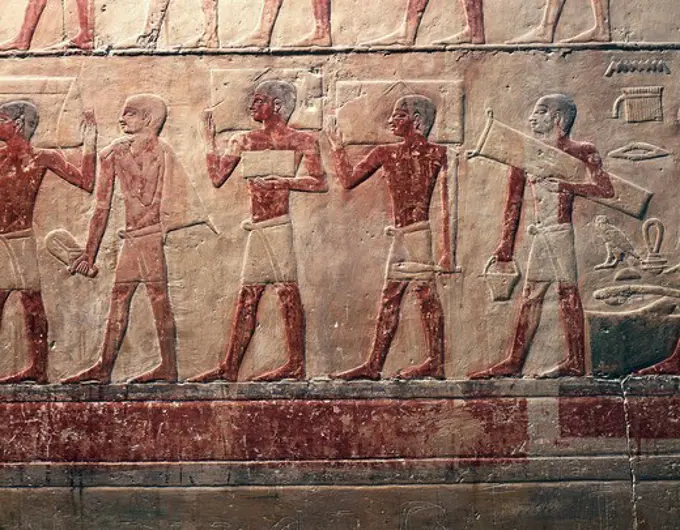
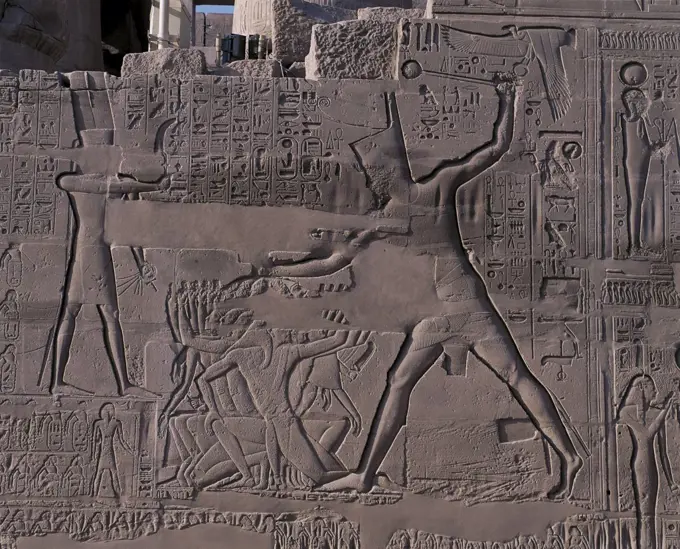
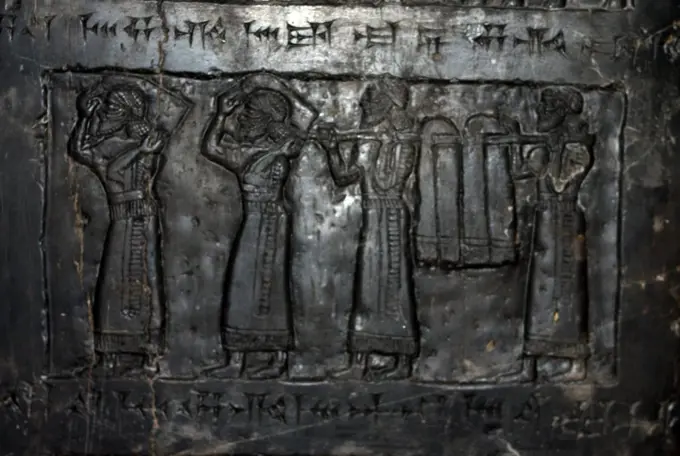
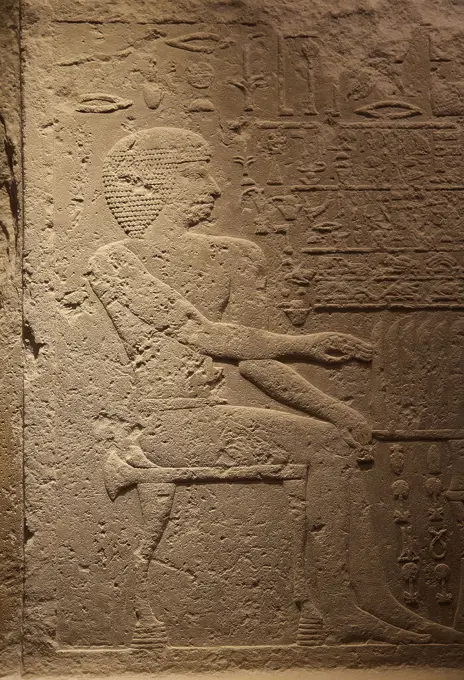
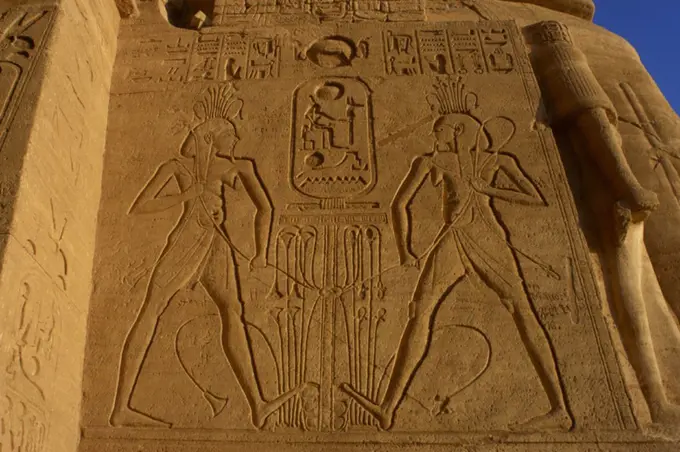
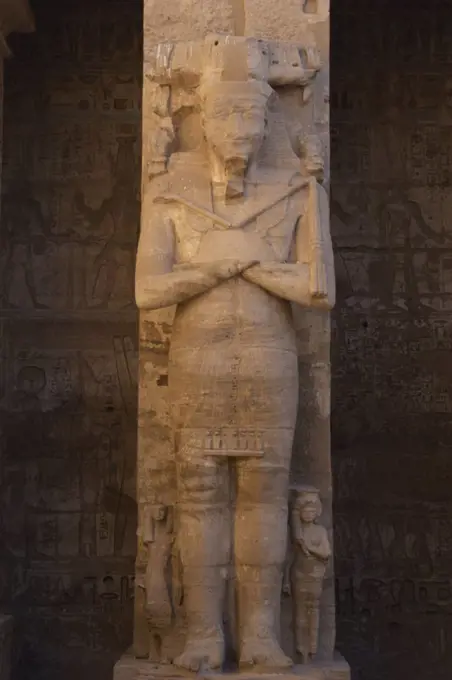
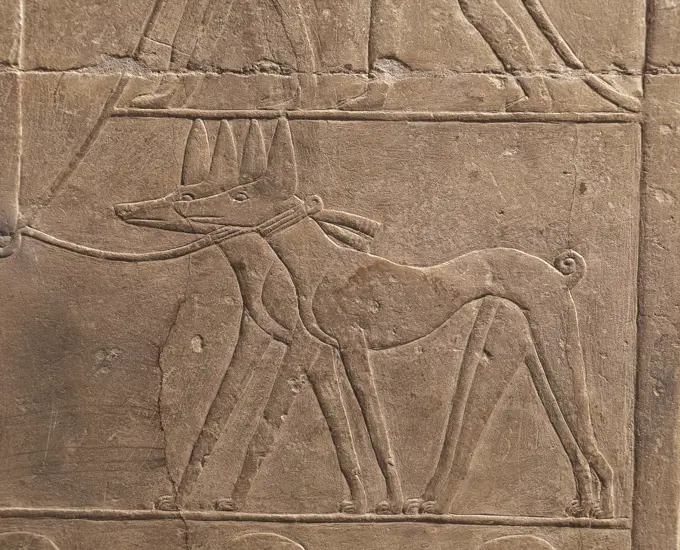
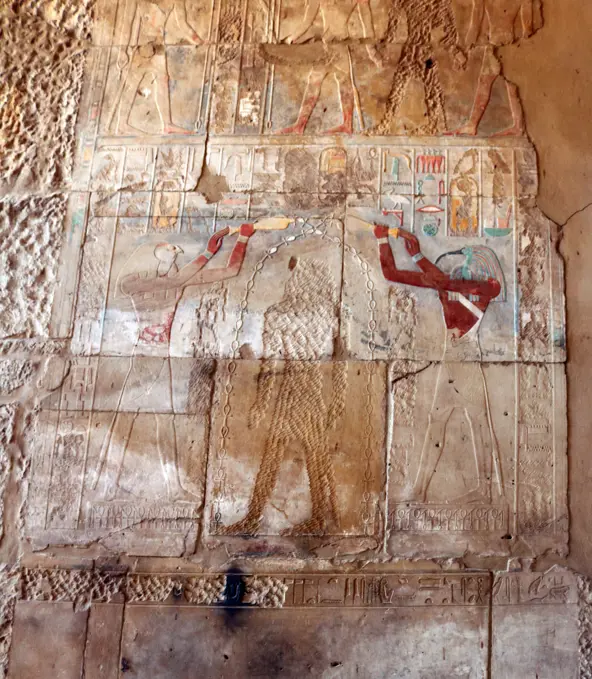
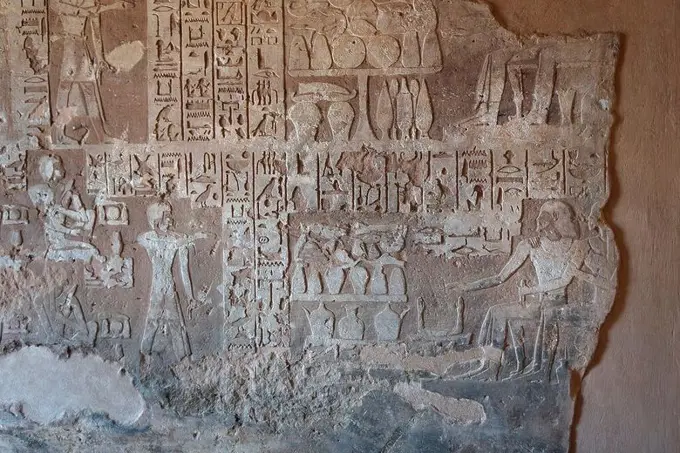
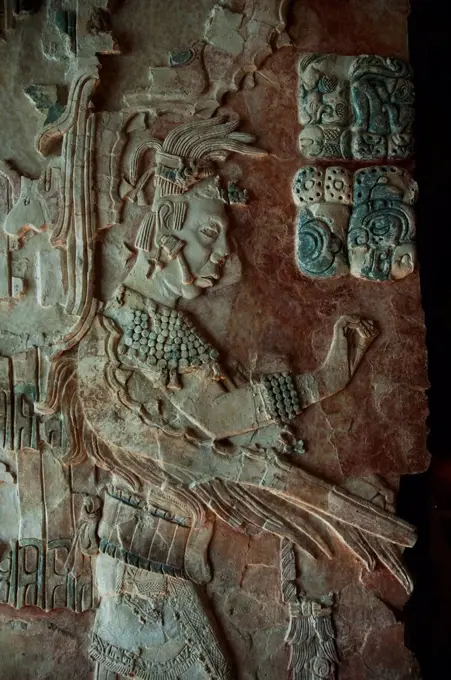
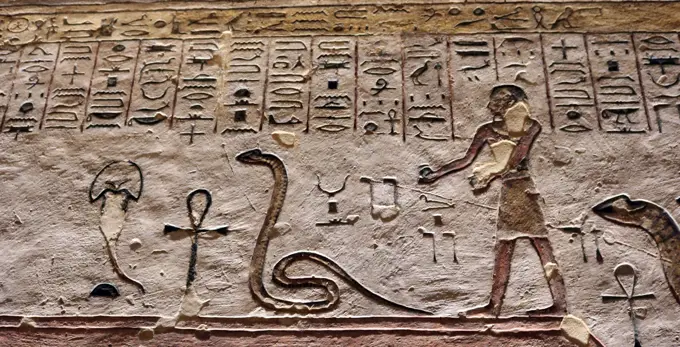
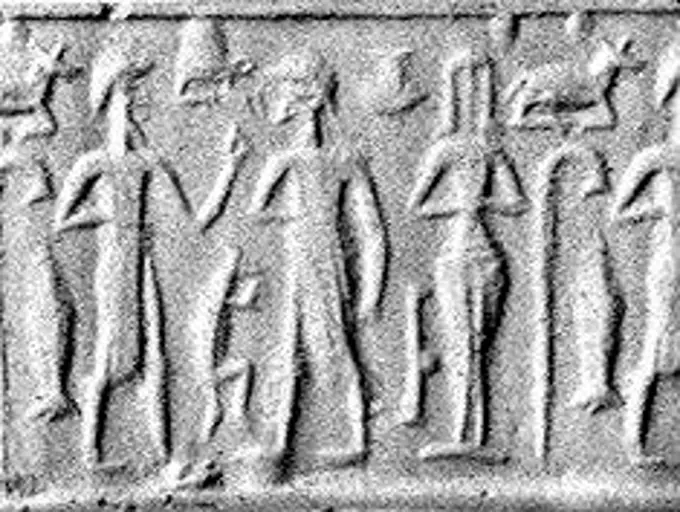
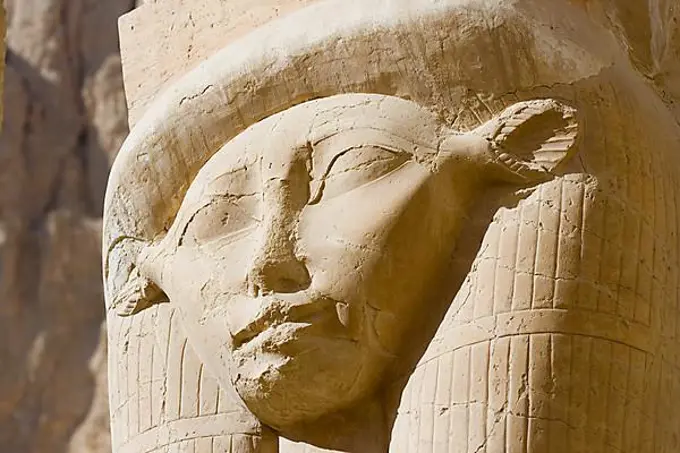
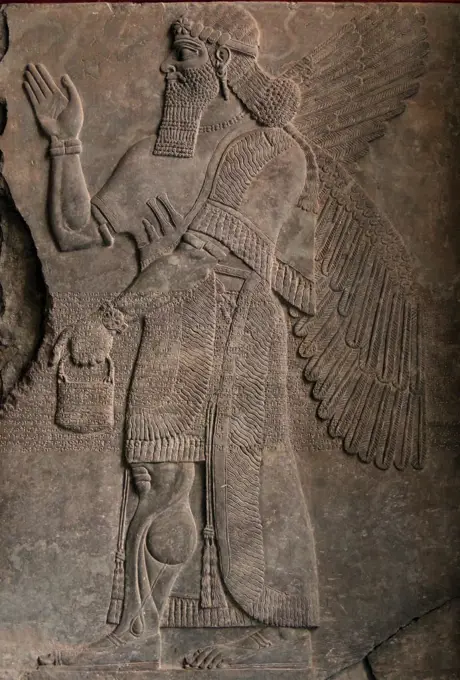
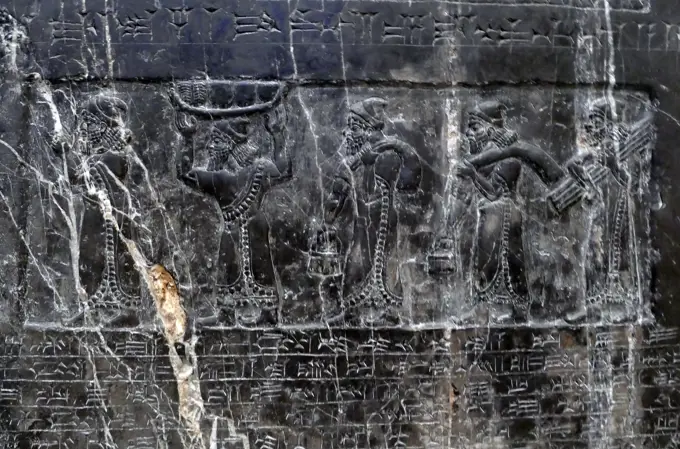
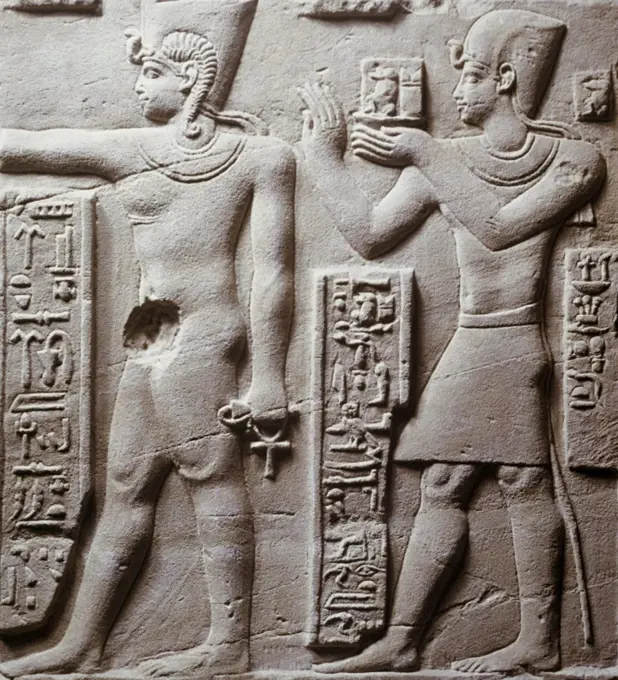
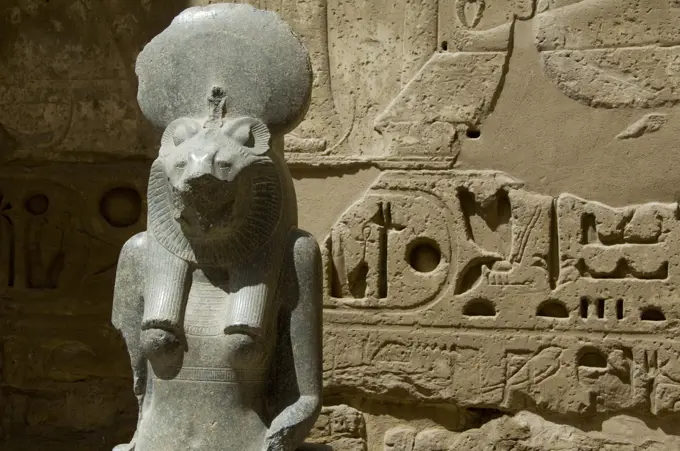
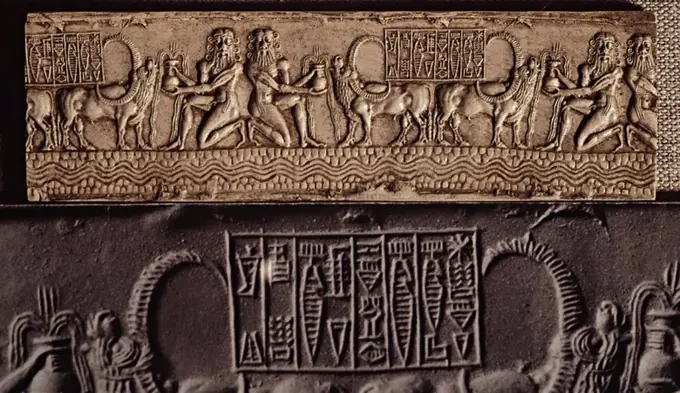
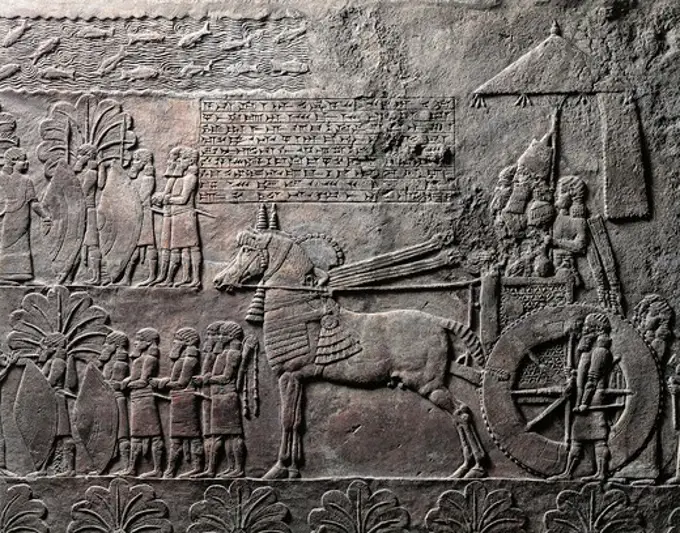
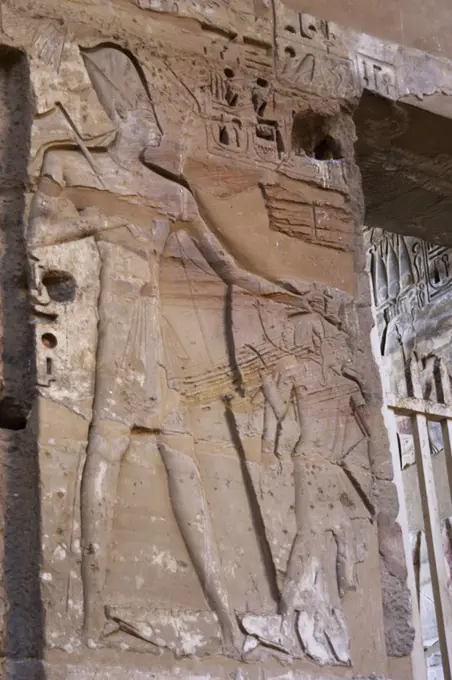
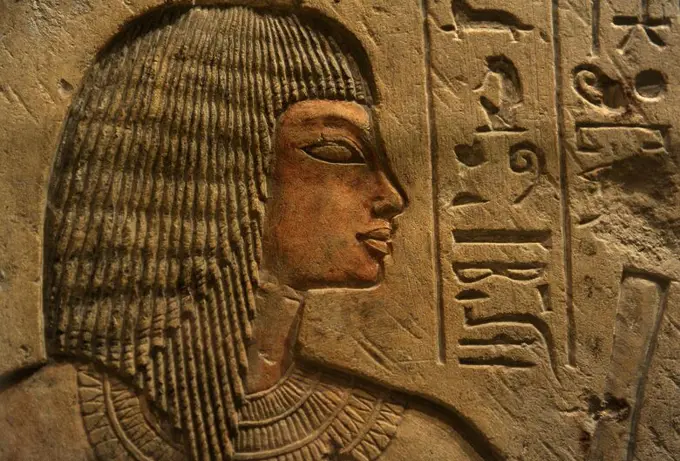
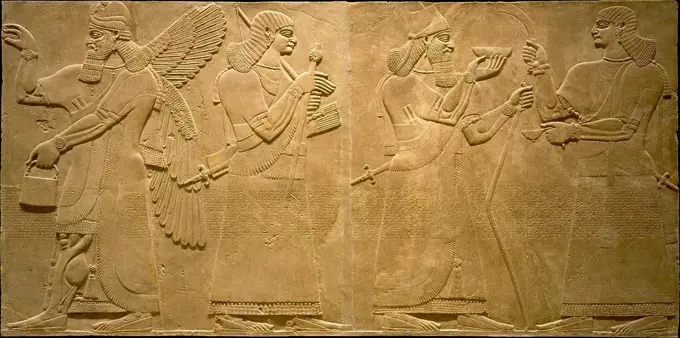
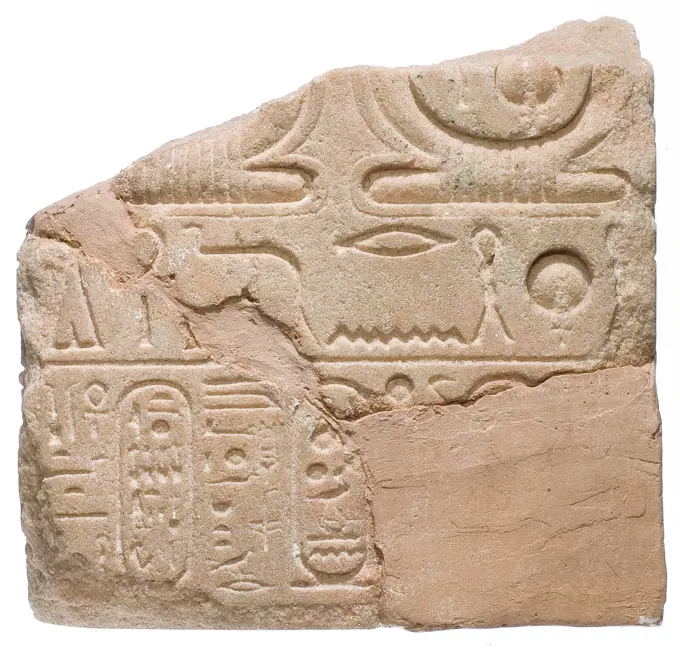
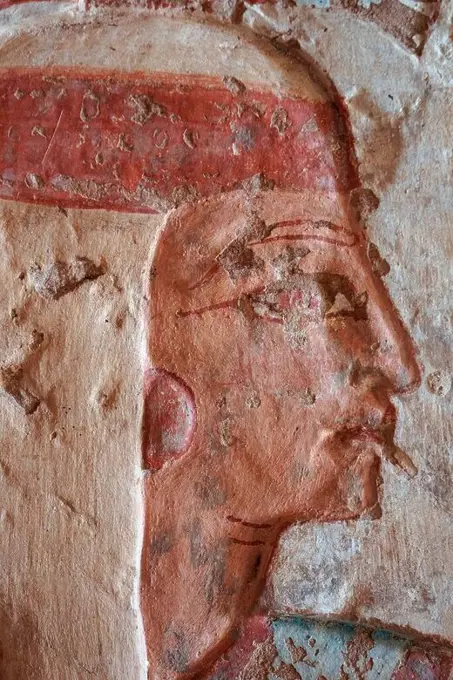
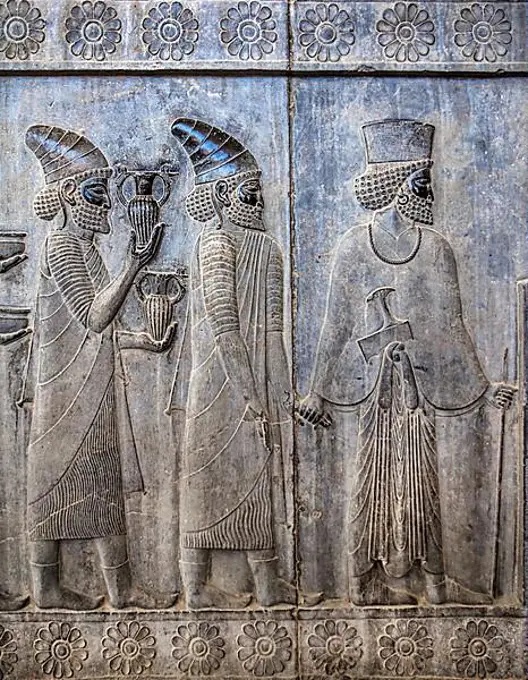
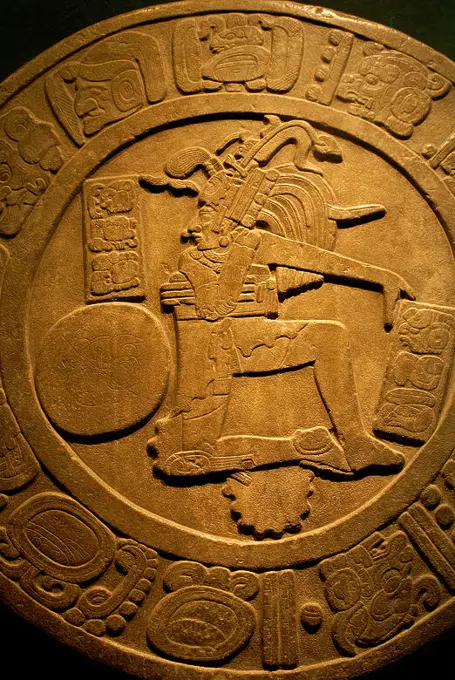
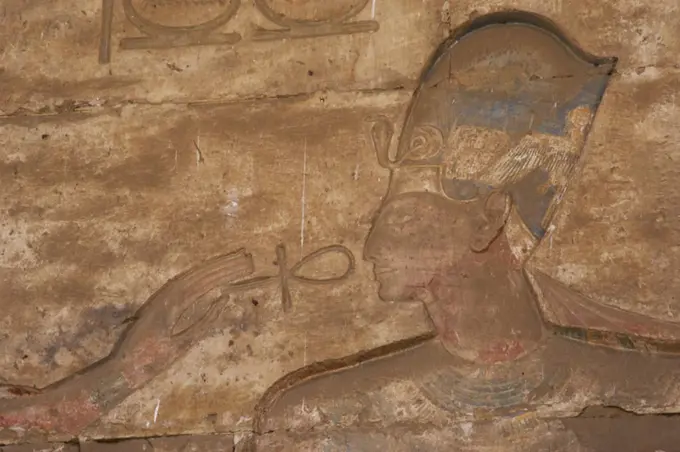
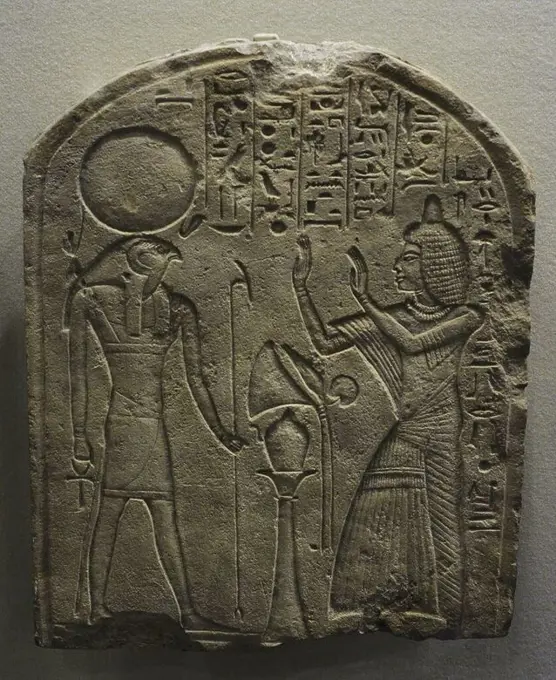
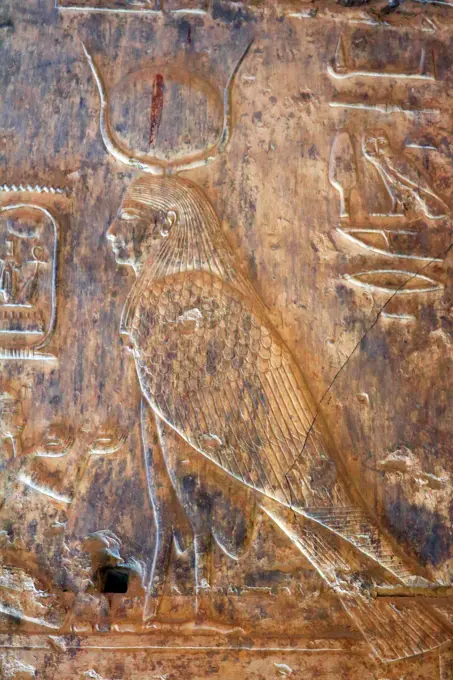
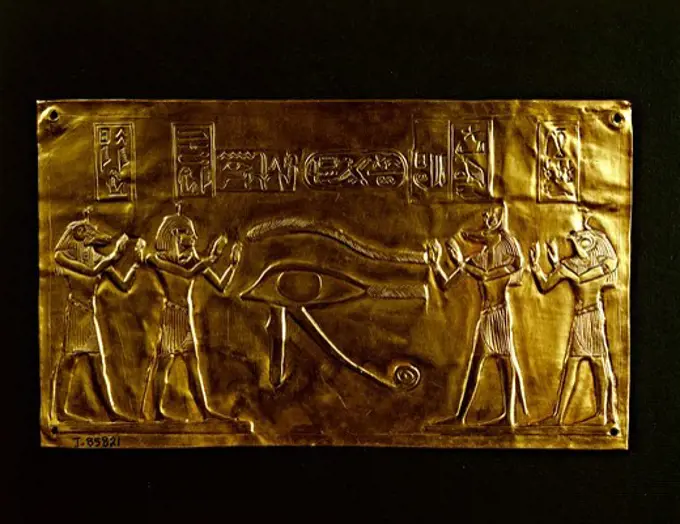
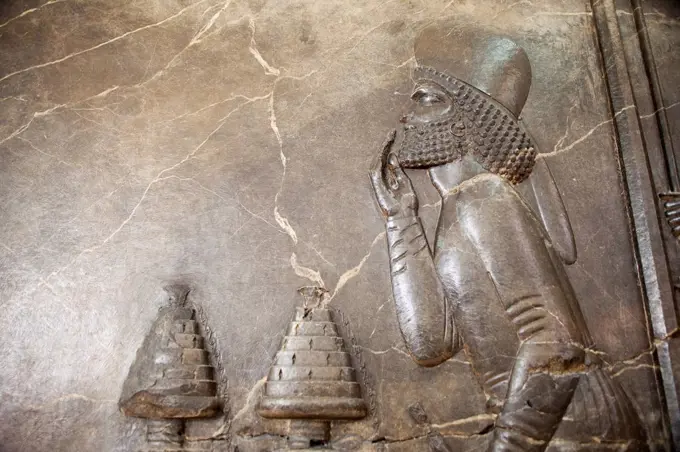
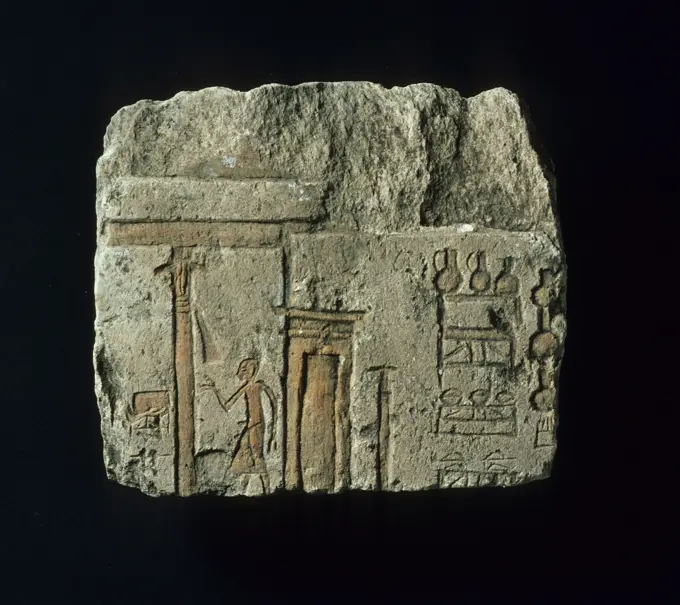
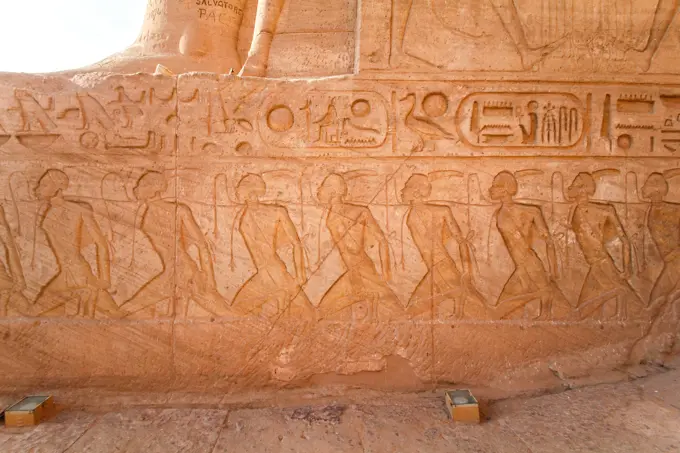
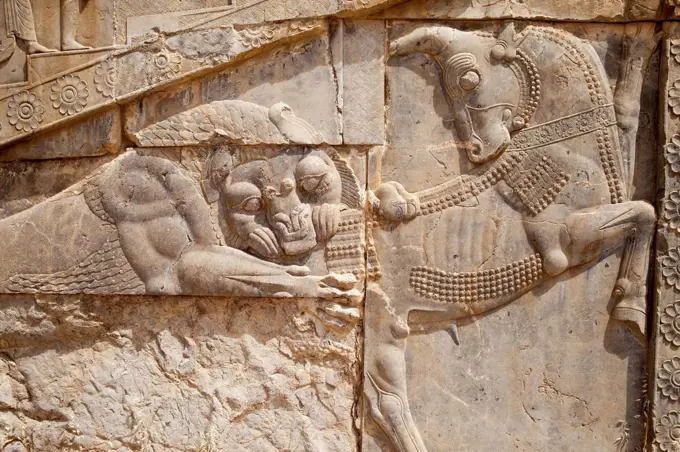
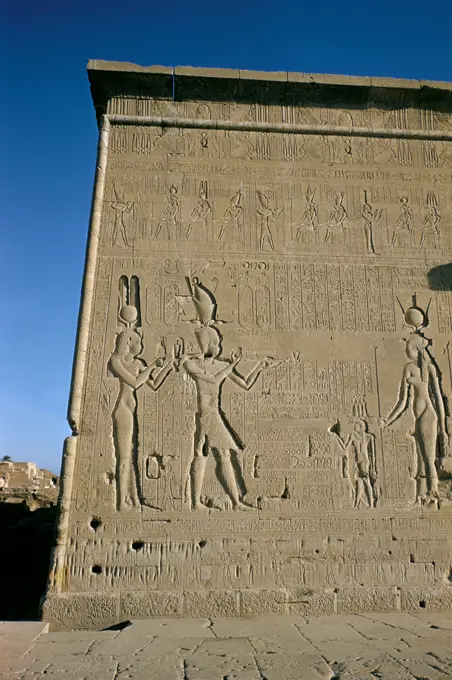
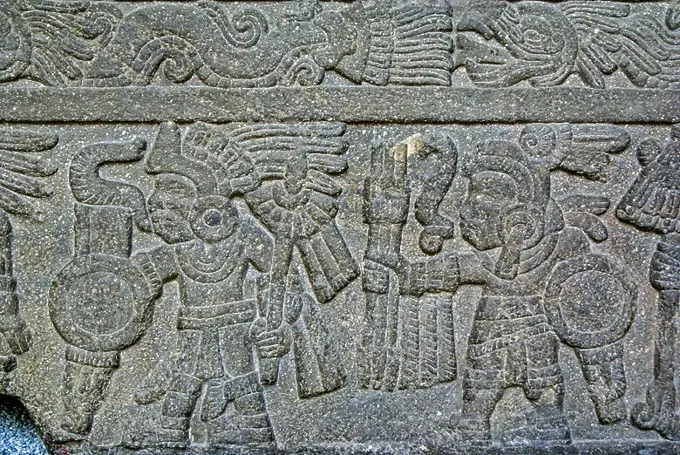
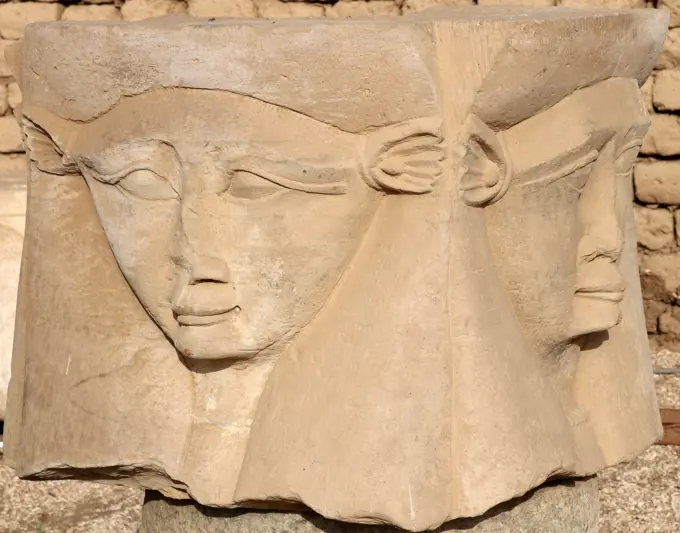
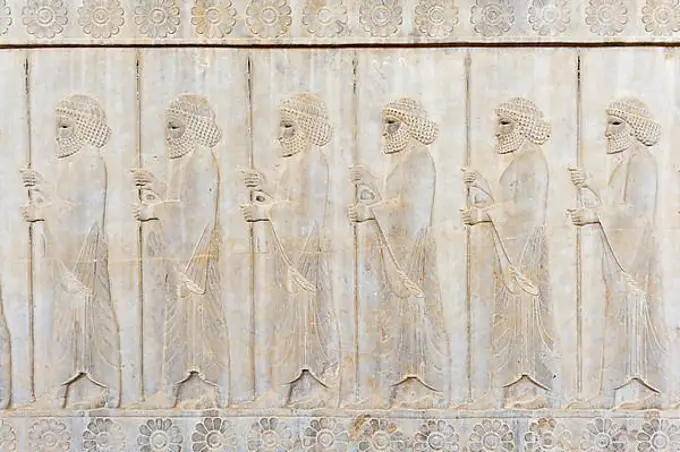
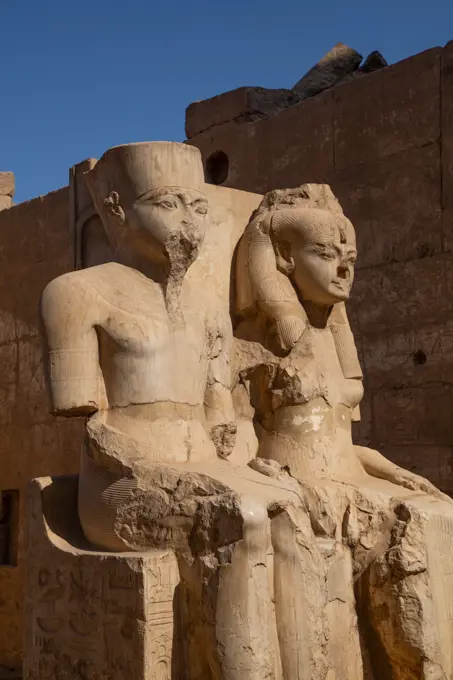
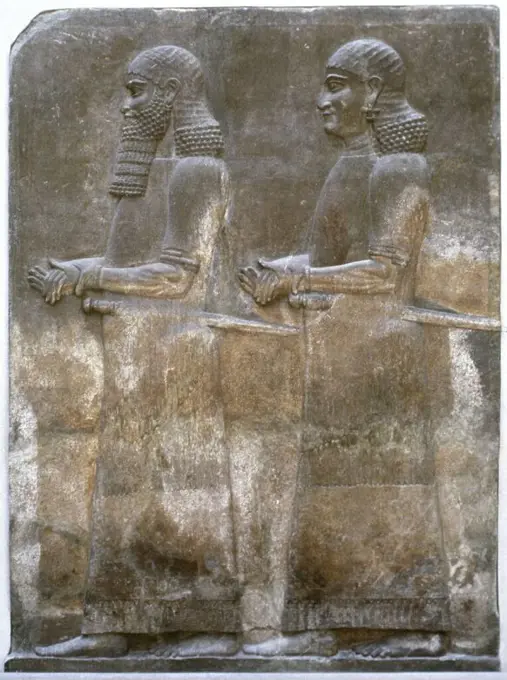
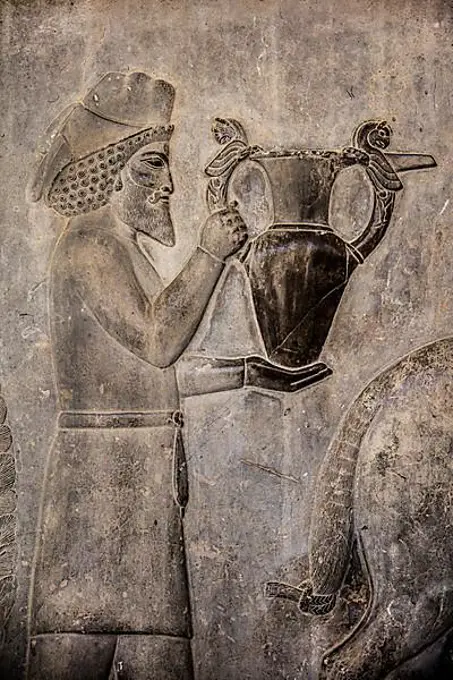
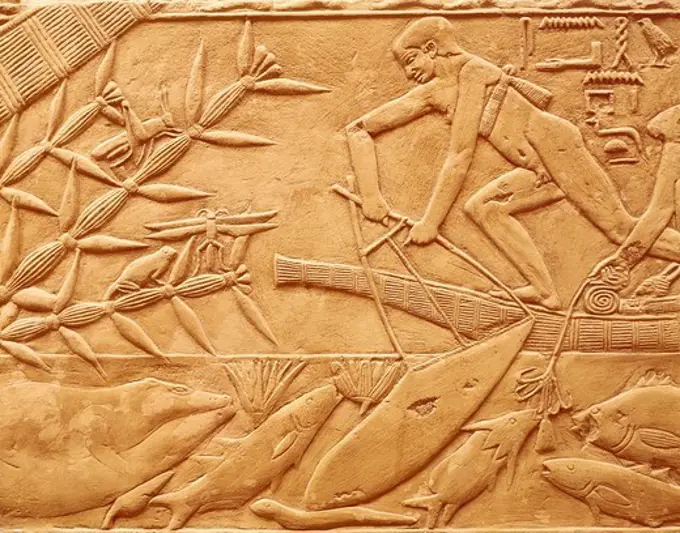
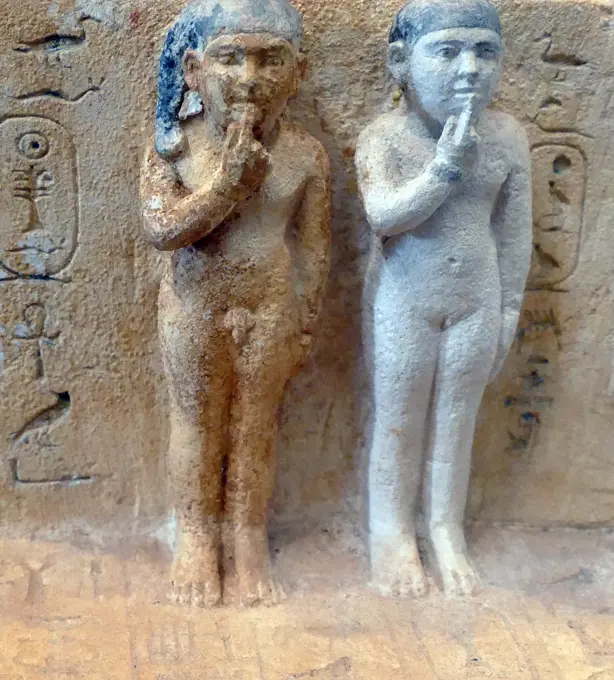
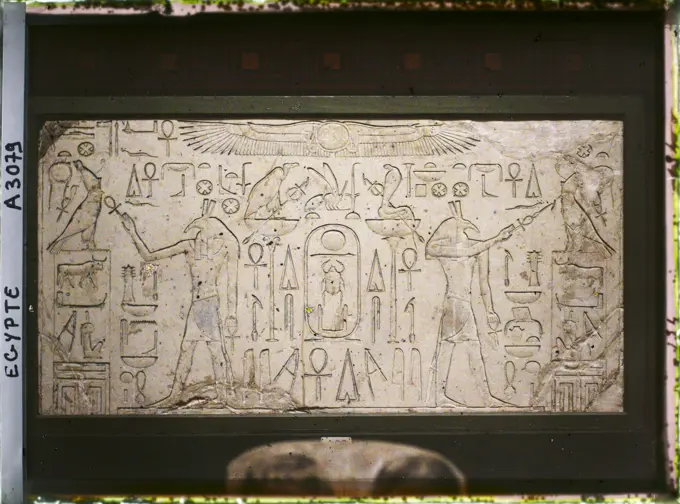
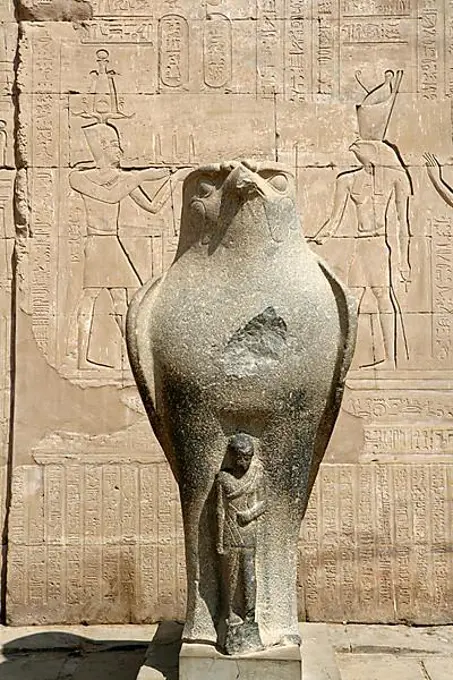
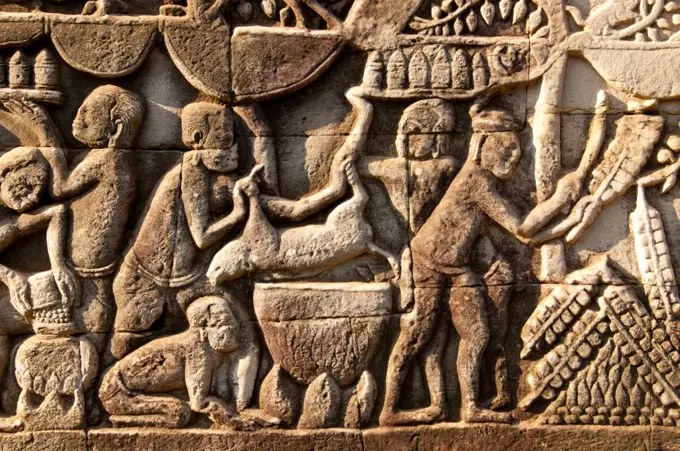
Deir el-Bahari or Deir el-Bahri ('The Northern Monastery') is a complex of mortuary temples and tombs located on the west bank of the Nile, opposite the city of Luxor, Egypt. The focal point of the Deir el-Bahari complex is the Djeser-Djeseru meaning 'the Holy of Holies', the Mortuary Temple of Hatshepsut. It is a colonnaded structure, which was designed and implemented by Senemut, royal steward and architect of Hatshepsut (and believed by some to be her lover), to serve for her posthumous worship and to honor the glory of Amun. Hatshepsut established the trade networks that had been disrupted during the Hyksos occupation of Egypt during the Second Intermediate Period, thereby building the wealth of the eighteenth dynasty. She oversaw the preparations and funding for a mission to the Land of Punt. The expedition set out in her name with five ships, each measuring 70 feet (21 m) long bearing several sails and accommodating 210 men that included sailors and 30 rowers. Many trade goods weColorful relief paintings in ancient graves, Dier el Medina, EgyptEgypt, Saqqara (Ancient Memphis), Mastaba of Ti, Detail from relief portraying farm workEgypt - Ancient Thebes (UNESCO World Heritage List, 1979). Luxor. Karnak. Great Temple of Amon - Great Hypostyle Hall (New Kingdom). Outer wall, north: reliefs showing the military campaigns of Seti I into Syria and Palestine (1304-1290 BC), detailForeigners bring tribute in thiscarved stone relief from Ashurnasirpal II's palace in Nimrud (883-859 B.C.)The Black Obelisk of Shalmaneser III (858-824 BC) Assyrian, about 827 BC. The obelisk was erected in the centre of Nimrud, shortly before Shalmaneser III's death. It records the king's campaigns, showing tribute brought from all directions. The stone itself is a fine-grain black limestone streaked with white.TEMPLO DE DENDERA, DEDICADO A LA DIOSA HATHOR: MAMMISI ROMANO, DEDICADO A HARSOMTUS O IHY.Nefer's stele (dignitary). Nefer is carved seated. Ancient Egypt. Detail. Barracco Museum of Antique Sculpture. Rome. Italy.Relief. Eagle-headed god Nisroch. 9th century BC. Neo-Assyrian. Reign of Ashurnasirpal. Nimrud (ancient Kalhu). Northern Mesopotamia. Alabaster. Metropolitan Museum of Art. Ny. USA.Egypt, Thebes, Luxor, Valley of the Kings, Tomb of Seti I, unfinished mural painting on wall, from nineteenth dynastyRelief depicting the union between Upper and Lower Egypt with the Royal cartidge of the pharaoh Ramses II. Great Temple of Ramses II. 19th Dynasty. New Kingdom. Abu Simbel. Egypt.Temple of Ramses III. Great colossal statues of Ramses III deified as Osiris, attached to pillars. New Kingdom. (1550-1069 b.C). Twentieth dynasty. Thebes. Medinet-Habou. Egypt..Egypt - Cairo - Ancient Memphis (UNESCO World Heritage List, 1979). Saqqara. Necropolis. Private funerary mastaba of Mereruka, 6th Dynasty, 2349 BC. Relief of greyhoundsSema-taui symbol, union of Upper and Lower Egypt, Luxor Temple, Thebes, Egypt, Luxor, Thebes, Egypt, AfricaAncient Egyptian Limestone false door stela of Niankhre. Mid 5th Dynasty, Saqqara 2450 BC. This small false door comes from the mastaba-tomb of the Superintendent of the Hairdressers of the Palace Niankhre.Assyrian wall relief depicting the royal lion hunt. Assyrian, about 645-635 BC From Nineveh, North Palace. Relief from the West Wall of a Chapel of Ramesses I ca. 1295-1294 B.C. New Kingdom, Ramesside Ramesses I, first king of Dynasty 19, was a military officer from the eastern Delta. He served as a general and vizier under Haremhab, last king of Dynasty 18, and was designated by Haremhab as his successor. Ramesses was probably quite old when he became king and most of his monuments were finished by his son, Seti I.In a chapel dedicated by Seti to Ramesses, the west wall, depicted here, is the focal point. It is divided centrally, with scenes of Ramesses I on the right and those of his son Seti I on the left. In the two scenes from the bottom register that are preserved here, the image of Osiris is replaced by a cult symbol of the god that was used at Abydos.On the right, Ramesses, described as "maker of monuments in the Abydos nome for the lord of continuity, who satisfies the heart of Onnophris with what he has desired," presents offerings to the Osiris symbol accompanied by Isis. On the A photograph taken of the Festival Hall of Thutmose III (Akh-menu) is an ancient shrine in Luxor (Thebes), Egypt. It is located at the heart of the Precinct of Amun-Re, in the Karnak Temple Complex. The Hall is situated at the end of the Middle Kingdom court. It was initially built to celebrate the Jubilee (Heb-Sed) of the 18th dynasty Pharaoh, Thutmose III, and later became used as part of the annual Opet Festival. circa 1425 BCTumba de Ahmose, hijo de Ebana (EK-5). Elkab, Egipto.Polychrome Stucco Panel From Temple Xix Showing The Ruler U Pakal K'inich, Alberto Ruz Lhuillier Site Museum, Palenque, Chiapas, MexicoTomb of Ramesses III, Pharaoh of the Twentieth Dynasty in Ancient Egypt. reigned from 1186 to 1155 BC and is considered to be the last monarch of the New Kingdom to wield any substantial authority over Egypt. Tomb KV11 is located in the main valley of the Valley of the Kings. The tomb has been open since antiquity, and has been known variously as Bruce's Tomb (named after James Bruce who entered the tomb in 1768) and The Harper's Tomb (due to paintings of two blind harpers in the tomb).Courtyard of the Temple of Rameses III at Medinet Habu, Egypt. The Mortuary Temple of Ramesses III at Medinet Habu was an important New Kingdom period temple structure in the West Bank of Luxor in Egypt. The temple has inscribed reliefs depicting the advent and defeat of the Sea Peoples during the reign of Ramesses III. Initial excavation of the temple took place sporadically between 1859 and 1899Assyrian relief of two servants, Palace of Sargon II, Khorsabad, c8th century BC. Artist: UnknownGregorian Egyptian Museum at the Vatican museum, Vatican city, Rome, Italy.18th Dynasty tomb of Paheri, at Elkab,south of Thebes, Egypt. dating from of the New Kingdom in the middle of the 18th Dynasty, under the reign of Thutmosis III. The tomb had already been located by the scholars of the Egyptian expedition in 1799. The titles associated with Paheri are those of nomarch (governor prince) and scribe. He is often called nomarch of Nekheb and AnytCylinder seal ca. 1820-1730 B.C.. Cylinder seal 327773Egypt, Abu Simbel, Two Of The Giant Statues Of Ramesses Ii At The Entrance To The Great TempleFace of Hathor, Chapel of Hathor, Temple of Hatshepsut, West Bank, Luxor, Nile Valley, Egypt, AfricaThis reconstruction corresponds in its essence to what an Assyrian palace chamber might have looked like, even it its components originate from a number of different periods and sites. The windowless apartments got their light solely through the doors. The two colossal figures at the entry - called in Assyrian schedulamassu - are human headed, winged lions with horned crowns as a symbol of divinity.A photograph taken of Philae, an island in the reservoir of the Aswan Low Dam, Egypt. Philae was initially located near the expansive First Cataract of the Nile in Upper Egypt and was the site of an Egyptian temple complex. The temple complex was dismantled and moved to nearby Agilkia Island as part of the UNESCO Nubia Campaign project, protecting this and other compounds before the 1970 completion of the Aswan High Dam. The most ancient was a temple for Isis, built in the reign of Nectanebo I during 380-362 BC, the other ruins date from the Ptolemaic Kingdom (282-145 BC), with many traces of Roman work in Philae dedicated to Ammon-Osiris.Egyptian hieroglyphics on the stone wall. Ancient stone carved Egyptian hieroglyphicsTEMPLO DE DENDERA, DEDICADO A LA DIOSA HATHOR: RELIEVES DEL EXTERIOR, HORUS.Gournah, Sculptures du Trône des Colosses; Thèbes Made 1849-1851 France. Salted paper print, plate 57 from the album Egypte, Nubie, Palestine et Syrie (1852) . Maxime Du CampEgipto. Tumba 162 Quenamon. Parennefer (TT-162).Relief with winded genius. 9th century BC. Neo-Assyrian. Reign of Ashurnasirpal. Nimrud (ancient Kalhu). Northern Mesopotamia. Alabaster. Metropolitan Museum of Art. Ny. USA.Detail from the Black Obelisk, of Shalmaneser III. A black limestone Assyrian sculpture with scenes in bas-relief and inscriptions. It comes from Nimrud (ancient Kalhu), in northern Iraq, and commemorates the deeds of King Shalmaneser III (reigned 858-824 BC). Ritual Scene  100 BC Egyptian Art(- ) Relief Staatliche Museen Preussischer Kulturbesitz, (Agyptisches Museum und Papyrussammlung), BerlinEgypt, Luxor, West Bank, Medinet Habu Temple (aka Djanet). Lion-headed goddess statue.Egyptian civilisation. Wheat harvest. ReliefReliefs and engravings on the walls in the Kom Ombo Temple on the Nile, Egypt, AfricaAnónimo Sumerio, siglo XXIII a.C. Sello cilíndrico. Genio dando agua a los toros (Telloh). Museum: BRITISH MUSEUM, LONDRES, UK.A photograph taken within Tomb KV8, located in the Valley of the Kings, used for the burial of Pharaoh Merenptah of Ancient Egypt's Nineteenth Dynasty. Merneptah or Merenptah (reigned July or August 1213 BC - May 2, 1203 BC) was the fourth ruler of the Nineteenth Dynasty of Ancient Egypt.A photograph taken within the Karnak Open Air Museum, an archaeological museum in Luxor, Egypt. It is located in the north-western corner of the Precinct of Amon-Re at the Karnak complex.Detail of relief depicting triumph of king Ashurbanipal, from ancient Nineveh, IraqRelief depicting a group of dancers. New Kingdom. Temple of Luxor. Egypt.Temple of Ramses III. The pharaoh Ramses III victorious with war prisoners. New Kingdom. (1550-1069 b.C). Twentieth dynasty. Thebes. Medinet-Habou. Egypt.Relief with traces of polychromy depicting Riy with his wife Maya and some priests at a table of offerings. Dynasties 18-19. New Kingdom. C.1320-1290 BC. Limestone. Detail of Riy. Memphis. Saqqara. Neues Museum. Berlin. Germany.Karnak. Templo de Thutmose III. Templo de Tutmosis III (o Thutmose III), Egipto.Relief panel. Culture: Assyrian. Dimensions: H. 92 1/4 x W. 95 1/2 x D. 4 1/4 in. (234.3 x 242.6 x 10.8 cm). Date: ca. 883-859 B.C..This relief, from the palace of the Assyrian king Ashurnasirpal II (r. ca. 883-859 B.C.), depicts a supernatural protective figure and a mortal Assyrian courtier. The two larger-than-life-sized figures are carved in low relief. This panel joins a second relief that shows the king and a second courtier. Together, the two panels show the king flanked by his human courtiers. The winged figure here formed part of a similar neighboring scene, this time with the king flanked by divine protectors.The winged human-headed figure wears a horned crown - a traditional Mesopotamian marker of divine status - and bracelets adorned with rosettes, as well as armbands, a necklace of beads, and large pendant earrings. He wears a tunic with long tassels and a fringed shawl, emerging from which at chest level can be seen the decorated handles of two knives. Embroidery on the cTablet with cartouches of Aten, Akhenaten and Nefertiti ca. 1353-1336 B.C. New Kingdom, Amarna Period. Tablet with cartouches of Aten, Akhenaten and Nefertiti 550052Boat Builder, Thebes. 660 BC. EGYPT.Tumba de Setau o Sethau (EK-4), Elkab, Egipto.Egypt tombstone of Anuj New Kingdom 18th dynasty (1570 - 1345 BC) limestone Kestner Museum Hanover,Relief detail of the delegation of nations bringing gifts to Darius on the steps of Apadana Palace, Persepolis, Persepolis, Iran, AsiaEmperor Augustus as a pharaoh on the back wall of the sanctuary of the temple of Kalabsja, Nubia, Temple of Kalabsha, Egyptian temple in Egypt, Maxime Du Camp, Blanquart-Evrard, Gide et J. Baudry, 1849-1851.Relief panel ca. 883-859 B.C. Assyrian This panel represents a supernatural protective figure similar to those seen in the Northwest Palace at Nimrud (ancient Kalhu) but comes from another important structure at the same site, the Ninurta Temple. Like the palace, the Ninurta Temple was built by Ashurnasirpal II (r. 883-859 B.C.), and it is very likely that many of the same personnel were involved in producing the relief programs for the two buildings.Ninurta was an important god in the Mesopotamian pantheon. In origin he was an agricultural deity, but for the Assyrian kings it was his association with war and victory that gave him particular significance. One relief from the Ninurta Temple depicts the gods most famous mythological exploit—recovering the "Tablet of Destinies," on which was written the future of humanity, from the Anzu bird, a demon who often appears in art as a lion-headed eagle.The figure depicted here is winged and human-headed, and holds in his left hand part of a pMarcador de juego de pelota(591d.c.), procedente de Chinkultic, Chiapas. Museo Nacional de antropologia. Estado de Mexico D.F. Mexico.Egypt. Abydos. Temple of Seti I. New Kingdom. 19th Dynasty. Relief with original polychrome, depicting The Pharaoh wearing the Blue Crown (Khepresh) receiving the Ankh from a divinity. 1292-1189 BC.Relief fragment from the grave of the Maja. Fragment of the relief wall of a tomb chamber. The head of a young man turned to the left is a young man. He wears a double necklace and a big wig ranging to the neck, which consists of corkscrew spiral, parallel curls. In his right hand, he probably holds the Lotus flowers shown in flat relief in front of him. In a lotus bloom, the sun god is born at the beginning of creation. Face, necklace and curling ends were formerly brown and yellow colored, the curls black. Hinter the head appears the front part of an ANKH sign, which is probably pre-stretched as a dose of a right now no longer preserved figure. Above the pictorial representation are arranged in five columns arranged hieroglyphs whose color is partially preserved.blur  in iran persepolis the old   ruins historical destination monuments and ruinRamses temple - statues of the Pharao in the entrance area. Beside his legs, his wife Nefertari, Abu Simbel, Egypt.Egypt. Funerary stele. New Kingdom. 14th C. BC. 18th Dynasty. Limestone. Ritual scene of the deceased before the god Horus. The State Hermitage Museum. Saint Petersburg. Russia.Abydos, one of the oldest cities of ancient Egypt; Goddess Isis as a birdRoman funerary stele relief representing blacksmith's workshopHunting Mesopotamia lion. Relief. Neo-Assyrians. Palace, Nineveh, Irak. 645-635 BC. British Museum. London.Gold plate for the mummy of Psusennes I. Relief representing Horus udjat eye and the four sons of Horus, Imset, Duamutef, Hapi, Qebehsenuef from Tanis, tomb of Psusennes I.Visitor covering mouth in front of two incense burners, relief from Audience Hall of Darius I at Persepolis, National Museum of Iran; Tehran, IranObeliscos en templo de Karnak. Egipto.Relief with palace rooms ca. 1353-1336 B.C. New Kingdom, Amarna Period. Relief with palace rooms. ca. 1353-1336 B.C.. Limestone, paint (mostly modern). New Kingdom, Amarna Period. From Egypt; Probably from Middle Egypt, Hermopolis (Ashmunein; Khemenu); Probably originally from Amarna (Akhetaten). Dynasty 18A photograph taken within Tomb KV1, located in the Valley of the Kings in Egypt, used for the burial of Pharaoh Ramesses VII of the Twentieth Dynasty. Although it has been open since antiquity, it was only adequately investigated and cleared by Edwin Brock in 1984 and 1985. The single corridor tomb itself is located in Luxor's West Bank and is small in comparison to other tombs of the twentieth dynasty. Usermaatre Setepenre Meryamun Ramesses VII (also written Ramesses and Ramesses) was the sixth pharaoh of the twentieth dynasty of Ancient Egypt. He reigned from about 1136 to 1129 BC and was the son of Ramesses VI. The decoration within the passageway of the tomb contains illustrations from the Book of Gates, the Book of Caverns as well as the Book of the Earth. The walls of the burial chamber are decorated with extracts from the Book of the Earth.Alexander the Great, Karnak TempleLimestone stela depicting deceased persons. 19th Dynasty 1295-1186 BC; Deir el Medina, EgyptColossal statue at Hathor temple of queen Nefertari, Abu Simbel, Egypt, AfricaEgyptian relief of defeated and enslaved enemies at Abu Simbel temple Egyptian relief of defeated and enslaved enemies at the temple of Abu Simbel, Egypt Copyright: xZoonar.com/imagoDensx 21597770Detail from Assyrian palace decoration. Carved reliefs in walls that would have originally been in the interior of a palace. Depicting hunting, battle and religious scenes.Statue in the façade of the Small Hathor Temple of Nefertari, Abu Simbel, Egypt, Africapetroglifo, yacimiento rupestre de Aït Ouazik, finales del Neolítico, Marruecos, Africa.Relief panel. Culture: Assyrian. Dimensions: 54 x 30 in. (137.2 x 76.2 cm). Date: ca. 883-859 B.C..This panel represents a supernatural protective figure similar to those seen in the Northwest Palace at Nimrud (ancient Kalhu) but comes from another important structure at the same site, the Ninurta Temple. Like the palace, the Ninurta Temple was built by Ashurnasirpal II (r. 883-859 B.C.), and it is very likely that many of the same personnel were involved in producing the relief programs for the two buildings.Ninurta was an important god in the Mesopotamian pantheon. In origin he was an agricultural deity, but for the Assyrian kings it was his association with war and victory that gave him particular significance. One relief from the Ninurta Temple depicts the god's most famous mythological exploit--recovering the "Tablet of Destinies," on which was written the future of humanity, from the Anzu bird, a demon who often appears in art as a lion-headed eagle.The figure depicted here is wiA photograph taken within the Tomb of Renni, the 'Overseer of the priests of Nekhbet' at the time of Amenhotep I at Elkab, situated 90 km to the south of Thebes. Amenhotep I was the second Pharaoh of the 18th dynasty of Egypt. His reign is generally dated from 1526 to 1506 BC.Sakkara Pyamids on the Giza Plateau just outside of Cairo doorway and visual artwork in stone, EgyptBas reliefs of lion and bull, Winter Palace of Darius (Tashara); Persepolis, IranSouth facade, reliefs of Ptolemy XVI, son of Julius Caesar, with his mother Cleopatra in presence of deities, Late Ptolemaic, Temple of Hathor, Dender...Cuauhxicalli de Moctezuma Ilhuicamina. Mexican Culture. National Museum of Anthropology. State of Mexico D.F.Mexico.The Egyptian Goddess Hathor; capital from a column at the Temple of Hathor, Dendera, Egypt. The Hathor temple (Temple of Tentyra) has been modified on the same site starting as far back as the Middle Kingdom, and continuing right up until the time of the Roman emperor Trajan. The existing structure was built no later than the late Ptolemaic period. The temple, dedicated to Hathor, is one of the best preserved temples in all EgyptAncient relief of the Achaemenids, soldiers of the Immortal Guard with lances, Apadana Palace, archaeological site, ancient Persian city Persepolis, UNESCO World Heritage Site, Fars Province, Iran, AsiaStatue of Pharaoh Tutankhamen and His Wife Ankhsenamunat, Luxor Temple, UNESCO World Heritage Site, Luxor, Egypt, North Africa, AfricaShang Bronze (15-13 Century B.C.), Shanghai Museum, Sghanghai, China, AsiaIran, Fars Province, Shiraz, Persepolis, It is undoubtedly the greatest surviving masterpiece of ancient Near Eastern CivilizationsHigh nobility or members of the royal household, relief. 8th century. BC. Palace of Sargon II of Assyria. Khorsabad, Iraq. Louvre Museum. Paris, France.Egyptian hieroglyphs, Egypt, 1863-1864. Artist: Emmanuel RougeRelief detail of the delegation of nations bringing gifts to Darius on the steps of Apadana Palace, Persepolis, Persepolis, Iran, AsiaTomb of Kagemni. ca. 2323 BC. EGYPT. Saqqara. Fishing scene. Egyptian art. Old Kingdom. Relief.two children of the dwarf Seneb, Chief of all the Dwarfs of the Clothing. found, in the stone naos embedded in the brickwork of his tomb. Painted Limestone, V th dynasty; Giza. The Fifth Dynasty of ancient Egypt, approximately 2494 to 2345 BC.Egyptian drawings and hieroglyphs at the Temple of Kom Ombo, the temple dedicated to the gods Sobek and Horus. In the town of Kom Ombo near Aswer, Egypt, AfricaClose-up of Ramesses II statue at Abu Simbel temple, Egypt, AfricaCairo Egypt, Africa on the name of Thoutmosis I at the Egyptian Museum , 1914 - Egypt - Auguste Léon - (January -February) (French - Le Caire Egypte , Afrique Dessus de porte au nom de Thoutmosis Ier au musée égyptien). Museum, funeral architecture, sculpture, bas-relief, sculpted decor, religious architecture, Habitat , Architecture , Art, Egypt, Cairo Museum, door top in the name of Thoutmosis 1st (18th dynasty)Marble frieze at Persepolis depicts a lion attacking a bull. Persepolis was founded by Darius 1 in 518 BC., Persepolis, IranStatue of the falcon god Horus at the Temple of Edfu, Edfu, Egypt, AfricaTEMPLO DE DENDERA, DEDICADO A LA DIOSA HATHOR: MAMMISI ROMANO, DEDICADO A HARSOMTUS O IHY.The Bayon was originally the official state temple of the Mahayana Buddhist King Jayavarman VII. The Bayon, at the centre of Angkor Thom (Great City), was established in the 12th century by King Jayavarman VII. Angkor Thom, meaning The Great City’, is located one mile north of Angkor Wat. It was built in the late 12th century CE by King Jayavarman VII, and covers an area of 9 km², within which are located several monuments from earlier eras as well as those established by Jayavarman and his successors. It is believed to have sustained a population of 80,000-150,000 people. At the centre of the city is Jayavarman's state temple, the Bayon, with the other major sites clustered around the Victory Square immediately to the north. Angkor Thom was established as the capital of Jayavarman VII's empire, and was the centre of his massive building programme. One inscription found in the city refers to Jayavarman as the groom and the city as his bride. Angkor Thom seems not to be the first Khmer