Egyptian Reliefs and Hieroglyphics

A collection of ancient Egyptian wall reliefs depicting gods, daily life, and rituals, showcasing intricate detail and historical significance.
Egypt, Abu Simbel. Nubian Monuments.
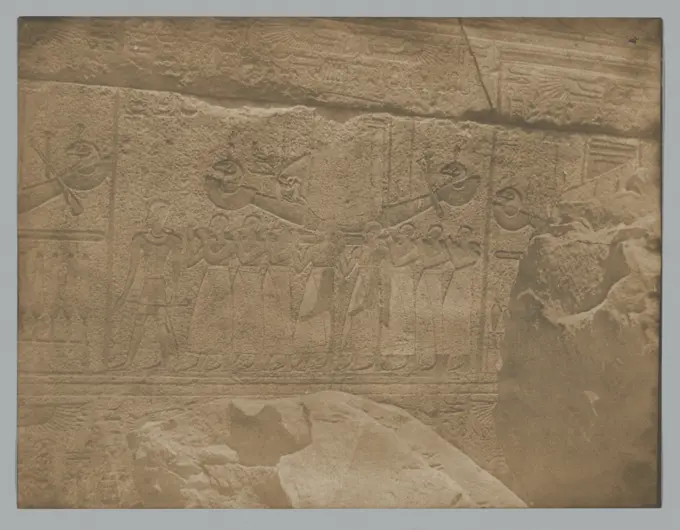
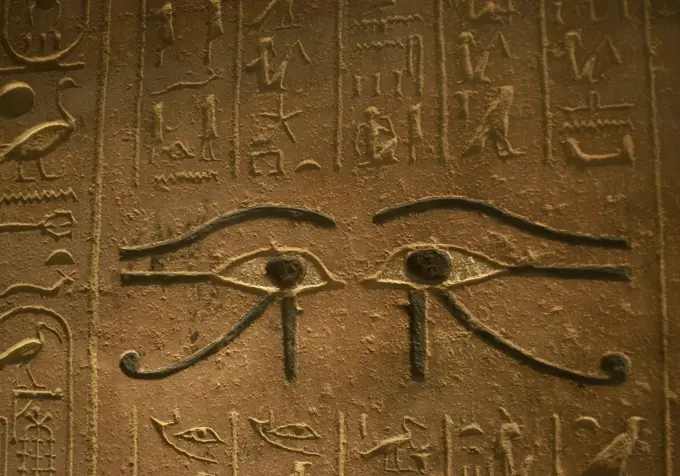
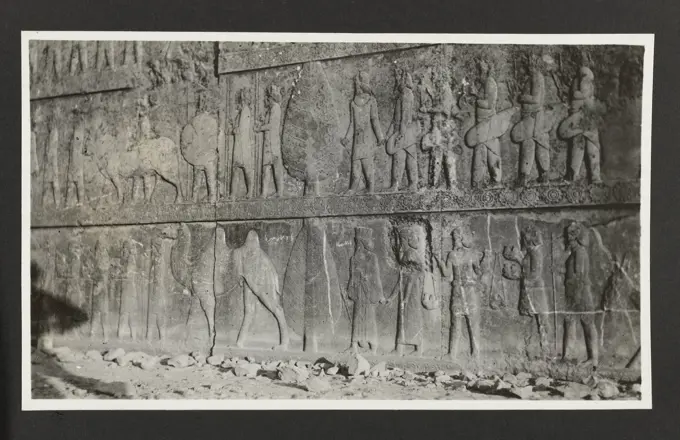
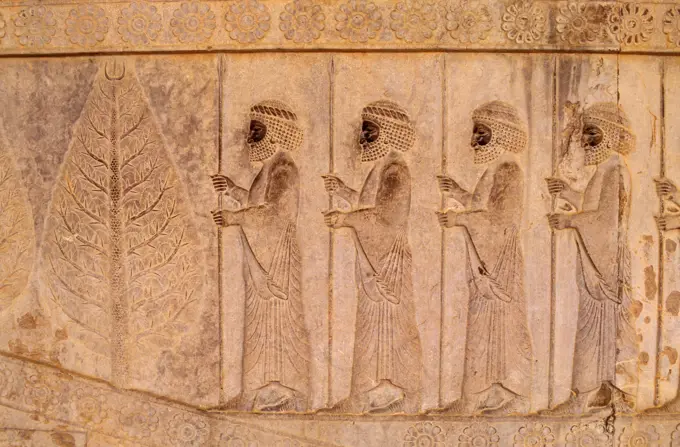
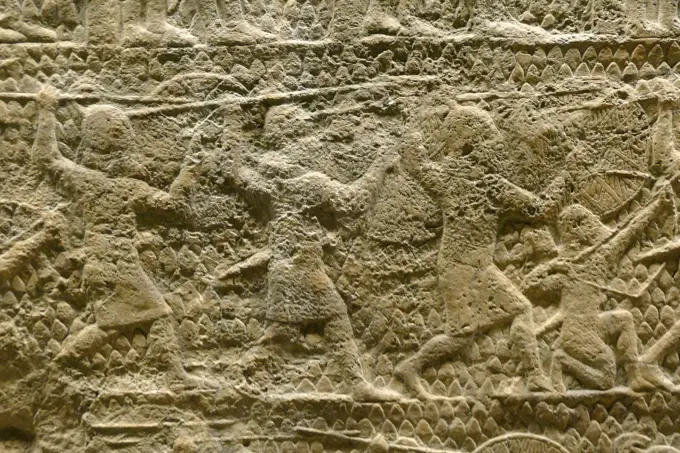
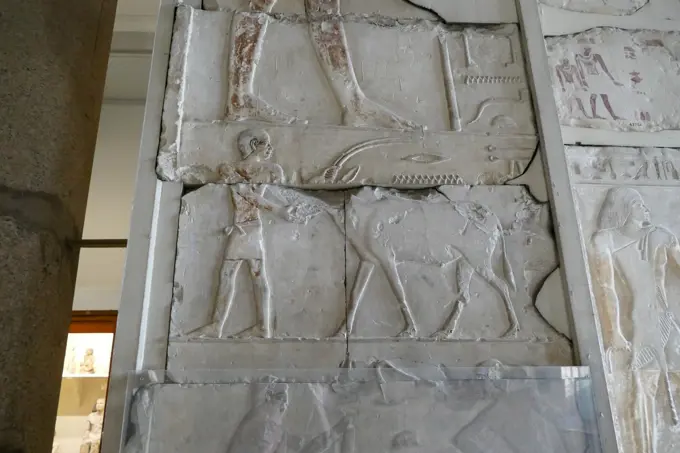
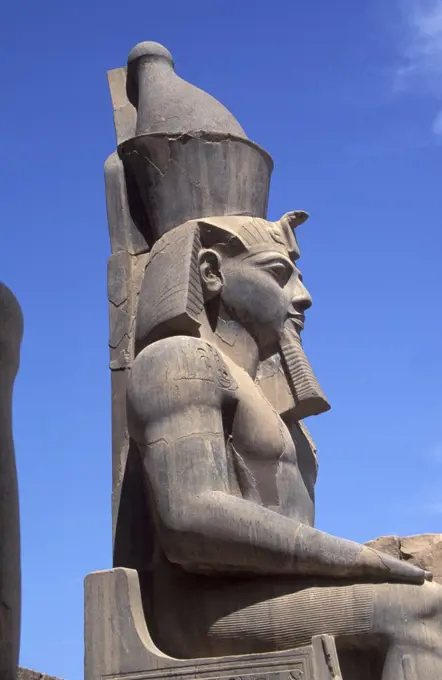
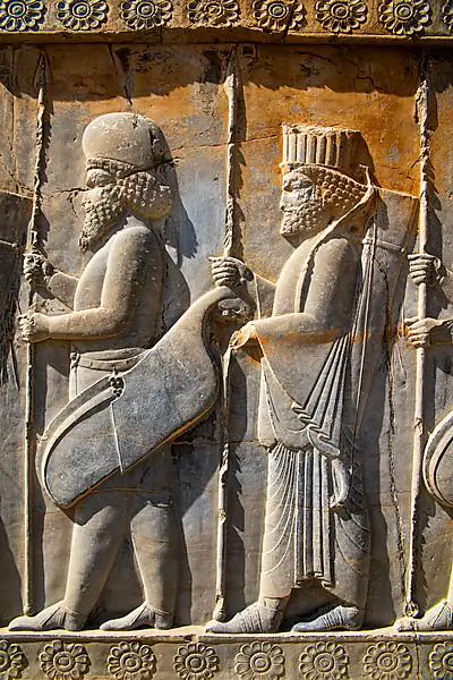
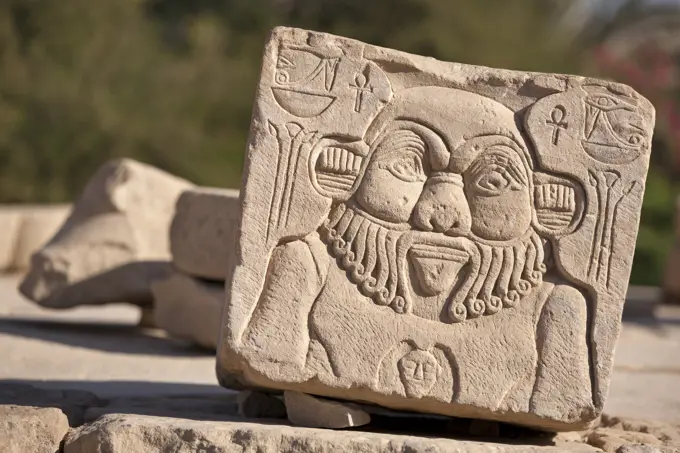
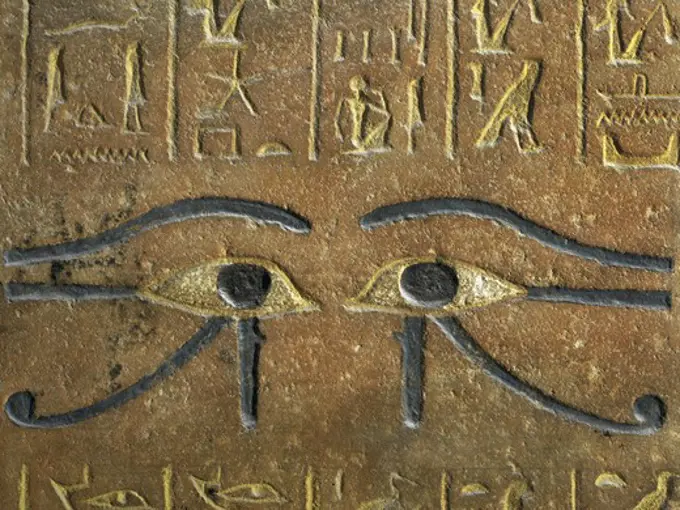
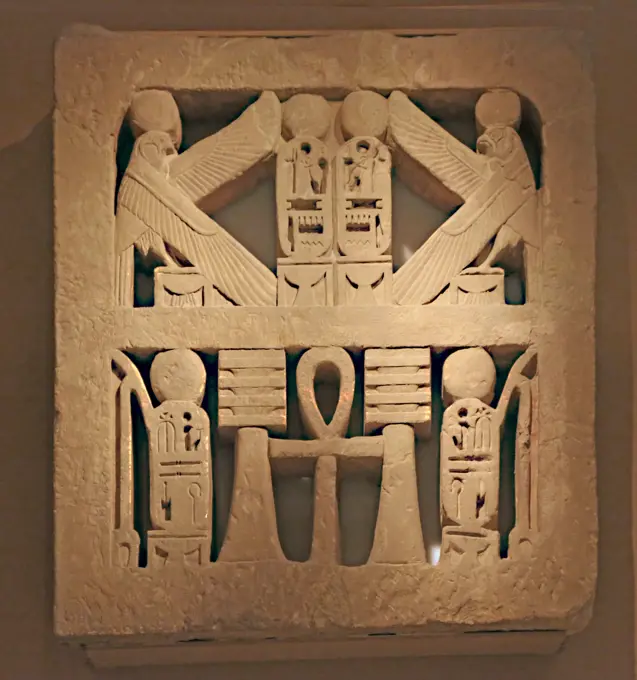
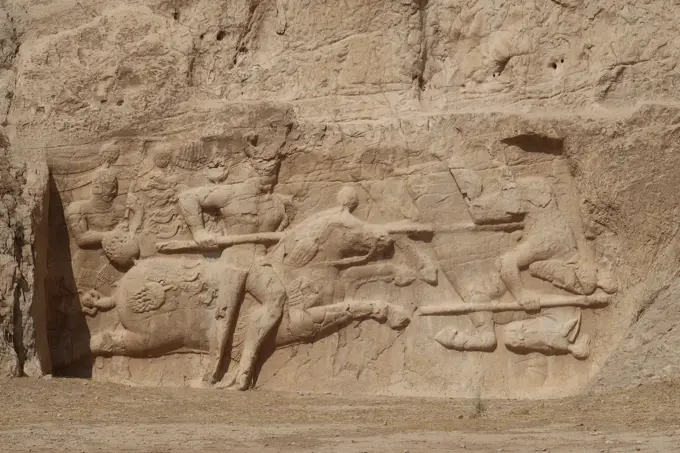
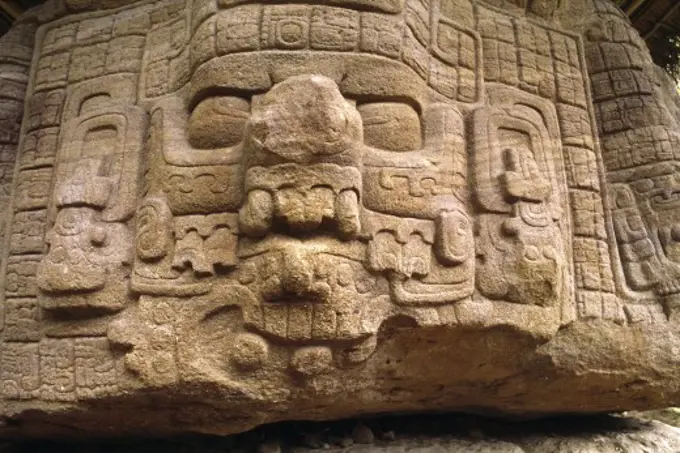
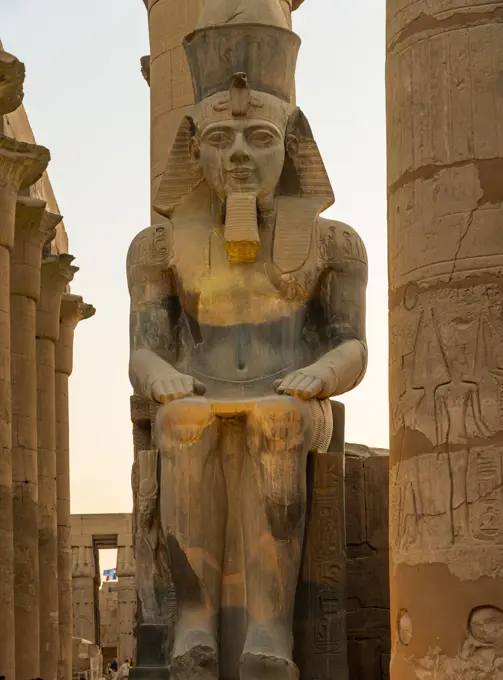
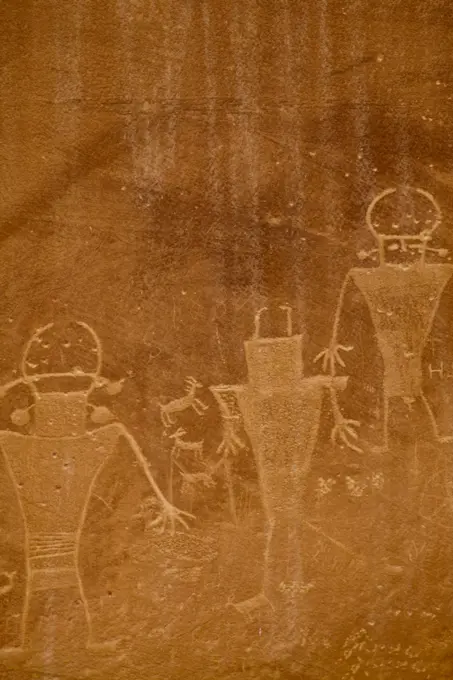
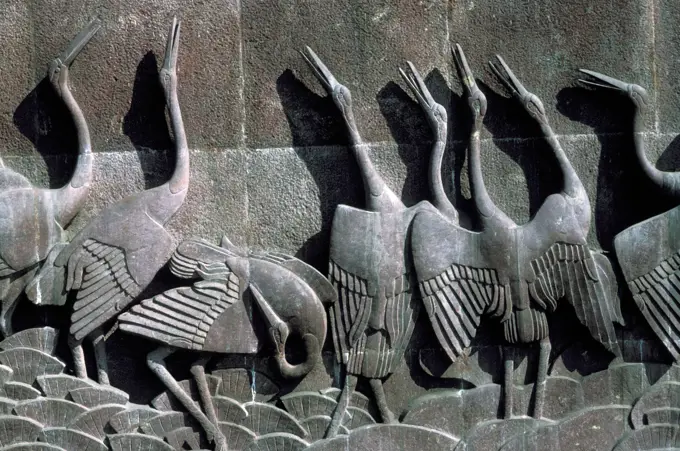
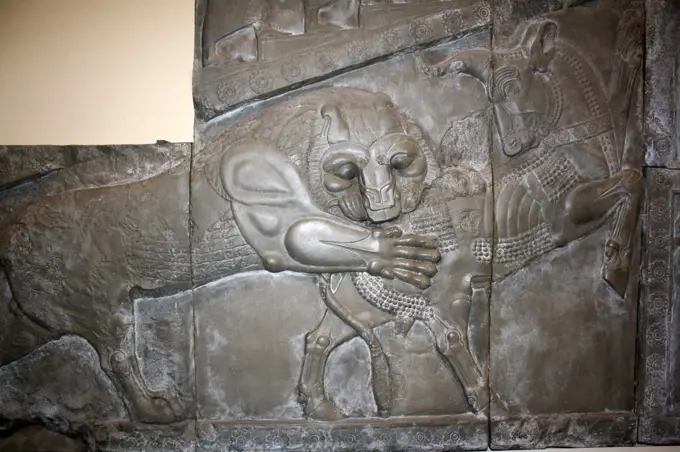
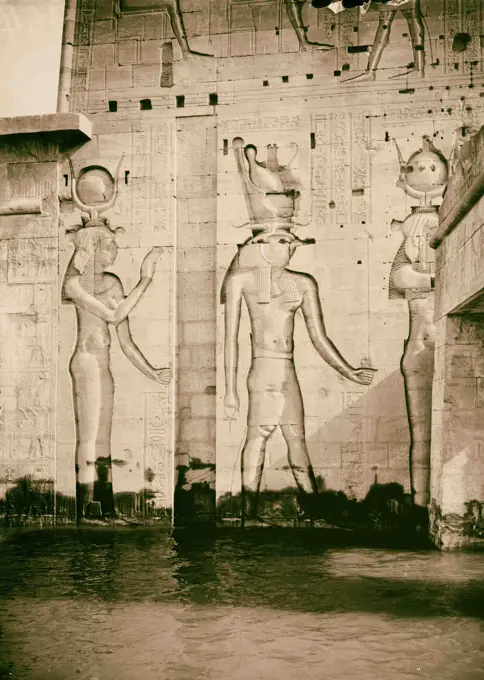
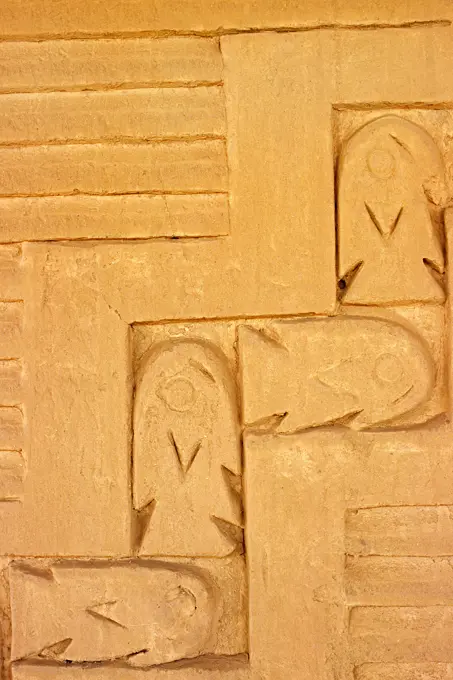
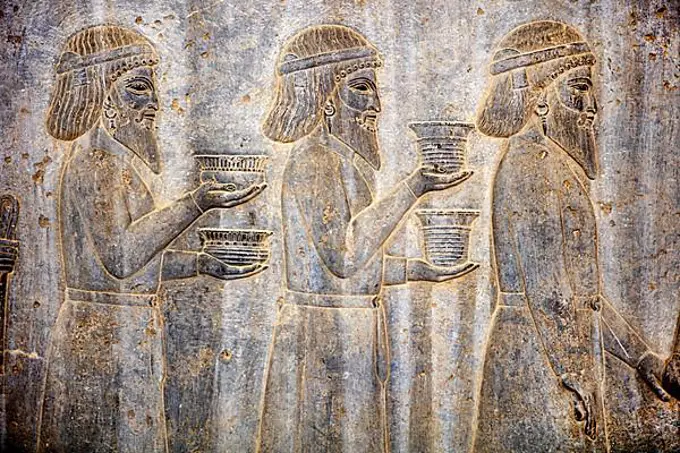
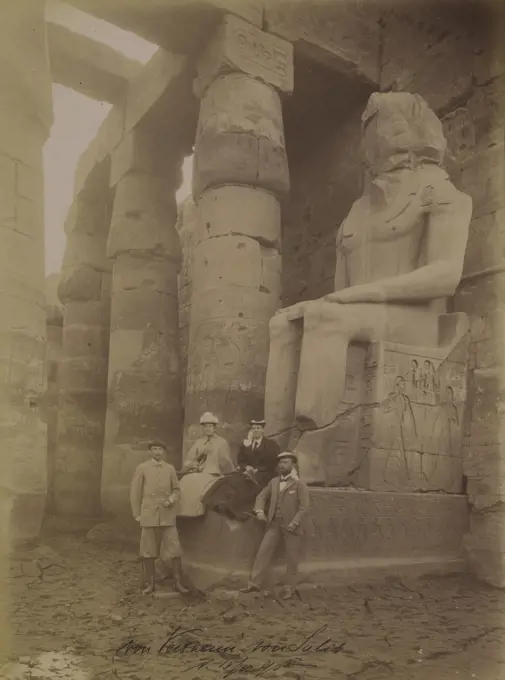
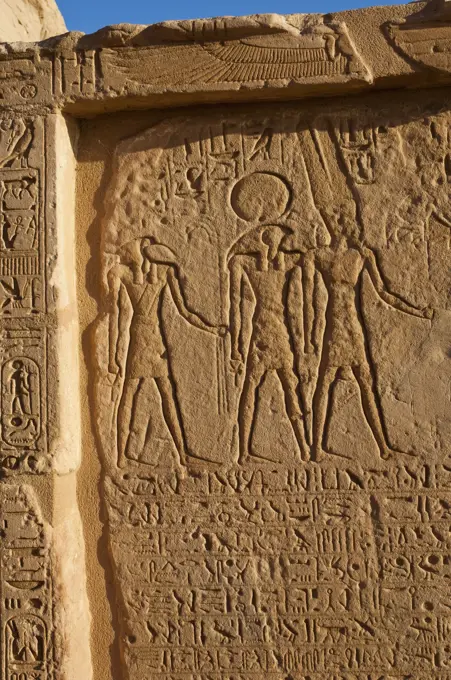
Ibsamboul; Partie septentrionale du spéos d'Athor. Maxime Du Camp (French, 1822 - 1894)Egyptian art. Great Temple of Ramses II. Two colossal statues depicting the pharaoh Ramses II (1290-1224 BC) seated with the nemes head and surmounted by the double crown. 19th Dynasty. New Kingdom. Abu Simbel. Egypt.Detail of a relief of a delegation bearing gifts, (Apadana, East staircase) at Persepolis, IranPalais de Karnak, sculptures extérieures du sanctuaire de granit. 1849-51 Maxime Du Camp French. Palais de Karnak, sculptures extérieures du sanctuaire de granit.. Maxime Du Camp (French, 1822-1894). 1849-51. Salted paper print. PhotographsMenjeperura Tutmosis or  Thutmose IV (1400-1301 BC.) tomb. Eighth pharaoh of the Eighteenth Dynasty. New Kingdom.  The two eyes of Horus painted on a tomb wall. Valley of the Kings. Egypt.Relief with winded genius. 9th century BC. Neo-Assyrian. Reign of Ashurnasirpal. Nimrud (ancient Kalhu). Northern Mesopotamia. Alabaster. Metropolitan Museum of Art. Ny. USA.Name Panel from Mortuary Complex of Senwosret I. Dimensions: H. 419.1 x W. 117.5 cm (165 x 46 1/4 in.). Dynasty: Dynasty 12. Reign: reign of Senwosret I. Date: ca. 1961-1917 B.C.. Museum: Metropolitan Museum of Art, New York, USA.Detail of a bass relief near the ruins of the Palace of Darius, Persepolis, Persia, 1925 photograph  unknown paper. cardboard gelatin silver print  IranShot of Trajan's column, showing the Dacian wars, 2nd century. Artist: UnknownIran, PersepolisRelief detail of the delegation of nations bringing gifts to Darius on the steps of Apadana Palace, Persepolis, Persepolis, Iran, AsiaStatues of Amenophis III and his woman in the Colonnade, Luxor Temple, Thebes, Egypt, Luxor, Thebes, Egypt, AfricaAssyrian wall relief showing an attack on Lachish, about 700-692  From Nineveh, South-West Palace, during Sennacherib’s campaign of 701 BC, the capture of Lachish in the kingdom of Judahin iran persepolis the old ruins historical destination monuments and ruinLimestone relief depicting list of offerings; Old Kingdom. The Old Kingdom is the period in the third millennium BC when Egypt attained its first continuous peak of civilizationPersepolis, Persia, detail of relief on outside of east staircase of Apadana, Median and Persian dignitariesTumba de Paheri. Paheri era el nieto de Ahmose hijo de Ebana, y sirvió bajo las órdenes de Tutmosis III. Ostentó varios cargos, fue Intendente de Nekheb, así como Escriba de Amon, Tutor del Príncipe, y Jefe de los sacerdotes de la diosa Nejbet, entre otros.in iran persepolis the old ruins historical destination monuments and ruinNefertari Statue. Luxor Temple. Egypt. North Africa. Africa. (Photo by: Stefano Cellai/REDA&CO/UIG)Egypt - Cairo - Ancient Memphis (UNESCO World Heritage List, 1979). Saqqara. Necropolis. Private funerary mastaba of Merekura, 6th Dynasty, 2340 BC. Interior, statue in a niche and painted reliefs.Gate relief in the Trohn Hall with guard soldiers, Persepolis, Persepolis, Iran, AsiaBas-relief featuring two pharaohs, situated in a touristic resort in marsa alam, egypt, showcasing intricate hieroglyphics and ancient artistryGranite falcon figure of the god Horus at Edfu temple, Egypt, North Africa, AfricaRELIEVE DE LA MASTABA DE TI(TI=FUNCIONARIO V DINASTIA) - FOTO AÑOS 70. Location: MASTABA DE TI. Saqqarah. EGYPT.Relief of the god Bes at the Temple of Hathor, Philae, UNESCO World Heritage Site, Nubia, Egypt, North Africa, AfricaArch of Carpentras, captive Gaul in chains, 1st cent. Roman period relief.Egypt, Thebes, Luxor, Valley of the Kings, Tomb of Thutmose IV, mural painting of eyes from 18th dynasty in burial chamberWindow grill from a palace of Ramesses III ca. 1184-1153 B.C. New Kingdom, Ramesside This stone window grill, which has been partially restored, was one of three discovered in the throne room of the palace of Ramesses III at Medinet Habu. Originally placed high on a wall, it allowed only indirect light to enter the room. The grill is divided into two registers: the top decorated with two cartouches bearing the throne name of Ramesses III, framed by solar falcons; on the bottom are the hieroglyphic symbols for life (ankh) and stability (djed), flanked in turn by cartouches with the birth name of the king.. Window grill from a palace of Ramesses III. ca. 1184-1153 B.C.. Sandstone, paint. New Kingdom, Ramesside. From Egypt, Upper Egypt, Thebes, Medinet Habu, Palace of Ramesses III, Throne room, Davis/Burton excavations, 1912-13. Dynasty 20Bas-relief on the wall of palace in Persepolis, IranAbydos, one of the oldest cities of ancient Egypt; The falcon godPhotograph of the equestrian victory of Hormizd II. Immediately below is the Achaemenid tomb of Artaxerxes and a vanished relief of Shapur IIMAYAN ZOOMORPH, dated to 795 AD, with beautifully carved GLYPHS and face of god or ruler - QUIRIGUA RUINS, GAUTAMALAEgypt, Luxor, East Bank, Luxor Temple. Face of Ramesses II.Massive Granitstatue von Ramses II. im Luxor-Tempel bei Sonnenuntergang Massive Granitstatue von Ramses II. im Luxor-Tempel bei Sonnenuntergang Copyright: xZoonar.com/StevenxHeapx 22802539Well-preserved reliefs on the tomb of Artaxerxes in Persepolis, Iran, AsiaAncient petroglyphs from the Fremont people on canyon wall at Capitol Reef National Park in UtahBeijing, China, Graceful relief sculpture of Cranes on marble.Persepolis was an important city at the hear of the Persian Empire. The palaces were built between 518 and 339 BC. The long plaster case above is from a section of ancient sculptures still at the site. This copy was made in 1892 especially for display in the British Museum and was the result of a special expedition.Egyptian views Assuan and Philae. Reliefs of different deities on wing of 1st pylon 1900, Egypt, PhilaeSouth America, Peru, Adobe wall frieze incorporating a fish and wave design in the Audience Rooms of the Tschudi Complex - one of the Royal Compounds at the Chimu site of Chan Chan.Relief detail of the delegation of nations bringing gifts to Darius on the steps of Apadana Palace, Persepolis, Persepolis, Iran, Asiaremains of a monumental gate in the name of Ramses II.1279-1213 BC 19th DynastyGroup at Abydos; Antonio Beato (English, born Italy, about 1835 - 1906); about 1885; Albumen silver print