Egyptian Scarabs and Ornaments

Artifacts including scarabs inscribed for notable figures and flat ornaments, reflecting ancient Egyptian culture and artistry.

Fragment of bracelet covers. Bronze. Cernuschi Museum, Asia Museum of Asia in the city of Paris.
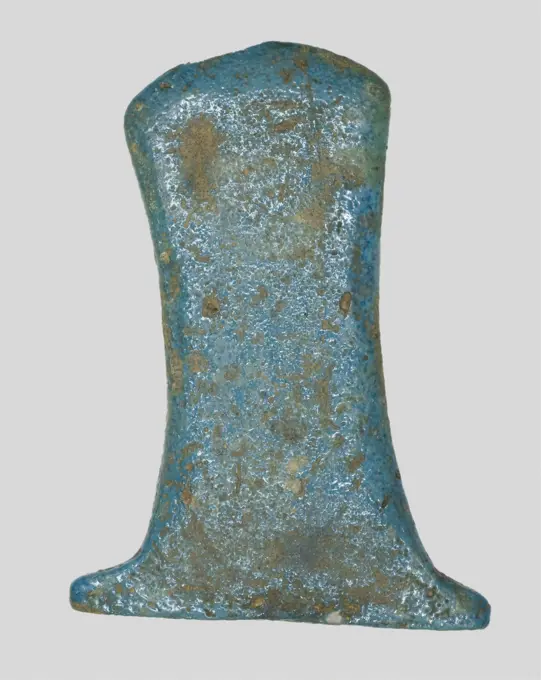
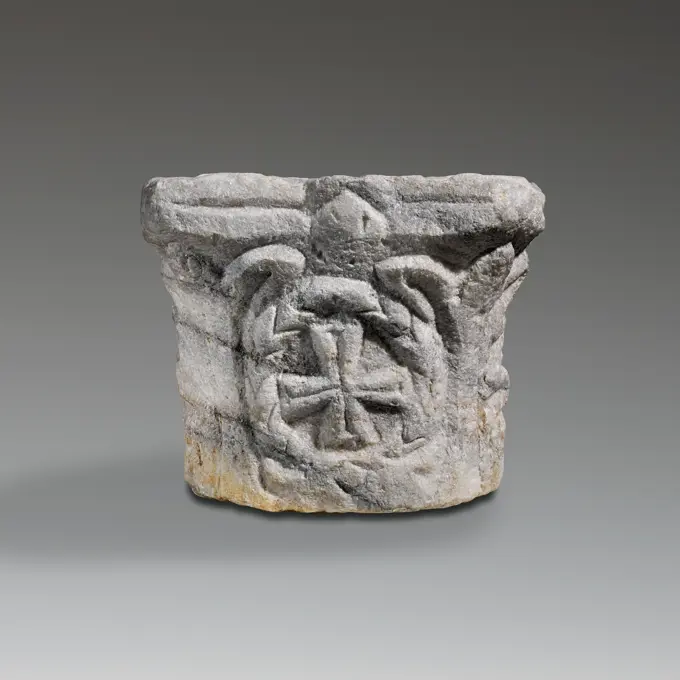
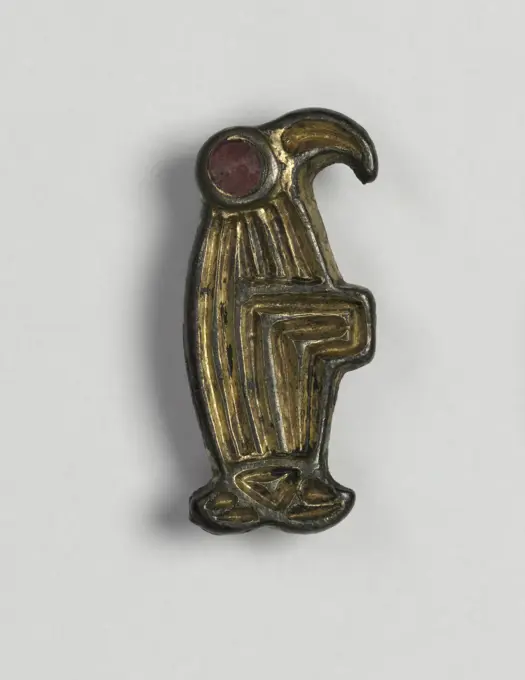
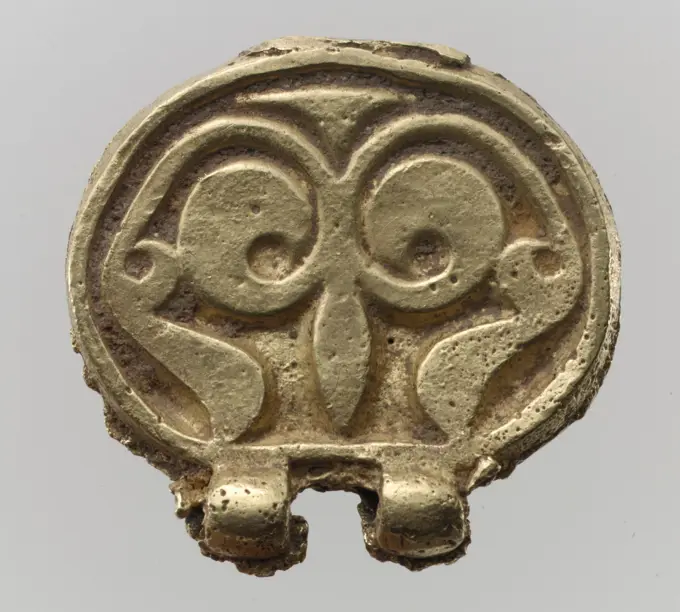
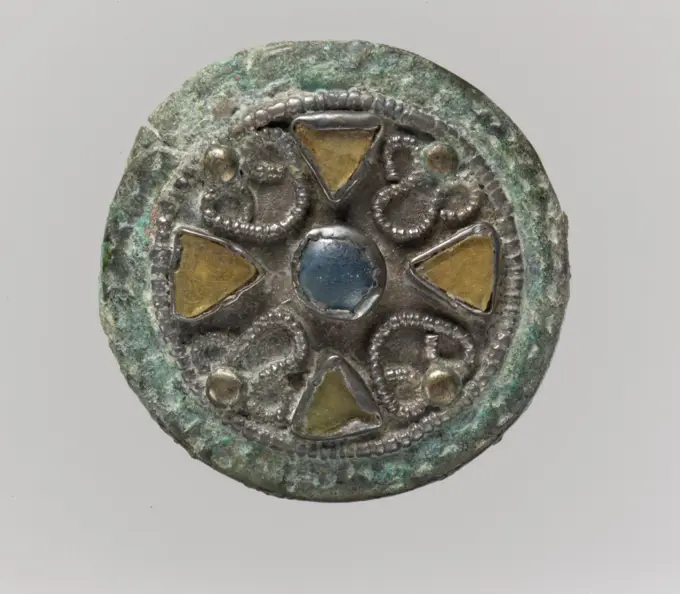
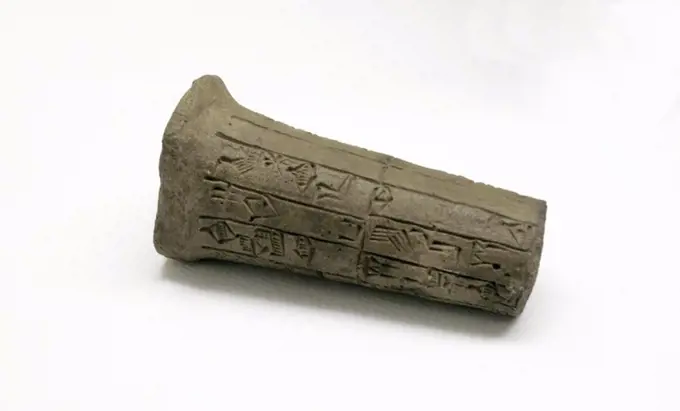
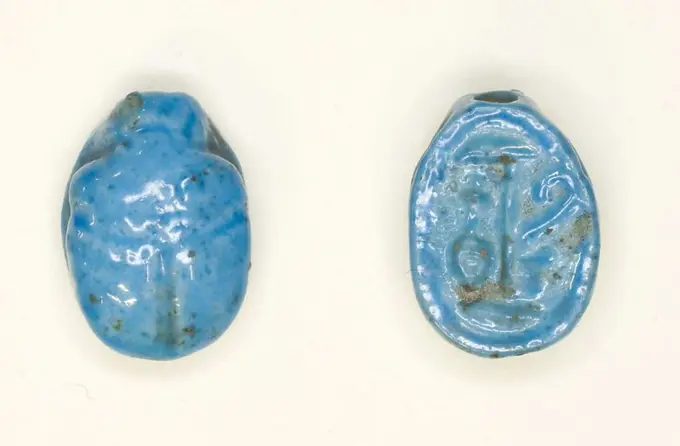
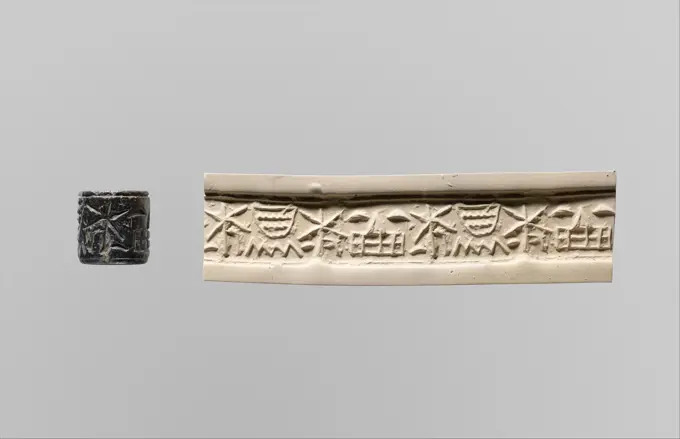
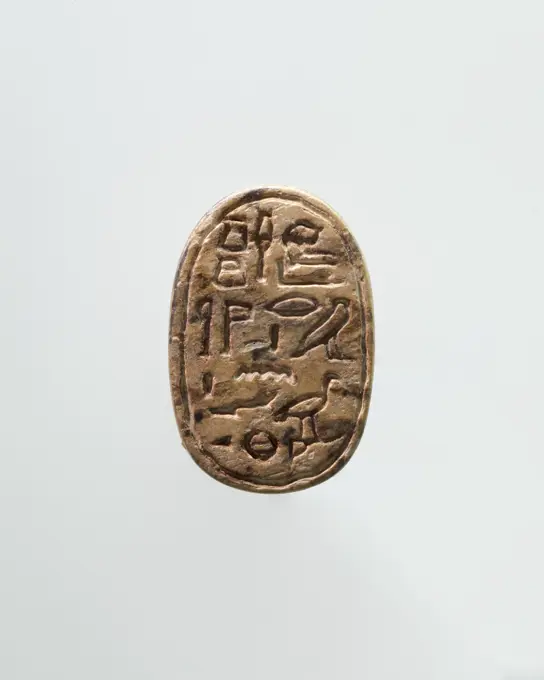
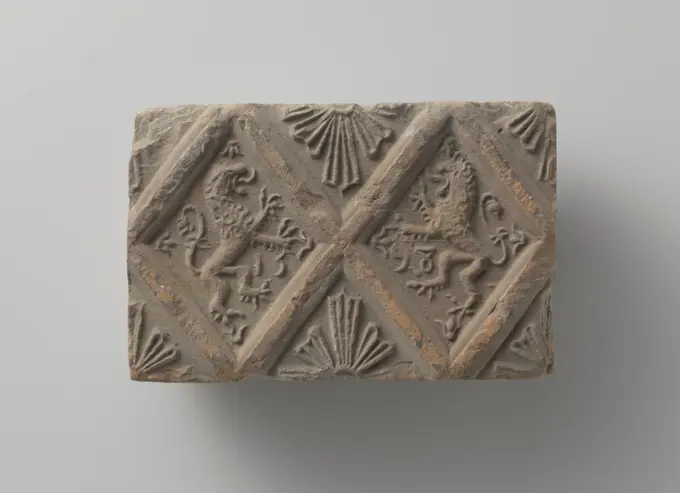
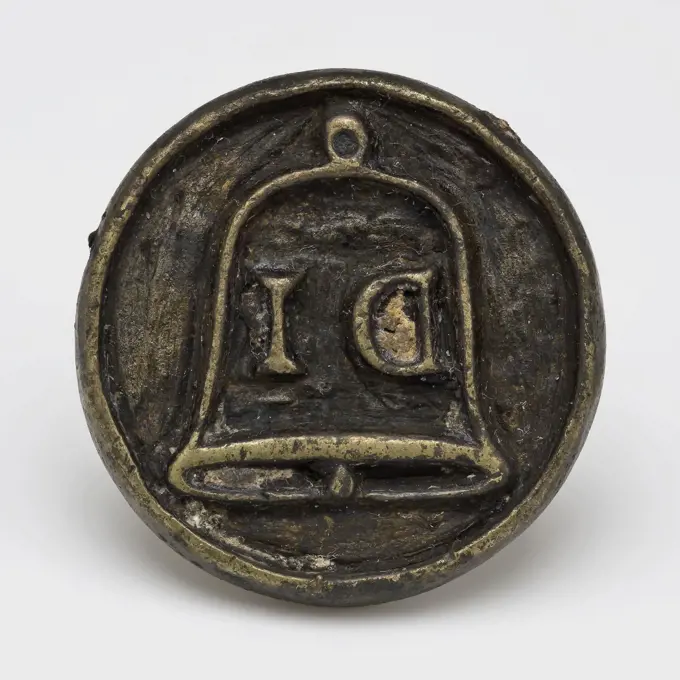
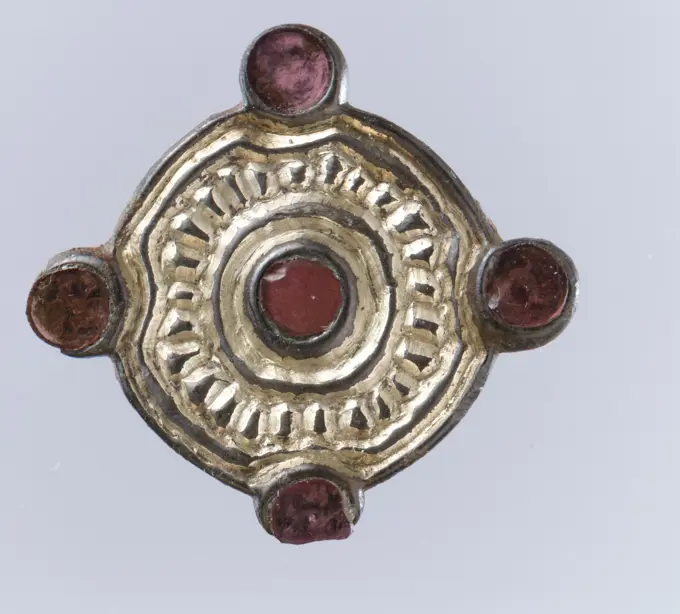
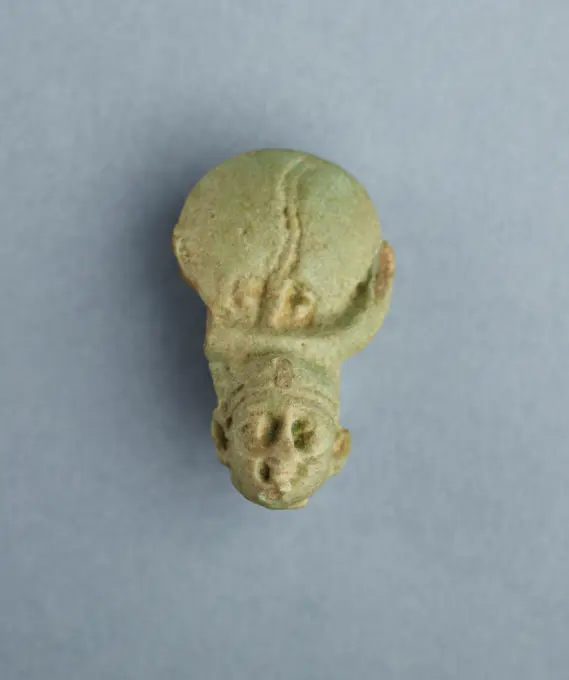
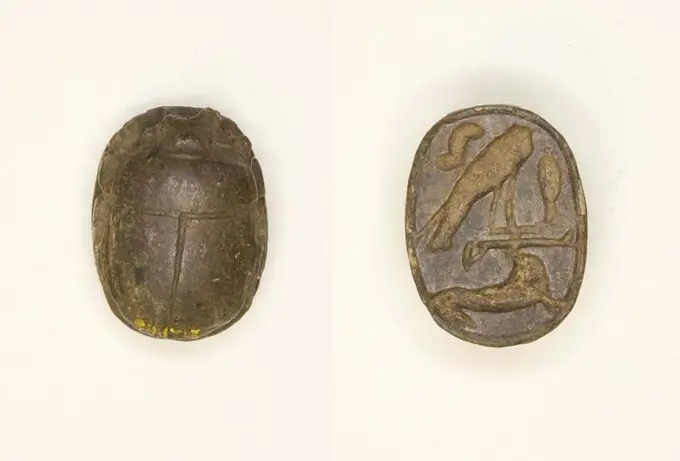
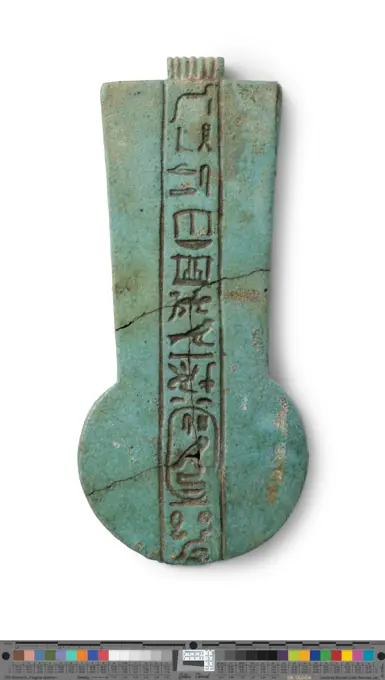
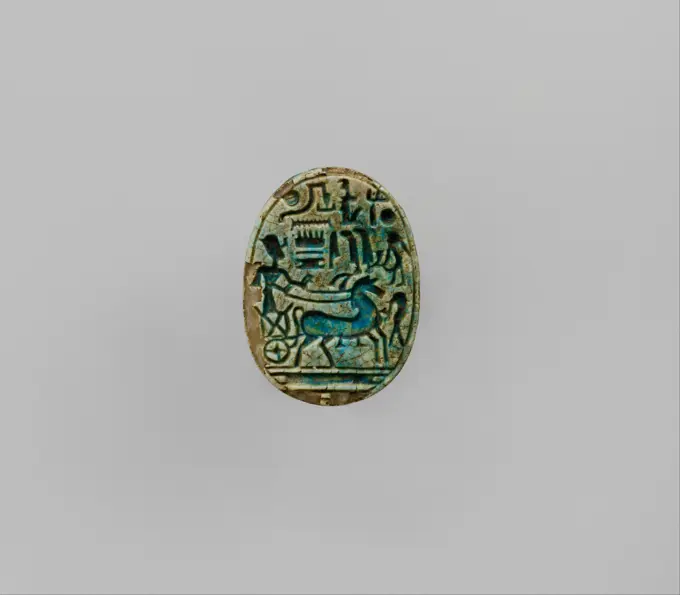
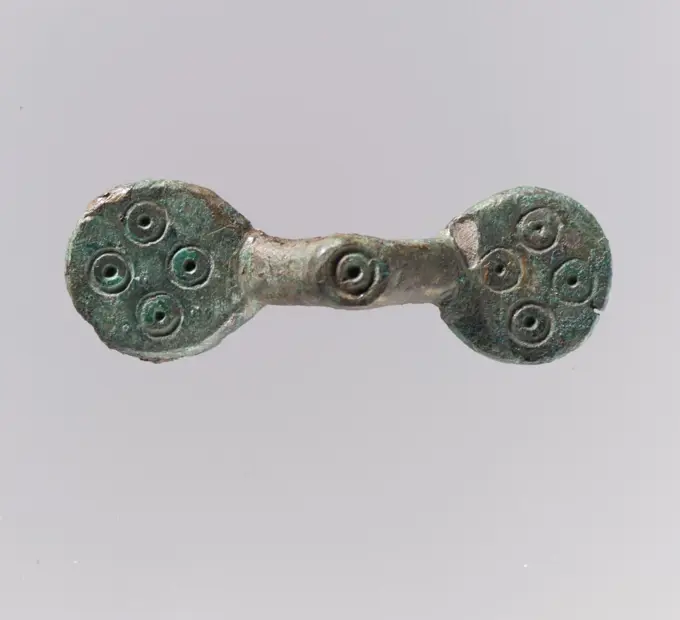
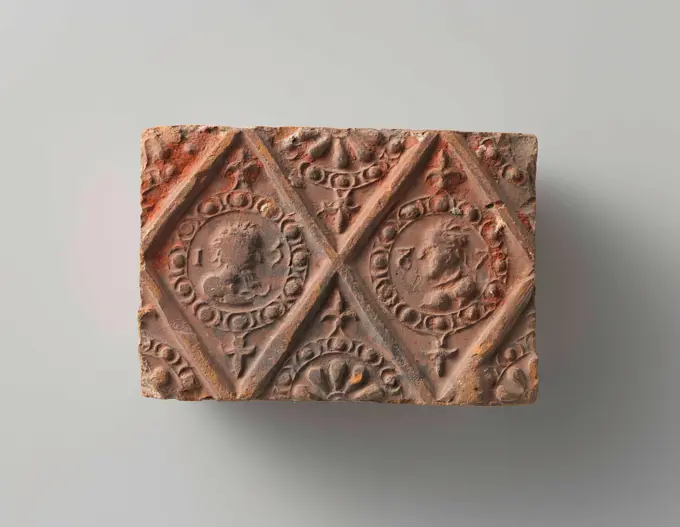
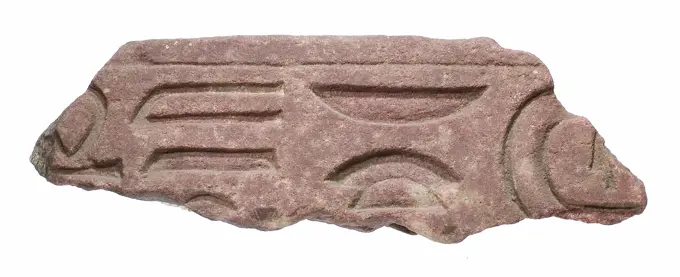
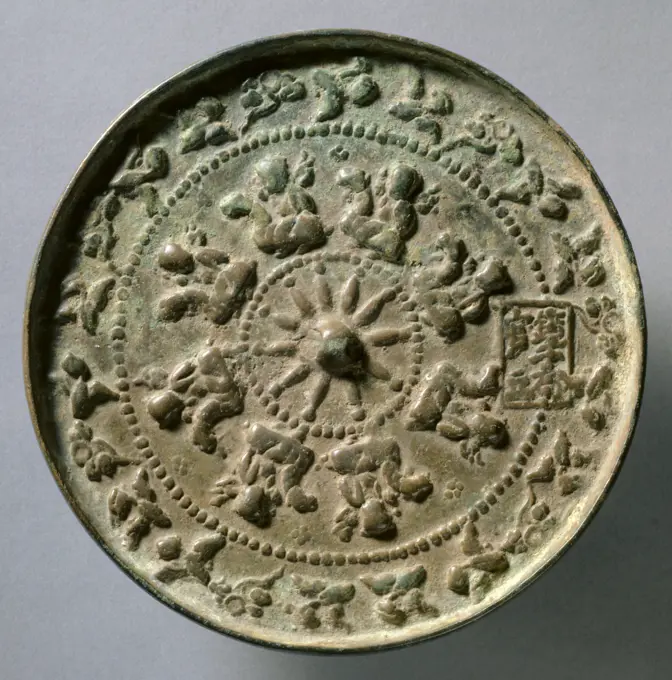
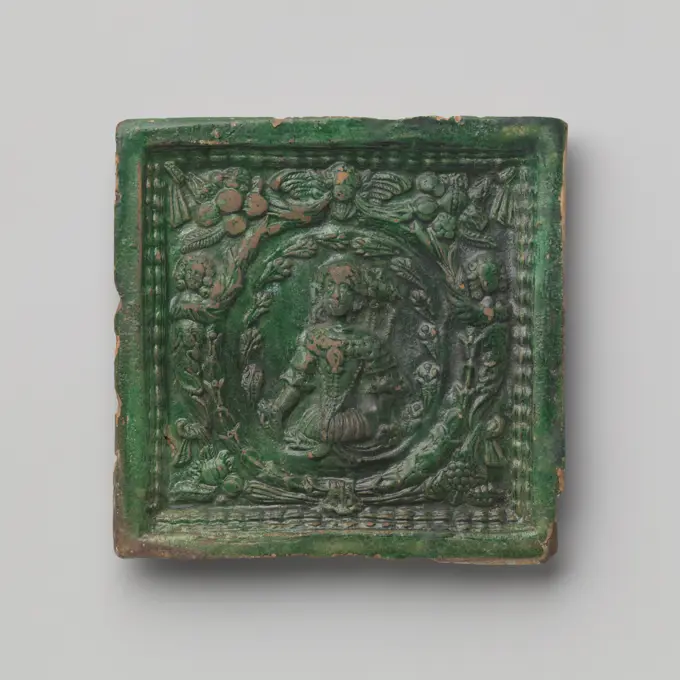
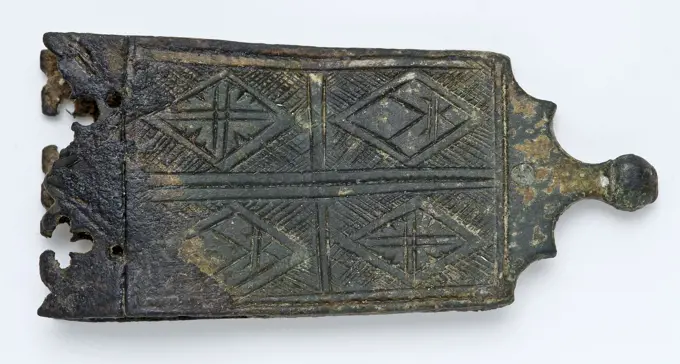
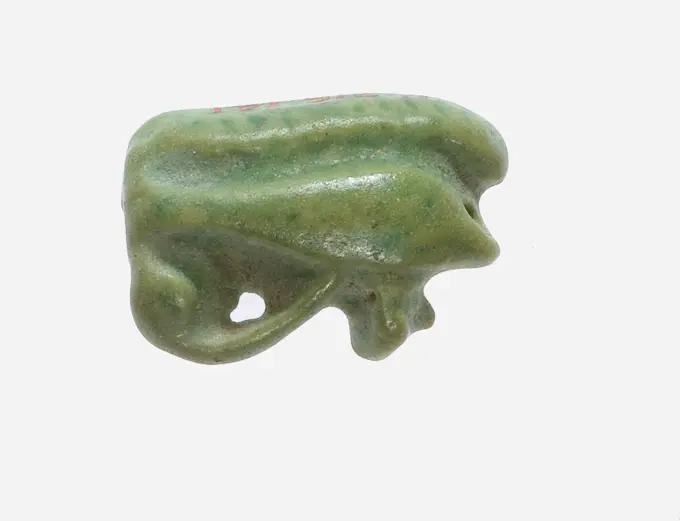
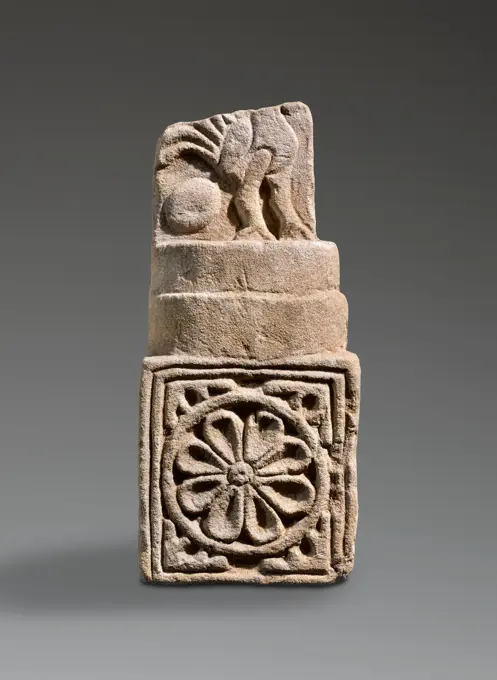
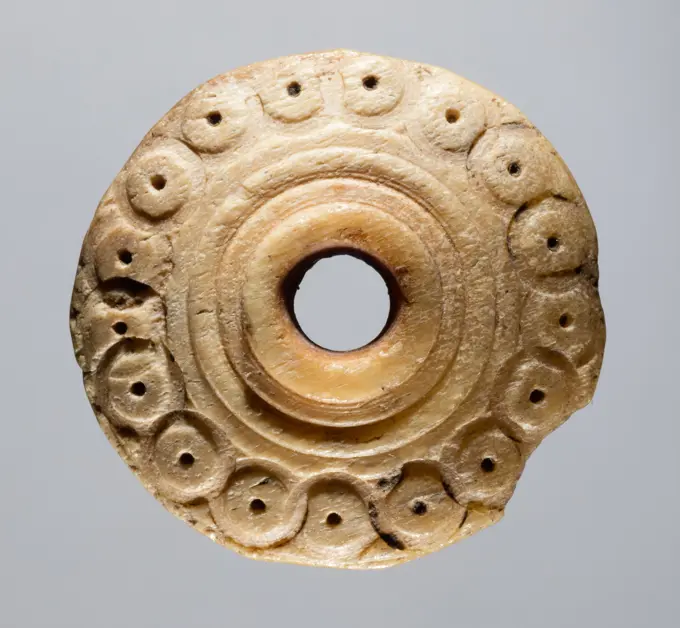
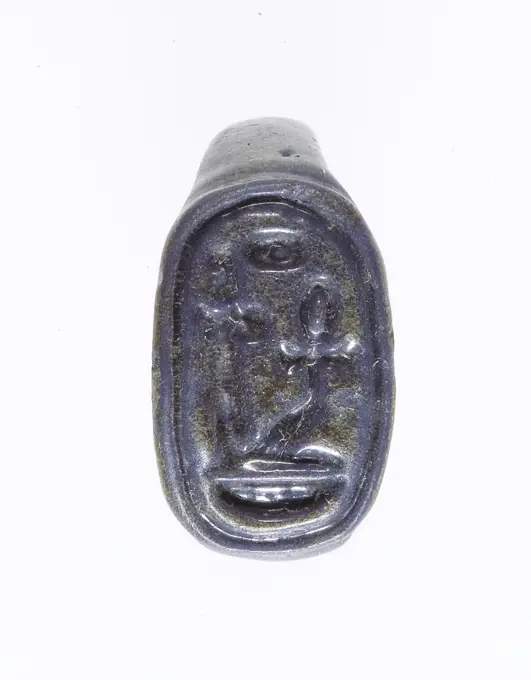
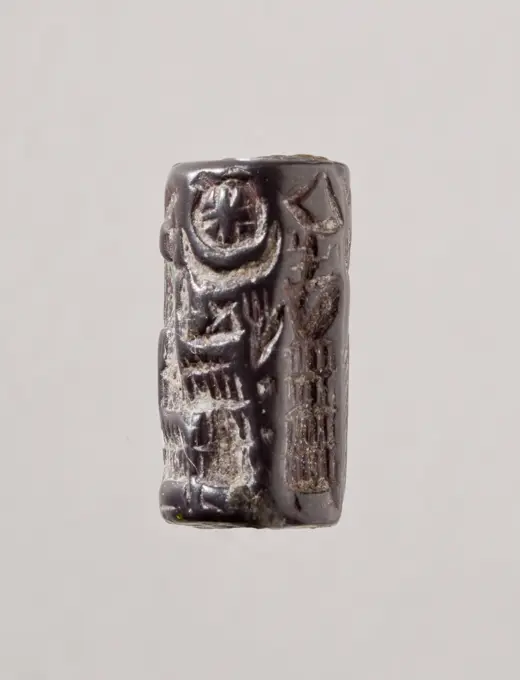
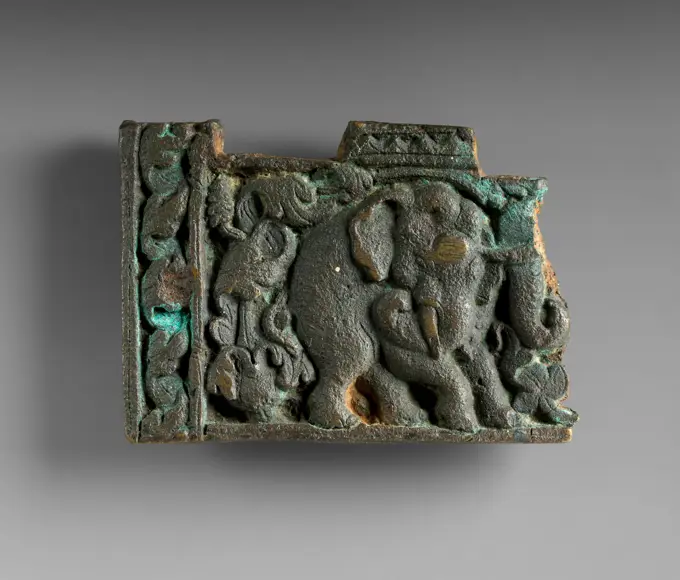
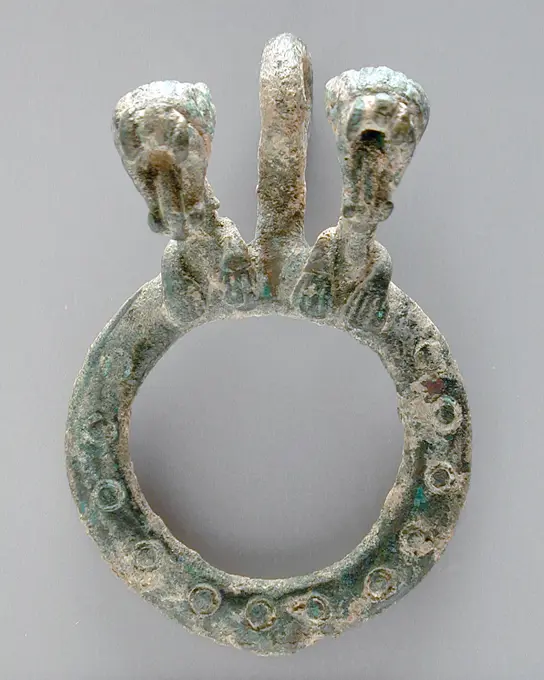
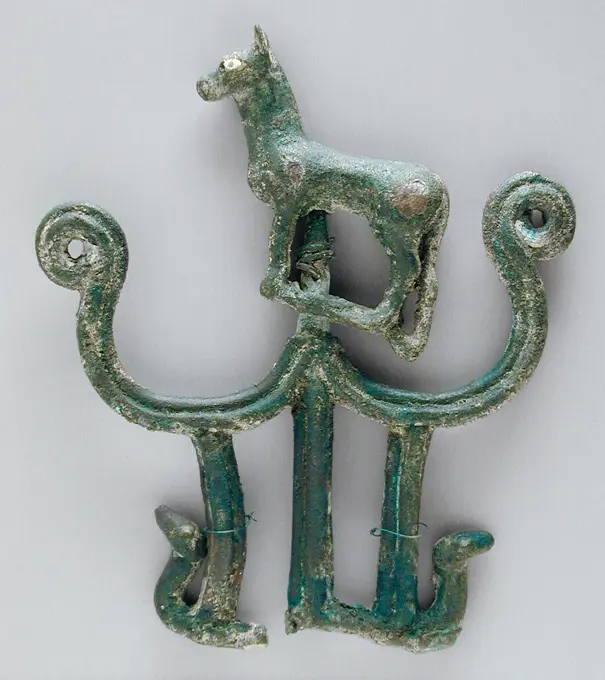
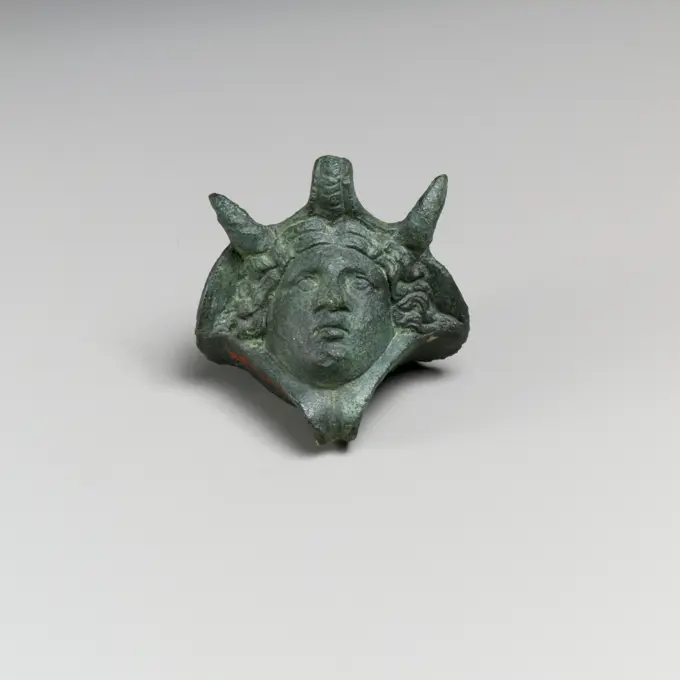
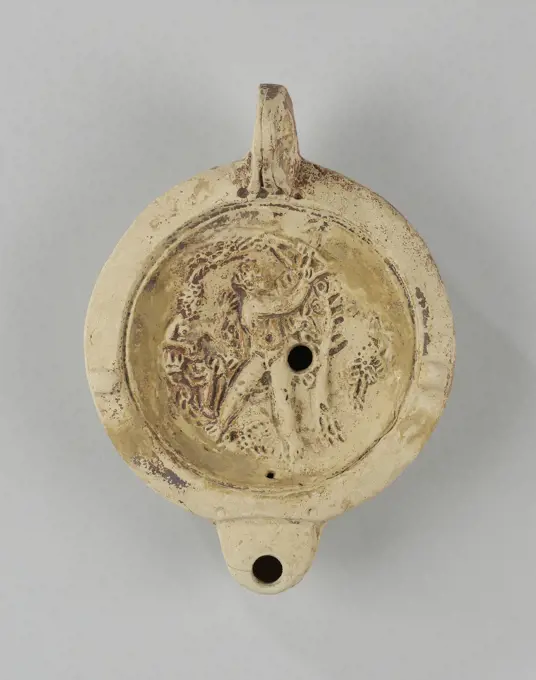
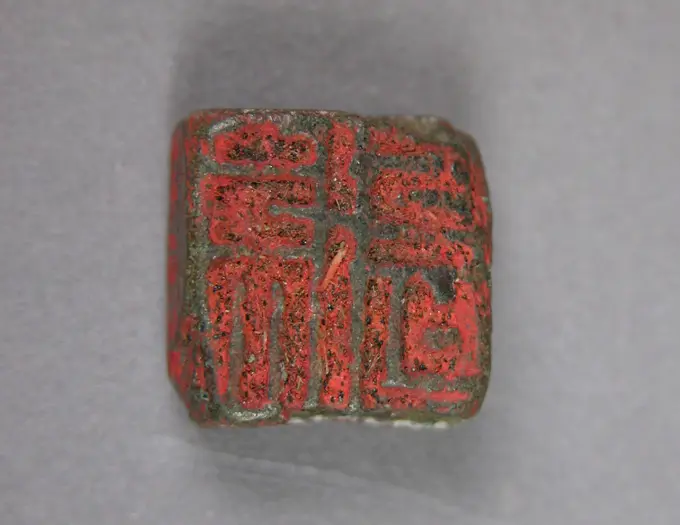
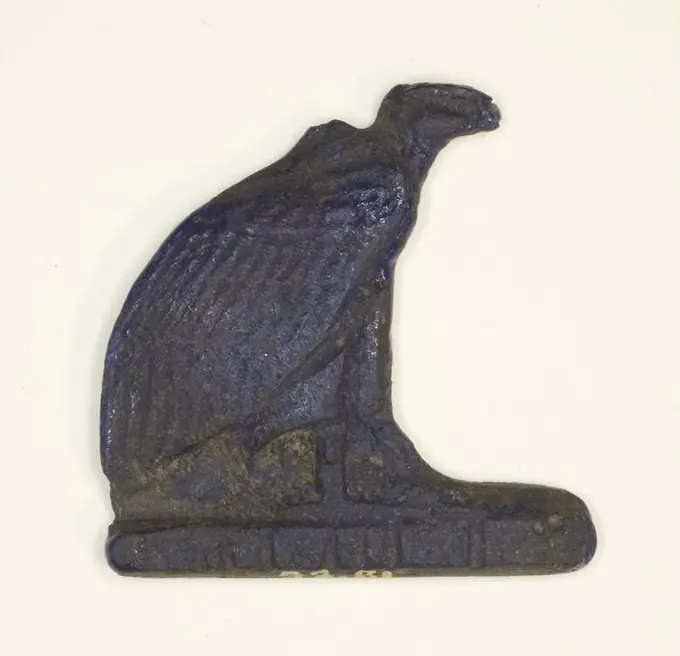
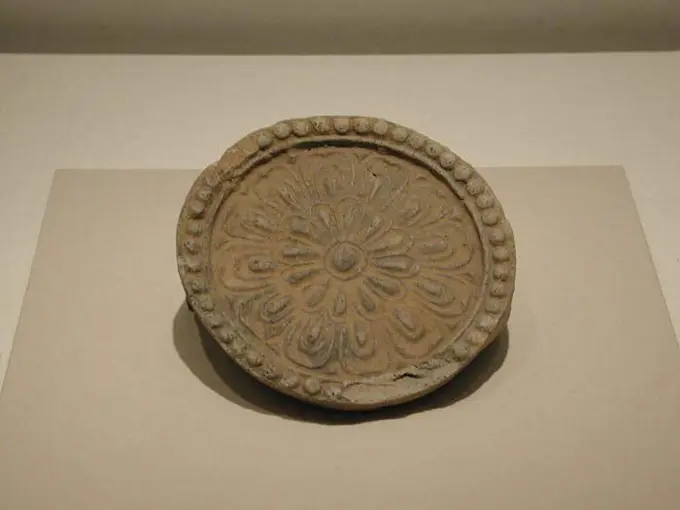
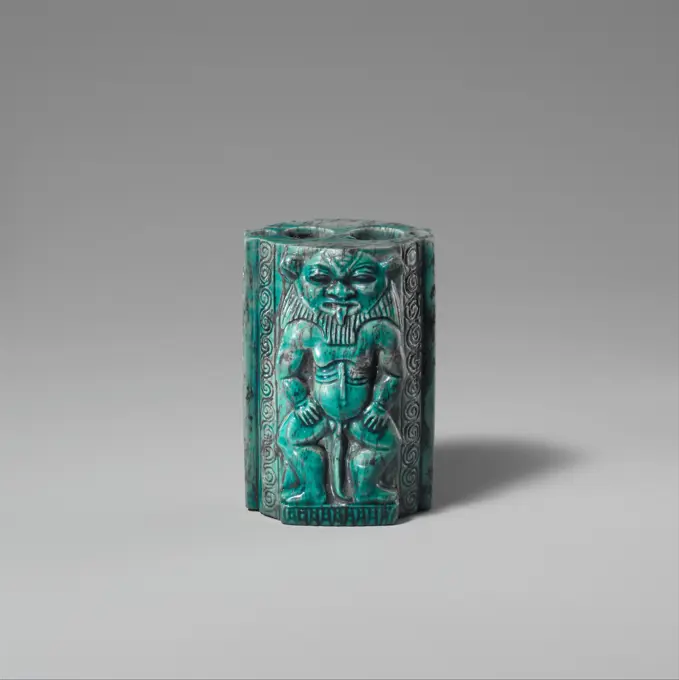
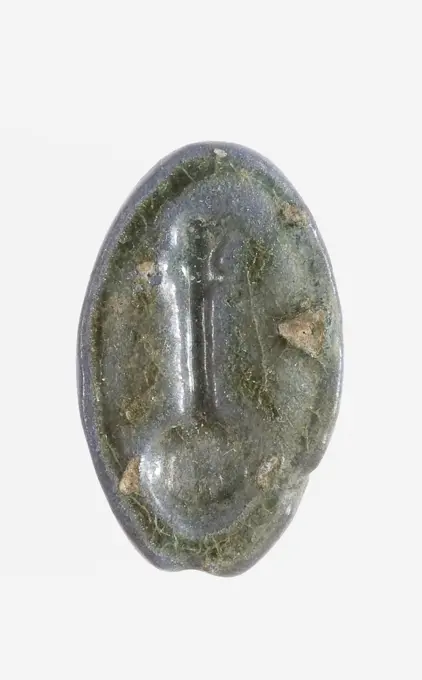
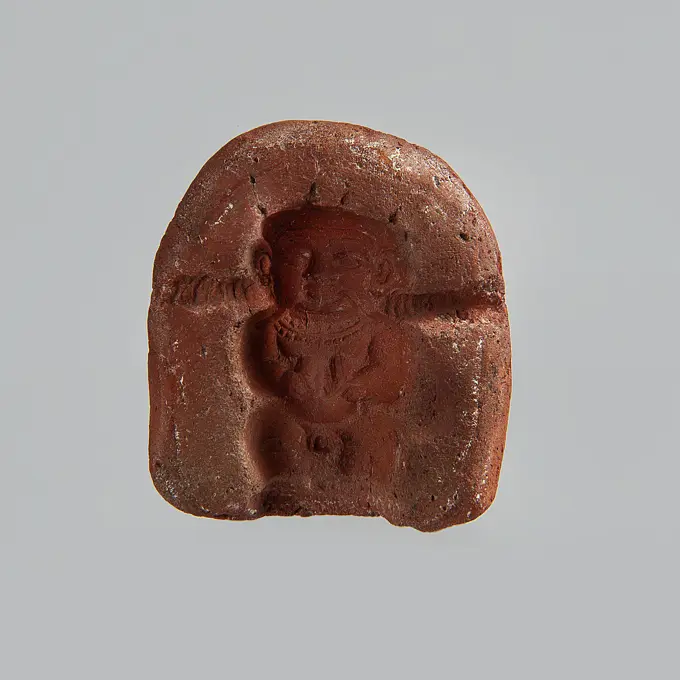
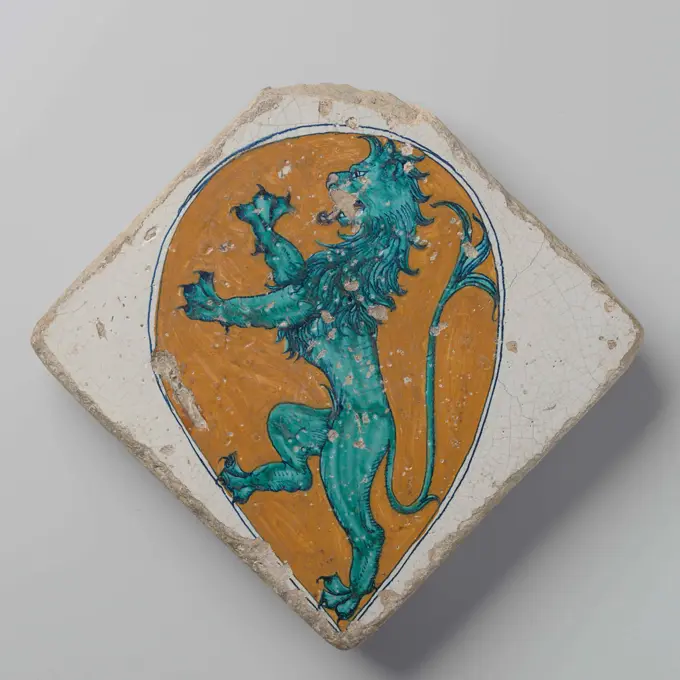
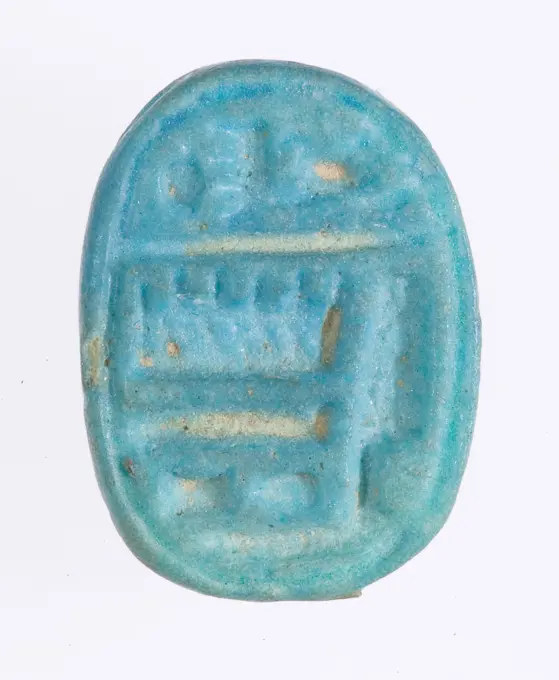
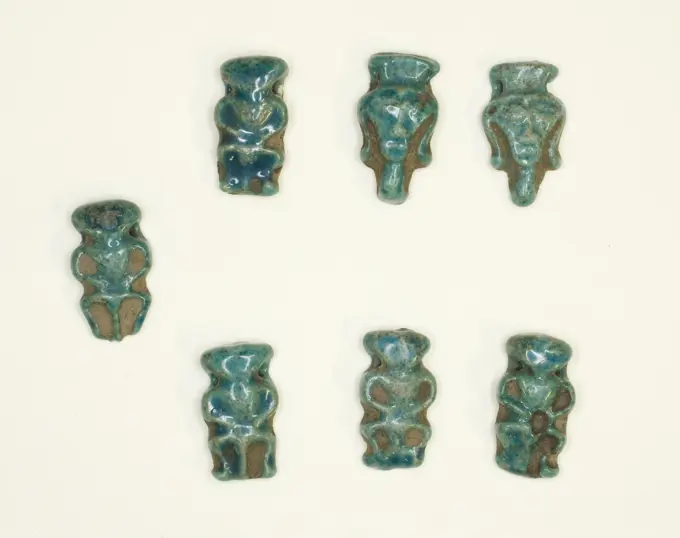
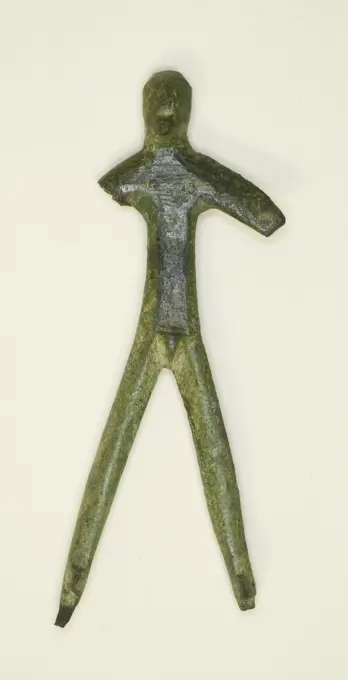
Statuette of a Male Figure 499 BCE-400 BCE Umbria. Bronze .Scarab inscribed with Plant Motifs ca. 1479-1458 B.C. New Kingdom. Scarab inscribed with Plant Motifs. ca. 1479-1458 B.C.. Steatite (glazed). New Kingdom. From Egypt, Upper Egypt, Thebes, Deir el-Bahri, Temple of Hatshepsut, Foundation Deposit 7 (G), MMA excavations, 1926-27. Dynasty 18, earlyDouble Parisis in Charles IV, 1323 (dummy title) Anonymous. Double Parisis in Charles IV. 1323.Amulet of an Axe Blade 1550 BCE-1069 BCE Egypt. Faience . Ancient EgyptianColumn capitel; Egyptian workshop; 2. PO. VI-1. after. VII century (551-00-00-650-00-00);Faras (Sudan), Akant (ornament), architectural elements, capitals, crosses, Nubian art, Polish excavations in Faras (Sudan)Eagle-Shaped Fibula, 500s. Frankish, Migration period, 6th century. Bronze with traces of gilding and silver, and garnets; overall: 2.6 x 1.3 x 0.8 cm (1 x 1/2 x 5/16 in.).Bird Finial 10th-16th century Tairona Staff heads or finials are among the more unusual objects from ancient Colombia and are functionally not well understood. They were quite common only in the Sinú region in northwestern Colombia, where they were cast in copper and gold. In the neighboring northwestern Tairona area, they are not known in metal but a few carved bone examples are said to have come from burials on the Caribbean coast. This finial features a bird standing on an oval platform. The bird has strong legs and wings that are folded on its sides. Its long neck, wearing a necklace with incised decoration, is turned back and its head, with big round eyes and curved beak, rests on its body. The head and neck are also decorated with a geometric pattern. The fleshy protuberance above the bird's beak may indicate that the bird is a condor. A hole on the underside suggests that the finial was mounted on a staff and secured with ties around its incurved base.. Bird Finial 319547Gold Belt Mount (Miscast and Unfinished) 700s Avar The treasure contains an array of belt fittings, some elaborately decorated, some unfinished or defectively cast. Some show no signs of use, while others are quite worn.The AvarsThe Avars were a nomadic tribe of mounted warriors from the Eurasian steppe. The Byzantine emperor Justinian negotiated with them in the sixth century to protect the Empires northern border along the Black Sea. Emboldened by their subjugation of numerous tribes, they unsuccessfully attempted to seize the Empires capital, Constantinople. They remained a scourge of both Byzantium and the Western kingdoms until Charlemagne defeated them through a series of campaigns in the 790s and early 800s.All the money and treasure that the Avars had been years amassing was seized, and no war in which the Franks have ever engaged.. brought them such riches and such booty. Up to that time the Avars had passed for a poor people, but so much gold and silver was found.. that oneHarness or bridle fitting in the form of a boar's head ca. 6th-4th century B.C. Achaemenid. Harness or bridle fitting in the form of a boar's head 324235Hearing stone with a representation of two flower vases, anonymous, c. 1600 - c. 1625 Hearing stone with a representation of two flower vases, placed in two oval laurel wreaths that are connected by a rosette. Southern Netherlands earthenware Hearing stone with a representation of two flower vases, placed in two oval laurel wreaths that are connected by a rosette. Southern Netherlands earthenwarePlaque Amulet with the Name of the God Ptah 1070 BCE-656 BCE Egypt. Faience . Ancient EgyptianDisk Brooch 6th-7th century Frankish. Disk Brooch 465348 Frankish, Disk Brooch, 6th7th century, Silver-gilt, blue and pale amber glass, copper alloy support (gilt), Overall: 1 1/16 x 7/16 in. (2.7 x 1.1 cm). The Metropolitan Museum of Art, New York. Gift of J. Pierpont Morgan, 1917 (17.192.41)Brakedate Halter; 15th century (1401-00-00-1500-00-00);Dzik's head (iconogr.), Unilateral coins, city coinsLid 12th-13th century. Lid 448223Sumer. Mesopotamia. Near East. Early Dynastic Period. Clay nail of Enanatum I with a building inscription devoted to the construction of the temple of the goddess Inanna in Lagash. Lagash. Iraq. 25th century BC. The State Hermitage Museum. Saint Petersburg. Russia.Scarab: Hieroglyphs (Red Crown, nfr- and nb-Signs: Trigramme of Amun). Egyptian. Date: 1550 BC-1186 BC. Dimensions: 1.3 × 1 × 0.6 cm (1/2 × 3/8 × 1/4 in.). Faience. Origin: Egypt. Museum: The Chicago Art Institute, Chicago, USA. Author: Ancient Egyptian.Cylinder seal ca. 3100-2650 B.C. Early Dynastic Period. Cylinder seal. ca. 3100-2650 B.C.. Steatite. Early Dynastic Period. From EgyptHarness Fitting in the Shape of an Ibex 7th-6th century B.C. Western Asia. Harness Fitting in the Shape of an Ibex 59578Scarab ca. 1850-1640 B.C. Middle Kingdom. Scarab. ca. 1850-1640 B.C.. Steatite. Middle Kingdom. From Egypt. late Dynasty 12-13Baked fireplace, with windows with climbing lions and fan -shaped stars, Anonymous, 1598 Fried fireplace, with windows with climbing lions and fan -shaped stars. Southern Netherlands earthenware Fried fireplace, with windows with climbing lions and fan -shaped stars. Southern Netherlands earthenwareStamp Seal Inscribed for Amenhotep I ca. 1525-1504 B.C. New Kingdom. Stamp Seal Inscribed for Amenhotep I. ca. 1525-1504 B.C.. Steatite (glazed). New Kingdom. From Egypt. Dynasty 18FragmentShabti of Nectanebo I. Egypt, 30th Dynasty (circa 380 - 343 BCE). Sculpture. FaienceAmulet - CrocodileBrass seal stamp with image bell (clock) in which letters D I, seal stamp stamp equipment ground find brass metal, cast cut driven Stamp stamp with flat round stamping surface in which large bell clock and initials Back round tube for the frame of the handle letters DI archeology Rotterdam City Triangle Kralingen- Crooswijk Struisenburg Oostzeedijk Admiraliteitskade seals characteristics seal close ground Admiraliteitskade Oostzeedijk Rotterdam.Whorl-Shaped Brooch ca. 550-650 Frankish. Whorl-Shaped Brooch 464895 Frankish, Whorl-Shaped Brooch, ca. 550650, Silver-gilt, glass paste, remnant of iron pin, Overall: 1 1/4 x 3/8 in. (3.1 x 1 cm). The Metropolitan Museum of Art, New York. Gift of J. Pierpont Morgan, 1917 (17.191.197)Fragment of an amulet - Head of KhonsuBaking Unknown workshop of the UNIVE-EGIP; VI-VII century (501-00-00-700-00-00);Belt Buckle. UnknownScarab: Falcon with Antelope. Egyptian. Date: 2055 BC-1295 BC. Dimensions: 1.6 × 1.1 × 0.6 cm (5/8 × 7/16 × 1/4 in.). Steatite. Origin: Egypt. Museum: The Chicago Art Institute, Chicago, USA. Author: Ancient Egyptian.Amulet with an Ankh and Two Was Scepters ca. 1390-1352 B.C. New Kingdom. Amulet with an Ankh and Two Was Scepters. ca. 1390-1352 B.C.. Faience. New Kingdom. From Egypt, Upper Egypt, Thebes, West Valley of the Kings, Tomb of Amenhotep III (WV 22), Carnarvon/Carter excavations, 1915. Dynasty 18Menat Counterpoise Inscribed for Psamtek I. Egypt, 26th Dynasty, reign of Psamtek I, 664 - 610 BCE. Jewelry and Adornments. FaienceScarab Inscribed With the Prenomen of Ramesses II and depicting the king in his chariot trampling an enemy ca. 1279-1213 B.C. New Kingdom, Ramesside On the base, Ramesses II is shown driving a chariot. His Prenomen "Usermaatre-Setepenre, Beloved of Amun" is written above the scene.. Scarab Inscribed With the Prenomen of Ramesses II and depicting the king in his chariot trampling an enemy 549241Tribute to the National Guard during the invasion of the National Assembly by the crowd, May 15, 1848 Anonymous. Tribute to the National Guard during the invasion of the National Assembly by the crowd, May 15, 1848. Brass.Engraved Gem. UnknownPlate Fragment of a Belt Buckle 4th-7th century Frankish. Plate Fragment of a Belt Buckle 469804Departure (1st);  2. PO. 4th century BC (-350-00-00--301-00-00);Gołuchów - collectionPlaque ca. 2030-1640 B.C. Middle Kingdom. Plaque. ca. 2030-1640 B.C.. Steatite. Middle Kingdom. From Egypt, Memphite Region, Lisht North, MMA excavations, 1920-22Scarab of Ramesses II ca. 1295-1070 B.C. New Kingdom, Ramesside. Scarab of Ramesses II 550664Tumi with Figure 15th-early 16th century Inca. Tumi with Figure 317726Engraved Gem. UnknownPolitical situation of France in 1849, s. d. (Dummy title) Medal representing the political situation of France in 1849. Etain, 1849.Scarab Inscribed with a Geometric Pattern ca. 1479-1458 B.C. New Kingdom. Scarab Inscribed with a Geometric Pattern. ca. 1479-1458 B.C.. Steatite (glazed). New Kingdom. From Egypt, Upper Egypt, Thebes, Deir el-Bahri, Temple of Hatshepsut, Foundation Deposit 7 (G), MMA excavations, 1926-27. Dynasty 18, earlyMolded Plaque with Seated Buddha and Attendant Bodhisattvas 11th century India (Bihar). Molded Plaque with Seated Buddha and Attendant Bodhisattvas. India (Bihar). 11th century. Terracotta. Pala period. SculptureEqual-Arm Brooch 7th-8th century Frankish. Equal-Arm Brooch 464920 Frankish, Equal-Arm Brooch, 7th8th century, Copper alloy, Overall: 1 1/2 x 1/2 x 3/8 in. (3.8 x 1.3 x 0.9 cm). The Metropolitan Museum of Art, New York. Gift of J. Pierpont Morgan, 1917 (17.191.219)Fireplace with image. Fireplace with an image of two royal busts; A man and a woman and the year 1587.Hairstone with flower vases in oval, anonymous, c. 1600 - c. 1625 Hearing stone with representation of two flower vases, placed in two oval laurel wreaths that are connected by rosettes. Northern Netherlands earthenware Hearing stone with representation of two flower vases, placed in two oval laurel wreaths that are connected by rosettes. Northern Netherlands earthenwareScarab Interlocking Scrolls and Spirals 1650 BCE-1550 BCE Egypt. Glazed steatite . Ancient EgyptianFragment 14th-15th century. Fragment 445531Base fragment inscribed with part of cartouche and titulary of Akhenaten ca. 1353-1336 B.C. New Kingdom, Amarna Period. Base fragment inscribed with part of cartouche and titulary of Akhenaten 567658Costume Ornament. Culture: Chimú (). Dimensions: D. 3 1/4 in. (8.3 cm). Date: 12th-15th century. Museum: Metropolitan Museum of Art, New York, USA.Scarab Inscribed with a Hieroglyphic Motif ca. 1479-1458 B.C. New Kingdom. Scarab Inscribed with a Hieroglyphic Motif. ca. 1479-1458 B.C.. Steatite (glazed). New Kingdom. From Egypt, Upper Egypt, Thebes, Deir el-Bahri, Temple of Hatshepsut, Foundation Deposit 7 (G), MMA excavations, 1926-27. Dynasty 18, earlySeal. Culture: Minoan, Crete. Dimensions: Other: 11/16 x 5/16 in. (1.7 x 0.7 cm). Museum: Metropolitan Museum of Art, New York, USA.Hearing stone on which an angel between arabesks, anonymous, c. 1400 - c. 1950 Hearing stone on which an angel between Arabesken. Southern Netherlands earthenware Hearing stone on which an angel between Arabesken. Southern Netherlands earthenwareFragmentary Ring. UnknownOne from a Pair of Solid Open Bangles with Two Rows of Concentric Circles 300 B.C.-A.D. 400 Thailand. One from a Pair of Solid Open Bangles with Two Rows of Concentric Circles 53368Grahal-Manzara. Carnavalet 2013-2016 collection sites. Numismatics.Mirror with Wheel Spokes and Riding Boys, c.1196-1234. China, Jin dynasty (1115-1234). Bronze; diameter: 13.3 cm (5 1/4 in.); overall: 0.8 cm (5/16 in.); rim: 0.7 cm (1/4 in.).Stove tile with relief decoration, anonymous, 1600 - 1699 Stove tile of earthenware, decorated in relief with a female figure at half a leaf wreath. In the middle of a cherub; Left and right a women's head; Fruits in the corners. The whole covered with a green lead glaze.  earthenware. lead glaze Stove tile of earthenware, decorated in relief with a female figure at half a leaf wreath. In the middle of a cherub; Left and right a women's head; Fruits in the corners. The whole covered with a green lead glaze.  earthenware. lead glazeCopper belt tongue, leather fitting with engraved panes ending in button, fitting belt accessory soil find copper brass metal, w 3.1 cast hammered riveted engraved Copper belt band or belt tongue Elongated with two flat sides ending in thickened button Basically provided with clover-shaped cutouts Engraved on one side The decoration consists from four diamond shapes with the same image twice on shaded background Riveted archeology Rotterdam City Triangle Botersloot Binnenrotte leather clothing belt adorn close Soil discovery Rotterdam collapses Binnenrotte behind the Botersloot.Fragment of Gara; Unknown Nubian workshop; 1. PO. VII century (601-00-00-650-00-00);Faras (Sudan), relief decorations, architectural elements, crosses, frames, Nubian art, Polish excavations in Faras (Sudan), HungaryWedjat Eye Amulet ca. 1390-1353 B.C. New Kingdom One of the most popular amulets in ancient Egypt, the wedjat eye represents the healed eye of the god Horus. It depicts a combination of a human and a falcon eye, since Horus was often associated with a falcon. Its ancient Egyptian name, wedjat, means "the one that is sound (again)." In Egyptian mythology Horus eye was injured or stolen by the god Seth and then restored by Thoth. The wedjat eye embodies healing power and symbolizes rebirth. An amulet in this shape was thought to protect its wearer and to transfer the power of regeneration onto him or her. This particular wedjat eye shows the typical style of the New Kingdom, in which the spiral element sits directly underneath the cosmetic line, while in later examples it is situated much lower (see for example 89.2.415).. Wedjat Eye Amulet. ca. 1390-1353 B.C.. Faience. New Kingdom. From Egypt, Upper Egypt, Thebes, Malqata, South Village, MMA excavations, 1911-12. Dynasty 18Fragment of Gara; Unknown Nubian workshop; VII-VIII century (601-00-00-800-00-00);Faras (Sudan), relief decorations, architectural elements, nubian art, birds, rosettes (ornament), nubian crafts, images of birds, Polish excavations in Faras (Sudan), HungarySquare Mirror with Two Phoenixes and Floral Sprays, 960-1127. China, Northern Song dynasty (960-1127). Bronze; overall: 0.8 x 16.2 cm (5/16 x 6 3/8 in.); rim: 0.5 cm (3/16 in.).Spindle Whorl, 700s - 900s. Iran, early Islamic period, 8th - 10th century. Bone, incised; overall: 0.5 x 2.2 x 2.2 cm (3/16 x 7/8 x 7/8 in.).Ring Inscribed with the Throne Name of Amenhotep III ca. 1390-1352 B.C. New Kingdom Many complete and fragmentary faience rings were excavated by the Metropolitan Museum's Egyptian Expedition at Malqata which is located on the west bank of the Nile oposite the modern city of Luxor. Malqata was the site where Amenhotep III celebrated his three rejuvination festivals. This ring is inscribed with the king's throne name, Nebmaatre, which means "Re (the sun god) is the lord of truth." The dark blue color is unusual, though it occurs quite frequently at the site. A clearer rendering of the name may be seen on a turquoise blue faience ring that was also excavated at the site.. Ring Inscribed with the Throne Name of Amenhotep III. ca. 1390-1352 B.C.. Faience. New Kingdom. From Egypt, Upper Egypt, Thebes, Malqata, Palace of Amenhotep III, MMA excavations, 1910-11. Dynasty 18Badge with Head of John the Baptist 14th century British. Badge with Head of John the Baptist 474368Scarab. UnknownCylinder seal. Anatolia, Old Assyrian period, circa 1920-1700 B.C.. Tools and Equipment; seals. HematiteFragment of a box () with elephants ca. 5th century North or West India. Fragment of a box () with elephants. North or West India. ca. 5th century. Bronze. Gupta period. SculptureHarness Ring. Iran, Luristan, Luristan bronzes, circa 1000-650 B.C.. Tools and Equipment; horse trappings. Bronze, castChariot Rein Ring. Iran, Elamite, circa 2600-2400 B.C.. Tools and Equipment; horse trappings. Bronze, castDecorative attachment in the form of a head wearing an elephant headdress 200 B.C.-A.D. 100 Ptolemaic or Roman Period Many artworks of the Roman Period in Egypt represent the taste of wealthy urban merchant and rich farming classes of Roman Egypt. Wide trade of luxury works is evident, and Greco-Roman style dominates. Since Egyptian pharaohs had first authorized Greek trading colonies and employed Greek mercenaries in the seventh century BC., there was a considerable Greek presence in Egypt. With Alexander's conquest, Macedonian Greek Ptolemies ruled as successors to the pharaohs, and Ptolemaic Greek and eastern Mediterranean soldiery was heavily settled in parts of Egypt. Although the Ptolemaic kings maintained traditional Egyptian religious and political forms, elite society, of mixed Greek and Egyptian descent, aspired to Greek culture in many respects. With the replacement of a Ptolemaic pharaoh in Memphis and Alexandria by a Roman emperor in Rome, the status of Greek culture and aLamp, North Africa; 1st - 4th century; Terracotta; 2.7 x 9.5 x 12.6 cm (1 1,16 x 3 3,4 x 4 15,16 in.)Cylinder seal ca. 2900-2700 B.C.. Cylinder seal 327184Seal China. Seal 41022Glass pendant in the shape of an African's head late 2nd-1st century B.C. Greek, Eastern Mediterranean Deep cobalt blue, appearing black.Head of a youth with tight curled hair, deep-set eyes, broad nose, full cheeks, thick lips, and long neck; suspension loop projecting from top of head, pierced through sideways. Molded in a two-part mold with continuous seam running down sides of head and under neck.Head complete but most of loop missing; some pitting, but black weathering and brilliant iridescence covering most of head.. Glass pendant in the shape of an African's head. Greek, Eastern Mediterranean. late 2nd-1st century B.C.. Glass; cast in a two-part mold. Hellenistic. Glassseal of the office of Royal Prussia in Głogów. unknown, signatoryIntaglio with the presentation of two fighting characters; unknown workshop in Sardes; VI - 4th century BC ; Aachetenidian period (-600-00-00--301-00-00);Asia Minor, Czartoryska, Maria Ludwika (1883-1958), Czartoryska, Maria Ludwika (1883-1958)-collection, Działyńska, Izabela (1830-1899), Działyńska, Izabela Elżbieta née Czartoryski (1830-1899)-collection, lidia (Lidia ( Turkey), SARDES, Greek-Perskie Gemms, Achaemenidzki (550-331 BC), message (provenance), scaraboids, Greek-Perska art, warriorsSheath with a young man at the top; Dress. Undane, a young man is under a bare tree.Amulet of a Vulture. Egyptian. Date: 780 BC-343 BC. Dimensions: 3.18 × 3 × .32 cm (1 1/4 × 1 3/16 × 1/8 in.). Glass. Origin: Egypt. Museum: The Chicago Art Institute, Chicago, USA. Author: Ancient Egyptian.Sharf of a plate of white -baking earthenware, with yellow glaze on the front with decoration in orange, green and brown, c. 1500 - c. 1899 fragment   earthenware. glazeRoof End Tile 8th-9th century Korea The lotus-petal motif, a symbol of Buddhism, adorns this tile, which would have capped off a row of tiles and lined up with other endpieces to form the eaves of a building. The Samguk Yusa (Memorabilla of the Three Kingdoms), one of the two earliest surviving histories of the Korean peninsula, informs us that the capital city of the Unified Silla, Gyeongju, was so prosperous that all of the dwellings, not just the residences of the nobility, had roofs of tile.. Roof End Tile 42264Terracotta seal with a male cult figure; from the Indus Valley civilization at Mohenjo Daro; Indian Sub-continent; 2500-2300 B.C.Kohl Container Decorated with Bes-images ca. 1400 B.C. New Kingdom As a measure for preventing disease, eye paint was second only to water in ancient Egypt. It was prepared from malachite and galena, ground on slate palettes, mixed with fat, and then applied around the eyes using a small stick, or applicator. Green eye paint, made from malachite, was primarily cosmetic. Galena is black in color, and the paint derived from it helped to reflect the glare of the Egyptian sun. More importantly, its lead content repelled flies and was deadly to the organisms that can cause eye disease and blindness.On this green kohl tube is the image of the god Bes, whose gruesome figure was meant to repel the supernatural forces believed to cause eye disease.. Kohl Container Decorated with Bes-images. ca. 1400 B.C.. Steatite, glazed. New Kingdom. From Egypt. mid-Dynasty 18Duck Head Amulet. Egypt, Late Period - Roman Period (711 BCE - 300 CE). Jewelry and Adornments; amulets. BronzePlaque in the Shape of a Chariot 8th-7th century B.C. Northeast China. Plaque in the Shape of a Chariot 65256Planets-manager. Cornalet Collection Sites 2013-2016. Numismatic.Handle 10th century. Handle. 10th century. Bronze; cast. Found Iran, Nishapur. MetalEngraved Gem. UnknownFinger Ring 7th century Frankish. Finger Ring 465004 Frankish, Finger Ring, 7th century, Copper alloy, Overall: 13/16 x 1/2 in. (2 x 1.2 cm). The Metropolitan Museum of Art, New York. Gift of J. Pierpont Morgan, 1917 (17.191.295)Cowroid Stamp Seal with a Nefer Hieroglyph on the Base ca. 1390-1353 B.C. New Kingdom. Cowroid Stamp Seal with a Nefer Hieroglyph on the Base. ca. 1390-1353 B.C.. Faience. New Kingdom. From Egypt, Upper Egypt, Thebes, Malqata, Palace of Amenhotep III, MMA excavations, 1910-11. Dynasty 18Form for the figurine of PTAHA-CAR;  664-332 BC; Half period (-664-00-00--332-00-00);Daszewski, Wiktor A. (1936-), Daszewski, Wiktor A. (1936-)-collection, ptah-karzał (mitol. snakesScarab Inscribed Hatshepsut United with Amun ca. 1479-1458 B.C. New Kingdom During the 1926-1927 excavation season, the Museum's Egyptian Expedition uncovered three foundation deposits along the eastern enclosure wall of Hatshepsut's funerary temple at Deir el-Bahri in Western Thebes. Among the contents were 299 scarabs and stamp-seals. Sixty-five of these are now in the Egyptian Museum, Cairo, and the rest were acquired by the Museum in the division of finds.Among the inscriptions on the bases of these scarabs and seals are examples of every title Hatshepsut held, from the time she was "king's daughter" during the reign of her father, Thutmose I; through the time she was queen of her half-brother, Thutmose II; and during her co-reign with her nephew/step-son, Thutmose III.Thirteen of the scarabs (27.3.199 to 27.3.212) are inscribed with various writings of the extended form of Hatshepsuts personal name, Hatshepsut-united-with-Amun, which sometimes appears, enclosed in a cartouche, as Kapitel joński. unknown, authorTile with a weapon Family Ordaffi with climbing lion in an oval. Tile with a multicolored (blue, green and orange) overhook decoration of the Arm of the Ordeleaffi family with climbing lion in an oval.Scarab ca. 1492-1479 B.C. New Kingdom. Scarab. ca. 1492-1479 B.C.. Faience. New Kingdom. From Egypt, Upper Egypt, Thebes, Dra Abu el-Naga, Carnarvon excavations, 1911. Dynasty 18Amulets of the God Bes and the Goddess Hathor 1550 BCE-1295 BCE Egypt. Faience . Ancient EgyptianMONEDA - LIDIA (R 24.292) 1/2 DE ESTRATERO - ANVERSO 7,13 MM. Location: FABRICA NACIONAL DE MONEDA Y TIMBRE-COLECCION. MADRID. SPAIN.Spade from Board ofRevenue.  Mint: Board of Revenue Artist: Unknown