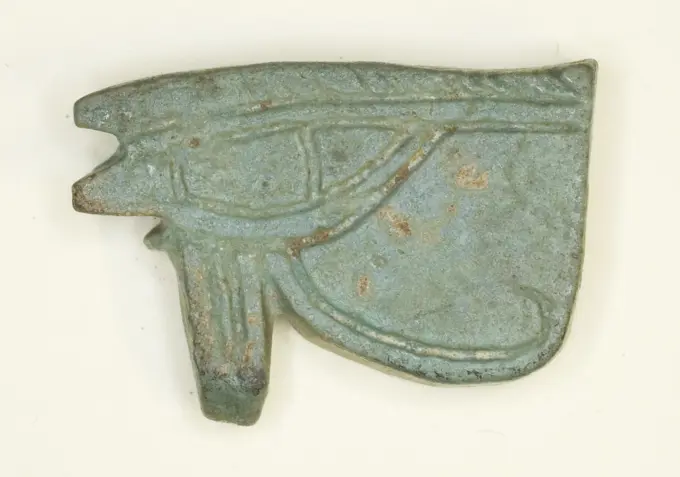
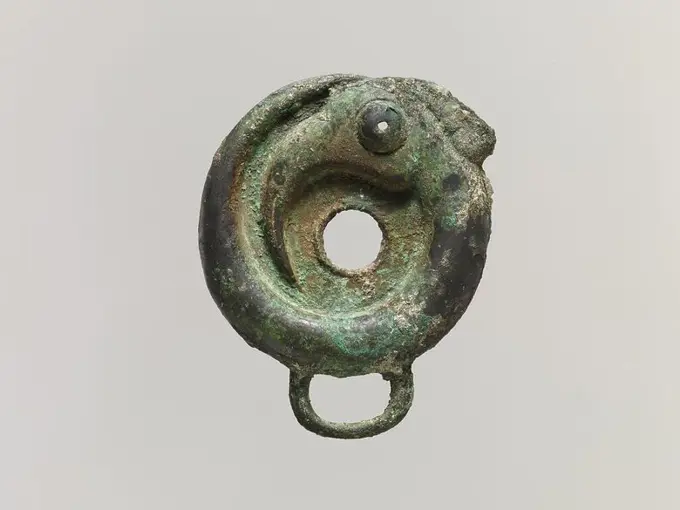
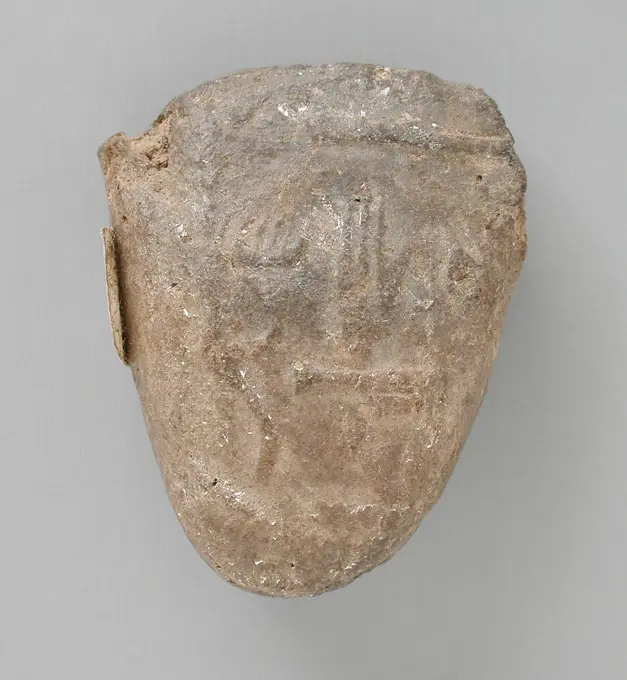
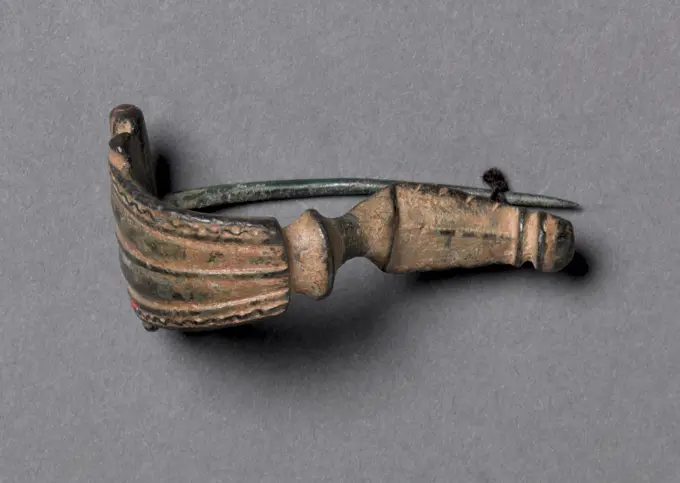
Egyptian Scarabs and Ornaments

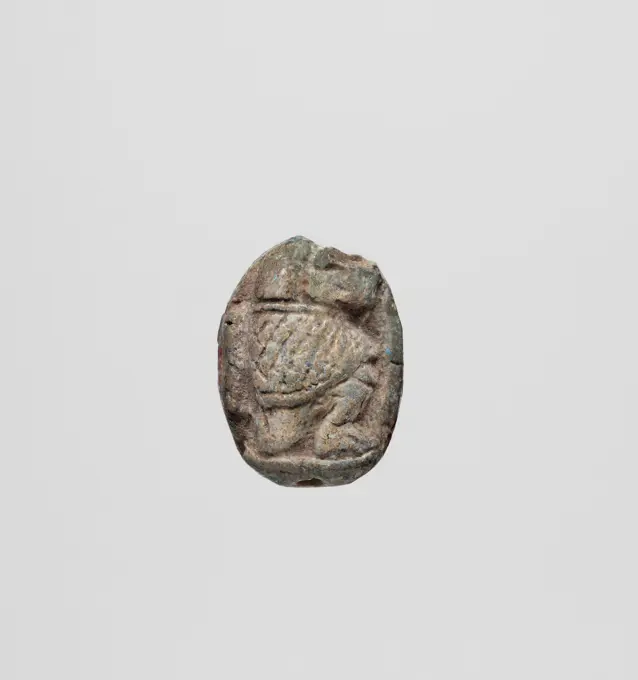
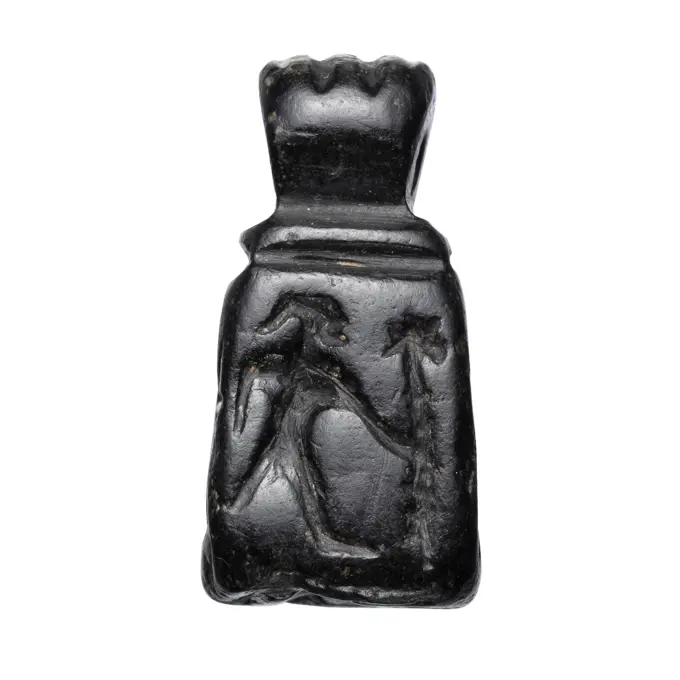
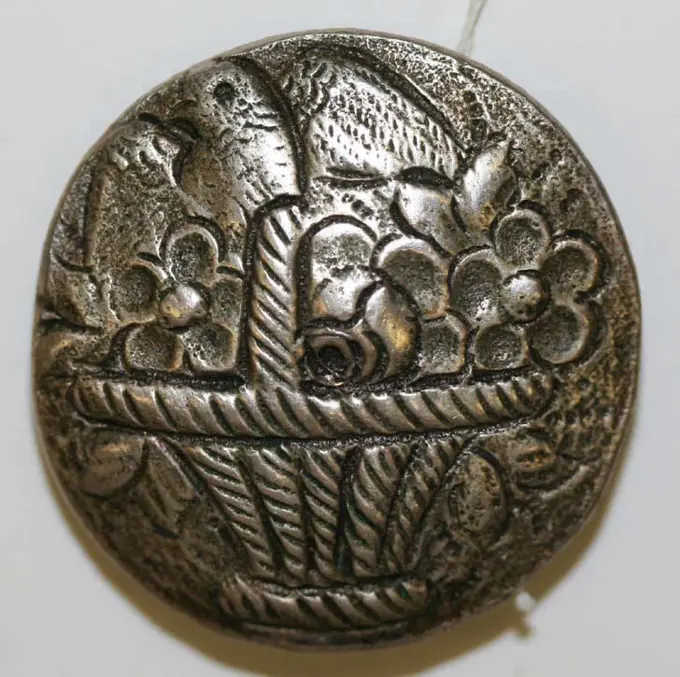
Artifacts including scarabs inscribed for notable figures and flat ornaments, reflecting ancient Egyptian culture and artistry.

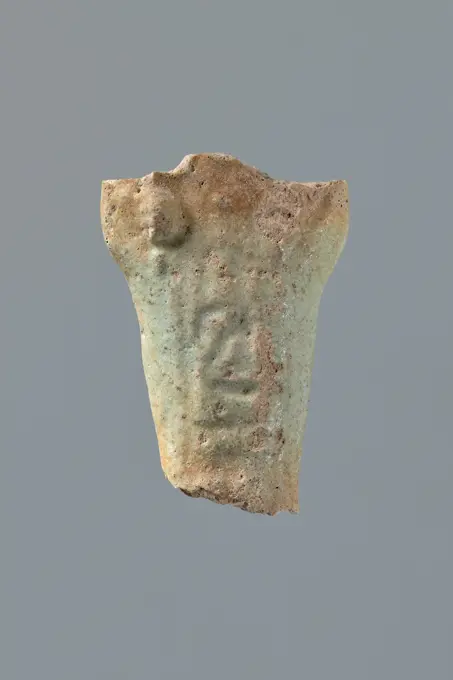
Fragment of bracelet covers. Bronze. Cernuschi Museum, Asia Museum of Asia in the city of Paris.
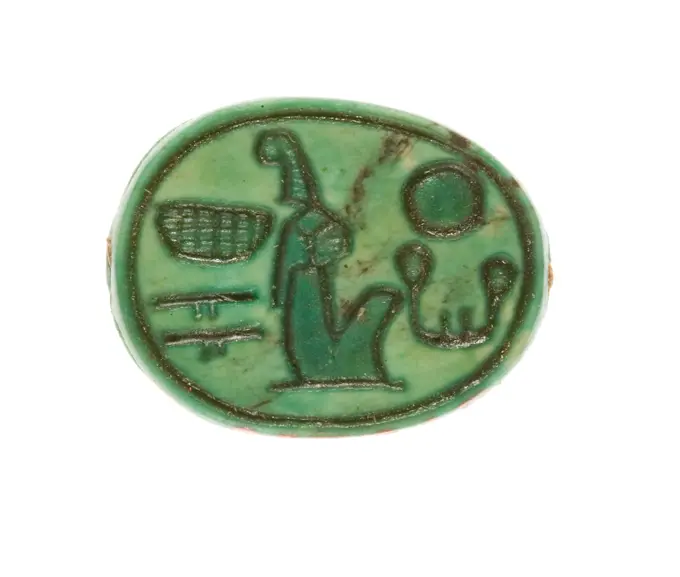
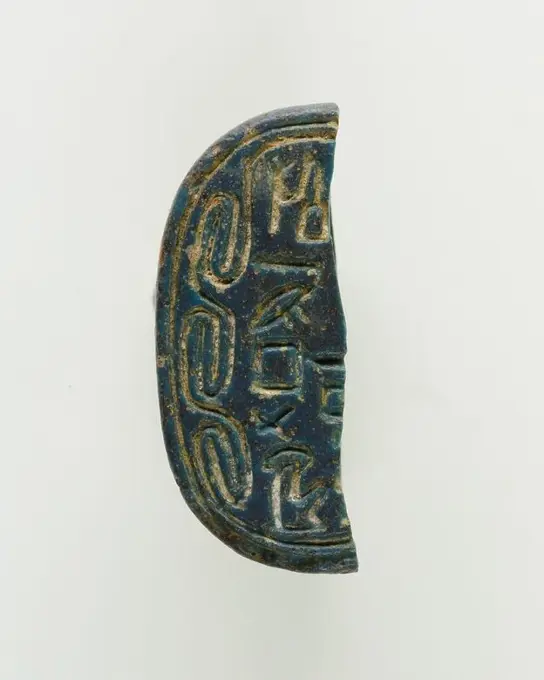
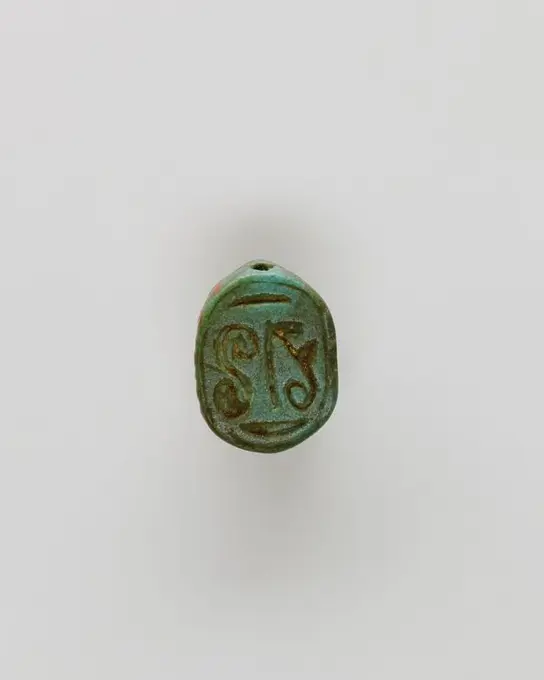
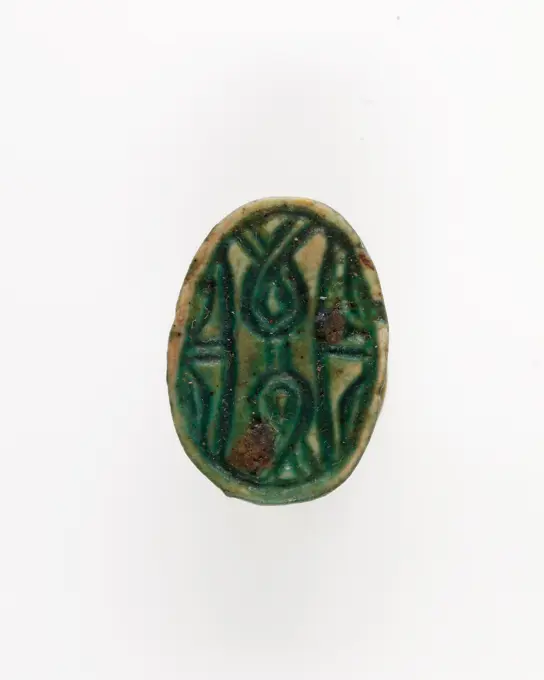
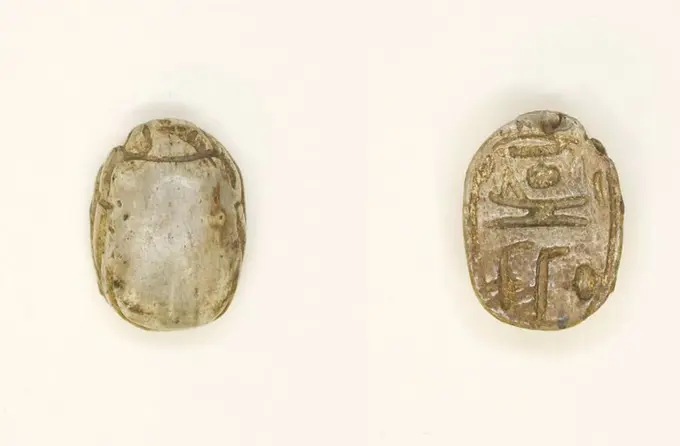
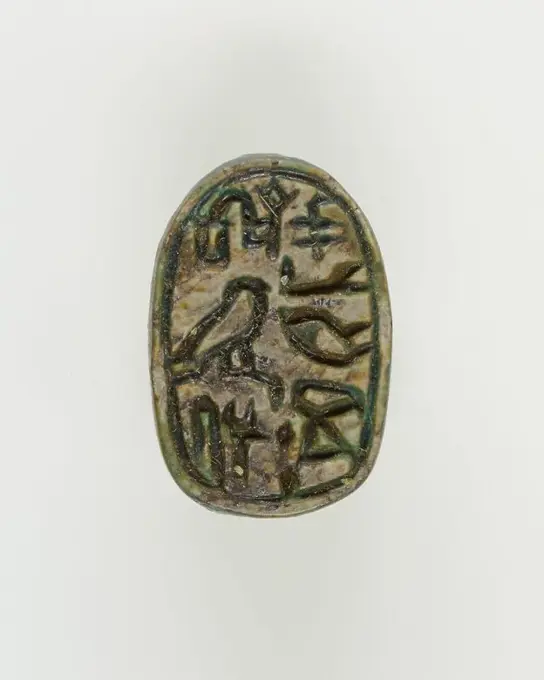
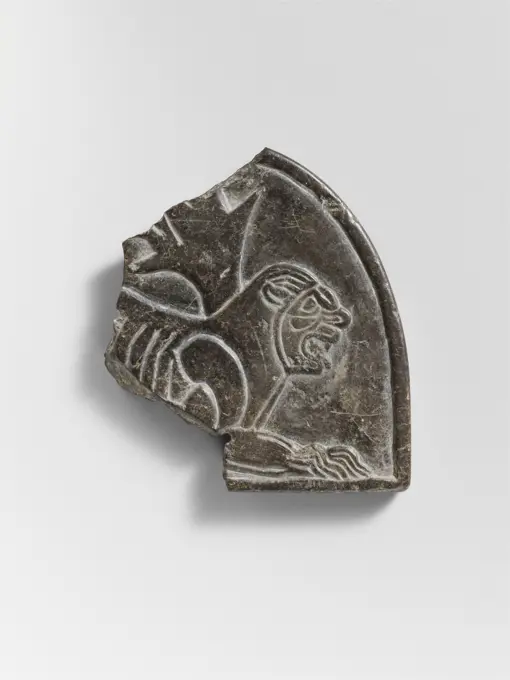
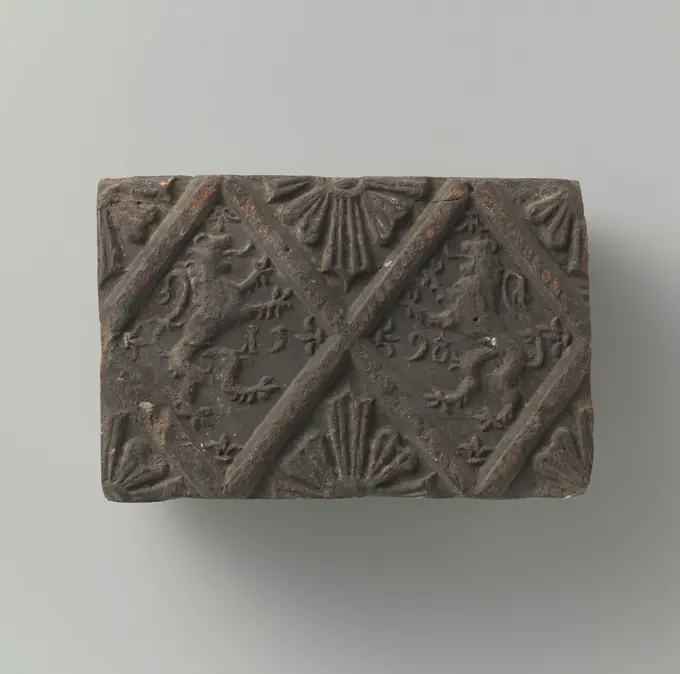
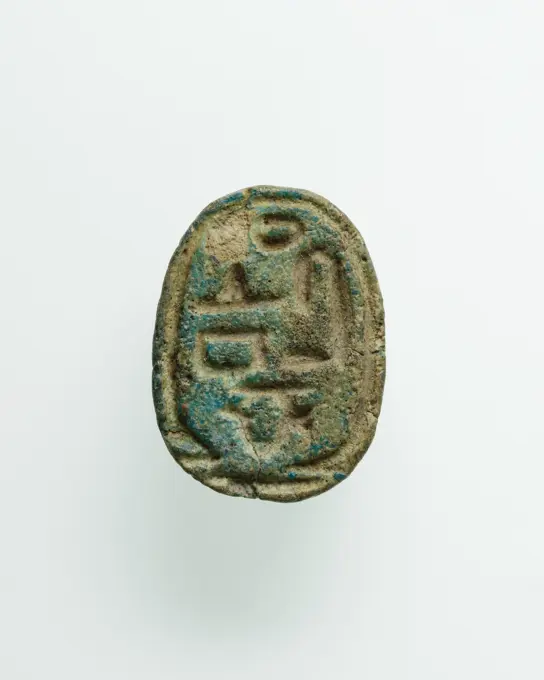
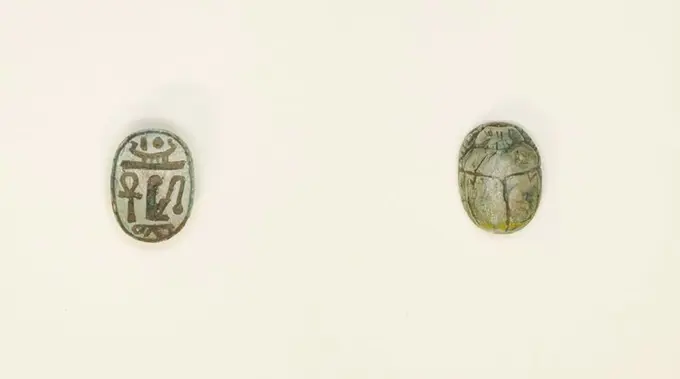
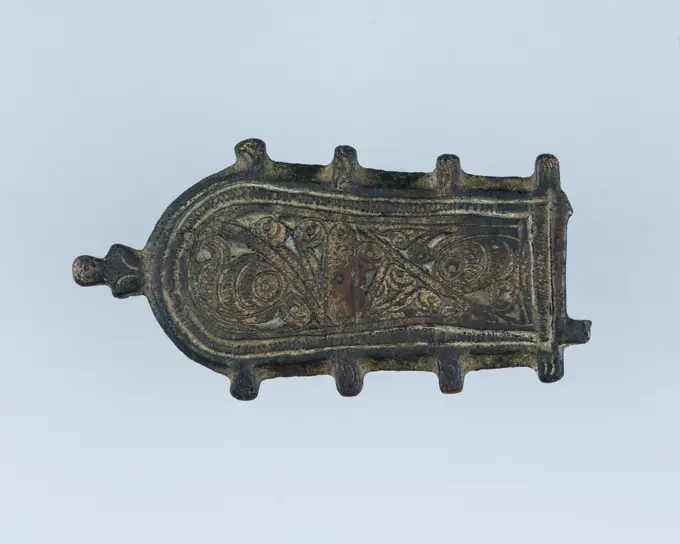
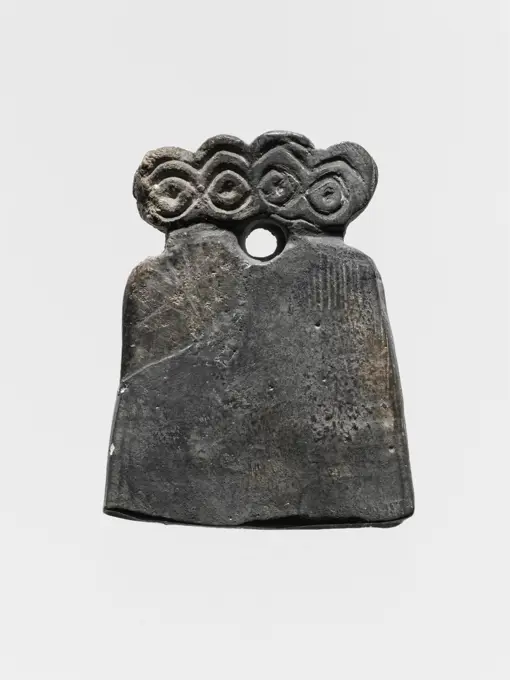
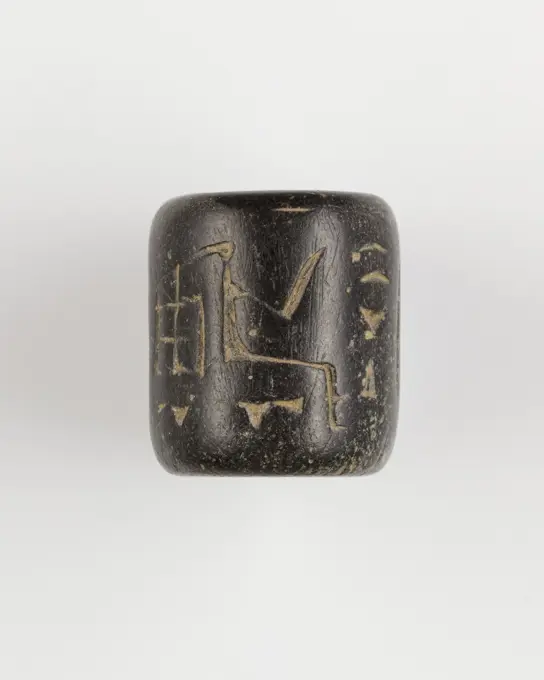
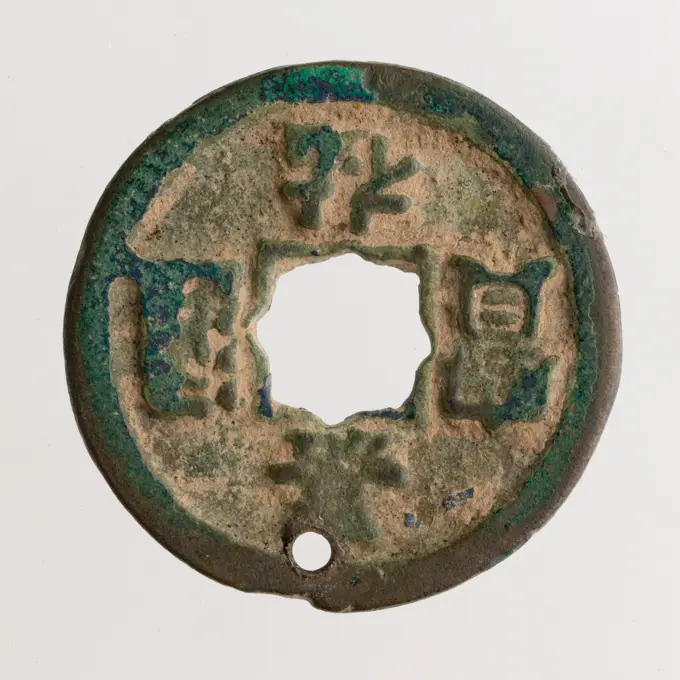
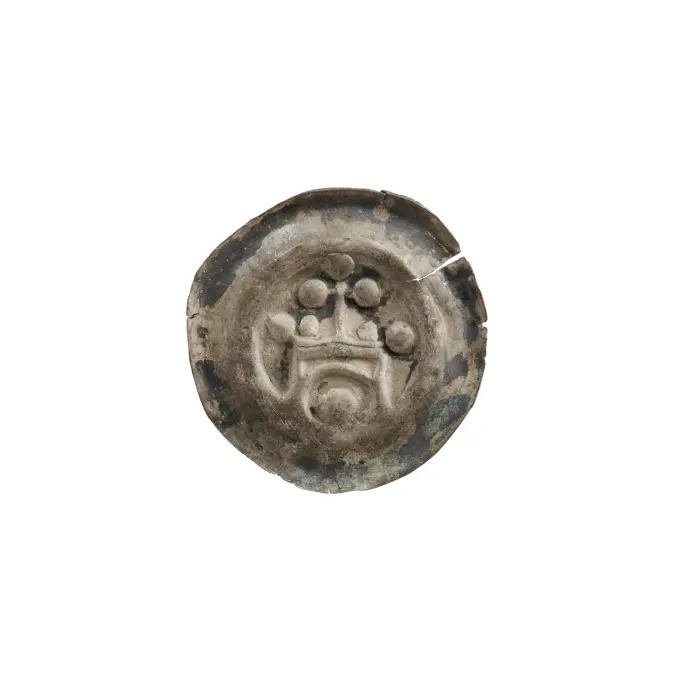
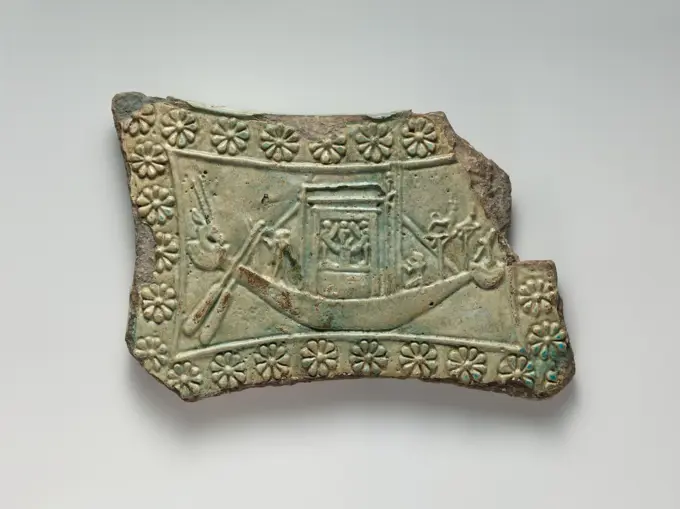
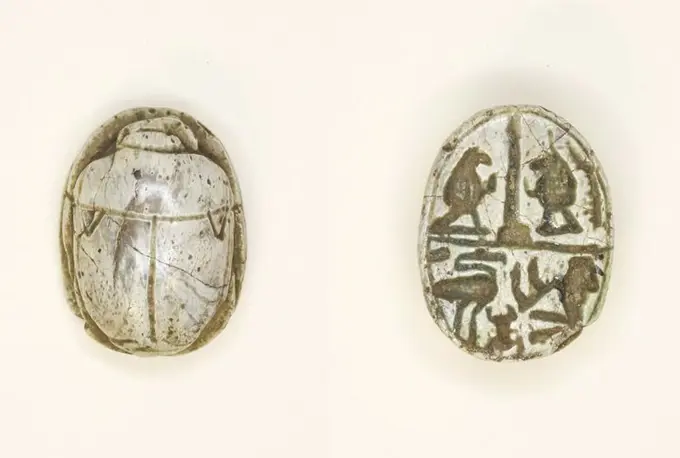
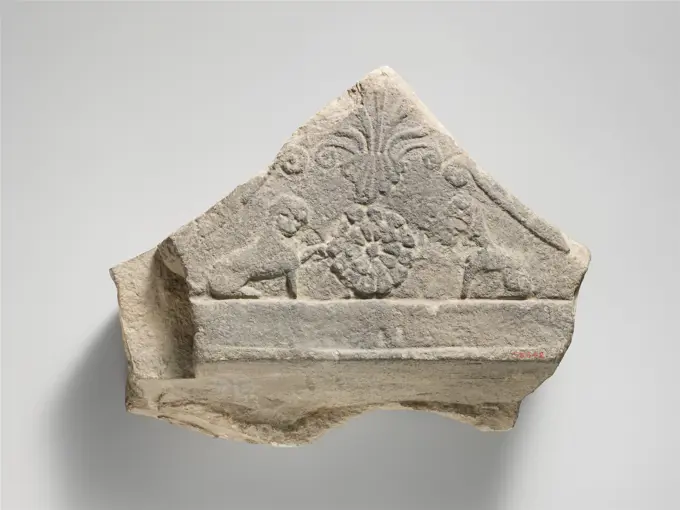
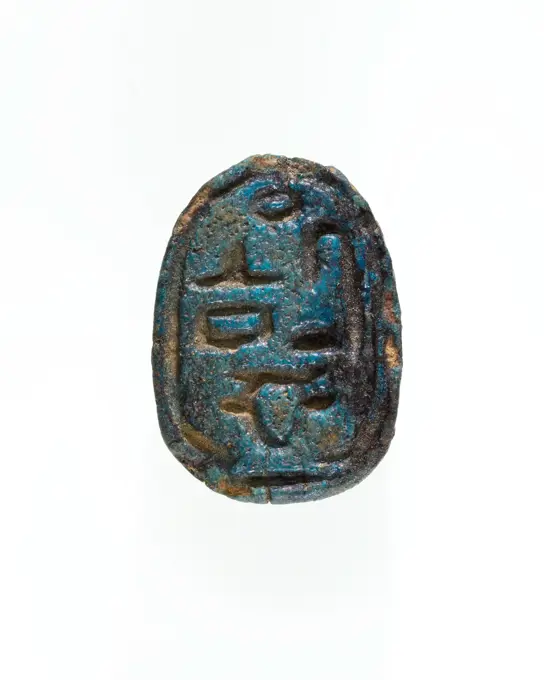
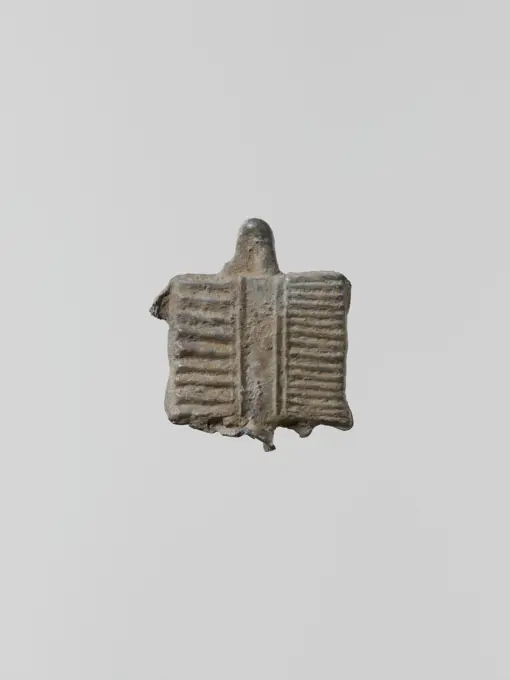
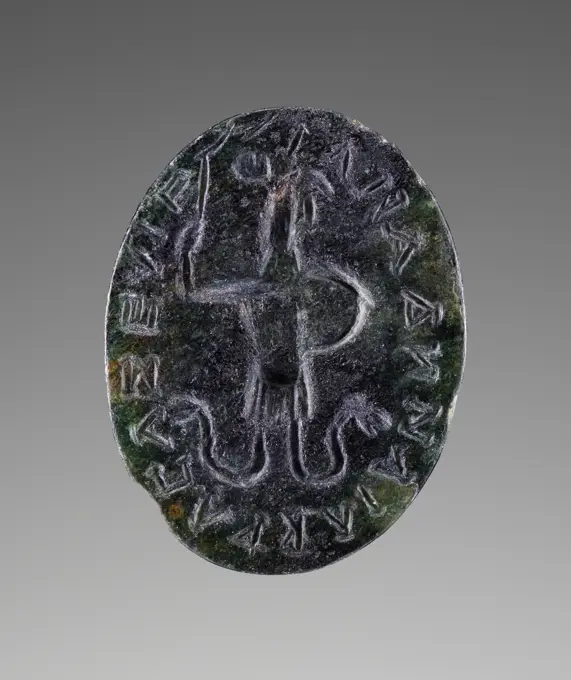
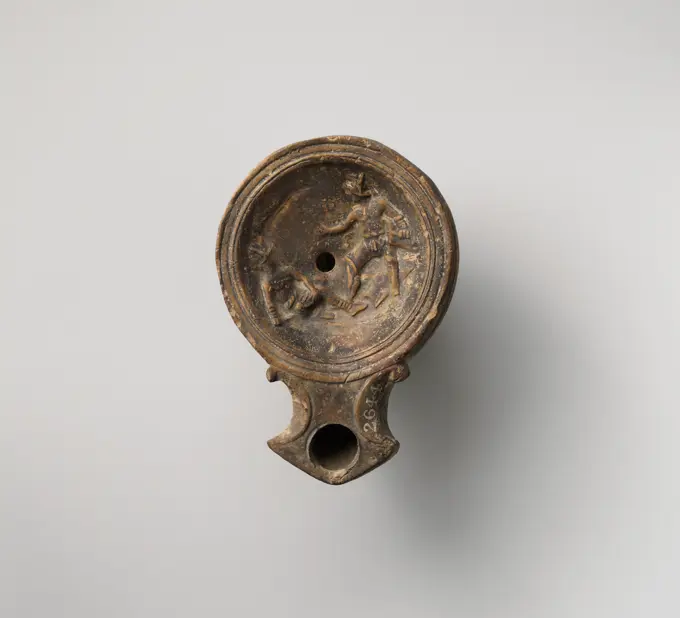
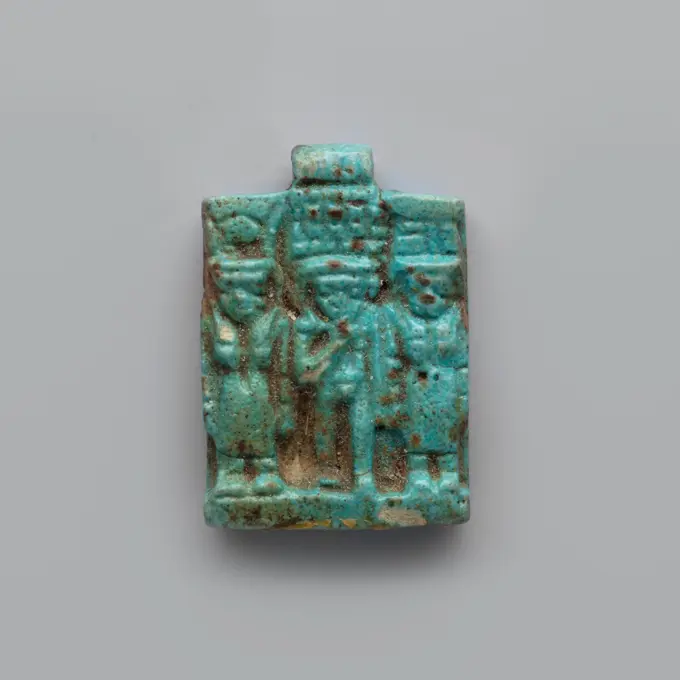
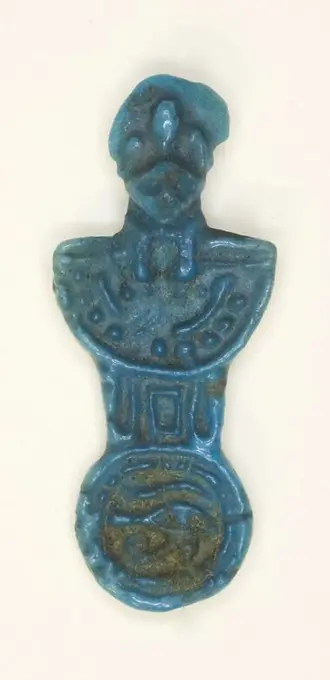
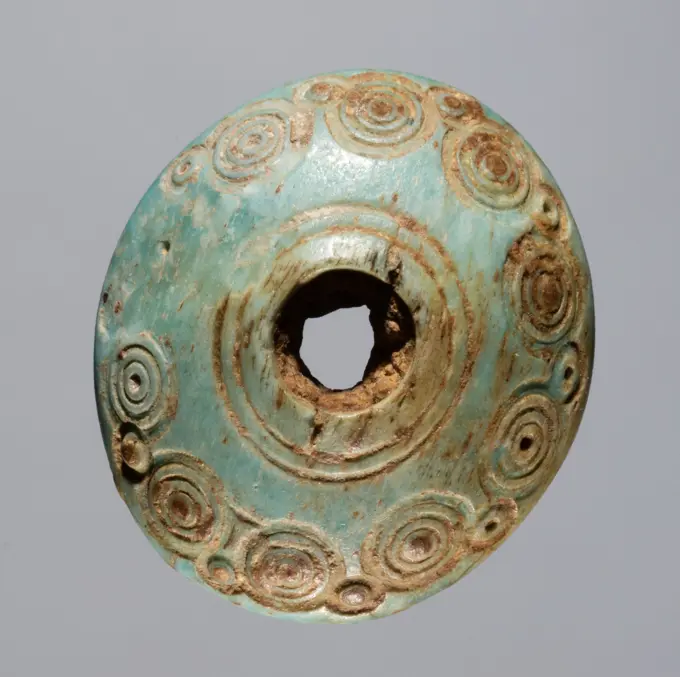
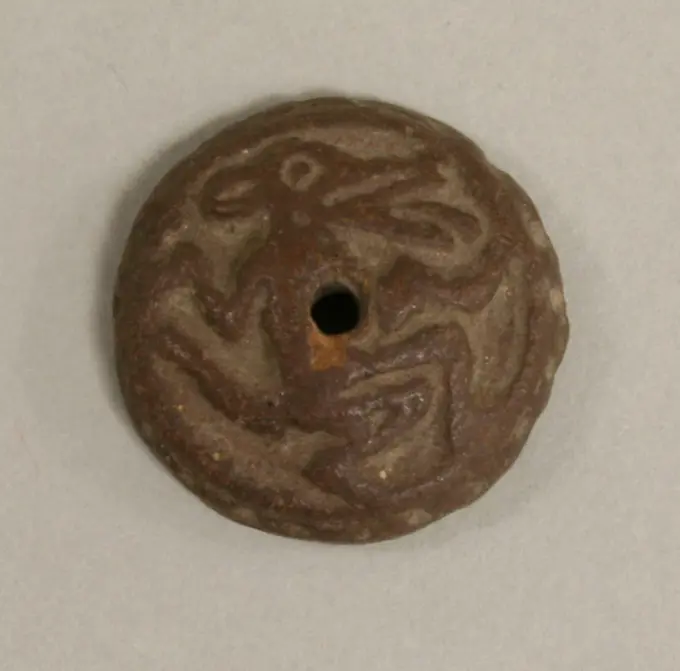
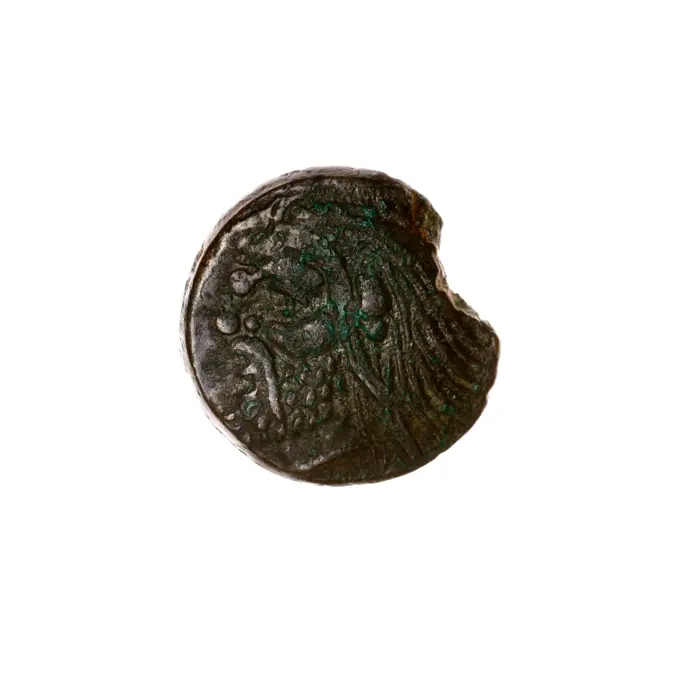
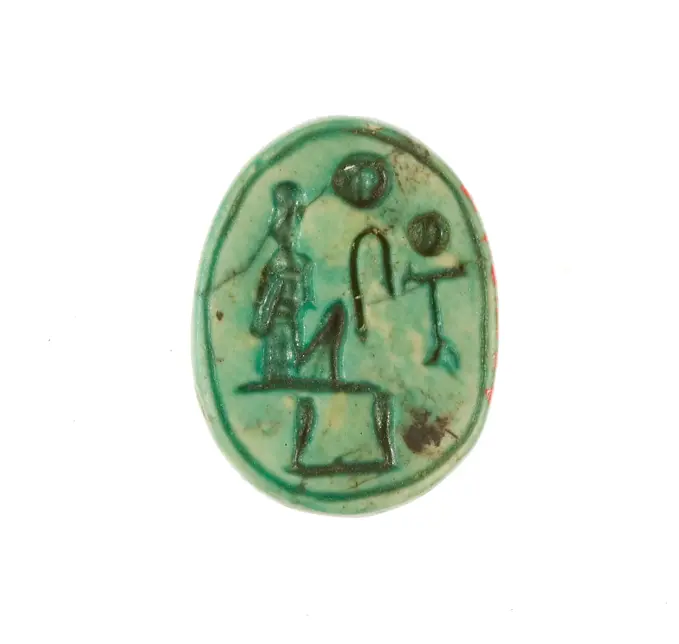
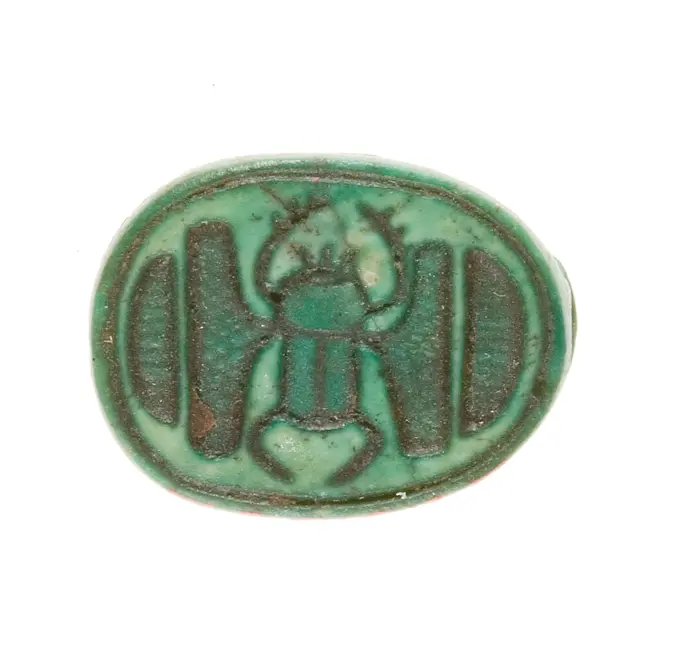
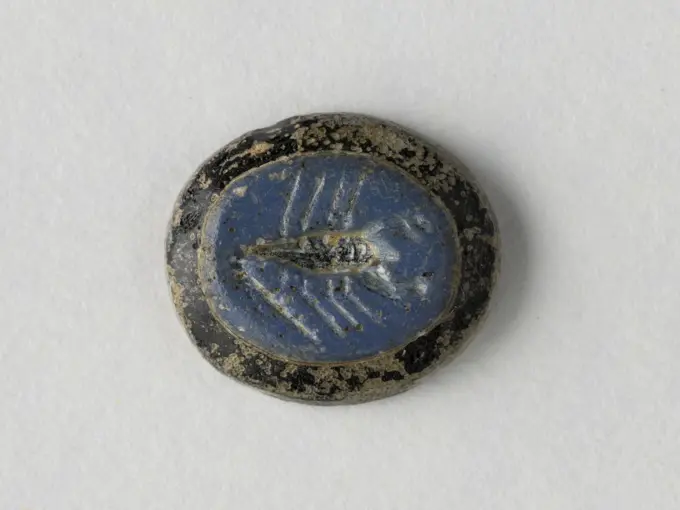
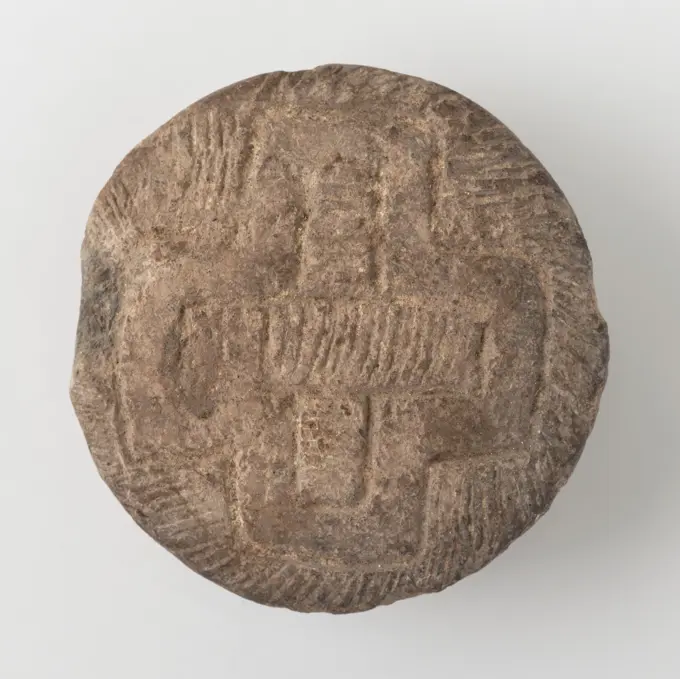
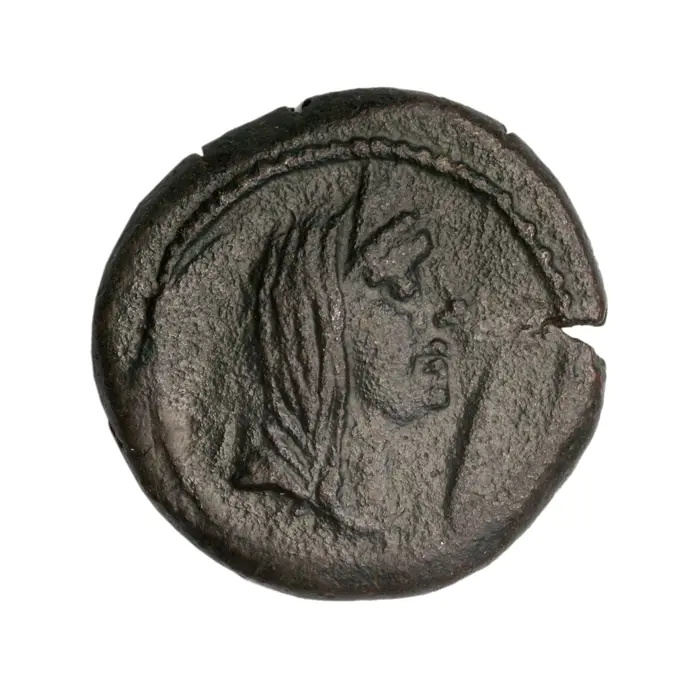
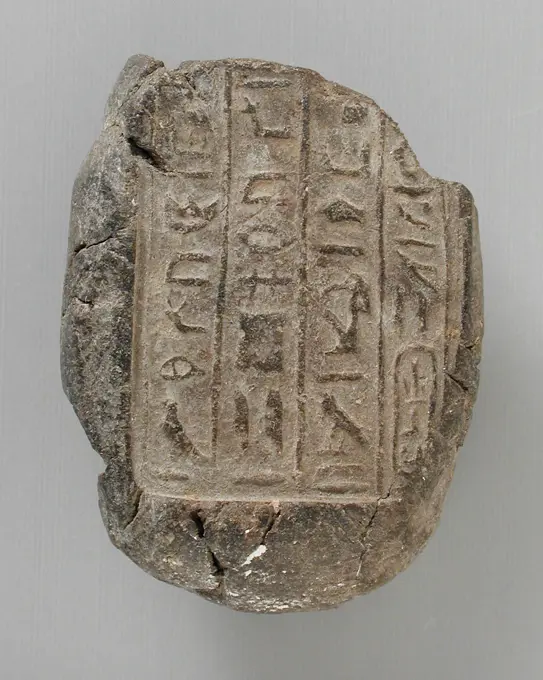
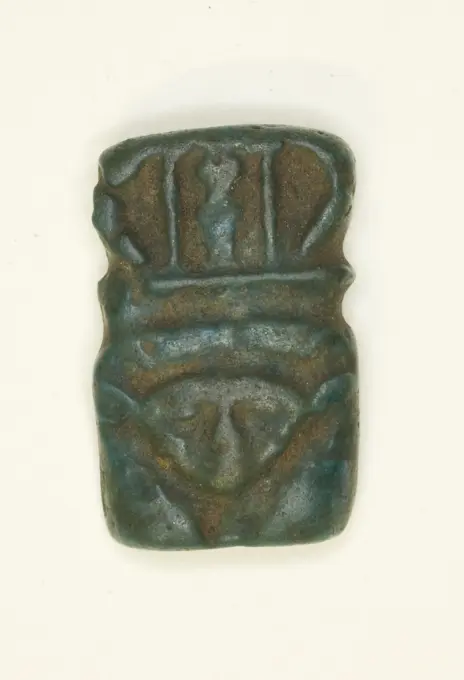
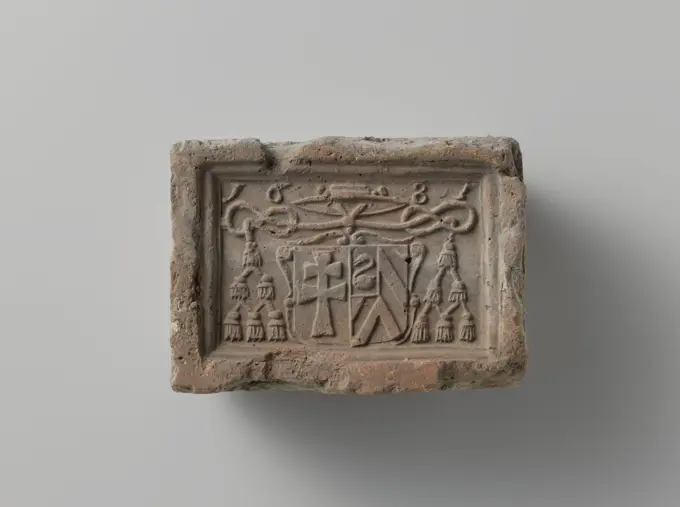
Hearing stone with men's head and the letters V i in Lauwerkrans, c. 1575 - c. 1625 Hearing stone with men's head and the letters V i in Lauwerkrans, placed in profiled window. A double -headed eagle in the half windows on the sides. The half windows on the top and bottom are filled with half medallions with star motif. Southern Netherlands earthenware Hearing stone with men's head and the letters V i in Lauwerkrans, placed in profiled window. A double -headed eagle in the half windows on the sides. The half windows on the top and bottom are filled with half medallions with star motif. Southern Netherlands earthenwareScarab Inscribed for Maatkare (Hatshepsut), Lord of the Two Lands ca. 1479-1458 B.C. New Kingdom. Scarab Inscribed for Maatkare (Hatshepsut), Lord of the Two Lands. ca. 1479-1458 B.C.. Steatite (glazed). New Kingdom. From Egypt, Upper Egypt, Thebes, Deir el-Bahri, Temple of Hatshepsut, Foundation Deposit 9 (I), MMA excavations, 1926-27. Dynasty 18, earlyScarab of an Official. Dimensions: L. 2.1 cm (13/16 in). Dynasty: Dynasty 12-18. Date: ca. 1981-1550 B.C.. Museum: Metropolitan Museum of Art, New York, USA.Flat Ornament 7th century () Frankish. Flat Ornament 464936 Frankish, Flat Ornament, 7th century (), Copper alloy, tinned surface, Overall: 1 7/16 x 1 7/16 x 3/8 in. (3.7 x 3.7 x 1 cm). The Metropolitan Museum of Art, New York. Gift of J. Pierpont Morgan, 1917 (17.191.233)Bliżej Kultury Kazimierz Jagiellończyk (1447 92)Scarabs. Dimensions: L. 0.85 cm (3/8 in.); W. 0.65 cm (1/4 in.); H. 0.4 cm (3/16 in.). Dynasty: Dynasty 18, early. Reign: reign of Thutmose II-Early Joint reign. Date: ca. 1492-1473 B.C..This scarab was found with twenty-three other scarabs and seal-amulets in the coffin of a young woman who was buried in Hatnefer's tomb (see 36.3.1 and 36.3 26). The base is inscribed with a decorative pattern. Museum: Metropolitan Museum of Art, New York, USA.Scarab ca. 1640-1550 B.C. Second Intermediate Period This scarab dates to the Second Intermediate Period (ca. 1640-1550 B.C.). The most characteristic element in the undersides decoration is the decorative vertical panels on the sides. These motifs, also known as ‘Hyksos sides or ‘Hyksos panels are also found on royal name scarabs of that period.. Scarab 557102Hearing stone with men's head and the letters V i in Lauwerkrans, c. 1575 - c. 1625 Hearing stone with men's head and the letters V i in Lauwerkrans, placed in profiled window. A double -headed eagle in the half windows on the sides. The half windows on the top and bottom are filled with half medallions with star motif. Southern Netherlands earthenware Hearing stone with men's head and the letters V i in Lauwerkrans, placed in profiled window. A double -headed eagle in the half windows on the sides. The half windows on the top and bottom are filled with half medallions with star motif. Southern Netherlands earthenwareScarab: Amun-Re. Egyptian. Date: 1550 BC-525 BC. Dimensions: 1.3 × 1 × 0.6 cm (1/2 × 3/8 × 1/4 in.). Steatite. Origin: Egypt. Museum: The Chicago Art Institute, Chicago, USA. Author: Ancient Egyptian.Fragment of bracelet covers. Bronze. Cernuschi Museum, Asia Museum of Asia in the city of Paris.Scarab Inscribed for the King of Upper and Lower Egypt Maatkare (Hatshepsut). Dynasty: Dynasty 18, early. Reign: Joint reign of Hatshepsut and Thutmose III. Date: ca. 1479-1458 B.C.. Museum: Metropolitan Museum of Art, New York, USA.Hippopotamus-Head Design Amulet Inscribed With Four Linked Ibex Heads. Dimensions: diam. 2.8 cm (1 1/8 in). Date: ca. 2150-2040 B.C.. Museum: Metropolitan Museum of Art, New York, USA.Bliżej Kultury Mint of Kraków, Władysław Warneńczyk (King of Poland, 1434 1444)Scarab Inscribed King of Upper and Lower Egypt Maatkare, Having Dominion ca. 1479-1458 B.C. New Kingdom. Scarab Inscribed King of Upper and Lower Egypt Maatkare, Having Dominion. ca. 1479-1458 B.C.. Steatite (glazed). New Kingdom. From Egypt, Upper Egypt, Thebes, Deir el-Bahri, Temple of Hatshepsut, Foundation Deposit 7 (G), MMA excavations, 1926-27. Dynasty 18, earlyScarab of an Official. Dimensions: l. 1.8 cm (11/16 in). Dynasty: Dynasty 12-18. Date: ca. 1981-1550 B.C.. Museum: Metropolitan Museum of Art, New York, USA.Serpentine mold for casting bead pendants ca. 1600-1400 B.C. Minoan This piece is half of a bivalve mold. The two parts were attached by the three holes, visible at the top and bottom. The funnel-shaped cuttings along the straight edge are the sprues through which the liquid metal was poured into the mold.. Serpentine mold for casting bead pendants 252321 Minoan, Serpentine mold for casting bead pendants, ca. 16001400 B.C., Serpentine, Overall: 1 3/4 x 1 1/4 in. (4.5 x 3.1 cm). The Metropolitan Museum of Art, New York. Bequest of Richard B. Seager, 1926 (26.31.393)Plaque with the figure of a lion ca. 6th-5th century B.C. Achaemenid. Plaque with the figure of a lion. Achaemenid. ca. 6th-5th century B.C.. Limestone, black. Achaemenid. Iran, Qasr-i Abu NasrMenat Cultic Object Depicting Goddess Hathor. Egypt, probably Ptolemaic Period (332 - 30 BCE). Jewelry and Adornments. Bronze. Rounded rectangular tsuba with elevated edge; image in sunken relief of the "demonent ummer" shoki hunting a devil by one of the Ryo-Hitsu; Some details in gold, silver, copper and shibuichi; Signed "kunihiro".Scarab ca. 1635-1458 B.C. Second Intermediate Period-Early New Kingdom. Scarab. ca. 1635-1458 B.C.. Steatite (glazed). Second Intermediate Period-Early New Kingdom. From Egypt, Upper Egypt, Thebes, Asasif, Courtyard CC 41, Tomb R 2, Burial G 1 (or G 2), On body, MMA excavations, 1915-16. Dynasty 17-Early Dynasty 18Fireplace with image of two climbing lions. Fireplace with image of two climbing lions. With the year 1598.Scarab Inscribed with the Name Sehetepibre ca. 1570-1550 B.C. Second Intermediate Period This scarab is inscribed with a large cartouche containing the name Sehetepibre, the prenomen of Amenemhat I (Dynasty 12). However, royal name scarabs were not yet manufactured during his reign so this scarab dates to the Second Intermediate Period and may commemorate Amenemhat I. Alternatively, it could hold the prenomen of a hitherto unknown Second Intermediate Period ruler.. Scarab Inscribed with the Name Sehetepibre. ca. 1570-1550 B.C.. Blue faience. Second Intermediate Period. From Egypt, Memphite Region, Lisht North, Cemetery, debris, MMA excavations. Dynasty 17. Tile of quartz frites covered with a turquoise tin-lead alkali acid, and fragment of text in relief.Scarab: Wish Formula. Egyptian. Date: 1550 BC-1096 BC. Dimensions: 1.3 × 1 × 2.1 cm (1/2 × 3/8 × 3/16 in.). Glazed steatite. Origin: Egypt. Museum: The Chicago Art Institute, Chicago, USA. Author: Ancient Egyptian.Bridle Fitting. Western Inner Mongolia, 5th-4th century B.C.. Tools and Equipment; horse trappings. Bronze, castBuckle Shank 5th-7th century Visigothic. Buckle Shank. Visigothic. 5th-7th century. Bronze. Miscellaneous-Buckles & OrnamentDagger Hilt 500 B.C.-A.D. 300 Vietnam (North). Dagger Hilt. Vietnam (North). 500 B.C.-A.D. 300. Bronze. Bronze and Iron Age period. MetalworkScarab Unlinked Scrolls and Spirals 1650 BCE-1550 BCE Egypt. Glazed steatite . Ancient EgyptianCrescent Ornament 6th-7th century Moche (Loma Negra). Crescent Ornament. Moche (Loma Negra). 6th-7th century. Copper. Peru. Metal-OrnamentsEye idol ca. 3700-3500 B.C. This type of figurine known as an eye idol, made of stone and having incised eyes, has been excavated at Tell Brak, where thousands were found in a building now called the Eye Temple. They were probably dedicated there as offerings. Many are incised with multiple sets of eyes, others with jewelry, and still others with representations of "children"smaller eyes and body carved on the body of the larger idol. Wide eyes demonstrate attentiveness to the gods in much of Mesopotamian art.. Eye idol 324150Jeton. UnknownCylinder seal ca. 2960-2770 B.C. Early Dynastic Period. Cylinder seal. ca. 2960-2770 B.C.. Steatite. Early Dynastic Period. From Egypt. Dynasty 1Belt Plate 7th century () Frankish. Belt Plate 465757 Frankish, Belt Plate, 7th century (), Iron, silver and brass inlay, Overall: 1 7/8 x 1 5/8 x 3/16 in. (4.7 x 4.1 x 0.5 cm). The Metropolitan Museum of Art, New York. Gift of J. Pierpont Morgan, 1917 (17.193.412)Statuette of a Siren. Statuette of a Siren. Bronze. BronzesHorse Fitting with Doe 5th-4th century B.C. Northwest China. Horse Fitting with Doe. Northwest China. 5th-4th century B.C.. Tinned bronze. MetalworkCarnavalet Museum, Medals CollectionScarab Inscribed with a Hieroglyphic Motif ca. 1479-1458 B.C. New Kingdom. Scarab Inscribed with a Hieroglyphic Motif. ca. 1479-1458 B.C.. Steatite (glazed). New Kingdom. From Egypt, Upper Egypt, Thebes, Deir el-Bahri, Temple of Hatshepsut, Foundation Deposit 7 (G), MMA excavations, 1926-27. Dynasty 18, earlyCash. Copper alloy, China, Song dynasty. Paris, Cernuschi museum. Amulet, Asian art, Chinese art, circle, Asian civilization, Chinese civilization, belief, disc, Song dynasty, currencyDenar - Brakteat; approx. 1257/1258-OK. 1267/1268 (1257-00-00-1268-00-00);Mold bearing Title of an Official of the Reign of Ramses VIII. Egypt, New Kingdom, 20th Dynasty, reign of Ramses VIII (1141 - 1139 BCE). Tools and Equipment; molds. TerracottaModel tambourine with rosette border, Bastet on one side, her boat with naos on the other ca. 1070-712 B.C. Third Intermediate Period Faience model tambourines such as this one were festival offerings to Bastet, who, like the other great goddesses, is associated with the myth in which a daughter or quasi-daughter of the god Re had to be lured back to Egypt from self-imposed exile in Nubia. At festivals in Bubastis celebrating Bastet's return, the goddess sailed upon her Isheru, or temple lake, which is the event being illustrated on the model tambourine.. Model tambourine with rosette border, Bastet on one side, her boat with naos on the other. ca. 1070-712 B.C.. Faience. Third Intermediate Period. From EgyptCrescent Ornaments 6th-7th century Moche (Loma Negra). Crescent Ornaments. Moche (Loma Negra). 6th-7th century. Copper. Peru. Metal-OrnamentsEye of Horus (Wedjat) Amulet 664 BCE-332 BCE Egypt. Faience . Ancient EgyptianBridle Cheekpiece. Culture: China. Dimensions: H. 3 3/4 in. (9.5 cm); W. 3 1/16 in. (7.8 cm). Date: 10th-9th century B.C.. Museum: Metropolitan Museum of Art, New York, USA.Hearing stone with men's head and the letters V i in Lauwerkrans, c. 1575 - c. 1625 Hearing stone with men's head and the letters V i in Lauwerkrans, placed in profiled window. A double -headed eagle in the half windows on the sides. The half windows on the top and bottom are filled with half medallions with star motif. Southern Netherlands earthenware Hearing stone with men's head and the letters V i in Lauwerkrans, placed in profiled window. A double -headed eagle in the half windows on the sides. The half windows on the top and bottom are filled with half medallions with star motif. Southern Netherlands earthenwareSeal Impression. Egypt, Old Kingdom (2687 - 2191 BCE). Tools and Equipment; seals. Semi-baked clay with gray/black scorched colorFireplace of baked earth with diamond-shaped distribution, with two winged deer in two windows. Two fires of baked earth with diamond-shaped distribution, with two winged deer in two diamonds. One with the year 160 .. the other with the year 1617.Bottle Fragment, Pilgrim 9th century Visigothic. Bottle Fragment, Pilgrim 465829 Visigothic, Bottle Fragment, Pilgrim, 9th century, Earthenware, glaze, Overall: 3 1/8 x 1 7/8 x 13/16 in. (7.9 x 4.7 x 2 cm). The Metropolitan Museum of Art, New York. Gift of J. Pierpont Morgan, 1917 (17.194.1671)Fibula, c. 100 BC. Italy, Etruscan. Iron; overall: 4.2 cm (1 5/8 in.).Fragment uszebti. unknown, authorBird-Shaped Brooch Frankish second half 6th centurySpindle Whorl 9th-10th century Spindle whorls aided in the making of thread by maintaining the momentum of the spindle. This spindle whorl was excavated during the Metropolitan Museums excavations in Nishapur, in eastern Iran. Its raised collar is encircled by two incised lines. A band, comprised of alternating dot-in-circles and angles ending in dot-in-circles, extends around the main body. An incised circle forms a border around the base. The dots were once filled with colored paste, but it has since faded. Hundreds of spindle whorls were excavated at Nishapur, providing further evidence that the city possessed a thriving textile industry. Their incised designs exhibit a wide variety of motifs ranging from geometric forms to zoomorphic figures.. Spindle Whorl 450031Bracelet 18th century () Yoruba peoples, Ijebu group. Bracelet. Yoruba peoples, Ijebu group. 18th century (). Brass. Nigeria. Metal-OrnamentsByzantine Empire, Justin 2 (565 578), Constantinople 576/577 CE, Follis, Brone (AE) Justyn II (565 578), Mint of ConstantinopleScarab: Gods and Hieroglyphs. Egyptian. Date: 1550 BC-525 BC. Dimensions: 1.9 × 1.3 × 1 cm (3/4 × 1/2 × 3/8 in.). Glazed steatite. Origin: Egypt. Museum: The Chicago Art Institute, Chicago, USA. Author: Ancient Egyptian.Greece, Sarmacja, Olbia, approx. 400 350 BCE, AE MintLimestone finial of a funerary stele late 5th or early 4th century B.C. Cypriot Seated lions, rosette, and palmette.. Limestone finial of a funerary stele 242190Scarab Inscribed King of Upper and Lower Egypt Maatkare, Having Dominion. Dynasty: Dynasty 18, early. Reign: Joint reign of Hatshepsut and Thutmose III. Date: ca. 1479-1458 B.C.. Museum: Metropolitan Museum of Art, New York, USA.Buckle, 600s. Frankish, Migration period, 7th century. Bronze and silver overlay; overall: 8.3 x 3.9 cm (3 1/4 x 1 9/16 in.).Bird-Shaped Brooch late 6th-early 7th century Frankish. Bird-Shaped Brooch 465245Bronze necklace spiral 9th-8th century B.C. Italic, Villanovan Openwork spiral with three concentric circles linked at 4 points and flat on underside.. Bronze necklace spiral 256047Scarab Inscribed with the Name Sehetepibre ca. 1570-1550 B.C. Second Intermediate Period This scarab is inscribed with a large cartouche containing the name Sehetepibre, the prenomen of Amenemhat I (Dynasty 12). However, royal name scarabs were not yet manufactured during his reign so this scarab dates to the Second Intermediate Period and may commemorate Amenemhat I. Alternatively, it could hold the prenomen of a hitherto unknown Second Intermediate Period ruler.. Scarab Inscribed with the Name Sehetepibre. ca. 1570-1550 B.C.. Dark blue faience. Second Intermediate Period. From Egypt, Memphite Region, Lisht North, Cemetery, debris, MMA excavations. Dynasty 17Lead ornament, possibly in the form of a comb 6th-5th century B.C. Greek, Laconian Small flat votive figurines of cast lead have been found in great quantities at the ancient sanctuaries of Laconia; over one hundred thousand, dating from the seventh century B.C. to the Classical period, were dedicated to the goddess Artemis Orthia in Sparta.. Lead ornament, possibly in the form of a comb 251701 Greek, Laconian, Lead ornament, possibly in the form of a comb, 6th5th century B.C., Lead, Height: 1 in. (2.5 cm). The Metropolitan Museum of Art, New York. Gift of A. J. B. Wace, 1924 (24.195.135)Scarab, private ca. 1550-1295 B.C. New Kingdom. Scarab, private. ca. 1550-1295 B.C.. Faience. New Kingdom. From Egypt. Dynasty 18Engraved Gem with Abrasax and a magical inscription. UnknownHearing stone with representation of Sint Joris on horseback, who kills the dragon, c. 1525 - c. 1550 Hearing stone with representation of Sint Joris on horseback, who kills the dragon, with the princess on the right. Southern Netherlands earthenware Hearing stone with representation of Sint Joris on horseback, who kills the dragon, with the princess on the right. Southern Netherlands earthenwareTerracotta oil lamp late 1st century B.C.-early 1st century A.D. Roman Loeschcke Type 1B. Mold-made. Deep, concave discus: two gladiators, Samnite and hoplomachus; on left, one fighter, wearing a crested helmet, trunks, and boots, and holding a short dagger in his right hand has fallen backwards to the ground, facing right; on right, the fighter, wearing a horned helmet, greaves and trunks, stands facing forward with his right arm outstretched and holding his shield down by his left side, with another rectangular shield between his legs; ground line below; a single, central filling hole; a band of lines and grooves around horizontal edge, forming shoulder. Volutes flanking broad, angular nozzle with large wick hole. Raised base ring, and flat base.Broken and repaired, with one large hole along left underside.. Terracotta oil lamp. Roman. late 1st century B.C.-early 1st century A.D.. Terracotta. Early Imperial, Augustan-Tiberian. TerracottasCylinder Seal. Mesopotamia, Old Babylonian period, circa 2000-1600 B.C.. Tools and Equipment; seals. HematiteAmulet - a plaque with a triad deities;  664-30 BC ; Half-period period-Ptolemam period (-664-00-00--30-00-00);Harpokrates (Mitol.), Isis (Mitol.), Neftyda (Mitol.), PlasticAmulet of a Menat Counterpoise with Lion-headed Goddess. Egyptian. Date: 747 BC-525 BC. Dimensions: 2.7 × 1.3 × 0.3 cm (1 1/16 × 1/2 × 1/8 in.). Faience. Origin: Egypt. Museum: The Chicago Art Institute, Chicago, USA. Author: Ancient Egyptian.False Coin, Penny, Mieszko II (1025 1031)Animal Ornament 6th-7th century Moche (Loma Negra). Animal Ornament. Moche (Loma Negra). 6th-7th century. Copper. Peru. Metal-OrnamentsScarab Inscribed with the Name of the God Amun-Re ca. 1479-1458 B.C. New Kingdom. Scarab Inscribed with the Name of the God Amun-Re. ca. 1479-1458 B.C.. Steatite (glazed). New Kingdom. From Egypt, Upper Egypt, Thebes, Deir el-Bahri, Temple of Hatshepsut, Foundation Deposit 7 (G), MMA excavations, 1926-27. Dynasty 18, earlySpindle Whorl, 700s - 900s. Iran, early Islamic period, 8th - 10th century. Bone, incised; overall: 0.6 x 1.8 x 1.6 cm (1/4 x 11/16 x 5/8 in.).Belt Plate Frankish 6th-7th centuryHandle ca. 3rd-7th century A.D. Sasanian. Handle 323305Scarab of Ramesses II. Dimensions: L. 1.9 cm (3/4 in.). Dynasty: Dynasty 19-20. Date: ca. 1295-1070 B.C.. Museum: Metropolitan Museum of Art, New York, USA.Belt Plate Fragment. Culture: Frankish. Dimensions: Overall: 2 7/8 x 1 1/4 x 3/16 in. (7.3 x 3.2 x 0.5 cm). Date: 500-700. Museum: Metropolitan Museum of Art, New York, USA.Fragment of a Human-Headed Heart Scarab ca. 1802-1550 B.C. Middle Kingdom-Second Intermediate Period Heart scarabs take the shape of a large scarab beetle, a symbol of regeneration. In this example the beetles head is replaced by a human face. The flat underside is inscribed with six horizontal lines of text. This inscription is a version of Book of the Dead spell 30B, the so-called heart scarab spell that magically "prevents the heart from creating opposition" and in which the deceaseds heart is directed not to tell lies about its owner. For the meaning of this spell and heart scarab amulets in general, see 30.8.1080. In the inscription here, the legs of all bird hieroglyphs have been omitted, a practice known from Dynasty 13 to early Dynasty 18.. Fragment of a Human-Headed Heart Scarab. ca. 1802-1550 B.C.. Stone. Middle Kingdom-Second Intermediate Period. From Egypt. Dynasty 13-17Spindle Whorl 9th-15th century Mexican. Spindle Whorl 315838Brown coin; Pantikapaion; the beginning of the 3rd century BC (-300-00-00--291-00-00);Nadczarzyorze, satir (mitol.), Bulls, bull's head (iconogr.), Message (provenance), animalsCruciform Mirror with Six Blossoms, 960-1127. China, Northern Song dynasty (960-1127). Bronze; overall: 0.7 x 16.5 cm (1/4 x 6 1/2 in.); rim: 0.4 cm (3/16 in.).Engraved Gem; 5th - 7th century; Smoky Quartz; 1.3 x 1.1 x 0.5 cm (1,2 x 7,16 x 3,16 in.)Skaraboid z małpą. unknown, authorFragments of a cart or chariot, crossed cylinders ca. 500-480 B.C. Etruscan Large collection of bronze and iron attachments once belonging to a chariot.. Fragments of a cart or chariot, crossed cylinders 253022 Etruscan, Chariot fragments, crossed cylinders, ca. 500480 B.C., Bronze, average: 2  1 13/16 in. (5.1  4.6 cm). The Metropolitan Museum of Art, New York. Fletcher Fund, 1929 (29.131.3m1m3)Scarab Inscribed Maatkare (Hatshepsut), She Lives ca. 1479-1458 B.C. New Kingdom During the 1926-1927 excavation season, the Museum's Egyptian Expedition uncovered three foundation deposits along the eastern enclosure wall of Hatshepsut's funerary temple at Deir el-Bahri in Western Thebes. Among the contents were 299 scarabs and stamp-seals. Sixty-five of these are now in the Egyptian Museum, Cairo, and the rest were acquired by the Museum in the division of finds.Among the inscriptions on the bases of these scarabs and seals are examples of every title Hatshepsut held, from the time she was "king's daughter" during the reign of her father, Thutmose I; through the time she was queen of her half-brother, Thutmose II; and during her regency and co-reign with her nephew/step-son, Thutmose III.The inscription on the base of this scarab records Hatshepsut's throne name, Maatkare, which may be roughly translated as Maat (the goddess of truth) is the life force of Re (the sun god). The two hiScarab Inscribed with a Hieroglyphic Motif ca. 1479-1458 B.C. New Kingdom. Scarab Inscribed with a Hieroglyphic Motif. ca. 1479-1458 B.C.. Steatite (glazed). New Kingdom. From Egypt, Upper Egypt, Thebes, Deir el-Bahri, Temple of Hatshepsut, Foundation Deposit 7 (G), MMA excavations, 1926-27. Dynasty 18, earlySCORPION ring intaglio. Gallo-Roman. Blue glass paste. Paris, Carnavalet museum. Intaille engraved with a scorpion. Ring, jewel, blue, Gallo-Roman, Gallo-Roman, insect, intaglia, paste glass, scorpion, archeological vestigeFalse Coin, Władysław Jagiełło (1386 1434), Kwartalnik Mały (Ternar); 1399/1400 unknownKey Handle 1st-7th century Roman. Key Handle 462909Hammered Silver Face Bead 8th-mid-16th century Peru; north or central coast (). Hammered Silver Face Bead 308967Weight. Terracotta. Provenance: Vietnam. Paris, Cernuschi museum. 78818-3 Measurement instrument, archeological object, weigh, weightBrown coin; Fanagoria; End of the first century BC (-10-00-00--1-00-00);Aphrodite (mitol.), Aphrodite Urania (iconogr.), Nadczarzyorze, Terlecki, Ignacy (1860-1916), Terlecki, Ignacy (1860-1916)-collection, head of Aphrodite (iconogr.), Head of Aphrodite Urania (iconogr.), Woman's head (iconogr.), Women's head in diadem and veil (iconogr.), Balls, ships, prora (iconogr.), Ships, purchase (provenance)Strip of Leather with Gold Meander Design. Egypt, Ptolemaic Period - Byzantine Period (305 BCE - 641 CE). Textiles. LeatherSeal Impression with an Apotropaic Spell to Thoth. Egypt, Late Period () (735 - 333 BCE). Tools and Equipment; seals. Semi-baked clay of grayish-black scorched colorAmulet of the Head of the Goddess Hathor 30 BCE-395 CE Egypt. Faience . Ancient EgyptianHearing stone with weapon., Anonymous, c. 1400 - c. 1950 Highstone with coat of arms of Librecht van Elsrack (1627-1718). The fireplace is topped with a flat ecclesiastical hat with six brushes of apostolic protonotaris on either side. Southern Netherlands earthenware Highstone with coat of arms of Librecht van Elsrack (1627-1718). The fireplace is topped with a flat ecclesiastical hat with six brushes of apostolic protonotaris on either side. Southern Netherlands earthenwareScarab Inscribed for the King of Upper and Lower Egypt Maatkare (Hatshepsut) ca. 1479-1458 B.C. New Kingdom. Scarab Inscribed for the King of Upper and Lower Egypt Maatkare (Hatshepsut). ca. 1479-1458 B.C.. Steatite (glazed). New Kingdom. From Egypt, Upper Egypt, Thebes, Deir el-Bahri, Temple of Hatshepsut, Foundation Deposit 9 (I), MMA excavations, 1926-27. Dynasty 18, earlyBake  STEMPLOWA (Pi Cioboczna) with figural performances;  IX-VI century BC ; Eraza (-900-00-00--501-00-00);Czartoryska, Maria Ludwika (1883-1958), Czartoryska, Maria Ludwika (1883-1958)-collection, Działyńska, Izabela (1830-1899), Działyńska, Izabela Elżbieta née Czartoryski (1830-1899)-collection, glipty, glipty, stamp seals, transmission (provenance)Button 18th century French. Button 128743