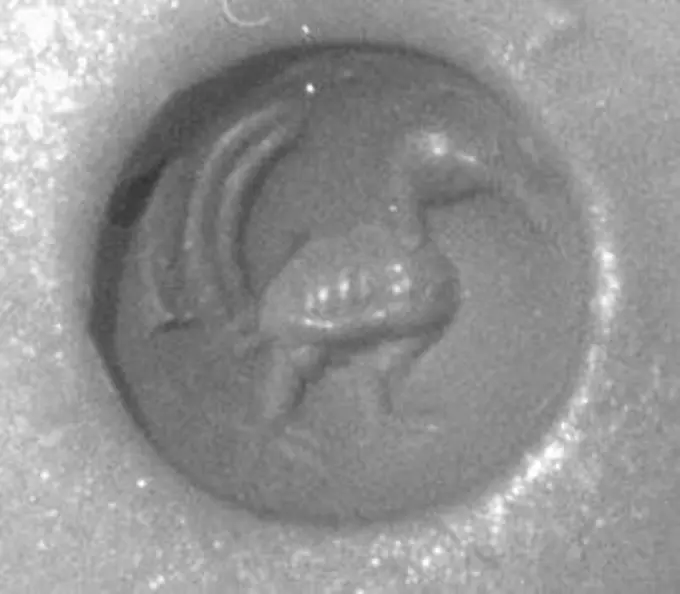
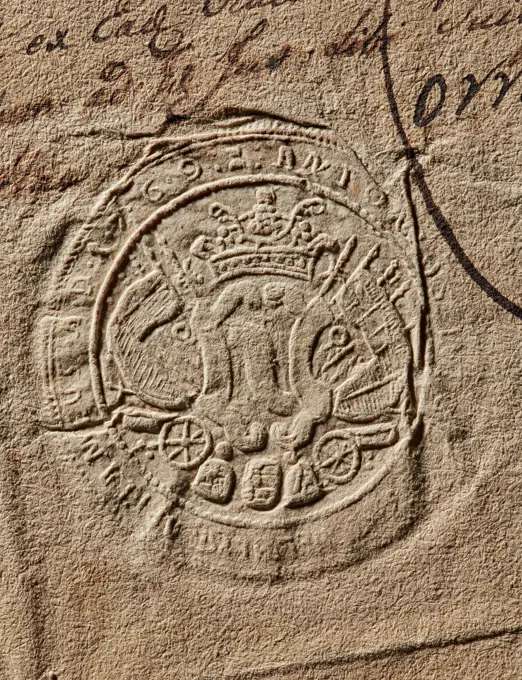
Egyptian Sealing Artifacts

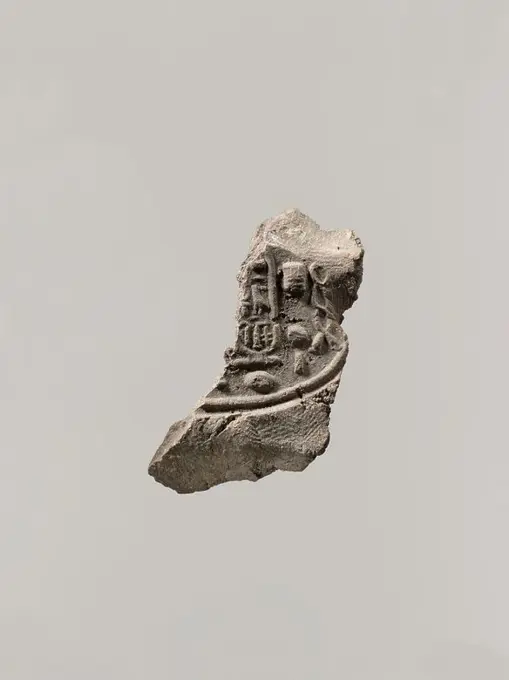
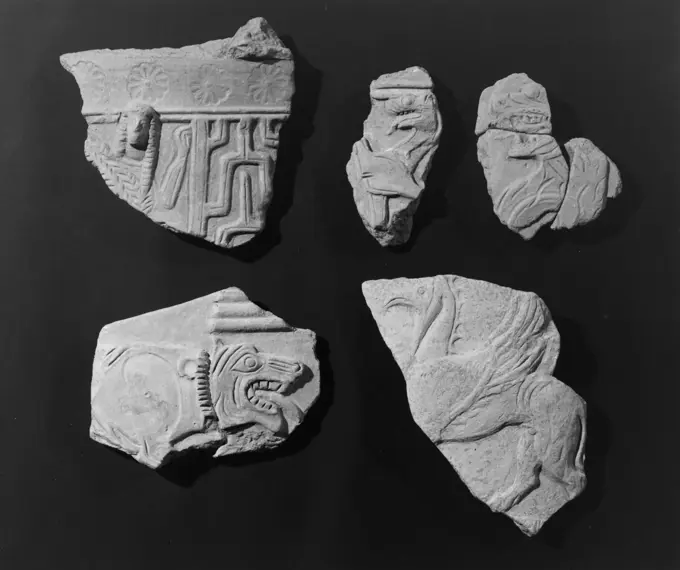
Clay seals and document fragments from ancient Egypt, featuring detailed engravings and historical significance in their intricate designs.
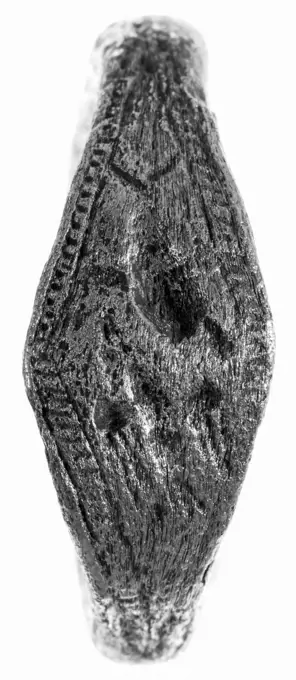
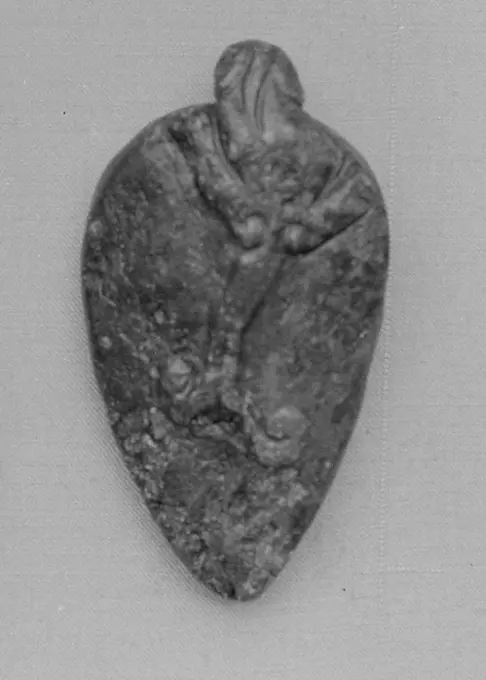
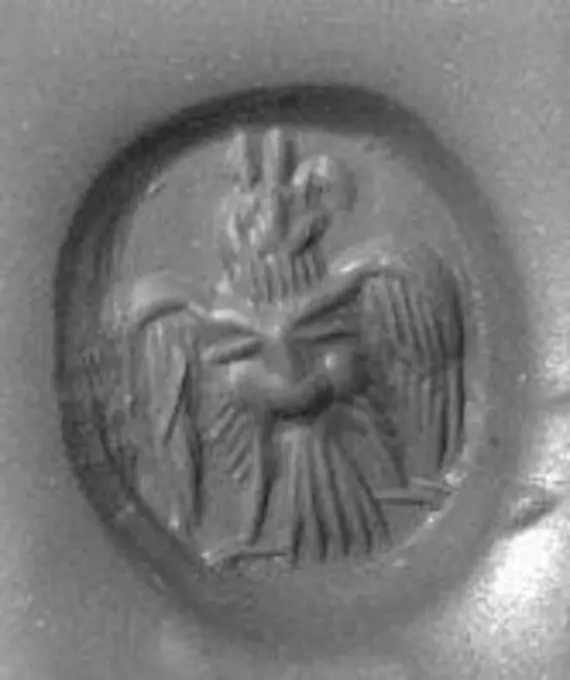
Ring; second half of 6th century B.C; Silver and tin; 2.6 cm, 0.0123 kg (1 in., 0.0271 lb.)
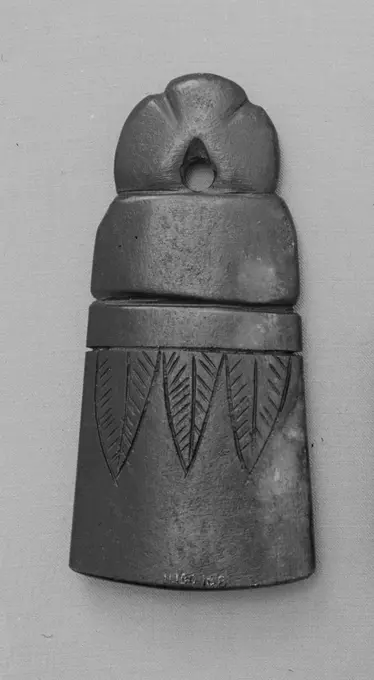
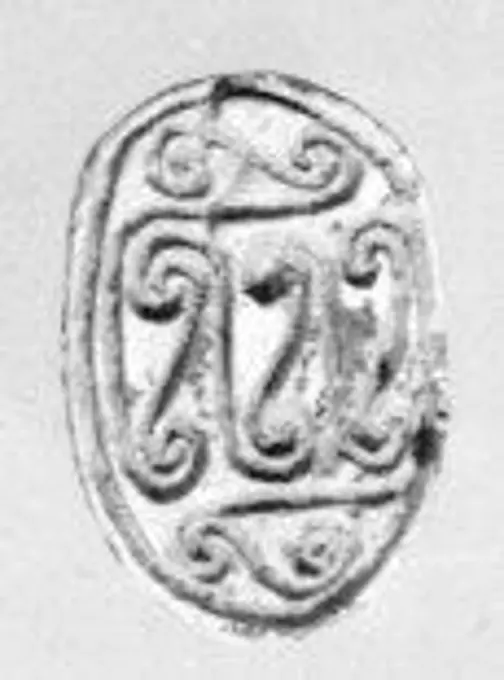
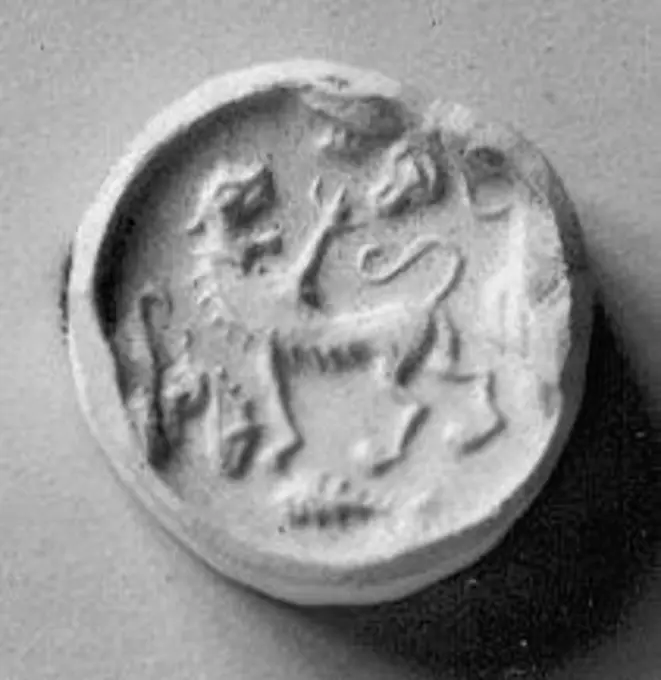
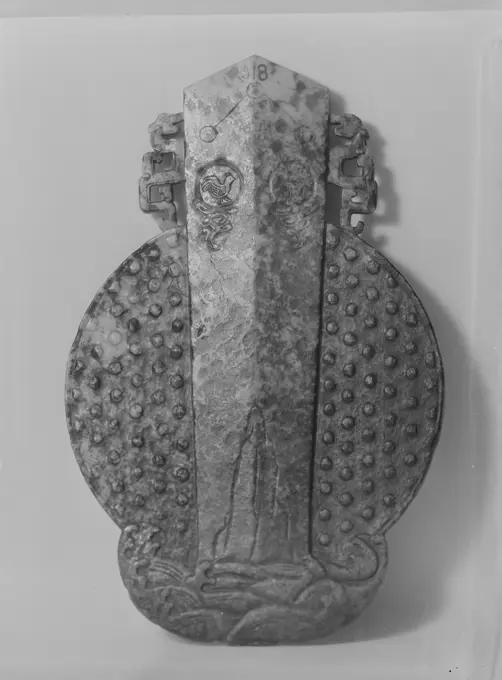
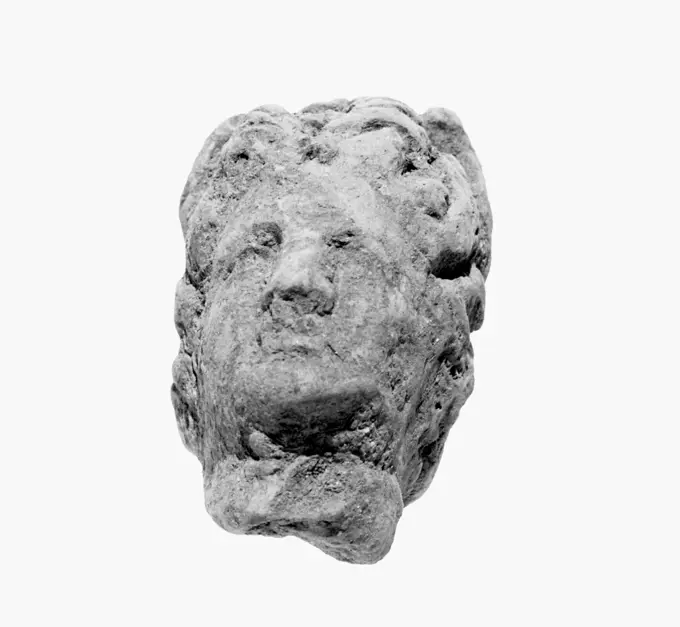
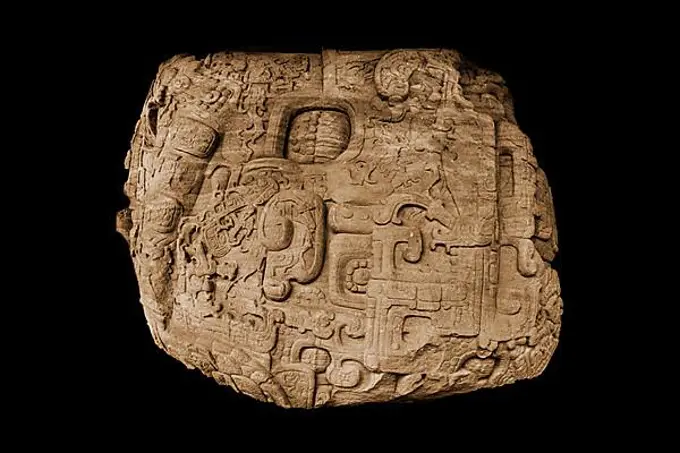
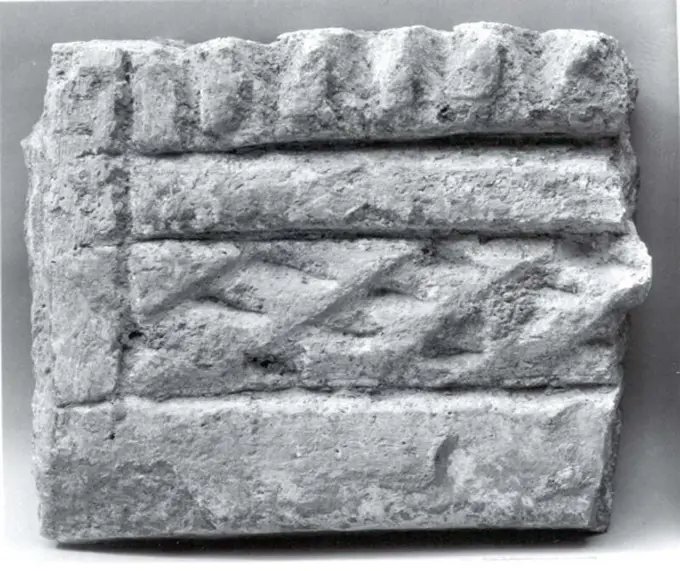
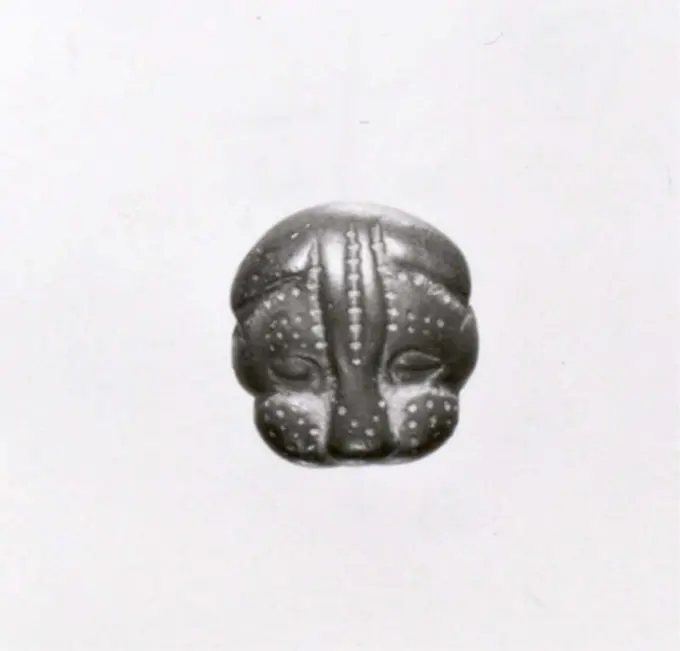
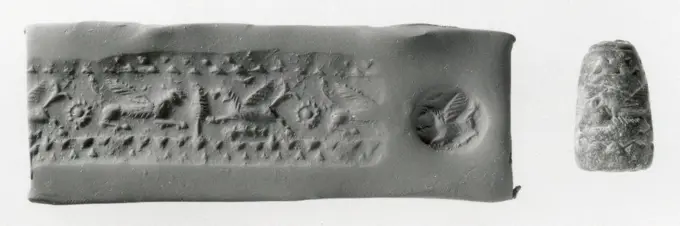
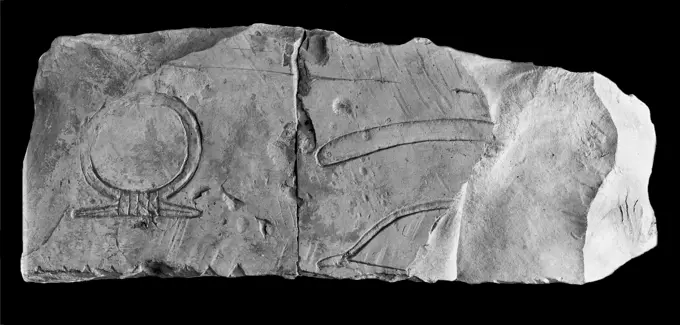
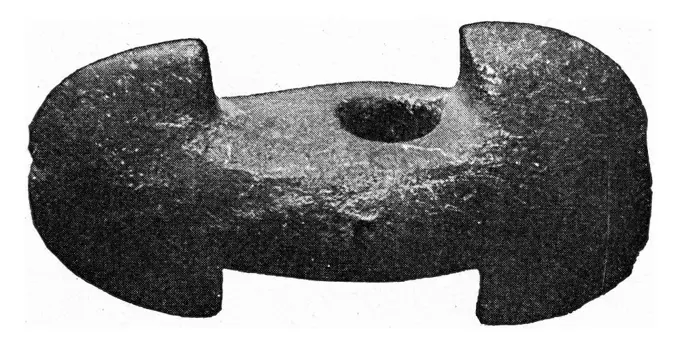
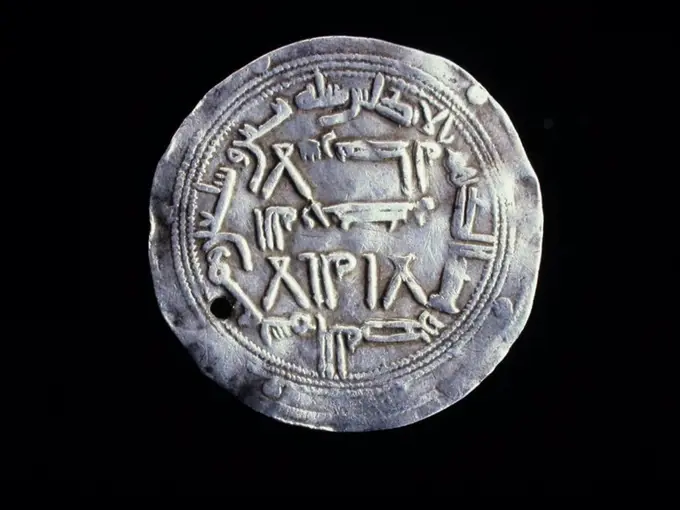
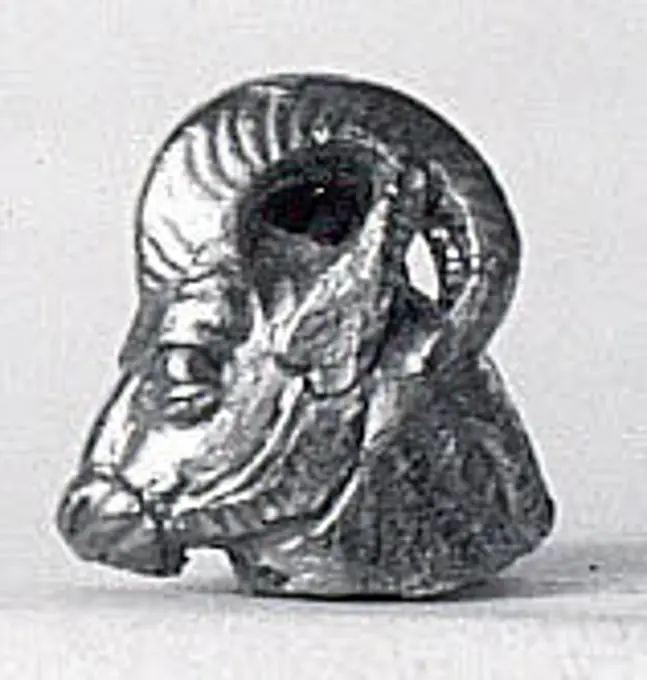
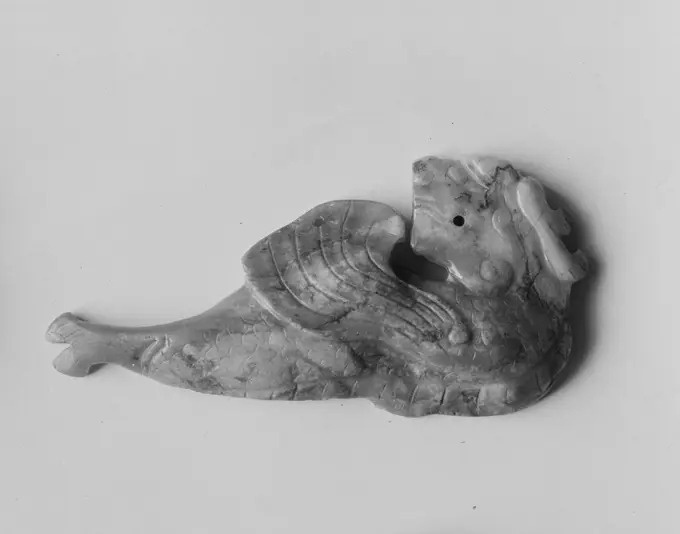
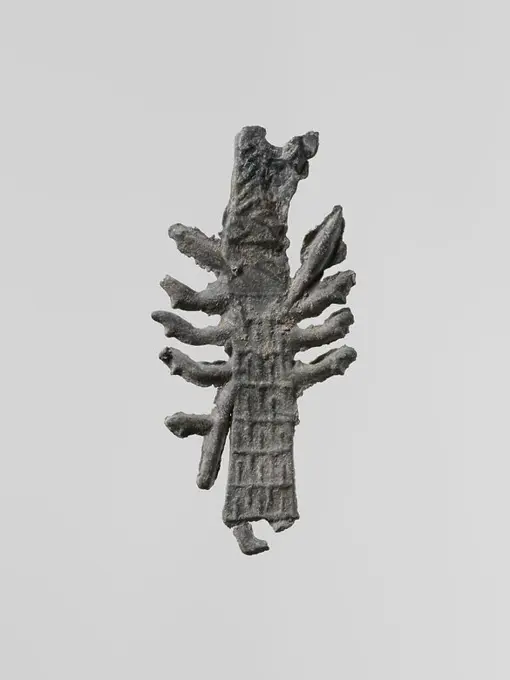
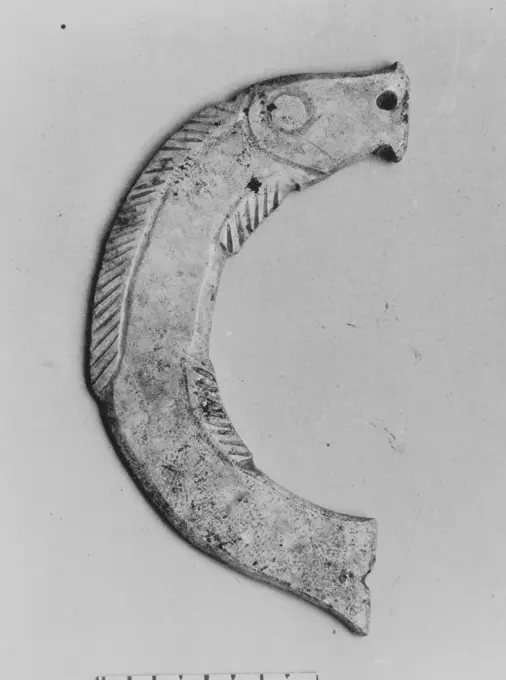
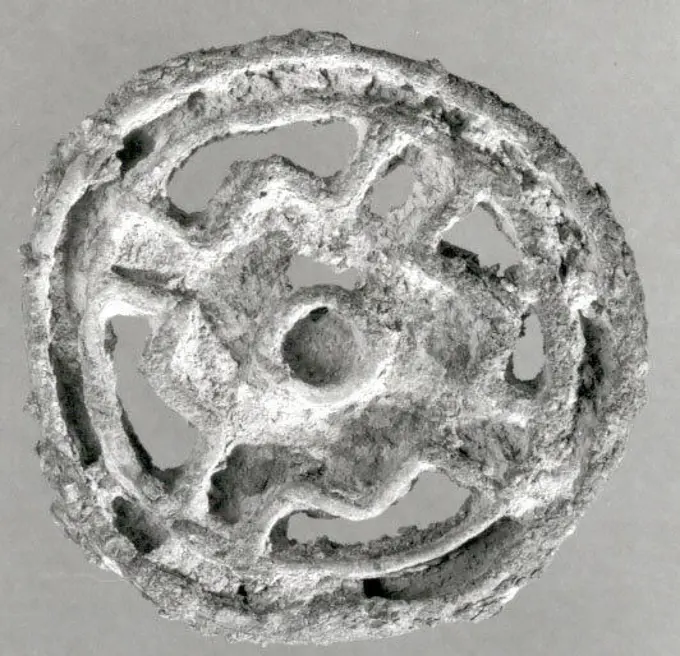
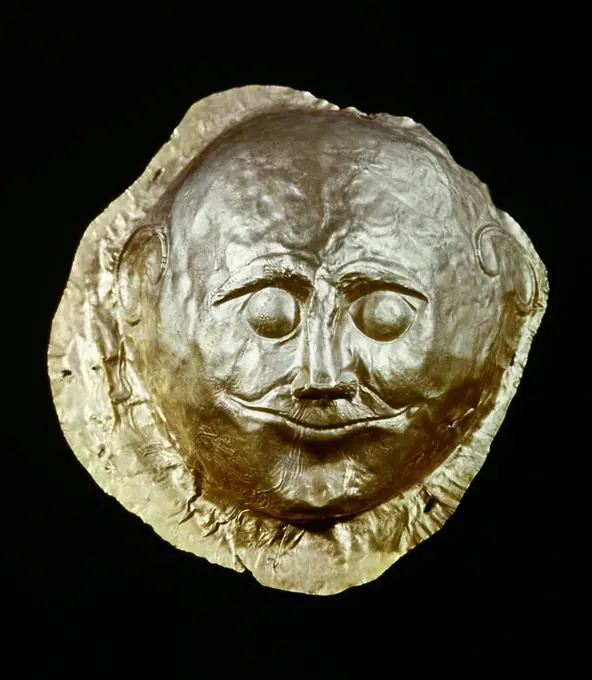
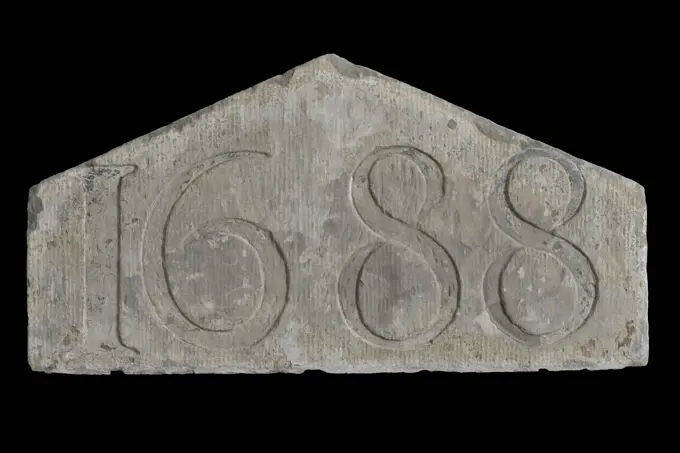
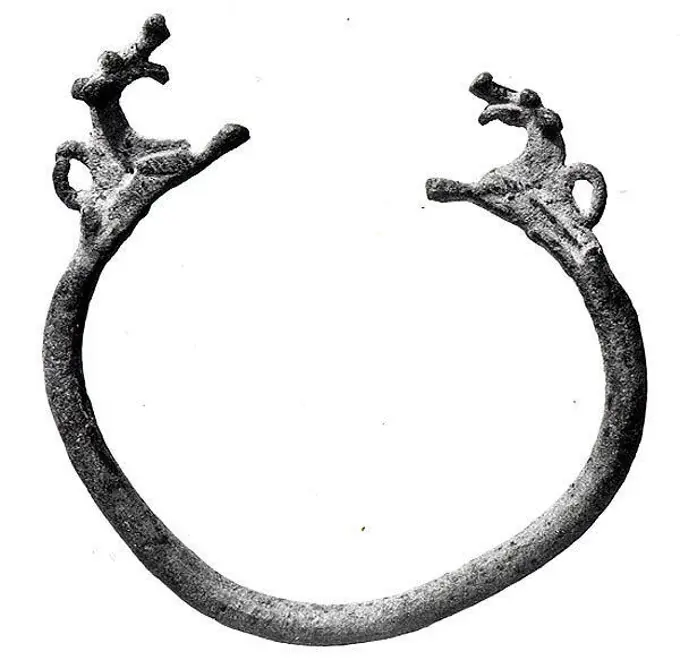
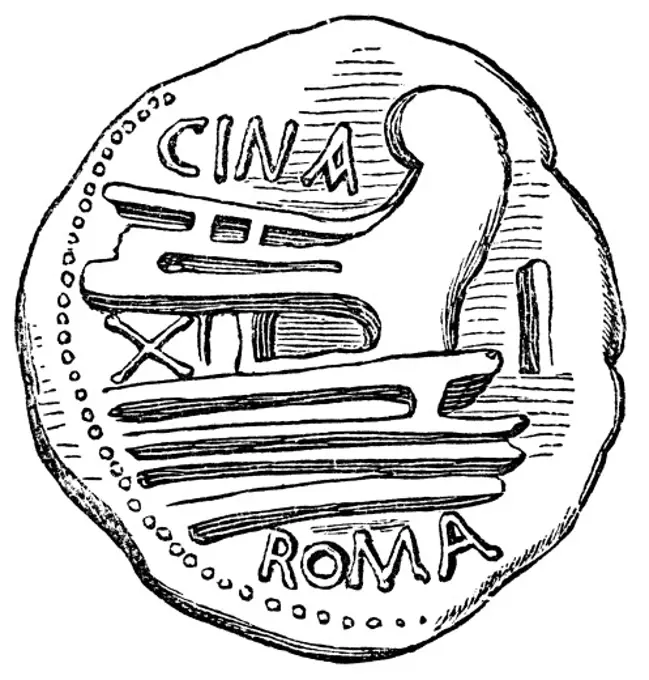
Girdle ornament China. Girdle ornament 43005Girdle ornament China. Girdle ornament 42992Scarab seal ca. 1700-1560 B.C.. Scarab seal. ca. 1700-1560 B.C.. Steatite, white. Dynasty 15-17, 2nd Intermediate Period, Hyksos. Levant, Lachish (modern Tell ed-Duweir)Conoid seal with hammer head handle early 2nd millennium B.C. Old Assyrian Trading Colony. Conoid seal with hammer head handle. Old Assyrian Trading Colony. early 2nd millennium B.C.. Quartzite, brown. Middle Bronze Age-Old Assyrian Trading Colony. Anatolia, probably from Kültepe (Karum Kanesh)Silver pendant in the form of a ram's head 7th-6th century B.C. Greek Small pendant of a ram's head with loop.. Silver pendant in the form of a ram's head. Greek. 7th-6th century B.C.. Gold. Archaic. Gold and SilverSacrificial Tablet China. Sacrificial Tablet. China. Nephrite. Han dynasty (206 B.C.-A.D. 220). JadeCoin 977-82. Coin. 977-82. Silver. From Iran, Nishapur. CoinsHead with Bow Knot. UnknownCoin A.H. 170-93/ A.D. 786-808. Coin. A.H. 170-93/ A.D. 786-808. Copper. Excavated in Iran, Nishapur. CoinsAltar, Zoomorph O, Quirigua, pre-Columbian Mayan city, Quirigua, Izabal, Guatemala, Central AmericaRelief fragment ca. 6th-8th century A.D. Sasanian or Islamic. Relief fragment 322698Cast Gem. UnknownStamp seal ca. 5th-6th century A.D. Sasanian. Stamp seal. Sasanian. ca. 5th-6th century A.D.. Chalcedony, white. Sasanian. Iran or MesopotamiaSealing impressed by stamp seal: geometric pattern, griffin-headed wheel; bearded male sphinx ca. 18th century B.C. Old Assyrian Trading Colony. Sealing impressed by stamp seal: geometric pattern, griffin-headed wheel; bearded male sphinx. Old Assyrian Trading Colony. ca. 18th century B.C.. Un-baked clay. Middle Bronze Age-Old Assyrian Trading Colony. Anatolia, probably from AcemhöyükMarble bowl fragment with Phoenician inscription ca. 389 B.C. Cypriot. Marble bowl fragment with Phoenician inscription 241830Lion head ca. 5th-4th century B.C. Scythian. Lion head 325096Coin 8th-9th century. Coin. 8th-9th century. Copper. Excavated in Iran, Nishapur. CoinsCompartmented stamp seal ca. late 3rd-early 2nd millennium B.C. Bactria-Margiana Archaeological Complex. Compartmented stamp seal 326822Fragmentary Seal Impression from Tutankhamun's Embalming Cache. Dimensions: L. 3 cm (1 3/16 in.); W. 2 cm (13/16 in.). Dynasty: Dynasty 18. Reign: reign of Tutankhamun. Date: ca. 1336-1327 B.C..This mud sealing has the impression of a seal with the name of Tutankhamun and the epithet "beloved of Ptah.". Museum: Metropolitan Museum of Art, New York, USA.NUMISMATICA. MONEDA VISIGODA. MOLDE.Stamp seal (scaraboid) with geometric design 9th - 7th century B.C. Phoenician. Stamp seal (scaraboid) with geometric design. Phoenician. 9th - 7th century B.C.. Steatite, black. Iron Age II. Levant or SyriaFemale Head. UnknownSnuff bottle with stopper 18th century China. Snuff bottle with stopper 41175Satire of the Colony of Icaria Founded in Texas by Etienne Cabet (1788-1856), 1848 (dummy title) Anonymous. Satire of the Icarie colony founded in Texas by Etienne Cabet (1788-1856), 1848.Votive Plaque ca. 8th century or later Tibet. Votive Plaque. Tibet. ca. 8th century or later. Clay. SculptureFragment stemplowanego imadła amfory. Artemidoros III (ca 255-ca 205 a.C.), potter's workshopFemale figurine - fragment. unknown, craftsmanBody Fragment of a Relief Pithos. UnknownFemale Head. UnknownGauntlets and Accessories 18th century Japanese. Gauntlets and Accessories. Japanese. 18th century. Iron, chainmail. Armor PartsCoin A.H. 716-36/ A.D. 1316-35. Coin. A.H. 716-36/ A.D. 1316-35. Copper. Excavated in Iran, Nishapur. CoinsLampka oliwna. unknown, authorCoin probably A.H. 387/ A.D. 997. Coin. probably A.H. 387/ A.D. 997. Silver. Excavated in Iran, Nishapur. CoinsConoid stamp-cylinder seal with monsters ca. 8th-7th century B.C. Urartian. Conoid stamp-cylinder seal with monsters 326624Collection Dutch Heidematschappij. Insects, damage, oak pin beetle. undatedSunk relief fragment 664-610 B.C. Late Period, Saite see 23.3.468. Sunk relief fragment. 664-610 B.C.. Limestone, varnish. Late Period, Saite. From Egypt, Upper Egypt, Thebes, Deir el-Bahri, Tomb of Nespekashuty (TT 312, MMA 509), Lunette, 2nd chamber, MMA excavations, 1922-23. Dynasty 26Hammer stone ax with a hole drilled for the handle, vintage engraved illustration. From the Universe and Humanity, 1910.Coin A.H. 160-63/ A.D. 776-79. Coin. A.H. 160-63/ A.D. 776-79. Copper. Excavated in Iran, Nishapur. CoinsNUMISMATICA. MONEDA HISPANO-ARABE. DIRHAM DE PLATA, DE AL-HAKAN I. ANVERSO. 181 HEGIRA/798 D.C. (DEPOSITO: MUSEO ARQUEOLOGICO NACIONAL).Stamp seal ca. 3rd-7th century A.D. Sasanian. Stamp seal. Sasanian. ca. 3rd-7th century A.D.. Chalcedony, gray. Sasanian. Iran or MesopotamiaDisk China. Disk 61957Stamp seal ca. 14th century B.C. Iran. Stamp seal. Iran. ca. 14th century B.C.. Glass paste. Iron Age I. Iran, Qasr-i Abu NasrStamp-cylinder seal (with loop handle) with monsters ca. 8th-7th century B.C. Urartian. Stamp-cylinder seal (with loop handle) with monsters. Urartian. ca. 8th-7th century B.C.. Chrysotite. Iron Age II. UrartuBoss ca. 9th century B.C. Iran. Boss 325039Mayan stone disk monument from Tonina, s a pre-Columbian archaeological site and ruined city of the Maya civilization. located in what is now the Mexican state of Chiapas, 600-900 BCHead of a wild ram ca. 6th-4th century B.C. Achaemenid This gold rams head sculpture is in the round. It has curved horns with incised decorations, pointed ears, chased details on its face, and a shaggy beard. Given the small size of the head it is difficult to say much about how it was made. It was most likely hammered from a single sheet of gold, with many details added later by chasing. The line of the neck is not completely straight, suggesting that it may have once been part of a larger figure.Goats, specifically wild mountain goats, were an important aspect of ancient Persian iconography. Unlike Mesopotamia, which is flat, Iran has many mountains, and mountain goats, with their distinctive curved horns, became important markers of Iranian identity, even before the region came to be known as ‘Iran.. Head of a wild ram. Achaemenid. ca. 6th-4th century B.C.. Gold. Achaemenid. Iran (?)Girdle pendant China. Girdle pendant 43098Attic Black-Figure Vase Fragment. UnknownSealing ca. 7th century A.D. Sasanian. Sealing 323311Lead figure of a goddess with a spear and aegis, probably Athena. Culture: Greek, Laconian. Dimensions: Height: 1 7/8 in. (4.8 cm). Date: 6th-5th century B.C..Small flat votive figurines of cast lead have been found in great quantities at the ancient sanctuaries of Laconia; over one hundred thousand, dating from the seventh century B.C. to the Classical period, were dedicated to the goddess Artemis Orthia in Sparta. Museum: Metropolitan Museum of Art, New York, USA.Cylinder seal ca. 1640-1550 B.C. Second Intermediate Period. Cylinder seal. ca. 1640-1550 B.C.. Black steatite. Second Intermediate Period. From Egypt. Dynasty 13-17Plaque in the shape of a fish China. Plaque in the shape of a fish. China. Jade (nephrite). Shang (ca. 1600-1046 B.C.)-(Western Zhou dynasty (1046-771 B.C.). JadeTile China. Tile 51983Compartmented stamp seal ca. late 3rd-early 2nd millennium B.C. Bactria-Margiana Archaeological Complex. Compartmented stamp seal 326408Belt clasp ca. A.D. 1st-2nd century. Belt clasp 322501Head with Wreath. UnknownRoof tile fragment with dragon 16th-17th century China. Roof tile fragment with dragon 48288Mirror with Grapes and Fantastic Sea Animals 8th century China. Mirror with Grapes and Fantastic Sea Animals 49587Funerary mask in gold foil by embossing. Tomb IV. Circle A. 16th century BC. Royal Tombs of Mycenae. National Archaeological Museum. Athens, Greece.Campania Caserta Capua Museo Campano18. Hutzel, Max 1960-1990 Medieval: Byzantine architectural fragments; parchment fragments with miniatures (12th century) from Montecassino; painted wooden crucifix (13th century); Carolingian crucifixes; Bishop's miter (11th century) of gold and silver damask; fresco (13th century). Post-medieval: Architecture (15th century). Formerly the Palazzo Antignano. Unusual Catalan/Moorish-style portal; Paintings on panel and canvas (15th-18th centuries); marble intarsia (16th century); marble sculpture: busts of Christ and Mary (17th century); sculpture of saints in marble and in wood (15th century); painted and gilded sculpture in wood; marble grave sculpture (16th century); sarcophagus with allegorical carvings; gold reliquary "Rosa d'Oro"; crucifix made of elephant tusk Specific Location: Pianterreno Antiquities: Italic sculpture (seated women holding babies); inscription. Photo campaign #1: 533 photos. Roman relief and sculpture; cinerary urns; Greek anCoin A.H. 366-87/ A.D. 976-97. Coin. A.H. 366-87/ A.D. 976-97. Copper. Excavated in Iran, Nishapur. CoinsStamp seal ca. 6th-4th century B.C.. Stamp seal. ca. 6th-4th century B.C.. Agate. Iron Age, Phoenicia (). Levant or SyriaThe so-called dead man's shoe from a coffin of the Alemannic graves on Mount Lupfen near Oberschlacht, Germany, digitally restored reproduction of an ...Stamp seal ca. 5th-7th century A.D. Sasanian. Stamp seal. Sasanian. ca. 5th-7th century A.D.. Stone. Sasanian. IranBook clasp 18th century possibly Dutch. Book clasp 192395Examples of early Roman currency in the form of bars. Dated 4th Century B.C.Radiant Sun Dispelling Clouds reverse. Dated: c. 1575. Dimensions: overall (diameter): 4.08 cm (1 5/8 in.) gross weight: 23.52 gr (0.052 lb.) axis: 12:00. Medium: bronze. Museum: National Gallery of Art, Washington DC. Author: Neapolitan 16th Century.Year stone 1688, facade stone building component sandstone stone, minced Rotterdam Stadsdriehoek City center Spui Sint Laurensstraat Originating from the corner house at Westzijde Spui corner Sint Laurensstraat Rotterdam demolished 1926; cadastre no. I 367.Bracelet with animal terminals ca. 8th-7th century B.C. Iran This bronze bracelet has terminals in the form of stylized animals. The animals have elongated snouts, open mouths, bulging eyes, long necks and extended forelegs. A ring emerges from the back of each. Although the animals are difficult to identify on account of their condition and stylized form, comparison with other bracelets and metal objects attributed to Luristan suggests that they are lions.This bracelet was excavated at Surkh Dum, a settlement site in Luristan in the Zagros Mountains of western Iran. It was part of a large hoard of objects buried beneath a doorjamb in a structure interpreted as a sanctuary; thus the objects were probably offerings made for a god.Lion imagery is a common feature in ancient Iranian art. In Elamite and Achaemenid art lions were associated with kingship. They also figure prominently in the bronzework that is frequently attributed to Luristan in the Iron Age, where they may symbolize the poStamp seal ca. 5th-3rd century B.C. Achaemenid. Stamp seal. Achaemenid. ca. 5th-3rd century B.C.. Stone, white. Achaemenid. Syria or AnatoliaStamp seal (scaraboid) with animals 9th - 7th century B.C. Syro-Anatolian-Levantine or Neo-Assyrian. Stamp seal (scaraboid) with animals. Syro-Anatolian-Levantine or Neo-Assyrian. 9th - 7th century B.C.. Glass. Iron Age II. Northern Syria or southeastern AnatoliaStamp seal (bifacial disk) with animals and divine symbols 7th century B.C. Assyrian. Stamp seal (bifacial disk) with animals and divine symbols. Assyrian. 7th century B.C.. Steatite, brown. Neo-Assyrian. Mesopotamia or SyriaFinial in shape of dragons head China. Finial in shape of dragons head 61080Sea urchin fossil, Echinoidea, Libyan Desert, Egypt.Attic Red-Figure Cup Type C. Apollodoros (Greek (Attic), active about 500 B.C.)The square and compasses symbol of the Freemasons etched on a wall at the Hudson Bay Comapny's Prince of Wales Fort, in Churchill, Manitoba, Canada.Drilled gabled lentoid seal ca. 3500-2900 B.C.. Drilled gabled lentoid seal. ca. 3500-2900 B.C.. Steatite, light green. Late Uruk-Jemdet Nasr. Iran or Mesopotamiamoney / finances, coins, ancient world, Roman Empire, as, reverse, image of a ram bow, 169 - 158 BC, coin by moneyer Lucius Cornelius Cinna, wood engraving, 19th century,Stamp seal ca. 3rd-7th century A.D. Sasanian. Stamp seal. Sasanian. ca. 3rd-7th century A.D.. Carnelian. Sasanian. Iran or MesopotamiaStamp seal ca. 5th-7th century A.D. Sasanian. Stamp seal. Sasanian. ca. 5th-7th century A.D.. Stone. Sasanian. IranPateen, found in the grave of St. Bernulphus in the choir of the St. Pieterskerk in Utrecht, Anonymous, c. 1050 Silver Pateen. On the Pateen, the edge of which is damaged, a cross and the hand of God are engraved. Northern Netherlands (possibly) silver (metal) engraving  Sint-Pieterskerk Silver Pateen. On the Pateen, the edge of which is damaged, a cross and the hand of God are engraved. Northern Netherlands (possibly) silver (metal) engraving  Sint-PieterskerkClose-up of a medal, Medal of Honor Memorial, Indianapolis, Indiana, USAStamp seal ca. 3rd-7th century A.D. Sasanian. Stamp seal. Sasanian. ca. 3rd-7th century A.D.. Carnelian. Sasanian. Iran, Qasr-i Abu Nasrseal of Antoni Węglewski, Starost of Chełm. Węgleński, Antoni (fl. ca 1769), signatoryTile Providential Tile Works. Tile, 1895. Glazed earthenware, diameter: 4 3/8 in. (11.1 cm).   Decorative Arts 1895