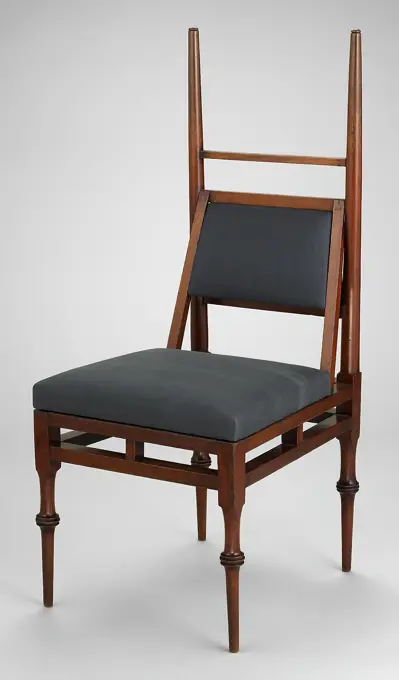
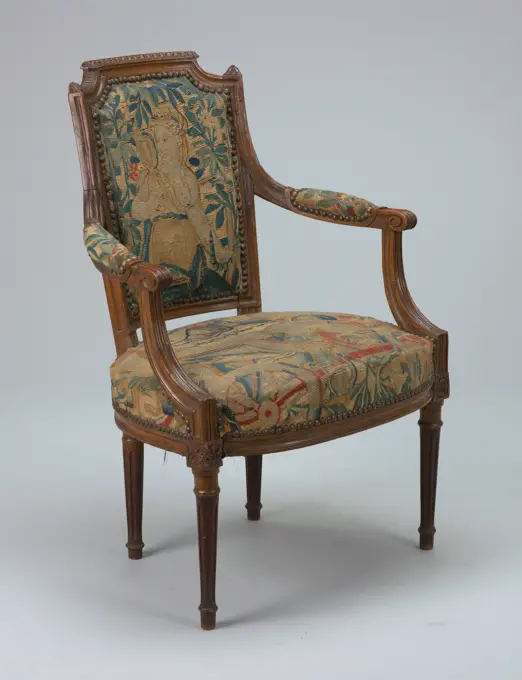
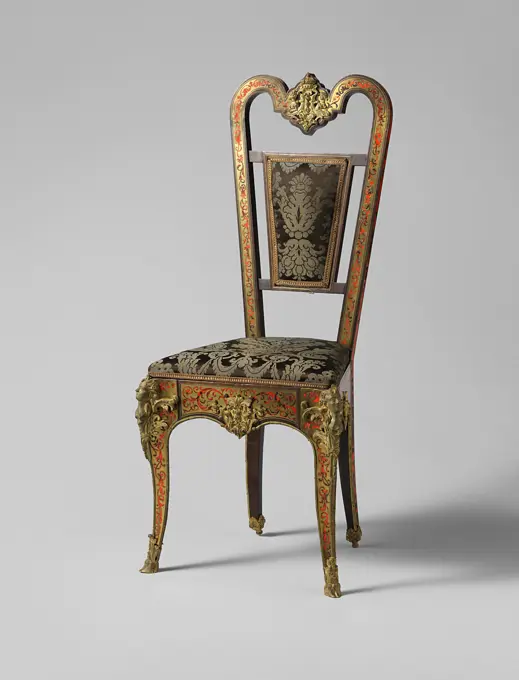
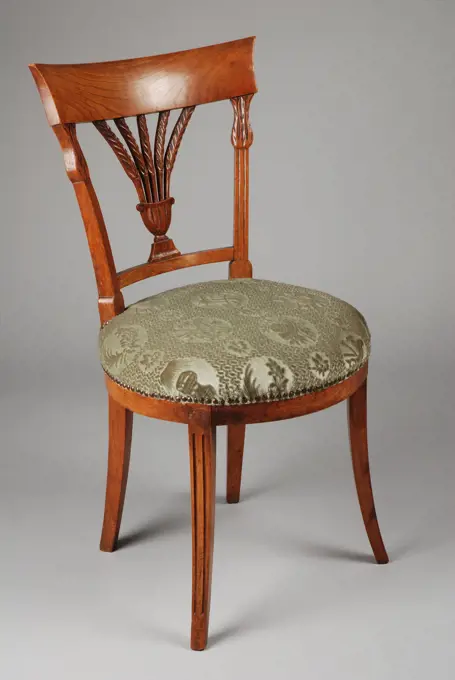
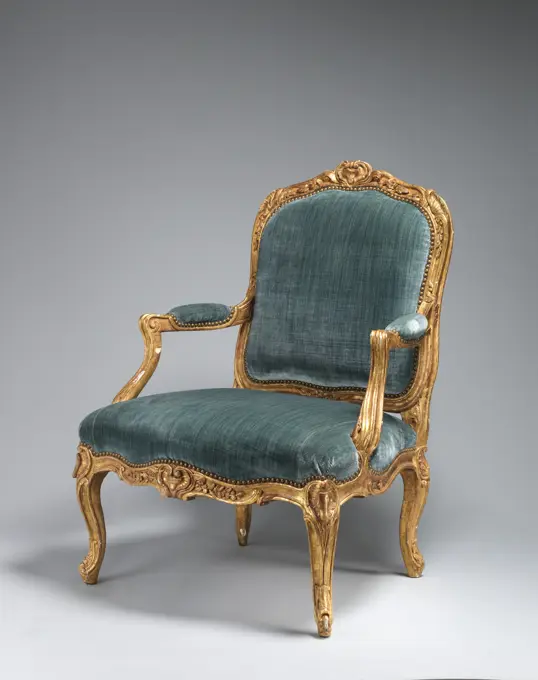
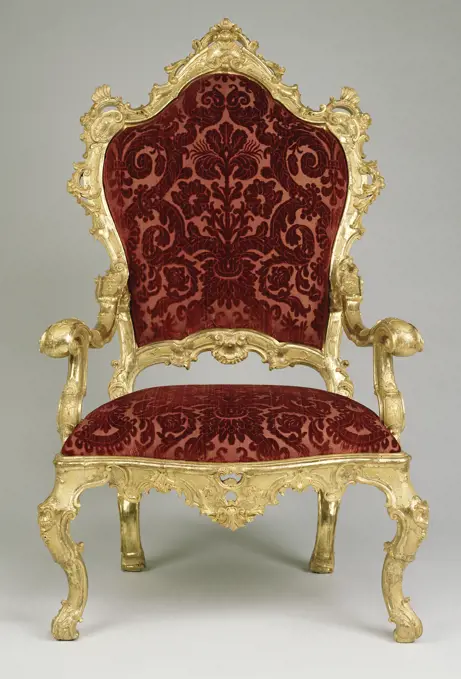
Elaborate Wooden Armchairs

A collection of intricately designed wooden armchairs featuring ornate carvings, velvet upholstery, and varying historical styles, emphasizing craftsmanship over comfort.
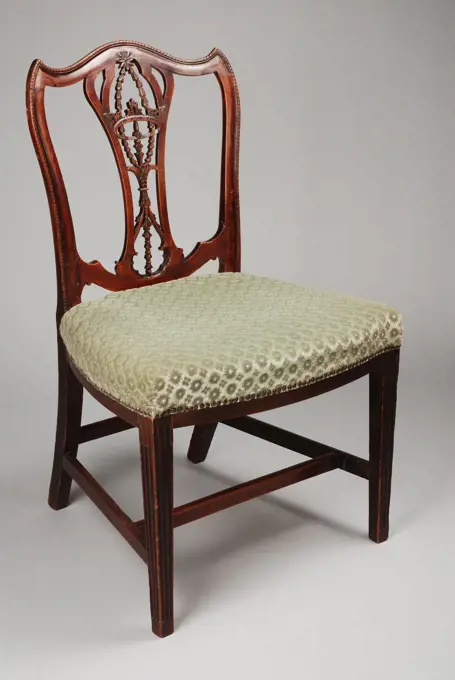
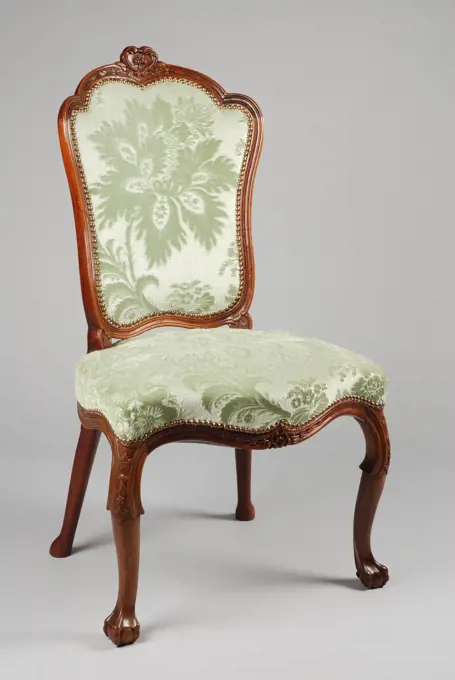
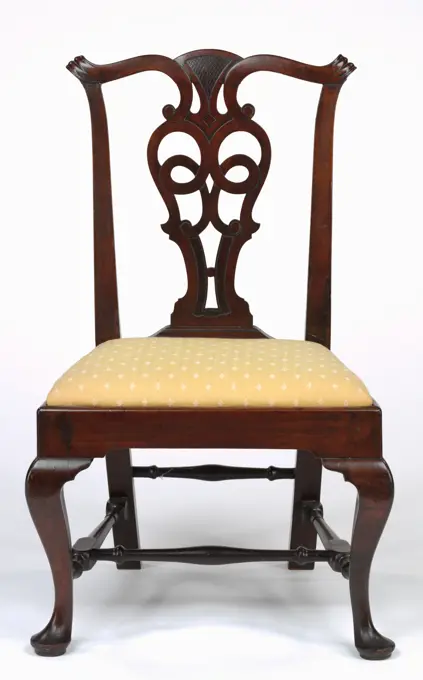
Mahogany straight Chippendale chair, straight-seat chair seat furniture furniture interior design wood mahogany beechwood velvet brass, Openwork back in which crown and garlands light green velor upholstery rejuvenated front legs with cannelures Chippendale
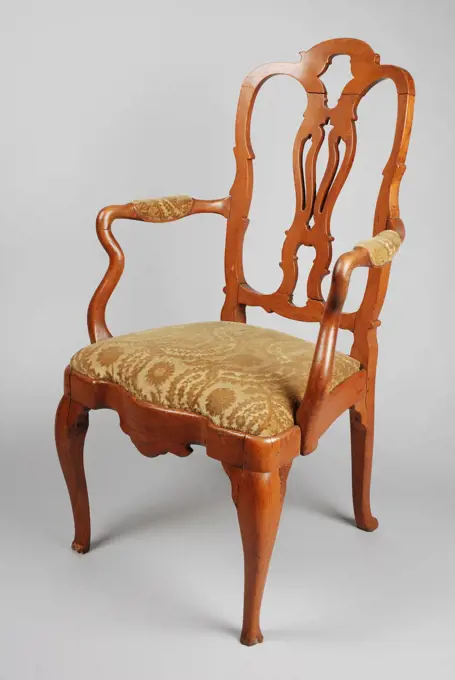
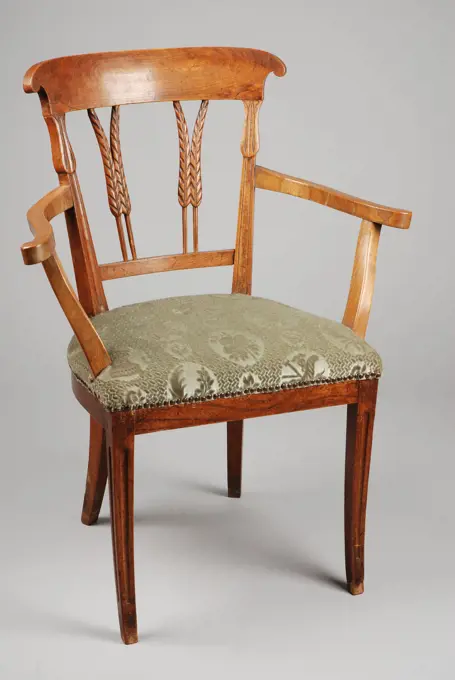
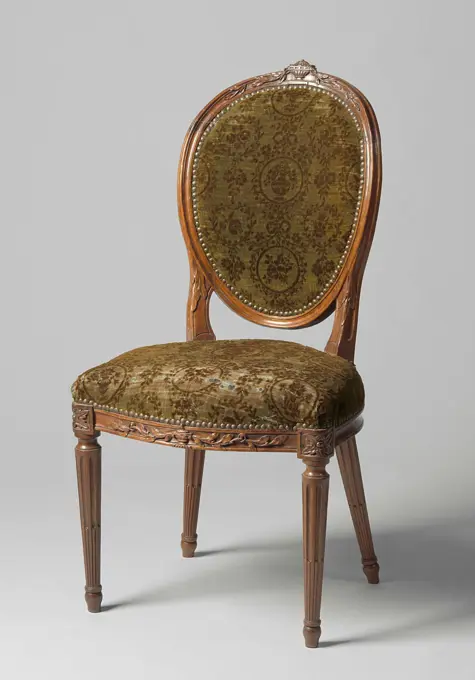
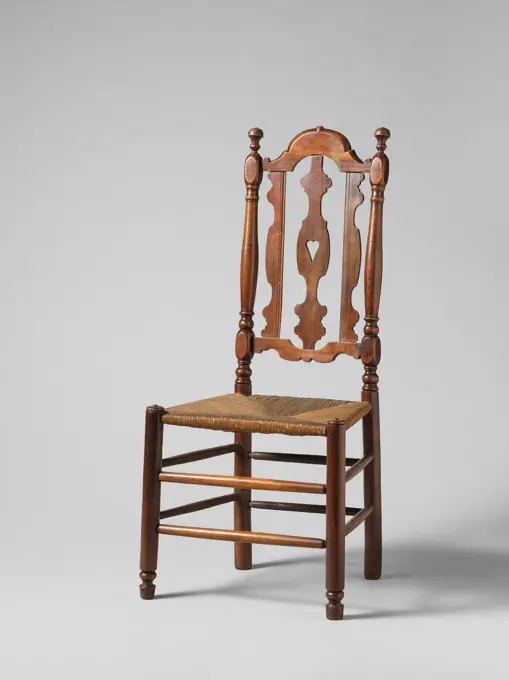
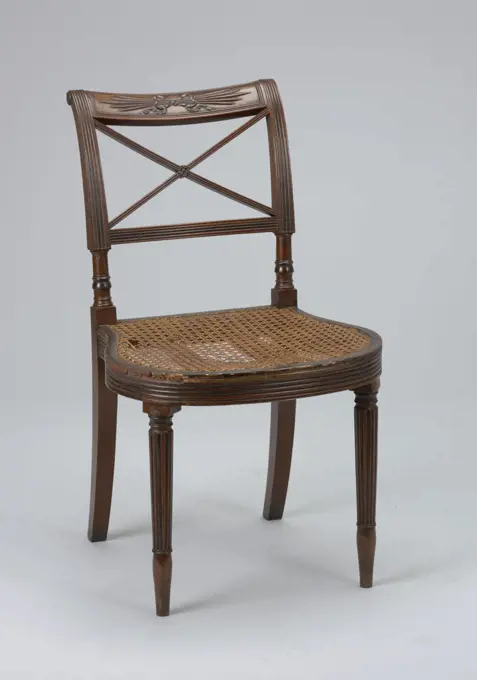
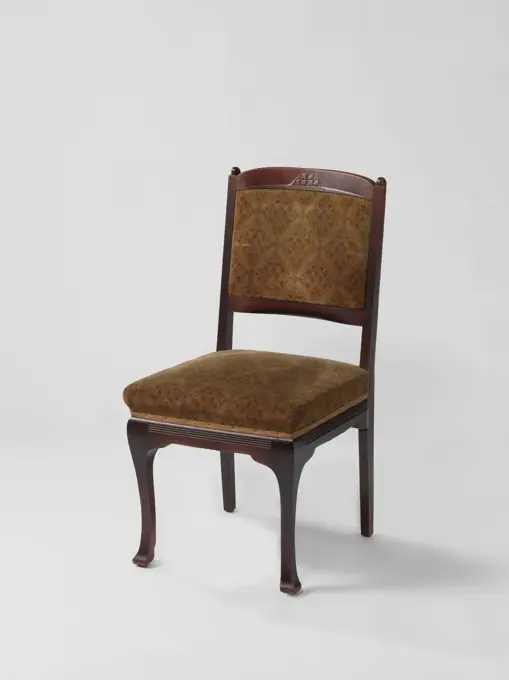
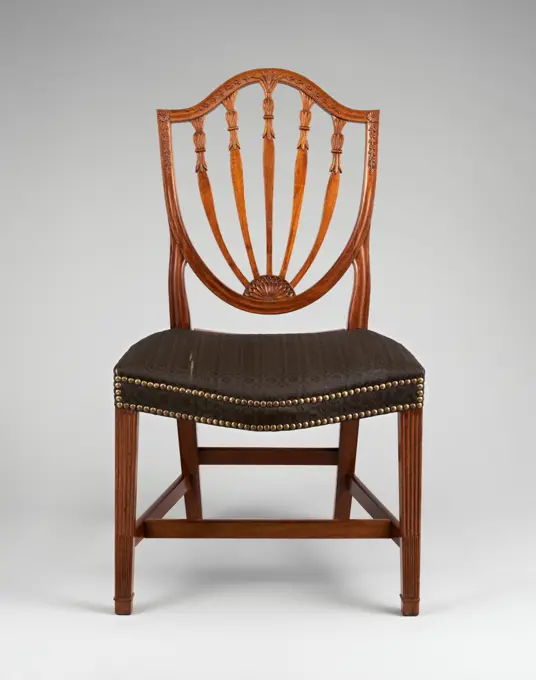
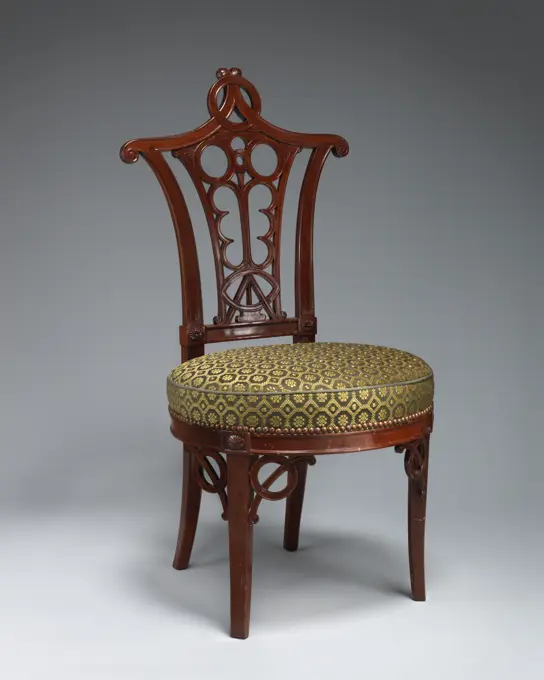
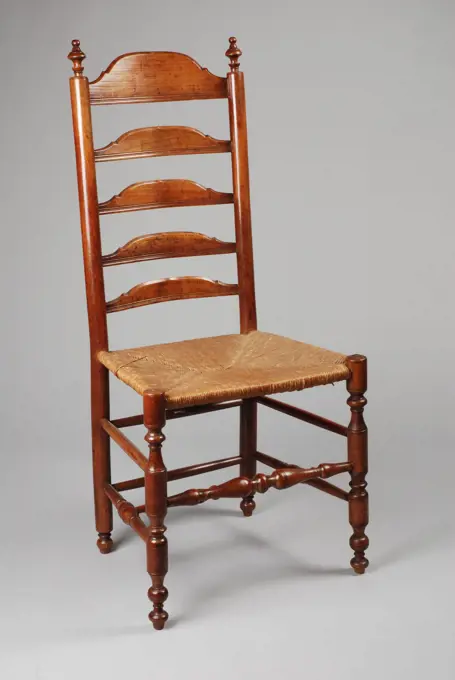
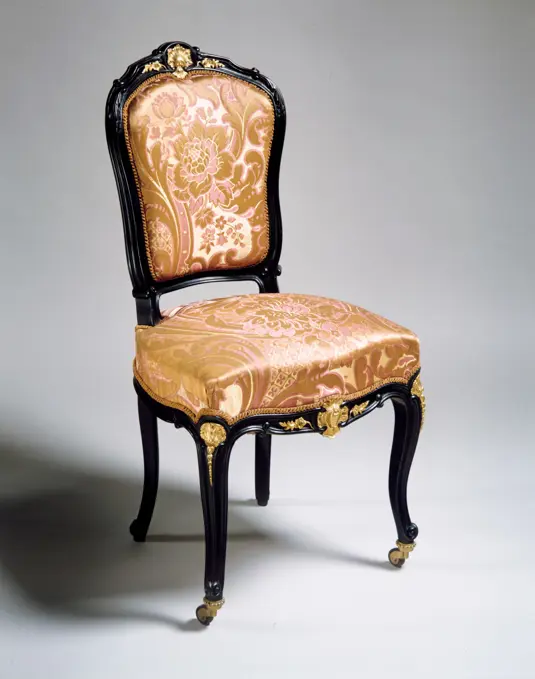
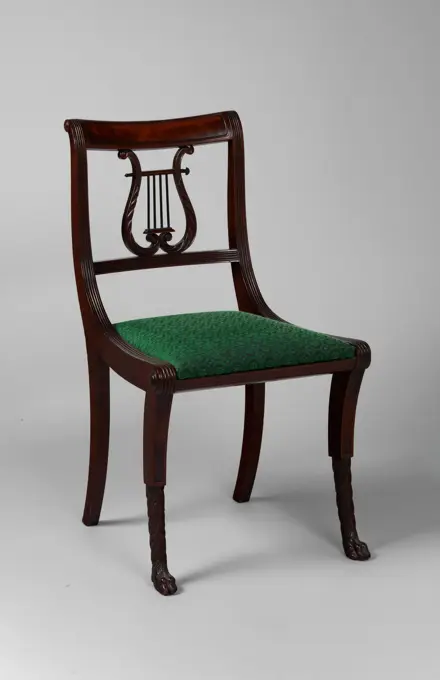
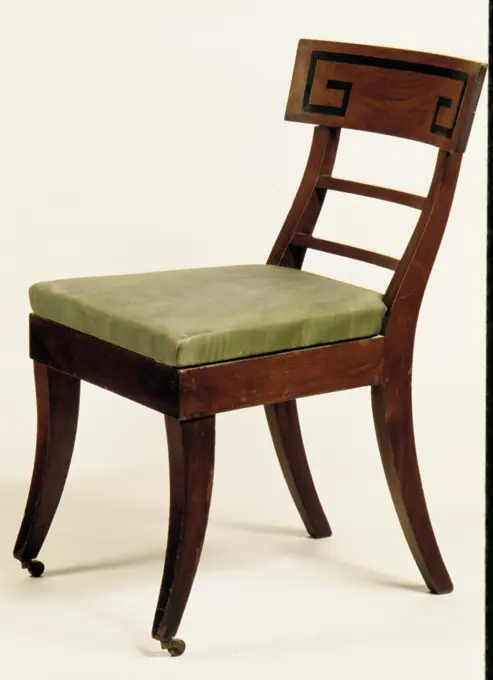
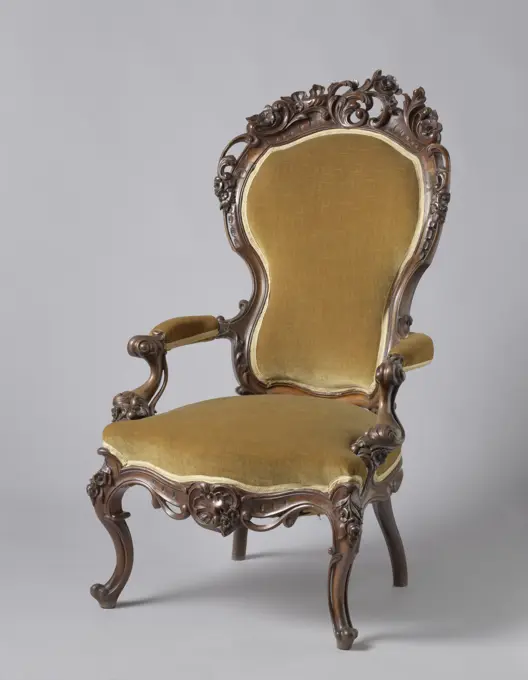
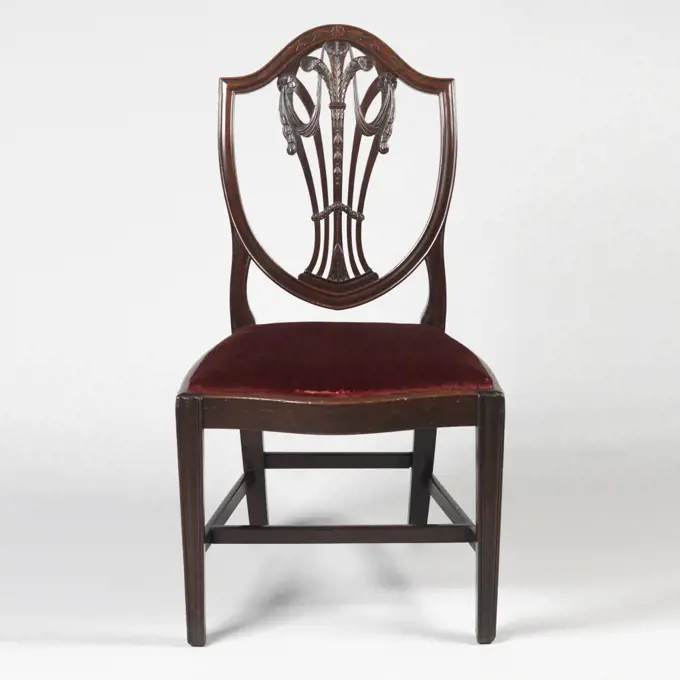
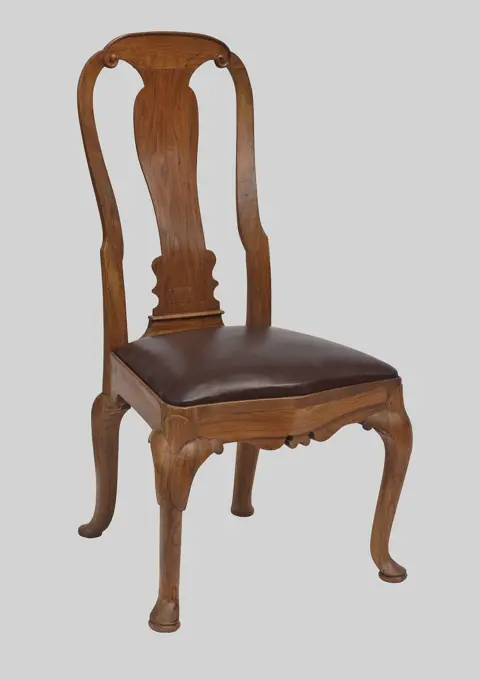
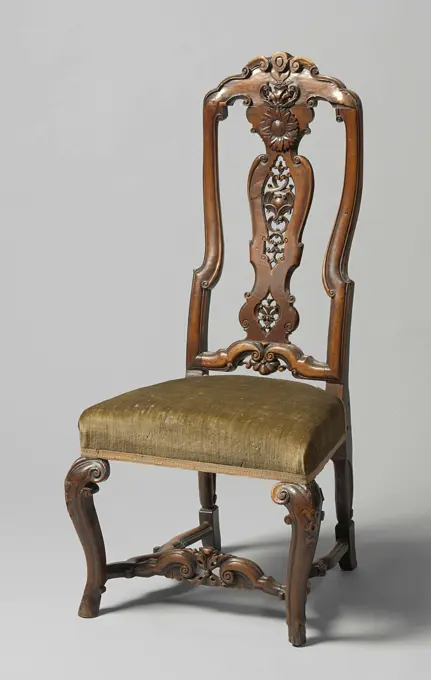
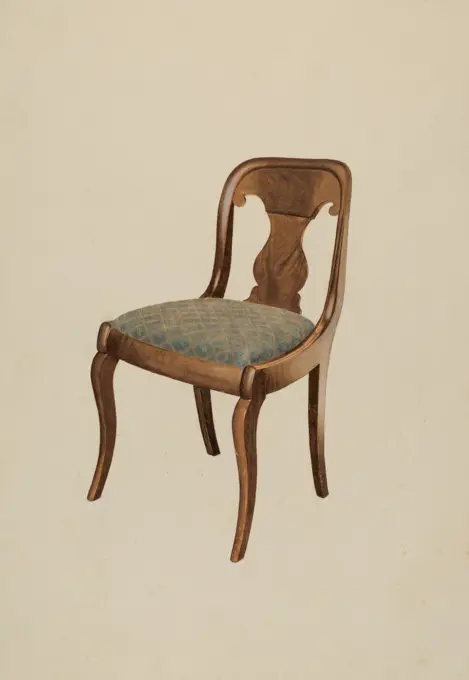
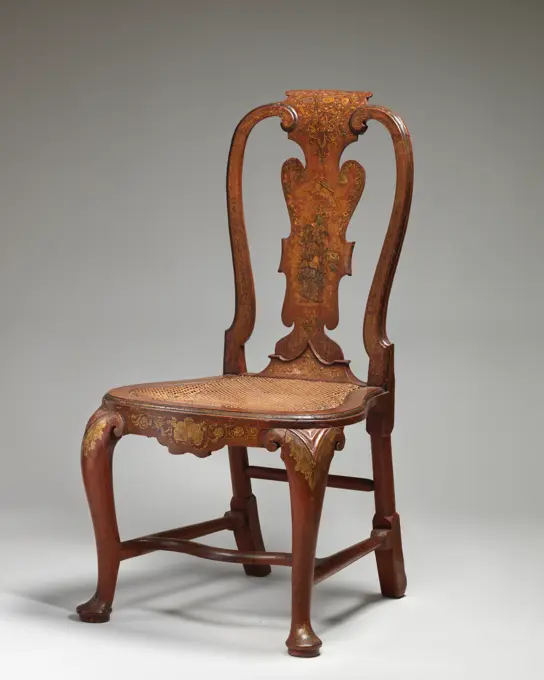
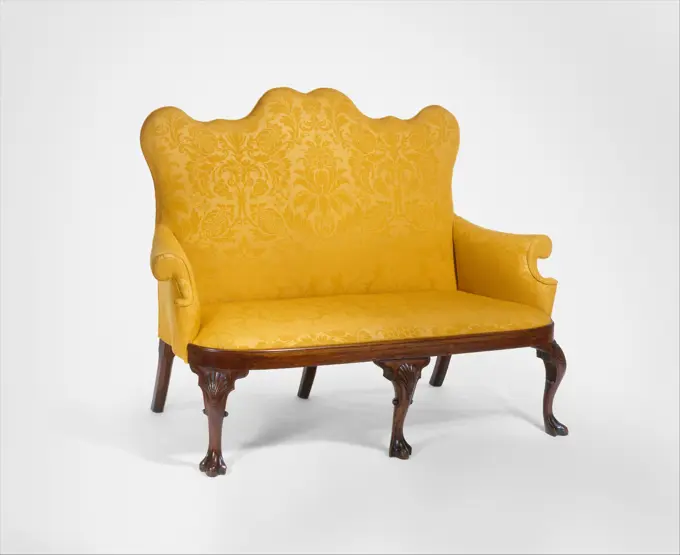
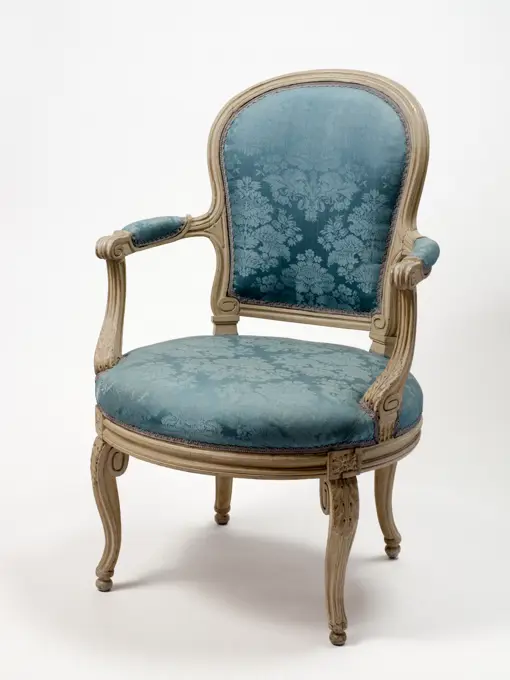
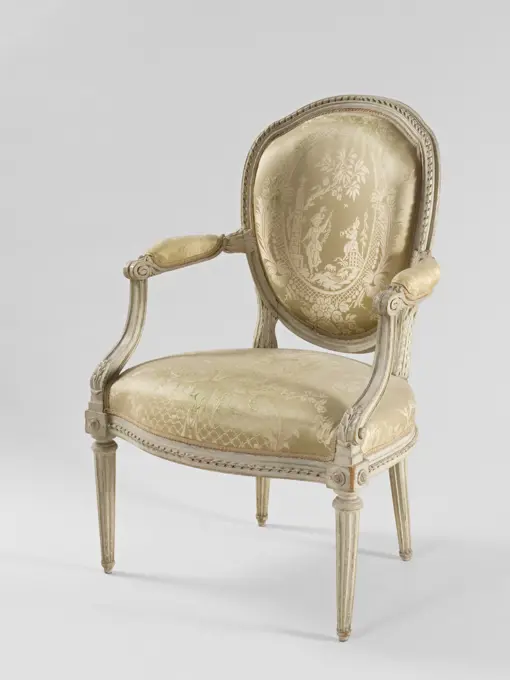
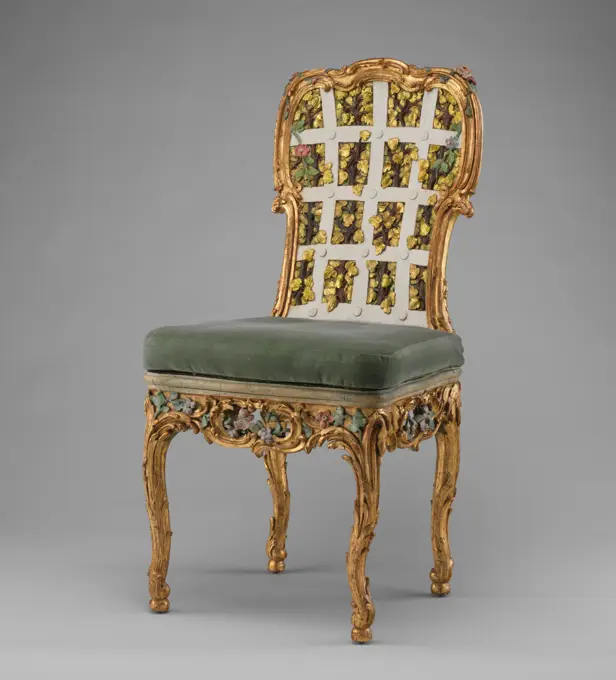
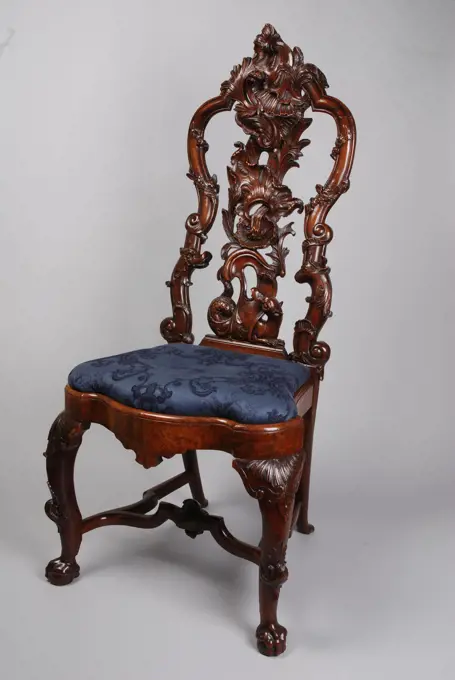
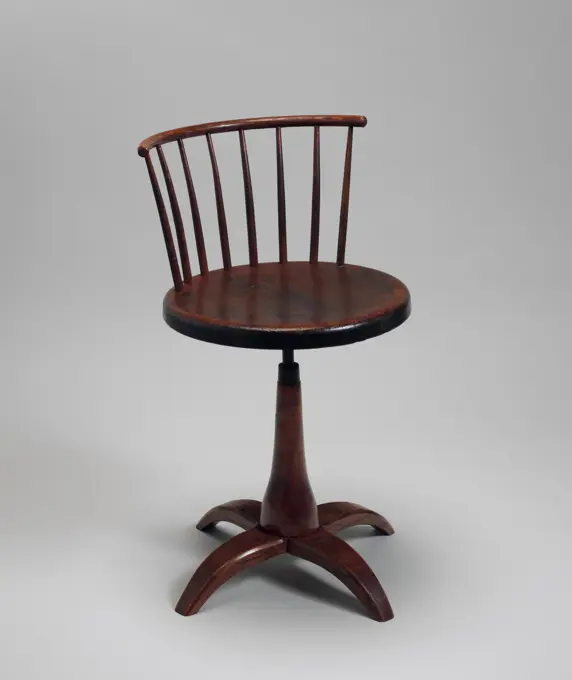
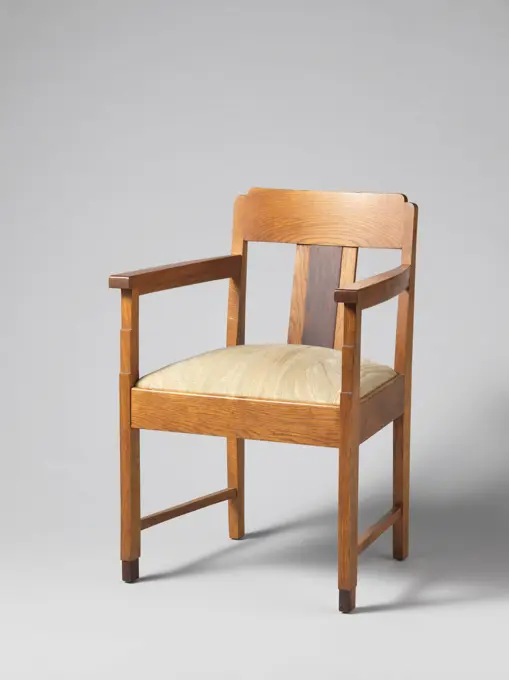
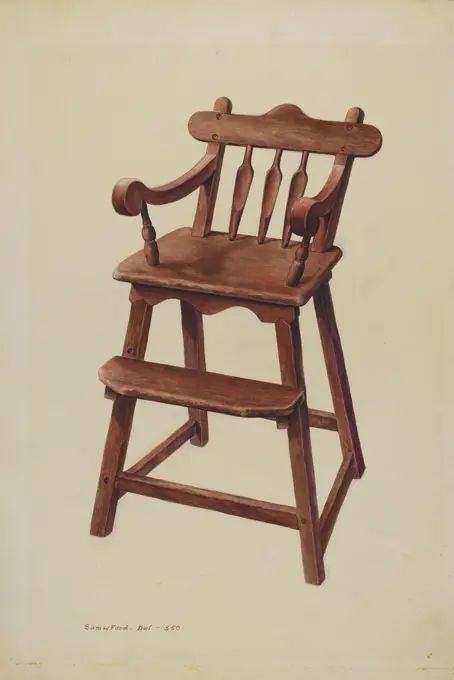
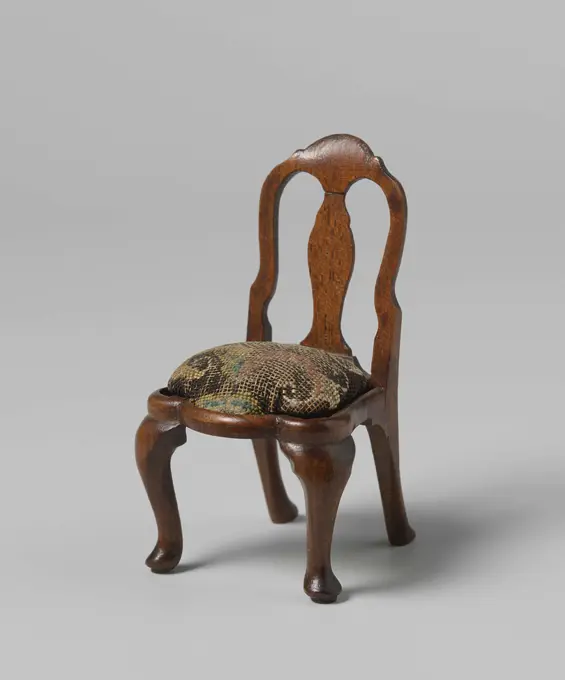
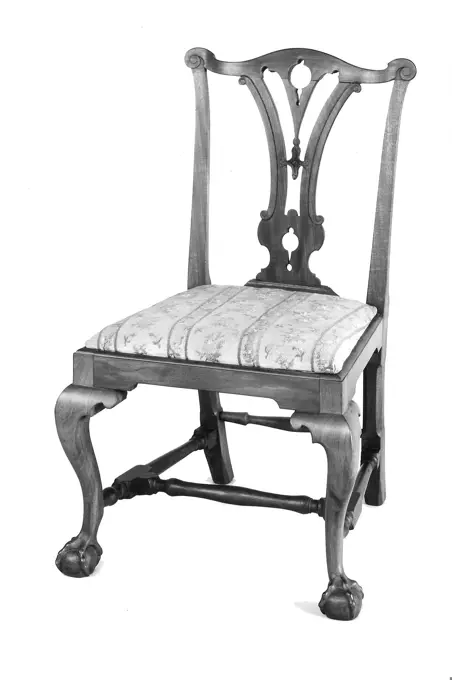
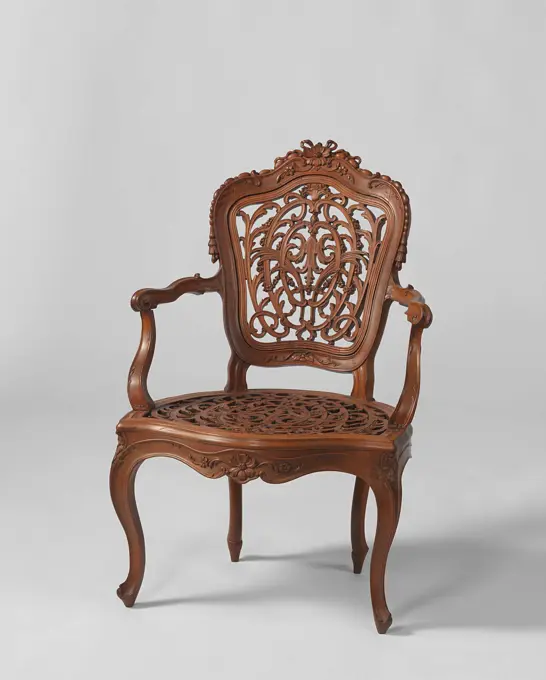
Armchair. The back and seat of this armchair consist of open-work in a richly carved pattern. The piece of furniture is a virtuoso masterpiece, a splendid demonstration of its makers abilities. The chairs utilitarian function is secondary to the elaborate execution; comfort is not a priority here.Ivory wooden rococo armchair, chair furniture furniture interior design wood elm wood velor, Curved legs apron and openwork backrest green velvet upholstery on seat and armrests rococoSide Chair 1730-90 American. Side Chair 1724Chair (USA); mahogany, caningElbow armchair, armchair seat furniture furniture interior design wood elm wood velor, In the openwork backrest four ears of corn as bars light green velor upholstery S-shaped armrests.Chair of mahogany, covered with green tripe. Chair of mahogany, covered with green tripe, belonging to an amele. The hind legs deviate from the conical, fluted legs. The sitting window is round; The oval healed back window rests on C-shaped struts with acanthus leaf. The rule and the upper spray are decorated with a vase, in the middle of branches with leaves, hung on rings. See also: BK-18323-a / d and f / n.Chair. Cherry of cherry wood with mats seat. The legs and the eight sports are rotated. The corner styles of the back are column-shaped with thickenings in the middle. The lower and upper spray are symmetrically cut off, as well as the middle coaster that shows a cut-away heart as a center piece and both styles on either side. Vaarjes are arranged if award of the corner styles.Side chair, mahogany caned seat covered with upholstery, Rounded and reeded seat rail; rounded and reeded tapering legs. Top rail carved with 'thunderbolt design,' tied with bow. Below top rail, two diagonal, crossing bars, reeded., New York, USA, ca. 1812, furniture, Decorative Arts, Side chairMahogany straight Chippendale chair, straight-seat chair seat furniture furniture interior design wood mahogany beechwood velvet brass, Openwork back in which crown and garlands light green velor upholstery rejuvenated front legs with cannelures ChippendaleChair of brown stained mahogany, Theo Nieuwenhuis, c. 1916 The back and the shifting cushion upwards are covered with green woolen trijp with yellow -brown and purple leaf motifs. The front legs placed overhoek are faint s-shaped; The straight hind legs continue in the backstyles, ending in a volute. The seating rules are profiled at the top and under the rules are wavy corner pieces. The top sill of the back shows cut leaf motifs; The sill is vaulted. See: BK-1970-93-A, B, D, E. designer: Northern NetherlandsAmsterdamHengelo wood (plant material). mahogany (wood). stain (coating) The back and the shifting cushion upwards are covered with green woolen trijp with yellow -brown and purple leaf motifs. The front legs placed overhoek are faint s-shaped; The straight hind legs continue in the backstyles, ending in a volute. The seating rules are profiled at the top and under the rules are wavy corner pieces. The top sill of the back shows cut leaf motifs; The sill is vaulted. See: BK-1970-9Mahogany rococo chair, chair seating furniture interior furniture wood mahogany velvet, Seat and backrest covered with light green velvet decorated with carving flowers cogwheels Rotterdam City Triangle Hoogstraat North Oude Noorden Gerard Scholtenstraat Heilige Geesthuis Oudemannenhuis Oude menhuis Heiligegeesthuis rococo Object was until 1972 part of the inventory of the Heiligegeesthuis at the Gerard Scholtenstraat From 1898 to 1972 the 'Heiligegeesthuis' was located in this building.joiner, Rococo chair with camel and bird in the backrest, chair furniture furniture interior design wood walnut elmwood burr walnut silk, cut stitched veneered Above the seat in the backrest sea monster; seahorse head on the right Pendant of 80486 debossed number under the seat: VIII home interior rococo shippingChair of mahogany, covered with tripe with a continuous pattern from the beans hanging onto ovals in which a flower on striped soil. Chair of mahogany, covered with tripe with a continuous pattern of beans hanging ovals in which a flower on a striped soil. The square legs are channeled. The front seat is decorated in the middle with a laurel wreath and a pendulum. The back window is parallelogrammed and rolled. The upper shell is decorated with a straight vase and laurel garland. The coating is attached with gold-plated heads. The chair belongs to an amele (inv.no. BK-16145-A to -G).Side chair. Culture: Bermudian, possibly. Dimensions: 44 1/2 x 18 x 15 in. (113 x 45.7 x 38.1 cm). Date: 1700-1740.The cresting, the simplicity of the banisters, and the turned stretchers placed high on the legs connect this chair to numerous similar examples that have survived in Bermuda. Museum: Metropolitan Museum of Art, New York, USA.RoundaboutchairArmchair. Mohr, Jan (fl. ca 1825-1850), joinerArmchair of a guild of Saint George, anonymous, c. 1550 - c. 1599 Armchair of walnut. The furniture rests on slender vase -shaped legs that are connected by rectangular sports at the bottom. The flat armrests are sculpted and end in volutes. The open back has a bottom line and a cross rule. As a crown, a loosely set up, stabbed decoration in the form of a broken pediment serves. The decoration consists of acanthus leaves, legumes and a coat of arms hung on a ribbon with foot arch, anchor crosses and stars. Coming from a St. Joris guild. Northern Netherlands wood (plant material). walnut (hardwood) Armchair of walnut. The furniture rests on slender vase -shaped legs that are connected by rectangular sports at the bottom. The flat armrests are sculpted and end in volutes. The open back has a bottom line and a cross rule. As a crown, a loosely set up, stabbed decoration in the form of a broken pediment serves. The decoration consists of acanthus leaves, legumes and a coat of arms hung on Side chair 1785-95 Attributed to Stephen Badlam This chair is attributed to Stephen Badlam on the basis of similarities between its carved details and those on a chair that bears his stamped mark.. Side chair. American. 1785-95. Mahogany with ash, maple. Made in Dorchester, Massachusetts, United StatesChair with seat of braided rattan. S-shaped overhoeks placed front legs and seat rules decorated with raised S-shaped profiles and leafwork. Upper sill with palm with. Chair of Djatihout with a seat of braided rattan. The S-shaped overhoeks placed front legs and the seat rules are decorated with raised S-shaped profiles and leafwork. The backward-looking angular hind legs are about in the stretched S-shaped profiled back styles. The curved upper shell shows a sculpted palmet in the middle. The open editted center leaf has rected S-shaped sides, at the top and decorated with rosettes, they include an open-worked palm form.Openwork side chair (one of a pair) ca. 1785-90 Georges Jacob Although French styles influenced the arts of other European countries, these unusual chairs illustrate that foreign fashions also had an impact in France. The openwork back splat and brackets between the legs clearly show an interest in the anglo-chinese style propagated by the British architect William Chambers in the third quarter of the eighteenth century. The duc de Penthièvre to whom Georges Jacob supplied this seat furniture, must have had a penchant for this style: in 1785 he acquired the chteau de Chanteloup where the duc de Choiseul, the previous owner, had created Chinese gardens and built a pagoda.. Openwork side chair (one of a pair). French, Paris. ca. 1785-90. Mahogany, modern horsehair upholstery. Woodwork-FurnitureCherry wood button chair, knob seat chair furniture furniture interior design wood cherry beech wood piping, Hose seat twisted legs rules and styles backrest consists of five curved lines.Side Chair ca. 1843 Auguste-Emile Rinquet-Leprince French In the 1840s, many well-to-do New Yorkers preferred French furniture to that made in their native city. In 1844, Mrs. Samuel Jaudon of New York wrote to her friend Mrs. James C. Colles that "we on this side feel as if everything is so much handsomer, and better, and desirable that comes from Paris." Upon orders from New York clients, Parisian cabinetmaker and decorator Ringuet-Leprince shipped entire rooms of furniture, carpets, looking glasses, wallpapers, decorative objects, and sculpture. This side chair is part of a formal drawing room suite that was custom-made by Ringuet-Leprince as part of a suite for the abovementioned Colles family. The suite includes a pair of sofas, four armchairs, four side chairs, a firescreen, and a table (see 69.262.1-10). In 1850, the Colles' daughter, Frances, married John Taylor Johnston, a New York railroad executive who later served as the first president of The Metropolitan Museum of Art fSide chair ca. 1845 American. Side chair 629475Side Chair 1810-20 American This scroll-back chair and its mates were part of a set of 24 made by Duncan Phyfe for the family of William Livingston, governor of New Jersey (1776-1790). A sketch of about 1816 in Phyfe's hand shows this type of chair and gives its price. These chairs were somewhat higher in price than for other contemporary scroll-back chairs due to the extra cost charged to carve the front paw feet. (See 65.188.2-.14 for set.). Side Chair 1912Armchair from mahogany, lined with green tripe. Armchair from mahogany, lined with greenery, belonging to an amele. The hind legs deviate from the conical, fluted legs. The sitting window is round; The oval healed back window rests on C-shaped struts with acanthus leaf. The rule and the upper spray are decorated with a vase, in the middle of branches with leaves, hung on rings. The chair has S-shaped armrest tricks and S-shaped armrests with cushions and full. See also: BK-18323-B / n.SideChairChair with round, open backrests with middle style, the seat with flower and leaf motifs. Sterehout chair, brown varnished, round open backrests with middle style; round rule, back plane legs and overhoeks placed S-shaped front legs; Seat covered with silk with flower and leaf motifs: coloring cream with green, yellow, pink or red flowers or leaves; Staff about hard filling stretched with many wires on the bottom visible under thick layer of varnish.Chair, back with vase-shaped middle leaf, the seat with burgundy velvet. Chair of mahogany. The back is open with a vase-shaped middle leaf. The chair has a trapezoidal open seating window with a loose seat with burgundy velvet.Chair ca. 1825 American In the early nineteenth century, no form of ancient furniture was imitated as successfully as the Greek klismos. Known through its depiction on Greek vases and fragments of relief-carved marbles, the chair is distinguished by its spare, elegant lines and sweeping, curved rear stiles surmounted by a broad, deeply curved tablet. Reflecting on the perfection of Greek works of art in 1812, the British furniture designer George Smith wrote that every attention was evidently given to produce a flowing and correct outline; and so to arrange the parts in masses, that the whole should appear clear and distinct.. and it is this happy relief, this rejection of little parts, that gives their works so chaste and pleasing an effect.” At their best, nineteenth century American klismos chairs strive for such perfection.. Chair 1658Colonial armchair. Armchair. Seat covered with dust, back with rattan. One from set of six.Side Chair (1 of 2), c. 1775-90. John Townsend (American, 1732-1809). Mahogany; overall: 39 x 24 x 18 cm (15 3/8 x 9 7/16 x 7 1/16 in.).Chair of Mahoniehout, covered with green Trijp, Anonymous, 1775 - 1800 Chair of Mahoniehout, covered with green trijp, belonging to an ameblement. The hind legs of the conical, scanned legs are backwards. The sitting window is round; The oval hired back window rests on C-shaped struts with acanthus leaf. The front rule and the top sill are decorated with a vase, in the midst of branches with leaves, hung on rings. See also: BK-18323-A/L and N. Northern NetherlandsNetherlands wood (plant material). mahogany (wood). Chair of Mahoniehout, covered with green trijp, belonging to an ameblement. The hind legs of the conical, scanned legs are backwards. The sitting window is round; The oval hired back window rests on C-shaped struts with acanthus leaf. The front rule and the top sill are decorated with a vase, in the midst of branches with leaves, hung on rings. See also: BK-18323-A/L and N. Northern NetherlandsNetherlands wood (plant material). mahogany (wood).Chair with upholstery of pressed velvet with a pattern of a cleaved men's head. Chair of mahogany, lined with green pressed velvet, in the back with a pattern of a medallion surrounded by leaf raft, awarded by a garland. In the medallion a mans head in profile. The square legs rejuvenated down; The hind legs deviate backwards. The rule is bent between straight corner pieces and, like the upper spray, is under a garland, a raised man head. The sills of the trapezoidal back are weakly arranged.Greek-style side chair, c. 1885, E. W. (Edward William) Godwin; Maker: Wm (William) Watt Artistic Furniture Warehouse, English, 1833-1886, 40 1/2 x 16 3/4 x 19 1/2 in. (102.87 x 42.55 x 49.53 cm), Walnut and reproduction silk upholstery, England, 19th centuryChair. unknown, creatorChairs (France); fruitwood, wool tapestry, brass-headed nailsEbbening chair with boulle marquetery. Ebbening chair with boulle marquetery. The chair is stamped W.Egret Empire chair, chair furniture furniture interior design wood elm wood velor, EYE wood chair with green velvet upholstery and back panel vase with five ears of corn curved rugregel olive knobs on the back pillars bent out. With Louis Seize ornaments (vase cannelures) Empire Louis XVI Louis XVI Louis SeizeArm chair of mahogany wood with violin -shaped backrest. Decorated with rocaillework and partially opened flower and leaf work. Back and armrests covered., Anonymous, 1850 - 1875 Arm chair of mahogany. The framework of the high violin-shaped backrest, the armrests and the boasted rules and legs are decorated with rocaillework and partially open worked flower and leaf vines. Netherlands wood (plant material). mahogany (wood). textile materials cutting Arm chair of mahogany. The framework of the high violin-shaped backrest, the armrests and the boasted rules and legs are decorated with rocaillework and partially open worked flower and leaf vines. Netherlands wood (plant material). mahogany (wood). textile materials cuttingBeech wood armchair, with mats seat; Puppet chair. Arkchair from beech wood, with mats seat. The legs and back styles have sections. The armrests have been rolled slightly; The bottom is right. The back has three flat back sports. The back and side sports are round; Process has sections.Side Chair. Culture: American. Dimensions: 32 1/2 x 17 7/8 x 16 1/4 in. (82.6 x 45.4 x 41.3 cm). Maker: Attributed to Duncan Phyfe (1770-1854). Date: 1791-1818.This chair is part of a large suite of furniture that includes a sofa, a pair of armchairs, ten side chairs, and a pair of footstools. It was once owned by Thomas Cornell Pearsall, a wealthy New York merchant and shipowner. The attribution to the famed furniture maker Duncan Phyfe is based on a Pearsall family tradition and is recorded in an inscription stamped on the inside of the seat rails of the sofa and several chairs. Museum: Metropolitan Museum of Art, New York, USA.Side chair, Mahogany, Shield-shaped back. The vase shaped openwork vertical splat consists of five curved vertical slats-- the center one is carved with foliage at the base; the branches into three ostrich feathers. Splats on both sides curving outwards meet those on the outside in two rosettes, from which swags of drapery hang. The front legs are moulded and slightly tapered. Front seat rail is serpentine and side rails are bowed slightly. There is a drop in seat covered in silk solid cut stamped cloth velvet., England, ca. 1780, furniture, Decorative Arts, Side chairChair;  around 1720-1735 (1720-00-00-1735-00-00);Chair of Mahoniehout, covered with green Trijp, Anonymous, 1775 - 1800 Chair of Mahoniehout, covered with green trijp, belonging to an ameblement. The hind legs of the conical, scanned legs are backwards. The sitting window is round; The oval hired back window rests on C-shaped struts with acanthus leaf. The front rule and the top sill are decorated with a vase, in the midst of branches with leaves, hung on rings. See also: BK-18323-A/H and J/N. Northern NetherlandsNetherlands wood (plant material). mahogany (wood). Chair of Mahoniehout, covered with green trijp, belonging to an ameblement. The hind legs of the conical, scanned legs are backwards. The sitting window is round; The oval hired back window rests on C-shaped struts with acanthus leaf. The front rule and the top sill are decorated with a vase, in the midst of branches with leaves, hung on rings. See also: BK-18323-A/H and J/N. Northern NetherlandsNetherlands wood (plant material). mahogany (wood).Bow-back windsorarmchairChair with curf's cut decoration. Chair with curf's cut decoration (Hindeloopen).SidechairSide Chair. Culture: American. Dimensions: 39 3/4 x 18 1/2 x 15 1/4 in. (101 x 47 x 38.7 cm). Date: 1740-80. Museum: Metropolitan Museum of Art, New York, USA.Side Chair 1760-90 American These chairs, from an original set of twelve, along with a settee (39.184.2) and a card table (39.184.12), descended en suite in the Verplanck family. Queen Anne featuresthe heavy walnut frame, balloon-shaped seat, and absence of Rococo carvingsuggest that the set was made for Samuel Verplanck shortly after his return from Holland in 1763 with his bride, Judith Crommelin.. Side Chair. American. 1760-90. Walnut, white oak, white pine. Probably made in New York, New York, United StatesStoel van notenhout met hoge rug met snijwerk van C-voluten en zonnebloem. Overhoeks geplaatste S-vormige voorpoten; kruis met geschulpte zijsporten.Rocked chair from walnut. The hind legs deviate backwards and the overhoeks placed S-shaped front legs on boxing hooves at the top of a broadening and decorated swellings ending in voluntary. The cross has scalloped residents; Process with Acanthus leaf between degrees C-Volutes. The high back, has a middle leaf with C-Volutes and sunflower and a scalloped upper shell with a shell pattern, both open. The sills shows volutes with shell. Upper of the styles is stretched S-shaped.Henry Murphy, Chair, 1937 ChairSide chair ca. 1735-40 Giles Grendey The increase in trade between England and the Far East engendered a fascination for things Chinese in the seventeenth and eighteenth centuries. This chair, though made in England, is decorated in imitation of Chinese lacquer, and the central splat bears an image of a mandarin with an umbrella. According to the original label still affixed to the chair, it was made by Giles Grendey of London, who "makes and sells all sorts of cabinet goods, tables, glasses, etc." The chair is one of some eighty such miscellaneous pieces that Grendey supplied on order to the duke of Infantado for his castle of Lazcano in Spain.. Side chair. Giles Grendey (1693-1780). British, Clerkenwell, London. ca. 1735-40. Lacquered and gilded beech; caning. Woodwork-FurnitureSide Chair 1765-90 American. Side Chair 1655Settee 1740-60 American With its high, boldly scalloped back, C-scroll arms, and three cabriole front legs, this settee is an elegant variation of an English type fashionable around 1710. It is the earliest known settee made in America and the only known Philadelphia example in the Queen Anne style. It descended in the family of James Logan (1674-1751), secretary to William Penn, the founder of Pennsylvania.. Settee 7386Arm chair of nuthout, covered and resting on square legs, anonymous, 1550 - 1600 Arm chair of walnut, covered and resting on square legs. The wide mid-sport on the front and back is cut out and shows two horizontal winches, decorated with stabbing. The narrow under -sport of the sides is scumed and decorated with volutes. The front legs, armrest pits and backstyles are largely decorated with stabbed leaf decorations; The hind legs are partly stabbed, partly painted. The backstyles are crowned by masks and are connected by a sill in the middle of the back. Florence (possibly) wood (plant material). walnut (hardwood). gilding (material) gilding Arm chair of walnut, covered and resting on square legs. The wide mid-sport on the front and back is cut out and shows two horizontal winches, decorated with stabbing. The narrow under -sport of the sides is scumed and decorated with volutes. The front legs, armrest pits and backstyles are largely decorated with stabbed leaf decorations; The hind Armchair (one of a pair) ca. 1740 British. Armchair (one of a pair). British. ca. 1740. Mahogany; upholstered with modern damask. Woodwork-FurniturePadoekhout chair, decorated with entered patterns and inlaid with a tropical wood, 1899 Padoekhout chair, decorated with entered patterns and inlaid with a tropical wood. The back of the back is decorated with the original batiked parchment. The covering of the chair is not original. Amsterdam padouk (wood). parchment (animal material)   Amsterdam Padoekhout chair, decorated with entered patterns and inlaid with a tropical wood. The back of the back is decorated with the original batiked parchment. The covering of the chair is not original. Amsterdam padouk (wood). parchment (animal material)   AmsterdamChilds windsor side chairWalnut renaissance armchair, armchair seat furniture interior design wood walnut leather metal, Seat and back covered with leather with blind stamping front with geometric decoration renaissanceRuth Bialostosky, Side Chair, 1937 Side ChairSideChairArmchair, one of a pair, c. 1810-1830, 33 x 22 1/4 x 23 1/2in. (83.8 x 56.5 x 59.7cm), Rosewood, cane, India, 19th centuryArmchair, wood, leather, France, mid-18th century, furniture, Decorative Arts, ArmchairArmchair 18th century French. Armchair 197238End piece from canape confident or 3-sectioned upholstered sofa Chair; Made by Louis Magdaleine Pluvinet (French, became master in 1775; d. 1782-1785); France; gilded wood, fabricSide chair third quarter 18th century Italian The interlaced scrolls that form the back of these chairs were a popular feature of eighteenth-century Venetian seating furniture.. Side chair. Italian. third quarter 18th century. Walnut, painted and gilded; damask. Woodwork-FurnitureArmchair 1795-1810 American. Armchair 259Jacob Georges (1739-1814). Cabriolet armchair. Carved and painted beech; Garnish: blue damask. 1770. Paris, Carnavalet museum. Damas blue, dore, gilding, armchair, queen's armchair, convertible armchair, stuck in sculpt, furniture, modern evening, fabric, 18th 18th 18th 18th 18th 18th 18th century, furnitureChair. unknown, authorJean-Baptiste SENÉ (1748-1803). Cabriolet armchair. Beech, around 1780. Paris, Carnavalet museum. Four fluted feet support connection dice decorated with rosettes, hence the belt with a twisted ribbon pattern, which is also found on the hanger of the backrest. The leafy scrolls follow in plan the movement of the belt and rest on consoles decorated with bay leaves and debited in the same wooden pieces as the front feet. The backrest is based on two Acanthe leaves, while the golden color lampas shows a bucolic scene to the sound of a flute played by a man seated on a wall and in a setting marked by an obelisk sheltered by a tree Fruitier, a young woman dancing by showing vegetable garlands, near a few paid sheep. Cabriolet armchair, stretch, furniture, furnitureSide chair. Culture: British. Dimensions: Overall: 48 × 21 × 22 in. (121.9 × 53.3 × 55.9 cm). Date: ca. 1720-30. Museum: Metropolitan Museum of Art, New York, USA.Gondola; Kolbi Ski, Jan Nepomucen (1820-Post 1877); 1877 (1877-00-00-1877-00-00);Continuous Bow-back WindsorChair. Maker, attributed to: Jedediah Browning, American, 1767-1852Side Chair 1859 Joseph Meeks & Sons American. Side Chair 1821Side chair (one of four) (part of a set) ca. 1763-64 Attributed to Johann Michael Bauer German (born Westheim) The settees and chairs illustrated here (see 1974.356.114-.121) were made for the Franckenstein Pavilion in the gardens of Seehof Castle near Bamberg, one of the three summer residences in Southern Germany used by Adam Friedrich von Seinsheim, prince bishop of Würzberg and Bamberg. A true garden enthusiast, it was under von Seinsheim that the gardens of Seehof were embellished, which must have resembled the still extant Rococo gardens completed by von Seinsheim at Veitshöchheim. His love for gardens and garden imagery also carried over into the interior decoration and furnishings of his castles, as the Seehof furniture demonstrates. A unique example of German Rococo furniture executed in a more flamboyant style than its French prototypes, the ensemble was designed specifically for the Garden Room in the Franckenstein Pavilion. Used as an audience room, it was referred to as thSide Chair. Dated: 1935/1942. Dimensions: overall: 29.8 x 22.8 cm (11 3/4 x 9 in.) Original IAD Object: none given. Medium: watercolor, gouache, colored pencil, and pen and ink on paperboard. Museum: National Gallery of Art, Washington DC. Author: Paul Farkas.Sofa, removable and decorated with the letters CH under Elector Crown, Anonymous, c. 1745 Bank or daily bed of nuthout, the seat covered with braided reeds and resting on six baluster legs with stabbed acanthus volutes and bells. The sitting window has profiled rules with tire work and palmets. Cheeks have been applied to the ends, which are attached with iron pins and hooks. The cheeks are sculpted and decorated on the outside with the initials C H under a Elector Hat and surrounded by C-Voluten with Acanthus Blad and Bandwerk. The legs are screw -up; The sitting window is foldable. There is a separate roll cushion on the couch on both the right and on the left. Lower Rhine region (possibly) wood (plant material). walnut (hardwood). iron (metal) Bank or daily bed of nuthout, the seat covered with braided reeds and resting on six baluster legs with stabbed acanthus volutes and bells. The sitting window has profiled rules with tire work and palmets. Cheeks have been applied to the ends,joiner, Rococo chair with sea monster and ramskop in the backrest, chair furniture furniture interior design wood walnut elmwood burr walnut silk, cut stitched veneered Above the seat in the backrest sea monster the head on the right Pendant of 804810 debossed number under the seat, VII residential interior rococo shippingSide Chair 1825-30 American. Side Chair 1750Revolving Chair 1840-70 United Society of Believers in Christs Second Appearing (“Shakers”), Mount Lebanon, New York Revolving chairs, also known as stools or swivel chairs, were produced by Shakers in many styles and sizes. The earliest examples stood on long legs and often were used in the brethren's shops. Low revolving chairs, such as this example, with Windsor-like comb backs were rarely made before 1840.. Revolving Chair 6861SideChairChairChair (chaise à la Reine) (one of a set of four) ca. 1745-1750 Probably by Jean-Baptiste I Tilliard These four chairs probably belonged to a larger set by Jean-Baptiste I Tilliard, the master of an important workshop in eighteenth-century Paris. The rich carving on each chaise à la Reine indicate that they may have been part of an important commission. Throughout the frame, elegant scrolls, reeds, acanthus leaves, shells, and bosses are carved and gilded. At the center of the top rail, exotic birds flank a prominent cartouche and a pattern of scrolling ribbons. Similarly, the seat-rail displays a cartouche in front that echoes this design element.. Chair (chaise à la Reine) (one of a set of four). French, Paris. ca. 1745-1750. Beechwood unusually richly carved and gilded; previously upholstered with coral colored velvet attached with brass-headed nails, now upholstered in yellow petit point. Woodwork-FurnitureSide chair 1760-90 American This chair represents the Philadelphia scrolled-strapwork splat type at its refined best. The carved ornament has the bold high relief of the finest Philadelphia work.. Side chair. American. 1760-90. Mahogany, white pine. Made in Philadelphia, Pennsylvania, United StatesArm chair with a dark back panel, anonymous, c. 1900 Arm chair made of oak wood resting on four legs. The front and hind legs are interconnected by means of intermediate rules. The front legs rest on narrower feet of dark colored wood and continue in the army tits. The hind legs continue in the backstyles. From the middle of the backstyles, armresters walk off who broaden and rest on the arms. The backrest consists of a wide upper sill with rounded corners with a back panel underneath that is veneered in the middle with a dark colored wood. The seat is covered with a light green, salmon -colored and white cladding of wool.  oak (wood). wool Arm chair made of oak wood resting on four legs. The front and hind legs are interconnected by means of intermediate rules. The front legs rest on narrower feet of dark colored wood and continue in the army tits. The hind legs continue in the backstyles. From the middle of the backstyles, armresters walk off who broaden and rest on the arms. The bacRoundaboutchairArmchair. Armchair, lined, painted walnut, resting on fluted conic legs. The round sitting window is scalloped from the front. The seat rules exhibit a stretched tire above a ribbon injured ribbon. The C-shaped armrests end in a volute with acanthus leaf and have a flower celk on the inside; The struts are decorated with a chic cord between profiles and at the bottom of an acanthus sheet. The oval back window, inwardly curved struts, is surrounded by laurel wreath with bow.Samuel W Ford, Child's High Chair, c 1939 Child's High ChairWelsh oak double chair, 1904. Artist: Shirley Slocombe.Padoekhout chair, decorated with entered patterns and inlaid with a tropical wood, 1899 Padoekhout chair, decorated with entered patterns and inlaid with a tropical wood. The back of the back is decorated with the original batiked parchment. The covering of the chair is not original. Amsterdam padouk (wood). parchment (animal material)   Amsterdam Padoekhout chair, decorated with entered patterns and inlaid with a tropical wood. The back of the back is decorated with the original batiked parchment. The covering of the chair is not original. Amsterdam padouk (wood). parchment (animal material)   AmsterdamFurniture. Wostenhout chair, covered with black velvet and choppages of tapestry. The piece of furniture has swapped legs that are allocated by an H-shaped cross and an upper sport. The tapestry decoration on the upholstery shows flowers and lilies in green, salmon color, liver color and blue. The lining of the back is yellow damask. The webbing are old. One seat from a series of six (inv.no. BK-KOG-1797-A T / M -F).Seat, belonging to an eleven-part am family. Chair, made from walnut, belonging to an eleven-part ambulance, consisting of a bank and ten seats. The seat of downtime with leaf and floral motifs in silk on linen grid, with a soft filling.SideChairArm chair of beech wood, dressed, Jean Avisse, 1750 Arm chair made of beech wood, covered and resting on the S-shaped legs placed overhoek, which end in volutes and turn into the scalloped seating rules. The semicircular sitting window is sculpted at the front; The back window on four sides. The light C-shaped armrests with cushions and volutes at the ends, neighborhoods out and extend in the back window with decorated top sill. The armrest pits run back from the sitting window and cross the armrests in the armrests. Profile lists emphasize contour. France wood (plant material). beech (wood). textile materials Arm chair made of beech wood, covered and resting on the S-shaped legs placed overhoek, which end in volutes and turn into the scalloped seating rules. The semicircular sitting window is sculpted at the front; The back window on four sides. The light C-shaped armrests with cushions and volutes at the ends, neighborhoods out and extend in the back window with decorated top sill. TBoard chair. unknown, authorArmchair (fauteuil à la Reine) (one of a pair) 18th century Jean-Baptiste I Tilliard The stamp Tilliard,” indicates that these armchairs were made by one of the important families of joiners or menuisiers working in Paris during the eighteenth century. Jean-Baptiste Tilliard I opened a furniture shop on rue de Cléry in 1730, which produced many pieces for the royal apartments at Versailles. When Tilliard I retired in 1764, his son Jacques-Jean-Baptiste Tilliard assumed control of the family workshop. The gilded beechwood frames are richly decorated with scrolls, floral sprays, acanthus leaves, and the for this workshop characteristic heart-shaped motifs on the crest rail and in the center of the sea trail. The backsides of the frames are incised indicating that these chairs were not meant to be placed against the wall but intended to be seen in the round.. Armchair (fauteuil à la Reine) (one of a pair). French. 18th century. Frame of beechwood carved and gilded; upholstered in blue veButton chair, the backrest with two transverse rules, the seat of braided piping, anonymous, c. 1750 - c. 1760 Four button chairs made of dark brown stained wood; backrest with two cross rules; Low model with seat of braided piping. Amsterdam (possibly) wood (plant material). tule (grass material) Four button chairs made of dark brown stained wood; backrest with two cross rules; Low model with seat of braided piping. Amsterdam (possibly) wood (plant material). tule (grass material)One armchair; Venice, Veneto, Italy; about 1730 - 1740; Carved, gessoed, and gilt walnut; upholstered in modern Genoese velvet; 140 x 86 x 87 cm (55 1,8 x 33 7,8 x 34 1,4 in.)Side chair (one of a pair) (part of a set) ca. 1775-80 Georges Jacob French. Side chair (one of a pair) (part of a set) 236077Side Chair ca. 1820 Possibly Thomas Ash. Side Chair 1764