Elegant Antique Candlesticks

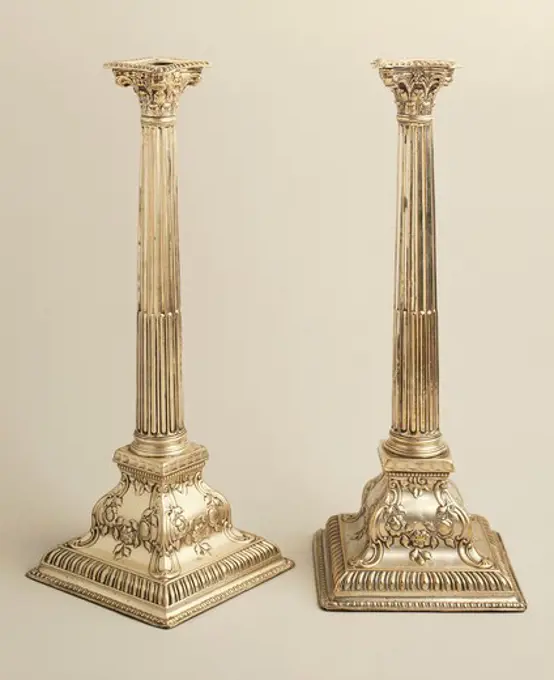
A collection of ornate candlesticks featuring various designs and materials, reflecting craftsmanship and historical styles in candle holders.

Tin candlestick in the form of a Greek column, Carel Lodewijk Schurffius (attributed to), c. 1772 - c. 1812 Tin candlestick in the form of a Greek column. The square base is provided with an egg list on the edge. Above that is a canaly trunk with the candle holder in the form of a Corinthian capital. Amsterdam tin (metal) casting Tin candlestick in the form of a Greek column. The square base is provided with an egg list on the edge. Above that is a canaly trunk with the candle holder in the form of a Corinthian capital. Amsterdam tin (metal) casting
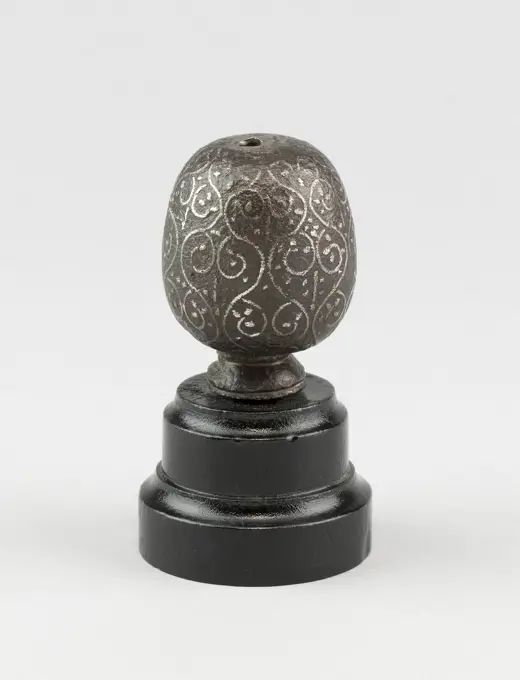
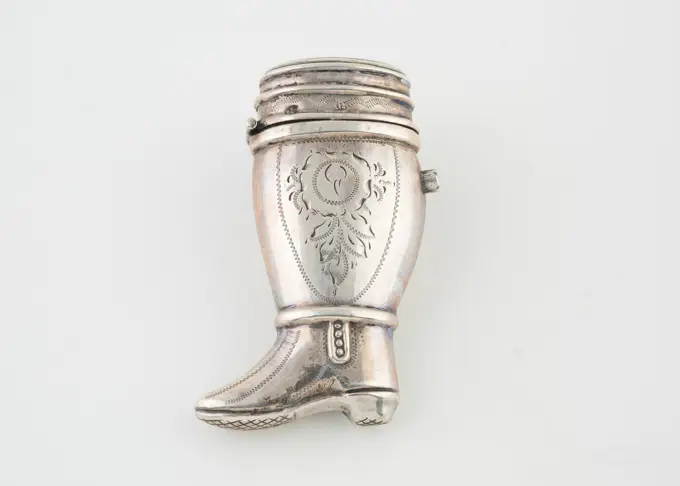
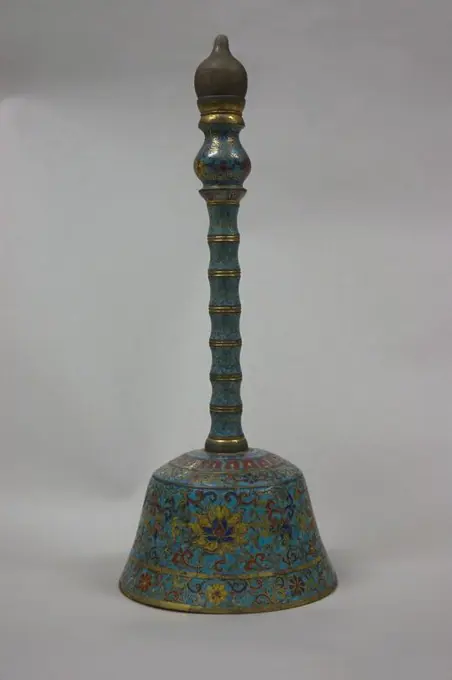
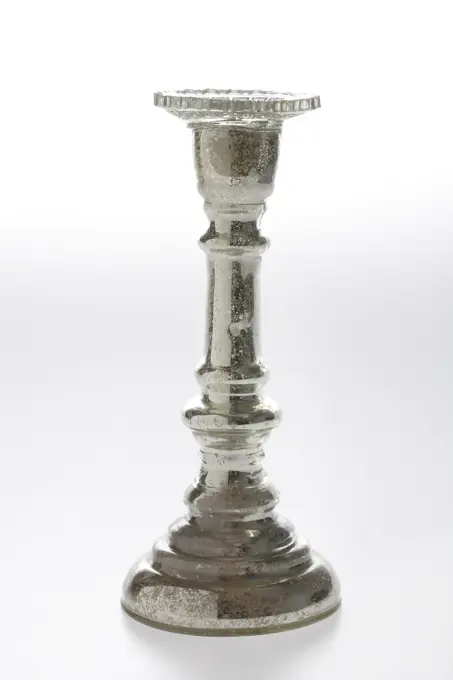
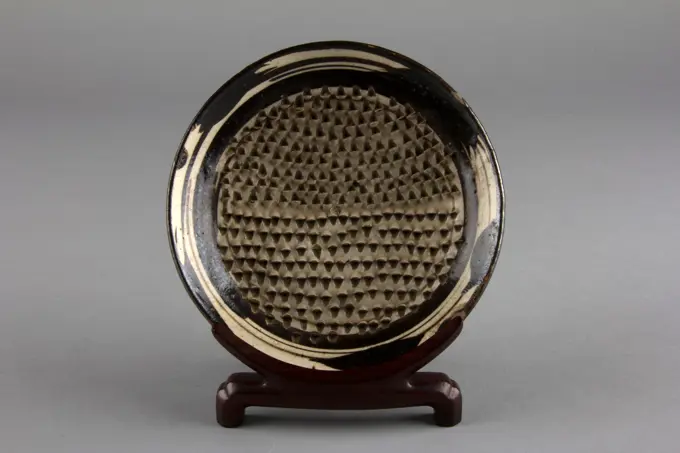
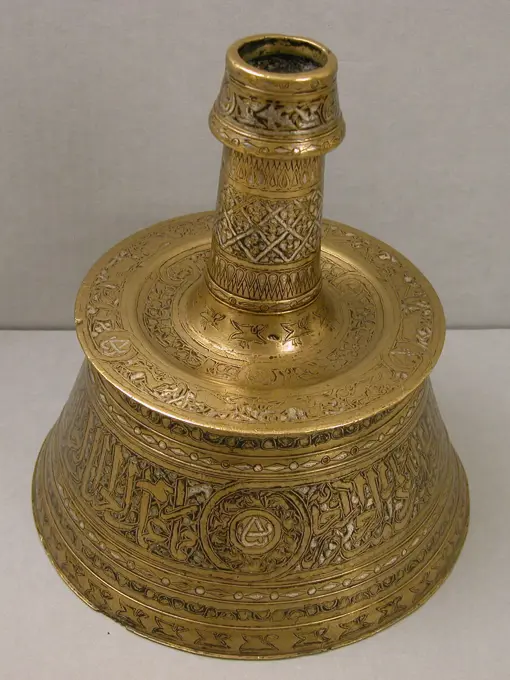
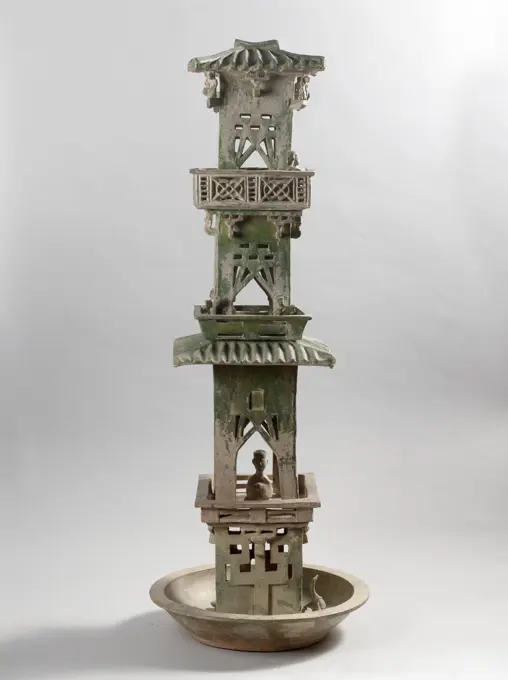
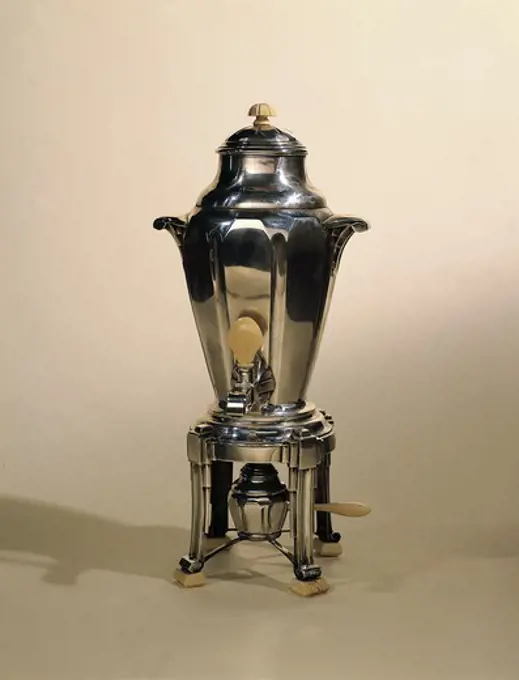
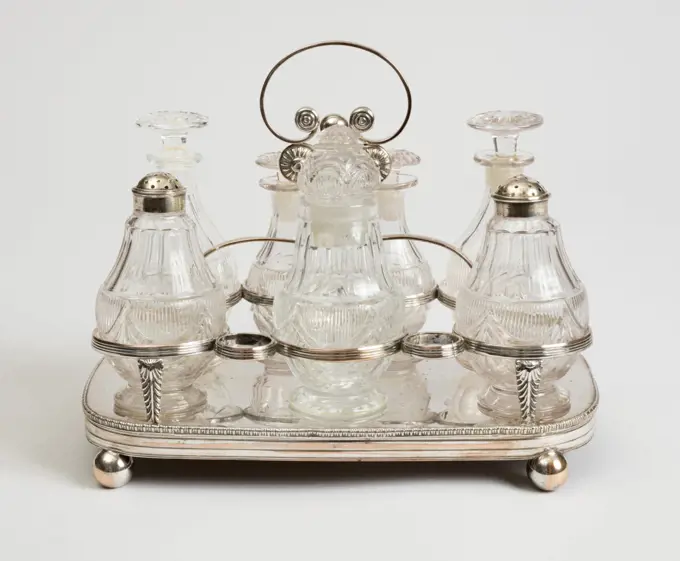
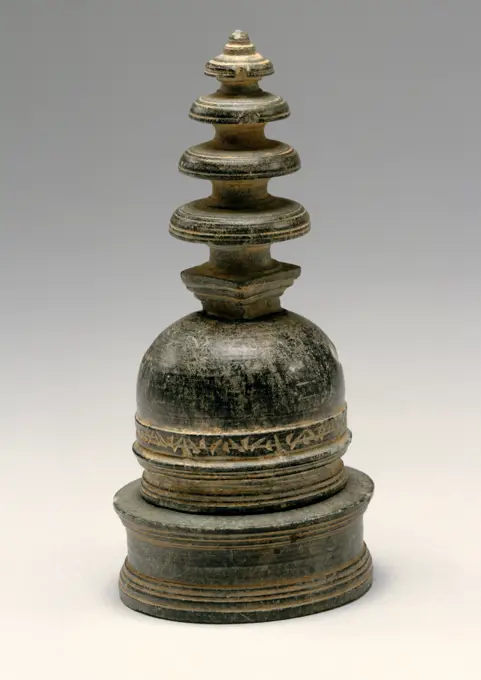
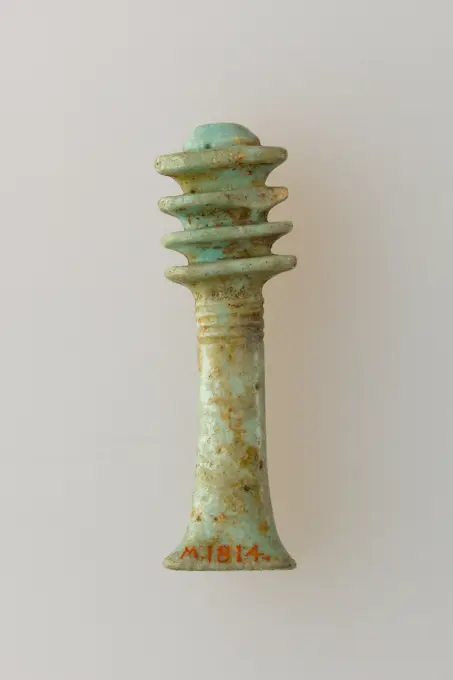
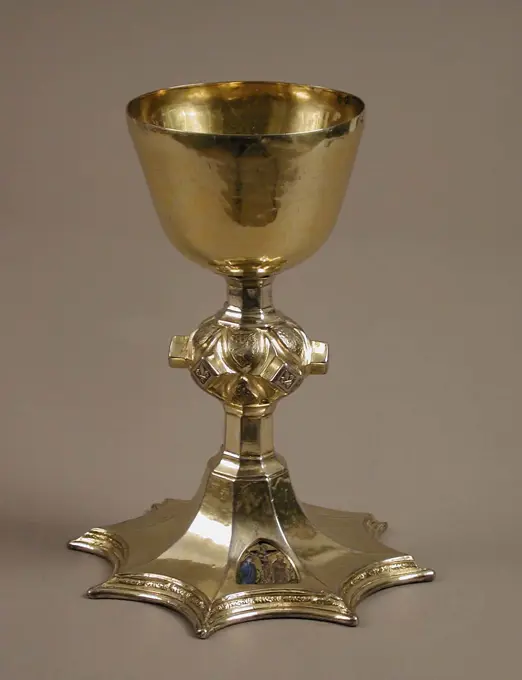
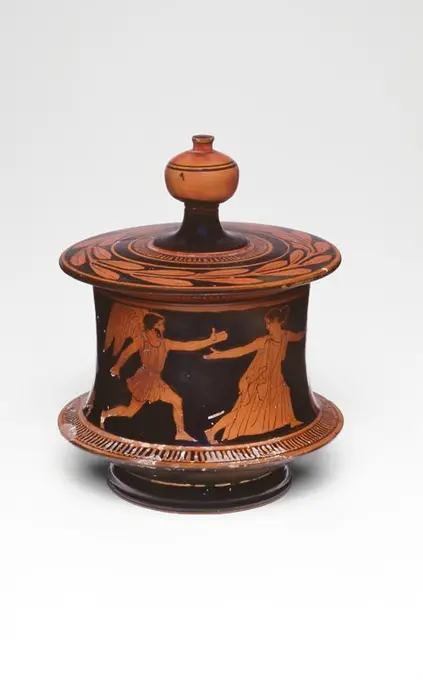
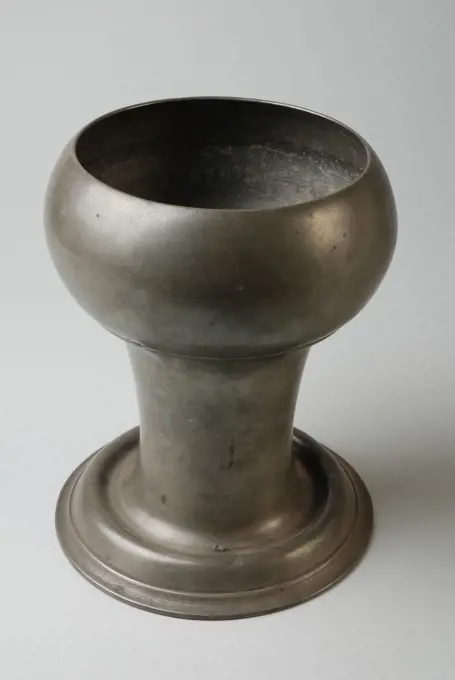
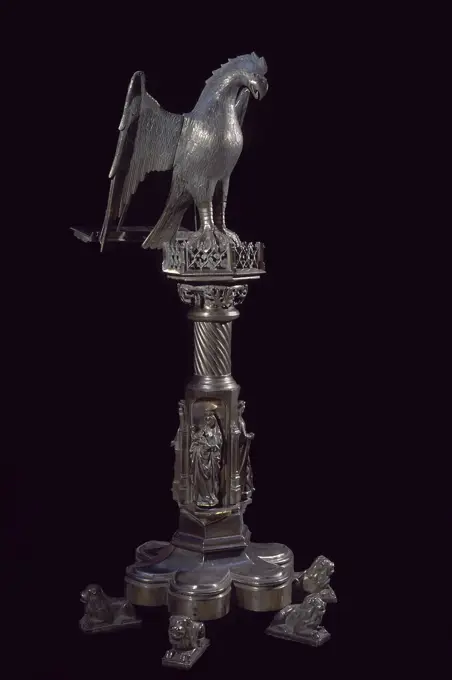
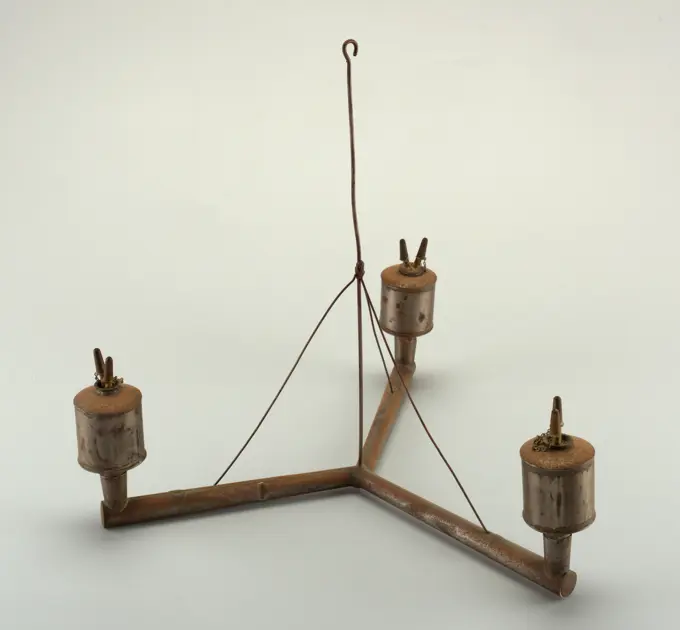
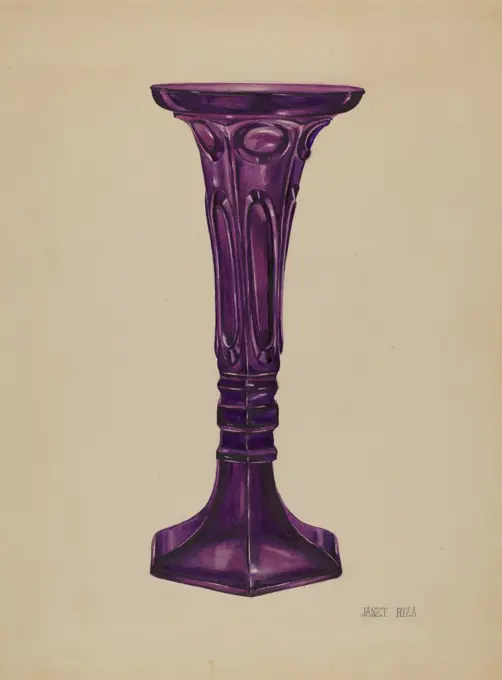
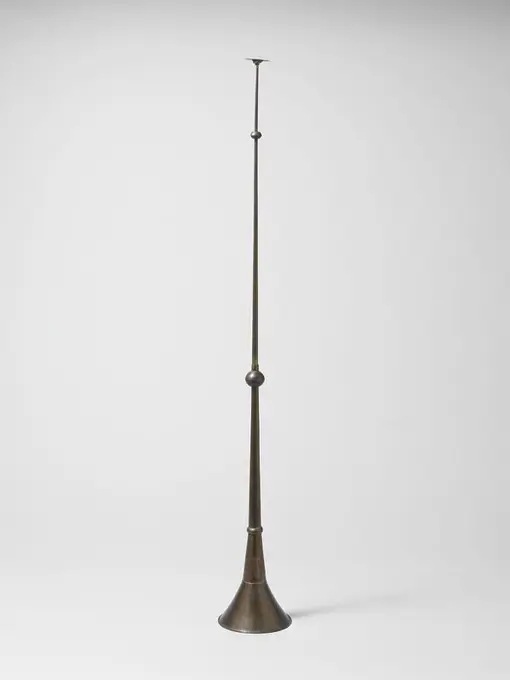
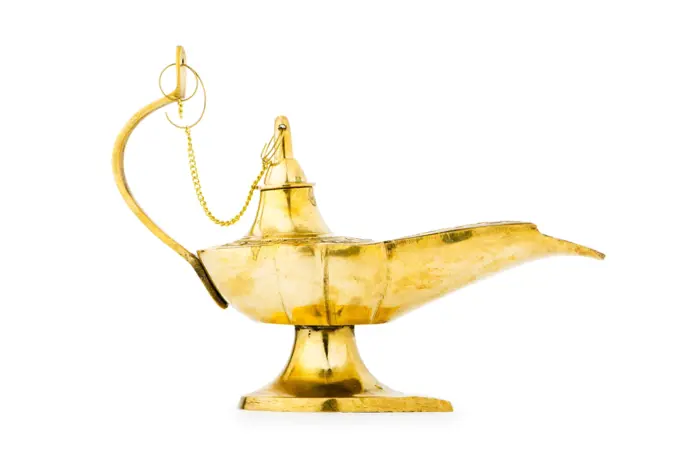
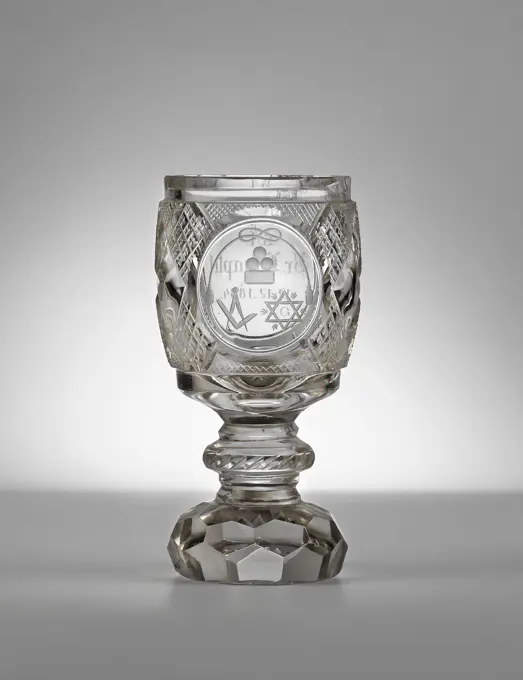
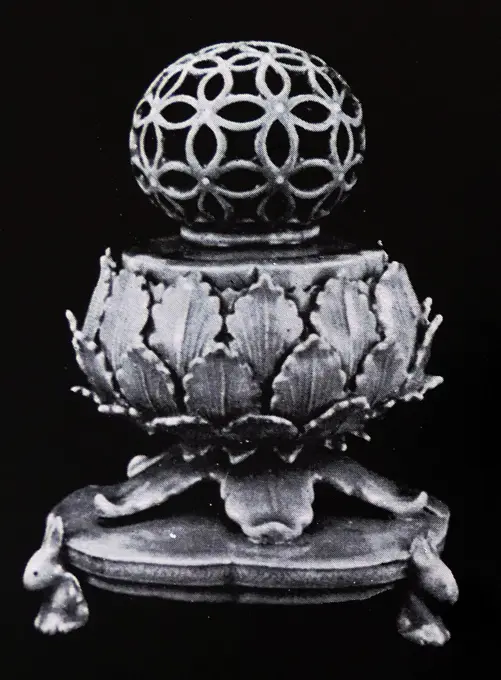
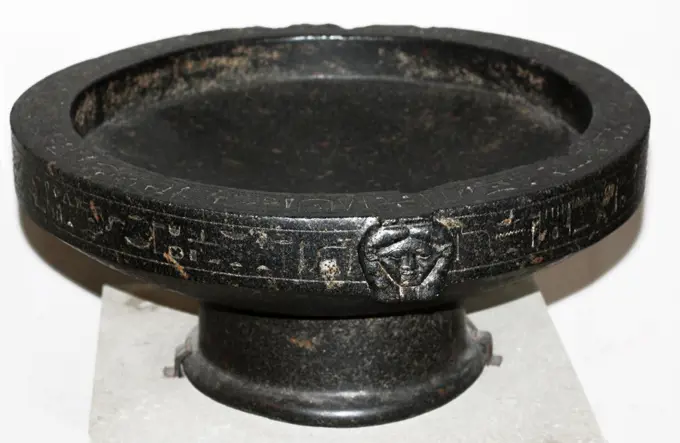
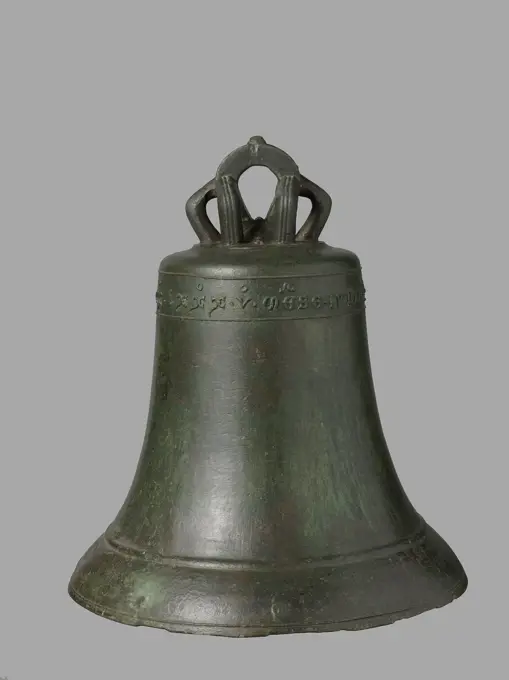
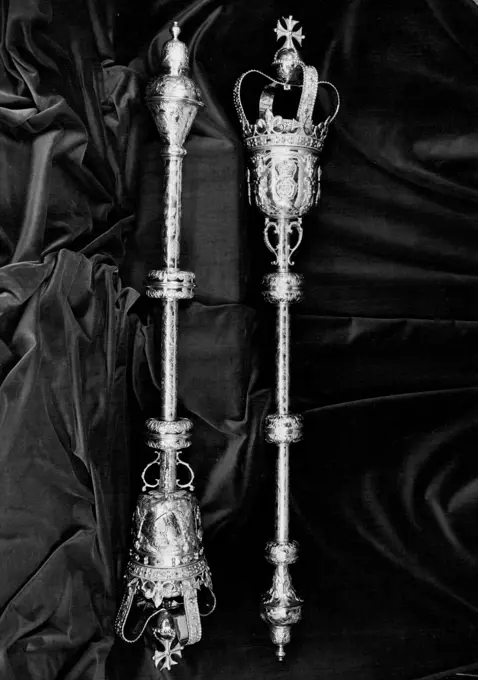
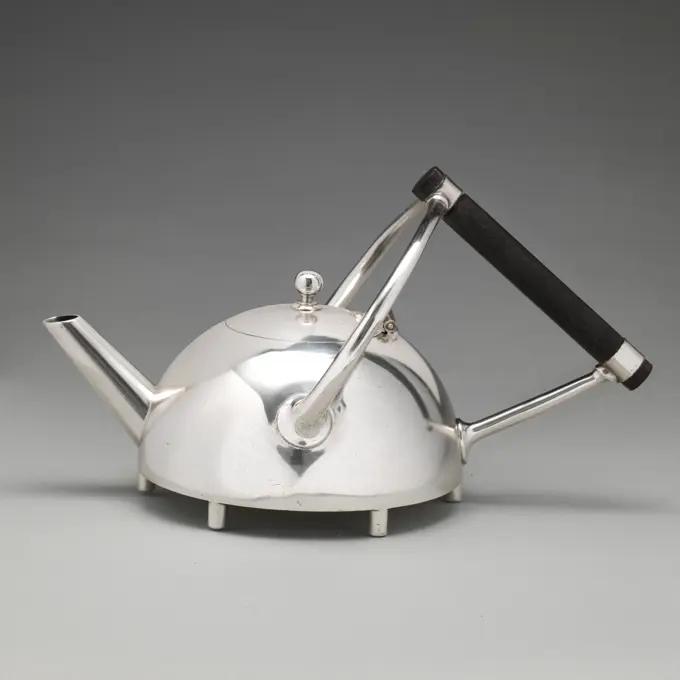
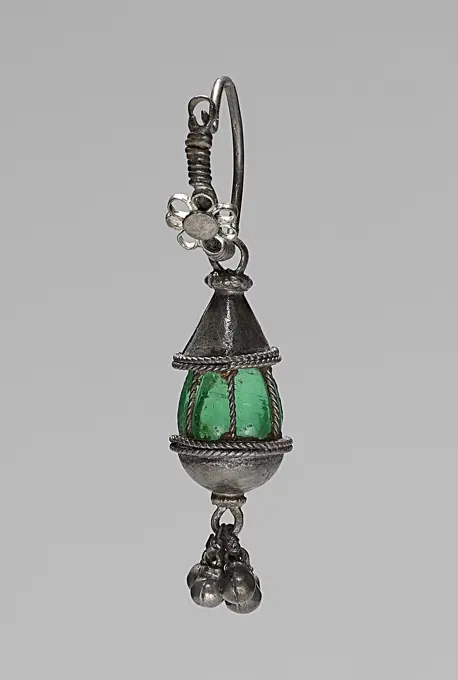
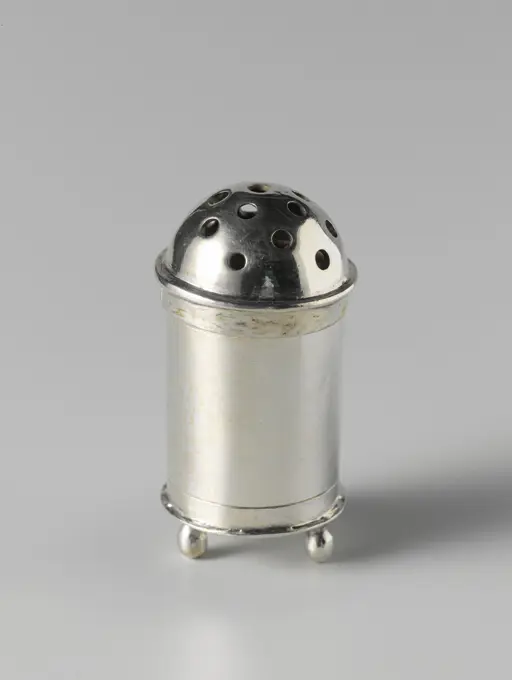
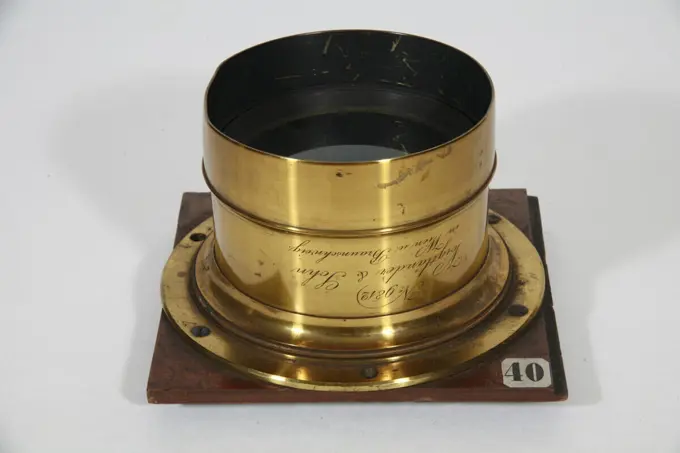
Cup 19th century Scythian. Cup. Scythian. 19th century. Gold plate. Reproductions-MetalworkPorringer.   Maker: Boardman and Company, American, 1825-27Sword Pommel Made 1510-1530 Europe. Iron and silver .Match Safe 1845-1855 Denmark. Silver .goblet, Ash or Walnut treen, England, early 1800s, Decorative Arts, gobletStanding Cup and Cover, 1600-1700. Pinto Collection - Purchased from Edward H Pinto, 1965.. Boxwood standing cup and cover, northern Europe, 17th century. This beautifully made rose engine-turned cup is similar to lignum vitae wassail bowls made in England in the 17th century.Lazio Viterbo Viterbo Museo Civico73. Hutzel, Max 1960-1990 Views of paintings (Middle Ages through 18th c.), frescoes, a tabernacle, coffin, sculpture reliefs, portal fragments, busts, sculpture, tapestry found in the Pinacoteca, Second floor gallery and Second floor cloister sequences. Antiquities: Many views of Etruscan and Roman fragments, sculpture, sarcophagi, pottery, masks, jewelry and other objects found in the Storeroom sequence (inventory numbers on back of prints), and the Cloister, Second floor Cloister, Valle Giulia, Sala Romana and Sala Etrusca sequences. General Notes: There are eight separate numerical sequences for this location. The cloister as an architectural structure, rather than museum site, is documented in the record and file for S. Maria della Verita, Cloister, all views of which are stored in Medieval core collection. Five views from the Museo Civico Second floor cloister sequence are stored in Medieval. German-born photographer and scholar Max Hutzel (1911-Conical Bell. Culture: China. Dimensions: H. 14 1/4 in. (36.2 cm); Diam. 5 7/8 in. (14.9 cm). Museum: Metropolitan Museum of Art, New York, USA.Silversmith's Art, England 18th century. Pair of sheffield plate candlesticks, 1760-80.Old manual meat grinder and a white enamel bowl on a wooden tableCandlestick - Inconnu / UnknownStandContainer(Abal-Abal)Copper bell on isolated background, close up Copper bell on isolated background, close up Copyright: xZoonar.com/DANKOxNx 22902624Dish China. Dish. China. Stoneware (Henan, Cizhou type). Song dynasty (960-1279). Ceramicsprimus and pot isolated on whiteCandlestick late 13th-early 14th century. Candlestick 444570Mingqi Tour ". Terracotta with covered. Dynsatie des Han de l'Est. Paris, Cernuschi museum. 144391-6 Asian art, art of extreme-East, Han de l'Est, Mingqi dynasty, funeral statuette, terracotta, towerSilversmith's Art, 19th-20th century. Silver and ivory samovar, water warmer.Stand 5th century Korea. Stand 39515Vintage photograph. Close-up of an hourglass casting shadowBottle stopper, glass, Pear-shaped body cut with drapery swags and flat vertical fluting; flat circular foot; mushroom-shaped stopper cut with radial grooves. One of setof seven bottles., Ireland, ca. 1810, glasswares, Decorative Arts, Bottle stopperOld wooden chair for the piano on a white backgroundCanister (one of three) 1704-1706 Dublin. Silver . Edward Workman (Silversmith)Reliquary in the Shape of a Stupa ca. 1st century Pakistan (ancient region of Gandhara). Reliquary in the Shape of a Stupa 38106Hanging lantern late 18th-early 19th century British. Hanging lantern 202978Whale Oil Lamp 1830-40. Whale Oil Lamp 5436Old black Chinese vase on the white backgroundAndiron ca. 1790 Paul Revere Jr. American. Andiron. American. ca. 1790. Brass. Made in Boston, Massachusetts, United StatesPerfume Bottle with Stopper 1875-1899 Lunéville. Glass . Baccarat GlassworksGlass Globe. Dimensions: H. 5 5/8 in. (14.3 cm); Diam. 3 3/4 in. (9.5 cm). Date: ca. 1895. Museum: Metropolitan Museum of Art, New York, USA.Djed pillar amulet 1086-30 B.C. Third Intermediate Period-Ptolemaic Period Amulets were thought to magically transfer their power to the wearer. Such power often derived from their shape, material, color, and/or the recitations spoken over them. This amulet depicts the so-called djed pillar that ensured permanence. From the New Kingdom on it was also closely connected to Osiris, the god revived after death. Several djed pillar amulets were often placed on the chest of a mummy. Green and blue shades were popular colors for amulets as they alluded to water and vegetation, which in a desert country bore the power of life and regeneration.. Djed pillar amulet 574168North Italian 16th Century, Table Bell, early 16th century Table BellChandelier, Bronze, Nine-armed chandelier; six arms on lower section, three above. Central baluster shaft. Arms are cast and chased in pattern of scrolling foliage; with flat drip pans and open sockets., possibly Netherlands, 15th-16th century, lighting, Decorative Arts, ChandelierPyramid of two balancing spinning tops on top of a ball on a white background.3D rendering.Chalice mid-15th century French This chalice, which bears the mark of the Lamb of God (agnus dei) on the underside of its base, is a rare surviving example of goldsmith's work produced in Rouen-after Paris, the most important city for metalwork in the north of France. The Crucifixion appears in one of the shield-shaped translucent enamels. The arms of the deClercq family, documented in Bruges and in northern France from the fourteenth to the sixteenth century, are represented in the other. The cup has been replaced.. Chalice 466173Copper container  thermos unknownPyxis (Container for Personal Objects). Greek; Athens; Attributed to the Euaion Painter. Date: 450 BC-440 BC. Dimensions: H. 13.2 cm (5 1/4); diam. 10.5 cm (4 1/8 in.). Terra-cotta, decorated in the red-figure technique. Origin: Greece. Museum: The Chicago Art Institute, Chicago, USA. Author: ANCIENT GREEK.Vintage microphoneBox; Höhn, Johann (Ca 1642-1693; m 1675 (1675-00-00-1675-00-00);Charm of the Euromast, c. 1958 - c. 1970 Charm of the Euromast in Rotterdam of gilded silver. Rotterdam silver (metal). gilding (material) gilding Charm of the Euromast in Rotterdam of gilded silver. Rotterdam silver (metal). gilding (material) gildingSaltcellar 1820-40 Boston & Sandwich Glass Company. Saltcellar. American. 1820-40. Blown molded lead blue glass. Made in Massachusetts, United StatesAltarBell, 18th-19thcentury, Brass, 7 3/4 × 4 × 4 in. (19.69 × 10.16 × 10.16cm), Made in Nigeria, Edo, BeninKingdom, 18th-19thcentury, MusicalInstrumentsTinsmith: Carel Isaak van Duyveland, Supper vase with cylindrical stem ending in spherical upper, Lord's Supper liturgical container holder tin, molded Horizontal solder flat bottom with round ascending base cylindrical stem ending in spherical upper part. Profile edges on the foot and between trunk and upper part underneath as brand: in oval standing angel with Carel I .. veland metal casting religion supper church Overschie protestantism adorn church eucharist religious ceremony ceremony Rotterdam Collection .O. from Kerkwijk.FACISTOL FLAMENCO - CORO DE LA CATEDRAL DE CORDOBA - SIGLO XV. Location: CATEDRAL-INTERIOR, CORDOBA, SPAIN.Chandelier (USA); tin, brassJanet Riza, Vase, c 1937 VaseLapa ( ). Culture: Chinese. Dimensions: Height: 37 in. (94 cm)Diameter (Of bell): 5 in. (12.7 cm). Date: 19th century.Like many other instruments, the straight trumpet was introduced into China from Central and West Asia during the Eastern Han dynasty (A.D. 25-220). Originally used with drums and loud wind instruments in state processions and military events, this type of trumpet served a number of purposes during the nineteenth century. It was played in pairs by soldiers, blown by firefighters when they had finished putting out a fire, and sounded at funerals and at the end of some theatrical performances. Itinerant knife grinders and peddlers used a smaller version. The laba exists in a variety of sizes, and like many Asian trumpets, it has a wide, shallow mouthpiece and is collapsible. Museum: Metropolitan Museum of Art, New York, USA.Stop of bottle belonging to oil and vinegar, fa. Diemont, 1803 The bottle has a drop -shaped, facet pattern. Amsterdam silver (metal). glass The bottle has a drop -shaped, facet pattern. Amsterdam silver (metal). glassAncient lamp isolated on the whiteBell, anonymous, 1300 - 1600 Livestock, with cylindrical ring for attaching chain. Unserved. Indonesia bronze (metal) Livestock, with cylindrical ring for attaching chain. Unserved. Indonesia bronze (metal)Maso cup;  around 1884 (1879-00-00-1889-00-00);Germany, circus and coal (Masonic emblems), Salomon star (Masonic emblem), letter G (Masonic symbol), Freemasonry, flames, string (Masonic symbol), FreemasonryAncient lamp isolated on the whiteAndiron 1770-1830. Andiron. 1770-1830. BrassConical silver dover, dimmer dover silver, hammered Cone-shaped body ring-shaped ear along outer edge (knocked in) deafDecanter with stopper Possibly Baccarat French 1890-1900A monocular microscope with a compound design. Made from wood, metal, glass and tooled leather. From either Germany or Italy, 1700.metallic vase isolated on white backgroundTwo salt-cellars, one with Cain and Abel, and one with the Sacrifice of Isaac, Adam van Vianen (I) (possibly), 1621 Figural salt barrel of driven silver, consisting of a pedestal, a group of load -bearing figures and the barrel. Imaginative: Cain and Abel. Netherlands silver (metal) Figural salt barrel of driven silver, consisting of a pedestal, a group of load -bearing figures and the barrel. Imaginative: Cain and Abel. Netherlands silver (metal)Incense Burner with a Reticulated Ball Cover, Celadon Glaze; reticulated, modelled, incised and underglaze iron and white slip decoration, 12-13th centuryPriesthood. Priestry with wheel as a top piece.Incense burner China. Incense burner 61368Lazio Frosinone Veroli S. Andrea Apostolo, Cathedral8. Hutzel, Max 1960-1990 Views of metalwork objects housed in Treasury of S. Andrea Apostolo, including busts, reliquaries, crosses, polittico, boxes. Antiquities: relief sculpture; busts General Notes: Museum, which contains Treasury, is located in the last chapel of the right nave. Thirteen views of (non-metalwork) sculpture from Museum have been assigned numbers at end of Treasury sequence, but there are no negatives corresponding to these prints, nor is there authoritative evidence that these objects are housed in the Cathedral Museum. German-born photographer and scholar Max Hutzel (1911-1988) photographed in Italy from the early 1960s until his death. The result of this project, referred to by Hutzel as Foto Arte Minore, is thorough documentation of art historical development in Italy up to the 18th century, including objects of the Etruscans and the Romans, as well as early Medieval, Romanesque, Gothic, Renaissance and Baroque Granodiorite Basin of Montuemhat. 25th or 26th Dynasty (approx. 670-650 BC) Egyptian. Possibly from Thebes. The basin shows the Goddess Hathor on one side, with the reverse showing Montuemhat & Hathor (or possibly Mut) demonstrating Montuemhat's piety.Call belonging to inkstel, Laurens Potmans, c. 1773 - c. 1782 Silver ink set. The leaf is bent straight and at the front at the front. The ink jar and sand spreader are melon -shaped. The pear -shaped table bell is applied between the two melons. Middelburg silver (metal) Silver ink set. The leaf is bent straight and at the front at the front. The ink jar and sand spreader are melon -shaped. The pear -shaped table bell is applied between the two melons. Middelburg silver (metal)Lazio Rieti Rieti S. Francesco7. Hutzel, Max 1960-1990 Post-medieval: Built in 1245, added to in 2nd half 13th century, radically restored 1636. Interior: frescoes restored 1980, 1st half 13th century and 14th century; paintings; Baroque organ/choir loft. German-born photographer and scholar Max Hutzel (1911-1988) photographed in Italy from the early 1960s until his death. The result of this project, referred to by Hutzel as Foto Arte Minore, is thorough documentation of art historical development in Italy up to the 18th century, including objects of the Etruscans and the Romans, as well as early Medieval, Romanesque, Gothic, Renaissance and Baroque monuments. Images are organized by geographic region in Italy, then by province, city, site complex and monument.Crucifix Base by The Saracchi, Milan 16th century View more. Crucifix. Italian, Milan. 16th century. Rock crystal, gilt metal. Natural Substances-Rock CrystalPair of dressing table candlesticks 1705-6 Joseph Bird. Pair of dressing table candlesticks 204983Charles Henning, Pa German Salt Cup, c 1941 Pa. German Salt CupTable with four loose sheets. Table of ebony, four legs and with four loose sheets.Spoon.Kastanjevaas. Egg-shaped chestnut on a square foot. The two handles are rectangular and bent at the top. The vase is grooved vertically. The high-roughing lid is not grooved. The button of the lid is formed by a bunch of flowers. Guird builds are engraved on the foot. The Kastanjevaas has been labeled: STK. = Amsterdam, JRL. = G (1791) and MT. = Hendrik Duller. The Kastanjevaas is part of an identical vase (BK-NM-11177-247).Dessert drum. Rectangular drum with a sloping lid. The lid button is formed by a floral branch. Guird builds are engraved on the walls of the drum. The drum was marked: STK. = Amsterdam, JRL. = E (1789) and Mt. = Hendrik Duller. The drum belongs to a round drum with Invnr. BK-NM-11177-257.Comb, 20th century, 7 x 2 x 3/4 in. (17.8 x 5.1 x 1.9 cm), Wood, brass wire, Angola or Democratic Republic of Congo, 20th centuryCeremonial Cup for Jewish Wedding CeremonyPair of Gueridons. Attributed to André-Charles Boulle (French, 1642 - 1732, master before 1666)Bin; Feuillet, Jean-Pierre (Fl. 1820-), Paris; 1 PO. 19th century (1801-00-00-1850-00-00);Lazio Roma Grottaferrata Museo3. Hutzel, Max 1960-1990 German-born photographer and scholar Max Hutzel (1911-1988) photographed in Italy from the early 1960s until his death. The result of this project, referred to by Hutzel as Foto Arte Minore, is thorough documentation of art historical development in Italy up to the 18th century, including objects of the Etruscans and the Romans, as well as early Medieval, Romanesque, Gothic, Renaissance and Baroque monuments. Images are organized by geographic region in Italy, then by province, city, site complex and monument.Brass bell with rope pull hanging on wallVeebel. Elephant or cow bubble, bronze, crowned by lotus cushion with upright lotus blades, grouped to a cylinder."Lotus, Pagoda" lamp. Culture: American. Dimensions: 31 1/2 in. (80 cm)Body diameter: 26 3/8 in. (67 cm). Maker: Tiffany Studios (1902-32). Date: ca. 1900-15.Although Tiffany Studios is famous for leaded-glass floral motif shades, it also created arresting geometric designs, such as this "Lotus Pagoda" lamp. This example--the largest and rarest of this design--was owned by an apprentice who worked in Frank Lloyd Wright's studio. A similar model was among the furnishings displayed at Fallingwater, the landmark house Wright designed for Edgar Kaufmann in 1936. The design of the shade is based on Japanese sources, which were of great interest to both Tiffany and Wright. Museum: Metropolitan Museum of Art, New York, USA.Obelisk-shaped base of granite, belonging to Buste by Dr. Eliza Laurillard (1830-1908), pastor and writer and two pedestal, Anonymous, 1895 Obelisk-shaped base of red, black and gray spotted granite, belonging to 'Buste of Dr. Eliza Laurillard (1830-1908), pastor and writer'. The overhanging top is roughly finished, except 2 centimeters along the edge, where the base is polished. On the flat side of the top is the brilliant inscription and two inscriptions that have been applied with golden -yellow paint. The shaft widened downwards. The plinth is a concave and broadens the pedestal. unknown Shelf: Granite (Rock) gilding / painting Obelisk-shaped base of red, black and gray spotted granite, belonging to 'Buste of Dr. Eliza Laurillard (1830-1908), pastor and writer'. The overhanging top is roughly finished, except 2 centimeters along the edge, where the base is polished. On the flat side of the top is the brilliant inscription and two inscriptions that have been applied with golden -yelTip-table or Cant-table. Dated: 1937. Dimensions: overall: 35.4 x 26.7 cm (13 15/16 x 10 1/2 in.) Original IAD Object: 26 5/8"high; greatest width of table top: 17 5/8". See data sheet.. Medium: watercolor, colored pencil, and graphite on paper. Museum: National Gallery of Art, Washington DC. Author: William McAuley.. Round eating sign with scalloped edge. Guird builds are engraved on the edge. A flower is engraved in the middle of the board. The sign has been labeled: stk. = Amsterdam, jrl. = X (1782) and mt. = Foot 430. The plate is a copy from a set consisting of 36 identical plates (BK-NM-11177-189 up to / m. NM-11177-224).time concept with hourglass isolatedColletin (two pieces), 1801-1900. Germany, 19th century. Steel with black paint; overall: 27.3 x 33 cm (10 3/4 x 13 in.).Jean Baffier (1851-1920). "Cup". Tin. Museum of Fine Arts of the City of Paris, Petit Palais. 57905-3 Tin, goblet, wine service, dishesCandy dish -Bell, Christian, 1285 Loudlok from the church in Hekelingen. Decorated at the top with two profiled tires, between which the text Xrian.me. Fecit.ao. Dni.M.CC.LXXX.V.Mese.junii. A medallion with a small bell has been applied to the bottom edge. At the top of the crown to hang the clock. Northern Netherlands bronze (metal) casting Loudlok from the church in Hekelingen. Decorated at the top with two profiled tires, between which the text Xrian.me. Fecit.ao. Dni.M.CC.LXXX.V.Mese.junii. A medallion with a small bell has been applied to the bottom edge. At the top of the crown to hang the clock. Northern Netherlands bronze (metal) castingThe Crown Jewels and Regalia:The Maces -- These are carried by the Sergeant-at-Arms at both sides of the procession to the altar. They are silver gilt and weigh about 35 lbs. each. December 03, 1952.Beaker.   Maker: Marcus Merriman & Co., American, 1802-1817Teapot ca. 1879 Christopher Dresser This teapot was produced by the Sheffield firm of Dixon and Sons, founded around 1808, to a design by Christopher Dresser. The versatile Dresser sold thirty-seven designs to the firm between 1879 and 1882, but not all of them materialized. Highly unusual designs, such as that of this teapot, afforded Dresser the appreciation as a proto-modernist. However, they also departed from Dressers own set of rules regarding the cost-effective production and employment of expensive materials. Listen to experts illuminate this artwork's story Listen Play or pause #418. Christopher Dresser and the Birth of Industrial Design Supported by Bloomberg Philanthropies We're sorry, the transcript for this audio track is not available at this time. We are working to make it available as soon as possible.. Teapot. British, Sheffield. ca. 1879. Silverplate, ebony. Metalwork-SilverplateTobacco stand, Anonymous, 1780 Around tobacco bowl on three legs and a start for a stem. The stem is missing. The container is wide clock -shaped and has a wide openwork edge. There is a copper inner box in the container. The tobacco bowl is marked: stk. = Amsterdam, Jrl. = V (1780) and an illegible masters. The Komfoor is the same as a Komfoor with InvNR. BK-NM-11177-129. Amsterdam silver (metal). copper (metal) Around tobacco bowl on three legs and a start for a stem. The stem is missing. The container is wide clock -shaped and has a wide openwork edge. There is a copper inner box in the container. The tobacco bowl is marked: stk. = Amsterdam, Jrl. = V (1780) and an illegible masters. The Komfoor is the same as a Komfoor with InvNR. BK-NM-11177-129. Amsterdam silver (metal). copper (metal)Spoon with double praise, anonymous, c. 1790 - c. 1800  Netherlands silver (metal)  Netherlands silver (metal)Vase 19th century. Vase 453432Sankt Gallen - fire-hydrant - Switzerland Europe.Earring, 1800s. India. Silver; overall: 5.4 cm (2 1/8 in.).Beaker ca. 1815 Bohemian. Beaker 207933Strooibus, Wessel Jansen, c. 1642 - c. 1696 Cylindrical spreading bus on three Bolpoten. The lid is semi-bulb-shaped and has holes. The bus is marked: twice size = Wessel Jansen and an ax. Amsterdam silver (metal) Cylindrical spreading bus on three Bolpoten. The lid is semi-bulb-shaped and has holes. The bus is marked: twice size = Wessel Jansen and an ax. Amsterdam silver (metal)Projection lens No. 9 812 by Voigtländer & Sohn, featuring glass optics, brass frame, and wooden lens standard, produced 1854-1862, circa 1860.