Elegant Antique Candlesticks

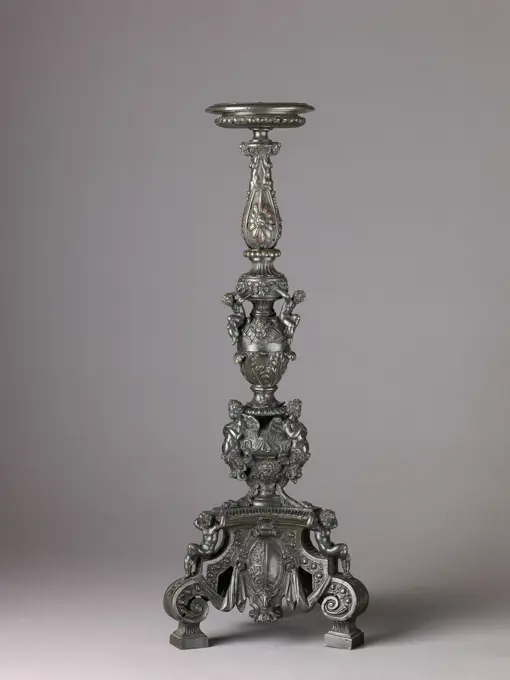
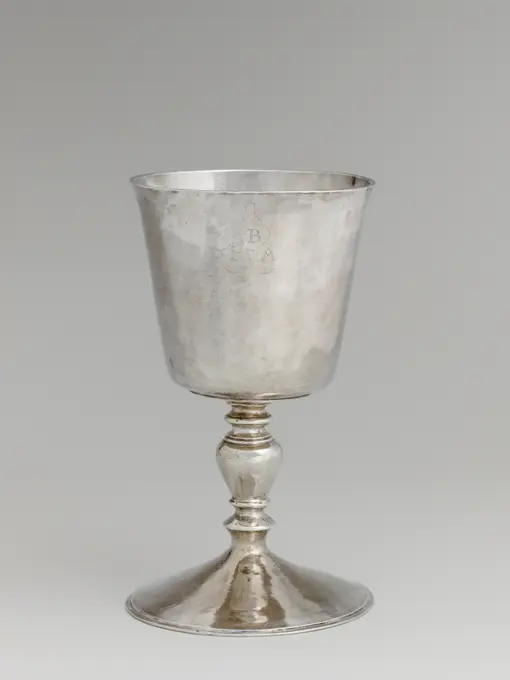
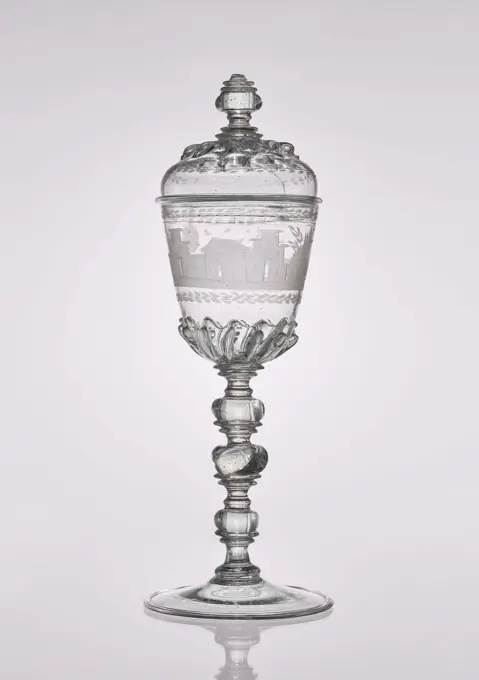
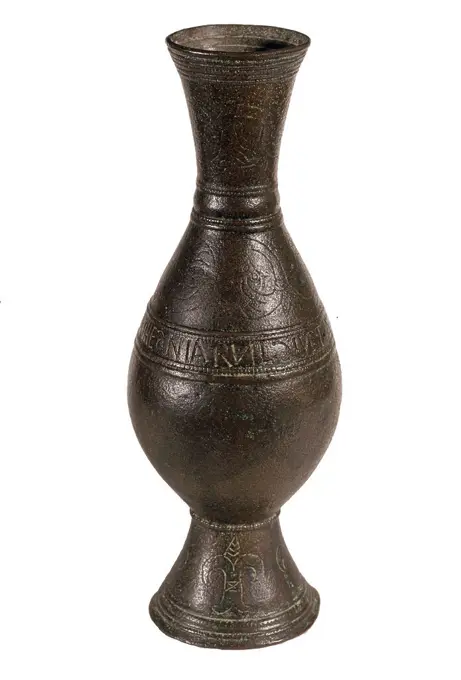
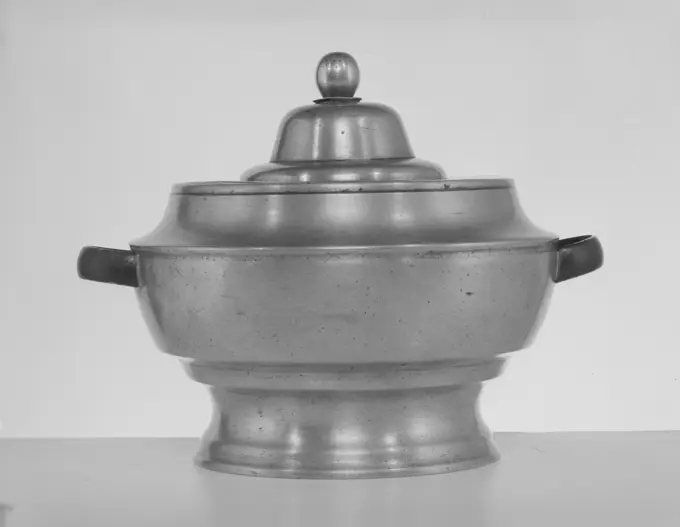
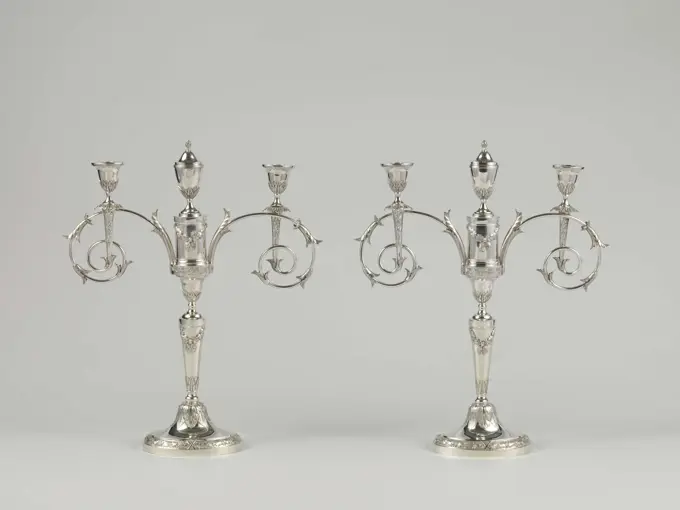
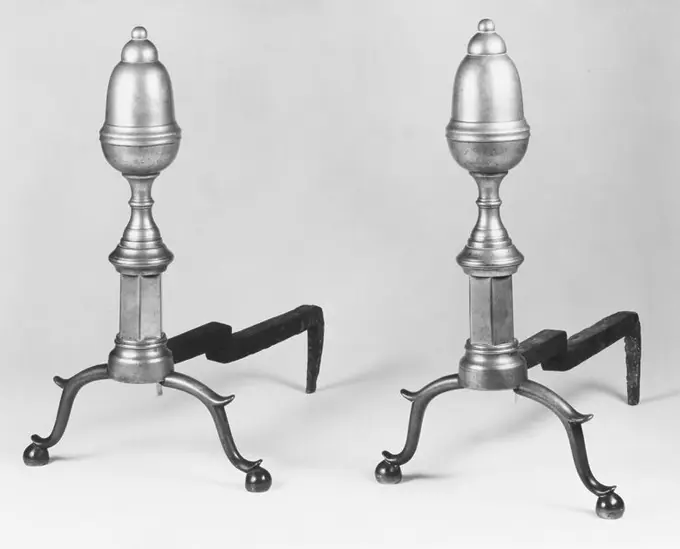
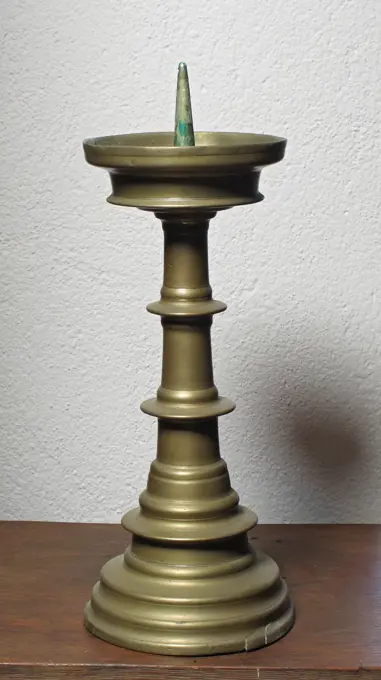
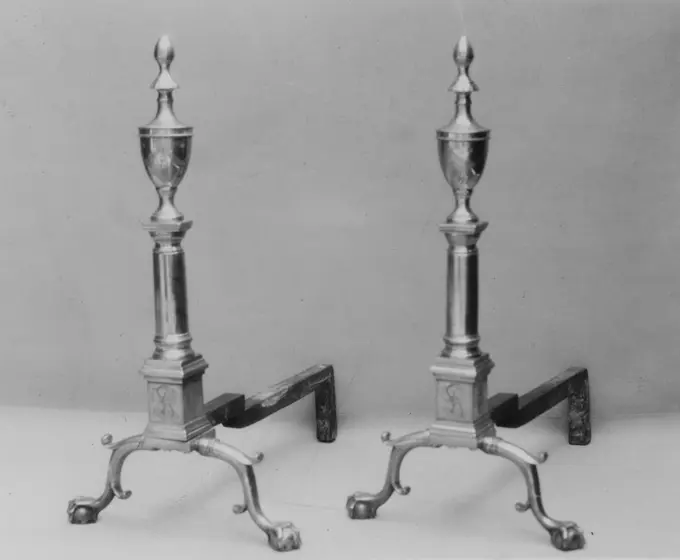
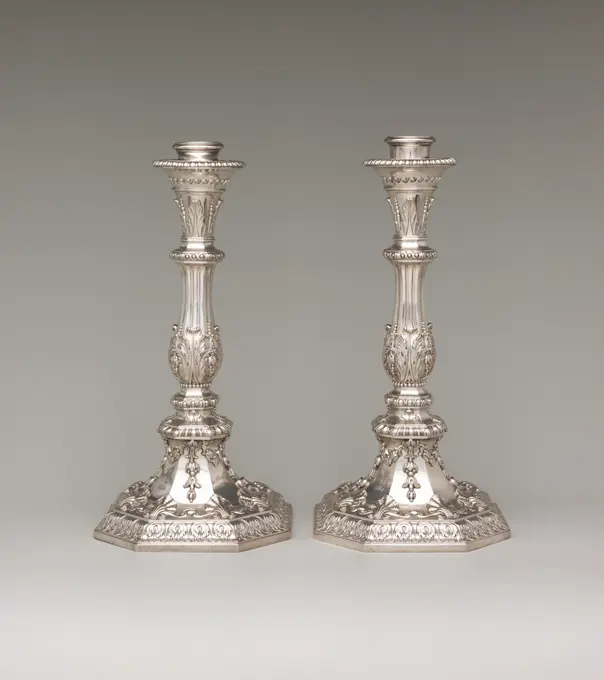
A collection of ornate candlesticks featuring various designs and materials, reflecting craftsmanship and historical styles in candle holders.

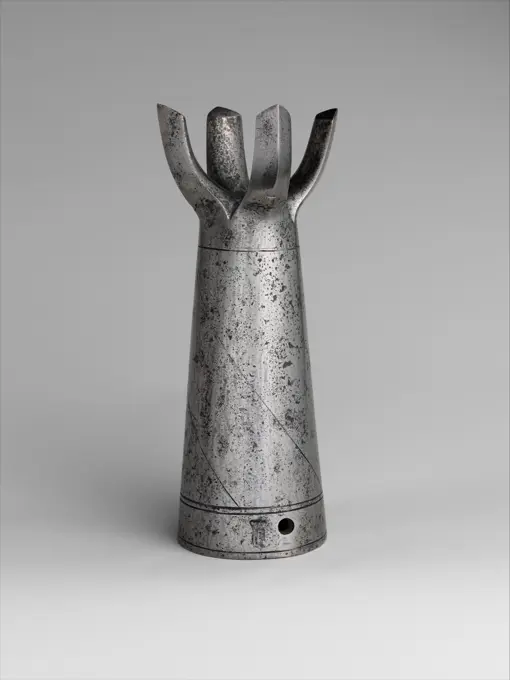
Tin candlestick in the form of a Greek column, Carel Lodewijk Schurffius (attributed to), c. 1772 - c. 1812 Tin candlestick in the form of a Greek column. The square base is provided with an egg list on the edge. Above that is a canaly trunk with the candle holder in the form of a Corinthian capital. Amsterdam tin (metal) casting Tin candlestick in the form of a Greek column. The square base is provided with an egg list on the edge. Above that is a canaly trunk with the candle holder in the form of a Corinthian capital. Amsterdam tin (metal) casting
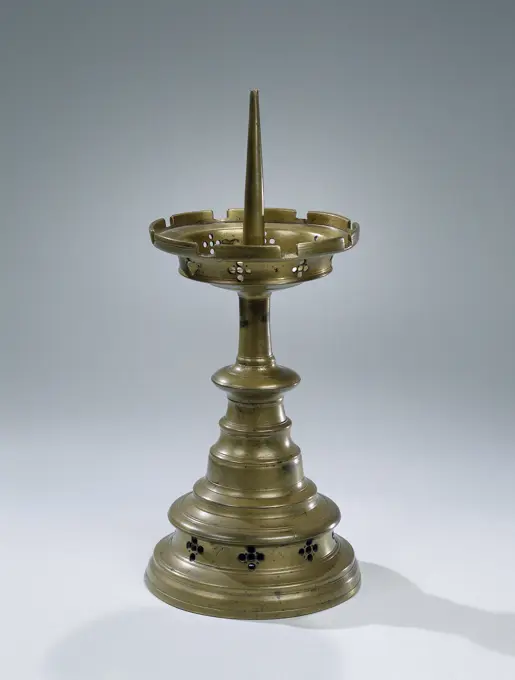
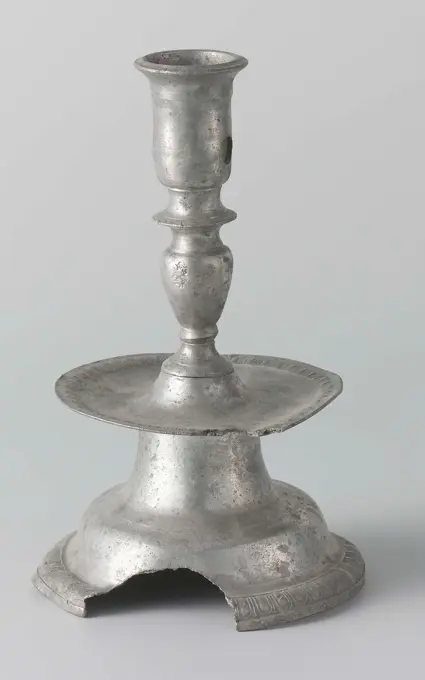
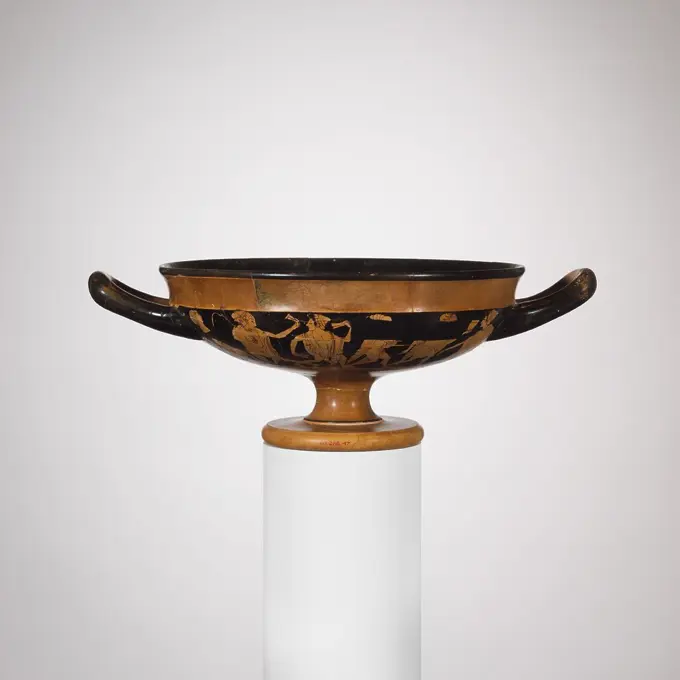
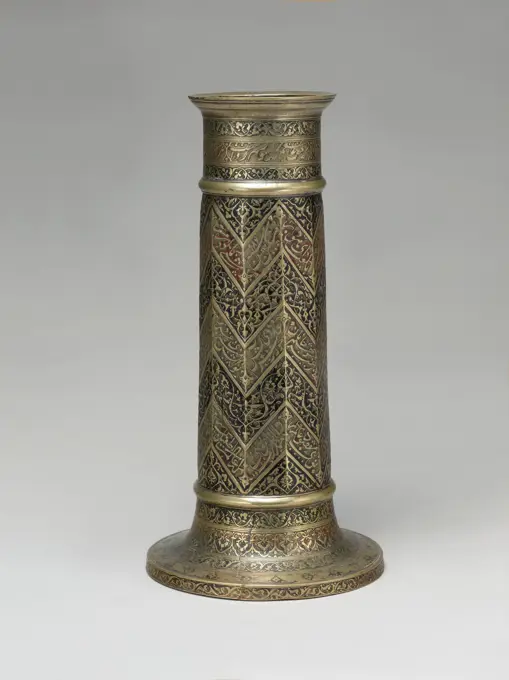
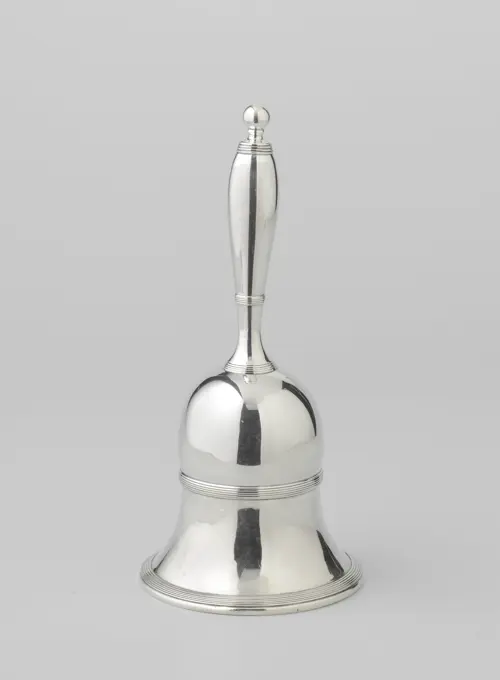
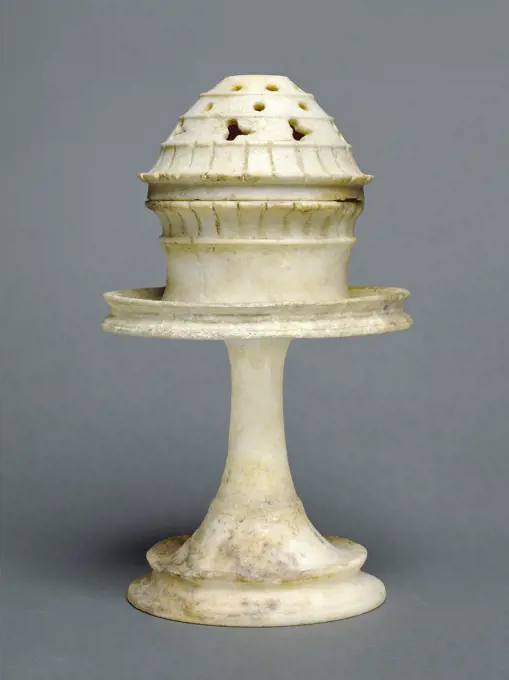
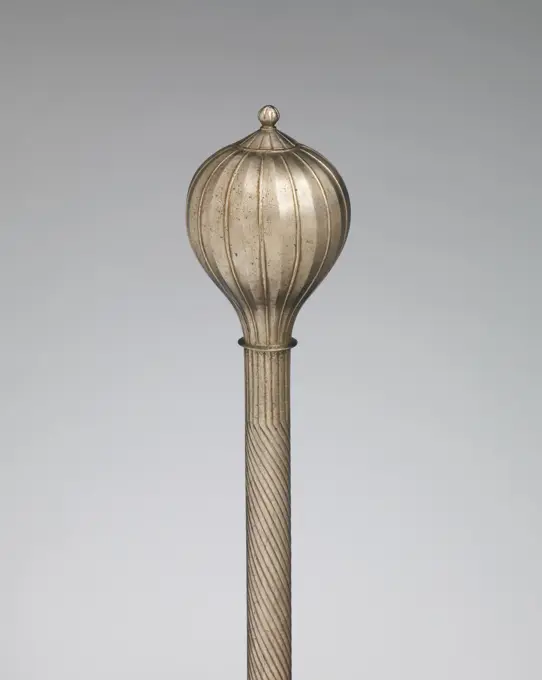
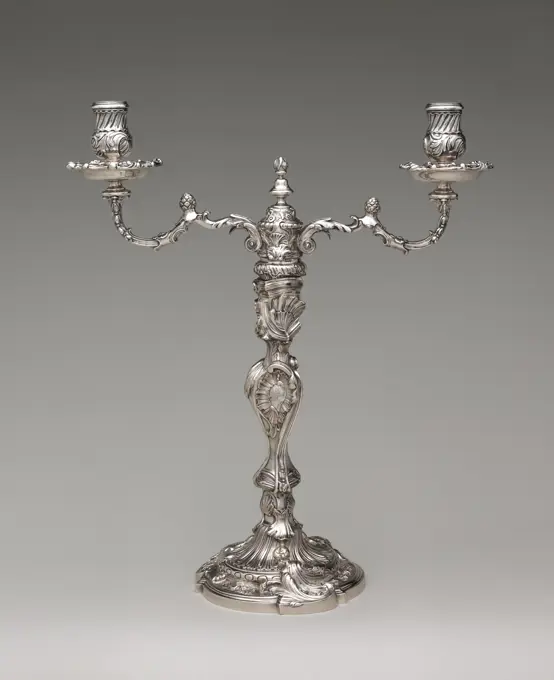
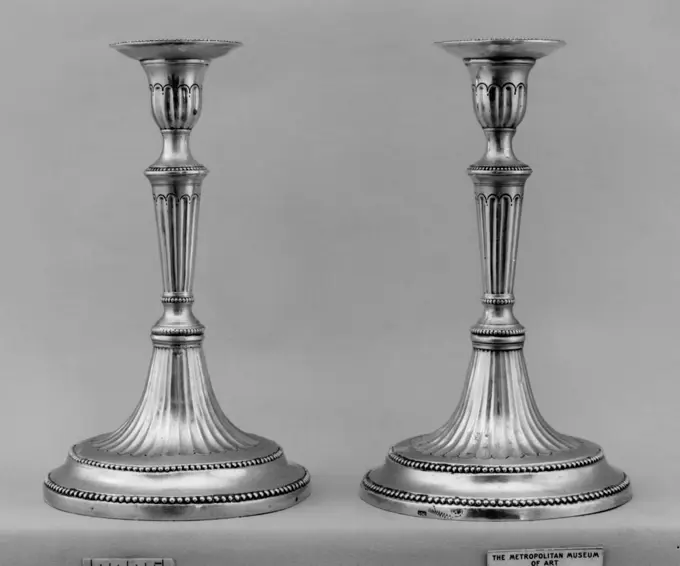
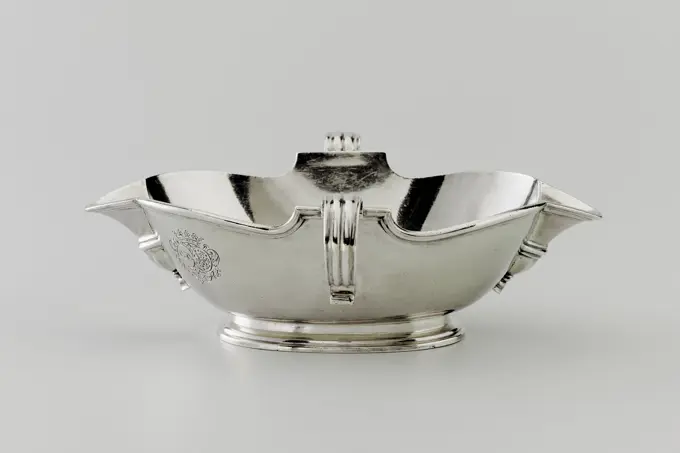
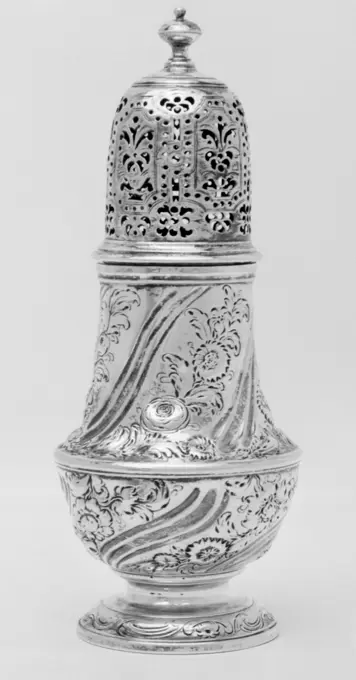
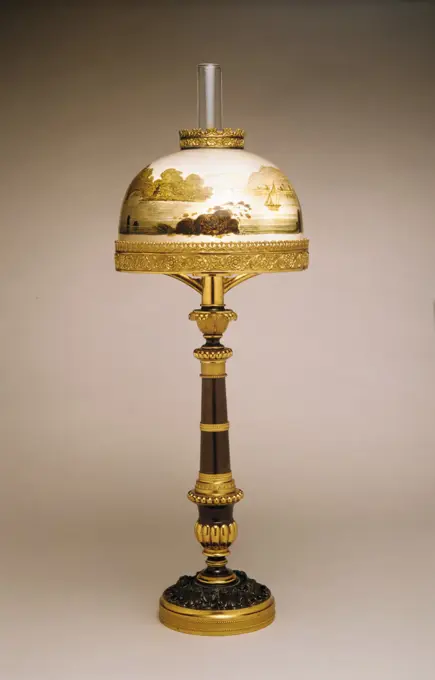
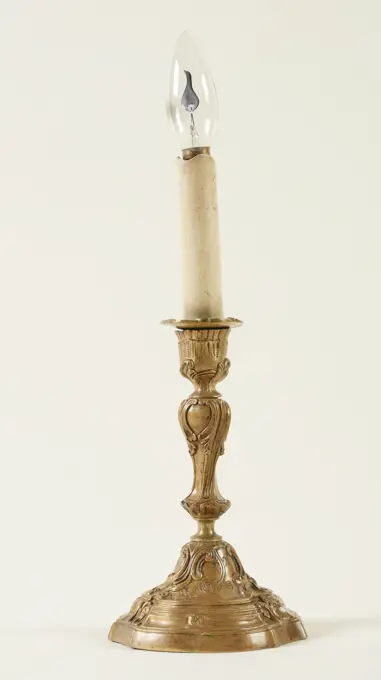
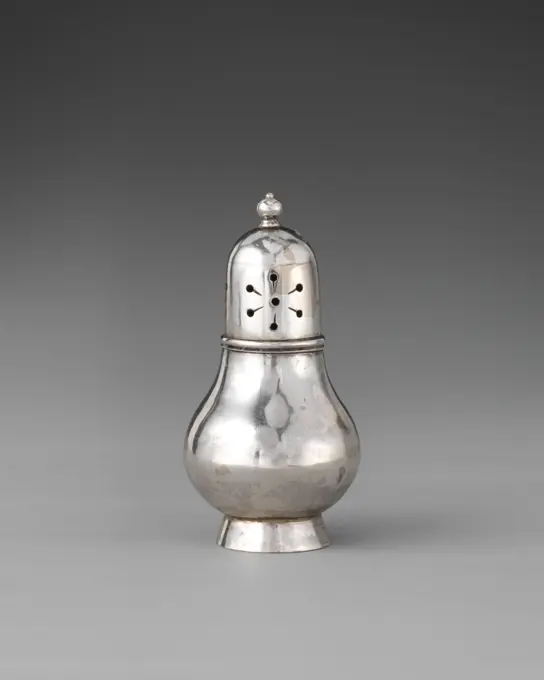
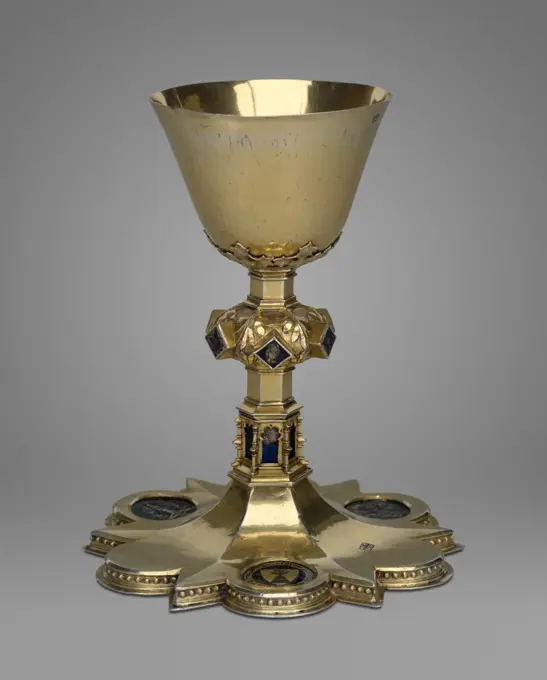
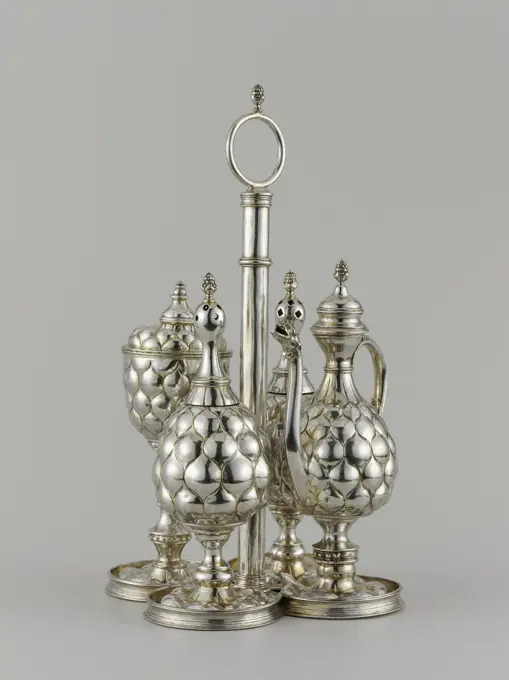
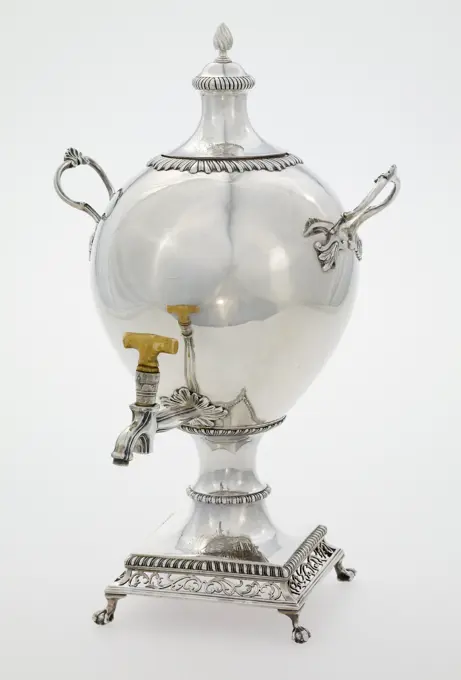
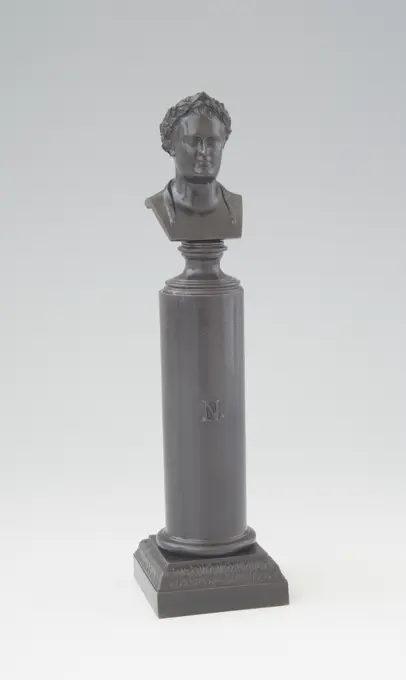
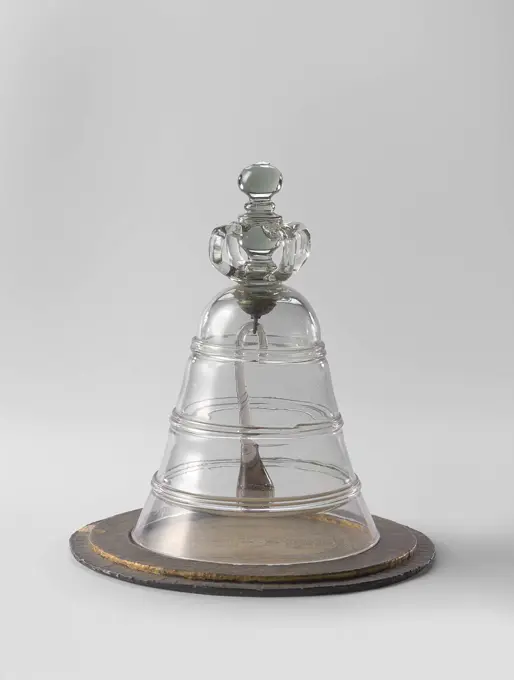
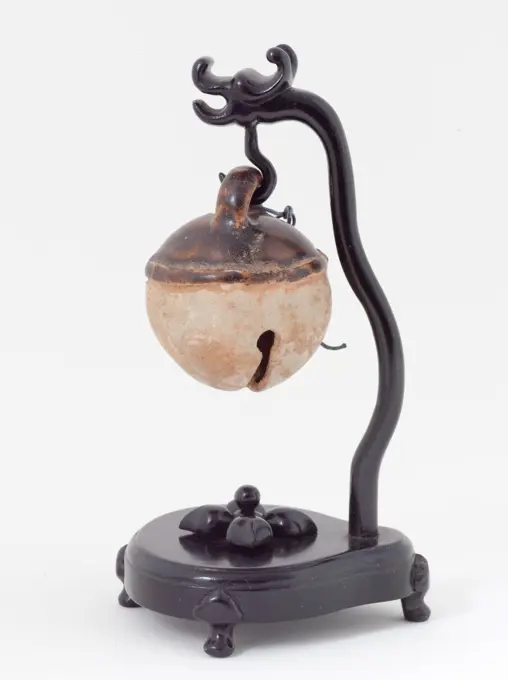
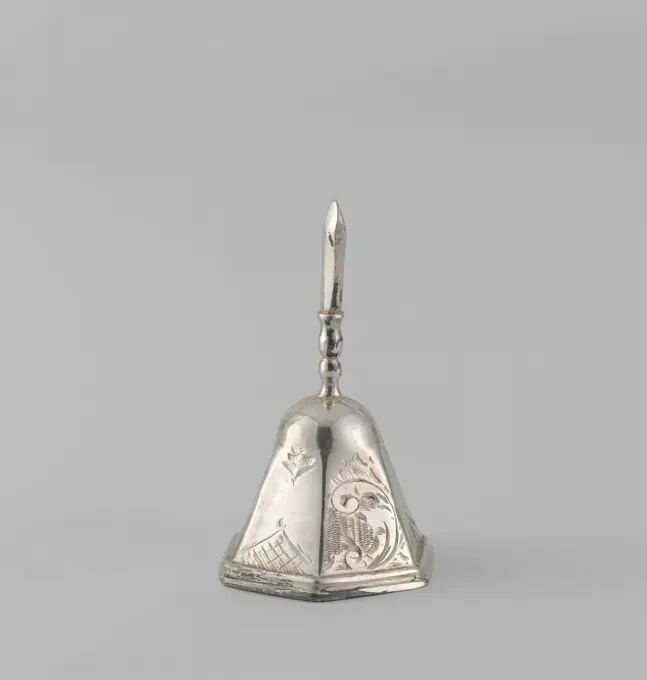
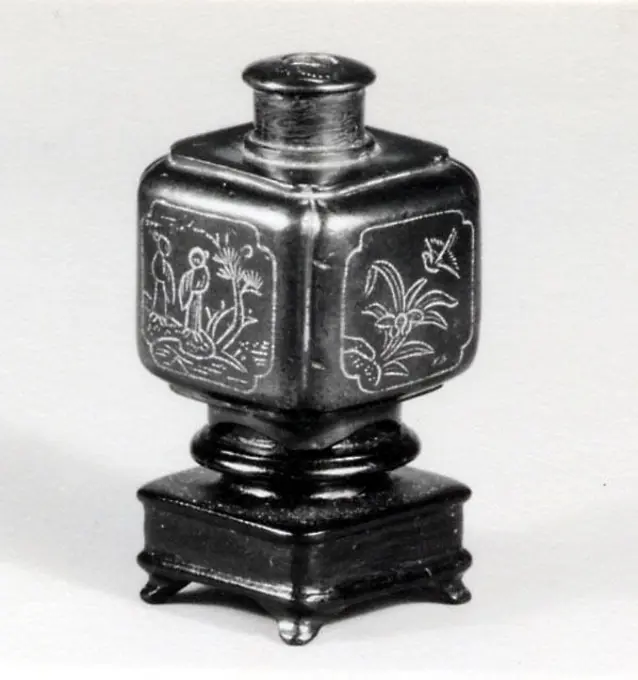
Candlestick Van Tin, Get Ordered Model, Anonymous, 1700 - 1800 Tin candlestick. The twisted foot is on three low legs, formed by volutes. The baluster -shaped tribe has been twisted with a twisted cup shape above it. The flower -shaped fat catcher is missing. West-Europa tin (metal) casting Tin candlestick. The twisted foot is on three low legs, formed by volutes. The baluster -shaped tribe has been twisted with a twisted cup shape above it. The flower -shaped fat catcher is missing. West-Europa tin (metal) castingColumn candlestick (Mash'al). unknown, craftsmanCandlestick with profiled foot and trunk, with a candle pin, anonymous, c. 1425 - c. 1475 The object is composed of the following parts: the foot, the trunk and the fat catcher, which are cast in one whole, and the candle pin. The trunk is hollow from the inside to just above the knot. The profiled Konical foot turns into a profiled Konian tribe, which is round and smooth after the knot. This part then turns into the fat catcher, on which the long -sized candle pin is applied to the foot. The round -deepened fat catcher, which has almost the same cross -section as the foot, has a flat lying edge, which turns into a narrow raised edge with eight tilting. All parts are decorated with fine grooved rings. Each decorations are applied in a wall of the foot and in the fat catcher, consisting of a perforation in the form of a five pass. Northern Netherlands brass (alloy) casting The object is composed of the following parts: the foot, the trunk and the fat catcher, which are cast in one wholeunknown (unknown), work, Pair of candlesticks, bronze, arts and crafts, h. 64.5 cm, Photo no. 32106.067, 2002 -05-17, photographer: Karjalainen, Hannu, photo type: laakadiaClockkeeling, four-part with circular base, flat bowl, baluster-shaped shaft and cylindrical candle holder. Clockkeeler, four-part with a wide varied circular base with an egg list, a flat bowl with egg list, a baluster-shaped shaft with a disk-shaped knot and a cylindrical candle holder with two round Leaking holes. The candlestick has a crowned rose as a quality brand.Tin candlestick in the form of a Greek column, Carel Lodewijk Schurffius (attributed to), c. 1772 - c. 1812 Tin candlestick in the form of a Greek column. The square base is provided with an egg list on the edge. Above that is a canaly trunk with the candle holder in the form of a Corinthian capital. Amsterdam tin (metal) casting Tin candlestick in the form of a Greek column. The square base is provided with an egg list on the edge. Above that is a canaly trunk with the candle holder in the form of a Corinthian capital. Amsterdam tin (metal) castingDecanter with Stopper 1881-1891 Lunéville. Glass . Baccarat GlassworksDecanter -Maker: Peter Van Dyck, American, 1684-1751, Caster, ca.1705-15, Silver, 7 1/2 × 3 1/4 in. (19 × 8.26 cm, 374 g), The original owners of this caster were Colonel Myndert and Rachel (Cuyler) Schuyler, who were married in 1693.Schuyler was the thirteenth mayor of Albany, New York, and a member of one of the prominent land-owning families of New York and New Jersey. The Schuylers also owned a silver tankard by Peter Van Dyck, and other members of the family owned a pear-shaped teapot by Van Dyck and a substantial tray by John Heath. New York casters are known for their stout, powerful proportions and boldornamentation. , Made in New York, New York, American, 18thcentury, Containers -MetalsTerracotta kylix (drinking cup). Culture: Greek, Attic. Dimensions: H. 3 5/8 in. (9.2 cm)diameter 7 1/4 in. (18.4 cm). Date: ca. 500 B.C..Interior, foreigner with his dogExterior, obverse, symposium (drinking party); reverse, komos (revel)In technique and execution, this cup represents the kind of enterprising and accomplished artist who flourished in Athens during the late sixth and early fifth centuries B.C. The technique is red-figure enhanced by a coral-red slip, a short-lived experiment. The decoration is exceptional for the trenchant observation that underlies the spirited rendering. The man on the interior is often identified as Levantine. His physiognomy would have been as outlandish to an Athenian as the appearance of his dog. Museum: Metropolitan Museum of Art, New York, USA.Engraved Lamp Stand with Chevron Pattern dated A.H. 986/ A.D. 1578-79 The poetry inscribed around this lamp stand expresses mystical Sufi sentiments. Lyrical verses from the Bustan (Orchard) of Sa'di are placed in three zigzag-shaped registers covering the shaft: I remember one night as my eyes would not sleep I heard a moth speaking with a candle. Said the moth: "Because I am a lover, it is only right that I should burn.But, why should you weep and burn yourself up?" Listen to experts illuminate this artwork's story Listen Play or pause #6725. Engraved Lamp Stand with Chevron Pattern, Part 1 Play or pause #6739. Engraved Lamp Stand with Chevron Pattern, Part 2 Supported by Bloomberg Philanthropies We're sorry, the transcript for this audio track is not available at this time. We are working to make it available as soon as possible.. Engraved Lamp Stand with Chevron Pattern. dated A.H. 986/ A.D. 1578-79. Brass; cast, engraved, and inlaid with black and red pigment. Attributed to Candelabra Supported by Putti first half 17th century or later Workshop of Niccolò Roccatagliata Italian This candlestick (part of a pair with 1975.1.1381) may have been used in an ecclesiastical setting. One of the roundels between their legs contains a cross, while another contains the figure of a saint. The attributes of the saintan open book and the IHS monogramsuggest that he can be identified as Saint Bernardino of Siena, an influential fifteenth-century Franciscan preacher who was canonized in 1450. Although the coat of arms in the third roundel has not yet been linked with a specific family, they are probably those of the family who commissioned the pair.. Candelabra Supported by Putti. Workshop of Niccolò Roccatagliata (Italian, born Genoa, active 1593-1636). Italian, Venice. first half 17th century or later. Copper alloy, with a black lacquer or wax patina.. MetalworkPricket Candlestick Northern European or British 13th century View more. Pricket Candlestick. Northern European or British. 13th century. Copper with traces of gilding. Metalwork-CopperWine cup ca. 1660 John Hull Richard and Alice Brackett donated this cup to the Braintree church before 1690.. Wine cup 16953Silver lantern, possibly from a synagogue in Suriname, c. 1720 - c. 1740 lantern Silver lantern or lamp formed by four columns or pillars (one flaw) that wear a silver roof at the top and a similar container for the lamp oil at the bottom. The oil was probably in a pewter inner tray to protect the silver container. The columns have small pear -shaped buttons with a thread at both ends. This makes it possible to turn the lamp in and out. At the top of the columns, just below the roof, are eyes for the attachment of a wind glass that had to prevent the flame from getting out. The lamp could be hung on the eye of the roof of the lantern. For the fourth missing column, a replica was made based on the three remaining columns. Such lamps were used in churches and synagogues as lighting. There are also known specimens that were used for burning the eternal light in the synagogue. These lamps often have an inscription in memory of a person. The appearance of the lamp points to manufacture in tCALIZ. Location: MUSEO DE ARTE SACRO. Padrón. A CORUÑA. SPANIEN.Ghanta. Bronze sculpture of a bell with led handle and the top formed by lotus cushion on which a five-pointed Wajra.Handbell, Diemont and Son, 1823 The round, bell -shaped bell is made up of a concave and a convex section and is articulated by traffic jams on the underside and on the separation between the two parts. The steel -shaped handle is slightly constricted on the underside, then it broadens itself to rejuvenate to the end. It is articulated by traffic jams on the top and bottom and on one third of the height. It is crowned by a spherical button. Amsterdam silver (metal) The round, bell -shaped bell is made up of a concave and a convex section and is articulated by traffic jams on the underside and on the separation between the two parts. The steel -shaped handle is slightly constricted on the underside, then it broadens itself to rejuvenate to the end. It is articulated by traffic jams on the top and bottom and on one third of the height. It is crowned by a spherical button. Amsterdam silver (metal)Tripod Candlestick first half 14th century The engaging profile on the stem is composed of three distinct superimposed elements, perhaps flower vases or mosque lanterns. This candlestick was made for an affluent Mamluk named Sharaf al-Din 'Abd al-Rahman.. Tripod Candlestick. first half 14th century. Brass; cast, engraved, incised, and inlaid with silver. Attributed to Egypt. MetalJohn Green, Roberts, Mosley & Co., Pair of Candlesticks, 1794/95, silver.Beaker, silver, gold, Tall flaring body with punched lambrequin motif above engraved shell and scroll band and initials E.H.S. Wavy relief band at top and bottom. Flaring gadrooned foot, with traces of gilding. Interior gilded., Stockholm, Sweden, 1760, metalwork, Decorative Arts, beaker, beaker. Candlestick of silver. The foot and trunk are hexagonal. The fat catcher has the shape of a lobed leaf. At the foot the engraved weapon of Rotterdam.Incense Burner; South Italy; 4th century B.C; Marble with polychromy; 22.9 × 16.3 cm (9 × 6 7,16 in.)Pricket Candlestick ca. 1445 French. Pricket Candlestick 467759Mace mid-16th century probably Turkish The spiral fluting on the shaft of this mace represents a style developed by the Mamluks and then spread to other parts of the Middle East.. Mace 22375Candlestick, anonymous, c. 1590 - c. 1596 candlestick Candlestick with curved circular foot and baluster -shaped shaft. The candlestick has a scale -shaped fat catcher and a baluster -shaped shaft. The candle holder is cylindrical. Netherlands tin (metal) casting  Nova Zembla. Saving Huys. Round candlestick from smooth silver consisting of a foot, a short strain and a candle holder. The foot is filled with lead. Signature and dated. Note; This candlestick is part of a set of four. See inv.nrs. (BK-1992-29-A and BK-1989-10-A and B).Candelabrum (one of a pair) 1742/43 David Willaume II British The modeler of these candlesticks, influenced by contemporary French designs, has endowed the usually static form with an organic, upward-sweeping energy. Although the rococo style in England developed its own distinctive character, it remained strongly associated with France and French taste.. Candelabrum (one of a pair) 236031Silversmith's art, Italy, 17th century. Cosimo Merlini (1580-1641), silver chalice, 1637. Located in Tuscany region, at Luco di Mugello fraction of Borgo san Lorenzo (Florence province), in the former Camaldolese Convent of San Pietro.Bust van Biscuit, representing Napoleon Bonaparte, Manufacture Impériale de Sèvres, 1805 Column of veneered mahogany, standing on a large square base, above which a profiled base ring of solid mahogany; The shaft has gilded widded wide bronze rings at the top and bottom end and above a convex quarter round copper closing a square solid mahogany abaleus. Sèvres copper (metal). gilding (material). mahogany (wood). bronze (metal) gilding  France Column of veneered mahogany, standing on a large square base, above which a profiled base ring of solid mahogany; The shaft has gilded widded wide bronze rings at the top and bottom end and above a convex quarter round copper closing a square solid mahogany abaleus. Sèvres copper (metal). gilding (material). mahogany (wood). bronze (metal) gilding  FranceCandlestick (one of a pair) last quarter 18th century Portuguese, Oporto. Candlestick (one of a pair) 191931Small goblet. Kuhn & Komor (wytwórnia sreber ; 1869-1919), goldsmiths company, Kurokawa, Yoshikatsu (1867- 1949), craftsmanHSUN OK sacrificial vessel;  2. PO. 19th century (1850-00-00-1900-00-00);Toeplitz-Mrozowska, Jadwiga (1880-1966), Toeplitz-Mrozowska, Jadwiga (1880-1966)-collection, gift (provenance), Burmese artGoblet and cover. Czechy, creator. SGABELLO of walnut resting on a front and back leg in the form of two flat claw legs, between which a hanging, stylized lily. Through a profiled list, rear and former are separated from the wide seat rules; The hexagonal seat is over. The flat back is lacking vase. See also: BK-15383 and 15384.Sierelement van sabbathlamp, unknown, 1700 - 1800 Sabbath lamp ornamental arm. The S-shaped arm ends towards the trunk in a curl. To the outside, it turns into a wider part, in which the chalice -shaped flour is screwed. This is the fourth arm, unnumbered. Nuremberg brass (alloy) casting Sabbath lamp ornamental arm. The S-shaped arm ends towards the trunk in a curl. To the outside, it turns into a wider part, in which the chalice -shaped flour is screwed. This is the fourth arm, unnumbered. Nuremberg brass (alloy) castingOne of a Pair of Andirons Made 1895-1905 England. Brass . Charles Francis Annesley Voysey (Designer)Campania Caserta Capua Museo Campano059. Hutzel, Max 1960-1990 Medieval: Byzantine architectural fragments; parchment fragments with miniatures (12th century) from Montecassino; painted wooden crucifix (13th century); Carolingian crucifixes; Bishop's miter (11th century) of gold and silver damask; fresco (13th century). Post-medieval: Architecture (15th century). Formerly the Palazzo Antignano. Unusual Catalan/Moorish-style portal; Paintings on panel and canvas (15th-18th centuries); marble intarsia (16th century); marble sculpture: busts of Christ and Mary (17th century); sculpture of saints in marble and in wood (15th century); painted and gilded sculpture in wood; marble grave sculpture (16th century); sarcophagus with allegorical carvings; gold reliquary "Rosa d'Oro"; crucifix made of elephant tusk Specific Location: Pianterreno Antiquities: Italic sculpture (seated women holding babies); inscription. Photo campaign #1: 533 photos. Roman relief and sculpture; cinerary urns; Greek aJARRO LITURGICO MOZARABE-PROC DE PALENCIA-CON INSCRIPCION. Location: ARCHAEOLOGICAL MUSEUM. LEON. SPAIN.Sauce bowl with the crowned alliance weapon of Veel -van Wijhe, Bernt Wolffsen (attributed to), 1718 - 1719 Sausom, oval, spouts at the ends and ribbed ears attached to the middle of the two sides. Along the corrugated top edge a imposed profile, including the crowned alliance weapon of Shared-van Wijhe in engraving work, consisting of two oval shields: 1 on a crossbar two turned out of boars; 2 A climbing lion in a field littered with blocks. Nijmegen silver (metal) engraving Sausom, oval, spouts at the ends and ribbed ears attached to the middle of the two sides. Along the corrugated top edge a imposed profile, including the crowned alliance weapon of Shared-van Wijhe in engraving work, consisting of two oval shields: 1 on a crossbar two turned out of boars; 2 A climbing lion in a field littered with blocks. Nijmegen silver (metal) engravingSugar bowl with tin lid. Sugar bowl with tin lid. The pot stands on a square base on it a round, conical strain. The Cuppa is decorated with ranks motifs on the lower half, the upper half is unforded. The round, bell-shaped lid is unforded to the lower half and decorated on the upper half with rank and floral motifs. The small button is taught.Cart; Non -like Lona Huta; 2. W. 18th century (1725-00-00-1750-00-00);Candle holder. Customer from buyer, on a tripod.Sugar Bowl 1830-45 George Richardson. Sugar Bowl. American. 1830-45. Pewter. Made in Cranston, Rhode Island, United StatesCaster 1726-27 Probably by Starling Wilford. Caster 197400Egg cup 1833 Sèvres Manufactory French. Egg cup 202626Candlestick 1700-1800. Candlestick. 1700-1800. Copper, enamel. Made in EnglandLamp ca. 1825 J. & I. Cox. Lamp 16767Anonymous, small torch in chiseled copper. Copper chiseled. House of Victor Hugo - Hauteville House.Vase KorzecSilversmith's Art, Italy 19th century. Silver candlesticks.Miniature caster with cover 1720-23 David Clayton British. Miniature caster with cover. David Clayton (British, active 1689). British, London. 1720-23. Silver, glass. Metalwork-Silver-MiniatureTinsmith: Johannes Daniël Druy, Chalice-shaped bowl with engraved text on round base CHURCH FUR DURING DELFSHAVEN, bowl scale shell holder tin, cast Round hollow base going over narrow tall stem shaped bowl in foot on bottom of the trunk: angel with palm branch in oval above banderol in which Druy metal casting Delfshaven church guardian religion church supper church dish protestantism collection religious ceremony ceremony RotterdamLime Container(Tagan)Abruzzo L'Aquila Castelvecchio Subequo S. Francesco, Museum1. Hutzel, Max 1960-1990 Reliquaries, processional cross (15th century) statues- including a silver Madonna and Child with Angels, sculpture-including wooden statue of Christ, and frescoes Roman sculpture fragments, bronze sculpture, bronze plate, iron sword, roman coins German-born photographer and scholar Max Hutzel (1911-1988) photographed in Italy from the early 1960s until his death. The result of this project, referred to by Hutzel as Foto Arte Minore, is thorough documentation of art historical development in Italy up to the 18th century, including objects of the Etruscans and the Romans, as well as early Medieval, Romanesque, Gothic, Renaissance and Baroque monuments. Images are organized by geographic region in Italy, then by province, city, site complex and monument.Candlestick Westwalewicz, StanisławScent Bottle And Case (England); shagreen, cast silver, velvet (lining), glassMiniature caster with cover 1720-23 David Clayton British Listen to experts illuminate this artwork's story Listen Play or pause #413. Retail Value. High and Low Supported by Bloomberg Philanthropies We're sorry, the transcript for this audio track is not available at this time. We are working to make it available as soon as possible.. Miniature caster with cover. David Clayton (British, active 1689). British, London. 1720-23. Silver, glass. Metalwork-Silver-MiniatureChalice ca. 1400 Catalan The slender proportions and small bowl of this chalice are typical of work of the late 14th and early 15th centuries. The Annunciation and Crucifixion appear in the enameled roundels on the base, along with the coat of arms of an unidentified owner. By the 14th century silver was generally marked to identify the place of manufacture, largely to guarantee that it was sufficiently pure. The hallmark of the city of Barcelona appears here on the rim of the base and between the coat of arms and the Annunciation.. Chalice 471917Ciborio de cobre campeado, grabado, dorado y esmaltado con elementos de fundición. 32,5x16,5cm. Limoges, Francia, s.XIV.Candlestick ca. 1852-60 Christian Dorflinger French. Candlestick 1310Tea Kettle on Stand, Model 640 Tea Kettle, Lamp, And Cover; Designed by William Arthur Smith Benson (English, 1854 - 1924); Manufactured by W.A.S. Benson Ltd. (United Kingdom); England; copper, brass, wood, caneFork late 17th-early 18th century German. Fork. German. late 17th-early 18th century. Steel, ivory, silver. Metalwork-SteelHandbell, Johan van den Eynde, 1544 The object consists of three parts: the bell -shaped shell with the handle, the iron eye and the iron clapper. On the lower edge of the shell the inscription: Fecit per IOHAN de Fine AO 1544. Above it two medallions formed by wreaths, one of which shows the heads of a woman and a man with laurel wreath and the other shows a men's head . The wreaths are stopped by Putti with one hand, who point with the other hand to high Renaissance cases. Ramskoppen are placed above the medallions and the two vases, which are connected by garlands. In between the inscription Lofsi Godt of Al. The top of the shell is profiled. The handle is decorated with three acanthus leaves against a granulated background. Mechelen bronze (metal). iron (metal) casting / granulation The object consists of three parts: the bell -shaped shell with the handle, the iron eye and the iron clapper. On the lower edge of the shell the inscription: Fecit per IOHAN de Fine AO 1544. Above it tCandlestick Van Messing, Anonymous, 1450 - 1500 The object is composed of two parts: the foot and the trunk with candle holder. They were cast and then turned. The high, profiled Konian base is provided with a raised edge at the top, so that he can also serve as a fat catcher. On the cone -shaped middle part, the trunk is sounded and continues turned at the bottom. The tribe, which is decorated with four knots and one of which is slightly greeting, turns into a profiled almost cylinder -shaped holder at the top. Foot and trunk are decorated with shill. The holder was shortened by a repair, which means that the rectangular openings are missing. The trunk is soldered at the bottom. Northern Netherlands (possibly) brass (alloy) casting / soldering The object is composed of two parts: the foot and the trunk with candle holder. They were cast and then turned. The high, profiled Konian base is provided with a raised edge at the top, so that he can also serve as a fat catcher. On the cone -shCALIZ DE PLATA SOBREDORADA S XVI. Location: IGLESIA DE SANTA MARIA DEL CAMPO. Coruña. SPAIN.Four Lance Heads for the Tournament late 15th-early 16th century German The pointed lance heads were intended for the Scharfrennen or similar jousts fought with sharp lances. The four-pronged lance head was used in the Gestech, a joust with blunted lances.. Four Lance Heads for the Tournament. German. late 15th-early 16th century. Steel. Shafted WeaponsSpice service, consisting of a leaf with screw -on holder, oil can, two spreaders, one with round, the other with diamond -shaped holes in the lid, and a salt barrel., Anthonie Grill (attributed to), 1642 The crockery consists of a leaf with crug handle, with an oil kid on top, a spreader with round holes, a spreader with diamond -shaped holes and a salt barrel with lid. As a basic shape, the leaf has a four -pass with a slight curve inside each circle on which one of the barrels or spreaders fits. It is enclosed by a raised profiled edge. The handle has the shape of a high tube that is equipped with profiled tires on the lower and top and at 4/5 of the height. The tube is crowned by a standing ring on which a button in the shape of a pine cone. The oil kan rests on a six -lobe base on which, above a narrow knder edge, a diabolo -shaped intermediate piece is placed. The body has the shape of a pine cone, decorated with drop -shaped bulges. On the neck widening upwards, a multiple profiHot water urn, 1770-1771, H.17-1/2 x W.10-3/8 x D.11 in. (overall), Silver, ivory, England, 18th century. Candlestick with foot consisting of 6 parts, including a bobèche. Signature and dated.Beaker first half 18th century I.P.A.. Beaker 200137RELICARIO S XVII (EXCAVACIONES IRIA FLAVIA). Location: MUSEO DE ARTE SACRO. Padrón. Coruña. SPAIN.Andiron. Culture: American. Dimensions: 16 1/8 x 10 x 14 7/8 in. (41 x 25.4 x 37.8 cm). Maker: John Bailey (American, active New York, 1736-1815). Date: 1792-1814. Museum: Metropolitan Museum of Art, New York, USA.Pickle jar - Meriden Britannia Company (founded 1852) Meriden Britannia Company (founded 1852)Candlestick German or South Netherlandish late 15th century View more. Candlestick. German or South Netherlandish. late 15th century. Copper alloy. Metalwork-Copper alloyCoffeepot And Stand; enameled tôle; a) H x W x D: 28.1 × 15 × 20 cm (11 1/16 × 5 7/8 × 7 7/8 in.) b) H x W: 4.1 × 11 cm (1 5/8 × 4 5/16 in.) c) H x W: 7.1 × 18.8 cm (2 13/16 × 7 3/8 in.) d) L: 19.2 cm (7 9/16 in.)Decanter And Stopper (Ireland); glassAndiron 1795-1810 American. Andiron. American. 1795-1810. Brass, iron. Made in New York, New York, United StatesToilet can. Pitts, Thomas I (fl. 1755-ca 1793), goldsmithChandelier mid-15th century South Netherlandish. Chandelier. South Netherlandish. mid-15th century. Brass, Dinanderie. Metalwork-BrassSword Pommel. European. Date: 1510-1530. Dimensions: Overall. Iron and silver. Origin: Europe. Museum: The Chicago Art Institute, Chicago, USA.Pair of candlesticks 1757/58 Edward Wakelin British These candlesticks reflect the enthusiasm of the 6th Earl of Coventry for the neoclassical style. His silversmith, Edward Wakelin, adapted a design from a pattern by William Kent, one of the first architects to supply designs for furniture and interior fittings as well as for buildings.. Pair of candlesticks. British, London. 1757/58. Silver. Metalwork-SilverPyksis czerwonofigurowa z wyobrażeniem dłoni na pokrywce. unknown, authorCandlestick;  End of the 19th century (1880-00-00-1880-00-00);Bust of Napoleon Iverschnörkelter antiker amerikanischer sockelständer um 1870 für elegante ausstellung this showcases an ornate antique american pedestal stand, dating back to circa 1870. its intricate wood carvings, rich brown tones, and gold accents exude classic elegance and historical charm. perfect for displaying treasured items or adding a touch of vintage sophistication to any interior. LicenseRF Copyright: xZoonar.com/GallóxGusztávx 23316599Vintage russian tea samovar Vintage russian tea samovar isolated on white background Copyright: xZoonar.com/AndreyxEreminx 7011145Handbell. Table bubble with bell-shaped body with three double wires. The handle made up of two smooth nodi, two discs and four loops. At the top button, the year 1582 is scratched with the diamond. In the bubble a glass clapper hangs on a gold-plated metal eyeGrelot and its support ". Terracotta with brown covered. China, Tang dynasty (618-907). Paris, Cernuschi museum. Chinese art, Chinese ceramic, tang dynasty, bell, support, terracotta, animal head, stem, tripod, three feetHandbell. Hexagonal table bubble with handle. The handle runs striker. The surfaces of the bubble are engraved. The table bell is noticed: sword and an unreadable sign.Pair of bobêches for candlesticks ca. 1825 Italian, Perugia. Pair of bobêches for candlesticks 210178BRONCE FUNDIDO S XII. Location: MUSEO ARQUEOLOGICO NACIONAL-COLECCION. MADRID. SPANIEN.Miniature Bottle 18th century China. Miniature Bottle 61295Mortar with the inscription: ENGBET TELINC AND IANNEKE SY HUISVROV MCCCCCXI, Anonymous, 1511Bell with Bull with Chain 10th-11th century() Indonesia (Java). Bell with Bull with Chain. Indonesia (Java). 10th-11th century(). Bronze. Eastern Javanese period. MetalworkSugar caster (one of a pair) 1728-29 Nicolas Besnier French. Sugar caster (one of a pair). French, Paris. 1728-29. Silver. Metalwork-SilverMountCandlestick (one of a pair) Made 1810-1820 Staffordshire. Lead-glazed earthenware with lustre decoration .Beaker ca. 1715 P.P., Metz. Beaker 200132WILL Monogramista SS