Elegant Antique Tableware

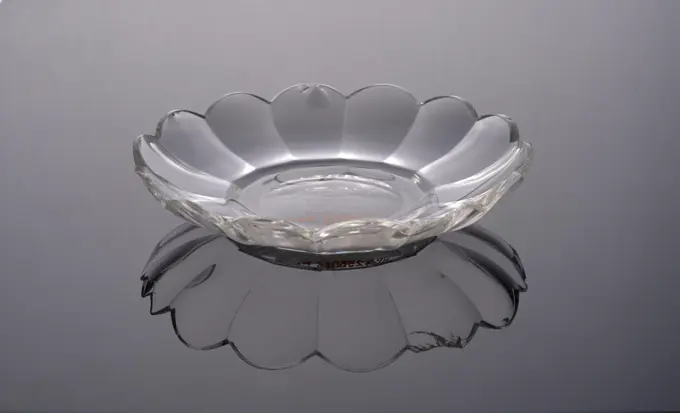
Collection of exquisite ceramic and glass containers, including a sugar bowl, milk jug, and decorative bowls, showcasing intricate patterns and historical elegance.

Lidded jar, anonymous, c. 1660 - c. 1685 Pot with fowence lid with a decoration to the Chinese porcelain in the transition period. The pot has a corresponding lid. Delft . Pot with fowence lid with a decoration to the Chinese porcelain in the transition period. The pot has a corresponding lid. Delft .
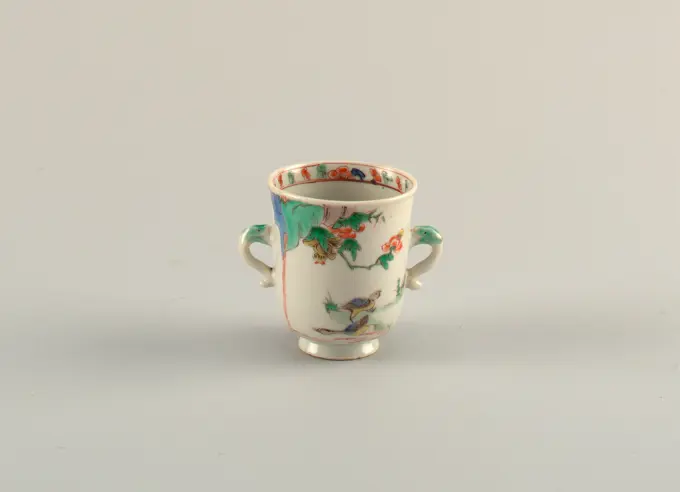
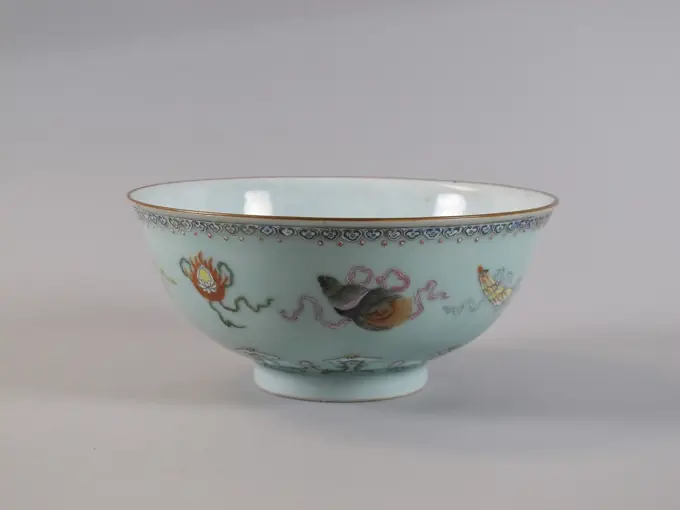
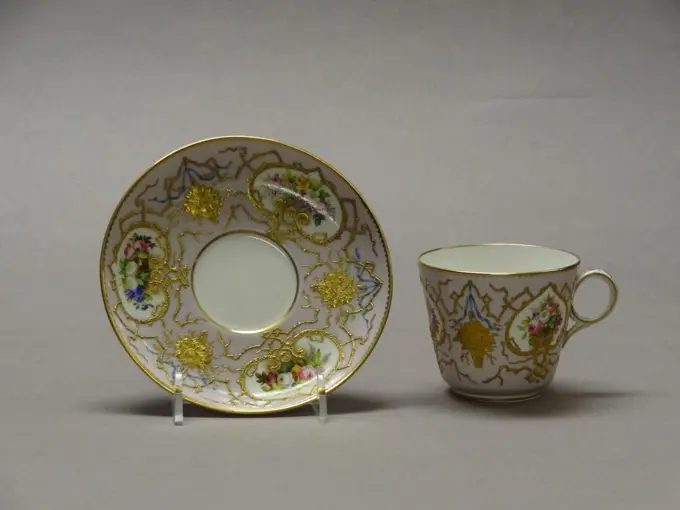
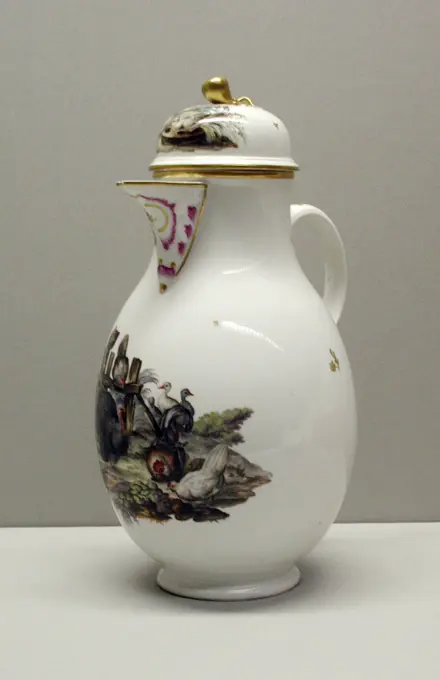
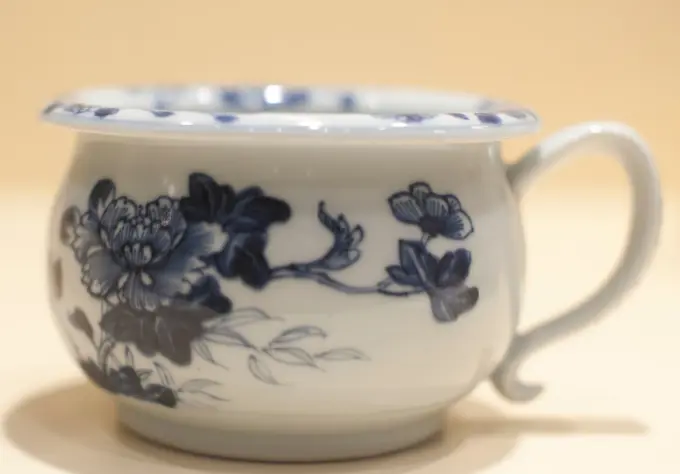
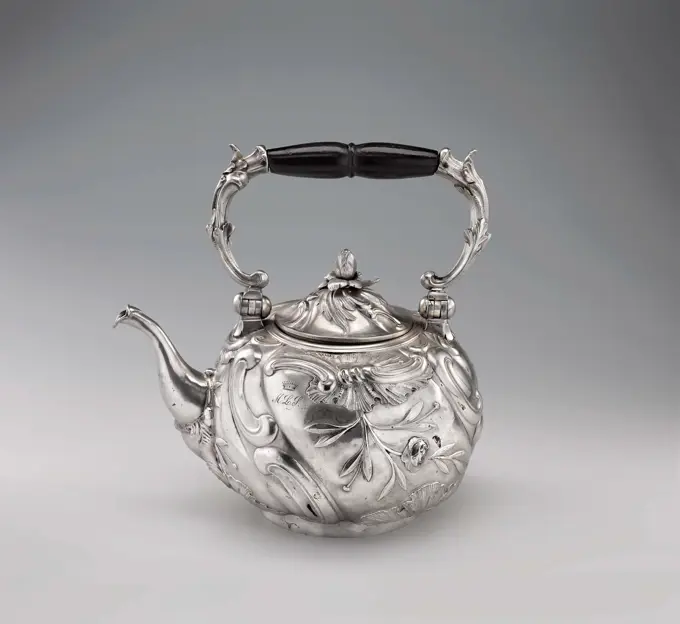
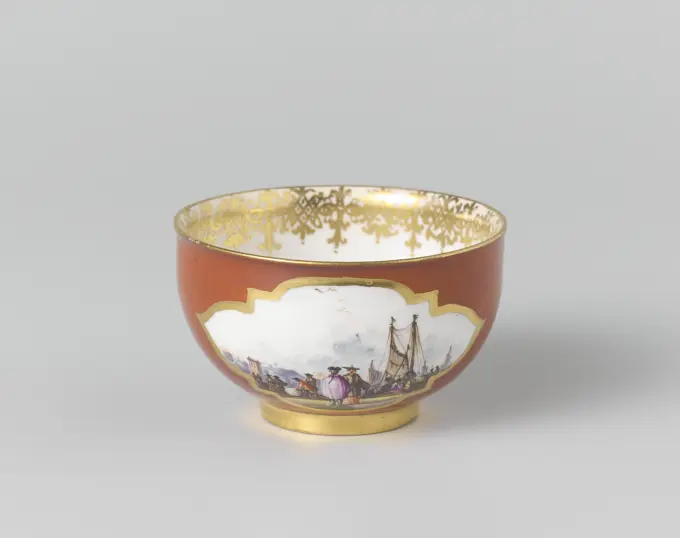
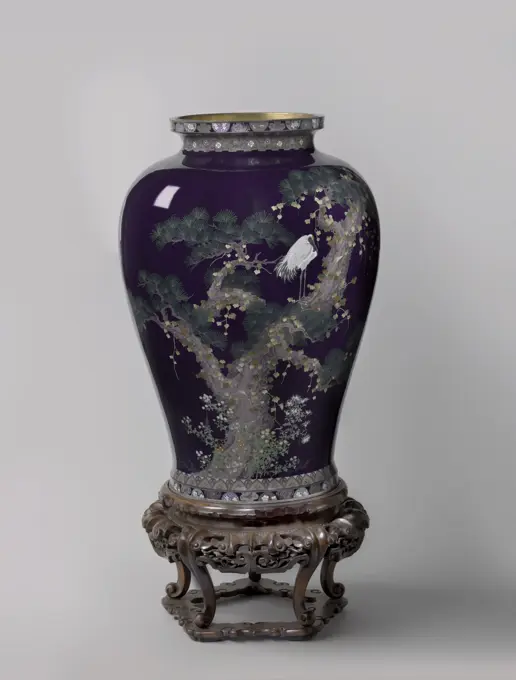
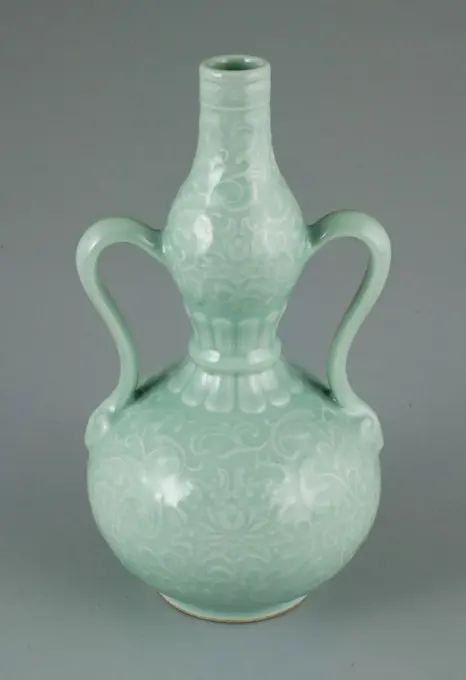
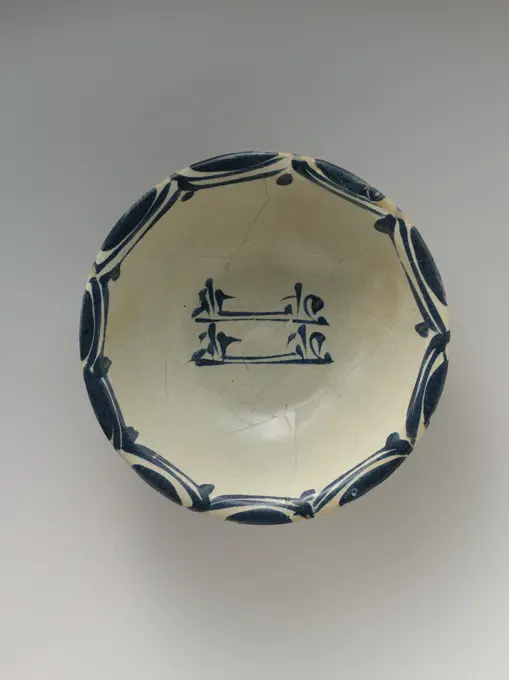
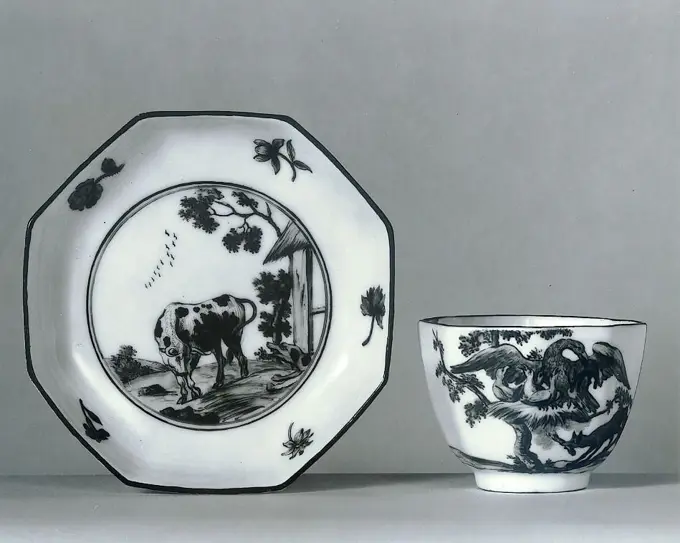
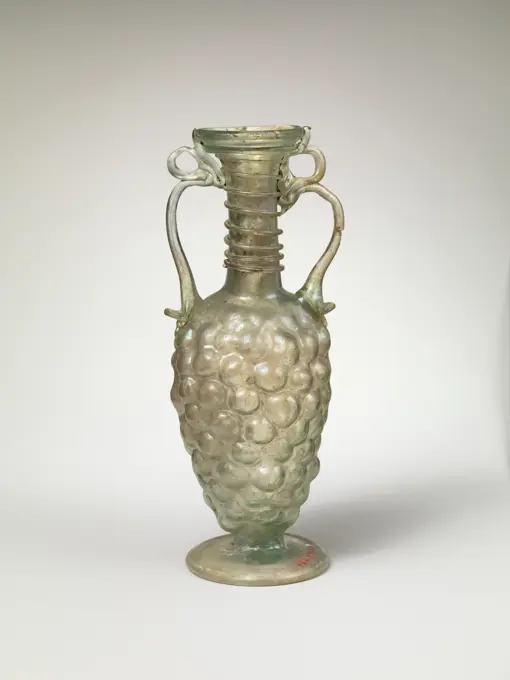
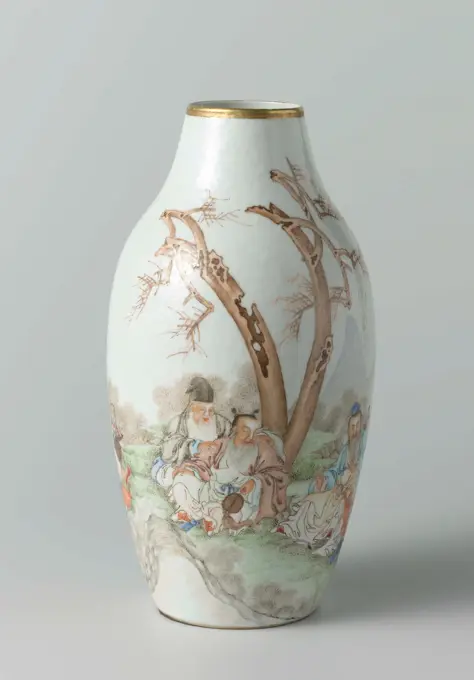
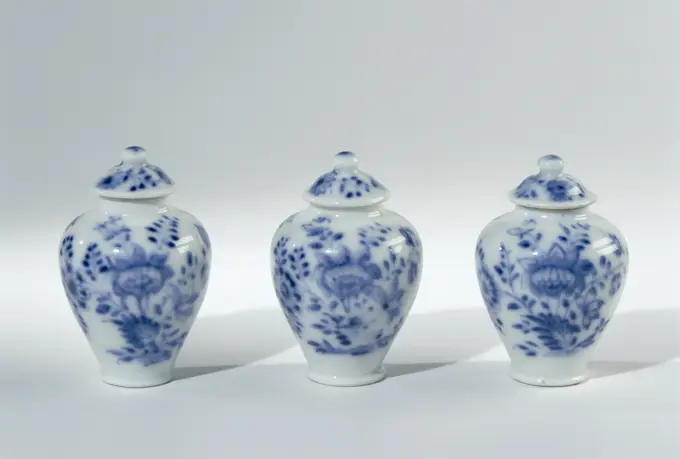
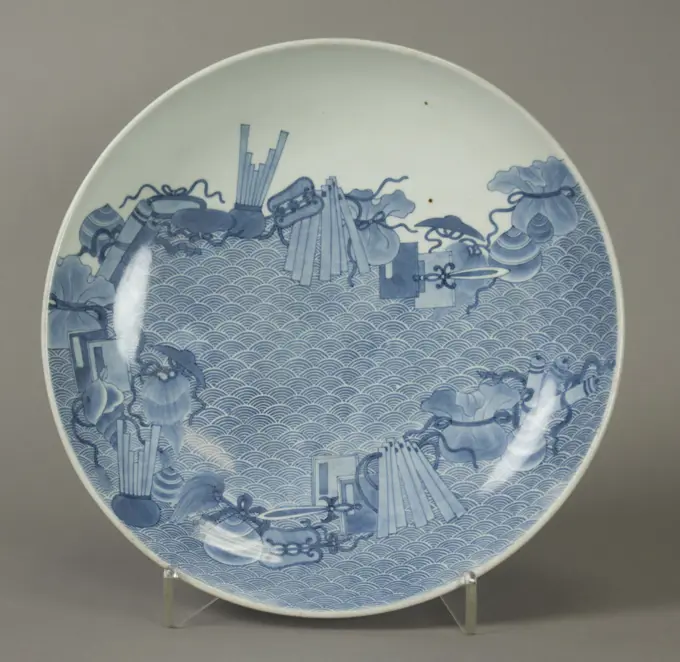
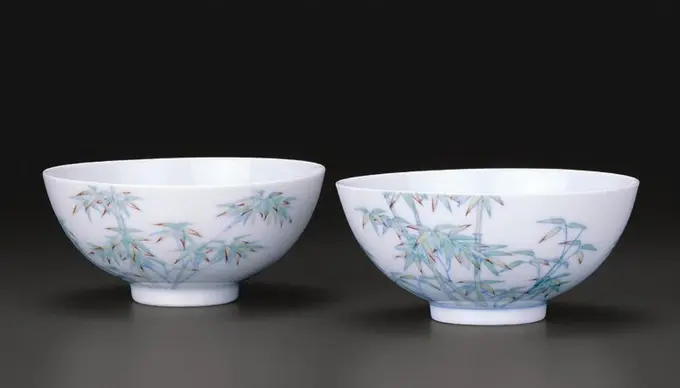
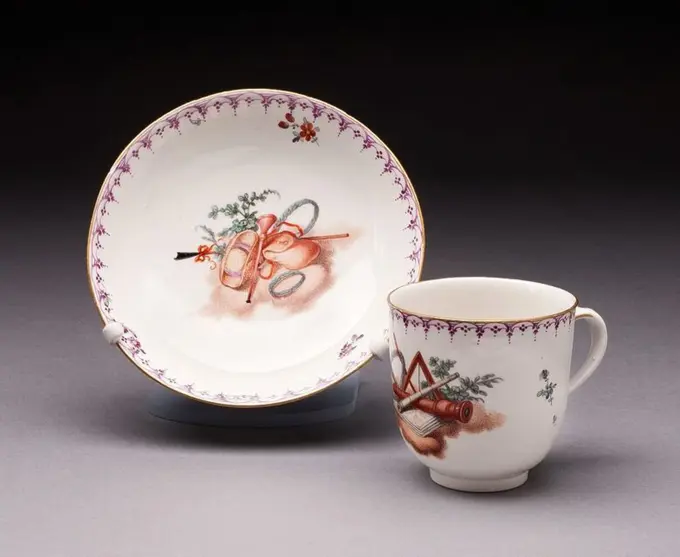
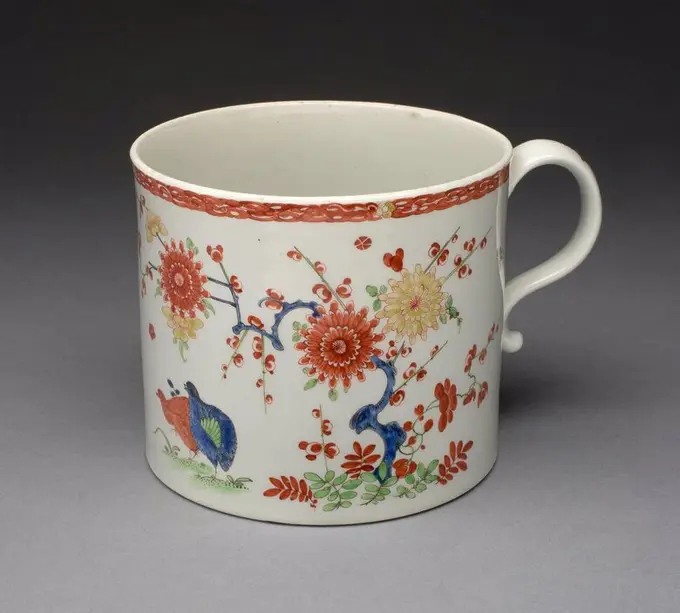
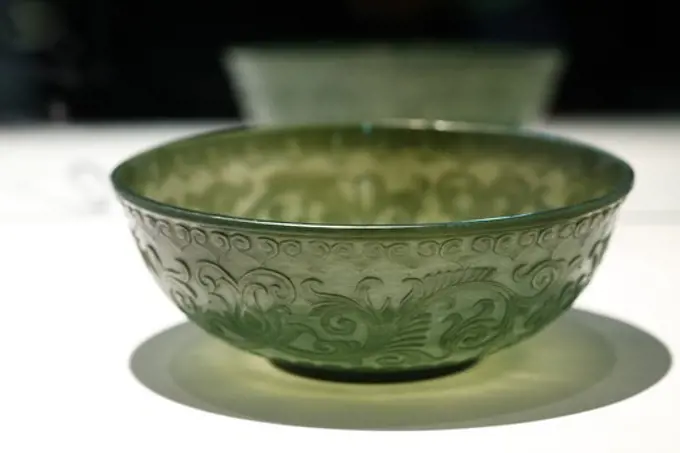
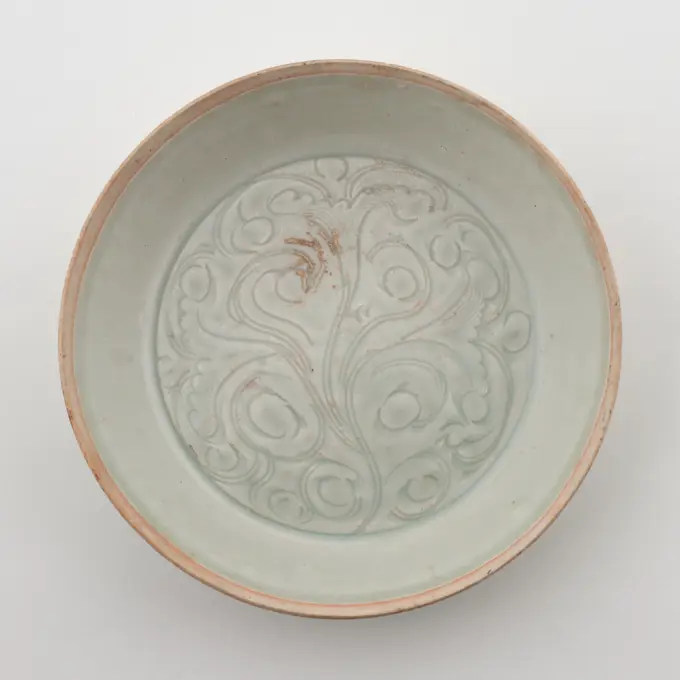
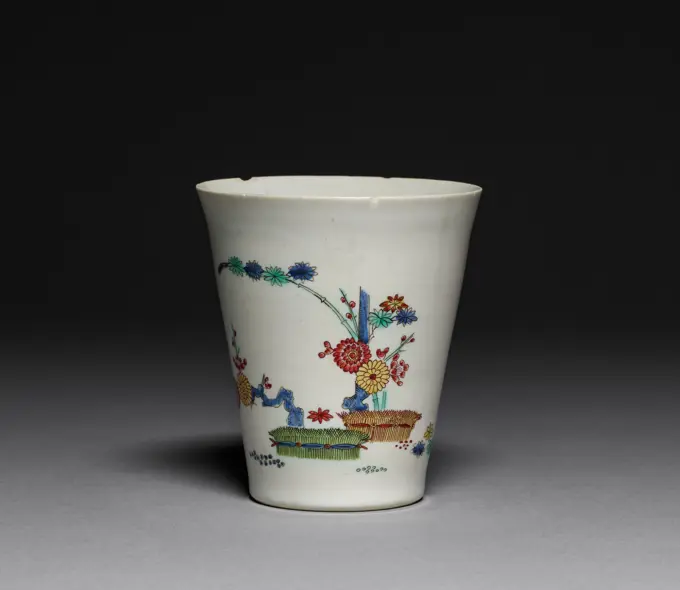
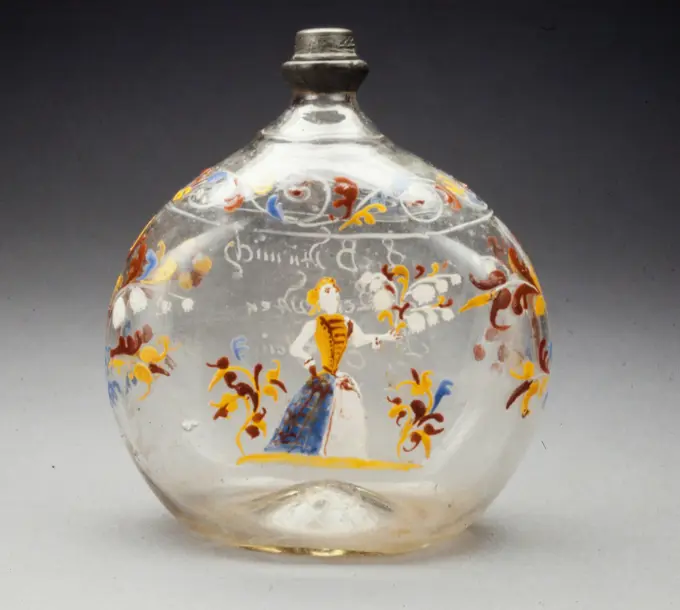
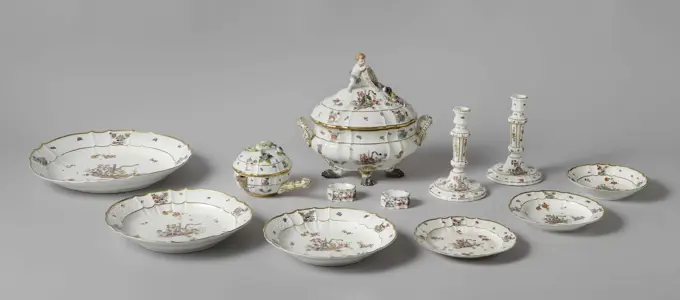
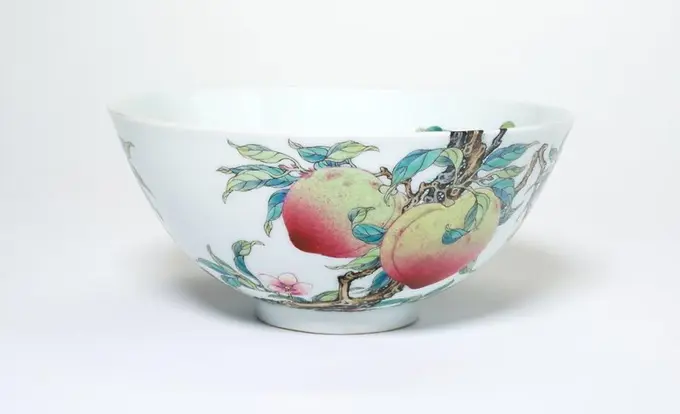
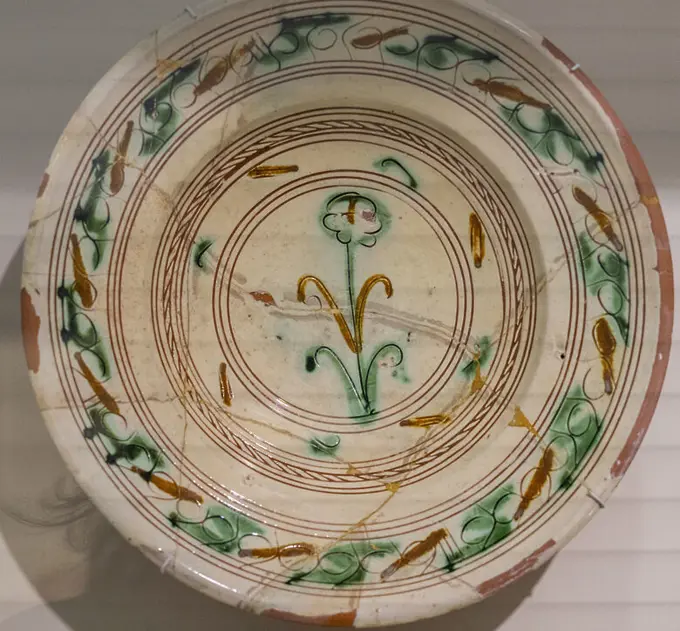
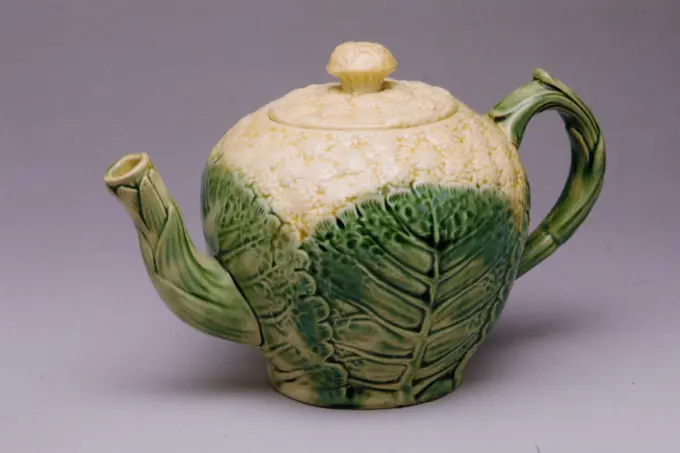
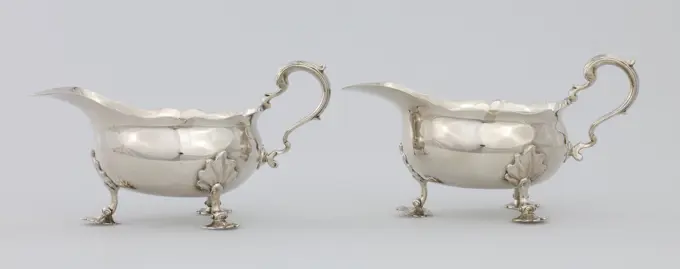
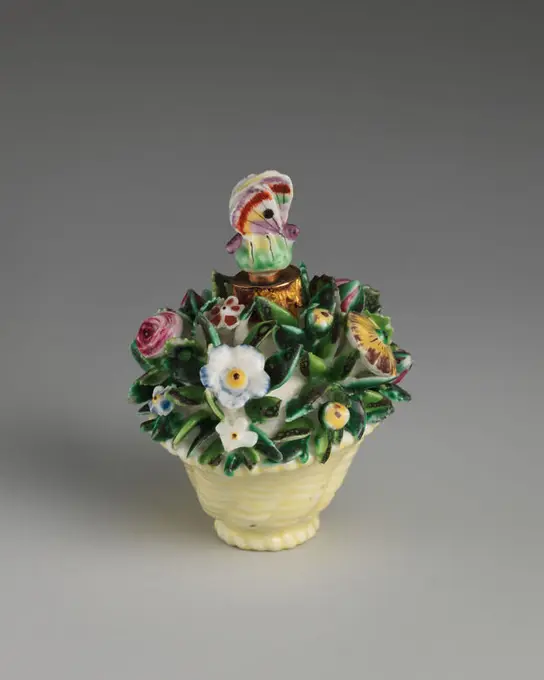
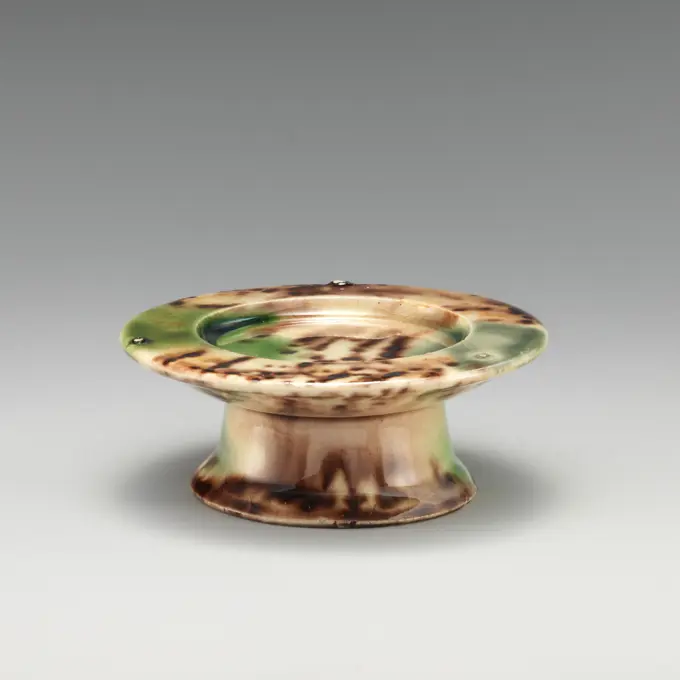
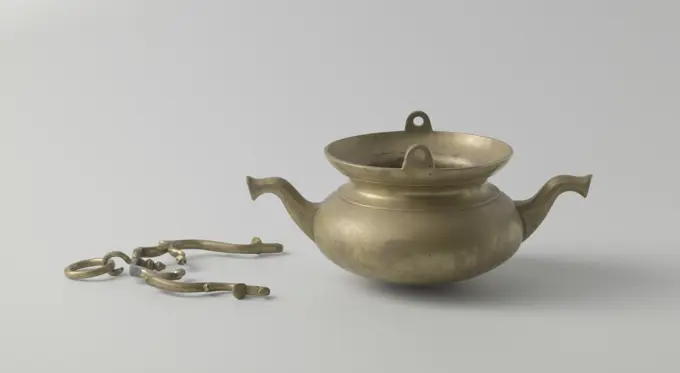
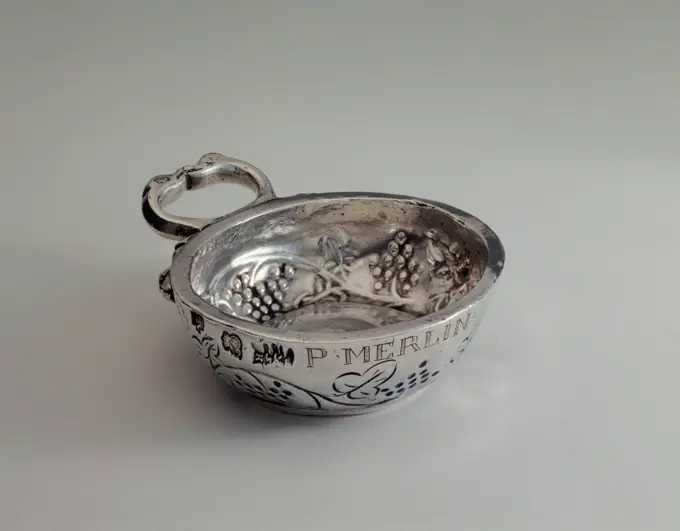
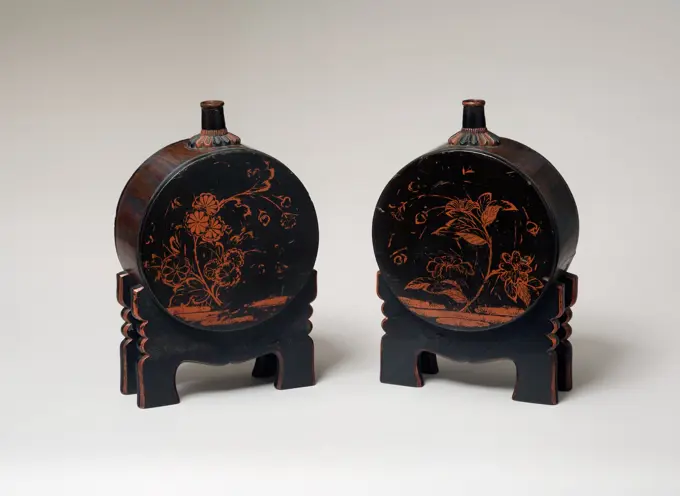
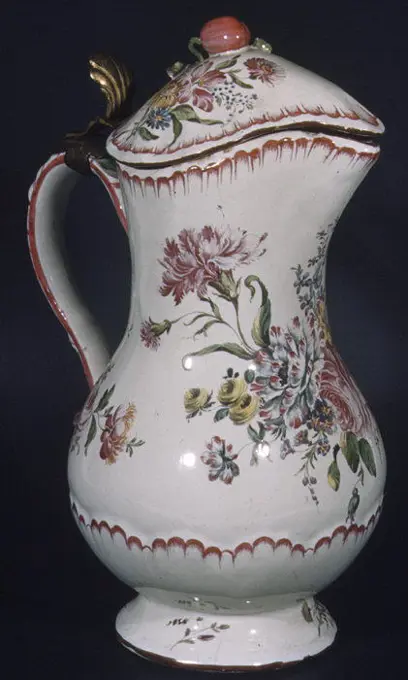
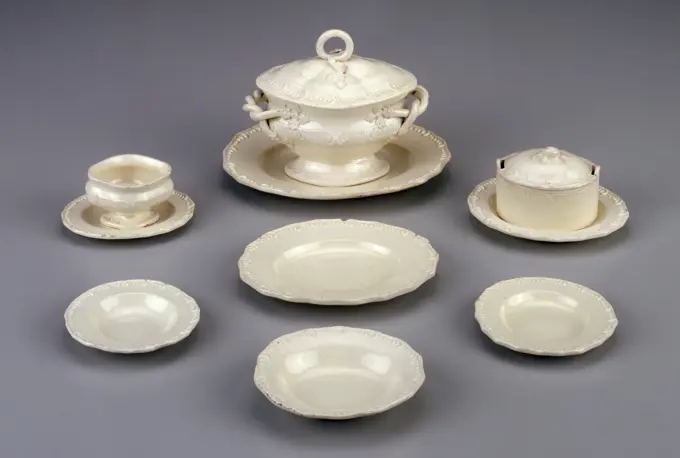
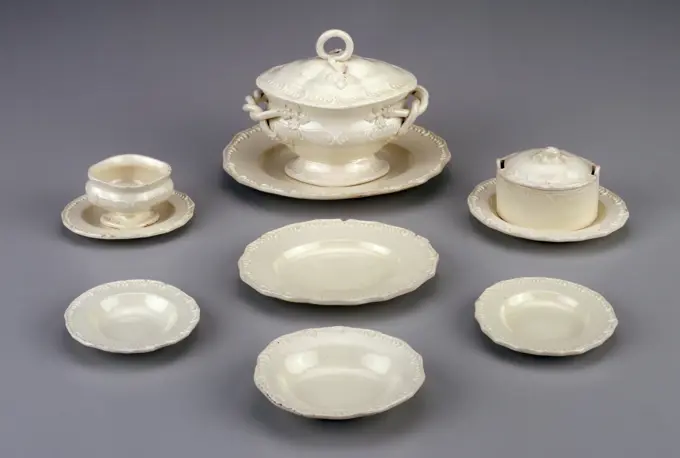
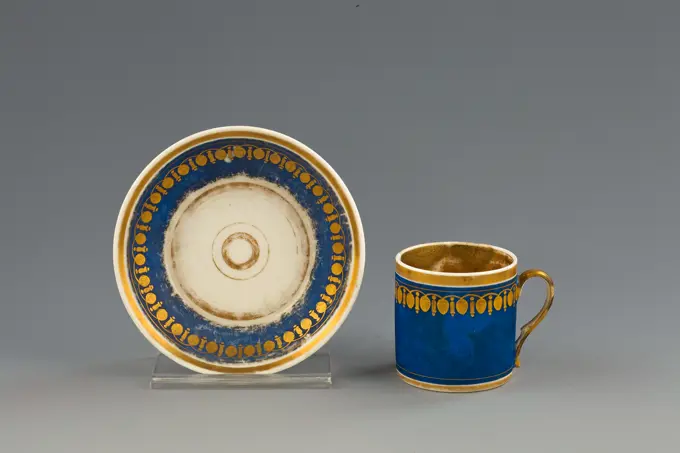
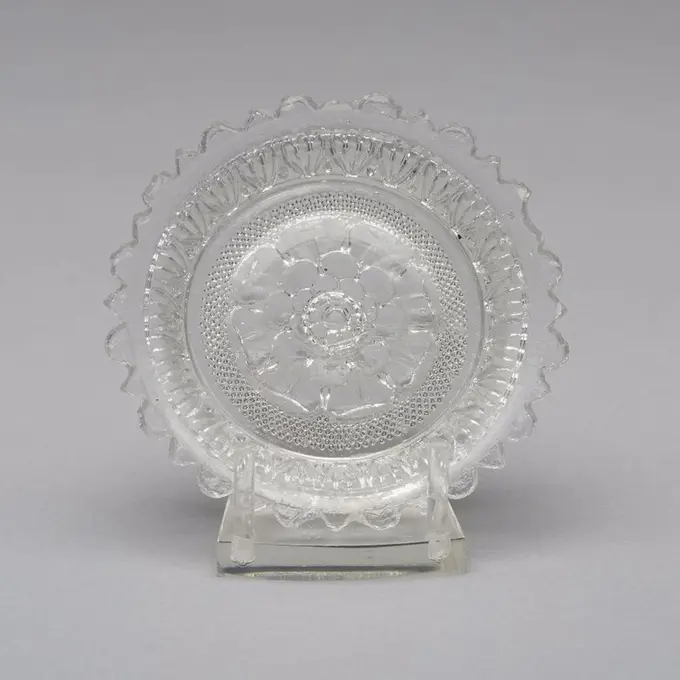
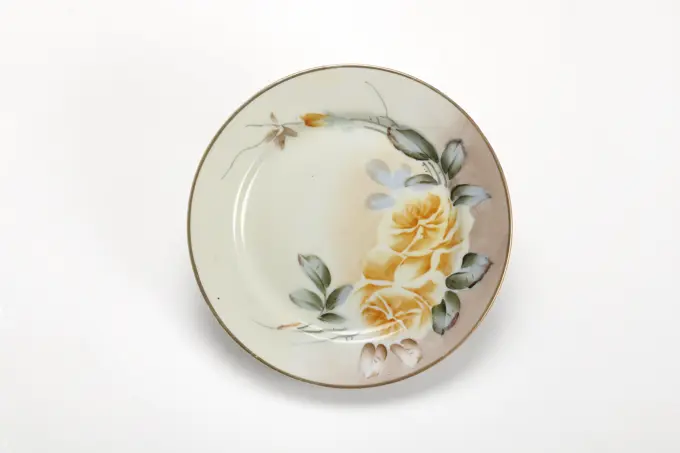
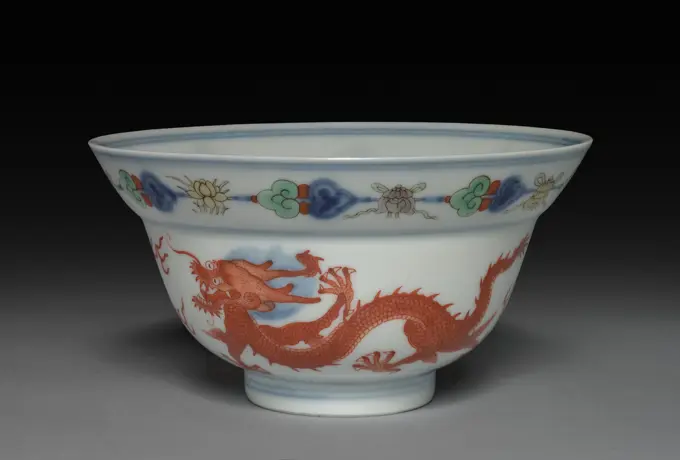
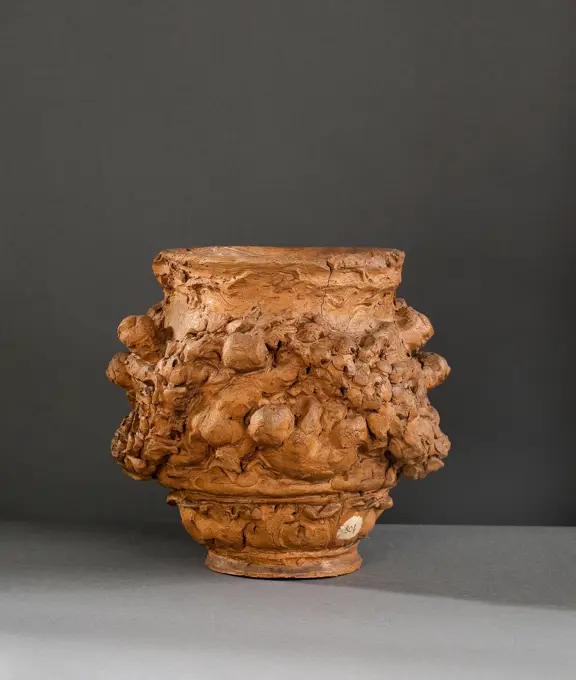
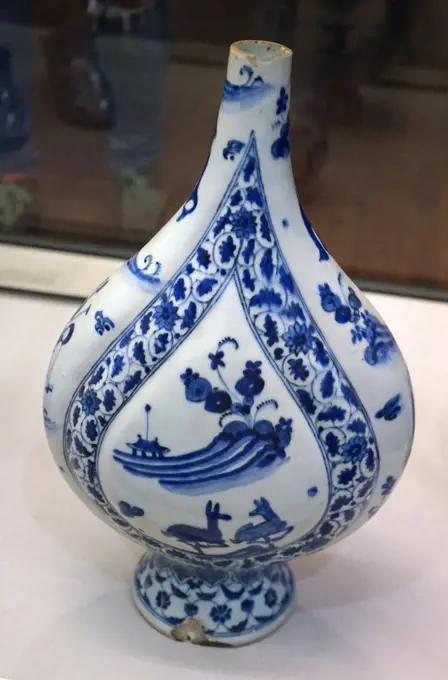
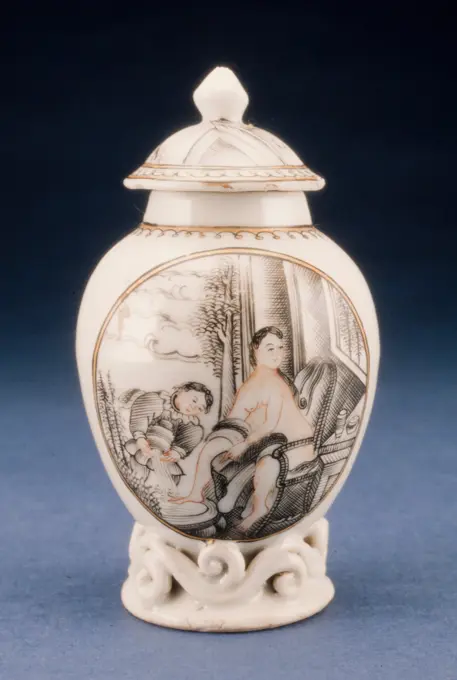
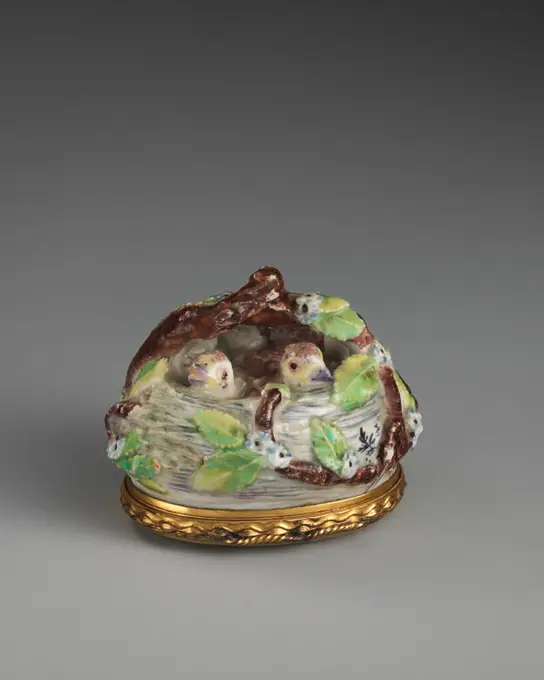
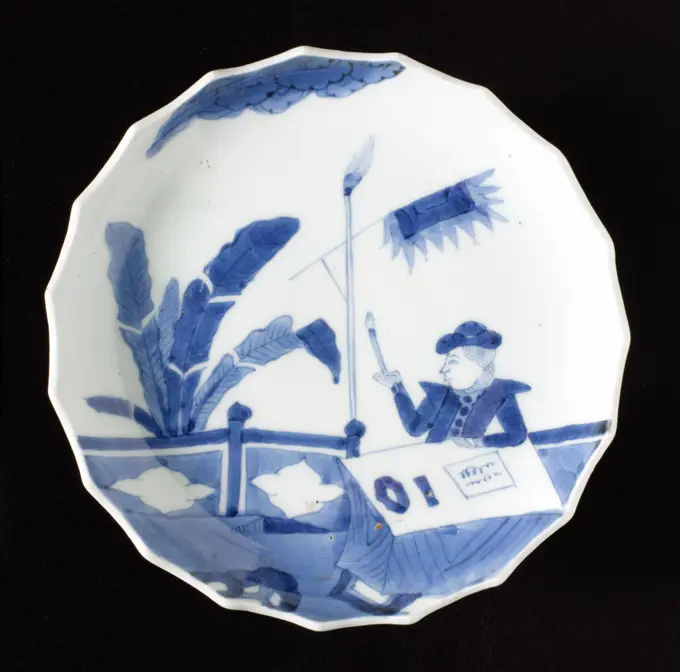
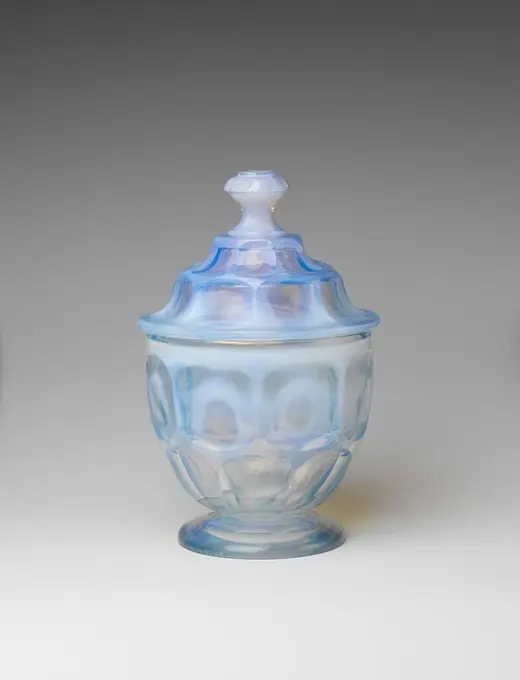
Sugar bowl. Culture: American. Dimensions: H. 7 1/2 in. (19.1 cm); Diam. 4 1/2 in. (11.4 cm). Date: 1840-60.This piece is pressed in "Ashburton," the earliest of the broad geometric patterns. Produced in numerous American factories, the pattern was given special interest here by the introduction of opalescent glass. Museum: Metropolitan Museum of Art, New York, USA.Milk jug with insects, flower sprays and grapevines, Rue Thiroux Parijs, c. 1797 - c. 1798 service (set) Porcelain milk jug with an egg -shaped body on a slightly spreading base, high ear and wide pocket, painted on the glaze in enamel colors and gold. The jug is covered with colored insects (butterflies, beetles, dragonflies, etc.) and in gold flower branches and grape vines. Golden edge and ear and gold lines on the foot and shoulder. Paris porcelain. glaze. gold (metal) painting / gilding / vitrificationBeaker (China); painted and glazed porcelain; 8 x 9 x 6.8 cm (3 1/8 x 3 9/16 x 2 11/16 in.)Lidded jar, anonymous, c. 1660 - c. 1685 Pot with fowence lid with a decoration to the Chinese porcelain in the transition period. The pot has a corresponding lid. Delft . Pot with fowence lid with a decoration to the Chinese porcelain in the transition period. The pot has a corresponding lid. Delft .Bowl with eight Buddhist treasures late 18th century China. Bowl with eight Buddhist treasures 48249Maker Unknown, Small Cup and Saucer, 19th century, hard-paste porcelain.Plate with the alliance arms of Jean Paris de Montmartel and Marie Armande de Béthune. Meissener Porzellan ManufakturMeissen, c. 1746hard-paste porcelainCup and Holder 19th century. Cup and Holder 443203Bowl with Flowers and Waves. Culture: China. Dimensions: Diam. 8 1/4 in. (21 cm). Date: late 17th-early 18th century.The six Chinese characters on the bottom of this bowl read "made during the reign of the Chenghua Emperor." Although the Chenghua Emperor ruled from 1467 to 1487, this particular bowl was made several centuries later. Chinese porcelains are sometimes inscribed with earlier dates; these can be read as both an act of respect toward past traditions and a statement of quality. Museum: Metropolitan Museum of Art, New York, USA.Copeland & Sons, Ltd., Cup and Saucer, 1875, Bone porcelain.Set of Six Tea Cups andSaucerswhite color cup hot coffee at homeVase with flowers early 19th century China. Vase with flowers. China. early 19th century. Porcelain with relief decoration (Jingdezhen ware). Qing dynasty (1644-1911). CeramicsCoffeepot ca. 1775 Höchst Manufactory This partial tea and coffee service is distinguished by its relative completeness and its two components (the coffee pot and the hot milk jug) signed by the painters who decorated themJoseph Angele and Johann Heinrich Usinger, respectivelya rarity on 18th-century porcelain.[Jeffrey H. Munger, 2009. Coffeepot 234883Vomit pot for invalids, c. 1750, 3 1/4 x 5 in. (8.26 x 12.7 cm), Porcelain, China, 18th centuryRococo teapot. Bandau, Johann Georg I (fl. 1768-1816), goldsmithMeissen Porcelain Manufactory, Cup and Saucer, 19th century, hard-paste porcelain.Large covered bowl wit a continuous landscape with pavillions, mountains and trees, anonymous, c. 1680 - c. 1700 Large lid bowl of porcelain, painted in under -glaze blue. The outer wall with a continuous landscape with pavilions, mountains and trees. Below that a decorative band. A proen on the bottom. Arita, Blauw-Wit. Japan porcelain. glaze. cobalt (mineral) painting / vitrification Large lid bowl of porcelain, painted in under -glaze blue. The outer wall with a continuous landscape with pavilions, mountains and trees. Below that a decorative band. A proen on the bottom. Arita, Blauw-Wit. Japan porcelain. glaze. cobalt (mineral) painting / vitrificationKop, multicolored painted with water landscapes in saved four passes in an Oranjerode Fond, Meissener Porzellan Manufaktur, c. 1735 Head without ear, from painted porcelain. The head is covered with an Oranjerode Fond, in which accolade -shaped four passes are saved with (water) landscapes with European figures, sometimes with bales and ships. The head is marked. Float porcelain Head without ear, from painted porcelain. The head is covered with an Oranjerode Fond, in which accolade -shaped four passes are saved with (water) landscapes with European figures, sometimes with bales and ships. The head is marked. Float porcelainCup with Water Birds Cup; Manufactured by Meissen Porcelain Manufactory (Germany); porcelain, vitreous enamel, goldA pair of vases, Kôno, c. 1900 The vase with wide shoulders is dark blue enamelled and decorated with a pine, around which a climbing plant wraps itself. Two flying, white cranes and one sitting on the trunk with retracted neck. Along the foot semi -circles in which white flowers, interspersed by various ornaments and an edge of points, in which gray half rosettes; Along the top edge a corresponding decoration and white rosettes on the flat edge interspersed by half rosettes. Inside the vase a copper edge along the mouth opening. The vase includes a wooden pedestal (AK-RBK-14608-B-2). Yokohama copper (metal) The vase with wide shoulders is dark blue enamelled and decorated with a pine, around which a climbing plant wraps itself. Two flying, white cranes and one sitting on the trunk with retracted neck. Along the foot semi -circles in which white flowers, interspersed by various ornaments and an edge of points, in which gray half rosettes; Along the top edge a corresponding decoration aFiliżanka. unknown, factoryOctagonal cup with dancing boys and flowering plants, c. 1700 - c. 1720 Octagonal head of porcelain, covered with a translucent glaze and painted on the glaze in blue, red, green, yellow, black and gold. Above the foot a band with modeled, pointed leaf motifs. In Europe painted with a dancing boy with an instrument and flowering plants. A flower drink on the bottom. Baking sand on the foot ring. Brown edge. Blanc de Chine in Europe decorated in the Japanese Kakiemon style. Dehuapainter: Europe porcelain. glaze. gold (metal) painting / gilding / vitrification Octagonal head of porcelain, covered with a translucent glaze and painted on the glaze in blue, red, green, yellow, black and gold. Above the foot a band with modeled, pointed leaf motifs. In Europe painted with a dancing boy with an instrument and flowering plants. A flower drink on the bottom. Baking sand on the foot ring. Brown edge. Blanc de Chine in Europe decorated in the Japanese Kakiemon style. Dehuapainter: Europe porcelaiCup and saucer with a multicolored landscape in a medallion saved in a geometric pattern. Cup and saucer with a multicolored landscape in a locket spared in a purple geometric pattern. Not noticed.Double-Gourd Vase with Incurved Loop Handles 1723-1735 China. Porcelain with underglaze molded decoration .Bowl Emulating Chinese Stoneware 9th century Ceramics such as this bowl are among the first examples to incorporate calligraphy as the main element of decoration. The Iraqi potters of the ninth century attempted to emulate the luminous quality and hard body of Chinese whitewares by using a tinopacified white glaze. The Arabic word ghibta (happiness) is repeated twice in cobalt blue at the center. Listen to experts illuminate this artwork's story Listen Play or pause #6678. Bowl Emulating Chinese Stoneware, Part 1 Play or pause #6678. Bowl Emulating Chinese Stoneware Supported by Bloomberg Philanthropies We're sorry, the transcript for this audio track is not available at this time. We are working to make it available as soon as possible.. Bowl Emulating Chinese Stoneware. 9th century. Earthenware; painted in blue on opaque white glaze. Attributed to Iraq, probably Basra. CeramicsCup with Water Birds Cup; Manufactured by Meissen Porcelain Manufactory (Germany); Germany; porcelain, vitreous enamel, goldCoffee Cup andSaucer.   Maker: Chelsea Porcelain Manufactory, British, 1745-1784Decorator: Monsieur Duvivie, French, died Chelsea, England, 1755 After: Francis Barlow, British, 1626-1702Dish ca. 1735-40 Chantilly. Dish. French, Chantilly. ca. 1735-40. Tin-glazed soft-paste porcelain. Chantilly (French). Ceramics-PorcelainGlass bottle shaped like a bunch of grapes 4th century A.D. Roman Colorless with pale green tinge; handles, foot, and trail in same color.Rounded and slightly thickened rim; flaring mouth; tall cylindrical neck; elongated ovoid body; applied broad foot ring with downturned rounded edge and hollow bottom; pontil scar at center of bottom; two handles attached to top of body with projecting pinched lug at base, drawn up in a curve and trailed onto neck (over trail decoration) with a loop above, and ending on outer edge of rim. Prominent vertical mold seam runs down body from top to bottom under handles.Single trail applied to underside of mouth and wound in a spiral down neck, ending near base; body shaped like a bunch of grapes, comprising nine interlocking but irregular row of hemispherical knobs.Complete, except for slight loss to lower end of trail around neck, a break and small chip in one handle, and internal cracks in foot ring and lower body; pinprick bubbles; dulling and iridesce. Egg-shaped vase of porcelain with a short, slightly spiny neck, painted on the glaze in blue, red, pink, brown, green, yellow, black and gold. On the wall in a continuous, rocky landscape with trees eight sitting and lying people, the eight immortals with their attributes; The edge is gold. Old label on the bottom with 'Huth 355 19/5/05. Family Rose.Toy Tureen and Cover on Stand. Boston and Sandwich Glass Factory (United States, Massachusetts, Sandwich, 1825-1888). United States, 1835-1850. Furnishings; Serviceware. GlassWorcester Porcelain Manufactory, Pair of Custard Cups and Covers, porcelain: c. 1765-70; decoration: late 19th or early 20th century, soft-paste porcelain.Plate ca. 1820 Chinese, for Portuguese market. Plate 201254BowlsVase with lid, painted with plants and an insect, Meissener Porzellan Manufaktur, c. 1730 - c. 1745 Vase with lid made of painted porcelain. The vase rejuvenates and has a slightly outstanding foot. The vase is painted in underlaze blue with flowering plants and an insect. The vase is marked. Float porcelain Vase with lid made of painted porcelain. The vase rejuvenates and has a slightly outstanding foot. The vase is painted in underlaze blue with flowering plants and an insect. The vase is marked. Float porcelainVase with lid, painted with plants and an insect, Meissener Porzellan Manufaktur, c. 1730 - c. 1745 Vase with lid made of painted porcelain. The vase rejuvenates and has a slightly outstanding foot. The vase is painted in underlaze blue with flowering plants and an insect. The vase is marked. Float porcelain Vase with lid made of painted porcelain. The vase rejuvenates and has a slightly outstanding foot. The vase is painted in underlaze blue with flowering plants and an insect. The vase is marked. Float porcelainSaucer with a crane near a peony plant and rock, anonymous, c. 1725 - c. 1749 Porcelain dish, painted on the glaze in blue, red, pink, green, black and gold. On the flat a leaf -shaped cartouche with a crane in a landscape in a flourishing peoning plant and a rock; the wall with flower vines in Bianco Sopra Bianco; The edge with a decorative pattern. Part of a service. European forms with Famle Rose. China porcelain. glaze. gold (metal) painting / gilding / vitrification Porcelain dish, painted on the glaze in blue, red, pink, green, black and gold. On the flat a leaf -shaped cartouche with a crane in a landscape in a flourishing peoning plant and a rock; the wall with flower vines in Bianco Sopra Bianco; The edge with a decorative pattern. Part of a service. European forms with Famle Rose. China porcelain. glaze. gold (metal) painting / gilding / vitrificationBell-shaped bowl with a crowned coat of arms and flower sprays, anonymous, c. 1725 - c. 1749 Bell -shaped bowl of porcelain, painted on the glaze in blue, red, black and gold. On the outside wall, twice a crowned weapon with two stars, a twill and a half moon saved in a blue background; The helmet sign is a putto under a crown with pearls; A shell motif and leaf vines around the weapon. Between the weapons flower branches (peony). An orchid on the bottom; The inner edge with flower vines. Weapon porcelain with email colors. China porcelain. glaze. gold (metal) painting / gilding / vitrification Bell -shaped bowl of porcelain, painted on the glaze in blue, red, black and gold. On the outside wall, twice a crowned weapon with two stars, a twill and a half moon saved in a blue background; The helmet sign is a putto under a crown with pearls; A shell motif and leaf vines around the weapon. Between the weapons flower branches (peony). An orchid on the bottom; The inner edge with flower vineTumbler (England); Manufactured by Wedgwood (United Kingdom); earthenware, glaze; (a): H: 18.4 cm., Max. W: 19.7 cm. (b,c) H: 10.8 cm., Diam. at lip: 7.6 cmDish with Assorted Treasures Floating on Waves ca. 1700-1730s Japan. Dish with Assorted Treasures Floating on Waves. Japan. ca. 1700-1730s. Porcelain with underglaze blue decoration and overglaze enamels (Hizen ware, Nabeshima type). Edo period (1615-1868). CeramicsPair of Teabowls with Bamboo. China. Date: 1723-1735. Dimensions: Each: h. 4.4 cm (1 3/4 in.); diam. 9.5 cm (3 3/4 in.). Porcelain painted in underglaze blue and overglaze enamels (doucai). Origin: China. Museum: The Chicago Art Institute, Chicago, USA.Cup and Saucer. Frankenthal Porcelain Factory; German, founded 1755. Date: 1774-1784. Dimensions: Saucer: diam. 13.9 cm (5 7/16 in.); Cup: H. 7.2 cm (2 13/16 in.); diam. 7.2 cm (2 13/16 in.). Hard-paste porcelain with polychrome enamels and gilding. Origin: Frankenthal. Museum: The Chicago Art Institute, Chicago, USA.Mug. Worcester Porcelain Factory; Worcester, England, founded 1751. Date: 1760-1770. Dimensions: H. 12.6 cm (4 15/16 in.); diam. 12.1 cm (4 3/4 in.);. Soft-paste porcelain, polychrome enamels. Origin: Worcester. Museum: The Chicago Art Institute, Chicago, USA. Author: Worcester Royal Porcelain Company.Close-up of jade sculptureCut. Porcelain. China, Song Dynasty. Paris, Cernuschi museum. 72687-22 Asian art, ancient ceramic, cut, covered, song dynasty, email, glacide, vegetal pattern, Chinese object, Chinese pottery, terracotta, terracotta emaillee, xeme x 10th 10th 10th century, 13th 11th 11th 11th 11th century 12th 12th 12th 12th centuryCovered Sugar Bowl c 1835-1850 Midwest. Pressed glass . Boston and Sandwich Glass Company (Manufacturer)Silversmith: J. Lang & C. Koops, Square silver cookie jar with lid on top, cookie jar holder silver, forced engraved on mold Drum with square basic shape, completed in braces profiled lower edge lid with hinge on body profiled edge (). Leaf with square basic shape in curly braces angled four legs, struck: serving tea drinkTeapot (part of a service) 1750-70 Chinese, for European market. Teapot (part of a service) 201322Teapot with lotus scrolls and flower roundels, anonymous, c. 1775 - c. 1799 Teapot of porcelain with pear-shaped body, C-shaped ear and slightly bent spout, painted in underly glaze blue and on the glaze red, green, black and gold. On the wall twice a flower rosette surrounded by lotus vines. The ear and the spout comprises by a cartouche with leaf vines and 'frogs'. Around the foot a bond with lotus drinks in cartouches. Imari. Japan porcelain. glaze. cobalt (mineral). gold (metal) painting / gilding / vitrification Teapot of porcelain with pear-shaped body, C-shaped ear and slightly bent spout, painted in underly glaze blue and on the glaze red, green, black and gold. On the wall twice a flower rosette surrounded by lotus vines. The ear and the spout comprises by a cartouche with leaf vines and 'frogs'. Around the foot a bond with lotus drinks in cartouches. Imari. Japan porcelain. glaze. cobalt (mineral). gold (metal) painting / gilding / vitrificationButtermilk; Manufaktura Majoliki in Nieborów (Nieborów; Wytwórnia; 1881-1899), Hy Ycka, Jadwiga (1856-1922); 1881-1886 (1881-00-00-1886-00-00);Sharf of yellowish baking earthenware, with white glaze, with a decorative edge and a painting of an air with trees in blue, anonymous, 1600 - 1650  Northern Netherlands earthenware. glaze majolica  Northern Netherlands earthenware. glaze majolicaBeaker, 1725-1750. Mennecy- Villeroy Factory (French). Soft-paste porcelain; diameter: 6.1 cm (2 3/8 in.); overall: 11.5 x 10.1 cm (4 1/2 x 4 in.).Sèvres Porcelain Manufactory, Covered Cup and Saucer, c. 1795-1800, soft-paste porcelain.Porcelain bowl with cover, painted in enamels and gilded. Dated 18th CenturyBottle, 1750, 5 1/2 x 4 3/4 x 2 1/4in. (14 x 12.1 x 5.7cm), Glass, enamel design, metal top, Switzerland, 18th century175 parts of a crockery, multicolored painted with a kakiemon decor, consisting of 6 candlesticks, two salt barrels, 1 large oval terrine, 2 small oval terrines, 3 round terrines with handle, 43 scales (in six sizes), 26 soupboards and 92 Plates.Scalloped saucer with rocks, prunus and bird, anonymous, c. 1670 - c. 1700 Sculpted porcelain dish, painted on the glaze in blue, red, green, yellow, eggplant and black with a bird on flowering prunus branches on rocks with water. Kakiemon style. Japan porcelain. glaze. painting / vitrification Sculpted porcelain dish, painted on the glaze in blue, red, green, yellow, eggplant and black with a bird on flowering prunus branches on rocks with water. Kakiemon style. Japan porcelain. glaze. painting / vitrificationBowl with Fruiting Peaches, Tree Peony, Flowering Plum, and Bats. China. Date: 1723-1735. Dimensions: H. 6.5 cm (2 9/16 in.); diam. 14.3 cm (5 5/8 in.). Porcelain painted in overglaze famille rose enamels. Origin: China. Museum: The Chicago Art Institute, Chicago, USA.16th century plate, Museu de Mallorca, Palma, Majorca, Spain.Teapot 1880-89 Griffen, Smith and Hill. Teapot. American. 1880-89. Earthenware. Made in Phoenixville, Pennsylvania, United StatesDish. Worcester Porcelain Factory; Worcester, England, founded 1751. Date: 1765-1775. Dimensions: Diam. 24.8 cm (9 3/4 in.). Soft-paste porcelain, underglaze blue, polychrome enamels and gilding. Origin: Worcester. Museum: The Chicago Art Institute, Chicago, USA. Author: Worcester Royal Porcelain Company.. Range-shaped bin of stoneware, painted on the glaze in blue, red, green, yellow, brown, black and gold. One half of the bottom with modeled ribs, the other half is smooth. On the smooth half a person with a broom leaves vegend for a structure and flowering plants (maple). The other half with two birds on a flowering plant at a building. Below vertical, decorative tires. Three old labels on the bottom with 'Owari. Shino-Yaki / The 18th Cent Ware Decrribed As' Ornamental with Golddust and Designs of Plants etc./ Alexander Collection ',' Shino / The Late Ware 'and' depicted in transactions and proceedings of the Japan Society full. XXXII / 1934-35, page 28 / COLL. Westendorp '.Sauce Boat, one of a pair, c. 1770, Philip Syng, Jr., American (born Ireland), American (born Ireland), 1703 - 1789, 4 1/2 x 8 1/2 x 4 3/8in. (11.4 x 21.6 x 11.1cm), Silver, United States, 18th centuryBasket of flowers. Culture: British, London. Dimensions: Overall: 2 1/4 × 1 7/8 in. (5.7 × 4.8 cm). Maker: Saint James's Factory (British, ca. 1748/49-1760). Date: ca. 1755. Museum: Metropolitan Museum of Art, New York, USA.Miniature tazza third quarter 18th century Style of Whieldon type. Miniature tazza. British, Staffordshire. third quarter 18th century. Lead-glazed earthenware. Ceramics-PotteryBowlShowcase with objects of ceramics; Halls of crafts July 1962..Plate of multicolor painted majolica. Round plate of multi-colored painted majolica. The plate is painted with fruits and leaves inside a double blue circle. The colors used are: blue, green, orange, yellow and manganese purple.Lavabo, anonymous, 1800 - 1900 The object is composed of the following cast parts: the boiler, the handle, the hook, the ring. The kettle has a flat -bulb shape, a hol round neck and a ball round upwards widening up. The two poured in diameter octagonal streams have been placed in each other's extended. Perpendicular to that are the horizontal-surface edge of the boiler from the top round attachments. The handle bends in and outwards and has a straight part at the top, with a round widening in the middle, in which an opening. It is decorated with curls, two of which end in bird heads. In the two vertical ends of it, pins have been applied to attach the boiler to the handle. The hook, which is applied at the top of the opening of the handle, is provided with a button that is made up of three sections. The hook comprises the hanging ring. At the bottom of the boiler there is the bulb -round -finished casting plug in the middle, which has a center point in the middle. Morteau brass (alloyFlowerpot of multi-colored painted faience, with a solid. Flowerpot of multi-colored padded faience on a yellow fond. The flowerpot consists of a vase and a dish in Louis XVDE style. The flower pot and the dish are decorated with tulips and madelieves and marked with the LPK letters. The flowerpot belongs to an identical copy with the Invnr. BK-NM-11351-B.Guy Villette. "Taste-vin". Money. 1771-1772. Museum of Fine Arts of the City of Paris, Petit Palais. 74385-16 Silver, silverware, bottleneck, TastevinSaucer with European landschapes in medallions, anonymous, c. 1775 - c. 1799 Porcelain saucer painted on the glaze in black and gold. On the flat of the dish a medallion with a Dutch landscape with houses on a river in which two manned boats sail. Possibly decorated in Europe. European performances in Encre de Chine. China porcelain. glaze. gold (metal) painting / gilding / vitrification Porcelain saucer painted on the glaze in black and gold. On the flat of the dish a medallion with a Dutch landscape with houses on a river in which two manned boats sail. Possibly decorated in Europe. European performances in Encre de Chine. China porcelain. glaze. gold (metal) painting / gilding / vitrificationBowl, 18th-19th century, 1 3/4 x 8 1/2 x 8 1/2in. (4.4 x 21.6 x 21.6cm), Glass, United States, 18th-19th centurySake Cask in the Shape of a Drum, early 17th century, Unknown Japanese, 11 1/8 × 7 3/16 × 3 3/8 in. (28.26 × 18.26 × 8.57 cm), Negoro ware; wood, black lacquer with red lacquer decoration, Japan, 17th century, Drum-shaped sake casks were produced in Japan as early as the Kamakura period, originally as ceremonial objects. They went on to be used in various religious ceremonies and secular events, including weddings and cherry-blossom viewing parties. These two black-lacquer casks feature drum-shaped bodies on ornamental stands, with small spouts for pouring sake on top. The face of each 'drum' is decorated with designs of flowers and grasses executed in red lacquer.Jug with cover 1753-95 French, Sceaux Faience, or tin-glazed and enameled earthenware, first emerged in France during the sixteenth century, reaching widespread usage among elite patrons during the seventeenth and early eighteenth centuries, prior to the establishment of soft-paste porcelain factories. Although characterized as more provincial in style than porcelain, French faience was used at the court of Louis XIV as part of elaborate meals and displays, with large-scale vessels incorporated into the Baroque garden designs of Versailles. Earlier examples of French faience attest to the strong influence of maiolica artists from Italy. Later works demonstrate the ways in which cities such as Nevers, Rouen, Lyon, Moustiers, and Marseille developed innovative vessel shapes and decorative motifs prized among collectors throughout Europe. While faience can be created from a wide mixture of clays, it is foremost distinguished by the milky opaque white color achieved by the addition of tin Jug; glass; 11.6 x 17 x 7.5 cm (4 9/16 x 6 11/16 x 2 15/16 in.); Bequest of Walter Phelps Warren; 1986-61-219Soup Plate, from a Child's Dinner Service, c. 1775, 7/16 x 2 5/8 in. (1.1 x 6.67 cm), Creamware, England, 18th centuryServing Bowl, from a Child's Dinner Service, c. 1775, 5/8 x 3 1/16 x 2 11/16in. (1.6 x 7.8 x 6.8cm), Creamware, England, 18th centuryCup. Culture: American. Dimensions: 3 x 5 3/8 x 4 3/8 in. (7.6 x 13.7 x 11.1 cm). Date: 1800-1850. Museum: Metropolitan Museum of Art, New York, USA.Plate ca. 1795 Chinese. Plate 6038Litron teacup and saucer. Korzec (manufaktura porcelany ; 1790-1832), factoryTureen with landscapes and bouquets, porcelain manufacturer Nymphenburg, c. 1760 - c. 1770 Oval, lobed terrine of porcelain on four rocaille feet and with two handles, painted on the glaze in enamel colors and gold. On the outer wall a landscape with a rider and walkers near a village. On the narrow sides a profession formed by leaf vines in relief containing a painted bouquet of different flowers. The edge with a tire of entry, vertical lines. The lid with the same decoration and a lid button in the shape of a fruit branch (half lemon). Nymphenburg porcelain. glaze. gold (metal) painting / gilding / vitrification Oval, lobed terrine of porcelain on four rocaille feet and with two handles, painted on the glaze in enamel colors and gold. On the outer wall a landscape with a rider and walkers near a village. On the narrow sides a profession formed by leaf vines in relief containing a painted bouquet of different flowers. The edge with a tire of entry, vertical lines. The lid with the samMistletoe Bowl, Rene Lalique (Ay, France, 1860 - 1945) 1920-1930Meissen Manufacture. Plate. Hard porcelain, polychrome enamels. 3rd quarter of the 18th century. Museum of Fine Arts of the City of Paris, Petit Palais. Faience, table service, dishes, 18th 18th 18th 18th 18th 18th 18 century, platePlate; molded and pierced salt-glazed stonewareSquare Teapot With Shishi in Relief. Square teapot of red stoneware with a curved spout and C-shaped ear, partially covered with a white sludge. On the wall twice a two shishi (lion dog) with a wheel (chakra) in between (chakra). The lid with a landscaped shishi with a opened ball. Yixing.Cup plate. American; Midwest. Date: 1830-1835. Dimensions: Diam. 7.3 cm (2 7/8 in.). Pressed glass. Origin: Midwest. Museum: The Chicago Art Institute, Chicago, USA.Tea and Coffee Service c 1811-1828 Philadelphia. Silver . Harvey Lewis (Maker)Dessert plate -Bowl, 1723-35. China, Jiangxi province, Jingdezhen kilns, Qing dynasty (1644-1911), Yongzheng mark and reign (1722-35). Porcelain with doucai decoration; diameter: 11.8 cm (4 5/8 in.); overall: 6.4 cm (2 1/2 in.).Aimé-Jules Dalou (1838-1902). "Vase" Round of children ", sketch of the Sèvres vase". Patinated terracotta, around 1888. Museum of Fine Arts of the city of Paris, Petit Palais. Dance, round child, terracotta patinae, vase, vase of sevresFlask with panels of floral decoration. Dated 17th CenturyCovered jar, c. 1750, 5 x 2 13/16 x 2 13/16 in. (12.7 x 7.14 x 7.14 cm), Porcelain with enamel and gilded decoration, China, 18th century, The subject of a lady at her toilet was a popular one on export porcelain.Bird's nest. Culture: British, Chelsea. Dimensions: Overall: 1 5/8 × 2 in. (4.1 × 5.1 cm). Factory: Chelsea Porcelain Manufactory (British, 1745-1784, Transitional (Brown Anchor) Period, ca. 1758-1759). Date: ca. 1755. Museum: Metropolitan Museum of Art, New York, USA.Small Bowl with Design of Dutchman. Japan, c. 1820-1850. Ceramics. Hizen Arita ware; porcelain with underglaze blueCache-pot. Josiah Wedgwood & Sons (Stoke-on-Trent ; wytwórnia ceramiki ; 1790-1895), factoryCream pitcher 1830-40 Probably Boston & Sandwich Glass Company. Cream pitcher. American. 1830-40. Pressed glass. Made in Sandwich, Massachusetts, United States. Meissen porcelain manufactory Meissen, c. 1725 Hard Paste PorcelainA plate;  around 1840 (1835-00-00-1845-00-00);