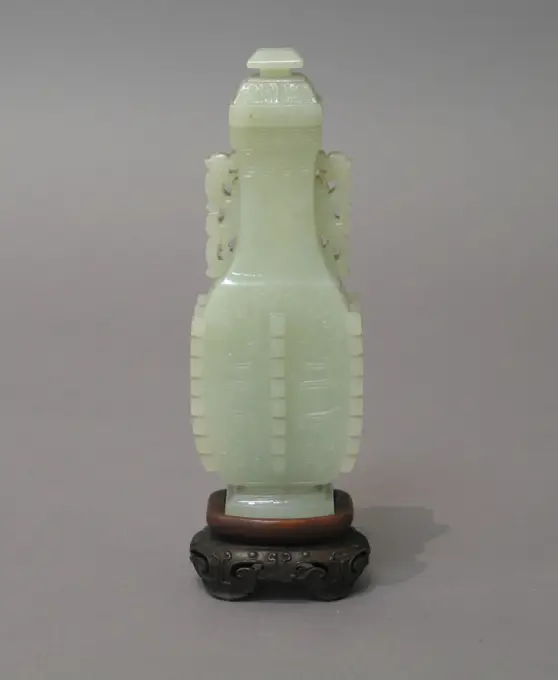
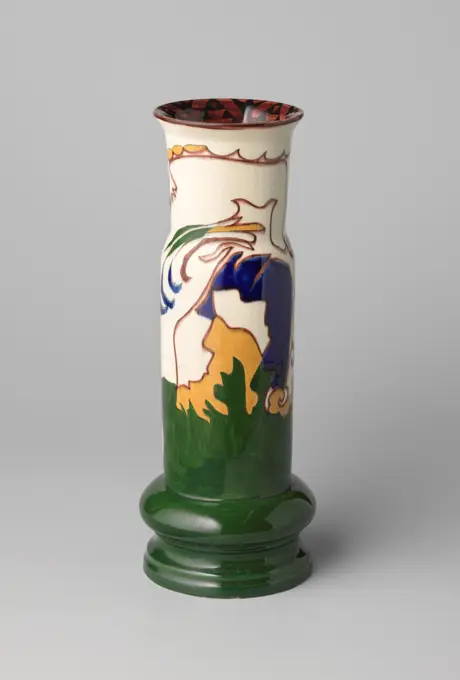
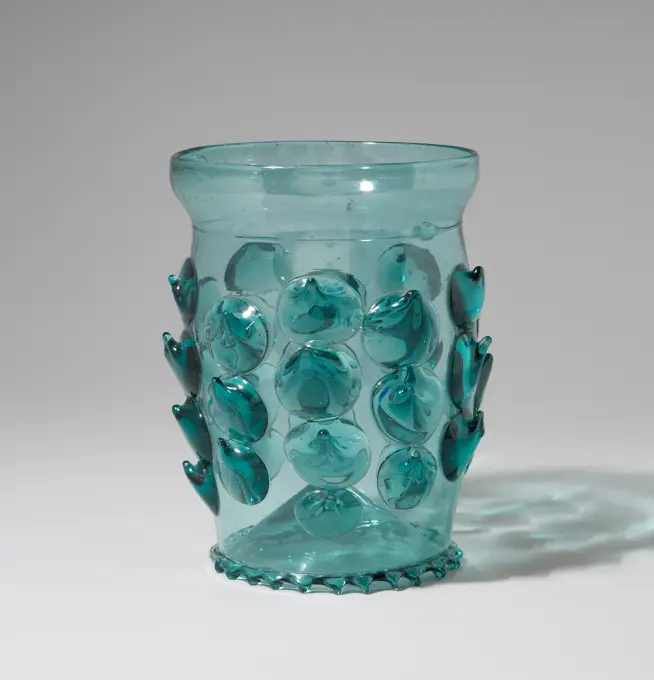
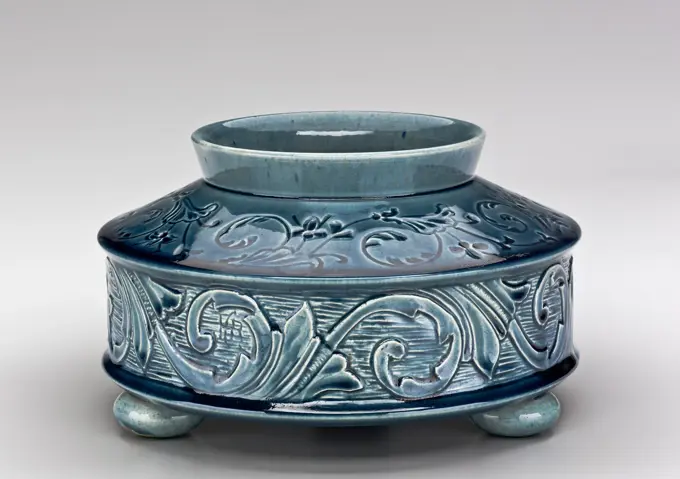
Elegant Antique Vases

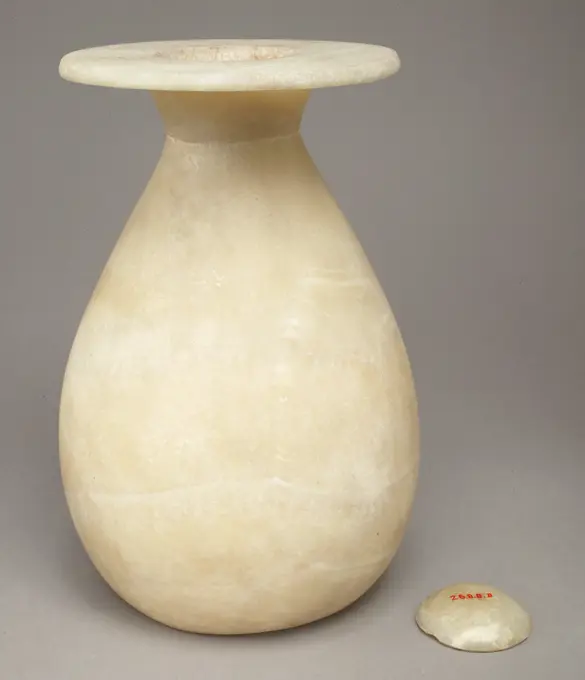
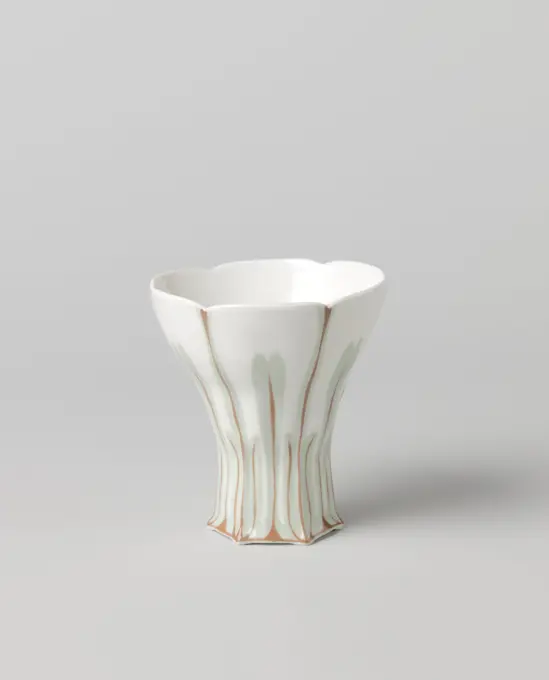
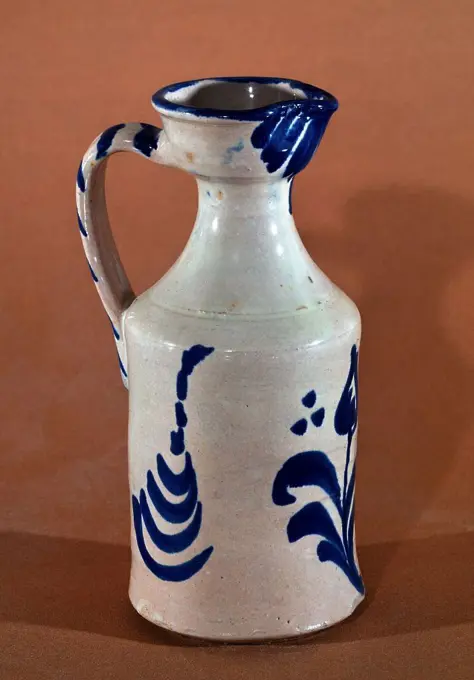
A collection of historical vases made of different materials, showcasing unique designs and intricate decorations from various cultures and eras.
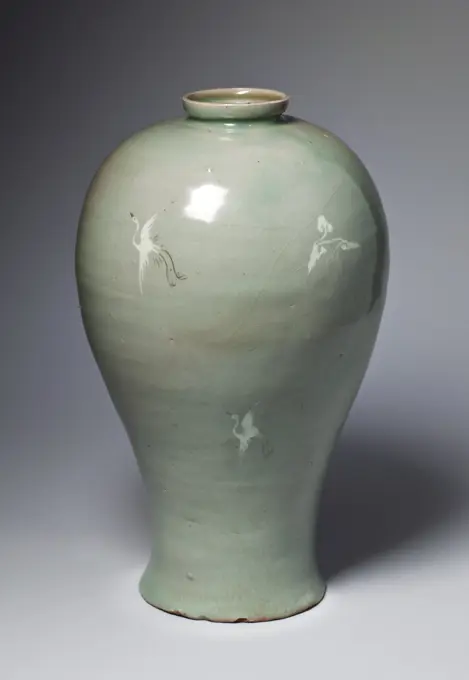
Maebyeong with flying cranes and clouds, 12th century, Unknown Korean, 12 3/4 × 7 9/16 × 7 9/16 in. (32.39 × 19.21 × 19.21 cm), Stoneware with inlaid design under celadon glaze, Korea, 12th century, According to Daoist mythology, a magical mountain carried on the back of an ancient tortoise exists somewhere off the southern coast of China. The mountain is inhabited by immortal beings, and white cranes nest in ancient pine trees, which grow in great profusion.
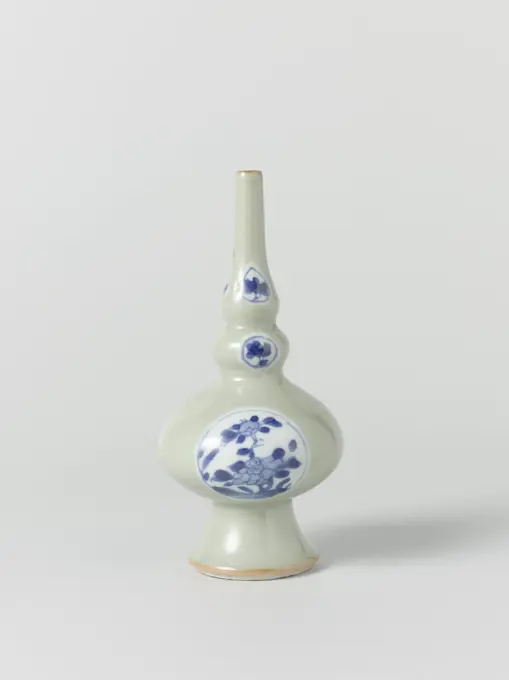
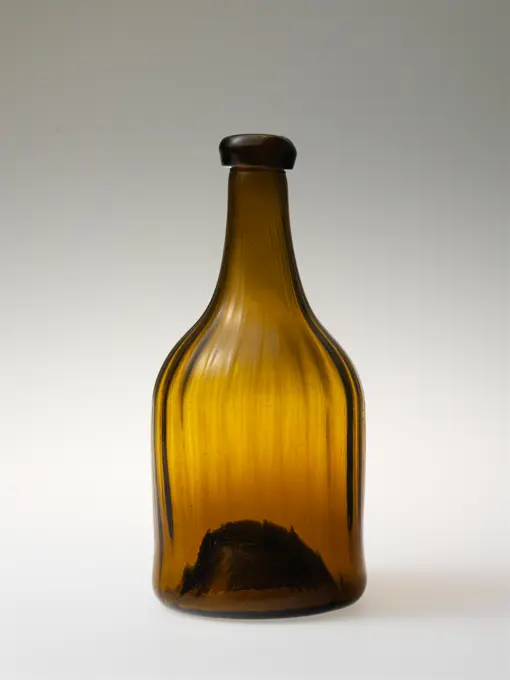
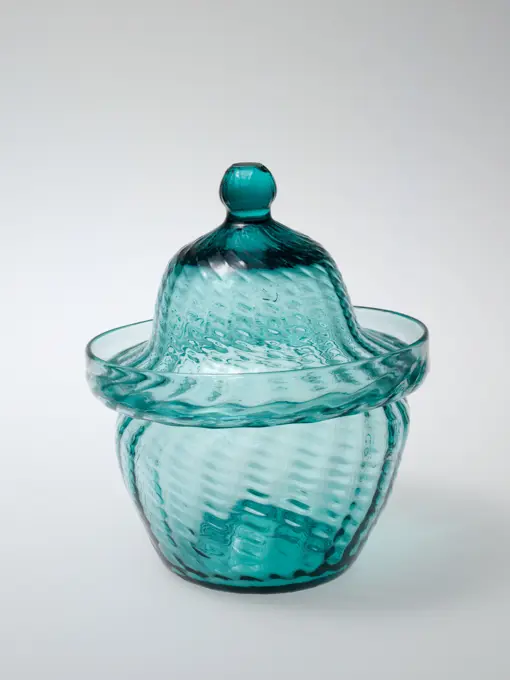
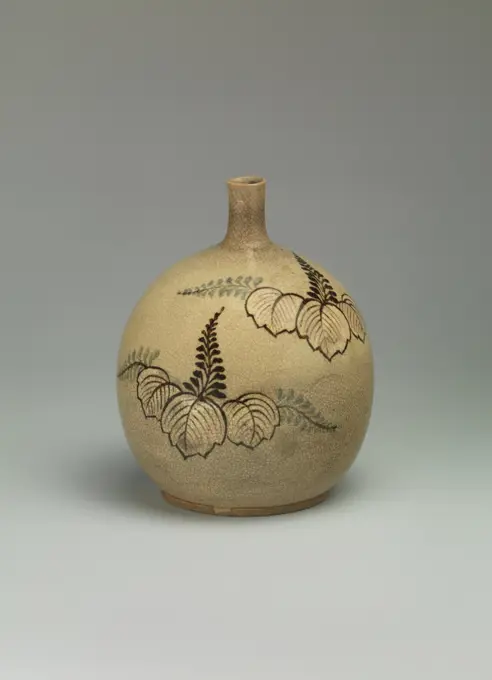
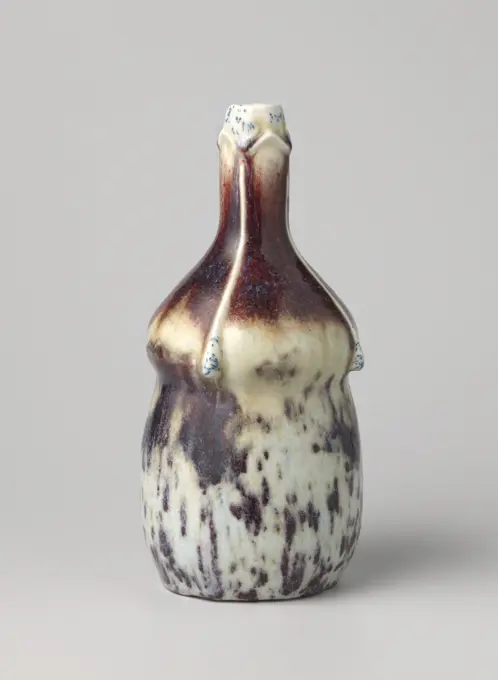
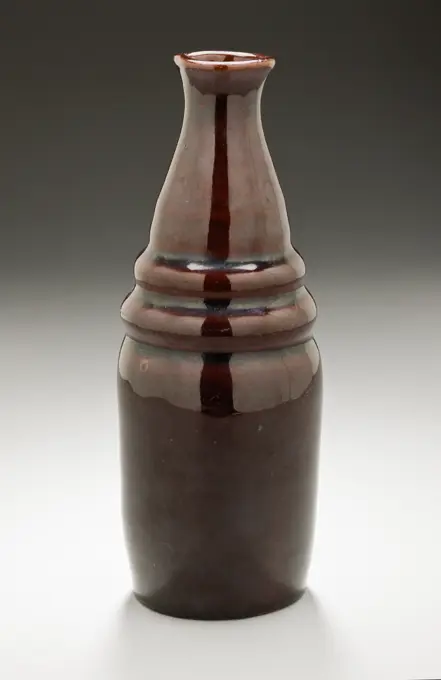
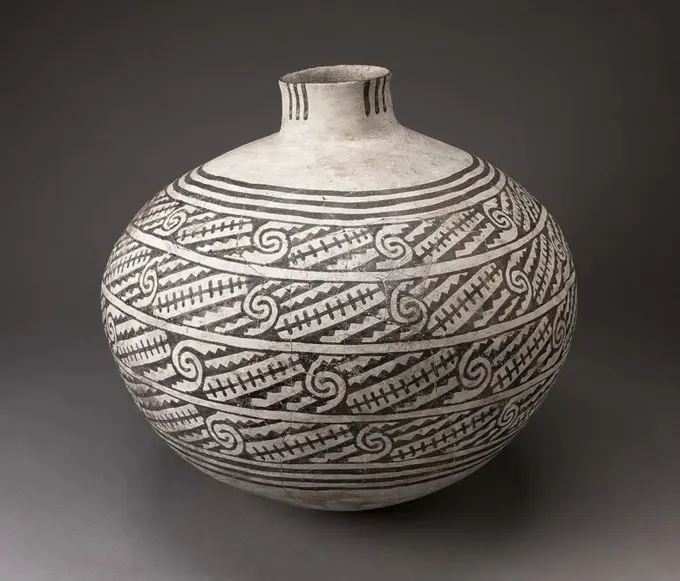
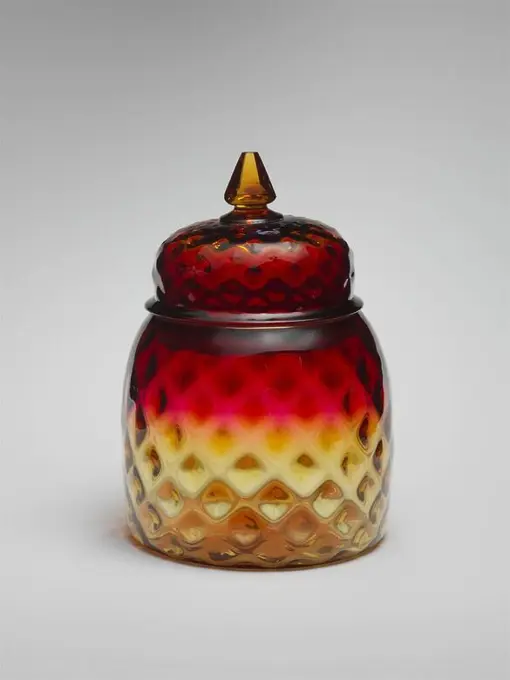
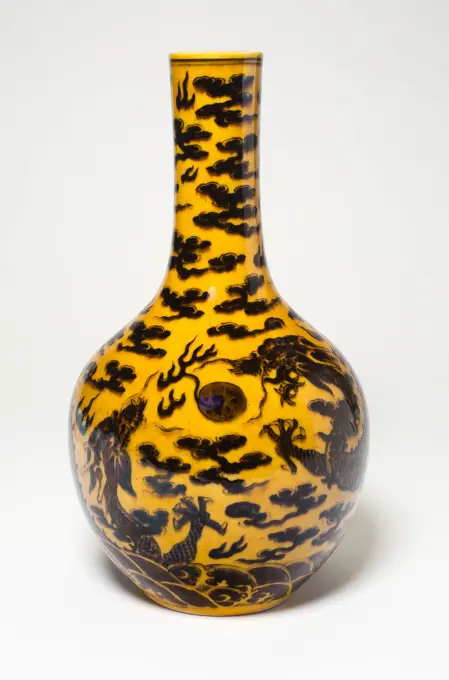
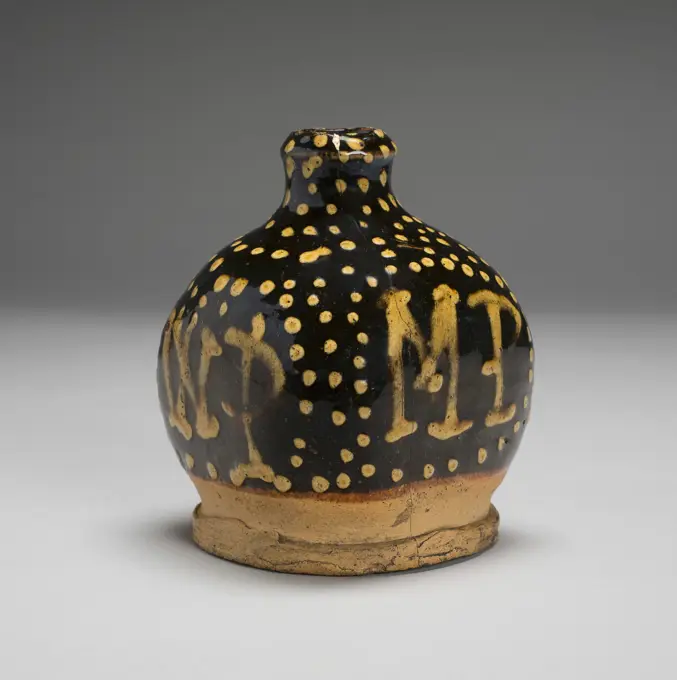
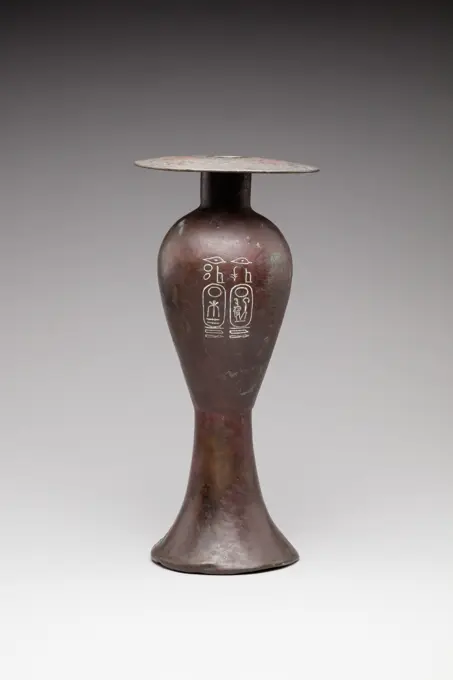
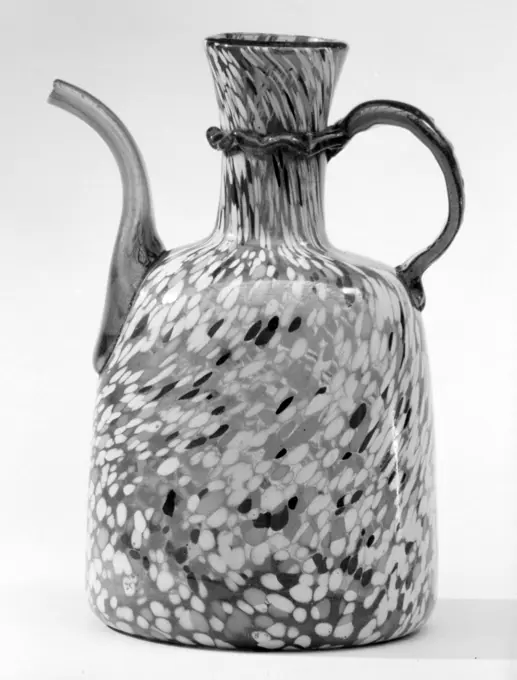
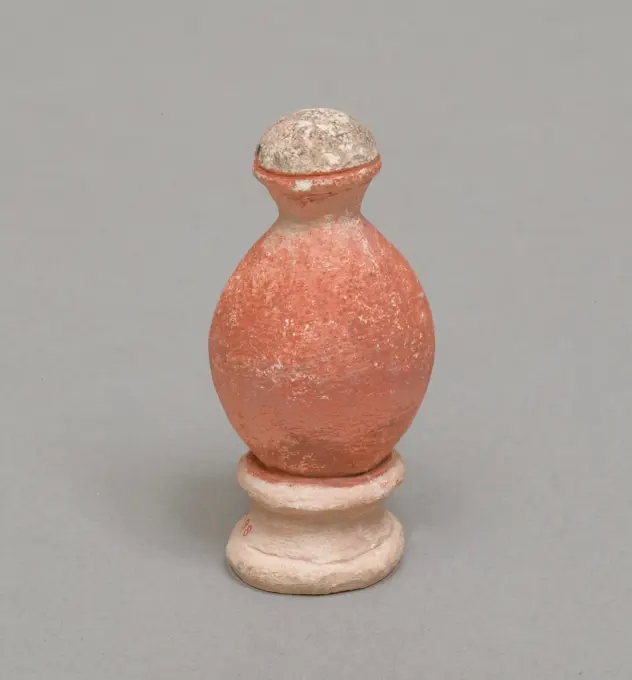
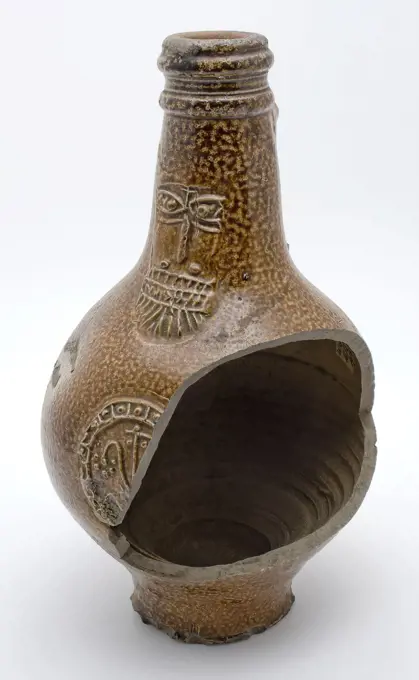
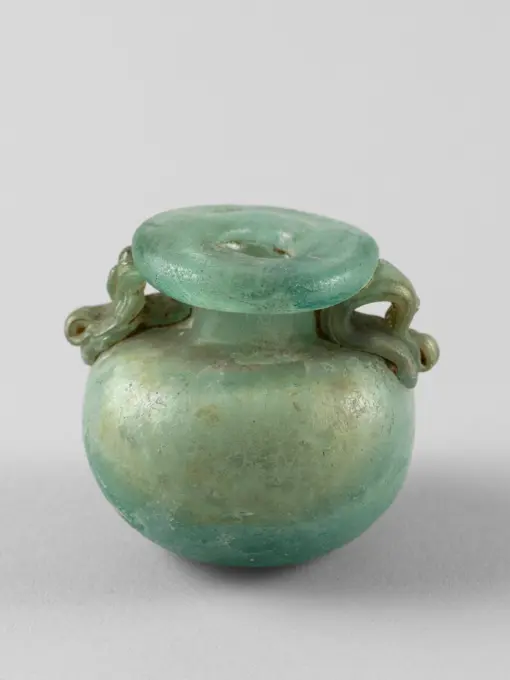
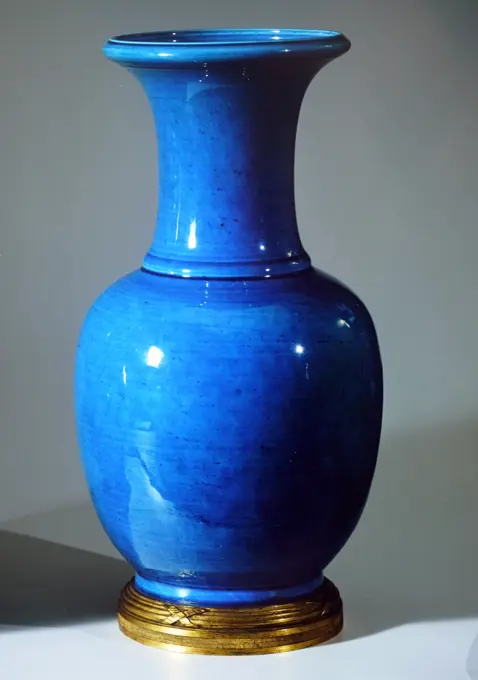
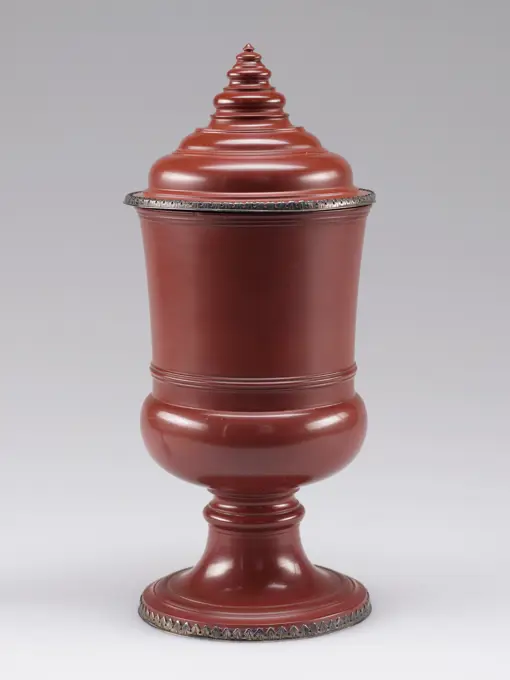
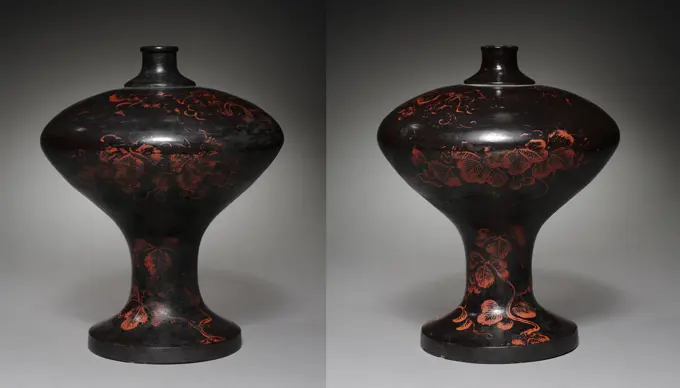
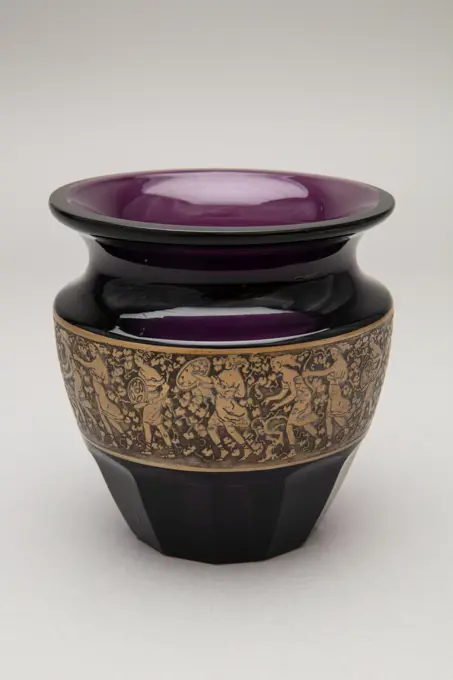
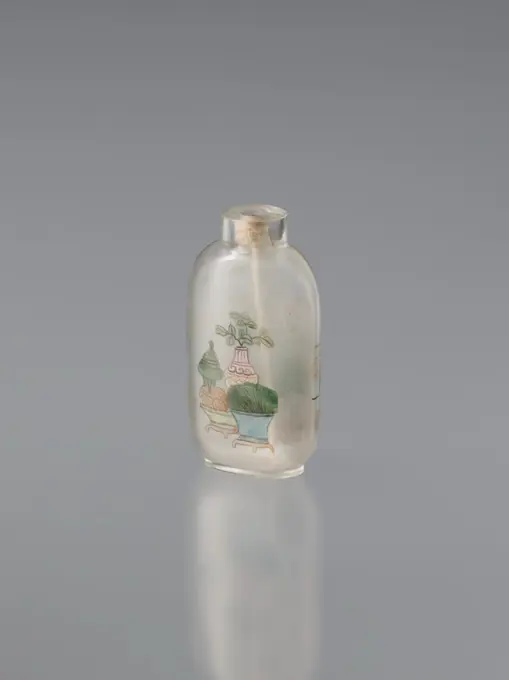
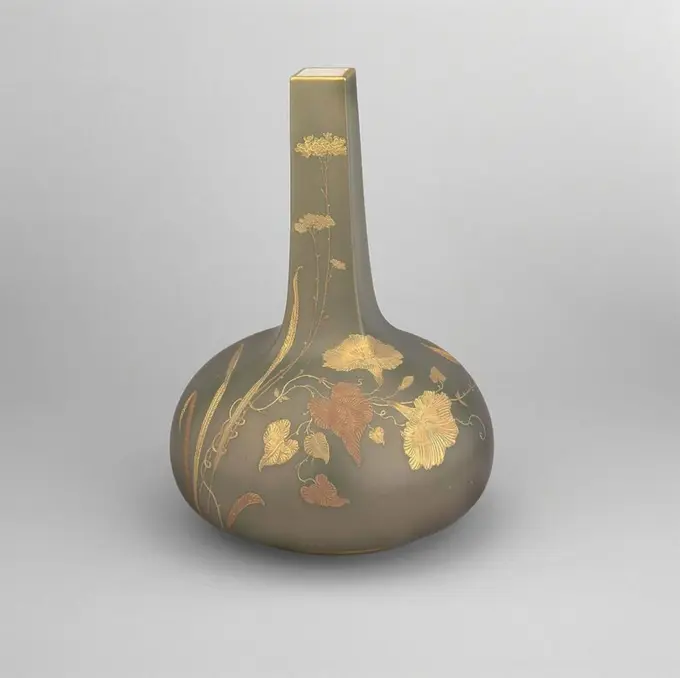
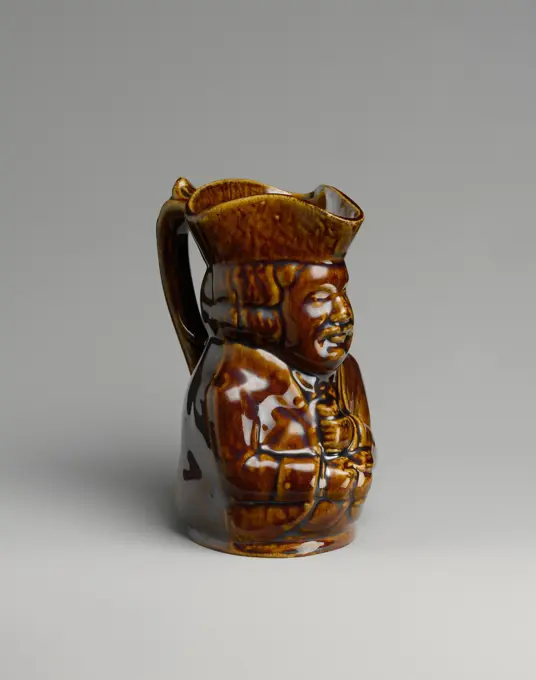
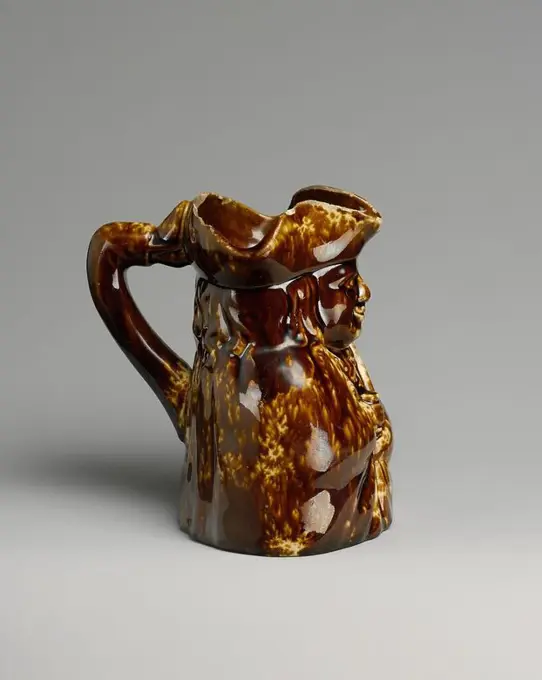
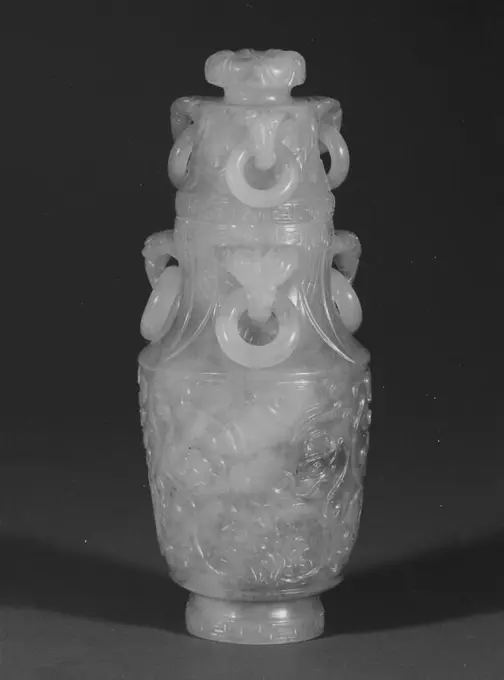
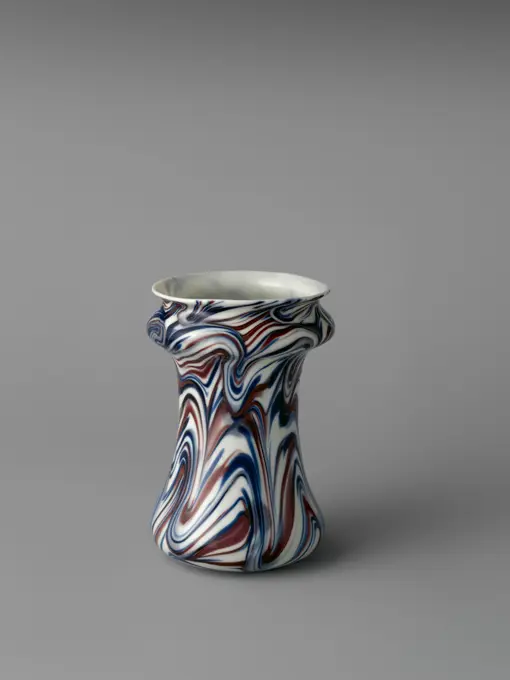
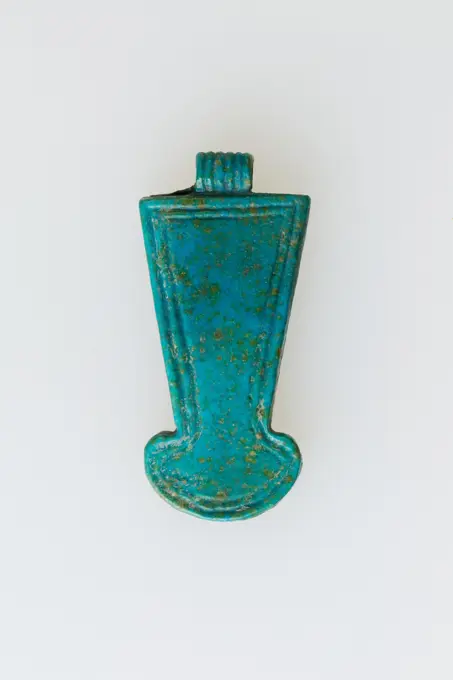
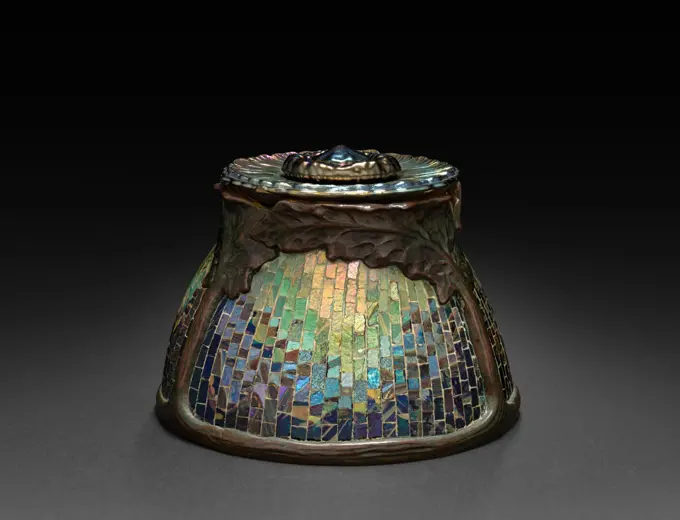
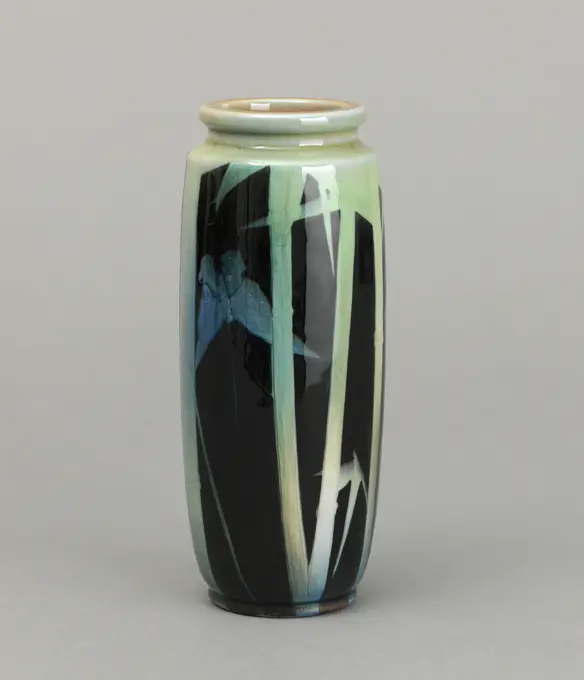
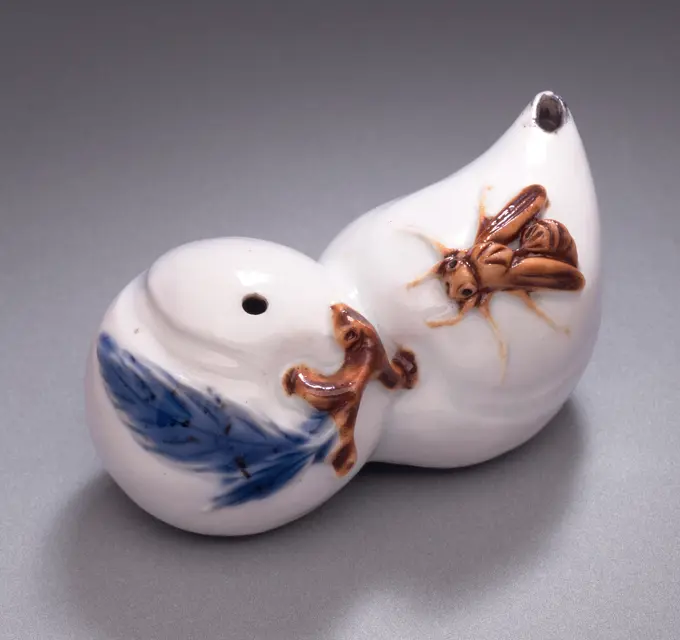
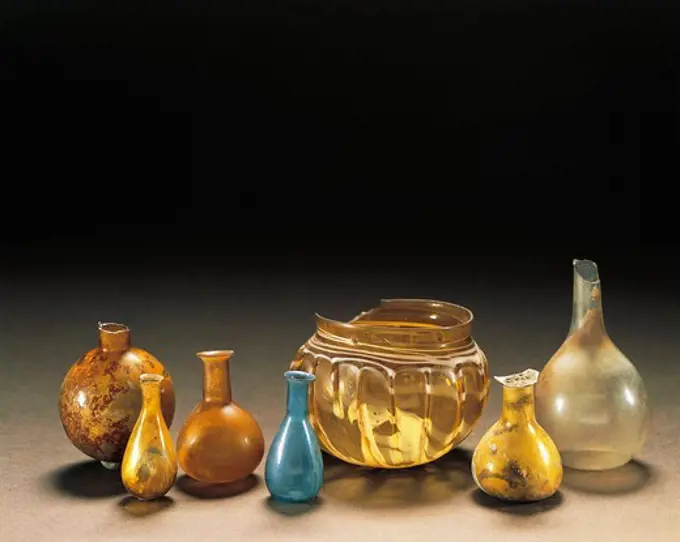
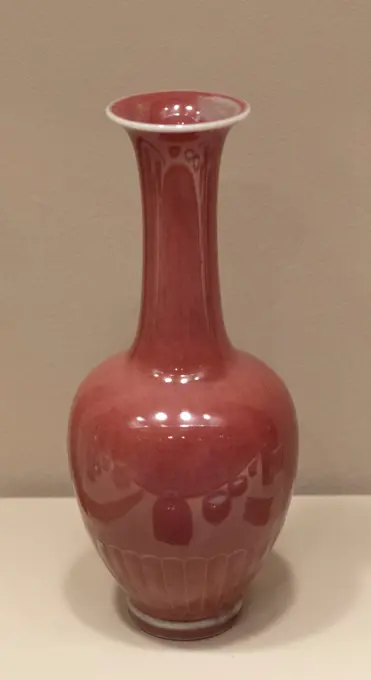
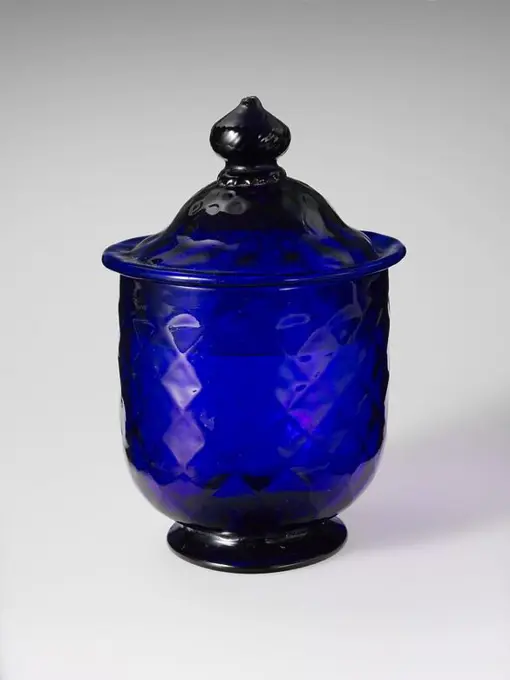
Covered Sugar Bowl. Culture: American or British. Dimensions: H. 4 1/4 in. (10.8 cm). Date: 1780-1820. Museum: Metropolitan Museum of Art, New York, USA.Rosewater sprinkler or bottle with celadon glaze and flower sprays, anonymous, c. 1700 - c. 1724 Rose water drops or point bottle on a high base of porcelain with spherical body and two thickenings in the long, narrow neck, covered with a celladongroen enamel and painted in underlaze blue. The bottle is covered with a Celadon green glaze containing nine reserves filled with flower branches in underly glaze blue. Monochrome Celadon Green with underly glaze blue. China porcelain. glaze. cobalt (mineral) painting / vitrification Rose water drops or point bottle on a high base of porcelain with spherical body and two thickenings in the long, narrow neck, covered with a celladongroen enamel and painted in underlaze blue. The bottle is covered with a Celadon green glaze containing nine reserves filled with flower branches in underly glaze blue. Monochrome Celadon Green with underly glaze blue. China porcelain. glaze. cobalt (mineral) painting / vitrificationMiniature Vase, 700-900s. Iran, early Islamic period, 8th-10th Century. Ivory; diameter: 4.2 cm (1 5/8 in.).Bottle 1810-30 American. Bottle 627Sugar bowl 1815-40 American. Sugar bowl. American. 1815-40. Blown-molded glass. Possibly made in Pennsylvania, United States; Possibly made in Ohio, United StatesMeiping vase late 17th-early 18th century China. Meiping vase. China. late 17th-early 18th century. Porcelain with copper red glaze (Jingdezhen ware). Qing dynasty (1644-1911), Kangxi period (1662-1722). CeramicsBottle vase with light brown and ornamental borders, anonymous, c. 1700 - c. 1724 Rose water dropper or porcelain porcelain with spherical body and two swellings in the neck, painted in underly glaze blue and with cafe-au-lait glaze. The lower part of the body is covered with a light brown glaze above which a band with a thick cream -colored glaze; the shoulder in underly glaze blue with servetwork interspersed with a flower in a medallion; The neck also in blue with three decorative tires: one with a geometric pattern interspersed with a medallion with a flower drink, above it a band with hanging leaf motifs, around the edge a tire with hanging, pointed leaf motifs; A double circle on the bottom. Old label on the bottom with: A. Staal Antiquaire/ Rokin 156 Amsterdam. Monochrome brown with blue and white. China porcelain. glaze. cobalt (mineral) painting / vitrification Rose water dropper or porcelain porcelain with spherical body and two swellings in the neck, painted in underly glazeAmulet of Bes, 30 BC-AD 395. Egypt, Greco-Roman Period, Roman Empire. Polychrome faience; average: 3.7 x 1.8 x 0.7 cm (1 7/16 x 11/16 x 1/4 in.).Sake bottle with paulownia, 17th century, Unknown Japanese, 6 1/4 × 5 × 5 in. (15.88 × 12.7 × 12.7 cm), Kyōyaki ware; porcelain with underglaze iron oxide, Japan, 17th centuryVase decorated with white, blue and red glazes, J. Petersen (Ceramist), 1904 - 1906 Vase of stoneware, decorated with white, blue and red glazes. Four ribs on the neck and shoulder. Marked with: Birkerød A 1904 (Inganglift), in blue: Joachim P 1906. Denmark stoneware vitrification Vase of stoneware, decorated with white, blue and red glazes. Four ribs on the neck and shoulder. Marked with: Birkerød A 1904 (Inganglift), in blue: Joachim P 1906. Denmark stoneware vitrificationVase with pussy willow design. Culture: American. Dimensions: 10 1/2 in. (26.7 cm). Manufacturer: Tiffany Studios (1902-32). Date: ca. 1904-9.Like most Tiffany Studios pottery, this vase was slip cast in a mold: the spout and handle, however, appear to have been crafted by hand afterward. Museum: Metropolitan Museum of Art, New York, USA.Sake Bottle in the Form of a Tea Whisk. Japan, 19th century. Ceramics. Tanba ware; stoneware with brown glazeGourd-Shaped Ewer with Twisted Rope Handle, Lotus Leaves, and Floral Sprays 1100-1200 Korea. Stoneware with celadon glaze and underglaze carved decoration .Covered jar with a three-colored glaze, anonymous, c. 618 - c. 906 Cover of pottery with a spherical body, covered with a green, brown and cream -colored enamel. The lid with brown and green spots. Sancai, Tang. China earthenware. glaze vitrification Cover of pottery with a spherical body, covered with a green, brown and cream -colored enamel. The lid with brown and green spots. Sancai, Tang. China earthenware. glaze vitrificationStorage Jar (Olla). Ancestral Pueblo (Anasazi), Betatakin Black-on-white; Kayenta area, northeastern Arizona, United States. Date: 1150-1300. Dimensions: 34.9 × 36.8 cm (13 3/4 × 14 1/2 in.). Ceramic and pigment. Origin: Arizona. Museum: The Chicago Art Institute, Chicago, USA.. Cylindrical vase of stoneware, slightly finish to the edge and with an annular thickening. Painted on the glaze in green, yellow and purple. The vase is divided into two parts by the thickening with a vacant landscape with figures, trees and mountains in Nanga style in each. Marked on the wall. In the foot ring concentric circles embossed.Mounted Retorti Ewer. Italy, Venice, circa 1600-1625. Furnishings; Serviceware. Vetro a retorti with silver-gilt mounts, enamel, rubiesJar. Culture: Coptic. Dimensions: Overall: 4 5/16 x 4 5/16 in. (10.9 x 10.9 cm). Date: 4th-early 5th century. Museum: Metropolitan Museum of Art, New York, USA.Staff. Iran, circa 150 B.C.-A.D. 225 or later. Arms and Armor; swords. Bronze and iron, castVase ca. 1901 Grueby Pottery. Vase. American. ca. 1901. Earthenware. Made in Boston, Massachusetts, United StatesJug. Zanesville Glass Works; American, 1820-1840 or; Mantua Glass Works; American 1821-1829; Ohio. Date: 1815-1830. Dimensions: 13.3 × 6.4 cm (5 1/4 × 2 1/2 in.) (diam. base). Blown glass. Origin: . Museum: The Chicago Art Institute, Chicago, USA.Covered jar. Culture: American. Dimensions: H. 8 3/8 in. (21.3 cm); Diam. 4 1/4 in. (10.8 cm). Maker: New England Glass Company (American, East Cambridge, Massachusetts, 1818-1888). Date: 1883-88.Patented in 1883, the shaded ware called Amberina was made from amber-colored glass to which a small amount of soluble gold had been added. After this piece had been shaped and cooled, one end of it was reheated, causing it to turn ruby red. Museum: Metropolitan Museum of Art, New York, USA.Yellow and Brown-Enameled 'Dragon' Bottle Vase 1662-1722 China. Porcelain with overglaze yellow and brown enamels .Bottle Made 1700-1725 Wrotham. Tin-glazed earthenware with slipware decoration .Hes Vase with the name of Ramesses IV ca. 1153-1147 B.C. New Kingdom, Ramesside This libation vessel takes the form of the hieroglyph hes, meaning "praise," or "favor." It would have been used to pour out purified liquid during the performance of rituals. Ideally used by the king, who was regarded as the primary priest of all the gods, this example is engraved with the names and epithets of Ramesses IV.. Hes Vase with the name of Ramesses IV. ca. 1153-1147 B.C.. Unalloyed copper. New Kingdom, Ramesside. From Egypt. Dynasty 20Cream Pitcher ca. 1818-ca. 1846 Enoch Wood & Sons British. Cream Pitcher. British (American market). ca. 1818-ca. 1846. Earthenware, transfer-printed. Made in Staffordshire, EnglandEwer early 17th century French, Nevers. Ewer. French, Nevers. early 17th century. Glass. GlassModel pot ca. 1850-1800 B.C. Middle Kingdom. Model pot. ca. 1850-1800 B.C.. Limestone, paint. Middle Kingdom. From Egypt, Memphite Region, Lisht North, Tomb of Nakht (493), south cemetery, Pit 428, north chamber, MMA excavations, 1913-14. Dynasty 12, lateGlass perfume bottle. Culture: Roman. Dimensions: H.: 2 3/4 in. (7 cm). Date: 1st century A.D..Small bottle.Translucent smoky grey.Slanting rim, folded out, over, and in, with raised inner lip on one side; cylindrical neck, tapering downwards, tooled in horizontally at base; tall shoulder with convex side, marked off at base by another horizontal tooled indent; squat bulbous body, then sloping in sharply to small, flat bottom.Complete, but badly cracked on body and across bottom; few bubbles and blowing striations; small patches of dulling and weathering on exterior, some soil encrustation and whitish weathering on interior. Museum: Metropolitan Museum of Art, New York, USA.Brown speckled Bartmann jug, also called Bellarmine jug, under beard mask part of medallion, beardmug tableware holder soil find ceramic stoneware clay engobe glaze salt glaze, hand turned stamped glazed glazed baked stoneware jug gray shard brown brindled salt glaze sausage ear with tail two ridges under the mouth edge archeology Rotterdam Westzeedijk import pottery drink transport packaging soil found Rotterdam found at number 50 Westzeedijk.Aryballe. Gallo-Roman. Glass. Paris, Carnavalet museum. Bottle, Gallo-Roman, Gallo-Roman time, container, glass, archeological vestigeCuetChinese vase of the Kangxi period (1662-1722). Turquoise glazed porcelain. the base is circled with gilded bronze Vase with cover China. Vase with cover 43896Armorial Covered Tankard 1714 Germany. Glass with pewter mounts .Royal Lancastrian Vase, 1914. Pilkington's Royal Lancastrian Pottery Co. (British, Manchester, Clifton, est. 1892), Richard Joyce (British, 1873-1931). Earthenware decorated with lustre glazes; diameter: 9.3 cm (3 11/16 in.); overall: 18.3 cm (7 3/16 in.).Vase of earthenware, decorated with stylized flower motifs, N.V. Haagsche Plateel factory Rozenburg, 1887 Vase of earthenware, multicolored brown, green, blue, red -brown, decorated with stylized floral motifs, on yellow -white stock (upper part) and green stock (bottom part). The inside partly red -brown and decorated with geometric motifs on the edge. Marked: Monogram, The Hague and C. The Hague earthenware Vase of earthenware, multicolored brown, green, blue, red -brown, decorated with stylized floral motifs, on yellow -white stock (upper part) and green stock (bottom part). The inside partly red -brown and decorated with geometric motifs on the edge. Marked: Monogram, The Hague and C. The Hague earthenwareACEITERA VIDRIADA EN VERDE. Location: ALFARERIA. Lorca. MURCIA. SPAIN.Vase 1890-1900 France. Glass; blown, cut, acid finished . Cristallerie DaumBottle vase with light brown and precious object and antiquities, anonymous, c. 1700 - c. 1724 Power bottle of porcelain with pear-shaped body, covered with a cafe-au-lait glaze and painted in underlaze blue. The lower part of the body is covered with a light brown glaze above which a band with a thick cream -colored glaze; the upper part in underly glaze blue with a geometric band interspersed with a flower in a medallion, above it valuables (pearl, musical stone) and antiques (vase, tripod, scepter, books); The neck with inverted pointed magazine motifs. Edge damaged. Monochrome brown with blue and white. China porcelain. glaze. cobalt (mineral) painting / vitrification Power bottle of porcelain with pear-shaped body, covered with a cafe-au-lait glaze and painted in underlaze blue. The lower part of the body is covered with a light brown glaze above which a band with a thick cream -colored glaze; the upper part in underly glaze blue with a geometric band interspersed with a flower inBottle. Roman; Levant or Syria. Date: 301 AD-500 AD. Dimensions: H. 11.4 cm (4 1/2 in.); diam. 4.4 cm (1 3/4 in.). Glass, blown technique. Origin: Syria. Museum: The Chicago Art Institute, Chicago, USA. Author: ANCIENT ROMAN.Vase Pałowy school and artistic school in Krakow (PSPA)Carafe 17th century French, Cantal (La Margéride). Carafe. French, Cantal (La Margéride). 17th century. Glass. GlassBeaker (Krautstrunk) late 15th or early 16th century German This ordinary drinking vessel is decorated with applied drops of glass drawn into points, or prunts. The adornments give the beaker its name: Krautstrunk, a German word meaning "cabbage stalk." Although primarily decorative, the prunts also gave the drinker a surer grip on the vessel, which was heavy when filled.. Beaker (Krautstrunk). German. late 15th or early 16th century. Free-blown glass with applied decoration. Glass-Vesselslay amphora Isolated on white background. Free space for your text.Bowl ca. 1877-85 Chelsea Keramic Art Works The Chelsea Keramic Art Works was the first American ceramics firm to designate itself an "art pottery." It was founded in Chelsea, Massachusetts, by members of the Robertson family, all of whom had honed their skills in the ceramics industry in Britain before coming to this country. Hugh Robertson, the guiding force behind the pottery, created work that was not only inspired by classical Greek pottery but also by forms and decoration that align with English Reform design. The carved and incised ornament of leafy scrolls and stylized plant motifs drew both from the work of Christopher Dresser and the Doulton Pottery.This vase is from the Robert A. Ellison Jr. Collection of American art pottery donated to the Metropolitan Museum in 2017 and 2018. The works in the collection date from the mid-1870s through the 1950s. Together they comprise one of the most comprehensive and important assemblages of this material known.. Bowl. Hugh C. Robertson (1Vase 1889 Clément Massier. Vase. French, Golfe-Juan. 1889. Lustered earthenware. Ceramics-PotteryJar lid ca. 1492-1479 B.C. New Kingdom. Jar lid 570036Covered goblet, c. 1710-1713, Johann Jacob Irminger; Maker: Formerly attributed to Johann Friedrich Bottger, German, 1635 - 1724, 9 3/8 x 4 3/16 x 4 3/16 in. (23.8 x 10.6 x 10.6 cm), Böttger ware (porcelaneous red stoneware) with silver mounts, Germany, 18th century, In his quest for the manufacture of white porcelain, Johann Friedrich Böttger (1682-1719), the director of the Meissen factories near Dresden, searched other high fired, semi-vitreous wares, including finely-grained red Chinese stoneware. This clay body, which was known as Yixing ware, was produced since the sixteenth century at potteries located west of Shanghai. At the Meissen factories, this highly refined red stoneware was turned and polished by glass engravers who were brought to the workshops in 1708. This ware was only made from 1708 until about 1719, the year of Böttger's death.Snuff Bottle China. Snuff Bottle 41580Pitcher. United States, Pennsylvania, Pittsburgh, circa 1860. Furnishings; Serviceware. Pillar molded cranberry glassSugar bowl, painted with the crocus decor, meissener porzellan manufaktur, 1896 Sugar bowl of painted porcelain. The pot is painted in green and brown. The pot is marked. Float porcelain Sugar bowl of painted porcelain. The pot is painted in green and brown. The pot is marked. Float porcelainJug - Bird on a branch Flack & Van Arsdale Flack & Van ArsdaleCERAMICA POPULAR DE GRANADA.Yatsushiro (ceramic production center) bottle (bin) (usual name), 1800. Dark brown sandstone, incised decor. Inlaid. Cernuschi Museum, Asia Museum of Asia in the city of Paris. On the belly, decoration of propitiatory characters incised and filled with white.Flakon with a stopperCandle Stand. China. Date: 700 AD-750 AD. Dimensions: H. 27.4 × diam. 24.3 cm (10 13/16 × 9 9/16 in.). Slip-coated earthenware with three-color (sancai) lead glazes. Origin: China. Museum: The Chicago Art Institute, Chicago, USA.Corinthian Alabastron with Bird with Feline Face. Greece, Corinth, circa 550 B.C.. Furnishings; Serviceware. CeramicFlask 1840-50 Possibly Kentucky Glass Works. Flask 3734Bottle 3rd-7th century. Bottle 448337Sake Flask (pair), 1500s. Japan, Muromachi period (1392-1573). Black laquered wood with red lacquer; diameter: 24 cm (9 7/16 in.); overall: 30.5 cm (12 in.). This flask contained rice wine, or sake. Its wood body was shaped by a lathe before black lacquer was applied to the surface. A red lacquer design of grapevines, an auspicious motif, covers the surface. With their numerous, long-lasting fruits, grapevines traditionally symbolized fertility and longevity in East Asia.Vase Ludwig Moser & SonsPear-shaped vase with chilong dragon and stand, anonymous, c. 1650 - c. 1699 Pear -shaped vase of porcelain, covered with a translucent white glazuur. The body of the vase runs strongly downwards, the neck with a thickening under the edge; On the neck a winding chilong (polled dragon). The standard with three curved legs and a raised edge where the foot ring of the vase fits. Blanc the Chine. China porcelain. glaze vitrification Pear -shaped vase of porcelain, covered with a translucent white glazuur. The body of the vase runs strongly downwards, the neck with a thickening under the edge; On the neck a winding chilong (polled dragon). The standard with three curved legs and a raised edge where the foot ring of the vase fits. Blanc the Chine. China porcelain. glaze vitrificationVase. Ôta, Jinnoei (fl. ca 1870-1920), craftsmanBottle;  IX-XII century (801-00-00-1200-00-00);Semerau-Siemianowski, Władysław (1849-1938), Semerau-Siemianowski, Władysław (1849-1938)-collection, gift (provenance), Islam (culture), art of IslamJug. Culture: Italian. Dimensions: Overall: 9 7/8 x 6 15/16 x 6 11/16 in. (25.1 x 17.7 x 17 cm). Date: 15th century. Museum: Metropolitan Museum of Art, New York, USA.Bottle. Dimensions: H. 7 15/16 in. (20.14 cm)Diam. 3 7/32 in. (8.24 cm). Date: 7th-early 8th century.This bottle is a rare example of hot-worked glass decorated in the so-called spectacle pattern, in which horizontally applied trails were tooled to create a sequence of ovals around the body. The pattern is characteristic of the transition between Roman and Islamic glass production. Museum: Metropolitan Museum of Art, New York, USA.Maud M Holme, Glass Bottle, c 1939 Glass BottleSnuff Bottle China. Snuff Bottle 41363Maker Unknown, Cream Pitcher, c. 1920-1930, amethyst glass.Vase. .Snuffer with a spoon;  19th century (1801-00-00-1900-00-00);Vase. Ott and Brewer; American, 1871-1892. Date: 1882-1890. Dimensions: H. 23.9 cm (9 3/4 in.). Belleek. Origin: Trenton. Museum: The Chicago Art Institute, Chicago, USA.Jarlet, anonymous, 618 - 907  China earthenware vitrification  China earthenware vitrificationVase China. Vase. China. Porcelain. Qing dynasty (1644-1911), Yongzheng period (1723-35). CeramicsJar with Basket Handle 201 CE-400 CE Syria. Initially affordable only among the wealthy, glass was used in ancient Rome as containers for oils, perfume, and tablewares. The variety of glass-making techniques reveals the changing tastes and fashions over the centuries. During the 1st century A.D., cast glass was a novel form that was a luxury for the Roman household, but by the end of the century, the innovation of blown glass allowed for less labor-intensive and less expensive production, which meant people of lesser means could afford it. Blown glass became so popular it nearly supplanted ceramic and even bronze wares in the home.. Glass, mold-blown technique . Ancient RomanToby Mug 1830-70 American. Toby Mug 8678Box, 1644-1911. China, Qing dynasty (1644-1911). Jade ; diameter: 5.4 cm (2 1/8 in.); overall: 3.9 cm (1 9/16 in.).Flask 1770-1800 American. Flask 3695Toby Jug. Culture: American. Dimensions: H. 6 in. (15.2 cm). Maker: Lyman, Fenton & Co. (1849-52). Date: 1849-58. Museum: Metropolitan Museum of Art, New York, USA.Covered vase. Culture: China. Dimensions: H. 4 5/8 in. (11.7 cm); Diam. 1 7/8 in. (4.8 cm). Date: 20th century. Museum: Metropolitan Museum of Art, New York, USA.Vase 18th-19th century Italian, possibly Venice (Murano). Vase. Italian, possibly Venice (Murano). 18th-19th century. Glass. GlassMenit amulet 664-30 B.C. Late Period-Ptolemaic Period The menat is a term for the counterweight of a menat necklace, a heavy set of beads with counterweight sacred to great female goddesses in particular who were appeased by the sound of the shaken beads. The counterweight served as a symbol of the whole elaborate necklace. The menat remained an important magical amulet throughout Egyptian history, serving to propititate the great goddesses and evoke their powerful protection.. Menit amulet. 664-30 B.C.. Blue faience. Late Period-Ptolemaic Period. From EgyptMaker Unknown, Jug, c. 1810-50, brown glass.Poppy Inkwell, c. 1898-1906. Attributed to Clara Wolcott Driscoll (American, 1861-1944), Tiffany Glass & Decorating Company (American, New York, 1892-1902), Tiffany Studios (American, New York, 1902-1932). Favrile glass mosaic, bronze; overall: 8 x 10.5 cm (3 1/8 x 4 1/8 in.). By 1900 Louis Comfort Tiffany had expanded his empire by increasing the firms production of “fancy goods,” including inkstands, candlesticks, clocks, small boxes, desk sets, tea screens, and other functional objects. Along with the array of artistic glass designs from his factory in Corona, Queens, works in ceramic, bronze, other metals, and even jewelry abounded. These smaller, more affordable luxury items were designed with as much thought to artistry as the great stained glass windows and lamps through which the firm enjoyed unrivaled success.Inkwell, c. 1899. Pallme-König & Habel (Czech). Glass with bronze mount; overall: 6.1 x 9.9 cm (2 3/8 x 3 7/8 in.).CANTARO PARA AGUA VIDRIADO Y DECORADO EN COLORES CON DOS ASAS Y TAPA. Location: ALFARERIA. Nijar. Almería. SPAIN.Bottle ca. 3rd-7th century A.D. Sasanian. Bottle 322731Fan-shape 'Persian' bottle with handles (one of a pair) 1872 Minton(s) Minton was the most important ceramics factory during the Victorian period and began exhibiting products at the first Great Exhibition of 1851. Founded in 1793 by Thomas Minton at Stoke-on-Trent, the firm initially specialized in transferware pottery before expanding under the ownership of Thomass son Herbert Minton, beginning in 1836. Under the ownership of Colin Minton Campbell, who succeeded his uncle in 1858, the factory became recognized as a specialist producer of Aesthetics movement porcelain, which were inspired by a rich array of exotic and eclectic decorative motifs. Listen to experts illuminate this artwork's story Listen Play or pause #418. Christopher Dresser and the Birth of Industrial Design Supported by Bloomberg Philanthropies We're sorry, the transcript for this audio track is not available at this time. We are working to make it available as soon as possible.. Fan-shape 'Persian' bottle with handKuan vase, with cover; Bielino (Manufaktura Fajansu; 1779-1800), Wolff, Karol (fl. Ca 1800); End of the 18th century (1790-00-00-1800-00-00);Iris Vase; Frederick Daniel Henry Rothenbusch (American); Manufactured by Rookwood Pottery (United States); USA; glazed earthwareGourd vase, c. 1900, Taxile-Maximin Doat; Manufacturer: Sèvres Porcelain Factory, Paris, 1756-present, 7 1/4 x 3 in. (18.42 x 7.62 cm), Porcelain with relief decoration, France, Art NouveauVase;  around 1912-1926 (1912-00-00-1926-00-00);Coffee pan with lid from the coffee and tea set 'Saxonia'. Coffee pan with porcelain lid, painted in blue and gray. The can have a sneb and a lid. The can be part of the Saxonia coffee and tea service. The coffee pot has been marked.Water Dropper for Calligraphy in the Form of Two Chestnuts and a Wasp. Japan, late 19th century. Ceramics. Hirado Mikawachi ware; porcelain with iron glaze and underglaze blueRoman civilization. Glass containers of various sizes, ointment bottles, containersKeene (Marlboro Street) Glass Works, Figured Flask, c. 1817-22, dark blue-green glass.Beaker with Prunts and Metal Rings 1600-1625 Germany. Green glass, base metal .Vase, 1662-1722, f, Porcelain with molded chrysanthemum border and peach bloom glaze, China, 17th-18th centuryBottles (Sprinklers), anonymous, c. 1700 - c. 1900 Sprinkler with a hollow stand ring. Inserted soil. Spherical body, transfers to a high, faintly ribbed and twisted, curved neck, which runs into a wide mouth with a narrow spout. Persia glass glassblowing Sprinkler with a hollow stand ring. Inserted soil. Spherical body, transfers to a high, faintly ribbed and twisted, curved neck, which runs into a wide mouth with a narrow spout. Persia glass glassblowing