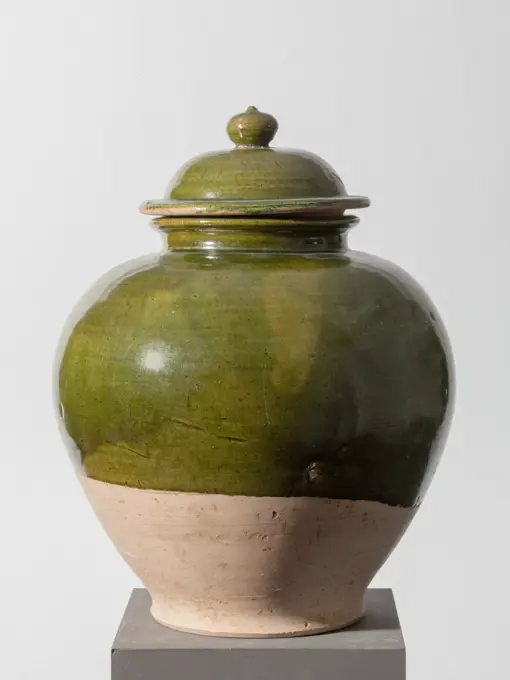
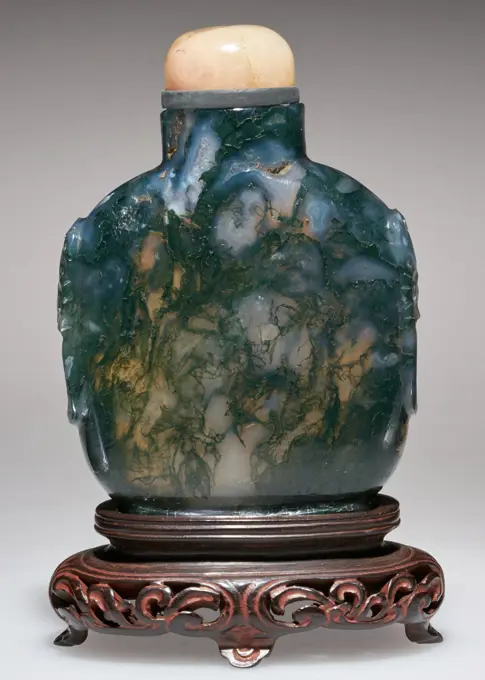
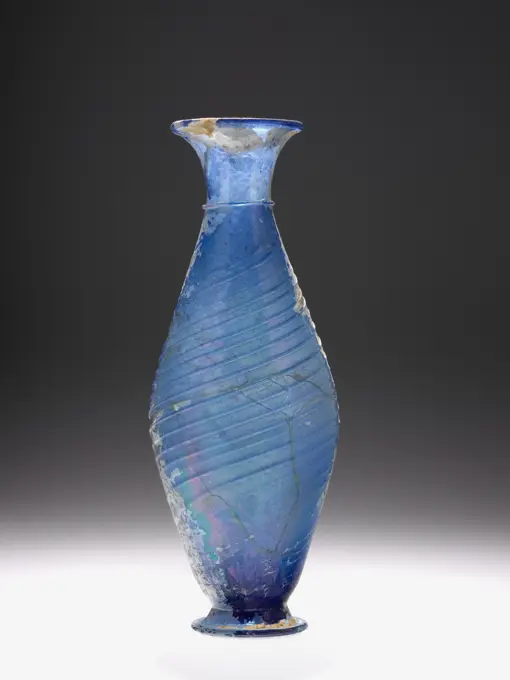
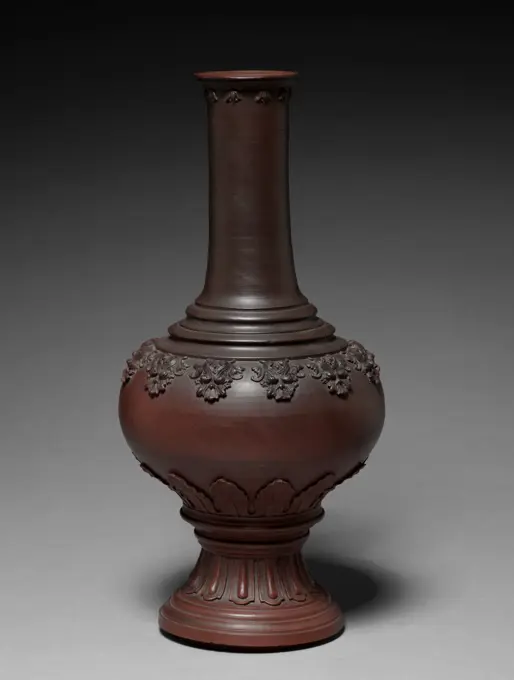
Elegant Antique Vases

A collection of historical vases made of different materials, showcasing unique designs and intricate decorations from various cultures and eras.
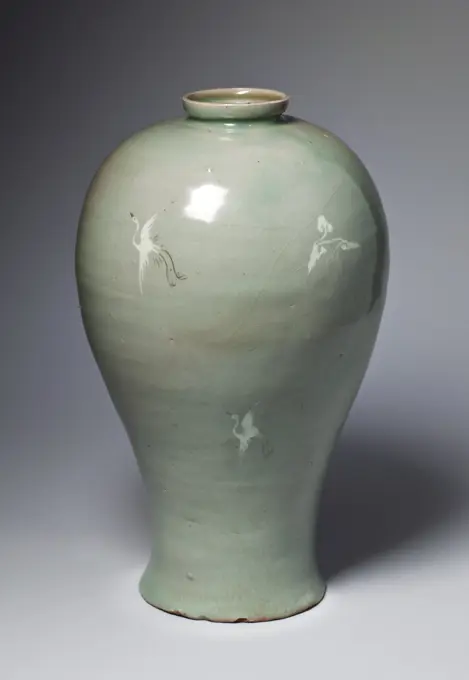
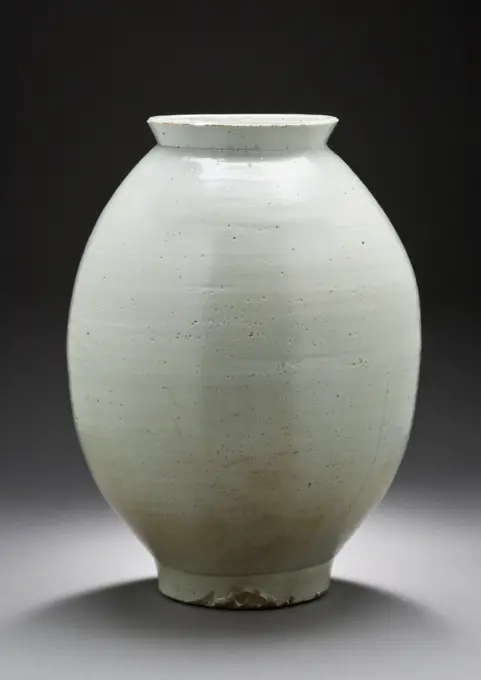
Maebyeong with flying cranes and clouds, 12th century, Unknown Korean, 12 3/4 × 7 9/16 × 7 9/16 in. (32.39 × 19.21 × 19.21 cm), Stoneware with inlaid design under celadon glaze, Korea, 12th century, According to Daoist mythology, a magical mountain carried on the back of an ancient tortoise exists somewhere off the southern coast of China. The mountain is inhabited by immortal beings, and white cranes nest in ancient pine trees, which grow in great profusion.
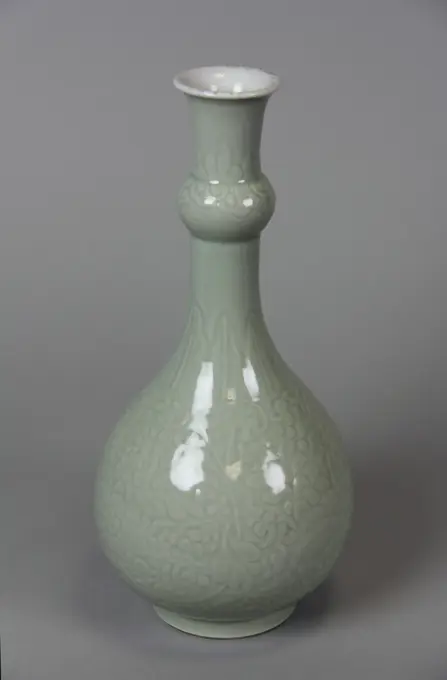
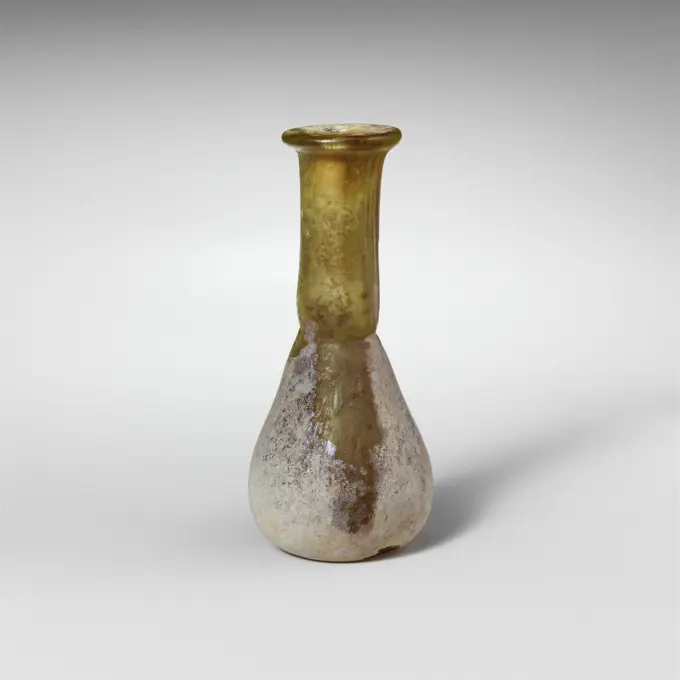
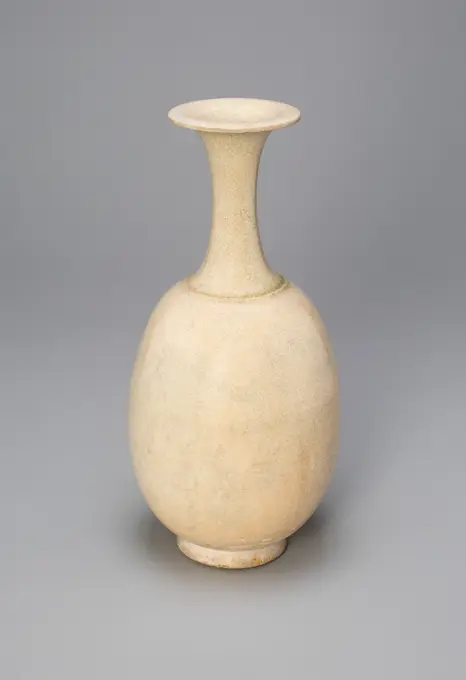
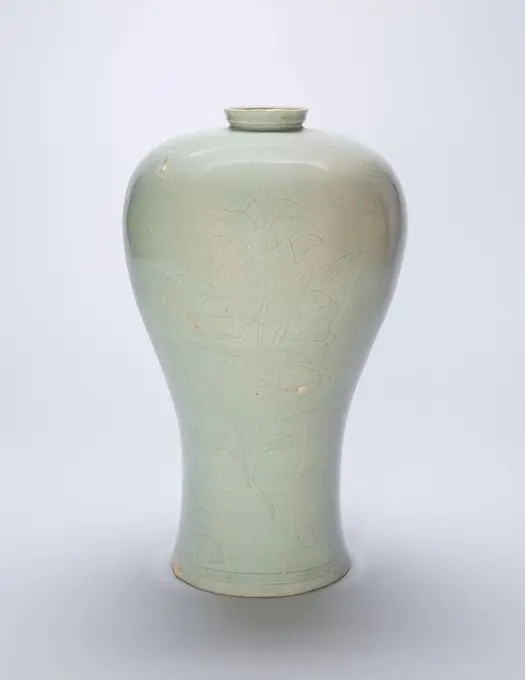
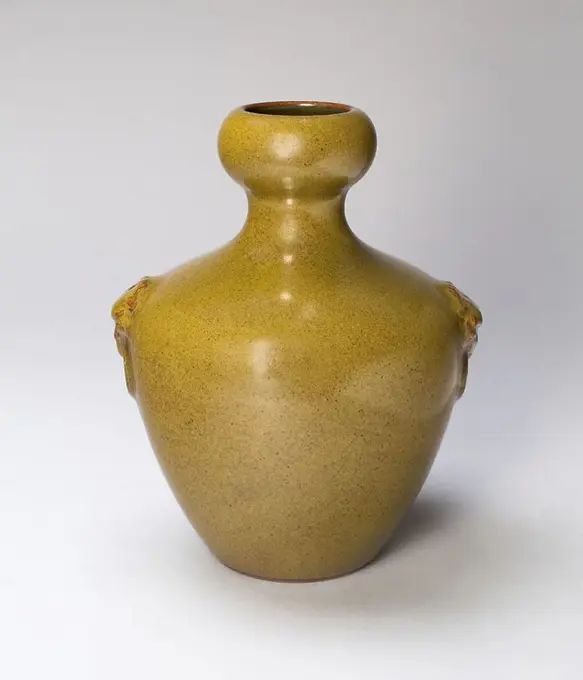
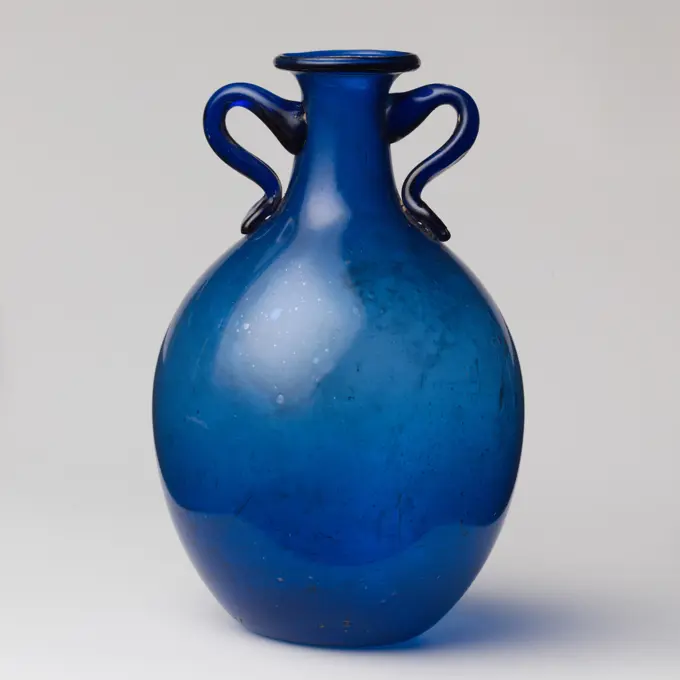
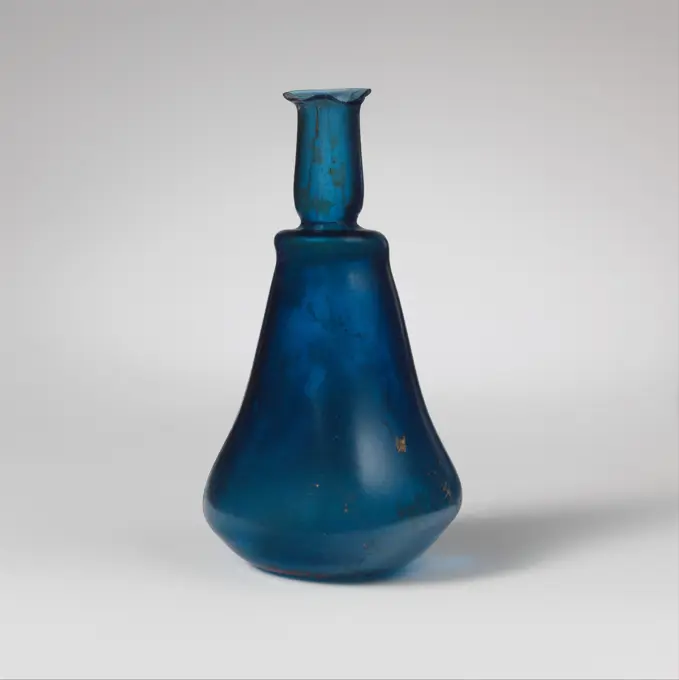
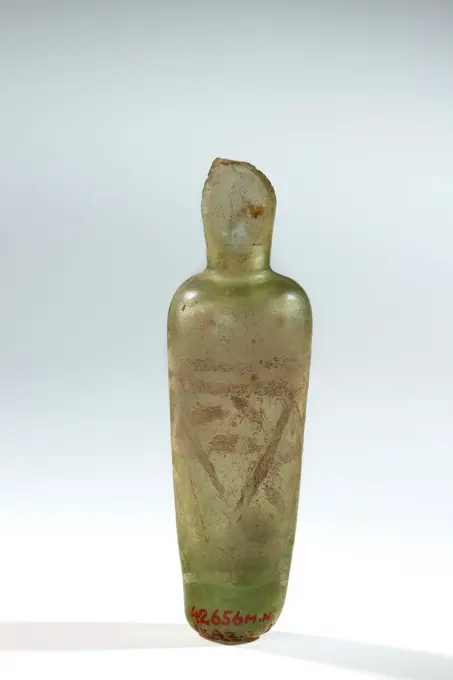
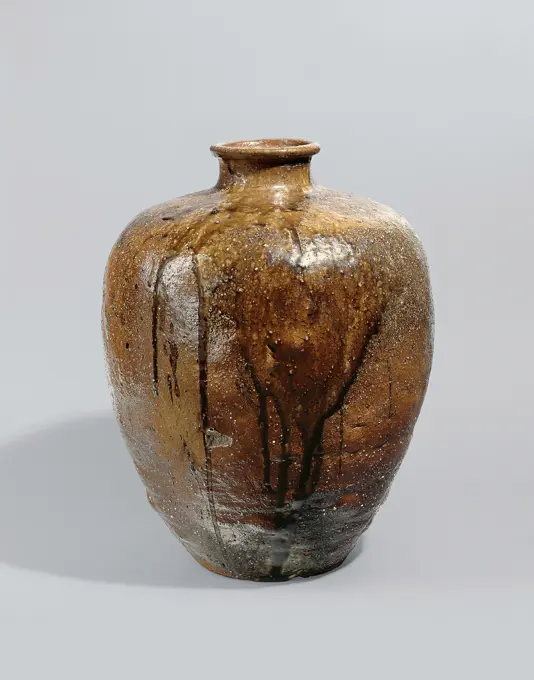
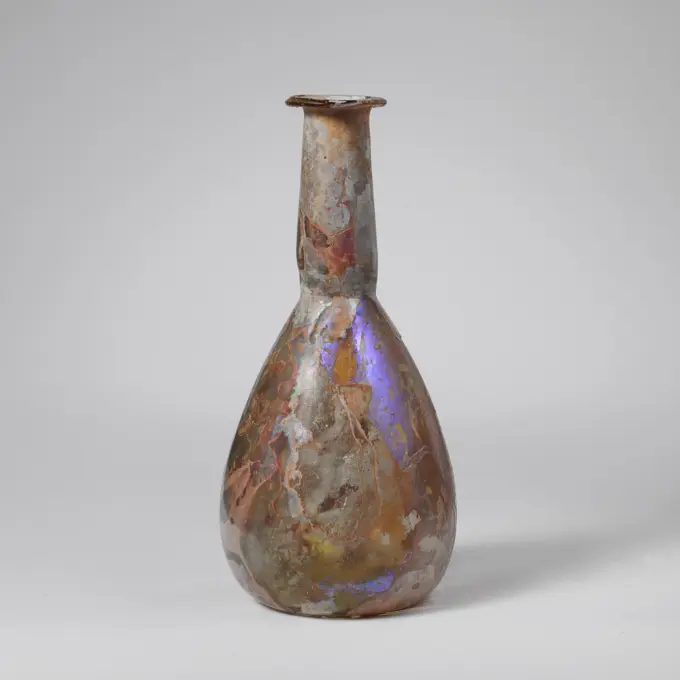
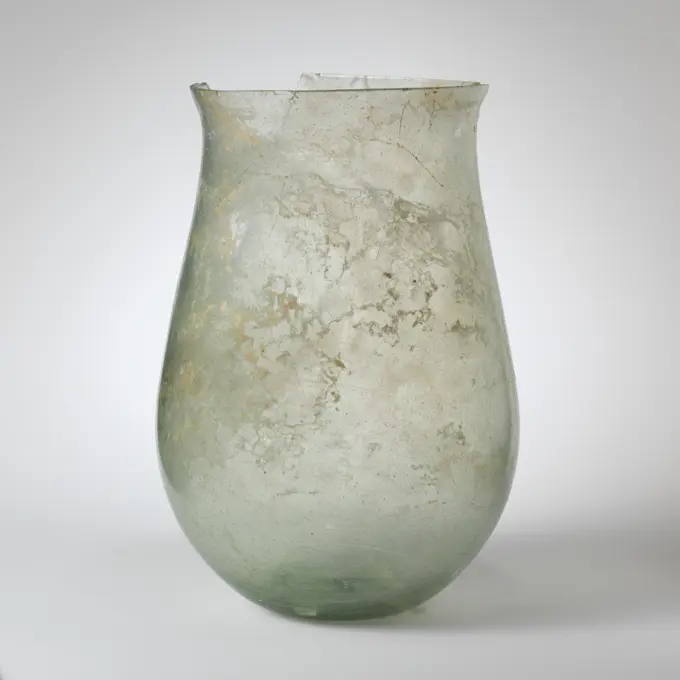
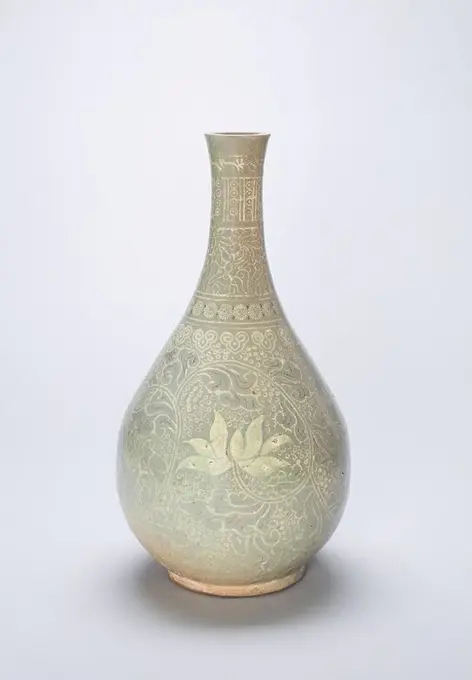
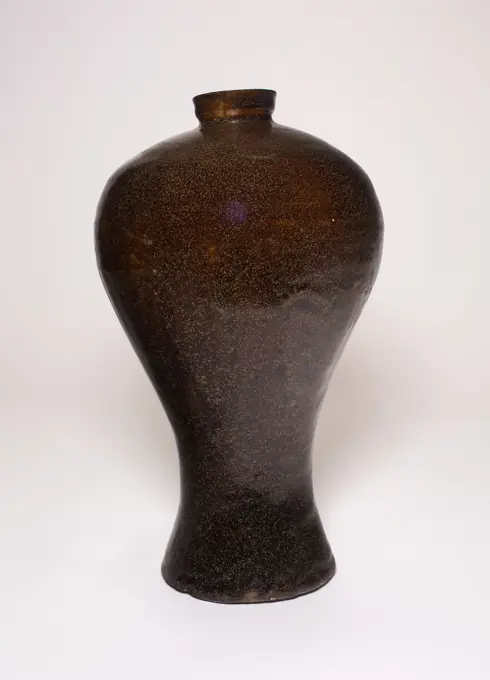
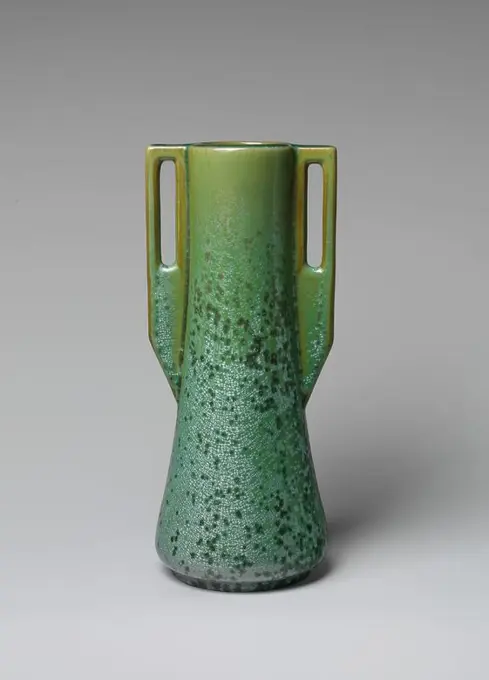
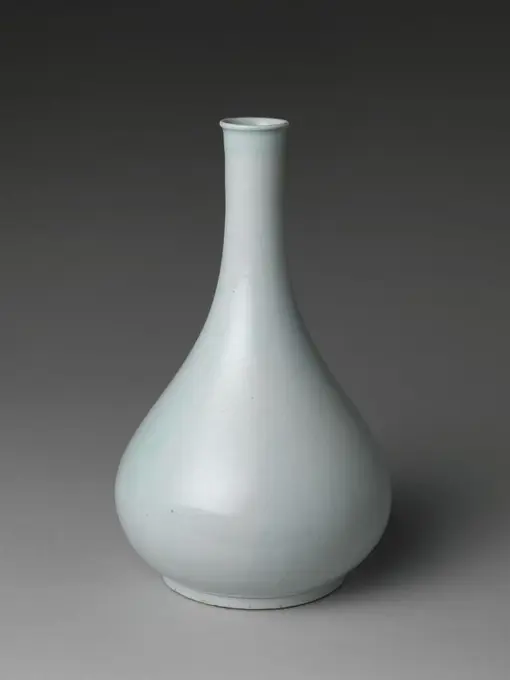
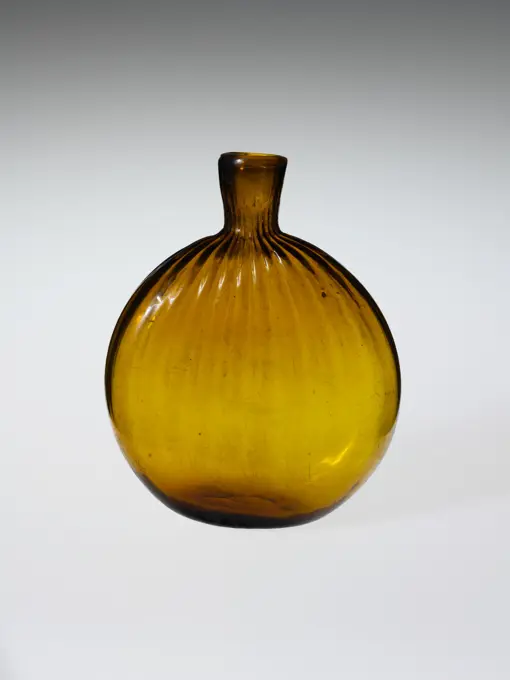
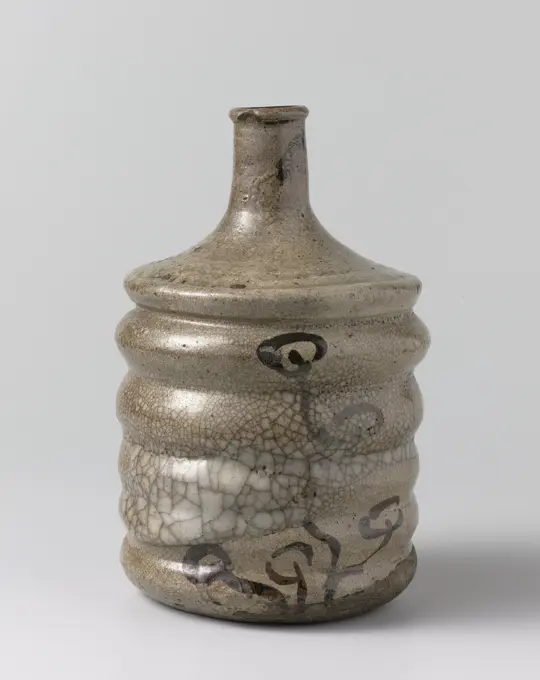
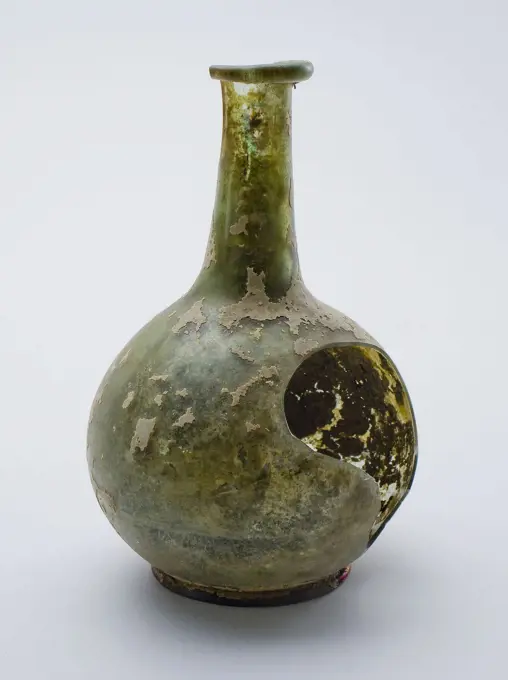
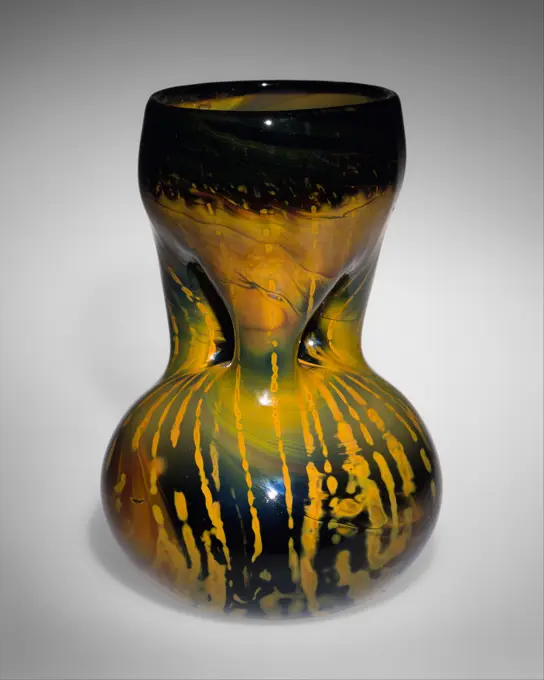
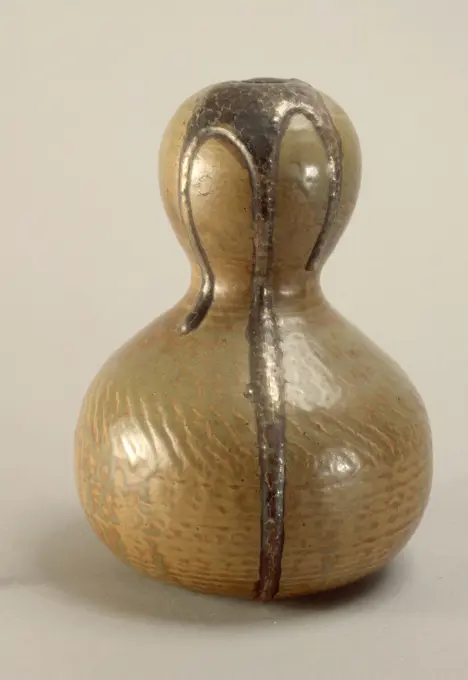
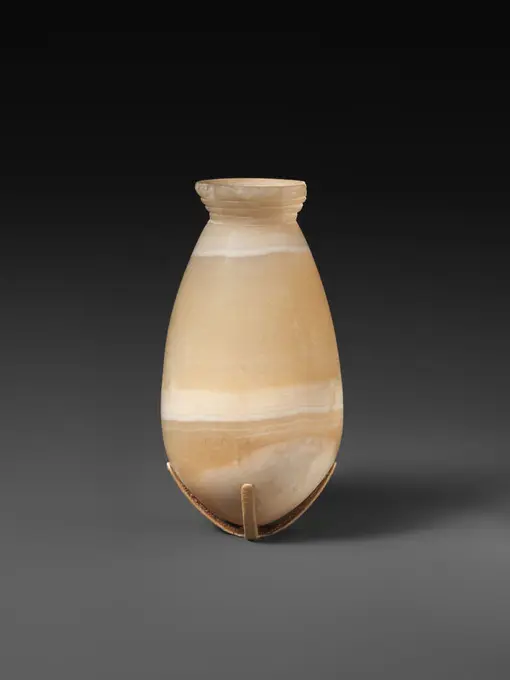
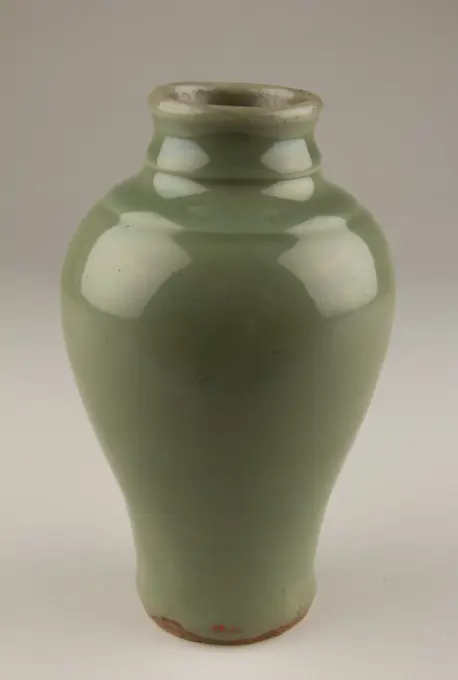
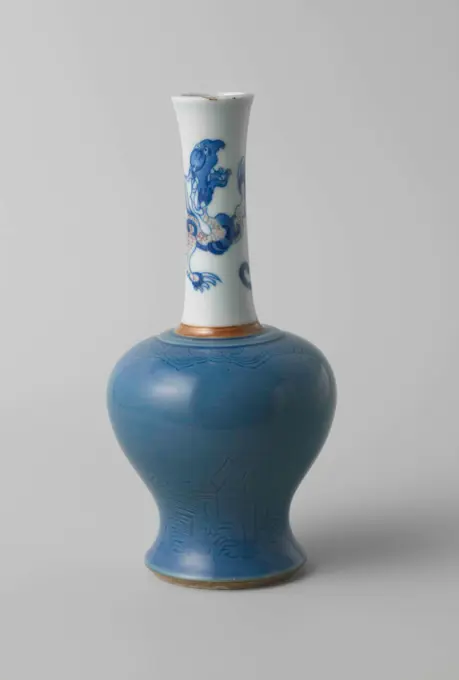
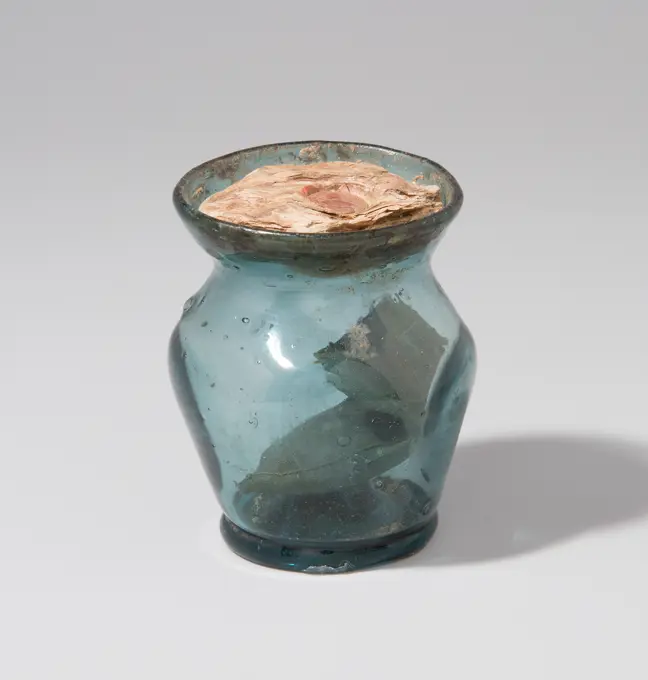
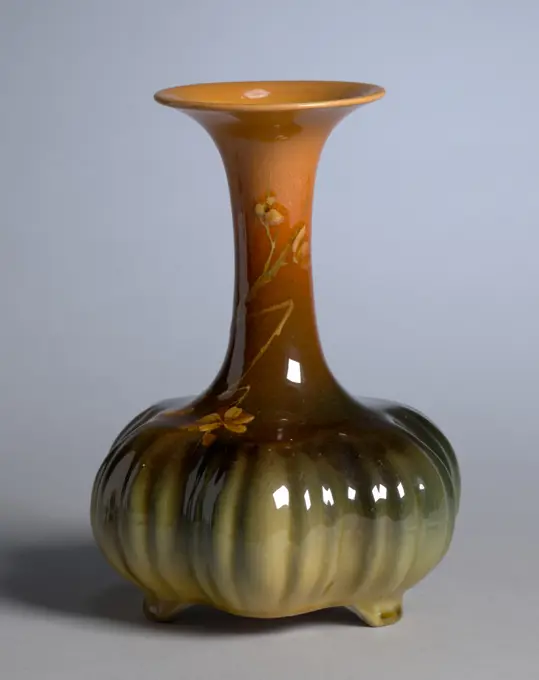
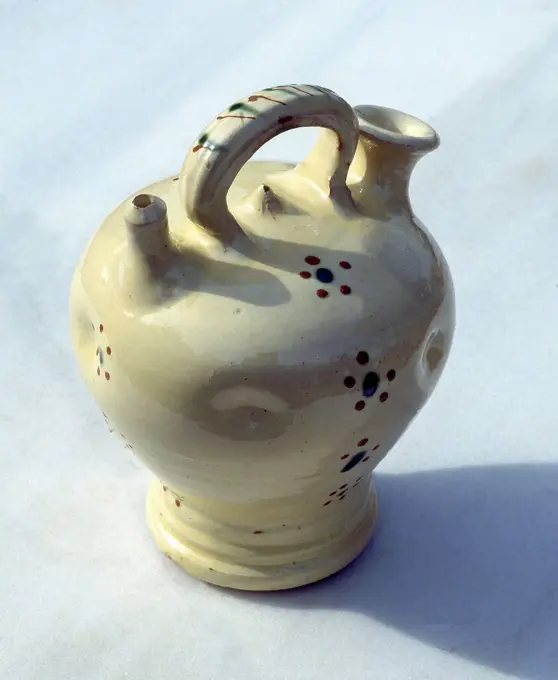
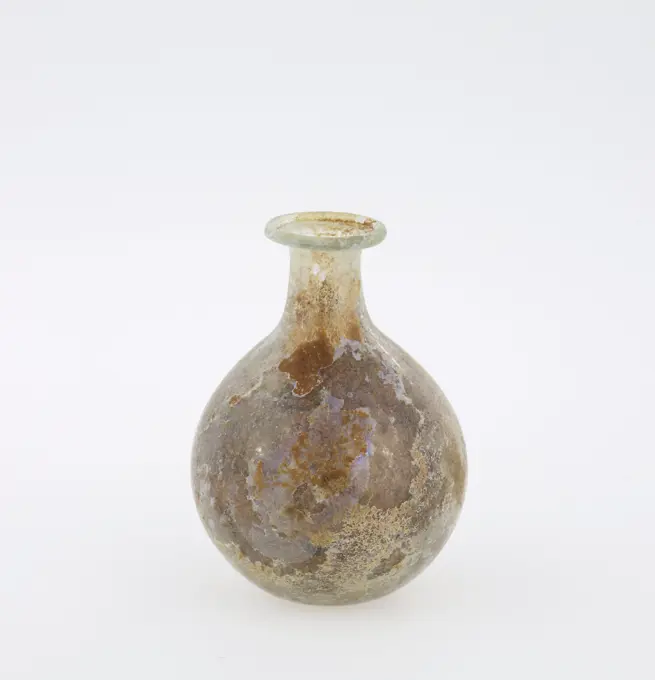
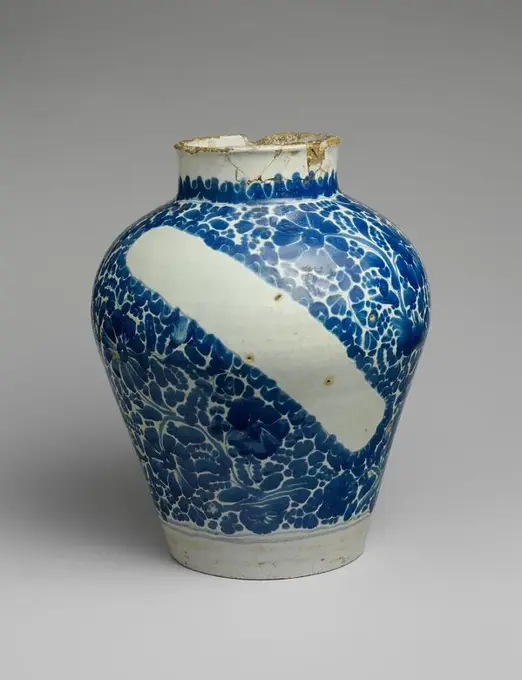
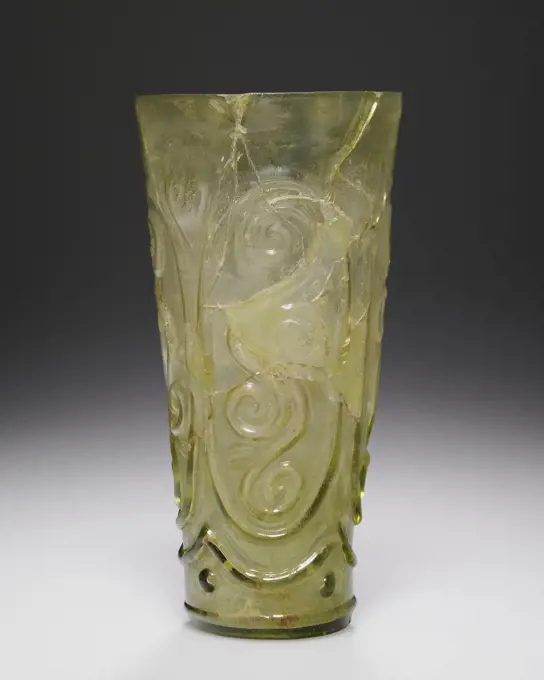
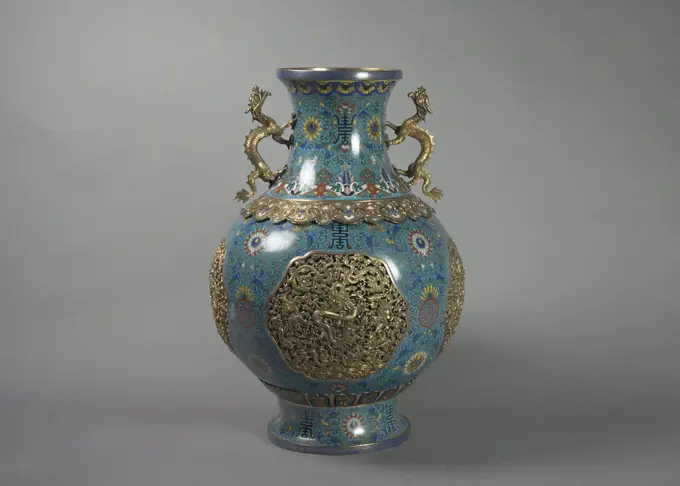
Maebyeong with flying cranes and clouds, 12th century, Unknown Korean, 12 3/4 × 7 9/16 × 7 9/16 in. (32.39 × 19.21 × 19.21 cm), Stoneware with inlaid design under celadon glaze, Korea, 12th century, According to Daoist mythology, a magical mountain carried on the back of an ancient tortoise exists somewhere off the southern coast of China. The mountain is inhabited by immortal beings, and white cranes nest in ancient pine trees, which grow in great profusion.Vase, Favrile glass, Gold and silver-gold luster on clear glass; bulbous body; gently ribbed neck and stepped shoulder., USA, ca. 1900, glasswares, Decorative Arts, VaseVase late 17th-early 18th century China. Vase. China. late 17th-early 18th century. Porcelain with incised decoration under celadon glaze. Qing dynasty (1644-1911), Kangxi period (1662-1722). CeramicsGlass perfume bottle 1st-2nd century A.D. Roman Translucent pale yellow green.Rim folded out, over, and in, flattened on top; cylindrical neck with tooling indent around base; conical body with sides rounded at base; flattened but slightly concave bottom.Intact; a few pinprick and some large and elongated bubbles; dulling and creamy white weathering with iridescence.. Glass perfume bottle 244667Bottle with the inscription: Hoogmoed goes for the fall, Anonymous, 1683 Soul inserted. Spherical body, long slender neck with imposed ring around the neck. Calligraphy inscription on body: 'pride goes for the fall'. Signed under the word Val 'm Petit Write Mr A Leyden 1683'. glassblower: Low CountriesNorthern Netherlands glass glassblowing Soul inserted. Spherical body, long slender neck with imposed ring around the neck. Calligraphy inscription on body: 'pride goes for the fall'. Signed under the word Val 'm Petit Write Mr A Leyden 1683'. glassblower: Low CountriesNorthern Netherlands glass glassblowingPear-Shaped Vase with Dragon-Head Ring Handles. China. Date: 1300-1368. Dimensions: H. 27.3 cm (10 3/4 in.); 14.1 cm (5 9/16 in.). Longquan ware; stoneware with molded decoration. Origin: China. Museum: The Chicago Art Institute, Chicago, USA.Bottle. The inscription translates as: Open your mouth when offered porridge’.Ovoid Bottle 600 CE-650 CE China. Slip-coated and glazed stoneware .Vase with Dragons and Bats amid Clouds. Culture: China. Dimensions: H. 12 1/2 in. (31.8 cm). Museum: Metropolitan Museum of Art, New York, USA.Baluster-Shaped Vase with Lotus Flowers. Korea. Date: 1165-1235. Dimensions: H. 34.9 cm (13 3/4 in.); diam. 21.2 cm (8 3/8 in.). Celadon-glazed stoneware with underglaze incised decoration. Origin: Korea. Museum: The Chicago Art Institute, Chicago, USA.Maker Unknown, Miniature Bottle, c. 1830-c. 1870, aquamarine glass.Vase with Animal Handles. China. Date: 1723-1735. Dimensions: H. 20.7 cm (8 1/8 in.); diam. 16.7 cm (6 9/16 in.). Porcelain with tea dust glaze. Origin: China. Museum: The Chicago Art Institute, Chicago, USA.Glass two-handled bottle 1st century A.D. Roman Translucent cobalt blue; handles in same color.Everted rim, folded down, round, and in; flaring mouth; cylindrical neck, expanding downwards; ovoid body; concave bottom; two rod handles applied to side of neck, drawn up, round, down, and in in a curving loop, and pressed on to base of neck and top of body with flat pad and sliced off edge.Intact; many bubbles, with a few very large; little weathering on exterior, patches of faint weathering and iridescence on interior.Blown, blue, two added handled.. Glass two-handled bottle. Roman. 1st century A.D.. Glass; blown. Early Imperial. GlassGlass carinated perfume bottle 1st century A.D. Roman Translucent cobalt blue.Outsplayed, rounded rim; cylindrical neck, with deep horizontal tooled indent around base; narrow horizontal shoulder with projecting flange below; carinated body, with slightly concave profile to upper section and lower section curving in sharply to concave bottom.Intact, except around rim, of which 2/3 is missing; some bubbles, elongated in neck; dulling, patches of pitting and iridescent weathering on exterior, whitish weathering on much of interior.Blue, bell shaped.. Glass carinated perfume bottle 249408Jean Carriès (1855-1894). "Small depression pot". Enamelled sandstone and golden drips. Museum of Fine Arts of the City of Paris, Petit Palais. 24203-18 Ceramic, golden flow, depression, emaille gres, small potJean Carriès (1855-1894). "Large bottle". Enameled sandstone. Museum of Fine Arts of the City of Paris, Petit Palais. 24203-7 Ceramic, large bottle, Gres emailleBottle. unknown, craftsmanBottle 1 CE-100 CE Syria. Initially affordable only among the wealthy, glass was used in ancient Rome as containers for oils, perfume, and tablewares. The variety of glass-making techniques reveals the changing tastes and fashions over the centuries. During the 1st century A.D., cast glass was a novel form that was a luxury for the Roman household, but by the end of the century, the innovation of blown glass allowed for less labor-intensive and less expensive production, which meant people of lesser means could afford it. Blown glass became so popular it nearly supplanted ceramic and even bronze wares in the home.. Glass, mold-blown technique . Ancient RomanStorage jar, 16th century, Unknown Japanese, 18 × 13 3/4 × 13 5/8 in. (45.72 × 34.93 × 34.61 cm), Shigaraki ware; stoneware with natural ash glaze, Japan, 16th century, This large Shigaraki jar is noted for the brown ash glaze that pools and drips unevenly across its rough surface, which is marked by particles of white feldspar. Potters in Shigaraki began making bowls, jars, mortars, and other vessels for utilitarian use around a millennium ago. The irregular properties of the local clay and unique firing processes lent Shigaraki pots and bowls a sense of rusticity and spontaneity. Late in the fifteenth century, the ostensible artlessness of Shigaraki pottery drew the attention of tea masters like Murata Jukou (1423-1502) who embraced a new style of tea ceremony based on the unpretentious, austere aesthetic concept known as 'wabi.'Round-bodied jar with fluted sides, anonymous, anonymous, c. 1300 - c. 1499 Spherical pot of stoneware with a narrow, short neck and upright edge, covered with a green glaze. On the shoulder, abdomen and around the foot three horizontal, lines taken. The wall is ribbed in between. Two semicircular ears from the shoulder attached to the neck. A shard from the edge, with remains of a restoration. Celadon. Thailand stoneware. celadon (glaze) engraving / vitrification Spherical pot of stoneware with a narrow, short neck and upright edge, covered with a green glaze. On the shoulder, abdomen and around the foot three horizontal, lines taken. The wall is ribbed in between. Two semicircular ears from the shoulder attached to the neck. A shard from the edge, with remains of a restoration. Celadon. Thailand stoneware. celadon (glaze) engraving / vitrificationVase. Culture: China. Dimensions: H. 6 1/4 in. (15.9 cm). Museum: Metropolitan Museum of Art, New York, USA.Glass perfume bottle 2nd-3rd century A.D. Roman Colorless with greenish tinge.Rim folded out, down, over, and in, with beveled outer lip; convex, cylindrical neck expanding downward, with band of tooling marks around base; elongated piriform body with convex sides; concave bottom.Intact; some bubbles; deep weathering and pitting; brilliant iridescence.. Glass perfume bottle. Roman. 2nd-3rd century A.D.. Glass; blown. Mid or Late Imperial. GlassSnuff Bottle with Scene of a Lotus Pond late 18th-early 19th century China. Snuff Bottle with Scene of a Lotus Pond 41215Glass jar 1st-3rd century A.D. Roman Translucent pale green.Uneven, ground rim with short bulging neck below; sack-shaped body; thick bottom with small central kick and pontil scar.Ten bands of horizontal wheel-abraded lines on body extending from neck to bottom.Broken and repaired with parts of neck and upper body missing; many pinprick and some larger bubbles, with blowing striations; dulling, slight pitting, and faint iridescence on exterior, some soil encrustation and patches of iridescent weathering on interior.Greenish glass.. Glass jar. Roman. 1st-3rd century A.D.. Glass; blown and cut. Imperial. GlassBOTIJA VIDRIADA Y PINTADA EN VERDE-ARTE POPULAR S XX. Location: ALFARERIA. LUCENA. CORDOBA. SPAIN.Bottle-Shaped Vase with Lotus Flowers and Stylized Scrolls. Korea. Date: 1300-1392. Dimensions: H. 34.3 cm (13 1/2 in.); diam. 18.cm (7 1/4 in.). Celadon-glazed stoneware with underglaze inlaid decoration of black and white clays. Origin: Korea. Museum: The Chicago Art Institute, Chicago, USA.Vase. Claudius L. Linossier; French, 1893-1953. Date: 1927. Dimensions: H. 27.9 cm (11 in.). Copper and enamel. Origin: France. Museum: The Chicago Art Institute, Chicago, USA.Jar. Korea, Joseon (1392-1910), 18th century. Furnishings; Serviceware. Wheel-thrown porcelain with clear glazeVase (Maebyong) with Clouds, Flying Cranes, and Children amid Bamboo 1175-1199 Korea. Celadon or green-glazed stoneware is one of the greatest achievements of Koreaís Goryeo dynasty. Goryeo potters absorbed Chinese techniques and surpassed that countryís examples by further refining a technique known as sanggam. The time-consuming and complex process of sanggam involves carving a motif, then filling it with white and/or red clay (which turns black after firing) before applying the final bluish-green glaze. This vase is decorated with two large oval-like frames containing a scene of children playing in a bamboo garden, and a motif of cranes flying through clouds, symbolizing a wish for fertility and longevity.. Celadon-glazed stoneware with underglaze inlaid decoration of black and white clays .Bottle-Shaped Vase 918 CE-1392 Korea. Stoneware with iron brown glaze .Vase. Culture: American. Dimensions: H. 11 in. (27.9 cm); Diam. 5 1/2 in. (14 cm). Maker: Fulper Pottery Company (1899-1935). Date: ca. 1912-15. Museum: Metropolitan Museum of Art, New York, USA.Bottle. Culture: Korea. Dimensions: H. 13 15/16 in. (33.8 cm); W. 8 1/4 in. (21 cm)Diam. of rim: 1 15/16 in. (4.9 cm)Diam. of foot: 5 3/8 in. (13.7 cm). Date: first half of the 19th century.This bottle's clean silhouette and unadorned surface speak to the essence of Joseon porcelain: restrained elegance. Museum: Metropolitan Museum of Art, New York, USA.Vase with filigree decoration ca. 1860 Italian, Venice (Murano) The bands of white opaque glass that swirl around this vase are an example of filigree decoration. The first records for filigree glass in Venice date to 1527. Netted versions called reticello resemble lacework. Though the bead maker Dominique Bussolin first revived the technique in 1838, it initially found little commercial success until the Risorgimento.. Vase with filigree decoration. Italian, Venice (Murano). ca. 1860. Glass. GlassBottle-shaped Vase, 1736-1795. China, Qing dynasty (1644-1911), Qianlong reign (1735-1795). Porcelain; overall: 27.7 cm (10 7/8 in.).Bottle-Shaped Vase 1723-1735 China. Ge-type ware; porcelain with crackled grey glaze .Vase with ear in the form of a salamander, factory of Brouwer's earthenware, 1916 Vase with ear in the shape of a salamander, of earthenware, decorated with green enamel. The inside is dark green glazed. Vierblad motifs are brought in the wall. Leiddorp earthenware Vase with ear in the shape of a salamander, of earthenware, decorated with green enamel. The inside is dark green glazed. Vierblad motifs are brought in the wall. Leiddorp earthenwareAryballos Shaped LekythosVase 1906 Clifton Art Pottery. Vase 9327Terracotta oinochoe (jug). Culture: Etruscan. Dimensions: H. of body 5 11/16 in. (14.5 cm); H. with handle 7 1/16 in. (18 cm). Date: 4th-3rd century B.C..Mask at base of handle. Museum: Metropolitan Museum of Art, New York, USA.Pot, c.1920, 12 3/16 × 10 11/16 × 10 11/16 in. (30.96 × 27.15 × 27.15 cm), Clay, United States, 20th centuryNargile bottle. unknown, craftsmanPocket Bottle ca. 1820 American. Pocket Bottle 6599Small Double-Gourd Bottle 1279-1368 China. Stoneware with iron brown-black glaze .Sake bottle with flowering plants, anonymous, c. 1600 - c. 1699 Sakefles of Steengoed with a horizontally ribbed belly and a narrow, short neck, covered with a cream -colored, cracked glaze and bolted in underly glaze brown. Part of the lower rib is unglazed. Plants flowering on the belly. Karatsu. KARATSU stoneware. glaze vitrification Sakefles of Steengoed with a horizontally ribbed belly and a narrow, short neck, covered with a cream -colored, cracked glaze and bolted in underly glaze brown. Part of the lower rib is unglazed. Plants flowering on the belly. Karatsu. KARATSU stoneware. glaze vitrificationVase 1902 Van Briggle Pottery Company. Vase. American. 1902. Earthenware. Made in Colorado Springs, Colorado, United StatesBulky (medicine) Bottle, bottle holder bottomfound glass, free blown and shaped Bolbuikig (medicine) Bottle in clear light green glass. Pontil mark under flat disc-shaped stand ring (chip). Belly body with hole convex shoulders to rejuvenated neck (fracture) and horizontally flattened lip of which about half are missing archeology packagingVase;  19th century (1801-00-00-1900-00-00);Vase ca. 1898-1918 William J. Walley. Vase. William J. Walley (1852-1919). American. ca. 1898-1918. Stoneware. Made in West Sterling, Massachusetts, United StatesVase 1893-96 Designed by Louis Comfort Tiffany American This object forms part of a group of over forty given to the Museum in 1896 by Louisine and Henry Osborne Havemeyer (96.17.9-.56). The gift was the first American glass to enter the Museum's collection. Most likely prompted by Louis Comfort Tiffany, the Havemeyers presented their collection of Tiffany Favrile glass to the Museum only three years after Tiffany started making decorative blown-glass vessels. The shapes, colors, and finishes of Tiffany's vases and plaques were inspired by the natural world and ancient glass.. Vase 9402Jean Carriès (1855-1894). "Gourd". Enamelled sandstone and golden drips. Museum of Fine Arts of the City of Paris, Petit Palais. 24201-21 Ceramic, gold, gourd, gres emailleBag-shaped jar with ridged neck. Dimensions: H. 9.8 cm (3 7/8 in.); Diam. 5.3 cm (2 1/16 in.). Date: ca. 1887-1750 BC.The bag-shape of this collared jar, probably intended to hold ointment, has an uncommon shape. Museum: Metropolitan Museum of Art, New York, USA.Snuff Bottle, 19th century, 2 7/8 x 1 1/2in. (7.3 x 3.8cm), Agate, China, 19th centurySnuff Bottle, 17th-19th century, 2 1/2 x 1 5/8in. (6.4 x 4.1cm), Amber, China, 17th-19th centuryVase. Designer Hugh C. Robertson, American, 1845-1908 Manufacturer: Chelsea Keramic Art Works, American, 1872-1889Vase Olive Forbes Sherman Manufacturer Alfred University 1901 Olive Forbes Sherman was one of the ceramic teachers at New York Clayworking School at Alfred University. Little is known of her work, although she was recognized at the time for her designs, being awarded second prize for a vase design trees in 1902 and a 2nd mention for a design she submitted as part of the competition for the design of the Seal for the American Ceramic Art Society in the same year. Made in 1901, the undulating design of the relief-modeled decoration on this vase attests to Shermans awareness of the Art Nouveau style in France. The mistletoe motif was one that inspired turn-of-the-century artists both here and abroad. It appears that in spite of Shermans obvious talents, she did not pursue a career in ceramics. She is credited with establishing the Honey Pot in 1915 for making honey candies to utilize left over honey, likely from her husband, Dr. Lloyd Raymond Watsons work as an apiarist and his research iJar with lid ". Terracotta with green glaze. China, Tang dynasty (618-907). Paris, Cernuschi museum. Chinese art, Chinese ceramic, container, lid, tang dynasty, green glacide, jar, container, terracottaVase ca. 1899-1909 Grueby Pottery. Vase. American. ca. 1899-1909. Earthenware. Made in Boston, Massachusetts, United StatesSnuff Bottle, 18th century, 3 1/4 x 2 3/8in. (8.3 x 6cm), Agate, ivory, China, 18th centuryFlask. UnknownVase 18th century China. Vase 46840Vial;  IV-IX century (301-00-00-900-00-00);Arabic (culture), Islam (culture), Islamic artpossibly Boston and Sandwich Glass Works, Decanter and Stopper, c. 1826-c. 1840, colorless lead glass.Vase ca. 1886-89 Chelsea Keramic Art Works. Vase 14495Vase, c. 1710-1715. Meissen Porcelain Factory (German). Red stoneware; diameter: 9.6 cm (3 3/4 in.); overall: 28.5 x 14.4 cm (11 1/4 x 5 11/16 in.).Vase. Porcelain dressed in yellow enamel. Paris, Cernuschi museum. 78838-27 Asian art, container, vaseVase 19th century China. Vase 47443Baluster Bottle Vase With a Dragon and Incised Waves and Rocks. Bottle-shaped vase with baluster-shaped belly of porcelain, painted in underglaze blue, red and brown. The belly is covered with powder blue with waves and rocks on the wall; around the shoulder a border with Ruyi motif; the base of the neck with a brown edge; A dragon on the neck. Marked on the bottom with an artemisia leaf in a double circle. Two chips in the edge. Middle blue with copper red.Bottle. Culture: China. Dimensions: H. 6 in. (15.2 cm). Museum: Metropolitan Museum of Art, New York, USA.Tea caddy with an eggplant and fruit, anonymous, anonymous, c. 1800 - c. 1899 Dust bar or Chare of stoneware with a spherical body and an ivory lid, covered with a cream -colored glaze and painted on the glaze in blue, red, green, purple, black and gold. On the abdomen an eggplant and fruit (kaki fits , Berries). Old label on the inside with 'kyoyaki/ 19th/ step. the Ninsei  '. Nasu type. Japan stoneware. glaze. gold (metal). deksel: ivory painting / gilding / vitrification Dust bar or Chare of stoneware with a spherical body and an ivory lid, covered with a cream -colored glaze and painted on the glaze in blue, red, green, purple, black and gold. On the abdomen an eggplant and fruit (kaki fits , Berries). Old label on the inside with 'kyoyaki/ 19th/ step. the Ninsei  '. Nasu type. Japan stoneware. glaze. gold (metal). deksel: ivory painting / gilding / vitrificationGlass Reliquary late 15th-early 16th century German or Netherlandish. Glass Reliquary. German or Netherlandish. late 15th-early 16th century. Free-blown glass with applied decoration, boiled leather, silk, and wax. Made in Lower Rhineland. Glass-VesselsFlask. Maker, possibly by: East Hartford Glass Works, American, 1783-1830Maker, possibly by: Keene-Marlboro-Street Glass Works, American, 1815-1841Maker, possibly by: Coventry Glass Works, American, 1813-1850Vase, 1890. Rookwood Pottery Company (American, established 1880), possibly by Constance Amelia Baker (American). Earthenware; diameter: 14 cm (5 1/2 in.); overall: 18.6 cm (7 5/16 in.).Berkmeier with dancing farmers, anonymous, c. 1650 - c. 1700 Concave, spun from one wire. Inserted soul with pontil brand. The trunk, which is set with twelve convex, smooth studs, is blown as a whole with the funnel -shaped chalice. The transition from the trunk to the chalice is indicated by a ribbed thread. On the chalice, a bagpipe player sitting on a ton and three dancing farm pairs are engraved on the chalice. Low Countries glass glassblowing Concave, spun from one wire. Inserted soul with pontil brand. The trunk, which is set with twelve convex, smooth studs, is blown as a whole with the funnel -shaped chalice. The transition from the trunk to the chalice is indicated by a ribbed thread. On the chalice, a bagpipe player sitting on a ton and three dancing farm pairs are engraved on the chalice. Low Countries glass glassblowing"CANTIR"O BOTIJO DE INVIERNO VIDRIADO CON DECORACION-ARTE POPULAR S XX. Location: ALFARERIA. MANRESA. Barcelona. SPAIN.Ernest Chaplet (1835-1909). Vase. Flammed porcelain. 1909. Museum of Fine Arts of the City of Paris, Petit Palais. 60192-5 Flamee porcelain, vaseVase with a backdrop of blinded trees in light green, brown -red and black to green stock, barrel kanern, c. 1910 Vase of earthenware, Bol Model, rejuvenating down, with a backdrop of leafy trees in light green, brown -red and black to green stock. Marked with: factory stamp, square with monogram and below it: Gesetzt, below that Muster Gesetzl Gescht and V, all in the stamp. Maker: Canern Designer: Karlsruhe earthenware Vase of earthenware, Bol Model, rejuvenating down, with a backdrop of leafy trees in light green, brown -red and black to green stock. Marked with: factory stamp, square with monogram and below it: Gesetzt, below that Muster Gesetzl Gescht and V, all in the stamp. Maker: Canern Designer: Karlsruhe earthenwareVase Designed by Louis C. Tiffany American Tiffany Glass and Decorating Company American 1893-96 This object forms part of a group of over forty given to the Museum in 1896 by Louisine and Henry Osborne Havemeyer (96.17.9-.56). The gift was the first American glass to enter the Museum's collection. Most likely prompted by Louis Comfort Tiffany, the Havemeyers presented their collection of Tiffany Favrile glass to the Museum only three years after Tiffany started making decorative blown-glass vessels. The shapes, colors, and finishes of Tiffany's vases and plaques were inspired by the natural world and ancient glass.Square vase late 18th-early 19th century China. Square vase. China. late 18th-early 19th century. Porcelain with streaked turquoise glaze (Jingdezhen ware). Qing dynasty (1644-1911). CeramicsCopper-Red 'Buddhist Lions' Bottle Vase. China. Date: 1665-1735. Dimensions: H. 21.6 cm (8 1/2 in.); diam. 11.3 cm (4 7/16 in.). Porcelain with underglaze copper red. Origin: China. Museum: The Chicago Art Institute, Chicago, USA.Globular Vessel, 1st-5th century, 2 3/8 x 1 5/8 x 1 5/8 in. (6 x 4.1 x 4.13 cm), Glass, Roman, 1st-5th centuryGold Band Flask; Eastern Mediterranean or Italy; end of 1st century B.C. - beginning of 1st century A.D; Glass and gold; 9.1 cm (3 9,16 in.)Flask; Eastern Mediterranean; 1st - 2nd century; Glass; 9.6 x 6 cm (3 3,4 x 2 3,8 in.)Apothecary Jar. Culture: Mexican. Dimensions: H. 10 5/8 in. (27 cm). Maker: Attributed to Damián Hernández (Mexican, active 1607-70). Date: 1660-80. Museum: Metropolitan Museum of Art, New York, USA.Close-up of a decorative pottery vase in unique patternVase. Culture: China. Dimensions: H. 12 in. (30.5 cm). Museum: Metropolitan Museum of Art, New York, USA.Vase. Culture: British. Dimensions: H. 6 5/8 in. (16.8 cm). Date: ca. 1760. Museum: Metropolitan Museum of Art, New York, USA.Pitcher 1883-90 Ott and Brewer. Pitcher 5836Vase. Culture: China. Dimensions: H. 7 1/8 in. (18.1 cm). Date: 19th century. Museum: Metropolitan Museum of Art, New York, USA.Vase.  Designer Louis Comfort Tiffany, American, 1848-1933 Manufacturer: Tiffany Furnaces, American, 1902-1920Beaker; Eastern Mediterranean; 1st century; Glass; 13.9 x 7.1 cm (5 1,2 x 2 13,16 in.)Vase. Acquired by the artist at the World's Fair 1900Jar with Chrysanthemums 17th century Japan. Jar with Chrysanthemums 52217Flask; Eastern Mediterranean; 1st century; Glass; 11.3 cm (4 7,16 in.)Vase. Culture: China. Dimensions: H. 17 in. (43.2 cm). Museum: Metropolitan Museum of Art, New York, USA.BottleVase with floral scrolls late 18th century China. Vase with floral scrolls. China. late 18th century. Porcelain painted with underglaze cobalt blue and overglaze enamel and gilding (Jingdezhen ware). Qing dynasty (1644-1911). CeramicsVase (One of a Pair) 1675-1685 Netherlands, northern. This large vase, one of a pair in the Art Institute, was part of a garnitureóa set of large ornamental vessels, often ceramic or precious metal like silveródisplayed on tall cabinets or fireplace mantels. Glass garnitures are rare, and likely intended to replicate rock crystal (quartz) vessels. The fine silver-gilt mounts add ornament as well as strengthen their fragile rims. Another similar vase is in the Victoria and Albert Museum, which may have been part of the same garniture.Late seventeenth-century glass production in the Netherlands was highly experimental. Large vessels like these represented the technical limits for the art of glass blowing in this period. Risks were also taken in the composition of the glass. Concocted from an unstable formula of potash (alkali), lime, and silica, both vases are now crizzled (cracked all over), creating a hazy-effect. It is unclear in the case of these vases if this crizzling happened immeGlass jar. Culture: Roman. Dimensions: H.: 2 7/8 x 3 1/4 x 2 1/8 x 1 1/2 in. (7.3 x 8.3 x 5.4 x 3.8 cm). Date: 2nd-3rd century A.D..Translucent blue green.Outsplayed, rounded, and thickened rim; short, concave neck; squat, bulbous body; tubular base ring; flat bottom with central kick and pontil scar.On body, six deep, circular indents.Intact; many pinprick and large bubbles, with some glassy inclusions; patches of encrusted weathering, especially on interior below neck. Museum: Metropolitan Museum of Art, New York, USA.Peg Lamp 1850-70. Peg Lamp 5569One of a Pair of Vases with Dragon Handles. Culture: China. Dimensions: H. 18 3/8 in. (46.7 cm). Date: 19th century.The dragons in the four openwork cartouches on this vase are strikingly similar to those found on the robes in this gallery and illustrate the ubiquitous sharing of motifs that characterizes Chinese art in the Qing dynasty. This vase was most likely part of a set that included another vase, incense burner, and candlesticks, which would be displayed in public rooms and on ancestral altars. This vase is designed to be rotated on its base, a technical embellishment that is also (rarely) found in porcelain but has no true function. Museum: Metropolitan Museum of Art, New York, USA.