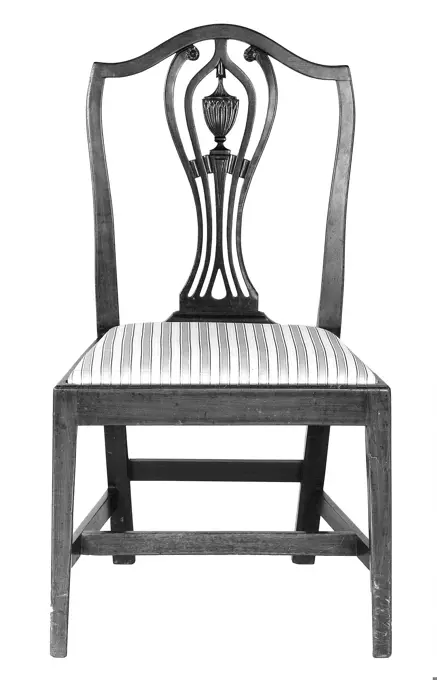
Elegant Chairs

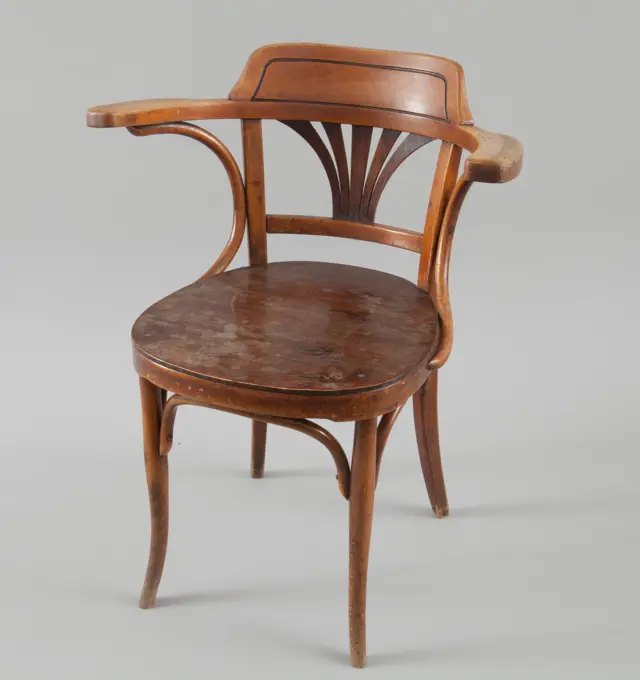
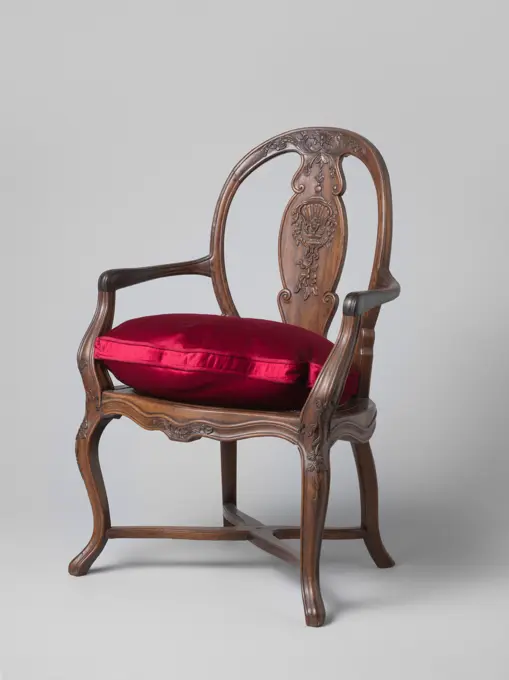
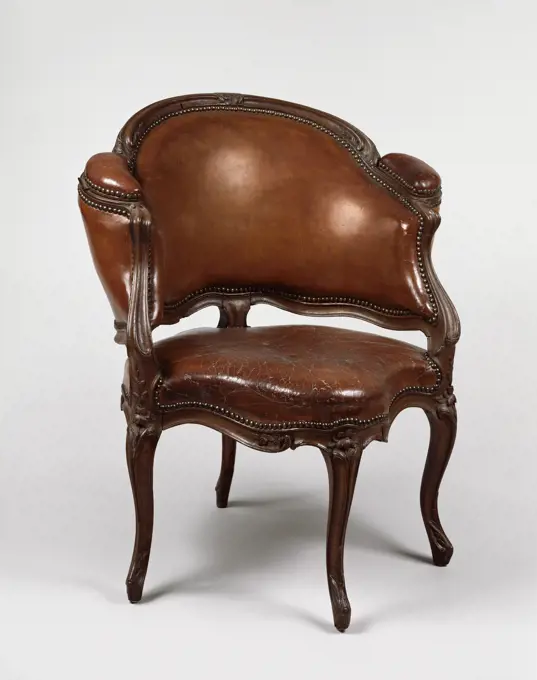
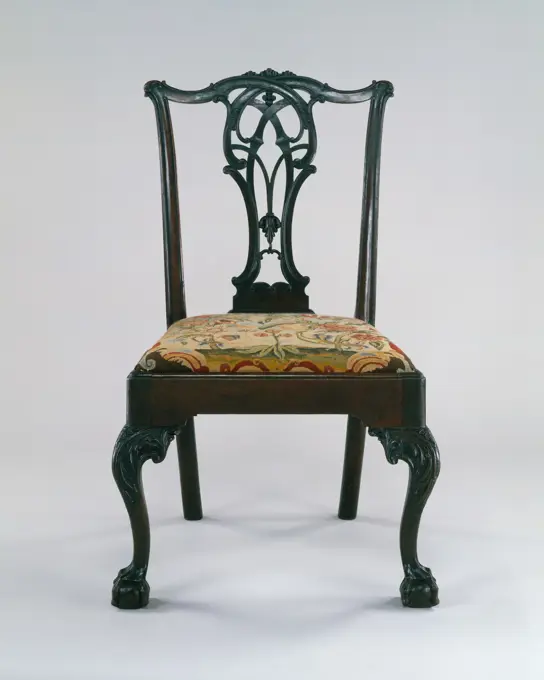
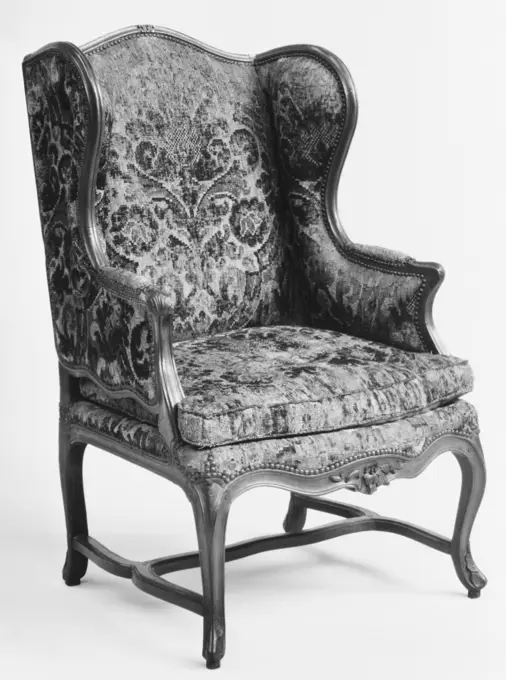
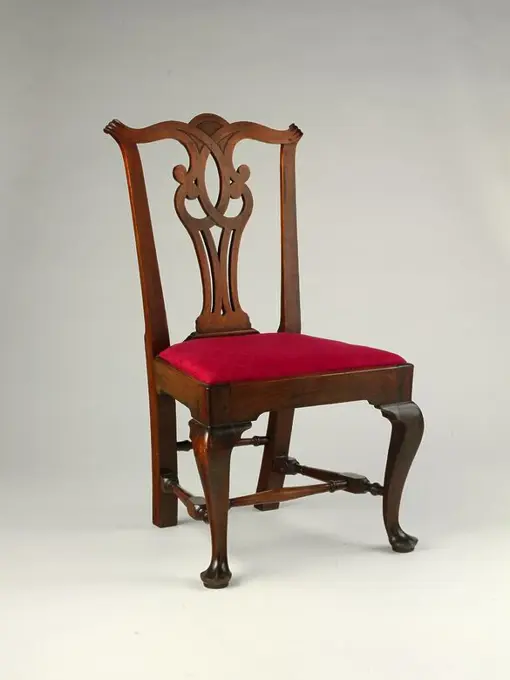
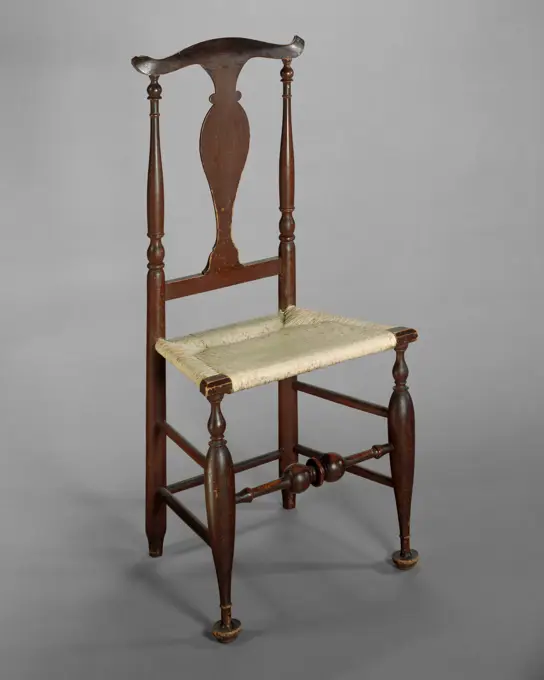
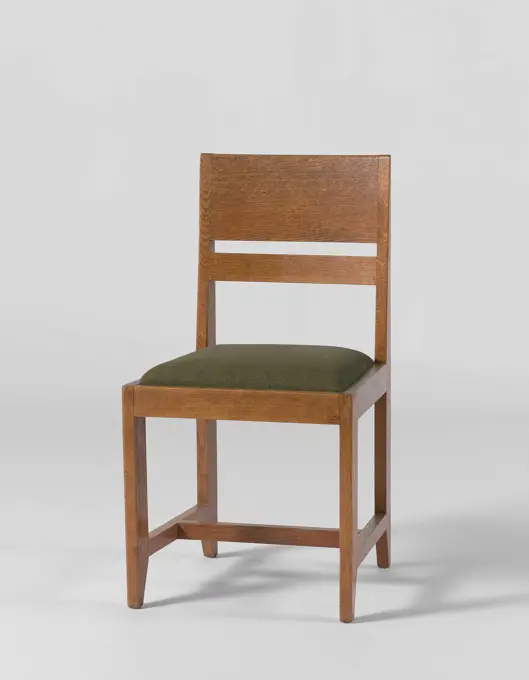
A selection of beautifully crafted chairs in different styles, showcasing intricate woodwork and upholstery patterns, representing various design eras.
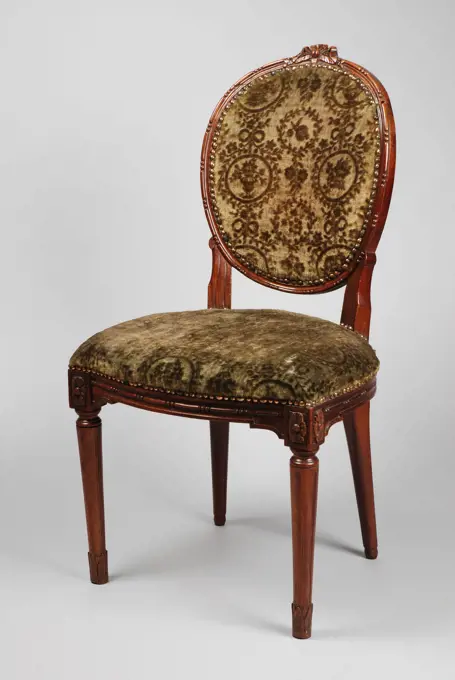
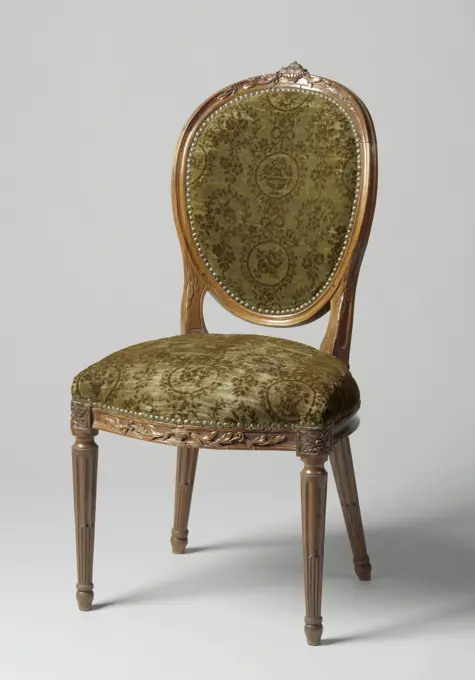
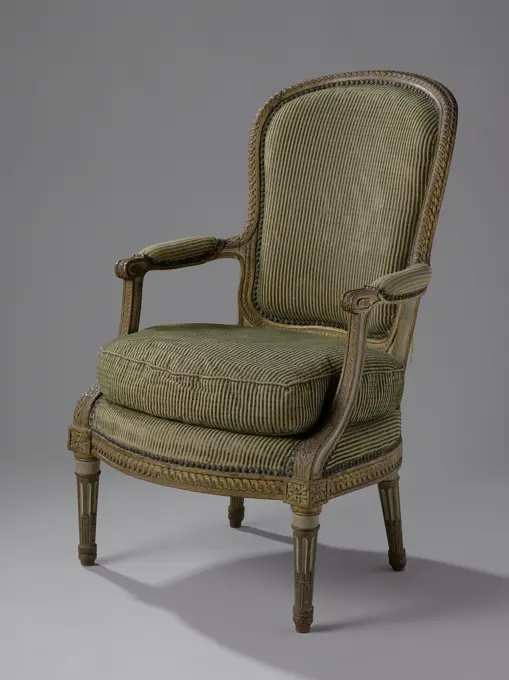
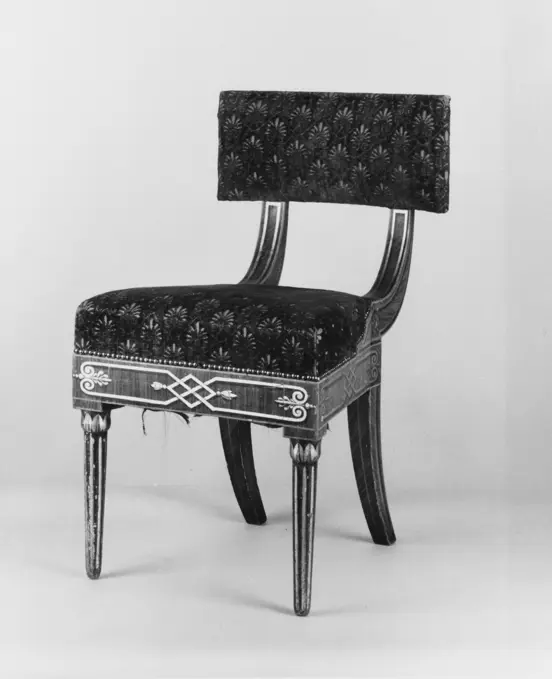
Mahogany Louis Seize medallion chair, medallion chair seat furniture furniture interior design wood mahogany velvet metal, with bow as crest and dark green ropes with medallions round rejuvenated legs with cannelures Louis XVI Louis XVI Louis Seize
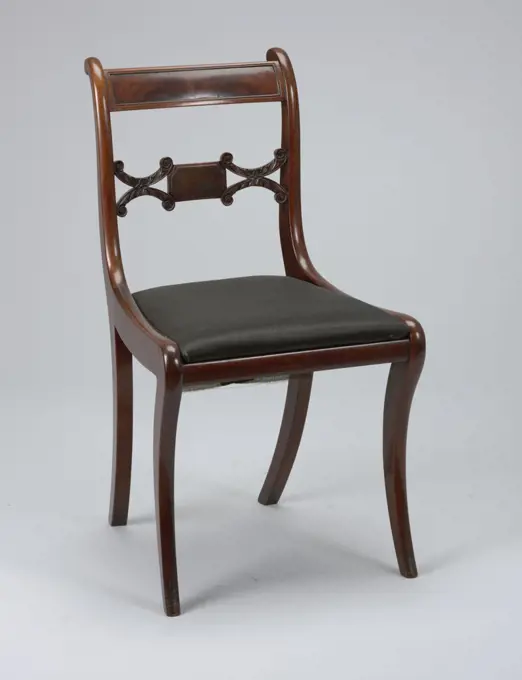
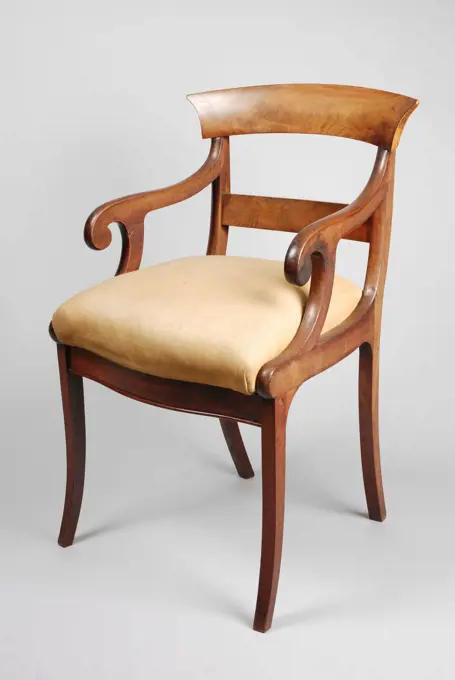
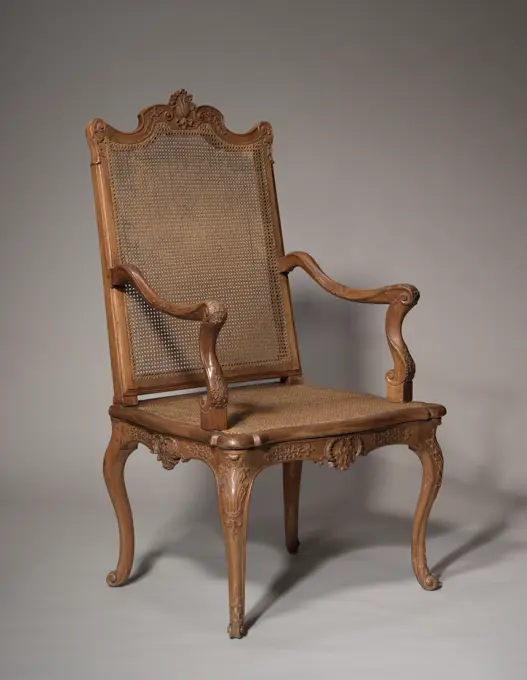
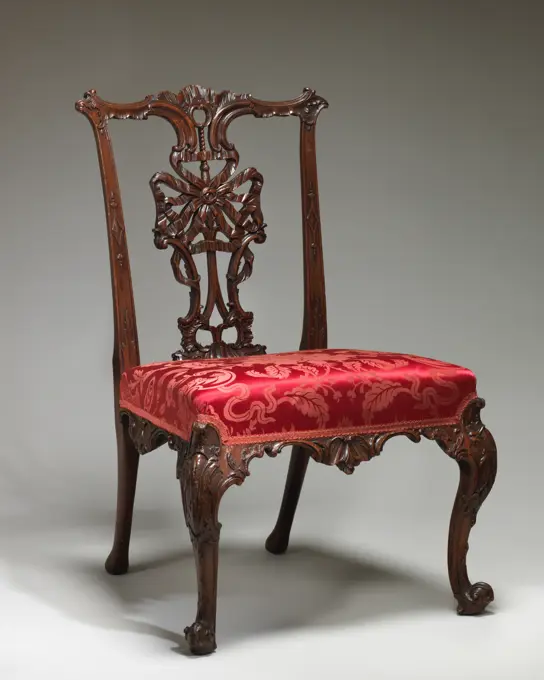
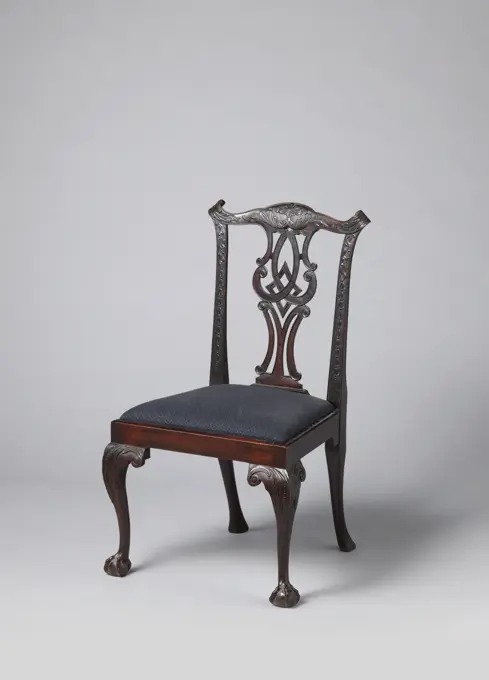
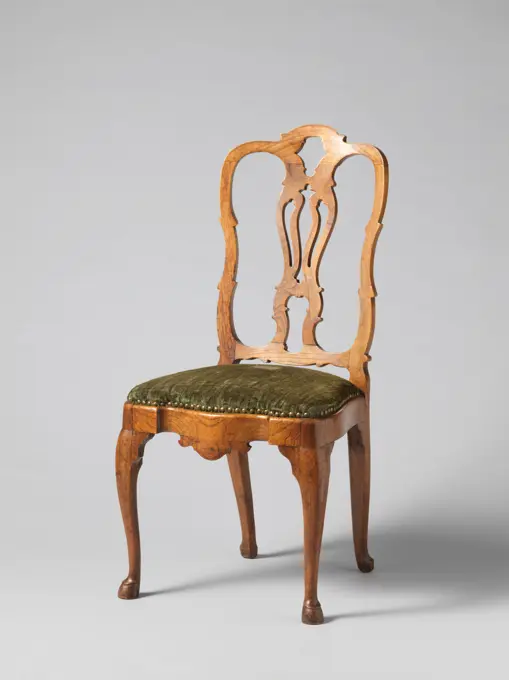
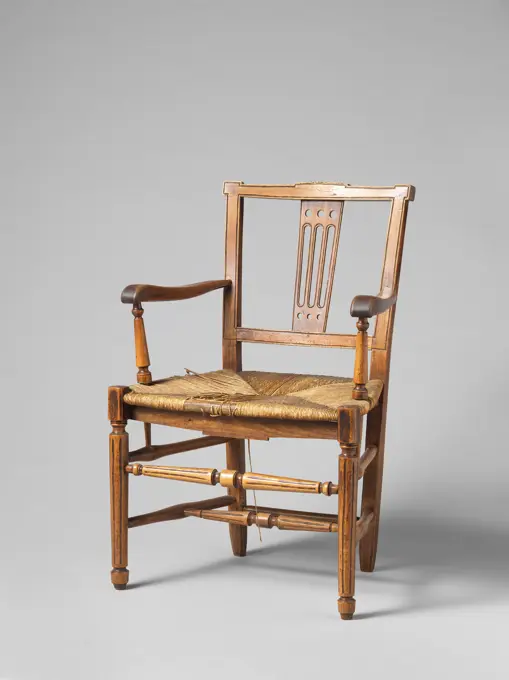
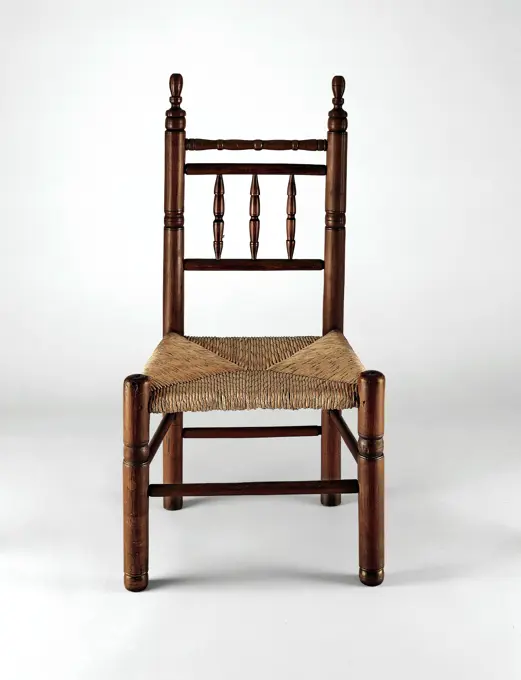
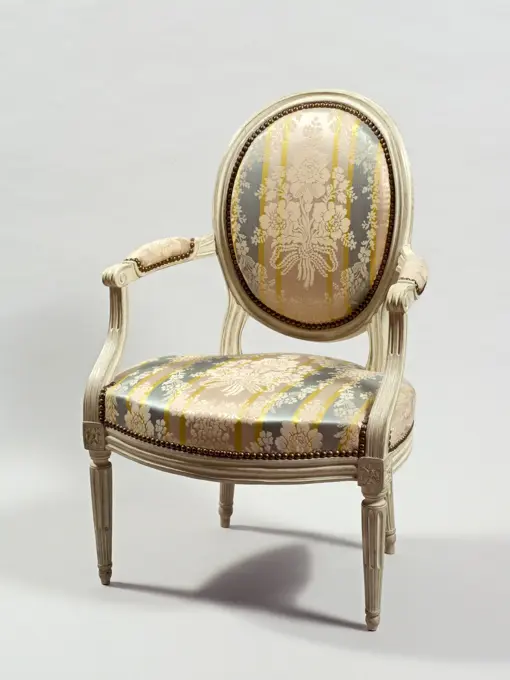
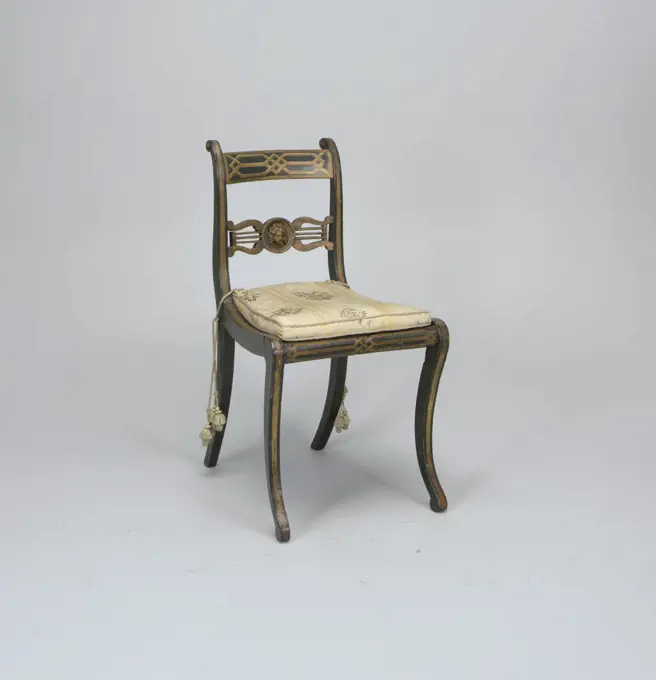
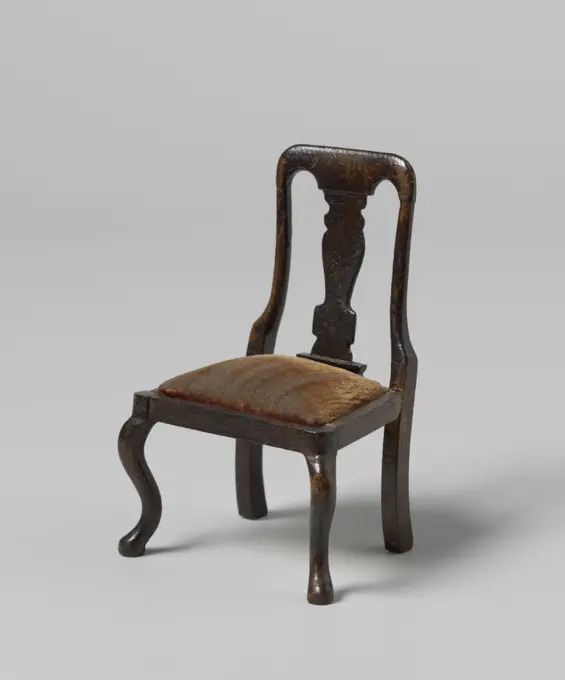
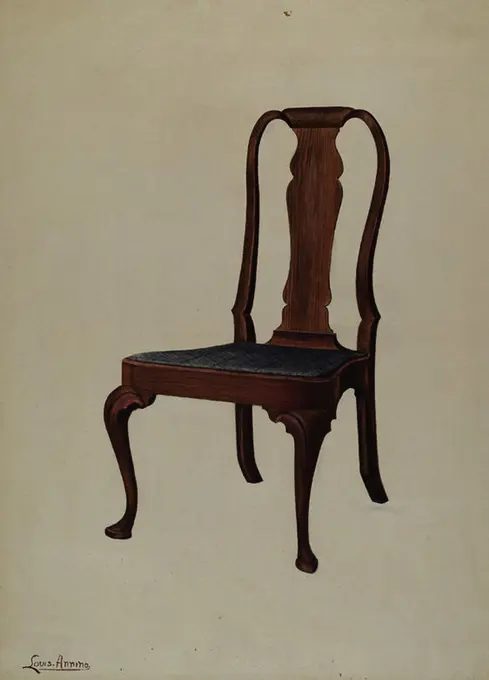
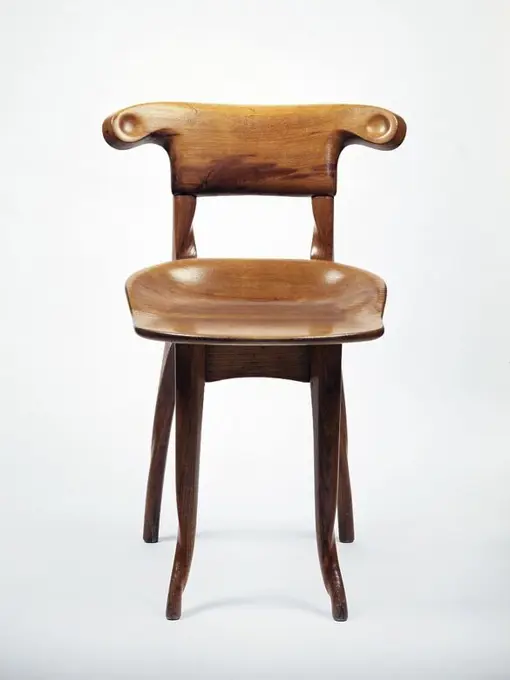
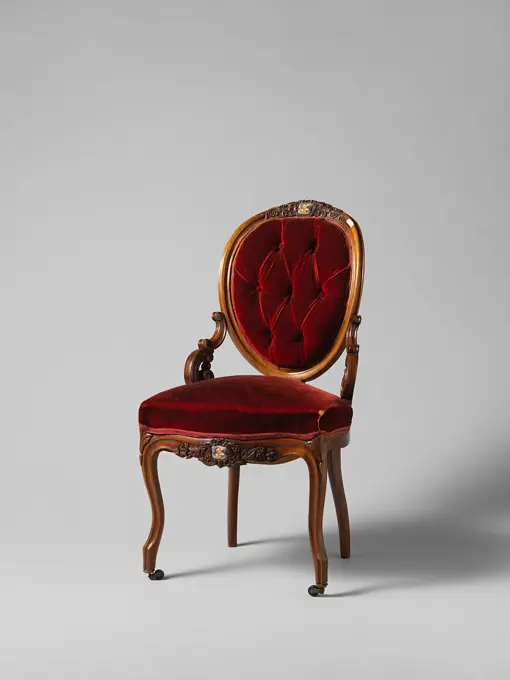
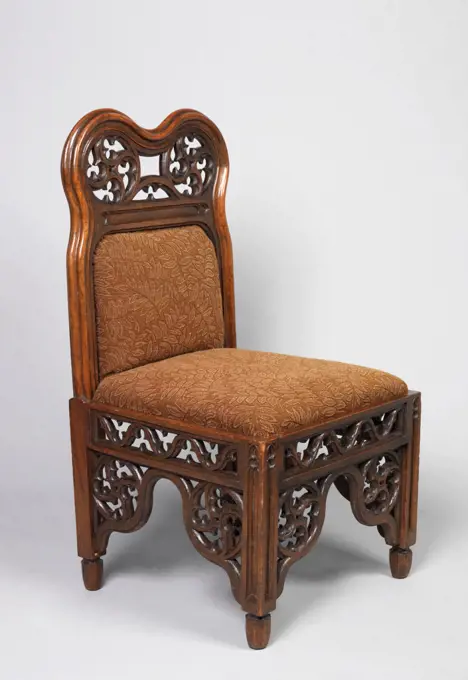
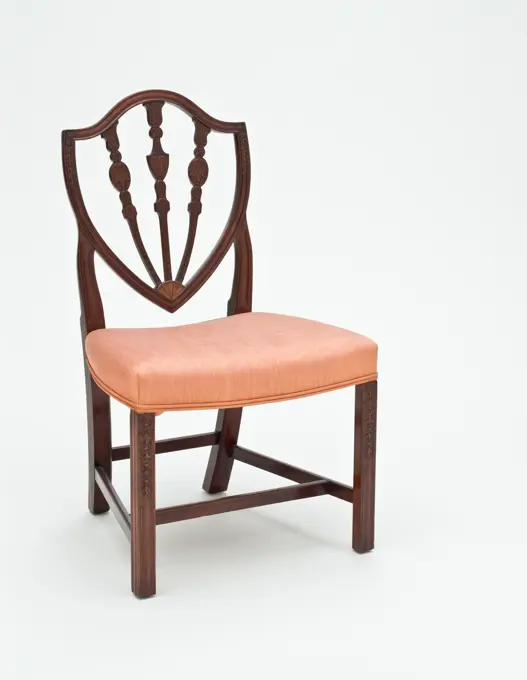
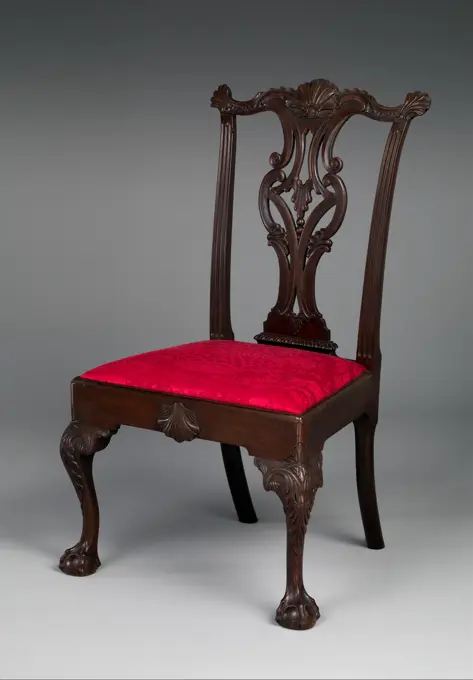
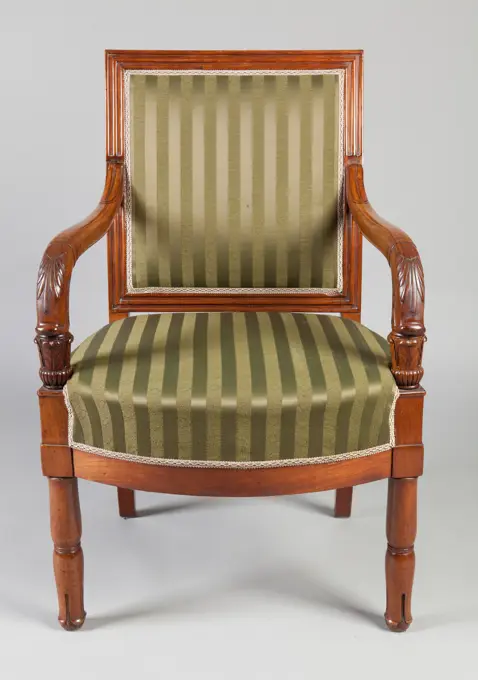
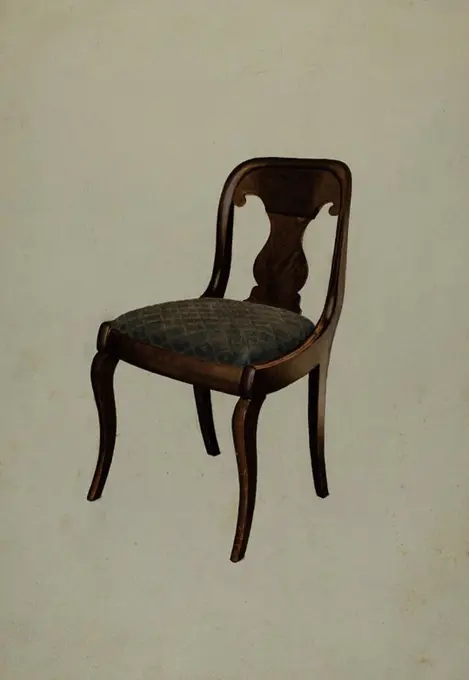
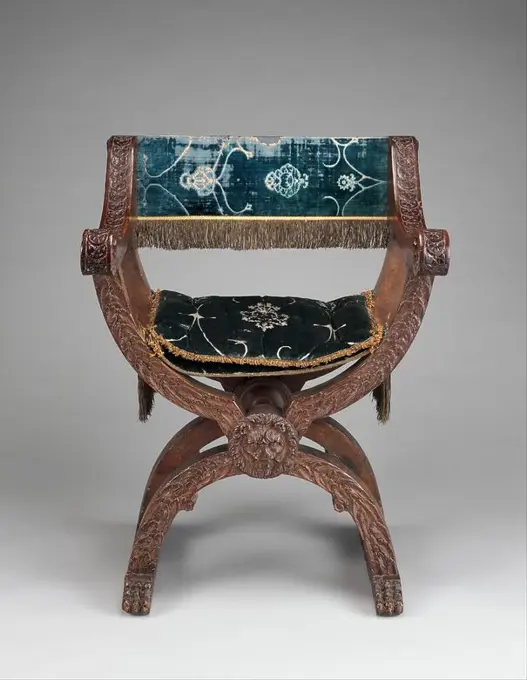
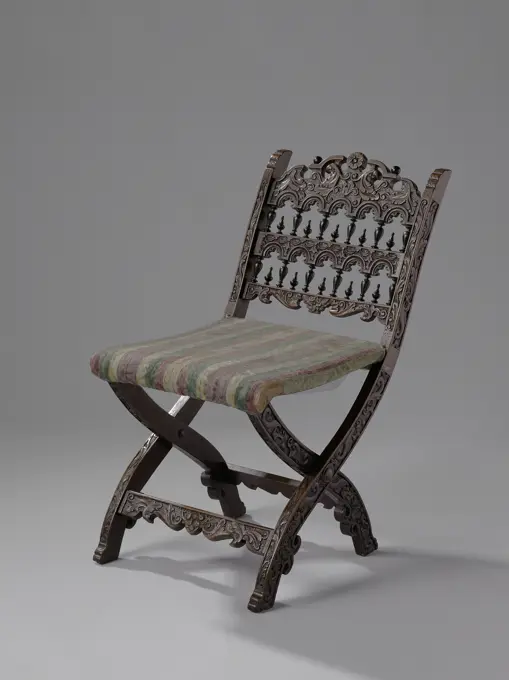
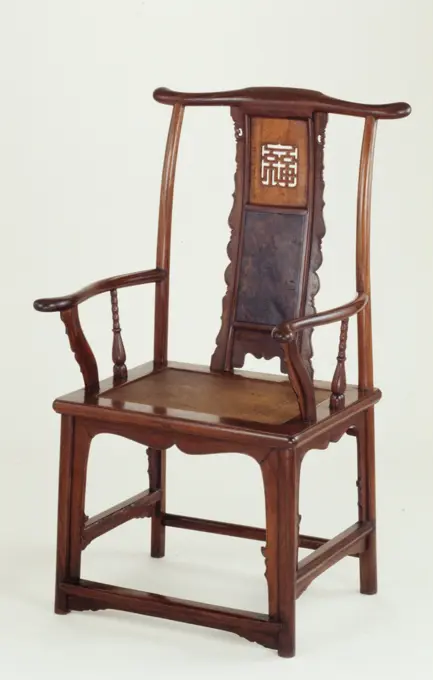
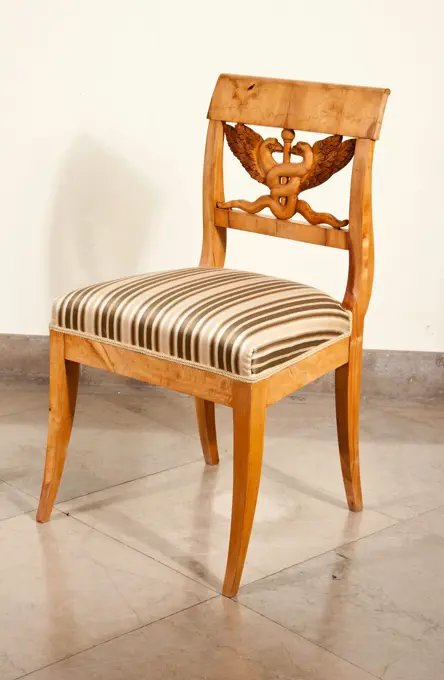
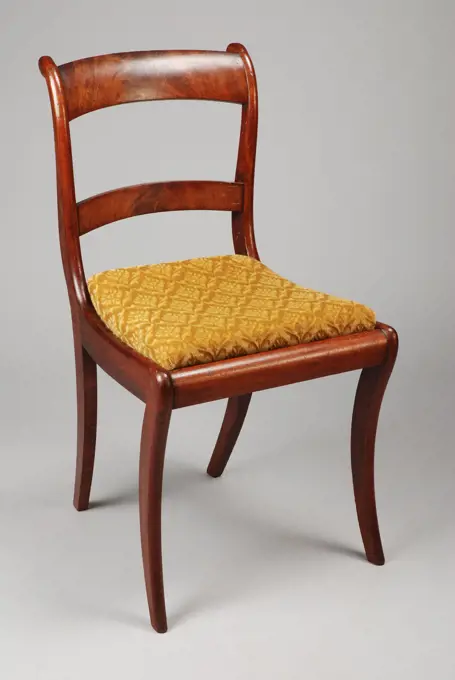
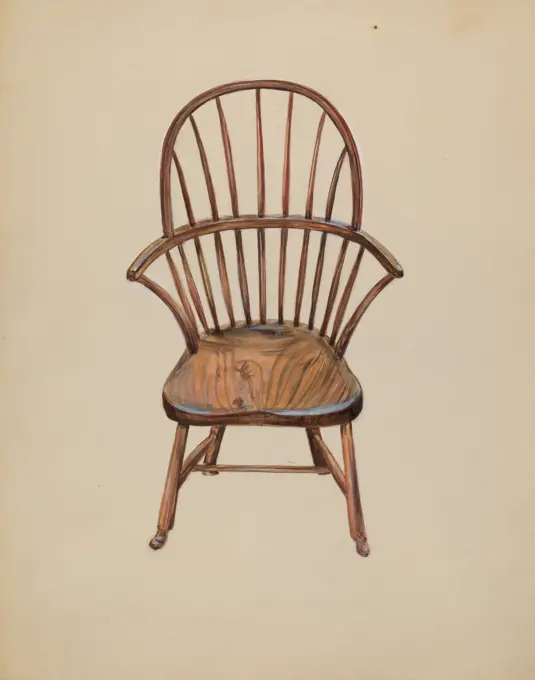
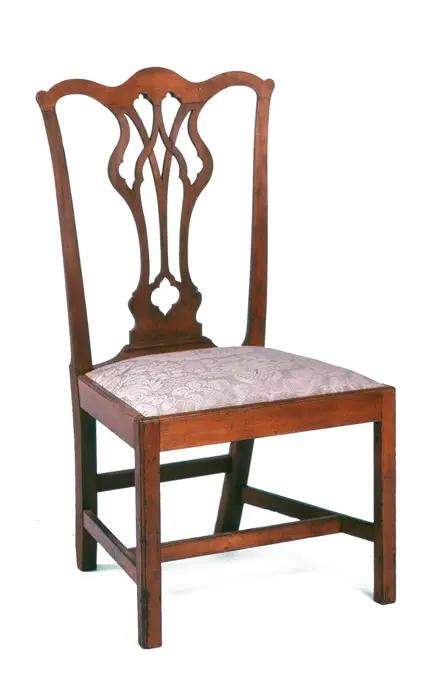
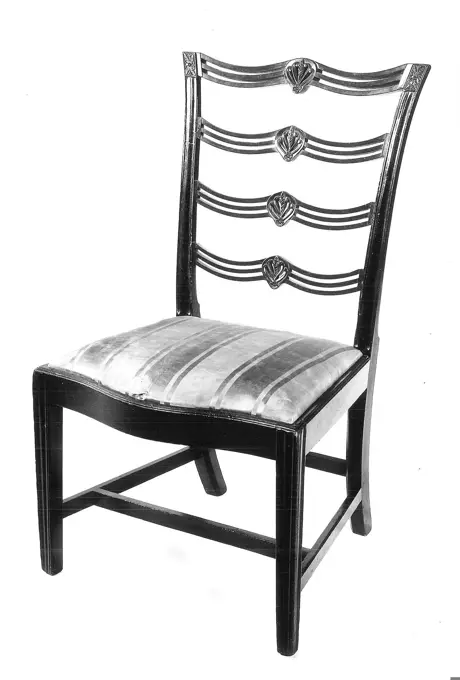
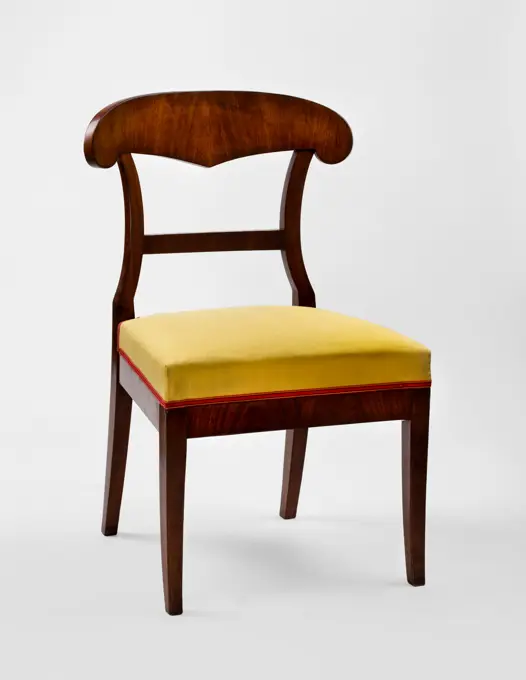
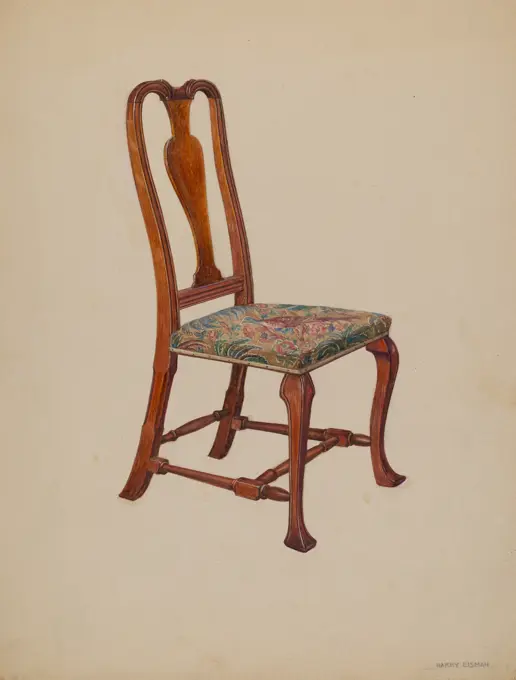
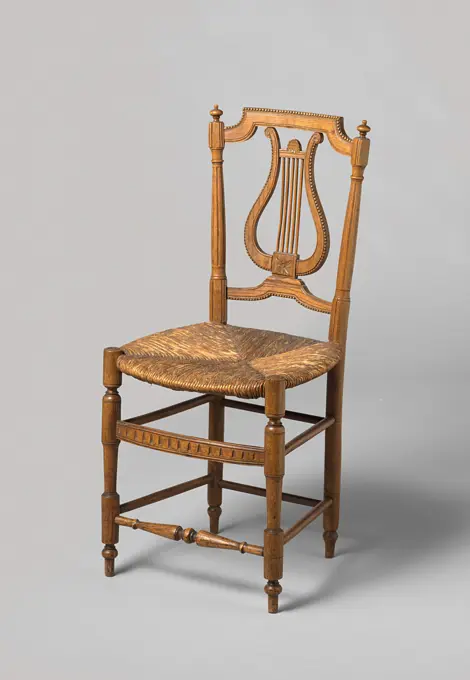
Regence style caned fauteuil Armchair; France; carved beech woodSide chair and slip seat, mahogany,poplar,horse hair, Back legs flat-sided, front legs flat excepting rounded front face; legs curve outward toward bottom, and back legs incline toward each other at bottom. The chair's back corner posts terminate in a volute-like form at the top of the chair. The chair's top rail, slightly arched, is bowed towards the back. A rectangular panel of inset veneer is surrounded by beading. The chair's splat is horizontal, composed of a small oblong-shaped rectangle faced with veneer, flanked on either side by horizontal coupled C-scrolls covered with foliage. The C-scrolls terminate in volutes. The seat flares from back to front, with straight edges., USA, ca. 1820, furniture, Decorative Arts, Side chair and slip seatMahogany Louis Seize medallion chair, medallion chair seat furniture furniture interior design wood mahogany velvet metal, with bow as crest and dark green ropes with medallions round rejuvenated legs with cannelures Louis XVI Louis XVI Louis SeizeFurniture, Anonymous, 1700 - 1750 Elm wood chair, the front legs and the head of walnut, the back and the sitting window glued with root nuts. The S-shaped front legs placed overhoek are decorated with rocaille motifs. The H-shaped cross is sculpted. The scalloped sitting window has a loose green velvet cushion with a pattern of leaves and flowers. The horizontally hold back has a symmetrically sawn-out center track, corner styles in the form of S-Voluten and an upper sill decorated with rocaille motifs and bird heads. Northern NetherlandsNetherlands wood (plant material). elm (wood). walnut (hardwood). velvet (fabric weave) Elm wood chair, the front legs and the head of walnut, the back and the sitting window glued with root nuts. The S-shaped front legs placed overhoek are decorated with rocaille motifs. The H-shaped cross is sculpted. The scalloped sitting window has a loose green velvet cushion with a pattern of leaves and flowers. The horizontally hold back has a symmetrically sawSide Chair, 1735-1745. America, Pennsylvania, Philadelphia, Queen Anne style, 18th century. Walnut; overall: 108.3 x 50.8 x 49.5 cm (42 5/8 x 20 x 19 1/2 in.).Mahogany Biedermeier office chair, office chair chair seating furniture furniture interior design wood mahogany elmwood coniferous wool, Ocher color woolen upholstered on seat curved legs armrests end in curl BiedermeierArmchair of walnut with drawing parts. Armmarks with half women's figures. Covered with lined velvet .. Upscosed armchair of walnut, resting on swapped legs with houses and connected by a roared H-shaped cross and at the front by a killed upper sport, which is placed between houses. The armrests and the back fragrances are also hurled. The armrest struts consist of half-shown women's figures on a rounded pedestal, which has been placed on a square base. The upholstery was murdered.Armchair, 1715-1730. France, Regence Style, 18th Century. Walnut; overall: 113.7 x 61.3 x 51.1 cm (44 3/4 x 24 1/8 x 20 1/8 in.).Side chair Possibly by William Worthington American 1805-15Side Chair 1858 Foster & Lee American. Side Chair 17137Armchair used by President Paul Kruger, State President of the South African Republic, Transvaal, Anonymous, in or before 1900Church chair, folding chair seat seating furniture interior design wood walnut velvet, Folding chair church chair red velvet upholstery print carving with biblical representation in the backrest the liberation of Peter from the prison turned piers; lions with shield on back styles. Presentation from New Testament: Peter angel sleeping soldiers prison On the bent legs carving with dolphin bible religion church chairSide Chair (USA); mahogany veneered oak and ash (frame), solid mahogany (legs, arms, and back), brass (coasters)Iron wood chair and rattan -stretched seat (series of 4 seats), Anonymous, 1725 - 1750 Chair (series of four identical seats BK-1994-A, B, C, D) of ironwood with rattan-stretched seat. Faint backwards bent hind legs and overhoeks placed S-shaped front legs that end in Leeuklauws and are decorated at the top with shell motifs. The cross has scalloped side sports and a scalloped cross -sport. The hind legs are connected by a second transverse sport under the session. The lower edge of the seating rules on front and sides is made up of two S-Voluten with a shell motif in the middle. The high back has scalloped styles and a wide baluster -shaped center leaf that is crowned by a shell from which leaf clocks depend on leaf voltuten, and that is decorated from below with a standing leaf clock on a pedestal. Where the styles touch the center leaf, they end up with leaf motifs decorated volutes. Indonesia wood (plant material). ironwood. rattan Chair (series of four identical seats BK-1994-A, BSide chair mid-18th century British The design is based on one of several "ribband-back chairs" in the first edition of Thomas Chippendale's influential book, The Gentleman and Cabinet-Maker's Director of 1754. The preparatory drawing for this plate, which also appeared in the editions of 1755 and 1762, is in the Drawings Department at The Metropolitan Museum of Art.. Side chair. British. mid-18th century. Mahogany, modern damask. Woodwork-FurnitureChild's Side Chair c 1730-1760 Rhode Island. Walnut with maple . Artist unknownFurniture, Anonymous, 1640 - 1660 Chair of Rosherman wood. The furniture is covered and has flung legs connected by flat -flared underpacking. The back styles between the back and the seat are changed. Condition: upholstery is loose and is worn out (1997). Northern NetherlandsNetherlands wood (plant material). rosewood (wood) Chair of Rosherman wood. The furniture is covered and has flung legs connected by flat -flared underpacking. The back styles between the back and the seat are changed. Condition: upholstery is loose and is worn out (1997). Northern NetherlandsNetherlands wood (plant material). rosewood (wood)Furniture, Anonymous, 1700 - 1800 Six mahogany seats with leather seats. The S-shaped front legs placed overhoek ends in claw and ball and wear leaf work on the swelling ending in a volute; The hind legs are bent backwards. The back shows a two-part open-up vertical connecting piece, which shows a braid tape motif, among other things made up of C-shaped volutes. The backstyles show cords of chalice clocks. The scalloped upper sill carries leaf work in the middle; The corners are upstairs. Great Britain wood (plant material). mahogany (wood). leather Six mahogany seats with leather seats. The S-shaped front legs placed overhoek ends in claw and ball and wear leaf work on the swelling ending in a volute; The hind legs are bent backwards. The back shows a two-part open-up vertical connecting piece, which shows a braid tape motif, among other things made up of C-shaped volutes. The backstyles show cords of chalice clocks. The scalloped upper sill carries leaf work in the middle; The cornerAmchael van Beukenhout, Anonymous, 1790 Amchair of beech wood, blue and white painted. The furniture has a covered seat and rest on conical legs with cannelures. The armrest stars are in the form of Tuscan colonets. The armrests have pillows. The RUG consists of four Tuscan columns that wear arcades with a flat acantus leaf and detached Tuscan -canalized colonets on either side. The upholstery has been renewed. Northern NetherlandsNetherlands wood (plant material). beech (wood). paint (coating) damask Amchair of beech wood, blue and white painted. The furniture has a covered seat and rest on conical legs with cannelures. The armrest stars are in the form of Tuscan colonets. The armrests have pillows. The RUG consists of four Tuscan columns that wear arcades with a flat acantus leaf and detached Tuscan -canalized colonets on either side. The upholstery has been renewed. Northern NetherlandsNetherlands wood (plant material). beech (wood). paint (coating) damaskFurniture set: chairChair with upholstery of pressed velvet with in the back a pattern of a lauded man's head in profile, anonymous, 1785 - 1800 Chair of mahogany, covered with green -pressed velvet, in the back with a pattern of a medallion surrounded by leaf vines, crowned by a garland. In the medallion a man's head in profile. The square legs rejuvenate; The hind legs are eightrow. The pre -rule is bent between right corner pieces and, as well as the top sill, under a garland, has a lauded man's head. The sills of the trapezoidal back are weakly corned. Northern NetherlandsNetherlands wood (plant material). mahogany (wood). Chair of mahogany, covered with green -pressed velvet, in the back with a pattern of a medallion surrounded by leaf vines, crowned by a garland. In the medallion a man's head in profile. The square legs rejuvenate; The hind legs are eightrow. The pre -rule is bent between right corner pieces and, as well as the top sill, under a garland, has a lauded man's head. The sills of the traStraight cherry rococo chair, chair furniture furniture interior design wood cherry wood trim, braided piping seat asymmetrical openwork backrest rococoSide chair ca. 1845 American. Side chair 629476Chair of nut and beech wood with s-shaped overhoeks places placed; X-shaped cross with rosette; Sliced flower and leafwork, back and seat of reeds, with loose pillow. Chair from walnut and beech wood (Ameublement) with S-shaped overhoeks places placed, connected by a hurled X-shaped cross with rosette. Rules and sills and legs are decorated with sliced flower and leaf motifs. Back and seat of braided reeds. Loose kisses from green shaved tripe (modern). See also: BK-16852-F to P.. Paul Kruger, president of the Transvaal Republic, arrived in Europe in 1900 on the Dutch warship Gelderland. On board ship he used this chair, which he had borrowed in Mozambique. Kruger never returned the chair, but presented it to the captain of the warship with some ceremony when he disembarked at Marseilles. The captain later gave the chair to the RijksmuseumArmchair with mats seat. Armchair from cherry wood with sports of ash wood and a mats seat. The front legs, the H-shaped cross and the three sports are rotated and canceled partly. The flat, slightly healed armrests rest on twisted struts, which are attached through the side-seating rules into the side sports thickened in that place. The lightly healed back has square styles and sills and a middle coaster with open cannelures. The upper sprin has an increase on the corners and in the middle.Mahogany Biedermeier straight chair, upright chair seat furniture furniture interior design wood mahogany elm velvet, Black velvet upholstery cover back veneered toe tile with wood carving shell BiedermeierChair of Mahoniehout, covered with green Trijp, Anonymous, 1775 - 1800 Chair of Mahoniehout, covered with green trijp, belonging to an ameblement. The hind legs of the conical, scanned legs are backwards. The sitting window is round; The oval hired back window rests on C-shaped struts with acanthus leaf. The front rule and the top sill are decorated with a vase, in the midst of branches with leaves, hung on rings. See also: BK-18323-A/J and L/N. Northern NetherlandsNetherlands wood (plant material). mahogany (wood). Chair of Mahoniehout, covered with green trijp, belonging to an ameblement. The hind legs of the conical, scanned legs are backwards. The sitting window is round; The oval hired back window rests on C-shaped struts with acanthus leaf. The front rule and the top sill are decorated with a vase, in the midst of branches with leaves, hung on rings. See also: BK-18323-A/J and L/N. Northern NetherlandsNetherlands wood (plant material). mahogany (wood).Walnut Régence chair, chair furniture interior design wood walnut velvet rattan, High braided backrest and red velvet seat twisted legs and rules front lower seat with inserted ornaments régence Daniel MarotArmchair, anonymous, c. 1750 - c. 1760 Arm chair of painted Indonesian wood with thatched diamond-shaped seat, resting on angle-placed S-shaped legs, connected by an X-shaped cross and ending in the balm-covering claws. A standing acanthus leaf above the swelling. The chair rule is decorated with Acanthus vranks. The corner styles, backstyle and the cross have turned sections with houses. A wide sawn -out center lane is installed between the styles of the back, decorated with rocaille motifs and a crown. See: BK-16025-B. Batavia wood (plant material). teak (wood). paint (coating). Arm chair of painted Indonesian wood with thatched diamond-shaped seat, resting on angle-placed S-shaped legs, connected by an X-shaped cross and ending in the balm-covering claws. A standing acanthus leaf above the swelling. The chair rule is decorated with Acanthus vranks. The corner styles, backstyle and the cross have turned sections with houses. A wide sawn -out center lane is installed between the styleSpindle-back chair 1680-1720 American Judging by the number of surviving examples, turned spindle-back chairs were the most prevalent type of seating in the American colonies until the late seventeenth century. The turnings of this chairdistinguished by the large finialsreflect a style typical of furniture made around Boston and Charlestown, Massachusetts.. Spindle-back chair 1568Jacques Lechartier (1754-1809). Cabriolet armchair. Beech, around 1785. Paris, Carnavalet museum. The body of the siege is carved with simple moldings and grooves, with scrolls at the ends of the towers, and rosettes on the diced connection between the feet and the belt; The modern silk has a flowery cream cream on the background of alternating blue, yellow and light ocher vertical strips. Cabriolet, Hetre, furniture armchairPair of side chairs with seat cushions, Painted and gilded wood, caning, silk, Two side chairs, adaptation of Klismos form, lacquered black, with gilding. Back uprights form continuous curving line both with seat and front legs and with lyre on each side of center. Medallion containing woman's (Medusa) head. Each chair with modern boxed seat cushion, grey background, yellow stripes and multi-colored flowers, tied to rear uprights with tassled gray silk cord., England, 1805-15, furniture, Decorative Arts, Pair of side chairs with seat cushionsChair, belonging to an eleven -piece amblement, anonymous, c. 1750 Chair, made of walnut, belonging to an eleven -piece ameblement, consisting of a bank and ten chairs. The seat of neighboring duration with leaf and floral motifs in silk on linen grid, with a soft filling. Amsterdam (possibly) Walnut (Hardwood). Seat: Silk. seat: Chair, made of walnut, belonging to an eleven -piece ameblement, consisting of a bank and ten chairs. The seat of neighboring duration with leaf and floral motifs in silk on linen grid, with a soft filling. Amsterdam (possibly) Walnut (Hardwood). Seat: Silk. seat:Side Chair. Dated: 1937. Dimensions: overall: 30.2 x 22.7 cm (11 7/8 x 8 15/16 in.). Medium: watercolor, graphite, and pen and ink on paperboard. Museum: National Gallery of Art, Washington DC. Author: Ruth Bialostosky.Chair, the back with vase -shaped center leaf, the seat with burgundy velvet, anonymous, c. 1800 - c. 1899 Chair of mahogany. The back is open with a vase -shaped center leaf. The chair has a trapezium-shaped open sitting window with a loose seat with burgundy velvet. Amsterdam (possibly) mahogany (wood). velvet (fabric weave) Chair of mahogany. The back is open with a vase -shaped center leaf. The chair has a trapezium-shaped open sitting window with a loose seat with burgundy velvet. Amsterdam (possibly) mahogany (wood). velvet (fabric weave)Armchair;  3. W. 18th century (1750-00-00-1775-00-00);Armchair Jacob & Josef KohnAnonymous (n. - d.), Gondole chair, 1801. mahogany wood, textiles. Museum of Romantic Life.Chair, Anonymous, 1750 Chair of teak (), With round seat of braided reeds. The six S-shaped legs end in claws and are decorated above the swellings with leaf work. They are connected by a cross as spokes of a wheel; A twisted vase at the intersection. The scalloped rule and the sill of the back are decorated with rocaillem motifs. The middle sports for wear a palmet between rocaillevolits. The semicircular back has corner and two middle styles between which fields with openwork leaf motifs. Indonesia wood (plant material). teak (wood). Chair of teak (), With round seat of braided reeds. The six S-shaped legs end in claws and are decorated above the swellings with leaf work. They are connected by a cross as spokes of a wheel; A twisted vase at the intersection. The scalloped rule and the sill of the back are decorated with rocaillem motifs. The middle sports for wear a palmet between rocaillevolits. The semicircular back has corner and two middle styles between which fields with openworLadderback Chippendale side chair, 19th century, 36-3/4 x 19 x 18, Wood, rush, United States, 19th centuryColonial armchair with rattan sitting and kissing. Colonial Armchair with Rattan Seat and CushionArmchair ca. 1660-85 British. Armchair. British. ca. 1660-85. Walnut. Woodwork-FurnitureArmchair. Armchair, coated, painted beech wood. The overhoeks placed S-shaped legs go into the sitting window. They carry, as well as the scaffolding rules and the armrests, decorations. The trapezoidal sitting window is bent at the front. The outward emerging armrests end in a volute; The struts have been placed backwards and are s-shaped in the armrests. Rack window on struts, top bent and with scallop underside, has stretched S-shaped styles.Armstoel, anonymous, 1775 - 1800 Arm chair, covered, of white painted beech wood and resting on conical legs with cannelures. The seating rules wear a scaly decoration. The vase -shaped armrest stars, with flinging cannelures and leaf decorations at the bottom, support the armrests that end in squares with cannelures and rosettes on top. They walk up to the styles of the back window, in the form of detached scanned Tuscan colonnets crowned with vases. The slightly bent upper sill has rather raced corners; Arch with grunts. France wood (plant material). beech (wood). textile materials. paint (coating) Arm chair, covered, of white painted beech wood and resting on conical legs with cannelures. The seating rules wear a scaly decoration. The vase -shaped armrest stars, with flinging cannelures and leaf decorations at the bottom, support the armrests that end in squares with cannelures and rosettes on top. They walk up to the styles of the back window, in the form of detached scanned TuscanDesk Chair; Attributed to Étienne Meunier (Menuisier) (French (master 1732)); Paris, France; about 1735; Walnut with leather upholstery; silk velvet linings; brass studs; 89.9 x 71.1 x 64.1 cm (35 3,8 x 28 x 25 1,4 in.)Side Chair 1770-75 Attributed to Thomas Affleck Among the most ambitious of all early Queen Anne side chairs, this example has stiles with compound curves that conform to the design of the splat and a deeply undercut shell flanked by flowering vines in the crest rail. The overall design was borrowed directly from a popular English chair pattern.. Side Chair. American. 1770-75. Mahogany, tulip poplar, yellow pine. Made in Philadelphia, Pennsylvania, United StatesSide Chair. Dated: c. 1937. Dimensions: overall: 30.3 x 22.7 cm (11 15/16 x 8 15/16 in.) Original IAD Object: 40 1/2"high, seat 17 x 20 inches.. Medium: watercolor, colored pencil, and some heightening on paperboard. Museum: National Gallery of Art, Washington DC. Author: Louis Annino.SidechairAntoni Gaudi i Cornet. Silla de fresno. 74 x 52 x 47 cm. Barcelona, hacia 1904-1907.Chair covered with batikt parchment in red, white and black checker pattern, Carel Adolph Lion Cachet, c. 1905 - c. 1915 Chair of Coromandelhout resting on four legs. The front and hind legs are connected by means of intermediate rules, which are connected in the middle by a panel. The hind legs run into the backstyles that are crowned by monkey heads. The backrest is open at the bottom and closed at the top. The closed part consists of a panel that protrudes in the middle at the top in a semicircular shape with panels open on either side that connect the semi -round shape to the back styles. The semicircular shape is glued along the inner edge with amboina rootwood. Both the backrest and the seat are covered with batikt parchment in red, white and black checked motifs within a white edge. The back of the back cover shows the letter H in the four corners, presumably the first letter of the name of the original owner. Netherlands .. parchment (animal material) Chair of Coromandelhout reSide chair, 19th century, 37 3/4 x 16 1/4 x 21 in. (95.89 x 41.28 x 53.34 cm), Wood, Guatemala, 19th centuryColonial armchair. Armchair. Seat covered with dust, back with rattan. One from set of 6.Seat of palisander wood decorated with porcelain plaques. Seat of palisander wood decorated with porcelain plaques.Side chair, Samuel Pratt, L.N. Cottingham, Oak, Side chair with upholstered seat and back in brown leaf pattern. Frame surrounding back: two lobes bordering circles of lattice work decorated with trefoils; same lobes present at legs, above which is a lattice work stretcher on all four sides of chair., England, 1844, furniture, Decorative Arts, Side chairShield-back Side Chair with Carved Flowers and Inlaid Patera. Possibly by Steven Badlam (United States, active Massachusetts, Dorchester Lower Mills, 1751-1815). United States, Massachussetts, Dorchester Lower Mills, 1790-1800. Furnishings; Furniture. Mahogany, various inlays, maple and replaced upholsterySide chair 1760-80 American. Side chair. American. 1760-80. Mahogany. Made in Philadelphia, Pennsylvania, United StatesArmchairSide Chair 1850-60 American. Side Chair. American. 1850-60. Wood. Made in United StatesChair (Germany); carved walnut. Chair of mahogany, covered with tripe with a continuous pattern of beans hanging ovals in which a flower on a striped soil. The square legs are channeled. The front seat is decorated in the middle with a laurel wreath and a pendulum. The back window is parallelogrammed and rolled. The upper shell is decorated with a straight vase and laurel garland. The coating is attached with gold-plated heads. The chair belongs to an amele (inv.no. BK-16145-A to -G).Button chair, the backrest with two transverse rules, the seat of braided piping, anonymous, c. 1750 - c. 1760 Four button chairs made of dark brown stained wood; backrest with two cross rules; Low model with seat of braided piping. Amsterdam (possibly) wood (plant material). tule (grass material) Four button chairs made of dark brown stained wood; backrest with two cross rules; Low model with seat of braided piping. Amsterdam (possibly) wood (plant material). tule (grass material)Chair. Dated: 1937. Dimensions: overall: 35 x 23.9 cm (13 3/4 x 9 7/16 in.) Original IAD Object: none given. Medium: watercolor, colored pencil, graphite and some heightening on paper.. Museum: National Gallery of Art, Washington DC. Author: Henry Murphy.Armstoel, anonymous, 1775 - 1800 Arm chair of white with gold painted beech wood. The conical legs are decorated with half -filled cannelures; Above it square houses with rosettes, on which the square armrest stars backwards rest. The armrests with cushions end in a volute and cross slightly incised window of the hilled back in the round, slightly inconvenated. The seating rules, armrest stars and the back window have a stabbed braid. The chair is covered and has a loose pillow. Round, slightly bent, sitting window. France wood (plant material). walnut (hardwood). textile materials. gilding (material) gilding Arm chair of white with gold painted beech wood. The conical legs are decorated with half -filled cannelures; Above it square houses with rosettes, on which the square armrest stars backwards rest. The armrests with cushions end in a volute and cross slightly incised window of the hilled back in the round, slightly inconvenated. The seating rules, armrest stars and the back windowArmchair ca. 1835-40 American. Armchair 15597High chair with curved legs and back styles and a sitting brake stretched with matting. High chair from around bent beech burning on four legs. The curved hind legs continue in the styles of the backrest with a slightly curved upper shell. The backrest has a curved horseshoe shape in the middle. The S-shaped curved armrests are mounted from the center of the back stamps and run through along the sides of the seating window. The seat consists of a round frame stretched with mat workUpholsteredArmchair, Mahogany, soft maple, 42 1/2 × 22 1/8 × 23 1/4 in. (107.9 × 56.2 × 59.1 cm), Straight, molded legs, usually called Marlborough legs, became popular in the 1760s. Here they combine with the serpentine back and arm supports to provide a sense of style to a form that remained largely unchanged throughout the eighteenth century. A chair similar to this one can be seen in a portrait of Mrs. Isaac Smith (see 1941.74) painted by John Singleton Copley in themid-1760s. , Made in Massachusetts, American, 18thcentury, FurnitureSide chair, 1770-1785, attributed to Felix Huntington, American, (Norwich, Connecticut), 1749 - 1822, 37 5/8 x 21 3/4 x 17 5/8 in. (95.57 x 55.25 x 44.77 cm), Santo Domingo mahogany and hard maple, United States, 18th-19th centuryArmchair of walnut, lined with green velvet. On the back a attachment with the crowned weapons of Zeeland, Holland and West Friesland. Armchair of walnut, lined with green velvet. The legs are connected by an H-shaped cross. The front seat is scalloped and decorated with leaf volutes and a SCAOLOWERSCHELL. The armrest tricks are decorated with leaf volutes, the armrests with a rocaille cartouche and acanthus sheet. The high back has a attachment with the crowned weapons of Zeeland, Holland and W. Friesland. The coating is attached with copper nails. From the Hof van Holland, Zeeland and W. Friesland (presidents).Hip-joint armchair (Dantesca type, associated with 1975.1.1976 a,b). Culture: Italian, American (United States). Dimensions: H. 91.5 cm, W. 67 cm, D. 50.5 cm.Back: 26 x 74 cm. ; Seat: 31 x 74 cm.. Date: 16th century, partly; late 19th or early 20th century. Museum: Metropolitan Museum of Art, New York, USA.Anonymous. Pray God. Natural oak molded and carved with flowers; Garnish: crimson velvet. 1750. Paris, Carnavalet museum. Furniture, furnitureChurch chair of Notenhout, Anonymous, 1640 - 1660 Church chair of Notenhout. The seat is foldable, has a covered seat and travels. The trestles are stretched S-shaped, connected by pins with copper caps. The back has three sports; The middle and upper sport have five arches on the undersents, which rest on rotated ebbony balusters. Between the balusters are ebbenhouten vases. The upper sport is crowned by two ebbenhout balls and is decorated with Hanekoppen, a rosette and an acanthus leaf. Northern Netherlands wood (plant material). walnut (hardwood). ebony (wood) Church chair of Notenhout. The seat is foldable, has a covered seat and travels. The trestles are stretched S-shaped, connected by pins with copper caps. The back has three sports; The middle and upper sport have five arches on the undersents, which rest on rotated ebbony balusters. Between the balusters are ebbenhouten vases. The upper sport is crowned by two ebbenhout balls and is decorated with Hanekoppen, a rosette and anYokeback Armchair, c. 1550, 45 1/2 x 25 1/2 x 24 3/4 in. (115.57 x 64.77 x 62.87 cm), Huanghuali hardwood and burlwood, China, 16th centuryChair. Schinkel, Karl Friedrich (1781-1841), designer, unknown, authorArmchair (bergère) second quarter 18th century French. Armchair (bergère) 189753 French, Armchair (bergre), second quarter 18th century, Carved walnut, 46  29 1/8  25 1/4 in. (116.8  74  64.1 cm). The Metropolitan Museum of Art, New York. Gift of J. Pierpont Morgan, 1906 (07.225.501)Side Chair. Artist: Attributed to John Townsend (1732-1809). Culture: American. Dimensions: 38 x 20 1/2 x 16 1/2 in. (96.5 x 52.1 x 41.9 cm). Date: 1760-70.New England chair makers continued to employ turned stretchers much longer than their counterparts did in Philadelphia and New York. This chair in the manner of John Townsend displays his characteristic incised diaper pattern in the center of the flared crest rail. Museum: Metropolitan Museum of Art, New York, USA.Side Chair 1770-1800 American. Side Chair. American. 1770-1800. Probably maple. Made in United States. Oak chair resting on four legs. The legs are interconnected by means of an H-shaped cross. The front legs have a sloping side on both the top and top. The hind legs continue in the back styles to the top. The backrest consists of a wide plush with a narrow rule below. There is an open space in between and below. The loose seat rests on four lines that connect the legs at the top. The seat is covered with green wool.Chair Furniture house M. PleszowskiArm chair with high closed cheeks, art dealership E.J. van Wisselingh, c. 1900 - c. 1905 Arm chair of mahogany with closed cheeks resting on the paws. The sluing-plateed legs are connected to the four styles and the K-shaped cross that connects the bottom rules. The front legs are connected to the bottom rules by means of brass pictures with a semicircular head. The styles pass through in the slightly held arms on which somewhat wavy armrests rest. The sitting window overhanging at the front and back has a button in the shape of a snail house on the corners at the front and a volute-shaped button on the corners at the rear. At the rear, the sitting window has two lines placed between the two styles, the rear of which is supported by two struts. The back is divided into two areas by the three lines. The surface at the top is closed, the compartment at the bottom has a wide, bent center style of three parts on the sides. The upper sill protrudes and ends in sculpted buttons. The Lose seaMahogany Biedermeier chair, chair seating furniture furniture interior design wood mahogany velvet, Veneered hood and scallop saber legs and ocher yellow velor upholstery on the seat backstyles ending in volutes BiedermeierMina Lowry, Child's Arm Chair, c 1936 Child's Arm ChairSidechair.   Maker: Eliphalet Chapin, American, 1741-1807Seat, belonging to an eleven-part am family. Chair, made from walnut, belonging to an eleven-part ambulance, consisting of a bank and ten seats. The seat of downtime with leaf and floral motifs in silk on linen grid, with a soft filling.Easy Chair 1760-90 American. Easy Chair 3494Rest bed of teak, with three cushions and with carved braid and bar motifs, anonymous, c. 1830 Rest bed of teak with four claw legs, bent, covered sides, a sitting in the middle and a seat built from slats on which three pillows are located. Sculpted with braid and rod motifs, flower, leaf and palm motifs. Indonesia teak (wood). cotton (textile) cutting Rest bed of teak with four claw legs, bent, covered sides, a sitting in the middle and a seat built from slats on which three pillows are located. Sculpted with braid and rod motifs, flower, leaf and palm motifs. Indonesia teak (wood). cotton (textile) cuttingPair of sidechairsMorrisChairArmchair. Armchair of walnut with leather upholstery, secured with large tacks. The four legs with home and sections are connected by eight sports; The bottom is sculpted out. The vase-shaped armrest tricks support the slightly healed armrests, ending in a volute, which exhibit an acanthus sheet at the top, including a lion's head. The rectangular back has two coat of arms containing the styles; The weapon shows two horizontally placed beams with tilting.Chair;  XVIII/19th century (1791-00-00-1810-00-00);Set of four side chairs ca. 1730-35 British. Set of four side chairs. British. ca. 1730-35. Walnut, burr walnut veneer, parcel gilt. Woodwork-FurnitureSide Chair 1815-30 American In the early nineteenth century, no form of ancient furniture was imitated as successfully as the Greek klismos. Known through its depiction on Greek vases and fragments of relief-carved marbles, the chair is distinguished by its spare, elegant lines and sweeping, curved rear stiles surmounted by a broad, deeply curved tablet. Reflecting on the perfection of Greek works of art in 1812, the British furniture designer George Smith wrote that every attention was evidently given to produce a flowing and correct outline; and so to arrange the parts in masses, that the whole should appear clear and distinct.. and it is this happy relief, this rejection of little parts, that gives their works so chaste and pleasing an effect.” At their best, nineteenth century American klismos chairs strive for such perfection.. Side Chair 1630Chair. unknown, creatorArmchair 1795-1800 American. Armchair. American. 1795-1800. Mahogany, ash, tulip poplar, maple. Made in New York, New York, United StatesHarry Eisman, Side Chair, 1936 Side ChairChair with mats Sitting and fluted back styles crowned with buttons. Silhout seat, sitting of made straw. The hind legs are smooth, the front legs with twisted houses with landings; under and top connected by four sports. The upper front sport is flat with a braided bracelet; The under-front-up has turned rings. The open, healed back window with fluted styles, awarded buttons, has a straight upper shot with aquated corners and a brace-shaped sills, deposited with pearl edges. In the middle a, lier decorated with pearl edge and rosette.Canapé on five conical legs with flinged cannelures, rectangular back window with bent upper sill decorated with braid tire and rosettes, anonymous, c. 1775 - c. 1800 Canapé van Beukenhout, covered; A loose pillow on the seat. The bank has five conical legs with flinged cannelures, with houses with rosettes on the corners. The trapezoidal sitting window is bent at the front. The armrest stars rest on the front legs, neighborhoods backwards and are decorated. The armresters have cushions, end in volutes and walk up in the backstyles. The rectangular back window has a top sill bent in the middle. Decoration with braid and rosettes and the like. France wood (plant material). beech (wood). textile materials. gilding (material). paint (coating) gilding Canapé van Beukenhout, covered; A loose pillow on the seat. The bank has five conical legs with flinged cannelures, with houses with rosettes on the corners. The trapezoidal sitting window is bent at the front. The armrest stars rest on the fbrown Royal Vintage retro style Chair with lampSideChairPair ofSofas