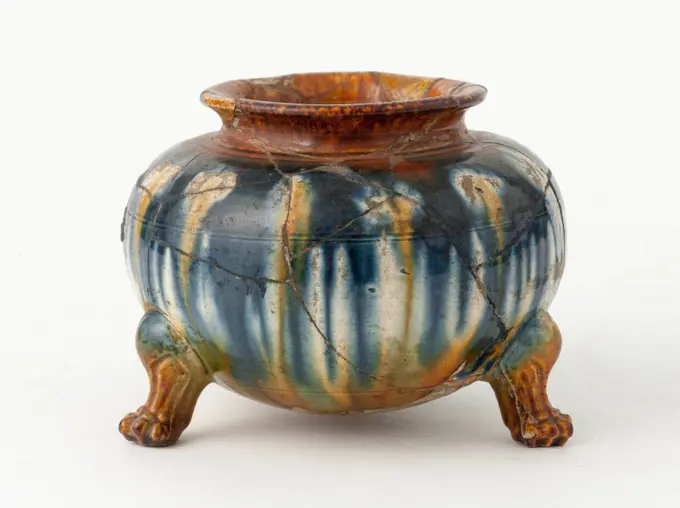
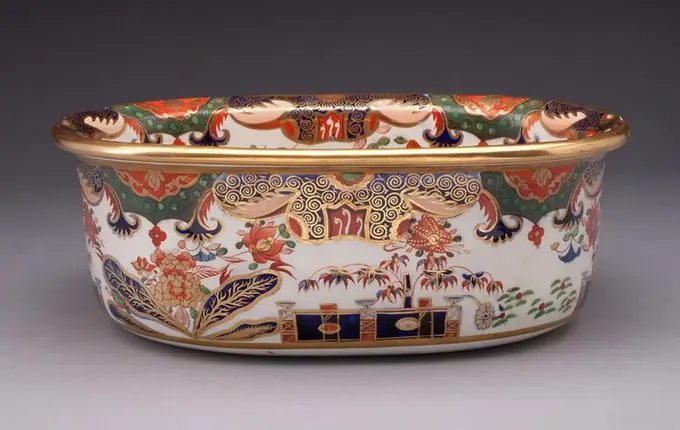
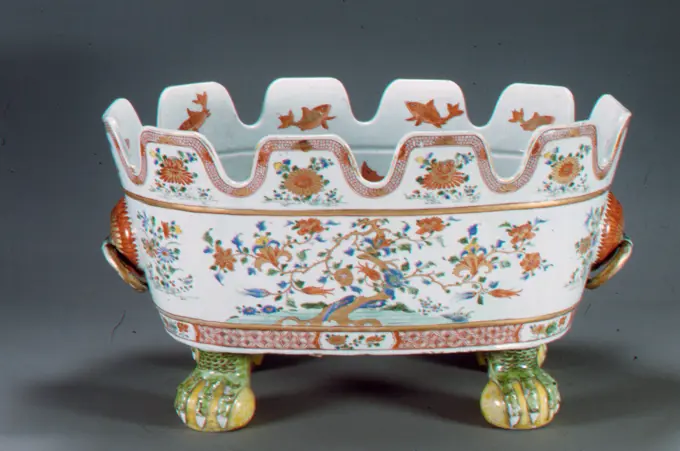
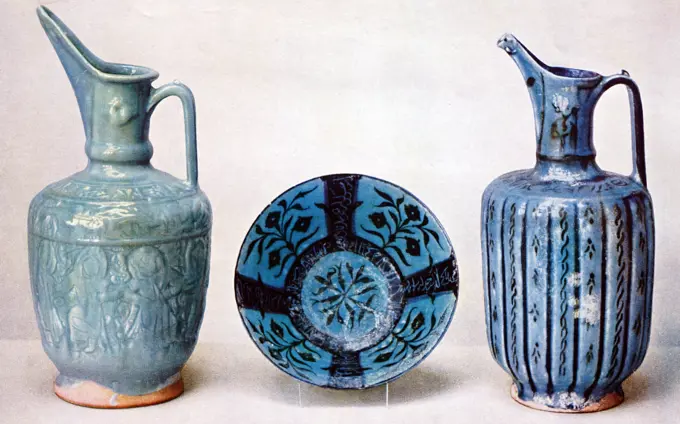
Elegant Decorative Ceramics

An array of intricately designed porcelain jars and vessels, adorned with cobalt blue motifs and floral patterns, showcasing historic craftsmanship.

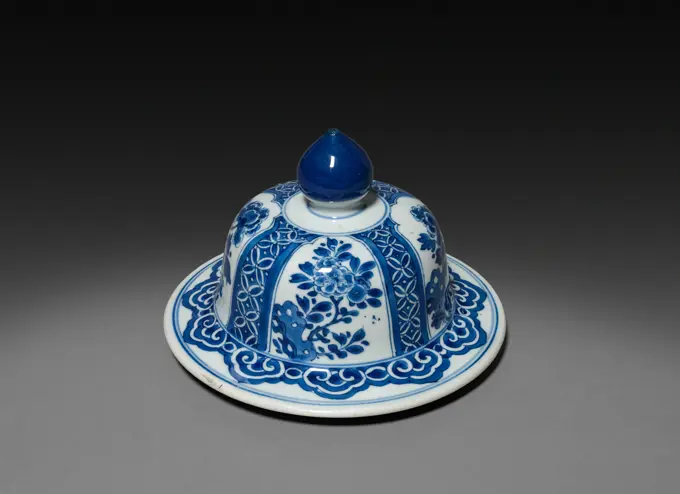
Baluster covered jar with lotus plants and cranes, anonymous, c. 1700 - c. 1724 AK-NM-11860-53-aluster-shaped porcelain lid jar with a spreading base and a wide neck. Painted in underly glaze blue and red and a white sludge. Lotus plants on the lid. The edge of the lid with multiple chips. Underglaze blue with copper red. China porcelain. glaze. cobalt (mineral). copper (metal) painting / vitrification AK-NM-11860-53-aluster-shaped porcelain lid jar with a spreading base and a wide neck. Painted in underly glaze blue and red and a white sludge. Lotus plants on the lid. The edge of the lid with multiple chips. Underglaze blue with copper red. China porcelain. glaze. cobalt (mineral). copper (metal) painting / vitrification
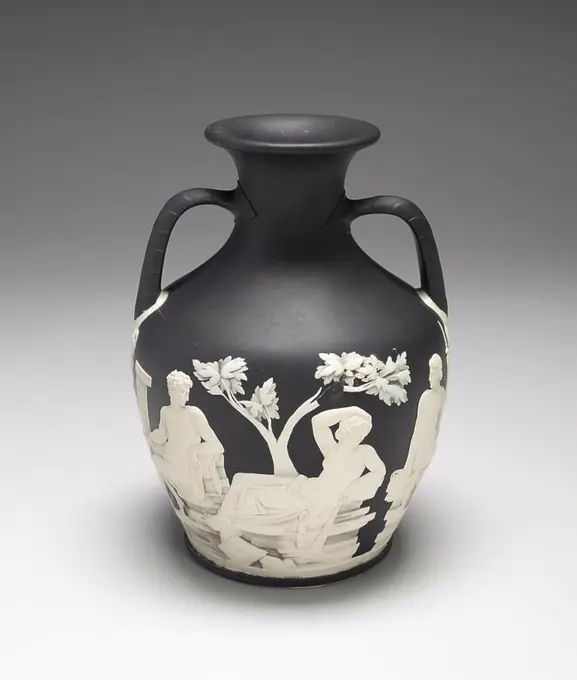
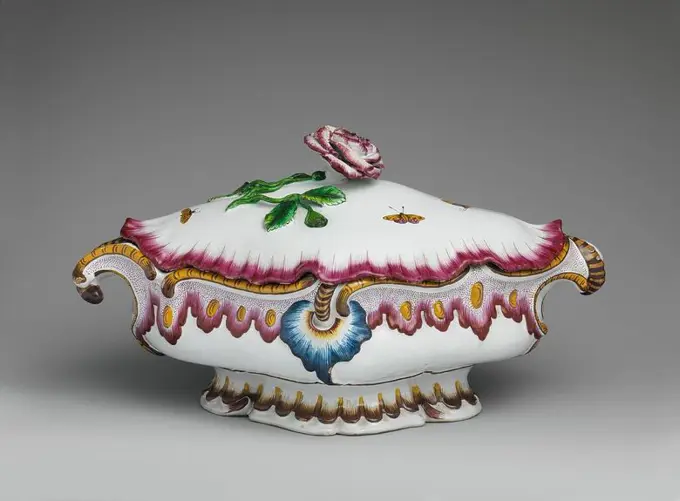
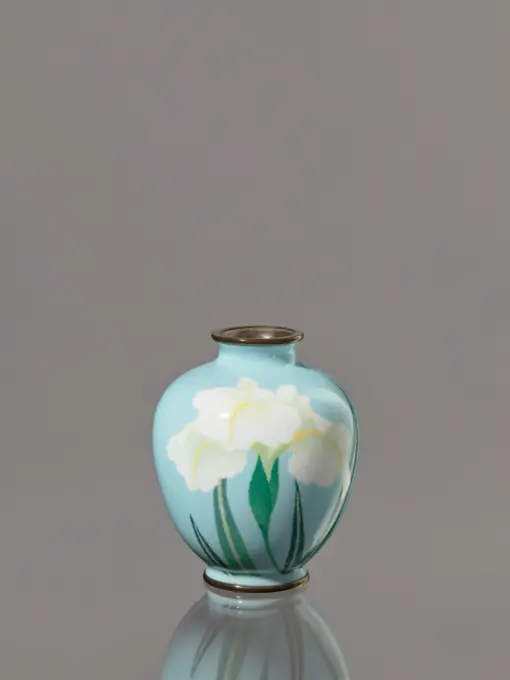
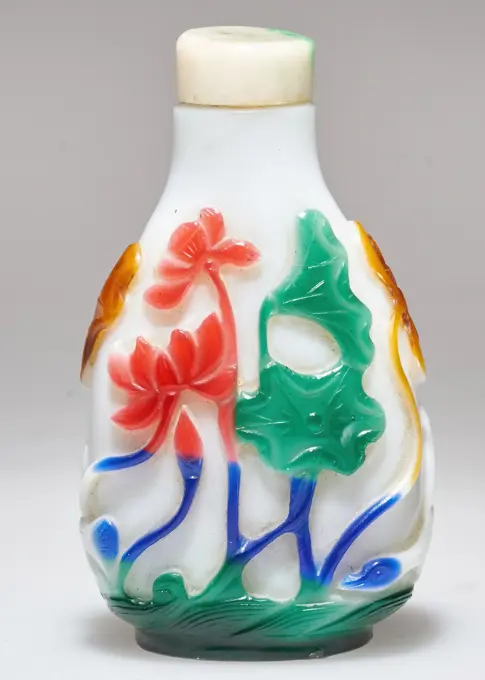
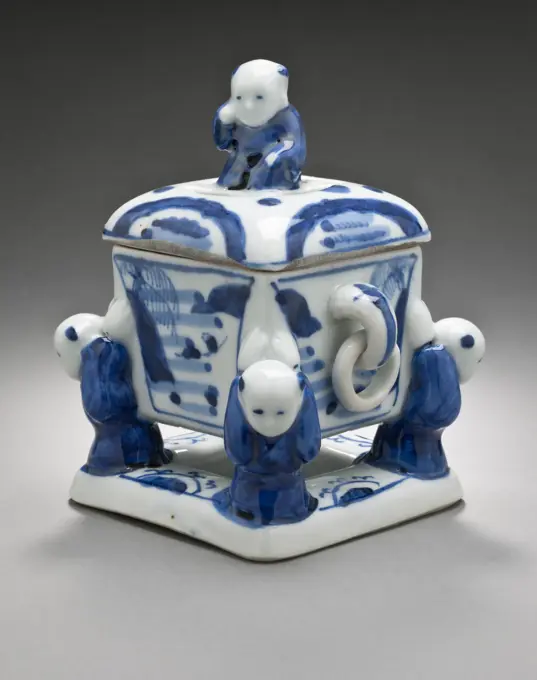
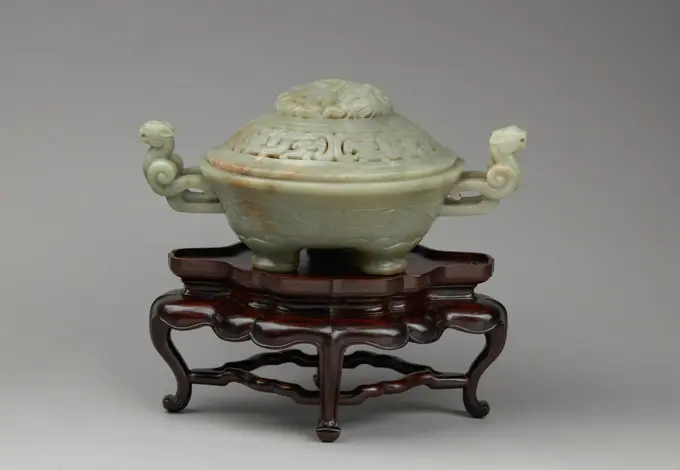
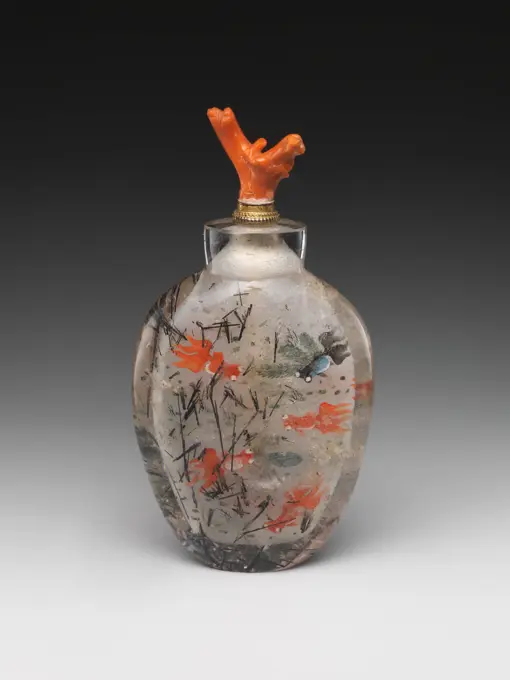
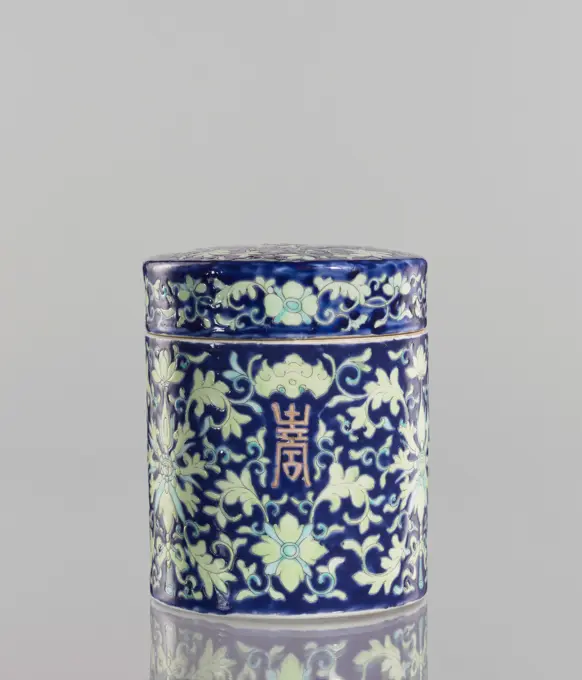
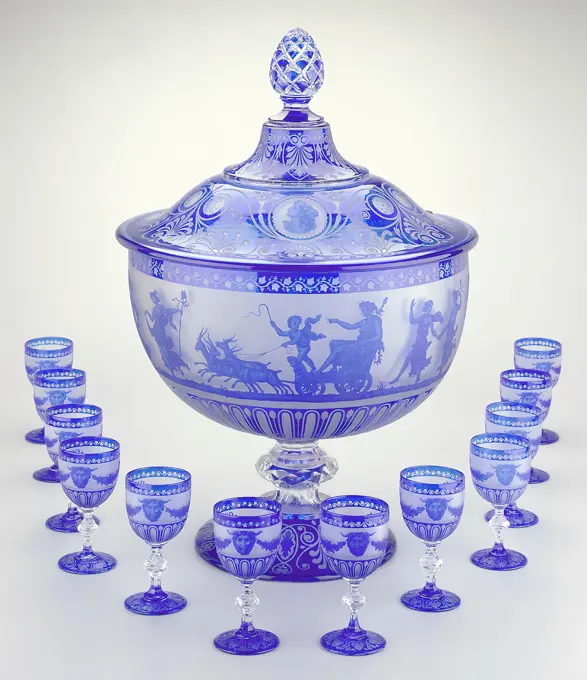
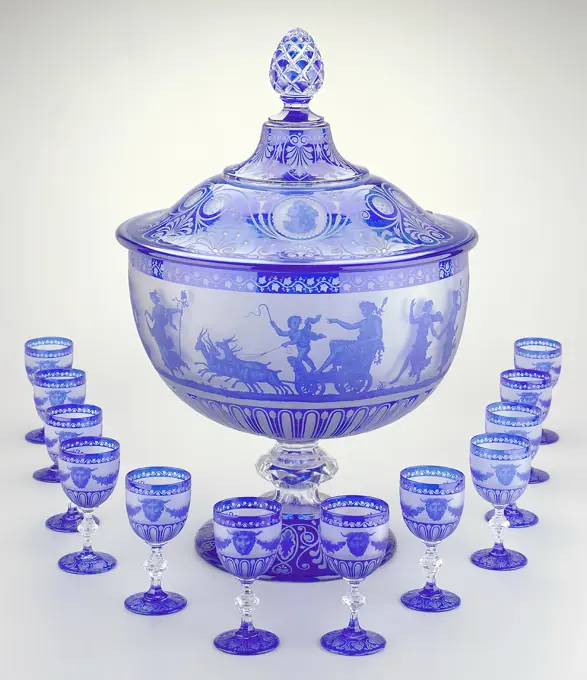
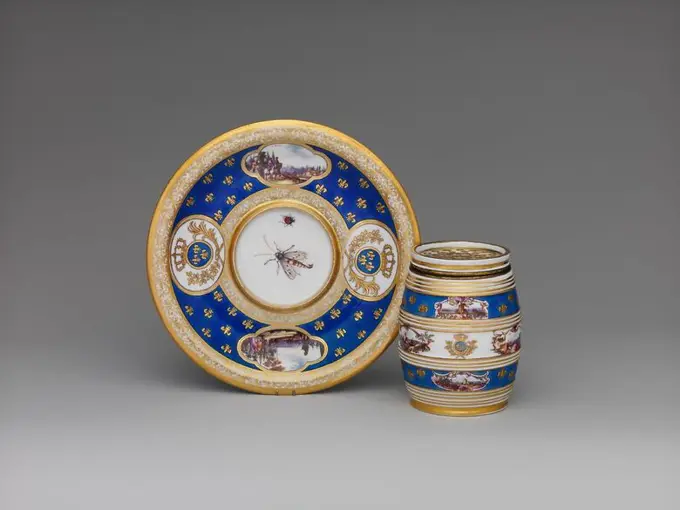
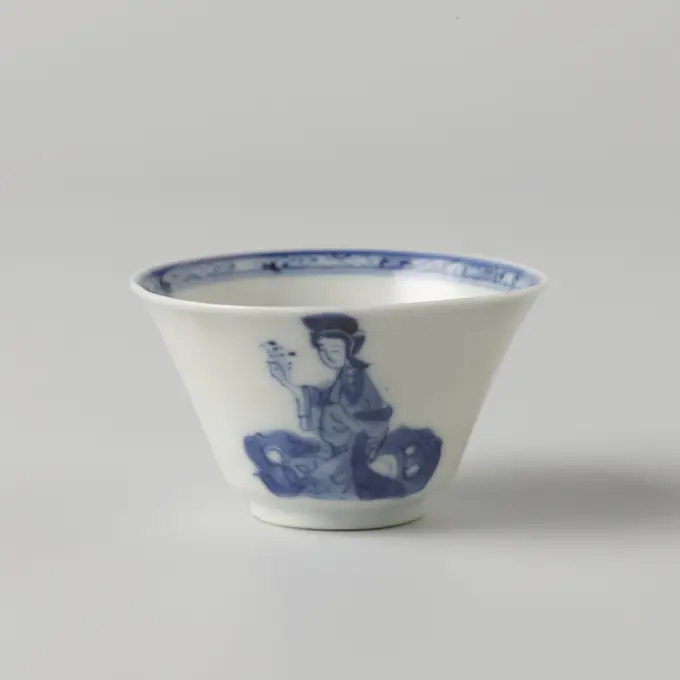
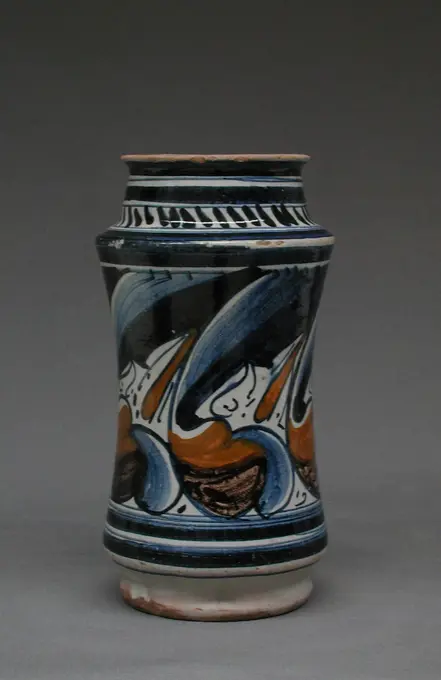
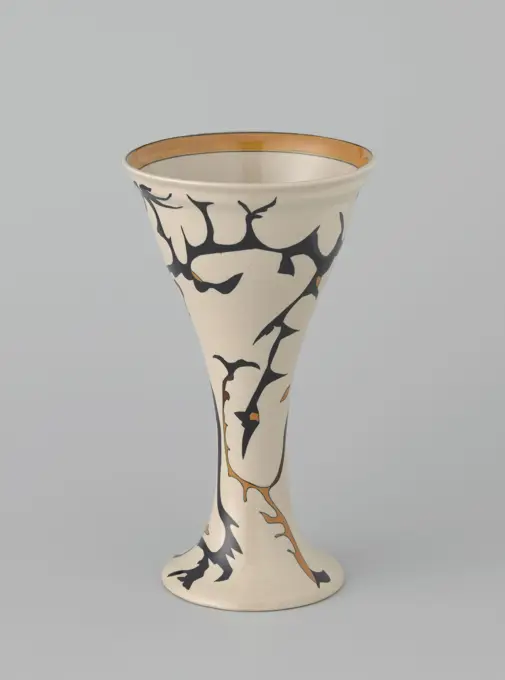
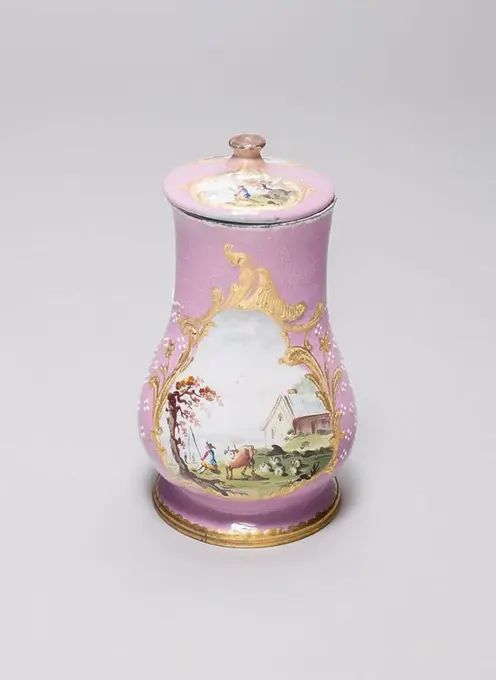
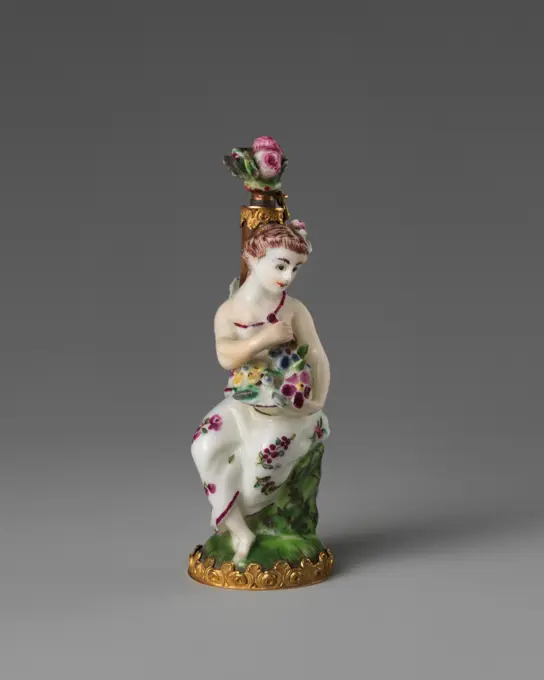
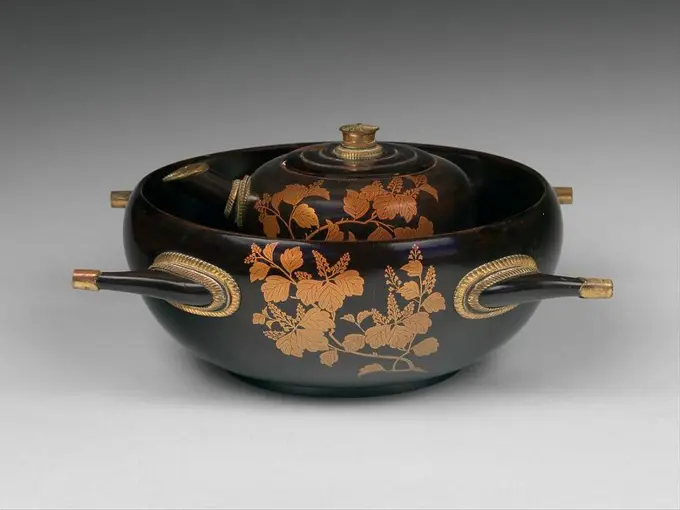
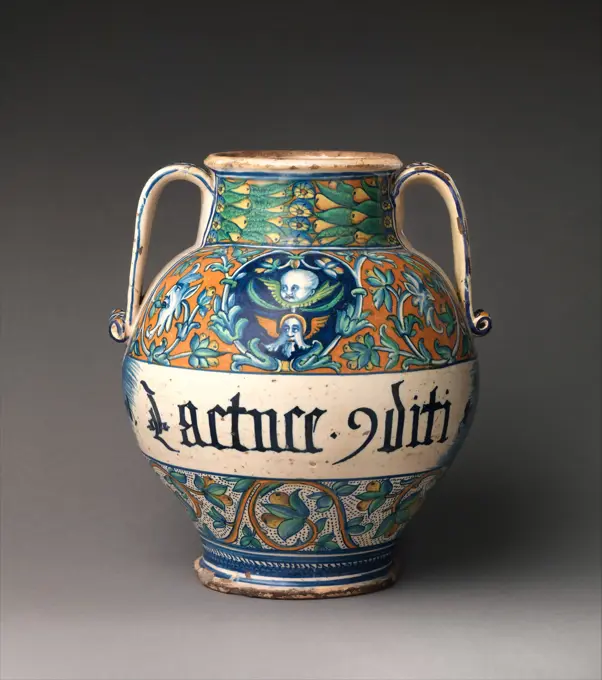
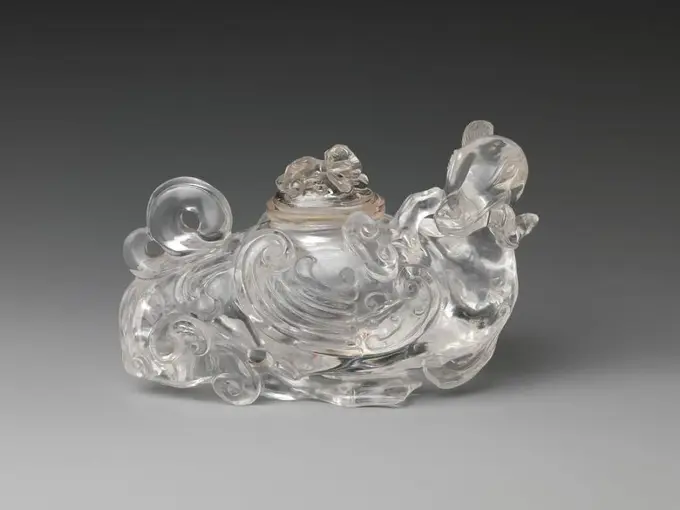
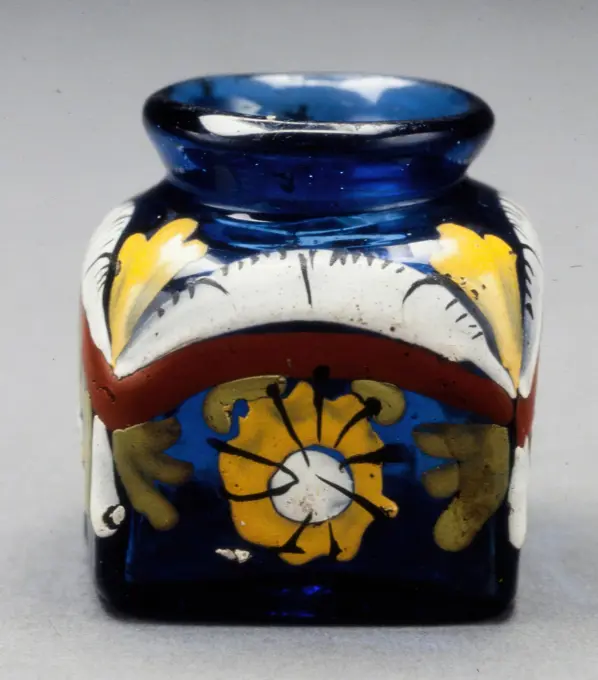
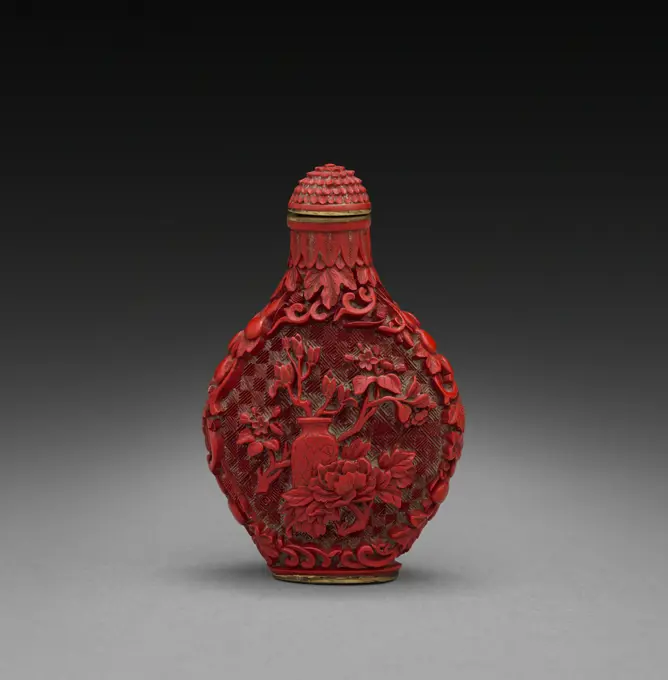
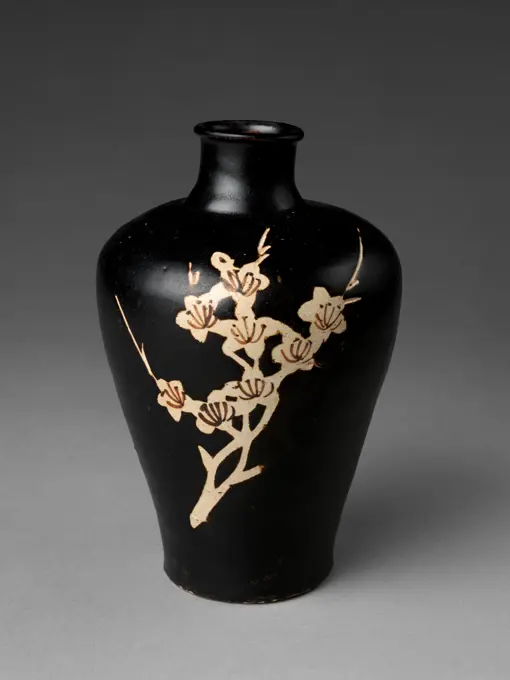
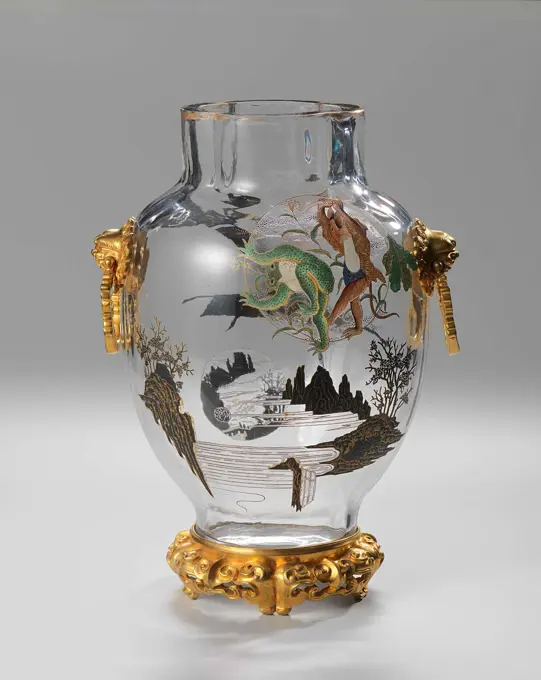
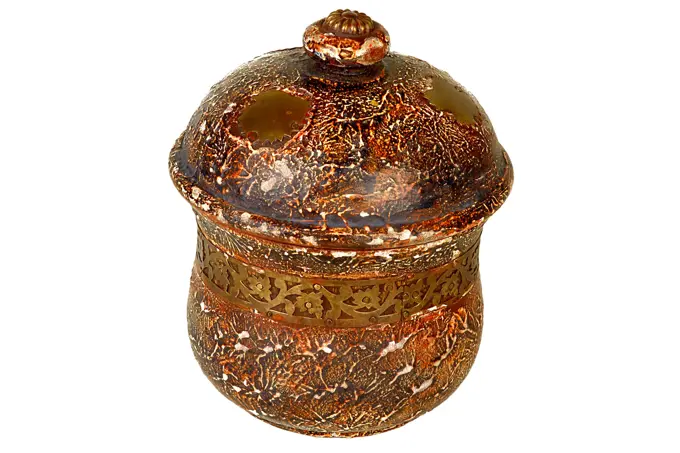
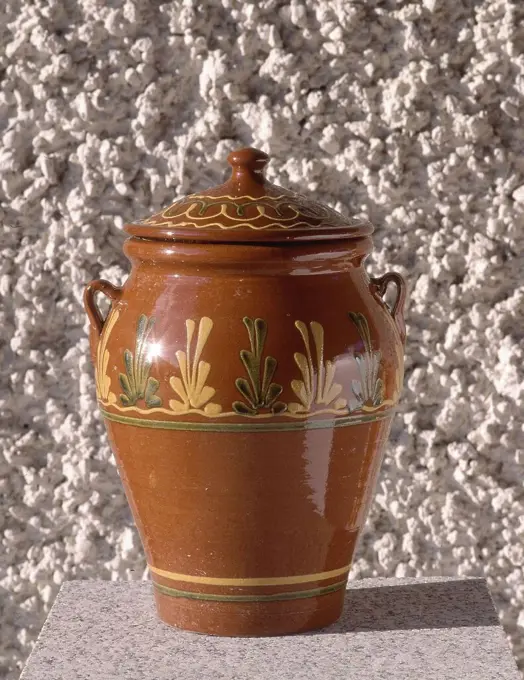
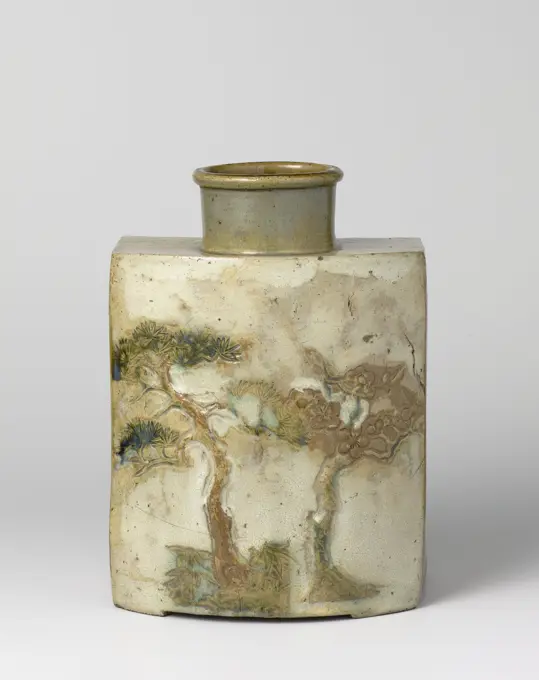
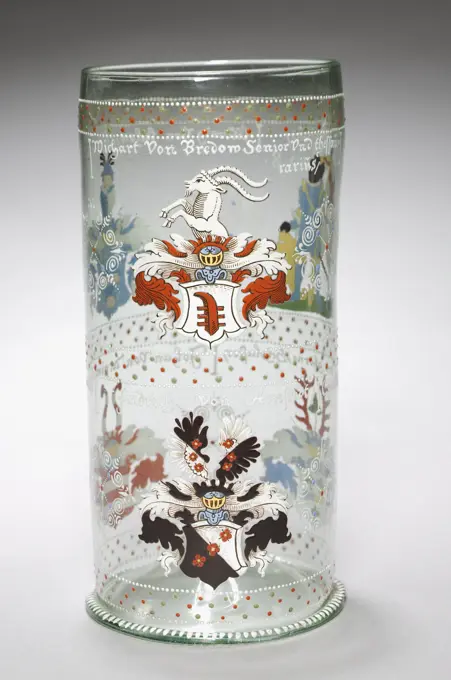
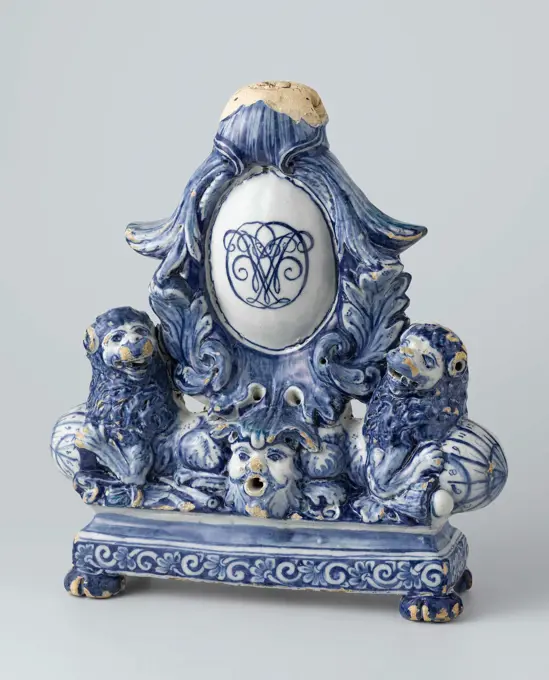
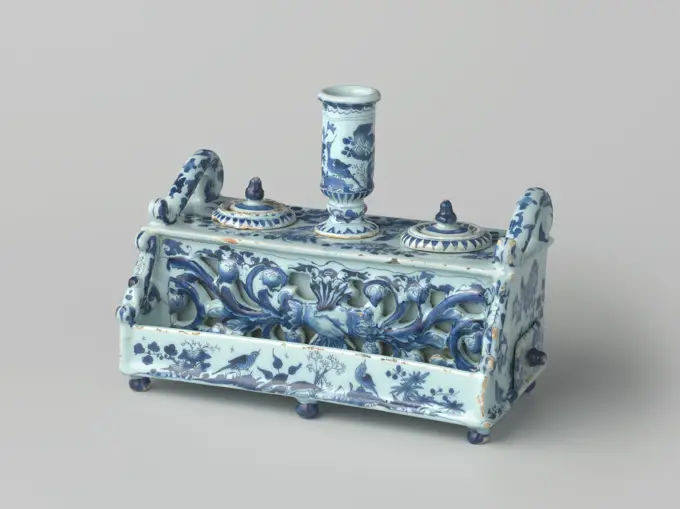
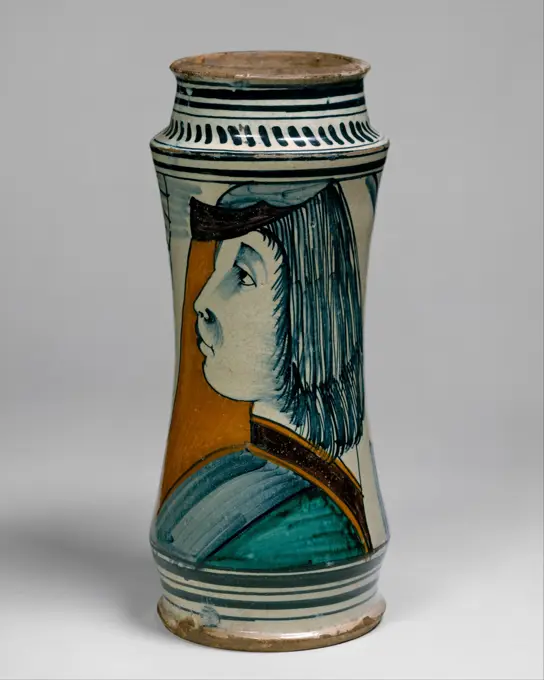
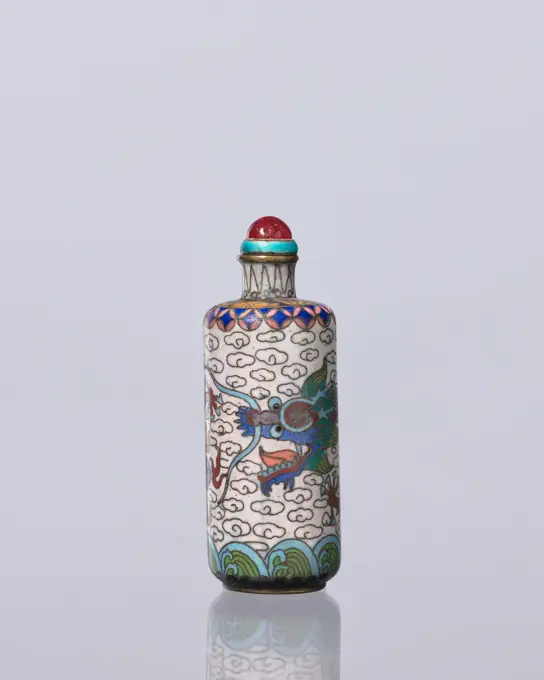
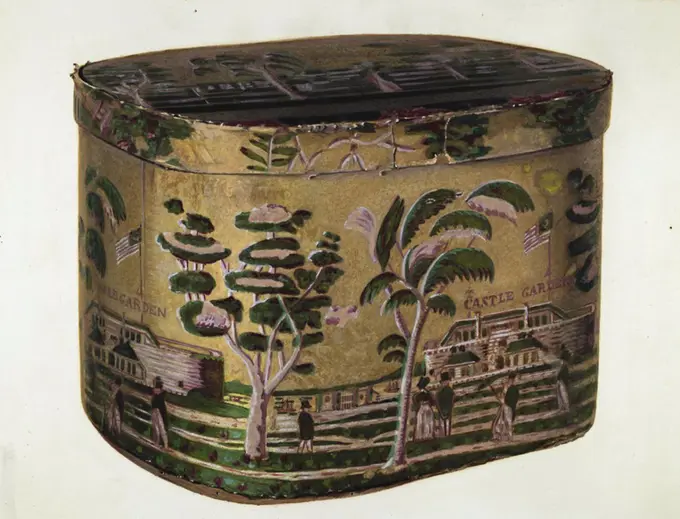
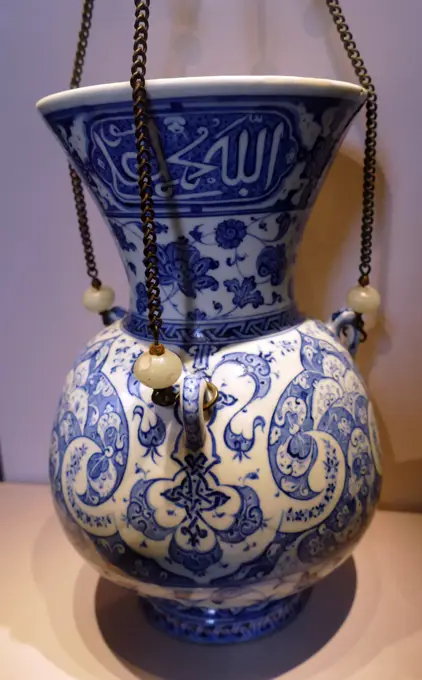
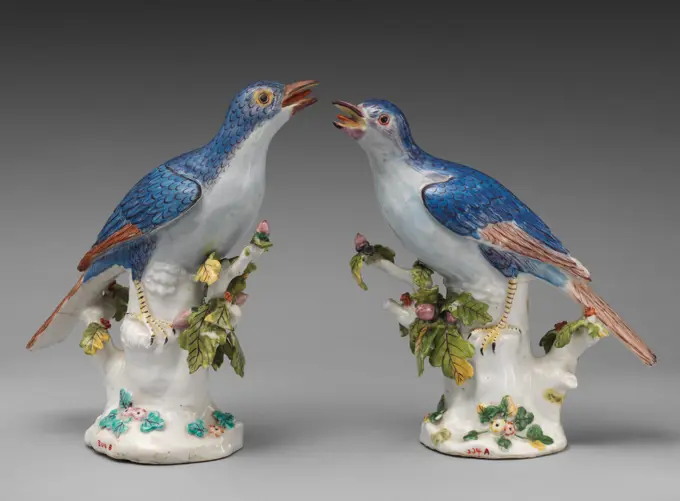
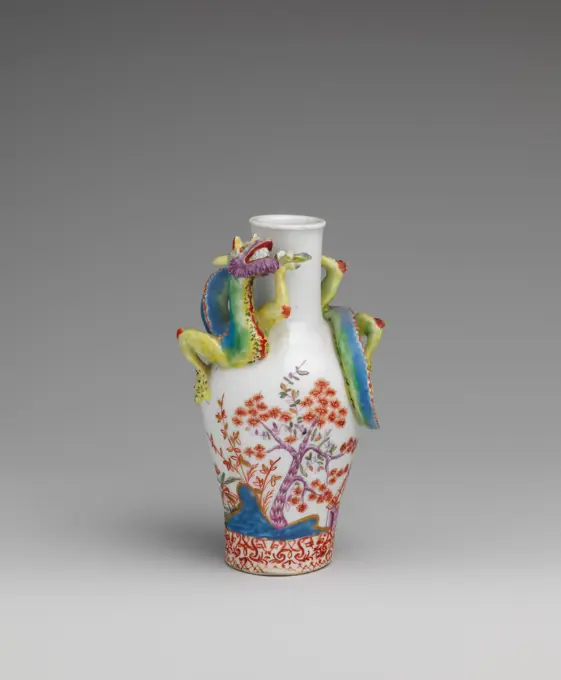
Vase (one of a pair) ca. 1730-40 Vienna The gift of the Hans Syz Collection in 1995 endowed the Museum with nearly three hundred examples of European and Asian ceramics meticulously acquired by Swiss-born collector Dr. Syz (1894-1991) to chart the migration of models and patterns from East to West. Documenting a continuous process of influence and adaptation, these pieces provide a discriminating review of the nuances of stylistic change resulting from three centuries of trade.. Vase (one of a pair) 236745. Box of porcelain in the shape of a closed cloth (furoshiki), painted on the glaze in blue, red, green, yellow and black. A continuous decoration on the box and the lid with chrysanthemum branches, flames, clouds and two hay birds. The bottom is unglazed. Arita, Kakiemon.Beaker. Culture: China. Dimensions: H. 9 1/4 in. (23.5 cm); W. 5 in. (12.7 cm). Museum: Metropolitan Museum of Art, New York, USA.. Candlestick of faience with a decoration inspired by the Chinese porcelain from the transition periodIncense Burner. Culture: China. Dimensions: H. with cover: 12 1/2 in. (31.8 cm). Museum: Metropolitan Museum of Art, New York, USA.Cup and saucer ca. 1770 Worcester factory. Cup and saucer. British, Worcester. ca. 1770. Soft-paste porcelain. Worcester factory (British, 1751-2008). Ceramics-PorcelainPortland Vase. Wedgwood Manufactory; England, founded 1759; Etruria, Staffordshire, England. Date: 1790-1796. Dimensions: 25.4 × 18.7 cm (10 × 7 3/8 in.). Stoneware (jasperware). Origin: Burslem. Museum: The Chicago Art Institute, Chicago, USA.. Bell-shaped bowl of porcelain, painted on the glaze in blue, red, black and gold. On the outer wall twice a crowned weapon with two stars, a twill and a half moon saved in a blue background; The helmet mark is a putto under a crown with pearls; To the weapon a shell pattern and leaf refines. Between the weapons flower branches (peony). An orchid on the bottom; The inner edge with flower drinks. Weapon porcelain with email colors.Vase with archaic-style motifs late 17th-early 18th century China. Vase with archaic-style motifs 48287Vase. Culture: China. Dimensions: 10 1/8 x 4 3/8 in. (25.7 x 11.1 cm). Museum: Metropolitan Museum of Art, New York, USA.Saltcellar. Culture: Mexican. Dimensions: H. 2 3/4 in. (7 cm). Date: ca. 1825. Museum: Metropolitan Museum of Art, New York, USA.Sugar bowl with lid, multicolored painted with harbor faces, Meissener Porzellan Manufaktur, 1804 Sugar bowl with lid made of painted porcelain. The pot is painted with harbor faces within oval, which have been saved in a yellow stock. The sugar bowl is marked. Float porcelain Sugar bowl with lid made of painted porcelain. The pot is painted with harbor faces within oval, which have been saved in a yellow stock. The sugar bowl is marked. Float porcelainInk set of multicolored painted faïence, anonymous, c. 1750 - c. 1775 Ink cooker from Inkstel. Delft . Ink cooker from Inkstel. Delft .Jar And Lid (Netherlands); tin-glazed earthenware; 22.2 x 13 x 13 cm (8 3/4 x 5 1/8 x 5 1/8 in.); Bequest of Walter Phelps Warren; 1986-61-43-a,bVase Vase; Made by Francesco Ferro e Figlio; blown aventurine base with floating murrines on surface of blown glassVase ca. 1875-80 Haviland & Co. American and French The form was inspired by Oriental bronzes from the collection of Henri Cernuschi exhibited in Paris in 1873.. Vase 194967Tureen with Rocks, Flowers, and Birds 18th century Japan. Tureen with Rocks, Flowers, and Birds 52263Bottle probably 18th-19th century. Bottle 443123Pot-Pourri vase; Imperial Manufaktura Aleksandra II; 1855-1881 (1855-00-00-1881-00-00);Square Vase. Culture: China. Dimensions: H. 6 3/4 in. (17.1 cm). Museum: Metropolitan Museum of Art, New York, USA.Bottle Cooler, c. 1725- 1735. Saint Cloud Porcelain Factory (French). Soft-paste porcelain; diameter: 11 x 11.5 cm (4 5/16 x 4 1/2 in.).Cache-pot in z That with handles in the form of women's masks; Manufaktura M.P.Radziwi  A in Nieborów; 1881-1886 (1881-00-00-1886-00-00);Tureen. Culture: French, Strasbourg. Dimensions: Overall (confirmed): 8 1/2 x 15 1/2 x 8 3/4 in. (21.6 x 39.4 x 22.2 cm). Date: ca. 1750.Faience, or tin-glazed and enameled earthenware, first emerged in France during the sixteenth century, reaching widespread usage among elite patrons during the seventeenth and early eighteenth centuries, prior to the establishment of soft-paste porcelain factories. Although characterized as more provincial in style than porcelain, French faience was used at the court of Louis XIV as part of elaborate meals and displays, with large-scale vessels incorporated into the Baroque garden designs of Versailles. Earlier examples of French faience attest to the strong influence of maiolica artists from Italy. Later works demonstrate the ways in which cities such as Nevers, Rouen, Lyon, Moustiers, and Marseille developed innovative vessel shapes and decorative motifs prized among collectors throughout Europe.While faience can be created from a wide mixture of Small vase. Andô (enamel cloisonné ; 1881-), companySnuff Bottle, 1780-1850, 2 3/4 x 1 5/8in. (7 x 4.1cm), Glass, jadeite, China, Qing dynastyCenser with Landscape Design Supported by Chinese Boys. Japan, late 19th century. Ceramics. Hirado ware; porcelain with blue glazeSmall nephrite tureen on a wooden stand unknownSnuff Bottle 19th century China. Snuff Bottle 53459Cylindrical utensil with lid. unknown, craftsmanRoller car, blue painted on white tinglaze, 1650 - 1799 Roller cars, blue painted with in Chinese style with birds, flowers and and branches. A decorative edge at the top and top, also in Chinese style Delft earthenware Roller cars, blue painted with in Chinese style with birds, flowers and and branches. A decorative edge at the top and top, also in Chinese style Delft earthenwarePunch goblet, 1867, Cristalleries de Baccarat, Baccarat, France, est. 1764, 4 3/4 x 2 7/16 in. (12.07 x 6.19 cm), Cased lead glass, France, 19th centuryPunch goblet, 1867, Cristalleries de Baccarat, Baccarat, France, est. 1764, 4 3/4 x 2 7/16 in. (12.07 x 6.19 cm), Cased lead glass, France, 19th centuryLidded punch bowl, from a set, c. 1867, Cristalleries de Baccarat, Baccarat, France, est. 1764, 23 x 13 15/16 in. (58.42 x 35.4 cm), Cased lead glass, France, 19th century, Baccarat punch bowls and goblets with Bacchus-themed decoration made their debut in Paris, at the International Exposition of 1867. To produce these designs featuring the ancient Roman god of wine, the Baccarat firm employed the innovative technique of acid etching, instead of the customary copper-wheel engraving.Tray. Culture: German, Meissen. Dimensions: Diameter: 5 7/8 in. (14.9 cm). Factory: Meissen Manufactory (German, 1710-present). Date: 1740-50.This tray and its pounce pot (02.5.30a, b), which would have held a fine sand used to dry ink, are decorated with the royal arms of France. Museum: Metropolitan Museum of Art, New York, USA.Cup with flaring sides with a woman and boy near a rock, anonymous, c. 1680 - c. 1720 Porcelain head with spreading wall, painted in under -glaze blue. On the outer wall a woman (long lijs) sitting on a rock with a branch in her hand; Next to her a boy (crazy) and a larger rock with plants. A river landscape with mountains on the bottom. The inner edge with shadowing. Marked on the underside with the four-character brand of Keizer Chenghua in a double circle. Blue White. China porcelain. glaze. cobalt (mineral) painting / vitrification Porcelain head with spreading wall, painted in under -glaze blue. On the outer wall a woman (long lijs) sitting on a rock with a branch in her hand; Next to her a boy (crazy) and a larger rock with plants. A river landscape with mountains on the bottom. The inner edge with shadowing. Marked on the underside with the four-character brand of Keizer Chenghua in a double circle. Blue White. China porcelain. glaze. cobalt (mineral) painting / vitrificationVase. Culture: China. Dimensions: H. 18 1/4 in. (46.4 cm); W. 6 1/2 in. (16.5 cm); D. 6 1/2 in. (16.5 cm). Museum: Metropolitan Museum of Art, New York, USA.Fontein, painted with flowers and leaves, garlands, flower vazan and roosters., De Metaale Pot, 1695 - 1720 Fontein van Faience. Multicolored painted with flour and leaf motifs, garlands, flower vases and roosters. Delft . Fontein van Faience. Multicolored painted with flour and leaf motifs, garlands, flower vases and roosters. Delft .Albarello ca. 1450-80 Italian, Faenza Storage vessels were among the most frequently produced maiolica wares in late medieval and Renaissance Italy. Made in fairly standard shapes, they were designed to fit with dozens of others on a shelf, often in a pharmacy or shop. Their handles therefore tend to fit within the vessels profile, and the cylindrical albarello type is generally narrower at the middle than at the top or bottom, making it easy to grip. Other common features include inscriptions indicating contents and flanged lips to help secure cloth or paper seals. The decoration, usually more elaborate on one side than the other, can sometimes link pieces to a known dispensary or specific workshop or artist.. Albarello. Italian, Faenza. ca. 1450-80. Maiolica (tin-glazed earthenware). Ceramics-PotteryBox. Colorfully painted round box with lid, on 3 legs. Inscription: "That happiness your days volumeThis water container for chanoyu, or Japanese-style tea practice, once belonged to the Hosokawa family, whose facilitator corresponded with Seif Yohei IV (1871-1951) about the piece. In a response in 1914, Yohei IV thanked them for their payment and requested that, despite Seif Yohei III’s death, they continue to favor the studio with their orders. The letter and its envelope, as well as an auction tag, remain with the object, as do its inner and outer boxes. Yohei IV wrote an inscription on the reverse of the inner box lid authenticating the work as one made by his father. Water Container with Peonies, 1900-1914. Seifū Yohei III (Japanese, 1851-1914). Porcelain with molded and carved design, green glaze, and black lacquered lid; height with lid: 17.8 cm (7 in.); diameter: 16 cm (6 5/16 in.).Basket of cherries ca. 1755 Chelsea Porcelain Manufactory. Basket of cherries. British, Chelsea. ca. 1755. Soft-paste porcelain. Chelsea Porcelain Manufactory (British, 1745-1784, Red Anchor Period, ca. 1753-58). Ceramics-PorcelainTwo tulip vases with the Spichtig (Spindly) pattern, N.V. Plateelbakkerij Ram, 1925 Tulip vase of earthenware, chalice -shaped on round base, polychrome painted in the colors yellow -brown, black and brown with the decor "spindly". The Binnenswondrand has a wide yellow piping between black lines. Arnhem earthenware. glaze casting Tulip vase of earthenware, chalice -shaped on round base, polychrome painted in the colors yellow -brown, black and brown with the decor "spindly". The Binnenswondrand has a wide yellow piping between black lines. Arnhem earthenware. glaze castingDish ca. 1515-35 Italian, Faenza. Dish. Italian, Faenza. ca. 1515-35. Maiolica (tin-glazed earthenware). Ceramics-PotteryVase 18th century China. Vase. China. 18th century. Porcelain painted in overglaze polychrome enamels. Qing dynasty (1644-1911), Qianlong period (1736-95). CeramicsFigure of a Chinese with Jar, c. 1735- 1740. Chantilly Porcelain Factory (French). Soft-paste porcelainwith enamel decoration; overall: 17.2 cm (6 3/4 in.).SZC 2782; Wedgwood (wytwórnia); Anglia; Dzbanuszek- oinochoe; ok.1815-1820; wypalanie, nak³adki, szkliwo; kamionka delikatna; 12,0Birdcage with fishbowl, Sycamore-inlaid fruitwood and fruitwood veneered wood, carved gilt wood, blown enamel-painted and gilt-decorated glass, cast brass, stamped gilt metal, metal wire, Square wooden box-type cage (a) cut on each side with fan-shaped opening inset with metal wires; quarter columns at corners; bun feet; gallery along top, decorated with circular cutouts and ball finials at corners; stamped gilt-metal decorations at fan-shapes and capitals and bases of columns. On top of box, cradled in large circular hole with flange, is a globular fishbowl (b) with circular neck and central hollow globe, all formed from single wall (allowing bird entry/egress from and to wooden cage below). Base of bowl decorated with polychrome enamel band of landscape / water scenes showing European men hunting birds or fishing (retrieving birds) from boats / sailing ships at sea (one flying two red, white and blue Dutch flags), and a rocky island with a tall castle-like building on top; floral deTea Caddy 1750-1760 Battersea. Metal and enamel . Battersea Enamel FactoryMustard Pot and Cover. Bilston, England. Date: 1765-1775. Dimensions: H. 10.8 cm (4 1/4 in.). Copper, polychrome enamel, and gilding. Origin: England. Museum: The Chicago Art Institute, Chicago, USA.Vase with Cover (lid), 1662-1722. China, Jiangxi province, Jingdezhen kilns, Qing dynasty (1644-1911), Kangxi reign (1662-1722). Porcelain with underglaze blue decoration; lid: 13.7 cm (5 3/8 in.).Lidded Hexagonal Box with Orchid Design. Korea, Korean, Joseon dynasty (1392-1910), 18th century. Furnishings; Accessories. Slab built porcelain with underglaze blue painted decoration and clear glaze (ch'onghwa paekja ware)Tripode fu ". Terracotta, three -color glaze with cobalt blue. China. Paris, Cernuschi museum. Asian art, Chinese art, Break, Chinese Ceramic, glue, containing, ebre, container, terracotta, fu tripod, three feetCapped Bottle, 20th century, Unknown American, 5 1/4in. (13.3cm), Painted glass, United States, 20th centuryJean Mayodon (1893-1967). Vase. Earthenware. Islamic inspiration decor. Museum of Fine Arts of the City of Paris, Petit Palais. VASE Decor, earthenware, Islamic inspiration, vaseWine Cistern. England. Date: 1815-1825. Dimensions: 10.5 × 28 × 19.2 cm (4 1/8 × 11 × 7 9/16 in.). Porcelain, Imari decoration. Origin: England. Museum: The Chicago Art Institute, Chicago, USA.Monteith early 18th century China. Monteith. China. early 18th century. Porcelain painted in overglaze famille verte enamels and gilt. Qing dynasty (1644-1911), probably Kangxi period (late). CeramicsChinese, Snuff Bottle, porcelain.Persian pottery. Photograph of three pieces of pottery, two ewers and a bowl.Girl with a basket of flowers ca. 1760 Saint James's Factory. Girl with a basket of flowers. British, London. ca. 1760. Soft-paste porcelain. Ceramics-PorcelainRectangular Sand Brick With Prunus, Pine Tree and. Sand spreader of porcelain, rectangular with straight downward slightly rejuvenating walls and a slightly deepened upper surface with three rows of seven holes. Painted on the glaze in blue, red, green, yellow, black and gold with on the tall walls, respectively a pine at rocks and a prunus at bound hedges; On the short silk, brightened branches in a red fond with flower in blue and gold in the middle; Between the rows of holes flower and leaf refines in green and red. Kakiemon.. Large cover bowl of porcelain, painted in underglaze blue. The outer wall with a continuous landscape with pavilions, mountains and trees. Below a decorative band. A preen on the bottom. Arita, blue-white.Four-Handled Basin (Tsunodarai) and Pitcher (Hanzo) with Paulownia and Foliage Scroll. Culture: Japan. Dimensions: Basin: H. 6 in.(15.2 cm); Diam. (without handles) 12 5/8 in. (32.1 cm)Ewer: H. 6 1/2 in. (16.5 cm). Date: 17th century. Museum: Metropolitan Museum of Art, New York, USA.Storage or pharmacy jar ca. 1500-1520 Italian, perhaps Siena Storage vessels were among the most frequently produced maiolica wares in late medieval and Renaissance Italy. Made in fairly standard shapes, they were designed to fit with dozens of others on a shelf, often in a pharmacy or shop. Their handles therefore tend to fit within the vessels profile, and the cylindrical albarello type is generally narrower at the middle than at the top or bottom, making it easy to grip. Other common features include inscriptions indicating contents and flanged lips to help secure cloth or paper seals. The decoration, usually more elaborate on one side than the other, can sometimes link pieces to a known dispensary or specific workshop or artist.. Storage or pharmacy jar 198939Covered vessel in the shape of a bird. Culture: China. Dimensions: H. 3 in. (7.6 cm); W. 4 3/4 in. (12.1 cm); D. 2 1/2 in. (6.4 cm). Date: 18th-19th century. Museum: Metropolitan Museum of Art, New York, USA.Pharmacy pot, 18th century, Ceramics (blue decorated with lion and sweet color in landscape, and diagonal bracket, with the inscription: S.PSILI "), Barcelona, Height: 28.5 cm. Museum: Museo Fundación Francisco Godia, Barcelona, Cataluña, España.Covered Potpourri Jar. Culture: American. Dimensions: H. 6 1/4 in. (15.9 cm). Maker: Ott and Brewer (1871-1893). Date: 1883-90.The potpourri jar incorporated an eclectic mix of stylistic references typical of the period in which it was made. The cover is pierced and decorated in gold in an Islamic pattern; the sponged gold clouds and applied lotus blossoms are Japanesque. Museum: Metropolitan Museum of Art, New York, USA.Square Bottle, 18th century, 1 5/8 x 1 1/2 x 1 3/8in. (4.1 x 3.8 x 3.5cm), Glass, enamel, Switzerland, 18th centuryBowl - aquarium. unknown, craftsmanVessel with Palace Scene. Guatemala, Petén, Southern Lowlands, Maya, 600-900 CE. Ceramics. Slip-painted ceramicAzeri enamel coffee pot with traditional Buta symbol on a white backgroundSnuff Bottle with Flowers, 1736-95. China, Qing dynasty (1644-1911), Qianlong mark and reign (1736-95). Carved cinnabar lacquer; overall: 7 cm (2 3/4 in.).Earthenware Vase - William de Morgan Collection, 1898-1907. Manufacturer: William De Morgan (& Co)Bottle. India, Gujarat, Kathiawar Peninsula, circa 1725-1750. Furnishings; Accessories. Clear glass mold-blown with enamel and gildingVase with Flowering Plum 13th-14th century China A harbinger of spring, the flowering plum is a traditional motif in Chinese art. The lively branch here was created by covering the surface of the vase with wax or some other resist before covering it with a glaze. This technique is typical of the art of the Jizhou kilns, located in the southeast in Jiangxi Province and noted for their experimentation with surface decoration as well as for their tea bowls. Unlike many other ceramic types, Jizhou wares were not exported to other countries.. Vase with Flowering Plum. China. 13th-14th century. Stoneware with reserved, carved, and painted decoration on brown glaze (Jizhou ware). Southern Song (1127-1279)-Yuan (1271-1368) dynasty. CeramicsFlask (Switzerland); glassVase. Escalier de Cristal, established in Paris in 1802, was a leading department store for all kinds of luxury items. It specialized in fitting bronze mounts onto glass objects and also sold work by various artists. The inspiration behind both the mounts and the ornamentation on thisglass vase was Chinese art.Brass design fitting on antique wooden pot with cap , Jodhpur, Rajasthan, India Copyright: xSafatxAli/DinodiaxPhotoxORZA CON TAPA VIDRIADA Y DECORADA-S XX ARTE POPULAR. Location: ALFARERIA. SPAIN.Unknown, Bouquetière Pot à fire (common name) cover. Great fire earthenware, polychrome enamels. Petit Palais, Museum of Fine Arts of the City of Paris.Rounded, rectagonal vase with flowering plants in relief, anonymous, c. 1700 - c. 1799 Semi -round, rectangular vase of stoneware with a short, wide neck, covered with a white sludge, green and brown glaze. Modeled flowering plants on the wide walls. The convex wall with a pine and a prunus, the hollow wall with a lotus. Old label collector label on the bottom with 'B.H. Benson Esq '. Satsuma. Satsuma stoneware. glaze vitrification Semi -round, rectangular vase of stoneware with a short, wide neck, covered with a white sludge, green and brown glaze. Modeled flowering plants on the wide walls. The convex wall with a pine and a prunus, the hollow wall with a lotus. Old label collector label on the bottom with 'B.H. Benson Esq '. Satsuma. Satsuma stoneware. glaze vitrificationHand Warmer in the Form of a Ball for the Game Kemari. Japan, Late 18th century. Ceramics. Hirado Mikawachi ware; porcelain with blue underglaze and light green-tinged glazeCollection of blue and white Chinese porcelainBeaker (Humpen), 1568. Germany, probably Bohemia, 16th century. Enameled glass; overall: 26.1 x 11.8 cm (10 1/4 x 4 5/8 in.).Tankard 1800 GermanyJARRO DE PICO VERTEDOR PINTADO - SIGLO XX.Janus-headed bottle ca. 1760 Chelsea Porcelain Manufactory. Janus-headed bottle. British, Chelsea. ca. 1760. Soft-paste porcelain. Chelsea Porcelain Manufactory (British, 1745-1784, Gold Anchor Period, 1759-69). Ceramics-Porcelain. Firedogs, or andirons, were used to stack logs in an open fireplace. They were often fitted with a decorative facing.This exceptionally sumptuous example is Baroque in form and ornamented with the arms of Stadtholder William III. In Het Loo Palace there was also a Delftware firedog for Williams consort, Mary.Inktstel, anonymous, c. 1655 - c. 1675 Inkstest from Faience. Blue painted with a flower decoration inspired by Chinese porcelain. The openwork front shows two hands with the seven arrows, which symbolize the Republic of the Seven United Netherlands. Delft . Inkstest from Faience. Blue painted with a flower decoration inspired by Chinese porcelain. The openwork front shows two hands with the seven arrows, which symbolize the Republic of the Seven United Netherlands. Delft .. Baluster-shaped lid vase of porcelain, painted in underglaze blue. The belly is divided into five rows of lotus leaf-shaped cartouches with landscapes. A continuous scenery on the neck. The bell-shaped lid is divided into six compartments with landscapes. Above the foot, on the shoulder and the edge a band with a zigzag pattern. On the lid edge a bond with flower drinks. Lid is not matching. Cover vase is part of a cupboard set. Blue White.Figure of a seated Guanyin, anonymous, c. 1800 - c. 1899 Image of porcelain on a pedestal, painted on biscuit in green, yellow, eggplant and black. Seated image of Guanyin; Her robe is decorated with flowers and curls with a dragon at the front between lotus flowers on a speckled, green soil. Back with a hole and two cartouches with a flowering plant or flower drink, furthermore unadorned. Some fingers have been broken down. Email sur biscuit with family distance colors. China porcelain. glaze. painting / vitrification Image of porcelain on a pedestal, painted on biscuit in green, yellow, eggplant and black. Seated image of Guanyin; Her robe is decorated with flowers and curls with a dragon at the front between lotus flowers on a speckled, green soil. Back with a hole and two cartouches with a flowering plant or flower drink, furthermore unadorned. Some fingers have been broken down. Email sur biscuit with family distance colors. China porcelain. glaze. painting / vitrificationApothecary jar (albarello) ca. 1480-1500 Italian, Naples. Apothecary jar (albarello) 460277Snuff bottle with cap. unknown, craftsmanBandbox. Dated: 1935/1942. Dimensions: overall: 30.7 x 40.8 cm (12 1/16 x 16 1/16 in.) Original IAD Object: 13" high; 19" long; 15" wide. Medium: watercolor, graphite, and gouache on paperboard. Museum: National Gallery of Art, Washington DC. Author: Holger Hansen.Tankard. Germany, Crailsheim; Period of Johann Georg Weiss Jr. Date: 1765-1775. Dimensions: 23.5 x 14.3 cm (9 1/4 x 5 5/8 in.). Tin-glazed earthenware (faience) and pewter mounts. Origin: Germany. Museum: The Chicago Art Institute, Chicago, USA.Court Cellar Beaker (Hofkellereihumpen). Germany, Saxony, circa 1680-1691. Furnishings; Serviceware. Glass, enamelSnuff Bottle, 17th-19th century, 3 x 2 1/4in. (7.6 x 5.7cm), Glass, China, 17th-19th centuryFine example of Ottoman art patterns in viewSnuff bottle. unknown, craftsmanMosque lamp Turkey, about 1510. This stone paste lamp is associated with the mausoleum of Bayezid II, its decoration has been attributed to the influence of Baba Nakkas, an important court artist.Pair of daws ca. 1750 Chelsea Porcelain Manufactory. Pair of daws. British, Chelsea. ca. 1750. Soft-paste porcelain. Chelsea Porcelain Manufactory (British, 1744-1784). Ceramics-Porcelain