Elegant Decorative Ceramics

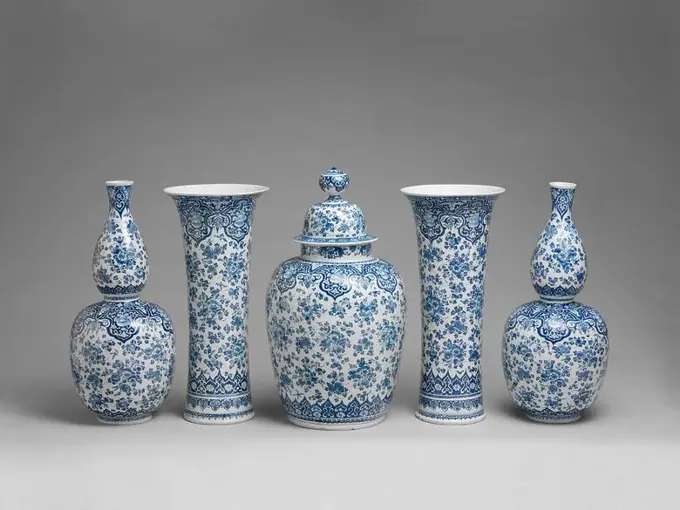
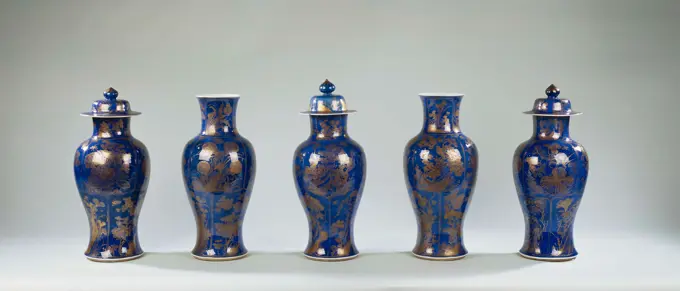
An array of intricately designed porcelain jars and vessels, adorned with cobalt blue motifs and floral patterns, showcasing historic craftsmanship.

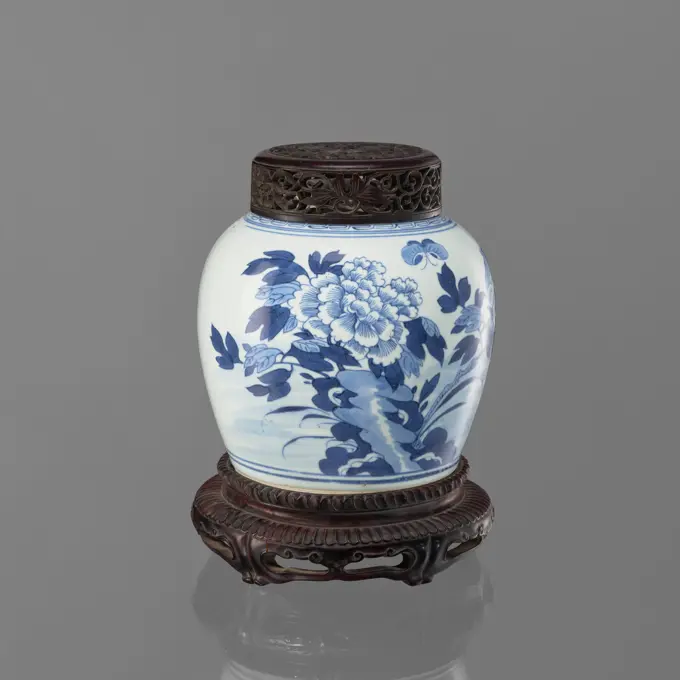
Baluster covered jar with lotus plants and cranes, anonymous, c. 1700 - c. 1724 AK-NM-11860-53-aluster-shaped porcelain lid jar with a spreading base and a wide neck. Painted in underly glaze blue and red and a white sludge. Lotus plants on the lid. The edge of the lid with multiple chips. Underglaze blue with copper red. China porcelain. glaze. cobalt (mineral). copper (metal) painting / vitrification AK-NM-11860-53-aluster-shaped porcelain lid jar with a spreading base and a wide neck. Painted in underly glaze blue and red and a white sludge. Lotus plants on the lid. The edge of the lid with multiple chips. Underglaze blue with copper red. China porcelain. glaze. cobalt (mineral). copper (metal) painting / vitrification
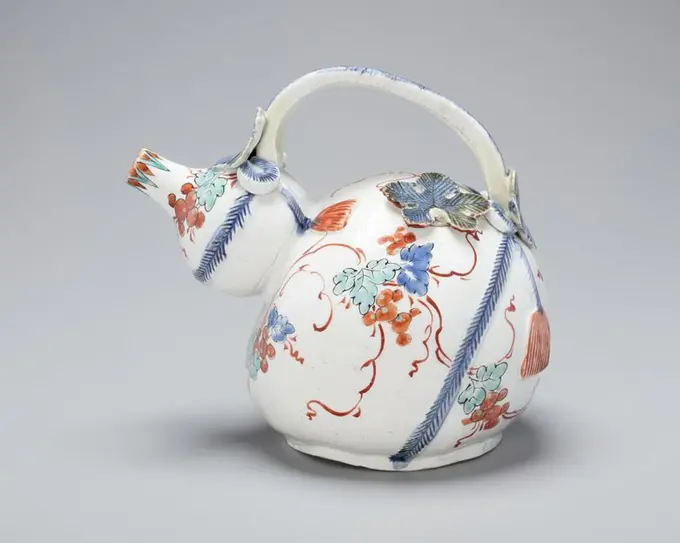
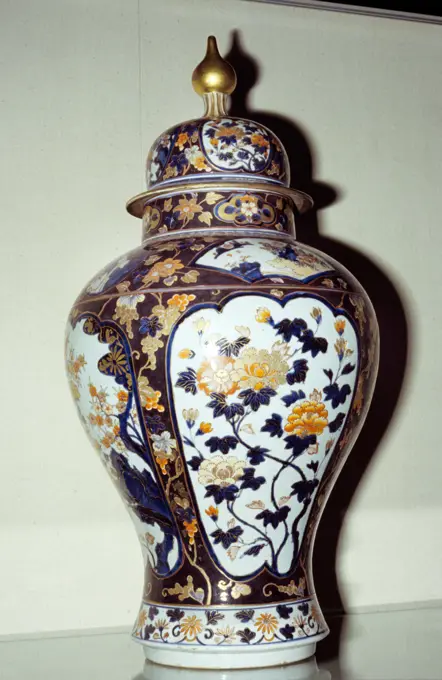
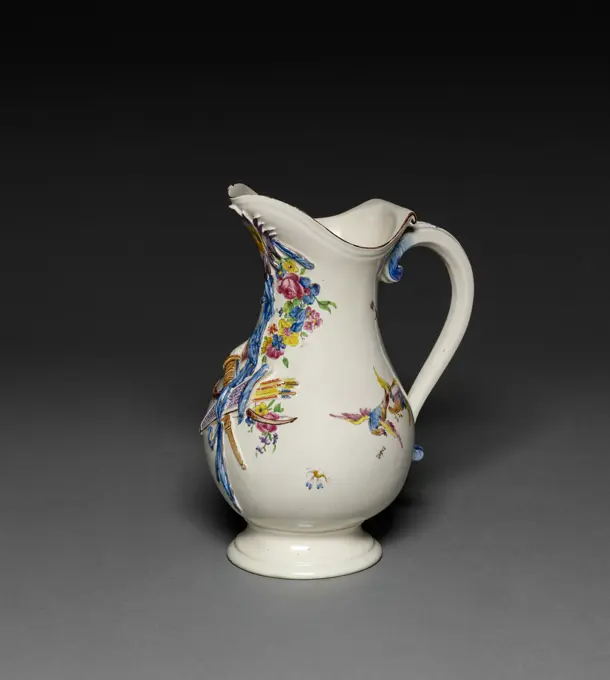
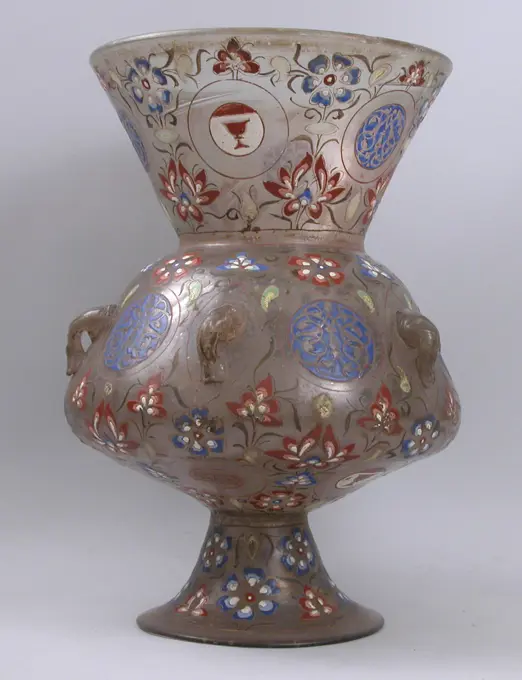
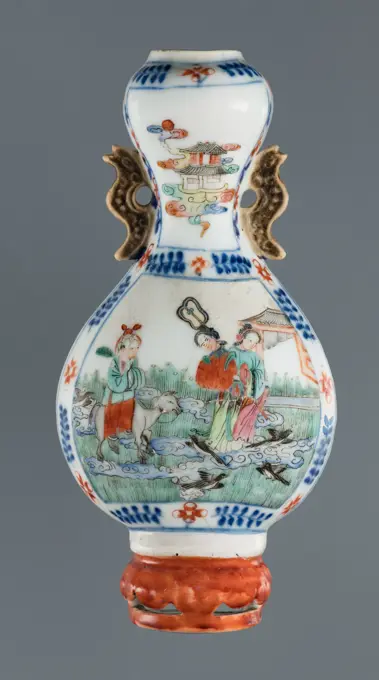
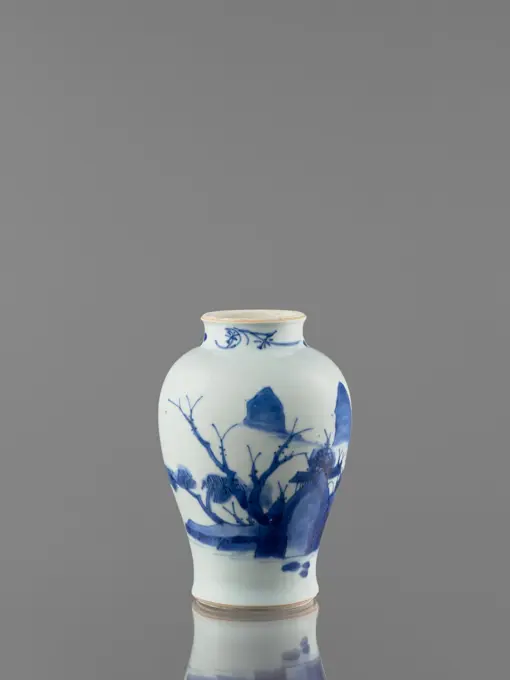
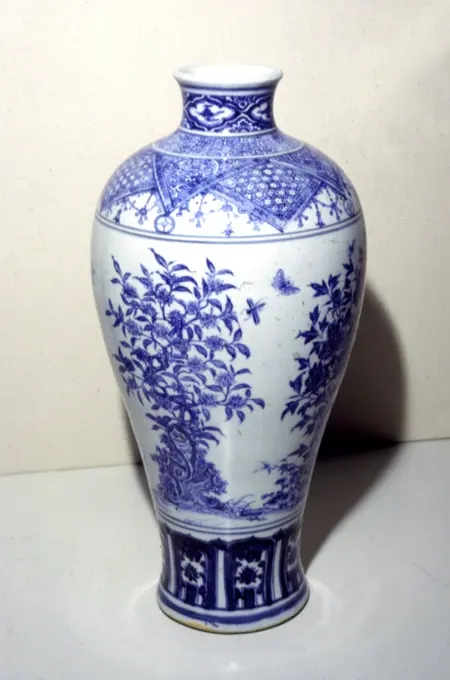
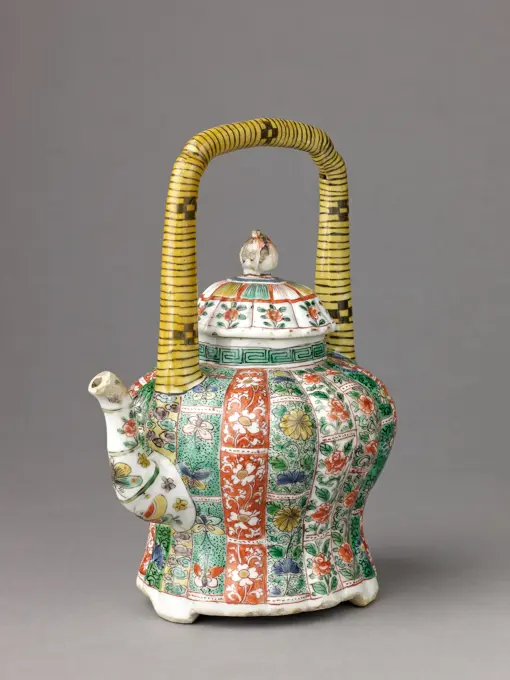
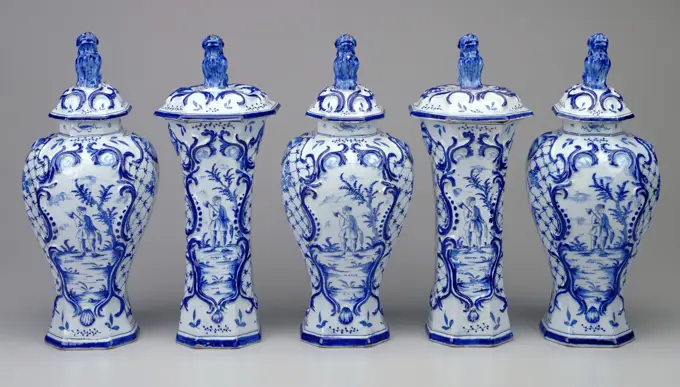
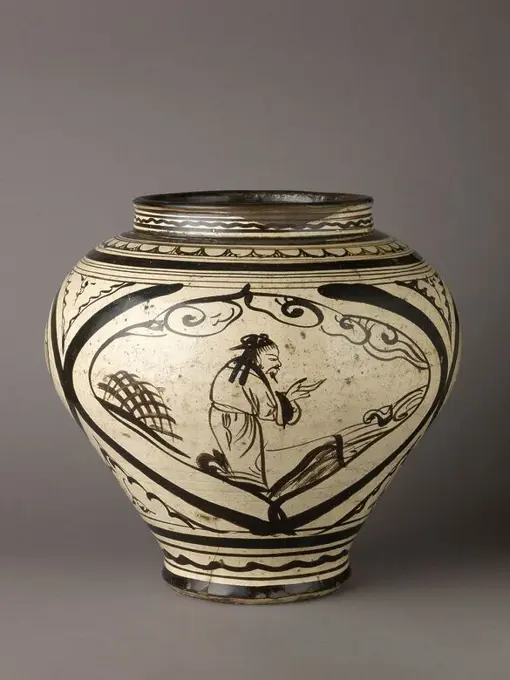
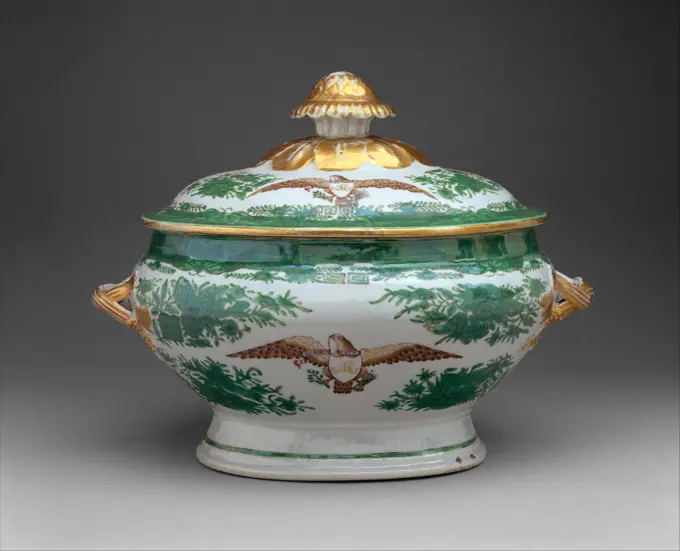
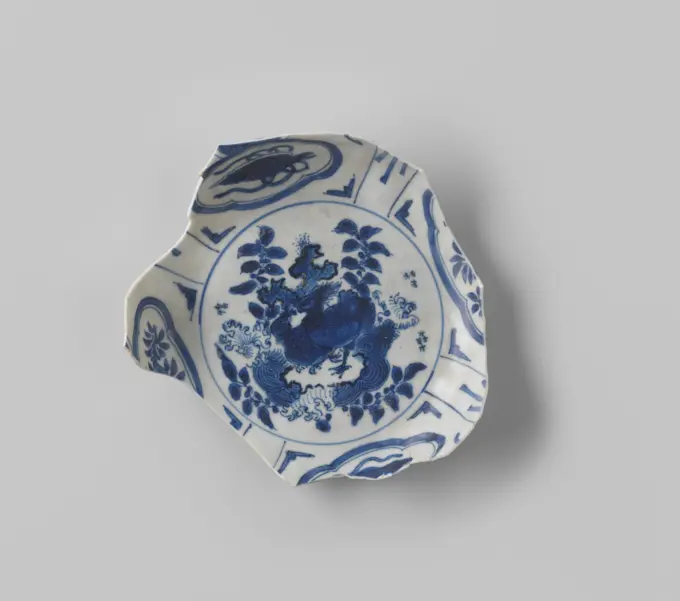
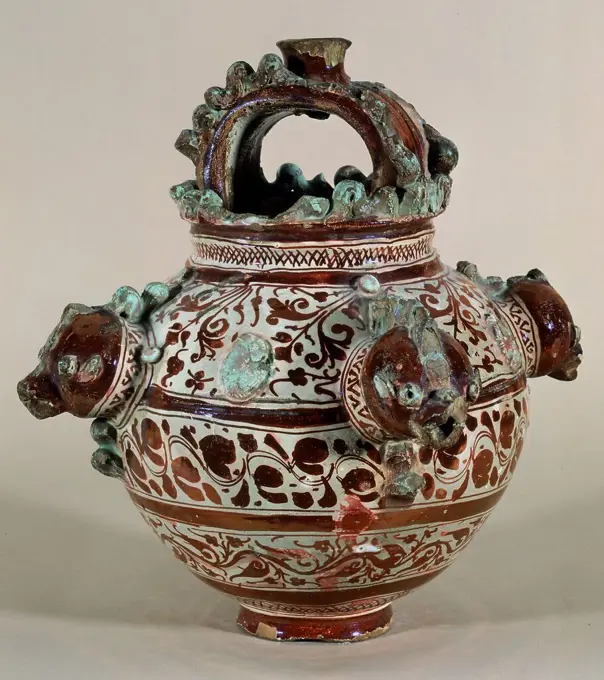
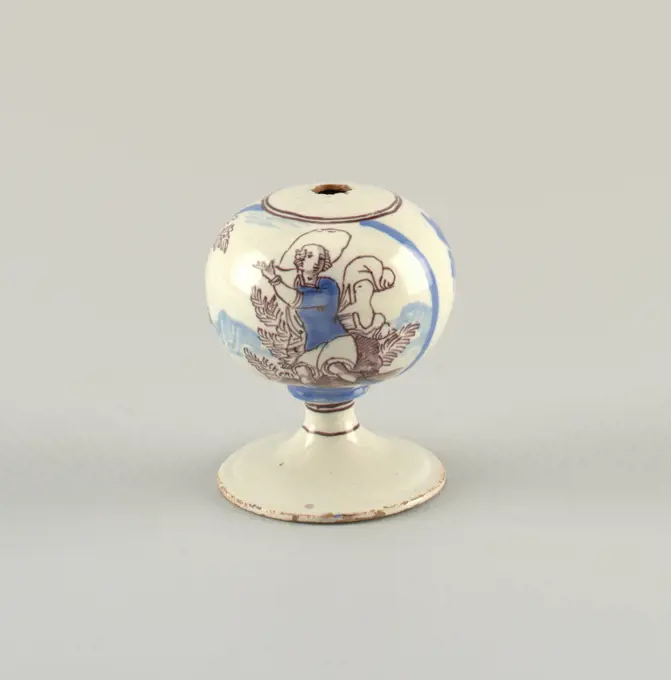
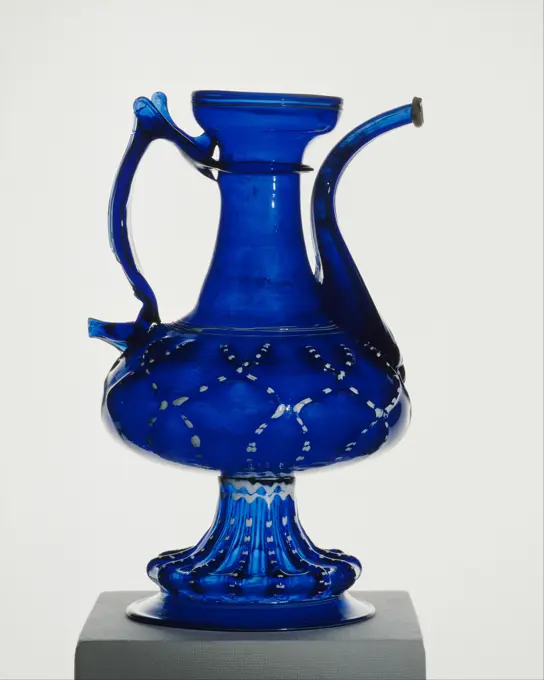
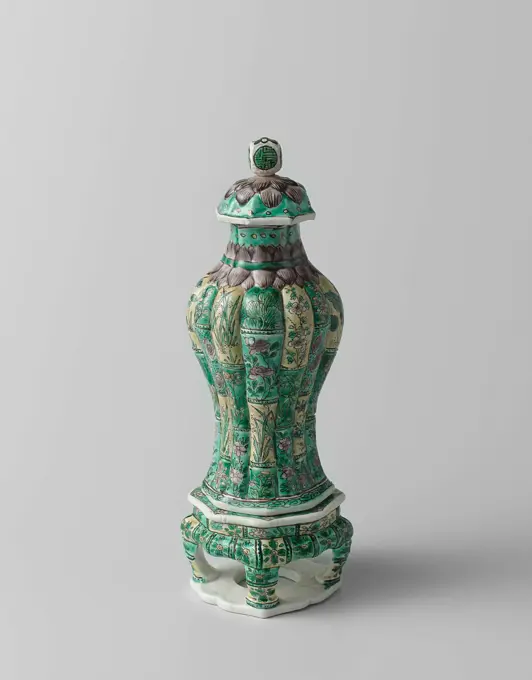
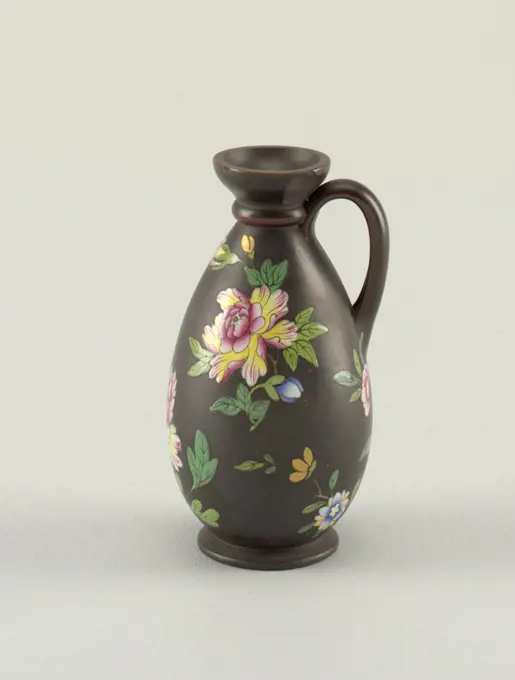
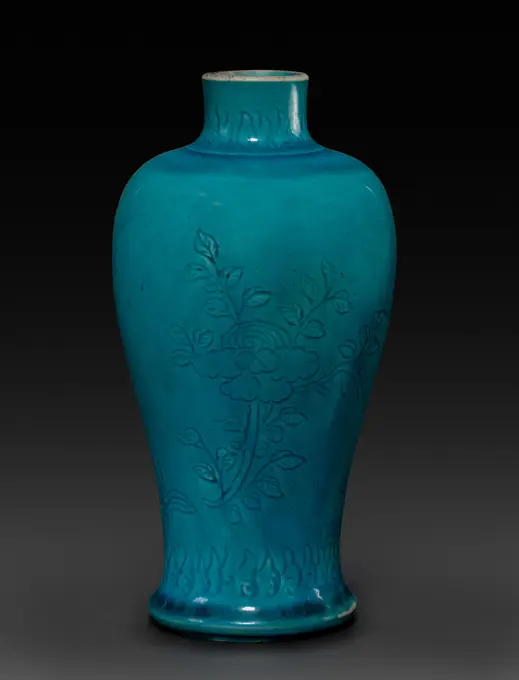
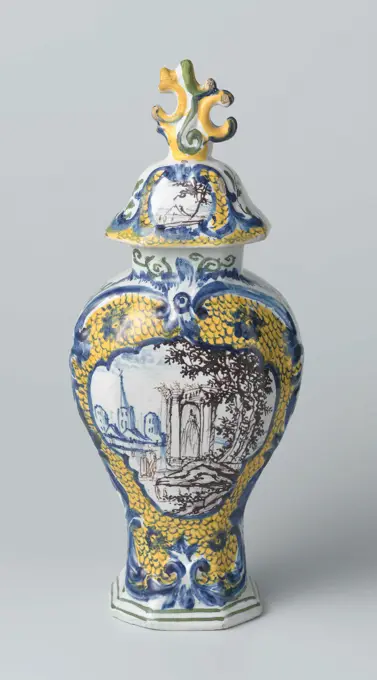
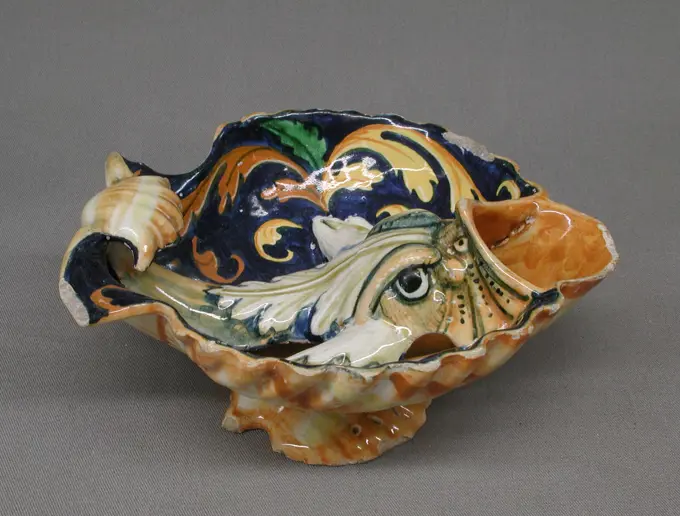
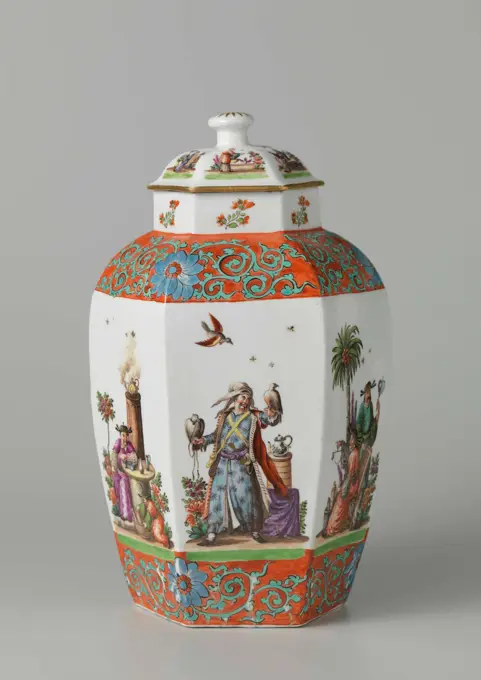
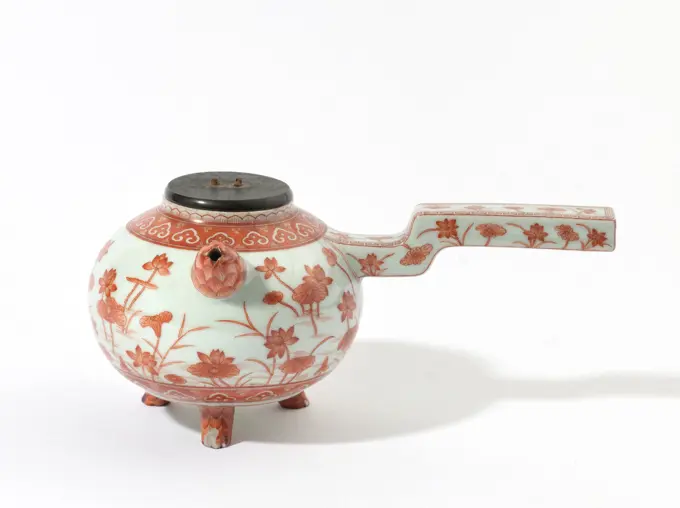
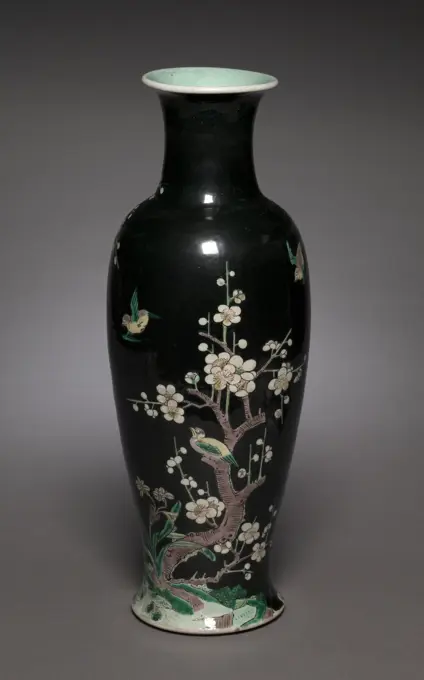
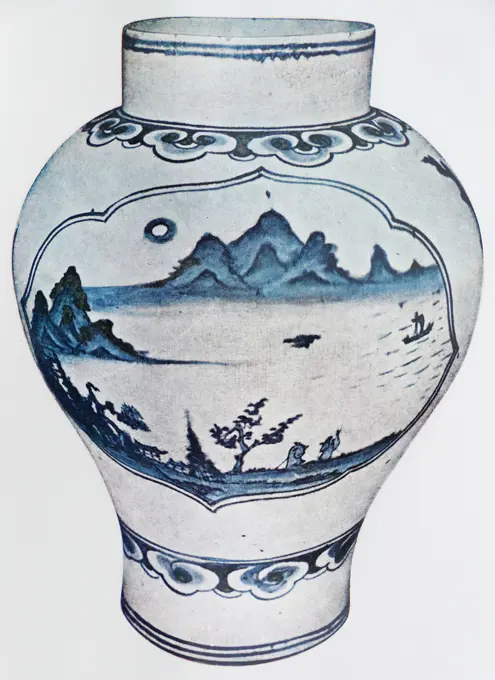
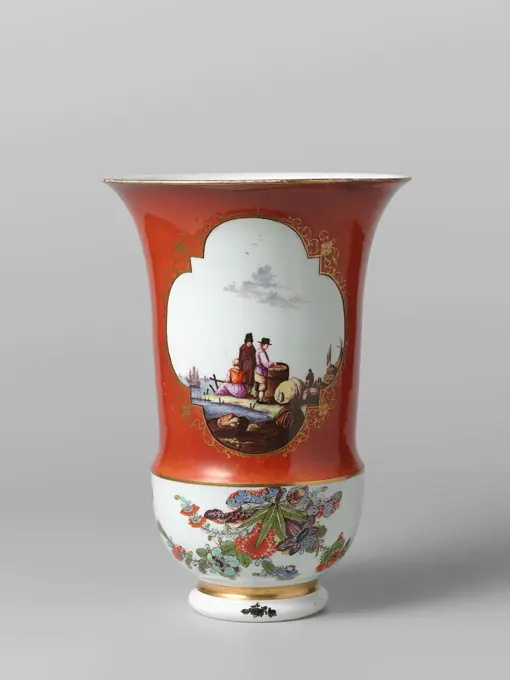
Vase;  19th century (1801-00-00-1900-00-00);Vase. Carnavalet museum, history of Paris.Arita-ware Kakiemon Gourd Shaped Ewer. Japan. Date: 1675-1700. Dimensions: 17 × 16 cm. Porcelain with enamel decoration. Origin: Japan. Museum: The Chicago Art Institute, Chicago, USA.Come with lid from v.O.C.-ship the 'white lion'. Come with lid from v.O.C.-ship the 'white lion', 100%% present. The bowl has a high wall that is almost straight up. The lip edge is round, thin and faceted. The lid has an outward running wall and a folded out edge. The lip edge is unglazed and the lid knob is formed irregularly. The foot ring is V-shaped and faceted. The shard has some contamination. The glaze is thin, has cracks and has no shine. The outside of the bowl as well as the lid is decorated with a landscape with hills, water and pagodas.Jar and lid with floral motifs, Imari type, Arita, 1700-1725, Japan.Vase 18th century China The delicate shades of pink found in the lush peonies on the surface of this vase help date the piece to the eighteenth century. The color pink was introduced from Europe to China around 1720 and quickly become part of the decoration of cloisonné enamels, as well as porcelains painted with overglaze enamel pigments such as the famous famille rose wares.. Vase 40714Vase with ducks in a pond and landscape. Vase of porcelain. The convex vessel is at a high foot. The upwards widely widely opened. On both sides S-shaped ears. Originally with lid (BK-NM-8198-2).Vessel for ginger. unknown, craftsmanVase, from a three-piece garniture set, c. 1720, 3 1/8 x 2 1/8 x 3 1/8 in. (7.94 x 5.4 x 7.94 cm), Glazed ceramic, England, 18th centuryBottle Vase With Powder Blue, Antiques and Flower Sprays. Bottle-shaped vase of porcelain with a wide, flared neck, covered with and painted in underglaze blue. On the belly three scalloped cartouches with antiques (vase with peacock feathers, flower vase, lotus leaf, presser, rolls, impeller, ruyi scepter, incense burner, lotus scepter, books). On the neck two leaf-shaped cartouches with flower branches (Aster, Prachtanjer). Blue Poudré.Can, spherical, with squeezed spout and wide, flat ear. Spherical can of multi-colored painted majolica, on a stand ring. The can have a squeezed spout and a wide, flat ear. A coat of arms is painted within a wreath at the front (on and below the spout). The weapon is divided diagonally and the upper and lower quarter contain a star, the other quarters a diamond pattern. The wreath consists of leaves in which four medallions. The year 1514 is painted on the can.Ewer, c. 1770. Chantilly Porcelain Factory (French). Soft-paste porcelain; overall: 23.8 cm (9 3/8 in.). On the basis of the style of its decoration, particularly the symbolic trophies of love derived from the repertoire of classic ornament, this ewer and basin can be dated c. 1770. At this period, the output of the Chantilly factory was largely restricted to comparatively utilitarian table wares; pieces such as these are quite rare.. Objects such as this were formerly called wig stands. However, as they occur in many different shapes and sizes, they were most likely not actually used for wigs. They may simply have been decorative objects without a specific purpose. The painted Chinese figures have almost black contours, which are filled in with tints of blue.Resource pot on the base of the cover;  19th century (1801-00-00-1900-00-00);. Pot with faience lid with a decoration to the Chinese porcelain in the transition period. The pot has a corresponding lid.Perfume decanter 1866-70 New England Glass Company. Perfume decanter. American. 1866-70. Green cased over colorless lead glass; blown, cut and gilded. Made in Cambridge, Massachusetts, United StatesVase. unknown, craftsmanCollar candlestick, Anonymous, c. 1770 - c. 1800 White collar candlestick of FUNUNUCE painted in blue, on a foot. The profiled trunk has blue painted lines on the profiles. Delft (possibly) earthenware. tin glaze. White collar candlestick of FUNUNUCE painted in blue, on a foot. The profiled trunk has blue painted lines on the profiles. Delft (possibly) earthenware. tin glaze.BUIRE. Porcelain with enamels decor "pink family", Qing dynasty (1644-1912). Provenance: China. Paris, Cernuschi museum. 78835-29 Asian art, Chinese art, art of living, bun, fine ceramic, jug, ching dynasty, Qing dynasty, tsing dynasty, fine porcelain, container, dishesVase China. Vase 52794Round Jar with Pomegranates. Korea, Korean, Joseon dynasty (1392-1910), 19th century. Furnishings; Serviceware. Wheel-thrown stoneware with underglaze blue decorationMosque Lamp first half 14th century This enameled and gilded mosque lamp on a high foot is decorated with six circular blazons of a red cup on a white field, the heraldic symbol of a cupbearer in the service of the Mamluk Sultan al-Nasir Nasir al-Din Muhammad during the last of his three reigns (1310-1340). The patron would have been either Baktamur al-Muʿazzami or Qawsun al-Nasiri, both of whom served the sultan during this period. Sultan al-Nasir's name is inscribed in three roundels on the underside of the body. The lotus flower decoration and shape of the lamp support its dating to the years between 1320 and 1340.. Mosque Lamp 444709Vase. unknown, craftsmanVase ca. 1884-93 Greenwood Pottery Company American. Vase 17732Kendi Shaped Like a Dragon. Kendi from porcelain, painted in underglaze blue. The Kendi is modeled in the form of a dragon rising from the waves with spread wings and covered with a lotus leaf; The neck and the head of the dragon form the spout; The neck is divided into three tires with depending, pointed leaf motifs, scalloped compartments with napkin work or flower raft; The raised edge with arrearing; Around the foot a bond with curl. Ming porcelain in blue and white.Terrine with lid in the form of a promotroned circle segment. Round terrine with lid and two ears in the form of a promoted circle segment; The godrews are separated from each other by red lines. The terrine has a low foot ring decorated with a bond of geometric ornament in red. The vaulted lid, with an excellent edge, has a round flat button, decorated with godrewrests in blue and gold. On the edge a geometric motif in red; On top, around the button, green leaves and red ribbons. Terrine and lid are decorated on both sides with a large blue rock with plants and flowers in red, green, manganese pour and gold. In the blue, a round spare always decorated with flowers. On the lid above the rock a field with red windows. A sprig of flowers in the terrine. Along the lid edge a golden trim. Marked with ak in blue. The terrine, broken and restored, has probably suffered at baking; Brown spots on the wall. Steel stolen 1982, lid available.Vase;  around 1875-1905 (1875-00-00-1905-00-00);. Lid of octagonal coffee pot from porcelain, painted in underglaze blue. On the lid a wide, decorative bond with curlwork, shell motifs, napkin work, flower drinks and two cartouches with a putto in it. Lid knob in the shape of a shishi (lion dog). European form and show in blue and white.. Come with lid of porcelain with two standing ears with curl work, painted in underglaze blue and on the glaze gold. The bowl is covered with bleu poudré (powder blue) with a flower basket and a flower vase (lotus, blue rain, aster, peony). The lid with the same decoration. Bleu poudré with gold.Jar (common name). Cernuschi Museum, Asia Museum of Asia in the city of Paris.Small wall-side vase. unknown, craftsman. Teapot of porcelain with a ribbed, spherical body and S-shaped spout, painted in underglaze blue. The wall is divided into courses with alternating a thriving plant (chrysanthemum, peony) and a person sitting on a fenced terrace; The shoulder with a band napkin interspersed with a flower in a cartouche. Equipped with a 19th-century silver frame and handle by Arnoldi & Wielick, Amsterdam 1850. Kraakporkein.Hexagonal vase with chinese ladies, landscapes and precious objects in panel decoration. Hexagonal vase of porcelain with angular, pear-shaped body and long spreading neck, painted on the glaze in blue, red, green, yellow, eggplant, black and gold. The body is covered with a speckled green soil with small flowers and in this six scalloped compartments with a lady in a fenced garden (long lice), a landscape and a table with shishi (lion dog) or Qilin with valuables (diamond, mint) or antiques (vase with coral and peacock feathers or lotus stalk), between the boxes depending stylized lotus flowers; On the shoulder a bond with flower drinks against a speckled green ground; On the neck raised and dependent leaf motifs with flour rinks, swastika symbol, two tires with ruyi motif next to a tire with floral drinks against a speckled green ground; the edge with zigzag pattern; A relationship with Ruyi motif around the foot. Restored edge. Famille Verte.Punch Pot. England, Staffordshire. Date: 1755-1765. Dimensions: 20.3 x 31.8 cm (8 x 12 1/2 in.). Salt-glazed stoneware, polychrome enamels. Origin: Staffordshire. Museum: The Chicago Art Institute, USA.Covered jar with landscapes, flowers and birds, anonymous, c. 1700 - c. 1724 Egg -shaped pot with lid made of porcelain, painted in underly glaze blue and on the glaze in blue, red, green, yellow and black with leaf -shaped and square cartouches with landscapes, flowers and birds against a background of stylized peonies on a green surface with black dots. In the cartouches mountain landscapes with people, ships and pavilions; Birds on rocks and flower branches from, among others, Prunus and Bamboo. Around the foot a decorative band of geometric motifs and valuables in cartouches; Around the shoulder a decorative edge with geometric motifs and flowers in cartouches. On the lid a landscape with a bird and a shishi (lion dog), surrounded by a decorative band with geometric motifs and flowers in cartouches. Two double circles on the bottom. Two cracks in the lid. Famle Verte. China porcelain. glaze. painting / vitrification Egg -shaped pot with lid made of porcelain, painted in underly gla. Square bottle of porcelain, painted on the glaze in red, green, yellow, purple, black and gold. On the walls twice pavilions on an island with rocks and flowering plants (bamboo), a bird on a branch, and twice a flying bird at a prunus branch and bamboo. On the shoulder a band with prunus branches and a leaf motif; Running around the neck. A meander pattern on the neck. The edge has been ground. Arita, decorated in Europe ? In the Japanese Kakiemon style.Cover for a Cup, c. 1780. Du Paquier Porcelain Manufactory (Austrian, active 1719-1864). Porcelain; overall: 11 x 13.9 x 9.1 cm (4 5/16 x 5 1/2 x 3 9/16 in.).Meiping vase. unknown, craftsmanWaza from the cover;  19th century (1801-00-00-1900-00-00);Ming Dynasty Vase CHINA.Covered wine pot or teapot 1662-1722 Chinese. Covered wine pot or teapot 460684Covered Box with Lotus Flowers. China. Date: 1521-1567. Dimensions: H. 9.8 cm (3 7/8 in.); diam. 11.6 cm (4 9/16 in.). Porcelain painted in underglaze blue. Origin: China. Museum: The Chicago Art Institute, Chicago, USA.Pear-shaped vase with cover, from a five-piece garniture set, c. 1764, Jacobus Halder Adriaesensz, Dutch, active 1760s, 16 1/8 x 6 3/4 x 6 in. (41 x 17.1 x 15.2 cm), Glazed porcelain, 18th centuryPot with lid.Pot with faience lid. Painted multi-colored. The pot is labeled: B-p.Wine jar (Guan), Cizhou ware. Artist: Chinese , Yuan Dynasty. Culture: Chinese. Dimensions: H. 31 cm.. Date: late 13th-early 14th century. Museum: Metropolitan Museum of Art, New York, USA.Colourful blue vintage flower painted vase China ware, Chinese porcelain on wooden backgroundOvoid tea caddy with the arms of the Van Schoonhoven and Geraerds family, anonymous, c. 1739 Cover of porcelain tea lid with egg -shaped body, painted on the glaze in blue, red, black and gold. The lid with flower vines and a Spearhead border. Glaze partially off the lid button. Weapon porcelain with email colors. China porcelain. glaze. gold (metal) painting / gilding / vitrification Cover of porcelain tea lid with egg -shaped body, painted on the glaze in blue, red, black and gold. The lid with flower vines and a Spearhead border. Glaze partially off the lid button. Weapon porcelain with email colors. China porcelain. glaze. gold (metal) painting / gilding / vitrificationTureen with cover (part of a service) early 19th century Chinese, for American market This is one of the more striking porcelains to emerge from the American trade with China. The four quadrants of the so-called Fitzhugh pattern of leaves and flowers, rendered in brilliant green enamels, serve to contrast with and accentuate the large spread eagle clutching an olive branch and a bundle of arrows in its talons. Such porcelains often feature the shield of the United States in the center of the eagle's body, yet here the shield encloses a monogram or initialsin this case an Mthat would have been painted on site in Canton per instructions given by the purchaser.. Tureen with cover (part of a service) 201259Delft pottery tulip vaseTeapot. Culture: American. Dimensions: H. 6 in. (15.2 cm). Maker: Attributed to Gottfried Aust. Date: 1756-71.Although the style of slip-trailed decoration and the floral motifs relate to Southern examples, new research suggests that these pieces may have been made in Pennsylvania. Museum: Metropolitan Museum of Art, New York, USA.Excerpt deep plate from v.o.c.-ship De 'Witte Leeuw', Anonymous, Before 1613 plate (dishes) Fragment deep plate from V.O.C. ship De 'Witte Leeuw', 60 present. Jingdezhen bone china (material)   Sint-HelenaCovered Jar. Culture: China. Dimensions: H. with metal cover: 13 1/2 in. (34.3 cm). Date: 18th century. Museum: Metropolitan Museum of Art, New York, USA.Teacup, c. 1755, 2-1/2 x 3-3/8 x 2-5/16, Porcelain, China, 18th century, This cup was part of a service made for the Seymour family, dukes of Somerset.Covered Vase 1886-90 Faience Manufacturing Company American Through its form and decoration, this vase, like many of the Faience Manufacturing Company's objects made after 1886, illustrates the Near and Far Eastern, as well as English, influence on late nineteenth-century American ceramics. Rising from a bulbous body, the long neck with domed cover recalls an Islamic minaret. Botanical motifs depicted on Japanese ceramics inspired the lavender and sepia wisteria enriched with raised gold paste that trails over the shoulder of the vase and down its sloping sides.. Covered Vase. American. 1886-90. Earthenware. Made in Brooklyn, New York, New York, United StatesORZA CON ASA Y VERTEDORES EN FORMA DE CABEZA DECORADA CON HOJAS HENDIDAS - MUEL (ZARAGOZA) - SIGLO XVI-XVII. Location: INSTITUTO VALENCIA DE DON JUAN-COLECCION. MADRID. SPAIN.Ewer and basin. The form of this set with ribbed borders was popular and used by various Delft potteries. The colours are inspired by a kind of Japanese porcelain that the Dutch called Imari, after the Japanese port of the same name. Imitating Imari was a speciality of the De Grieksche Afactory, where Jannetje van der Heul stipulated that her painters should leave especially the art of painting and firing in gold’ for her alone to do.Vase with cover ca. 1770-75 Worcester factory. Vase with cover. British, Worcester. ca. 1770-75. Soft-paste porcelain. Worcester factory (British, 1751-2008). Ceramics-PorcelainCap stand, Tin-glazed earthenware, On globe a cartouche of gesturing figure, and a floral design. Cobalt blue and manganese purple., Nevers, France, mid-18th century, ceramics, Decorative Arts, Cap standHexagonal, Covered Cup with Flower Sprays, Birds and Insects. High, hexagonal porcelain lid head, painted on the glaze in blue, red, pink, green, yellow, black and gold. A flower rosette in a medallion; around six compartments with flowering plants (O.A. Lotus, chrysanthemum, peony) with bird or insect; The back with a flower branch with six times. Family Rose.Waza from the cover;  1. PO. 18th century (1701-00-00-1750-00-00);Spouted jug ca. 1500 Façon de venise, probably Barcelona. Spouted jug 460892Cylindrical vase with flower baskets. Cylindrical, upward slightly, vase of porcelain, painted on the glaze in blue, red, green, yellow, eggplant, black and gold. On the belly twice a flower basket with peony, chrysanthemum, lotus and camellia. On the shoulder and neck loose flower branches. Famille Verte.Vase with Floral Scrolls 1736-1795 China. Porcelain painted in overglaze famille rose enamels .Incense ball late 18th-early 19th century China. Incense ball 47611Covered Vase With Stand, Model LED in Bamboo Shaped Sections With Flower Sprays. Porcelain vase, painted on the glaze in green, yellow, eggplant and black. Modeled in bamboo segments. The segments are subdivided into courses filled with flower branches, flowering plants or leaves. On the neck and shoulder of the vase a band with modeled lotus leaves. Email sur biscuit with famille verte colors.Vase, Wedgwood, English, established 1759, stoneware (Black Basalt), enameled and painted decoration, Vase in lekythos shape. Flat handle, beading about neck, small foot. Floral decoration in Chinese style of chrysanthemums and leaves, with smaller flowers in colors. Dull red bands on edges of handle and about neck and mouth., England, 1810-1830, ceramics, Decorative Arts, VaseCup ca. 1830 Mexican. Cup 2757Two Vases. Meissen porcelain manufactory, Meissen, c. 1735, Hard Paste PorcelainVase, 1662-1722. China, Qing dynasty (1644-1911), Kangxi reign (1662-1722). Porcelain; overall: 19.1 cm (7 1/2 in.).Pot. Pot of faience. Painted multi-colored.Tea caddy incised with Elizabeth Floud 1767” ca. 1767 British, Staffordshire Listen to experts illuminate this artwork's story Listen Play or pause #407. Teapots Supported by Bloomberg Philanthropies We're sorry, the transcript for this audio track is not available at this time. We are working to make it available as soon as possible.. Tea caddy incised with Elizabeth Floud 1767”. British, Staffordshire. ca. 1767. Salt-glazed stoneware with underglaze scratch blue” decoration. Ceramics-PotteryVase with Dragon-Shaped Handles 1736-1795 China. Porcelain painted in overglaze enamels .Sauce dish second quarter 16th century Italian, Castel Durante. Sauce dish. Italian, Castel Durante. second quarter 16th century. Maiolica (tin-glazed earthenware). Ceramics-PotteryVase with flowering branch motif (one of a pair) after 1872 Minton(s) Minton was the most important ceramics factory during the Victorian period and began exhibiting products at the first Great Exhibition of 1851. Founded in 1793 by Thomas Minton at Stoke-on-Trent, the firm initially specialized in transferware pottery before expanding under the ownership of Thomass son Herbert Minton, beginning in 1836. Under the ownership of Colin Minton Campbell, who succeeded his uncle in 1858, the factory became recognized as a specialist producer of Aesthetics movement porcelain, which were inspired by a rich array of exotic and eclectic decorative motifs.. Vase with flowering branch motif (one of a pair). British, Stoke-on-Trent, Staffordshire. after 1872. Bone china. Ceramics-PorcelainJar China. Jar. China. Porcelain. Ming dynasty (1368-1644), Jiajing period (1522-66). CeramicsOvoid Vase With Two Pearl Chasing Dragons. Egg-shaped vase of porcelain with short, straight neck, painted in underglaze blue. On the wall two pearl rooting four-skylight dragons between wild waves and rocks; Around the neck a bond with Ruyi motif and curl. The edge is sharpened. Blue White.Two lidded vases.Meissener Porzellan Manufakturafter prints by Charles François Silvestre (1667-1738)Meissen, c. 1730-1735hard-paste porcelainOvoid vase with two pearl chasing dragons, anonymous, c. 1680 - c. 1720 Egg -shaped vase of porcelain with short, straight neck, painted in underlaze blue. On the wall two pearls chasing four -clawy dragons between wild waves and rocks; Around the neck a band with Ruyi motif and curl. The edge is sharpened. Blue White. China porcelain. glaze. cobalt (mineral) painting / vitrification Egg -shaped vase of porcelain with short, straight neck, painted in underlaze blue. On the wall two pearls chasing four -clawy dragons between wild waves and rocks; Around the neck a band with Ruyi motif and curl. The edge is sharpened. Blue White. China porcelain. glaze. cobalt (mineral) painting / vitrificationScent Bottle; enamel, metal, glassTea-pot. Porcelain with Corail enamel decor, Qing dynasty (1644-1912). Provenance: China. Paris, Cernuschi museum. 78836-28 Asian art, Chinese art, art of living, fine ceramic, Ching dynasty, Qing dynasty, Tsing dynasty, porcelain, service to the, theiere, dishesTea bus, belonging to a coffee and tea set, painted with birds in a landscape. Tea bus, belonging to a coffee and tea set, multi-colored painted with birds in a landscape. Along the edges of napkin. Signature a in underglaze blue and rebel 4.Tea bus, belonging to a coffee and tea set, painted with birds in a landscape. Tea bus, belonging to a coffee and tea set, multi-colored painted with birds in a landscape. Along the edges of napkin. Signature a in underglaze blue and rebel 4.Vase with cover (part of a garniture). Culture: Dutch, Delft. Dimensions: Height: 21 1/16 in. (53.5 cm). Factory director: Lambertus van Eenhoorn (Dutch, 1651-1721) , factory director in 1691. Maker: De Metaale Pot Factory (Dutch, 1670-1771/75). Date: ca. 1690.Garnitures consisting of three, five, or seven vases were made for decorative purposes to be placed on top of cabinets and mantelpieces, and a garniture of large vases might even have stood in front of the fireplace during the summer months. This five-piece group is composed of a covered vase, two double gourd vases, and two beakers. The middle section on all five is painted in blue on a white ground with scattered clusters of spring flowers that seem random but are in fact carefully placed to form different diaper patterns. The borders at the bases of the vases are decorated with scrollwork and floral and leaf ornament reserved on a dark blue ground. Under the lip of the beakers and at the shoulders of the vases, similarly painAnonymous, China. Cutting, green family decor. Porcelain, polychrome enamels. 18th century. Museum of Fine Arts of the City of Paris, Petit Palais. Foot, Faience, Content, Crockery, XVIIth XVIIth XVII 17th 17th 17th centuryRound box with a wave pattern and blossoms, anonymous, c. 1650 Round box of porcelain, painted in under -glaze blue. The box is covered with a wave pattern, spread over four courses separated by a saved band. The lid with five prunus blossoms in cartouches. Lid has been broken. Transitional porcelain in blue and white. China porcelain. glaze. cobalt (mineral) painting / vitrification Round box of porcelain, painted in under -glaze blue. The box is covered with a wave pattern, spread over four courses separated by a saved band. The lid with five prunus blossoms in cartouches. Lid has been broken. Transitional porcelain in blue and white. China porcelain. glaze. cobalt (mineral) painting / vitrificationBaluster Vase with Blossoming Cherry Tree, 1714. China, Qing dynasty (1644-1911), Kangxi reign (1662-1722). Porcelain with polychrome enamel decoration; overall: 40.1 cm (15 13/16 in.).Albarello, multi -colored painted with two cartouches in which a man's portrait; The one with hat and beard, the other with a sharp profile., Anonymous, c. 1550 - c. 1570 pot Pot of multicolored painted majolica, with a struggling neck and foot. Two cartouches were painted on the pot in which a man's portrait and profile. One man wears a hat and has a sharp profile and a beard. The other man wears a hat and has a sharp profile. Browse vines, spirals and large serrated leaves are painted between the cartouches. Antwerp earthenware. tin glaze. lead glaze majolicaWater sprinkler late 17th-early 18th century China. Water sprinkler. China. late 17th-early 18th century. Porcelain painted in underglaze cobalt blue (Jingdezhen ware), metal mounts. Qing dynasty (1644-1911), Kangxi period (1662-1722). CeramicsFive-pieve garniture with with powder blue and flowering plants and animals in panel decoration.Five-part cabinet set of porcelain, consisting of two cup cubes and three lid vases. Painted in underglaze blue and on the glaze gold with three rows with compartments: the bottom row has a different flowering plant or tree in a rock with insects in each compartment; The second row is also with four different flowering plants (lotus, chrysanthemum, prunus, peony) with birds and / or butterflies. Bleu poudré with gold.Garniture, anonymous, c. 1695 - c. 1715 Cabinet of multicolored painted faience, consisting of a pot, two vases and two bottles. All parts of the cabinet are ribbed and octagonal. The pot has a lid with a button in the shape of a dog. On the parts, plants with birds are painted in the colors yellow, green, blue, purple and reddish -brown. Delft earthenware. tin glaze. Cabinet of multicolored painted faience, consisting of a pot, two vases and two bottles. All parts of the cabinet are ribbed and octagonal. The pot has a lid with a button in the shape of a dog. On the parts, plants with birds are painted in the colors yellow, green, blue, purple and reddish -brown. Delft earthenware. tin glaze.Miniature bottle vase with flowering plants, anonymous, c. 1675 - c. 1724 Miniature bottle -shaped vase of porcelain with spherical body, painted in undermglaze blue. Plants flowering on the belly in a rock; On the shoulder a band with zigzag work; The neck with twice a branch. A chip in the edge; A crack in the wall. Blue White. China porcelain. glaze. cobalt (mineral) painting / vitrification Miniature bottle -shaped vase of porcelain with spherical body, painted in undermglaze blue. Plants flowering on the belly in a rock; On the shoulder a band with zigzag work; The neck with twice a branch. A chip in the edge; A crack in the wall. Blue White. China porcelain. glaze. cobalt (mineral) painting / vitrificationBlue and white vase with framed landscape design. From the time of Joseon dynasty (1392 - 1910)Three vases. Objects with a red ground are extremely rare. Moreover, the quality of the depictions on this vase is very high: harbourscenes with a low horizon and so-called indianische Blumen, flowers of the Indies, around the neck.Fragment cup from the Witte Leeuw, anonymous, before 1613 bowl Fragment Come from V.O.C. ship De 'Witte Leeuw', 85 present. High bowl with a raised edge and scalloped lip, decorated in underlaze blue. The decor is divided into wide and narrow fields with flower branches and dot work on the inside and flowering plants, birds and bamboo on the outside between the narrow fields with bow work. In the flat a bird on a rock. Jingdezhen porcelain. bone china (material)   Sint-HelenaSquare Bottle, Grieksche A de (the Greek A Factory), Delft, Netherlands, founded 1658, Adrianus Kocx, Dutch, active 1687-1701, tin-glazed earthenware, gold, Tall rectangular body, sloping shoulders, round neck with top and bottom rim; painted in underglaze blue on white, on sides above cloud-band border with Chinese figures in landscapes and pavillions, on shoulders and neck with chinoiserie motifs; traces of gilding throughout., Delft, Netherlands, ca. 1686-1701, ceramics, Decorative Arts, bottle, bottleSquare bottle with birds, flowering plants and pavilions, anonymous, c. 1700 - c. 1724 Square bottle of porcelain, painted on the glaze in red, green, yellow, purple, black and gold. On the walls twice pavilions on an island with rocks and flowering plants (bamboo), a bird on a branch, and twice a flying bird at a prunus branch and bamboo. On the shoulder a band with prunus branches and a leaf motif; Rank around the neck. A meander pattern on the neck. The edge has been ground. A chip in the foot and some cracks. Arita, decorated in Europe  In the Japanese Kakiemon style. Japanpainter: Europe (possibly) porcelain. glaze. gold (metal) painting / gilding / vitrification Square bottle of porcelain, painted on the glaze in red, green, yellow, purple, black and gold. On the walls twice pavilions on an island with rocks and flowering plants (bamboo), a bird on a branch, and twice a flying bird at a prunus branch and bamboo. On the shoulder a band with prunus branches and a leaf motif; Rank aVase, anonymous, c. 1700 - c. 1724 Bottle -shaped vase of porcelain with a pear -shaped body, ring -shaped thickening in the neck and spreading mouth, decorated in under -glaze blue and on the glaze blue, red, green, yellow, aubergrine, black and gold. On the wall two four -pass -out plants (peony, aster) saved in a rock with a flying kingfisher or butterfly. Two leaf -shaped cartouches with flowering plants on the neck. Bleu Poudré with Famle Verte. China porcelain. glaze. cobalt (mineral). gold (metal) painting / gilding / vitrification Bottle -shaped vase of porcelain with a pear -shaped body, ring -shaped thickening in the neck and spreading mouth, decorated in under -glaze blue and on the glaze blue, red, green, yellow, aubergrine, black and gold. On the wall two four -pass -out plants (peony, aster) saved in a rock with a flying kingfisher or butterfly. Two leaf -shaped cartouches with flowering plants on the neck. Bleu Poudré with Famle Verte. China porcelain. glaze. cobalt (minHexagonal dish with graviata decoration  plant flagellum on a blue background, bats, shou characters unknownJugCylindrical miniature vase with flower scrolls, anonymous, c. 1675 - c. 1724 Cylindrical miniature vase of porcelain, painted in underlaze blue and on the glaze gold. The wall is covered with flower vines, turned on with gold. Blue White. China porcelain. glaze. cobalt (mineral) painting / vitrification Cylindrical miniature vase of porcelain, painted in underlaze blue and on the glaze gold. The wall is covered with flower vines, turned on with gold. Blue White. China porcelain. glaze. cobalt (mineral) painting / vitrification