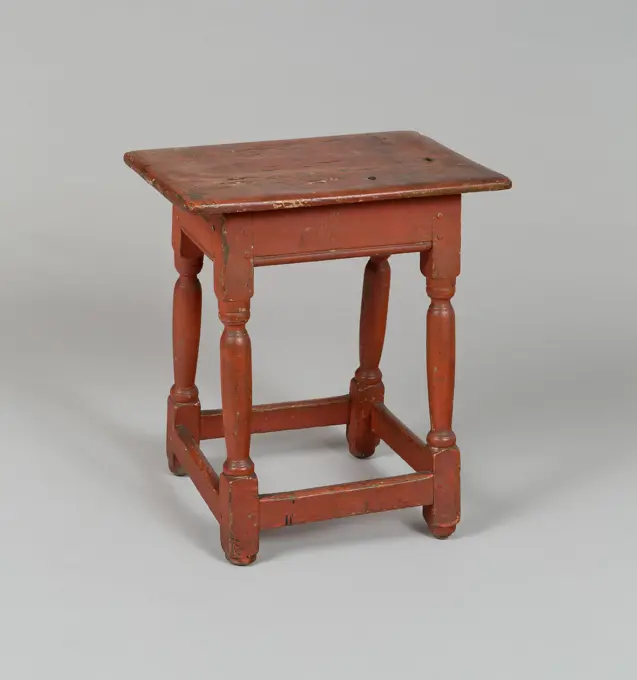
Elegant Furniture Pieces

Beautifully crafted furniture items showcasing intricate woodwork and elegance, reflecting historical design styles and craftsmanship.

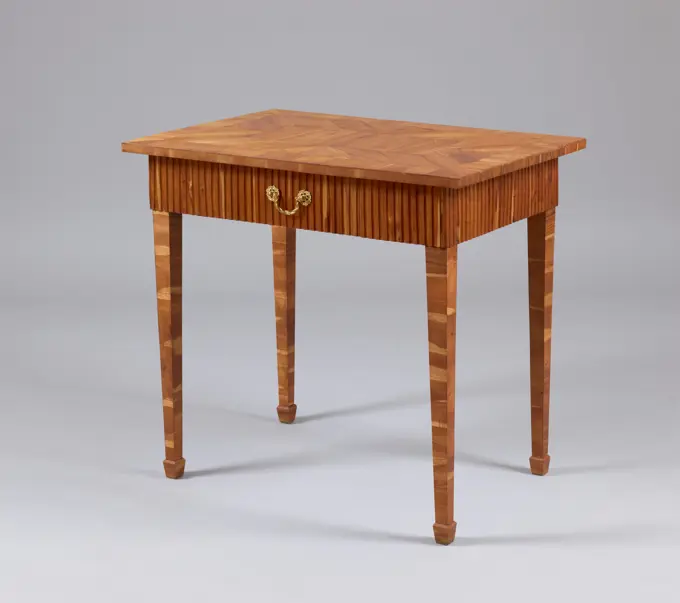
Table, 17th century, H.31-1/4 x W.35-5/8 x D.19-9/16 in., Elm wood, 'goat-liver' stone, China, 17th century
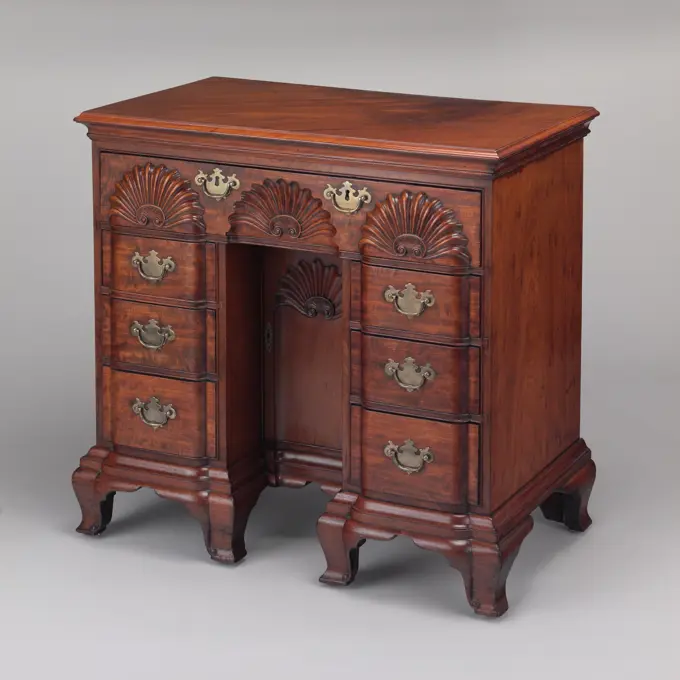
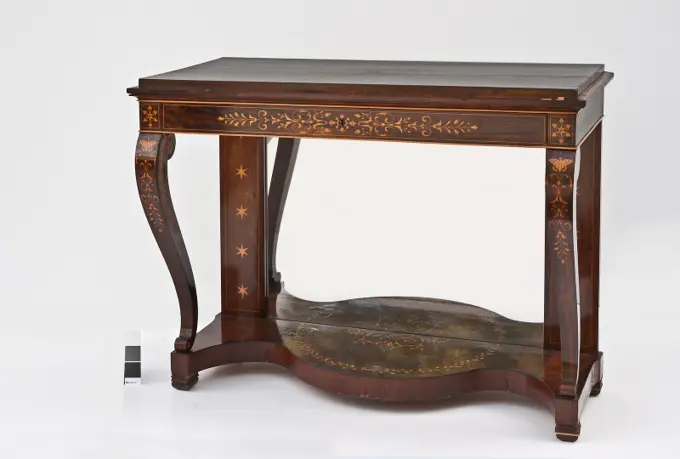
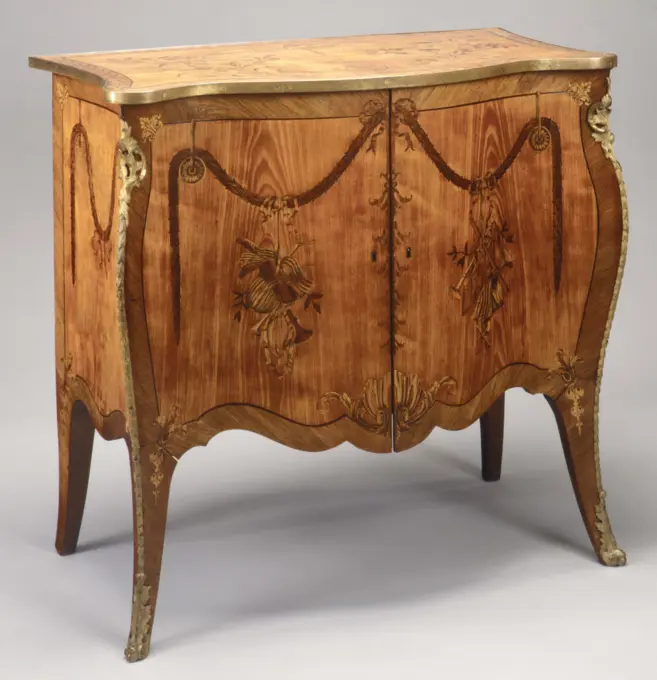
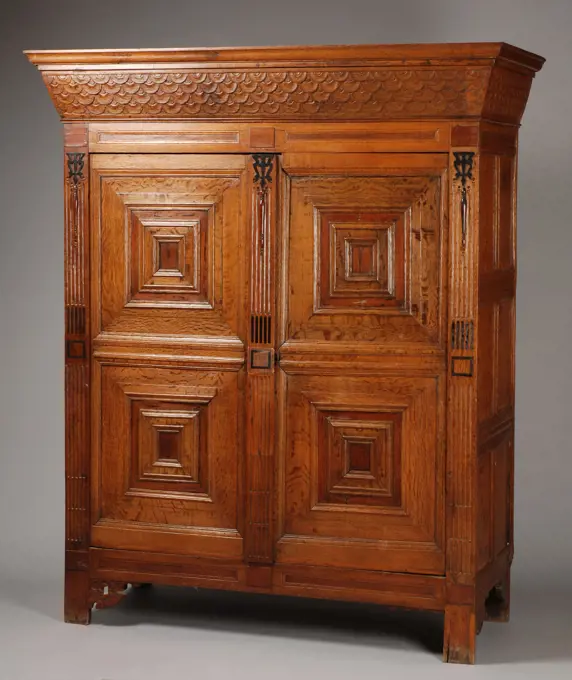
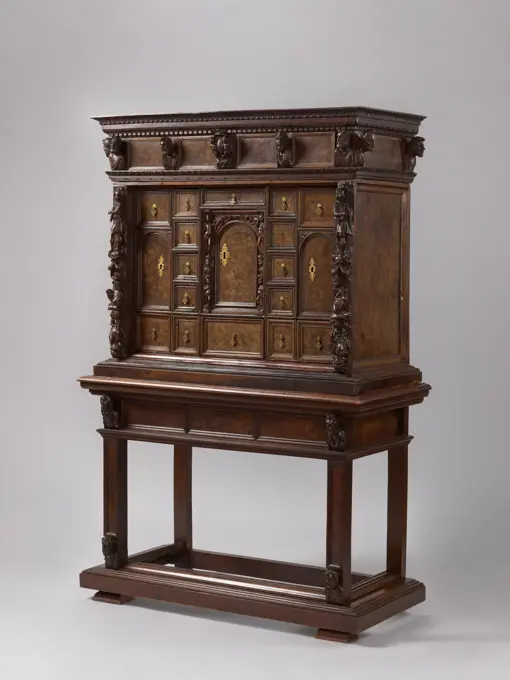
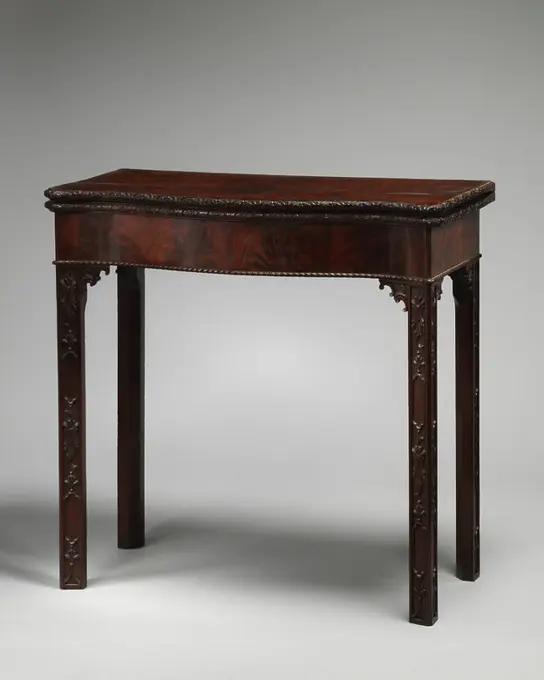
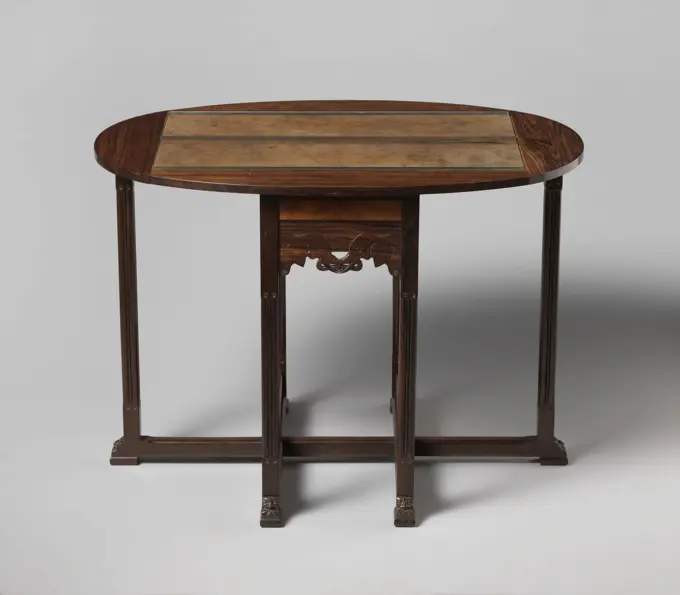
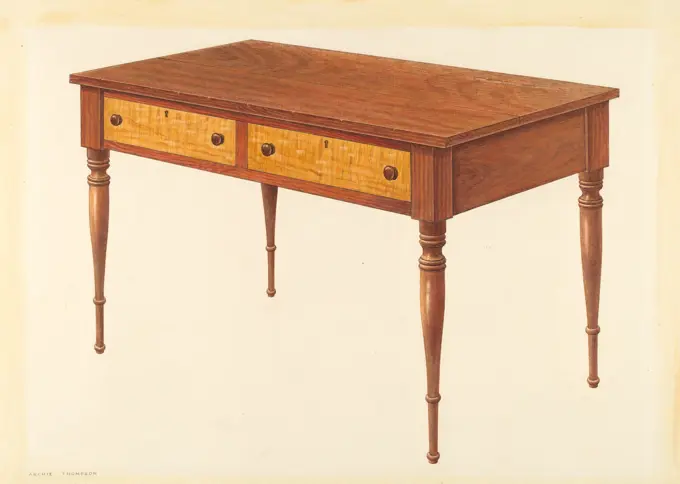
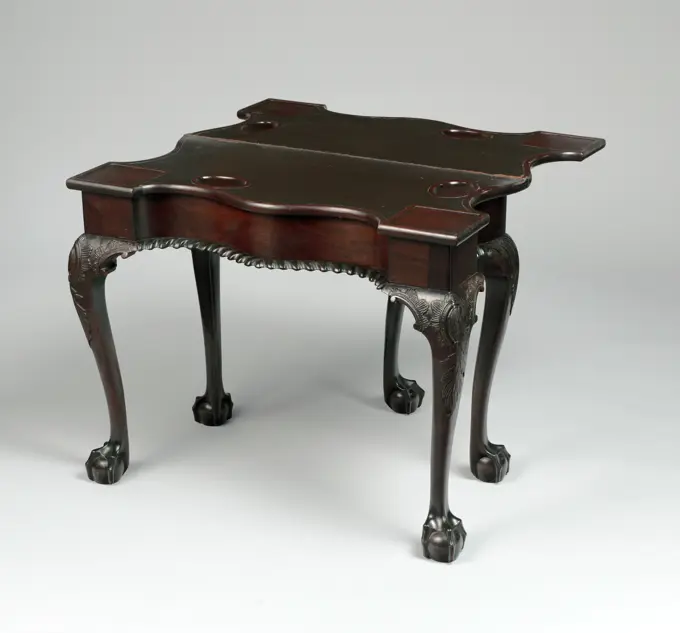
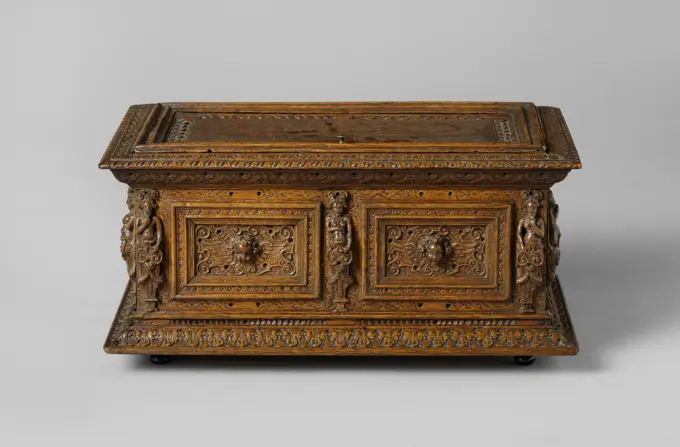
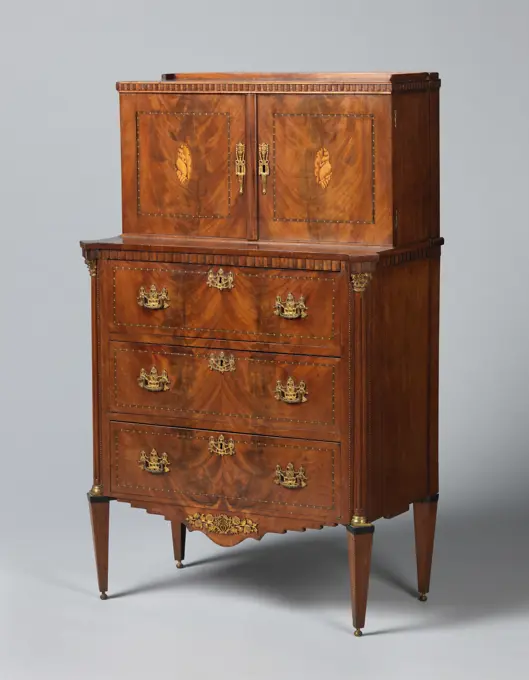
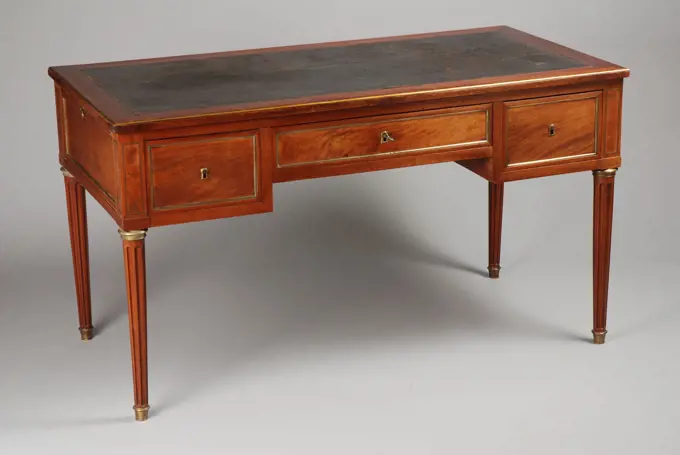
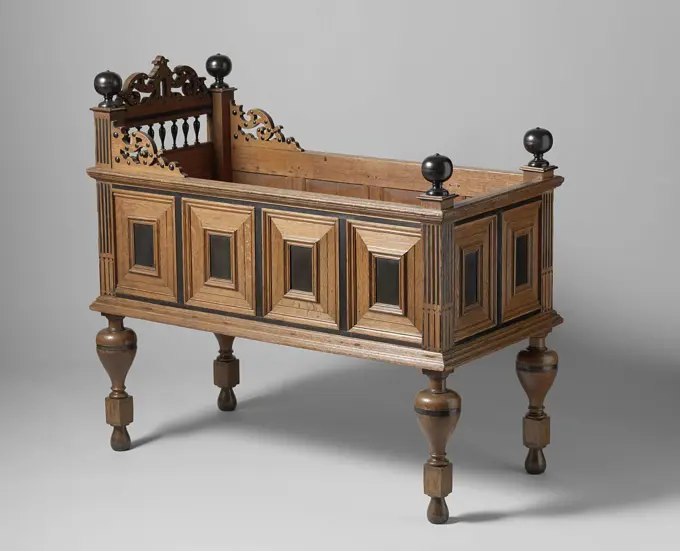
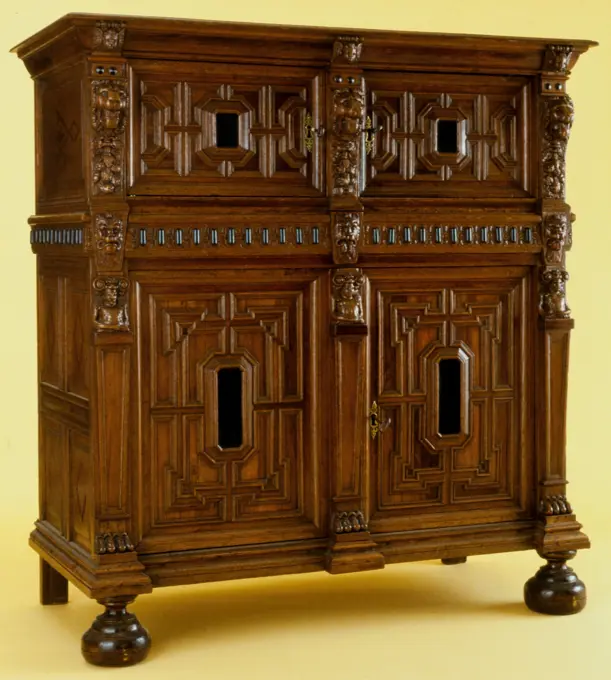
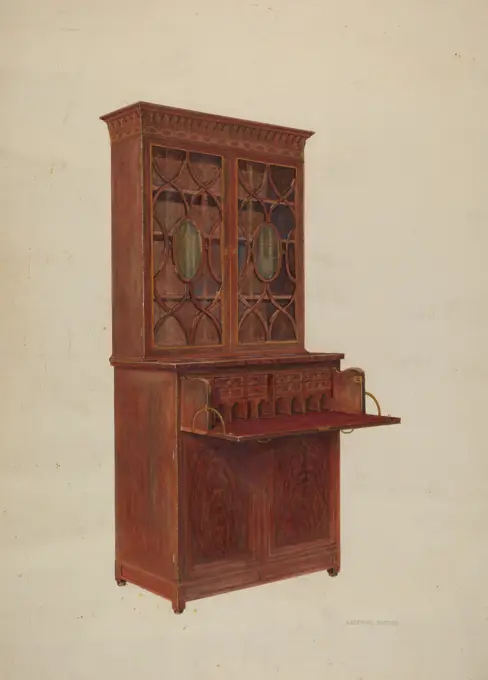
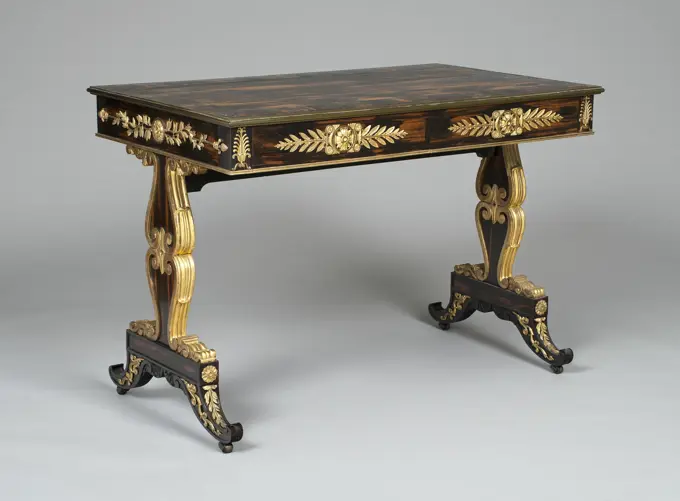
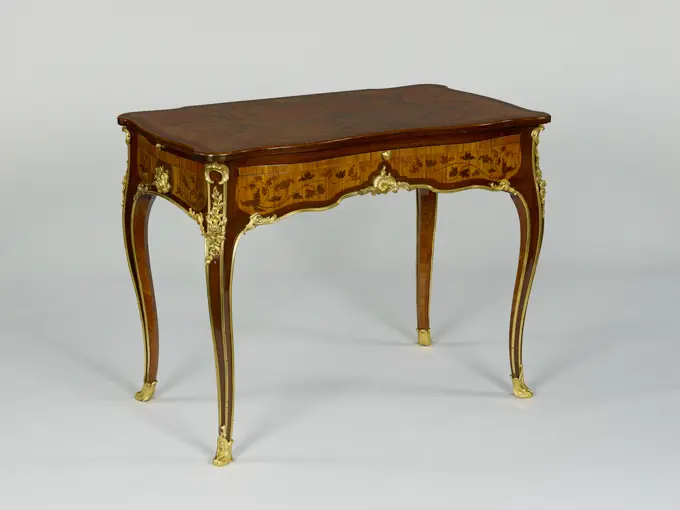
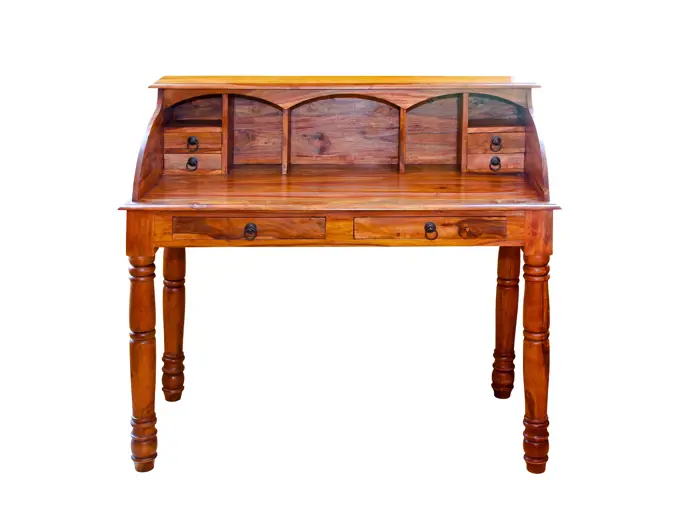
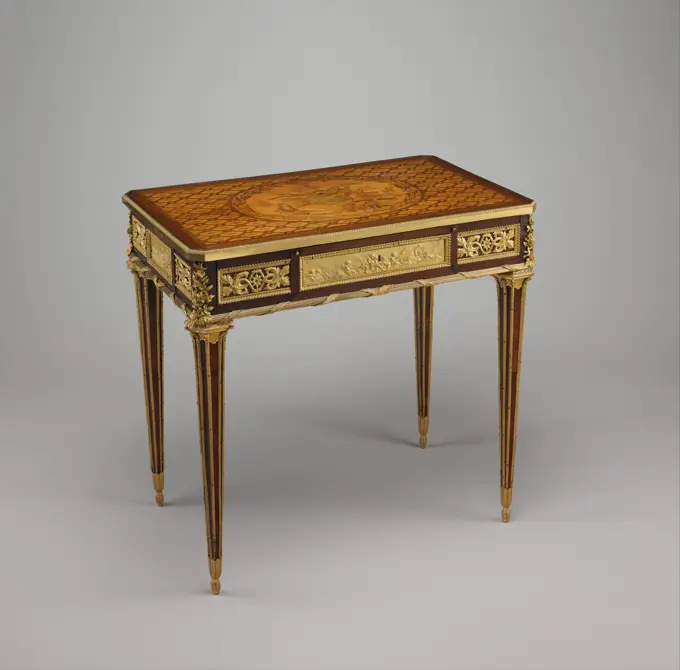
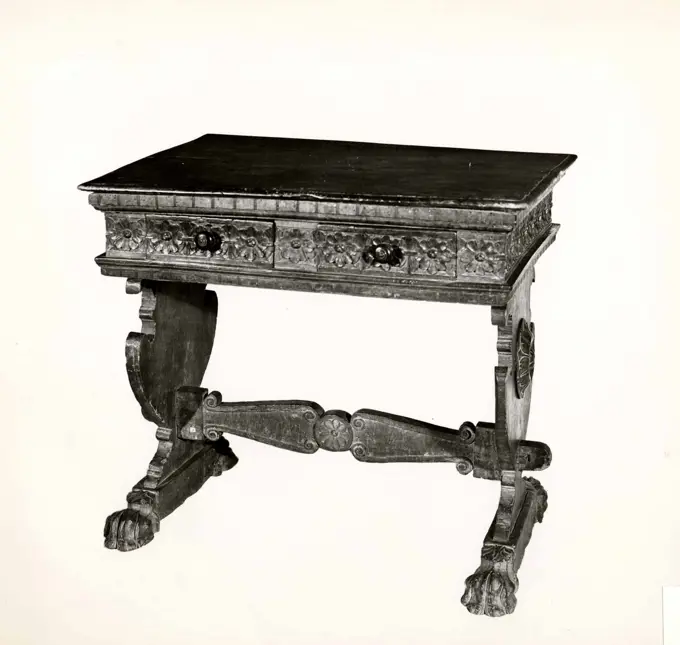
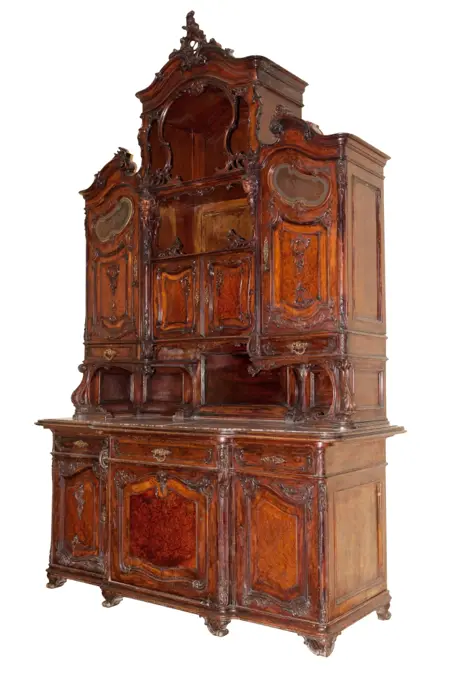
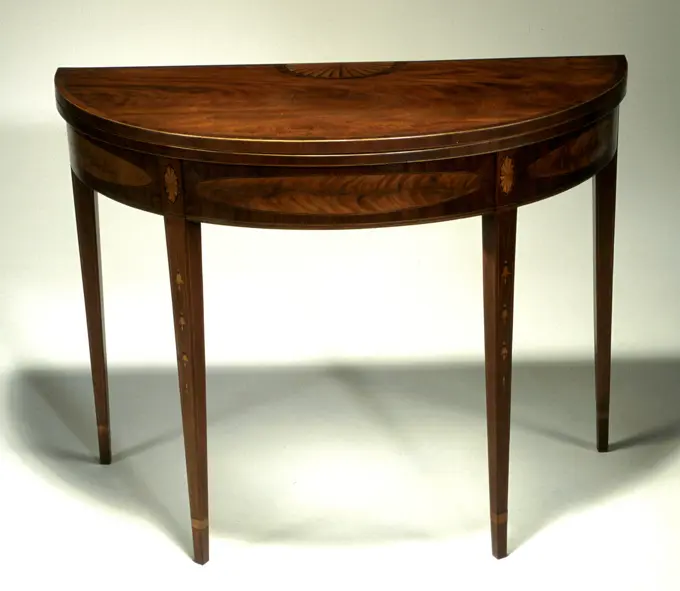
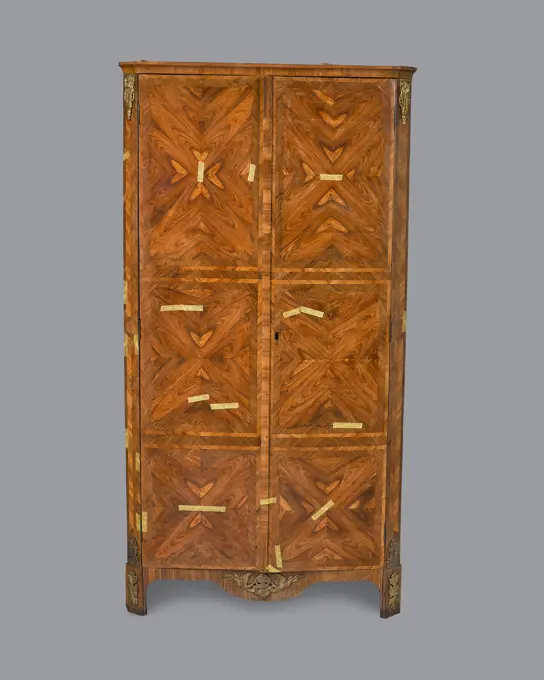
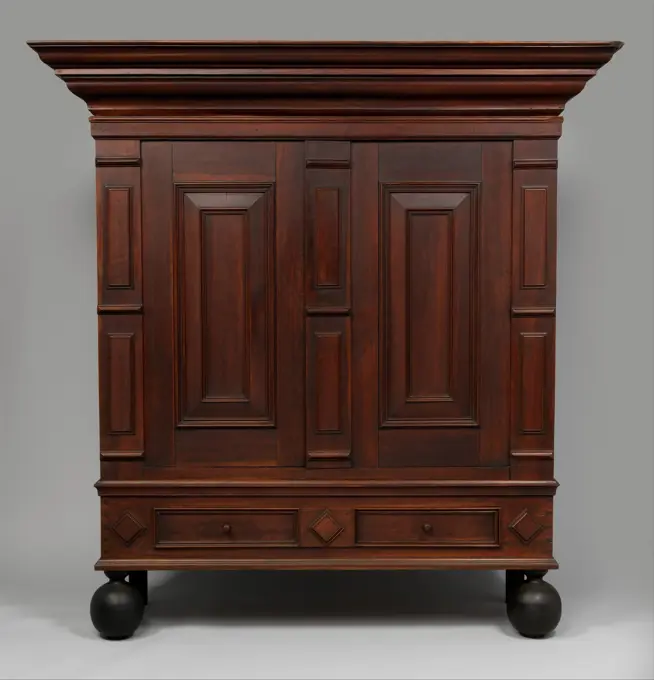
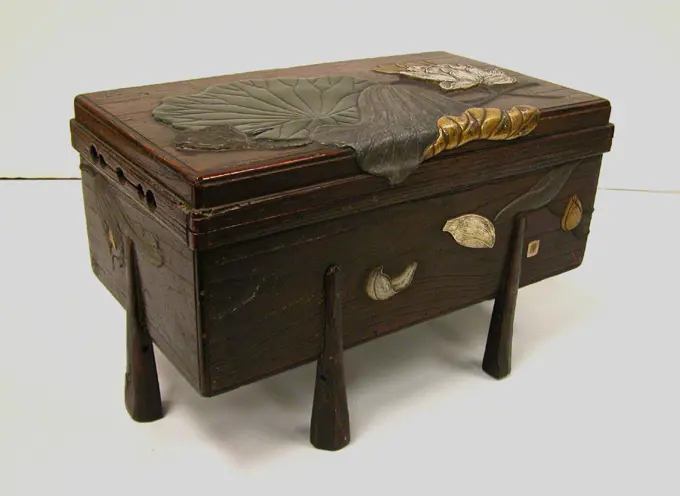
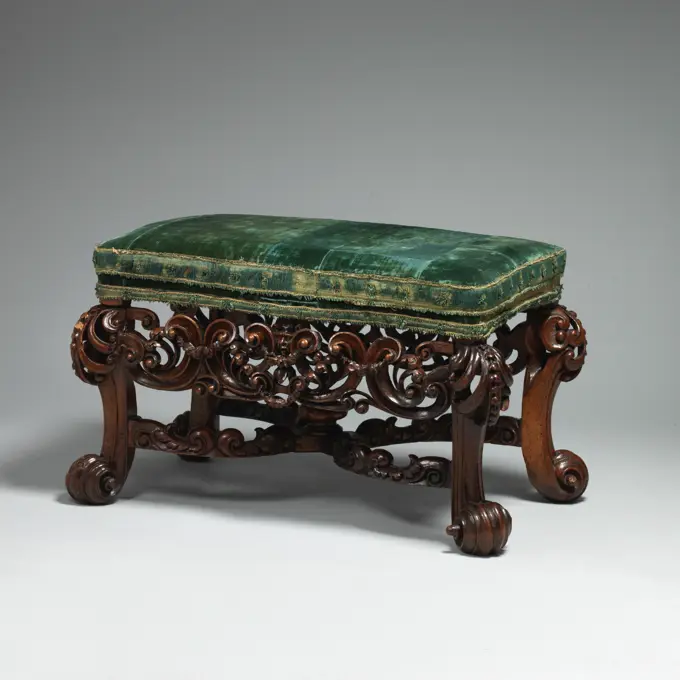
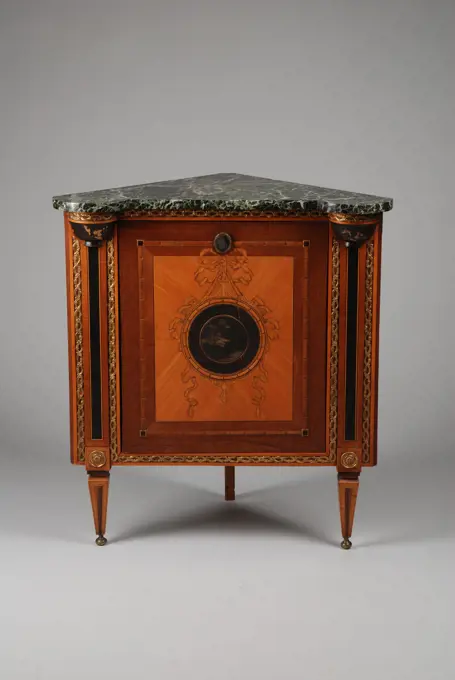
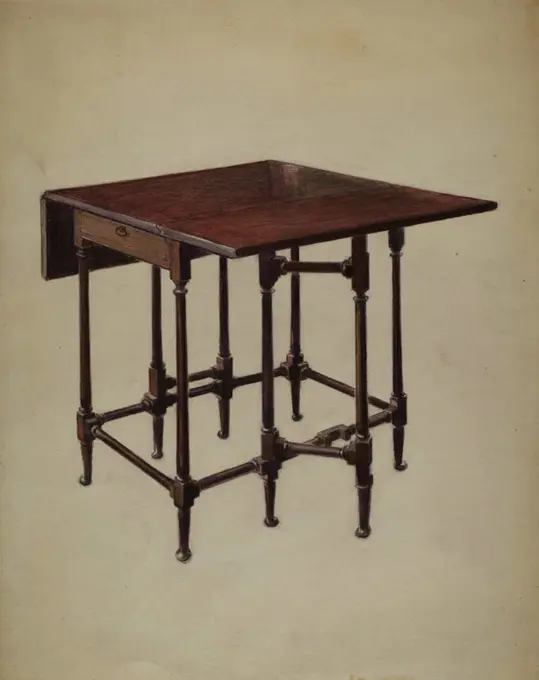
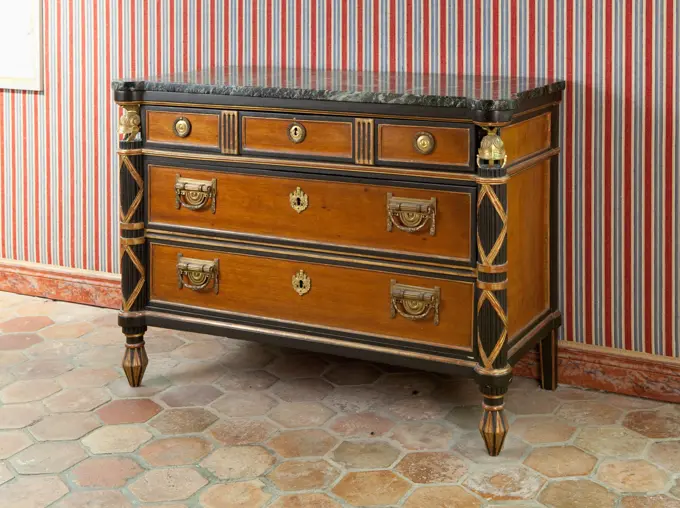
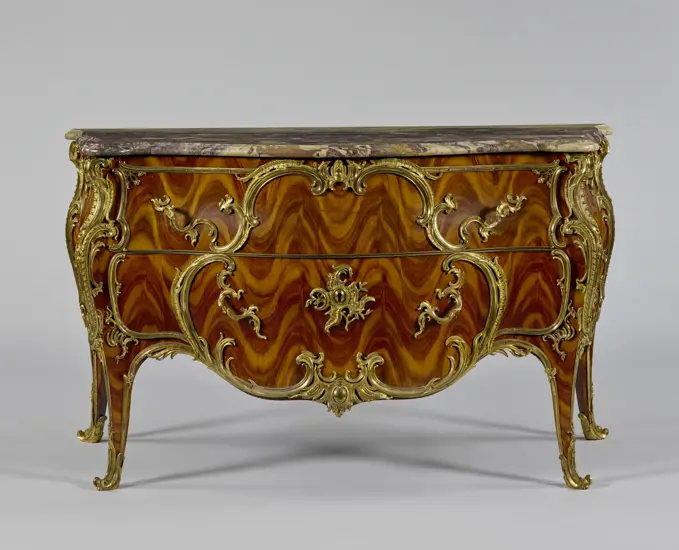
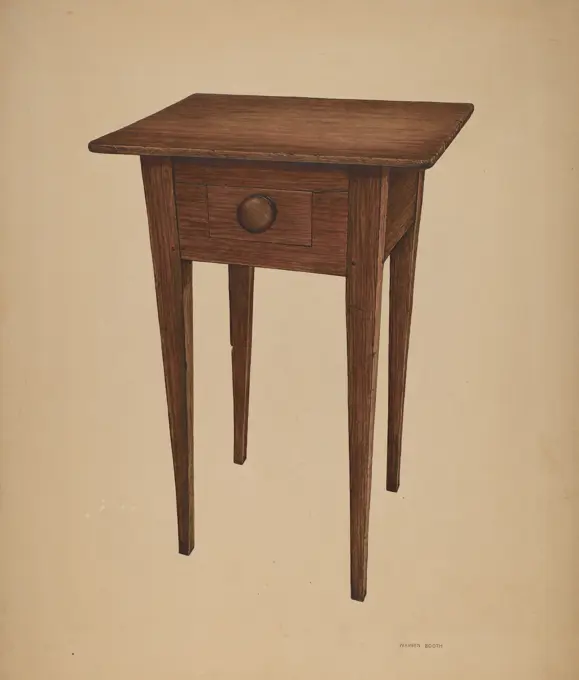
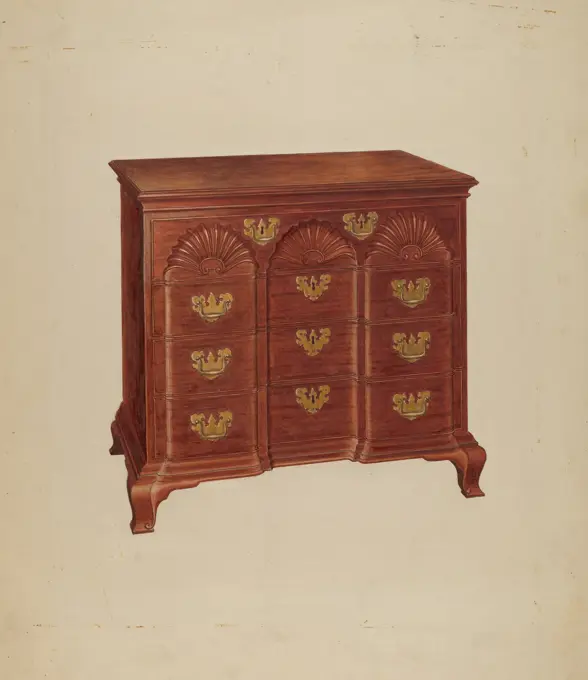
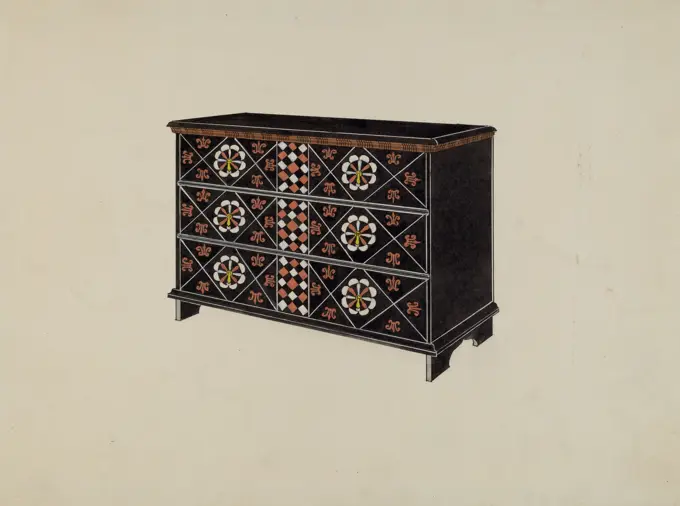
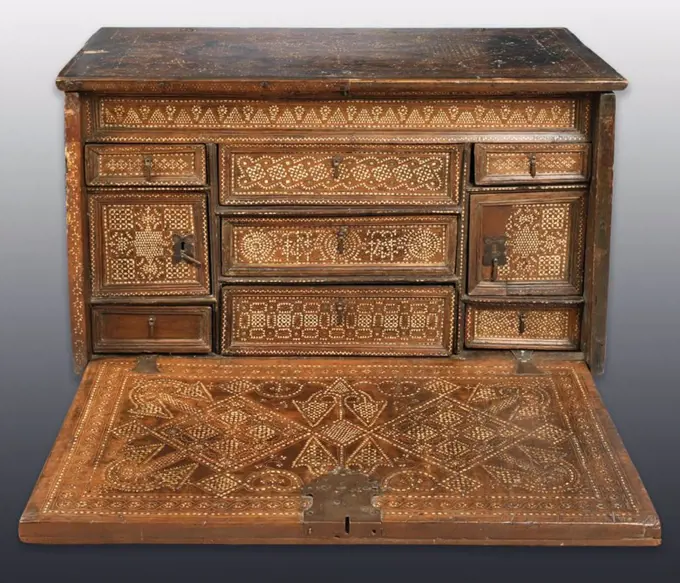
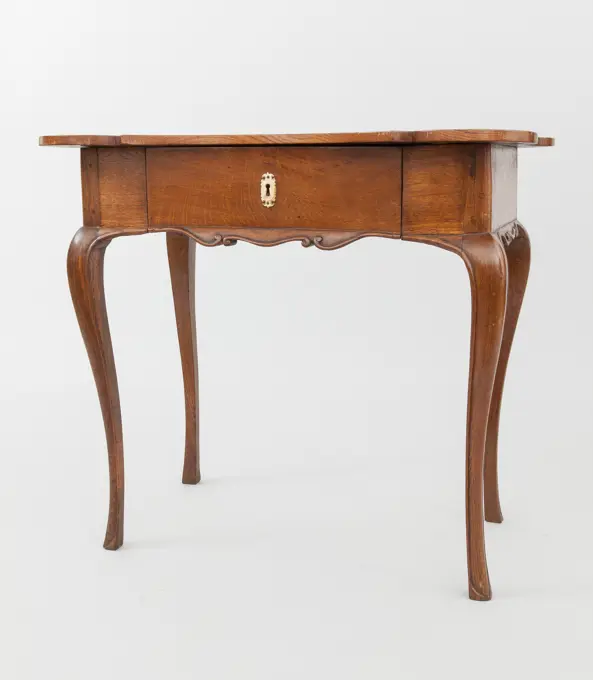
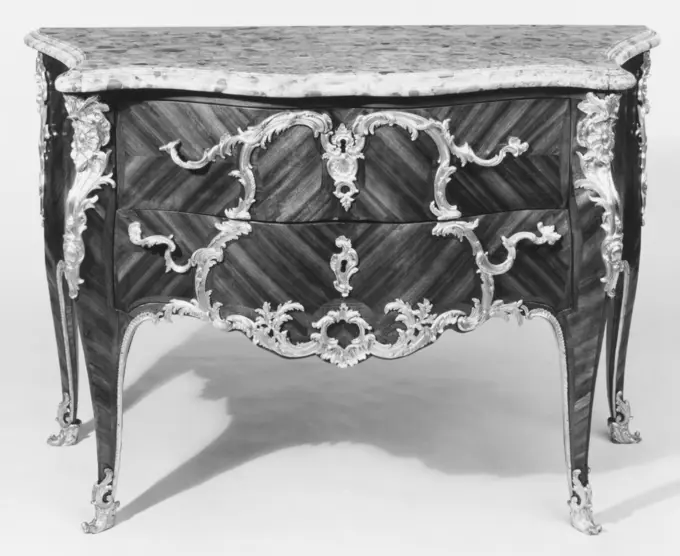
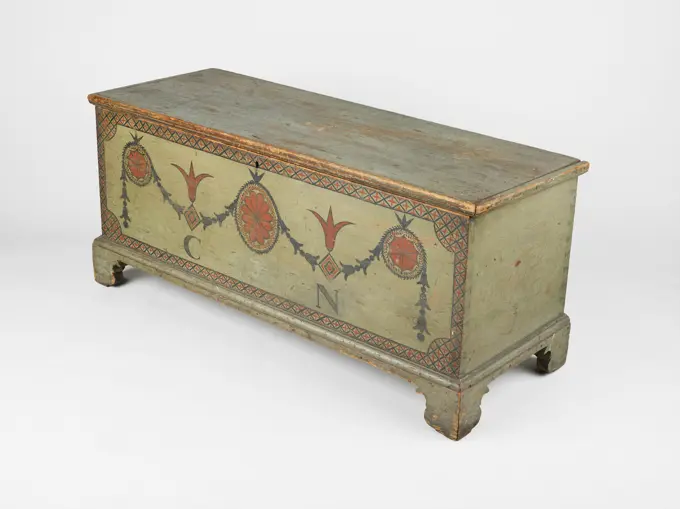
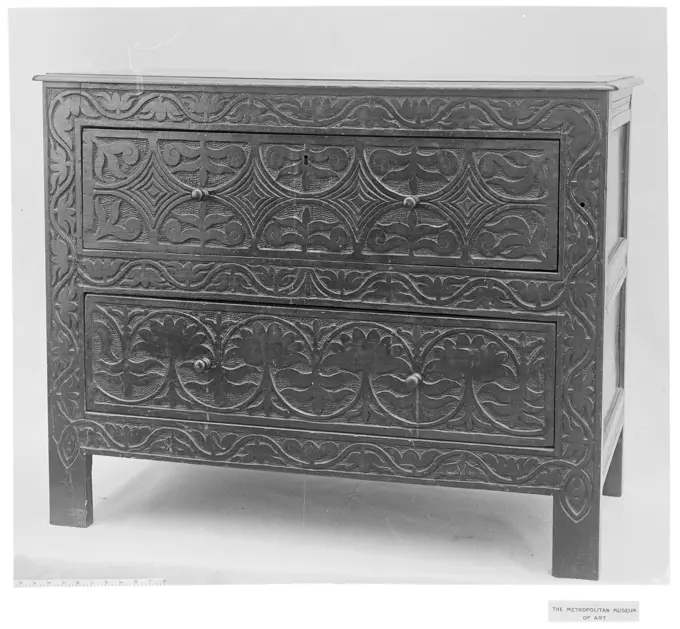
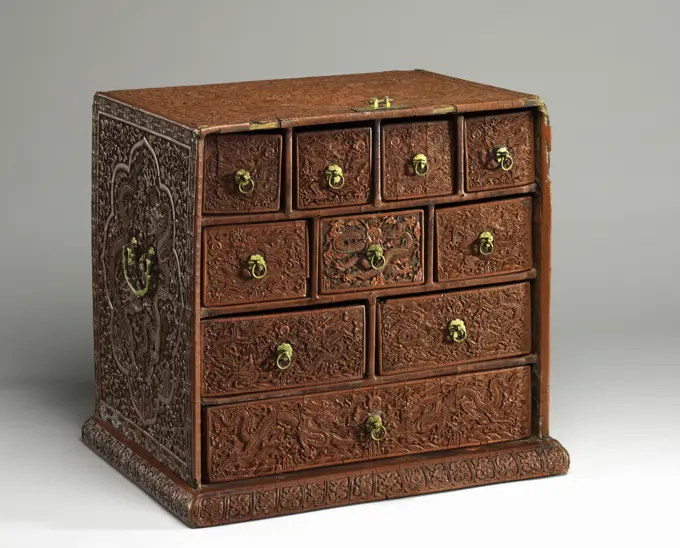
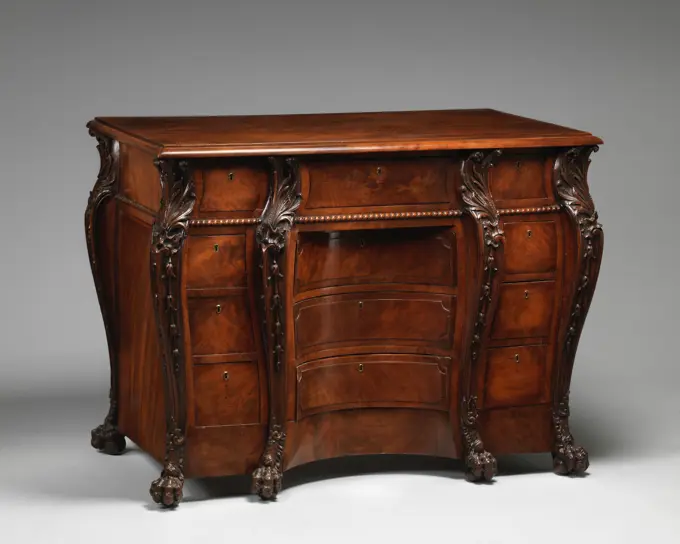
Bureau table (desk) 1750-60 British. Bureau table (desk). British. 1750-60. Mahogany and mahogany veneer. Woodwork-FurnitureTable, 17th century, H.31-1/4 x W.35-5/8 x D.19-9/16 in., Elm wood, 'goat-liver' stone, China, 17th centuryChest of drawers. unknown, creatorSTOGE piano;  1800-1825 (1801-00-00-1825-00-00);. The maker of this cabinet decorated it entirely with marquetry, some of which imitates stone. The flower vases, for example, seem to stand on a marble tabletop, which is actually made of little pieces of fancifully burled birch. Besides wood, bits of bone have been used to fashion the white and green flowers that enliven the cabinet.Michael France, Sideboard, c 1938 SideboardBureau table ca. 1765 Attributed to John Townsend American In eighteenth-century Newport, a thriving seaport ninety miles south of Boston, local cabinetmakers produced some of the most creative and uniquely American of all colonial furniture. One of their innovations was the introduction of carved, lobed shells to terminate the projecting or receding blocking on the fronts of chests and desks. On this example, a bureau table or kneehole chest, there are four shells in the distinctively elegant and crisp style of the master craftsman John Townsend.. Bureau table. American. ca. 1765. Mahogany, chestnut, tulip poplar. Made in Newport, Rhode Island, United StatesDesk; mahogany, burl walnut, burl elm, rosewood veneers, maple, pine, ash, gilt metalDressing Table c 1700-1730 Philadelphia. Walnut with Southern yellow pine, white pine, and white cedar . Artist unknownCupboard chest of drawers. unknown, creatorConsole. unknown, authorCabinet, Jan van Mekeren (attributed to), c. 1695 - c. 1710 Eikhout cabinet glued with multiple woods. A double y-shaped waving cross connects the baluster legs. The rule with drawer, like the cross, the houses, the legs and the top and bottom rule and stroke list of the upper cabinet, is decorated with flower marqueterie. The panels of the two doors show vases on tables, filled with flowers, between which butterflies and birds; Pink wood frame. On the sides an oval field with a flower vase on a table with volute legs made up of acanthus leaves. Amsterdam wood (plant material). oak (wood). ebony (wood). rosewood (wood). olive (wood). holly (wood). boxwood (hardwood). maple (wood) Eikhout cabinet glued with multiple woods. A double y-shaped waving cross connects the baluster legs. The rule with drawer, like the cross, the houses, the legs and the top and bottom rule and stroke list of the upper cabinet, is decorated with flower marqueterie. The panels of the two doors show vases on tablChest with drawers. Culture: American. Dimensions: 39 7/8 x 48 x 21 1/4 in. (101.3 x 121.9 x 54 cm). Maker: Workshop of Peter Blin (ca. 1675-1725). Date: 1675-1700.Typical of the so-called "sunflower" chests that were produced in the Wethersfield area of Connecticut, this example displays a striking combination of shallow-relief floral carving and applied decoration. The center front panel features the owner's initials surrounded by a wreath of tulips--a variant of the standard motif of three sunflowers. The carving on the panels resembles patterns for sixteenth-century embroideries. Museum: Metropolitan Museum of Art, New York, USA.Chest with Drawer. Dated: c. 1938. Dimensions: overall: 31.6 x 40.5 cm (12 7/16 x 15 15/16 in.) Original IAD Object: none given. Medium: watercolor, colored pencil, graphite and some heightening on paperboard. Museum: National Gallery of Art, Washington DC. Author: Charles Squires.Commode ca. 1765-70 British This commode in the French taste belongs to a group of commodes with marquetry decoration of musical trophies, swags of husks, and bouquets of flowers variously attributed to and documented by John Cobb, who continued (after the retirement of his partner, William Vile, in 1764) to run one of the most successful cabinet-making firms in London until his death.. Commode 196518Oak wood Gelderland two-door cabinet, cupboard cabinet furniture furniture interior design wood oak wood padwood hoses moorhen oak iron, Oak wood Gelderse two-door cupboard hood with carving in counted money pattern doors with profiled panels and marquetry inlay with two shelves .Zeeland cabinet, Anonymous, c. 1665 - c. 1670 Cupboard, so -called Zeeland cupboard, made of oak, decorated with rosewood. A Middellade divides the furniture into a lower and upper cupboard. Lion's consoles have been applied to the styles with copper rings and festons. The doors have cornis decorations and pillows with pallisanderhouten mirrors. The consoles in the hood are decorated with cherubs. Zeeland wood (plant material). oak (wood). rosewood (wood). copper (metal) Cupboard, so -called Zeeland cupboard, made of oak, decorated with rosewood. A Middellade divides the furniture into a lower and upper cupboard. Lion's consoles have been applied to the styles with copper rings and festons. The doors have cornis decorations and pillows with pallisanderhouten mirrors. The consoles in the hood are decorated with cherubs. Zeeland wood (plant material). oak (wood). rosewood (wood). copper (metal)Isadore Goldberg, Lowboy, c 1938 LowboyZeeland cabinet, glued with different types of wood, on twisted bol feet and decorated with hermatlants and caria ons, cherubs, cartouches and masks, anonymous, 1650 Cupboard, so -called Zeeland cabinet, glued with different types of wood, w.o.bruinhart on a cedar core. The furniture is divided into an upper and base cabinet by Eem Middellade. Leeuw consoles have been applied to the styles of the upper cabinet and to those of the hermatlants and a Hermkaratide. The doors of the upper cabinet carry double arched racks with cartouches, masks and cherubs and the doors of the base cabinet single arched racks with the same ornaments. The cupboard rests on turned ball legs. Northern Netherlands wood (plant material). cedar (wood). ebony (wood). walnut (hardwood) Cupboard, so -called Zeeland cabinet, glued with different types of wood, w.o.bruinhart on a cedar core. The furniture is divided into an upper and base cabinet by Eem Middellade. Leeuw consoles have been applied to the styles of theTable. unknown, authorCabinet;  2. PO. 16th century (setting); 2. PO. 19th century (base) (1550-00-00-1600-00-00);Table of Coromandelhout, inlaid with pewter piping, Carel Adolph Lion Cachet, 1920 Table of Coromandelhout, inlaid with pewter. The bought square colonets and the wide profiled middle styles of the chassis are connected by an H-shaped profiled cross with Concave, on a base side rules. In the middle an open worker is placed with two fish, closed with a line. A golf motif has been applied under the lines under the oval leaf. The veins of the wide center track and long side pieces of the leaf run in the opposite direction. Northern Netherlands wood (plant material). tin (metal) Table of Coromandelhout, inlaid with pewter. The bought square colonets and the wide profiled middle styles of the chassis are connected by an H-shaped profiled cross with Concave, on a base side rules. In the middle an open worker is placed with two fish, closed with a line. A golf motif has been applied under the lines under the oval leaf. The veins of the wide center track and long side pieces of the leaf run inCassetteDrop-leaf Table. Culture: American. Dimensions: 26 1/2 x 42 x 43 in. (67.3 x 106.7 x 109.2 cm). Date: 1700-1730. Museum: Metropolitan Museum of Art, New York, USA.Card table. Culture: British. Dimensions: Overall: 28 3/4 × 28 7/8 × 13 3/4 in. (73 × 73.3 × 34.9 cm). Date: 1765. Museum: Metropolitan Museum of Art, New York, USA.Desk-on-frameTable, oval, with six legs, standing on bottom rules that end in sculpted masks, Carel Adolph Lion Cachet, c. 1900 - c. 1930 Table, oval, with six legs, standing on bottom rules that end in sculpted masks. Loose glass plate. NOTE: Table belongs to buffet box BK-1974-50 and chair BK-1974-52. Netherlands .. oak (wood). walnut (hardwood). plywood Table, oval, with six legs, standing on bottom rules that end in sculpted masks. Loose glass plate. NOTE: Table belongs to buffet box BK-1974-50 and chair BK-1974-52. Netherlands .. oak (wood). walnut (hardwood). plywoodArchie Thompson, Bishop Hill  Tailor's Table, c 1939 Bishop Hill: Tailor's TableHigh Chest ofDrawers.  Maker: John Townsend, American, 1732/33-1809Table. Culture: American. Dimensions: 26 1/2 x 42 x 42 in. (67.3 x 106.7 x 106.7 cm). Date: 1650-1700. Museum: Metropolitan Museum of Art, New York, USA.Lorenz Rothkranz, Chest of Drawers, c 1939 Chest of DrawersCupboard. Culture: American. Dimensions: 48 1/2 x 37 1/4 x 18 in. (123.2 x 94.6 x 45.7 cm). Date: 1710-50. Museum: Metropolitan Museum of Art, New York, USA.Chest of Drawers c 1878-1884 New York. Bird's-eye maple, tulip poplar, and cherry . Artist unknownWork Table ca. 1860 F. J. Henkel. Work Table 10009Highboy. Dated: c. 1938. Dimensions: overall: 58.2 x 45.7 cm (22 15/16 x 18 in.) Original IAD Object: none given. Medium: watercolor, colored pencil, graphite, and heightening on paperboard. Museum: National Gallery of Art, Washington DC. Author: Charles Squires.Commode ca. 1770 Italian, Piedmont, possibly Turin In Piedmont, an elaborate version of French Neoclassical furniture became fashionable during the last decades of the eighteenth century. With its rectilinear design and classically inspired ornament, the commode has retained a trace of Rococo frivolity.. Commode 199802Cardtable.   Maker: John Caldwell, American, 1746-1813Card Table 1760-90 American The most sophisticated New York Chippendale-style card tables have serpentine sides, shaped corners, gadrooned skirts, and five cabriole legs ending in claw-and-ball feet. The square corners supported candlesticks, and the four oval dishes held gaming counters.. Card Table 1428Casket, decorated with hermatlants on the corners; Within the frameworks cartouches within which Cherubs. Coffin of oak. The front plate and the sides wear on the corners of hermatlants, a hermcaryatide and framings, within which fillings of cartouche ornament are arranged with cherubs in the middle. The profiled cornice is decorated with circular palms; The deck window has two decorated lists, including the lid in a tube list, decorated with Schubpeep. A leaf edge around the middle. Ojief-shaped foot with acanthus sheet. Back sign in two boxes with diamond shredding cornissions.Oak wood case, archive case coffin cabinet furniture furniture interior design wood oak, Obverse: five profiled panels on the front and fluted corner posts arched lid lying keyhole.Cabinet with two doors and three drawers, glued with mahogany. On the doors a central oval shell pattern .. oak wardrobe with top cupboard, glued with mahogany. The conical legs and corner styles, with channeled semi-columns with copper basement and corinthian capital, are placed overhoeks. The three drawers of the lowercoat carry gold-plated copper batter in the form of vases with suspended garlands. These drawers and the two doors of the upper cupboard wear rectangular and square fields slogged by bands with herringbone motif; On the doors a central oval shell pattern. Scalloped understood with batter.Sideboard. Dated: 1940. Dimensions: overall: 45.6 x 55.4 cm (17 15/16 x 21 13/16 in.) Original IAD Object: none given. Medium: watercolor, colored pencil, pen and ink, and graphite on paperboard. Museum: National Gallery of Art, Washington DC. Author: Isidore Sovensky.Mahogany Louis Seize desk flat, desk furniture furniture interiors wood oak mahogany brass leather, Mahogany Louis Seize desk-flat top and two extendable side panels covered with brown leather large drawer with brass drawer small on both sides trefoil Louis XVI Louis XVI Louis Seize Dr. Max J. Friedländer. The structure of this childs cot is clear. The ebony marquetry emphasizes the horizontal division of the panels and the openwork ornamentation accentuates the bedhead. This cot cannot be rocked as it restsfirmly on four spindle legs.Kast or Zeeuws cupboard, 17th century, 59 3/4 x 56 x 27in. (151.8 x 142.2 x 68.6cm), Oak inlaid with various woods, Netherlands, 17th century, A wealthy family would have used this large cupboard as the central storage unit of the household. The cupboard, a veritable fortress within the house, is decorated with a plethora of elements from classical architecture. Dutch architect and painter Hans Vredeman de Vries helped popularize these ancient architectural references in his fashionable engravings. As such, in addition to commanding admiration and respect for the owners taste, the cupboards façade would have also served as a conversation starter about matters of art, travel, and literature.Wall table made of gilded oak with red -veined marble leaves, anonymous, 1700 - 1725 Wall table made of gilded oak. The overhoeks placed legs rest on hooves and exist, as well as the X-shaped cross, of volutes, decorated with acanthus leaves and bell cords; A rosette in hexagon at the intersection. The table rules exhibit a women's head between acanthus leaves and flower branches on the front of the front, and a palmet between acanthus leaves. The table has a red -veined marble leaf with a profiled edge at the front and the sides. France wood (plant material). oak (wood). gilding (material). marble (rock) gilding Wall table made of gilded oak. The overhoeks placed legs rest on hooves and exist, as well as the X-shaped cross, of volutes, decorated with acanthus leaves and bell cords; A rosette in hexagon at the intersection. The table rules exhibit a women's head between acanthus leaves and flower branches on the front of the front, and a palmet between acanthus leaves. The table has a Chinoiserie cabinet on open chassis, anonymous, c. 1740 Cabinet on open chassis decorated with chinoiserie. Indonesia teak (wood). lacquer (coating) Cabinet on open chassis decorated with chinoiserie. Indonesia teak (wood). lacquer (coating)Leonard Battee, Secretary, c 1942 SecretarySofa Table 1800-1810 England. Oak, calamander, and gilt brass .Sideboard wardrobe;  2. PO. 19th century (1851-00-00-1900-00-00);CornerTable, Mahogany, eastern white pine, soft maple, black cherry, 25 3/4 × 33 7/8 × 17 7/16 in. (65.4 × 86 × 44.3 cm), The triangular top of this tableis diagonally hinged to a similarly shaped drop leaf to form a square top when opened. The Baroque period’s stylistic emphasis on geometry is reiterated in the decoration of the straight skirt, which has pendant half-circles that form scalloping. When the table was not in use, it would have been stored in a corner, with its hanging leaf facingoutward. , Possibly made in Boston, Massachusettsor possibly made in Salem, Massachusetts, American, 18thcentury, FurnitureWriting Table. Bernard II van Risenburgh (French, after 1696 - about 1766, master before 1730)Wooden desk Wooden work desk isolated included clipping path Copyright: xZoonar.com/Baloncicix 14643388Mechanical table 1781 Jean Henri Riesener French Described in an inventory of 1789 simply as a writing table, this wonderful piece offered its original owner, Marie-Antoinette, many more options than that. Made by Jean-Henri Riesener in 1781 for the queens Grand Cabinet Intérieur at Versailles, the table is fitted with a mechanism that allows the top to slide back and, at the same time, the main drawer to move forward. The central compartment of the drawer encloses a velvetlined writing surface that can be ratcheted up to form a bookstand and reversed to show a mirror. The marquetry surface on top is richly embellished with a pattern of trelliswork enclosing rosettes frequently used by Riesener on furniture for Marie-Antoinette. The central medallion encloses a trophy with the attributes of Poetry and Literature and the Latin motto Numine afflatur (“inspired by the divine nod”). This exquisite marquetry decoration, now faded, must originally have confirmed an eighteenth-century descriManufactureration with Bedstede, O.A. Sky, Wall shot, side shot and panels. Manufacturing of oak, consisting of a bedstead and wall shot. The bedstead has corner styles with a plinth, on the left a hermatant, on the right a hermcaryatide. The shaft rejuvenated to the bottom shows Schubsteek. The figures appear halfwayed naked, an arm on the back, with the other their drug-beaten robe loving. On the heads resting ionic capitals, which bear the main gear. This has a frieze, divided into courses, divided into courses, within which a Moresk cartouche with ebony caps to oak pillows. The consoles were treated with shell decoration as lion's heads. The frieze is closed above with a flat edge list, which is crocked over the consoles. The ogief-shaped crown table rests on small consoles. In the porch, the upper spray (bottom of the architraph) has a healed tooth list with support pieces in the corners. The side shot has styles and head frame on the outside as at the front and two panels placed tea table, black, with leaf with marqueterie, horrix brothers, c. 1865 - c. 1875 Tea table of Zwartigfd Mahonie and Oak. The four transit, frequently curved profiled legs are connected at the height of the second swelling by a plateau opened in geometric shape with curved sides. The legs carry a scalloped deck with a raised edge above a wall, which contains an extension leaf on the short sides. The scalloped tea leaf has two handles, decorated with Acanthus leaf and shows birds and flowers in Marqueterie in the middle. Brass piping. The Hague wood (plant material). oak (wood). mahogany (wood). canvas. glass. brass (alloy) Tea table of Zwartigfd Mahonie and Oak. The four transit, frequently curved profiled legs are connected at the height of the second swelling by a plateau opened in geometric shape with curved sides. The legs carry a scalloped deck with a raised edge above a wall, which contains an extension leaf on the short sides. The scalloped tea leaf has two handles, decorated witTwo-Drawer Table, 17th century, 34 1/8 x 43 13/16 x 24 11/16 in. (86.68 x 111.28 x 62.71 cm), Huang-hua-li hardwood, China, 17th century, While useful for the storage of small items, recessed-leg tables with drawers do not appear often in late Ming woodcuts or paintings and relatively few have survived. The late Ming edition of the Lu Ban Ching carpenter's manual does, however, illustrate a woman using a two-drawer table like this one in combination with a mirror stand as a dressing table. The sumptuous carving of flowering plum branches on the drawer fronts is decoration appropriate to women's furniture.Table 16th century, second quarter Italian, Umbria (Tuscany). Table 460821Ancient sideboard. Sideboard 1600-1700. A museum piece castle Lvov, UkraineChair. unknown, authorPossibly William Whitehead, Demilune Card Table, c. 1795, mahogany with satinwood inlay.Anonymous, wardrobe, 1770, rosewood veneer. Chiseled and gilded bronze. Carnavalet museum, history of Paris.Kast 1740-70 American. Kast 21122Sutra chest 18th century Mochizuki Hanzan Japanese. Sutra chest. Mochizuki Hanzan (Japanese, 1743-1790). Japan. 18th century. Colored lacquer, gold, and ceramic on natural wood. Edo period (1615-1868). LacquerWalnut cabinet inlaid with marquetry, 1905. Artist: Shirley Slocombe.Bookcase ca. 1855 American. Bookcase 561Chest of Drawers. Dated: c. 1939. Dimensions: overall: 45.7 x 35.5 cm (18 x 14 in.) Original IAD Object: Body of chest 32"high; 41"wide; 20"deep. Splashbrd., 8 1/2". Medium: watercolor, colored pencil, pen and ink, and graphite on paperboard. Museum: National Gallery of Art, Washington DC. Author: Frank Wenger.Game table;  3. W. 19th century (1851-00-00-1875-00-00);Buffet cupboard consisting of a base cabinet and a top cabinet inlaid with ivory and carvings consisting of grape vines and trusses, Theo Nieuwenhuis, Kunsthandel E.J. van Wisselingh, c. 1905 Buffet cupboard consisting of a closed lower cabinet and an open top cupboard. The base cabinet contains four doors, the two middle -sized ten centimeters jump forward. There is a drawer above each door. The upper cupboard has a rear wall with rounded corners that is divided into four sections by means of styles. The two exterior styles are crowned by a sliced squirrel that eats a note, the two middle styles are crowned by three cut leaves. Between these two middle styles a display cabinet has been installed that rests on the marble top of the base cabinet by means of four corner styles. The two pre -styles protrude and are crowned by a sliced hazelnut with leaves. The display cabinet contains two doors that are equipped with a rod distribution of four windows each. There are three shelves on eithSmall Occasional Table, late 17th century-early 18th century, 28 9/16 x 26 x 17 7/16 in. (72.55 x 66.04 x 44.29 cm), Huang-hua-li hardwood, China, 17th-18th centuryTable;  End of the 18th century (1780-00-00-1800-00-00);Méyet, Leopold (1850-1912) - collection, gift (provenance)Stool (one of a pair) ca. 1690 British This stool and its mate (58.166.1) were formerly at Drayton House, Northamptonshire, England.. Stool (one of a pair). British. ca. 1690. Walnut, velvet not original to the frame. Woodwork-FurnitureLouis Seize corner cupplate, corner cupboard cupboard cabinet furniture furniture interior design wood oak wood satinwood maple wood purple heartwood brass marble stone lacquer, p. 55.5 Louis Seize corner cupboard with green-marble top and Japanese lacquered panel above the pillars are capitals in the shape of bowls marquetry door with medallion with bow brass fittings Rotterdam Delfshaven Middelland Heemraadssingel Louis XVI Louis XVI Louis Seize From house at Heemraadssingel Rotterdam.Child's Desk 1730-60 American. Child's Desk 2051Table (Drop-leaf). Dated: c. 1936. Dimensions: overall: 29.2 x 23 cm (11 1/2 x 9 1/16 in.) Original IAD Object: 29"high; 30 3/4"long; 16"wide (31 with leaves open). Medium: watercolor, colored pencil, gouache and graphite on paper. Museum: National Gallery of Art, Washington DC. Author: Bernard Gussow.Anonymous. Beams. Building: oak; Placing: mahogany and bronze green painted and gilding beech; gilded bronze; Sea green marble. 1795. Paris, Carnavalet museum. Mobilier, 18th century 18th 18th 18th 18th 18th century, dresser, furnitureCommode. Attributed to Jean-Pierre Latz (French, about 1691 - 1754)Warren Booth, Table, c 1940 TableFrancis Borelli, Chest of Drawers, c 1938 Chest of DrawersMartin Partyka, Blanket Chest, c 1936 Blanket Chest. Cabinet, Z.G. Pillow cabinet, glued with rosewood and ebony on an oak core. The styles have half columns, whose capitals on the corners wear cherubs and a monster mask in the middle. The doors have thickened cushions, the backs of which are decorated with festans. The main frame has a frieze with acanthus drinks and a cherub in the middle. The cornice has corner pieces with masks and cherubs and a lion mask in the middle, a lobe cartouche with a cherub.BARGUEÑO DE MADERA (EN EL MUSEO DE SANTA CRUZ). ARCA O CONTENEDOR CON CAJONES Y TAPA ABATIBLE A MODO DE ESCRITORIO.TableBrass and iron design fitting on antique wooden planter, Jodhpur, Rajasthan, India Copyright: xSafatxAli/DinodiaxPhotoxDower Chest. Culture: American. Dimensions: 28 5/8 x 52 1/2 x 23 in. (72.7 x 133.4 x 58.4 cm). Date: ca. 1780.Twentieth-century American collectors prized the distinctive eighteenth-and early-nineteenth-century pottery, fraktur, and furniture made by immigrants of Switzerland, the Palatinate, and the Upper Rhine Valley of Germany, who had settled throughout southeastern Pennsylvania. A sampling of this Pennsylvania German "folk art" later appeared in the Index of American Design, a Federal Arts Project of the New Deal era, which helped to popularize aesthetics among modern collectors and artists. The unicorn and men-on-horseback design on this painted chest are motifs often depicted on marriage chests created in Berks County. Museum: Metropolitan Museum of Art, New York, USA.Chest with Drawers. Dated: c. 1937. Dimensions: overall: 30.6 x 23.2 cm (12 1/16 x 9 1/8 in.) Original IAD Object: 32 3/4"high; 38"wide; 18"diam.. Medium: watercolor, colored pencil, gouache, pen and ink, and graphite on paperboard.. Museum: National Gallery of Art, Washington DC. Author: Isidore Sovensky.. Cabinet decorated with marquetery. The lower case contains two large and two small drawers, surrounded by a leaf edge. The sides show scooped fields with a rosette, around acanthus leaf volutes. The drawers and the two doors and sides of the floor cabinet show fields with a shell-shaped motif in the middle, surrounded by symmetrical acanthus bladders. The scalloped and circular fields on the doors are connected by a leaf edge covered as a braid band. Frisian with drawer, decorated with three fields.Table top, table foot;  The beginning of the 17th century (1601-00-00-1630-00-00), beginning of the 17th century (1600-00-00-1630-00-00);Table with rectangular leaves, decorated with leaf vines, flower buds and rosettes and with stylized volutes, profiled rules, anonymous, c. 1600 - c. 1699 Rectangular Ebbehouten table decorated with sculpture. The four legs and the sports are thrown and decorated with braid. The sidewalks are decorated in relief against a landscape background with leaf vines with flower buds and rosettes; On the front and back line a narrow Frisian with similar sculpture, including stylized edges with leaf work. The rules are profiled on the backs. The rectangular leaf that consists of two parts has a semi -rounded edge. Indonesia (possibly) wood (plant material). ebony (wood) Rectangular Ebbehouten table decorated with sculpture. The four legs and the sports are thrown and decorated with braid. The sidewalks are decorated in relief against a landscape background with leaf vines with flower buds and rosettes; On the front and back line a narrow Frisian with similar sculpture, including stylized edges w. Bank of pickled pine. The narrow seat rests on cheeks and under the line has a scalloped decorative piece with broken vultuts, in the middle a symmetrical leaf pattern with branches and on the corners brushes. The high back has a midfield, bottom and above scallops, which is hung in relief yacht traps, to ribbons, above which beam motifs, which are thrown together, brought together from below. Volute consoles were insulated on either side. To award acanthus leaves in the middle of two degrees broken volutes.Kassa (Ticket Office)' still bank, early 20th century, 4 3/4 x 2 9/16 x 2 1/8 in. (12.07 x 6.51 x 5.4 cm), Metal, pigment, Russia (possibly), 20th centuryCommode ca. 1745-49 French, Paris. Commode 205765Drop-leaf dining table. Culture: American. Dimensions: 28 3/4 x 47 7/8 x 39 1/4 in. (73 x 121.6 x 99.7 cm). Date: 1795-1810.This dining table consists of two demi-lune sections, each with a hinged leg to support a rectangular drop leaf. When fully assembled, the table could comfortably accommodate eight chairs. Museum: Metropolitan Museum of Art, New York, USA.Chest c 1805-1820 Albany County. White pine and painted decoration . Artist unknownBank, decorated with ellipse shapes and cords., Anonymous, 1780 Oak sofa with an openwork back with ellips -shaped openings and armrests. The conical legs are scanned. The seating rules, armrests and backrest are decorated with cords. Northern NetherlandsNetherlands wood (plant material). oak (wood) Oak sofa with an openwork back with ellips -shaped openings and armrests. The conical legs are scanned. The seating rules, armrests and backrest are decorated with cords. Northern NetherlandsNetherlands wood (plant material). oak (wood)Chest of Drawers 1675-1700 American, probably. Chest of Drawers. American, probably. 1675-1700. Oak, pine. Probably made in United StatesT'i-hung, 1595. China, Ming dynasty (1368-1644), Wanli reign (1572-1620). Carved cinnabar lacquer; overall: 38.1 x 40.8 x 34.5 cm (15 x 16 1/16 x 13 9/16 in.).Specimen Chest Chest; England; woodStool c 1690-1720 New England. Maple . Artist unknownPrinting cabin. With original 121 photos on cardboard, see RP-F-AA3192-A T / M RP-F-AA3192-Z.