Elegant Furniture Pieces

Beautifully crafted furniture items showcasing intricate woodwork and elegance, reflecting historical design styles and craftsmanship.

Table, 17th century, H.31-1/4 x W.35-5/8 x D.19-9/16 in., Elm wood, 'goat-liver' stone, China, 17th century
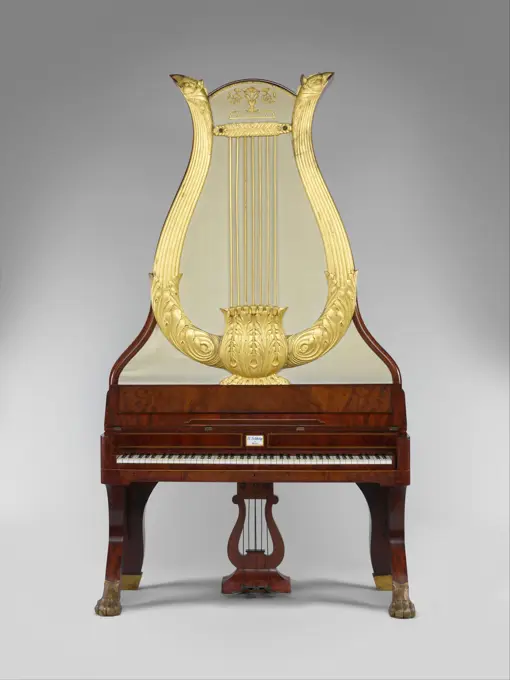
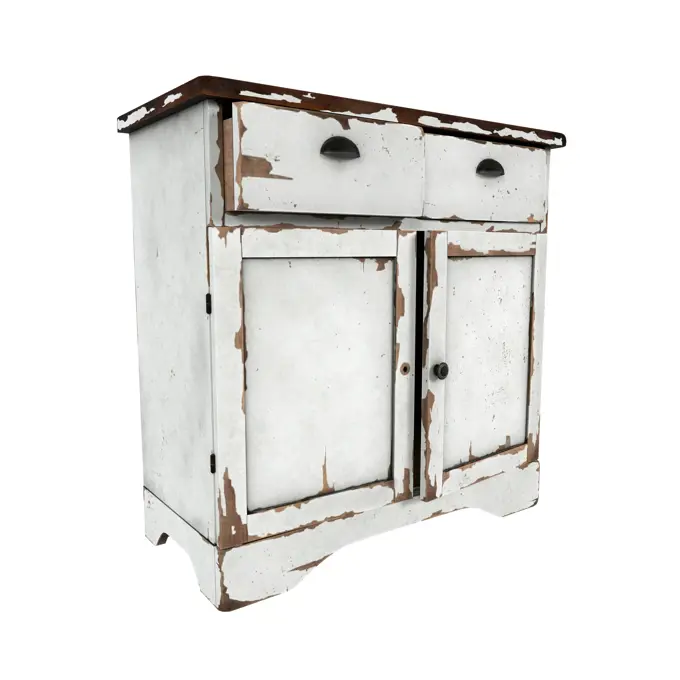
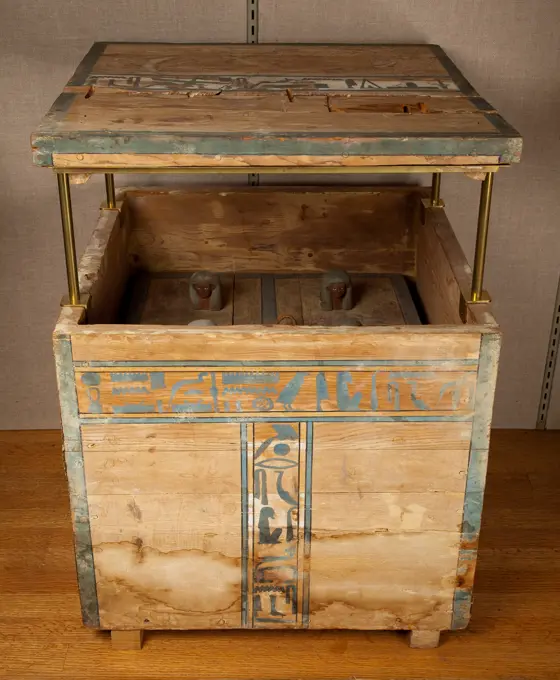
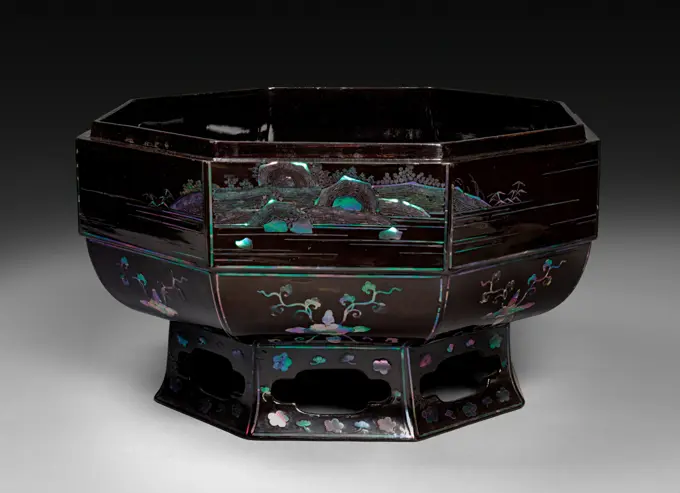
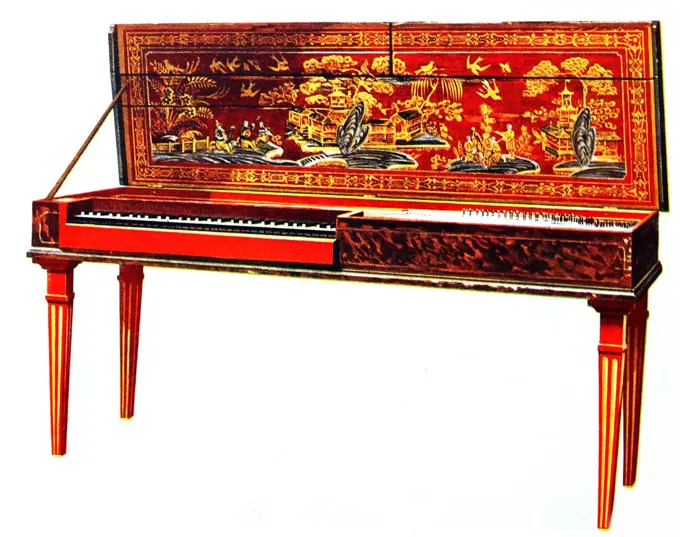
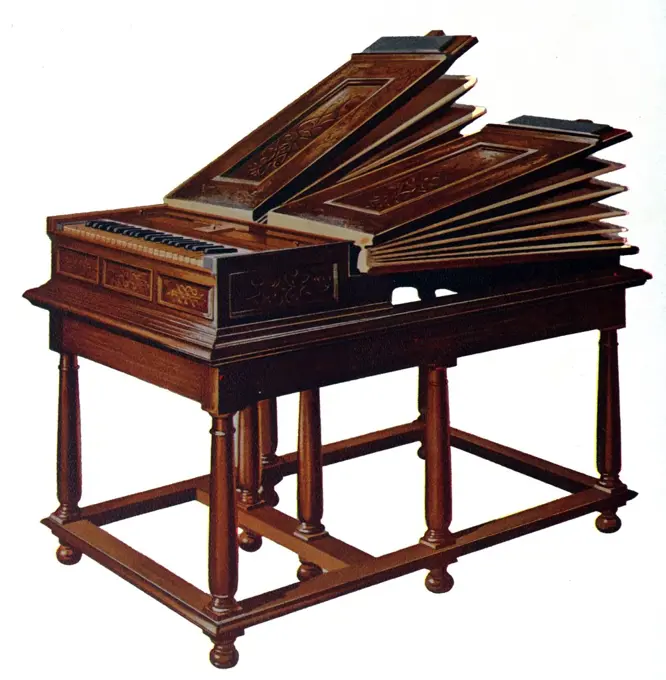
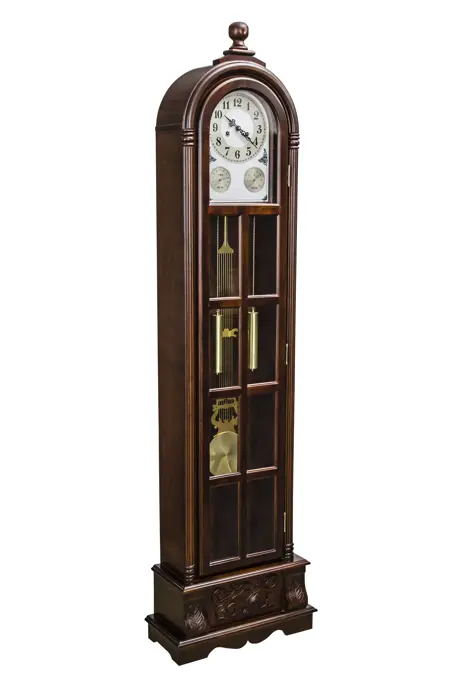
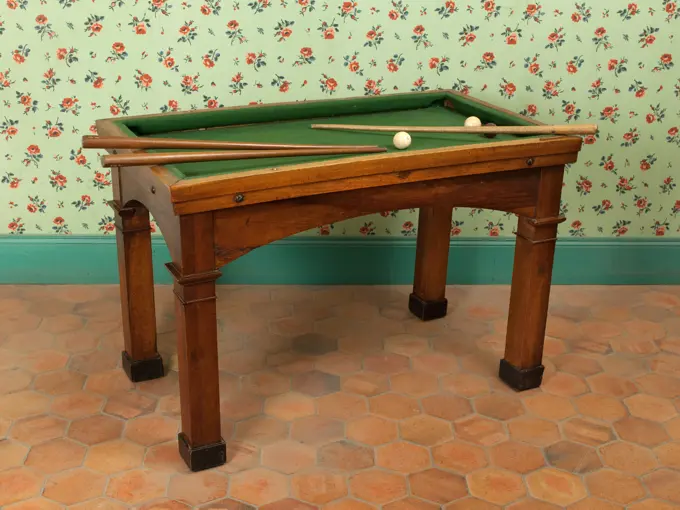
Chest 15th century French or South Netherlandish. Chest 468404Lyraflügel ca. 1820-44 Johann Christian Schleip (1786-1848) This type of upright piano was made almost exclusively in Berlin between 1820 and 1850. The Lyraflügel was a fashionable fixture of middle-class Biedermeier parlors in northern German lands. In the period of the Napoleonic occupation (1806-13), the lyre had become a symbol of freedom and liberation. It was popularized in songs based on the collection of patriotic poems, With Lyre andSword, by the poet Theodor Körner (1791-1813). These songs, with their references not only to the lyres of Orpheus and Apollo but also to Friedrich Schillers ideas of freedom and liberation from tyranny, were sung for decades. The lyre became a widespread emblem, as ornament, as lyre guitar, or, here, as frame for the piano pedals. Schleip was the principal manufacturer of the Lyraflügel, even claiming in 1820 to be its inventor. The early Lyraflügel still had knee levers and straight legs.From about 1825 on, Schleip built it, as here, with pedalsWeißer Vintage-Holzschrank mit abgeplatzter Farbe und zwei Schubladen A rustic wooden cabinet features a worn white finish and two drawers on top. Copyright: xZoonar.com/MuharremxAdakx 22903602Canopic Chest of Senbi ca. 1961-1878 B.C. Middle Kingdom This canopic box was part of the burial equipment of the steward Senbi, which also included the Museums famous hippopotamus (nicknamed "William" - see 17.9.1). The box is inscribed with recitations of the four sons of Horus and invocation of offerings in the name of Anubis. The inner lid is surmounted by four wooden heads representing the four sons of Horus, the guardians of the viscera.. Canopic Chest of Senbi. ca. 1961-1878 B.C.. Wood (ziziphus sp.), paint, string. Middle Kingdom. From Egypt, Middle Egypt, Meir, Tomb B3 of the nomarch Senbi II, pit 1 (steward Senbi), Khashaba excavations, 1910-11. Dynasty 12Octagonal Food Box, late 1700s. Japan, Edo period (1615-1868). Wood with black lacquer and mother-of-pearl (Ryukyuan); overall: 39.4 cm (15 1/2 in.).Collection of circular and square wooden boxes with miniature chests of drawersStill life of globeFurniture around the turn of the century 1900, Curved commode table - Chippendale under French influence (1910, 1911), Curved commode table-Chippendale under French influence (1910, 1911) .jpgFlower design on wooden iron hanging frame, Jodhpur, Rajasthan, India Copyright: xSafatxAli/DinodiaxPhotoxManxman Pianoforte. Designed by Mackay Hugh Baillie Scott; English, 1865-1945; Made by John Broadwood and Sons; England, founded 1728; London, England. Date: 1897. Dimensions: 128.9 × 143.2 cm (50 3/4 × 56 3/8 in.); H. with top open 162.6 cm (64 in.); W. with one door open 212.4 cm (83 5/8 in.). Oak, ebony, ivory, mother-of-pearl, and copper. Origin: England. Museum: The Chicago Art Institute, USA.Clavichord. Also referred to as 'Claricorde', the Chinese decoration on this instrument was strongly 'in vogue' in the early part of the 18th century. It is the earliest keyboard stringed instrument and was developed from the Monochord.The Regal. This musical instrument is a prototype of the modern harmonium. The term 'Regal' could be used to mean a portable organ or an instrument with a keyboard that is non-portable depending upon the location.Salem, objects, Chinese carved teak settee in Richard Harrington house , Houses, Interiors, Seating furniture. Frank Cousins Glass Plate Negatives CollectionAntique deskGlass finialAntique clock with wood carved decoration, isolated on white, with clipping path Antique clock with wood carved decoration, isolated on white, with clipping path Copyright: xZoonar.com/OleksandrxKostiuchenkox 9786179Anonymous. Children's billiards. Walnut. 1790. Paris, Carnavalet museum. Billiard, game, furniture, billiard table, 18th 18th 18th 18th 18th 18th 18th century, furnitureFurniture around the turn of the century 1900, A cabinet of oak and walnut, with ebony panels and columns, inlaid with rosewood and ivory engraved (1910, 1911), A cabinet of oak and walnut, with ebony panels and columns, inlaid with rosewood and ivory engraved (1910, 1911) .jpg