Elegant Glass Chalices

A collection of beautifully crafted glass chalices, featuring intricate designs and engravings, highlighting historical elements and decorative styles.
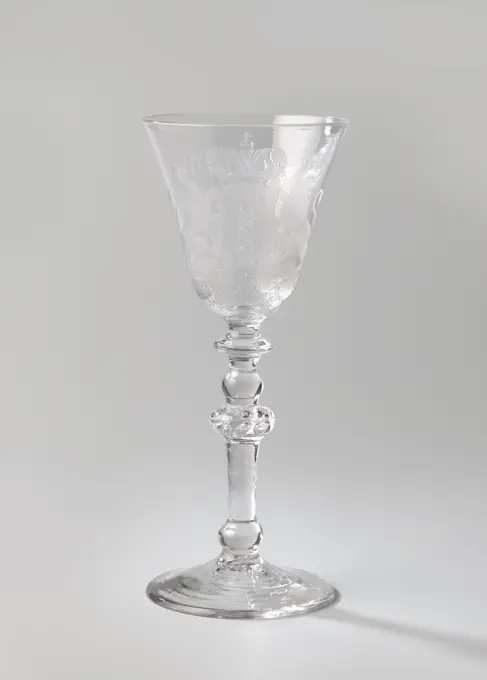
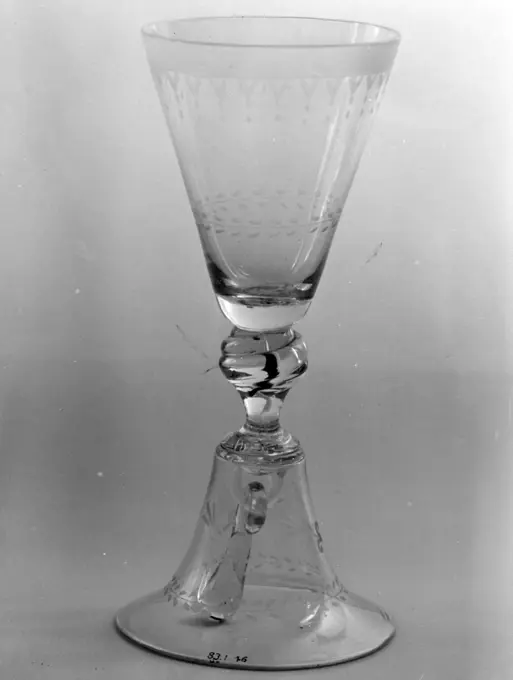
Chalip glass with the coat of arms of the city of Amsterdam, Anonymous, c. 1750 - c. 1775 Chalice glass with conical foot. The baluster -shaped trunk with three nodes. The funnel -shaped chalice with a round bottom. On the chalice, on a base of rococo ornaments, the crowned weapon of the city of Amsterdam flanked by two lions. On the other side a battleship between rococo ornaments. glassblower: Low CountriesNorthern Netherlands glass glassblowing Chalice glass with conical foot. The baluster -shaped trunk with three nodes. The funnel -shaped chalice with a round bottom. On the chalice, on a base of rococo ornaments, the crowned weapon of the city of Amsterdam flanked by two lions. On the other side a battleship between rococo ornaments. glassblower: Low CountriesNorthern Netherlands glass glassblowing
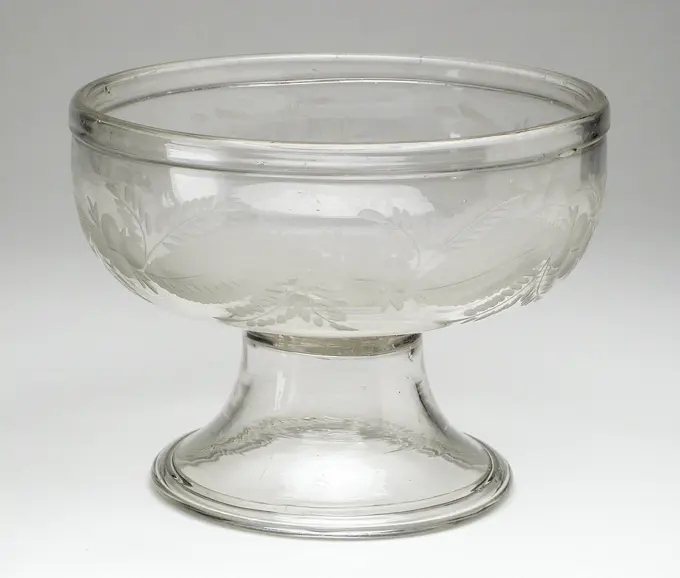
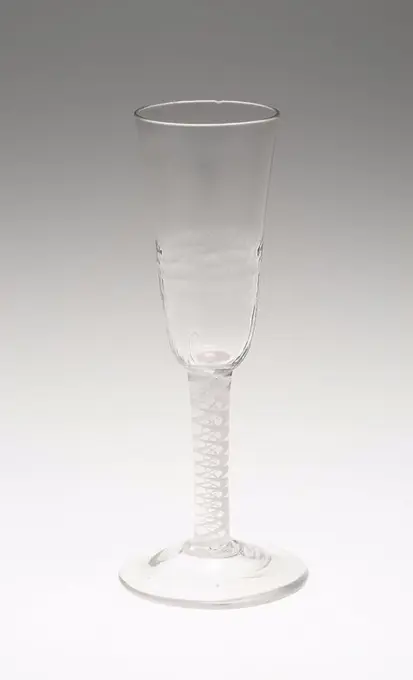
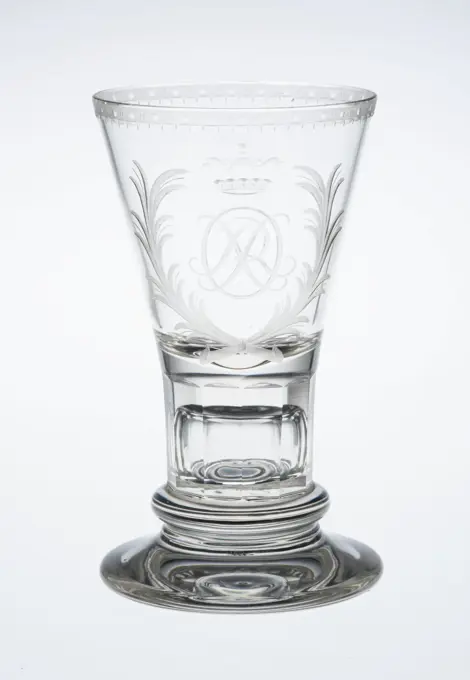
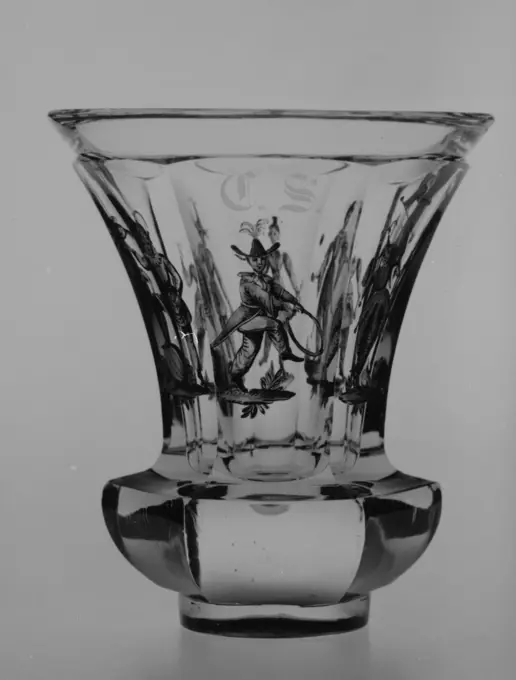
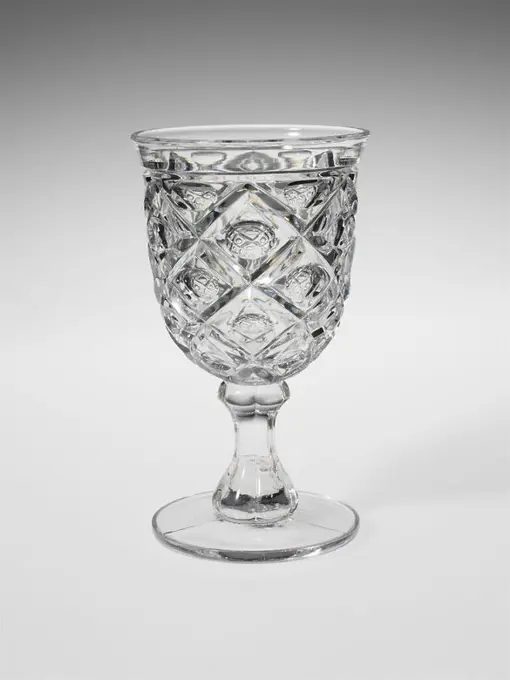
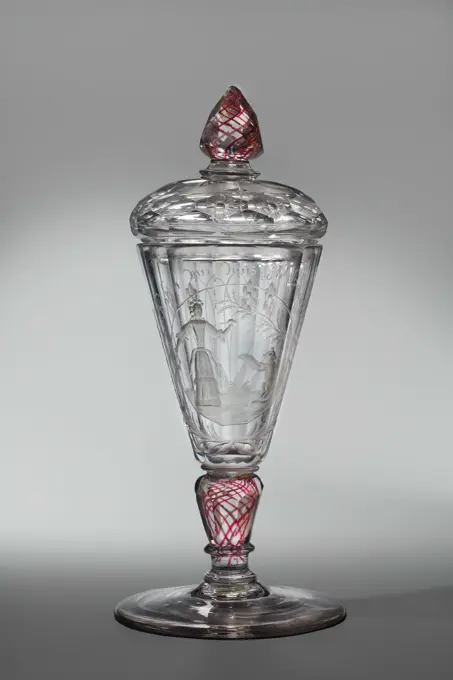
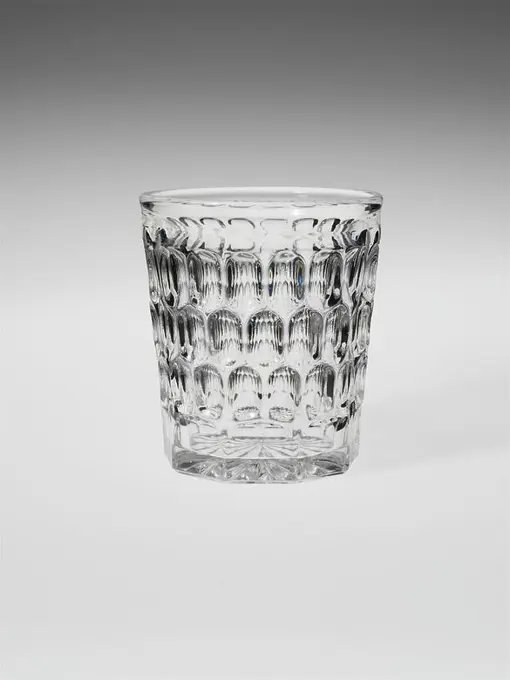
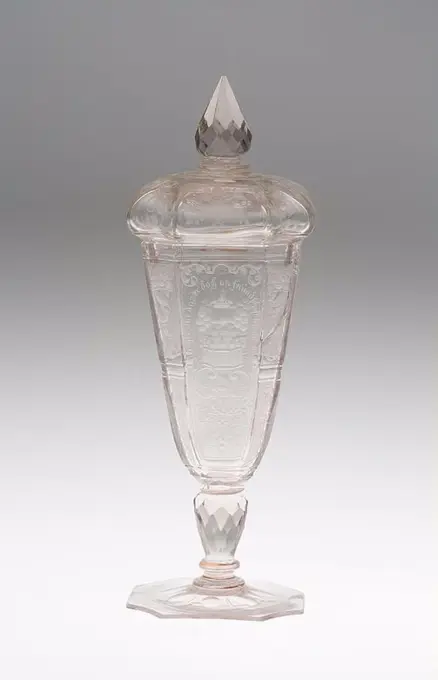
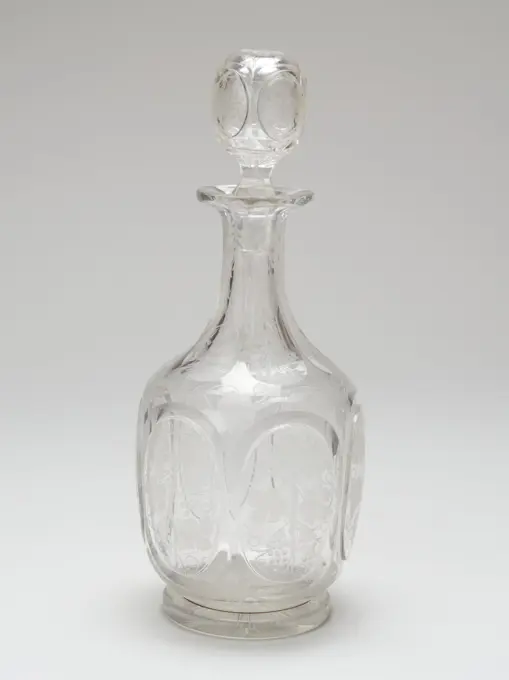
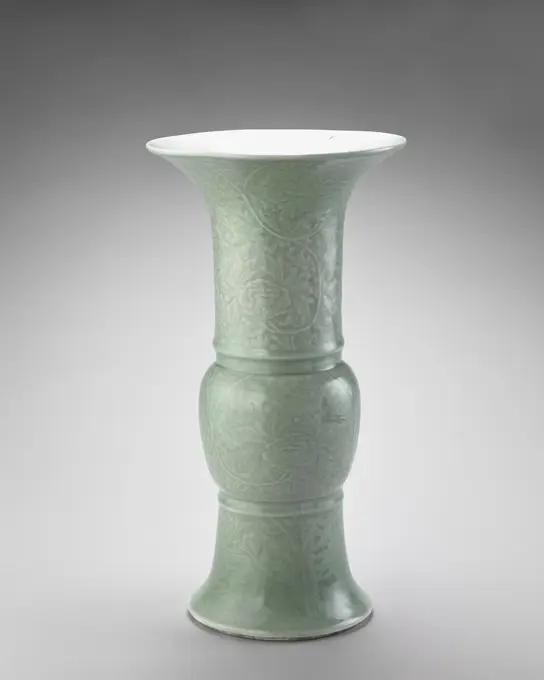
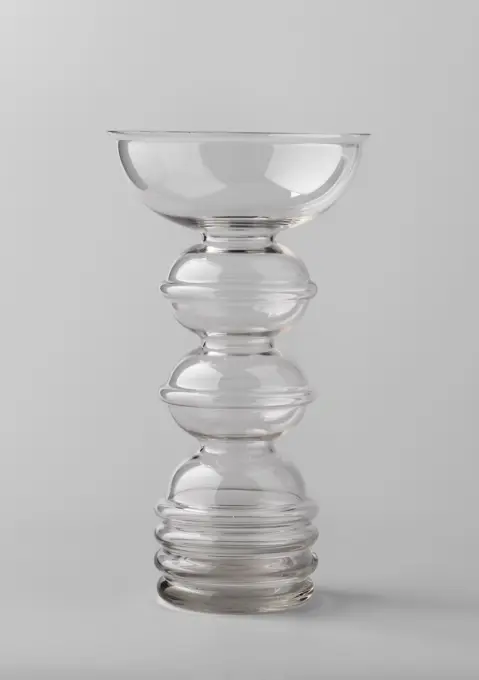
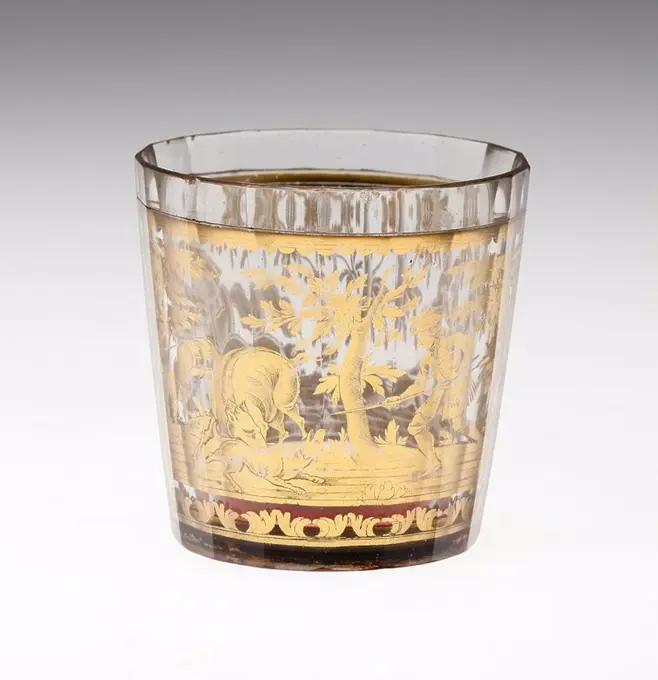
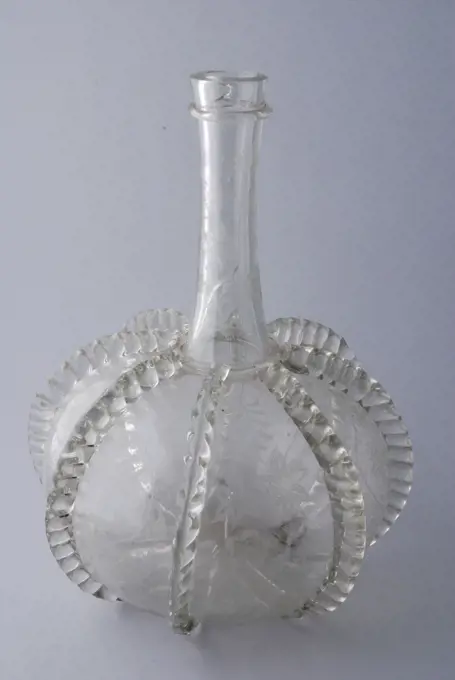
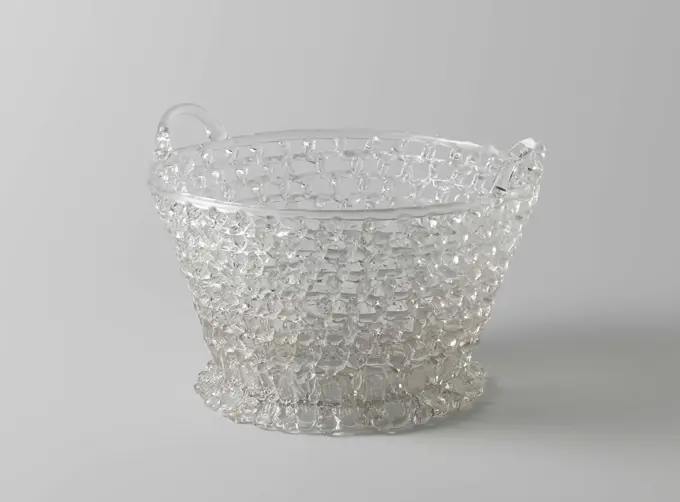
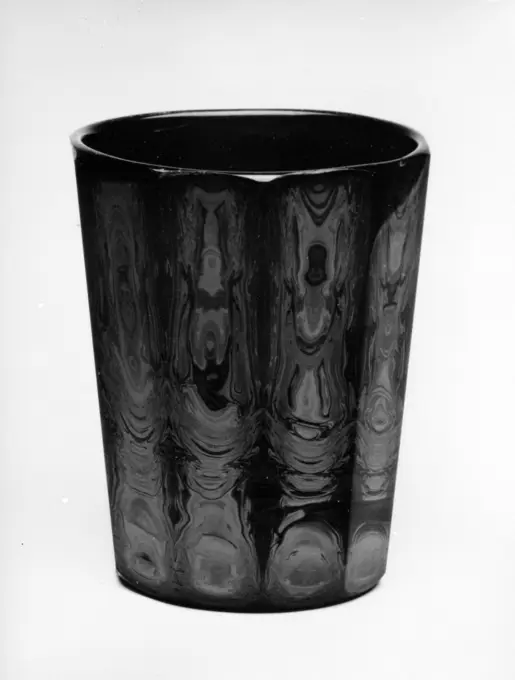
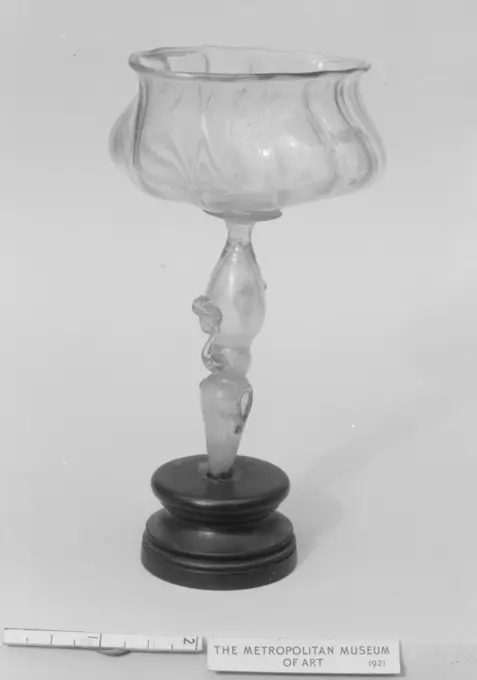
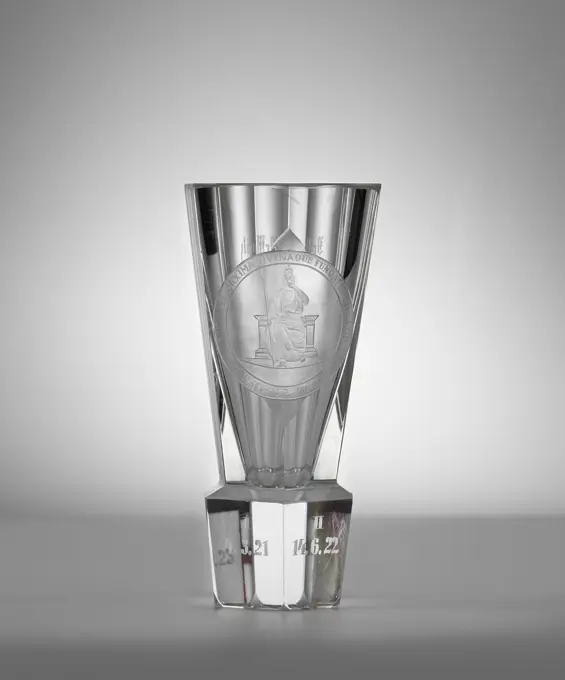
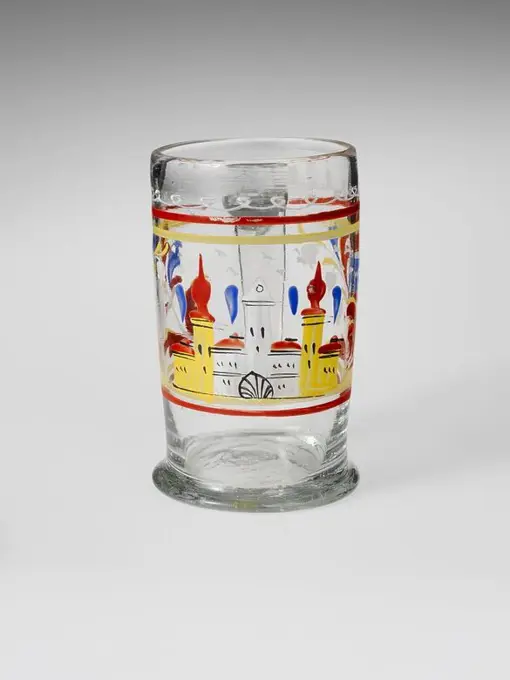
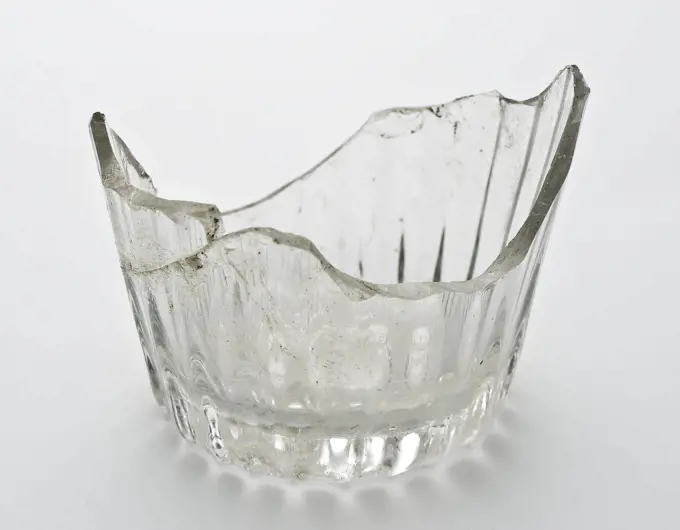
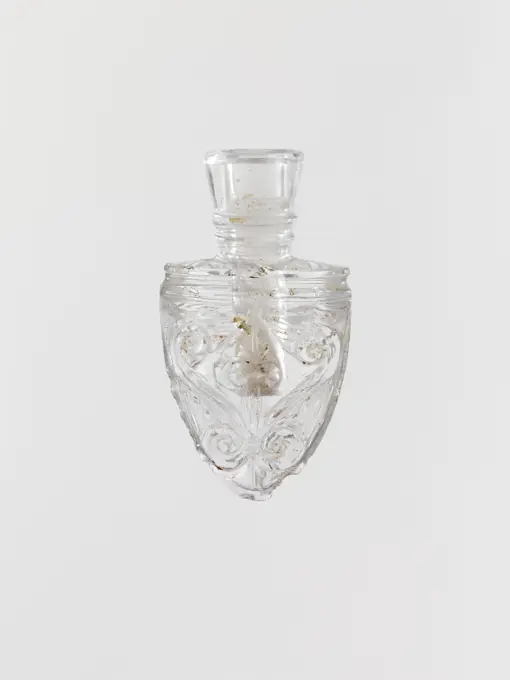
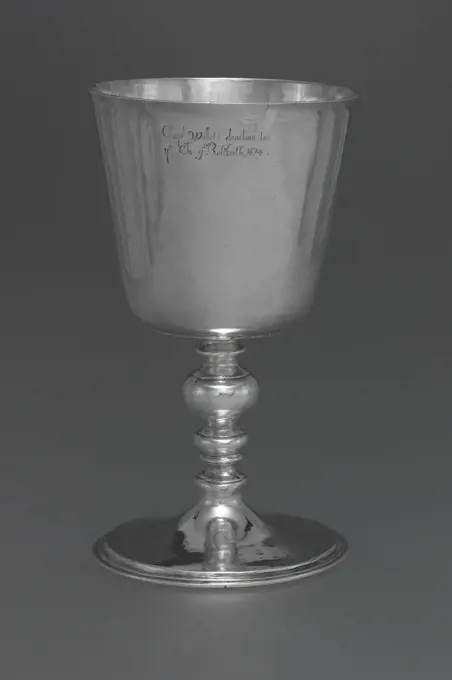
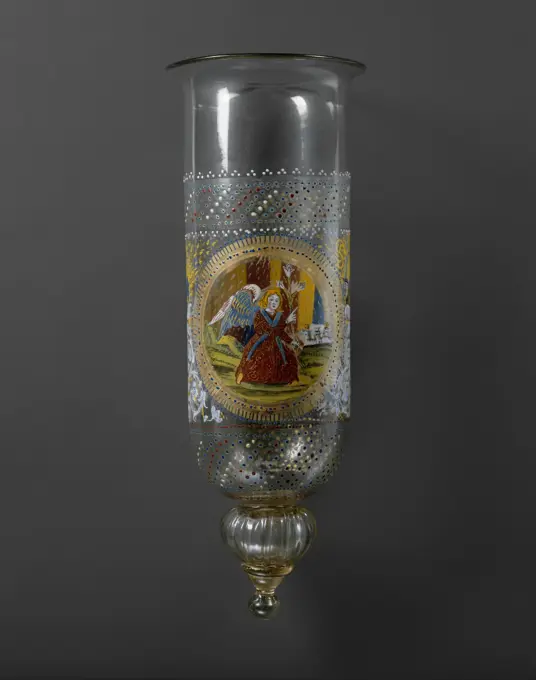
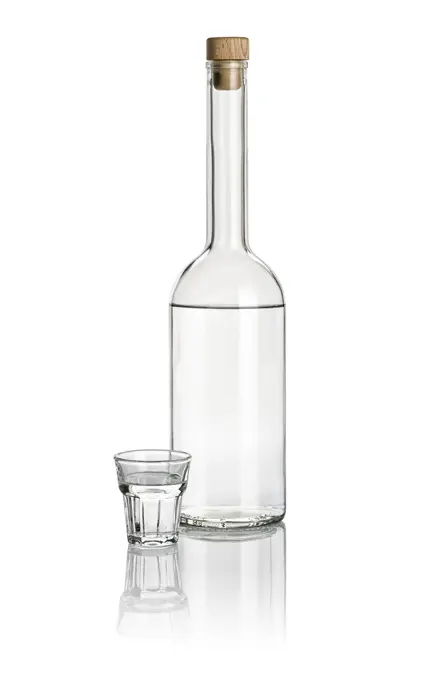
Cup Huta Uarzecko NalibockieToasting Ale Glass. England. Date: 1755-1765. Dimensions: 19.8 cm (7 13/16 in.). Glass. Origin: England. Museum: The Chicago Art Institute, Chicago, USA.Glass;  1920-39 (1920-00-00-1939-00-00);Cruet Stand (Bottle), 1700s(). France, bottle and cover old, but probably not original, 18th Century(). Silver and glass; overall: 17.2 cm (6 3/4 in.).Glass; Lobmeyr, J. & L. (Vienna; 1823-); 1920-39 (1920-00-00-1939-00-00);Chinese acrobats ca. 1830 Probably Carl von Scheidt. Chinese acrobats. German, Berlin. ca. 1830. Glass, enameled and gilt. GlassGoblet. Culture: American. Dimensions: H. 6 1/4 in. (15.9 cm); Diam. 3 9/16 in. (9 cm). Date: 1850-60.With the development of new formulas and techniques, glass-pressing technology had improved markedly by the late 1840s. By this time, pressed tablewares were being produced in large matching sets and innumerable forms. During the mid-1850s, colorless glass and simple geometric patterns dominated. Catering to the demand for moderately-priced dining wares, the glass industry in the United States expanded widely, and numerous factories supplied less expensive pressed glassware to the growing market. At the Exhibition of the Industry of All Nations at New York's Crystal Palace in 1853, for example, the New England Glass Company exhibited 130 pieces of one design, "consisting of bowls, tumblers, champagnes, wines, and jelly glasses." This object belongs to one such service. Although the glass manufactory is not known, the glassware is very typical of the large services that were very populRoemer with remains of a flute man and a bacchant. Large grummer with stand ring pulled out in drops. Inserted soil. The trunk, set with four rows closely placed thorns as a whole blown with the egg-shaped chalice. The transition from the trunk to the chalice indicated by a smooth wire. On the chalice remains of a representation in gold; You can see a flute man and the head of a bacchant.Beaker 1725-1735 Bohemia. Glass with engraved gold leaf decoration .Wineglass with Catherine II of Russia ca. 1790 Dutch. Wineglass with Catherine II of Russia. Dutch. ca. 1790. Glass. GlassGlass;  1920-39 (1920-00-00-1939-00-00);Flute; Non -like Lona Huta; Ok. PO. 18th century (1740-00-00-1760-00-00);Quart Decanter 1830-70 American. Quart Decanter 6831Covered Cup 1755-1765 Poland. Glass .Drinking glass. Funnel-shaped drinking glass on a high baluster-shaped strain. The foot is round and vaulted. Drinking glass is equal to five other copies (BK-NM-11177-181-B-III, BK-NM-11177-181-B-IV, BK-NM-11177-BV, BK-NM-11177-181-B -VII, BK-NM-11177-181-B-VIII). The drinking glasses are on a tray (BK-NM-11177-181-B-i) with a pouring gun (BK-NM-11177-181-B-II). The tray is on a folding table (BK-NM-11177-A).Chalice with a lid. Czechy, creatorTumbler. Culture: American. Dimensions: H. 3 3/4 in. (9.5 cm). Maker: Bakewell, Pears and Company (1836-1882). Date: 1850-70. Museum: Metropolitan Museum of Art, New York, USA.Goblet with Cover. Bohemia, Czech Republic. Date: 1720-1730. Dimensions: 22.2 × 6.7 cm (8 3/4 × 2 5/8 in.). Glass. Origin: Bohemia. Museum: The Chicago Art Institute, Chicago, USA.Elegante Gläser, die darauf warten, mit einem köstlichen Getränk für einen besonderen Anlass gefüllt zu werden This exquisite glass sits poised on a surface, inviting a finely crafted drink to enhance any gathering. Copyright: xZoonar.com/MykhailoxShorokhovx 22719994Glass;  1920-39 (1920-00-00-1939-00-00);Toy Tumbler. United States, New England, 1810-1840. Furnishings; Serviceware. Blown glassDecanter, one of a pair, c. 1845-1860, 12 1/4 x 4 5/8 x 4 5/8 in. (31.12 x 11.75 x 11.75 cm), Glass, United States, 19th centuryGlass;  1920-39 (1920-00-00-1939-00-00);Cup;  around 1820 (1810-00-00-1830-00-00);Wineglass late 17th-early 18th century British. Wineglass. British. late 17th-early 18th century. Glass. Glass. Flute glass on flat foot. The stem made up of a ribbed, grinding and curved tube with a wing of a spiral wounded colorless wire on both sides. Funnel shaped chalice on top of a flat disk.Cordial Glass 1850-70 Bakewell, Pears and Company. Cordial Glass. American. 1850-70. Pressed glass. Made in Pittsburgh, Pennsylvania, United StatesIce glass cup, anonymous, c. 1550 - c. 1650 Ice glass cup with inserted soil. Ribbed stand ring of clear glass. Cup -shaped body, on which three mascarons and three small studs have been applied at half -height. Remains of gilding on the studs and along the top edge. Low Countries glass glassblowing / gilding Ice glass cup with inserted soil. Ribbed stand ring of clear glass. Cup -shaped body, on which three mascarons and three small studs have been applied at half -height. Remains of gilding on the studs and along the top edge. Low Countries glass glassblowing / gildingGlass Lausitzer glassworksFigured glass for whiskey isolated on whiteChampagne Saucer, Embassy” Pattern.  Designer Walter Dorwin Teague, American, 1883-1960 Designer Edwin W. Fuerst, American, 1903-1988 Manufacturer: Libbey Glass Company, a subsidiary of Owens-Illinois Glass Co., American, 1935-1943Glass; Lobmeyr, J. & L. (Vienna; 1823-); 1920-39 (1920-00-00-1939-00-00);Glass; Lobmeyr, J. & L. (Vienna; 1823-); 1920-39 (1920-00-00-1939-00-00);Cordial Glass, 19th century, 4 3/4 x 2 1/4 x 2 1/4in. (12.1 x 5.7 x 5.7cm), Glass, United States, 19th centuryTwo wineglasses on a table, focus on shadowFooted Bowl. Bakewell, Page & Bakewell (attributed to) (United States, Pennsylvania, Pittsburgh, 1811-1827). United States, 1824-1836. Furnishings; Serviceware. GlassGlass; Lobmeyr, J. & L. (Vienna; 1823-); 1920-39 (1920-00-00-1939-00-00);Maker Unknown, Tumbler, c. 1780-c. 1820 (probably early 19th cen.), colorless non-lead glass.Anonymous, Cornet in light green celadon (dummy title), 1701. Céladon light green with relief. Carnavalet museum, history of Paris.Colorless Vase Ko 734, Chris Lebeau (attributed to), 1924 - 1925 Vase of transparent glass. The base consists of a stand ring, followed by three rings with a larger diameter and a tapered inverted bowl shape. This is followed by a center piece with two spherical shapes, which consist of a bowl shape, a ring in the middle and a reverse bowl shape. The top consists of a wider cuppa with flared mouth edge. Leerdam glass blow molding Vase of transparent glass. The base consists of a stand ring, followed by three rings with a larger diameter and a tapered inverted bowl shape. This is followed by a center piece with two spherical shapes, which consist of a bowl shape, a ring in the middle and a reverse bowl shape. The top consists of a wider cuppa with flared mouth edge. Leerdam glass blow moldingGlass;  around 1850 (1840-00-00-1860-00-00);Strnad Muslin glass White Wine Glass; Designed by Oskar Strnad (Austrian, 1879 - 1935); Manufactured by J. & L. Lobmeyr GmbH (Austria), Meyr's Neffen, Adolf; Austria; mouth-blown crystalCovered Cup. Poland (formerly German Silesia). Date: 1755-1765. Dimensions: H. 20 cm (7 7/8 in.). Glass. Origin: Poland. Museum: The Chicago Art Institute, Chicago, USA.Beaker. Bohemia, Czech Republic. Date: 1700-1725. Dimensions: 6.4 × 6.2 cm (2 1/2 × 2 7/16 in.). Glass with engraved gold leaf decoration. Origin: Bohemia. Museum: The Chicago Art Institute, Chicago, USA.CupGlassWineglass ca. 1730 Central or Southern German. Wineglass. Central or Southern German. ca. 1730. Glass. GlassDish, Glass, Straight sides cut with strawberry diamonds, top and bottom edges with vertical flutes, on the bottom the flute carried over to rayed fluting, fan shaped handle projecting from top edge, canted back, with vertical flutes., Ireland, 1820-30, glasswares, Decorative Arts, DishCelery Vase. Dated: c. 1939. Dimensions: overall: 35.8 x 28 cm (14 1/8 x 11 in.). Medium: watercolor and graphite on paperboard. Museum: National Gallery of Art, Washington DC. Author: Palmyra Pimentel.Glass from a Place Setting, c. 1890-1920. Probably America, late 19th-early 20th century. Glass; overall: 19.9 x 9.5 cm (7 13/16 x 3 3/4 in.).Chalip glass with a portrait of Willem V, Anonymous, 1796 Conical foot. Broadening, facet -cut trunk, moving into a curved chalice. On De Kelk, in a frame of Rococo ornament, a portrait of Stadholder Prince Willem V (1748-1806). On the foot D: Wolff 1796. glassblower: EnglandNorthern Netherlands glass grinding / glassblowing Conical foot. Broadening, facet -cut trunk, moving into a curved chalice. On De Kelk, in a frame of Rococo ornament, a portrait of Stadholder Prince Willem V (1748-1806). On the foot D: Wolff 1796. glassblower: EnglandNorthern Netherlands glass grinding / glassblowingBulbous ornamental bottle, decanter engraved with grape vines, peacocks, butterflies and flowers, bottle holder glass, free-blown and shaped glass application diamond engraving Bulbous decorative bottle decanter in clear colorless glass Pontil mark under raised bottom. Belly chunky body with eight imposed vertical pinched ribs from the bottom to imposed around continuous narrow glass wire at transition to slightly rejuvenated neck On the wall diamond engraving of grape vines peacocks flowers butterflies packingVase: Eight Parakeets. Designed by René Lalique (French, 1860-1945); Manufactured by Lalique et Cie (French, founded 1885). Date: 1924. Dimensions: H. 24.1 cm (9 1/2 in.). Glass; opalescent and enameled, mold blown, acid etched. Origin: Paris. Museum: The Chicago Art Institute, Chicago, USA.Beaker 1725-1735 Bohemia. Glass with engraved gold leaf decoration .Eight glasses Economic Huta KrosnoCandlestick of silver with octagonal foot and octagonal baluster -shaped trunk with candle holder. Engraved with Rocaillemotives., Louis de Haan (Possible), 1752 Silver candlestick. The foot is octagonal and in the flat top is a round floor. The baluster -shaped trunk is octagonal as well as the candle holder. Foot, tribe and candle holder are engraved with rocaille motifs. Rotterdam silver (metal) Silver candlestick. The foot is octagonal and in the flat top is a round floor. The baluster -shaped trunk is octagonal as well as the candle holder. Foot, tribe and candle holder are engraved with rocaille motifs. Rotterdam silver (metal)Caster And Cover (Ireland); glass, copper, silverCup on paws with the inscription: OoPoedo Stut wrath. Cylindrical cup with inserted soul, standing on three convex paws. The bottom edge finished with a smooth, applied wire. In Roman round letters, Geligraded 'OoPoedo Stut wrath is on the body.' And on the bottom around the pontilation brand 'Willem van Heemskerk Anno 1679'.Basket. Scalloped stand ring, soil in a honeycomb motif, flared wall made up of smooth wires in a fillet pattern. Along the edge a smooth wire. Two smooth, raising ears. With associated subset (BK-NM-2151-1).Faceted Bottle. Dimensions: H. 6 7/16 in. (16.3cm)Diam. of base: 1 1/2in. (3.8cm)Diam. of rim: 1 3/16in. (3cm). Date: 10th-11th century.This unusually tall, graceful bottle is a fine example of cold-cut glass. The makers used the lapidary technique of wheel-cutting to create facets on the surface. As this technique was common in the medieval period throughout the Islamic world, from Egypt to Iran, it is virtually impossible to establish a specific origin for objects made in this way. Museum: Metropolitan Museum of Art, New York, USA.Beaker. unknown, glass worksBeaker Bohemian ca. 1820 View more. Beaker. Bohemian. ca. 1820. Glass. GlassGoblet 17th century Italian, Venice (Murano) During the Renaissance, Venetian glassmakers, working on the island of Murano, were celebrated across Europe for their fine and sparkling work. Called cristallo” emulating the clarity of rock crystal, in the hands of the most skilled glassblowers the medium could be delightfully manipulated, variously stretched paper-thin flat, or playfully twisted, or blown into molds with spectacular patterns.. Goblet. Italian, Venice (Murano). 17th century. Glass. GlassFooted Beaker with St. Joseph and the Tree of Jesse. Bohemia (now Czech Republic) or Silesia, circa 1800-1825. Furnishings; Serviceware. GlassChalice glass with three cyclamen, Theresienthaler Krystallglasfabrik, c. 1900 - c. 1910 Flat base, slender, swelling trunk, bowl -shaped chalice, on which three red cyclamen (C) are painted. Along the edge of the foot and the chalice a gilded piping. Theresienthal glass glassblowing / gilding Flat base, slender, swelling trunk, bowl -shaped chalice, on which three red cyclamen (C) are painted. Along the edge of the foot and the chalice a gilded piping. Theresienthal glass glassblowing / gildingGlass;  2 after. 19th century (1851-00-00-1900-00-00);Alcoholic beverage bottle - Belfast Gingerale Bottle, Alex Burns, TorontoMaso cup of the part of the "Zur Verschwiegenheit", Berlin;  around 1925 (1920-00-00-1930-00-00); was downloaded from the Muse of the National Museum in Warsaw; Szklarskie / blowing / blowing in form, forming / rice / engraving, forming / grinding; inorganic material / glass; 207038 MNW; all rights are reserved.Germany, Freemasonry, Personifications, FreemasonryBottle vase 18th century China. Bottle vase 46681Bear still bank, 20th century, 4 5/8 x 2 x 1 7/8 in. (11.75 x 5.08 x 4.76 cm), Glass, plastic, 20th centuryMug. Dimensions: H. 6 5/8 in. (16.8 cm). Date: 18th century. Museum: Metropolitan Museum of Art, New York, USA.Tumbler. Culture: American. Dimensions: H. 3 7/8 in. (9.8 cm); Diam. 2 1/2 in. (6.4 cm). Maker: Probably Hobbs, Brockunier and Company (1863-1891). Date: after 1886. Museum: Metropolitan Museum of Art, New York, USA.Glass of drinking whiskey isolated on a white background. Glass on a white backgroundBottom fragment of drinking glass with fine ribs, pontilemark, clear glass, goblet drinking glass drinking utensils tableware holder soil find glass, blown in shape sanded bottom fragment. Drinking glass tapered. Fine vertical ribs. Pontil mark Soil is smooth sanded archeology Valckensteyn Poortugaal Albrandswaard indigenous glassware import drink beer wine serve Soil discovery: Kasteel Valckensteyn Poortugaal.Goblet with bell ca. 1750 German, probably Saxony. Goblet with bell. German, probably Saxony. ca. 1750. Glass. GlassGlass;  1920-39 (1920-00-00-1939-00-00);Cake stand - Maple Leaf PatternGlass Kosiak Ski, Jan, Calculating of the Gutzpiece HutaFlask 10th-11th century Rock crystal was one of the most treasured materials at the Fatimid court. Imported from afar, the material was endowed with magical properties. Because of the hardness of the material, carving such smoothly beveled vegetal designs in rock crystal required tremendous skill and patience. This flask probably served as a perfume container.. Flask 448656Maker: John Hull, American, born England, 1624-1683, Maker: Robert Sanderson, American, born England, 1608-1693, CommunionCup, Silver, base (Base): 4 1/16 in.(10.3 cm), Made in Boston, Massachusetts, American, 17thcentury, Containers -MetalsJumbo /Elephant pattern cruet stand with three bottles c 1883-1885 Canton. Glass . Canton Glass Company (Manufacturer)FruitbowlBottle. The inscription on the body translates as: Make use of everything’. The bottle was a gift to Catharina, one of the artist’s daughters.Glassware, Italy 20th century. Clear crystal glass and jug. Designer Massimo Vignelli. Venini & C. production, 1979Candlestick ca. 1740 British. Candlestick. British. ca. 1740. Glass. GlassTumbler, glass, cut with gilt decoration, A straight-sided tapered body of fifteen vertical panels, decorated with a rococo scenic fantasy., Italy, ca. 1770, glasswares, Decorative Arts, TumblerSanctuary lamp (Cesendello) late 15th or early 16th century Italian, Venice (Murano) This type of hanging lamp, known as a cesendello, was a common element in bronze chandeliers known as polychandelons in Roman and Byzantine times and later became popular in both Venice and the Islamic world as larger individual lamps. Extraordinarily delicate, few cesendelli from the Renaissance period survive. The Christian subject matterthe Annunciation to the Virgin Maryrepresented in the roundels of this example confirms its patron was from Venice rather than the Islamic world.. Sanctuary lamp (Cesendello) 192912Wing glass. Conical foot. Hollow, baluster-shaped strain with two wings of blue and colorless glass with a pinched comb. High, ruby red, funnel-shaped, rounded chalice.Czarka;  1. PO. 20th century (1901-00-00-1950-00-00);Pair of candlesticks third quarter 18th century François II Lacassaigne. Pair of candlesticks 838974Tumblerwing glass, C.H.F. Müller, c. 1865 - c. 1870 Wing glass with a flat base with turned around. The trunk built from a straight rod of colorless glass and a curved rod with a pendulum of red, yellow, white and blue threads, occupied with blue wings, ending in a large wing. On a straight, colorless connecting piece a small, curved chalice. Hamburg glass glassblowing Wing glass with a flat base with turned around. The trunk built from a straight rod of colorless glass and a curved rod with a pendulum of red, yellow, white and blue threads, occupied with blue wings, ending in a large wing. On a straight, colorless connecting piece a small, curved chalice. Hamburg glass glassblowingLiquor bottle and beveled shot glass filled with clear liquid Liquor bottle and beveled shot glass filled with clear liquid Copyright: xZoonar.com/BorisxZerwannx 6945925Glass Lausitzer glassworksGlass lamp. Culture: Roman. Dimensions: Height: 5 3/4 in. (14.6 cm)Diam.: 3 1/4 in. (8.3 cm). Date: 4th century A.D..Translucent pale green with bluish tingeUnworked, uneven, knocked off rim; narrow bulging collar below; almost straight sides tapering to pointed, thick bottom, with small flattened pad at tip.Intact; pinprick and some larger bubbles; some pitting, dulling, and iridescence on one side on exterior. Museum: Metropolitan Museum of Art, New York, USA.Stack of drinking glassesCoconut cup ca. 1500-1580 British. Coconut cup 205653Goblet late 19th century probably Italian (Venice). Goblet 460762Glass; Lobmeyr, J. & L. (Vienna; 1823-); 1920-39 (1920-00-00-1930-00-00);Tumbler. Culture: British, possibly. Dimensions: H. 3 1/4 in. (8.3 cm); Diam. 3 in. (7.6 cm). Date: 1770-1800. Museum: Metropolitan Museum of Art, New York, USA.