Elegant Glassware

Artistic glassware pieces from history, showcasing detailed craftsmanship and intricate features, highlighting the elegance of vintage glass design.

Chalip glass with the weapons of the Water Board of the Uitwatering locks of Kennemerland and West Friesland and the Stuyling Sijns, Anonymous, c. 1748 Vaulted foot. Balus -shaped trunk with buttons. The conical chalice has a rounded bottom. The vaulted lid has a button with a tire with air bubbles and a peak. On the chalice the crowned weapon of the exhausting locks of Kennemerland and West Friesland, supported by three putti floating in the midst of clouds. On the other side the coat of arms of the Stuyling Sijns from Alkmaar family, surrounded by flower branches. glassblower: Low CountriesNorthern Netherlands glass glassblowing Vaulted foot. Balus -shaped trunk with buttons. The conical chalice has a rounded bottom. The vaulted lid has a button with a tire with air bubbles and a peak. On the chalice the crowned weapon of the exhausting locks of Kennemerland and West Friesland, supported by three putti floating in the midst of clouds. On the other side the coat of arms of the Stuylin
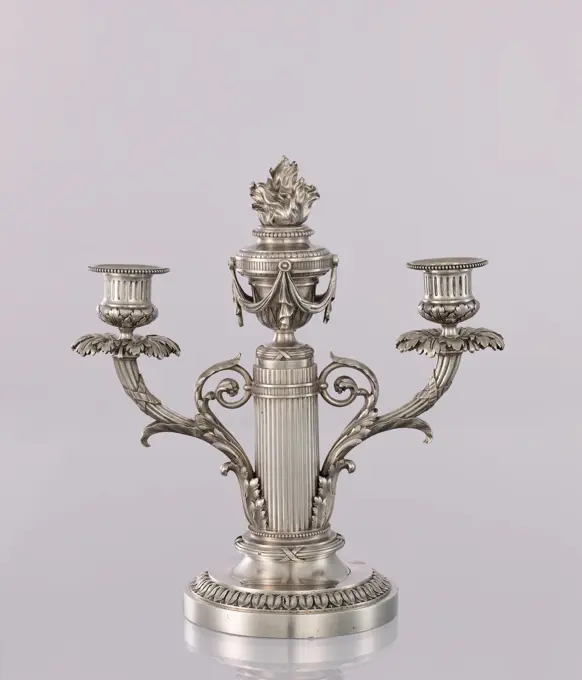
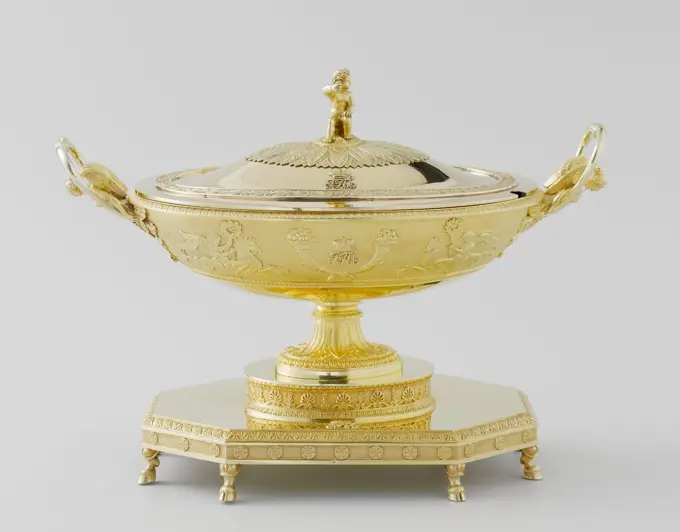
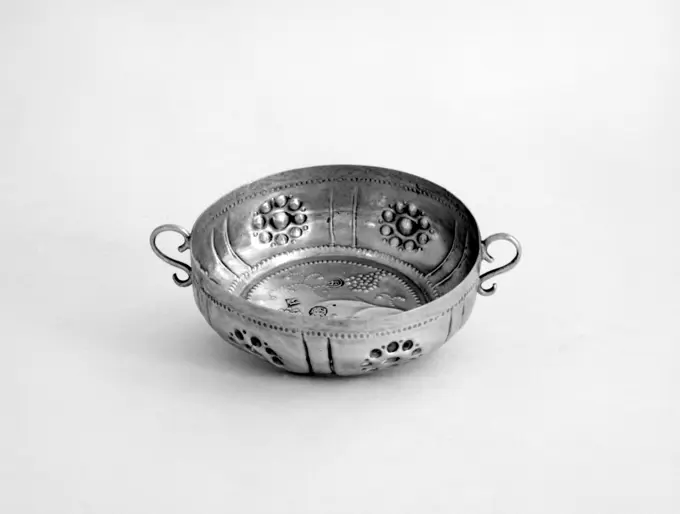
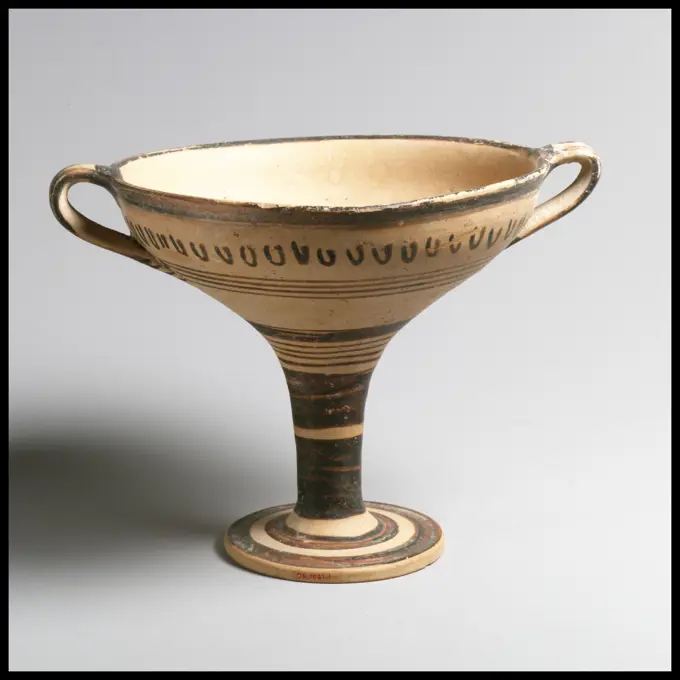
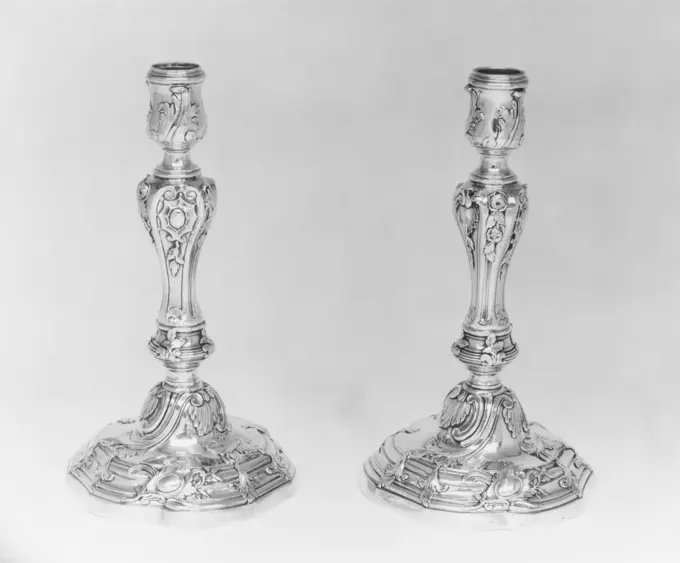
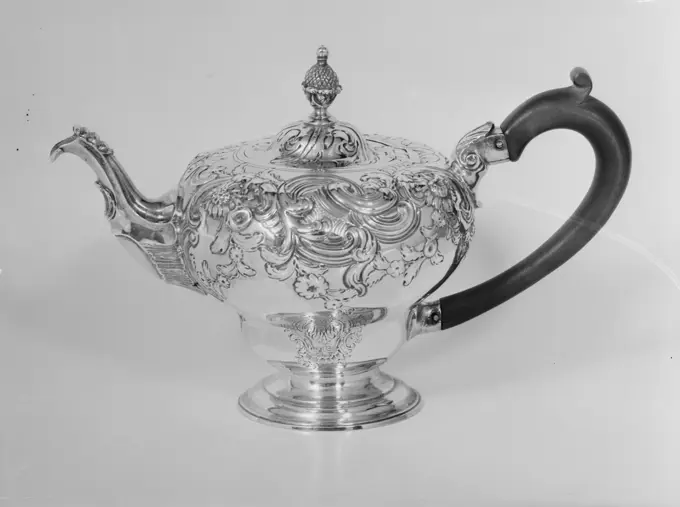
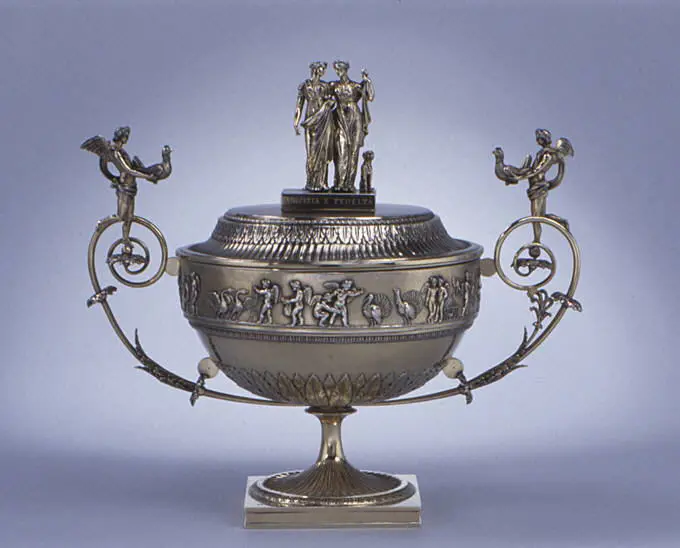
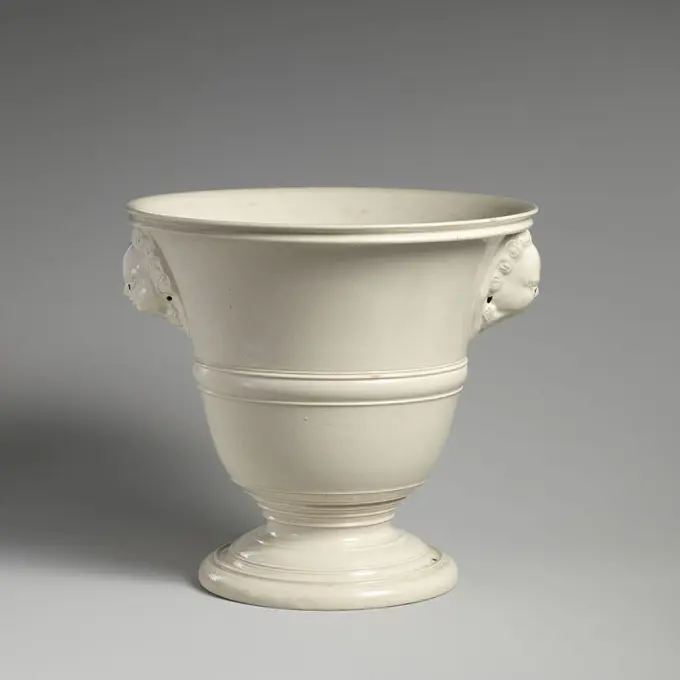
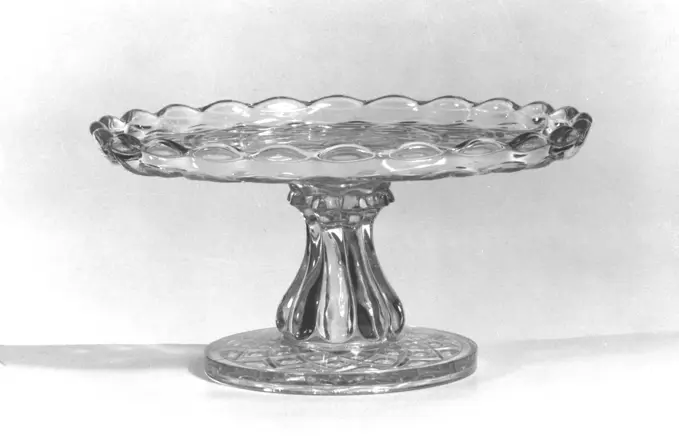
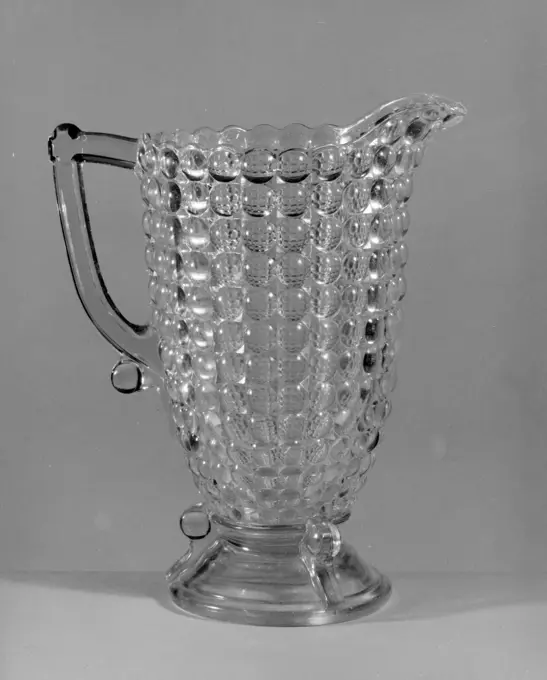
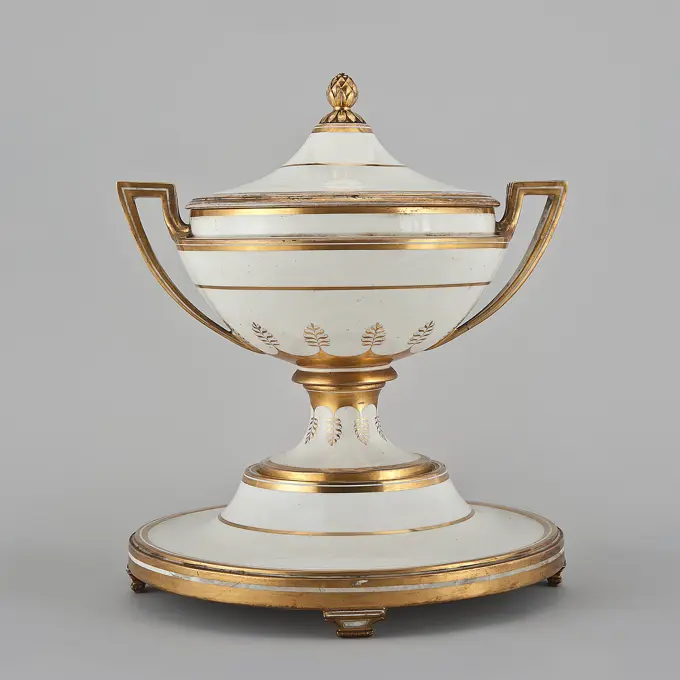
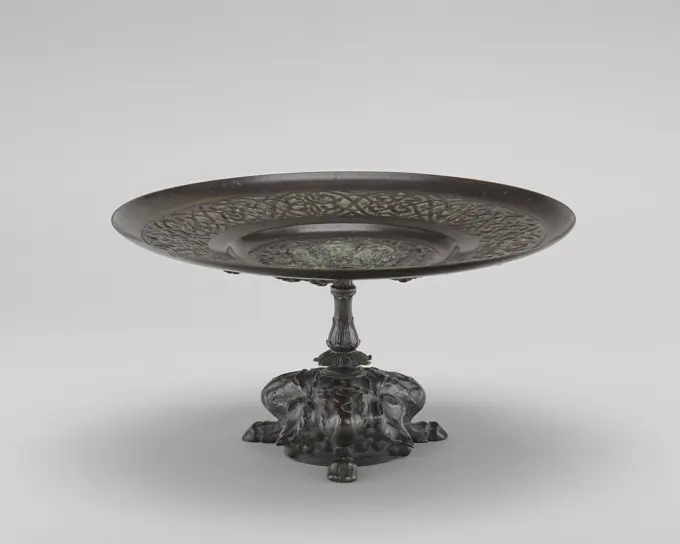
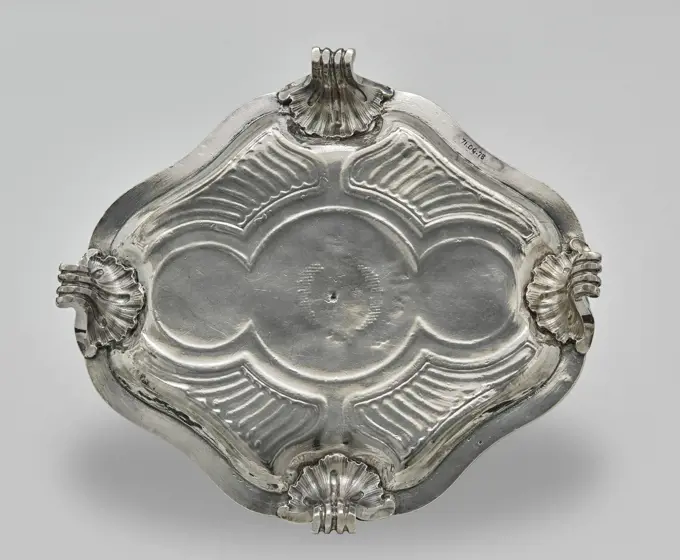
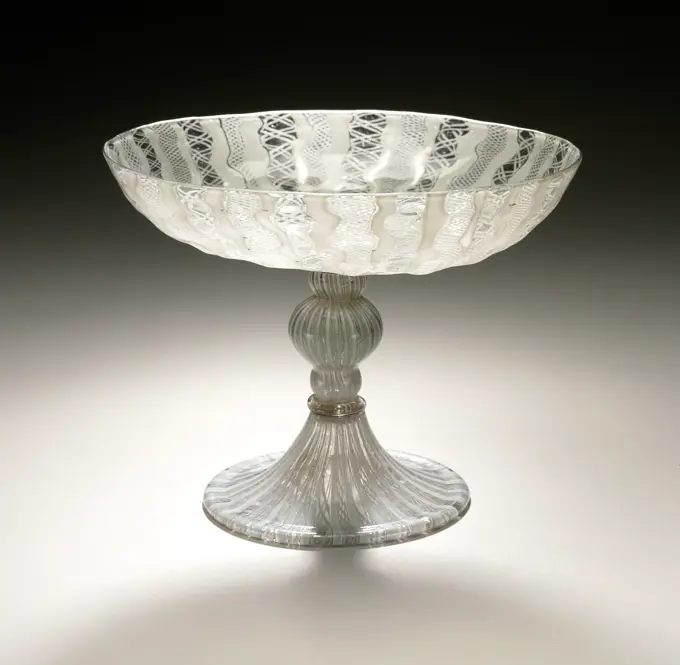
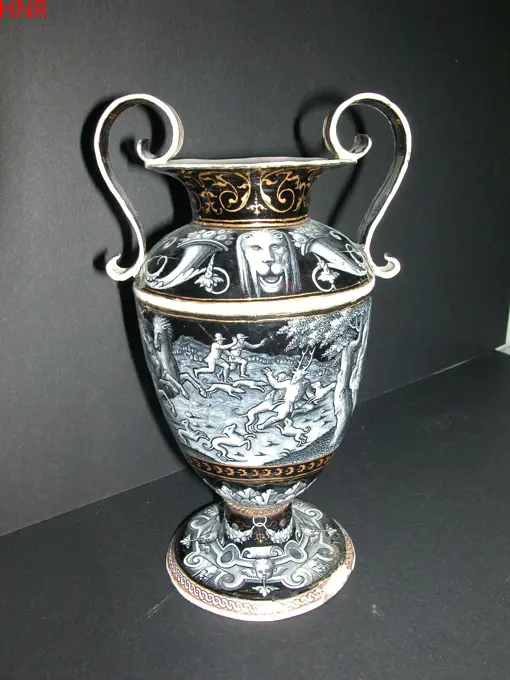
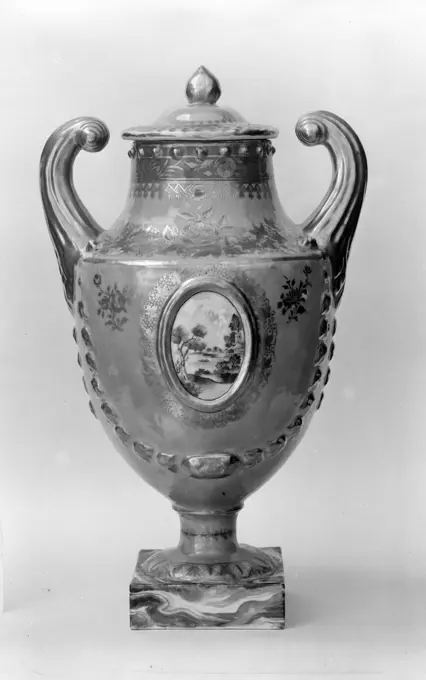
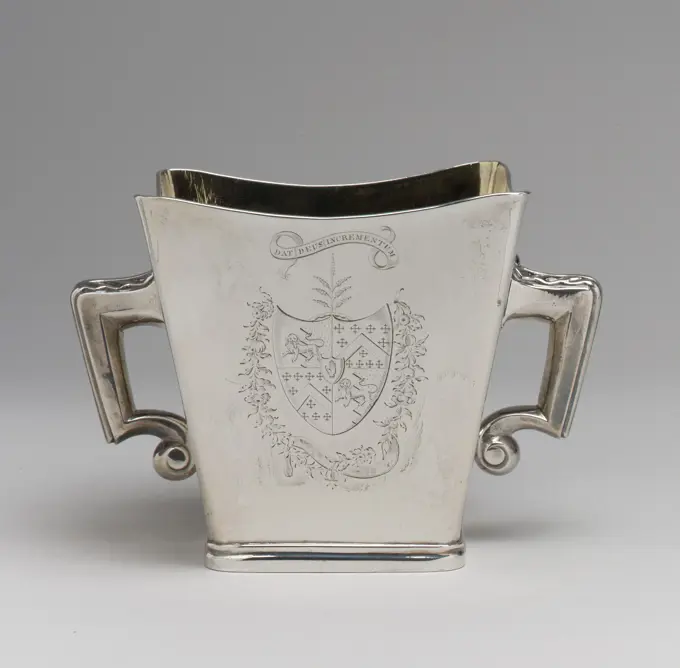
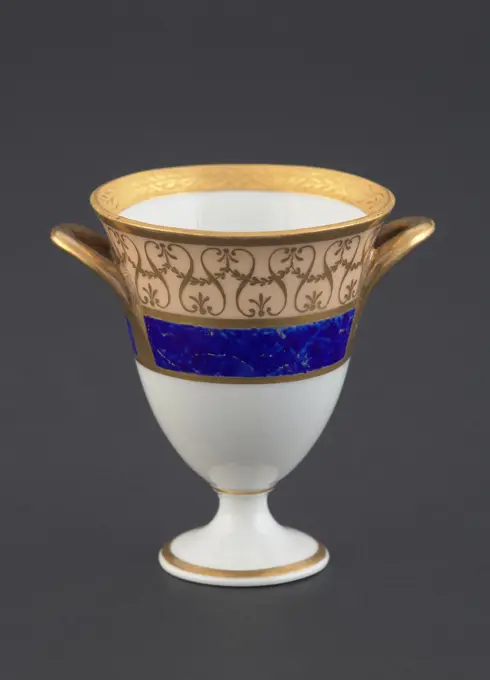
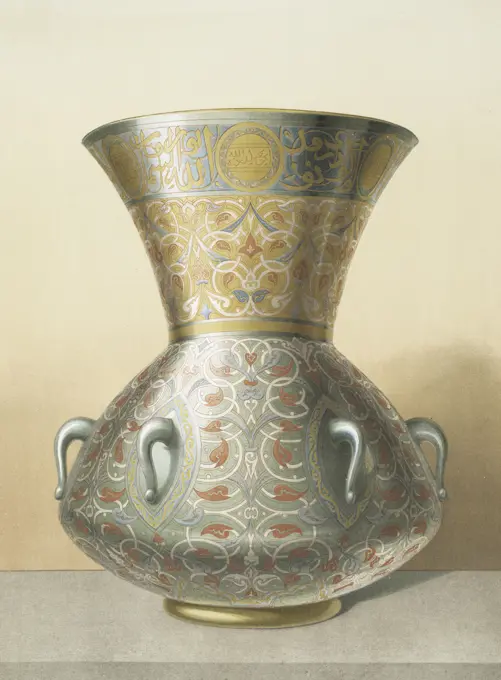
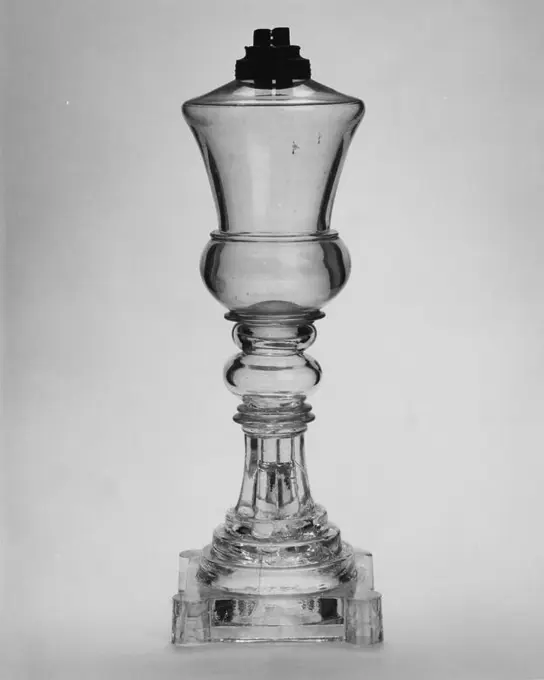
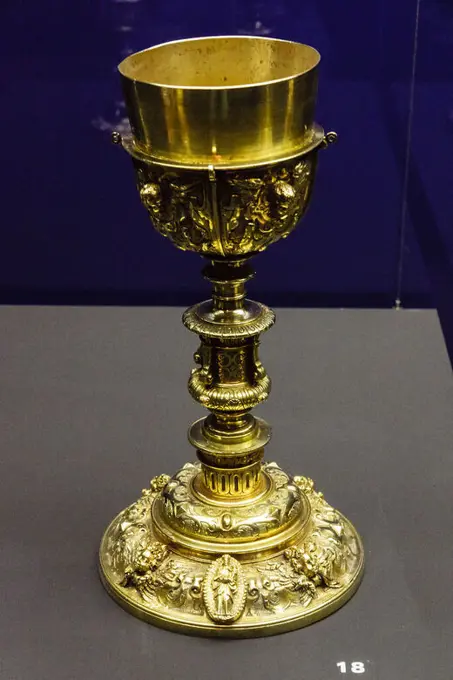
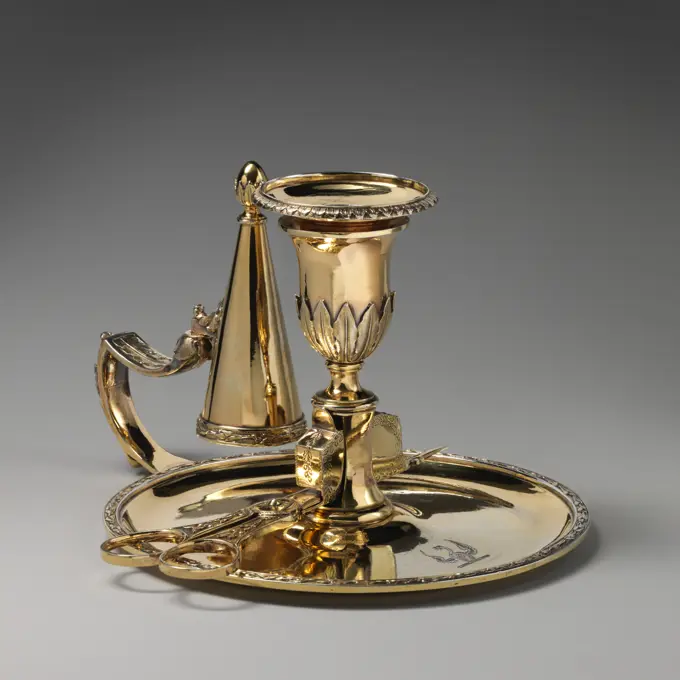
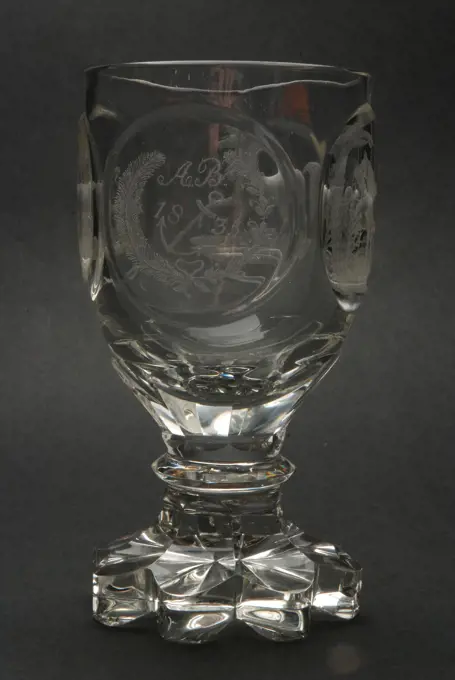
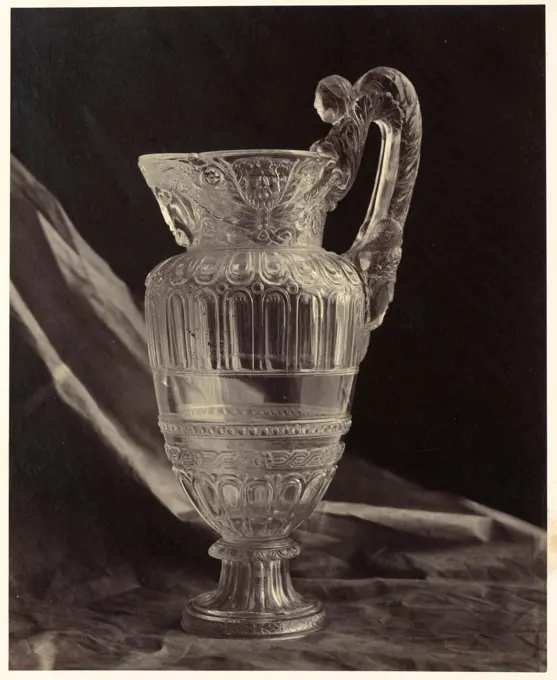
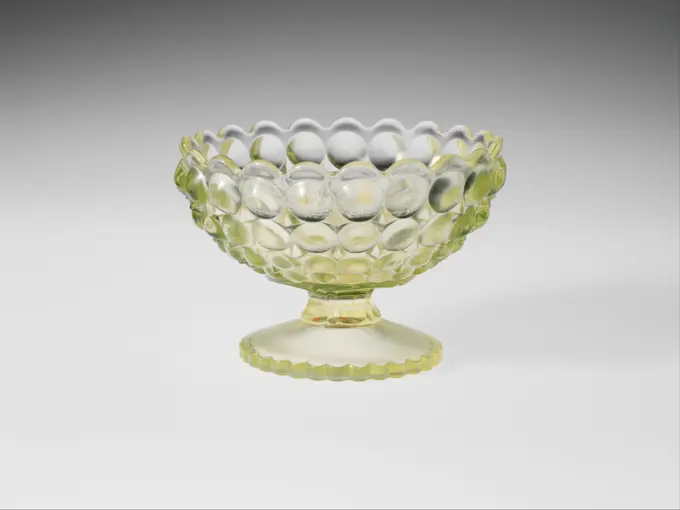
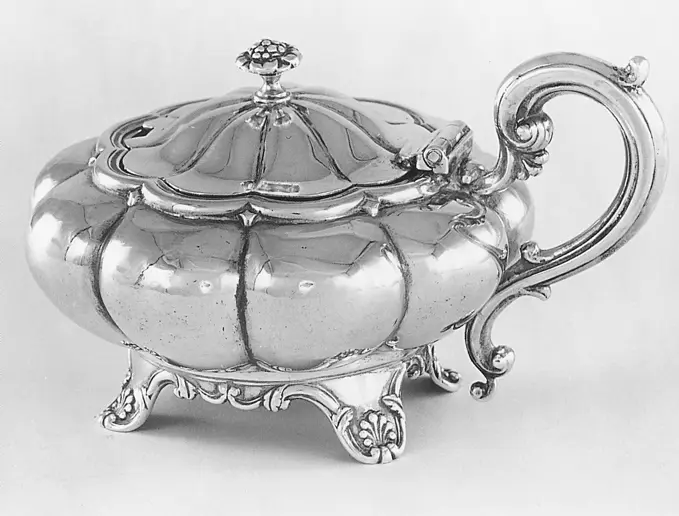
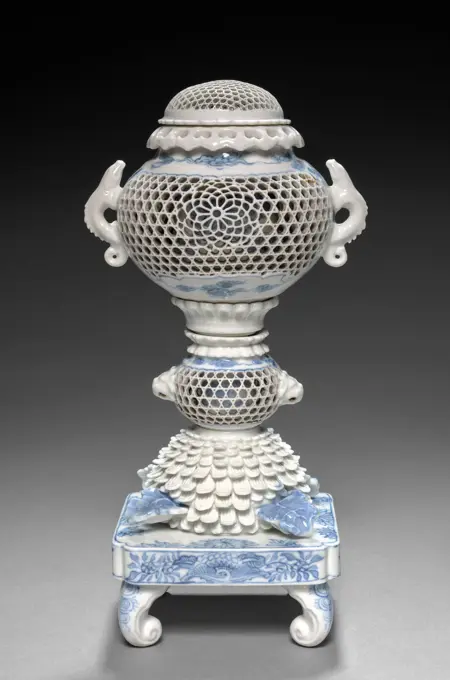
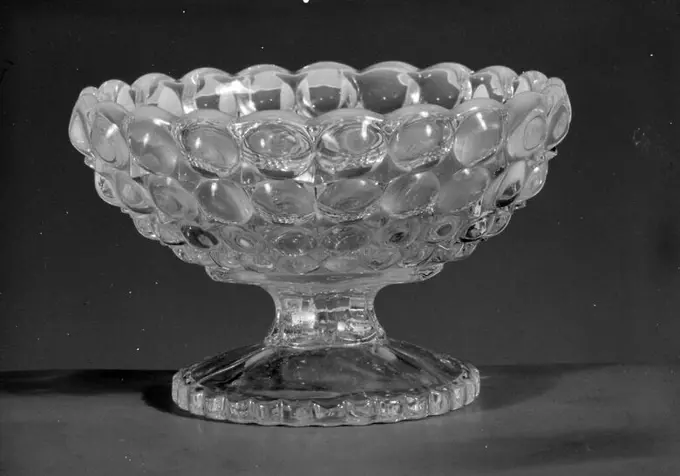
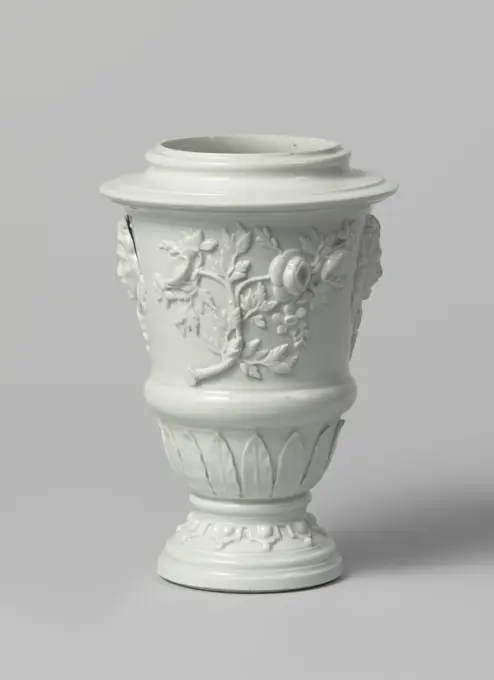
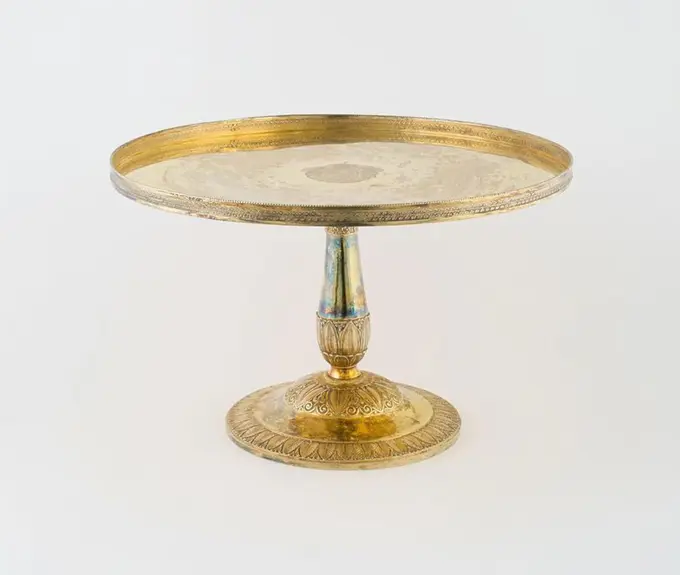
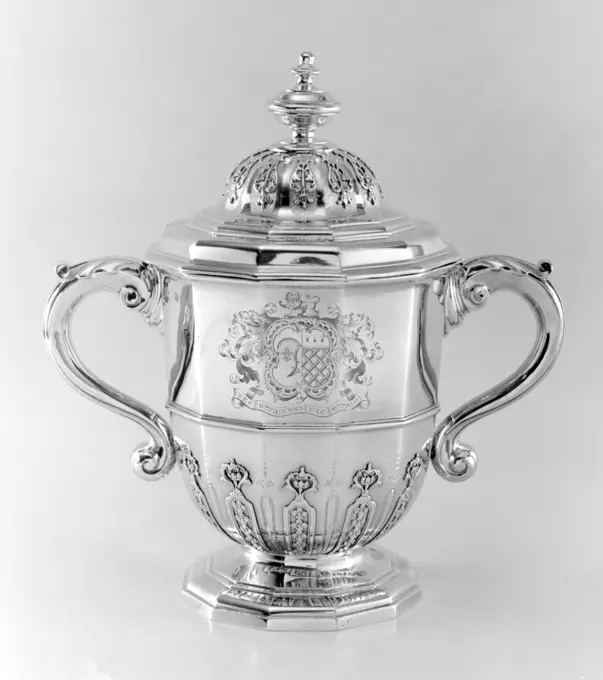
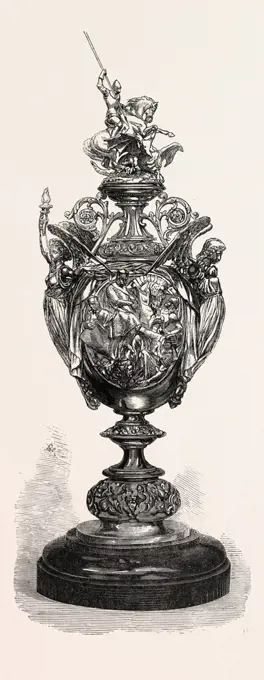
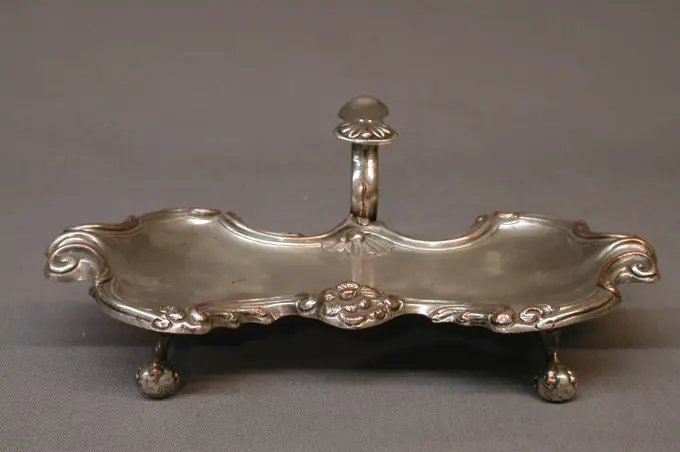
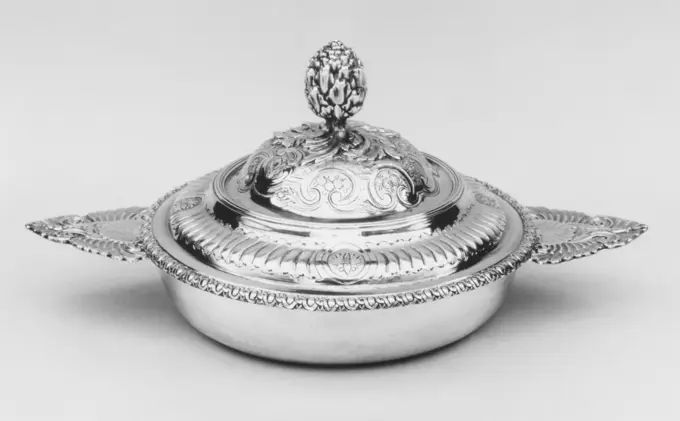
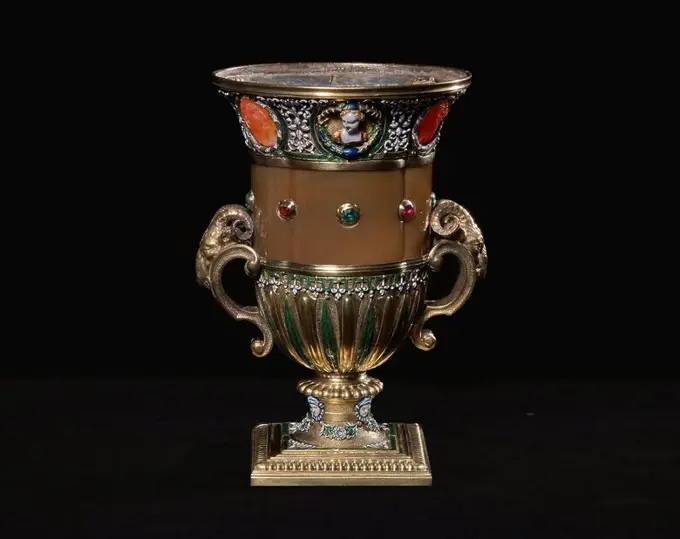
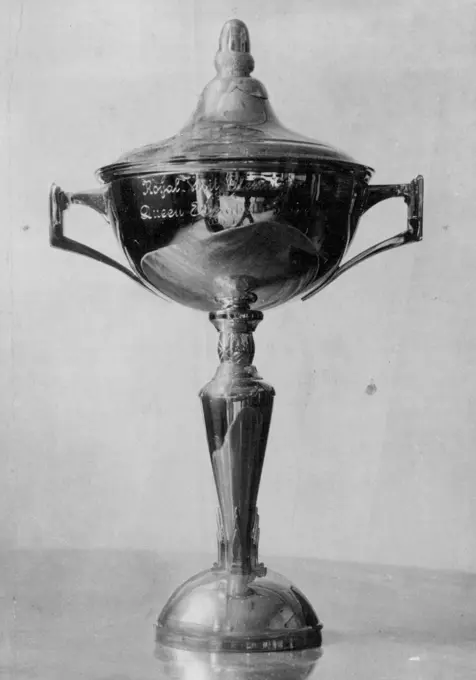
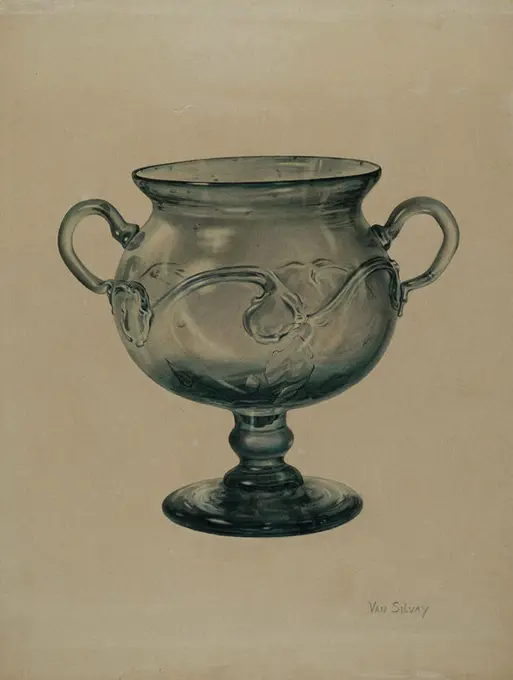
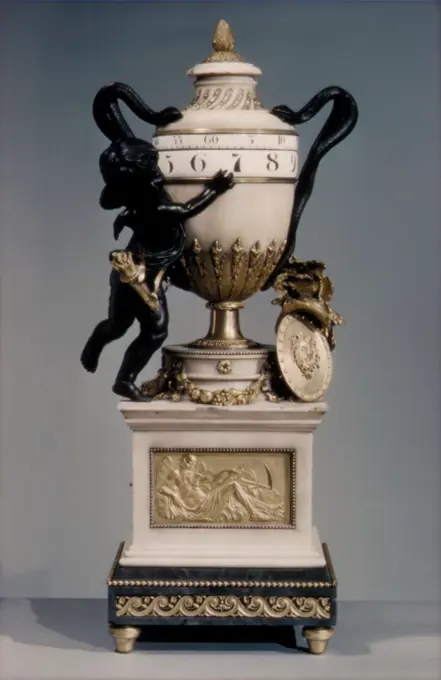
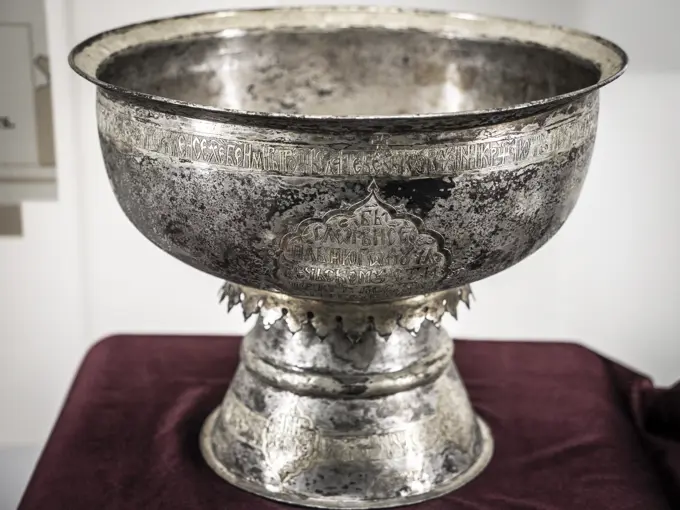
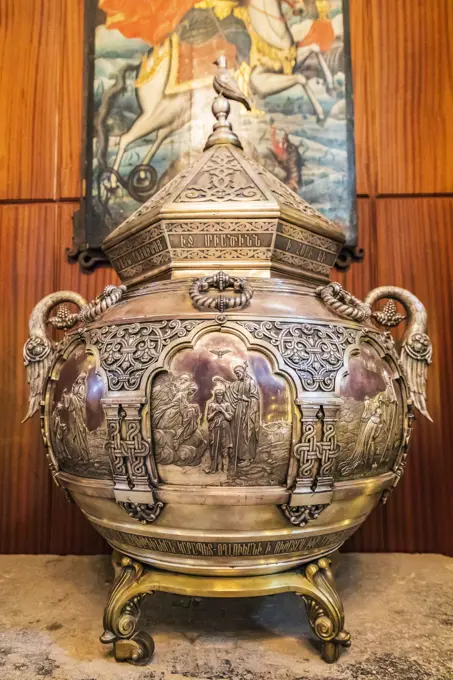
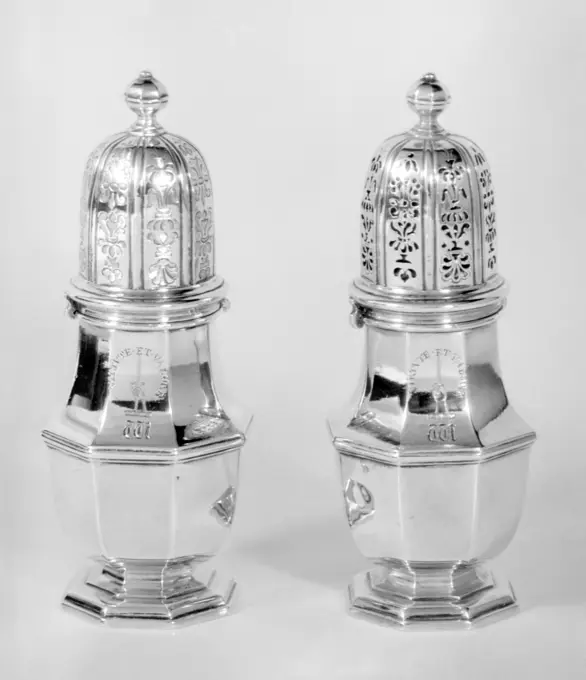
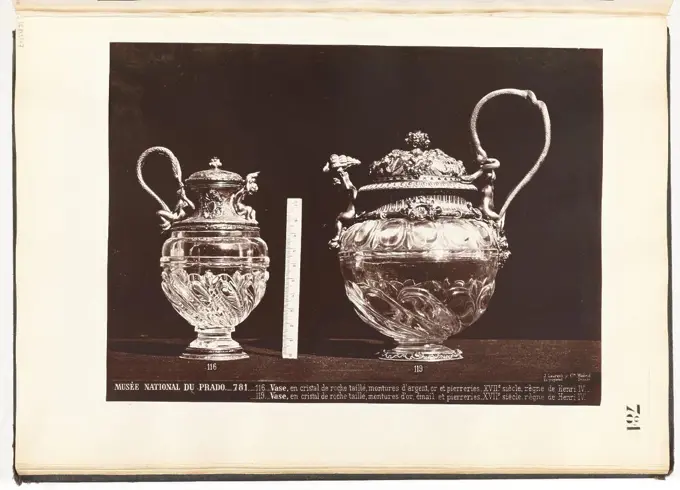
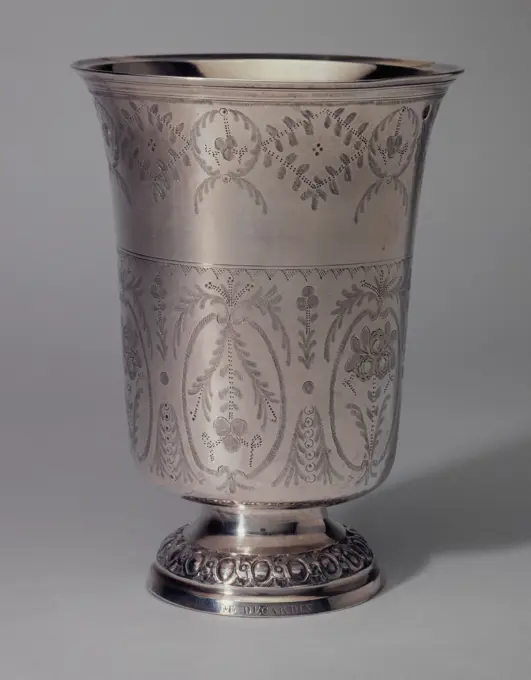
Louis-Jacques Berger. "Cup". Money. 1809-1819. Museum of Fine Arts of the City of Paris, Petit Palais. 74381-30 Silver, silverware, goblet, orfevrery, dishesTwo -country candelab; Care, brothers (Warsaw; Wytwórnia Z Otnicz; 1884-1944); 1897-1898 (1897-00-00-1898-00-00);Bowl 17th century with later additions Italian, probably Milan. Bowl. Italian, probably Milan. 17th century with later additions. Rock crystal, silver gilt, rubies. Natural Substances-Rock CrystalTea tray, cake stands, jam dish, sugar bowls, coffee pot and milk jug, Martin Guillaume Biennais, c. 1817 Couples bowl with lid, made of gold -plated silver, on an oval base, standing on an eight -sided base. Ears on both ends, which are held by winged female semi -figures. With crowned imperial monogram. Paris silver (metal). gilding (material). ebony (wood) gilding Couples bowl with lid, made of gold -plated silver, on an oval base, standing on an eight -sided base. Ears on both ends, which are held by winged female semi -figures. With crowned imperial monogram. Paris silver (metal). gilding (material). ebony (wood) gildingLazio Viterbo Viterbo Museo Civico1. Hutzel, Max 1960-1990 Views of paintings (Middle Ages through 18th c.), frescoes, a tabernacle, coffin, sculpture reliefs, portal fragments, busts, sculpture, tapestry found in the Pinacoteca, Second floor gallery and Second floor cloister sequences. Antiquities: Many views of Etruscan and Roman fragments, sculpture, sarcophagi, pottery, masks, jewelry and other objects found in the Storeroom sequence (inventory numbers on back of prints), and the Cloister, Second floor Cloister, Valle Giulia, Sala Romana and Sala Etrusca sequences. General Notes: There are eight separate numerical sequences for this location. The cloister as an architectural structure, rather than museum site, is documented in the record and file for S. Maria della Verita, Cloister, all views of which are stored in Medieval core collection. Five views from the Museo Civico Second floor cloister sequence are stored in Medieval. German-born photographer and scholar Max Hutzel (1911-1Lebes (Stemmed Bowl with Lid) 725 BCE-700 BCE Etruria. Situated at the crossroads of Mediterranean trade routes, the Etruscans were avid importers of Greek vases with figural decoration. Many of these vessels survive today because they were buried with their Etruscan owners, and were discovered in tombs only during the last several centuries. This example was made by a local artist who quickly adopted the decorative motifs and painted styles of imported wares and adapted them to local tastes in order to capture some of the market.When the Greeks established settlements along the Italian coast, they brought with them pottery decorated in the Geometric style. On this ceremonial vessel there are banded decorations of zigzags, diamonds, and cross-hatching. The long-necked birds and stylized horses present recall bronze votive figures from Geometric-period Greece.. terracotta . Ancient EtruscanCoffee Pot. Denuelle Porcelain Manufactory (French, 1818-1829); France, Paris. Date: 1815-1825. Dimensions: H. 26 cm (10 1/4 in.). Hard-paste porcelain, polychrome enamels, and gilding. Origin: Paris. Museum: The Chicago Art Institute, Chicago, USA.Chalice called San Remy, XII century. Reims Cathedral Treasury, France. The Arts of the Middle Ages and at the Period of the Renaissance by Paul Lacroix, 1874. Depicted here is a story from the Metamorphoses (Transformations) by the Roman poet Ovid. Jupiter, the king of the gods and an incorrigible adulterer, tries to deceive his wife Juno by turning his lover Io into a beautiful white cow. Io, in the guise of a cow, reclines at the left, while high up in the sky Juno approaches in her peacock-driven chariot.Coupe, anonymous, anonymous (rejected attribution), c. 1550 Coupe of light brown, purple -spotted mosage. Round, standing on a baluster -shaped trunk and flat round foot. Foot, trunk and scale are connected to golden tires, on which gold motifs against a white enamelled stock. Palm agate (chalcedony). gold (metal) Coupe of light brown, purple -spotted mosage. Round, standing on a baluster -shaped trunk and flat round foot. Foot, trunk and scale are connected to golden tires, on which gold motifs against a white enamelled stock. Palm agate (chalcedony). gold (metal)Wine taster or mustard dish 1685-86 Probably by John Sutton. Wine taster or mustard dish 205030Crystal shell cup on foot second half 19th century Western Europe, probably Austria or Germany. Crystal shell cup on foot. Western Europe, probably Austria or Germany. second half 19th century. Quartz cut on the wheel.Terracotta kylix (drinking cup) ca. 1400-1050 B.C. Mycenaean Two-handled cup on high foot with bands and tongues around the body.. Terracotta kylix (drinking cup) 247175Tea/hot Water Urn (USA); Made by Samuel Kirk & Son; silverUrn, late 1700s - 1800s. England, late 18th or 19th century. Earthenware; overall: 15 cm (5 7/8 in.).Matthew Cooper I, Snuffers and Stand, 1719/20, silver.Pair of candlesticks 1738-39 Guillaume Ledoux. Pair of candlesticks 200359Teapot 1753-54 Thomas Whipham British Repoussé decoration was achieved by hammering silver from the inside to create brilliant, raised textural effects on the outside. Silver vessels in inverted pear shapes were popular in the mid-eighteenth century, and the asymmetrical arrangement of flora and fauna seen here is typical of the Rococo style.. Teapot. British, London. 1753-54. Silver. Metalwork-SilverSugar bowl with cover ca. 1811-22 Giovacchino Belli Bellis version of the Empire style is seen here to be more relaxed and ingratiating than the contemporary French interpretation with its formal, rather static elegance. The friezes of putti are charming for their playfulness, and their dancelike rhythm is echoed in the graceful postures of the erotes on the handles and the figures of Loyalty and Friendship—attended by a faithful dog—on the cover. The iconography reflects a mixture of influences, including the reliefs of infants made in Rome in the seventeenth century by the Flemish-born sculptor François Duquesnoy, and such lighthearted figures as those painted on the walls of the house of Vettii at Pompeii. The bowl itself—possibly a sugar bowl ow an individual tureen—is of an attenuated neoclassical form well suited to the easy grace of the figures.. Sugar bowl with cover 206890Terracotta calyx-krater (bowl for mixing wine and water). Culture: Greek, Attic. Dimensions: H. 22 3/4 in. (57.8 cm)diameter 20 9/16 in. (52.3 cm). Date: 4th century B.C..A vine wreath circles the center of the body. Museum: Metropolitan Museum of Art, New York, USA.Collection cup ca. 1725-30 Possibly Joseph Lucas This type of bowl is known in France is known as a "coupe à quêter" (collection cup). At provincial weddings such cups are passed around among the wedding guests who drop coins into them as gifts for the young couple.. Collection cup 200174Cachepot. Culture: British, Staffordshire. Dimensions: 6 3/4 × 7 5/8 in. (17.1 × 19.4 cm). Date: ca. 1740. Museum: Metropolitan Museum of Art, New York, USA.Salt cellarCake plate 1850-70 American With the development of new formulas and techniques, glass-pressing technology had improved markedly by the late 1840s. By this time, pressed tablewares were being produced in large matching sets and innumerable forms. During the mid-1850s, colorless glass and simple geometric patterns dominated. Catering to the demand for moderately-priced dining wares, the glass industry in the United States expanded widely, and numerous factories supplied less expensive pressed glassware to the growing market. At the Exhibition of the Industry of All Nations at New Yorks Crystal Palace in 1853, for example, the New England Glass Company exhibited 130 pieces of one design, "consisting of bowls, tumblers, champagnes, wines, and jelly glasses." This object belongs to one such service. Although the glass manufactory is not known, the glassware is very typical of the large services that were very popular with Americas middle class in the nineteenth century.. Cake plate. AmerWater Pitcher 1870-90 Adams and Company. Water Pitcher. American. 1870-90. Pressed yellow glass. Made in Pittsburgh, Pennsylvania, United StatesStanding cup with cover first half 18th century Bohemian. Standing cup with cover. Bohemian. first half 18th century. Glass. GlassService vase for soup with covers and from the basics; Kaiserliche Porzellanmanufaktur in Wien (1744-1864); 1808 (1808-00-00-1808-00-00);Krystall, Bronisław (1887-1983) - collection, classicism (style), table vessels, purchase (provenance), gildingVase. Culture: British, probably. Dimensions: H. 9 1/2 in. (24.1 cm). Date: ca. 1860. Museum: Metropolitan Museum of Art, New York, USA.Waste Bowl. Culture: American. Dimensions: Overall: 6 7/16 in. (16.4 cm); 18 oz. 14 dwt. (581.7 g)Lip: Diam. 5 1/2 in. (14 cm)Foot: 4 1/4 x 4 1/4 in. (10.8 x 10.8 cm). Date: ca. 1810. Museum: Metropolitan Museum of Art, New York, USA.Antoine Louis Barye, Card Receiver with Fawn's Feet and Grapes, model nd, cast c 1845 1874 Card Receiver with Fawn's Feet and GrapesThe Lomellini Ewer, 1618-20. Made in Italy .Tray; François-Thomas Germain (French, 1726 - 1791); Paris, France; 1750-1756; Silver; 3.6 × 22.2 × 20.2 cm, 578.08 g (1 7,16 × 8 3,4 × 7 15,16 in., 18.5857 ozt.);Silversmith: Cornelis Knuijsting, Porcelain bowl with lid and inscription: De Jonghe Anthony Born on 22 October 1807 Evening at 9 Hours, papkom tableware holder silver, forged rolled sawn Structure: round bowl upwards slightly widening to the rim one ear lid with raised edge that can act as stand ring - engraved in copperplate on top of lid: birth Anthony van HobokenCoconut-Shell Cup (Coco chocolatero). Unidentified artist. Mexico, 17th-18th century. Furnishings; Serviceware. Polished coconut shell, silverRetorti Tazza. Italy, probably Venice, 17th century. Furnishings; Serviceware. GlassJohn H Tercuzzi, Garden Urn, 1935 1942 Garden UrnCup, Olive yellow-green glass, Inverted bell shape, shallow, with upright lip. On high stem and ireegularly circular foot incised with straight, branching lines., Egypt, 4th century, glasswares, Decorative Arts, CupVase with the story of Diana and Actaeon. Working in white on a black ground, Pierre Raymond introduced subtle tonal nuances in his monochromatic depictions. The flesh tone of the figures is emphasized through the introduction of a bit of red. Unfolding around the vase is the story of the goddessDiana, who turned the hunter Actaeon into a stag for spying on her while she was bathing.GlassCovered Urn 1785-1815 Chinese. Covered Urn. Chinese. 1785-1815. Porcelain. Made in ChinaLoving cup 1772 Richard Williams This Dublin-made cup does not fit into any style of the period, but instead is inspired by vernacular forms that would have been made of humbler materialin this case, wood. Its everyday counterpart was probably much larger and likely to have been found on a farm. A romantic evocation of earlier times, the cup is unusual in its anticipation of a mid-nineteenth century movement of producing folk-type objects in precious materials.The arms belong to an unmarried baronet of the Crofton family, and include two mottos in ancient Irish, which may reflect the owner's special interests. The maker, Richard Williams, was a Dublin goldsmith. The city was an important center for silver crafts in the eighteenth century.. Loving cup. Irish, Dublin. 1772. Silver, silver gilt. Metalwork-SilverPair ofLamps.   Maker: Allen Porter, AmericanEgg glass; Koenigliche Porzellan Manufaktur (KPM; Berlin; 1763-1918); 1780-1800 (1832-00-00-1850-00-00);Arabesques mosquée de soultan Barqouq lampe en verre émaillé (XIVe siècle), 1877, Prisse d'Avennes (1807-1879)., 1877, Paris, Publisher, A. Morel et Cie, Libraires-Éditeurs. Architecture, Islamic; Architecture, Egypt, Cairo; Art, Egypt, Cairo; Art, Islamic; Islamic decoration and ornament; Barquq, Sultan of Egypt, 1340 or 41-1399; Homes and haunts; Enameled glass lamps., 44 x 32.5 cmWhale Oil Lamp. Dimensions: H. 11 in. (27.9 cm). Date: 1830-40. Museum: Metropolitan Museum of Art, New York, USA.Silver chalice, 16th century, Evora Museum, Evora, Alentejo, Portugal, Europe.Chamberstick with snuffers (one of a pair) 1792 John Scofield This George III silver gilt chamberstick, paired with 2019.283.117a-d, was made by John Scofield, London 1792. Such chambersticks were used at night to circulate within a home. This particular pair retains all its original components, including its snuffers, which often went missing.. Chamberstick with snuffers (one of a pair). British, London. 1792. Gilded silver. Metalwork-SilverGoblet, jar with engraved with horses, monogram AB and 1835, wineglass drinking glass drinking utensils tableware holder glass, gram in mold blown polished engraving diamond engraving Heavy chalice goblet in clear colorless glass. Massive eight-lobed polished base at the bottom star-shaped (pontilemark ground away) Ascending to solid trunk with sharp ring. Rounded cup-shaped chalice with thick ground. Four oval medallions protruding from the chalice, three of them with rad engraved illustrations of horses and one diamond-engraved anchor with initials and date AB and 1835 surrounded on both sides by palm and flower branch .. and 1835 Rotterdam Biedermeier Hailing from the Rotterdam family Bakker.Crystal can, from the Louvre.Terracotta chalice ca. 550 B.C. Etruscan Goblet-shaped vase with incised lines and pointed bosses on edge of rim.. Terracotta chalice 246219Joseph Richardson Jr., Waste Bowl, part of Four-Piece Tea Service, c. 1795-1800, silver.Cup (part of a service) 1790-1800 Chinese, probably for British market. Cup (part of a service) 201084Love Cup. Tiffany and Company; American, founded 1837; New York, New York. Date: 1900. Dimensions: 31.8 × 21.8 × cm (12 1/2 × 8 5/8 in.); 2543.7 grams. Silver and copper. Origin: New York City. Museum: The Chicago Art Institute, Chicago, USA. Author: Tiffany and Company.. Jar of partially golden silver. The jar is resting on an octagonal stage. The highly strolled tribe bears the egg-shaped cuppa. The vaulted lid is crowned by a barnstone. The entire surface is decorated.Sauce Dish ca. 1888 Richards and Hartley Flint Glass Co.. Sauce Dish. American. ca. 1888. Pressed yellow glass. Made in Tarentum, Pennsylvania, United StatesSugar Bowl 1827-35 Probably New England Glass Company. Sugar Bowl. American. 1827-35. Pressed glass. Made in East Cambridge, Massachusetts, United StatesEdward I, Edward II, John II, and William Barnard, Mustard Pot, 1832/33, silver.Chrysanthemum Censer, 1700s. Japan, Edo period (1615-1868). Porcelain with underglaze blue (Hirado ware); overall: 24.2 cm (9 1/2 in.).Footed Dish. Culture: American. Dimensions: H. 2 5/8 in. (6.7 cm); Diam. 3 3/4 in. (9.5 cm). Maker: Richards and Hartley Flint Glass Co. (ca. 1870-1890). Date: ca. 1888. Museum: Metropolitan Museum of Art, New York, USA.Miniature cup ca. 1720-30 David Clayton British. Miniature cup. David Clayton (British, active 1689). British, London. ca. 1720-30. Silver. Metalwork-Silver-MiniatureVase, Meissener porcelain manufactory, c. 1715 Vase of Böttger-porcelain. The profiled base is decorated with a frieze of lambrekijns in relief. There is a flat ring between the foot and the body. A frieze of lancet leaves runs over the lower part of the body in relief, above which a profiled band. The upper part is decorated on the front and rear with rose branches in high-relief, between which two applianed Medusahoofden. The flat shoulder and the mouth edge are profiled. The lid is missing. The vase is not marked. Float porcelain Vase of Böttger-porcelain. The profiled base is decorated with a frieze of lambrekijns in relief. There is a flat ring between the foot and the body. A frieze of lancet leaves runs over the lower part of the body in relief, above which a profiled band. The upper part is decorated on the front and rear with rose branches in high-relief, between which two applianed Medusahoofden. The flat shoulder and the mouth edge are profiled. The lid is missing. The vase Two Tazzas. Pietro Paola Spagna; Italian, 1793-1861; Rome, Italy. Date: 1815-1825. Dimensions: H. 20.3 cm (8 in.). Silver gilt. Origin: Rome. Museum: The Chicago Art Institute, Chicago, USA.Sugar bowl 1753-54 Sébastien Igonet. Sugar bowl 200103Cup with cover and stand (one of a pair) John Parker British Edward Wakelin British 1766/67 This pair of cup was made for the Curzon family, important patrons of the architect Robert Adam. The bold profile, rich beading, and unusual square base represent an early foray into the neoclassical style. Although the design is not attributed, some motifs are apparently borrowed from the published designs of William Kent, an architect active a generation earlier.Two-handled cup with cover ca. 1720 Paul de Lamerie British. Two-handled cup with cover 199661Fragment of berkemeier, drinking glass drinkware tableware holder soil find glass forest glass, free blown and formed glass application Fragment of foot bottom stem and part of chalice of berkemeier in clear green glass (forest glass) Flat foot of five times wound glass wire. Pontil mark under pointed soil. Hollow trunk (small part missing) with four diagonally placed thorn buds Surrounding narrow smooth glass thread on transition of stem and calyx Conical chalice most of which is missing archeology Dordrecht drink Soil discovery: Dordrecht.Candlestick ca. 1790 British or Irish. Candlestick. British or Irish. ca. 1790. Blown glass. Possibly made in Ireland; Possibly made in EnglandMonteithbowl.   Maker: Benjamin Watts, British, active 1698-1727Goldsmith's art, Italy, 16th century. Bernardo Buontalenti (1531-1608), Jacques Bylivelt (1550-1603), Lapis lazuli flask with cover, gold chain and enamelled gold and gilded copper strips, 1583. Height cm. 40.5Coffeepot 1747-48 Guillaume Ledoux. Coffeepot 200369PRIZE CUP FOR DONCASTER RACES, 1866Pen tray 18th century British. Pen tray. British. 18th century. Sheffield plate. Metalwork-SilverplateBowl with cover (Écuelle) 1749-50 Éloi Guérin. Bowl with cover (Écuelle) 200361Vase. Culture: American. Dimensions: Overall: 15 1/2 x 8 3/4 x 5 13/16 in. (39.4 x 22.2 x 14.8 cm); 79 oz. 1 dwt. (2459.6 g)Foot: Diam. 4 5/8 in. (11.7 cm). Maker: Tiffany & Co. (1837-present). Date: 1869. Museum: Metropolitan Museum of Art, New York, USA.Platter 1743-44 Claude Laurent. Platter 200306Jean Royel () / 'Square-footed jasper cup with cameos'. 1687 - 1689. Agate, Chalcedony, Cowry, Enamel, Emerald, Jasper, Gold, Silver-gilt, Ruby. Museum: Museo del Prado, Madrid, España.The Queen Elizabeth Cup, which will be presented to the owner of the winner of the Queen Elizabeth Stakes at Flemington on February 27, when the Queen and the Duke of Edinburgh will visit the course.The Queen Elizabeth Cup, which will be presented to the owner of the winner of the Queen Elizabeth Stakes, to be run at Flemington on February 27, when the Queen and the Duke of Edinburgh visit Flemington. February 06, 1954.Bowl with recticulated wall 18th century China. Bowl with recticulated wall. China. 18th century. Porcelain painted in underglaze cobalt blue (Jingdezhen ware). Qing dynasty (1644-1911). CeramicsSugar Bowl. Dated: 1935/1942. Dimensions: overall: 30.2 x 22.7 cm (11 7/8 x 8 15/16 in.). Medium: watercolor, graphite, and colored pencil on paperboard. Museum: National Gallery of Art, Washington DC. Author: Van Silvay.Dish (one of a pair) 1697-1704 French, Paris. Dish (one of a pair) 200203Cup (tasse Jasmin) ca. 1815-21 Possibly after a painting by Jean-Baptiste Isabey French. Cup (tasse Jasmin) 194887Clock ca. 1775-80 Clockmaker: workshop of Jean-Baptiste Lepaute. Clock. French, Paris. ca. 1775-80. Marble, bronze and gilt-bronze; chapter rings of white enamel; movement of brass and steel. HorologyRelish dish 1850-70 American With the development of new formulas and techniques, glass-pressing technology had improved markedly by the late 1840s. By this time, pressed tablewares were being produced in large matching sets and innumerable forms. During the mid-1850s, colorless glass and simple geometric patterns dominated. Catering to the demand for moderately-priced dining wares, the glass industry in the United States expanded widely, and numerous factories supplied less expensive pressed glassware to the growing market. At the Exhibition of the Industry of All Nations at New Yorks Crystal Palace in 1853, for example, the New England Glass Company exhibited 130 pieces of one design, "consisting of bowls, tumblers, champagnes, wines, and jelly glasses." This object belongs to one such service. Although the glass manufactory is not known, the glassware is very typical of the large services that were very popular with Americas middle class in the nineteenth century.. Relish dish. AmRobert Rew, Pair of Salvers, 1770/71, silver.Silversmith's art, France, 18th century. Francois-Thomas Germain (1726-1791), silver plate with food cover of the Royal House of Portugal commissioned by Don Jos I.Design for a Gilt Bronze Ewer ca. 1770-90 George Heinrich von Kirn German. Design for a Gilt Bronze Ewer 345887Weihwasserbecken Weihwasserbecken Copyright: xZoonar.com/TOLOxBALAGUERx 22682509Bowl.   Maker: Arthur J. Stone, American, born England, 1847-1938Jeżowe (Later in Zarzecze)  The Church of MB Śnieżna and St. Tadeusz Judah  Goldsmith Parameters  Cup and Can unknownArmenia. Armavir Province. Vagharshapat. An antique urn in the Mother See of Holy Etchmiadzin Church. (Editorial Use Only)WineCup.   Maker: A. B., British, 1605-1606Charles Stuart Harris, Tray, 1897/98, silver.JARRON DE PIEDRA DECORADO- S XVII. Location: PALACIO REAL-JARDIN DE LA ISLA. Aranjuez. MADRID. SPAIN.Bell-shaped cup with a crucifixion scene, anonymous, c. 1780 Bell -shaped head of porcelain with a straight wall, painted on the glaze in black and gold. On the outside a representation of the crucifixion with the two Maria's; the soil with a twig; A band with a decorative pattern on the inner edge. A crack in the wall. Part of a tea set. European performance in Encre de Chine. China porcelain. glaze. gold (metal) painting / gilding / vitrification Bell -shaped head of porcelain with a straight wall, painted on the glaze in black and gold. On the outside a representation of the crucifixion with the two Maria's; the soil with a twig; A band with a decorative pattern on the inner edge. A crack in the wall. Part of a tea set. European performance in Encre de Chine. China porcelain. glaze. gold (metal) painting / gilding / vitrificationPair of casters 1714-15 John Chartier. Pair of casters 197698Clock with base early 17th century German. Clock with base. German. early 17th century. Brass gilt. HorologyBuilt-in display case with ceramics; Blue Chinese. .Juan Laurent y Minier (Photographer) / 'Small rock crystal ewer with children and snake-shaped handle and rock crystal ewer'. Ca. 1879. Albumen on photographic paper. Museum: Museo del Prado, Madrid, España.Set of ancient vase hand drawn ink sketch. Engraved style vector illustration.Athenian black figured kylix, sixth century, B. C. Circe and the companions of Odysseus, Museum of Fine Arts, Boston , Drinking vessels, Goddesses, Circe Mythological character. Nicholas Catsimpoolas Collection