Elegant Glassware

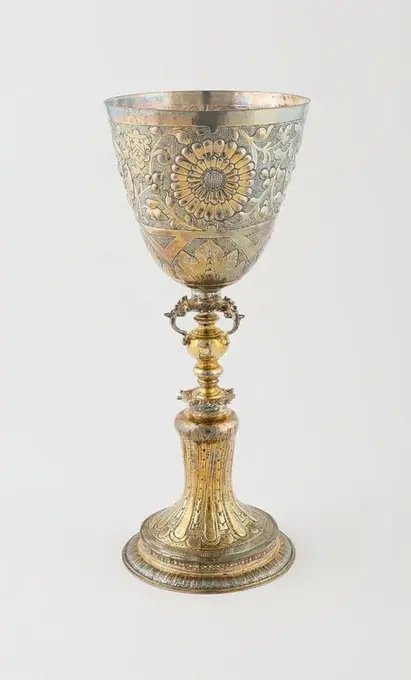
Artistic glassware pieces from history, showcasing detailed craftsmanship and intricate features, highlighting the elegance of vintage glass design.

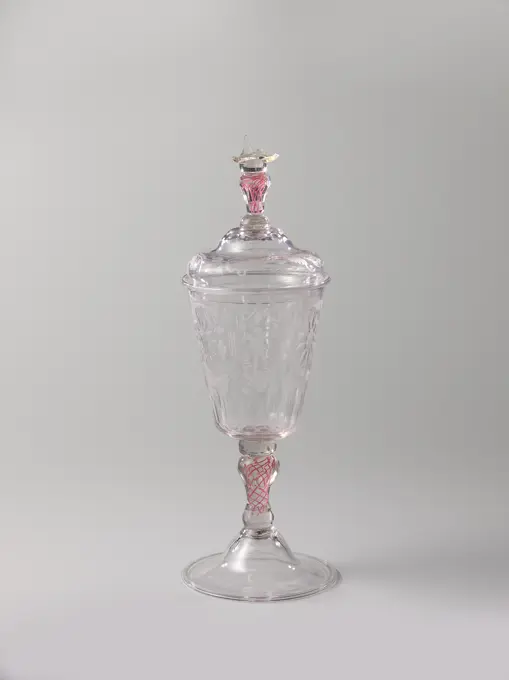
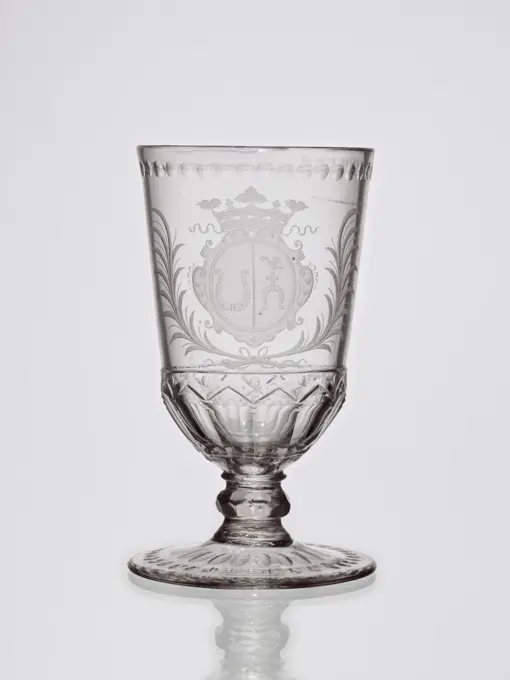
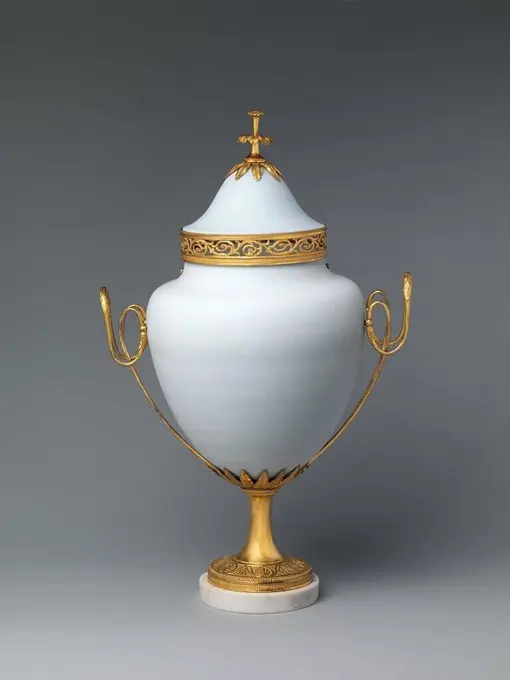
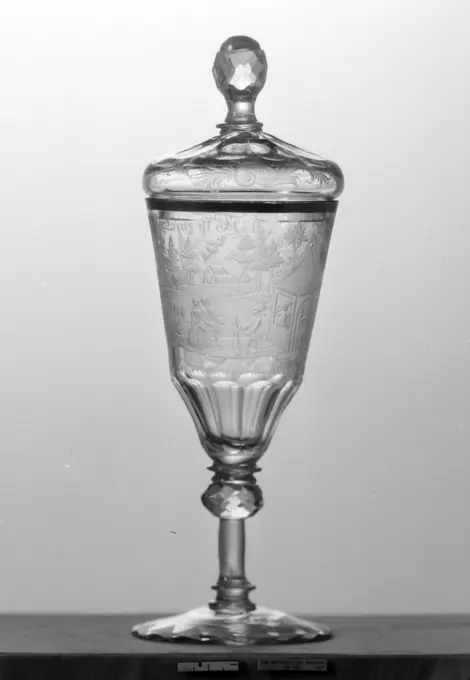
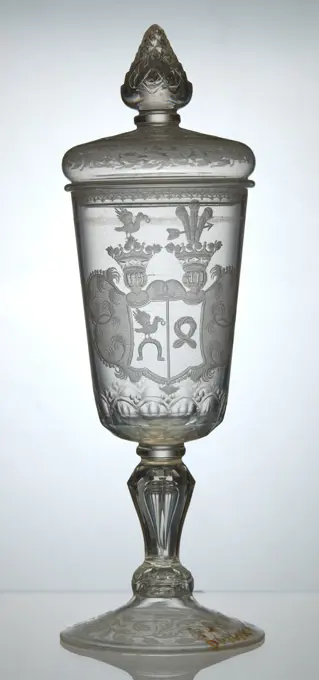
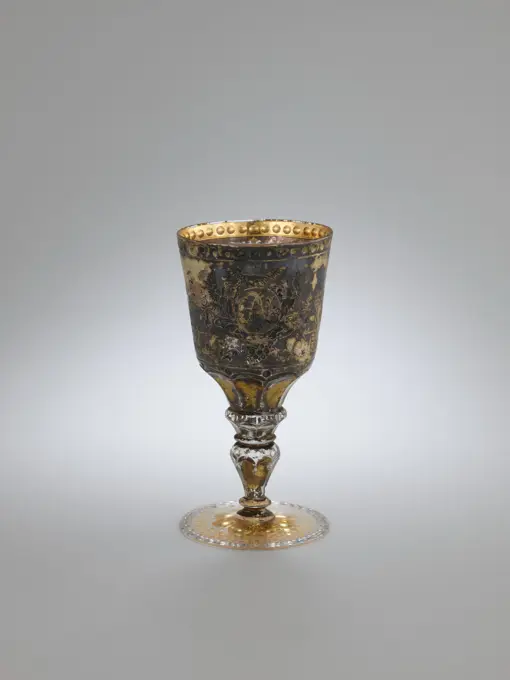
Chalip glass with the weapons of the Water Board of the Uitwatering locks of Kennemerland and West Friesland and the Stuyling Sijns, Anonymous, c. 1748 Vaulted foot. Balus -shaped trunk with buttons. The conical chalice has a rounded bottom. The vaulted lid has a button with a tire with air bubbles and a peak. On the chalice the crowned weapon of the exhausting locks of Kennemerland and West Friesland, supported by three putti floating in the midst of clouds. On the other side the coat of arms of the Stuyling Sijns from Alkmaar family, surrounded by flower branches. glassblower: Low CountriesNorthern Netherlands glass glassblowing Vaulted foot. Balus -shaped trunk with buttons. The conical chalice has a rounded bottom. The vaulted lid has a button with a tire with air bubbles and a peak. On the chalice the crowned weapon of the exhausting locks of Kennemerland and West Friesland, supported by three putti floating in the midst of clouds. On the other side the coat of arms of the Stuylin
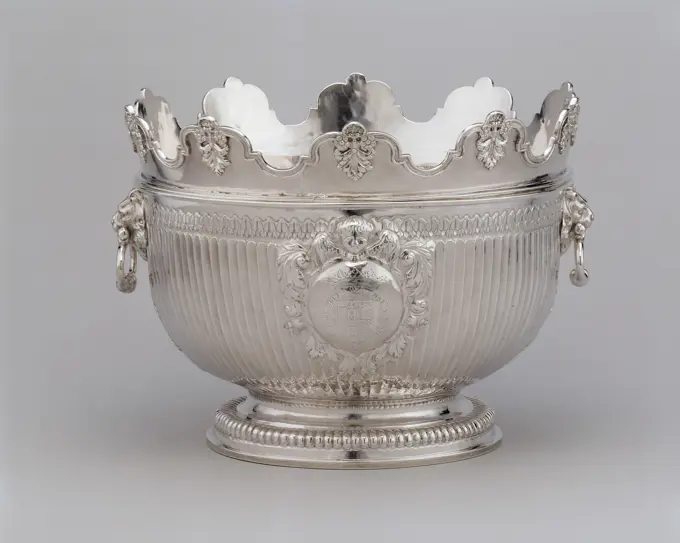
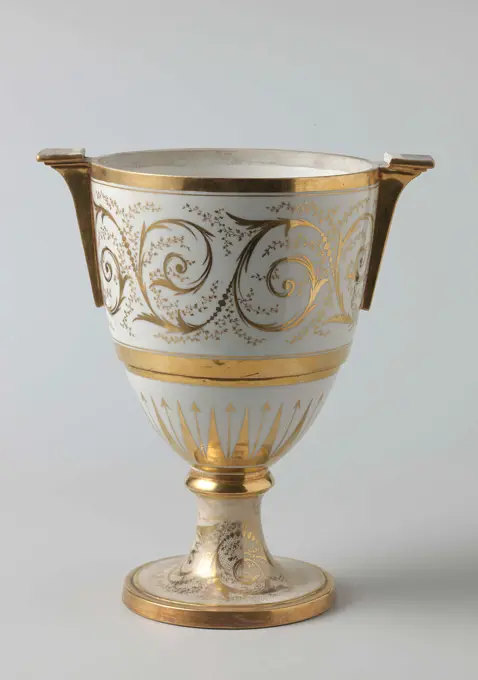
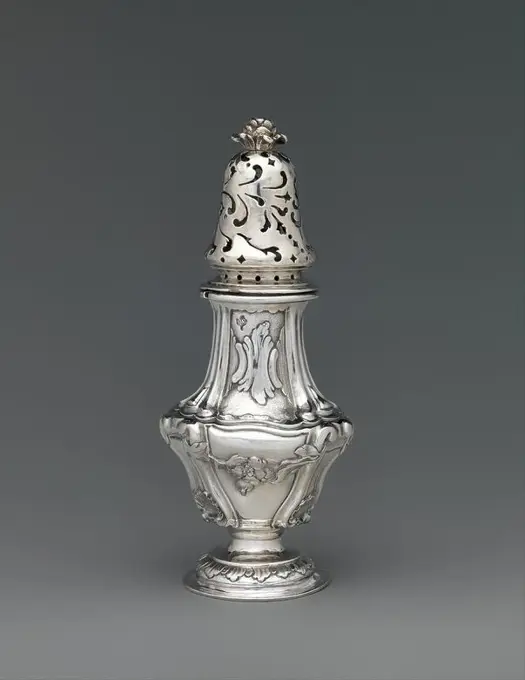
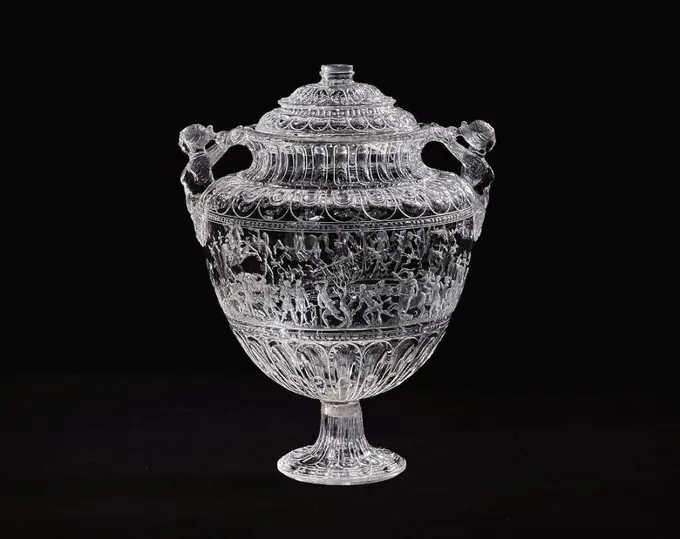
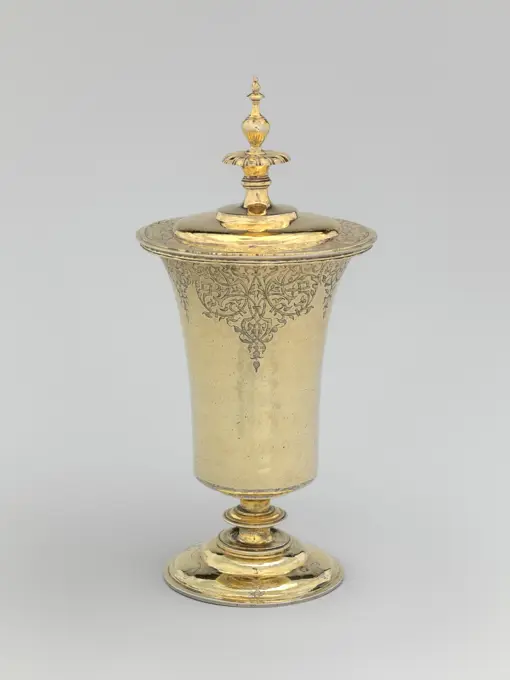
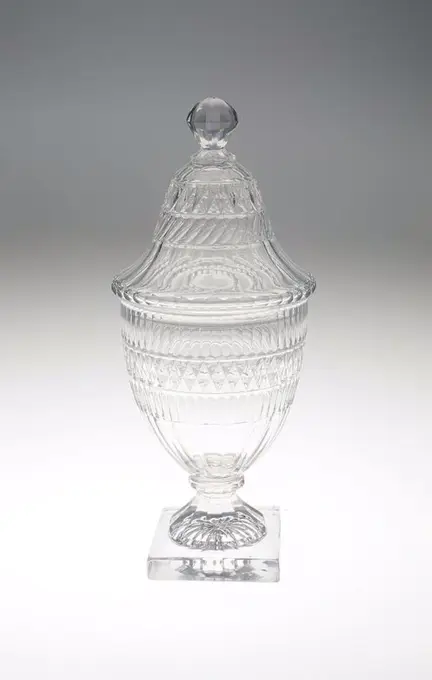
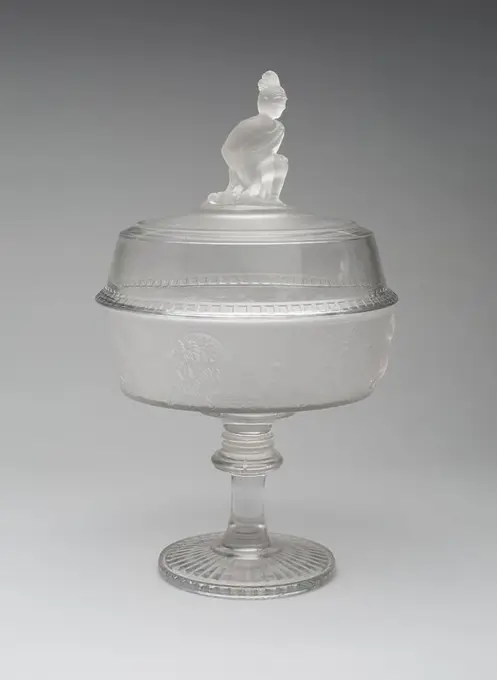
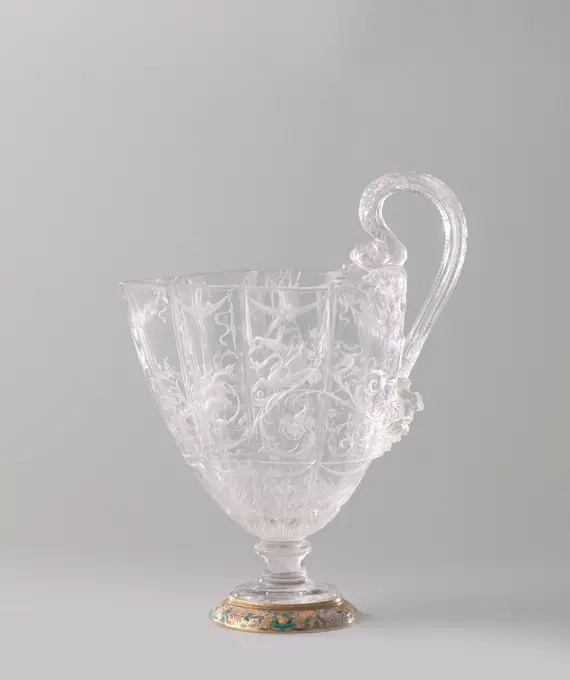
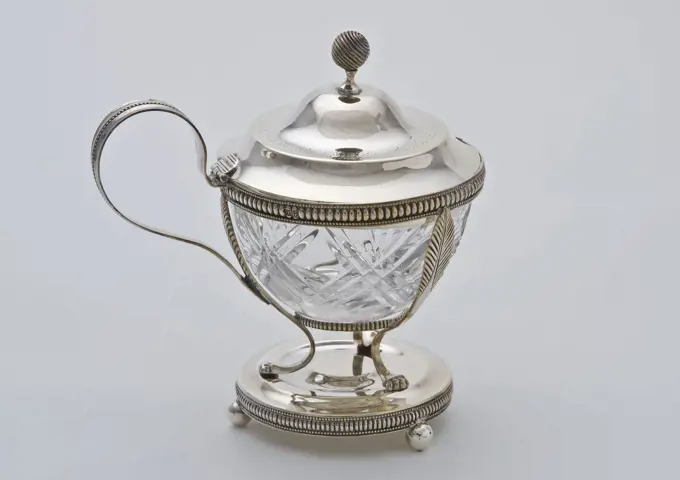
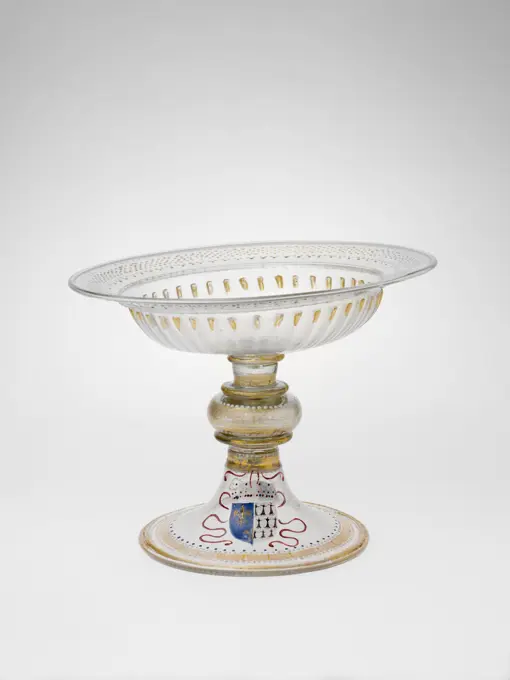
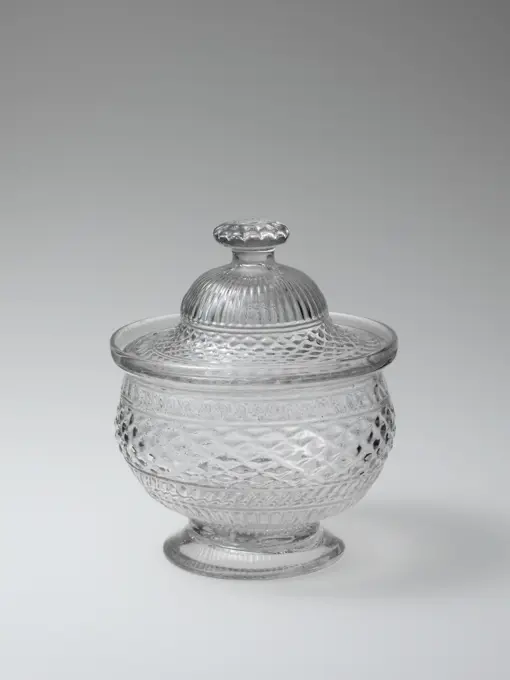
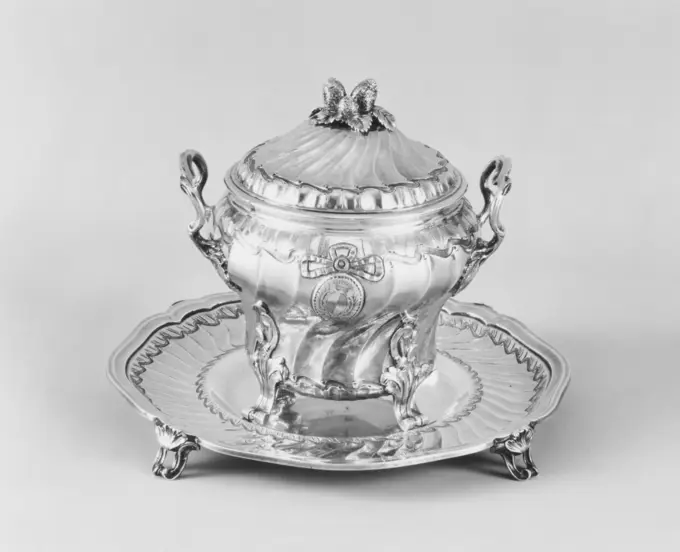
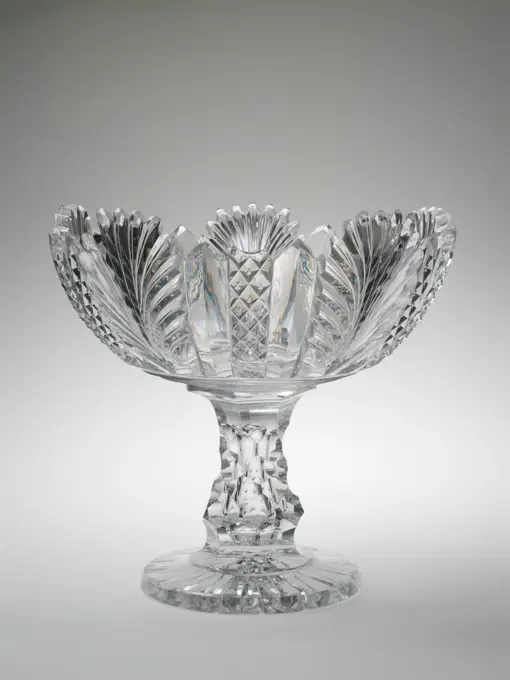
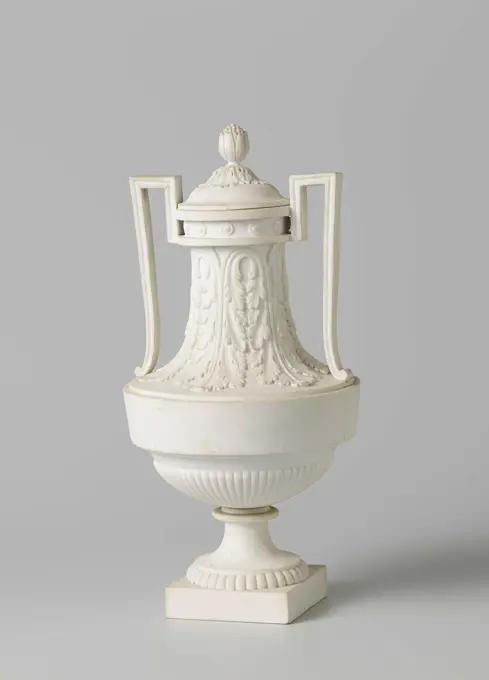
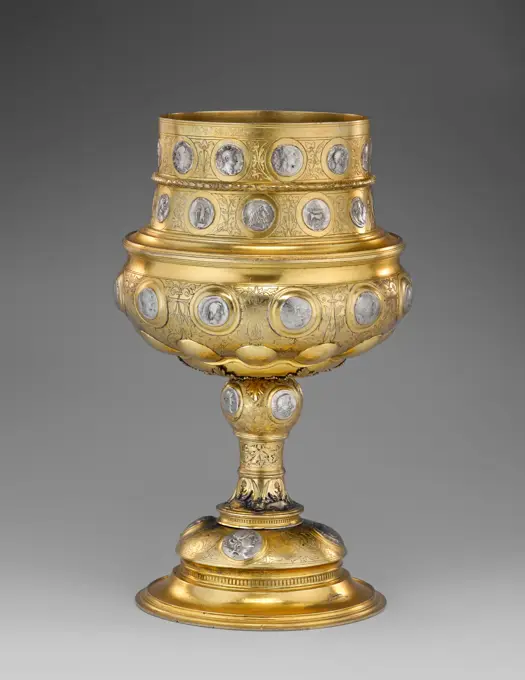
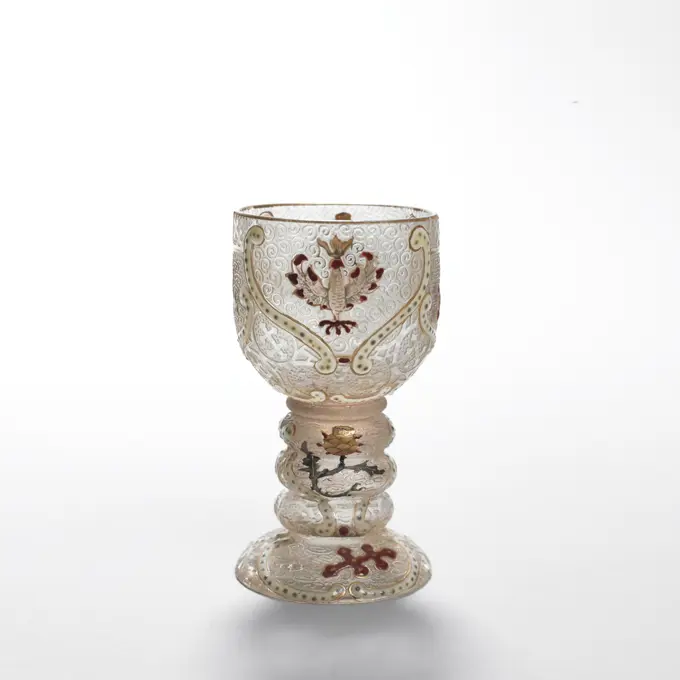
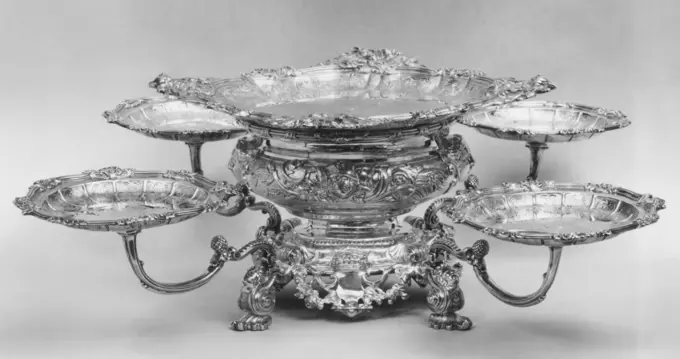
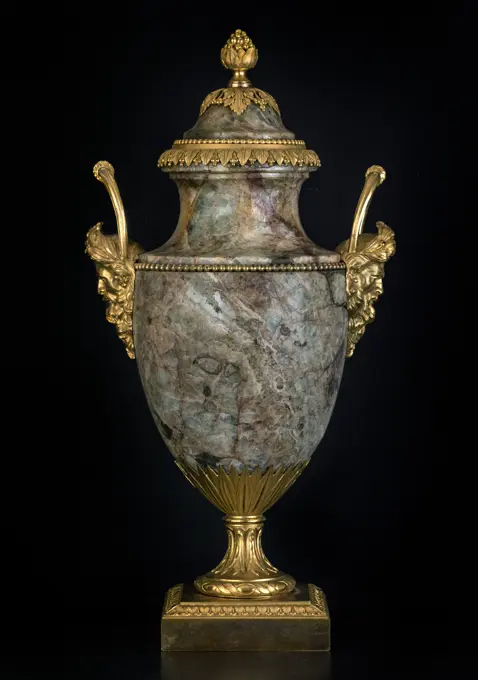
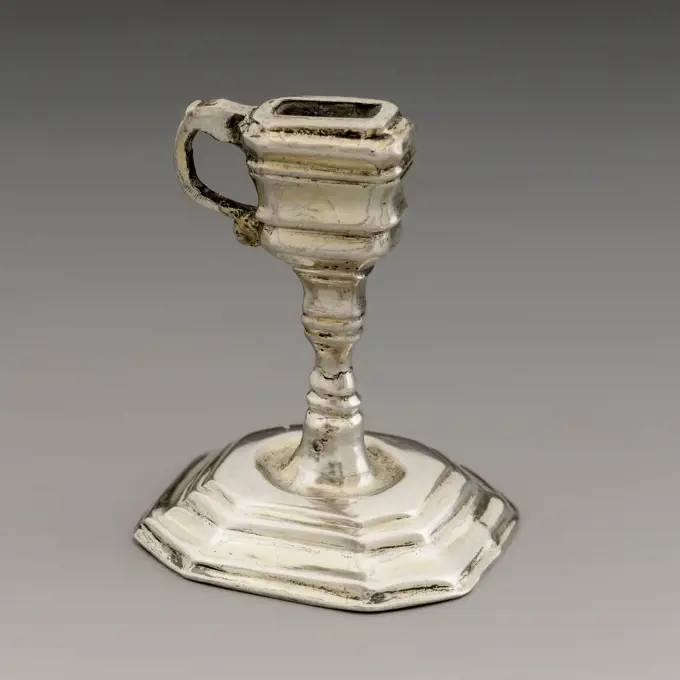
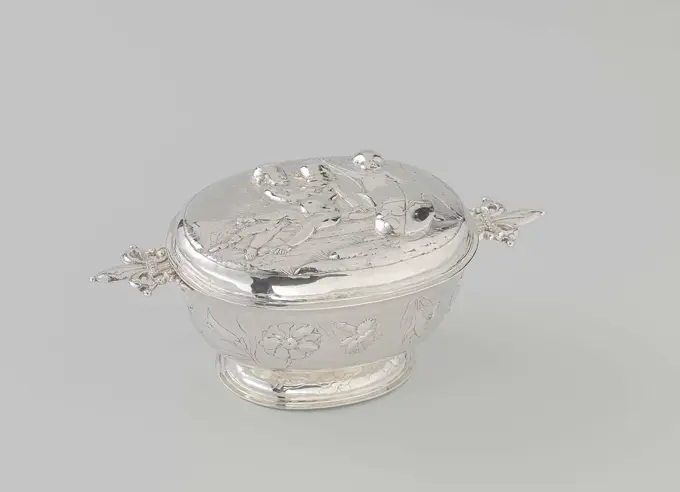
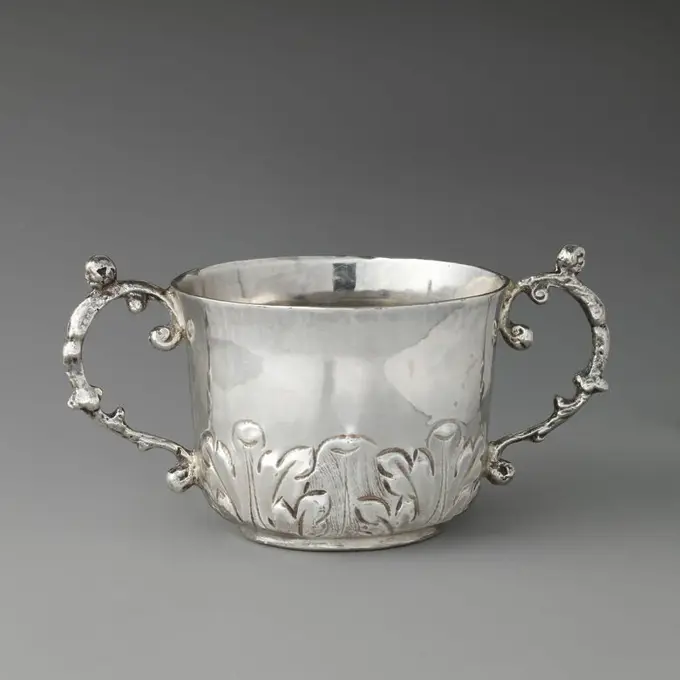
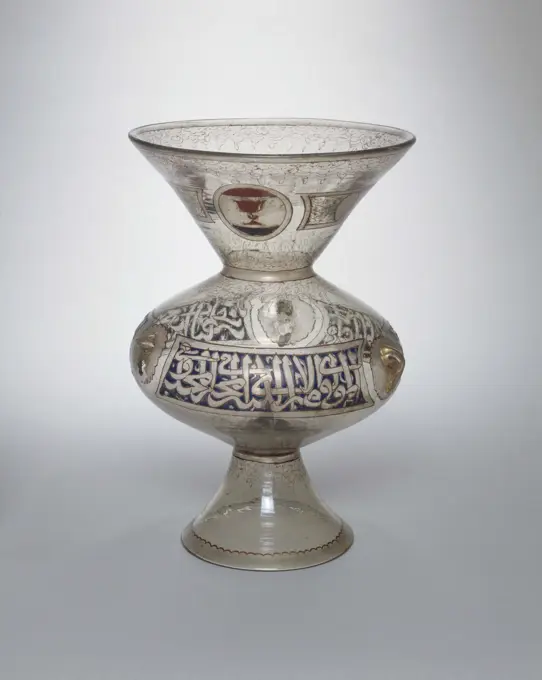
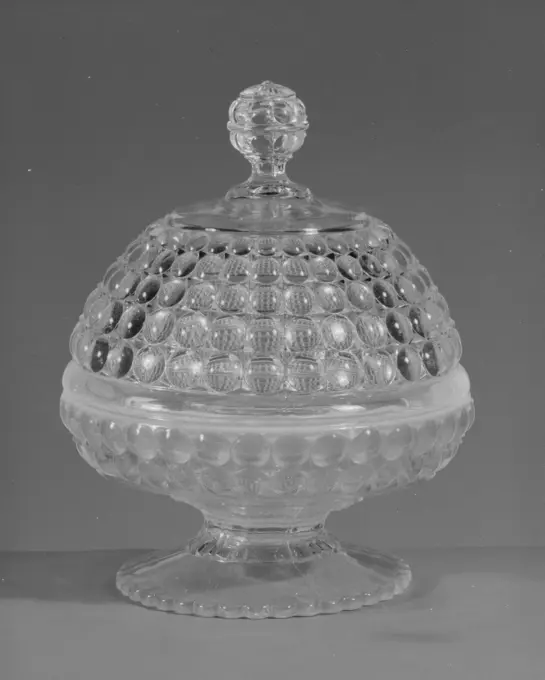
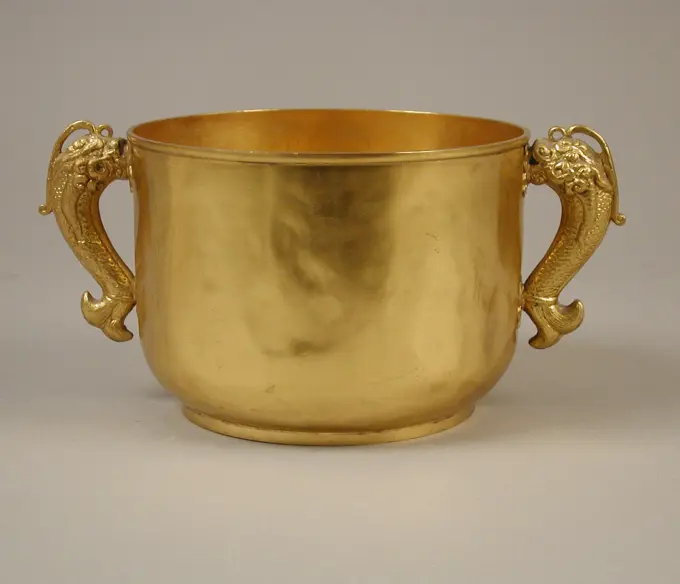
Cock lid, anonymous, c. 1755 Vaulted lid with a convex button with air bubbles. glassblower: Southern NetherlandsHaarlem (possibly) glass Vaulted lid with a convex button with air bubbles. glassblower: Southern NetherlandsHaarlem (possibly) glassLidded wine glass with a lying-in chamber, anonymous, c. 1725 - c. 1750 Vaulted foot. Stam consists of a knot with air bubbles. On the bell -shaped chalice a maternity woman in bed with the inscription: the prosperity of the Kramfrijuwe and Kintie. glassblower: EnglandNorthern Netherlands glass glassblowing Vaulted foot. Stam consists of a knot with air bubbles. On the bell -shaped chalice a maternity woman in bed with the inscription: the prosperity of the Kramfrijuwe and Kintie. glassblower: EnglandNorthern Netherlands glass glassblowingChalip glass with the weapons of the Water Board of the Uitwatering locks of Kennemerland and West Friesland and the Stuyling Sijns, Anonymous, c. 1748 Vaulted foot. Balus -shaped trunk with buttons. The conical chalice has a rounded bottom. The vaulted lid has a button with a tire with air bubbles and a peak. On the chalice the crowned weapon of the exhausting locks of Kennemerland and West Friesland, supported by three putti floating in the midst of clouds. On the other side the coat of arms of the Stuyling Sijns from Alkmaar family, surrounded by flower branches. glassblower: Low CountriesNorthern Netherlands glass glassblowing Vaulted foot. Balus -shaped trunk with buttons. The conical chalice has a rounded bottom. The vaulted lid has a button with a tire with air bubbles and a peak. On the chalice the crowned weapon of the exhausting locks of Kennemerland and West Friesland, supported by three putti floating in the midst of clouds. On the other side the coat of arms of the StuylinStanding Cup And Cover; silverMonteith 1703 Dublin. A form presumably developed in Scotland, the monteith, with its notched or scalloped rim, was used to rinse or cool upended wineglasses. This example, which has a removable rim, could also have served as a punch bowl.This monteith bears the arms of Sir Richard Cox (1650-1733) of Castletown Cox, Co. Kilkenny on one side and those of James Butler the 2nd Duke of Ormonde (1665-1745) on the other. Upon becoming Lord Chancellor of Ireland in 1703, Sir Richard Cox received the Great Seal of the previous Lord Chancellor as well as the Seal of the Common Pleas. He ordered them to be melted down to create a ìhandsome Montethî with both his own arms and those of the 2nd Duke of Ormonde, who had become Lord Lieutenant of Ireland in 1703.Born in Co. Meath, Ireland, Thomas Bolton (c. 1658-1736) was one of the foremost goldsmiths working in Ireland at the turn of the 17th century. He became a freeman of the Dublin Goldsmithsí Company in 1686, warden in 1690 and assay master in Goblet 1690-1720 Potsdam. Glass . Gottfried von Spiller (Engraver)Cuppa of a chestnut vase. Cuppa of a chestnut vase.Caster. Culture: Hungarian, Pest. Dimensions: Overall: 6 7/8 x 2 1/4 in. (17.5 x 5.7 cm). Maker: Josephus Pasperger I (active 1762, died 1791). Date: ca. 1765.Sugar was a rare commodity in the eighteenth century and often surrounded by ceremony. The sugar caster, acc. no. 2010.110.59a, b, with its pierced domed lid, forms a matching pair with the mustard pot, 2010.110.60, with its hinged lid and a slot for a ladle. Sets like this one were very rare on the European continent, which may indicate that the goldsmith or patron was familiar with English silver, where these types were more common. Italian and Austrian Baroque architecture clearly inspired the powerful, bulging outline of this vessel. The engraved arms refer to the family of the Princes of Reuss (Younger Line).LiteratureMarc Rosenberg. Der goldschmiede Merkzeichen. 3rd ed. 4 vols. Frankfurt am Main, 1922-28, no. 9409.Elemr Koszeghy. Magyarorszgi tvsjegyek a kzpkortl 1867-ig / Merkzeichen der Goldschmiede UGoblet with Cover 1725-1735 Schleswig. Glass .Brandewijnkom. Brandy bowl of silver with a high, octagonal, engraved cuppa and two horizontal, cast roller-ears.Cup 1833 Sèvres Manufactory French. Cup 202622Cup; Non -like Lona Huta; 2. PO. 18th century (1750-00-00-1800-00-00);Compote ca. 1851-55 Joseph Stouvenal and Company. Compote 20107Francesco Tortorino / 'Vase with hunting scenes'. 1550 - 1575. Rock crystal / Hyaline quartz. Museum: Museo del Prado, Madrid, España.Cup, anonymous, c. 1660 Coupe of rock crystal with gilded silver foot, ears and frame. The barrel is sharpened in twelve vertical facets. The ears are formed by two winged, female hermes. Two women's masks at the lower attachment. France (possibly) silver (metal) gilding Coupe of rock crystal with gilded silver foot, ears and frame. The barrel is sharpened in twelve vertical facets. The ears are formed by two winged, female hermes. Two women's masks at the lower attachment. France (possibly) silver (metal) gildingGoblet. .Double loft. The lid also has palmets and its red knob forms the stem of the upper chalice, which has smaller than the lower, the same shape and decorations, but birds instead of Amors.Sugar bowl. Culture: American. Dimensions: Overall: 6 5/8 x 4 3/16 in. (16.8 x 10.6 cm); 8 oz. 19 dwt. (278.6 g)Foot: Diam. 3 1/16 in. (7.8 cm)Bowl: H. 4 11/16 in. (11.9 cm); 7 oz. (217.6 g)Cover: 2 1/4 x 3 1/16 in. (5.7 x 7.8 cm); 1 oz. 19 dwt. (61 g). Maker: Myer Myers (1723-1795). Date: 1772-76. Museum: Metropolitan Museum of Art, New York, USA.. .Cup with cover ca. 1576-80 David Cramer The sixteenth century was Augsburgs golden age. The city was wealthy from its silver and copper mines and hometown to the Fugger family of merchants. With offices throughout Europe, their astonishing success was based, in part, on canny access to mining concerns and agricultural land—concessions given by nobility as securities against massive loans the Fuggers made them. The exceedingly delicate scrollwork on this cup reveals the effect sought by the Hungarian silversmith of the beaker (see 2010.110.4). The broad strapwork design on the tankard (see 11.93.16) typifies the style of successful local artists like the printmaker Bernhard Zan.[Elizabeth Cleland, 2017. Cup with cover. German, Augsburg. ca. 1576-80. Gilded silver. Metalwork-SilverCovered Urn. England. Date: 1805-1835. Dimensions: 29.2 × 11.8 cm (11 1/2 × 4 5/8 in.). Glass. Origin: England. Museum: The Chicago Art Institute, Chicago, USA. Author: Waterford Glasshouse.Cup with cover 19th century, after 1638 original Franchi and Son This electrotype is after a seventeenth-century original (1638), at time of reproduction in the Victoria and Albert Museum, London.. Cup with cover. British, London, after British, London original. 19th century, after 1638 original. Silver on base metal. Metalwork-ElectrotypeStanding Cup. Marked AB; London, England. Date: 1607. Dimensions: H. 31.8 cm (12 1/2 in.). Silver gilt. Origin: London. Museum: The Chicago Art Institute, Chicago, USA.Inner box of blue glass, Nathanael Teuter, 1805 Inner box of blue glass. Amsterdam glass Inner box of blue glass. Amsterdam glassSilver drinking cup. Culture: Roman. Dimensions: Overall: 2 3/8 x 7 in. (6 x 17.8 cm). Date: 1st century B.C.-1st century A.D..These cups are an unusual variant among silver vessels of the Republican period, combining as they do Hellenistic Greek elements (the handle palmettes) with Roman traits (the form of the handles as well as the treatment of the interiors of the bowls). Museum: Metropolitan Museum of Art, New York, USA.Compote with Lid in the Pioneer Pattern. Gillinder and Sons, 1861-c. 1930; Philadelphia or Greenbsburg, Pennsylvania. Date: 1876-1886. Dimensions: 39.4 × 22.9 cm (15 1/2 × 9 in.). Pressed glass. Origin: United States. Museum: The Chicago Art Institute, Chicago, USA. Author: Gillinder and Sons.Goblet; Façon de Venise, Southern Netherlands (possibly), Netherlands; 1560 - 1625; Free- and mold-blown colorless (slightly yellowish-brown) glass; 21.3 x 14 cm (8 3,8 x 5 1,2 in.)Cup; Non -like Lona Huta; Ok. PO. 18th century (1740-00-00-1760-00-00);Thistle-shaped cup with cover 1714 German, Dresden. Thistle-shaped cup with cover 206240Jug, anonymous, c. 1640 Ovale can be made of rock crystal on a low foot and with a high -shaped ear. Gold frame with email. The upper -long -running eight -lobe barrel is decorated with cut baroque ranks. Bohemia gold (metal). Ovale can be made of rock crystal on a low foot and with a high -shaped ear. Gold frame with email. The upper -long -running eight -lobe barrel is decorated with cut baroque ranks. Bohemia gold (metal).Urn from Biscuit, Louis XVI, white with straight ears, Manufacture de Monsieur Le Duc, c. 1780 - c. 1790 Urn from Biscuit, Louis XVI, white with straight ears. Part of a few. Brand pressed on side foot: ma (nufactu) re de mer le duc d'Angouleme a paris. The urn has a lid. With accompanying glass bell jar. Paris biscuit (porcelain, material) Urn from Biscuit, Louis XVI, white with straight ears. Part of a few. Brand pressed on side foot: ma (nufactu) re de mer le duc d'Angouleme a paris. The urn has a lid. With accompanying glass bell jar. Paris biscuit (porcelain, material)Goblet and Cover. This goblet comes from the Russian Imperial Romanov family. The heirs of Ivan Nikitich Romanov (c. 1560-1645) bequeathed this goblet to his distant cousin, the second Romanov tsar Alexei Michailowitsj (1629-1676). It was displayed during grand state functions, and underscored the familys power and age until 1918, after which its coat of arms was removed.Galvanoplastic reproduction of a Tazza with the representation of the headcomes. Galvanoplastic reproduction of a Tazza. The trunk is formed by three half-depths separated by maskons; The scale with driven representations of the headodes, masquerons and band work. Gold plated.Thomas Bolton, Punch Bowl, 1713-15, silver.Celery Vase 1830-70 New England Glass Company. Celery Vase. American. 1830-70. Pressed glass. Made in East Cambridge, Massachusetts, United StatesVase, anonymous, c. 1550 Vase of rock crystal with two ears in the form of dragons. Gold frame with white and black enamel. Decorated with symmetrical tendrils and animal grotes in grinding work. Malib gold (metal). Vase of rock crystal with two ears in the form of dragons. Gold frame with white and black enamel. Decorated with symmetrical tendrils and animal grotes in grinding work. Malib gold (metal).Ewer. Culture: French, Paris. Dimensions: Height: 10 3/4 in. (27.3 cm). Maker: I.V.. Date: 1698-99. Museum: Metropolitan Museum of Art, New York, USA.Silversmith: meester AvB, Silver tazza with passionate representation of Christ and the Samaritan woman at the well, tazza drinking utensils tableware holder silver h 16,7, driven hammered Foot stem scale. Foot: standing ring knitted edge light-convex upper transition node. Tribe: nodus baluster two rings Nodus: three rings under flat sphere three rings above top edge (smashed) drink bible religion Jesus Christ Samaritan woman Acquired with the support of the Rembrandt Association.Goblet-Shaped Ewer. London, England. Date: 1683. Dimensions: H. 15.6 cm (6 1/8 in.). Silver. Origin: London. Museum: The Chicago Art Institute, Chicago, USA.Wine cup probably 1659-60 H. M., London. Wine cup. British, London. probably 1659-60. Silver. Metalwork-SilverJar and lid, Glass, Round body with tall vertical fluted lip rim; double knopped stem, square base; domed top with flat cushion finial cut with diamonds; lower part of top and sides of body cut with arched panels filled alternately with small diamonds or strawberry diamonds, row of blazes base of body., England, early 19th century, glasswares, Decorative Arts, Jar and lidCenterpiece c 1880 New York. This commanding centerpiece, with its glistening winged sphinxes and stylized lotus blossoms on the glass and silver elements, captures the passion for all things Egyptian in both Europe and the United States during the 19th century. Archaeological excavations of Egyptian tombs; the premiere of Verdiís opera set in Ancient Egypt, Aida; and the popular Egyptian Court at the 1876 Philadelphia Centennial Exhibition in Philadelphia inspired a diverse array of objects, art, and architectureóalthough surviving examples of Egyptian Revival silver such as this one are rare.. Silver and engraved glass . Dominick and HaffThe Cuppa of a Chestnut Vaas, Porcelinfabriek aan den Amstel, c. 1810 vase The cuppa of a chestnut cheese decorated golden edges and gold -colored branches and sprinkling flowers on the foot. Netherlands porcelainVaseJ.J.J. Peeters, Mustard pot, loose facetted glass inner box with silver frame, mustard pot pot crockery holder silver glass, d 8.0Waste Bowl 1770-1795 John Letelier Sr.. Waste Bowl 9743Armorial tazza 1499-1514 Italian This tazza bears the coats of arms of Louis XII of France (1462-1515; r. 1498-1515) and Anne, duchess of Brittany (1477-1514). It is believed to have been part of a service made to celebrate their marriage, which took place in 1499. Three other pieces from this presumed service are known. French glassmakers were able to emulate Venetian examples of the period; though the tazza form originated in Venice, technical evidence suggests that the Lehman piece was manufactured in France.. Armorial tazza. Italian (Venice) or façon de Venise (Venetian-style). Venetian or façon de Venise, or French. 1499-1514. Colorless (slightly gray) nonlead glass; blown, pattern-molded, enameled, gilt. GlassSpout Cup 1782 Joseph Edwards Jr.. Spout Cup. American. 1782. Silver. Made in Boston, Massachusetts, United StatesCup with cover 1581/82 M., London. Cup with cover. British, London. 1581/82. Silver, partly gilded. Metalwork-SilverSugar Bowl 1825-40 American. Sugar Bowl. American. 1825-40. Blown-molded glass. Probably made in Massachusetts, United StatesBowl 18th century Italian, Venice (Murano). Bowl. Italian, Venice (Murano). 18th century. Glass. GlassTwo glass holders. The foot of a wine glass could be secured in the four clamps (shaped like sea creatures) at the top of thisholder. Together, the glass and its holder make an impressive drinking vessel, which was probably brought out only on ceremonial occasions. The two glass holders belong to a set of five that was commissioned in 1606 by the treasurers of the Amsterdam City Council.Sugar bowl with cover and tray 1777-78 Alexandre de Roussy, the Younger Europeans regarded sugar as an essential addition to chocolate, coffee, and tea. For tea and coffee, sugar commonly was added once the beverage was poured. Sugar bowls eventually were incorporated into coordinated services. An imported commodity, sugar was expensive in Europe until well into the nineteenth century. Its importance and cost are reflected in this silver bowl and stand executed in the Rococo style.. Sugar bowl with cover and tray 200263Compote 1853 Attributed to Joseph Stouvenal and Company. Compote 2204 Manufacturer: Attributed to Joseph Stouvenal and Company, 185157, Compote, 1853, Blown and cut glass, H. 13 in. (33 cm); Diam. 14 in. (35.6 cm). The Metropolitan Museum of Art, New York. Gift of John C. Cattus, 1967 (67.262.4)Potpourri vase. Culture: German, Berlin. Designer: Karl Friedrich Schinkel (German, Neuruppin 1781-1841 Berlin). Dimensions: Overall (confirmed): 20 1/2 × 12 7/8 × 9 1/8 in., 9lb. (52 × 32.7 × 23.2 cm, 4.0597kg). Maker: Werner & Mieth, Berlin. Date: ca. 1810.This vase embodies the elegant simplicity characteristic of Schinkel's designs. The gilded metal mounts, cast in such a manner that they did not need to be chased by hand, reveal his interest in minimizing manufacture time and costs by designing prefabricated components that could be assembled rapidly. The Berlin-based company Werner & Mieth experimented with this type of matte milk glass, developed in Bohemia, which they called "Flußglas", and produced a line of objects--including this vase--which they showcased at the Berliner Akademie exhibition in 1812. Museum: Metropolitan Museum of Art, New York, USA.Old russian tea samovar Vintage russian tea samovar isolated on white background Copyright: xZoonar.com/AndreyxEreminx 7188539Lid of lid pot, anonymous, c. 1670 - c. 1680 On the lid a female figure and the Bacchuskind. A grape voucher as a button. England (possibly) silver (metal) On the lid a female figure and the Bacchuskind. A grape voucher as a button. England (possibly) silver (metal)Wing glass. Conical foot. Hollow, baluster-shaped strain with teared ribs and three buttons. C-shaped wings in which a spiral ornament. Trumpet-shaped chalice with rounded bottom.Urn from biscuit, Louis XVI, white with straight ears. Urn from biscuit, Louis XVI, white with straight ears. Part of a few. Brand pressed on side foot: Ma (Nubactu) Re de Mer Le Duc d'Angouleme a Paris. The urn has a lid. With accompanying glass bell.Argus Covered Compote, 1850-70. Bakewell, Pears and Company (American). Glass; overall: 46.4 x 25.7 cm (18 1/4 x 10 1/8 in.).Chalice ca. 1230-50 German This chalice is one of an ensemble containing some of the elements needed for the celebration of the Eucharist: the paten for the bread (acc. no. 47.101.27), the chalice to hold the wine, and, exceptionally, a straw to sip the wine (acc. no. 47.101.28). The decoration of this chalice juxtaposes scenes from the life of Christ with those of Old Testament events that were considered to prefigure the New. The twelve apostles encircle the bowl of the chalice. The representation of Saint Trudpert on the paten indicates that the ensemble was made for the monastery dedicated to him near Freiburg im Breisgau, where he was martyred. Listen to experts illuminate this artwork's story Listen Play or pause #55. Chalice Supported by Bloomberg Philanthropies We're sorry, the transcript for this audio track is not available at this time. We are working to make it available as soon as possible.. Chalice. German. ca. 1230-50. Silver, gilded silver, niello, and jewels. Made in pVase. Unknown makerRenaissance cup with anti -coins; Schweiglin (Fl. Ca 1535-Ca 1540); 1535-40 (1535-00-00-1540-00-00);Roman denarios, coins, numismats, renaissance (style), purchase (provenance)Liqueur Glass (France); Designed by Auguste Daum; Made by Daum (France); mold-blown, acid-etched, painted and gilded glassCovered Sugar Bowl 1830-40 American. Covered Sugar Bowl. American. 1830-40. Lacy pressed glass. Made in New England, United StatesStanding cup with cover 1764 German, Silesia. Standing cup with cover. German, Silesia. 1764. Glass. GlassWineglass with arms of the Province of Overyssel ca. 1740 Style of A. C. Schonck. Wineglass with arms of the Province of Overyssel. British, Newcastle glass with Dutch engraving. ca. 1740. Glass. GlassEpergne Paul de Lamerie British 1738-39Mount assigned to Pierre-Philippe Thomire (1751-1843), Parisian bronzier. Vase mounted. Marble, gilded bronze, 1775-1785. Paris, Cognacq-Jay museum. 78927-16 Anse, bronze gilded, Parisian bronzier, lid, gilding, man, marble, decorative object, vase monte, face, 18th 18th 18th 18th 18th 18th 18Altar kandelaar, Christiaan Warenberg (attributed to), 1710 The round candlestick rests on three four -sided, volute -shaped legs. The sides of the legs have deepened, punched fields and are decorated with acanthus leaves; A cord of smaller pearls runs over the front of each leg, resting on a leaf curl. The legs are connected at the top by straight rods, hidden from a culot-like motif. Flower festons hang off the upper curls of the volutes (one renewed on B. The trunk is made up of successively a clock -shaped, a vase -shaped and a baluster -shaped part. The convex bottom edge of the bell shape is decorated with alternately wide and narrow godrons. In addition, this part shows two layers over each other placed acanthus leaves on a punched soil. Clock and vase shape are separated by a multiple profiled connecting piece. The vase is divided into an upper and upper part, similarly decorated as the lower edge and the upper part of the bell shape. The baluster is almost entirely contained iPhotography of the glass cup with the Polish Saxon coat of arms (IV) unknownSilversmith: Rudolph Sondag, Silver sugar shaker, sugar sprinkler scatterer crockery holder silver, cast sawn engraved Pair of silver sugar sprinklers (1-2) outer edge square base sprinkle servingSilversmith: Jan Borduur, Silver miniature candlestick, candlestick candle holder doll toy miniature model silver, molded gold plated Candlestick on square foot oortje as handle rectangular candleholder traces of gilding stadskeur: three crosses under crown play decorate interior home dollhouse Bishop RotterdamCOPON. Location: MUSEO DE ARTE SACRO. Padrón. A CORUÑA. SPANIEN.Komfoor. Around Komfoor on three inwardly curved, flat, volutely legs. The wide lower edge is scalloped. Three shell-shaped uprights are attached to the top edge. The Komfoor is noticed: Crowned o, a tablet and an unreadable brand.Brandewijnkom. Brandewijnkom with lid of silver. Oval with driven decorations and two horizontal, cast ears in the form of lilies. The background is brainned.Miniature child's caudle cup. Culture: British, London. Dimensions: Overall: 1 15/16 × 4 1/4 × 2 5/8 in. (4.9 × 10.8 × 6.7 cm). Maker: S H (British, mid 17th century). Date: probably 1680-81. Museum: Metropolitan Museum of Art, New York, USA.Bowl, Silver-plated copper, USA, ca. 1900, metalwork, Decorative Arts, BowlPrzeszo Przyszoci Huta enamel in NalibokiLazio Roma Velletri Museo Capitolare9. Hutzel, Max 1960-1990 Medieval: Breviaries (two, 14-15th century); "The Passion" on vellum (French school, late 13th century); reliquaries. Post-medieval: Paintings, frescoes, vestments, sculpture, metalwork, panel painting Object Notes: Bibliographic material housed in Center library. Hutzel photo campaign dates: one undated, another November 9, 1985. It is likely that notes for the Pinacoteca Cattedrale (no separate Hutzel entry) describe items under this heading. TCI seems to indicate that the Museo Capitolare is adjacent to the cathedral. As well, some prints are missing; the initial Hutzel entry indicates that there are 422 prints. At this count, I can find 142. German-born photographer and scholar Max Hutzel (1911-1988) photographed in Italy from the early 1960s until his death. The result of this project, referred to by Hutzel as Foto Arte Minore, is thorough documentation of art historical development in Italy up to the 18th century, incluGoblet 19th century Dr. Antonio Salviati Company. Goblet. Italian, Venice (Murano). 19th century. Glass. GlassWine can. Wine canned from silver, from above squaby and with a spout in the shape of a dragon head. The S-shaped ear has a dragon head at the top and top. On the sides the later applied engraved weapon of the Bridgeman family.Waza with a base RamCup; Non -like Lona Huta; 1. PO. 18th century (1700-00-00-1750-00-00);Lazio Roma Velletri Museo Capitolare2. Hutzel, Max 1960-1990 Medieval: Breviaries (two, 14-15th century); "The Passion" on vellum (French school, late 13th century); reliquaries. Post-medieval: Paintings, frescoes, vestments, sculpture, metalwork, panel painting Object Notes: Bibliographic material housed in Center library. Hutzel photo campaign dates: one undated, another November 9, 1985. It is likely that notes for the Pinacoteca Cattedrale (no separate Hutzel entry) describe items under this heading. TCI seems to indicate that the Museo Capitolare is adjacent to the cathedral. As well, some prints are missing; the initial Hutzel entry indicates that there are 422 prints. At this count, I can find 142. German-born photographer and scholar Max Hutzel (1911-1988) photographed in Italy from the early 1960s until his death. The result of this project, referred to by Hutzel as Foto Arte Minore, is thorough documentation of art historical development in Italy up to the 18th century, incluMaker Unknown, Tea Urn, c. 1780-1790, silver plate.Sugar Bowl. Culture: American. Dimensions: Overall: 10 1/4 x 7 7/8 x 5 1/2 in. (26 x 20 x 14 cm); 28 oz. 11 dwt. (887.5 g)Body: H. 8 1/2 in. (21.6 cm); 24 oz. 13 dwt. (766.8 g)Cover: 2 1/2 x 3 7/8 in. (6.4 x 9.8 cm); 3 oz. 18 dwt. (120.7 g). Maker: Robert and William Wilson (active ca. 1825-ca.1846). Date: 1835-45. Museum: Metropolitan Museum of Art, New York, USA.Two-handled cup with cover. Culture: British, possibly London. Dimensions: 14 1/2 × 6 3/4 in. (36.8 × 17.1 cm). Date: ca. 1730-60. Museum: Metropolitan Museum of Art, New York, USA.Tazza 19th century, after 17th century original British, after German, Augsburg original This electrotype is after a seventeenth-century original, a treasure of the Patriarch, Moscow, at the time of reproduction.. Tazza 186567Mosque lamp ", glass of Syria or Egypt. Anonymous. Art object. Museum of Fine Arts of the City of Paris, Petit Palais. 24096-17 Anonymous, Egypt, lamp, mosque, art object, Syria glassWine Glass 1820-40 American. Wine Glass 9879Butter Dish ca. 1888 Richards and Hartley Flint Glass Co.. Butter Dish. American. ca. 1888. Pressed colorless and opalescent glass. Made in Tarentum, Pennsylvania, United StatesScale of coupe with topographic images in medallions. Scale of porcelain coupe, painted with topographic images in medallions.Chalice, Fa. Ash. Bonebakker and Son, 1849 The sea lobby, vaulted, strongly rejuvenating, high foot rests on a right -wing bais. It is closed at the top by a overhanging, scalloped edge. Above the trunk rises, which is made up of a printed nodus, decorated in relief with volutes. The bell -shaped cuppa has a spherical lower part. The lobes of the foot are decorated with alternately a pattern of symmetrically placed C-Voluten of white enamel and a flower branch of blue enamel, on either side of an asymmetrsiche S-Voluty of white enamel on which a flower and two volutes of blue email sprout. The spherical part of the cuppa is decorated with partly engraved, partly in blue and white enameled volutes and rocailles, in which flowers and diamond patterns are incorporated. On the inside of the Cuppa, four times the same decoration is engraved from a syymetrically placed C-Voluten-hanging flowers. Amsterdam gold (metal). wood (plant material) The sea lobby, vaulted, strongly rejuvenating, highBowl 19th century Russian. Bowl 468766Bread plate - P. T. Legaré Limitée, Quebec. Alfred Colley Limited Alfred Colley LimitedTwo-handled cup 1766-67 Auguste Le Sage. Two-handled cup 197378Stem Bowl with Foliate Medallions 700 CE-750 CE China. Earthenware with three color (sancai) lead glazes and underglaze molded decoration .Tazza 1575-1600 Venice. Colorless glass .Sugar bowl withcover.   Maker: Joseph Richardson Jr., American, 1752-1831