Elegant Glassware

Decorative glass chalices and goblets, intricately designed with engravings and various shapes.

Chalip glass with the lion of the Republic of the United Netherlands and the inscription: Salus Patriae, Anonymous, c. 1675 - c. 1700 Flat base with turned around and pontil brand. Hollow, baluster -shaped trunk with two flat discs. Funnel -shaped chalice rounded at the bottom. On De Kelk, the lion of the Republic of the United Netherlands is engraved. On the downside the inscription 'Salus Patriae' (the well -being of the homeland). glassblower: Low CountriesRotterdam glass glassblowing Flat base with turned around and pontil brand. Hollow, baluster -shaped trunk with two flat discs. Funnel -shaped chalice rounded at the bottom. On De Kelk, the lion of the Republic of the United Netherlands is engraved. On the downside the inscription 'Salus Patriae' (the well -being of the homeland). glassblower: Low CountriesRotterdam glass glassblowing
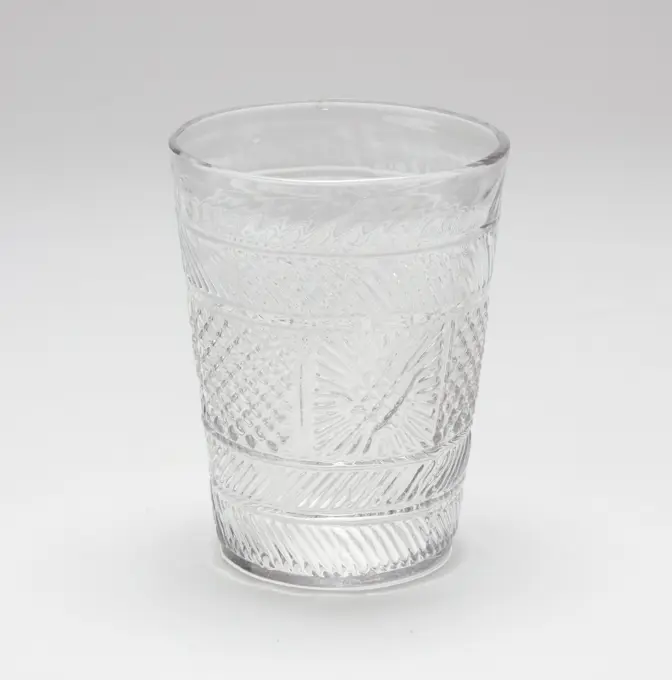
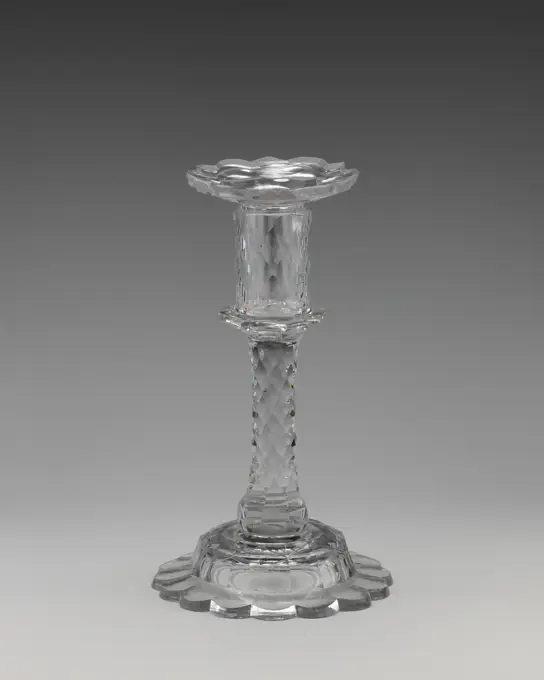
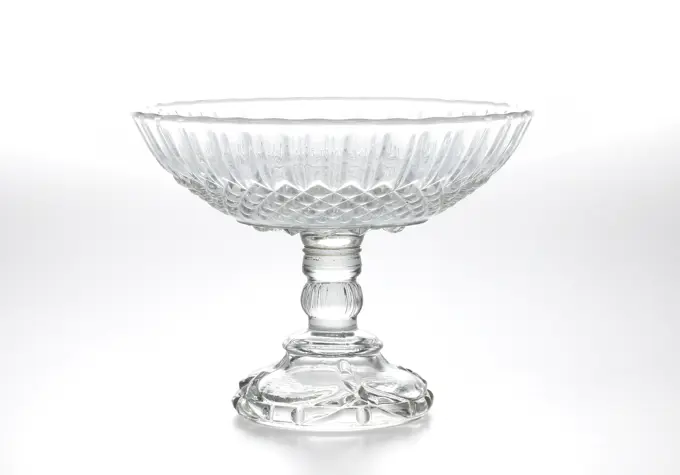
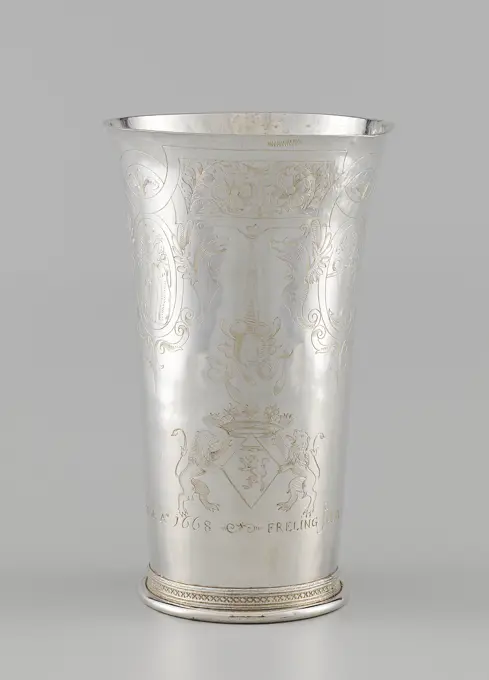
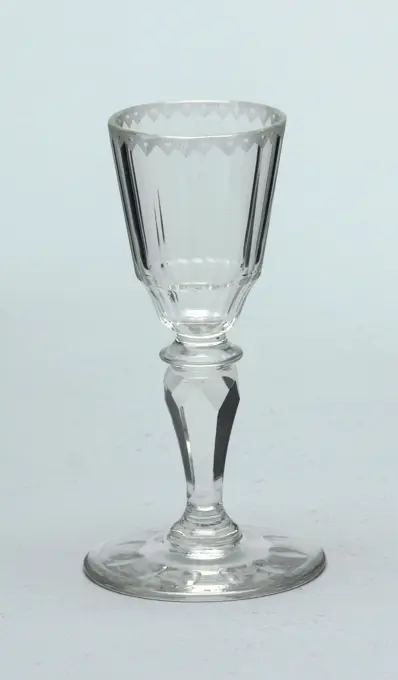
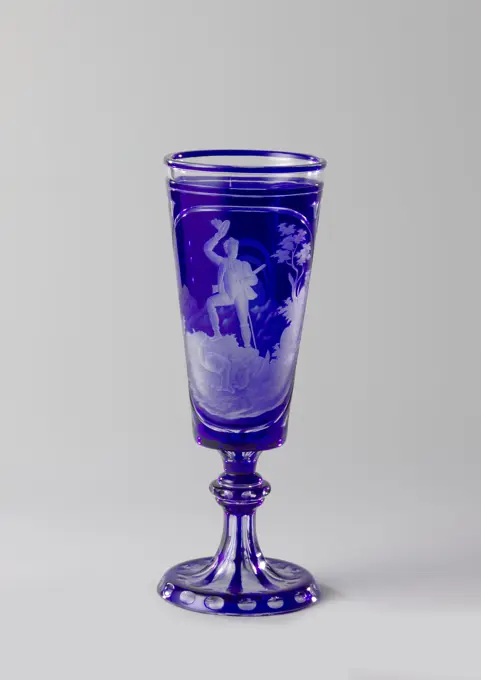
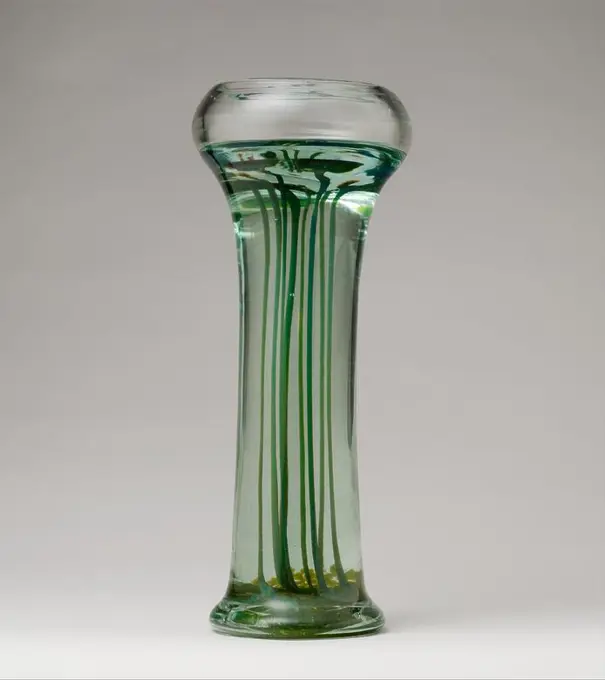
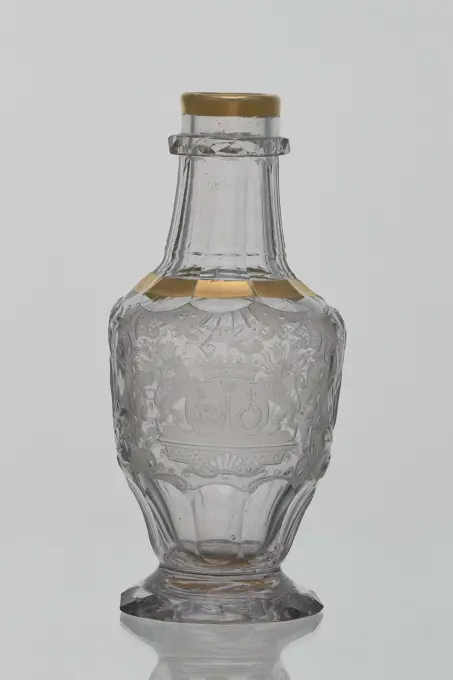
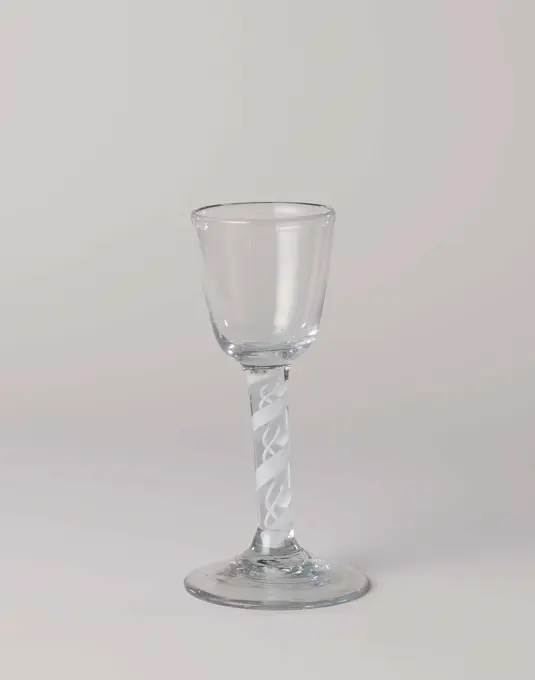
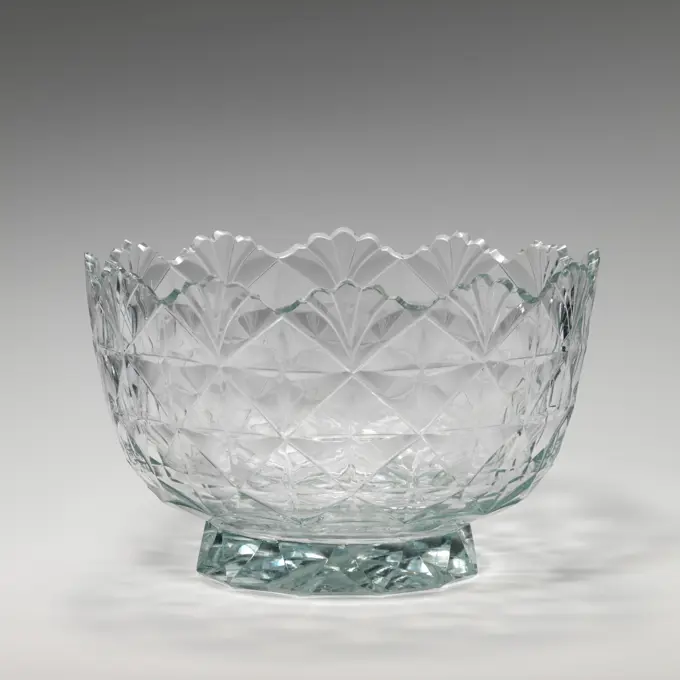
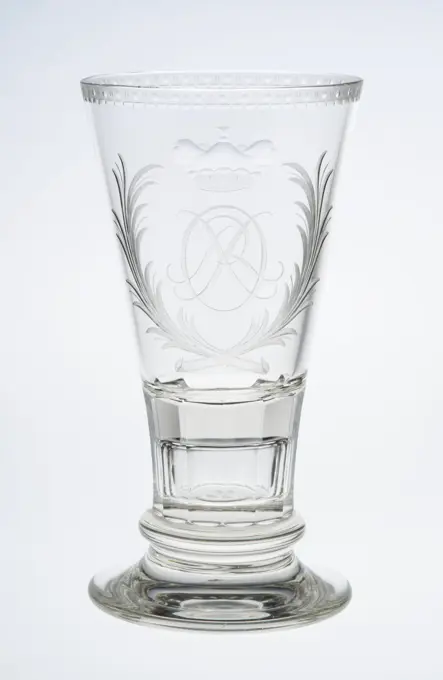
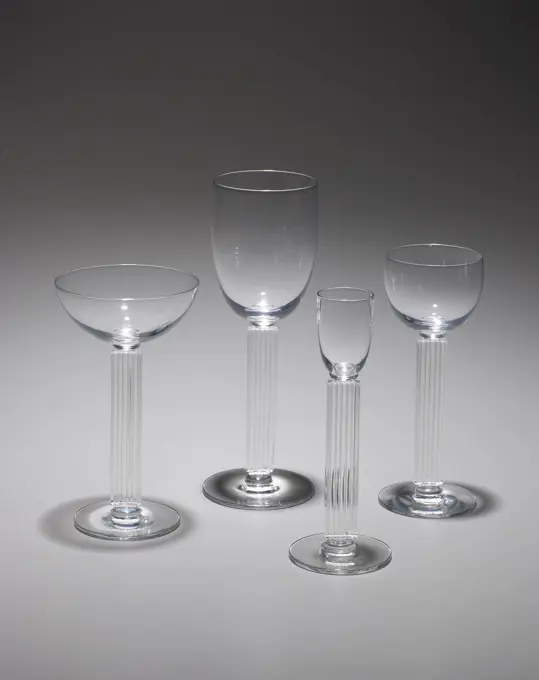
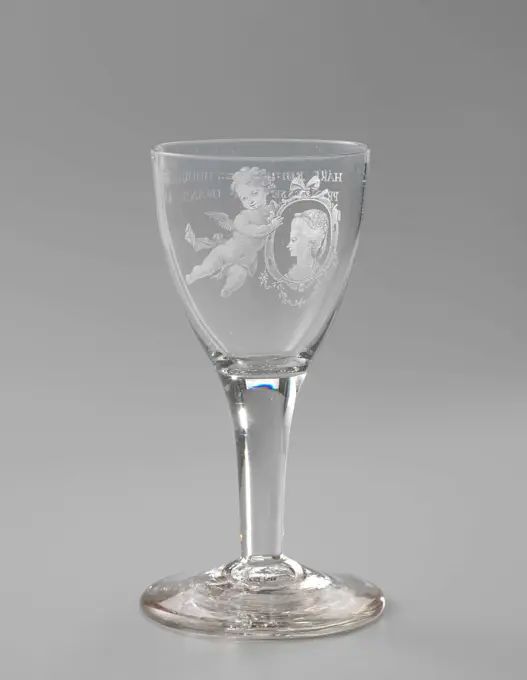
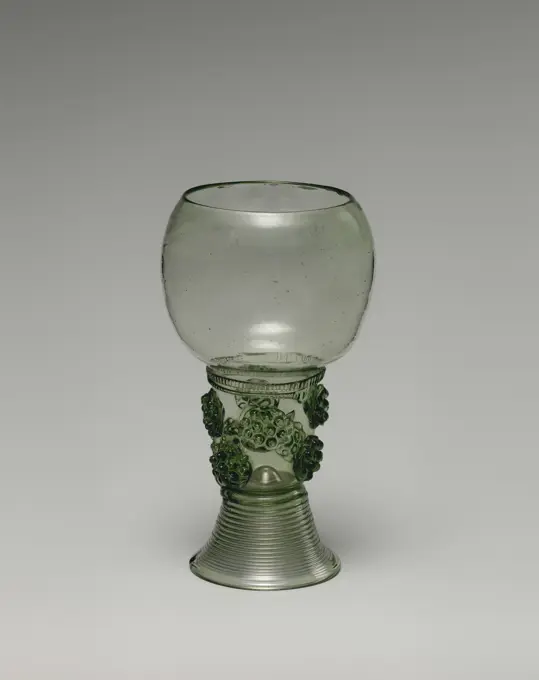
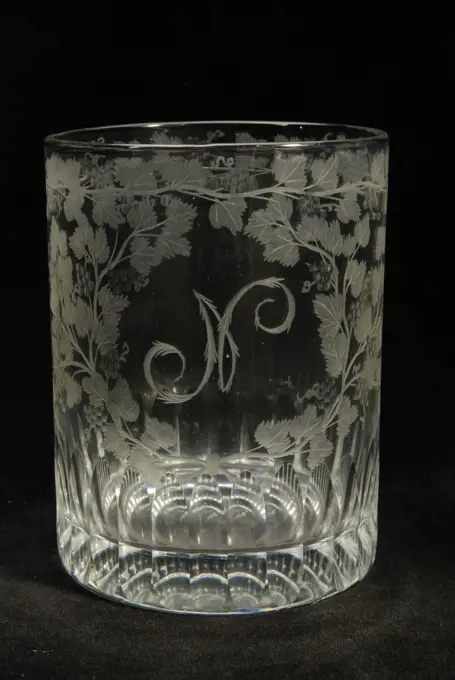
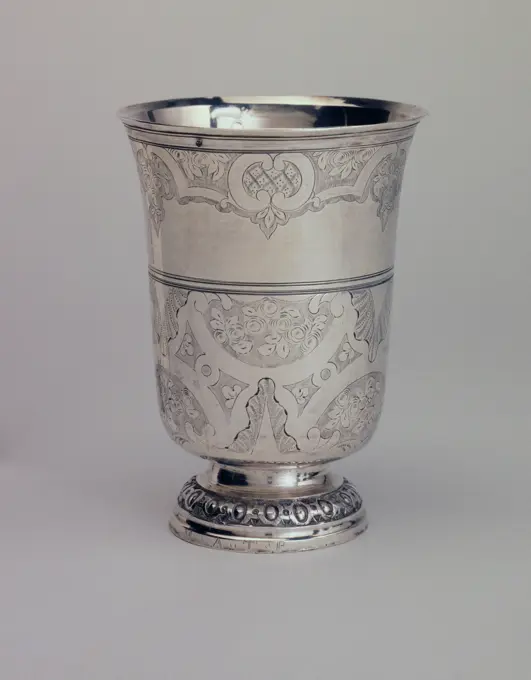
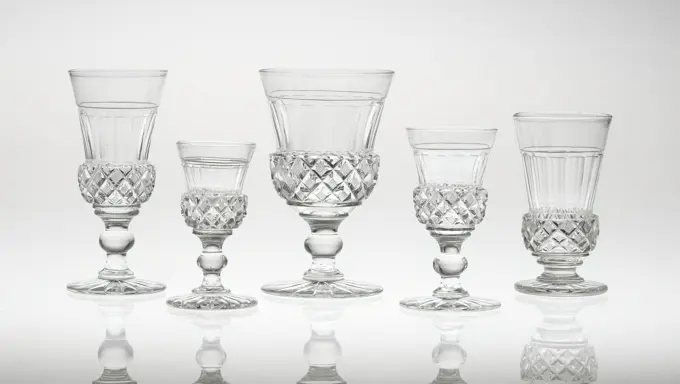
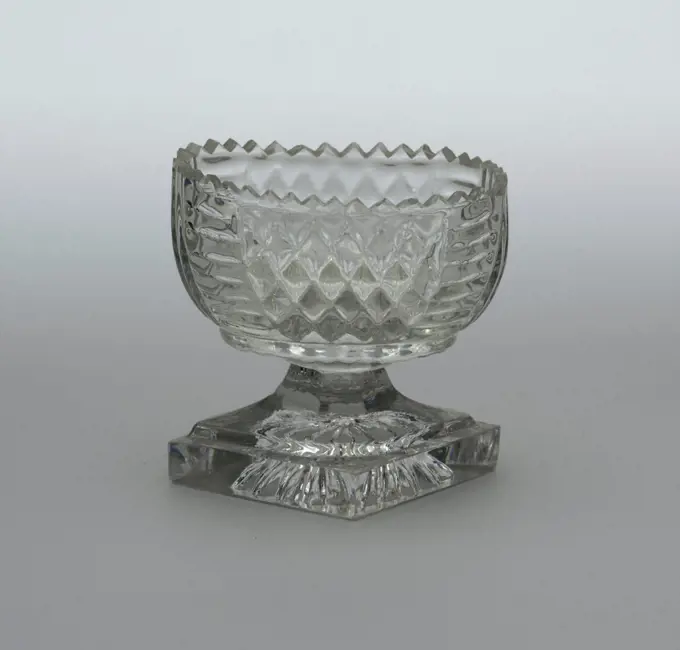
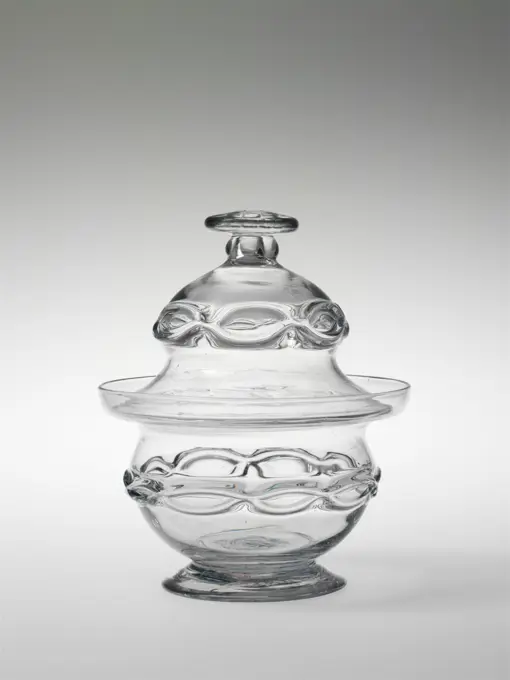
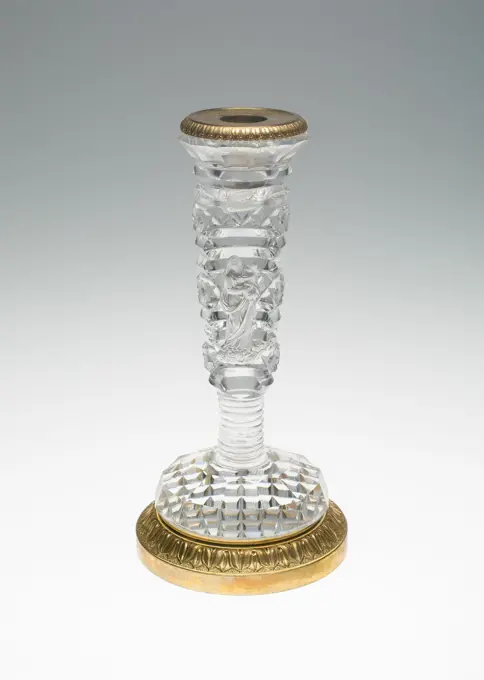
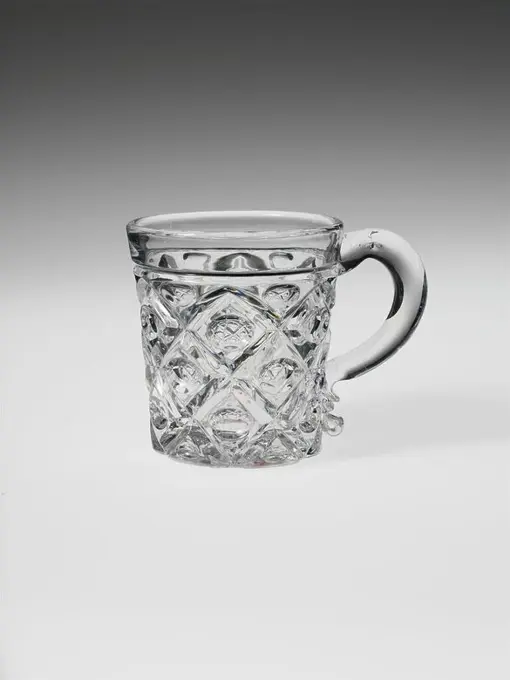
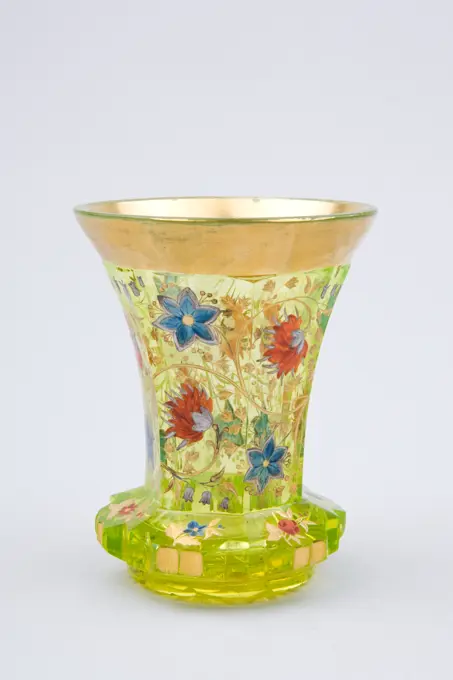
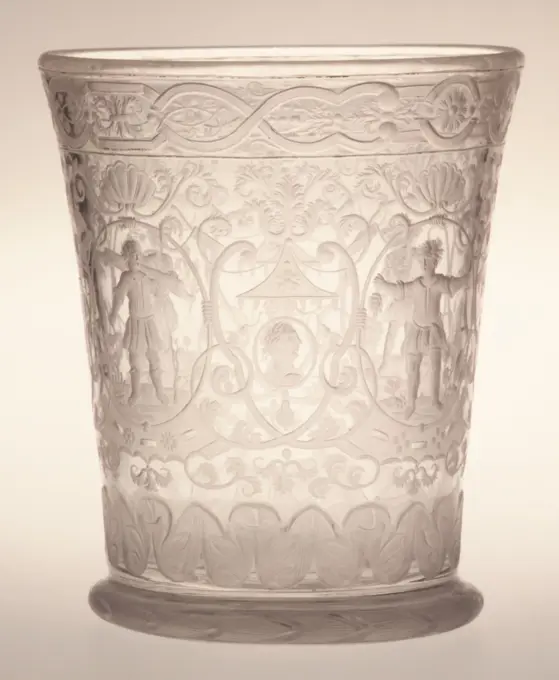
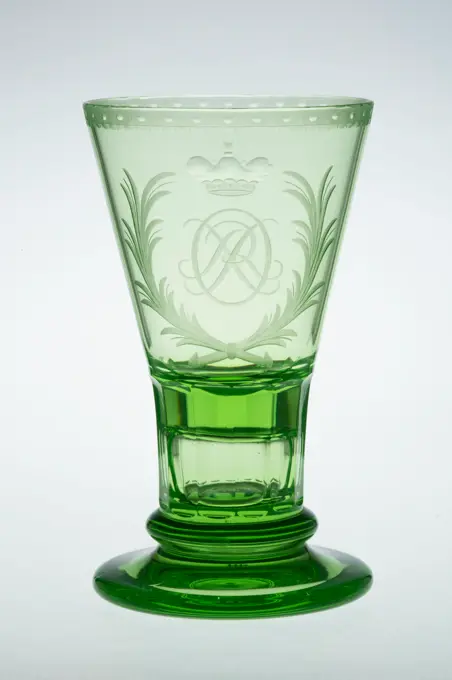
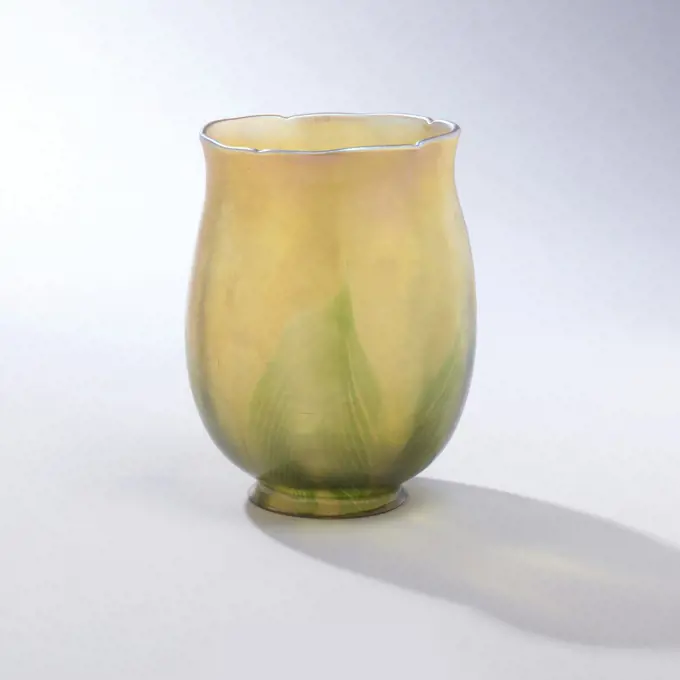
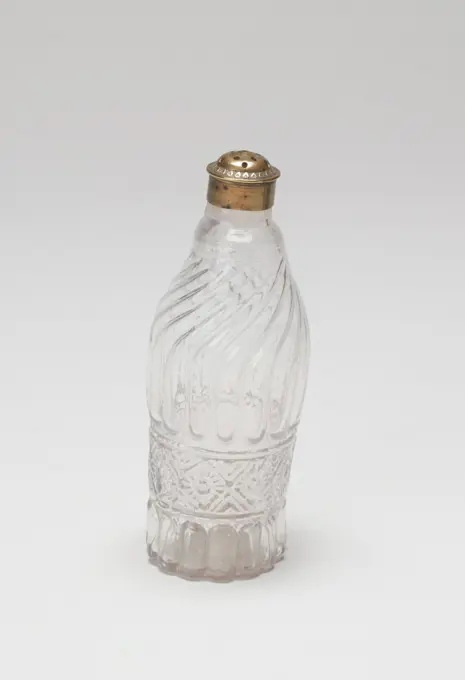
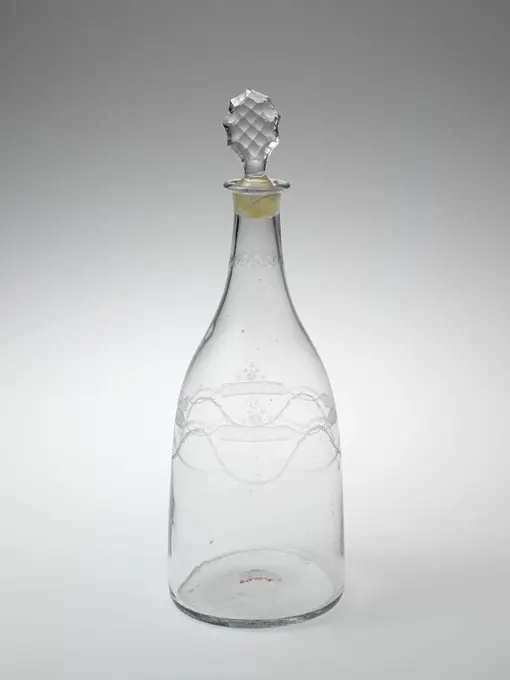
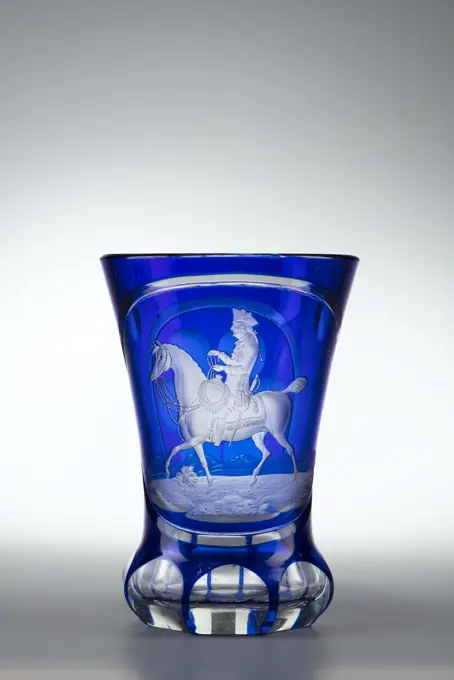
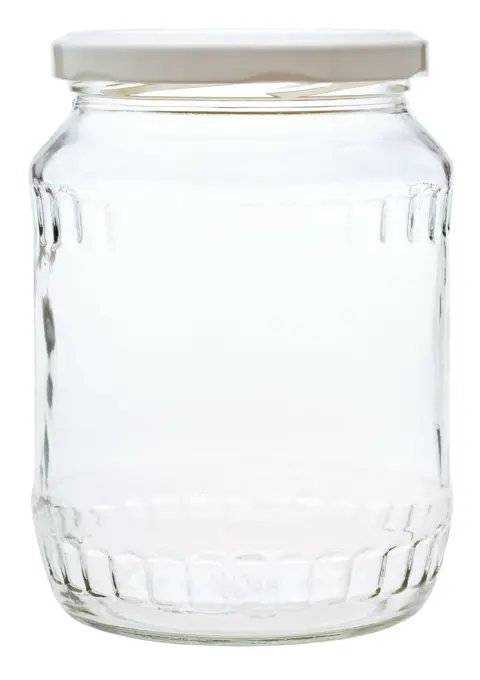
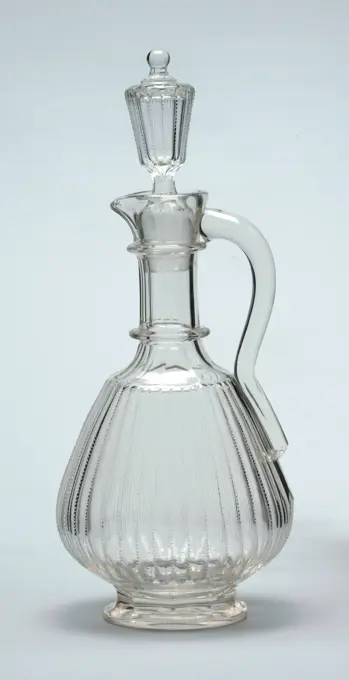
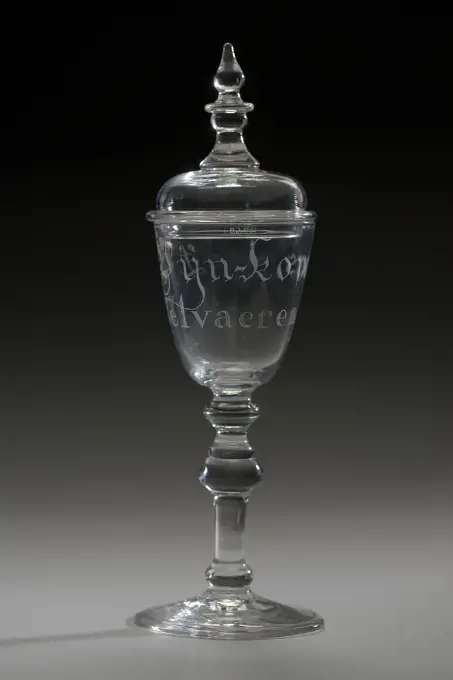
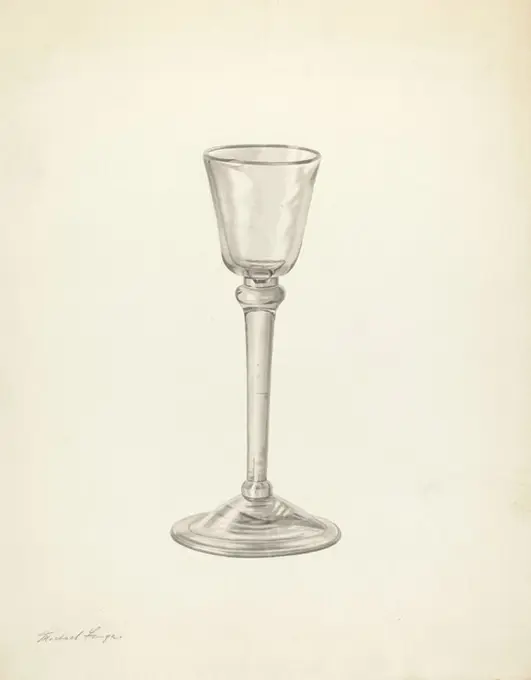
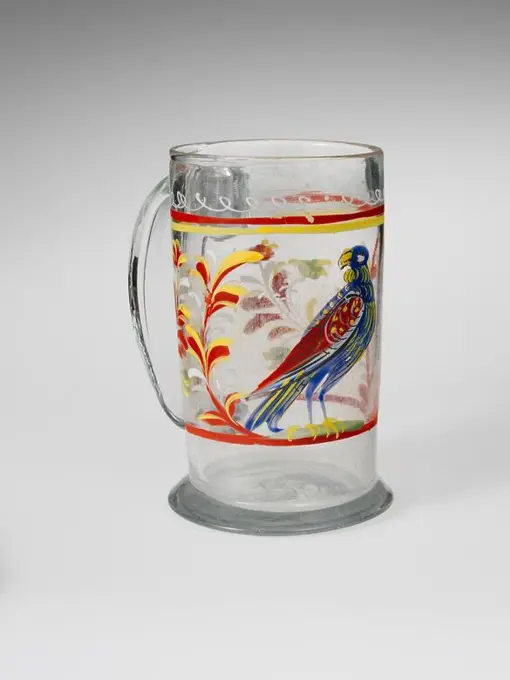
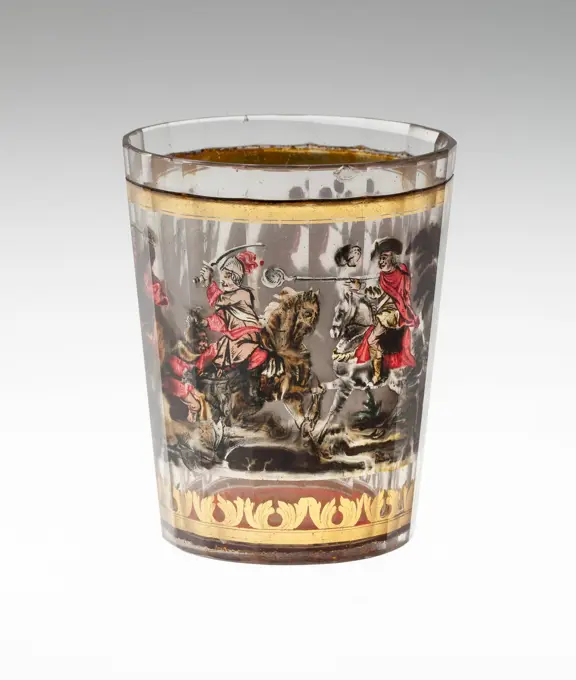
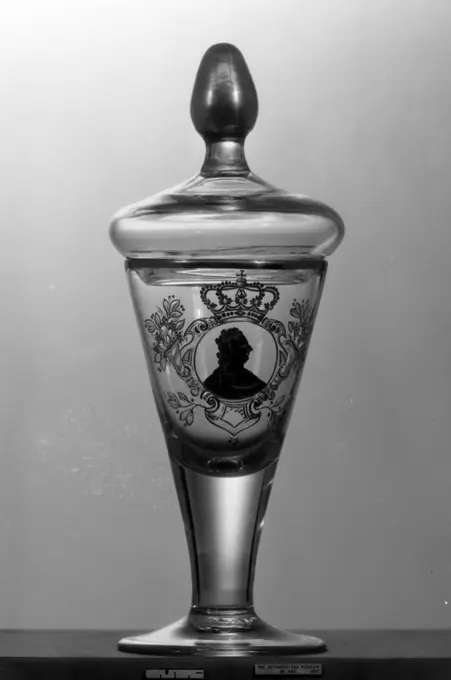
Champagne Glass. Germany, Nuremberg. Date: 1695-1725. Dimensions: H. 14.6 cm (5 3/4 in.). Glass. Origin: Nuremberg. Museum: The Chicago Art Institute, Chicago, USA.Tumbler, c. 1815-1840, 5 x 3 3/4 x 3 3/4in. (12.7 x 9.5 x 9.5cm), Blon molded glass, United States, 19th centuryCandlestick ca. 1780 Irish. Candlestick. Irish. ca. 1780. Glass. GlassAperitif Glass, one of five, c. 1920, 7 3/8 x 2 1/2 in. (18.73 x 6.35 cm), Aventurine glass, Italy, 20th centuryCompote - Nova Scotia Diamond Ray PatternCommunion Cup of Vianen, anonymous, c. 1625 Silver cup, widely running up and decorated with engraving work. Decorated with three engraved medallions with Charitas, Spes and Fides. With the inscription: Freling Juliana Born Gravinne van Holland Brederoode AO 1668. Gorinchem silver (metal) Silver cup, widely running up and decorated with engraving work. Decorated with three engraved medallions with Charitas, Spes and Fides. With the inscription: Freling Juliana Born Gravinne van Holland Brederoode AO 1668. Gorinchem silver (metal)No. 107 Cordial Glass; Designed by Ludwig Lobmeyr (Austrian, 1829 - 1917); Manufactured by J. & L. Lobmeyr GmbH (Austria); Austria; mouth-blown crystal, facet-cut and polishedBokaal with a hunter with a shot deer, anonymous, c. 1850 Vaulted foot, transfer in a tribe with a compound Nodus. High, funnel -shaped chalice. Überfang of cobalt blue glass, slipped away in a motif of oval and stylized leaves. In an oval medallion in überfangreliefschnitt, a performance is engraved on the chalice with a hunter in a mountain landscape with a shot deer at his feet. On the downside a red -light. Bohemia glass glassblowing / grinding Vaulted foot, transfer in a tribe with a compound Nodus. High, funnel -shaped chalice. Überfang of cobalt blue glass, slipped away in a motif of oval and stylized leaves. In an oval medallion in überfangreliefschnitt, a performance is engraved on the chalice with a hunter in a mountain landscape with a shot deer at his feet. On the downside a red -light. Bohemia glass glassblowing / grindingCake stand - Late Nugget Pattern Jefferson Glass Company, Limited Jefferson Glass Company, LimitedAquamarine Water Lily Vase. Culture: American. Dimensions: H. 15 1/2 in. (39.4 cm). Maker: Tiffany Furnaces; Louis Comfort Tiffany (American, New York 1848-1933 New York). Date: ca. 1913. Museum: Metropolitan Museum of Art, New York, USA.Gu-shaped vase with floral patterns 18th century China. Gu-shaped vase with floral patterns 46778Goblet 1870-90 Challinor, Taylor and Company. Goblet 4122Small carafe. Karlsthal (huta szkła ; 1754-post 1874), creator, Kotlina Jeleniogórska (ośrodek rytownictwa ; ca 1600- ), creator, Weiberberge (huta szkła ; post 1702-ante 1754), creator, Weissbach (huta szkła ; 1617-ante 1754), creatorSlinger glass with conical chalice. Slinger glass with conical foot and straight trunk. In the trunk a wide opaque white garland around a double spiral. Conical chalice. Note: Initially series of five glasses, four of which have been removed.CupGlass (Ireland); glassBowl early 19th century British or Irish. Bowl. British or Irish. early 19th century. Glass. GlassGlass;  1920-39 (1920-00-00-1939-00-00);Glass; Lobmeyr, J. & L. (Vienna; 1823-); 1920-39 (1920-00-00-1939-00-00);Water Goblet, Embassy” Pattern.  Designer Walter Dorwin Teague, American, 1883-1960 Designer Edwin W. Fuerst, American, 1903-1988 Manufacturer: Libbey Glass Company, a subsidiary of Owens-Illinois Glass Co., American, 1935-1943Kelkglas met bladvoluten, anonymous, c. 1850 - c. 1875 Small chalice glass with flat base. Small -up stem with knot. Horn -shaped chalice with wavy edge. The chalice and the foot are painted in enamel with white leaf fillets. Mounted piping along the edges. France glass glassblowing / gilding Small chalice glass with flat base. Small -up stem with knot. Horn -shaped chalice with wavy edge. The chalice and the foot are painted in enamel with white leaf fillets. Mounted piping along the edges. France glass glassblowing / gildingCandlestick ca. 1790 Irish or British. Candlestick. Irish or British. ca. 1790. Glass. GlassCup on legs with the inscription: Honor you mint, anonymous, c. 1650 - c. 1700 Soul inserted. Cylinders-shaped body standing on three flattened spheres. On the body Caligraphy inscription: 'Know honor you mint'. glassblower: Low CountriesNorthern Netherlands glass glassblowing Soul inserted. Cylinders-shaped body standing on three flattened spheres. On the body Caligraphy inscription: 'Know honor you mint'. glassblower: Low CountriesNorthern Netherlands glass glassblowingKelkglas with a portrait of Wilhelmina van Prussen. Conical foot. Smooth, dredging tribe, undervantage in a slightly curved chalice. On the chalice, in rococo ornament and flower garlands frame, ceased by a floating putto, the left-handed medallion portrait of Princess Wilhelmina van Prussen (1751-1820), the wife of Stadholder Prince Willem V (1748-1806). On the reverse inscription Her Kinkellyke Highness Princesse van Oranje.Roemer probably late 17th-early 18th century Dutch This roemer is a very appealing piece complements two outstanding examples of Dutch seventeenth-century roemers (04.24 and 27.185.236) of massive scale and top level craftsmanship. It is a comparative piece of more pedestrian manufacture and size more appropriate to daily use. Seen alongside a related goblet in the Museum's collection (27.185.213), this provides a complete gamut of scale graduations typical for this type of drinking vessel.From design and technique, this roemer is typical of Dutch, late seventeenth-, early eighteenth-century production, however a revival of taste for this type of object in the late nineteenth century heralded production of pastiche pieces, including catalogued works of this scale.. Roemer. Dutch. probably late 17th-early 18th century. Glass. GlassCup with two riders and a weapon trophy, anonymous, c. 1725 - c. 1775 Cup of clear, colorless glass. Two riders and a weapon trophy engraved on the chalice. Bohemia glass glassblowing Cup of clear, colorless glass. Two riders and a weapon trophy engraved on the chalice. Bohemia glass glassblowingGlass and engraved with N, goblet drinking glass drinking utensils tableware holder lead glass glass, gram free blown and shaped radgraving polished polished cup in clear colorless lead glass Road cut pontilemark under flat bottom. Cylindrical wall with fire-rounded edge. Wall on the bottom (about 3 cm) around all-round polished with 27 flutes within radgraved rings of grape vines marked N under grape vines all around. N NapoleonChristmas-César Boutheroue-Desmarais. "Cup". Money. 1788-1789. Museum of Fine Arts of the City of Paris, Petit Palais. 74381-19 Money, silverware, gobletGoblet (Berkemeyer), c. 1525-1550. Germany, 16th century. Green glass; overall: 12.6 cm (4 15/16 in.).Sherry glass, from a set of four, c. 1830, 4 1/4 x 2 3/8 x 2 3/8 in. (10.8 x 6.03 x 6.03 cm), Cut glass, France (), 19th centuryWine glass, from a set of four, c. 1830, 5 1/4 x 2 1/2 x 2 1/2 in. (13.34 x 6.35 x 6.35 cm), Cut glass, France (), 19th centuryReversible Wine Glass (Austria); blown and iridized glassGoblet. .Tumbler. Dimensions: 8 x 6 in. (20.3 x 15.2 cm). Date: 1770-1820. Museum: Metropolitan Museum of Art, New York, USA.Glass; Netherlands; XVII century (1600-00-00-1700-00-00);Purchase (provenance)Art Nouveau mug. Bruckmann & Söhne (Heilbronn ; wytwórnia złotnicza ; 1805-1973), goldsmiths companyGlass; Lobmeyr, J. & L. (Vienna; 1823-); 1920-39 (1920-00-00-1939-00-00);Pitcher, glass, On solid, domed glass foot a helmet-shaped body with two notched mouldings. Rounded loop handle; daisy-like flowers and grouped lines on body., France, 1775-1825, glasswares, Decorative Arts, PitcherBeaker 1725-1735 Bohemia. Glass with engraved gold leaf decoration .Kielch; Huta of the Crystal Glass (Naliboki; 1722-1862), Crystal Glass Huta and the mirror (Urzecze; 1737-1846); 1750-60 (1750-00-00-1760-00-00);Two glasses and a glassGlass; Lobmeyr, J. & L. (Vienna; 1823-); 1920-39 (1920-00-00-1939-00-00);Flip or toddy glass 18th century Dutch. Flip or toddy glass. Dutch. 18th century. Glass. GlassGoblet; Venice, Veneto, Italy; late 15th - early 16th century; Free-blown colorless glass with gold leaf and enamel decoration; 13.8 x 10 x 7.3 cm (5 7,16 x 3 15,16 x 2 7,8 in.)Wineglass ca. 1730 British. Wineglass. British. ca. 1730. Glass. GlassCandlestick with Shade ca. 1790. Candlestick with Shade. ca. 1790. Sheffield silver plate, glass. Made in EnglandPul with vines and portrait of a man on the lid. .Communion Beaker of the Dutch Protestant Congregation in Norwich, Peter Petersen, c. 1580 Silver's Severer, cylindrical. Along the upper edge engraved tendrils and hanging flower branches. To the middle between engraved cables the inscription: The Gift of Mr. Rychard Browne or Heigham. Coming from the Ned. Protestant municipality in Norwich. Norwich silver (metal)   Norwich Silver's Severer, cylindrical. Along the upper edge engraved tendrils and hanging flower branches. To the middle between engraved cables the inscription: The Gift of Mr. Rychard Browne or Heigham. Coming from the Ned. Protestant municipality in Norwich. Norwich silver (metal)   NorwichLamp 1830-70 American. Lamp. American. 1830-70. Pressed green glass, metal. Made in New England, United StatesBeaker with Feet 1675-1700 Germany. Glass .salt, glass, Oval-shaped bowl on spreading faceted stem on thick diamond-shaped base; cut seratted top edge, sides molded with diamond and fluting pattern, bottom of based molded star pattern, Ireland, ca. 1800-30, glasswares, Decorative Arts, saltGlass; Non -like Lona Huta; 1. PO. 18th century (1700-00-00-1750-00-00);Glass with carbonated water on isolated on white background, high depth of field, studio shotSugar bowl 1812-27 Attributed to Thomas Cains The chainlike decoration on this sugar bowl and pitcher (69.167) was achieved by applying two parallel threads of glass and then nipping them together to form the connected ovals. This mode of decoration dates back to ancient Roman times and was revived on sixteenth-century Venetian and late-seventeenth-century English glass. It appeared again on English glass in the second half of the eighteenth century. Thomas Cains, who came from Bristol, England, was the proprietor of both firms that may have produced these pieces.. Sugar bowl 7957Twelve glasses with the figure of Louis-Philippe ". Cristal. Paris, Museum of romantic life. Threatening art, crown, crystal, royal emblem, dishes, glassTwelve glasses with the figure of Louis-Philippe ". Cristal. Paris, Museum of romantic life. Threatening art, crown, crystal, royal emblem, dishes, glass. Kelkglas of colorless glass. The chalice is conical; The trunk consists of four thickening of which the two middle with small air bubbles are decorated. The foot is missing. On the chalice in radical work a table around which 4 men in 18th century costume and wigs. The performance is finished from below with a ballroom-like decoration and on either side with bouquetjes. On the top edge in capital letters on the good government.Flute glass.Flat foot with beaten edge. Hollow, baluster-shaped strain with two flat discs. High, funnel-shaped chalice. Spiral is engraved on the chalice. Between the vineyard, a watching farmer, a dancing and piping farmer and a violin player with a beer mug are shown in hand.Candlestick with Madonna and Child 1830-1845 Bohemia. Glass with gilt bronze mounts . Glassworks Harrachov Czechoslovakia (Manufacturer)Empty glass ice cream dish isolated on white backgroundWhiskey Mug. Culture: American. Dimensions: H. 2 7/8 in. (7.3 cm). Date: 1850-70.With the development of new formulas and techniques, glass-pressing technology had improved markedly by the late 1840s. By this time, pressed tablewares were being produced in large matching sets and innumerable forms. During the mid-1850s, colorless glass and simple geometric patterns dominated. Catering to the demand for moderately-priced dining wares, the glass industry in the United States expanded widely, and numerous factories supplied less expensive pressed glassware to the growing market. At the Exhibition of the Industry of All Nations at New York's Crystal Palace in 1853, for example, the New England Glass Company exhibited 130 pieces of one design, "consisting of bowls, tumblers, champagnes, wines, and jelly glasses." This object belongs to one such service. Although the glass manufactory is not known, the glassware is very typical of the large services that were very popular with America's midGlassThe Four Seasons ca. 1710 German, Potsdam Surrounded by foliate scrolls and volutes, four oval medallions contain figures representing the Seasons: Spring holds flowers, Summer with sickle and sheaves, Autumn with grapes and wine glass, and Winter with log of wood and ax.. The Four Seasons 195827GlassGlass of shot drink isolated on a white backgroundBeaker 1725-1735 Bohemia. Glass with engraved gold leaf decoration .Glass; Lobmeyr, J. & L. (Vienna; 1823-); 1920-39 (1920-00-00-1939-00-00);Five lamp shades, Louis Comfort Tiffany, (American, 1848-1933), Favrile glass, (a) Flower bud form glass shade for sconce. Over-all iridescent finish with green, yellow, orange tones predominating. Green veined, pointed leaf forms rise from base. Out-curving lip with five indentations giving lip slightly lobed outline. (b, c, d, and e) Same basic shapes, colors, free forms of leaves varying slightly. Color variation most noticeable in (c) where color is darker., USA, 1907, glasswares, Decorative Arts, Five lamp shadesCaster, 18th-19th century, 5 1/8 x 2 x 2in. (13 x 5.1 x 5.1cm), Glass, brass, United States, 18th-19th centuryEmpty glass for whiskey Empty glass for whiskey isolated over white background. With clipping pathBeaker. Probably Czech Republic, Bohemia. Date: 1830-1840. Dimensions: 11.1 × 8.1 cm (4 3/8 × 3 3/16 in.). Blown, engraved, and cut glass. Origin: Bohemia. Museum: The Chicago Art Institute, Chicago, USA.Decanter. Culture: Bohemian. Dimensions: H. 9 5/16 in. (23.7 cm); Diam. 3 3/4 in. (9.5 cm). Date: 1790-1810.American consumers were drawn to imported blown-glass decanters from Europe, particularly from England. The interlaced garland that surrounds the thickest part of each decanter was one of the most popular patterns, cut into the glass with a copper wheel. Museum: Metropolitan Museum of Art, New York, USA.Decanter. Maker, possibly by: Pittsburgh Flint Glass WorksProprietor or: Bakewell, Page & Bakewells, American, 1827-1832Glass. Czechy, creatorBeaker with Bacchus. Bohemia, circa 1820-1830. Furnishings; Serviceware. GlassGlass;  1920-39 (1920-00-00-1939-00-00);Empty glass isolated on white backgroundMaker's mark PR, Sugar Basket (marks altered), c. 1780-90, silver.Wineglass 1860-75 Dr. Antonio Salviati Company. Wineglass. Italian, Venice (Murano). 1860-75. Glass. GlassChalice glass with an ornament edge, anonymous, c. 1725 - c. 1750 Chalice glass, decorated with engraving work: along the edge and C-volutes, twigs and three bird cages with birds. glassblower: Low CountriesNorthern Netherlands glass glassblowing Chalice glass, decorated with engraving work: along the edge and C-volutes, twigs and three bird cages with birds. glassblower: Low CountriesNorthern Netherlands glass glassblowingside view of closed by white lid glass jar side view of closed by white lid glass jar isolated on white background Copyright: xZoonar.com/ValeryxVoennyyx 5607862Sports Cup isolated on a white backgroundNo. 160 Red Wine Pitcher With Handle And Stopper; Designed by Ludwig Lobmeyr (Austrian, 1829 - 1917); Manufactured by J. & L. Lobmeyr GmbH (Austria); Austria; mouth-blown crystal, cut and polishedCup; Non -like Lona Huta; End of the 17th century (1680-00-00-1710-00-00);Okulicz-Kozaryn Wanda, Militia deposit, message (provenance)Snifter of aged brandy isolated on whiteKelkglas with an ornament edge. Kelkglas, decorated with engraving: along the edge S and C volutes, twigs and three bird cages with birds.Chalice from the wine buyers' guild, wine glass drinking glass drinking utensils tableware holder lead glass glass , gram free blown and formed diamond engraving calligraphy, Goblet in clear colorless glass Pontil mark under round light ascending foot with diamond engraving on the bottom: Korthals. Massive inverted balustere stem made of two parts: lower part with two convex knots; upper part with convex and sharp knot. Bottom rounded funnel shaped chalice with fire-rounded rim 't Wijn-purchasers Welvaeren (chalice diamond engraving) Rotterdam St. Jansgilde wine buyers guild drink Jan Korthals is mentioned as wine buyer in Rotterdam between 1770 and 1798.Bowl, 18th-19th century, 5 1/2 x 5 3/4 x 5 3/4 in. (13.97 x 14.61 x 14.61 cm), Glass, United States, 18th-19th centuryBlack waffle cone for ice cream in a glass jar with several glass vases on a black background, place under text.. Glass vases are empty with a black waffle horn in one of them on a black background.Bead with Animal Mask 1300 BCE-1000 BCE China. Jade .Pair ofcandlesticksCup Lausitzer glassworksWine Glass. Dated: c. 1940. Dimensions: overall: 28.7 x 22.6 cm (11 5/16 x 8 7/8 in.) Original IAD Object: 6 5/8" high. Medium: watercolor and graphite on paperboard. Museum: National Gallery of Art, Washington DC. Author: Michael Fenga.Mug. Dimensions: H. 5 5/8 in. (14.3 cm). Date: 18th century. Museum: Metropolitan Museum of Art, New York, USA.CupRow of five colorful hexagonal glasses Row of five colorful hexagonal glasses Copyright: xZoonar.com/MilexAtanasovx 23004999Plastic cup disposable glass isolated on white background. lipping pathLampBeaker 1725-1735 Bohemia. Glass .Standing cup with cover ca. 1730 German, Potsdam. Standing cup with cover. German, Potsdam. ca. 1730. Glass. Glass