Elegant Glassware

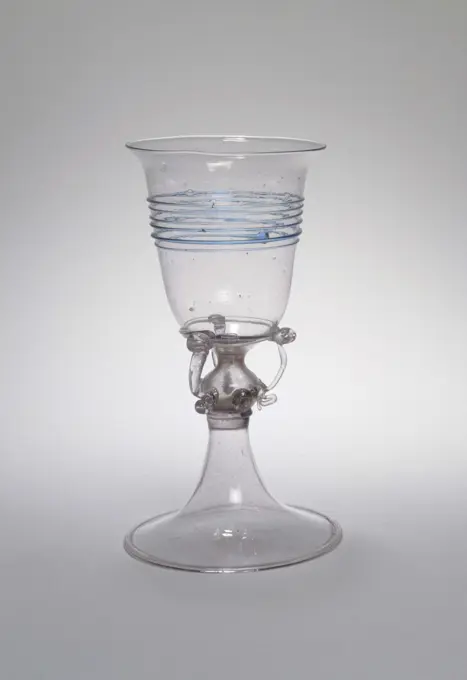
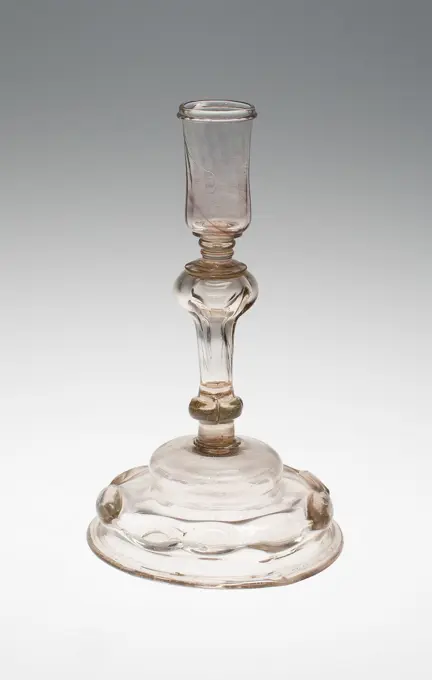
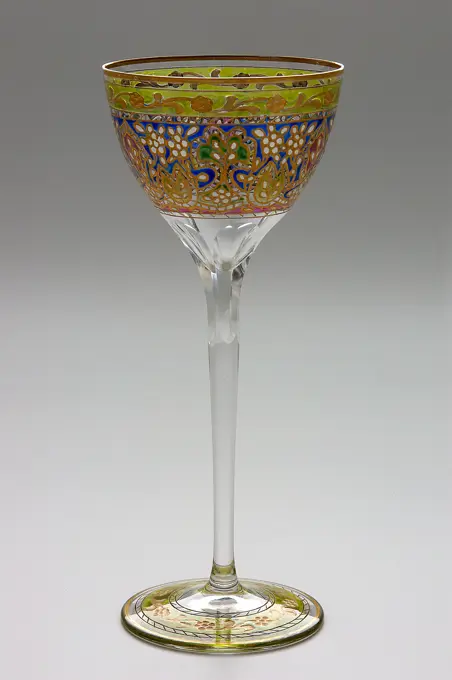
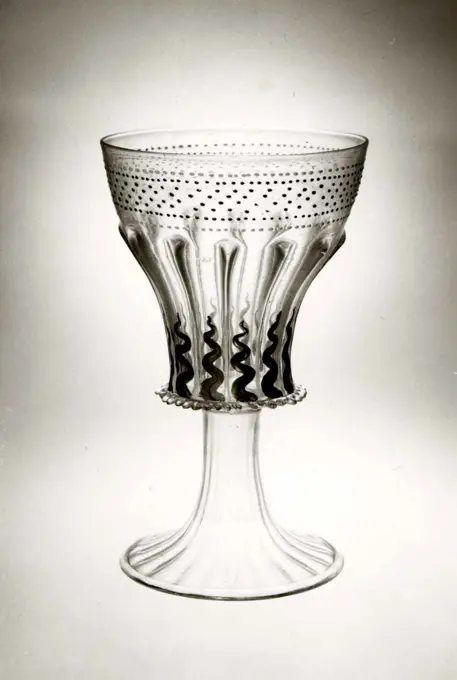
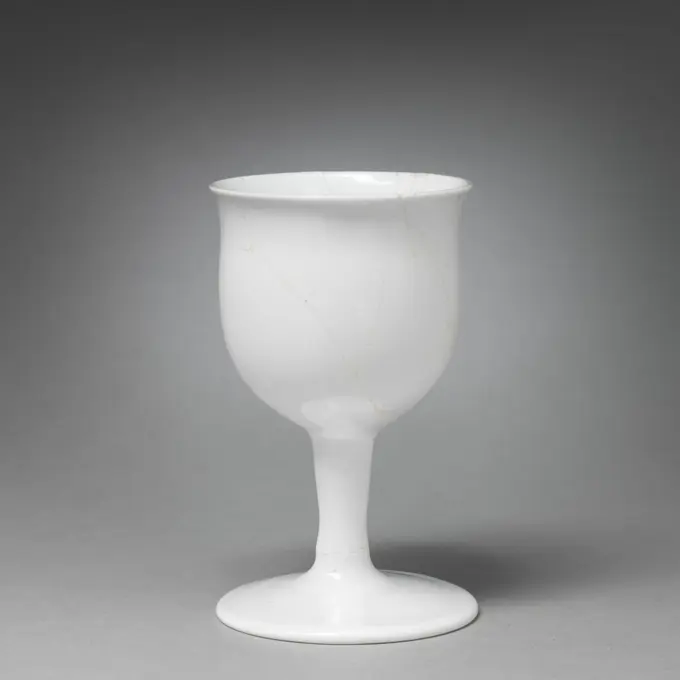
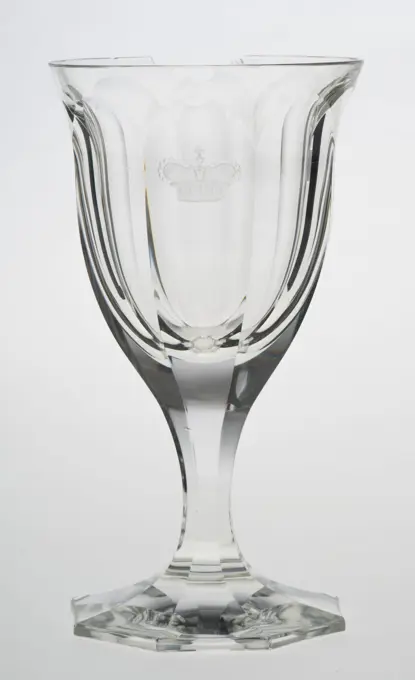
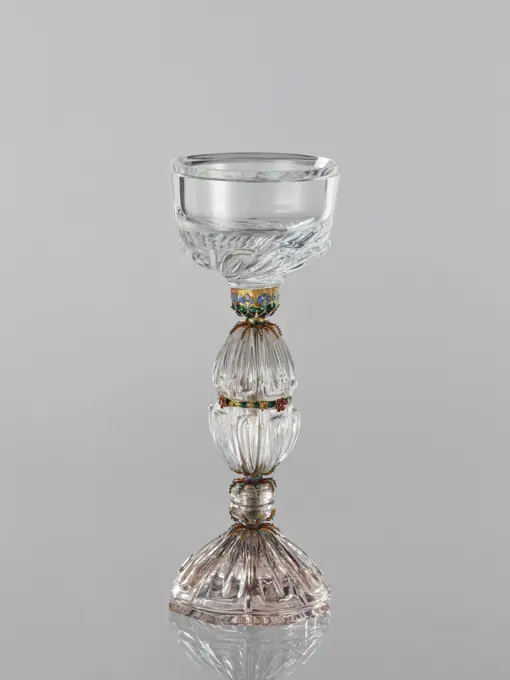
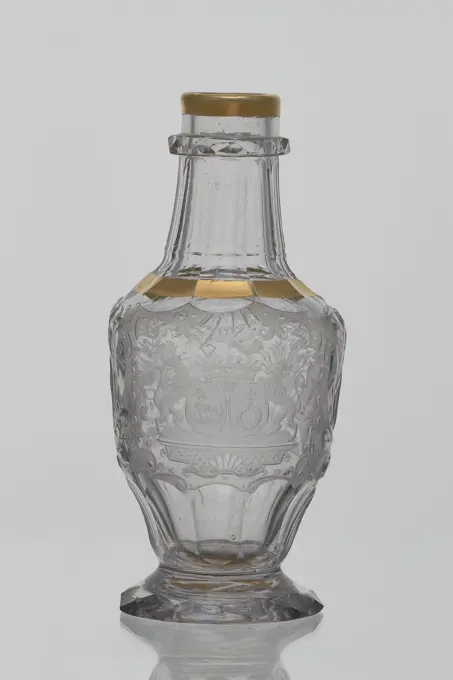
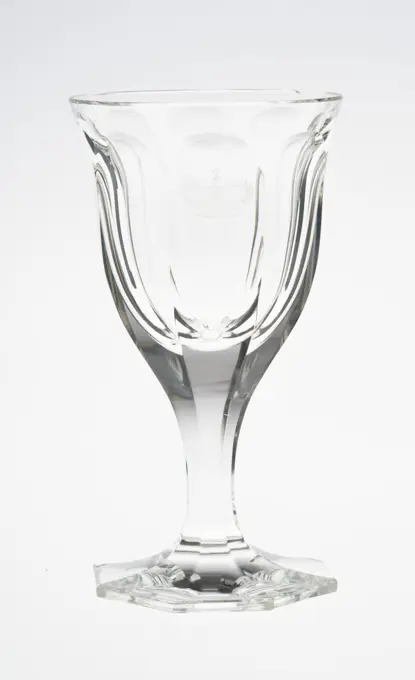
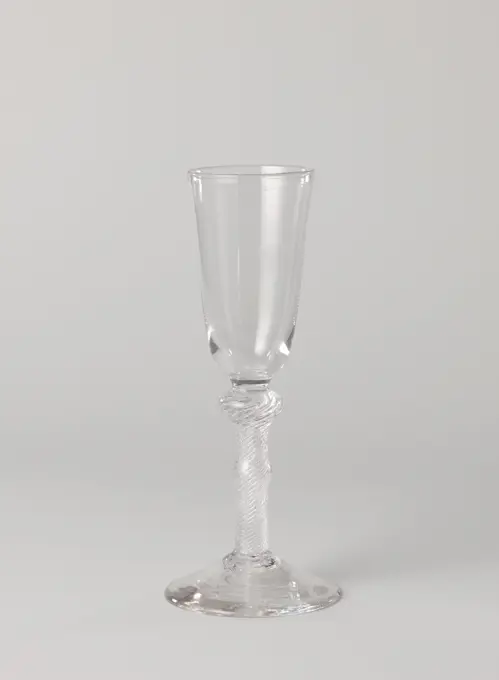
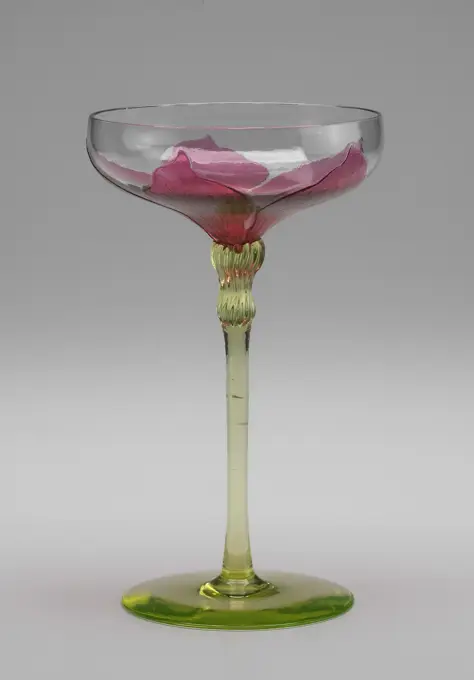
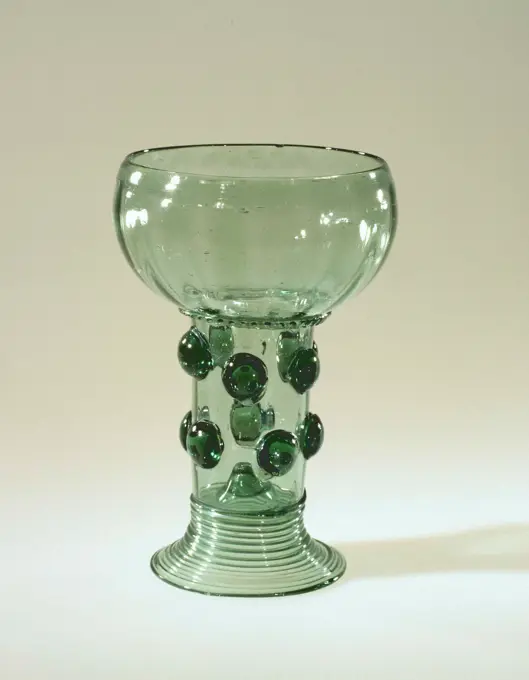
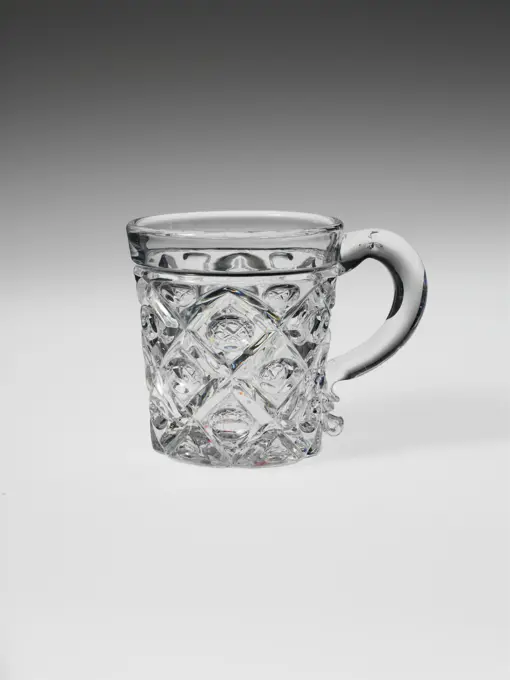
An assortment of antique and modern glassware, including wine glasses and goblets, showcasing exquisite craftsmanship against simple backdrops.

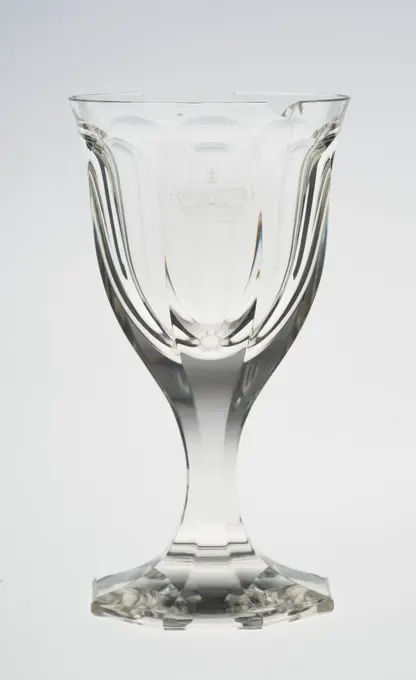
Wine glass, 19th century, 5 x 2 1/2 x 2 1/2 in. (12.7 x 6.35 x 6.35 cm), Lead glass, England, 19th century
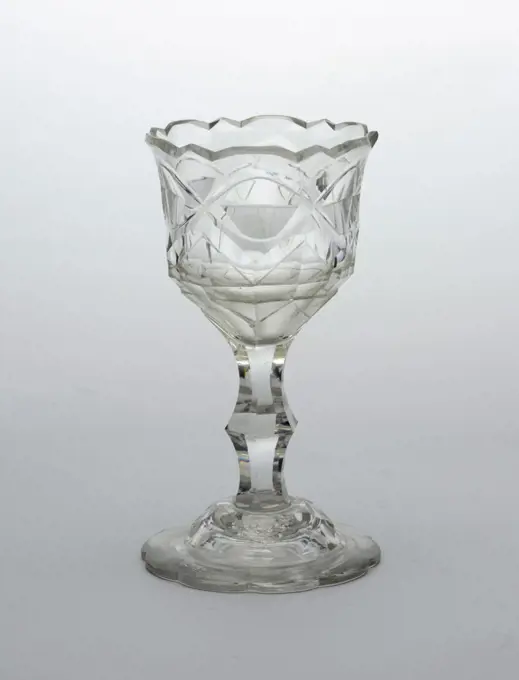
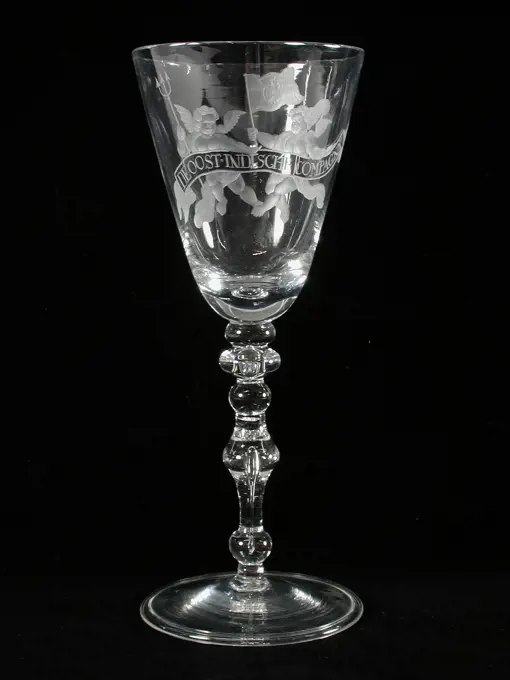
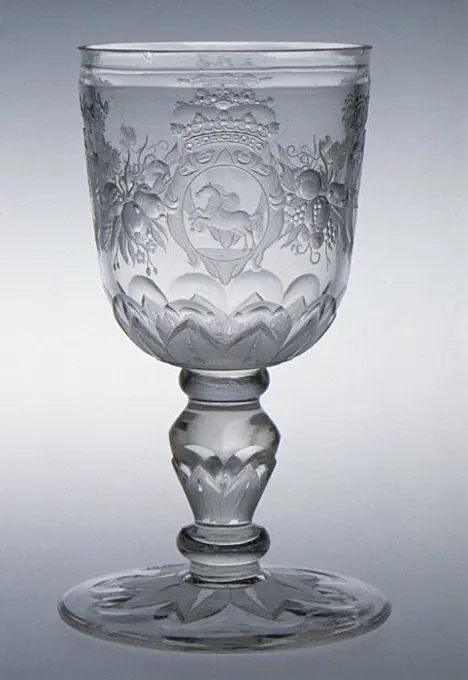
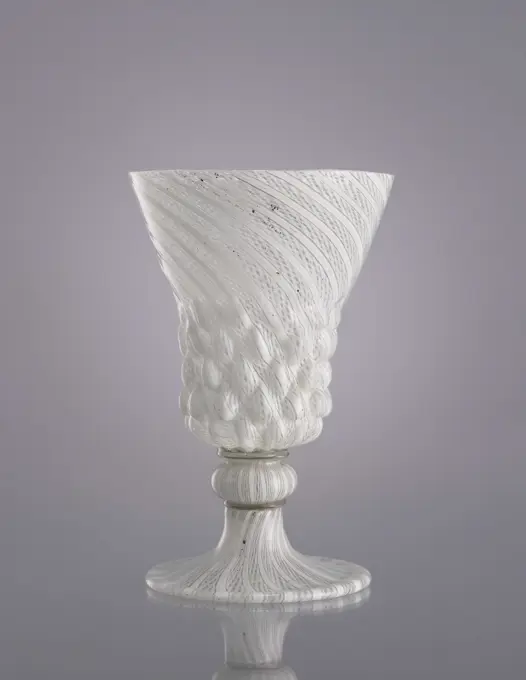
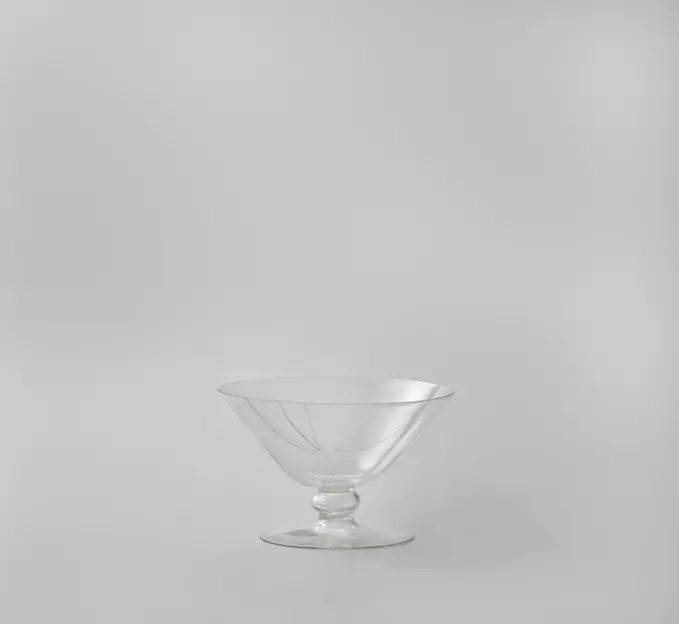
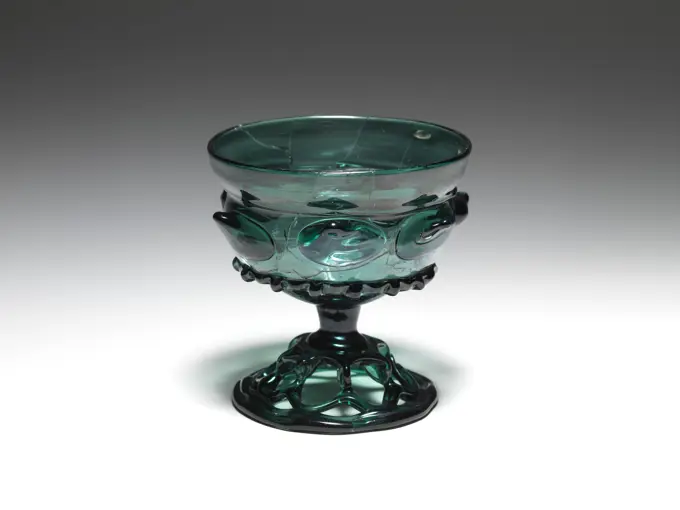
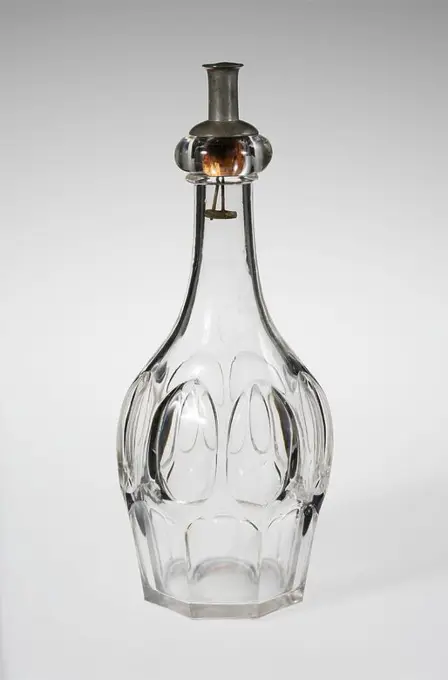
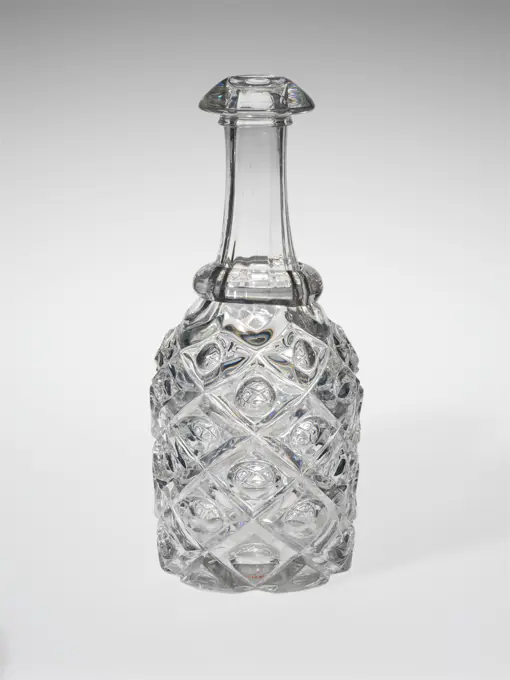
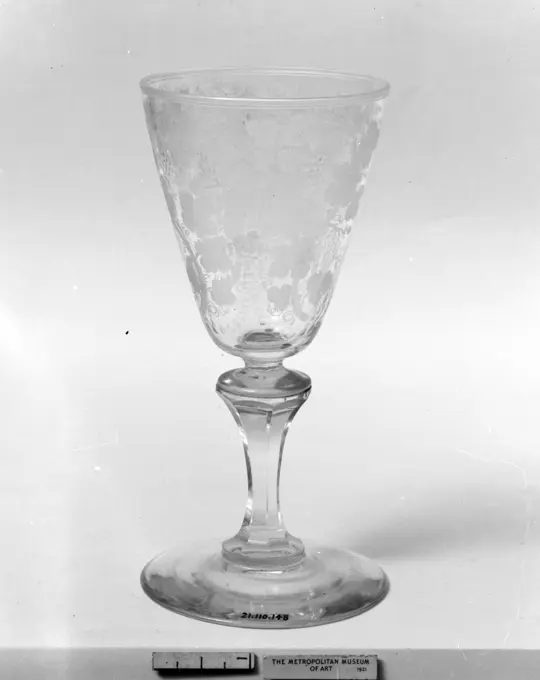
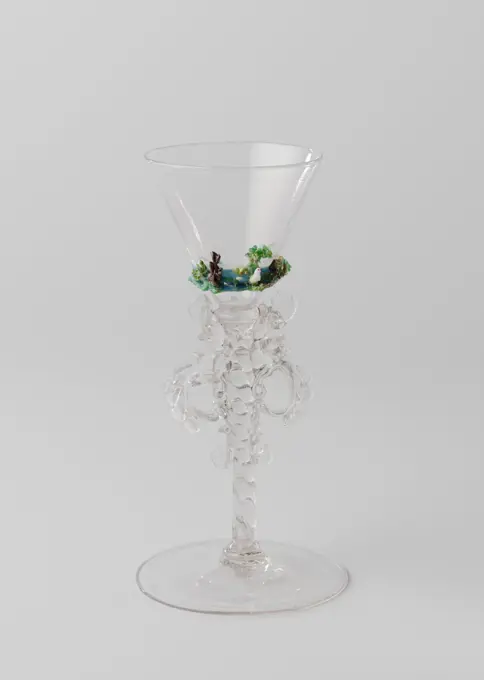
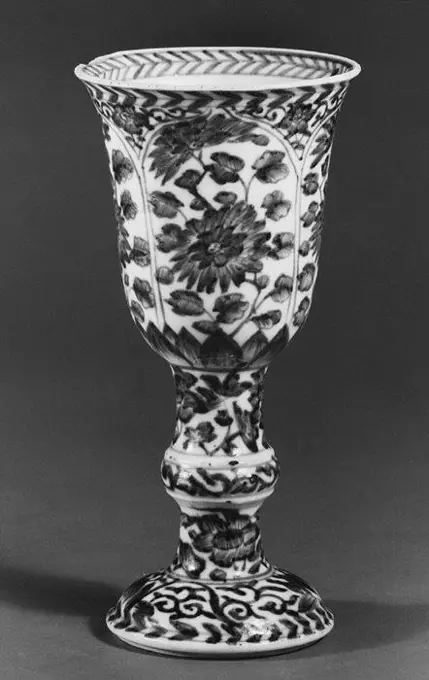
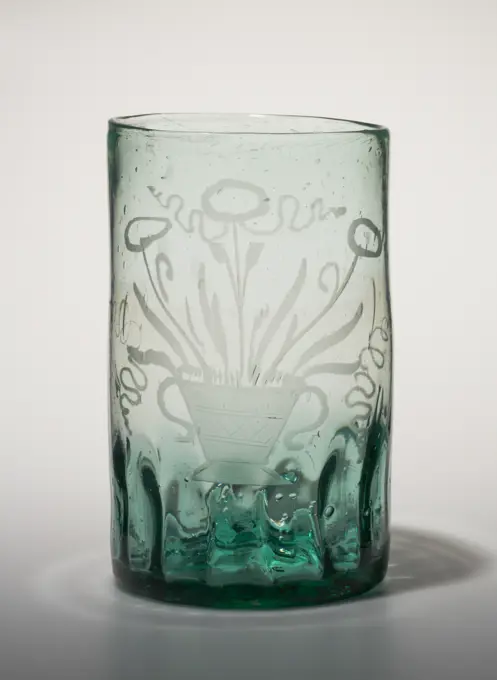
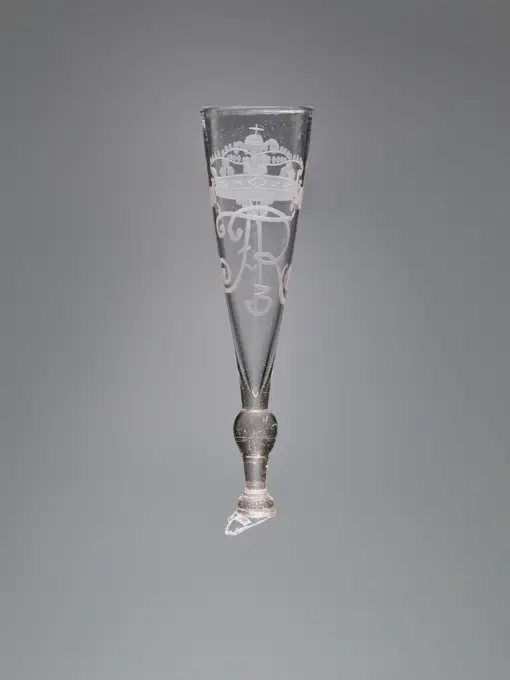
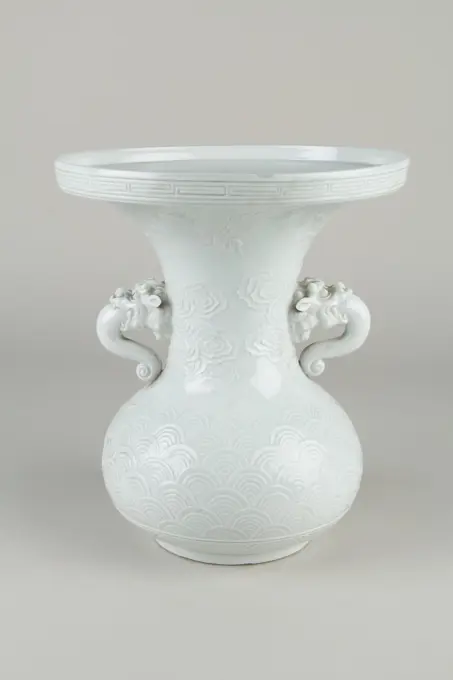
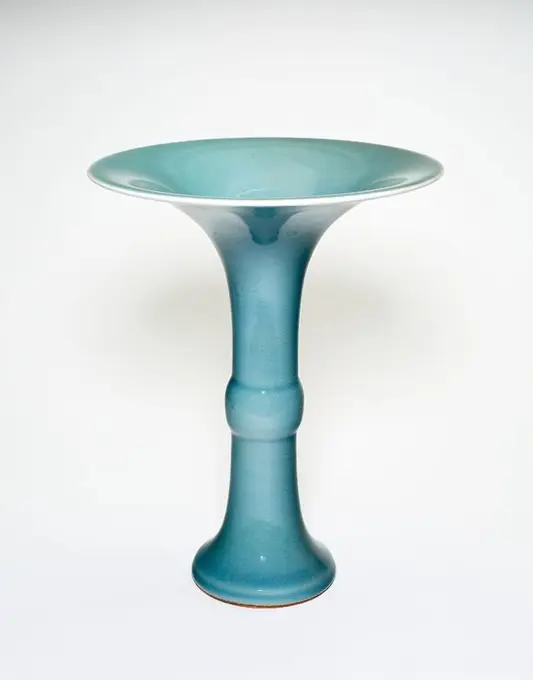
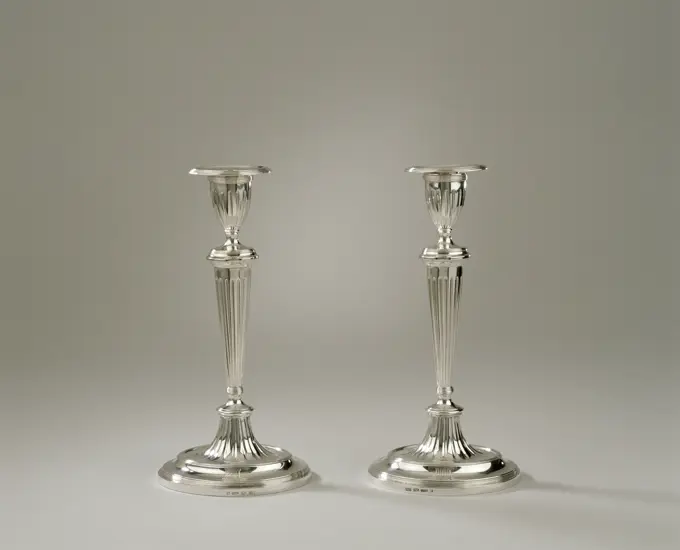
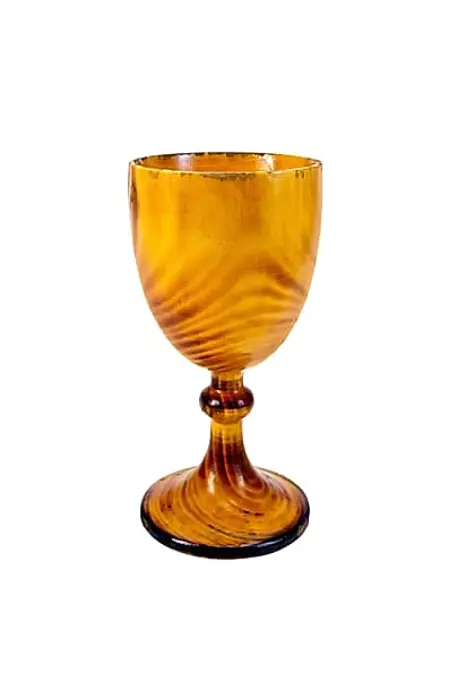
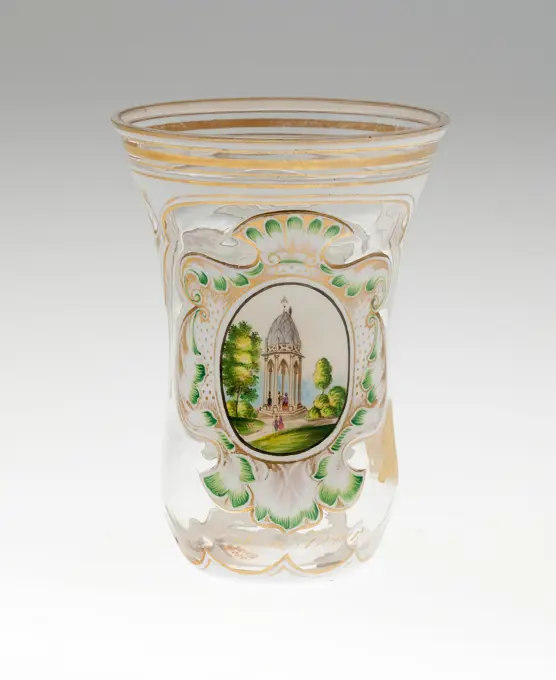
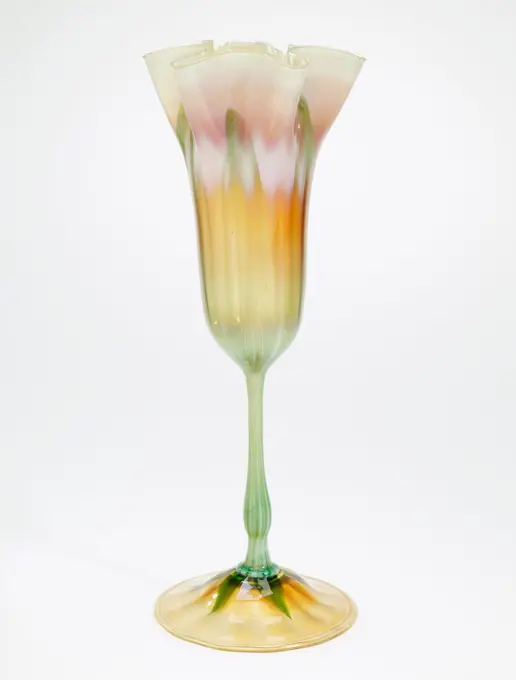
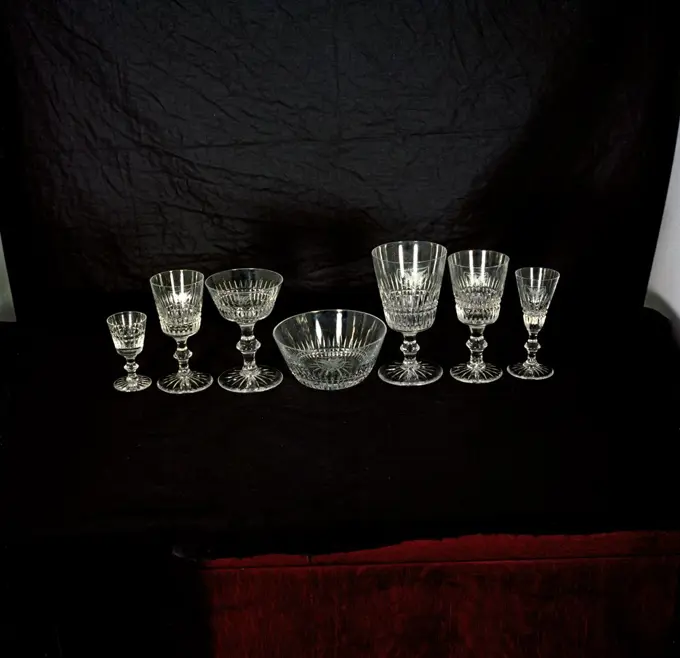
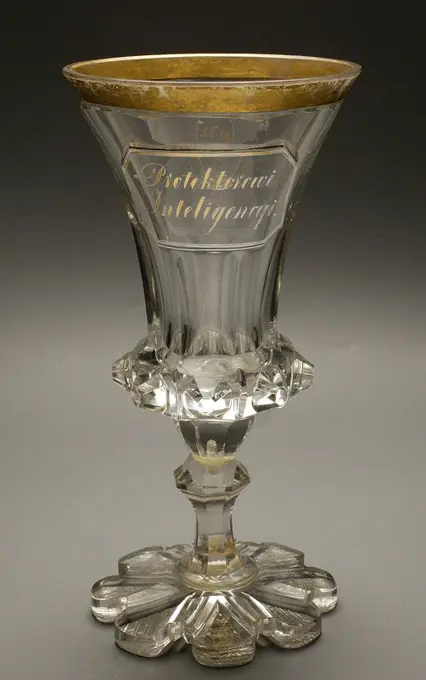
"Jumbo"/Elephant pattern covered compote on pedestal. Attributed to Canton Glass Company; Canton, Ohio. Date: 1883-1885. Dimensions: 30.5 × 17.5 cm (12 × 6 7/8 in.). Glass. Origin: United States. Museum: The Chicago Art Institute, Chicago, USA.Jar with lid, with a maternity room and the inscription: the prosperity of the maternity woman, and kintie, anonymous, c. 1750 Vaulted foot. Stam with faceted button. Bell -shaped cuppa, lower part faceted. On the chalice the presentation of a maternity room. Along the mouth edge the inscription: the prosperity of the maternity woman, and kintie. Lid vaulted with faceted buttons. glassblower: GermanyNorthern Netherlands glass grinding / glassblowing Vaulted foot. Stam with faceted button. Bell -shaped cuppa, lower part faceted. On the chalice the presentation of a maternity room. Along the mouth edge the inscription: the prosperity of the maternity woman, and kintie. Lid vaulted with faceted buttons. glassblower: GermanyNorthern Netherlands glass grinding / glassblowingGlassSweetmeat Glass, Glass, Double ogee bowl, flared at top, shaped rim and cut geometrical decoration;faceted knopped stem; domed base with cut facets and flat scalloped rim; pontil mark bottom., England, 1760-80, glasswares, Decorative Arts, glass, glassWine glass, one of a set of ten, c. 1920, 8 1/4 x 3 1/4 in. (20.96 x 8.26 cm), Aventurine glass, Italy, 20th centuryTumbler 1850-60 American With the development of new formulas and techniques, glass-pressing technology had improved markedly by the late 1840s. By this time, pressed tablewares were being produced in large matching sets and innumerable forms. During the mid-1850s, colorless glass and simple geometric patterns dominated. Catering to the demand for moderately-priced dining wares, the glass industry in the United States expanded widely, and numerous factories supplied less expensive pressed glassware to the growing market. At the Exhibition of the Industry of All Nations at New Yorks Crystal Palace in 1853, for example, the New England Glass Company exhibited 130 pieces of one design, "consisting of bowls, tumblers, champagnes, wines, and jelly glasses." This object belongs to one such service. Although the glass manufactory is not known, the glassware is very typical of the large services that were very popular with Americas middle class in the nineteenth century.. Tumbler 9090Chalice with engraved with The East = Indian Company and VOCR, wine glass drinking glass drinking utensils tableware holder glass, gram free blown and formed radgraving Goblet in clear colorless lead glass Pontil mark under round light ascending hollow base with turned down edge. Massive inverted balustrower (light baluster) manufactured in two parts: bottom part with two knots with continuous trapped air bubble; upper part with three buttons, the middle shelf with enclosed air bubble. Round-shaped funnel-shaped chalice with fire-rounded edge Radgravure: The East = Indian Company (in ribbon) and VOCR on flag trade chamber Rotterdam VOC serving drink Dutch East India CompanyGoblet ca. 1700 German, Potsdam. Goblet 195893Wineglass 18th century William Fortuyn. Wineglass. Dutch. 18th century. Glass. GlassPunch Bowl on Stand. Meriden Cut Glass Company (United States, Connecticut, Meriden, 1895-1923). United States, 1895. Furnishings; Serviceware. GlassKelkglas with a family crest and inscription: the wealthy of the neighborhood 11. Kelkglas of clear, colorless glass. Conical foot. The baluster-shaped strain with four knots, an elongated air bubble and two tires with air bubbles. The funnel-shaped chalice has a rounded soil. On the chalice, surrounded by leafy branches and seed beads, an unidentified family crest. On the other side, in a laurel wreath composed of two branches that are tied together at the top, the text: the welfare // of the neighborhood 11- // 1787.28 December. District 11 was a district in Amsterdam.Goblet. Niderlandy, creator, Wenecja (ośrodek szklarski ; ca 1000- ), creatorGoblet 1850-55 Brooklyn Flint Glass Company American New York City was an important center for machine-cut luxury glass in the middle of the nineteenth century. This partial group (2014.626.1a,b -.7) of blue-cut-to-clear glass is extraordinarily rare and perhaps even experimental when it was made in the 1850s. This is the only known blue plated cut glass attributed to the Brooklyn Flint Glass Works. The diamond pattern is thought to have been executed by Joseph Stouvenel, a highly skilled glass cutter whose works were exhibited at the New York Exhibition of 1853-54 and published during the period.. Goblet 667480Tumbler after 1886 Probably Hobbs, Brockunier and Company. Tumbler 9078Glass on foot ", glass of Venice, anonymous, 16th century. Object of art. Museum of Fine Arts in the city of Paris, Petit Palais. 24096-7 Anonymous, art object, foot glass, VeniceJar, with sunflowers, berries and circles, anonymous, c. 1725 - c. 1750 Lid with garlands. Bohemia glass glassblowing Lid with garlands. Bohemia glass glassblowingDouble-Handled Vase; Venice, Veneto, Italy; 1550 - 1570; Free-blown colorless (slightly gray) glass with lattimo canes and applied decoration; 22.5 cm (8 7,8 in.)Candlestick 1700-1750 France. Glass; blown and molded .GlassWine glass. Heckert Fritz (Petersdorf ; 1866-1918), glass refineryGoblet ca. 1500 Italian (Venice). Goblet. Italian (Venice). ca. 1500. Colorless (slightly grayish) nonlead glass. Blown, pattern molded, trailed, enameled, gilt.. GlassDrinking scale on foot with funnel -shaped chalice, anonymous, c. 1600 - c. 1700 Flat. The trunk formed by a hollow nodus. Wide, funnel -shaped chalice. Low Countries glass glassblowing Flat. The trunk formed by a hollow nodus. Wide, funnel -shaped chalice. Low Countries glass glassblowingBeaker 1700-1725 Bohemia. Glass .Glass;  1920-39 (1920-00-00-1939-00-00);Puzzle Mug 1500-1599 Germany. Glass .Egg cup (one of a pair) British, Bristol 1750-1800 View more. Egg cup (one of a pair). British, Bristol. 1750-1800. Milk glass. GlassGlass; Lobmeyr, J. & L. (Vienna; 1823-); 1920-39 (1920-00-00-1939-00-00);Glass;  1920-39 (1920-00-00-1939-00-00);Chalip glass with a galloping horse, anonymous, 1722 Conical foot. Balus -shaped trunk with tear -shaped bubble, four knots, one of which is with bubble. Conical chalice rounded at the bottom. On the chalice a horses to the left. A surface of plants at the hooves of the hind legs. Signed right under the show: Frans Greenwood Fecit: 1722. glassblower: EnglandNorthern Netherlandsafter print by: Italy glass glassblowing Conical foot. Balus -shaped trunk with tear -shaped bubble, four knots, one of which is with bubble. Conical chalice rounded at the bottom. On the chalice a horses to the left. A surface of plants at the hooves of the hind legs. Signed right under the show: Frans Greenwood Fecit: 1722. glassblower: EnglandNorthern Netherlandsafter print by: Italy glass glassblowingEgg glass; Fraget, Józef (Warsaw; Silver and Plated Products Factory; 1824-1945); before 1868 (1820-00-00-1867-00-00);. Flat foot with beaten edge. The strain is made up of a hollow, ribbed baluster, three discs and an annular tube with closed middle plane. The trunk is in open connection with the eight-sided funnel-shaped chalice.Beaker with open-work foot ca. 1500-1525 German The distinctive bluish-green color of the vessels in this case corresponds to glassware excavated along the Rhine River in the vicinity of Mainz. The body of this vessel is essentially the same as the short beaker shown nearby (2011.21), but its maker added a stem and an openwork foot. Only two other examples of this elaborated form exist.. Beaker with open-work foot 479801Cup;  2 after. XVII century (1601-00-00-1700-00-00);Carafe; Karlsthal (glassworks; 1754-Post 1874), Jeleniogórska Basin (engraving center; Ca 1600-); 1750-1770 (1750-00-00-1770-00-00);Glass;  1920-39 (1920-00-00-1939-00-00);Slinger glass with conical chalice, anonymous, c. 1750 - c. 1775 Vaulted foot. Baluster tribe with a multiple air garland. Conical chalice rounded at the bottom. The edge of the foot is damaged. England glass glassblowing Vaulted foot. Baluster tribe with a multiple air garland. Conical chalice rounded at the bottom. The edge of the foot is damaged. England glass glassblowingJar with cut squares. Many faceted foot. Concave, faceted strain, flat disk, lightly flared chalice with flat bottom. The chalice is divided into twelve squares by cutting lines. In three squares are engraved, a watering can with rake, a burning heart and a cornucopia, a flower in three other squares. Round lenses have been carried out in the remaining six squares, around which flower work.Cordial 1850-55 Brooklyn Flint Glass Company American New York City was an important center for machine-cut luxury glass in the middle of the nineteenth century. This partial group (2014.626.1a,b -.7) of blue-cut-to-clear glass is extraordinarily rare and perhaps even experimental when it was made in the 1850s. This is the only known blue plated cut glass attributed to the Brooklyn Flint Glass Works. The diamond pattern is thought to have been executed by Joseph Stouvenel, a highly skilled glass cutter whose works were exhibited at the New York Exhibition of 1853-54 and published during the period.. Cordial 667701Quart Decanter. Culture: American. Dimensions: H. 11 3/4 in. (29.8 cm). Date: 1830-70. Museum: Metropolitan Museum of Art, New York, USA.CALIZ-PLATA DORADA-1552-. Location: ST. PETER'S CHURCH. OLITE. NAVARRA. SPAIN."Old Abe/Frosted Eagle" pattern covered sugar bowl. Attributed to Crystal Glass Company; Bridgeport, Ohio. Date: 1880-1890. Dimensions: 21.6 × 15.2 cm (8 1/2 × 6 in.). Glass. Origin: United States. Museum: The Chicago Art Institute, Chicago, USA.Beaker. Germany, Schleswig. Date: 1730-1740. Dimensions: H. 6.4 cm (2 1/2 in.). Glass. Origin: Schleswig. Museum: The Chicago Art Institute, Chicago, USA.Glass; Lobmeyr, J. & L. (Vienna; 1823-); 1920-39 (1920-00-00-1939-00-00);Sherry glass, from a set of four, c. 1830, 4 1/4 x 2 3/8 x 2 3/8 in. (10.8 x 6.03 x 6.03 cm), Cut glass, France (), 19th centuryQuart Decanter 1850-70 American With the development of new formulas and techniques, glass-pressing technology had improved markedly by the late 1840s. By this time, pressed tablewares were being produced in large matching sets and innumerable forms. During the mid-1850s, colorless glass and simple geometric patterns dominated. Catering to the demand for moderately-priced dining wares, the glass industry in the United States expanded widely, and numerous factories supplied less expensive pressed glassware to the growing market. At the Exhibition of the Industry of All Nations at New Yorks Crystal Palace in 1853, for example, the New England Glass Company exhibited 130 pieces of one design, "consisting of bowls, tumblers, champagnes, wines, and jelly glasses." This object belongs to one such service. Although the glass manufactory is not known, the glassware is very typical of the large services that were very popular with Americas middle class in the nineteenth century.. Quart DecantRoemer with two rows of braam buds. Roemer with inserted bottom on high, concave, spun base from a wire. The spherical chalice and the strain that is busy with two rows of branamons are blown separately. The transition from the chalice to the trunk is indicated by a ribbed wireWineglass 1750-1800 European or Bohemian. Wineglass. European or Bohemian. 1750-1800. Glass. GlassGlass; Lobmeyr, J. & L. (Vienna; 1823-); 1920-39 (1920-00-00-1939-00-00);Flute glass of filigree glass, anonymous, c. 1600 - c. 1700 Low, curved foot with turned around. Stam formed by a hollow nodus. Funnel -shaped chalice. Foot, trunk and chalice with vertical, melted lattimo wires. West-Europa glass glassblowing Low, curved foot with turned around. Stam formed by a hollow nodus. Funnel -shaped chalice. Foot, trunk and chalice with vertical, melted lattimo wires. West-Europa glass glassblowingWing glass with landscape, anonymous, c. 1800 - c. 1900 Flat. Straight trunk made up of four getting glass wires. Wings with squeezed waffles on both sides. Funnel -shaped chalice, on which a landscape is depicted on the underside with fine melted glass grains. Germany (possibly) glass glassblowing Flat. Straight trunk made up of four getting glass wires. Wings with squeezed waffles on both sides. Funnel -shaped chalice, on which a landscape is depicted on the underside with fine melted glass grains. Germany (possibly) glass glassblowingCup ca. 1700 Chinese, probably for Dutch market. Cup 204613Ice glass cup, anonymous, c. 1550 - c. 1650 Ice glass cup, with inserted soil. Ribbed stand ring of clear glass. Cup -shaped body. A silver frame along the top edge. Low Countries Glass. frame: Silver (Metal) glassblowing Ice glass cup, with inserted soil. Ribbed stand ring of clear glass. Cup -shaped body. A silver frame along the top edge. Low Countries Glass. frame: Silver (Metal) glassblowingMaker Unknown , Central Europe, probably Bohemia, Tumbler, c. 1920, aquamarine glass.Standing cup with cover 18th century German, Nuremberg. Standing cup with cover. German, Nuremberg. 18th century. Glass. GlassWine glass with a ship, anonymous, c. 1750 - c. 1775  Vaulted foot. Baluster tribe with a button and a bubble, three write about it. On conical chalice in Radgravure a farmer with team pulled by two horses in field and a few trees, on the other side a three -mast on calm sea. Above the farmer the inscription: Salus Patriæ. glassblower: NetherlandsNorthern Netherlands glass glassblowing sailing-ship, sailing-boat. ploughingFlute; Non -like Lona Huta; 1734-1763 (1734-00-00-1734-00-00);Slinger glass with bell-shaped chalice. Slinger glass with conical foot and straight trunk. In the trunk a multiple opaque white garland around an air spiral. Bell-shaped chalice.Goblet ca. 1815 Anthony Rasch. Goblet 4130Glass;  1920-39 (1920-00-00-1939-00-00);Wineglass 19th century Italian, Venice (Murano). Wineglass. Italian, Venice (Murano). 19th century. Glass. GlassWater pitcher - Deer and Trees pattern"Vigne" (Vine) Cup. Culture: French. Designer: René-Jules Lalique (French, Aÿ 1860-1945 Paris). Dimensions: H. 7, Dia. 4 in. (17.8 x 10.2 cm.). Manufacturer: René-Jules Lalique (French, Aÿ 1860-1945 Paris). Date: 1912.Lalique's professional career can be neatly divided into halves: the first, fromabout 1880 to about 1907, when he earned his reputation as one of the mostrenowned Paris jewelers; the second, until his death in 1945, when he turnedhis hand to designing glass. In either field, he is considered among the mostimportant designers of the twentieth century. Museum: Metropolitan Museum of Art, New York, USA.Vase with Lion-Shaped Handles and Cranes amid Clouds first half of the 19th century Japan. Vase with Lion-Shaped Handles and Cranes amid Clouds 47353Champagne glass, c. 1900, Rheinische Glashütten, German, Köln-Ehrenfeld, y, est. c. 1850, 7 x 4 x 4 3/16 in. (17.78 x 10.16 x 10.64 cm), Glass, Germany, Art NouveauDecanter -  Waterford WaterfordGlass. High, concave spun foot. Inserted soil. Bolle, vertically ribbed chalice, as a whole blown up with the trunk, which is busy with two rows of smooth, convex studs. The transition from the chalice to the trunk indicated by a ribbed wire.Stop bottle belonging to the oil and vinegar set consisting of four bottles in a rushed holder, Fa. Diemont, 1801 One of the two smaller bottles of an oil and a side set with four flessn of colorless cut glass. With stop of sharpened glass. Amsterdam glass One of the two smaller bottles of an oil and a side set with four flessn of colorless cut glass. With stop of sharpened glass. Amsterdam glassBowl andPitcherCone -shaped damper of silver, anonymous, 1767 Cone -shaped damper of silver. Crowned with a profiled button. At the bottom of a handle. The Hague silver (metal) casting Cone -shaped damper of silver. Crowned with a profiled button. At the bottom of a handle. The Hague silver (metal) castingWhiskey Mug 1850-70 American With the development of new formulas and techniques, glass-pressing technology had improved markedly by the late 1840s. By this time, pressed tablewares were being produced in large matching sets and innumerable forms. During the mid-1850s, colorless glass and simple geometric patterns dominated. Catering to the demand for moderately-priced dining wares, the glass industry in the United States expanded widely, and numerous factories supplied less expensive pressed glassware to the growing market. At the Exhibition of the Industry of All Nations at New Yorks Crystal Palace in 1853, for example, the New England Glass Company exhibited 130 pieces of one design, "consisting of bowls, tumblers, champagnes, wines, and jelly glasses." This object belongs to one such service. Although the glass manufactory is not known, the glassware is very typical of the large services that were very popular with Americas middle class in the nineteenth century.. Whiskey Mug 98Wine Glass (England); Designed by Harry Powell (English, 1870 - 1920); Manufactured by James Powell & Sons (United Kingdom); glassGlassGu-Shaped (Archaic Bronze Vessel) Vase. China. Date: 1723-1735. Dimensions: H. 26.0 cm (10 1/4 in.); diam. 20.1 cm (7 15/16 in.). Porcelain. Origin: China. Museum: The Chicago Art Institute, Chicago, USA.Candlestick with the Clifford family crest, Anton Hinrich Pape, 1805 The oval candlesticks with loose fat catchers rest on a base, which is made up of two curved parts above a right -wing base. The widening tribe is crowned by a neck, which consists of a conical sub -part and a vaulted, rejuvenating upper part. The scale -shaped fat catcher closes in the vase -shaped candle holder. The upper part of the foot, the shaft and the candle holder are scanned. At the bottom of the two parts of the foot, along the underside of the trunk, along the neck above the trunk, along the upper side of the candle holder and along the outer edge of the fat catcher, traffic jams are fitted. The Clifford weapon is engraved on the foot of both. Amsterdam silver (metal) The oval candlesticks with loose fat catchers rest on a base, which is made up of two curved parts above a right -wing base. The widening tribe is crowned by a neck, which consists of a conical sub -part and a vaulted, rejuvenating upper partUnknown, Mug, c. 1790-1820, colorless glass.Pair of candlesticks 1695-96 French, Montpellier. Pair of candlesticks 200089Mug 1870-80 Probably Adams and Company. Mug. American. 1870-80. Pressed yelllow glass. Made in Pittsburgh, Pennsylvania, United StatesOld wooden wine glass isolated on white backgroundTumbler, Cut glass with gilt decoration, Stright-sided tapered body of fifteen vertical panels, decorated with rococo scenic fantasy in gilt., ca. 1770, glasswares, Decorative Arts, TumblerTumbler 18th century. Tumbler 8997Beaker 1845-1855 Bohemia. Glass; colorless, blown, cut, overlaid with opaque white glass, enameled and gilded .GlassCup with cover ca. 1655 German, Brunswick (Braunschweig) mounts with probably Southern Netherlandish glass. Cup with cover. German, Brunswick (Braunschweig) mounts with probably Southern Netherlandish glass. ca. 1655. Silver gilt, glass. Metalwork-Silver In CombinationVase, 19th century, Louis Comfort Tiffany, American, 1848-1933, 13 7/8 x 5 1/4 in. (35.2 x 13.34 cm), Glass, United States, 19th centuryGlass; Lobmeyr, J. & L. (Vienna; 1823-); 1920-39 (1920-00-00-1939-00-00);Glass;  1920-39 (1920-00-00-1939-00-00);Tumbler after 1886 Probably Hobbs, Brockunier and Company. Tumbler 9079Four candlesticks, Cornelis Hendrik Bömcke (attributed to), 1783 - 1784 The candlesticks are round in diameter. The profiled foot, which is decorated with phases and a pearl edge, rests on the right -wing base. Above it, a vaulted, scanned section rises, which gradually turns into the trunk and which is crowned by a series of profiles, the most important of which is decorated with phases. This rests the cube -shaped nodus that shows a rosette on each side and that carries the top of the scanned trunk, crowned by a smooth band with four round heads. The two scanned parts of the trunk are decorated with bay heads hanging on two nail heads. The loose fat catcher is surrounded by a pearl edge. Amsterdam silver (metal) The candlesticks are round in diameter. The profiled foot, which is decorated with phases and a pearl edge, rests on the right -wing base. Above it, a vaulted, scanned section rises, which gradually turns into the trunk and which is crowned by a series of profiles, the most iGlass; Lobmeyr, J. & L. (Vienna; 1823-); 1920-39 (1920-00-00-1939-00-00);China and crystal used in the White House. (L-R) Cordial glass, wine glass, champagne glass, finger bowl, goblet, wine glass, and sherry glass, all engraved with the United States coat of arms. The glassware is part of the set first ordered in 1937 by President Franklin D. Roosevelt and manufactured by T.G. Hawkes Company with glass from the Tiffin Glass Company. The pattern was originally named Venetian, but was renamed White House by T.G. Hawkes Company.Goblet. Huta szkła (Stara wieś ; 1840/1842-ante 1914), glass worksJanet Riza, Vase, c 1940 VaseCocktail glass isolated on white background. Cocktail glassGlass; indefinite steelworks, Weissbach (glassworks; 1617-1754); 1st half 18th century (1700-00-00-1750-00-00);Two decorated drinking glasses, Laurens Lodewijk Kleijn (attributed to), c. 1865 - c. 1900    glass wet collodion negative Glass, holdsGlass of drinking isolated on a white background. Glass on a white backgroundGlass; Lobmeyr, J. & L. (Vienna; 1823-); 1920-39 (1920-00-00-1939-00-00);Glass;  1920-39 (1920-00-00-1939-00-00);Cruet 1725-1775 France. Glass .