Elegant Glassware

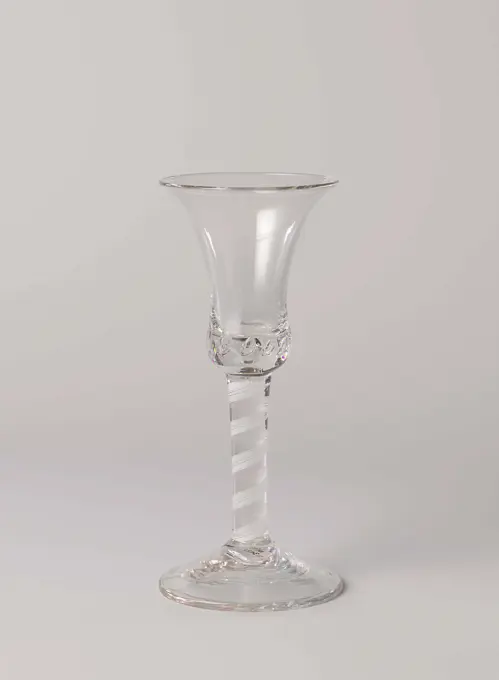
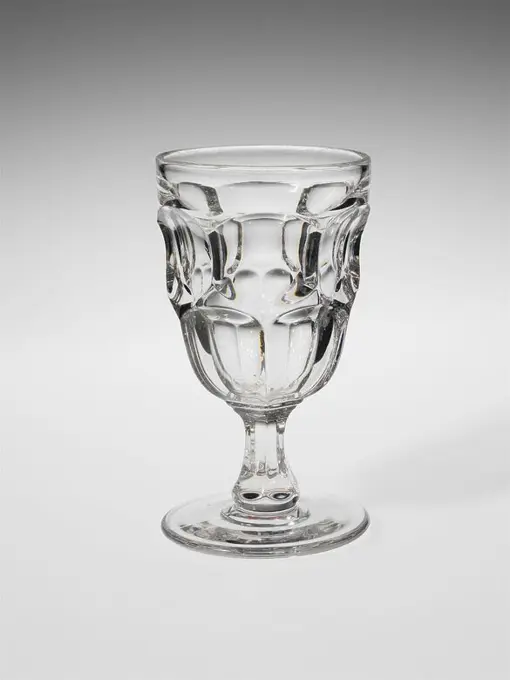
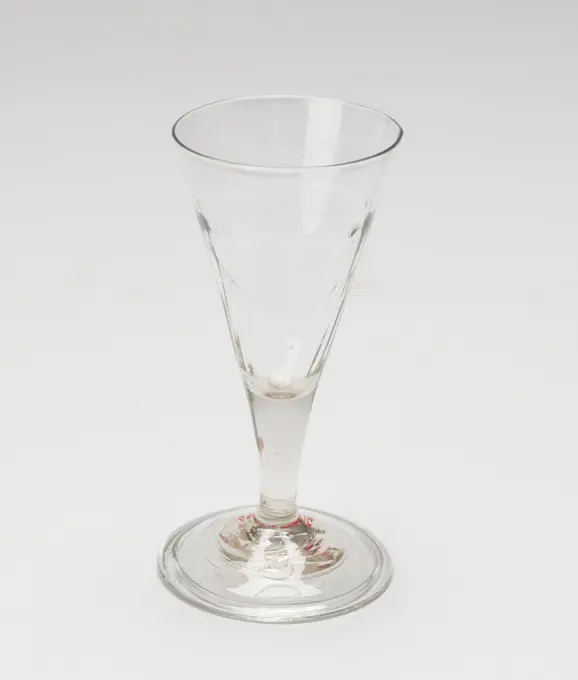
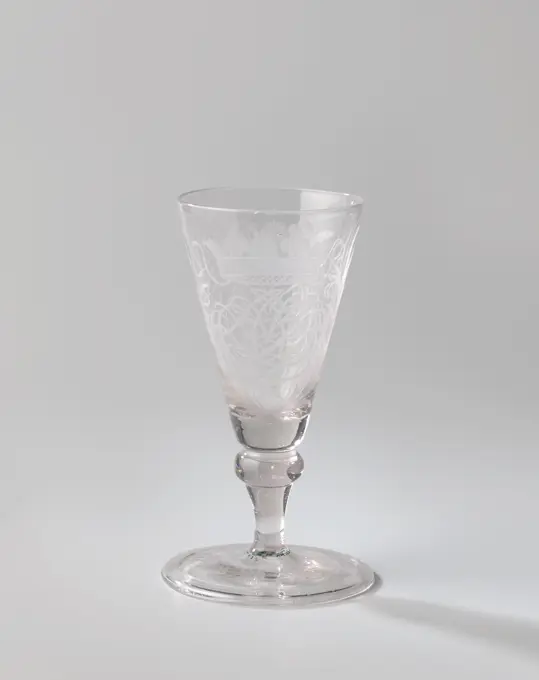
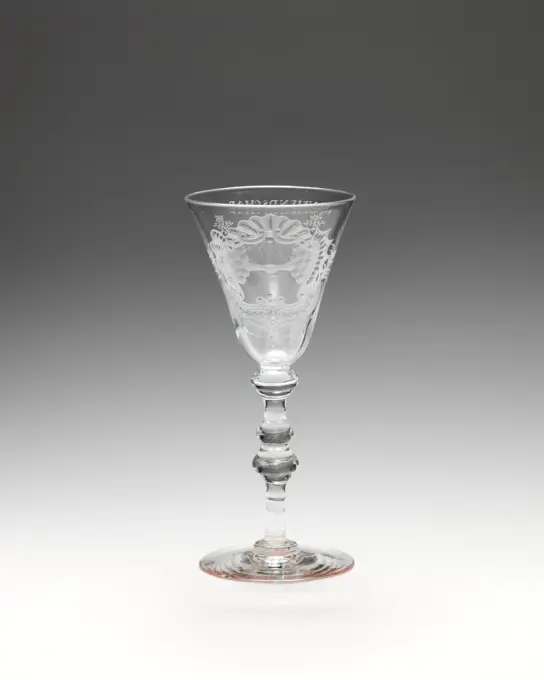
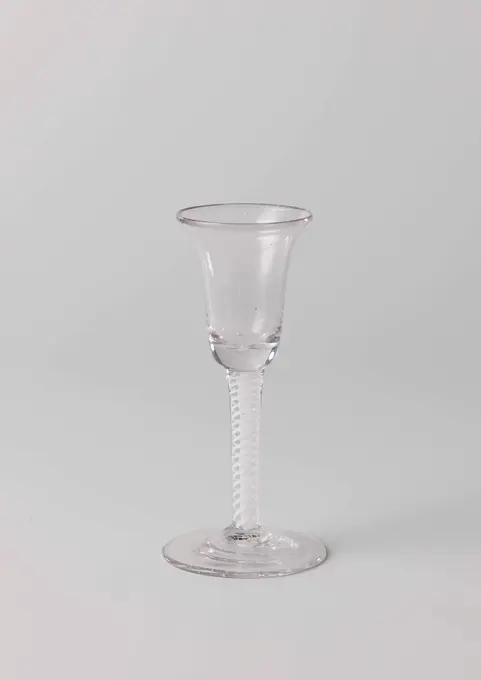
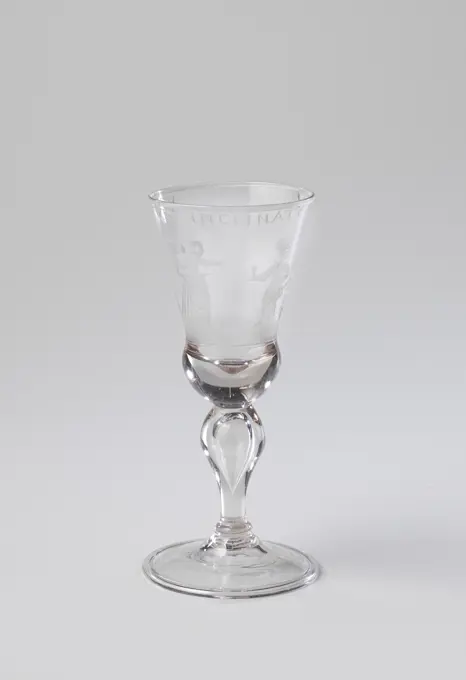
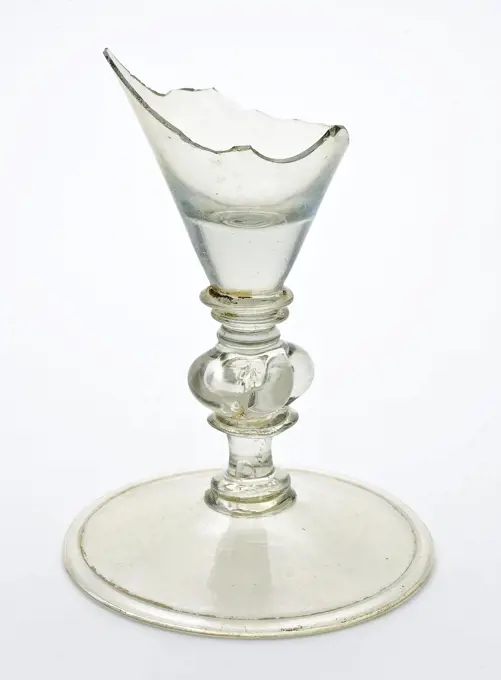
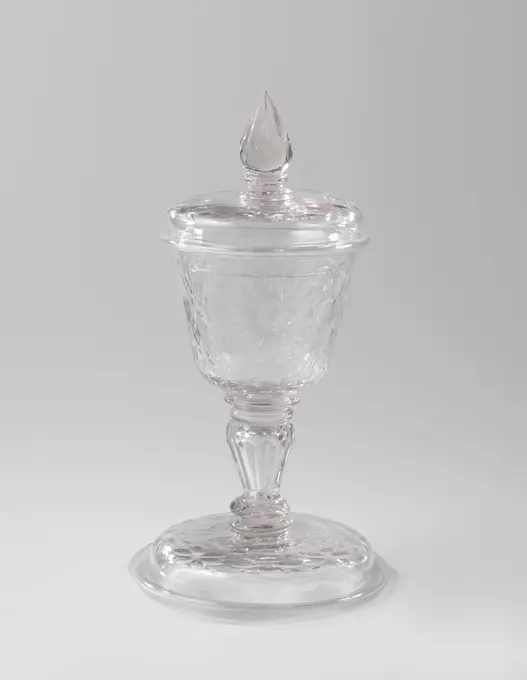
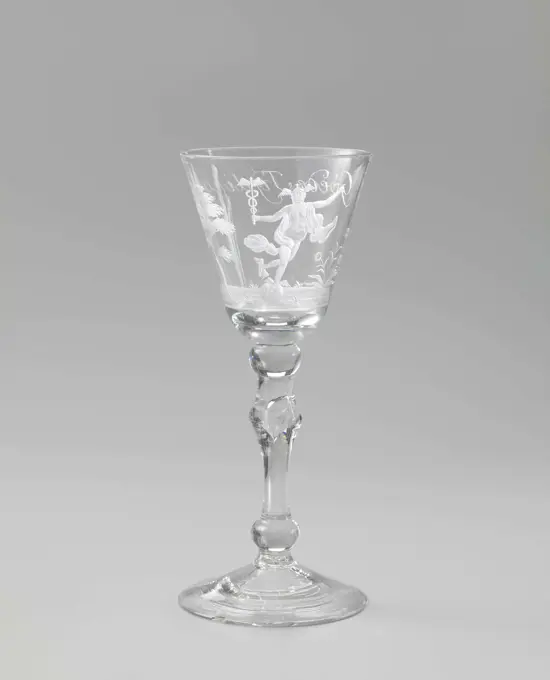
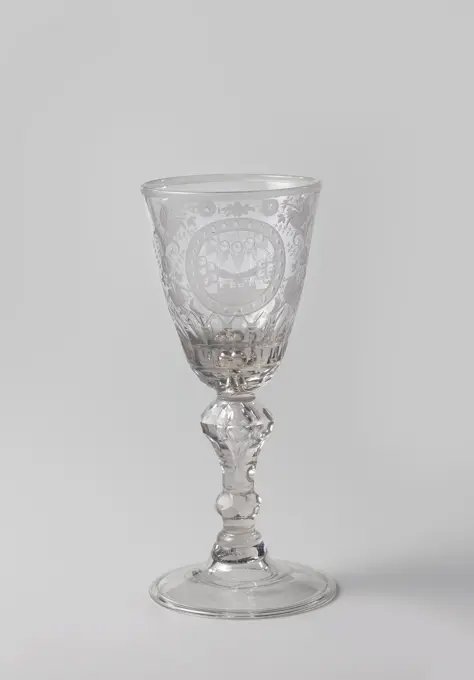
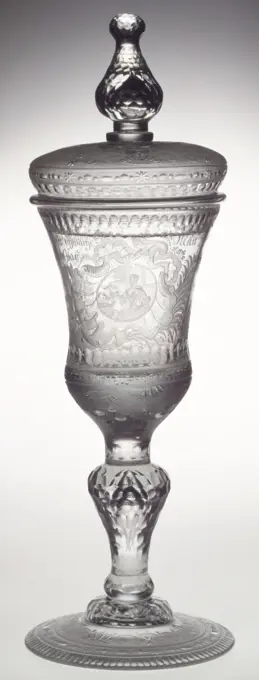
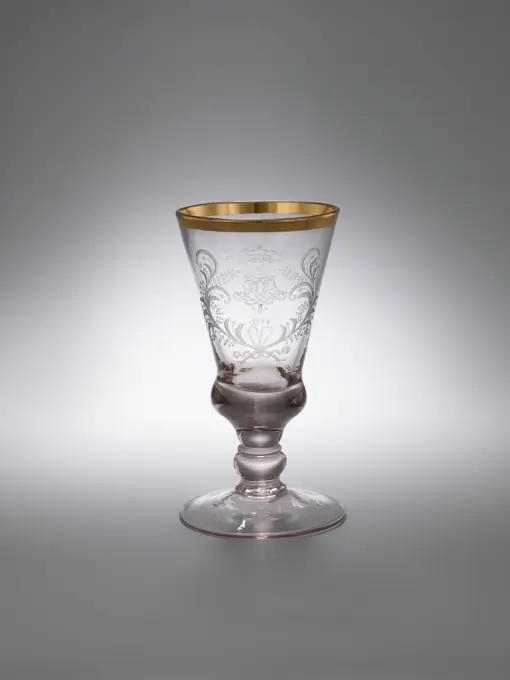
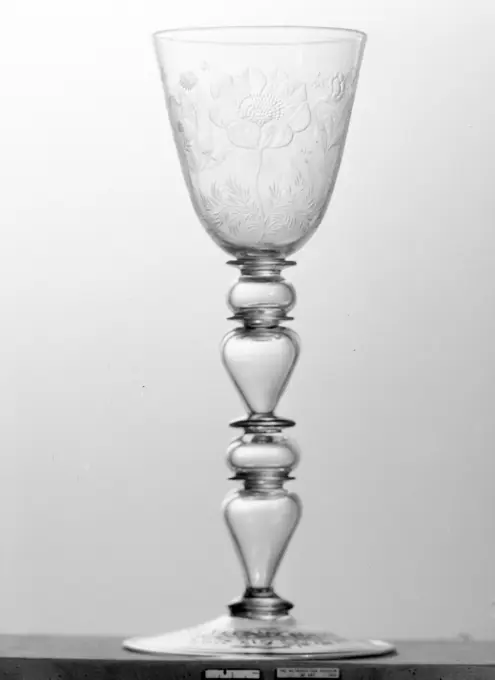
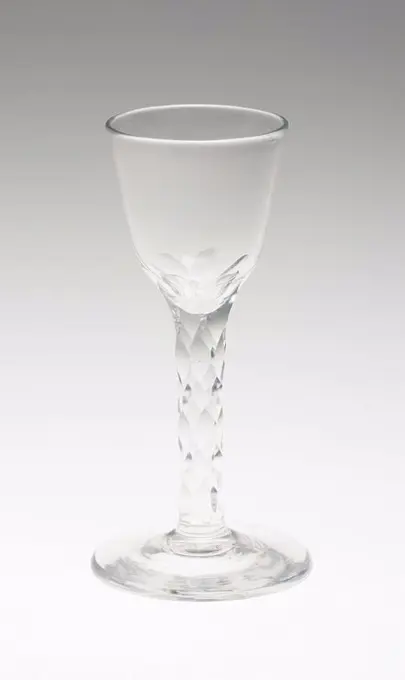
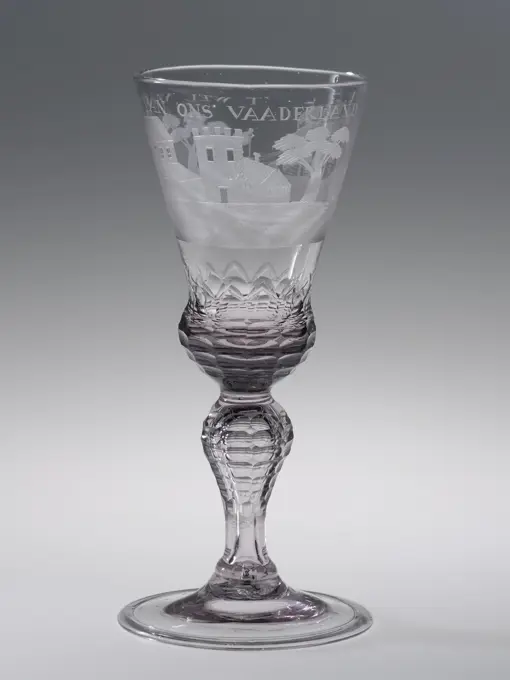
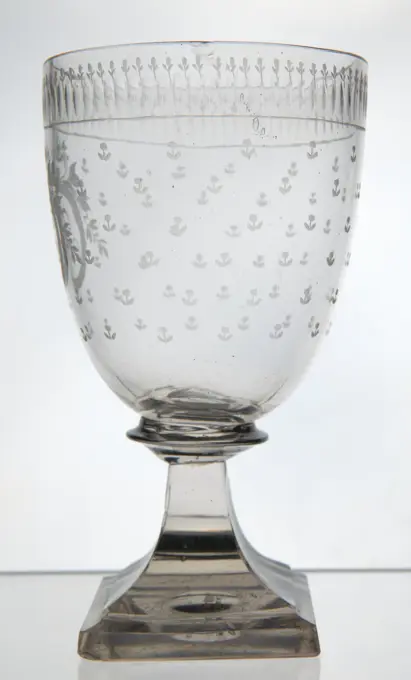
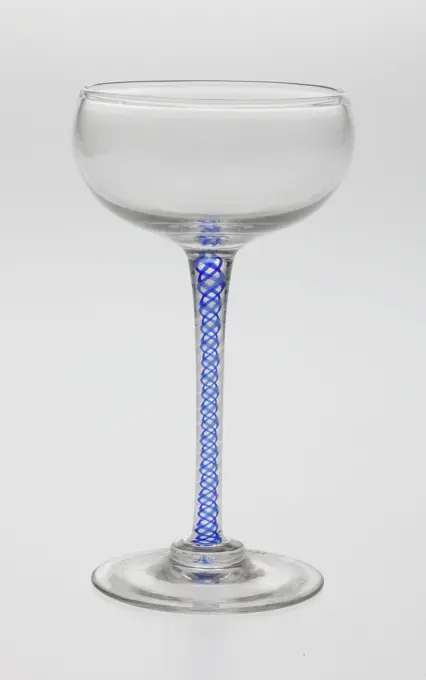
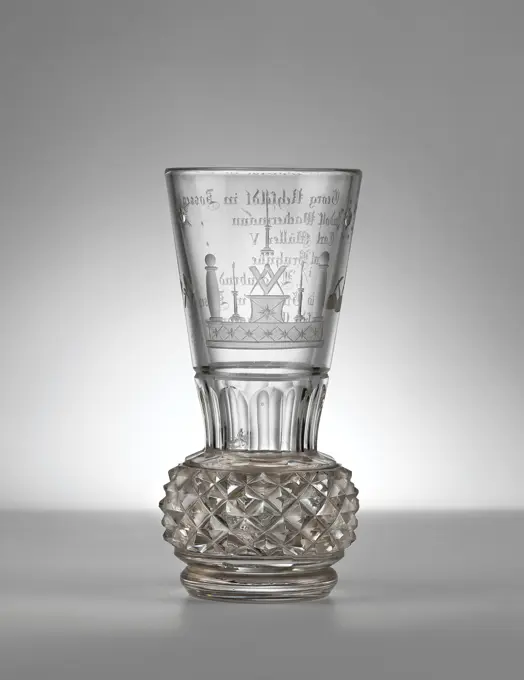
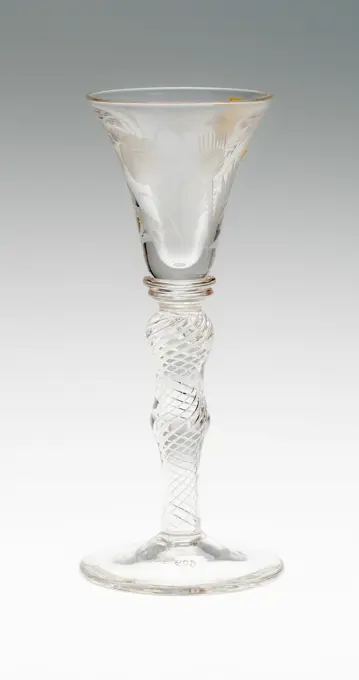
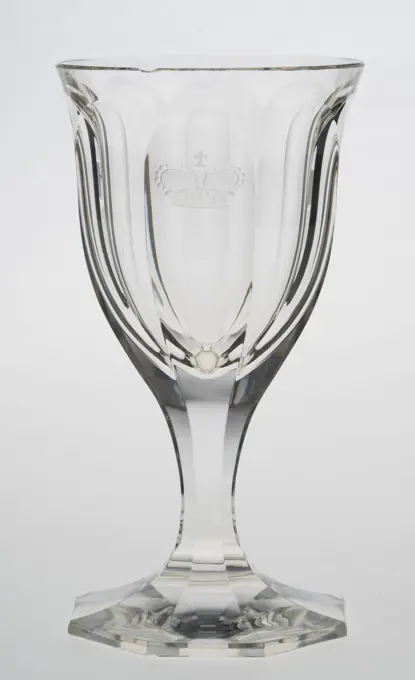
An assortment of antique and modern glassware, including wine glasses and goblets, showcasing exquisite craftsmanship against simple backdrops.

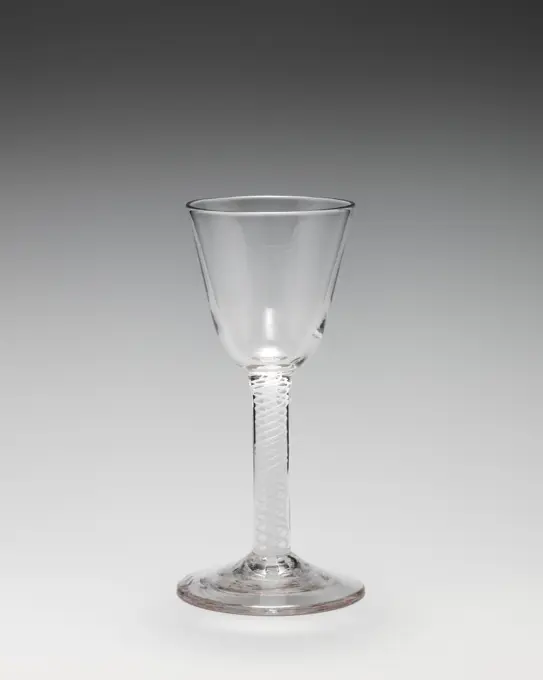
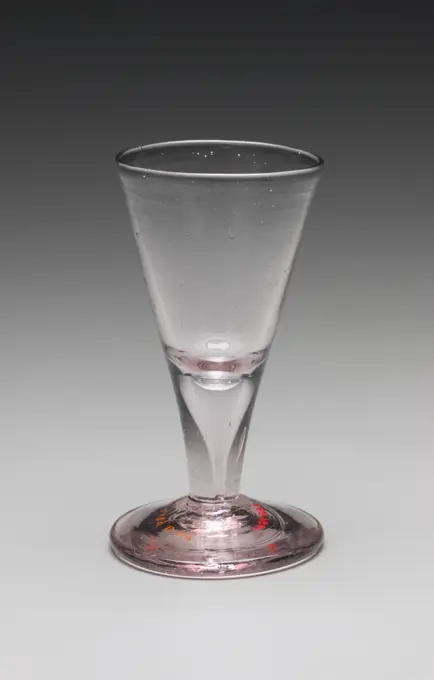
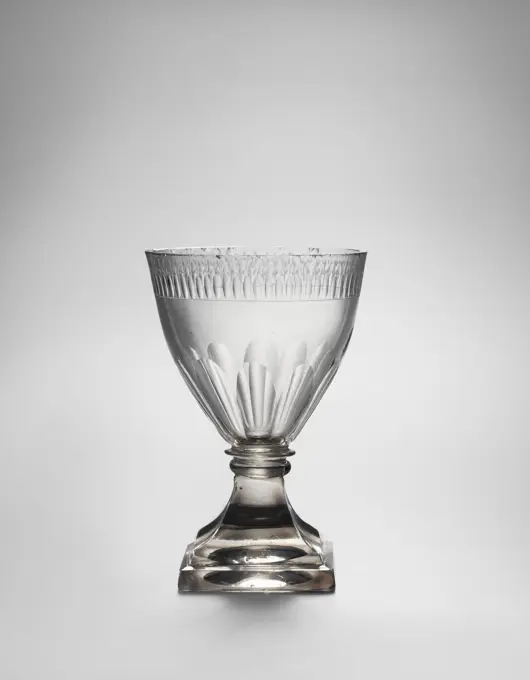
Wine glass, 19th century, 5 x 2 1/2 x 2 1/2 in. (12.7 x 6.35 x 6.35 cm), Lead glass, England, 19th century
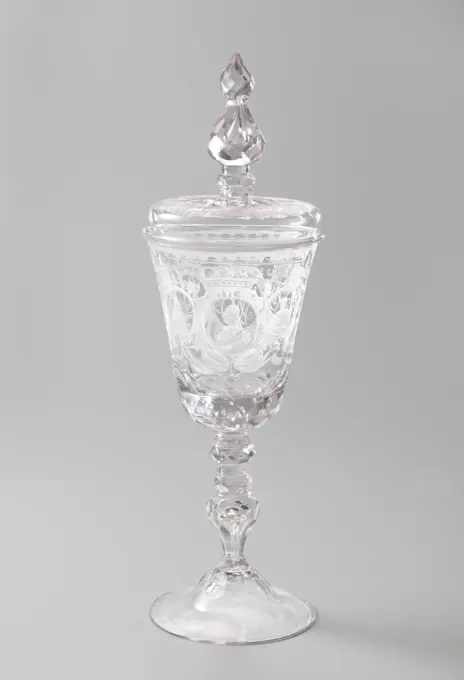
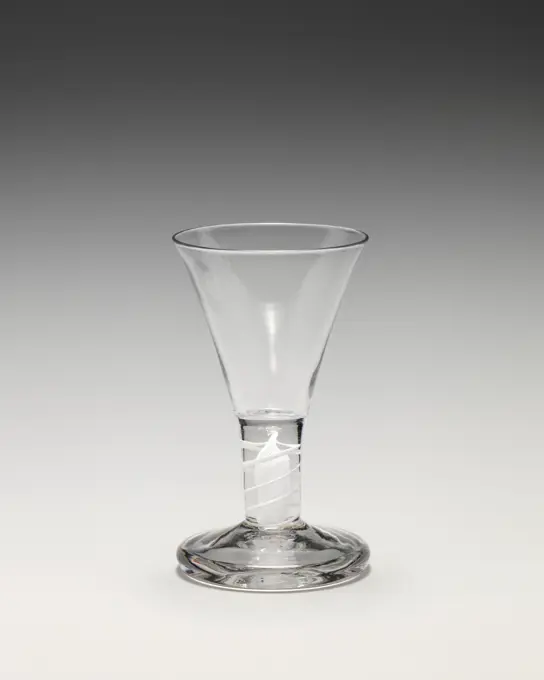
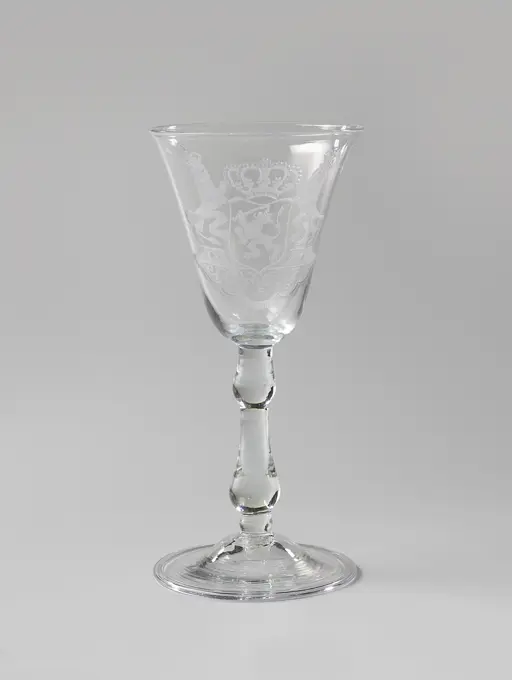
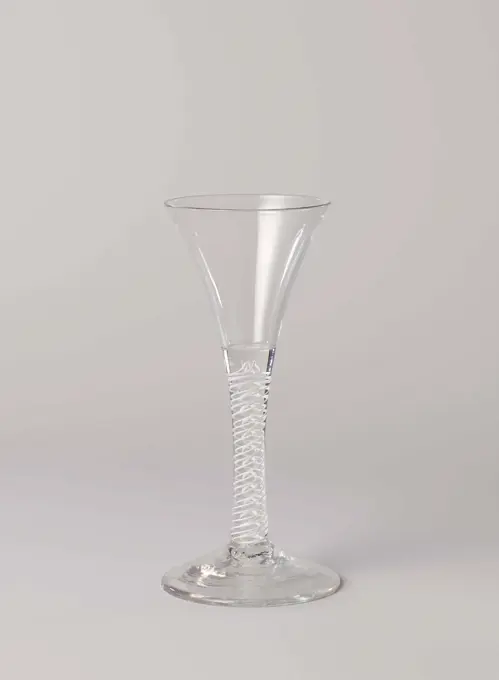
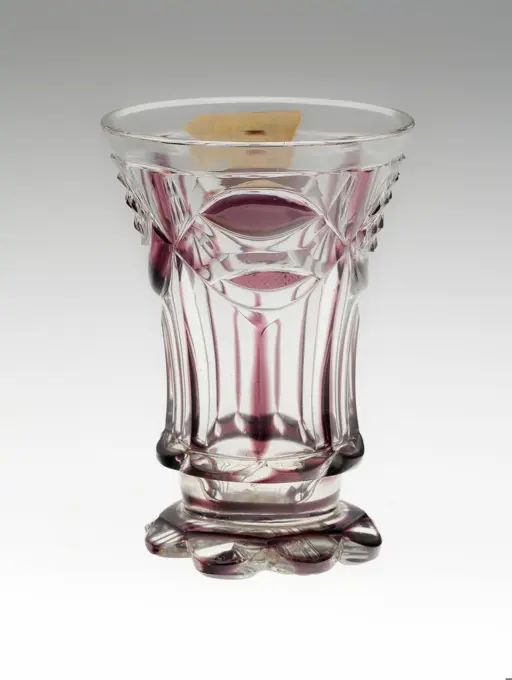
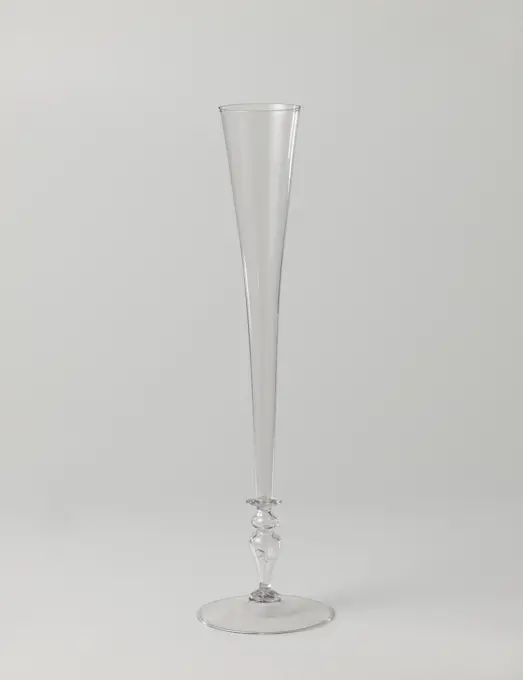
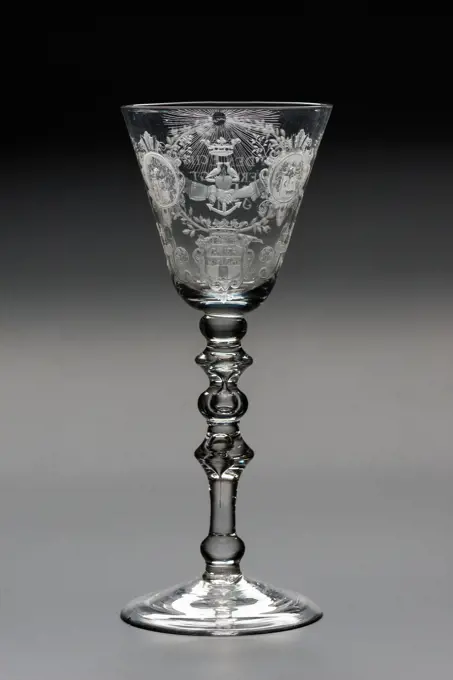
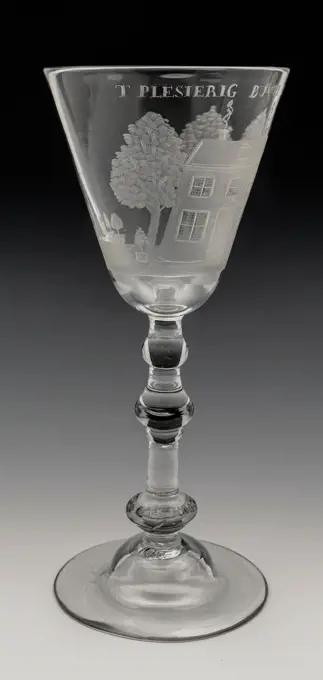
Glass;  1920-39 (1920-00-00-1939-00-00);Large Punch Goblet. England. Date: 1695-1705. Dimensions: H. 23.5 cm (9 1/4 in.). Glass. Origin: England. Museum: The Chicago Art Institute, Chicago, USA.Wineglass 1750-1800 British, Bristol or possibly Dutch. Wineglass. British, Bristol or possibly Dutch. 1750-1800. Glass. GlassWine glass, 19th century, 5 x 2 1/2 x 2 1/2 in. (12.7 x 6.35 x 6.35 cm), Lead glass, England, 19th centuryLidded goblet, anonymous, c. 1750 - c. 1759 Bokaal with lid of clear, colorless glass, on sharpened baluster tribe. Foot: trumpet -shaped, high rising; Stam Balus -shaped consisting of pear, two sections and two nodes; Chalice: clock -shaped with thick sharpened bottom in which air bubbles; Lid: with a cut button consisting of Nodus, Peer and Point. Radsnijwerk: On the chalice on one side three medallions with portraits whose crowned middle princess Anna of Great Britain and Ireland, the other two children, could be Prince Willem V and Princess Wilhelmina, Carolina. On the other side three medallions with monograms whose middle is crowned. The letters of the monograms are from left to right: P.H.I.O., A.P.C.I.O. and P.C.C.L. The further decoration mainly consists of war trophies including banners with the lion with a bundle of arrows. There is a flake of the chalice. Glassblower: Glücksburgnorthern Netherlands glass grinding / glassblowing Bokaal with lid of clear, colorless glass, on Bokaal with two collapsed hands and the inscription: De Goede Vriendschap, Anonymous, c. 1725 - c. 1750 Vaulted foot. Baluster tribe with an elongated bubble and one large and two small buttons. On the slightly conical chalice two hands within a crowned cartouche as well as the words: the good friendship. Lid with flower decoration. glassblower: GermanyNorthern Netherlands glass glassblowing Vaulted foot. Baluster tribe with an elongated bubble and one large and two small buttons. On the slightly conical chalice two hands within a crowned cartouche as well as the words: the good friendship. Lid with flower decoration. glassblower: GermanyNorthern Netherlands glass glassblowingWine or cordial glass 1750-1800 British The heavy foot on this glass indicates that it was of the type used as a "firing glass," to be pounded on the table after a toast.. Wine or cordial glass. British. 1750-1800. Glass. GlassGoblet. Georg Friedrich Killinger (German, fl. 1696-1726); Germany, Nuremberg. Date: 1723. Dimensions: H. 30.5 cm (12 in.). Glass with metal foot. Origin: Nuremberg. Museum: The Chicago Art Institute, Chicago, USA.Jar with an ornament edge, anonymous, c. 1725 - c. 1750 Vaulted foot with turned around. Solid baluster tribe with a small and a large bubble. Bell -shaped chalice with rounded, solid bottom. A nice ornament edge along the chalice. The foot is glued in two places. glassblower: GermanyNorthern Netherlands glass glassblowing Vaulted foot with turned around. Solid baluster tribe with a small and a large bubble. Bell -shaped chalice with rounded, solid bottom. A nice ornament edge along the chalice. The foot is glued in two places. glassblower: GermanyNorthern Netherlands glass glassblowingChalip glass with three children and a banderolle with the inscription L'Amitie, Anonymous, c. 1775 Conical foot. Facetted tribe, transferring to a cylindrical chalice with a concave bent, facet cut underside. On the chalice three children on clouds, two of which embrace each other. The third holds a column and a banderolle with the text l'Amitie. Signed under the show J: van den Zekijk, f. Glassblower: Englanddrudet glass grinding / glassblowing Conical foot. Facetted tribe, transferring to a cylindrical chalice with a concave bent, facet cut underside. On the chalice three children on clouds, two of which embrace each other. The third holds a column and a banderolle with the text l'Amitie. Signed under the show J: van den Zekijk, f. Glassblower: Englanddrudet glass grinding / glassblowingKelkglas with the coat of arms of the Republic of the Seven Provinces. Vaulted foot, with beaten edge. Baluster-shaped strain with two buttons. Funnel-shaped, light outstanding chalice with rounded bottom. On the chalice the crowned weapon of the Republic of the Seven United Provinces flanked by two lions, on a pedestal above a lambrequin with frills.Chalice glass with three bows and medallions, c. 1800 - c. 1825 Chalice glass with hexagonal trunk on round foot. The chalice is decorated with three bows to which small medallions connected by Garlandes. glassblower: EnglandNorthern Netherlands glass grinding / glassblowing Chalice glass with hexagonal trunk on round foot. The chalice is decorated with three bows to which small medallions connected by Garlandes. glassblower: EnglandNorthern Netherlands glass grinding / glassblowingSlinger glass with bell-shaped chalice. Slinger glass with conical foot and straight trunk. In the trunk a multiple opaque white garland. Bell-shaped chalice with a thick bottom in which a wreath of nine air bubbles has been inserted.Medium drinking vessel. Culture: American. Dimensions: 5 5/8 in. (14.3 cm). Manufacturer: Brooklyn Flint Glass Company (American, Brooklyn, New York, 1824-1868). Date: ca. 1855.This drinking glass is one of three (2015.459.2-.4) graduated sizes of glasses made for a large luxury table service. In addition to the glasses, the Museum has a compote and a decanter from the same service (69.257, 2015.459.1a, b). Dating to the mid-19th century, the service represents a moment when dining patterns were evolving, and fine tables were set with a proliferation of glassware for different functions. A Gothic-style "H" is prominently engraved on each piece of glass. The service descended in the family of Johns Hopkins (1795-1873), prominent businessman, entrepreneur, abolitionist, and philanthropist of Baltimore, Maryland. Hopkins may have purchased the service for use in his country estate, Clifton, outside of Baltimore, which he extensively renovated into an Italianate mansion in 1858. It is knoChalip glass with a woman behind a spinet, anonymous, after Johann Esaias Nilson, 1757 Conical foot. Balus -shaped trunk with a wreath of air bubbles, three knots. Conical chalice rounded at the bottom. On the chalice, in a cartouche of rococo ornament, a woman playing on a spinet. A man looks over her shoulder. Musical instruments on either side. Willem Fortuyn Me Fecit 1757 signed under the performance. glassblower: Southern NetherlandsNorthern Netherlands glass glassblowing Conical foot. Balus -shaped trunk with a wreath of air bubbles, three knots. Conical chalice rounded at the bottom. On the chalice, in a cartouche of rococo ornament, a woman playing on a spinet. A man looks over her shoulder. Musical instruments on either side. Willem Fortuyn Me Fecit 1757 signed under the performance. glassblower: Southern NetherlandsNorthern Netherlands glass glassblowingGoblet. Culture: American. Dimensions: H. 6 in. (15.2 cm). Date: 1830-70.With the development of new formulas and techniques, glass-pressing technology had improved markedly by the late 1840s. By this time, pressed tablewares were being produced in large matching sets and innumerable forms. During the mid-1850s, colorless glass and simple geometric patterns dominated. Catering to the demand for moderately-priced dining wares, the glass industry in the United States expanded widely, and numerous factories supplied less expensive pressed glassware to the growing market. At the Exhibition of the Industry of All Nations at New York's Crystal Palace in 1853, for example, the New England Glass Company exhibited 130 pieces of one design, "consisting of bowls, tumblers, champagnes, wines, and jelly glasses." This object belongs to one such service. Although the glass manufactory is not known, the glassware is very typical of the large services that were very popular with America's middle clasKelkglas with an ornament edge. Vaulted foot. Baluster trunk with two buttons and two elongated air bubbles. Conical chalice. Along the crop edge an ornament edge.Glass;  20th century (1901-00-00-2000-00-00);Wineglass. Culture: British. Dimensions: Height: 6 7/8 in. (17.5 cm). Date: 1725-75. Museum: Metropolitan Museum of Art, New York, USA.Slinger glass with trumpet -shaped chalice, anonymous, c. 1750 - c. 1775 Slinger glass with conical foot and slightly flared trunk. Multiple air spiral in the trunk. Stam continuous in trumpet -shaped chalice. England glass glassblowing Slinger glass with conical foot and slightly flared trunk. Multiple air spiral in the trunk. Stam continuous in trumpet -shaped chalice. England glass glassblowingGlassLiquor glass, 18th-19th century, 4 3/4 x 2 3/8 x 2 3/8in. (12.1 x 6 x 6cm), Glass, United States, 18th-19th centuryChalice glass with twice the crowned monogram AVA between palm branches, anonymous, c. 1700 - c. 1725 Chalice glass with high chalice and short baluster tribe. On the chalice twice the same crowned monogram Ava between palm branches. A leaf wreath on the foot. glassblower: Low CountriesNorthern Netherlands glass glassblowing Chalice glass with high chalice and short baluster tribe. On the chalice twice the same crowned monogram Ava between palm branches. A leaf wreath on the foot. glassblower: Low CountriesNorthern Netherlands glass glassblowingWine Glass 1820-1830 Cork. Glass . Cork GlasshousesWineglass 1752-62 Engraved by Jacob Sang. Wineglass. British, Newcastle glass with Dutch, Amsterdam engraving. 1752-62. Glass. Engraved by Jacob Sang (Dutch, active Amsterdam, 1752-62). GlassSling glass with bell -shaped calyx, anonymous, c. 1750 - c. 1775 Slingerlas with conical foot and balust raw trunk. In the trunk, white garlands around white network spiral. Bell -shaped chalice. England glass glassblowing Slingerlas with conical foot and balust raw trunk. In the trunk, white garlands around white network spiral. Bell -shaped chalice. England glass glassblowingJar with a karnton in the midst of agricultural equipment, anonymous, c. 1775 - c. 1800 Flat, faceted foot. Balus -shaped, facet -cut trunk with a silver frame and three knots. Conical, faceted at the bottom, rounded chalice. On the chalice a pendulum of ten weapons, hanging on a bow and connected by a two branches that cross at the bottom. On the downside a karnton in the midst of garden tools, a donkey, a corn sheaf and a bundle of hay, with a farm in the background. A bradrank along the edge. glassblower: GermanyNorthern Netherlands Glass. frame: Silver (Metal) grinding / glassblowing Flat, faceted foot. Balus -shaped, facet -cut trunk with a silver frame and three knots. Conical, faceted at the bottom, rounded chalice. On the chalice a pendulum of ten weapons, hanging on a bow and connected by a two branches that cross at the bottom. On the downside a karnton in the midst of garden tools, a donkey, a corn sheaf and a bundle of hay, with a farm in the background. A bradrank along thWineglass 18th century British or Dutch. Wineglass. British or Dutch. 18th century. Glass. GlassSlinger glass with bell-shaped chalice. Slinger glass with flat foot and straight trunk. In the trunk opask white garlands around white network spiral. Clock-shaped chaliceChalip glass with the weapons of the seven provinces, Anonymous, c. 1700 - c. 1725 Vaulted foot with turned around. Baluster tribe with bubble. Conical chalice with massive, rounded soil. On the chalice the weapons of the seven provinces, on the foot and lid leaf ornament. glassblower: EnglandNorthern Netherlands glass glassblowing Vaulted foot with turned around. Baluster tribe with bubble. Conical chalice with massive, rounded soil. On the chalice the weapons of the seven provinces, on the foot and lid leaf ornament. glassblower: EnglandNorthern Netherlands glass glassblowingCordial or Sweetmeat Glass. England. Date: 1775-1785. Dimensions: H. 10.2 cm (4 in.). Glass. Origin: England. Museum: The Chicago Art Institute, Chicago, USA.Kelkglas with a woman and a man with raised glass and inscription: Vivat the inclati. Selk glass of bright, colorless glass with a woman's representation and a man with raised glass and inscription: Vivat the inclinati.Wine Glass 1781-1791 England. Glass; blown and stipple engraved .Glass;  1920-39 (1920-00-00-1939-00-00);Cordial glass. Culture: British. Dimensions: Height: 3 5/8 in. (9.2 cm). Date: late 18th-early 19th century. Museum: Metropolitan Museum of Art, New York, USA.Chalice glass with funnel -shaped chalice, anonymous, c. 1725 - c. 1750 Chalice glass with conical base with turned around. Stam made up of a cuff, an eight -sided ribbed baluster with diamonds on the shoulder and a composite nodus. Funnel -shaped chalice rounded on the underside England glass glassblowing Chalice glass with conical base with turned around. Stam made up of a cuff, an eight -sided ribbed baluster with diamonds on the shoulder and a composite nodus. Funnel -shaped chalice rounded on the underside England glass glassblowingWine glass, anonymous, c. 1675 - c. 1700 Flat base with turned around and pontil brand. Hollow, baluster -shaped trunk with two discs. Light Konian, rounded chalice at the bottom. On the chalice, the crowned weapon of Stadholder Prince William III is engraved and the crowned weapons of the seven provinces under a continuous branch of orange apples. A branch with orange apples and roses on the foot. glassblower: Low CountriesNorthern Netherlands glass glassblowing Flat base with turned around and pontil brand. Hollow, baluster -shaped trunk with two discs. Light Konian, rounded chalice at the bottom. On the chalice, the crowned weapon of Stadholder Prince William III is engraved and the crowned weapons of the seven provinces under a continuous branch of orange apples. A branch with orange apples and roses on the foot. glassblower: Low CountriesNorthern Netherlands glass glassblowingGoblet 1730-1740 Saxony. Glass .Fragment of foot, trunk and goblet of chalice, drinking glass drinking utensils tableware holder soil find glass, handblown Fragment of foot stem and goblet of chalice in clear colorless lead glass Under slightly ascending foot with narrow (0.4 cm) downwards turned rim pontilemark Massive trunk (h 1.0, cm 2 times diagonally constricted four lobes arise). On transition to chalice two sharp knots (dm 1.5 and 1.7 cm) Funnel-shaped chalice with thick (1.5 cm) bottom archeology Rotterdam City Center Stadsdriehoek Oudehaven archaeological find in the soil Oude Haven 1979 - 1980.Slinger glass with trumpet-shaped chalice. Slinger glass with conical foot and straight, light concave tribe. In the trunk a multiple opaque white garland around a double white spiral, becoming in a trumpet-shaped chalice.Wine Glass. Germany. Date: 1725-1735. Dimensions: H. 16.2 cm (6 3/8 in.). Glass. Origin: Germany. Museum: The Chicago Art Institute, Chicago, USA.Kelkglas with a three-master and the inscription: the praise of the bakery bakerys. Bell-shaped base with purple colored edge. Solid, purple colored baluster trunk with two discs. Conical chalice with purple edge and rounded soil. On the chalice an engraved representation of a three-master and in a cartouche the inscription "the / prosperity / of the / rusk / bakerys". With purple tribe and edges on the mouth and foot.Beaker 1845-1855 Bohemia. Glass; colorless, blown, cut and stained .Wine glass with a view of the port of Willemstad, the principal slave market in Curaçao. .No. 196 Water Glass; Designed by Ludwig Lobmeyr (Austrian, 1829 - 1917); Manufactured by J. & L. Lobmeyr GmbH (Austria); Austria; mouth-blown crystalGoblet 1725-1735 Thuringia. Glass .Flute; Non -like Lona Huta; Ok. PO. 18th century (1740-00-00-1760-00-00);Chalice glass with an eight -sided funnel -shaped chalice, anonymous, c. 1550 - c. 1600 Flat base with turned around. The trunk is made up of a hollow, ribbed baluster, three discs and a ring -shaped tube with a closed center surface. The trunk is in open connection with the eight -sided funnel -shaped chalice. Venice glass glassblowing Flat base with turned around. The trunk is made up of a hollow, ribbed baluster, three discs and a ring -shaped tube with a closed center surface. The trunk is in open connection with the eight -sided funnel -shaped chalice. Venice glass glassblowingChalice glass with a pelican with boy and the inscription: ider.voor.de.zynen, anonymous, c. 1725 - c. 1750 Chalice glass made of clear, colorless glass. On the chalice an engraved representation of a pelican that feeds his young with his own blood. Along the mouth edge the inscription: ider.voor.de.zynen. glassblower: EnglandNorthern Netherlands glass glassblowing Chalice glass made of clear, colorless glass. On the chalice an engraved representation of a pelican that feeds his young with his own blood. Along the mouth edge the inscription: ider.voor.de.zynen. glassblower: EnglandNorthern Netherlands glass glassblowingCompote. Artist: Long Island Flint Glass Works of Christian Dorflinger (1852-63). Culture: American. Dimensions: H. 7 1/2 in. (19.1 cm). Date: 1861.This compote, engraved with a version of the Great Seal of the United States, was part of a larger service ordered by Mary Todd Lincoln in 1861 for use in the White House. Museum: Metropolitan Museum of Art, New York, USA.Sweetmeat Glass (Ireland); glassGoblet with Vine Leaves and Birds. Probably the Netherlands, circa 1660. Furnishings; Serviceware. GlassFluitglas, anonymous, c. 1600 - c. 1700 Flat base with turned around. Hollow, baluster -shaped trunk with a nodus and a disc. Light concave, funnel -shaped chalice. The wings have been broken down. Low Countries glass glassblowing Flat base with turned around. Hollow, baluster -shaped trunk with a nodus and a disc. Light concave, funnel -shaped chalice. The wings have been broken down. Low Countries glass glassblowingWine Glass 1775-1785 EnglandWedding glass, engraved with wedding symbols and family arms, Montauban-van Swijndrecht and IN DEN REALLY AGREED DEN 12 December 1748, wine glass drinking glass drinking utensils tableware holder lead glass glass, gram free blown and formed radgraving polishing Kelglas wineglass wedding glass in clear colorless lead glass Pontil mark under round rising hollow base ( small chip from edge). Massive inverted balustere stem made of two parts: lower part with convex knot to sharp baluster knot with enclosed drop-shaped air bubble; upper part with stacked convex sharp (trapped air bubbles) and convex knot. Round-bottomed trumpet-shaped chalice with fire-rounded edge IN DEN REALLY DENED DEN 12 December 1748 (radgravure chalice) Rotterdam heraldry marriage festival Montauban van Swijndregt serving drinking remindWine Glass 1745-1755 England .Bokaal standing on a foot that served as a lid of a larger cup (top of a double box), Anonymous, 1800 - 1900 Cup of sharpened glass. Baluster tribe standing on a foot that served as a lid of a larger cup. Bohemen (possibly) glass Cup of sharpened glass. Baluster tribe standing on a foot that served as a lid of a larger cup. Bohemen (possibly) glassCup;  1920-39 (1920-00-00-1939-00-00);Cup; Non -like Lona Huta; 2. PO. 18th century (1750-00-00-1800-00-00);. Vaulted foot. Baluster-shaped strain with three buttons and a tear. The conical chalice has a round bottom. On the chalice a engraved representation of Mercury balancing on a sphere. On the other side the inscription: good time.Bokaal with two collapsed hands and the inscription: De Goede Vrind Schap, Anonymous, c. 1725 - c. 1750 Bokaal, sharpened baluster tribe. The sharpened chalice shows two hands in a circle edge. To this medallion a flower wreath and the words: the good Vrind shelf. glassblower: GermanyNorthern Netherlands glass grinding / glassblowing Bokaal, sharpened baluster tribe. The sharpened chalice shows two hands in a circle edge. To this medallion a flower wreath and the words: the good Vrind shelf. glassblower: GermanyNorthern Netherlands glass grinding / glassblowingAllegory of love, hope and plenty ca. 1750 Johann Heinrich Balthasar Sang The seated woman pounding a goblet with a hammer refers to the inscription: Man soll die Endrung der, von unsres Freundschaft sagen, ertragen (You could say our friendship is finished if this fragile glass can bear the strokes of a hammer).On the reverse, three amorini stand on platforms holding, respectively, a bow, a horn-of-plenty and an anchor as allegories of love, plenty and hope.. Allegory of love, hope and plenty 195818Cup; Zchlin (Huta Szk A; 1736-1890); 1770 (1770-00-00-1770-00-00);Standing cup ca. 1680 Workshop of Hermann Schwinger German. Standing cup. German, Nuremberg. ca. 1680. Glass. GlassWine Glass. England. Date: 1765-1775. Dimensions: 15.1 cm (5 15/16 in.). Glass. Origin: England. Museum: The Chicago Art Institute, Chicago, USA.Bokaal with a three -mast and the inscription: 't Well.vaaren van Ons Vaaderland, Anonymous, c. 1725 - c. 1750 Bokaal on faceted baluster tribe. The chalice is thickened and faceted from below. On the chalice some houses and a merchantman above which: 't Wel.vaaren from our Vaaderland. Glassblower: Glücksburgnorthern Netherlands glass glassblowing Bokaal on faceted baluster tribe. The chalice is thickened and faceted from below. On the chalice some houses and a merchantman above which: 't Wel.vaaren from our Vaaderland. Glassblower: Glücksburgnorthern Netherlands glass glassblowingWineGlassKelkglas with three putti with a snake. Conical foot. High, faceted trunk. Funnel-shaped, rugged on the bottom. Three putti on the chalice. The left, sitting, raises a glass to the right the standing putti. Which ceases a snake that bites in its own tail. Above them a third putto floats, which with one hand ceases a flower wreath and with the other a banderole with the text: L'Harmonie.No. 222 White Wine Glass; Manufactured by J. & L. Lobmeyr GmbH (Austria); Austria; mouth-blown crystal, engravingGlass;  around 1770 (1760-00-00-1780-00-00);. .Glass in the form of a riding boot with the inscription Vivat, Anonymous, c. 1700 - c. 1800 Thick flat sole with ribbed edge. Blunt nose. High shaft, ending in a wide hood. A Radspoor at the back. On the shaft, three flower branches are engraved with the wheel and vivat on the hood. Germany glass glassblowing Thick flat sole with ribbed edge. Blunt nose. High shaft, ending in a wide hood. A Radspoor at the back. On the shaft, three flower branches are engraved with the wheel and vivat on the hood. Germany glass glassblowingMixing glass, Glass, Goblet-shaped, with straight, slightly flaring sides, on a spool stem with central knop, thick flat circular foot, a pouring spout at lip; cut with vertical flutes bottom of sides, above that a band engraved with 'CORK CORPORATION' and fine diamonds; ground pontil mark bottom., possibly Cork, Ireland, ca. 1785-1800, glasswares, Decorative Arts, Mixing glassCup; Zchlin (Huta Szk A; 1736-1890); 3. W. 18th century (1750-00-00-1775-00-00);Kelkglas with the arms of the Beuningen family. Kelkglas of clear, colorless glass. Flat foot. The twisted, baluster-shaped strain has a red spiral, a bubble and three mereses. The trumpet-shaped chalice has a rounded bottom. On the chalice, in a cartouche consisting of volutes with matted surfaces with dots and circles, surrounded by leafwork, is an oval medallion with the crowned family crest of beuningen, flanked by two branches that are tied to each other at the bottom. Along the mouth edge a band with symmetrical leafwork and flower branches and two pigeons between a cartel edge and a stylized branch with leaves. The foot is trimmed with a band consisting of matted half ovals.Glass; Karlsthal (glassworks; 1754-Post 1874), Jeleniogórska Basin (engraving center; Ca 1600-); 1780-1790 (1780-00-00-1790-00-00);Tazza, anonymous, c. 1800 - c. 1900 Light conical foot. Solid baluster -shaped, twisted tribe. Low chalice with ribs blown. Venice glass glassblowing Light conical foot. Solid baluster -shaped, twisted tribe. Low chalice with ribs blown. Venice glass glassblowingGoblet 1815-1835 England. Glass .Footed Beaker with Hare Hunt. Bohemia (now Czech Republic), circa 1730-1750. Furnishings; Serviceware. Glass, gold leafGlass; Lobmeyr, J. & L. (Vienna; 1823-); 1920-39 (1920-00-00-1939-00-00);Covered Goblet (Pokal) with Musicians 1730-1740 Silesia. Blown and molded glass with engraved decoration .Wine Glass. England. Date: 1760-1770. Dimensions: 12.2 cm (4 13/16 in.). Glass. Origin: England. Museum: The Chicago Art Institute, Chicago, USA.. .Wine Glass. Culture: American. Dimensions: Dimensions unavailable. Date: 1850-60.With the development of new formulas and techniques, glass-pressing technology had improved markedly by the late 1840s. By this time, pressed tablewares were being produced in large matching sets and innumerable forms. During the mid-1850s, colorless glass and simple geometric patterns dominated. Catering to the demand for moderately-priced dining wares, the glass industry in the United States expanded widely, and numerous factories supplied less expensive pressed glassware to the growing market. At the Exhibition of the Industry of All Nations at New York's Crystal Palace in 1853, for example, the New England Glass Company exhibited 130 pieces of one design, "consisting of bowls, tumblers, champagnes, wines, and jelly glasses." This object belongs to one such service. Although the glass manufactory is not known, the glassware is very typical of the large services that were very popular with America's midWine Glass. England. Date: 1785-1795. Dimensions: H. 15.6 cm (6 1/8 in.). Glass. Origin: England. Museum: The Chicago Art Institute, Chicago, USA.Celery Vase ca. 1850 American. Celery Vase. American. ca. 1850. Cut blown glass. Made in Pittsburgh, Pennsylvania, United StatesChalk glass with a representation of a boy and a girl with an open bird cage, anonymous, c. 1760 - c. 1780 Vaulted, hollow base of silver, with lobed edge, engraved in neo-rococo motifs. Half of the trunk also made of silver with a button engraved with tendrils. The glass part of the trunk is baluster -shaped and facet cut. Conical chalice rounded at the bottom. On the chalice a boy and a girl on either side of an open bird cage. A bird is sitting on the cage under a banderolle with the text: Aurea Libertas. Trees on both sides. glassblower: EnglandThe Hague glass. silver (metal) grinding / glassblowing Vaulted, hollow base of silver, with lobed edge, engraved in neo-rococo motifs. Half of the trunk also made of silver with a button engraved with tendrils. The glass part of the trunk is baluster -shaped and facet cut. Conical chalice rounded at the bottom. On the chalice a boy and a girl on either side of an open bird cage. A bird is sitting on the cage under a banderolle with the textCupSaltcellar. Culture: American or British. Dimensions: H. 3 in. (7.6 cm). Date: 1780-1825. Museum: Metropolitan Museum of Art, New York, USA.GlassChampagne glass - Tiffany Glass Company Tiffany Glass CompanyMaso cup;  around 1901 (1896-00-00-1906-00-00);Columns of Boas and Jakin (Masonic symbol), Circus and carbon (Masonic emblems), dedications, Kielnia (Masonic emblem), moon (symbol), Freemasonry, hammer (Masonic emblem), sun (symbol), Freemasonry.Goblet c 1831-1851 New York City. Blown glass . Redford Glass CompanyCup. Polska, creatorCovered Goblet (Pokal). Germany, Potsdam or Berlin. Date: 1713-1720. Dimensions: H. 48.3 cm (19 in.). Blown and molded glass with engraving and applied medallion. Origin: Germany. Museum: The Chicago Art Institute, Chicago, USA.Saltcellar 1780-1825 American or British. Saltcellar 6984Wine glass, one of a pair, 19th century, H.11-1/8 in., glass, Germany, 19th centuryGlass;  1920-39 (1920-00-00-1939-00-00);Chalice glass engraved with country house and T POTTY BUYTE LIFE, wine glass drinking glass drinking utensils tableware holder glass lead glass, gram free blown and shaped radgraving diamond engraving polishing goblet wineglass in clear colorless lead glass Pontil mark under round hollow bell shaped ascending foot edge in two places is ground. Massive two-piece double balustere bottom with wide baluster knot ('stray' enclosed air bubble) Upper with three stacked knots. Bottom rounded funnel-shaped chalice with fire-rounded rim T POTTY BUYTE LIFE serving drink