Elegant Glassware

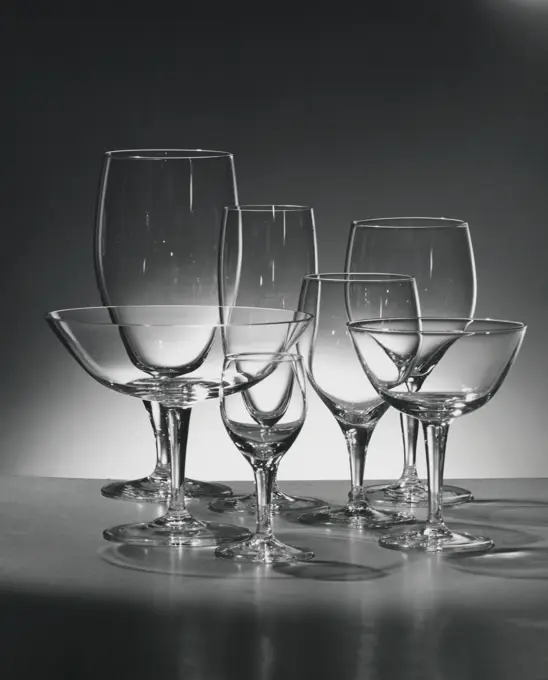
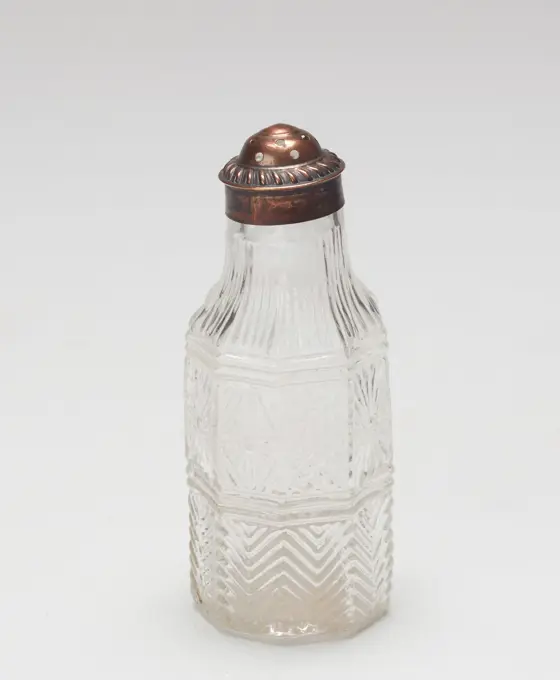
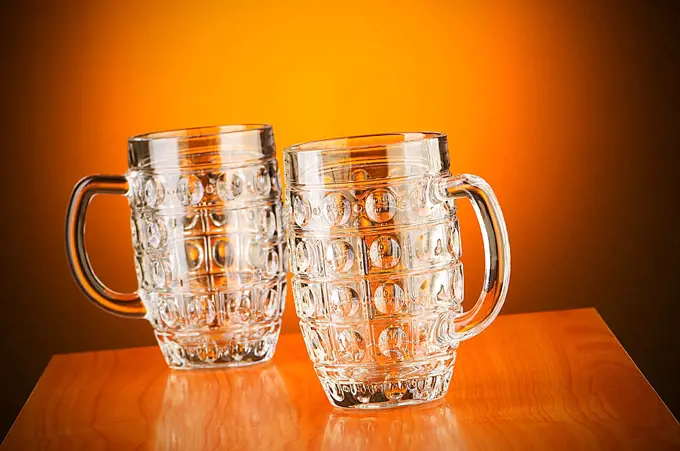
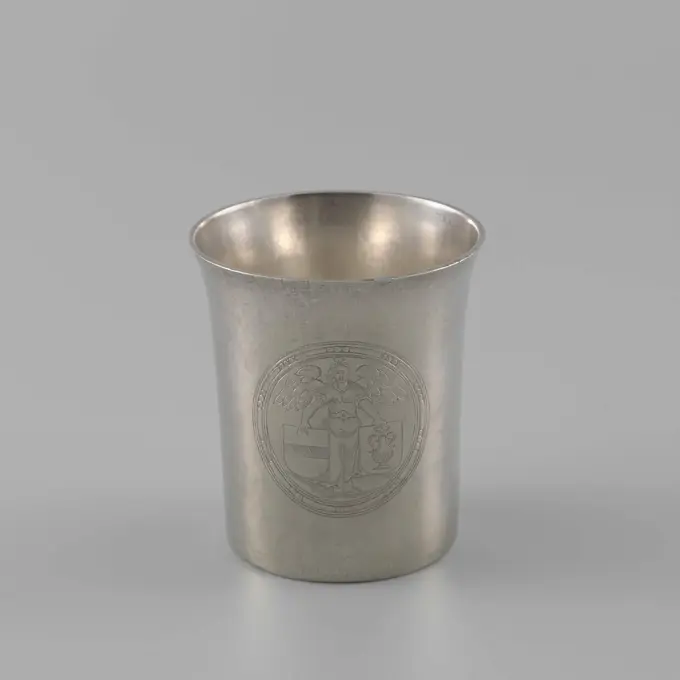
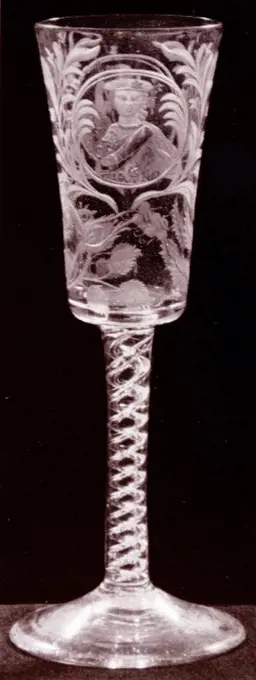
A series of exquisite glass goblets and chalices with intricate engravings and historical motifs, highlighting fine craftsmanship and artistic design.

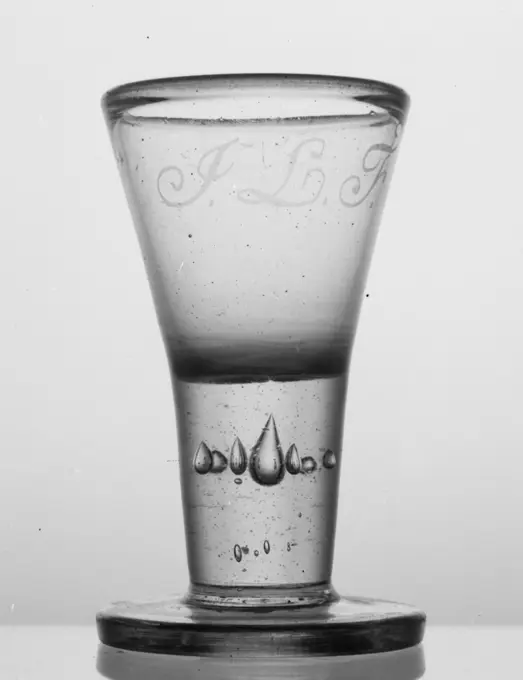
Wine glass with a ship, anonymous, c. 1725 - c. 1750 Vaulted foot. Hexagonal stam with a knot. Conical chalice with massive, rounded soil in which an bubble. On the chalice a three -mast and a sun above which: "D 'Wellkomst van Onse Vrinde". glassblower: EnglandNorthern Netherlands glass glassblowing Vaulted foot. Hexagonal stam with a knot. Conical chalice with massive, rounded soil in which an bubble. On the chalice a three -mast and a sun above which: "D 'Wellkomst van Onse Vrinde". glassblower: EnglandNorthern Netherlands glass glassblowing
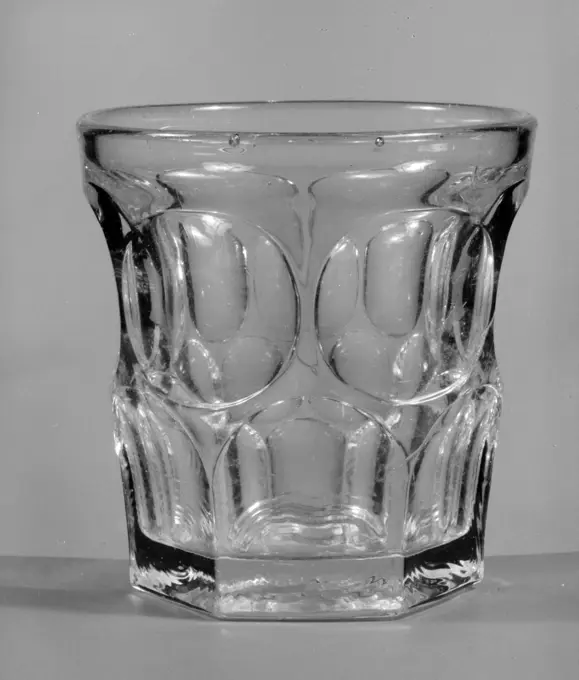
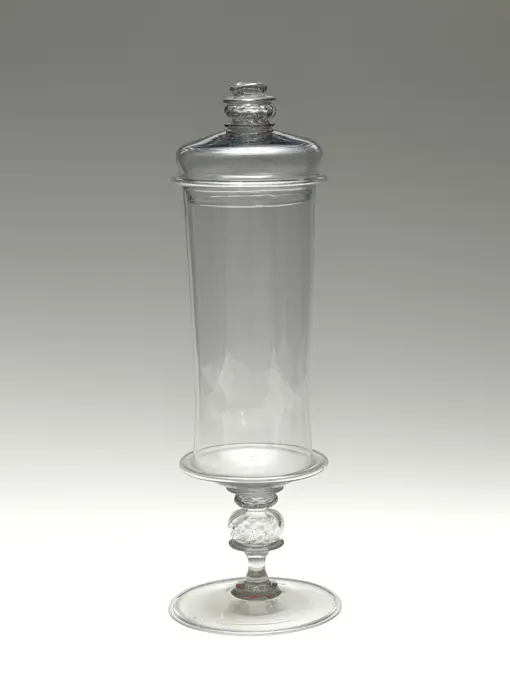
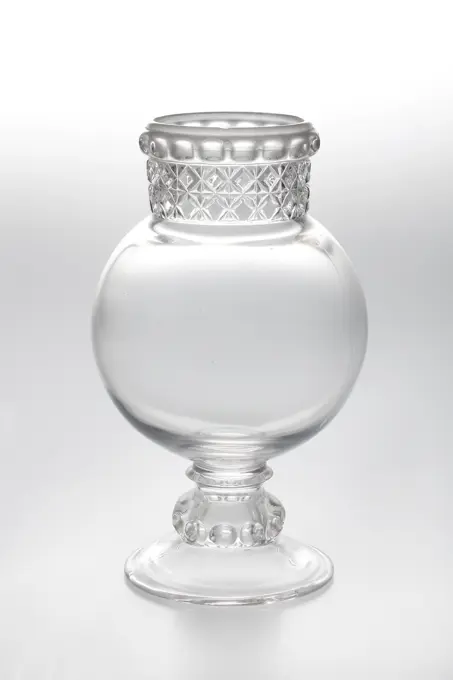
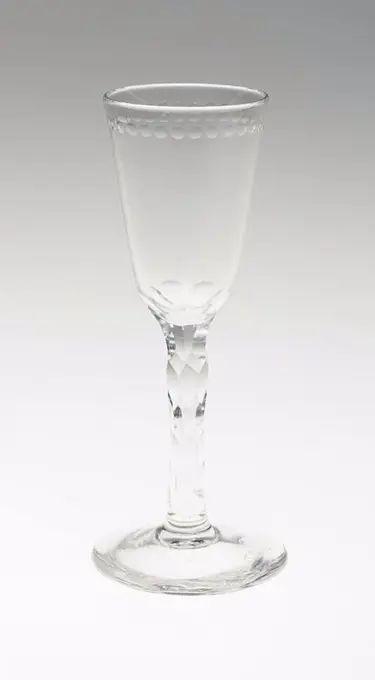
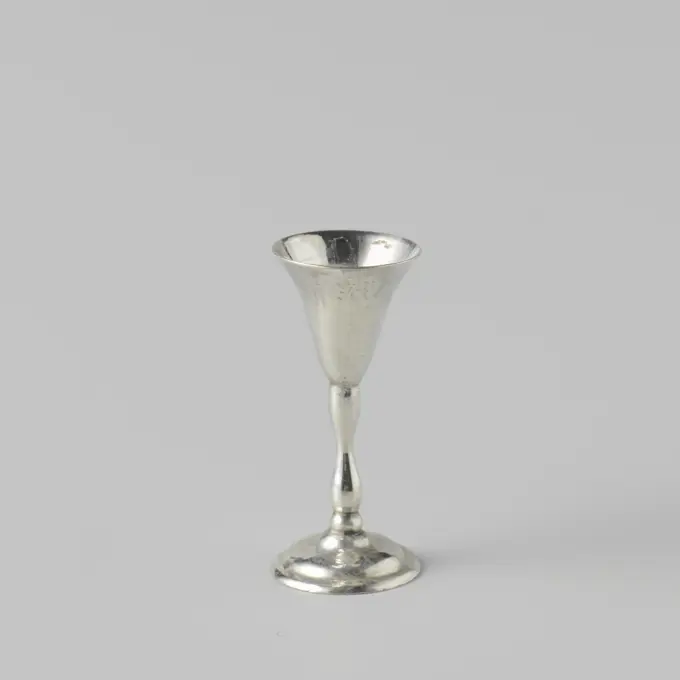
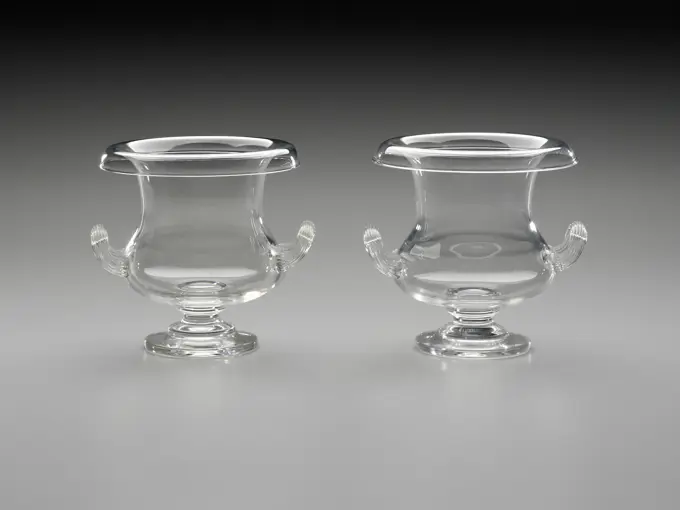
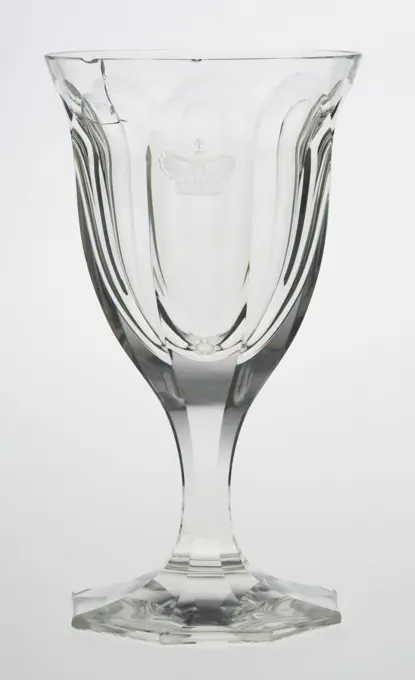
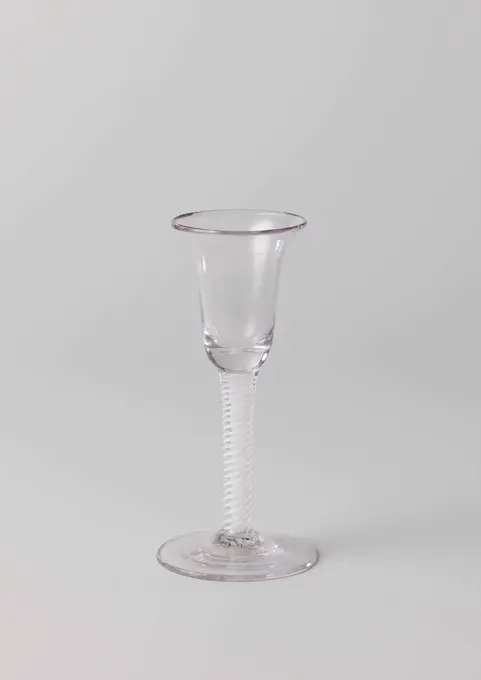
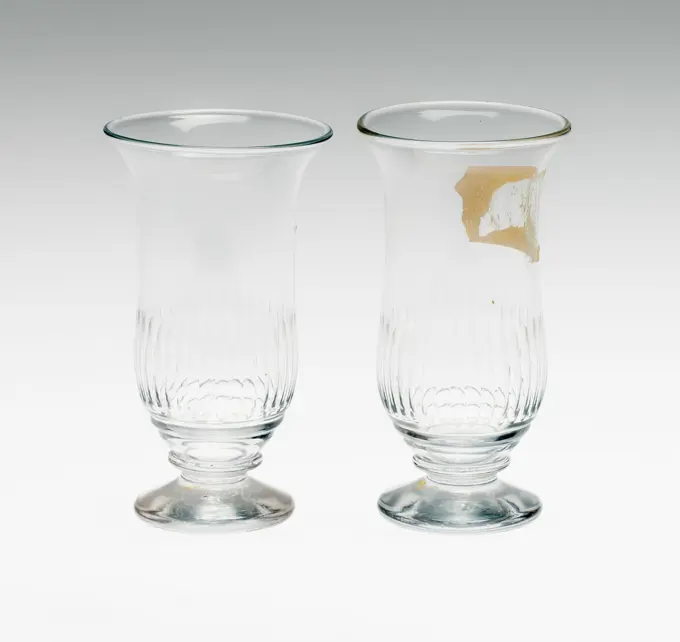
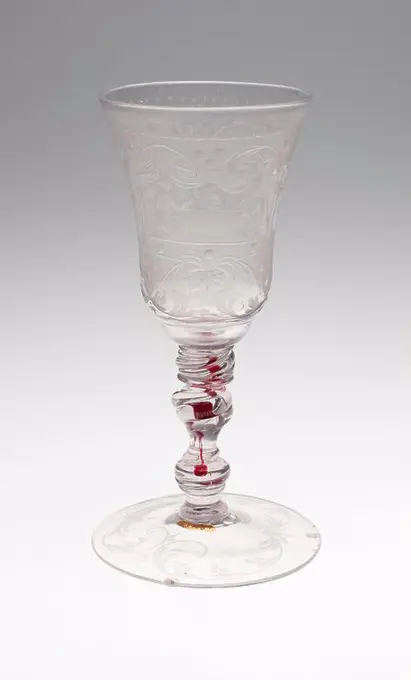
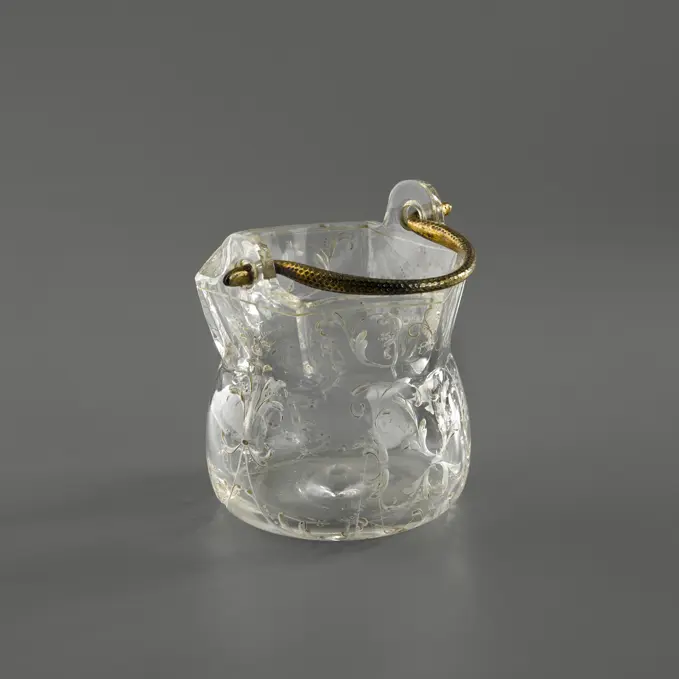
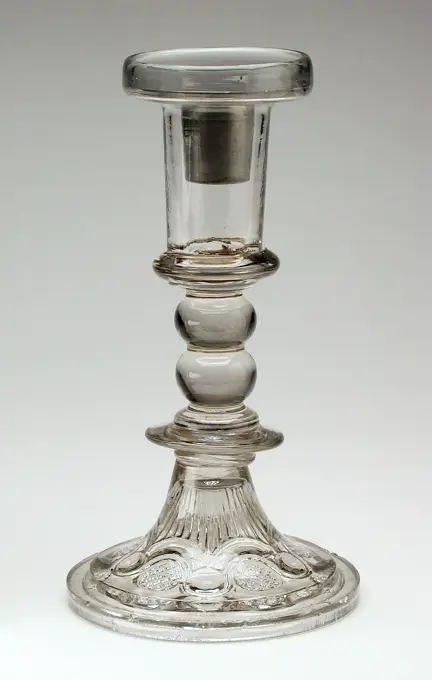
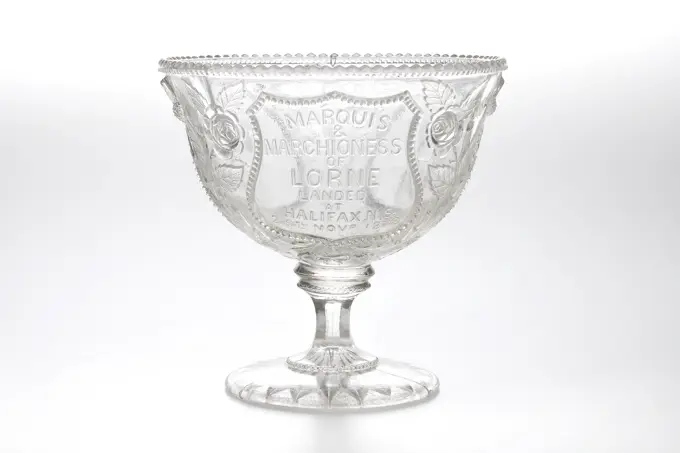
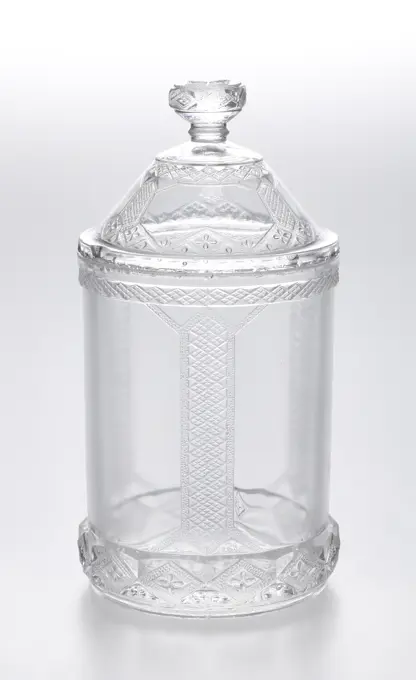
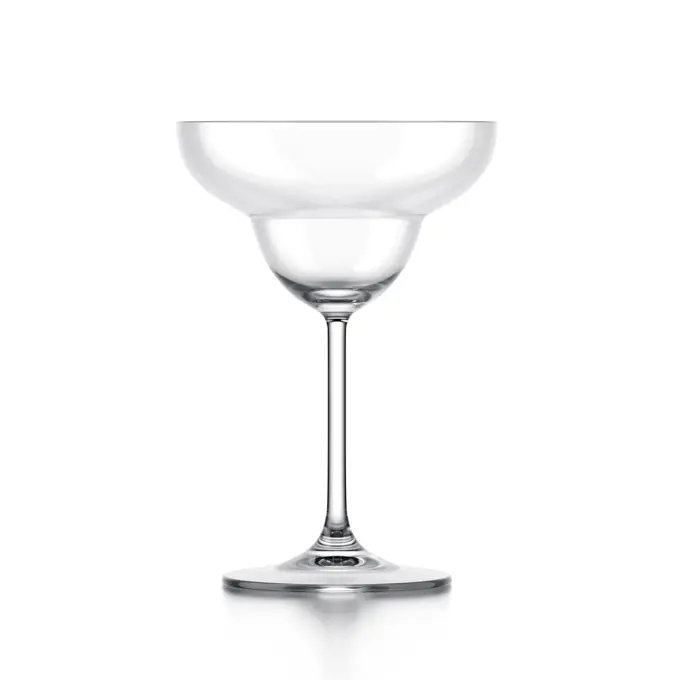
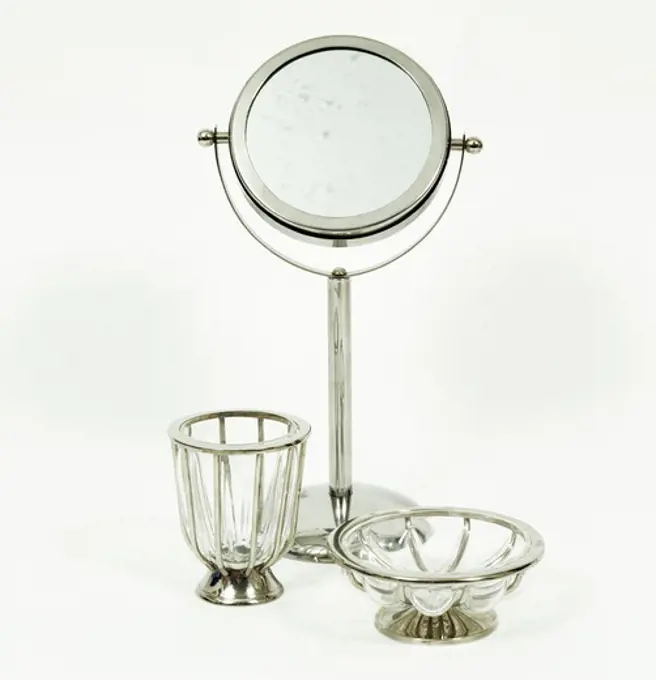
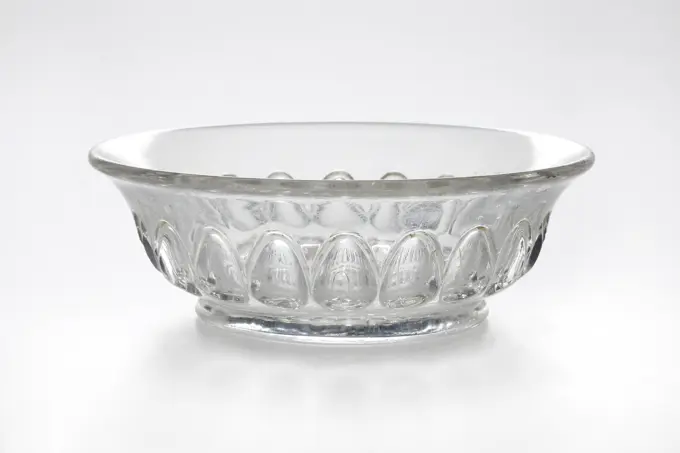
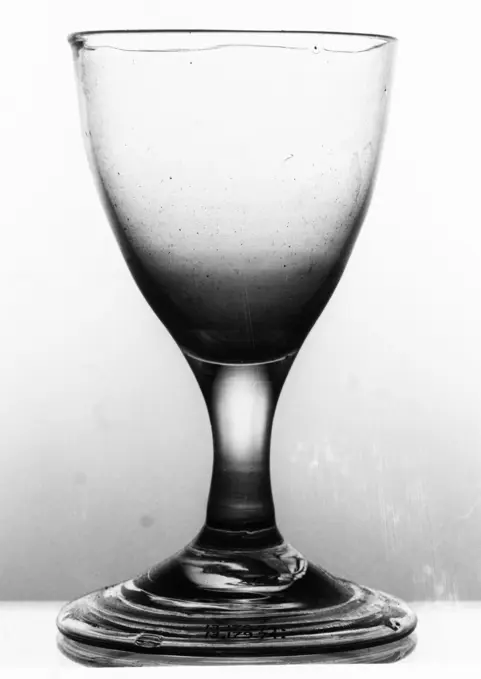
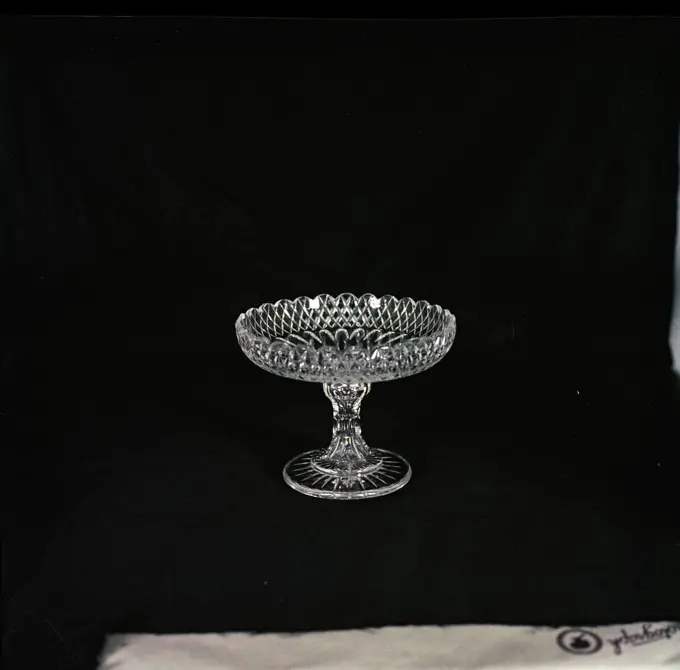
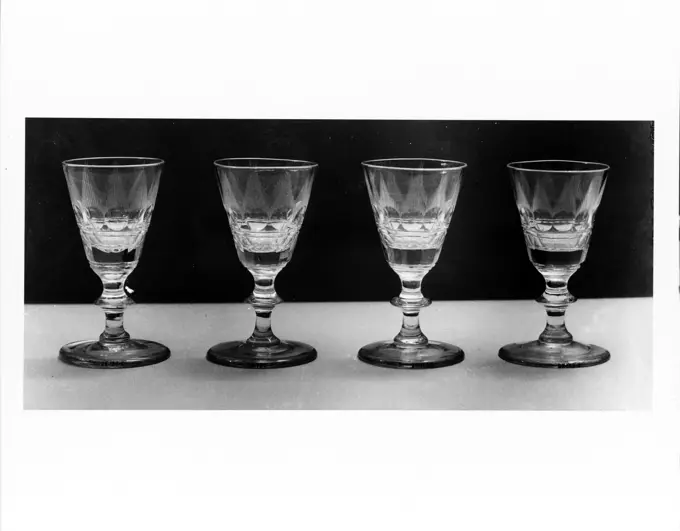
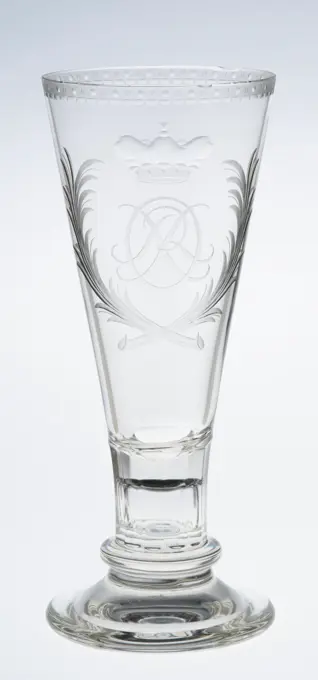
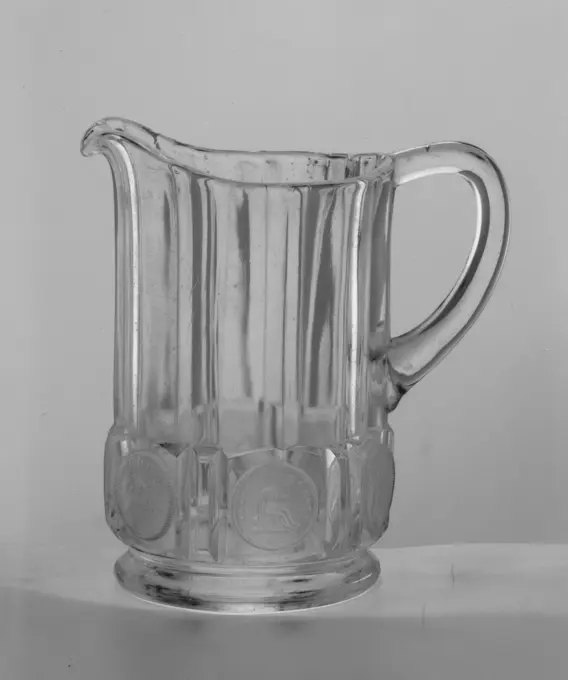
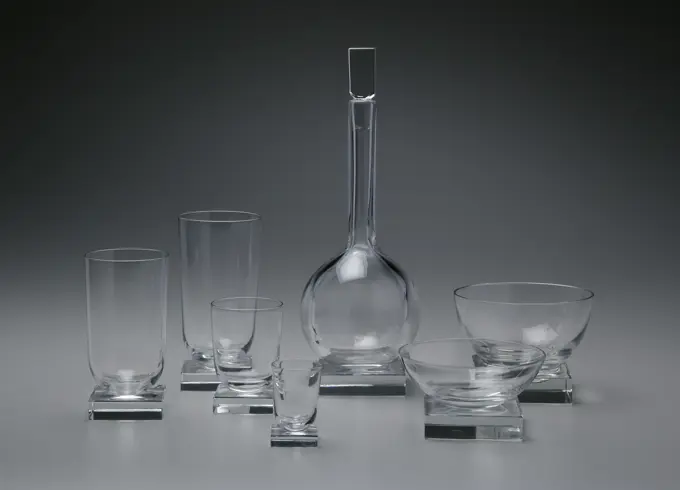
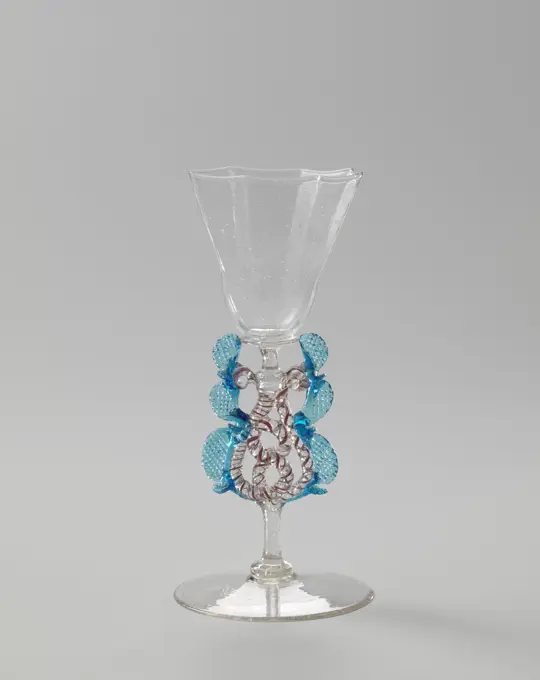
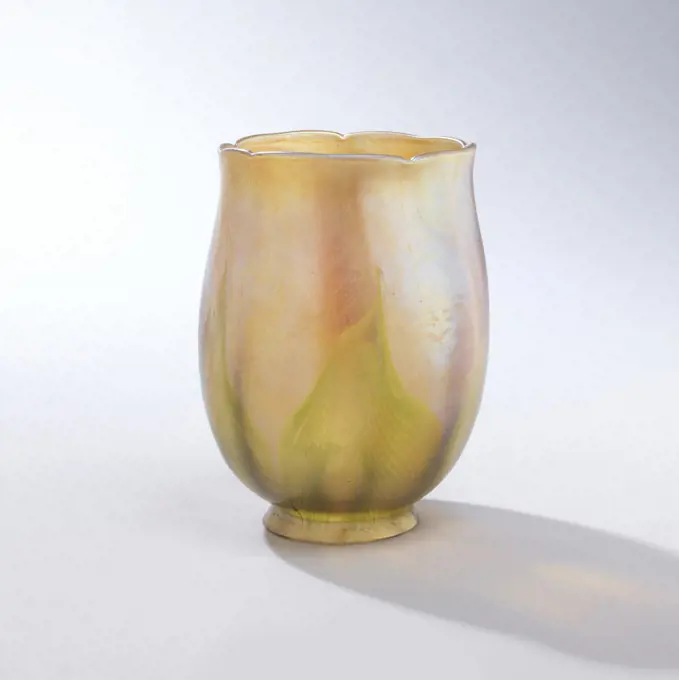
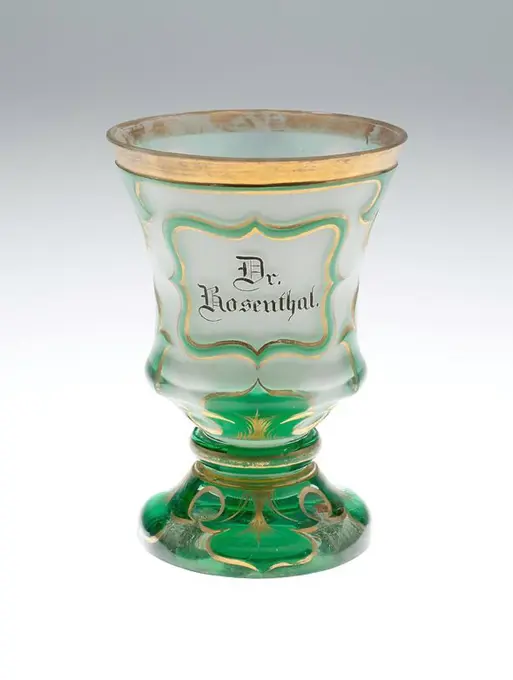
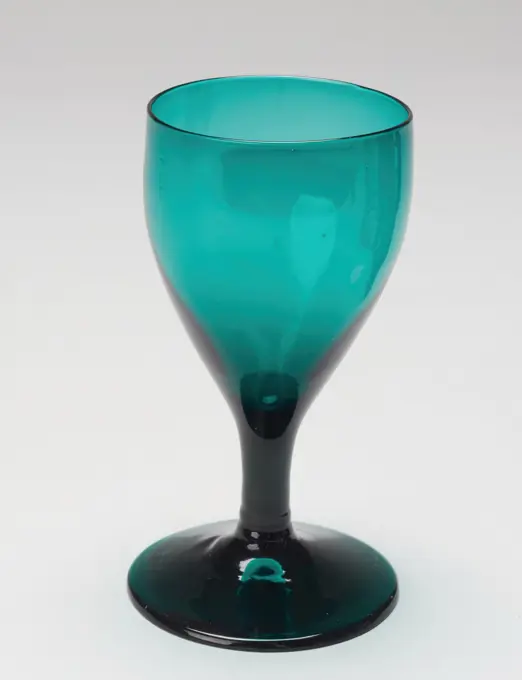
Wine glass, one of a set of twelve, 1780-1800, 5 x 2 5/8 x 2 5/8 in. (12.7 x 6.67 x 6.67 cm), Green glass, England, 18th-19th centuryWing glass with bell-shaped chalice. Flat foot. Hollow, ribbed and twisted, baluster-shaped strain with two nodi. On both sides a wing in the shape of a sea horse. Bell-shaped chalice with a wide, with a blue wire deposited edgeTumbler 1830-70 American With the development of new formulas and techniques, glass-pressing technology had improved markedly by the late 1840s. By this time, pressed tablewares were being produced in large matching sets and innumerable forms. During the mid-1850s, colorless glass and simple geometric patterns dominated. Catering to the demand for moderately-priced dining wares, the glass industry in the United States expanded widely, and numerous factories supplied less expensive pressed glassware to the growing market. At the Exhibition of the Industry of All Nations at New Yorks Crystal Palace in 1853, for example, the New England Glass Company exhibited 130 pieces of one design, "consisting of bowls, tumblers, champagnes, wines, and jelly glasses." This object belongs to one such service. Although the glass manufactory is not known, the glassware is very typical of the large services that were very popular with Americas middle class in the nineteenth century.. Tumbler. American. Maker Unknown, Punch Bowl and Stand, c. 1907, colorless lead glass.Reliquary glass Italian, Venice (Murano) 19th century View more. Reliquary glass. Italian, Venice (Murano). 19th century. Glass. GlassVase with a menagerie between leaf and flower vines, anonymous, c. 1850 - c. 1900 Big vase. Klock -shaped base, which passes through a short trunk to an egg -shaped chalice with a bent edge. The vase is decorated with a menagerie between leaf and flower vines. Bohemen (possibly) glass glassblowing Big vase. Klock -shaped base, which passes through a short trunk to an egg -shaped chalice with a bent edge. The vase is decorated with a menagerie between leaf and flower vines. Bohemen (possibly) glass glassblowingPair of marriage goblets with lids. These goblets commemorate the fiftieth anniversary of Jan Jacob van Westrenen and Johanna Catharina Mamuchet van Houdringe. The arms were executed with a diamond-point stylus, a small diamond chip in a holder used to incise the glass. This technique was common in the Netherlands in the 17th century.Translation of inscription A: Best wishes and good cheer oh Noble couple on your Fiftieth Wedding Year.Translation of inscription B: Despite the burden of so many years,Candy dish - Dominion PatternAle Glass. England. Date: 1775-1785. Dimensions: 17.1 × 7.3 cm (6 3/4 × 2 7/8 in.). Glass. Origin: England. Museum: The Chicago Art Institute, Chicago, USA.Drinkglas, anonymous, c. 1725 - c. 1775 Funnel -shaped drinking glass on a high baluster -shaped trunk. The foot is round and vaulted. The drinking glass is equal to five other copies (BK-NM-1177-181-B-III, BK-NM-11177-181-IV, BK-NM-11177-B-V, BK-NM-11177-181-B -VI, BK-NM-11177-181-B-VIII). The drinking glasses are on a tray (BK-NM-11177-181-B-I) with a gift jug (BK-NM-1177-181-II). The tray is on a folding table (BK-NM-11177-181-A). Netherlands silver (metal) Funnel -shaped drinking glass on a high baluster -shaped trunk. The foot is round and vaulted. The drinking glass is equal to five other copies (BK-NM-1177-181-B-III, BK-NM-11177-181-IV, BK-NM-11177-B-V, BK-NM-11177-181-B -VI, BK-NM-11177-181-B-VIII). The drinking glasses are on a tray (BK-NM-11177-181-B-I) with a gift jug (BK-NM-1177-181-II). The tray is on a folding table (BK-NM-11177-181-A). Netherlands silver (metal)Jar with cover late 18th century British. Jar with cover. British. late 18th century. Glass. GlassChampagneCoolers.  Manufacturer: Steuben Division, Corning Glass Works, American, 1918-1933GlassGlass;  1920-39 (1920-00-00-1939-00-00);Standing cup ca. 1730 Bohemian. Standing cup. Bohemian. ca. 1730. Zwischengold glass. GlassSherry glass, from a set of four, c. 1830, 4 1/4 x 2 3/8 x 2 3/8 in. (10.8 x 6.03 x 6.03 cm), Cut glass, France (), 19th centuryWine glass, from a set of four, c. 1830, 5 1/4 x 2 1/2 x 2 1/2 in. (13.34 x 6.35 x 6.35 cm), Cut glass, France (), 19th centuryWater glass, from a set of four, c. 1830, 5 1/4 x 3 1/4 x 3 1/4 in. (13.34 x 8.26 x 8.26 cm), Cut glass, France (), 19th centurygoblet, copper, silver, gold, lead, Semi-elliptical bowl on hollow seamed spool stem and circular foot; gilt interior; base filled with lead-tin alloy; 'JD' engraved on foot., Sheffield, England, ca. 1800, metalwork, Decorative Arts, gobletTazza (wine glass with a shallow bowl), anonymous, c. 1550 - c. 1650 Glass à la façon de Venise. Flat flat base with turned around. Hollow baluster tribe. Baluster blown with mascarons. On the underside of the chalice, Lattimo threads bordered by a double Lattimo wire. Gold leaf on the baluster. Netherlands glass glassblowing Glass à la façon de Venise. Flat flat base with turned around. Hollow baluster tribe. Baluster blown with mascarons. On the underside of the chalice, Lattimo threads bordered by a double Lattimo wire. Gold leaf on the baluster. Netherlands glass glassblowingSlinger glass with bell-shaped chalice. Slinger glass with flat foot and straight trunk. In the trunk opask white garlands around white network spiral. Bell-shaped chalice.Two Flip Glasses 1775-1800 England. Glass; blown, molded and cut .No. 126 Water Tumbler; Designed by Ludwig Lobmeyr (Austrian, 1829 - 1917); Manufactured by J. & L. Lobmeyr GmbH (Austria); Austria; mouth-blown crystal, hand-painted goldGlass; Non -like Lona Huta; 1. PO. 18th century (1700-00-00-1750-00-00);Glass; Lobmeyr, J. & L. (Vienna; 1823-); 1920-39 (1920-00-00-1939-00-00);Wine Glass, 1750-1799. England, 18th century. Glass; diameter: 4.8 cm (1 7/8 in.); overall: 14 x 6.8 cm (5 1/2 x 2 11/16 in.).German green glass series Goblet With Lid; Designed by Ludwig Lobmeyr (Austrian, 1829 - 1917); Manufactured by J. & L. Lobmeyr GmbH (Austria); Austria; mouth-blown green glassGlass of drinking water isolated on a white backgroundFlute;  1736-1763 (1736-00-00-1763-00-00);August III (Polish King-1696-1763), Rusiecki-Ursyn, Stanisław (1862-1944)-collection, gift (provenance), monograms, rulerBeaker ca. 1730 Bohemian. Beaker. Bohemian. ca. 1730. Glass. GlassRoemer with two rows of braam buds. Roemer with inserted bottom on high, concave, spun base from a wire. The spherical chalice and the strain that is busy with two rows of branamons are blown separately. The transition from the chalice to the trunk is indicated by a ribbed wire.Tumbler after 1886 Probably Hobbs, Brockunier and Company. Tumbler 9136Wine Glass. Bohemia, Czech Republic. Date: 1725-1735. Dimensions: 32.5 × 9.4 cm (12 13/16 × 3 11/16 in.). Glass. Origin: Bohemia. Museum: The Chicago Art Institute, Chicago, USA.Crystal Vase Crystal vase on a glass studio background Copyright: xZoonar.com/AndreyxSkatx 12313846Chalip glass with a family crest and the inscription: The Welvaaren van de Wijk 11, Anonymous, 1787 Chalice glass made of clear, colorless glass. Conical foot. The baluster -shaped trunk with four knots, an elongated bubble and two tires with air bubbles. The funnel -shaped chalice has a rounded bottom. On the chalice, surrounded by leaf branches and rocailles, an unidentified family crest. On the other side, composed in a laurel wreath from two branches that are tied together at the top, the text: the Welvaaren // van de Wijk 11- // 1787.28 December. District 11 was a district in Amsterdam. glassblower: Low CountriesNorthern Netherlands glass glassblowing Chalice glass made of clear, colorless glass. Conical foot. The baluster -shaped trunk with four knots, an elongated bubble and two tires with air bubbles. The funnel -shaped chalice has a rounded bottom. On the chalice, surrounded by leaf branches and rocailles, an unidentified family crest. On the other side, composed in a laurel wGlass; Lobmeyr, J. & L. (Vienna; 1823-); 1920-39 (1920-00-00-1939-00-00);Glass. Heckert Fritz (Petersdorf ; 1866-1918), glassmaking companyWineglass probably 17th century European. Wineglass. European. probably 17th century. Glass. GlassA vessel in the shape of a cat;  End of the 18th century (1791-00-00-1800-00-00);Akant (ornament), classicism (style), snakesCandlestick. Boston and Sandwich Glass Factory (United States, Massachusetts, Sandwich, 1825-1888). United States, circa early 1830s. Furnishings; Lighting. Blown and pressed glass with pewter insetCompote -Cylinder from rock crystal, anonymous, c. 1400 - c. 1950 Cylinder of rock crystal, with clouds in the thickness of the crystal.  . Cylinder of rock crystal, with clouds in the thickness of the crystal.  .Candy dish - Lattice pattern Diamond Glass Company Limited, 1890-1902 Diamond Glass Company Limited, 1890-1902Margarita glass isolated on white background. Margarita glassAn empty martini glass isolated on a white backgroundSports Cup isolated on a white backgroundBeaker.  Maker: Cornelius Vander Burgh, American, 1653-1699Close-up of chrome tooth-mug and soapdish with mirror on standGoblet probably 18th century German or Dutch The form of this goblet has a roemer-shaped bowl attached to a Venetian 17th century-type foot and stem.. Goblet. German or Dutch. probably 18th century. Glass. GlassNappy - Arched Oval PatternWine Glass 18th century American, possibly. Wine Glass 9883White House china and crystal. Compote with diamond-cutting (from the White House glassware collection), circa 1865-1880.Wine glass, Blown glass, Purple pyri-form cup on knobbed stem and flat foot. Dark aubergine-colored glass., Great Britain, Bohemia, 19th century, glasswares, Decorative Arts, Wine glassWine Glass 1820-40 American. Wine Glass. American. 1820-40. Blown lead glass. Possibly made in Pittsburgh, Pennsylvania, United StatesGlass with ice isolated on white backgroundCompote - Ribbed Band Nova Scotia pattern Nova Scotia Glass Company Nova Scotia Glass CompanyJug Spanish, Castile 18th century View more. Jug. Spanish, Castile. 18th century. Glass. GlassGlass; Lobmeyr, J. & L. (Vienna; 1823-); 1920-39 (1920-00-00-1939-00-00);Dish with the inscription: No man can wear Oyt honor, who wants to pay SMAED. Low dish with wide border with beaten edge. On the edge is engraved in Italian letters' no man can wear Oyt honor, who wants to pay SMAED. " On the flat the monogram 'V H' under a wreath.Creamer Central Glass Company American 1891-92 View more. Creamer. American. 1891-92. Pressed glass. Made in Wheeling, West Virginia, United StatesCordial Glass, Knickerbocker” Pattern. Designer Edwin W. Fuerst, American, 1903-1988 Designer A. Douglas Nash, American, 1881-1940 Manufacturer: Libbey Glass Manufacturing Company, American, 1919-1935Wineglass 1794 Engraved by David Wolff. Wineglass. Dutch, The Hague. 1794. Glass. Engraved by David Wolff (Dutch, 's Hertogenbosch 1732-1798 The Hague). GlassNo. 126, Ludwig Lobmeyr, Austrian, 1829 - 1917, J. & L. Lobmeyr GmbH, Vienna, Austria, founded ca. 1935, Mouth-blown crystal, hand-painted gold, Mouth-blown crystal goblet, hand-painted with gold rims., Austria, ca. 1870, glasswares, Decorative Arts, Goblet, GobletCompoteWing glass, anonymous, c. 1650 - c. 1700 Flat. The trunk made up of a rod made in loops with red and white threads. Completed three pinched. Conical chalice in an octagon. Netherlands glass glassblowing Flat. The trunk made up of a rod made in loops with red and white threads. Completed three pinched. Conical chalice in an octagon. Netherlands glass glassblowingTumbler ca. 1885-87 Probably Hobbs, Brockunier and Company. Tumbler 9143Five lamp shades, Louis Comfort Tiffany, (American, 1848-1933), Favrile glass, (a) Flower bud form glass shade for sconce. Over-all iridescent finish with green, yellow, orange tones predominating. Green veined, pointed leaf forms rise from base. Out-curving lip with five indentations giving lip slightly lobed outline. (b, c, d, and e) Same basic shapes, colors, free forms of leaves varying slightly. Color variation most noticeable in (c) where color is darker., USA, 1907, glasswares, Decorative Arts, Five lamp shadesCup with a galloping horse, anonymous, c. 1700 - c. 1800 Flat ground. Conical body with in red, green, white, blue, yellow and black a galloping horse and a flower branch. Middle Europe glass glassblowing Flat ground. Conical body with in red, green, white, blue, yellow and black a galloping horse and a flower branch. Middle Europe glass glassblowingCup of Zwischengoldglas, with a pig and a hare hunt, anonymous, c. 1720 - c. 1740 Flat soil, multi -sided faceted, funnel -shaped body. In the bottom a medallion with a pig hunt, closed with a disc painted with transparent red lacquer. On the wall, between two silver palmetranden, a hare hunt in gold with dogs, a rider and two hunters in a landscape. Kit edges approx. 1.5 cm below the top edge and around the medallion in the soil. Bohemia glass glassblowing / grinding / lacquering Flat soil, multi -sided faceted, funnel -shaped body. In the bottom a medallion with a pig hunt, closed with a disc painted with transparent red lacquer. On the wall, between two silver palmetranden, a hare hunt in gold with dogs, a rider and two hunters in a landscape. Kit edges approx. 1.5 cm below the top edge and around the medallion in the soil. Bohemia glass glassblowing / grinding / lacqueringCup 1703-4 John Smith I. Cup 205020Czarka;  the beginning of the 20th century (1900-00-00-1910-00-00);Engagement ring in champagne glassWater glass, 18th-19th century, 6 1/4 x 4 1/2 x 4 1/2in. (15.9 x 11.4 x 11.4cm), Glass, United States, 18th-19th centuryCup with painting in Schwarzlot, with a deer yacht, anonymous, c. 1735 - c. 1765 Flat soil, funnel -shaped body, on which a landscape is painted in grisaille with two messing around trees, a deer, checked by a dog and some birds. Along the top edge a matte -sharpening piping. Nuremberg glass glassblowing / grinding Flat soil, funnel -shaped body, on which a landscape is painted in grisaille with two messing around trees, a deer, checked by a dog and some birds. Along the top edge a matte -sharpening piping. Nuremberg glass glassblowing / grindingPerfume Crysterl BottleEmpty glass isolated on white background with reflectionPalmyra Pimentel, Wine Glass, c 1939 Wine GlassThe Council of Industrial Design. Subject: Chalices-Thistle and Garter Patterns First Produced: 1952 By: Thos. Webb & Corbett Ltd., Tutbury Glass Works, Tutbury, Burton-on-Trent, Staffs. Tel. No. Tutbury 6113 Designed: 1952 By: Paul Guest. Model: T. 2073 (Thistle); T. 2074 (Garter). March 20, 1953. (Photo by Ray Sharpe/Fairfax Media).Close-up of wineglassesSilver trophy cups 3d render isolated on gray background. Silver trophy cups 3d renderGlass with ice isolated on white backgroundCaster, 18th-19th century, 4 1/2 x 1 3/4 x 1 3/4in. (11.4 x 4.4 x 4.4cm), Glass, brass, United States, 18th-19th centurysalt, glass, Oval-shaped bowl on spreading faceted stem on thick diamond-shaped base; cut serrated top edge, sides molded with diamond and fluting pattern, bottom of base molded star pattern., Ireland, ca. 1800-30, glasswares, Decorative Arts, saltClose-up of ice cubes in a glass of waterBeer glass against gradient background. Kroes of silver, decorated with an engraved medallion, in which a woman's figure holds the weapon of Vlissingen and the Markiezaat Veere.Bottle of fragrant perfume on abstract dark backgroundChampagne glass Crystal champagne glass with clipping path included Copyright: xZoonar.com/Baloncicix 7287144Silver and gold chalice Long stem silver goblet with gold trim Copyright: xZoonar.com/YannxPoirierx 12344269Vase given to Willem Drees on the occasion of his 65th birthday. Round high vase. Front: a curled W including date. Reverse: An image of the knight's hall and under a logo. Tenagonal foot.A plateBeaker. Bohemia, Czech Republic. Date: 1835-1845. Dimensions: 14.1 × 10 cm (5 9/16 × 3 15/16 in.). Glass; colorless, blown, cut, overlaid with opaque green glass, black enamel and gilding. Origin: Bohemia. Museum: The Chicago Art Institute, Chicago, USA.18th Century Carter Glass. Dated 1750Firing glass 18th century possibly British The heavy foot on this glass indicates that it was of the type used as a "firing glass," to be pounded on the table after a toast.. Firing glass. possibly British. 18th century. Glass. GlassDisposable cups, plastic cups, transparent, 0, 2 litres, drinking cups, disposable cups, plastic wasteClose up of a place setting with plates napkin and two wine glassesDecanter. Maker, possibly by: Keene-Marlboro-Street Glass Works, American, 1815-1841Close-up of glasses in metal glass-carrierGlas mit Herz - Glass with heart Glas mit Herz - Glass with heart Copyright: xZoonar.com/lantapixx 5739208Glass;  1920-39 (1920-00-00-1939-00-00);