Elegant Glassware

A series of exquisite glass goblets and chalices with intricate engravings and historical motifs, highlighting fine craftsmanship and artistic design.

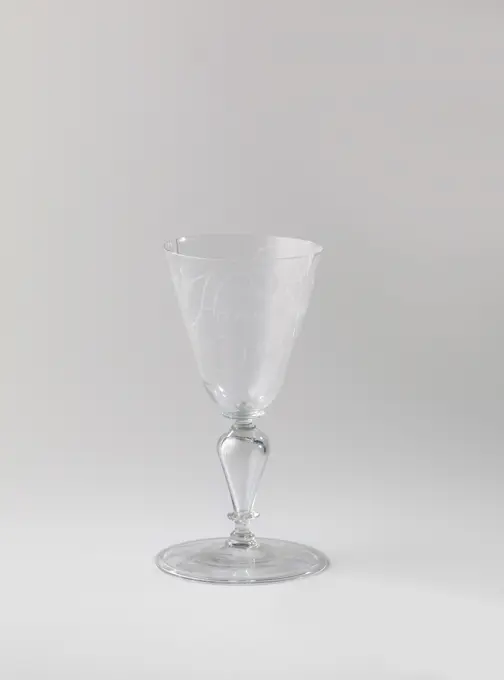
Wine glass with a ship, anonymous, c. 1725 - c. 1750 Vaulted foot. Hexagonal stam with a knot. Conical chalice with massive, rounded soil in which an bubble. On the chalice a three -mast and a sun above which: "D 'Wellkomst van Onse Vrinde". glassblower: EnglandNorthern Netherlands glass glassblowing Vaulted foot. Hexagonal stam with a knot. Conical chalice with massive, rounded soil in which an bubble. On the chalice a three -mast and a sun above which: "D 'Wellkomst van Onse Vrinde". glassblower: EnglandNorthern Netherlands glass glassblowing
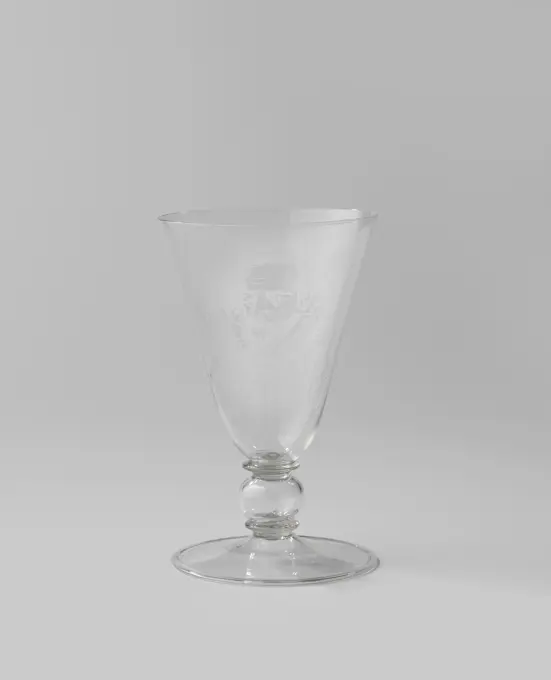
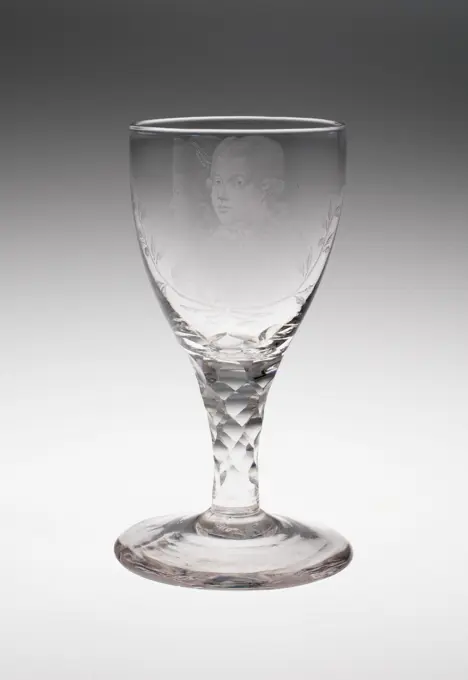
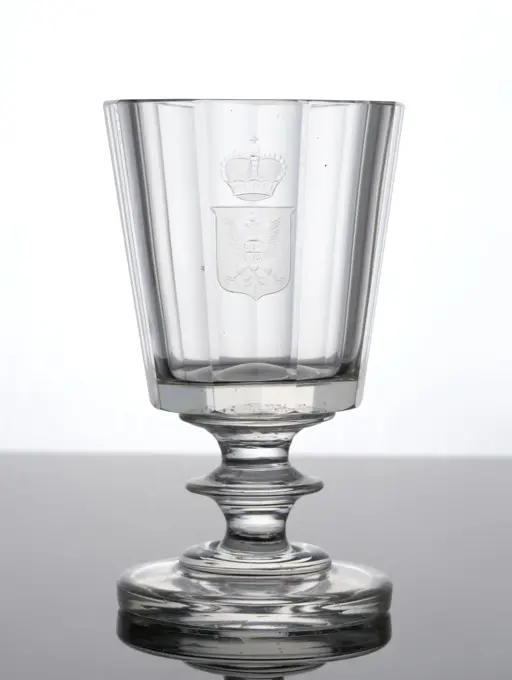
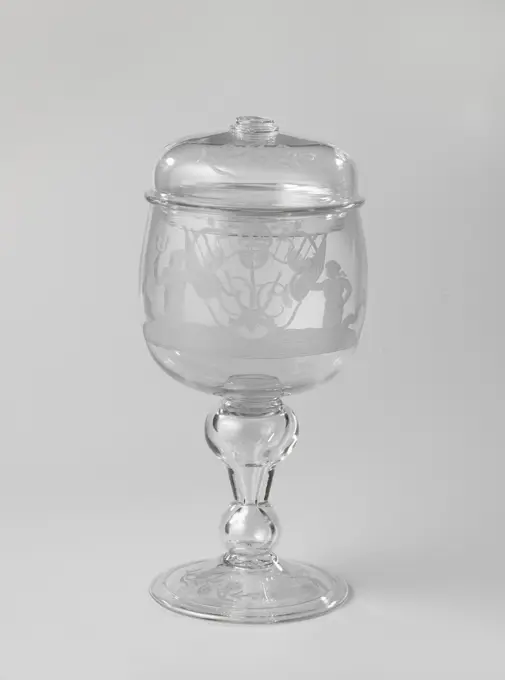
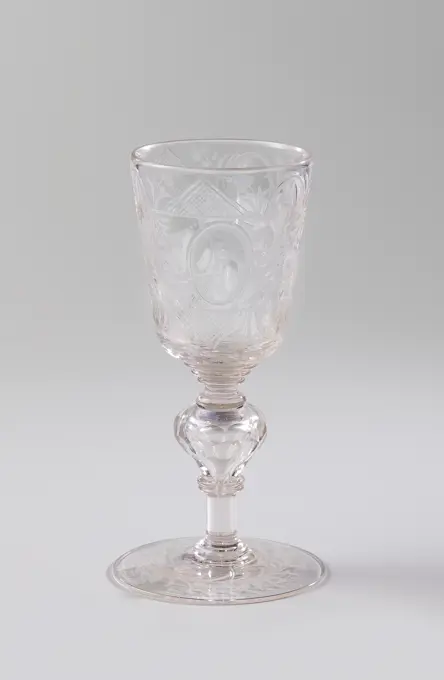
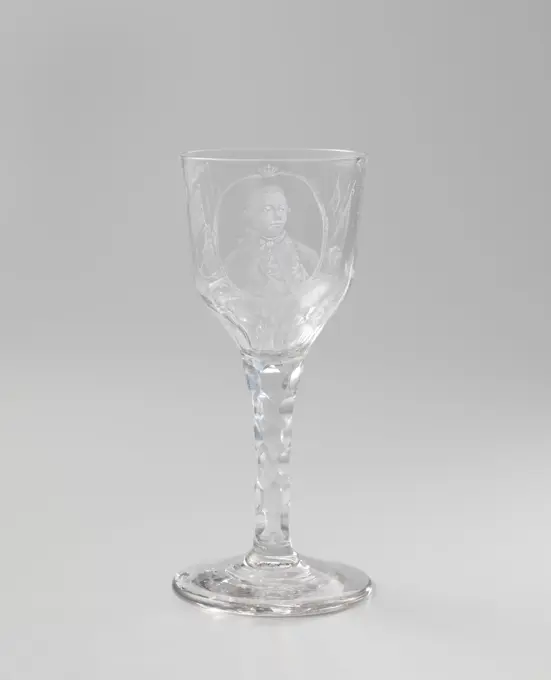
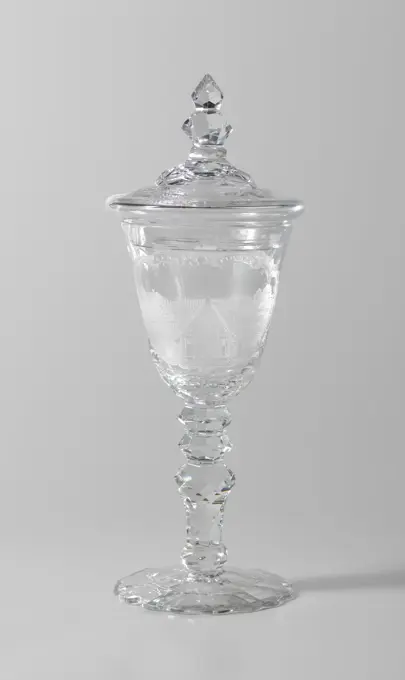
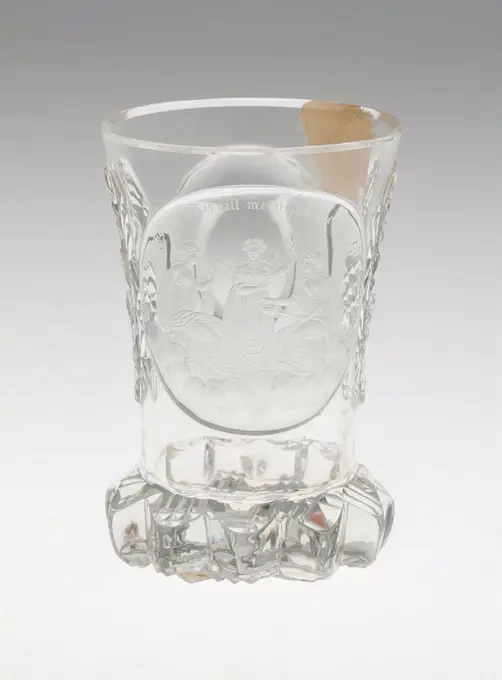
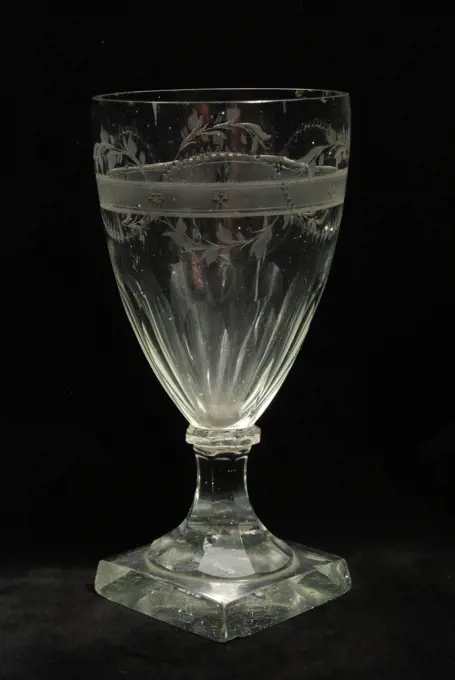
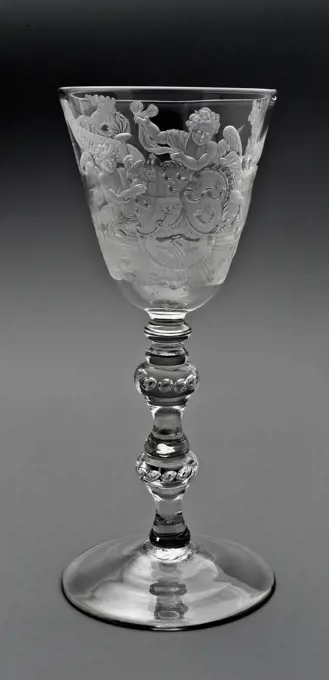
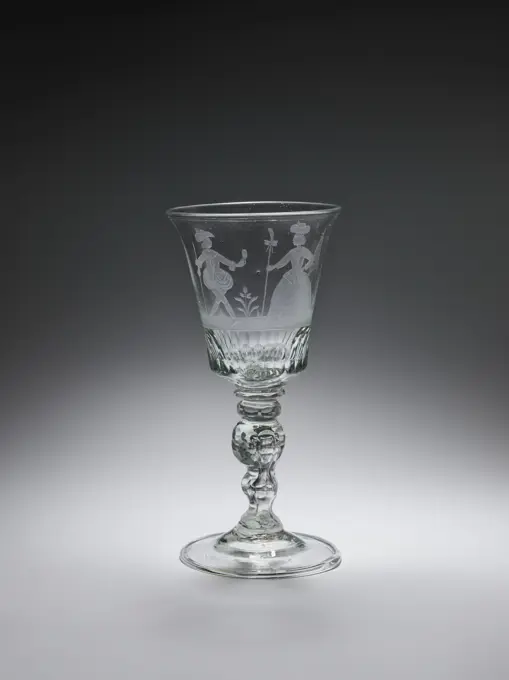
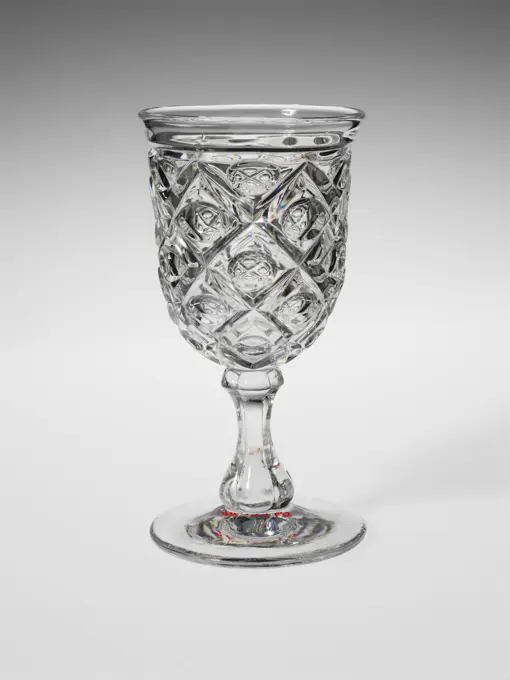
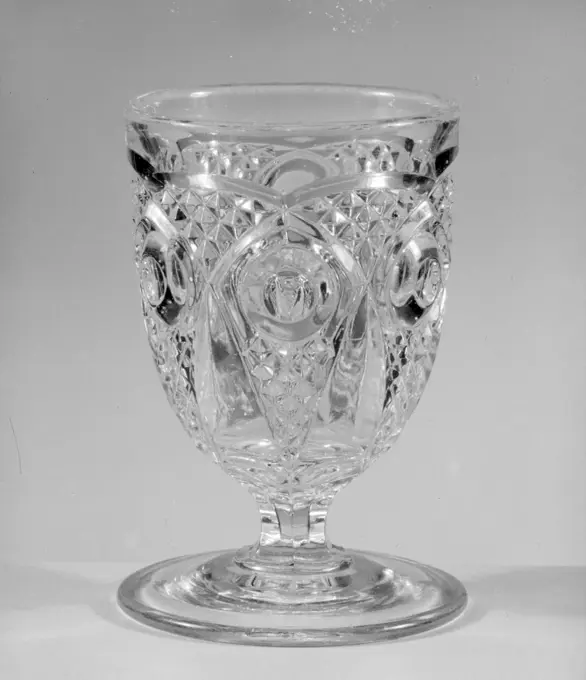
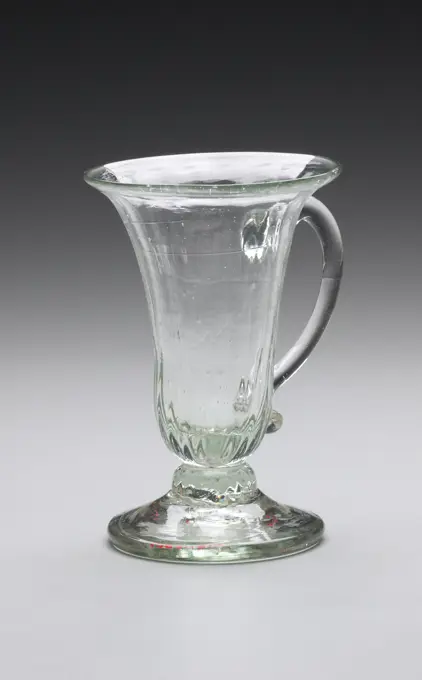
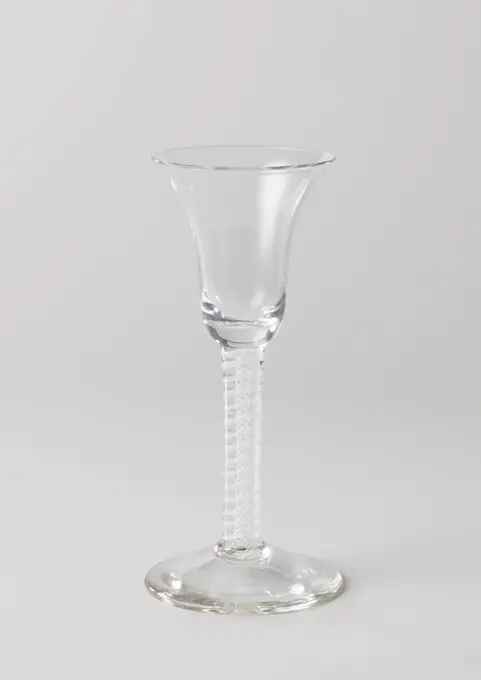
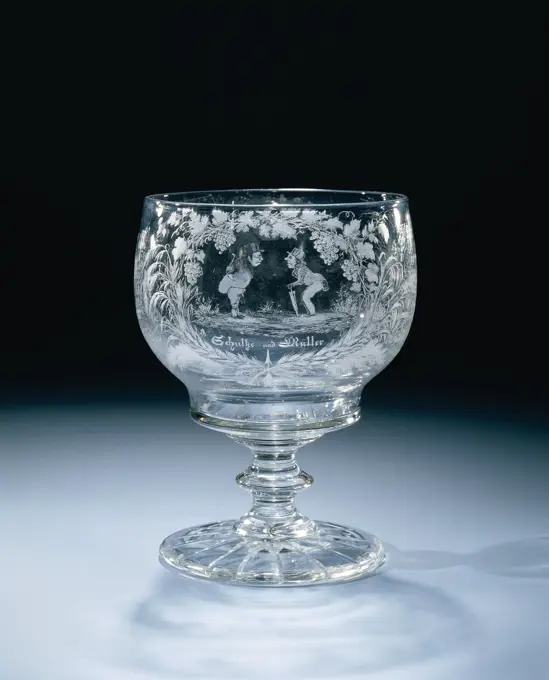
Chalip glass with the weapon of the Seven United Provinciën, Anonymous, c. 1725 - c. 1750  Vaulted foot with turned around. Octagonal stem blown in shape. Conical chalice with rounded soil. On the chalice the crowned weapon of the Republic of the Seven United Provinces trophies on war. glassblower: EnglandNorthern Netherlands glass glassblowingGoblet with the Portrait of Betje Wolff, David Wolff, c. 1786 Colorless lead glass with dotted engraving. Conical foot. In facets sharpening itself widening with a chaleling in facets. The slightly broadening chalice contains a portrait of Elizabeth Wolff-Bekker (Betje) with a headgear in a laurel wreath-rande laurel. The rear of the glass contains an inscription, also signature. Northern Netherlands lead glass Colorless lead glass with dotted engraving. Conical foot. In facets sharpening itself widening with a chaleling in facets. The slightly broadening chalice contains a portrait of Elizabeth Wolff-Bekker (Betje) with a headgear in a laurel wreath-rande laurel. The rear of the glass contains an inscription, also signature. Northern Netherlands lead glassKelkglas with a boy with flute and a girl with a mandolin. Conical foot. Baluster-shaped, faceted trunk, three buttons. Conical, rugged on the bottom. On the chalice, in a landscape with trees, a flute playing, sitting boy. At his feet a mandolin () Playing girl.Wine glass with a ship, anonymous, c. 1725 - c. 1750 Vaulted foot. Hexagonal stam with a knot. Conical chalice with massive, rounded soil in which an bubble. On the chalice a three -mast and a sun above which: "D 'Wellkomst van Onse Vrinde". glassblower: EnglandNorthern Netherlands glass glassblowing Vaulted foot. Hexagonal stam with a knot. Conical chalice with massive, rounded soil in which an bubble. On the chalice a three -mast and a sun above which: "D 'Wellkomst van Onse Vrinde". glassblower: EnglandNorthern Netherlands glass glassblowingTwo WineGlassesJar with a man and a woman and the inscription: i.lief.dat.wat.my/ dust.die.tvgent / lifts.en. FRINT / SHAP. Bowl with a trunk with three buttons. On the chalice man and woman with a dog and behind it: "I.lief.dat.wat.my/ dust.die.tvgent / lifting.en.Drint / Schap", surrounded by prain work.Wineglass 1876 Dorflinger Glass Works This wine glass is one of thirty-eight and a matching decanter made by the Dorflinger Glass Company for the 1876 Centennial Exposition in Philadelphia, for which the company received a certificate of award.. Wineglass 13378Bokaal with the weapon of Amsterdam, Anonymous, c. 1750 - c. 1775 Bokaal with conical foot. Baluster tribe with four knots, in the top one bubble and in the third two rows of air bubbles. On the conical chalice the Wapen van Amsterdam. glassblower: Low CountriesNorthern Netherlands glass glassblowing Bokaal with conical foot. Baluster tribe with four knots, in the top one bubble and in the third two rows of air bubbles. On the conical chalice the Wapen van Amsterdam. glassblower: Low CountriesNorthern Netherlands glass glassblowingWine glass, Glass, spiral twist, probably England, 18th century, glasswares, Decorative Arts, Wine glassGoblet, anonymous, after Pieter Nolpe, 1685 Low base with turned around. Hollow, four -lobe, baluster -shaped trunk with three flat discs. Funnel -shaped chalice, which is completed at the bottom. On the chalice, two dancing farmers with a glass in their hand and a dancing, pipe -smoking farmer's wife are engraved under a continuous flower drink. Under the performance the monogram 'WM' (Willem Mooleyser) and the date '1685', including an illegible letter. glassblower: Low CountriesRotterdam glass glassblowing Low base with turned around. Hollow, four -lobe, baluster -shaped trunk with three flat discs. Funnel -shaped chalice, which is completed at the bottom. On the chalice, two dancing farmers with a glass in their hand and a dancing, pipe -smoking farmer's wife are engraved under a continuous flower drink. Under the performance the monogram 'WM' (Willem Mooleyser) and the date '1685', including an illegible letter. glassblower: Low CountriesRotterdam glass glassblowingWineglass late 18th century British, probably Bristol. Wineglass. British, probably Bristol. late 18th century. Glass. GlassSixteen -sided cup with lid and line ornament, c. 1700 - c. 1750 Sixteen -sided cup with lid and line ornament. Lid button not associated. Bohemen (possibly) glass Sixteen -sided cup with lid and line ornament. Lid button not associated. Bohemen (possibly) glassWineglass 1750-1800 British, probably Bristol. Wineglass. British, probably Bristol. 1750-1800. Glass. Glass. stipple-engraving: Master Alius (active 1760-1780), The Hague, c. 1760-1780, glassChalip glass with a pregnant woman and the inscription: Hansie in the basement, anonymous, c. 1680 - c. 1700 Low base with turned around. Hollow, baluster -shaped trunk with two flat discs. Fun -shaped chalice rounded at the bottom, on which a pregnant woman is engraved and the inscription 'Hansie in the basement'. On the foot flower branches. glassblower: Low CountriesRotterdam glass glassblowing Low base with turned around. Hollow, baluster -shaped trunk with two flat discs. Fun -shaped chalice rounded at the bottom, on which a pregnant woman is engraved and the inscription 'Hansie in the basement'. On the foot flower branches. glassblower: Low CountriesRotterdam glass glassblowingChalip glass with a portrait by Johan van Oldenbarnevelt, Anonymous, c. 1800 - c. 1900 Chalice glass with a flat base with turned around. Short trunk formed by a hollow button between two discs. On the conical chalice in Diamantgravure, the portrait of Johan van Oldenbarnevelt engraved. On the downside the inscription: 'Barenevelt'. Low Countries glass glassblowing Chalice glass with a flat base with turned around. Short trunk formed by a hollow button between two discs. On the conical chalice in Diamantgravure, the portrait of Johan van Oldenbarnevelt engraved. On the downside the inscription: 'Barenevelt'. Low Countries glass glassblowingChalice glass with funnel -shaped chalice, anonymous, c. 1750 Chalk glass on conical foot. Balustroid trunk with inserted bubble, transferred to a funnel -shaped chalice. England (possibly) glass glassblowing Chalk glass on conical foot. Balustroid trunk with inserted bubble, transferred to a funnel -shaped chalice. England (possibly) glass glassblowingConical foot. Baluster-shaped trunk a wreath air bubbles. Funnel-shaped, rugged on the bottom. On the chalice, against a background of reed, a water-pushing dolphin, flanked by two putti, holding a weapon with two crucified anchors with twice the letter A. As a helmet sign three shipmates. At the foot W: Sautyn D: D: D :.Chalice glass with a bird cage and the inscription: Aurea Libertas, Anonymous, c. 1750 - c. 1775  Chalice glass with conical chalice, rounded down, on a baluster -shaped trunk with wreath round and wreath stretched air bubbles in the pear, a disc near the chalice and a bullet at the increased base. On the chalice in Rad-Gravure a bird cage above which a bird flies, under the cage acanthus curls and garlands. Above the cage inscription: Aurea Libertas. Clear thick glass with some seeds. glassblower: Low CountriesNorthern Netherlands glass glassblowingWine Glass 1850-70 Bakewell, Pears and Company. Wine Glass 9959Kelkglas with funnel-shaped chalice. Kelkglas on conical foot. Hollow Balustroid strain with a wreath inserted into the nodus and twisted air bubbles. Funnel-shaped, rugged on the bottomWine Glass 1785-1795 England. Glass; cut and stipple engraved .Cup. Urzecze (huta zwierciadlana ; 1737-1846), creator, Naliboki (huta szkła ; 1722-1862), creator. Glass .Glass;  around 1840 (1830-00-00-1850-00-00);Bowl with the weapon of Batavia and the VOC monogram. Vaulted foot with beaten edge. Hollow Baluster trunk with a button. On the tulip-shaped chalice the VOC monogram in a shield between Neptune and mermaid, as well as the weapon of Batavia. Foot with leaf ornament.Bowl with flower branches, ovals and triangles. Cup with conical foot, baluster-shaped strain with two buttons and five discs. Funnel-shaped chalice with facet cut, rounded bottom. On the chalice three flower branches with sunflowers and berries between arches, separated by ovals between triangles with grid work.Tumbler 1850-70 Bakewell, Pears and Company. Tumbler 3781Glass; Lobmeyr, J. & L. (Vienna; 1823-); 1920-39 (1920-00-00-1939-00-00);Wine glass with clasped hands and a putto by a barrel, anonymous, c. 1750 - c. 1775 Vaulted foot. Baluster tribe with buttons, one with two rows of air blelles. On the bell -shaped chalice an engraved representation of two collected hands in an oval cartouche and on the reverse an amor by a barrel. Along the mouth edge the inscription: Binding and Vereenen. glassblower: Low CountriesNorthern Netherlands glass glassblowing Vaulted foot. Baluster tribe with buttons, one with two rows of air blelles. On the bell -shaped chalice an engraved representation of two collected hands in an oval cartouche and on the reverse an amor by a barrel. Along the mouth edge the inscription: Binding and Vereenen. glassblower: Low CountriesNorthern Netherlands glass glassblowingChalip glass with Mercury and the inscription: good tidings, anonymous, c. 1750 - c. 1775 Vaulted foot. Balus -shaped trunk with three knots and a tear. The conical chalice has a round bottom. On the chalice a engraved performance by Mercury Balancing on a sphere. On the other side the inscription: good tidings. glassblower: NetherlandsNorthern Netherlands glass glassblowing Vaulted foot. Balus -shaped trunk with three knots and a tear. The conical chalice has a round bottom. On the chalice a engraved performance by Mercury Balancing on a sphere. On the other side the inscription: good tidings. glassblower: NetherlandsNorthern Netherlands glass glassblowingToddy glass late 18th century British. Toddy glass. British. late 18th century. Glass. GlassChalip glass with the weapons of Rijnsaterwoude and the Steenis family, Anonymous, c. 1765 Vaulted foot. Baluster tribe with buttons and a disc. Conical chalice with massive soil and bubble. On the chalice the weapon of Rijnsaterwoude and the Steenis family. glassblower: Low CountriesNorthern Netherlands glass glassblowing  Rijnsaterwoude Vaulted foot. Baluster tribe with buttons and a disc. Conical chalice with massive soil and bubble. On the chalice the weapon of Rijnsaterwoude and the Steenis family. glassblower: Low CountriesNorthern Netherlands glass glassblowing  RijnsaterwoudeWine glass. This glass belonged to a small society in Gorinchem, called Den Negenden (The Ninth’). Its members dined together monthly, when a toast was drunk with this glass. It is engraved with the names of the society’s members, the coats of arms of the Republic of the United Provinces, the province of Holland and the town of Gorinchem, as well as female figures representing Harmony, Reason, Counsel and Patriotism.. Conical foot. Breached in facets of tribe, undervantage in a curved chalice. On the chalice an allegory at the alliance between the Batavian and the French Republic, which was concluded on May 16, 1795. In a landscape with trees are a Batavier and a Frenchman, who rich each other and stop a hose together own tail bites. In the circle, which forms the hose, two hearts are on a key. The Batavier kicks on a yoke and fascinates, the Frenchman on a crown and a scepter. Between them in fasces and a lance with a freedom hat. On the left the Batavian lion, on the right the Gallic rooster that the English dog away.Champagne glass;  20th century (1901-00-00-2000-00-00);Bowl of Wine Glass with Silver Foot. Bohemia, Czech Republic and Germany, Schleswig. Date: 1735-1745. Dimensions: 11.4 × 7.1 cm (4 1/2 × 2 13/16 in.). Glass; engraved and silver. Origin: Bohemia. Museum: The Chicago Art Institute, Chicago, USA.Flute glass. Flat foot with beaten edge. Hollow, baluster-shaped strain with a nodus and a disc. Light concave, funnel-shaped chalice. The wings have been demolished.Water Goblet 1860-70 Possibly Christian Dorflinger French. Water Goblet 9758Chalice glass with eyes, anonymous, c. 1600 - c. 1700 Low, conical base with turned around. Hollow, baluster -shaped tribe. Funnel -shaped chalice with a ribbed thread, six eyes, in one of which a ribbed ring hangs, and ornaments pulled from a glass wire. West-Europa glass glassblowing Low, conical base with turned around. Hollow, baluster -shaped tribe. Funnel -shaped chalice with a ribbed thread, six eyes, in one of which a ribbed ring hangs, and ornaments pulled from a glass wire. West-Europa glass glassblowingBokaal with the Middelweg (the current Middenweg) in Diemen, Anonymous, After Daniël Stopendaal, 1768 Facet cut, conical foot with scalloped edge. Facet -ground baluster -shaped trunk with three knots. Funnel -shaped chalice with facet cut, rounded underside. Vaulted, profiled lid with a pointed button composed of two facet -cut knots. On the chalice, in a cartouche of volutes and foam collar, a face on the Middelweg (the current Middenweg) in Diemen is shown, seen from the intersection of the Ringdijk and the Oostewaler bridge. At the intersection, at the start of the road, there is a toll fet with the weapon of the city of Amsterdam on the left pillar and an unreadable text on the right. Both pillars are crowned by a lantern and stand next to a guardhouse. Behind the fence is a rectangular square with the right house on the right and a row of houses on the left. There is a row of trees on both sides of the road. Above the show, within the cartouche, is the text: Renata Floreat. On thWineglass 18th century British. Wineglass. British. 18th century. Glass. GlassGoblet with Cover 1745-1755 Germany. Glass .Wine glass, anonymous, c. 1675 - c. 1700 Konical base with changed edge and pontil brand. Hollow, baluster -shaped trunk with three discs. Funnel -shaped chalice rounded at the bottom. On the chalice, the personifications are engraved of faith, hope and love, represented by a woman with a cross, a woman with an anchor and a naked woman with three small children. Above the female figures vineyards. A flower branch on the foot. glassblower: Low CountriesNorthern Netherlands glass glassblowing Konical base with changed edge and pontil brand. Hollow, baluster -shaped trunk with three discs. Funnel -shaped chalice rounded at the bottom. On the chalice, the personifications are engraved of faith, hope and love, represented by a woman with a cross, a woman with an anchor and a naked woman with three small children. Above the female figures vineyards. A flower branch on the foot. glassblower: Low CountriesNorthern Netherlands glass glassblowingChalice glass with putto and woman and the text no cousin 't.is too small. // ia nigie 't.geegt nogtans Rein, anonymous, c. 1752 - c. 1775 Vaulted foot. Baluster tribe with buttons and air bubbles. Conical chalice with a rounded base. On the chalice the engraved representation of a putto and a woman and the text no cousin 'T.is too small. // ia nigie 't.geegt Nogtans Rein. glassblower: Low CountriesAmsterdam glass glassblowing Vaulted foot. Baluster tribe with buttons and air bubbles. Conical chalice with a rounded base. On the chalice the engraved representation of a putto and a woman and the text no cousin 'T.is too small. // ia nigie 't.geegt Nogtans Rein. glassblower: Low CountriesAmsterdam glass glassblowingChalip glass with a portrait of Willem V, Anonymous, c. 1780 - in or before 1798  Glass with heel-ojefic chalice on straight, slightly sloping stem, sharpened with hollow elongated hexagons and increased base. On the chalice in Stippelgravure an oval crowned medallion with bust of a man (Willem V), head slightly to the right; Coming behind the medallion flags, masts, nautical and martial attributes, under the Banderol medallion with inscription: Willem de Vde // Prince of Oranie. glassblower: EnglandNorthern Netherlands glass grinding / glassblowing historical personsGlass; Lobmeyr, J. & L. (Vienna; 1823-); 1920-39 (1920-00-00-1939-00-00);Champagne glass;  20th century (1901-00-00-2000-00-00);Bokaal with lid, with the Middelweg (the current Middenweg) in Diemen, Anonymous, After Daniël Stopendaal, 1768 Facet cut, conical foot with scalloped edge. Facet -ground baluster -shaped trunk with three knots. Funnel -shaped chalice with facet cut, rounded underside. Vaulted, profiled lid with a pointed button composed of two facet -cut knots. On the chalice, in a cartouche of volutes and foam collar, a face on the Middelweg (the current Middenweg) in Diemen is shown, seen from the intersection of the Ringdijk and the Oostewaler bridge. At the intersection, at the start of the road, there is a toll fet with the weapon of the city of Amsterdam on the left pillar and an unreadable text on the right. Both pillars are crowned by a lantern and stand next to a guardhouse. Behind the fence is a rectangular square with the right house on the right and a row of houses on the left. There is a row of trees on both sides of the road. Above the show, within the cartouche, is the text: Renata FlorGlass;  1920-39 (1920-00-00-1939-00-00);Goblet. Germany, Potsdam; Engraving attributed to Gottfried Spiller (German, born Czechoslovakia, c. 1663-1728). Date: 1690-1720. Dimensions: H. 20.3 cm (8 in.). Glass. Origin: Potsdam. Museum: The Chicago Art Institute, Chicago, USA. Author: Gottfried von Spiller.Beaker. Bohemia, Czech Republic. Date: 1815-1825. Dimensions: 11.4 × 7.9 cm (4 1/2 × 3 1/8 in.). Glass. Origin: Bohemia. Museum: The Chicago Art Institute, Chicago, USA.Glass; Non -like Lona Huta; 2. PO. 18th century (1750-00-00-1800-00-00);Chalice, engraved with tendrils and pearl necklace in band, wine glass drinking glass drinking utensils tableware holder lead glass glass, gram free blown and shaped in shape blown polished radgraving Goblet wine glass in clear colorless lead glass. Massive flat square foot octagonal faceted high ascending various chips. On the underside, rounded cone-shaped chalice with grinded edge with various chips. underside facet twelve-facetted with flutes and radgrave with round ribbon-like mat cut band surrounded by pearl necklace and floral scrolls.Roemer with two rows of Braamnoppen, Anonymous, c. 1700 - c. 1750 Large Roemer with inserted soil on high, light concave base with turned around. The wide, bowl -shaped chalice blown as a whole with the trunk, which is set with two rows of brambles. The transition from the chalice to the trunk indicated by a ribbed thread Northern Germany glass glassblowing Large Roemer with inserted soil on high, light concave base with turned around. The wide, bowl -shaped chalice blown as a whole with the trunk, which is set with two rows of brambles. The transition from the chalice to the trunk indicated by a ribbed thread Northern Germany glass glassblowingSalt. Culture: American. Dimensions: 2 1/2 x 2 3/4 in. (6.4 x 7 cm). Date: 1780-1825. Museum: Metropolitan Museum of Art, New York, USA.. Glass .Chalice, wedding glass Prince-of Neck engraved with wedding symbols and VEREENIGHT. DEN 26 SEPTEMBER MDCCLVIII, wine glass drinking glass drinking utensils tableware holder lead glass glass, gram free blown and formed radgraving polishing goblet wedding glass wine glass in clear colorless lead glass Pontil mark under round light ascending hollow base with small chips out edge. On convex knot two stacked inverted balustere (baluster knots with all-round enclosed drop-shaped air bubbles) above which two stacked flat knots. Round-shaped funnel-shaped chalice with fire-rounded rim VEREENIGHT. DEN 26 SEPTEMBER MDCCLVIII heraldry wedding Prince Van Neck Rotterdam serve to remember drinkingCup; Non -like Lona Huta; 2. PO. 18th century (1750-00-00-1800-00-00);. Slinger glass with conical foot and lightly flared tribe. In the multiple air spiral strain. Stam continuously in trumpet-shaped chalice.. translation of inscription: Privy Councillor and / Secretary to His / Highness, De BackSlinger glass with bell-shaped chalice. Slinger glass with conical foot and baluster shaped trunk. In the trunk opask white garlands around network spiral. Bell-shaped chalice.Sugar Basin 1700-1799 England. Glass .LampGlassGoblet with Portrait of Elizabeth Petrovna, Empress of Russia. Germany, Saxony, or Russia, 1741-1762. Furnishings; Serviceware. GlassTrick Glass 1800-1825 Germany. Glass .Glass;  1920-39 (1920-00-00-1939-00-00);Cup;  1920-39 (1920-00-00-1939-00-00);Vigil light, 19th century, Mantua Glass Company, American, (Mantua, Ohio), 3 3/4 x 3 1/4in. (9.5 x 8.3cm), Glass, United States, 19th centuryTumbler 1770-1820. Tumbler 9001Saltcellar 1780-1825 American or British. Saltcellar 6986Wine Glass 1850-60 American With the development of new formulas and techniques, glass-pressing technology had improved markedly by the late 1840s. By this time, pressed tablewares were being produced in large matching sets and innumerable forms. During the mid-1850s, colorless glass and simple geometric patterns dominated. Catering to the demand for moderately-priced dining wares, the glass industry in the United States expanded widely, and numerous factories supplied less expensive pressed glassware to the growing market. At the Exhibition of the Industry of All Nations at New Yorks Crystal Palace in 1853, for example, the New England Glass Company exhibited 130 pieces of one design, "consisting of bowls, tumblers, champagnes, wines, and jelly glasses." This object belongs to one such service. Although the glass manufactory is not known, the glassware is very typical of the large services that were very popular with Americas middle class in the nineteenth century.. Wine Glass 9948Goblet. Pfohl, Alexander (1894-1953), designer, Benna, Wenzel (1873-1964), glass engraver, Josephinenhütte (Szklarska Poręba ; 1842-1945), glass worksChalice glass with a rider with two dogs, anonymous, c. 1725 - c. 1749 Conical foot with cut decoration of ellipsen on the bottom. In facets sharpened, baluster -shaped tribe with one disk. Funnel -shaped, facets -sharpened chalice with a concave bent bottom. On the chalice in gilding a rider and two dogs in a landscape. Along the top edge of the chalice a golden trim. Bohemia glass glassblowing / grinding / gilding Conical foot with cut decoration of ellipsen on the bottom. In facets sharpened, baluster -shaped tribe with one disk. Funnel -shaped, facets -sharpened chalice with a concave bent bottom. On the chalice in gilding a rider and two dogs in a landscape. Along the top edge of the chalice a golden trim. Bohemia glass glassblowing / grinding / gildingDrop falling into a glass filled with waterCommunion set, Dirk Wor (attributed to), 1736 Silver of silver. Decorated with Louis XIV ornamented edges with palmets, chalices, leaf, grid and band work. With appliqued weapon from Philip Diodati. Dordrecht silver (metal) Silver of silver. Decorated with Louis XIV ornamented edges with palmets, chalices, leaf, grid and band work. With appliqued weapon from Philip Diodati. Dordrecht silver (metal)Cup on paws with the inscription: Honor you mint. Inserted soul. Cylindrical body standing on three flattened spherical legs. On the body Galligated inscription: 'Honor you mint'.Sweetmeat Dish 1745-1755 Schleswig. Glass with gilding .Glass; Lobmeyr, J. & L. (Vienna; 1823-); 1920-39 (1920-00-00-1939-00-00);Cup  flute Company: Dubic brothersGoblet 1850-60 American With the development of new formulas and techniques, glass-pressing technology had improved markedly by the late 1840s. By this time, pressed tablewares were being produced in large matching sets and innumerable forms. During the mid-1850s, colorless glass and simple geometric patterns dominated. Catering to the demand for moderately-priced dining wares, the glass industry in the United States expanded widely, and numerous factories supplied less expensive pressed glassware to the growing market. At the Exhibition of the Industry of All Nations at New Yorks Crystal Palace in 1853, for example, the New England Glass Company exhibited 130 pieces of one design, "consisting of bowls, tumblers, champagnes, wines, and jelly glasses." This object belongs to one such service. Although the glass manufactory is not known, the glassware is very typical of the large services that were very popular with Americas middle class in the nineteenth century.. Goblet. American. 18Sweetmeat glass with cover ca. 1740 British. Sweetmeat glass with cover. British. ca. 1740. Glass. GlassTumbler 1830-70 American With the development of new formulas and techniques, glass-pressing technology had improved markedly by the late 1840s. By this time, pressed tablewares were being produced in large matching sets and innumerable forms. During the mid-1850s, colorless glass and simple geometric patterns dominated. Catering to the demand for moderately-priced dining wares, the glass industry in the United States expanded widely, and numerous factories supplied less expensive pressed glassware to the growing market. At the Exhibition of the Industry of All Nations at New Yorks Crystal Palace in 1853, for example, the New England Glass Company exhibited 130 pieces of one design, "consisting of bowls, tumblers, champagnes, wines, and jelly glasses." This object belongs to one such service. Although the glass manufactory is not known, the glassware is very typical of the large services that were very popular with Americas middle class in the nineteenth century.. Tumbler 9102Egg Cup 1860-70 New England Glass Company. Egg Cup. American. 1860-70. Pressed glass. Made in East Cambridge, Massachusetts, United StatesCompote. New England Glass Company (United States, Massachusetts, East Cambridge, 1818-1888). United States, circa 1840. Furnishings; Accessories. GlassSyllabubStanding cup ca. 1710 Bohemian or Central German. Standing cup. Bohemian or Central German. ca. 1710. Glass. GlassWestward Ho!/Pioneer pattern footed dish c 1876 Philadelphia. Glass . Gillinder and Sons (Manufacturer)Sling glass with bell -shaped calyx, anonymous, c. 1750 - c. 1775 Slinger glass with conical foot and straight trunk. In the trunk, white garlands around white network spiral. Bell -shaped chalice. England glass glassblowing Slinger glass with conical foot and straight trunk. In the trunk, white garlands around white network spiral. Bell -shaped chalice. England glass glassblowingChalip glass with Schulze and Müller and two Kempans, Anonymous, 1856 Flat foot with cut star. Short trunk with one disk. Klock -shaped chalice, on which the people of Schulze and Müller are depicted, surrounded by vineyards. Two ramparts on the downside; To the right of Schulze and Müller a man and woman who watch from behind the bushes, and on the left a peacock. Under the figure of Müller the signature and the year Dhde Castro. f. 1856. Glassblower: Englandamsterdam glass glassblowing Flat foot with cut star. Short trunk with one disk. Klock -shaped chalice, on which the people of Schulze and Müller are depicted, surrounded by vineyards. Two ramparts on the downside; To the right of Schulze and Müller a man and woman who watch from behind the bushes, and on the left a peacock. Under the figure of Müller the signature and the year Dhde Castro. f. 1856. Glassblower: Englandamsterdam glass glassblowingChampagne glass;  the beginning of the 20th century (1900-00-00-1910-00-00);A Row Of Empty Wine Glasses. Large grummer with stand ring pulled out in drops. Inserted soil. The trunk, occupied with four staggered rows of thorns, as a whole blown with the wide, slightly curved chalice. The transition from the trunk to the chalice is indicated by a smooth wire. The coil of Prince Maurits has been depicted in the chalk in a graved gold. Under the arms 'AN 1606'. In addition to the coat of arms a knotted tree, from which three lots with orcharges sprout, on the other side of the crown a branch with three roses. On the back the motto of Maurits' tandem.fit. Sprculus Arbor '.Carafe with traffic jams; Karlsthal (glassworks; 1754-Post 1874), Jeleniogórska Basin (engraving center; Ca 1600-); 1750-1770 (1750-00-00-1770-00-00);Beaker 1715-1725 Schleswig. Glass .. In the calligraphic inscription to his portrait, Maurice is called Prince of Orange’, the title he inherited after the death of his half-brother Phillip William in 1618. The clasped hands signify friendship, the parrot may refer to the eloquence of the person giving a toast with this glass, and the butterfly stands for the fleetingness of life.Berkemeyer with two rows of prunts. This glass has the typical Berkemeyer shape, namely a stem with pointed prunts extending into a funnel-shaped bowl. A thin thread of glass marks the transition from stem to bowl, and the glass rests on a pincered foot-ring. Berkemeyers were the preferred vessels for drinking wine during the late 16th century.Cup with the four seasons, Anonymous, c. 1600 - c. 1650 Croes -shaped cup of silver on a vaulted foot. Decorated with engravings of four allegorical figures, representing the four seasons. Groningen silver (metal) Croes -shaped cup of silver on a vaulted foot. Decorated with engravings of four allegorical figures, representing the four seasons. Groningen silver (metal)Maker Unknown, Salt, c. 1770-1810, colorless lead glass.